Stefan Knauf
 | |
|---|---|
| Editor(s) | Robert Grunenberg |
| Author(s) | Oliver Koerner von Gustorf |
| Design | OOR Studio, Berlin; Vladimir Llovet |
| Size | 15 x 21 cm |
| Cover | Softcover |
| Pages | 40 |
| Illustrations | 30 |
| Language(s) | German, English |
| ISBN | 978-3-96912-130-6 |
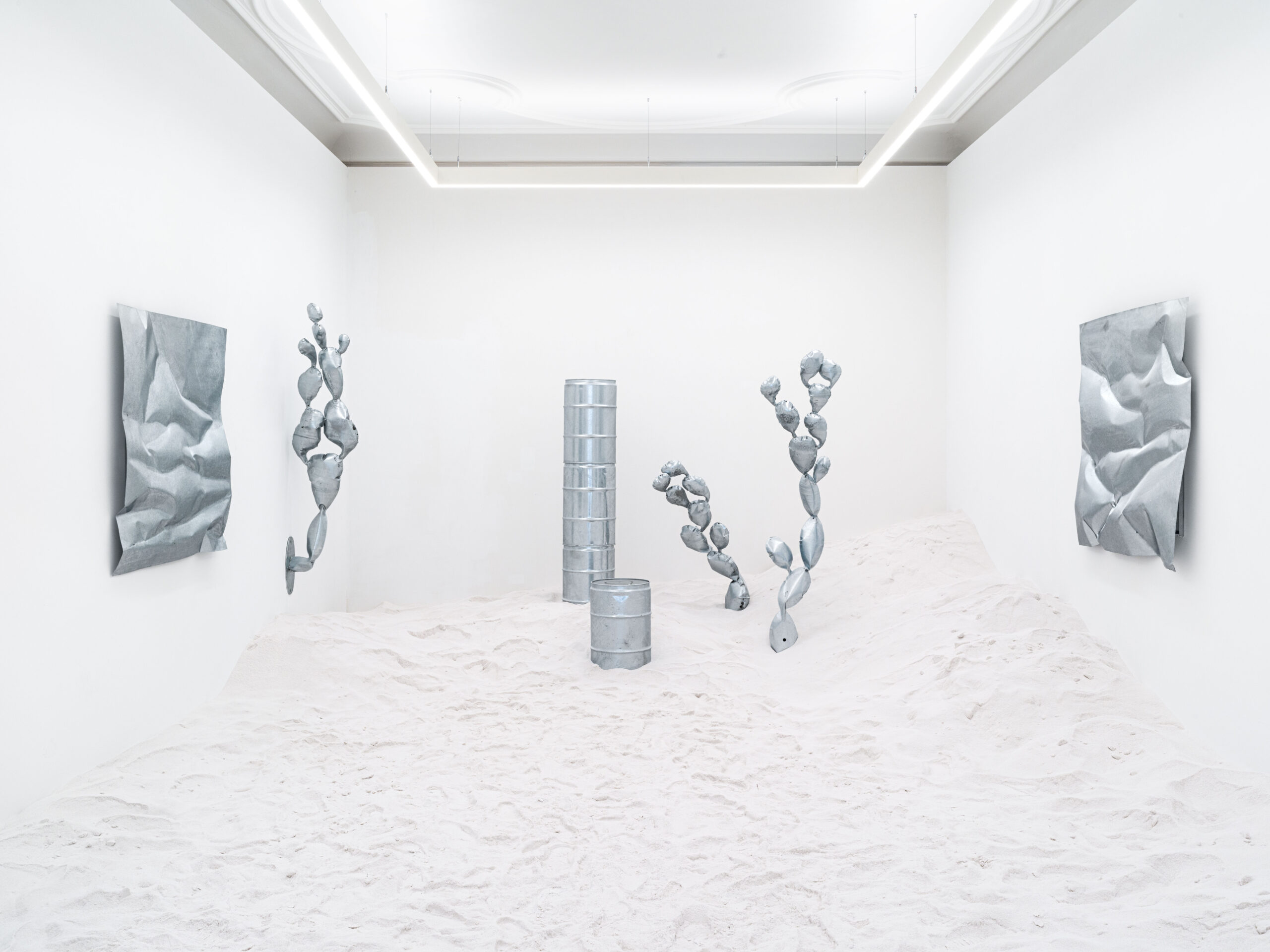
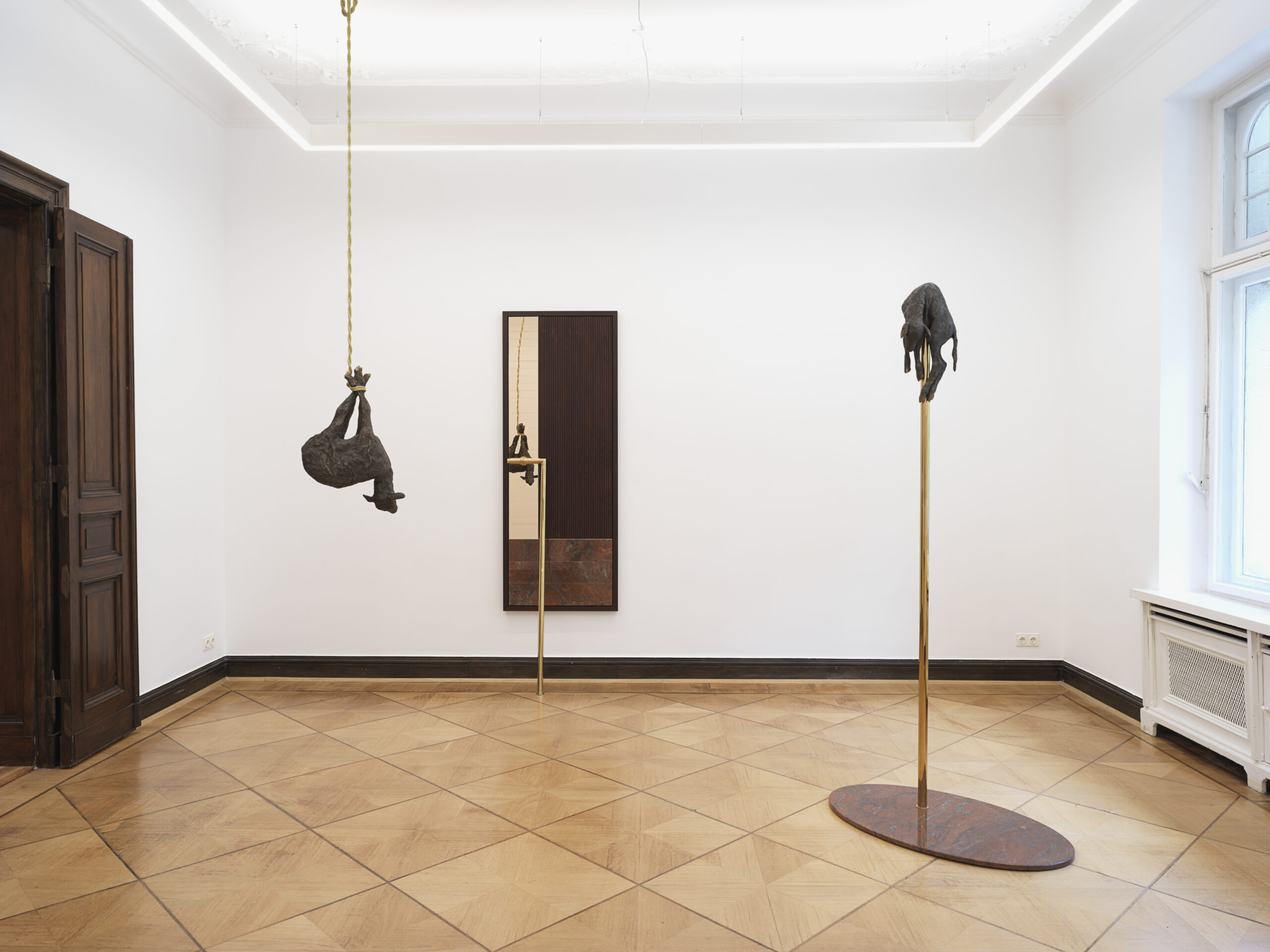
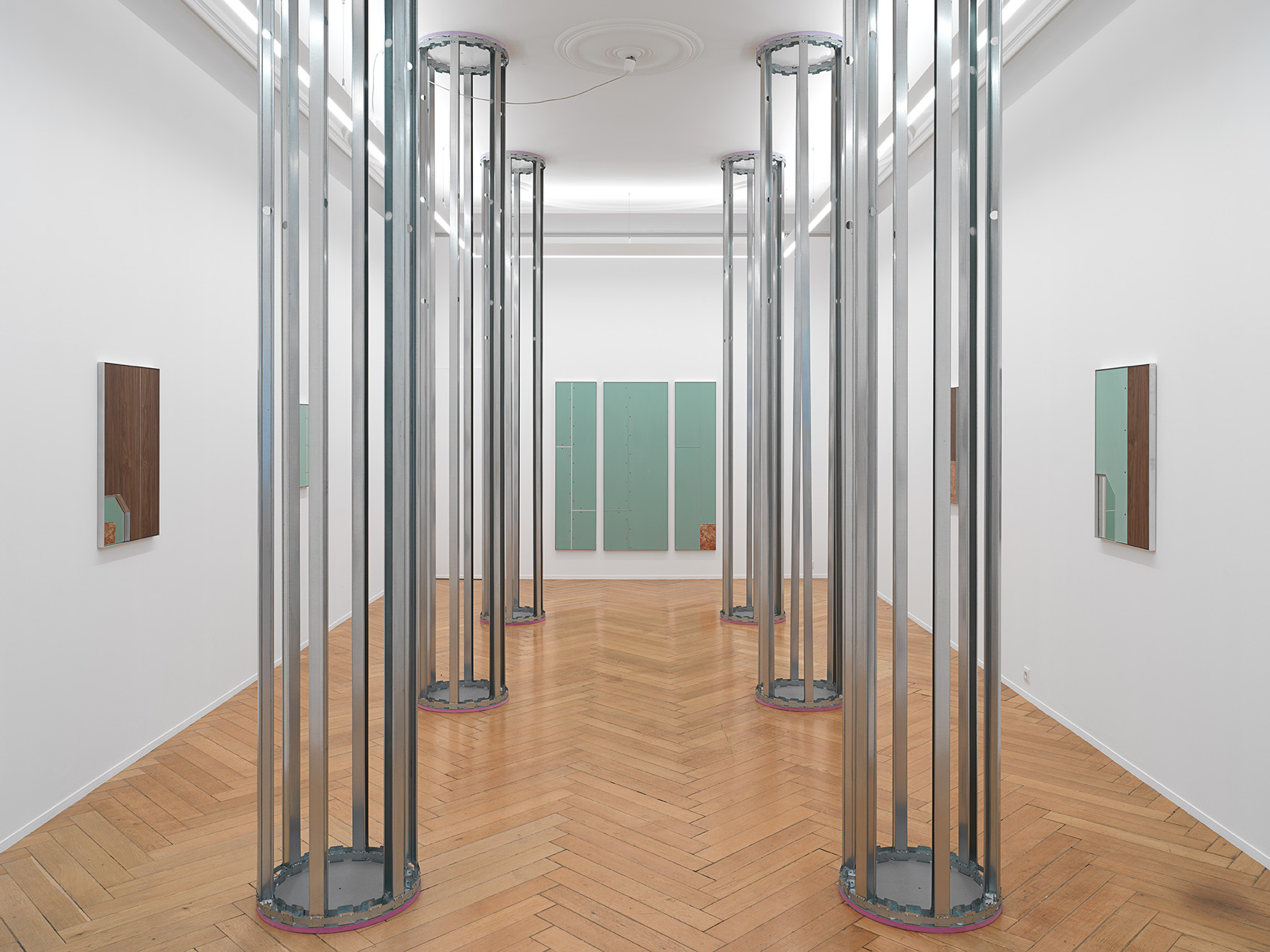
Stefan Knauf (b. Munich, 1990; lives and works in Berlin) uses selected materials such as construction supplies or plants to investigate the histories of botany, migration, trade, science, and architecture and critique an idealized and anthropocentric conception of nature that is still prevalent. His sculptures, geometric-abstract pictures, and installations, with echoes of constructivism and minimal art, are contact zones in which everything is related to everything: human and non-human history, the natural and the artificial, ecology and ideology. Knauf’s works do not propose to unravel these entanglements. Rather, they suggest alternative perspectives and topographies guided by the idea of the “modified landscape” and devise material and alchemistic forms of knowledge and a novel and multiperspectival approach to the history and reality of the Anthropocene.
More books
-

Ohne Schlüssel und Schloss
Chancen und Risiken von Big Data19,90€ Add to cartVon Kunsthandwerk zu digitaler Verschlüsselung
An jeder Haustür ziehen wir Grenzen, wir schließen auf und schließen ab. Und noch in jüngster Vergangenheit war eindeutig, was als Verschlusssache galt. Ganz anders stellt sich diese Frage im IT-Zeitalter. Ausgehend von der kunsthandwerklichen Sammlung des Museum Pfalzgalerie Kaiserslautern wird deutlich, wie in früheren Jahrhunderten über mechanisch und symbolisch aufwendig gestaltete Schlösser, Schränke oder auch Reliquienbehältnisse Distanzen austariert wurden. Sie alle sind sichtbares Vehikel für die bewusste Wahrnehmung von innen und außen, zugehörig und ausgegrenzt, wissend und unwissend oder öffentlich und privat. Für Big Data gilt dies in keiner Weise mehr. Beim Digitalen werden Serviceleistungen mit Datenerhebungen verbunden, deren weiteren Einsatzbereiche wir weder unmittelbar verstehen noch überblicken können. Historische, technologische und philosophische Überlegungen bieten wichtige Beträge zur aktuellen Debatte und Einschätzung der Risiken und Chancen von Big Data.
-

Liam Gillick
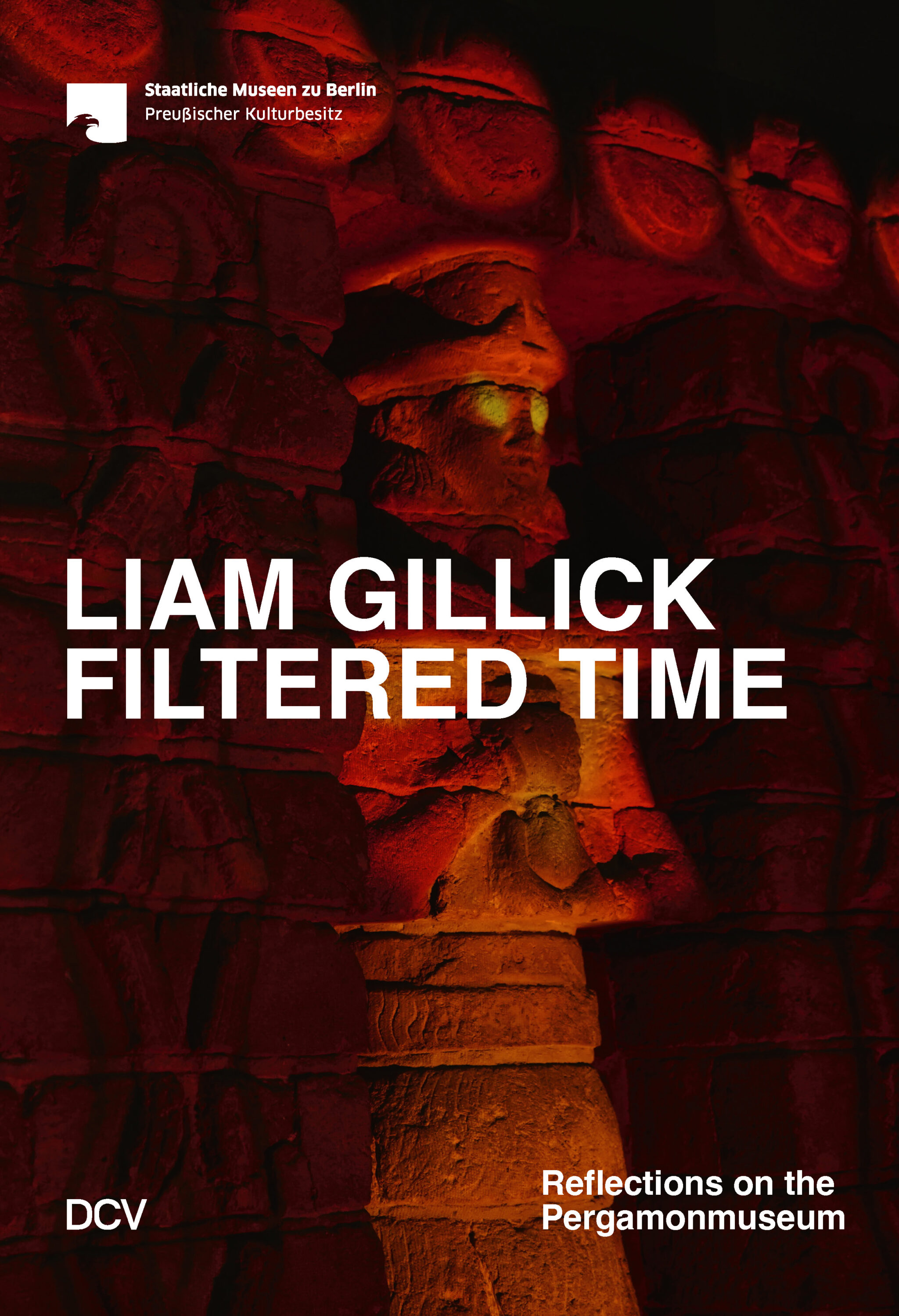
Filtered Time (ENGLISH)28€ Add to cartThe sculptor and object artist Liam Gillick (b. Aylesbury, UK, 1964; lives and works in New York) has created an intervention titled Filtered Time for the historic galleries of the Pergamon Museum in Berlin. Projections of light and color and acoustic effects condense six thousand years of cultural history into an immersive spatial experience. Gillick initiates a conversation between the iconic Processional Way and the Ishtar Gate from Babylon, the monumental sculptures of Tell Halaf, and other exhibits, engendering new layers of meaning across all historical periods. The first joint project of the Vorderasiatisches Museum and the Hamburger Bahnhof—Nationalgalerie der Gegenwart makes for a singular visual and sensory experience. Designed by the artist himself, the publication not only documents the richly colorful production, but also provides insight into the eventful history of the museum, which is approaching its centennial.
Liam Gillick studied at the Hertfordshire College of Art in 1983–1984 and at Goldsmiths, University of London from 1984 until 1987. Gillick is a prolific published writer as well, producing essays, reviews, fiction, and theatrical scenarios.
-

Kensise Anders
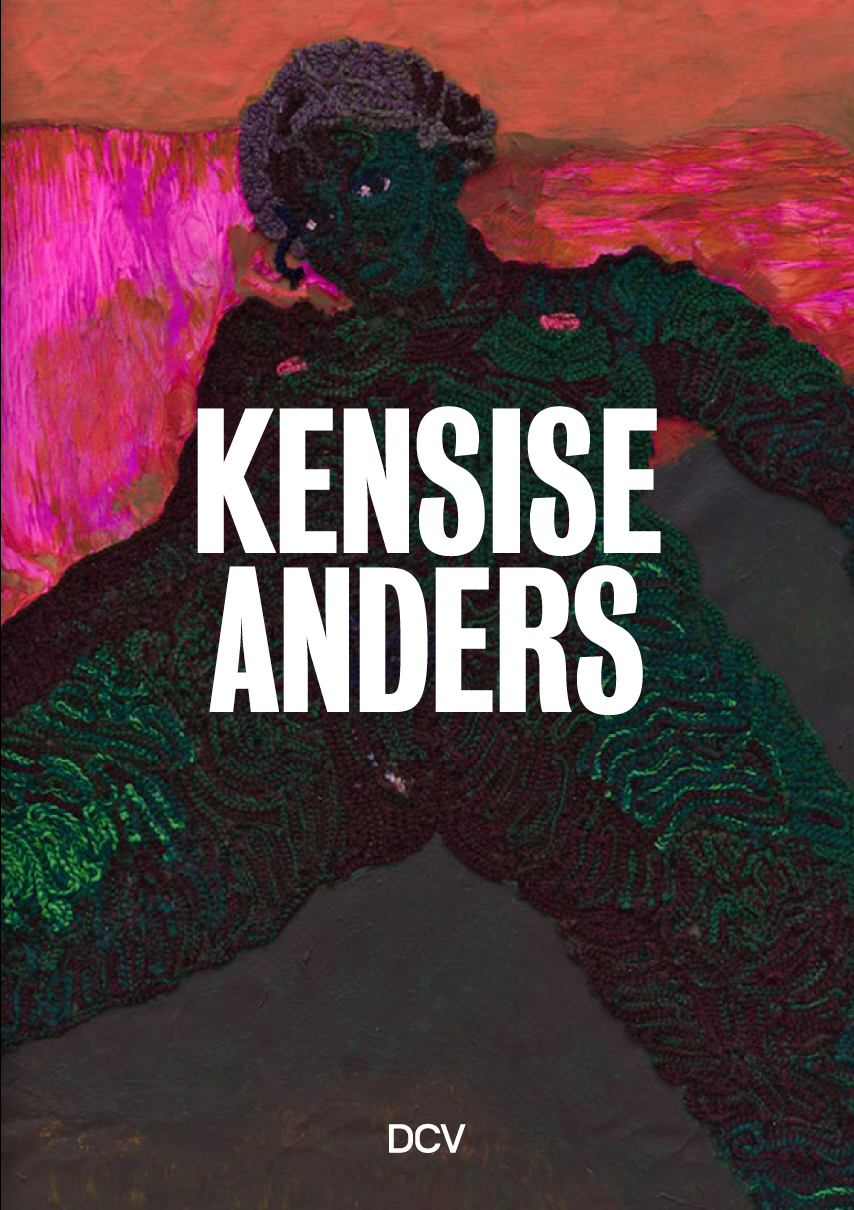
10€ Add to cartKensise Anders’s work grapples with the reality of Black people’s lives. Born in Haiti, she was adopted by a German family when she was two. After a difficult childhood, with stints in a psychiatric institution and a boarding school, she eventually found art as a medium that lets her work through her experiences. She uses the crochet needle to create masks with which she ironically appropriates white identities and play carpets that show the world of her childhood—apartment blocks, streets; the “hole,” as she calls this environment. She also arranges crocheted threads on the canvas as though they were brushstrokes. One series of pictures is dedicated to a Black doll; another, to naked female bodies, including the artist’s own, with references to Courbet’s L’Origine du monde (1866). The works are acts of resistance to the prudishness of whites. Black dolls became popular in this country during the colonial era and never quite went away, like the racism in our society and in our heads. Anders’s weapon against that racism is the crochet needle, which she wields patiently and with flair as well as the necessary radicalism.
-

Hans Karl Zeisel
Hundred and more34,95€ Add to cartPossibilities of Concrete Art
What is possible without turning away from the cocrete? In the Bauhaus tradition, the typographer, graphic artist, designer and author Hans Karl Zeisel opens up countless design options with basic forms. His wooden cuboids demand a humorous approach to sculpture. They are creativity training, study tools and meditation game all in once. A playful experiment that reveals the diversity of concrete art.
-

Pokorny
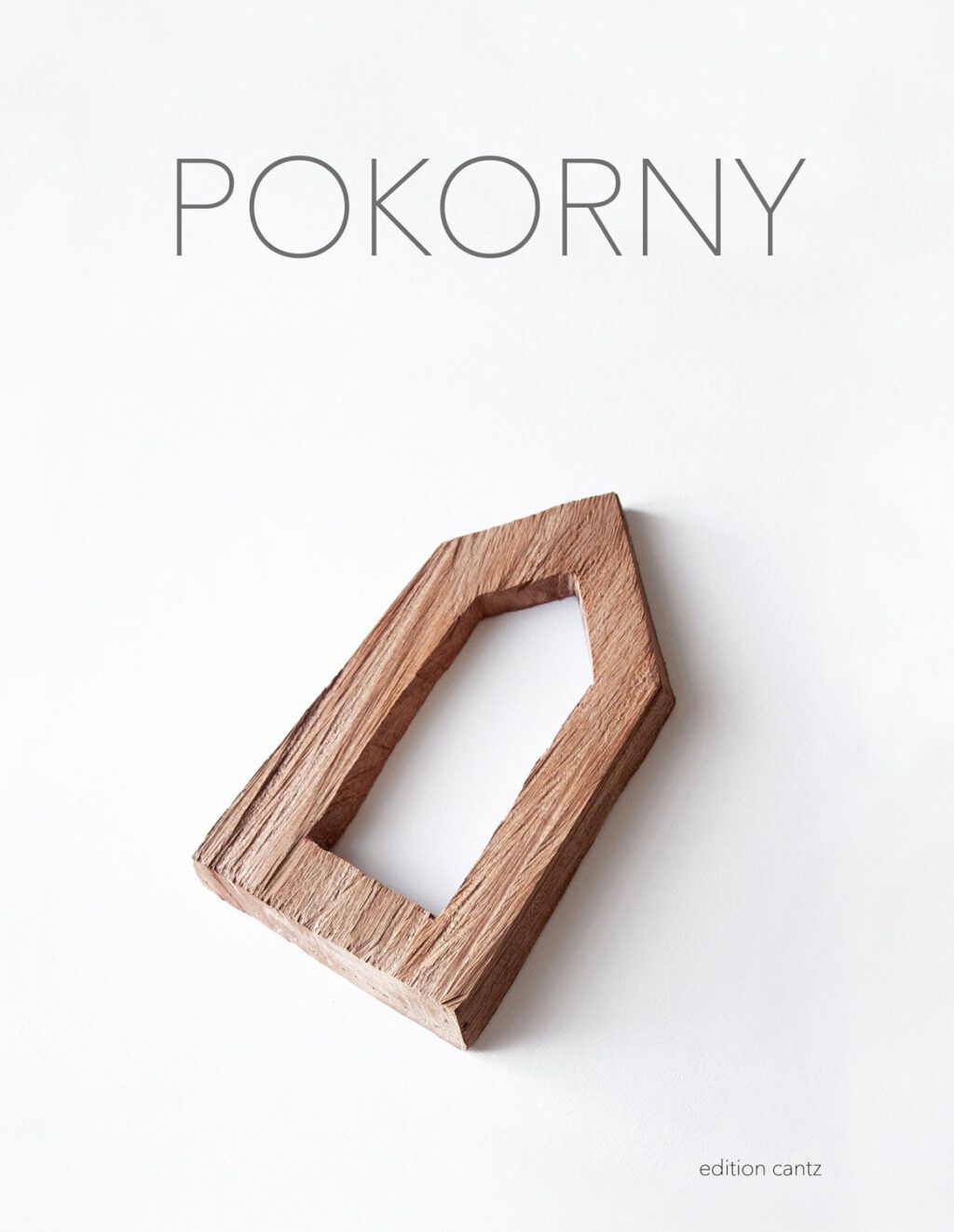
25€ Add to cart“Abstraction means the omission of the irrelevant and the unnecessary in order to find more substantial content and form.”—Werner Pokorny
His often monumental sculptures can be found in many places in Germany and abroad, including Aachen, Berlin, Busan (South Korea), Frankfurt am Main, Freiburg, Karlsruhe, Riehen, Saarbrücken, and Stuttgart. Werner Pokorny works (b. 1949, Mosbach; lives and works in Ettlingen) exclusively with Corten steel for his outdoor sculptures and with wood, steel, and bronze for his indoor works. Well-known basic forms such as bowls, spheres, cuboids, and houses serve as points of departure and reference, which are abstracted by reduction, rotation, tilting, or combination with other elements. The artistic field of tension characteristic of Pokorny’s impressive sculptural oeuvre is due to the oscillation between form and abstraction, figure and reduction, hard edges and soft curves.
-

Jörg Heieck
CRUX29€ Add to cartTwo Fascinating Series of Works by the Photographer and Physicist
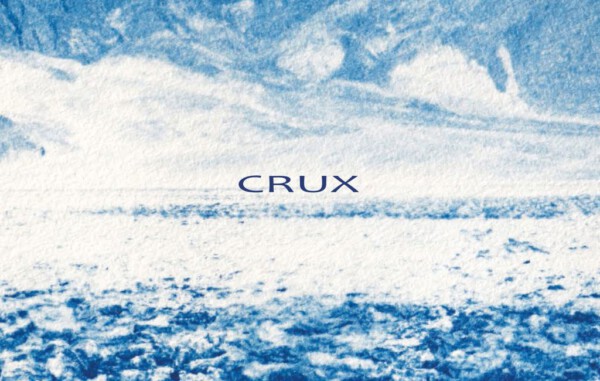
Expertly wielding the vintage photographic technique of the cyanotype, Jörg Heieck (b. 1964, Münster; lives and works in Kaiserslautern) transmutes nature into a fascinating play of shades of blue and defamiliarized shapes. Desolate sceneries, barren landscapes—the first series gathered in the book was created in the Sahara, Iceland, and Spitsbergen. Humanity has reached a crossroads: can we avert the destruction of the planet? Contrasting this symbolic crux, the second section presents populated intersections replete with signage from China, Japan, Russia, Israel, India, Greece, and Georgia. With these panoramas of urban life standing as a counterpoint to the abstraction in the photographs in the first section, the book offers insight into the artist’s extraordinary oeuvre.
Jörg Heieck has a PhD in physics and worked for many years as a researcher at Agfa, Kodak, and the ITER nuclear fusion reactor project. His art has been shown in numerous countries, including at the Goethe-Institutes in Damascus and Beirut, the Aleppo International Photo Festival, the Wilhelm-Hack-Museum, Ludwigshafen, and Kunsthalle Mannheim.
-

Alexander Ruthner
Cour: Sommer36€ Add to cartContemplating Nature in a Reduced-Mobility Environment
“The events of the year 2021, which was defined by lockdowns, the pandemic, and restrictions, has brought out the resonance in my pictures of Gustave Courbet’s realism,” Alexander Ruthner (b. Vienna, 1982; lives and works in Vienna) says about his most recent works: oil paintings featuring lush green vegetation and veritable down comforters painted all-over in saturated color gradients. The works will make their public début as the publication is released in the summer of 2021, hence the word “Sommer” in the title. The other word, “Cour,” is a nod to the first syllable of the French painter’s name as well as French for “court,” a term the artist creatively reinterprets as a synonym for the solitary “castle of the mind” to which we have retreated under pandemic conditions. Ruthner, who studied with Peter Kogler, Daniel Richter, and Albert Oehlen, revisits the boscage and pasture painting of past eras in new works that propose a distinctive personal interpretation of that tradition’s charm.
Alexander Ruthner’s work has been shown at Kunsthalle Wien, the Whitechapel Gallery, London, and the National Museum of Montenegro, among other venues.
- temporarily not available

Shara Hughes
Day by Day by DayRead moreGraphic Manifestations of the Unconscious
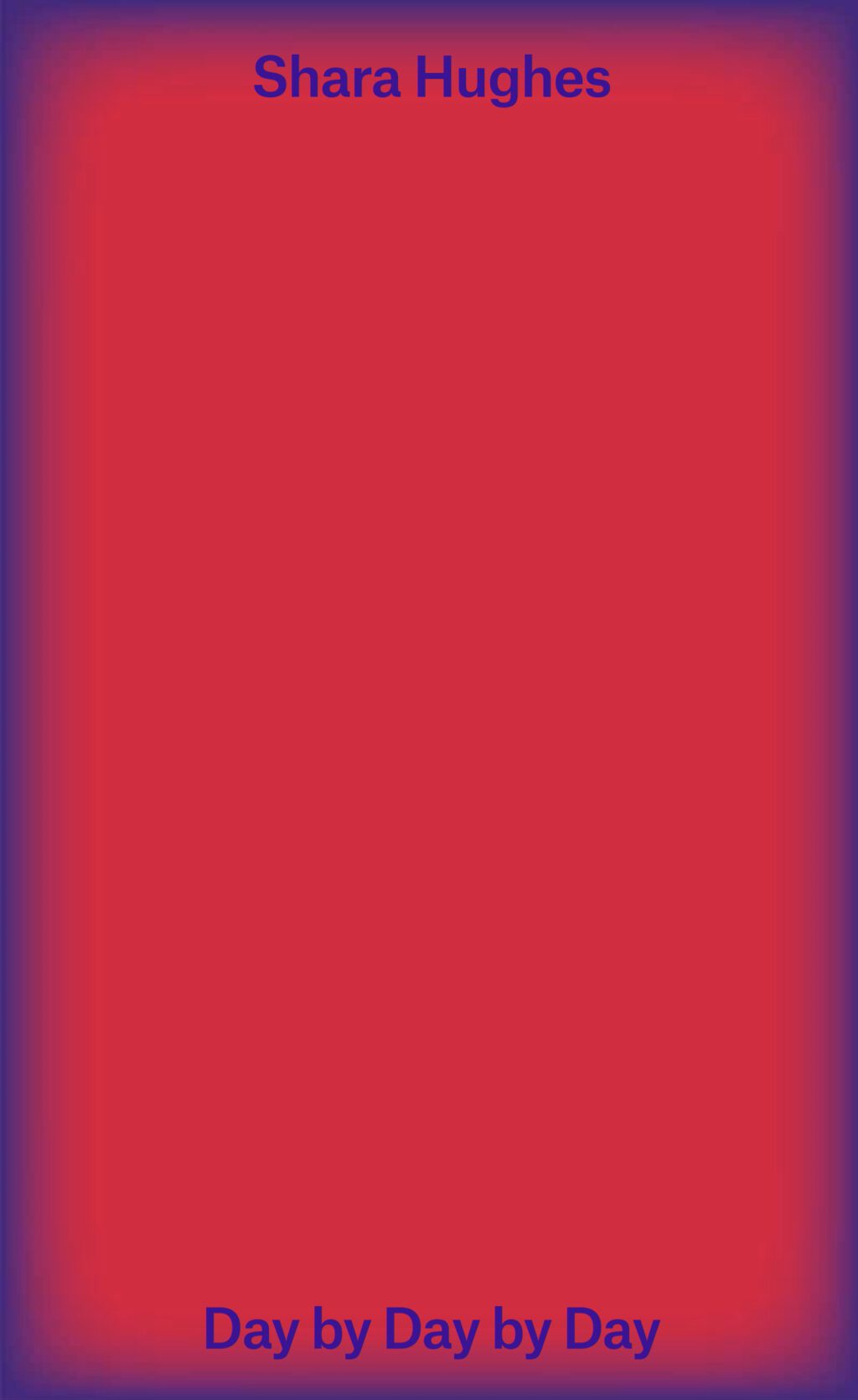
The painter Shara Hughes (b. Atlanta, GA, 1981; lives and works in Brooklyn, NY, USA) is one of the rising stars of the American arts scene. Her colorful imaginary landscapes, executed in a radiant palette and with an expressive gesture, pay homage to the Symbolists, the Fauves, and the Expressionists, whose artful handling of lighting and depth she deftly emulates. In an intuitive approach, Hughes applies paints to the canvas that match her present state of mind. She calls her pictures “emotional landscapes” and notes that she does not know what will happen next; her work on them touches on a vulnerable boundary. The lavish book presents numerous works on paper, most of them in large formats, and contains an essay by the New York-based art critic Andrew Russeth.
Shara Hughes graduated from the Rhode Island School of Design and later attended the Skowhegan School of Painting & Sculpture in Madison, ME. She has had solo shows at the Arts Club, London, the Newport Art Museum, the Metropolitan Opera, New York, and the Museum of Contemporary Art of Georgia, Atlanta. In 2017, her work was included in the Whitney Biennial at the Whitney Museum of American Art, New York.
-

Joanna Pousette-Dart
32€ Read more„A kind of Dialogue between Myself and the Horizon.“
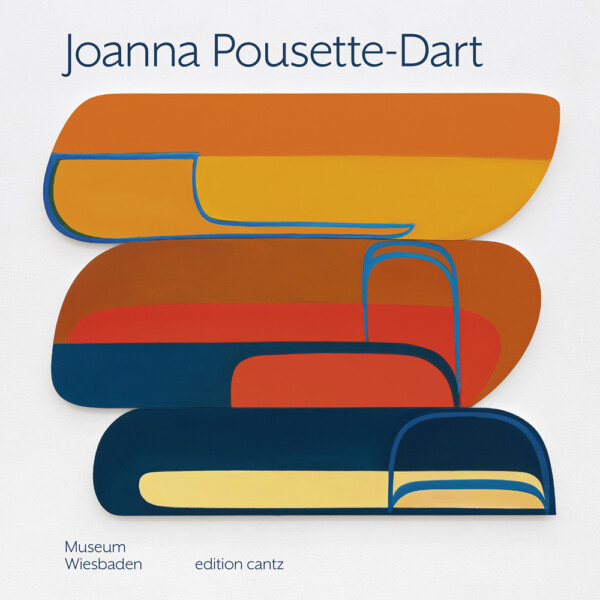
The works of Joanna Pousette-Dart (b. 1947, New York; lives and works in New York) are deeply rooted in the vast expanse of the American desert landscape, without ever committing themselves to a strict objectivity. As early as the 1970s, the artist abandoned the rectangular form of her canvas in favor of dynamically balanced panels that open out to the respective space. This volume presents her fascinating paintings from 2004 till 2019, which oscillate between landscape and abstraction, line and form. Born in New York to abstract expressionist painter and founding member of the New York School of painting, Richard Pousette-Dart, Joanna Pousette-Dart’s experience as a painter rises from rich tradition. Her work is held in the collection of the Museum of Fine Arts, Boston, the Solomon R. Guggenheim Museum, New York, and the Museum of Modern Art, New York, amongst others.
-

Me, Family
Portrait of a Young Planet40€ Add to cartA Journey Through Many Worlds
In these times of great uncertainty, the themes that surface in the works of the thirty-six international artists gathered in Me, Family are more relevant than ever. Compiled by Francesco Bonami with a nod to Edward Steichen’s historic exhibition The Family of Man, the volume paints a multifaceted portrait of humanity in the early decades of the twenty-first century. The original installation of photographs and excerpts from writers opened at the Museum of Modern Art in New York in 1955 and then went on a seven-year tour of one hundred and fifty museums all over the world. Matching the radicalism of Steichen’s conception, Me, Family presents works by contemporary artists who harness a wide range of media and genres to explore the ways in which humans today engage with their manifold coexistent histories and the diverse challenges they confront. Including reproductions of contemporary art as well as representations of social networks, fashions, information technologies, advertising, sound, music, and performances, the book captures a reality that is beautiful, dramatic, and intoxicating by turns. With writings by Roland Barthes, Francesco Bonami, Edward Steichen, and others.
With works by Lawrence Abu Hamdan, Doug Aitken, Sophia Al Maria, Yuri Ancarani, Darren Bader, Lara Baladi, Cao Fei, Cheng Ran, Clément Cogitore, István Csákány, Christian Falsnaes, Harun Farocki, Simon Fujiwara, Rainer Ganahl, Theaster Gates, Jack Goldstein, Andreas Gursky, Thomas Hirschhorn, Hassan Khan, Ga Ram Kim, Olia Lialina, Li Ming, Cristina Lucas, Karolina Markiewicz & Pascal Piron, Eva & Franco Mattes, Shirin Neshat, Philippe Parreno, Mario Pfeifer, Jon Rafman, Cindy Sherman, Marianna Simnett, Rudolf Stingel, Thomas Struth, Wolfgang Tillmans, Jordan Wolfson, Wong Ping, and Akram Zaatari.
-

6 U L
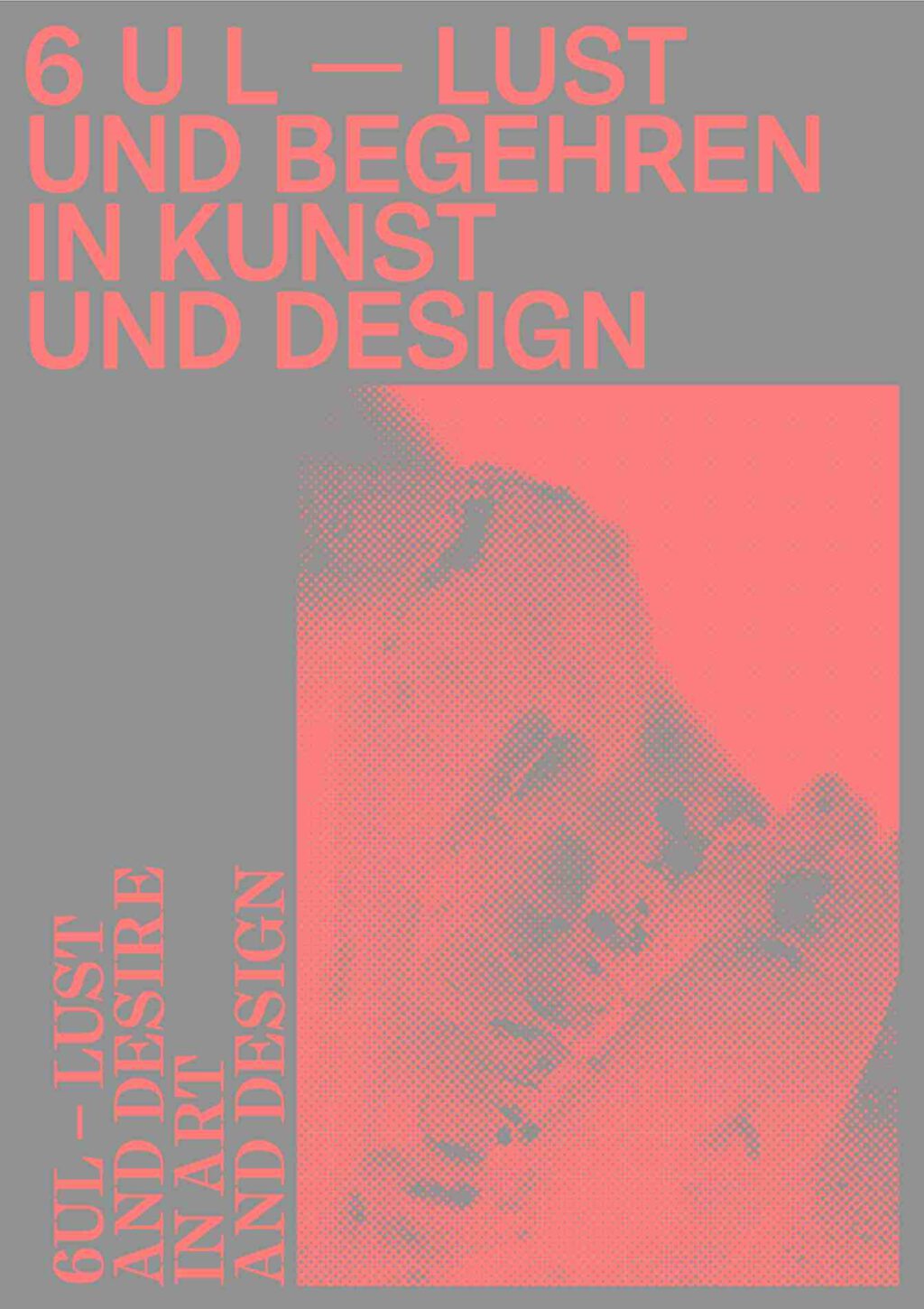
Lust and Desire in Art and Design28€ Add to cart“Whose Jizz is this?” Sechs-u-ell: to make sense of the publication title, trust your college German and your phonetic ear. “Sexual,” here, comprises the entire broad spectrum of what we associate with carnal pleasure. Lust, desire, ecstasy, repression, obsession—the world of art, fashion, and design abounds with specimens of eroticism and sexuality in their infinite variety, shopworn stereotypes be damned. Looking back on the thorough revision of society’s ideas about sexuality in the past three decades, the book inquires into how the works of visual artists, fashion creatives, and designers reflect today’s public debates over biological and social gender roles, power structures, and sexual violence or the fading of taboos over sexual practices. With works and designs by Walter Van Beirendonck, Monica Bonvicini, Tracey Emin, Hans-Peter Feldmann, Jürgen Klauke, Peaches, Cindy Sherman, Kara Walker, Vivienne Westwood, and many more. This book documents a grand exhibition scheduled for the past summer at the GRASSI Museum of Applied Arts, Leipzig, which had to be canceled due to the Covid-19 pandemic.
-

Billy Al Bengston
Paintings & Watercolors48€ Add to cartThe First Monograph on the Californian Pop Artist Since More Than Thirty Years
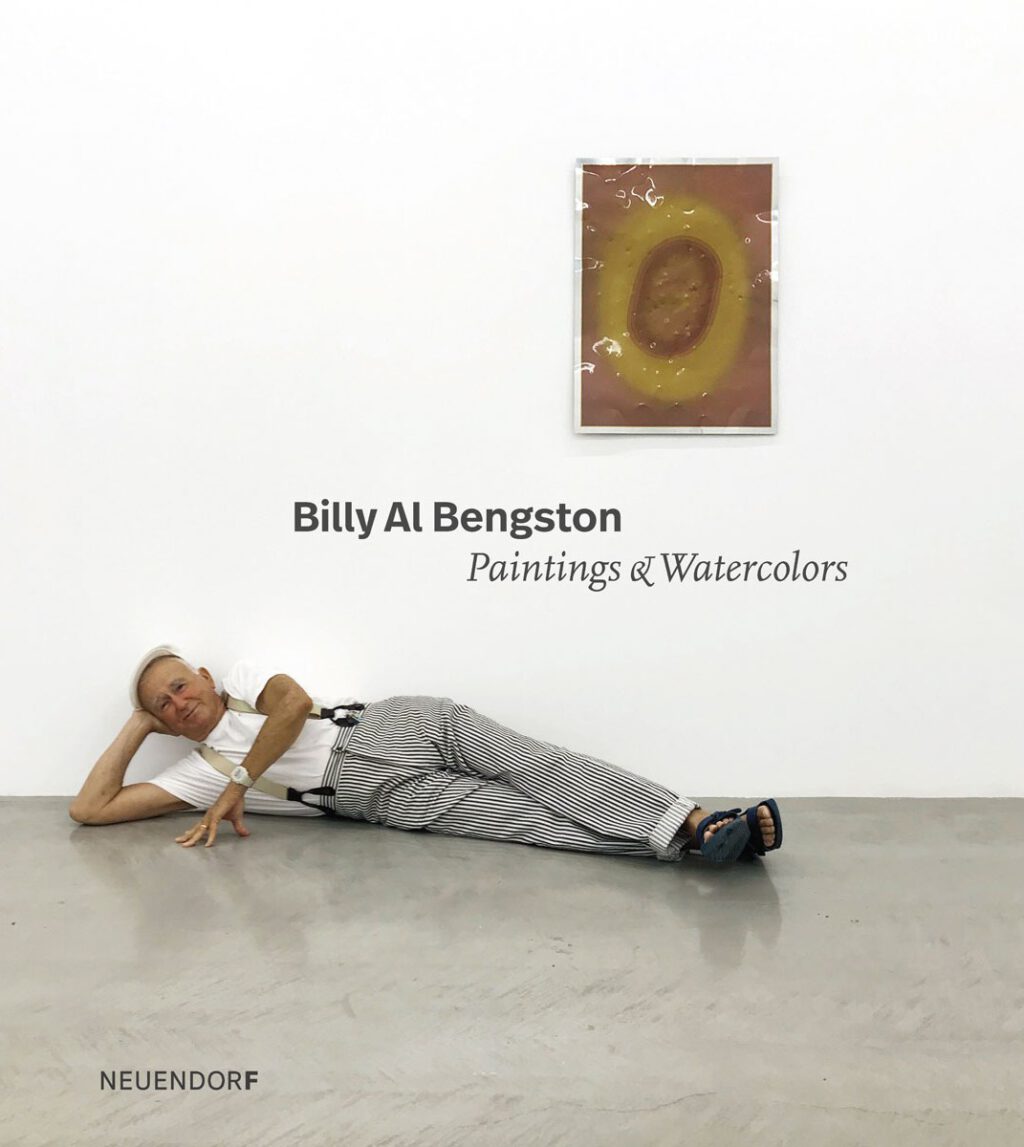
Billy Al Bengston (b. 1934, Dodge City; lives and works in Venice, California, and Honolulu, Hawaii) is the very personification of the cheerful, carefree attitude towards life in California – with his work as well as his person: a former surfer and motorcycle racer, an extravagant artist and key figure of West Coast Pop Art. After studying at the California College of Arts and Crafts and the Otis Art Institute, he exhibited at the legendary Ferus Gallery in 1957 and was the central figure among a group of artists that included Frank Gehry, Edward Kienholz, Ed Ruscha, and Ken Price. BAB, as he apostrophizes himself, inserts car and motorcycle parts as motifs into his otherwise abstract paintings, using lacquer and spray paint instead of oil, and aluminum panels with at times dented surfaces instead of the traditional canvas. Art and lifestyle combine to create the individual “Bengston iconography” of California Cool.
-

Roland Schappert & Wolfgang Ullrich
Aktualitätsjetzt16€ Add to cartPhilistinism, climate change, legitimation discourses—in a tour de force sustained by profound knowledge of the phenomena in question, AKTUALITÄTSJETZT blazes trails through the jungle of contemporary art and its current debates. Over the course of two years, the art scholar and author Wolfgang Ullrich initiated 14 dialogues on Schappert’s word paintings, murals, and interventions. Their distinctive formal features and conceptual and substantial dimensions inspired illuminating conversations that range far beyond the specific works to explore today’s art world and questions of the philosophy of art and the sociology of culture. The best volume of dialogues on art since David Sylvester’s interviews with Francis Bacon.
-

10 Jahre Württembergische Volksbühne
Reprint der Festschrift von 192915€ Add to cartCentennial Publication of the Württembergische Landesbühne Esslingen
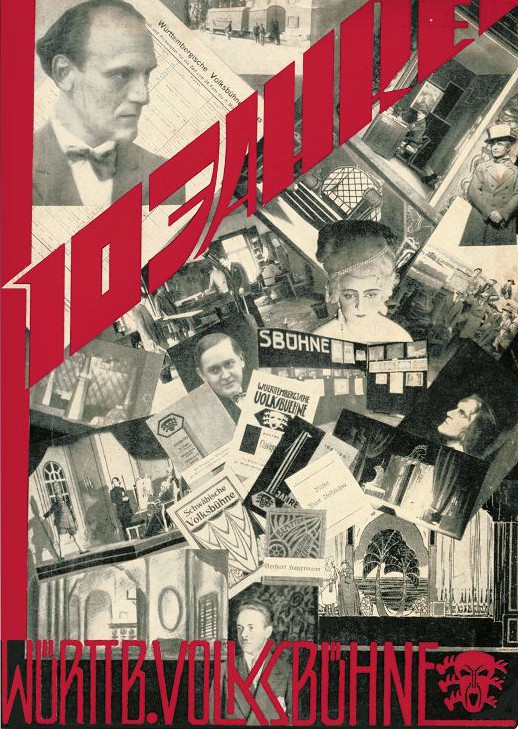
In 2019, the Württembergische Landesbühne Esslingen (WLB)—one of the oldest regional theatres in Germany—is celebrating its 100th anniversary. On the occasion of this anniversary, the tenth commemorative publication by the Württembergische Volksbühne from 1929 is being reprinted. The unique document of the time visualizes in a special way the important role that the topics of cultural education and culture in rural areas, which are still relevant today, played in the young Weimar Republic immediately after the First World War. The brochure also documents both the mission and the daily work of the theater. In addition, the reprint is complemented by an essay from Joachim J. Halbekann, the principal of municipal archive of Esslingen, providing—for the first time in the history of the WLB—a comprehensive historical essay that examines the time betweeen 1919 and 1933/34.
-

Beate Höing
It’s all about Love28€ Add to cartRecollections—What remains?
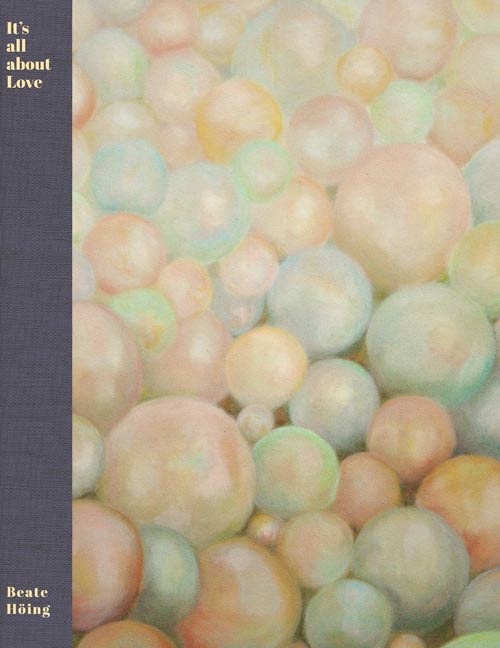
The painter and ceramist-sculptor Beate Höing (b. 1966, lives and works in Coesfeld and Münster) creates works of art whose aesthetic is deeply informed by the ornamentation and manual techniques of folk art. Drawing inspiration for her motifs from souvenir culture, but also from fairy tales and myths, she unfurls her burgeoning imagination in works defined by an unmistakable style and a singular allure. Poetic pictures and sculptures deftly toy with the conventions of kitsch and forms of traditional craftsmanship. Tangible objects, associations, and recollections coalesce in an ambivalent play between reality and fiction in which only a fine line separates dream from nightmare, congeniality from alarm.
The lavishly illustrated monograph presents a comprehensive survey of the artist’s output between 2011 and 2021.
-

Candida Höfer
Kunsthistorisches Institut Bonn35€ Add to cartThe Kunsthistorisches Institut Bonn, Yesterday and Today
The imposing presence of architecture captured in the absence of humans: that is the defining characteristic of the photographs with which Candida Höfer (b. 1944, Eberswalde; lives and works in Cologne) has risen to international renown. In 1992, she captured the Kunsthistorisches Institut der Rheinischen Friedrich- Wilhelms-Universität Bonn in ten analogue black-and-white pictures that have not been on public display. In 2020, Höfer returned to the institute to take more pictures using a digital camera. The two series now make their public début in the institute’s halls and are gathered in this book. Undertaking a historically and aesthetically captivating comparison, Höfer probes the ways in which university life has changed over almost three decades.
Candida Höfer was a member of Bernd Becher’s inaugural photography class at the Kunstakademie Düsseldorf. Her works were shown at documenta 11 in 2002, and in 2003, she and Martin Kippenberger represented Germany at the 50th Biennale di Venezia.
- Out of stock

Soulages
Malerei 1946–201942€ Read more“I paint not with black but with light.”
Pierre Soulages (b. Rodez, France, 1919; lives and works in Paris and Sète, France) is an eminent figure in abstract painting. A member of the Nouvelle École de Paris, he developed his first nonobjective pictures early on, in 1946, putting bars of bold color, typically black, on white grounds. His embrace of total non-representationality, an art that depicts nothing, that stands for nothing but itself, amounted to a radical challenge to the traditional values of painting. In 1979, his work entered a new phase, a painting he calls “outrenoir” or “beyond black.” Soulages now occupies a singular position, and not only by virtue of his choice of materials such as walnut stain and tar and implements like scrubbers, iron hooks, and spatulas. The book documents the arc of his oeuvre from his beginnings after World War II to the present. Illustrating the evolution of his art, it shows how he remained true to his creative vision, a consistency that is doubly imposing given the extraordinary length of his career.
Pierre Soulages studied at the École Régionale des Beaux-Arts, Montpellier, before moving to Paris in 1946. He contributed work to documentas I, II, and III and the 26th Biennale di Venezia. His work has been shown at the Museum of Fine Arts, Houston; the Hermitage Museum, Saint Petersburg; the Musée du Louvre and the Centre Pompidou, Paris; and the Musée Fabre, Montpellier. The Musée Soulages in his native Rodez opened in 2014.
-

Stephan Kaluza
Mechanik Sehnsucht. Kunsterzeugung und Betrachtung14€ Add to cartUngewohnte Antworten aus der Sicht des Kunsterzeugers
Die Frage, was Kunst ist und wie sie entsteht, wird gerne von denen beantwortet, die sie selbst nicht erzeugen. Die Betrachtung und Interpretation steht im Vordergrund und damit eine wissenschaftliche Distanz zur Kunst. Es gibt aber durchaus die Eigen-Betrachtung derer, die Kunst aktiv herstellen und naturgemäß einen inneren Blick auf die prozessualen Bedingungen haben, die überhaupt erst das entstehen lassen, was anschließend betrachtet und beurteilt wird. Diese Sichtweise ist nicht zwangsläufig identisch mit der von außen. Nicht die Interpretation oder eine deduktive Schlüssigkeit steht hier im Vordergrund, sondern ein ableitender und besonders ein schöpferischer Sinn, der sich aus dem Prozess des Kunstherstellens von selbst ergibt.
Die Arbeiten von Stephan Kaluza (geb. 1964 in Bad Iburg, lebt und arbeitet in Düsseldorf) wurden unter anderem im Ludwig Museum Koblenz, im State Contemporary Art Museum, Seoul, in der Kunsthalle Osnabrück, im Palacete des Artes Rodin, Salvador, im Museum on the Seam, Jerusalem, sowie in der KAI 10 | Arthena Foundation, Düsseldorf, ausgestellt.
-

Stephan Kaluza
Die dritte Natur14€ Add to cartThe Nature of Art as Totality and Idyll
The philosophy of nature is central to the artist Stephan Kaluza’s (b. Bad Iburg, 1964; lives and works in Düsseldorf) work. As he sees it, there exists a succession of different natures: first nature is Kaluza’s designation for a world as immediately felt by (early) humans, part of an encompassing and close-range experiential totality they labeled ‘nature’ and perceived as a physical, but also spiritual and emotional concatenation of events. Second nature is stripped down to an objective and utilitarian quality; nature becomes a resource, the basis of life, the environment. In a kind of linguistic turn, speech mediates a surrogate, an alternative world, that positions nature as culture’s opposite; the former becomes replaceable in favor of latter. Yet this culture is far from devoid of yearnings for the immediacy that it has lost, and so develops an ‘artificial idyllic nature’ in turn. This third nature of the arts—a purely human nature—harks back to the archetypes of a first nature in escapism and totalized immersion.
- Release March 2026
Monet – Cézanne – Matisse
The Scharf Collection48€ Add to cartThe Scharf Collection is a German private collection of French art from the nineteenth and twentieth centuries and international contemporary art. Now in its fourth generation, it continues a branch of the renowned Otto Gerstenberg Collection in Berlin, which encompasses everything from the beginnings of modernism, represented by Francisco de Goya, to the French avant-garde of the second half of the nineteenth century with Gustave Courbet, Edgar Degas and the entire graphic oeuvre of Henri de Toulouse-Lautrec. The richly illustrated catalog accompanies the collection’s first comprehensive exhibition at the Kunstpalast in Düsseldorf and the Alte Nationalgalerie – Staatliche Museen zu Berlin.