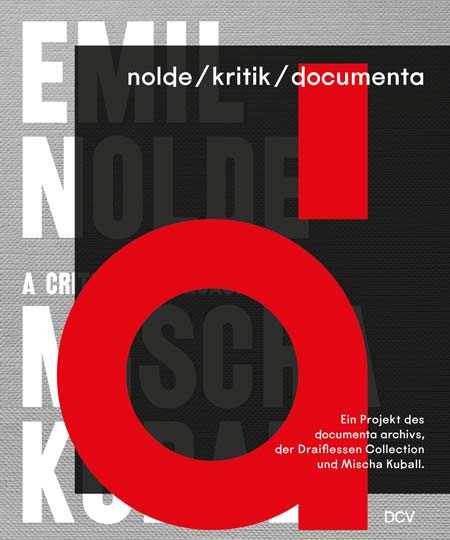
nolde/kritik/documenta (German)
 | |
|---|---|
| Editor(s) | Birgitta Coers / documenta archiv, Martin Brenninkmeijer, Corinna Otto / Draiflessen Collection |
| Author(s) | Astrid Becker, Birgitta Coers, Sabine Fastert, Jens Kastner, Nicole Roth, Barbara Segelken, Bill Sherman, Wolfgang Ullrich |
| Design | Studio Carmen Strzelecki |
| Cover | Softcover |
| Size | 18 x 21,5 cm |
| Pages | 220 |
| Illustrations | 30 color and 70 b/w |
| Language(s) | German |
| ISBN | 978-3-96912-076-7 |
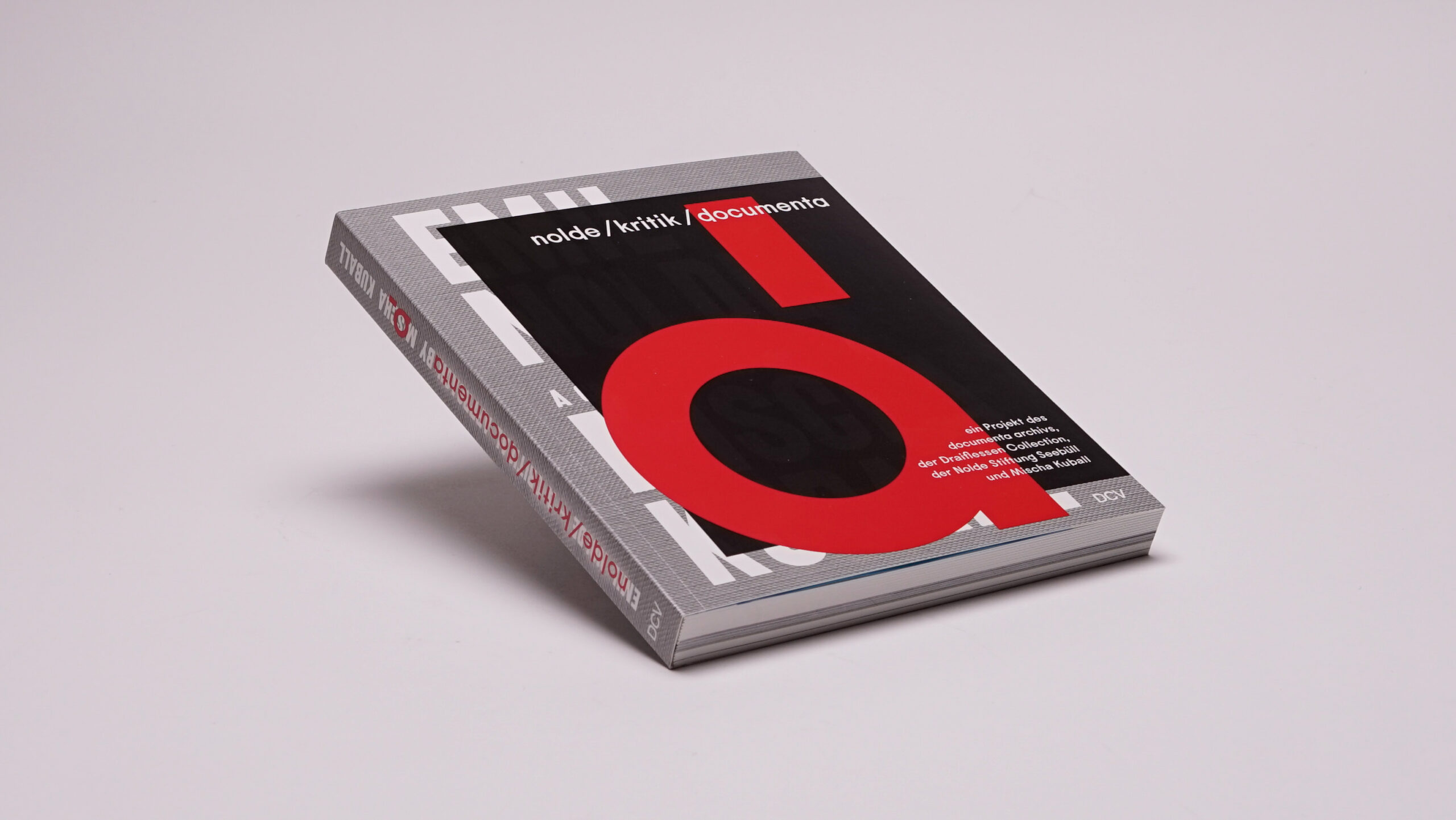
Emil Nolde (1867–1956) ranks among the best-known classic modernists. Contemporary perceptions of the artist and his oeuvre are informed by mythmaking as well as its deconstruction. After the Second World War, Nolde himself and art historians of the time portrayed him as a victim of Nazi persecution. More recent critics have drawn attention to his anti-Semitic views and his opportunism in his dealings with the Nazi authorities.
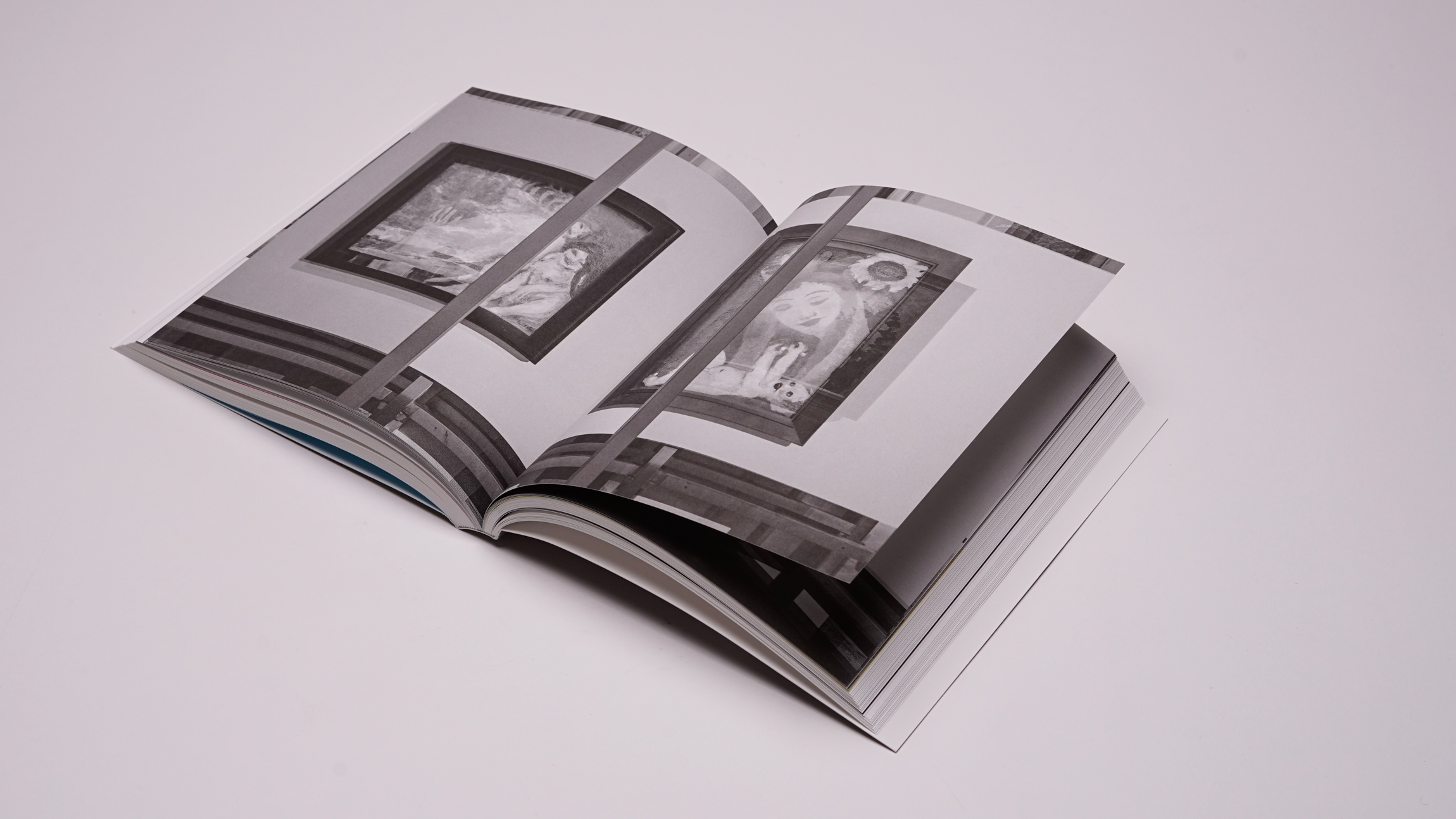
With support from the Nolde Foundation, Seebüll, the Düsseldorf-based conceptual artist Mischa Kuball (b. 1959) delved into the documentary record to shed light on this profoundly ambivalent figure and frame a critical perspective on Emil Nolde’s output and actions. The first fruits of his endeavors were shown at the Draiflessen Collection, Mettingen, in the winter of 2020–2021.
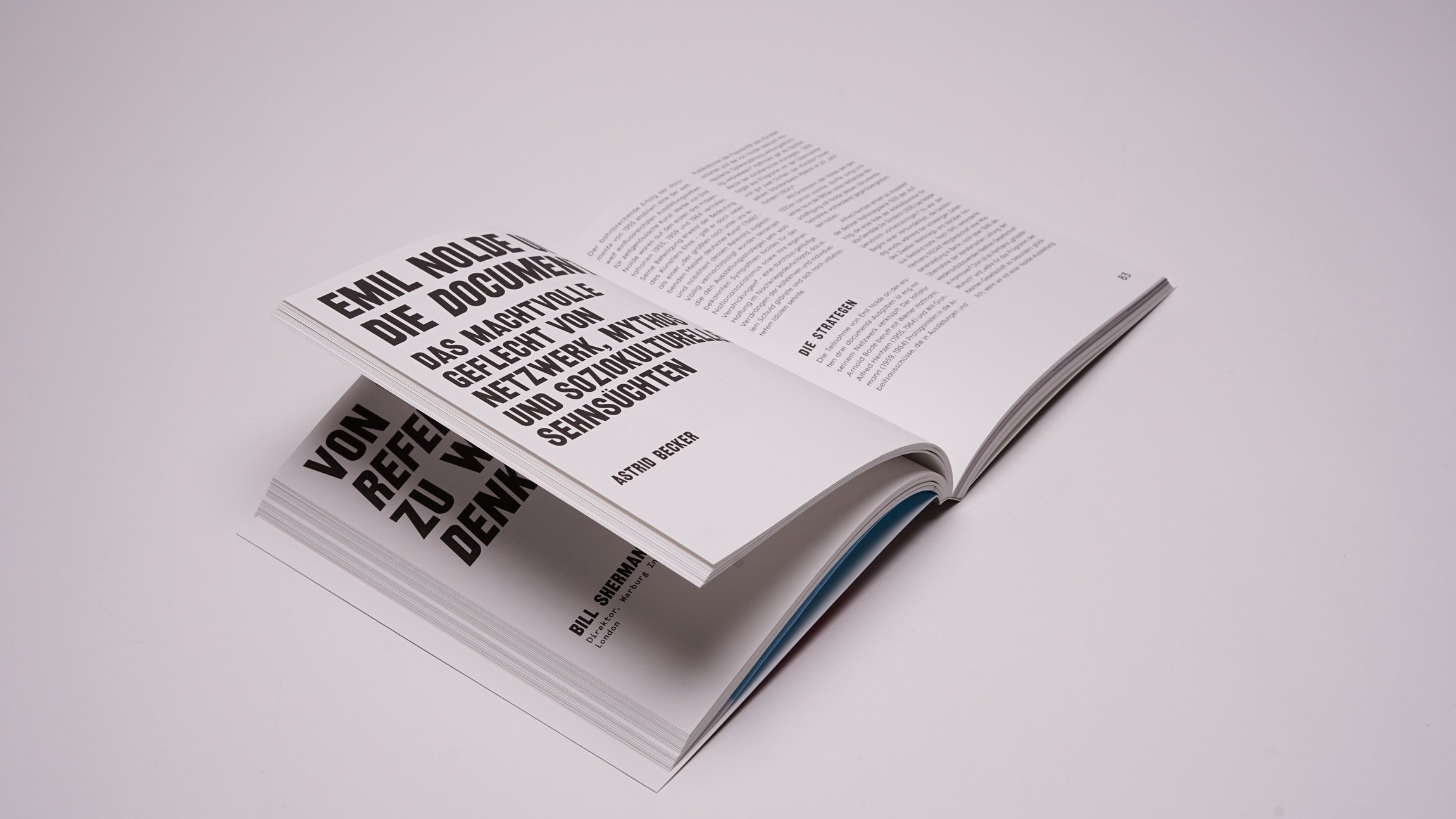
Kuball continued his research at the invitation of the documenta archive, Kassel. Based on his findings, the exhibition project “nolde / kritik / documenta” illuminates the ways in which life and oeuvre are interwoven and inquires into the contradictions of modernism, which Emil Nolde as a man and artist may be said to have embodied. The focus of the new project is on the staging of Nolde’s works at the first three editions of the documenta exhibition series (1955, 1959, 1964), which were instrumental to establishing the “Nolde myth.”
An enlarged and revised edition of the catalogue “nolde / kritik / documenta” is released in conjunction with the exhibition at the Fridericianum, Kassel (December 9, 2022–February 19, 2023).
Mischa Kuball has been professor of public art at the Academy of Media Arts Cologne and associate professor of media art at the Karlsruhe University of Arts and Design/ZKM since 2007.
More books
-

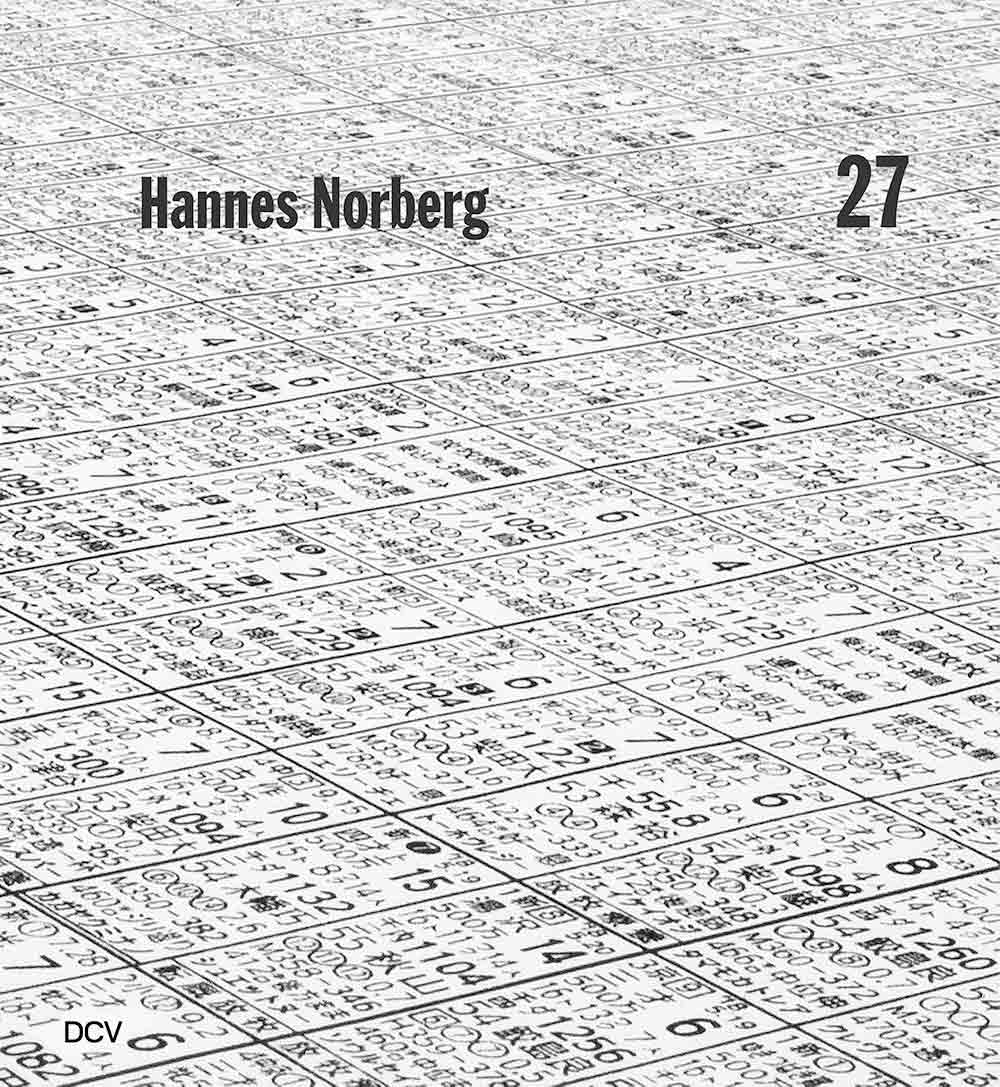
Hannes Norberg
2728€ Add to cartThe Ideal of Simplicity, Clarity and Timelessness
To make his photographs, Hannes Norberg (b. 1969, Worms; lives and works in Düsseldorf) constructs artificial spaces that integrate elements of painting, drawing, collage, and sculpture. Rather than reproducing selected details of an existing reality, his works make empty space and the play of light and shadow their point of departure. In his most recent pieces, the artist has focused on samples of typography that he collected on his travels and in numerous libraries all over the world and subjected to graphical redaction. Captured in natural light in his studio, his pictures showcase the quiet beauty of writing and paper, while their landscape-like aura gestures toward their place of origin. Designed by the artist himself, the book marks the public première of a selection of twenty-seven new photographs.
Hannes Norberg studied fine arts at the Kunstakademie Düsseldorf and was an artist-in-residence in Paris, New York, Florence, São Paulo, Xiamen and Seoul.
- Out of Stock

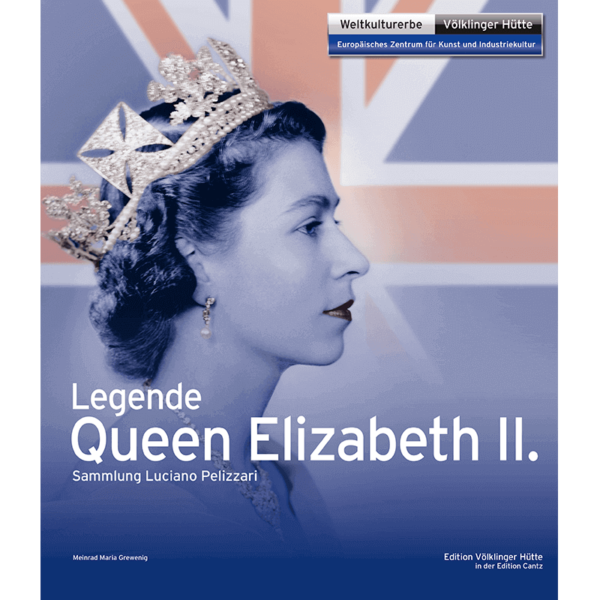
Queen Elizabeth II
Sammlung Luciano Pelizzari27,50€ Read moreErinnerungsstücke einer Legende
Im Leben von Elisabeth II. (geb. 21. April 1926 in London) spiegelt sich eine ganze Epoche. Die britische Königin hat alle deutschen Bundeskanzler und sämtliche englischen Premierminister von Winston Churchill bis Boris Johnson erlebt. Sie ist die am häufigsten abgebildete Person des 20. und 21. Jahrhunderts. Das Buch präsentiert Fotos, Gemälde, Briefmarken und Münzen aus der Kollektion von Luciano Pelizzari, einer der größten Sammlungen dieser Art weltweit. Es zeigt die Queen als Mensch und Monarchin, dokumentiert ihr Zusammentreffen mit bedeutenden Persönlichkeiten und Ereignissen ihrer Regierungszeit und präsentiert sie in zahlreichen Darstellungen aus Kunst und Kultur.
-

Michael Bielicky
Perpetuum mobile54€ Add to cartContemporary Media Art
The German-Czech artist Michael Bielicky (b. Prague, 1954; lives and works in Karlsruhe) has been an innovator in the fields of photography, video, and web-based installation art for over four decades. In an ongoing dialogue with emerging technological developments, his works probe the history of his media from the deepest strata to the magical mathematical practices of the medieval Cabalists: idiosyncratic hybrids that straddle the boundary between the analog and digital worlds. Operating on the interfaces between real and virtual spaces, his media art prompts a critical reflection on the nature of technology, its material and immaterial significations, and the ways in which it informs our perceptions and actions. The book Perpetuum mobile is the first to offer a comprehensive survey of Bielicky’s rich and diverse oeuvre. The layout, designed by the artist himself, integrates the experimental images into a graphic “stream of consciousness.”
Michael Bielicky moved to Germany in 1969 and initially studied medicine. After an extended stay in New York, he studied at the Düsseldorf Academy of Fine Arts from 1984 until 1990, first with Bernd Becher and then in Nam June Paik’s master class. He was made professor at the Academy of Fine Arts Prague in 1991, then professor of new media at the Karlsruhe University of Arts and Design in 2006. Bielicky participated in numerous major exhibitions, including the São Paulo Biennial (1987); Videonale, Bonn (1988, 1990, 1992); Ars Electronica, Linz (1992, 1994, 1995); and the Havana Biennial (2012).
-

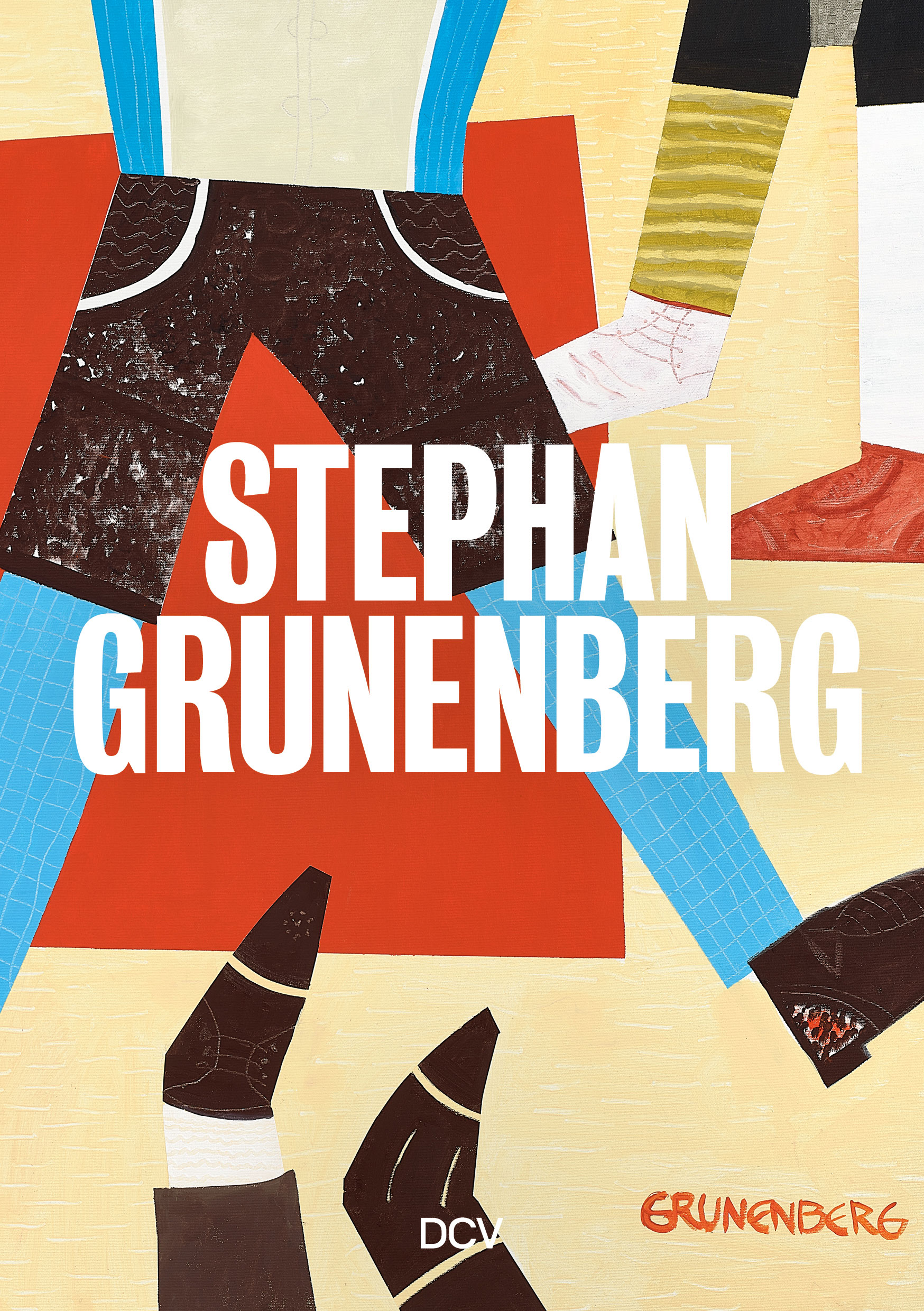
Stephan Grunenberg
10€ Add to cartStephan Grunenberg (b. 1954) paints peculiar portraits: not heads or sitting and reclining figures but seemingly independent feet, legs, trousers, socks or soles of shoes. These and other under-appreciated motives are playfully arranged in captivating compositions which take issue with our hierarchical habits while looking at art. “Leaving out the ‘civilized’, educated head and centering on neglected parts such as the legs, including the lower abdomen—which is either eroticized or made taboo—is the artist’s point”, writes Oliver Koerner von Gustorf in an essay that accompanies the images inside this small and attractive new book. The paintings reproduced in this volume were all exhibited in Grunenberg’s latest exhibition in 2024, which was titled tongue-in-cheek „Representatives Regional To Earth.”
-

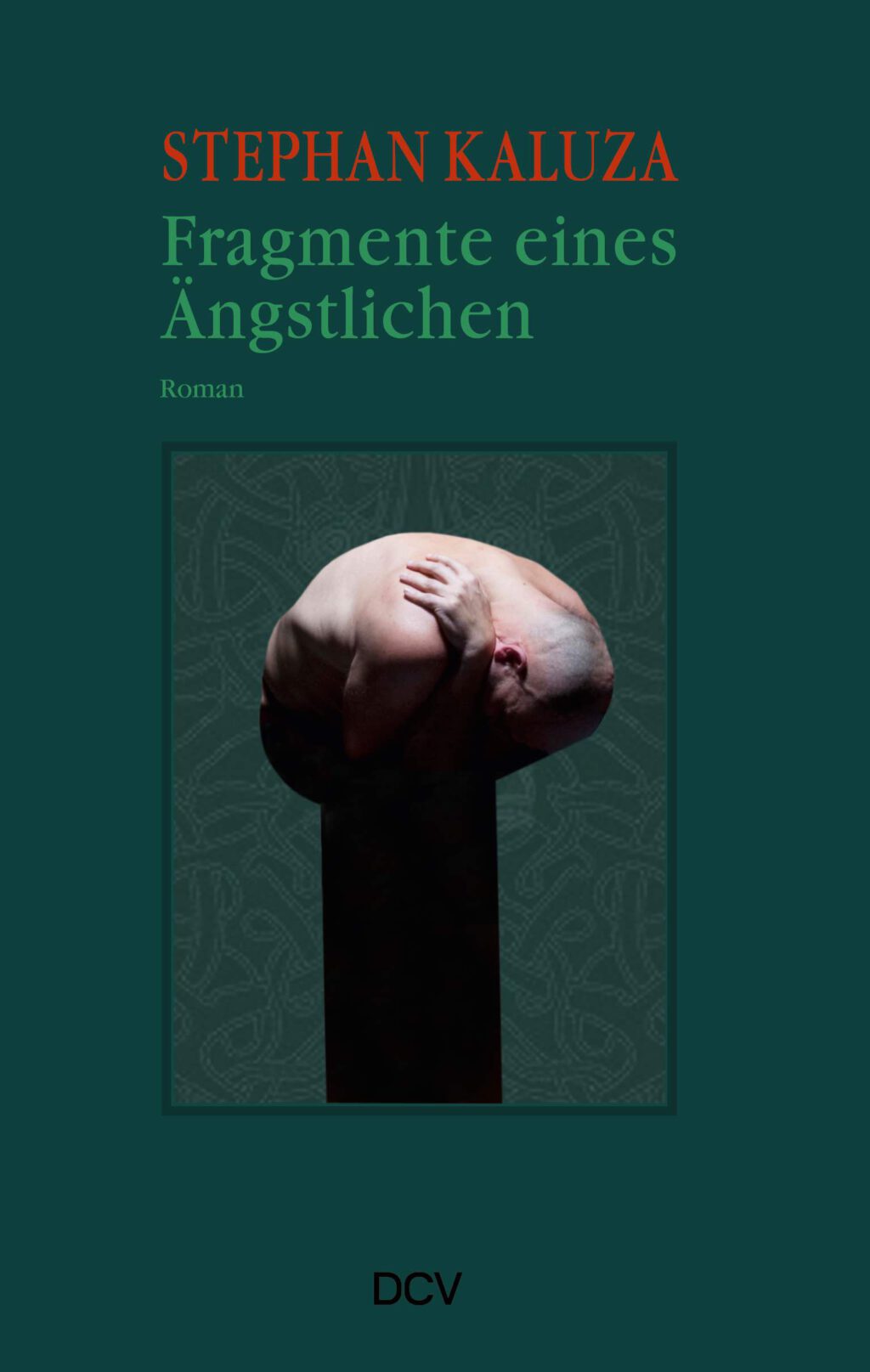
Stephan Kaluza
Fragmente eines Ängstlichen28€ Add to cartA Novel on Coping with Guilt or the Feeling of Having Violated Life
The filmmaker Castner and the anthropologist Pollock not only share the similarity of their names with those of Castor and Pollux, the fabled twins of Greek myth, but also a hard fate: an irreparable guilt whose motifs run through the entire novel. Pollock is forced to admit to himself that, in his role as a scientist, he was involved in a genocide against indigenous people in Panama; Castner, meanwhile, tries to get a handle on his bouts of excessive hypochondria. In episodic flashbacks and an interview that gradually turns into an emotional dispute between them, the two characters analyze the minutiae of their life stories and arrive at a surreal insight.
Castor and Pollux were known in antiquity as the patrons of sailors, who took their bearings from the twins’ constellation. That is why water figures in this novel as the element that unites all narrative planes. Water—like life—will fill any vacant space regardless of shape and adapt to all circumstances.
Stephan Kaluza (b. Bad Iburg, 1964; lives and works in Düsseldorf) is a visual artist, working in the media of photography and painting, and a writer whose output includes plays, novels, and nonfiction books. The philosophy of nature is a central theme in both Kaluza’s art and his fiction.
-

America! America!
How real is real?38€ Add to cartMyths, Projections, Aspirations
In times of fake news and alternative facts it is becoming even more clear how the American Dream is closely interwoven with emotional pictures and symbols. At the same time, it can be said that no other nation might have the same strong awareness of the power of images. Images of the American Way of Life, which are produced in media and entertainment, are able to consolidate existing power structures and perceptions of reality, but also question them in a radical way. The psychologically charged canvasses of Eric Fischl, the hermetic scenes of Alex Katz, the enormous film-noir-like graffiti paintings of Robert Longo dissect the dreams and fears of an insecure white middle class. Simultaneously, artists such as Jeff Wall or Cindy Sherman conquer scenes that critically reflect our media-influenced perception, becoming models for subsequent generations. By showing 70 masterpieces of US-contemporary art, the book shows how artists from the 1960s to date comment on the American reality.
-

Konrad Mühe
Guide38€ Add to cartAn Artist’s Book as an “Optical Illusion”
Konrad Mühe’s (b. Karl-Marx-Stadt, East Germany, 1982; lives and works in Berlin) works interrogate the construction of our identities by uncovering the technological and media apparatuses that sustain it and confronting it with the autonomous lives of objects. Their basic formal principle is the installation hybridizing sculpture and digital moving image, with a particular focus on the projector and the interaction of pedestal or suspension and projection screen. Where the classical black box in the movie theater or exhibition venue seeks to conceal the technical equipment in favor of an immersive visual experience, Mühe brings it to the fore and sets it out in the gallery space as sculpture and installation. Yet his works also undercut the conventional display regime in the white cube: the process of projection emerges as the true creative medium and subject. This book acts as a descriptive illustrated Guide to Mühe’s projects.
Konrad Mühe was Hito Steyerl’s master student and trained at the Berlin University of the Arts and the Burg Giebichenstein University of Art and Design Halle. His works have been featured at numerous film festivals including the 61st Berlinale and in exhibitions at Kunsthalle Düsseldorf, the Moscow Museum of Modern Art, and elsewhere.
-

André Butzer
Miettinen Collection30€ Add to cartAndré Butzer (b. Stuttgart, 1973; lives in Berlin) rose to renown with pictures he describes as “science fiction expressionism” and iconic characters like the “Peace Siemense,” the “Men of Shame,” or the “Woman” as well as seemingly abstract compositions. Artistic predecessors he admires and emulates include Walt Disney, Edvard Munch, Henri Matisse, Friedrich Hölderlin, and Henry Ford. Butzer’s utopian artistic vision is anchored in the fictional place “NASAHEIM”, a kind of pilgrimage destination in outer space. Yet his paintings should not be mistaken for illustrations of narrative structures; they articulate something that could not be said before. Similes of a sort, they embody the forever recurring extremes of history as emblems of human existence.
André Butzer briefly studied at the Merz Akademie, Stuttgart, before enrolling at the Hamburg University of Fine Arts (HFBK), from which he was expelled after two semesters in 1996. He went on to found the autonomous and anti-institutional Akademie Isotrop (1996–2000), where over twenty artists including Markus Selg, Jonathan Meese, and, in loose association, John Bock trained one another. In 2001, Butzer teamed up with Björn Dahlem to establish the Institute for SDI Dream Research.
-

Larissa Kikol
SIGNED. Unterwegs mit der 1UP-Crew und Moses & Taps18€ Add to cartWho owns the city? It is a question to which graffiti artists and politicians have very different answers. 1UP and Moses & Taps are international stars of the scene, realizing radical creative concepts in spectacular actions. The art critic Larissa Kikol shadowed them on their nocturnal forays for three years and gathered her experiences in a book that has become a singular tribute to the graffiti scene. It lets us witness the genesis of the artists’ works on the knife’s edge between civil disobedience, criminal liability, and an irrepressible freedom. Traveling throughout Germany, Kikol records absorbing dialogues that reflect the contrast between different worlds: the legal and the illegal art worlds, painting and protest. Always on the hop and in danger of being discovered and arrested, she ventures beyond the bounds of permissible art, into subway tunnels, up on roofs, across switchyards. A portrait emerges of Germany and Berlin and the power relations that shape our society.
Larissa Kikol (b. 1986) works as a freelance art critic, art scholar, and writer. She writes for Die Zeit, Spiegel Online, Art, Kunstzeitung, Mare, Monopol Online, and Kunstforum International. In 2016, she won C/O Berlin’s international Talents award in the art criticism category. She teaches and lectures at art schools and universities in Germany and France.
Kikol studied stage design and dramaturgy in Berlin-Weißensee and obtained a Ph.D. in art studies from the Karlsruhe University of Arts and Design. She lives and works in Marseille and Cologne.
-

Lovis Corinth
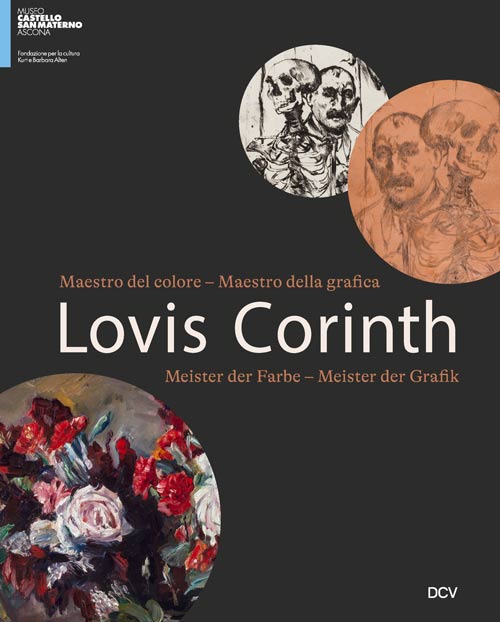
Maestro del colore – Maestro della grafica35€ Add to cartLovis Corinth (b. Tapiau, East Prussia, 1858; d. Zandvoort, Netherlands, 1925) ranks among the leading German Impressionists. But he has also been described as a precursor of Expressionism for his impulsive and passionate style in painting and graphic art as well his liberal handling of form, which vividly conveys agitated states of mind and powerful emotions. In addition to an eminent body of paintings and numerous drawings and watercolors, he left a graphic oeuvre encompassing over a thousand prints. In his paintings as in his etchings and lithographs, Corinth dedicates himself to a set of recurring themes: mythological and religious motifs, nudes, still lifes, landscapes, and portraits of his family and close friends. His graphic work also shows him engaging with the challenges of self-portraiture.
-

Petra Arnold
Beyond Starlight39,90€ Read moreThe Fischer Family of Circus Artists: A Photographic Long-term Observation
For more than a decade, the photographer Petra Arnold has shadowed the Zirkus Starlight troupe and the Fischers, a family of performers, taking analog photographs, mostly black-and-white, of their life behind the scenes. When she began the project, the Fischers were a large family, with thirty grandchildren. Over time, the company has had to downsize – the business environment is difficult, and few people can make a living as circus artists these days. Arnold’s photographs peek behind the curtain for a study of an existence between circus family and family circus – mostly outside the limelight. The portraits and unstaged scenes are documents of contemporary history and draw attention to the steady decline of circus culture.
-

Horst Keinig
Scoop29€ Add to cartAn Artist Book Setting New Visual Processes in Motion
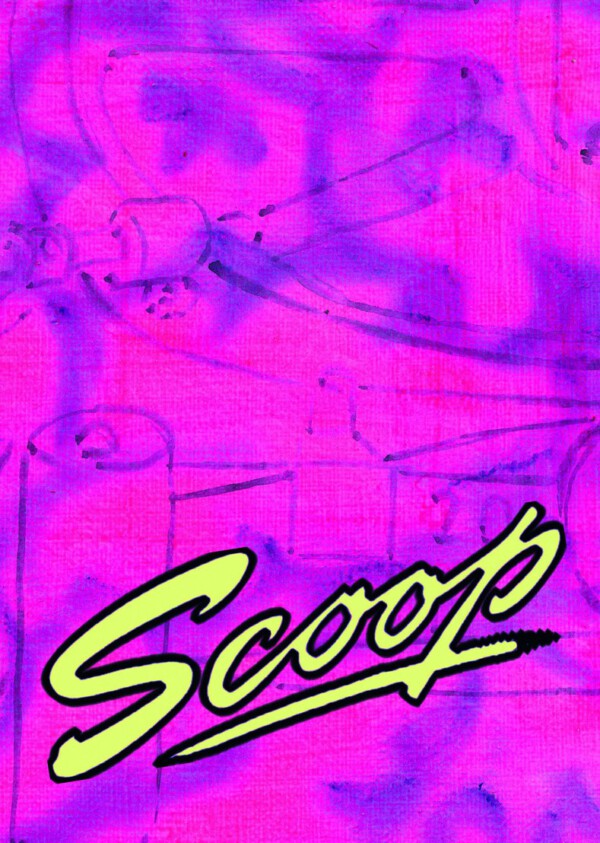
Around the year 2009, Horst Keining (b. 1949, Hattingen; lives and works in Düsseldorf) began to create blurred contours with the help of a small spray gun used without stencil. Up to four partially superimposed pictorial planes result in the oscillation and almost three-dimensional pulsation of the pictorial space. In interplay with a contrasting juxtaposition of strongly contoured images, his works convey a completely new visual experience. Since the resulting “blur effect” shrinks due to the reduction, this artist book places an essential accent on the reproduction of image details in their original size, followed by a full image of the picture.
-

Ugo Rondinone
winter, spring, summer, fall20€ Add to cartUgo Rondinone (b. Brunnen, Switzerland, 1964; lives and works in New York) is one of the most accomplished artists of his generation. For three decades, the conceptual and installation artist has built an oeuvre grappling with themes of time and impermanence, day and night, reality and fiction, nature and culture. Spanning diverse media—painting, sculpture, film, and installation art—his work is rooted in the transformation of outward reality into a subjective and emotionally charged world within, harnessing a multifaceted system of inspirations and references from German Romanticism to American Land Art and international pop culture. Balancing the mundane with the spiritual, the artist conjures suggestive atmospheres that capture the contemporary mood.
This book gathers four exhibitions of Ugo Rondinone’s work in 2021: a wall . a door . a tree . a lightbulb . winter at theSørlandets Kunstmuseum (SKMU), Kristiansand, Norway; a sky . a sea . distant mountains . horses . spring at Sadie Coles hq, London; a rainbow . a nude . bright light . summer at Kamel Mennour, Paris; and a low sun . golden mountains . fall at Galerie Krobath, Vienna.
- temporarily not available

David Hockney: Insights
Reflecting the Tate CollectionRead moreDavid Hockney (born 1937 in Bradford) is one of the most influential and technically versatile artists living today. This new publication gathers some of his most defining work from the 1960s to the present, including major works in the Tate collection. From early graphic cycles, double portraits and iconic pool paintings through to his photo collages, plein air landscapes, iPad drawings, and multimedia installations, the volume documents central themes and genres in Hockney’s oeuvre, as well as his constant experimentation.
Original essays by renowned critics and commentators illuminate the artist’s search for new forms of expression, the topographical and biographical reference points of his work, the technical innovation of his painting and printmaking, as well as his approach to new media.
-

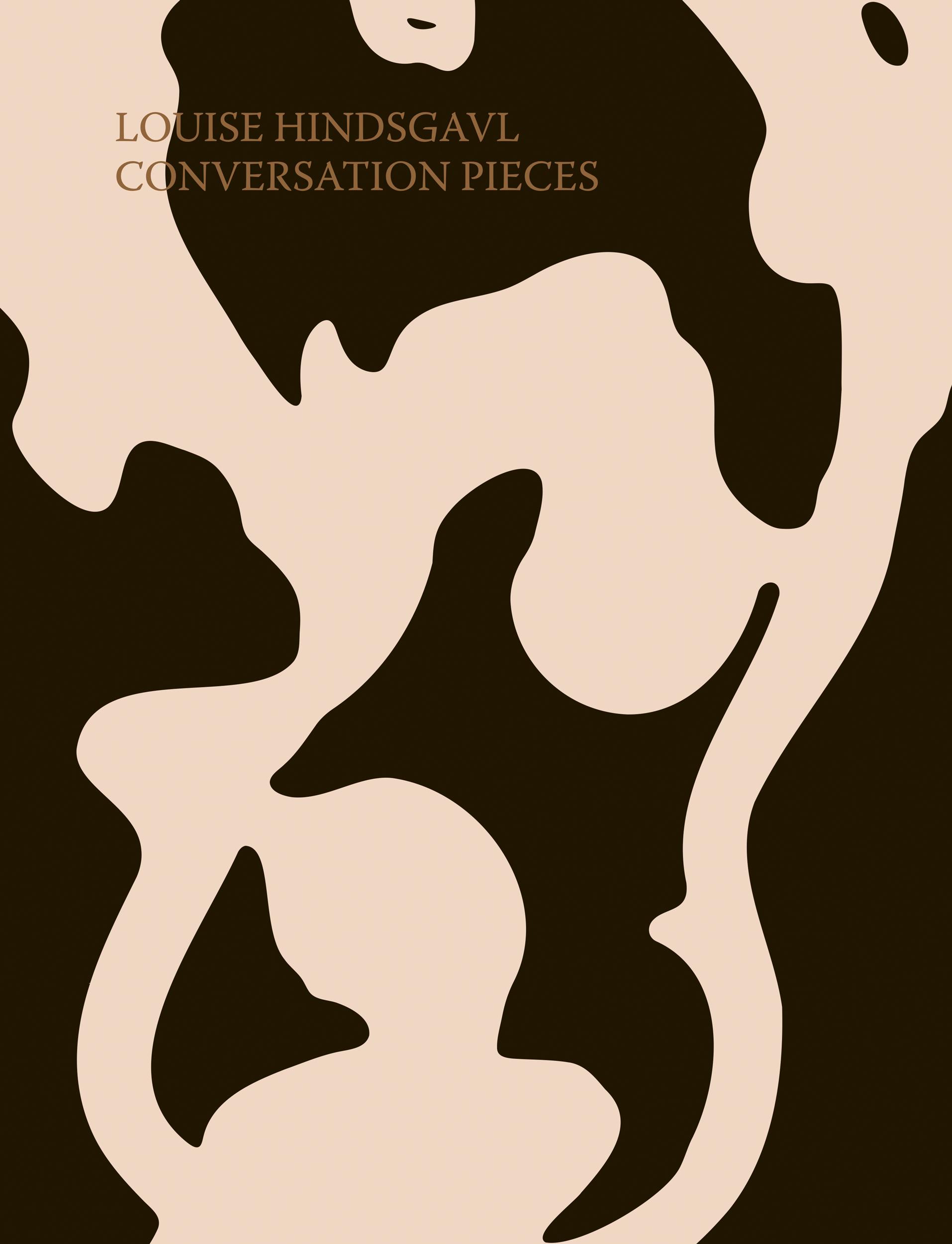
Louise Hindsgavl
Conversation Pieces68€ Add to cartThe Danish sculptor Louise Hindsgavl (born 1973, lives in Copenhagen) is known for hybrid figurines made of porcelain and glazed stoneware: half animal, half human. Only their material evokes the idealized and kitschy scenes traditionally rendered in porcelain; however, Hindsgavl’s “sculptural collisions” tell of disturbing encounters between tormented beast-like people. For that she draws from brutal folktales of the past as much as from the ubiquitous “fairytales” of today’s social media that normalize violence, sexual abuse, and self-harm. Using one of the most fragile materials, she brings these trends into focus for discussion, calling her sculptures Conversation Pieces—which is also the title of this interesting and provocative book.
-

Andreas Wegner
Wir fahren mit der Schneckenpost, weil die uns keinen Pfennig kost50€ Add to cartThe art of Andreas Wegner is an inquiry into capitalist urbanity. His interventions explore alternative models for urban interaction, trade, city development, traffic, or the use of public space. Inspired by Joseph Beuys’s social sculpture and Charles Fourier’s social utopias, Wegner founded, e.g. a cooperative department store in Berlin, a grocery store in Vienna, and conducted real estate business as a form of creative resistance. This monograph illustrates the artist’s most important projects with ample imagery, essays by renowned authors, interviews, and his own texts. Alongside collective initiatives, installations, photography, film, and sculpture, painting remains a constant in Wegner’s oeuvre to this day.
-

schneider+schumacher
39€ Add to cartA Review and Prospect of the Work of the Frankfurt‑based Architectural Office on the Occasion of its Thirtieth Anniversary
schneider+schumacher is an internationally operating team of architects with headquarters in Frankfurt am Main. On the occasion of its 30th anniversary they present a book in the shape of a red box, whose chapters “Beauty,” “Endurance,” “Curiosity,” “Land Art,” “Integrating,” “Transitions,” and “Made in Germany” cover issues and values that have determined their work since its founding. Renowned authors shed light on the respective concept and its significance for the history of schneider+schumacher, while the office’s works are presented in large-format illustrations – including the extension to the Städel Museum in Frankfurt, the Siegerland motorway church, and the new pavilion of the Frankfurt Book Fair. In architectural practice, it becomes clear how Till Schneider and Michael Schumacher and their team implement their thematic and theoretical orientation into their working methods, design approach, and understanding of architecture.
-
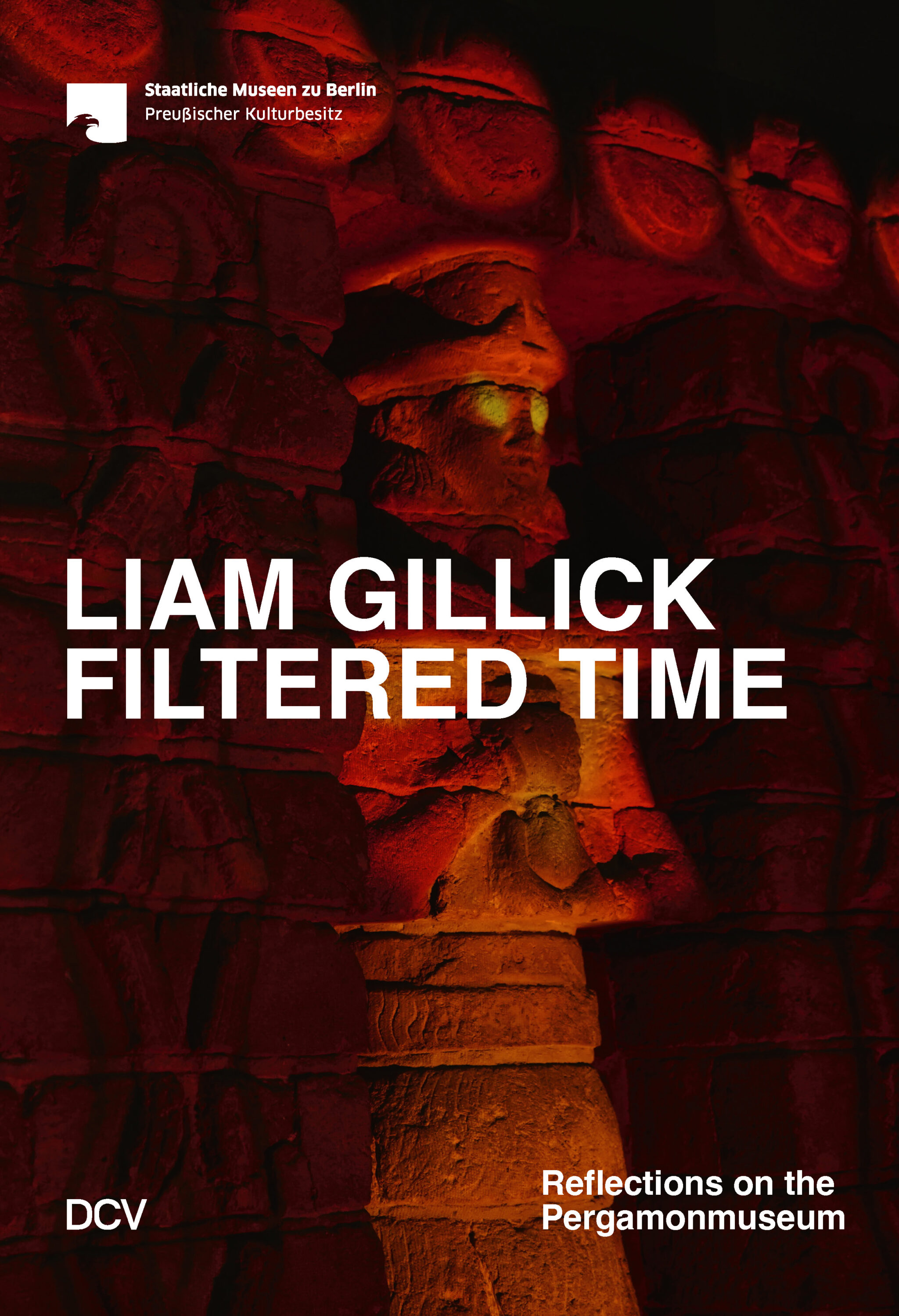
Liam Gillick
Filtered Time (ENGLISH)28€ Add to cartThe sculptor and object artist Liam Gillick (b. Aylesbury, UK, 1964; lives and works in New York) has created an intervention titled Filtered Time for the historic galleries of the Pergamon Museum in Berlin. Projections of light and color and acoustic effects condense six thousand years of cultural history into an immersive spatial experience. Gillick initiates a conversation between the iconic Processional Way and the Ishtar Gate from Babylon, the monumental sculptures of Tell Halaf, and other exhibits, engendering new layers of meaning across all historical periods. The first joint project of the Vorderasiatisches Museum and the Hamburger Bahnhof—Nationalgalerie der Gegenwart makes for a singular visual and sensory experience. Designed by the artist himself, the publication not only documents the richly colorful production, but also provides insight into the eventful history of the museum, which is approaching its centennial.
Liam Gillick studied at the Hertfordshire College of Art in 1983–1984 and at Goldsmiths, University of London from 1984 until 1987. Gillick is a prolific published writer as well, producing essays, reviews, fiction, and theatrical scenarios.
-
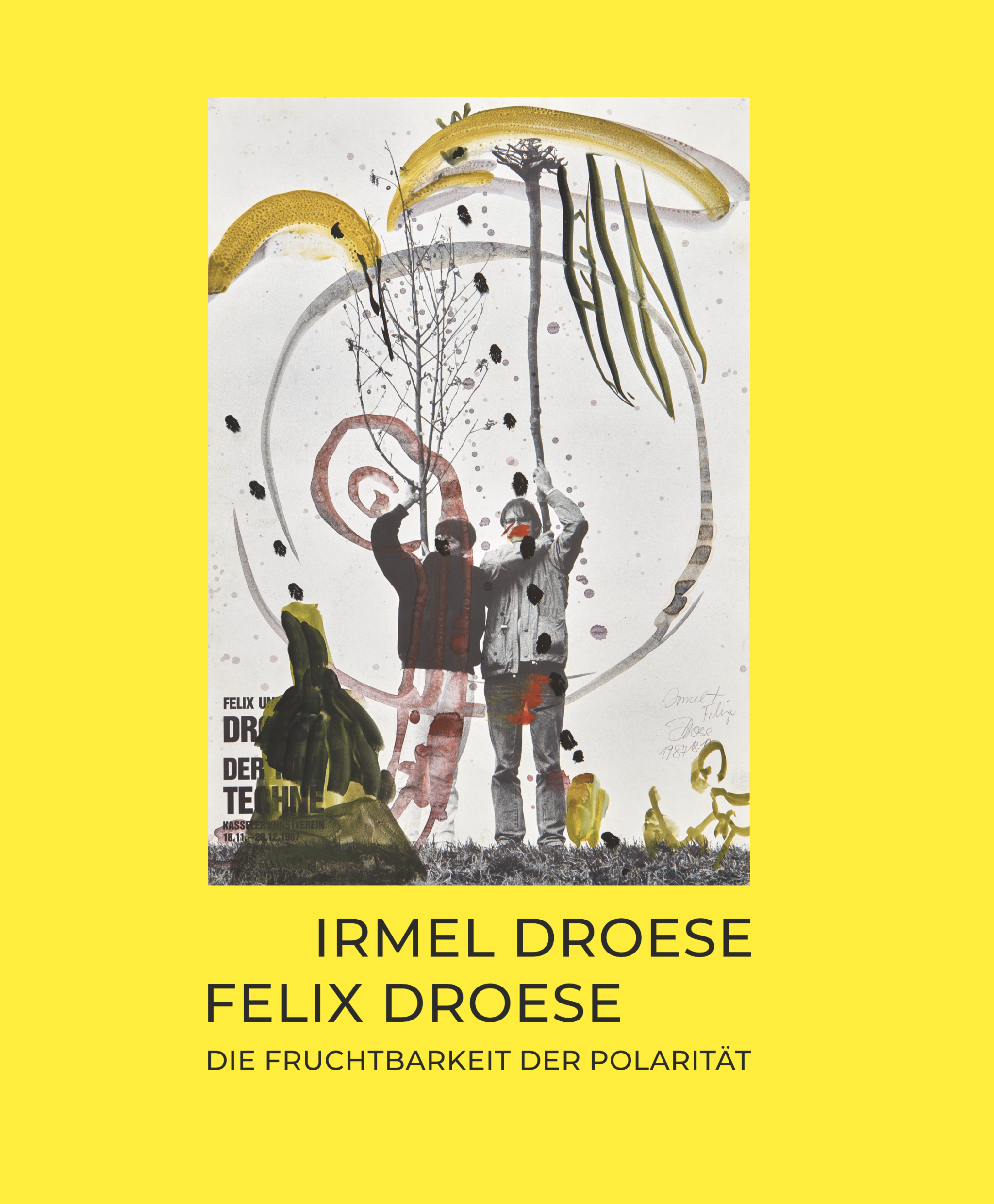
Irmel Droese. Felix Droese
Die Fruchtbarkeit der Polarität28€ Add to cartA Tribute to the Artist Couple
Irmel Droese (b. 1943, Landsberg an der Warthe) and Felix Droese (b. 1950, Singen/Hohentwiel) first met in 1970, when both were students in Joseph Beuys’s class at the Kunstakademie Düsseldorf. In a decades-long partnership in life and art, they have built oeuvres that, both each for itself and in dialogue with each other, scrutinize a rapidly changing reality. Irmel Droese creates expressive stage characters, sculptural oil paper figures, and depictions of humans on paper, while Felix Droese’s diverse ensembles and large-format papercuts grapple with money, economic questions, and the rising predominance of commercial considerations. His art gained international renown with his participation in documenta 7 in 1982 and the 43rd Biennale di Venezia in 1988. Designed in close collaboration with the artists, the publication documents their separate and joint oeuvres, drawing attention to societal questions.
-

Karlheinz Bux
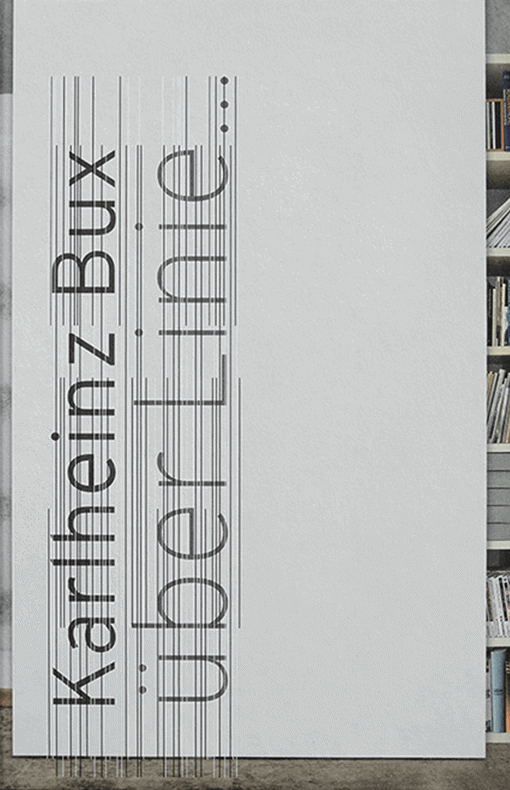
über Linie …15€ Add to cartClarity, Complexity, and Linearity
The defining artistic means in the work of Karlheinz Bux (b. 1952 in Ulm, lives and works in Karlsruhe) is the line. As edges and folds, they determine vertically oriented sculptures, which simultaneously convey compactness and openness, dynamism and repose. In Bux’s pencil drawings and photo-based works, they form the subject of the image in the form of complex linear structures. This present book documents the artist’s large-format works and provides insight into his oeuvre, with texts by Michael Hübl, Christine Reeh-Peters, and Carmela Thiele.
Karlheinz Bux studied at the State Academy of Fine Arts Karlsruhe and taught as a lecturer at Pforzheim University and as a visiting professor at the Mainz University of Applied Sciences. His works are represented in private and public collections, including the Staatliche Kunsthalle Karlsruhe, the Hurrle Collection, and the Würth Collection.