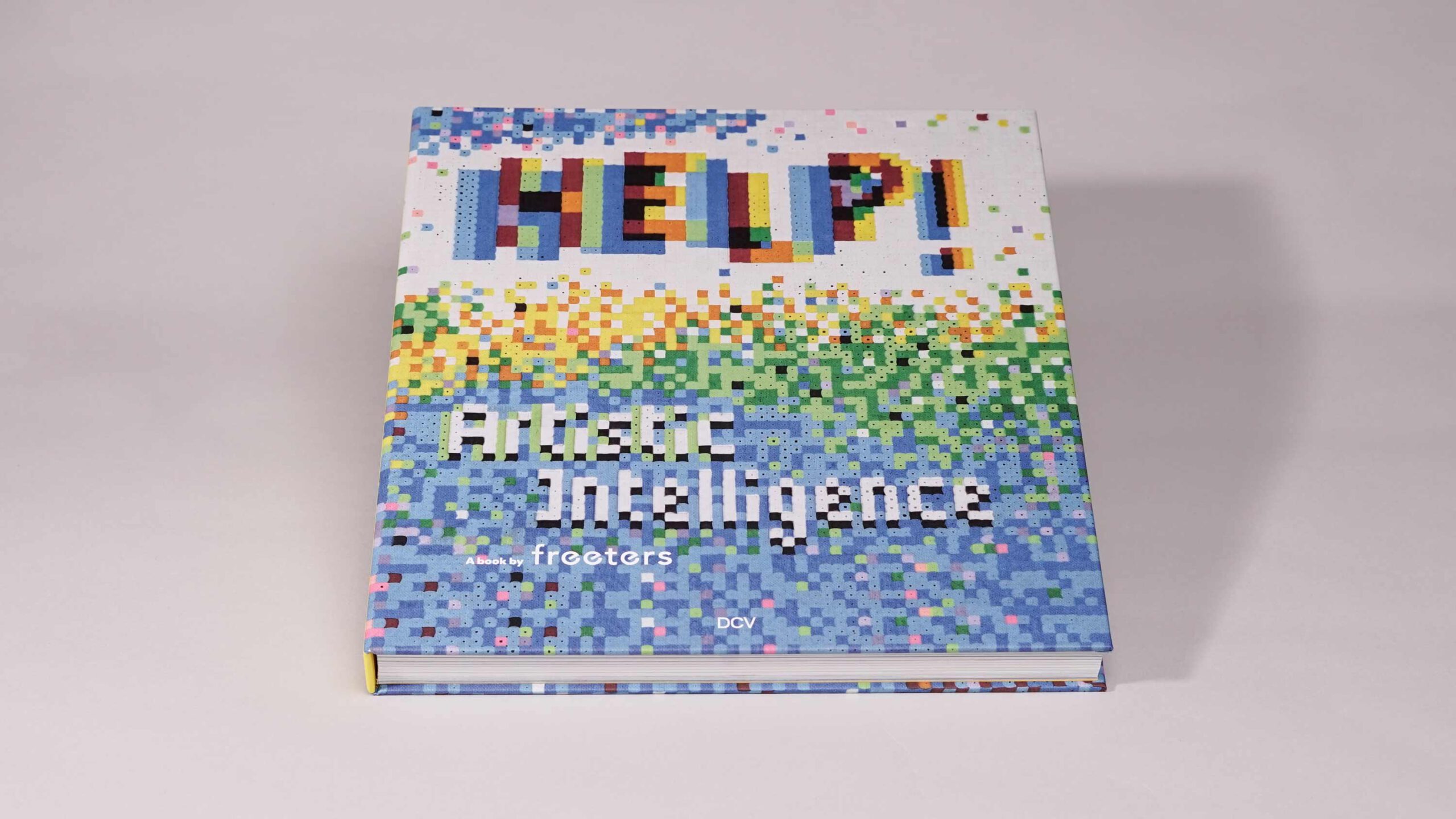
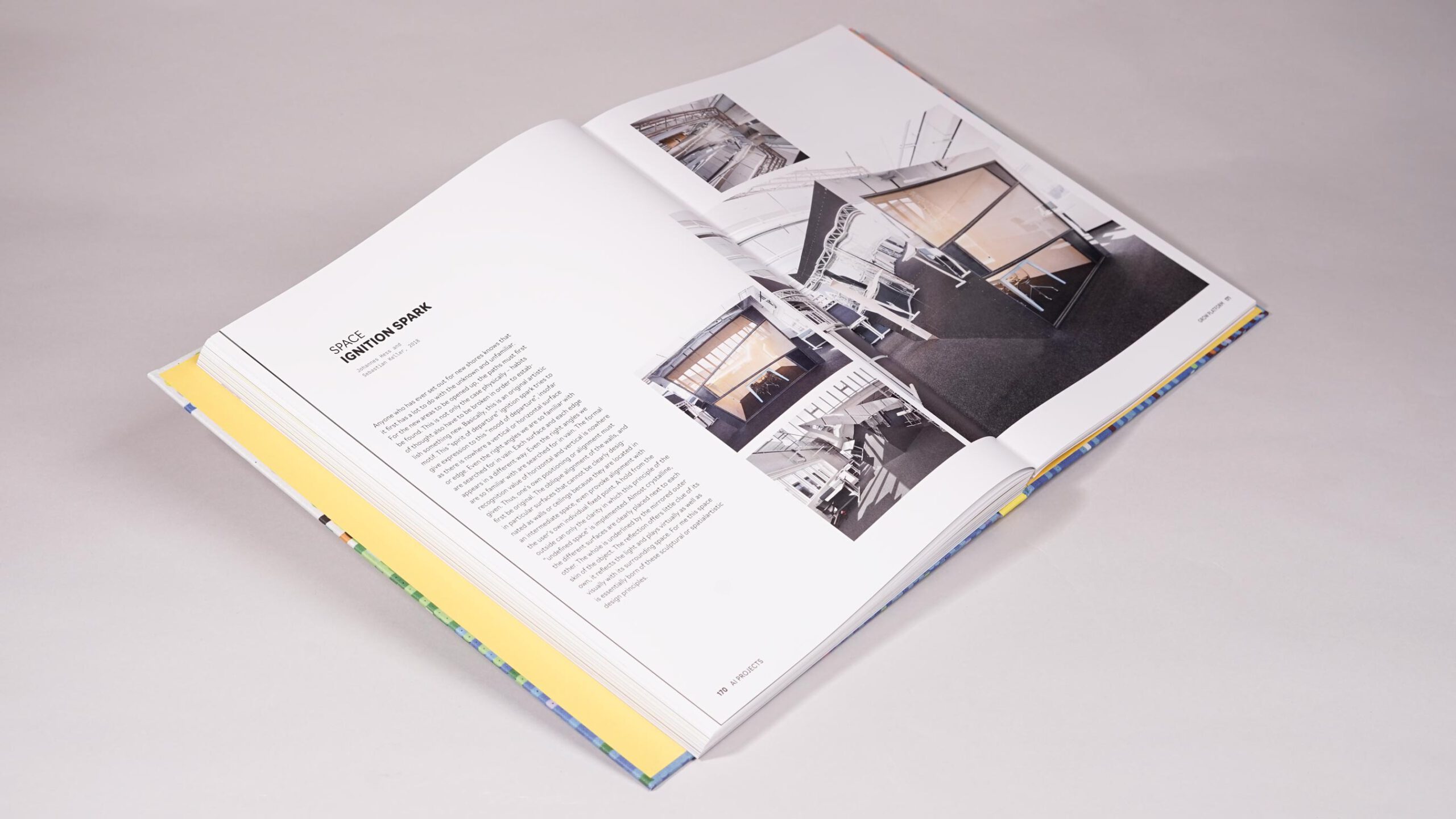
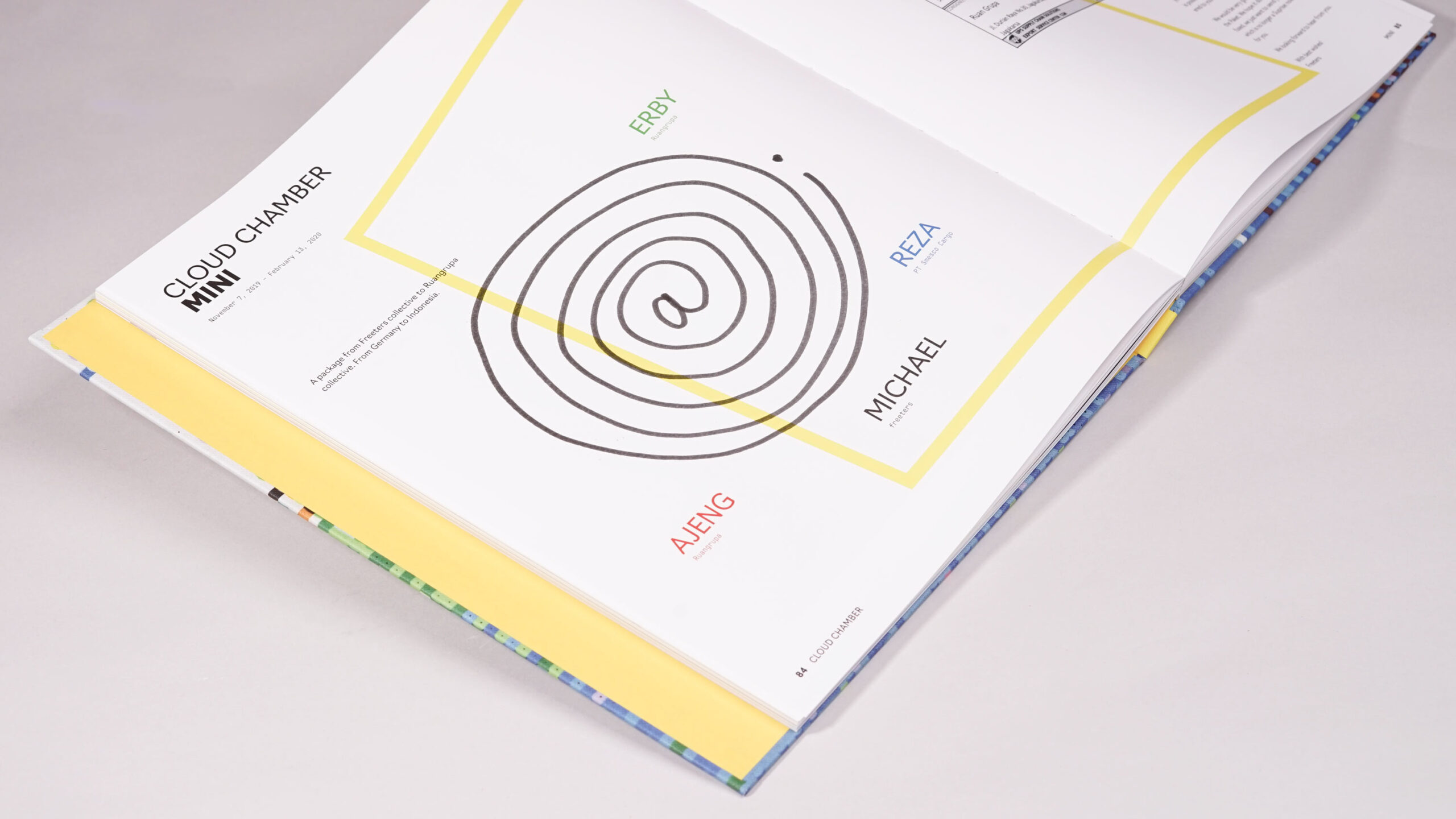
Freeters
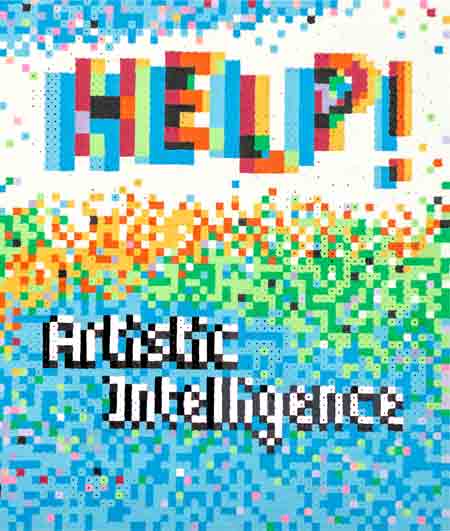
HELP! Artistic Intelligence
 | |
|---|---|
| Editor(s) | Freeters |
| Author(s) | Freeters, Sandra Freygarten, Cornelia Funke, Thomas Lassner, Melusine Reimers, Bernhard Zünkeler, Ulrich Zünkeler |
| Design | Philipp Rose |
| Cover | Hardcover with Swiss brochure |
| Size | 25 x 29 cm |
| Pages | 208 |
| Illustrations | 250 |
| Language(s) | English |
| ISBN | 978-3-96912-097-2 |
FREETERS stands for an artist collective that designs, creates, transforms and plays with spaces, for and with the people who experience their time there. The artistic intelligence used in the process transforms into spaces for thinking, working, living, playing and learning, creating identity, emotion and inspiration.
This book is about the mediation of artistic thinking and artistic action in processes. The artistic practice of Freeters is characterized by strategies of thought and action that are needed in a society with constantly changing conditions, in a working world that overturns itself in its dynamics. The necessity of shaping the present through artistic thought and action can no longer be limited to the art context.
FREETERS’ AI approach should be understood less as a scientific methodology and more as a call not to reduce our intelligence to only rational thought processes with a utility maxim. Of course, AI has already made impressive progress in many areas of our public services via the hard components of machine learning. However, it is doubtful whether this approach alone can really give rise to a superintelligence that will one day create a resource-saving paradise on earth. Nor is it guaranteed that we as Homo Sapiens will be assigned a place in this paradise by such a unilaterally gifted superintelligence. Cognitively, this machine will be superior to us in any case – only the necessary feeling of happiness of a consensual coexistence does not seem quite conceivable.
More books
-

Liam Gillick
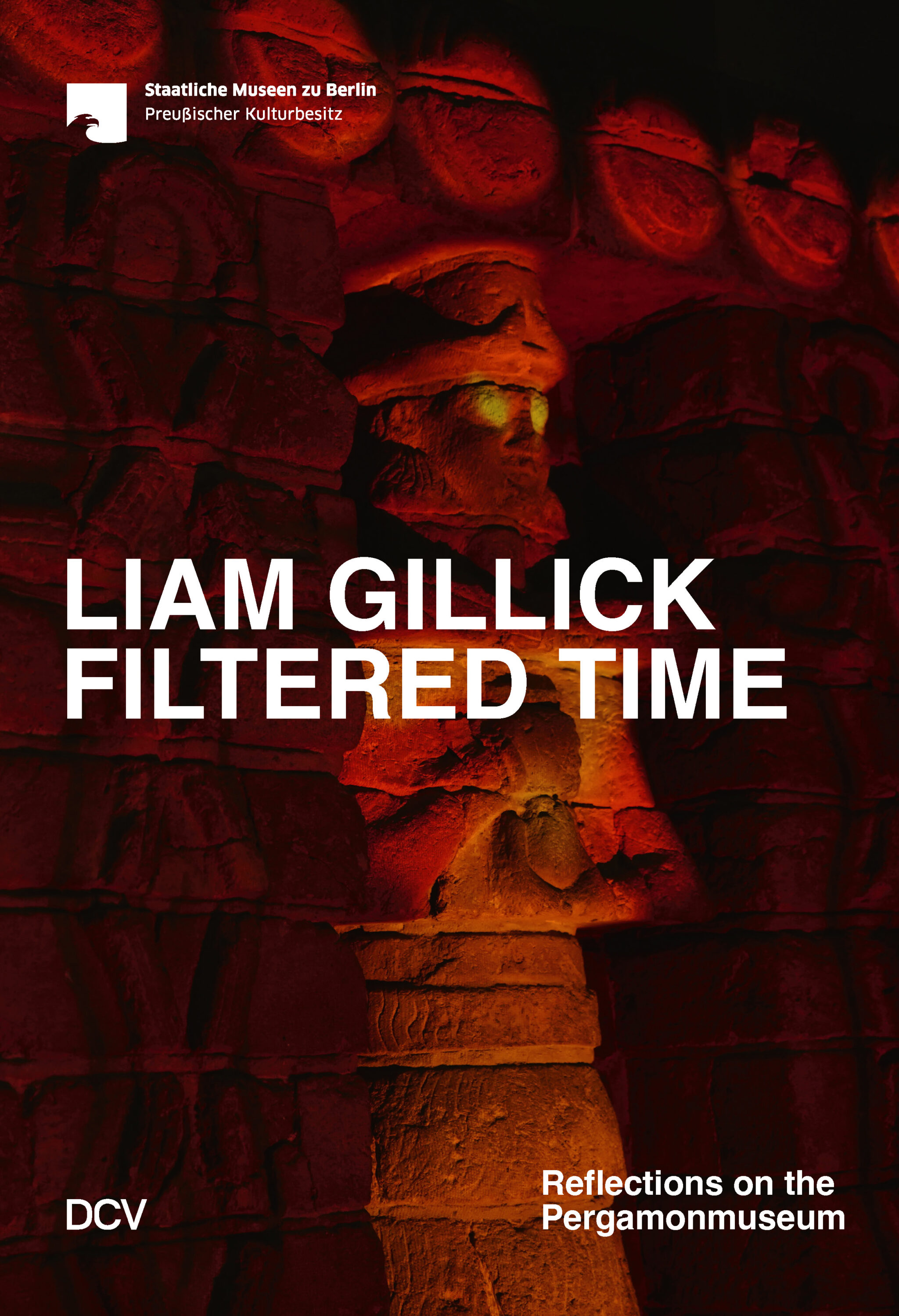
Filtered Time (ENGLISH)28€ Add to cartThe sculptor and object artist Liam Gillick (b. Aylesbury, UK, 1964; lives and works in New York) has created an intervention titled Filtered Time for the historic galleries of the Pergamon Museum in Berlin. Projections of light and color and acoustic effects condense six thousand years of cultural history into an immersive spatial experience. Gillick initiates a conversation between the iconic Processional Way and the Ishtar Gate from Babylon, the monumental sculptures of Tell Halaf, and other exhibits, engendering new layers of meaning across all historical periods. The first joint project of the Vorderasiatisches Museum and the Hamburger Bahnhof—Nationalgalerie der Gegenwart makes for a singular visual and sensory experience. Designed by the artist himself, the publication not only documents the richly colorful production, but also provides insight into the eventful history of the museum, which is approaching its centennial.
Liam Gillick studied at the Hertfordshire College of Art in 1983–1984 and at Goldsmiths, University of London from 1984 until 1987. Gillick is a prolific published writer as well, producing essays, reviews, fiction, and theatrical scenarios.
-

Konrad Mühe
Guide38€ Add to cartAn Artist’s Book as an “Optical Illusion”
Konrad Mühe’s (b. Karl-Marx-Stadt, East Germany, 1982; lives and works in Berlin) works interrogate the construction of our identities by uncovering the technological and media apparatuses that sustain it and confronting it with the autonomous lives of objects. Their basic formal principle is the installation hybridizing sculpture and digital moving image, with a particular focus on the projector and the interaction of pedestal or suspension and projection screen. Where the classical black box in the movie theater or exhibition venue seeks to conceal the technical equipment in favor of an immersive visual experience, Mühe brings it to the fore and sets it out in the gallery space as sculpture and installation. Yet his works also undercut the conventional display regime in the white cube: the process of projection emerges as the true creative medium and subject. This book acts as a descriptive illustrated Guide to Mühe’s projects.
Konrad Mühe was Hito Steyerl’s master student and trained at the Berlin University of the Arts and the Burg Giebichenstein University of Art and Design Halle. His works have been featured at numerous film festivals including the 61st Berlinale and in exhibitions at Kunsthalle Düsseldorf, the Moscow Museum of Modern Art, and elsewhere.
-

Jan Muche
Agora42€ Add to cartTracing the Wear of the Life of Labor
The visual art of Jan Muche (b. 1975, Herford; lives and works in Berlin) revolves around forms that bring to mind structural steelwork, giant industrial installation components, or scaffolding. His constructivist-abstract paintings and sculptures look back on steel as a symbol of industrialization and the working class, which featured in unflappably cheerful and adulatory depictions that were characteristic of the twentieth century’s ideologies – Communism, Stalinism, National Socialism, actually existing Socialism. Muche’s roughhewn aesthetic combines proletarian charm with the spirit of onward and upward, taking the beholder to regions not untinged by dissonance. This book, supported by the Leinemann-Stiftung für Bildung und Kunst, brings his reflections on the significance of work and the impact of digital technology on physical toil as well as his engagement with yesteryear’s “heroes of labor” into focus.
Jan Muche trained as lithographer and studied with Karl Horst Hödicke at the Hochschule der Künste Berlin.
-

Born in the Woods
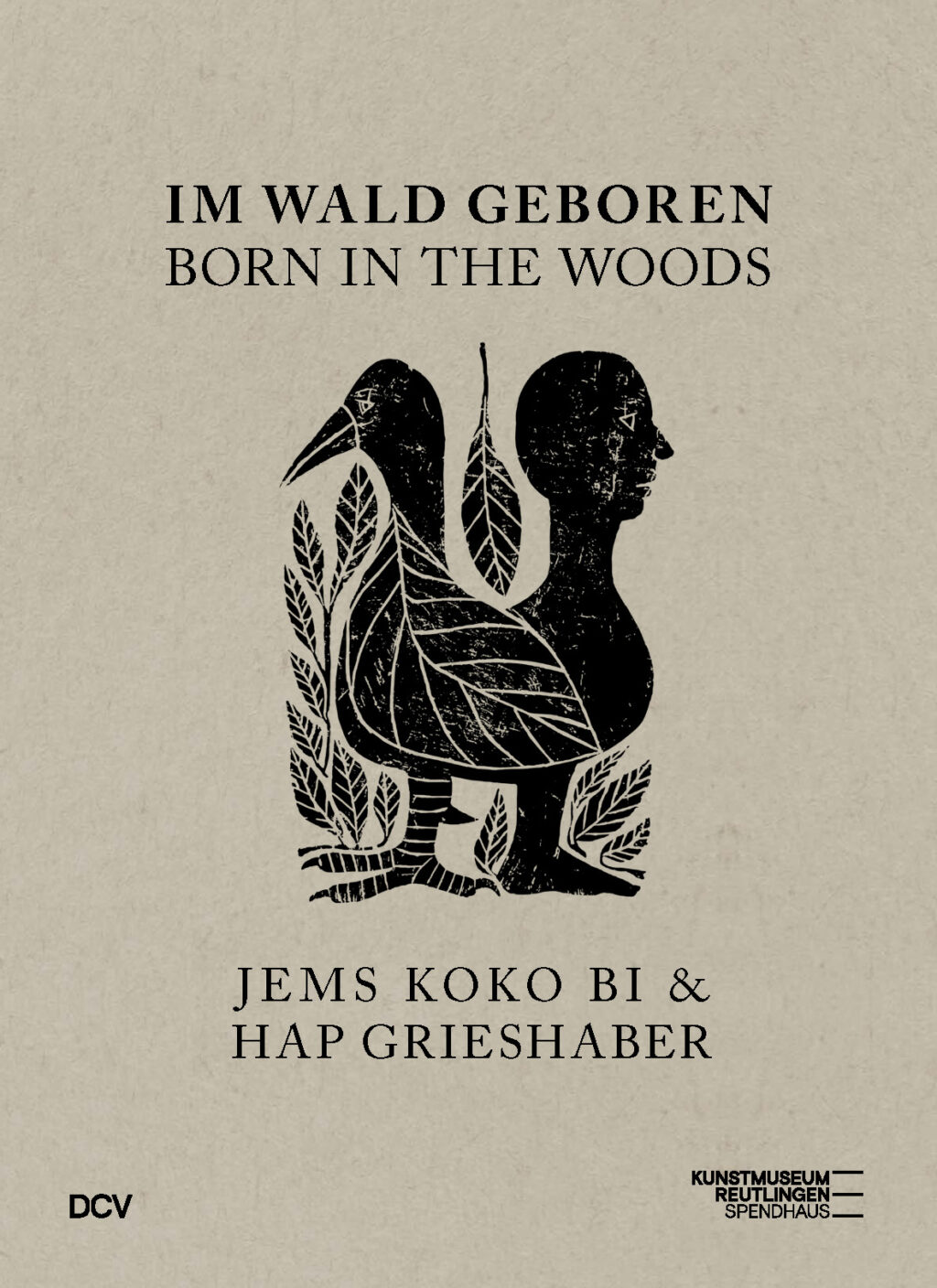
Jems Koko Bi & HAP Grieshaber24€ Add to cartThe Political Substance of Wood
Jems Koko Bi (b. Sinfra, Côte d’Ivoire, 1966; lives and works in Kaarst, Germany, Dakar, and Abidjan) is world-renowned for the monumental wood sculptures he creates using a machine saw. This book juxtaposes his most recent body of works with the large-format woodcuts of HAP Grieshaber (b. Rot an der Rot, Germany, 1909; d. Eningen unter Achalm, 1981). Although the two artists never met, their oeuvres are characterized by similar themes, values, and materials. The central concern is the fate of the forests and its momentous political and social implications: Grieshaber’s woodcuts articulate his principled opposition to the predatory exploitation of nature in the 1970s—an issue that is more relevant than ever today in light of the climate crisis and the Fridays for Future movement. Koko Bi’s figural groups bring this tradition of political art into our time, making a global and universally compelling case for a sustainable husbandry of our resources.
Jems Koko Bi studied at the Institut National Supérieur des Arts et de l’Action Culturelle (INSAAC), Abidjan, and the Düsseldorf Academy of Fine Arts. His work has been exhibited widely, including at the Centre Pompidou, Paris; at documenta 13; the Havana Biennial; and several Venice Biennials and Dakar Biennials. In 2019, he founded the forest biennial Abidjan Green Arts.
HAP Grieshaber studied advertising art at the Staatliche Kunstgewerbeschule, Stuttgart. His work is regarded as a signal contribution to the renewal of the woodcut medium in the twentieth century. He participated in documentas I, II, and III, held a professorship at the State Academy of Fine Arts Karlsruhe, and was honored with numerous awards and retrospectives.
-

WORLD FRAMED
Zeitgenössische Zeichenkunst der Sammlung Schering Stiftung im Kupferstichkabinett38€ Add to cartIn 2008, the Schering Stiftung began acquiring outstanding contemporary works on paper for the Kupferstichkabinett (Museum of Prints and Drawings) in Berlin. The collection, which has since grown to 130 nonfigurative drawings and a small number of prints, emphasizes the close conjunction of art and science. The holdings also reflect central tendencies in the art of drawing: in addition to exploring the line and its multifaceted formulation, artists shed light on the bounds of their medium and its expansions and undertake forays into inter-media art within drawing. The lavishly designed publication WORLD FRAME—the title is borrowed from a work by the artist Matt Mullican—presents the works acquired thanks to this partnership. It inquires into how artists translate their perceptions of their world into pictures and which contexts and discourses inform those pictures. Which perspectives, which ideas frame the segment of reality an artist observes?
“World Framed,” exhibition, Kupferstichkabinett, Staatliche Museen zu Berlin, July 7–October 8, 2023
-
Angelika J. Trojnarski
Noble Earth38€ Add to cartAngelika J. Trojnarski (born 1979 in Mrągowo/Polen; lives and works in Düsseldorf) examines facets of nature through an ecological, scientific, poetic study of their phenomena. Through a process centered on painting, her art articulates allegorical relationships between some of the most significant contentions of our time: humans and nature, strength and fragility, crisis and hope. She expresses a desire to understand nature by reproducing its workings, pointing to its incredible might while underscoring its increasing fragility. Trojnarski overlays raw canvases with paper fragments, employing brushwork and collage to apply materials like graphite or soot, generating a source of energy and suspense through color and contrast. The monograph offers an overview of the last decade of Trojnarski’s work.
Angelika J. Trojnarski 2006–2013 studies at Kunstakademie Düsseldorf. 2006–2009 Painting with Jörg Immendorff, Markus Lüpertz and Herbert Brandl, from 2010 Free Art with Andreas Gursky.
-
Tim Eitel
Propositions for Afterimages 2015–202436€ Add to cartTim Eitel initiates an exchange between recollection and painting. The work on his pictures, he says, is “a conversation about reality and memory” in which he engages the canvas. In the course of this dialogue, Eitel reflects on personal experiences, creating a standalone figural-abstract reality that needs to be internally consistent—the canvas has a strong will of its own. That makes the scenes depicted in his paintings analogues or afterimages of a situation rather than renditions of it. They are characterized by a certain openness that enables the beholders to inject their own recollections into the pictorial space as well. The dialogue between canvas and artist thus gives way to a colloquy between audience and finished work. Not by coincidence, many of the paintings by Eitel gathered in this catalog show people in museums: these scenes facilitate the leap into the pictorial space. The beholders have experienced a situation like the one shown in the pictures in the past or are experiencing it right now, and so they are already at the heart of the works; they become part of the painting, and the picture becomes a particle of their recollection.
-

Jürgen Claus
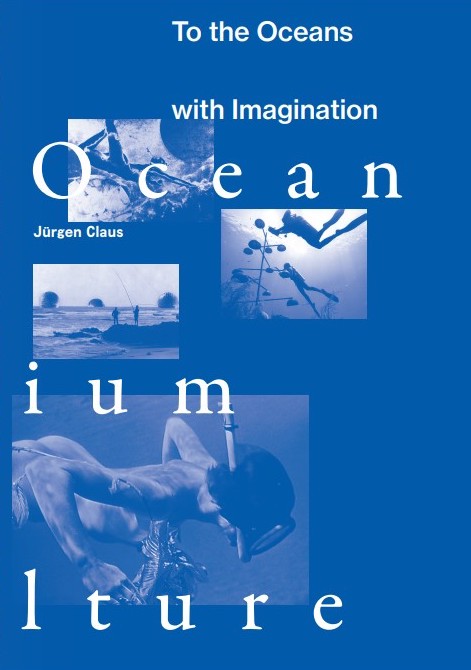
To the Oceans with Imagination18€ Add to cartThe Sea as a Space of Artistic Experience
Jürgen Claus’s (b. 1935, Berlin; lives and works in Aachen and Baelen, Belgium) oeuvre encompasses paintings, films, light and solar installations, and underwater art. He is also a prolific writer on art, with theoretical works that have sold over 100,000 copies. “Jürgen Claus is the first one to see the ocean through an artist’s rather than a scientist’s lens,” Michel Ragon writes. In this book, Claus intertwines his experiences working on the fascinating underwater installations with a pressing contemporary concern: the global efforts to restore the seas to health. The publication combines visual art, architecture, poetry, and music for a multifaceted engagement with the world’s oceans.
Jürgen Claus majored in theater studies at the Universität München and was a research associate at the Massachusetts Institute of Technology (MIT) and professor of media art at the Kunsthochschule für Medien Köln, Cologne.
-
André Butzer
Miettinen Collection30€ Add to cartAndré Butzer (b. Stuttgart, 1973; lives in Berlin) rose to renown with pictures he describes as “science fiction expressionism” and iconic characters like the “Peace Siemense,” the “Men of Shame,” or the “Woman” as well as seemingly abstract compositions. Artistic predecessors he admires and emulates include Walt Disney, Edvard Munch, Henri Matisse, Friedrich Hölderlin, and Henry Ford. Butzer’s utopian artistic vision is anchored in the fictional place “NASAHEIM”, a kind of pilgrimage destination in outer space. Yet his paintings should not be mistaken for illustrations of narrative structures; they articulate something that could not be said before. Similes of a sort, they embody the forever recurring extremes of history as emblems of human existence.
André Butzer briefly studied at the Merz Akademie, Stuttgart, before enrolling at the Hamburg University of Fine Arts (HFBK), from which he was expelled after two semesters in 1996. He went on to found the autonomous and anti-institutional Akademie Isotrop (1996–2000), where over twenty artists including Markus Selg, Jonathan Meese, and, in loose association, John Bock trained one another. In 2001, Butzer teamed up with Björn Dahlem to establish the Institute for SDI Dream Research.
-

Martin Noël
The Retrospective38€ Add to cartThe Protagonist of the Modern Woodcut
The German painter, draftsman, and graphic artist Martin Noël (b. Berlin, 1956; d. Bonn, 2010) played a leading role in reviving the linocut and the woodcut, two techniques that had long been eclipsed by other media. In his large-format works on paper, he staked out a widely regarded and distinctive position in contemporary art. Noël was especially interested in the compositional relationship between line and surface. Released on occasion of the retrospective of his oeuvre at the Albertina, Vienna, this book presents an overview of the most important periods in the artist’s creative evolution, with an emphasis on the woodcut carved into the printing plate and the woodblock’s subsequent emancipation as an art object in its own right. Particular attention is paid to the application of ink to the surface and its painterly structure as well as the picture’s migration from object to canvas. The resulting paintings are exemplary of Noël’s late oeuvre.
Martin Noël studied graphic art and painting at what is now the Cologne University of Arts and Sciences. His art garnered numerous prizes and other honors, including fellowships from Kunststiftung NRW, Stiftung Kunstfonds, and Letter Stiftung. Works by Noël are in the German Federal Collection of Contemporary Art, Kunstsammlung Chemnitz, and the collection of Museum Pfalzgalerie Kaiserslautern.
-
Mirror
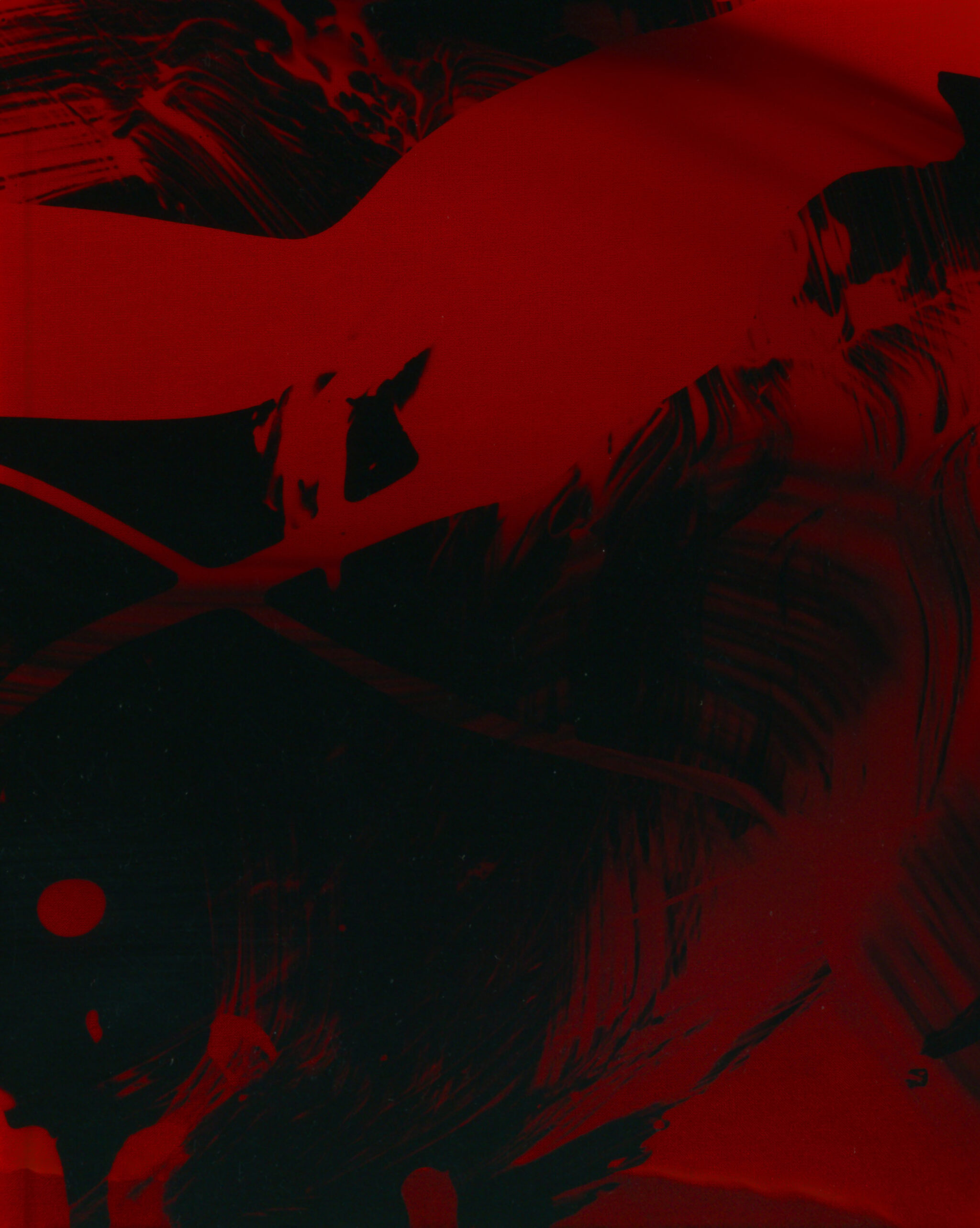
Collaborative Pictures by Merrick d’Arcy–Irvine x Julia Bajanova40€ Add to cartWe humans are social creatures. Without others to reflect our behavior back to us, we lose what defines us—language, culture, the capacity for creative expression. That is why photographer Merrick d’Arcy-Irvine and fashion designer Julia Bajanova are invested in intense encounters: not only with the people who appear in their pictures, but also with each other, as artists and as humans, and between their media and the materials out of which they are made. The materiality and sensual experience of these media in the physical world are the focus of the pictures gathered in this volume, which is why d’Arcy-Irvine and Bajanova eschewed all digital technologies. Sensuality forges an emotional bond between their creative universes, whose boundaries become permeable, as do the dividing lines between genres. Colors and forms are fused in a shared language of visual art and fashion in which d’Arcy-Irvine and Bajanova write their messages in light on photographic paper. They speak to what makes us human: creative energies untrammelled by the necessities of everyday life. The pictures in Mirror, then, are reflections of our existence and portals of self-knowledge.
-

Hans Hofmann
Chimbote24€ Add to cartExpressive Forms between Art and Architecture
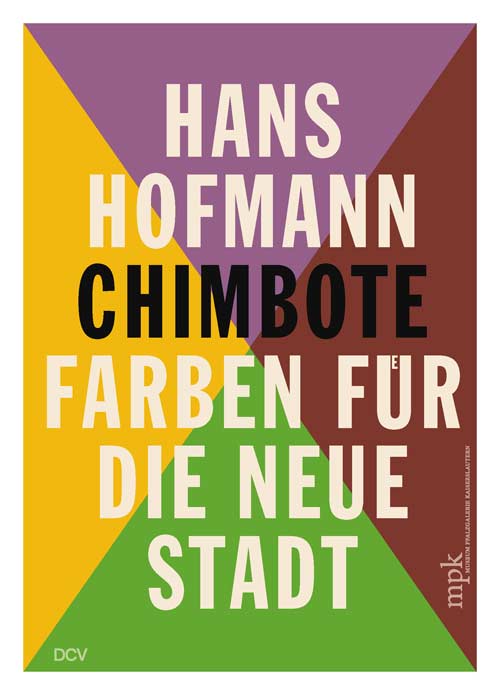
As an exponent of Abstract Expressionism, Hans Hofmann (b. Weißenburg, Germany, 1880; d. New York, USA, 1966) ranks among the preeminent artists of the twentieth century. As a teacher at his Hans Hofmann School of Fine Arts, which he founded in 1933 after emigrating to the United States, he exerted a formative influence over a generation of young painters. With Arshile Gorky, Willem de Kooning, Jackson Pollock, and others, he was a member of the illustrious New York School, a loose association of visual artists. In 1950 he was spending time in Europe and collaborated with the architects Josep Lluís Sert and Paul Lester Wiener on designs for colorful wall paintings to be executed on buildings in Chimbote, Peru. The urban masterplan they developed for the city’s post-World War II expansion was never realized, and so Hofmann’s intensely colorful works in large formats have been known only to specialists. The selection gathered in this book together with drawings and a city plan provides focused insight into a visionary project.
-

Maria Braune
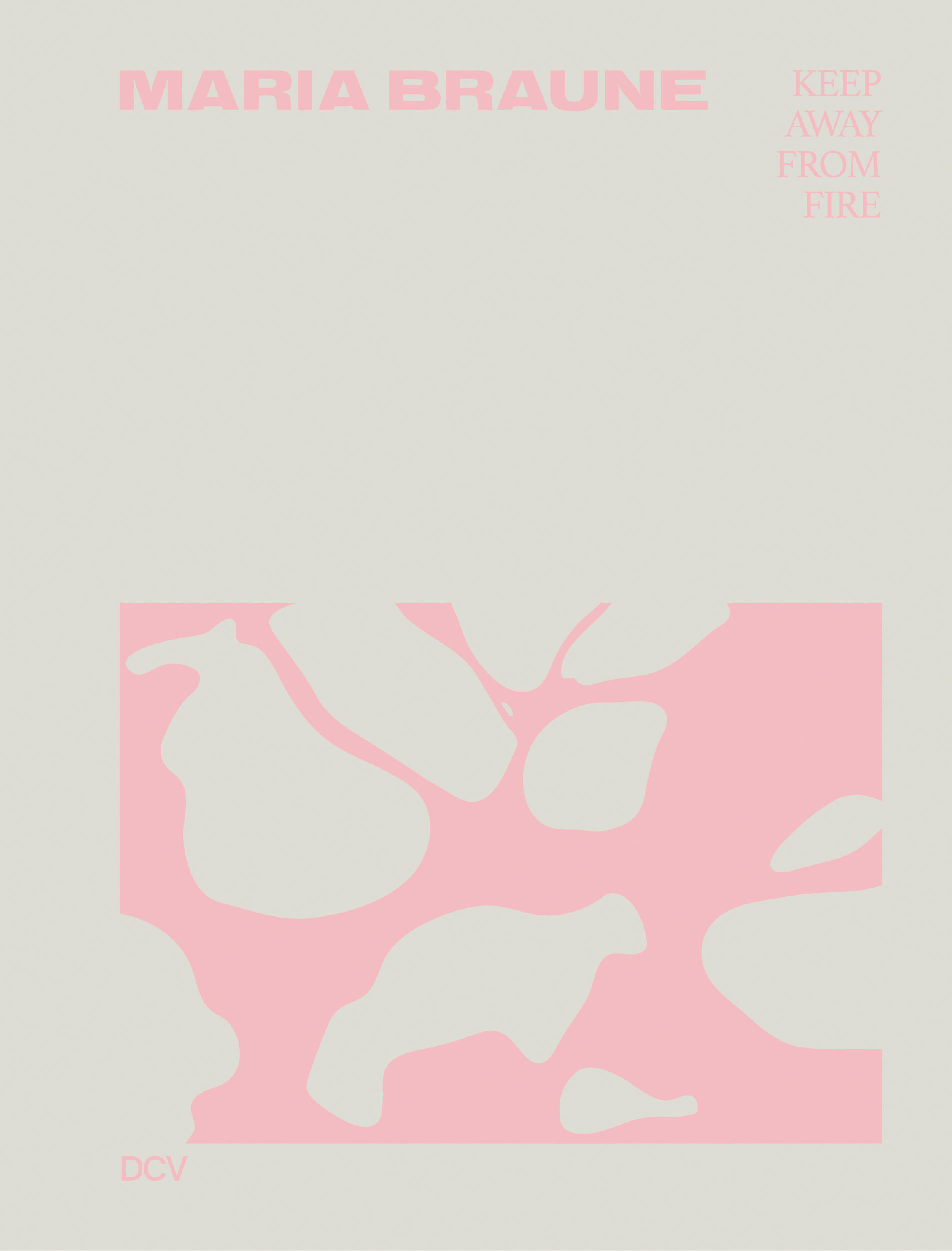
Keep Away From Fire28€ Add to cartMaria Braune’s (b. Berlin, 1988; lives and works in Munich and Bamberg) work revolves around a material she developed; named Migma, it consists of eight different renewable natural resources. She heats it, then casts and molds it in a process that continues for weeks. The resulting sculptures and installations sprawl throughout the space like sensuous organisms. Associations of growth and symbiosis emerge, but discontinuities and disintegration come into view as well. Braune’s creative process is part of an ecosystem and thoroughly anchored in the now. Her material is a vitally alive substance to which she responds in an immediate engagement, connecting it to mythological and narrative significations and setting it in relation to her own world.
Maria Braune studied woodcarving at the Fachhochschule für Bildhauerei in Berchtesgaden, Germany, in 2009–2011, then fine arts with Hermann Pitz at the Academy of Fine Arts Munich, where she graduated in 2017.
- Release January 2026
Ernst Wilhelm Nay
Monographie68€ Add to cartThe Great German Artist’s Imposing Oeuvre
Ernst Wilhelm Nay (b. Berlin, 1902; d. Cologne, 1968) was one of the most interesting painters of European modernism. Spanning the decades from the 1930s to his death in Cologne in 1968, his output encompasses paintings as well as an abundance of works on paper. The new monograph surveys all periods in Nay’s oeuvre, from the “Fishermen paintings” to the striking late pictures, which leave no doubt about the artist’s outstanding gift for color. Nay’s evolution is embedded in the history and ideas of his time, on which he reflected in lectures, writings, and notes. The volume unlocks a wide spectrum of fresh insights into Nay’s life and art.
-

Joanna Pousette-Dart
32€ Read more„A kind of Dialogue between Myself and the Horizon.“
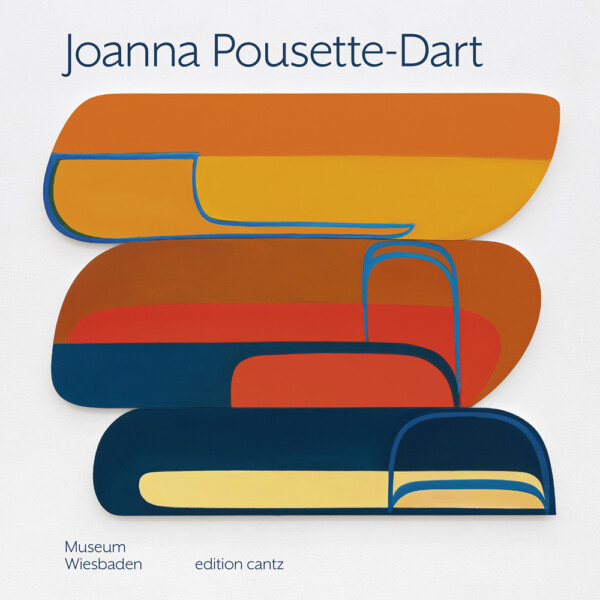
The works of Joanna Pousette-Dart (b. 1947, New York; lives and works in New York) are deeply rooted in the vast expanse of the American desert landscape, without ever committing themselves to a strict objectivity. As early as the 1970s, the artist abandoned the rectangular form of her canvas in favor of dynamically balanced panels that open out to the respective space. This volume presents her fascinating paintings from 2004 till 2019, which oscillate between landscape and abstraction, line and form. Born in New York to abstract expressionist painter and founding member of the New York School of painting, Richard Pousette-Dart, Joanna Pousette-Dart’s experience as a painter rises from rich tradition. Her work is held in the collection of the Museum of Fine Arts, Boston, the Solomon R. Guggenheim Museum, New York, and the Museum of Modern Art, New York, amongst others.
-

Matthew Davis
Kustodiev28€ Add to cartAn Expressive Instant in Painting
The art of Matthew Davis (b. 1969, Colchester, UK; lives and works in Berlin) operates between the micro and macro dimensions, between control and chance. Working with extraordinary precision, the artist applies drops of synthetic resin varnishes and enamel paints to canvases laid flat. The artist’s book Kustodiev showcases a recent innovative turn in Davis’s output, whose latest works were inspired by the lusciously colorful pictures of the Russian painter Boris Kustodiev (1878–1927). Kustodiev was manufactured using offset presses and Office Offset, a largely forgotten reproduction process based on miniature offset printing machines. The publication is released in a limited edition of 250 copies.
Matthew Davis studied at the Camberwell College of Arts, London, and the Norwich School of Art and Design. His work has been shown at the Konrad-Adenauer-Stiftung, Berlin; Künstlerhaus Wien, Vienna; Kunsthalle Wilhelmshaven; and other museums and galleries.
-

Judit Reigl
Kraftfelder / Centers of Dominance28€ Add to cartBeginning in the 1950s, Judit Reigl (b. Kapuvár, Hungary, 1923; d. Marcoussis, France, 2020) builds a singular creative oeuvre between abstraction and figuration, between Surrealism and gestural painting. After studying art in Budapest, Reigl flees Hungary in 1950; arriving in Paris, she is introduced to André Breton, who organizes her first exhibition in 1954. Under the influence of the École de Paris, she branches out into écriture automatique, then shifts toward free expression. Like her contemporaries Jackson Pollock and Helen Frankenthaler in New York, she lays out ever larger unprimed canvases on the floor and works them with a brush, her fingers, or other instruments. After 1966, bodily shapes emerge from her abstractions, and figures reappear in the pictures.
On occasion of Reigl’s centenary and the gift of three major works, the Neue Nationalgalerie mounts the artist’s first solo exhibition at a museum in Germany. The book surveys the oeuvre of one of the most important protagonists of European art in the second half of the twentieth century.
Judit Reigl studied painting at the Academy of Fine Arts in Budapest from 1942 until 1945 and was a fellow at the Hungarian Academy in Rome in 1947–48. From 1950 onwards, she lived and worked in France.
-

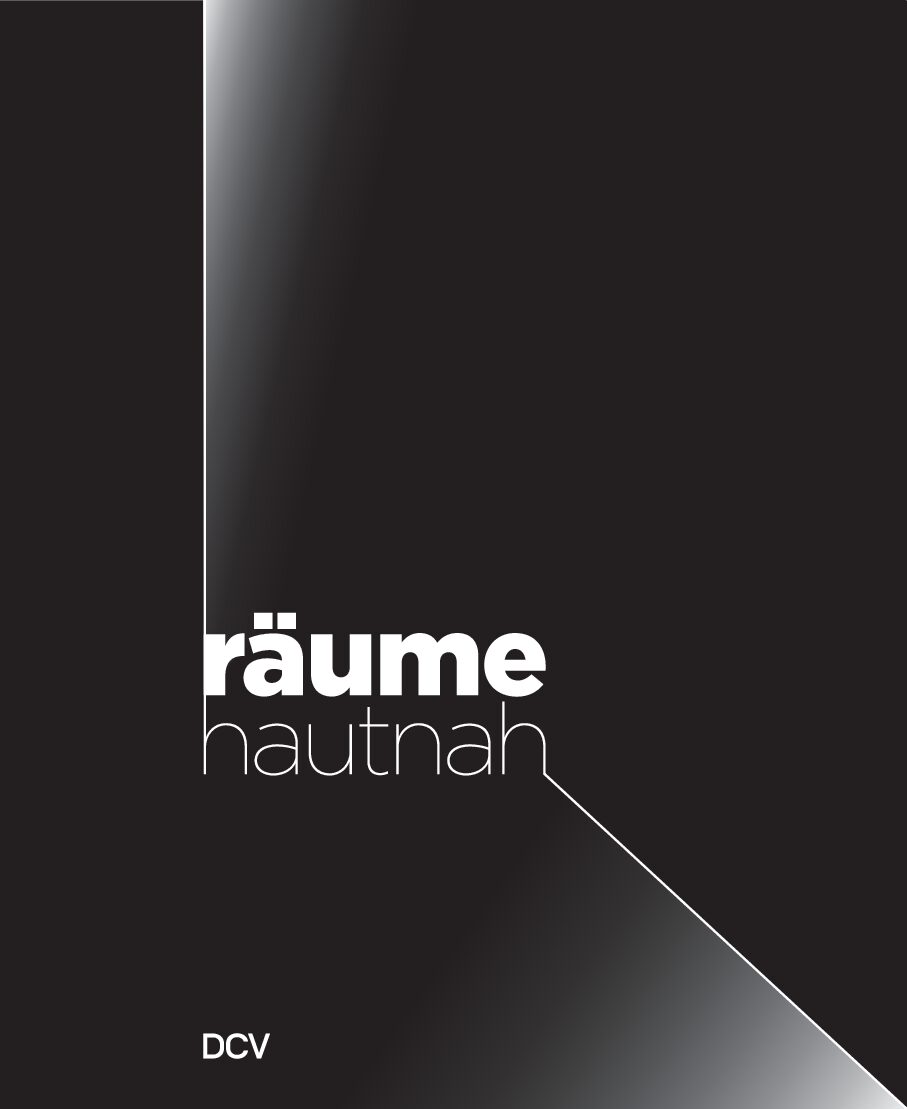
Räume hautnah (GERMAN)
Draiflessen Collection32€ Add to cartWe live in spaces that we shape in accordance with our own ideas. Our everyday lives leave traces in them that speak to our habits. Spaces promise shelter and belonging, but they can also instill a sense of constraint. We grow into the spaces we inhabit—and they in turn become expressions of our personalities. Conversely, spaces, depending on their architecture and location, inform our existence. RÄUME HAUTNAH gathers works of art that, rather than conceiving of the human sphere and the spatial domain as separate, comprehend them in their complex entanglements: in bodily experience, emotional dependency, or the instinctive need for protection. An essay by Olesja Nein, the project’s curator, offers an introduction to the exhibition and takes the reader on a tour, describing each artist’s space of activity and supplying helpful information. Philipp Zitzlsperger, meanwhile, zooms in on a key aspect of the art in the exhibition, the imprint as an artistic technique with a distinctive aura, and illuminates its origins and significance since the dawn of modernism.
Artists: Absalon, Shannon Bool, Heidi Bucher, Eileen Gray, Do Ho Suh, Mary Mattingly, Tracey Snelling, Francesca Woodman
-

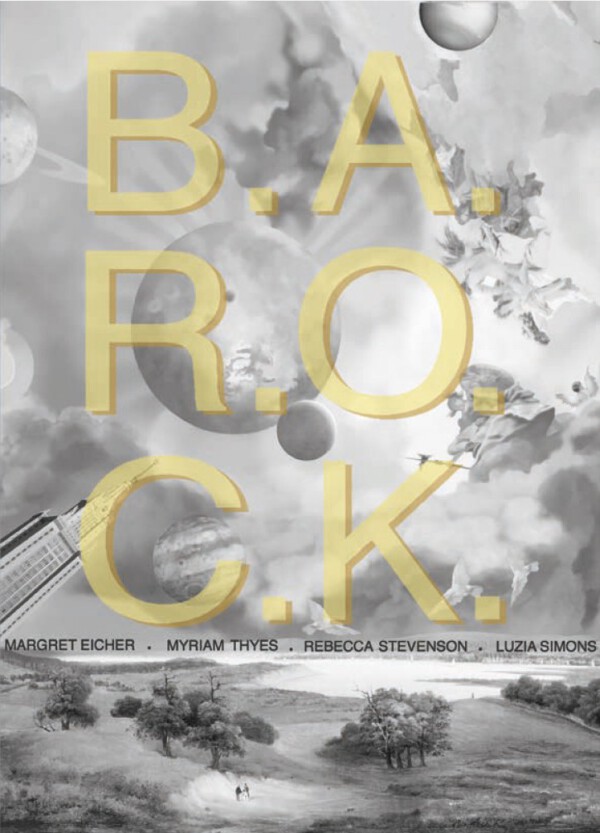
B.A.R.O.C.K.
24,80€ Add to cartArtistic Interventions in the Caputh Palace. Contemporary Parallels to the Baroque Era
Four international women artists spent more than three years studying Caputh Palace near Potsdam and creating works specifically for this magnificent location. The tapestries by Margret Eicher (b. 1955, Viersen; lives and works in Berlin), the floral scans by Luzia Simons (b. 1953, Quixadá, Brazil; lives and works in Berlin), the wax sculptures by Rebecca Stevenson (b. 1971; lives and works in London), and the ceiling painting projections by Myriam Thyes (b. 1963, Luxembourg; lives and works in Düsseldorf) blend into the surrounding space both naturally and surprisingly. With twelve double-page collages, the large-sized catalog is an artistic commentary on the ambitious project.
-

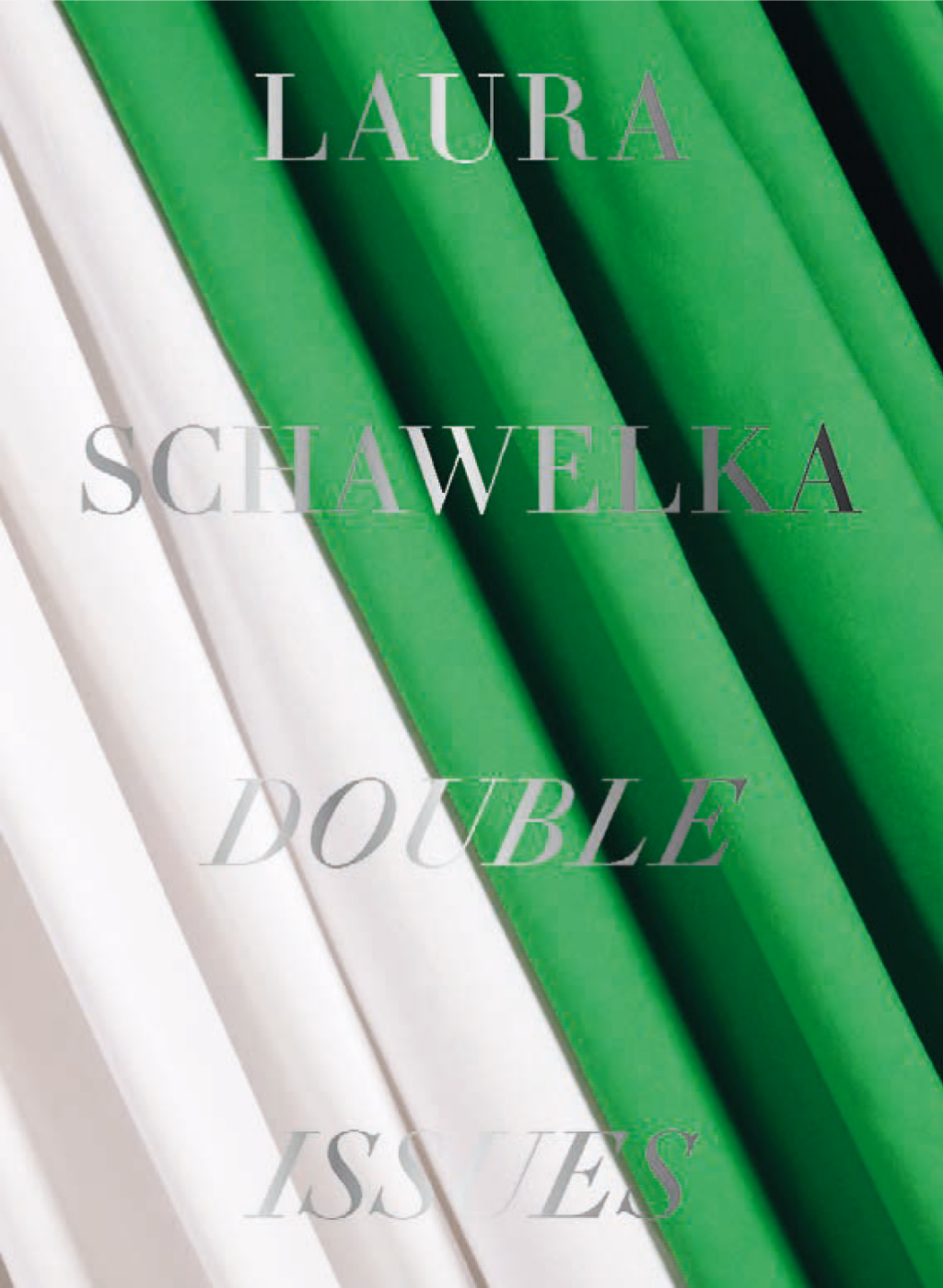
Laura Schawelka
Double Issues24€ Add to cartSales Spaces without Merchandise
In her installations, Laura Schawelka (b. 1988, Munich; lives and works in Berlin) makes use of photography, video, and sculpture in a multilayered dialogue. In her latest works, the artist focuses on the role of photography in the development of modern consumer society. What does it mean if goods are only communicated through other goods, such as computers, cell phones, tablets? If this withholding of the genuine object is precisely what prompts the desire for it? The artist creates sales spaces without merchandise, in which images, photographs, and videos have replaced consumer goods of any kind.
Laura Schawelka studied at the Städelschule in Frankfurt am Main as a student of Tobias Rehberger master-class. In 2015, she was awarded the Master of Fine Arts at the California Institute of the Arts in Los Angeles, and in 2017 she moved to Paris as the recipient of a studio bursary of Hessische Kulturstiftung.