Ernst Wilhelm Nay
Monograph (EN)
 | |
|---|---|
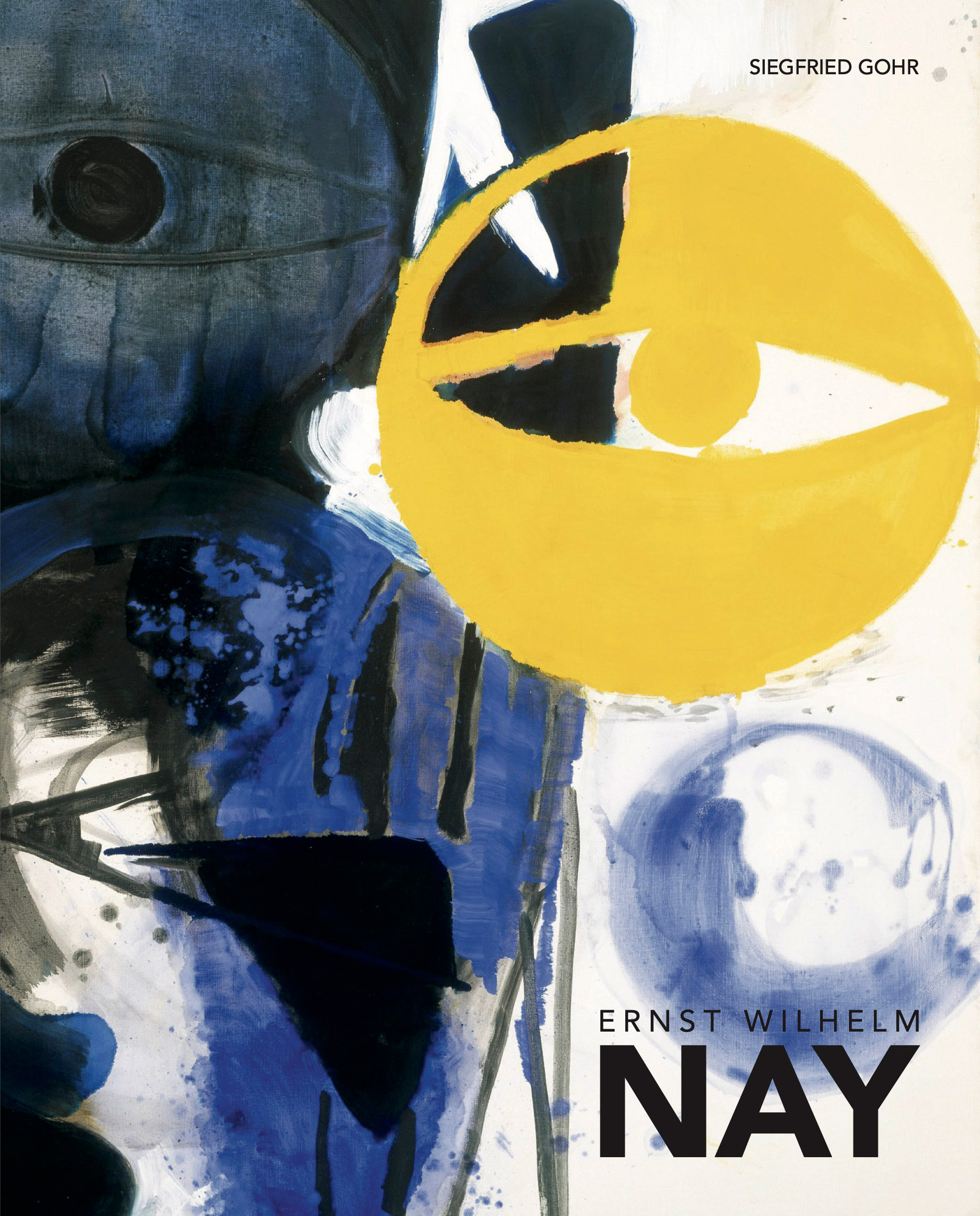
| Editor(s) | Ernst Wilhelm Nay Stiftung |
| Author(s) | Siegfried Gohr |
| Design | Andy Schmidt |
| Cover | Clothbound hardcover with dust jacket |
| Size | 25 x 31 cm |
| Pages | 368 |
| Illustrations | 250 |
| Language(s) | English |
| ISBN | 978-3-96912-151-1 | Release January 2026 |
The Great German Artist’s Imposing Oeuvre
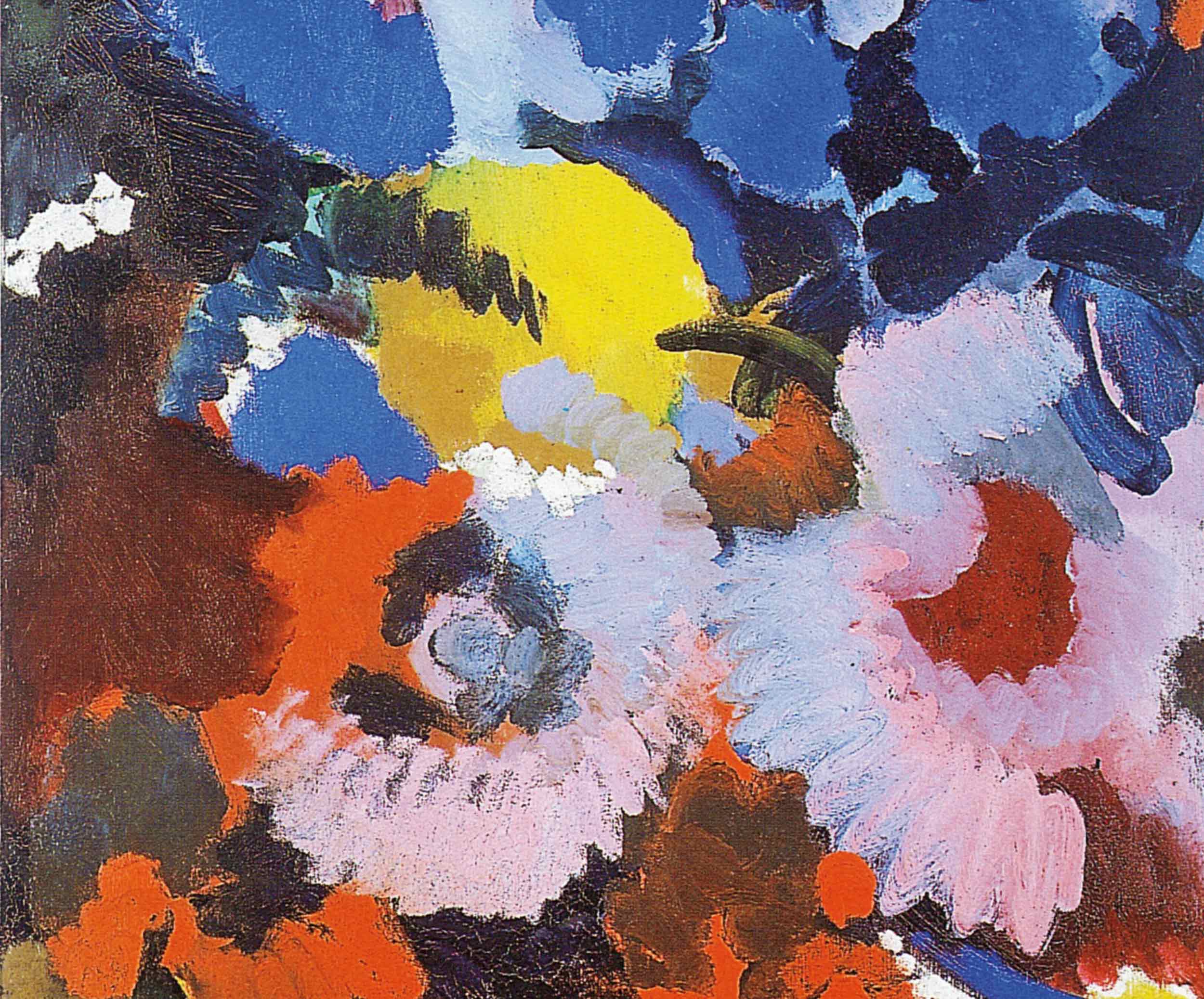
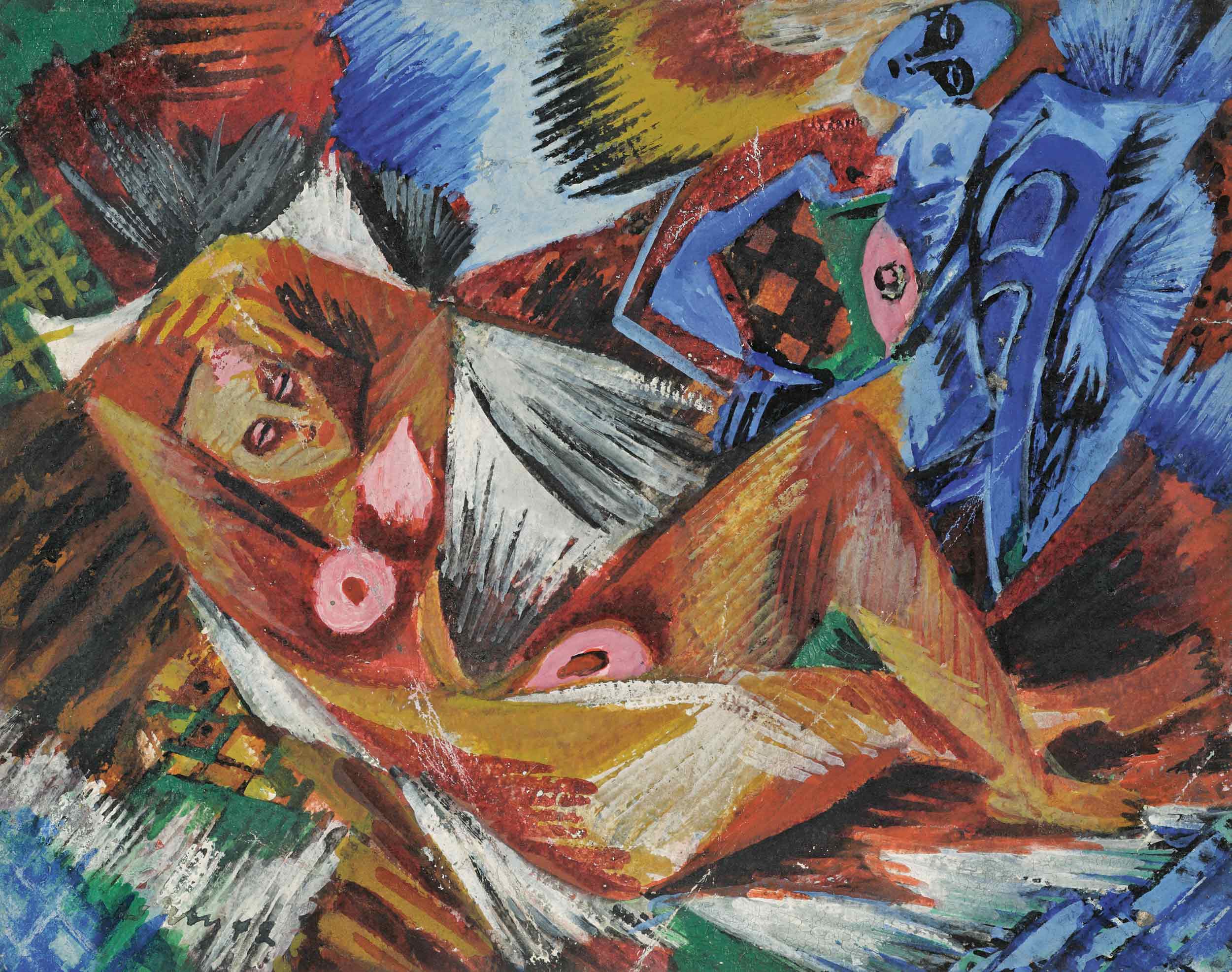
Ernst Wilhelm Nay (b. Berlin, 1902; d. Cologne, 1968) was one of the most interesting painters of European modernism. Spanning the decades from the 1930s to his death in Cologne in 1968, his output encompasses paintings as well as an abundance of works on paper. The new monograph surveys all periods in Nay’s oeuvre, from the “Fishermen paintings” to the striking late pictures, which leave no doubt about the artist’s outstanding gift for color. Nay’s evolution is embedded in the history and ideas of his time, on which he reflected in lectures, writings, and notes. The volume unlocks a wide spectrum of fresh insights into Nay’s life and art.
Release January 2026
More books
-

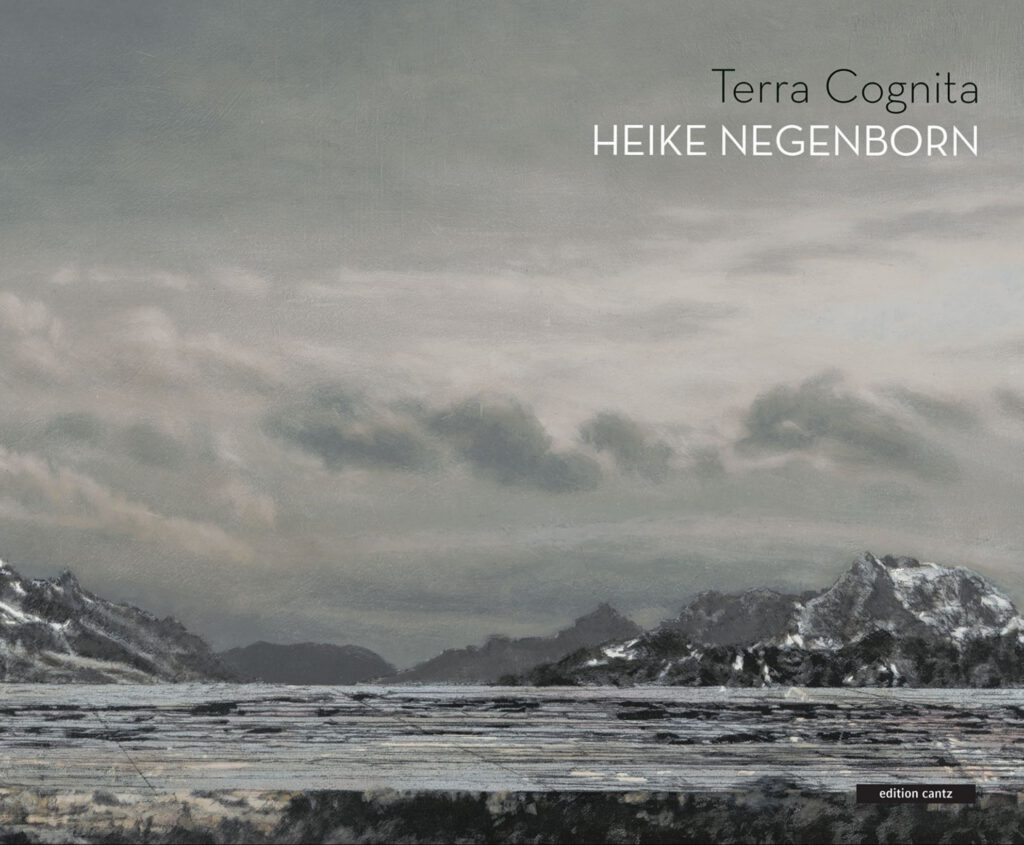
Heike Negenborn
Terra Cognita24€ Add to cartLebensraum of our Time: Contemporary Landscape Painting
The central theme of Heike Negenborn (b. 1964, Bad Neuenahr-Ahrweiler; lives and works in Windesheim) is the seen lebensraum. In reference to seventeenth-century Dutch landscape painting, her works stand in a specific tradition of capturing reality. With her new group of works titled Net-Scape – Landscape in Transition, Negenborn transfers art historical references into contemporary images. The artist is interested in the possibilities of media transfer and the increasing appropriation of analog reality by the digital image. The present volume provides impressive insights into the developments of the landscape painter from 2007 to 2020.
Heike Negenborn studied fine arts at Austin College, Texas, Art Education at Johannes Gutenberg Universität Mainz, and Painting and Printmaking at the Akademie für Bildende Künste Mainz.
-

Anna Virnich
10€ Add to cartAnna Virnich’s (b. Berlin, 1984; lives and works in Berlin) works resemble a speculative narrative. The artist has collected fabrics, garments, and bedspreads since her childhood, which she cuts up, exposes to the elements, dyes, and sometimes paints on to construct pictures and spaces. Her works are paintings and objects at once and defined by a powerful physical presence in conjunction with a ghostly emptiness. They recall Helen Frankenthaler’s liquefied chromatic landscapes, Paul Thek’s post-minimalist physicality, and the silver-foil transcendence of Andy Warhol’s Factory. Everything in Virnich’s art is a shell or membrane through which something filters in or out, “a part of emerging networks and an exchange of substances, technology, bodies, imageries, of the light of the eyes,” as Baptist Ohrtmann writes. Gathered, the textiles unfold an abstract tale of becoming and passing away, of painting, birth, artificiality, and science fiction.
-

Clemens Krauss
Antidot | Gegengift40€ Add to cartClemens Krauss restlessly shuttles across history; his vehicles are painting, video art, sculpture, and performance. Yet Krauss is not “just” an artist, he is also a psychoanalyst and physician. As such, he has first-hand experience of time as the defining factor of existence, daring him to play with it. The bosom of painting is where he feels safest after his hazardous excursions back into his youth and forward into death. Executed in thick paints, his work is physical, material, which is also to say, it exists in time: everything passes away, even the picture. Evanescent, more than anything, are encounters of the sort Krauss stages as part of his psychoanalytical practice; all that remains is the indelible impression they leave. To be indelible, to recall the past, while also “letting happen what has never happened,” as he puts it, these are the ambitions he pursues in his art. Preserved between the covers of the present catalogue and reproduced in thousands of copies, his works now fan out in an instant to circulate for an indeterminate period of time among countless hands, whence they will effortlessly penetrate the barriers of our inner lives to bring us one step closer to transcendence.
-

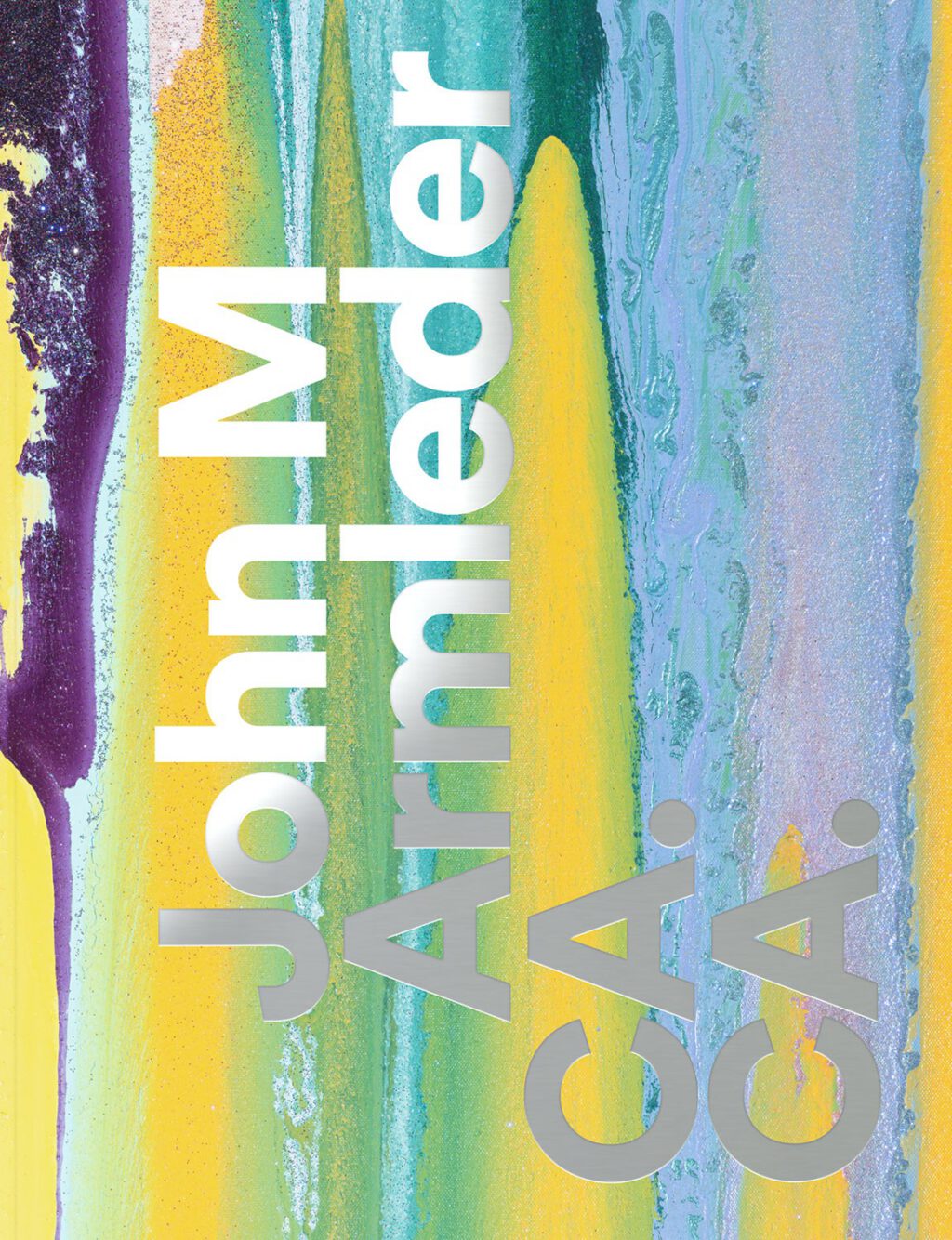
John M Armleder
CA. CA.19€ Add to cartCommentaries on our Present Day Realities and the Status of Art
John M Armleder (b. 1948, Geneva; lives and works in Geneva and New York) is one of the most influential contemporary conceptual, performance and object artists. The profound and the banal, control and coincidence, high culture and everyday life coalesce in Armleder’s work to create a unique experience. The works of the Swiss – often humorous or ironically twisted commentaries on contemporary reality – draw on the formal repertoire of Classical Modernism, as well as on video and design. The book focuses on large-scale, site-specific installations and wall pieces, showing in detail the broad spectrum of Armleder’s work.
John M Armleder studied at the École des Beaux-Arts in Geneva. He represented Switzerland 1986 at the 42nd Biennale di Venezia and participated in documenta 8 one year later. His work has been exhibited at the Museum of Modern Art, New York, Palais de Tokyo, Paris, and Belvedere, Vienna, amongst others.
- Release February 2026
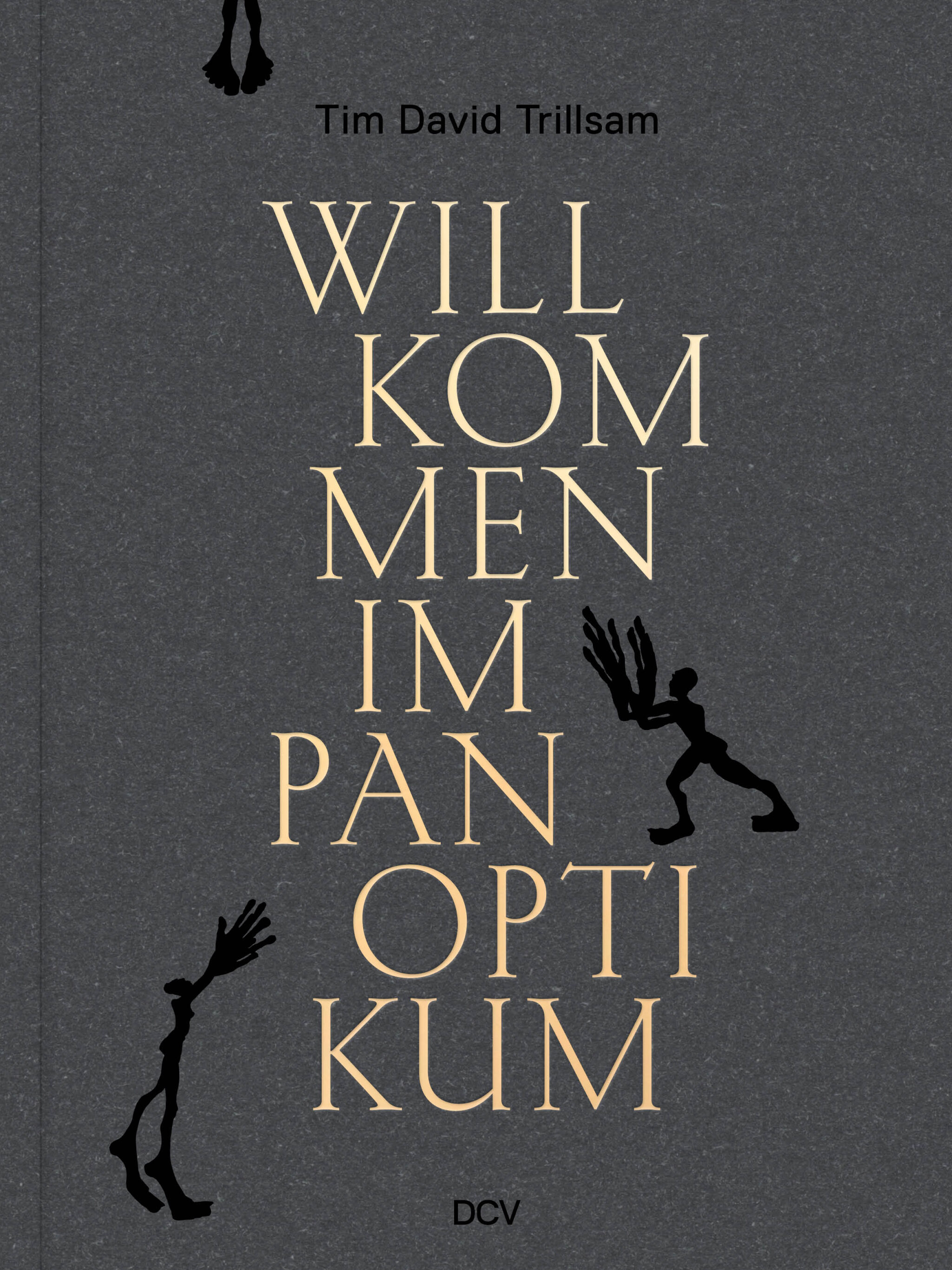
Tim David Trillsam
Willkommen im Panoptikum38€ Add to cartWith his idiosyncratic figurative bronze sculptures Tim David Trillsam (born 1985 in the Swabian Alb) has hit a nerve. The artist’s “self memorials” ask the viewer to remember the transience and illusion of this very self. Although Trillsam employs a loaded material that evokes many great sculptors before him, his own sculptures resist the past. His figures are tangibly protagonist of the present and they provoke with their exaggerated sensuality, twisted bodies, and oversized hands and feet. “The oversizing is programmatic. As is the skeptical approach to the human species. Trillsam proceeds as a thoughtful questioner with doubt yet also irritation,” writes Dorothee Baer-Bogenschütze. Her in-depth art-historical analysis is part of this forthcoming book about Trillsam’s oeuvre since 2012.
-

Jean-Marie Biwer
D’après nature42€ Add to cartPainterly Investigations of the Present
For over four decades, Jean-Marie Biwer (b. 1957, Dudelange, Luxembourg; lives and works in Basbellain, Luxembourg) has made art that records his fine-grained observations. Grappling with the grand themes of art history – the landscape, the human figure, the still life – Biwer consistently questions the role painting can play in a world shaped by a deluge of images and information. Responding to the omnipresence of the latter and reacting to the increasingly frantic pace of our lives, he creates paintings that allow the intensity of the present moment to unfold. The richly illustrated book gathers his most important works since 2005.
“These things are there, we just need to look at them. They are simple, but today they have the power to bring so much to people.”—Jean-Marie Biwer
Jean-Marie Biwer’s work has been shown throughout Europe and in 1993 he represented Luxembourg at the 45th Biennale di Venezia. His works can be found in the Musée National d’Histoire et d’Art Luxembourg, IKOB, Museum of Contemporary Art, Eupen, and Mudam Luxembourg – Musée d’Art Moderne Grand-Duc-Jean amongst others.
-

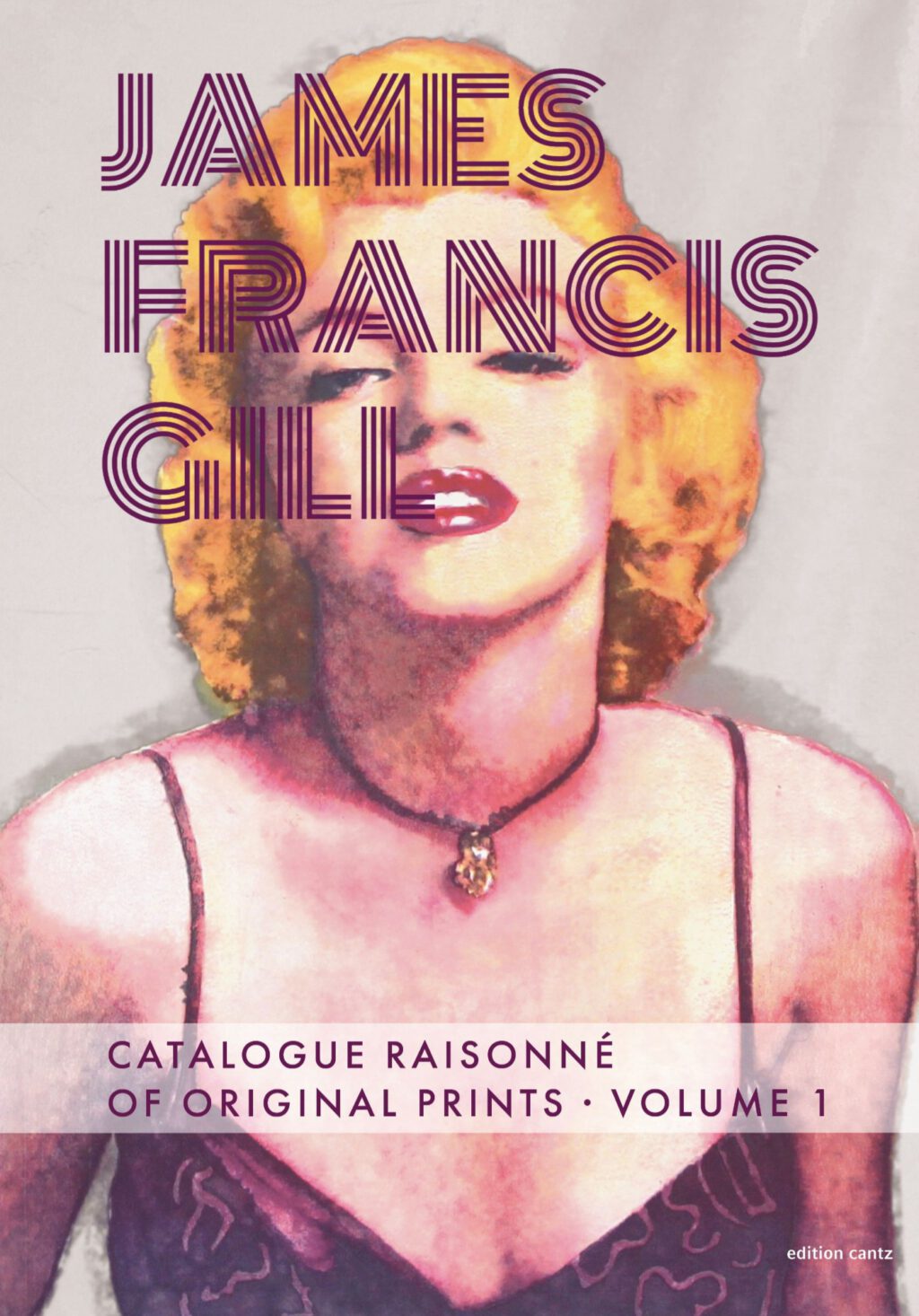
James Francis Gill
Catalogue Raisonné of Original Prints, Vol. 139€ Add to cartThe Catalogue Raisonné of the Co-Founder of American Pop Art
James Francis Gill (b. 1935, Tahoka; lives and works in Texas) is one of the most important artists of American Pop Art. His paintings, often based on photographs, provide an unusually personal approach to the icons of the 1950s and 60s. Gill suddenly became Hollywood’s most celebrated artist when his Marilyn Triptych was added to the permanent collection of The Museum of Modern Art in New York in 1962 – even before the works of Andy Warhol. Through friendships with celebrities such as John Wayne, Martin Luther King, and Marlon Brando, Gill became the contemporary artist-witness of an entire generation. Nevertheless, he kept his distance from the exuberant Hollywood of the time and surprisingly withdrew in 1972, only to reappear on the art market thirty years later. This catalogue raisonné in two volumes impressively documents his work from the early political motifs to the Pop Art icons of his late work.
-
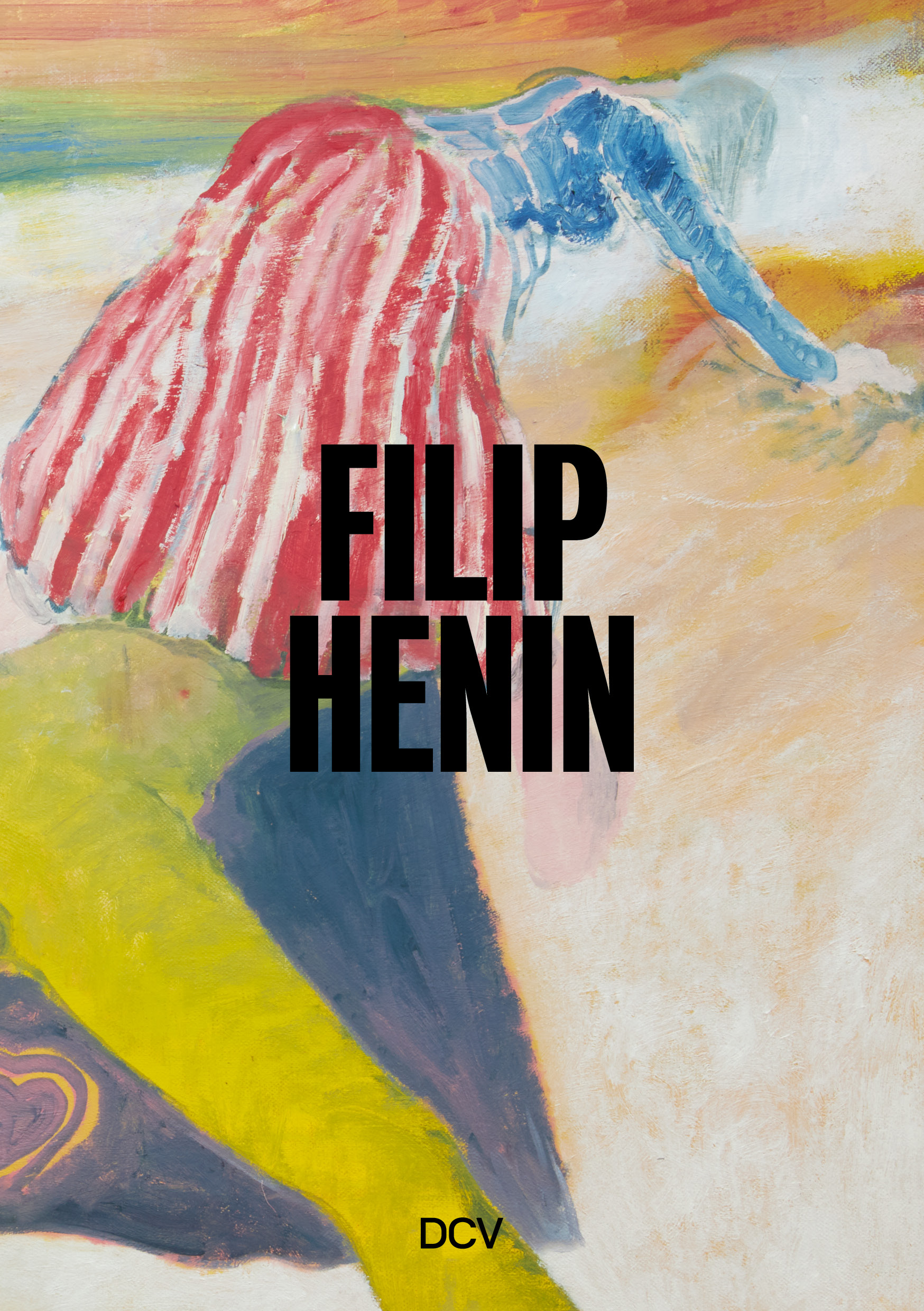
Filip Henin
10€ Add to cartThe events captured in Filip Henin’s (b. Mayen, 1986; lives and works in Berlin) paintings are set in a world beyond time and place, as though on an empty stage prepared for a Samuel Beckett production. It is virtually impossible to say whether a picture shows a coastal region or a craggy slope up in the mountains, whether a field of blue represents the sea or a band of open sky. Henin strips landscapes down no less than human figures, subtracting specific features to isolate basic forms that might be found in the hill country around his hometown in western Germany or in Tuscany. His work integrates quotations from antiquity, Romantic landscape painting, and postmodernism as well as Italian Transavanguardia, the mysticism of Francesco Clemente and Sandro Chia, and the figurative painting of the 1990s. Without veering into drama or pathos, he harnesses two utterly antithetical energies: the reflection on painting and the history of art and the need to be simple.
-

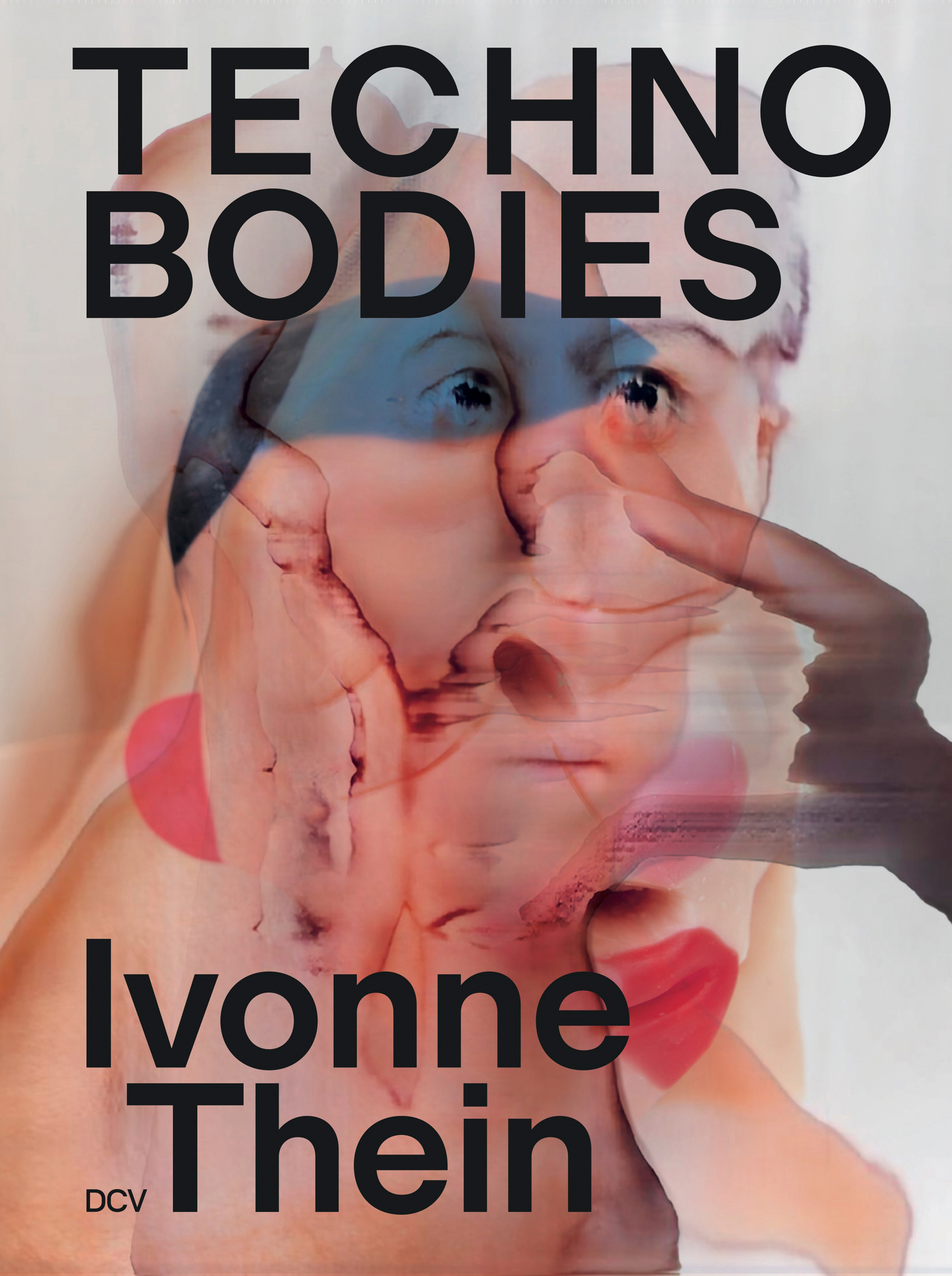
Ivonne Thein
TECHNO BODIES28€ Add to cartIn her multidisciplinary work, Ivonne Thein (born 1979 in Meiningen, lives and works in Berlin) addresses the current body images of a digital culture that is undergoing fundamental change due to extensive technologization. Today, new technologies are profoundly shaping both the physical body and its virtual representations in the visual culture of our time. Thein works with AI systems for her installations and places the question of the problem of imitating nature, and thus the relationship between art, technology and body, at the center of her artistic work. To do this, she combines digital techniques with sculptures that she creates by hand from silicone. Thein thereby evokes an intrusive closeness in the exhibition space, as the images generated with the AI no longer remain just a pure data set on the screen. The book presents works from 2020–2023.
-

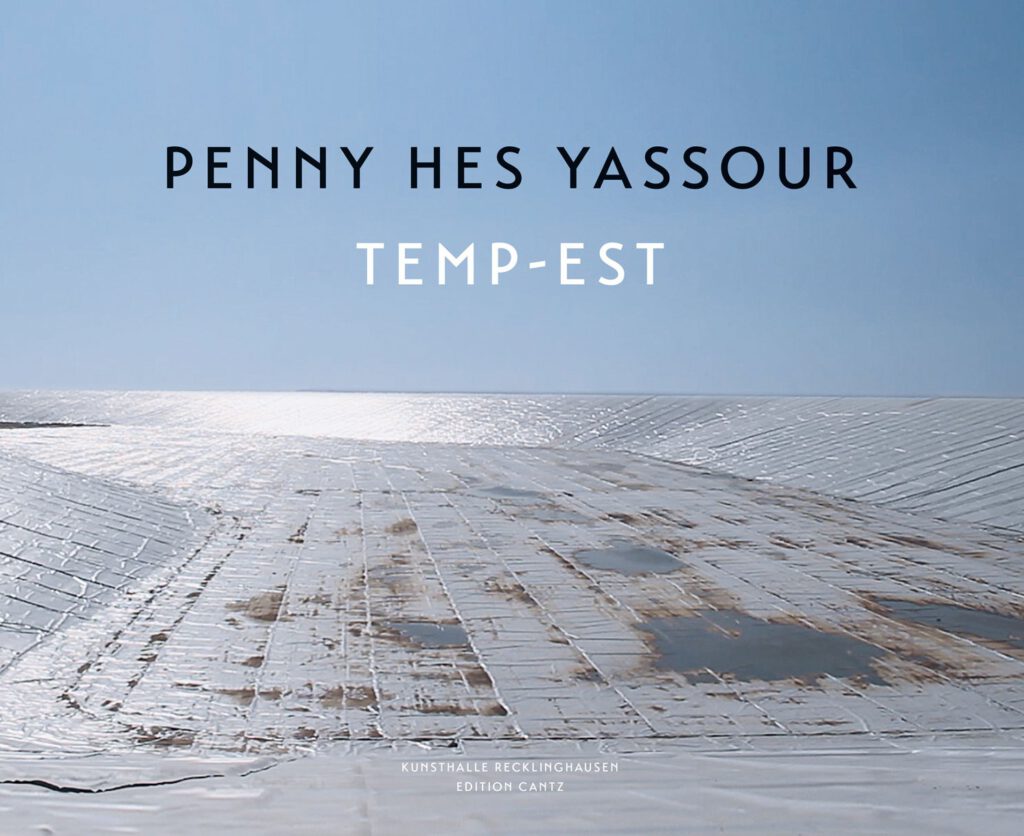
Penny Hes Yassour
Temp-Est24€ Add to cartA Monograph about the Award-Winning Israeli Artist
Penny Hes Yassour (b. 1950, lives and works at kibbutz En-Harod Ihud) tells stories and keeps history alive, explores the boundary between remembering and forgetting. In her installations she combines sound, image, and a multi-part world of objects into narrative mise-en-scènes of great poetic power. Hes Yassour leads the viewer through the Jordan Valley with its many watchtowers, accompanies the transformation of the landscape in a gigantic, stagelike water basin, and documents the flight of bats in a narrow, labyrinthine spatial installation. The book published on the occasion of the artist’s first exhibition in Germany provides comprehensive insights into her subtle artistic work.
-

Museum Brot und Kunst
Forum Welternährung24€ Add to cartFood, Art, and Consumption
The craving for food and the desire to avoid being hungry have been among humanity’s central concerns for millennia. Economic activity, science, politics, culture—our basic need for sustenance informs and influences every domain of our lives. The catalogue accompanying the permanent exhibition at the Museum Brot und Kunst—Forum Welternährung sheds light on nineteen thematic foci around the significance of bread as the quintessential food. Founded in 1955, the Museum of Bread and Art was the first institution of its kind in the world dedicated to this subject; its collection comprises a large number of artifacts from across several centuries that speak to the histories of culture, society, and technology. The generously illustrated publication presents a panorama of the wide field of human nourishment in dialogue with art, helping the reader grasp the complexities of the world in which we live.
With works by Ernst Barlach, Bernhard Johannes Blume, Pieter Brueghel, Marc Chagall, Salvador Dalí, Simone Demandt, Agnes Denes, Frans Francken, Georg Flegel, Erich Heckel, Christian Jankowski, Markus Lüpertz, Gerhard Marcks, Max Pechstein, Pablo Picasso, Claire Pentecost, Thomas Rentmeister, Daniel Spoerri, Andy Warhol and others.
The book was included in the shortlist of the competition “Schönste Deutsche Bücher 2021”.
-

Stephan Kaluza
Mechanik Sehnsucht. Kunsterzeugung und Betrachtung14€ Add to cartUngewohnte Antworten aus der Sicht des Kunsterzeugers
Die Frage, was Kunst ist und wie sie entsteht, wird gerne von denen beantwortet, die sie selbst nicht erzeugen. Die Betrachtung und Interpretation steht im Vordergrund und damit eine wissenschaftliche Distanz zur Kunst. Es gibt aber durchaus die Eigen-Betrachtung derer, die Kunst aktiv herstellen und naturgemäß einen inneren Blick auf die prozessualen Bedingungen haben, die überhaupt erst das entstehen lassen, was anschließend betrachtet und beurteilt wird. Diese Sichtweise ist nicht zwangsläufig identisch mit der von außen. Nicht die Interpretation oder eine deduktive Schlüssigkeit steht hier im Vordergrund, sondern ein ableitender und besonders ein schöpferischer Sinn, der sich aus dem Prozess des Kunstherstellens von selbst ergibt.
Die Arbeiten von Stephan Kaluza (geb. 1964 in Bad Iburg, lebt und arbeitet in Düsseldorf) wurden unter anderem im Ludwig Museum Koblenz, im State Contemporary Art Museum, Seoul, in der Kunsthalle Osnabrück, im Palacete des Artes Rodin, Salvador, im Museum on the Seam, Jerusalem, sowie in der KAI 10 | Arthena Foundation, Düsseldorf, ausgestellt.
-

Räume hautnah (GERMAN)
Draiflessen Collection32€ Add to cartWe live in spaces that we shape in accordance with our own ideas. Our everyday lives leave traces in them that speak to our habits. Spaces promise shelter and belonging, but they can also instill a sense of constraint. We grow into the spaces we inhabit—and they in turn become expressions of our personalities. Conversely, spaces, depending on their architecture and location, inform our existence. RÄUME HAUTNAH gathers works of art that, rather than conceiving of the human sphere and the spatial domain as separate, comprehend them in their complex entanglements: in bodily experience, emotional dependency, or the instinctive need for protection. An essay by Olesja Nein, the project’s curator, offers an introduction to the exhibition and takes the reader on a tour, describing each artist’s space of activity and supplying helpful information. Philipp Zitzlsperger, meanwhile, zooms in on a key aspect of the art in the exhibition, the imprint as an artistic technique with a distinctive aura, and illuminates its origins and significance since the dawn of modernism.
Artists: Absalon, Shannon Bool, Heidi Bucher, Eileen Gray, Do Ho Suh, Mary Mattingly, Tracey Snelling, Francesca Woodman
-

Susanne Rottenbacher
Radiationen40€ Add to cartIn expansive compositions in light, Susanne Rottenbacher (b. Göttingen, 1969; lives and works in Berlin) visualizes the fire of life in its timebound and fluid dimension. Plotinus called fire the “spiritual potency of beauty.” Pursuing a similar vision, Rottenbacher’s works orchestrate light as energy in space. To this end, the artist, who studied light and stage design in the United States and the United Kingdom, creates weightless luminous choreographies realized in colorful LED technology in combination with acrylic glass as a translucent vehicle of form. The results are installations in three dimensions that are deeply silent yet unfold in a magical ecstasy of light.
In Christian sacred architecture, light has been deployed and perceived since the Middle Ages as the aesthetic equivalent of the divine mind’s lucidity. The history of light art, by contrast, is much younger, going back to the years after the First World War. Having built her creative practice over the past fifteen years, Rottenbacher not only continues a century-old tradition of light art in Europe and the U.S.; her works also anticipate a future in which humanity will have room for feelings no less than for scientific knowledge.
-

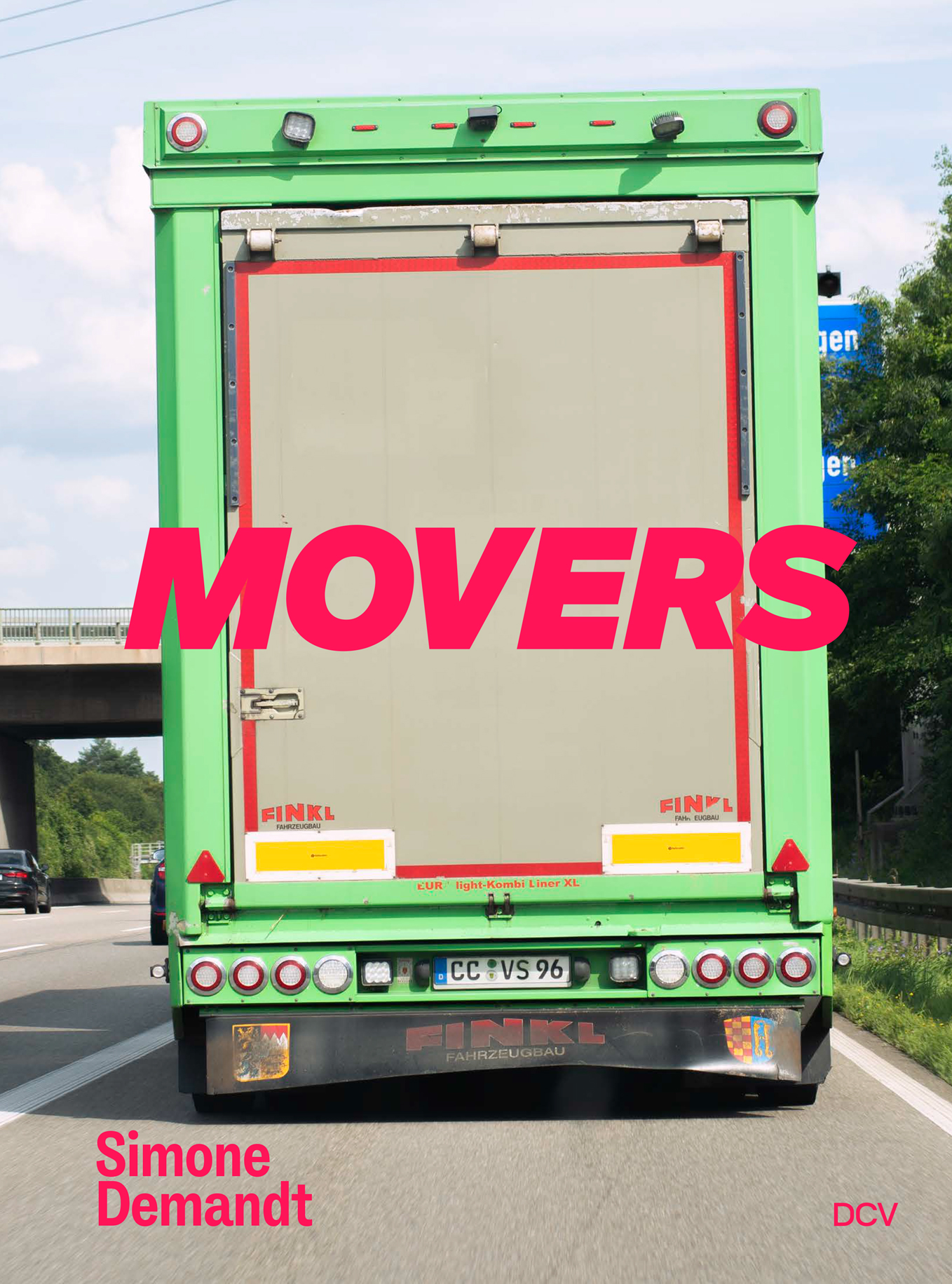
Simone Demandt
Movers / Beweger38€ Add to cartMotorways are Europe’s lifelines. The products we buy every day arrive on supermarket shelves after traveling along these arteries on the backs of thousands of trucks steered by hard-working drivers. Glancing up into the cabs of their hulking vehicles, we can just barely make out their heads sticking up above the steering wheels. In this overdue volume, Simone Demandt lets us see more of the heroes of the road who confidently posed for her camera. The pictures demonstrate Demandt’s knack for discovering “the intimate in the anonymous and the narrative element in the matter-of-factly” (Matthias Winzen). She has condensed the truckdrivers’ lifeworld into documentary black-and-white shots in which she shows these people as whole persons and individuals—very different from how we perceive them when they’re in the next lane. Movers lets us peek into the cabs through Demandt’s nonjudgmental lens, broadening our horizons hardly less than travelling would and helping us overcome our prejudices about teamsters. If you’ve always wanted to know whom we really have to thank for those never-empty supermarket shelves, you should not miss out on this book.
- Release January 2026
Frank Morrison
38€ Add to cartThe dynamic Neo-Mannerist images of painter and illustrator Frank Morrison (born 1971, lives in Atlanta) celebrate the resilience and dignity of African Americans in everyday life. A child of institutionalized racism in the US, he can testify that creativity and solidarity could never be suppressed in the segregated and brutally marginalized communities. Hip-hop and graffiti are resistance. Clichés of inner-city struggle are vividly refuted in this book. The volume documents Morrison’s recent exhibitions, one of which is dedicated to the younger generation: frame-braking images that interweave narrative forms of comics and pop art with illustration. Morrison’s gallery calls the book an explosive tribute to genius flourishing in institutionalized exile.
- Release January 2026
Ernst Wilhelm Nay
Monograph (EN)68€ Add to cartThe Great German Artist’s Imposing Oeuvre
Ernst Wilhelm Nay (b. Berlin, 1902; d. Cologne, 1968) was one of the most interesting painters of European modernism. Spanning the decades from the 1930s to his death in Cologne in 1968, his output encompasses paintings as well as an abundance of works on paper. The new monograph surveys all periods in Nay’s oeuvre, from the “Fishermen paintings” to the striking late pictures, which leave no doubt about the artist’s outstanding gift for color. Nay’s evolution is embedded in the history and ideas of his time, on which he reflected in lectures, writings, and notes. The volume unlocks a wide spectrum of fresh insights into Nay’s life and art.
-

Pokorny
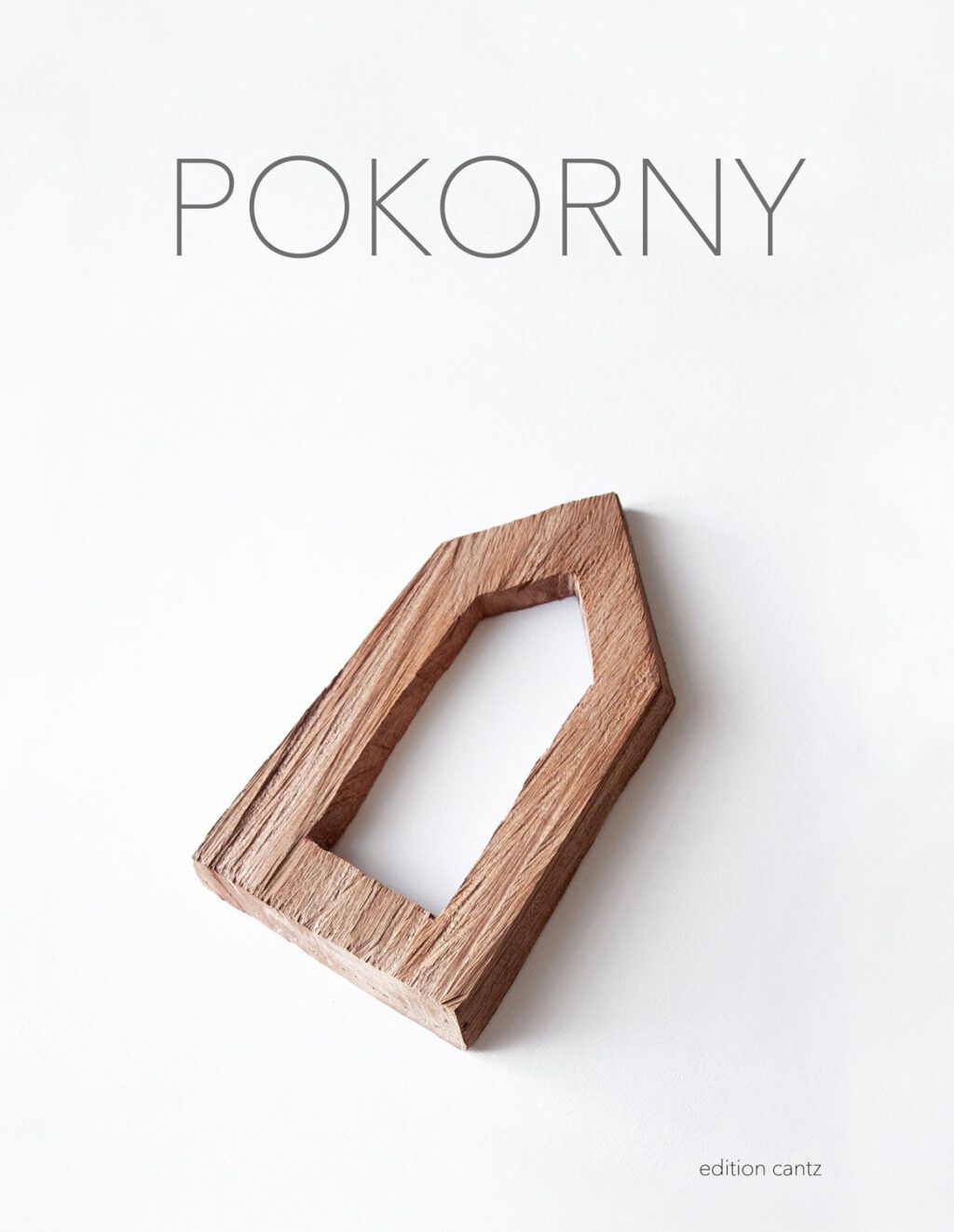
25€ Add to cart“Abstraction means the omission of the irrelevant and the unnecessary in order to find more substantial content and form.”—Werner Pokorny
His often monumental sculptures can be found in many places in Germany and abroad, including Aachen, Berlin, Busan (South Korea), Frankfurt am Main, Freiburg, Karlsruhe, Riehen, Saarbrücken, and Stuttgart. Werner Pokorny works (b. 1949, Mosbach; lives and works in Ettlingen) exclusively with Corten steel for his outdoor sculptures and with wood, steel, and bronze for his indoor works. Well-known basic forms such as bowls, spheres, cuboids, and houses serve as points of departure and reference, which are abstracted by reduction, rotation, tilting, or combination with other elements. The artistic field of tension characteristic of Pokorny’s impressive sculptural oeuvre is due to the oscillation between form and abstraction, figure and reduction, hard edges and soft curves.
-

Stephan Kaluza
Die dritte Natur14€ Add to cartThe Nature of Art as Totality and Idyll
The philosophy of nature is central to the artist Stephan Kaluza’s (b. Bad Iburg, 1964; lives and works in Düsseldorf) work. As he sees it, there exists a succession of different natures: first nature is Kaluza’s designation for a world as immediately felt by (early) humans, part of an encompassing and close-range experiential totality they labeled ‘nature’ and perceived as a physical, but also spiritual and emotional concatenation of events. Second nature is stripped down to an objective and utilitarian quality; nature becomes a resource, the basis of life, the environment. In a kind of linguistic turn, speech mediates a surrogate, an alternative world, that positions nature as culture’s opposite; the former becomes replaceable in favor of latter. Yet this culture is far from devoid of yearnings for the immediacy that it has lost, and so develops an ‘artificial idyllic nature’ in turn. This third nature of the arts—a purely human nature—harks back to the archetypes of a first nature in escapism and totalized immersion.
-

Sibylle Springer
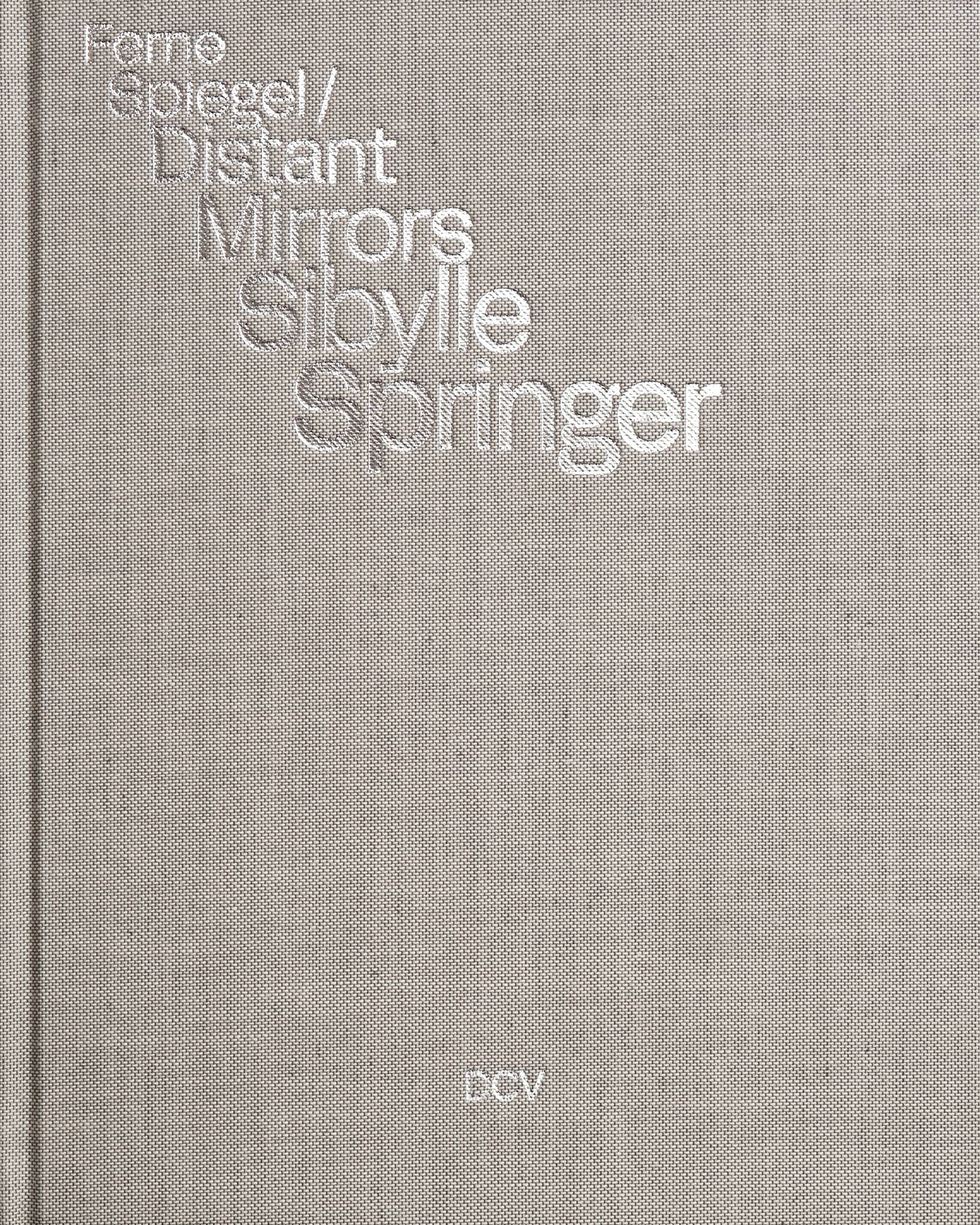
Ferne Spiegel / Distant Mirrors35€ Add to cartThe paintings of Sibylle Springer (born 1975, lives in Bremen) focus on the role of women in the art world of the digital age. For her portrait series Feed, she has painted 40 female artists to date, based on staged photographs from their Instagram feeds. “Is social media an instrument of emancipation, or does it even lead to new forms of objectification?” (Kohout) In Wait for It, Springer copied pop stars from the internet, but used a silver paint that oxidizes the canvases, thus aging the eternally youthful icons before our eyes—precisely what digital image control seeks to prevent. In her more recent textile objects, Springer interweaves female artists of the past and present. This informative book accompanies her exhibition at the Kunstverein Bremen.
Die Malerei von Sibylle Springer (geb. 1975, lebt in Bremen) widmet sich der Rolle von Frauen in der Kunstwelt des digitalen Zeitalters. Für ihre Portraitserie Feed malte sie bisher 40 Künstlerinnen, basierend auf fotografischen Selbstinszenierungen aus deren Instagram-Feeds. “Sind Soziale Medien Instrumente der Emanzipation oder führen sie gar zu neuen Formen der Objektifizierung?” (Kohout) Für Wait for It kopierte Springer Popstars aus dem Netz, aber benutzte ein die Leinwände oxidierendes Silber, das die ewig-jungen Ikonen vor unseren Augen altern lässt, gerade das, was digitale Imagekontrolle zu verhindern sucht. In neueren, textilen Objekten verknüpft Springer Künstlerinnen der Vergangenheit und Gegenwart. Dieses informative Buch begleitet ihre Ausstellung im Kunstverein Bremen.
FERNE SPIEGEL / DISTANT MIRRORS
KUNSTHALLE BREMEN
UNTIL JANUARY 11, 2026