Sabine Hornig
Passage through Presence
 | |
|---|---|
| Author(s) | Nicholas Baume, Barbara Flynn, Mark Gisbourne, Marcus Steinweg |
| Design | Dirk Lebahn |
| Cover | Hardcover |
| Size | 23 x 30 cm |
| Pages | 256 |
| Language(s) | German, English |
| ISBN | 978-3-96912-045-3 |
Layered Spacetimes in Large Formats
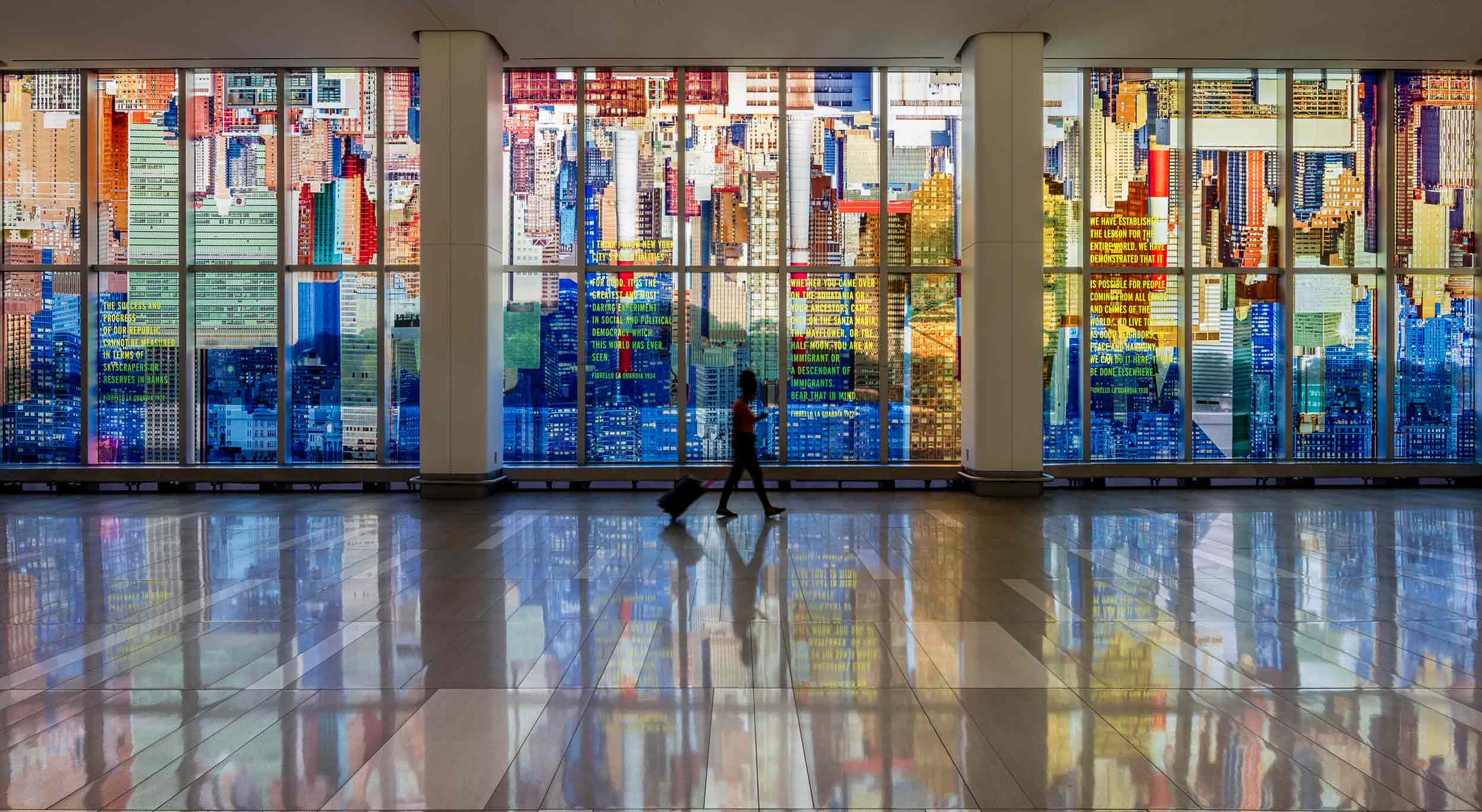
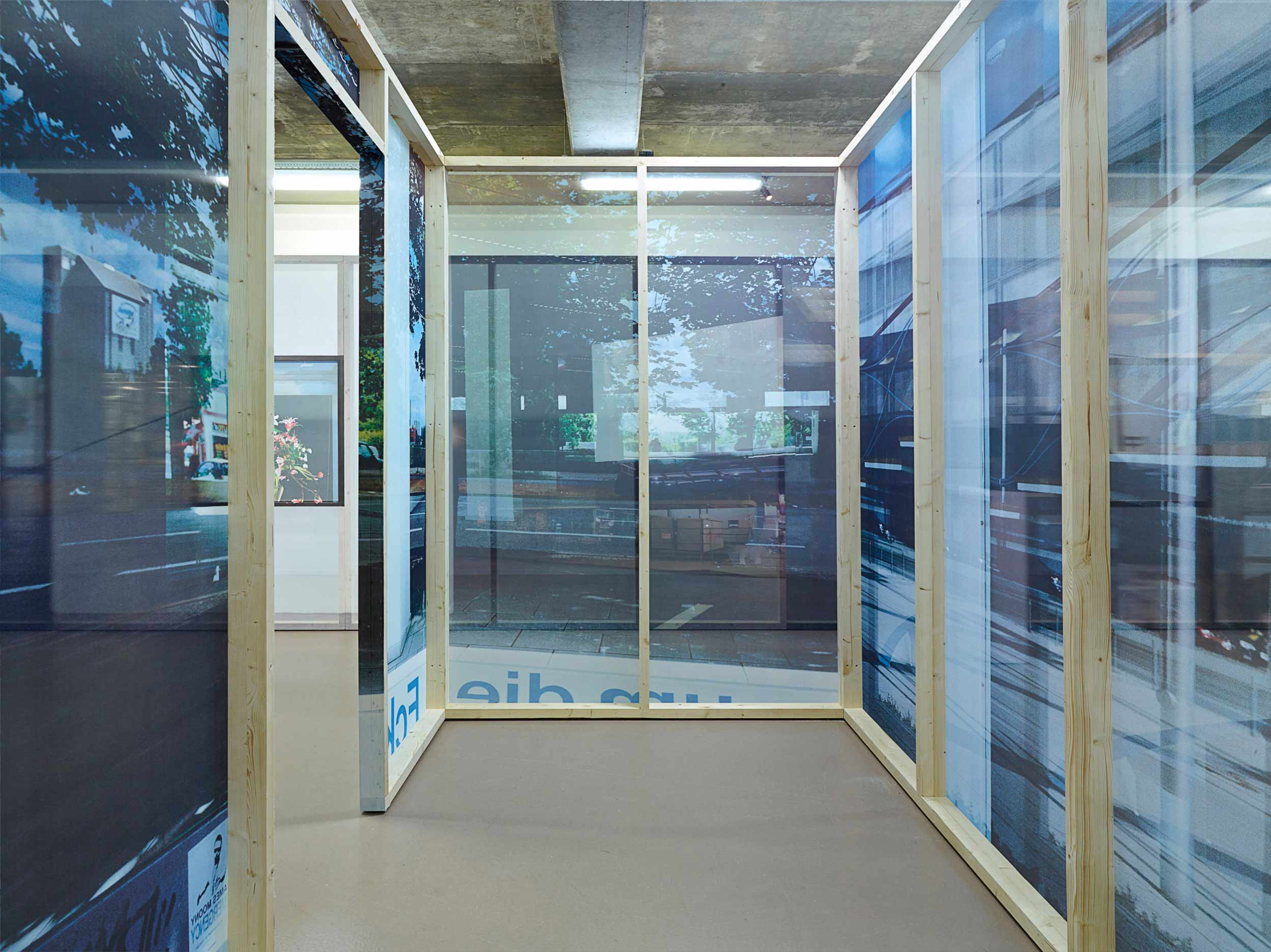
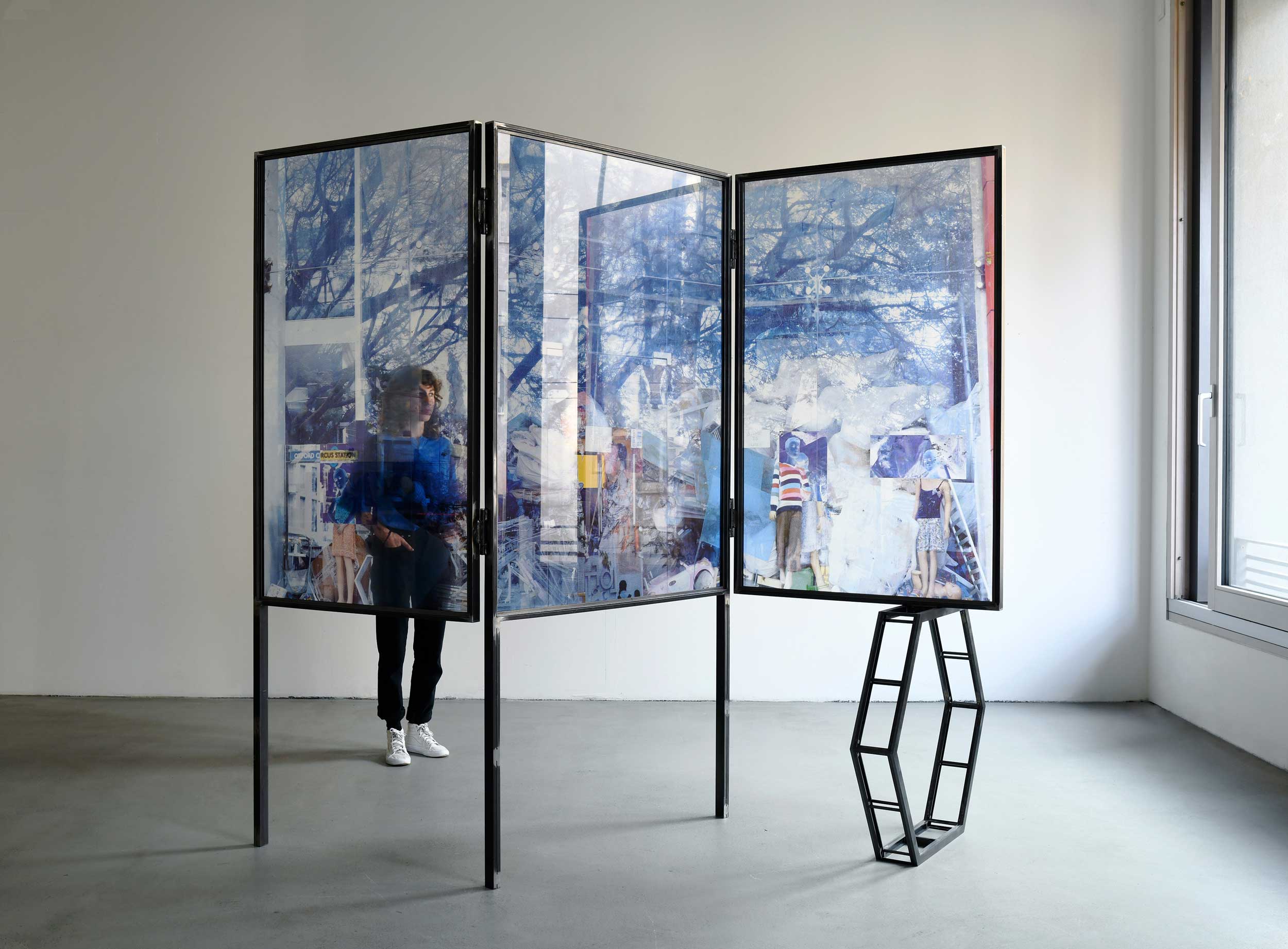
Sabine Hornig (b. 1964; lives and works in Berlin) has earned international acclaim with sculptures, photographs, and architectural interventions that interweave image, perspective, and space in distinctive ways. Her works feature translucent pictorial planes on glass panes; integrating these sculptural elements into the setting, she creates environments in which meaning unfolds as viewers allow their gazes—and themselves—to wander. For her new works, which engage with architecture, the artist superimposes enormous photographs on entire façades and concourses. This publication is the first to put the focus on Sabine Hornig’s art in three dimensions, detailing her process from the building of sculptural models and the combination with transparent photographic layers to her creation of works in public settings. It showcases her largest installation to date, at LaGuardia Airport in New York City, which she discusses in a conversation with Nicholas Baume, director and chief curator, Public Art Fund, New York.
More books
- Release March 2026

Monet – Cézanne – Matisse
The Scharf Collection48€ Add to cartThe Scharf Collection is a German private collection of French art from the nineteenth and twentieth centuries and international contemporary art. Now in its fourth generation, it continues a branch of the renowned Otto Gerstenberg Collection in Berlin, which encompasses everything from the beginnings of modernism, represented by Francisco de Goya, to the French avant-garde of the second half of the nineteenth century with Gustave Courbet, Edgar Degas and the entire graphic oeuvre of Henri de Toulouse-Lautrec. The richly illustrated catalog accompanies the collection’s first comprehensive exhibition at the Kunstpalast in Düsseldorf and the Alte Nationalgalerie – Staatliche Museen zu Berlin.
-

Katja Aufleger
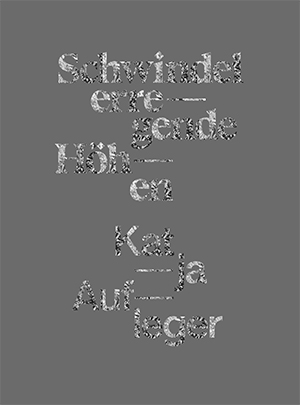
Schwindelerregende Höhen30€ Add to cartOn a Razor’s Edge: Evanescent Moments
Katja Aufleger’s (b. Oldenburg, 1983; lives and works in Berlin) works bring instants of suspense and uncertainty into focus in a variety of aesthetic forms. Their nuclei are typically everyday phenomena and physical models, which she combines with a range of concepts from cultural history and psychology. The publication presents several series, some of which capture explosive tensions. Among them are photographs of homemade Molotov cocktails for which the artist set perfume flacons on fire, making this most recent series a probing exploration of the potentials of material aesthetics and emotion. With an introductory essay by Julia Katharina Thiemann.
Katja Aufleger studied visual art the University of Fine Arts Hamburg (HFBK), where Andreas Slominski, Matt Mullican, and Michael Diers were her teachers.
-

The Art of Society
1900–194529€ Add to cartThe Collection of the Nationalgalerie, Berlin
The Neue Nationalgalerie in Berlin, the last building designed by Mies van der Rohe, has been closed a full six years for refurbishment. To mark its reopening the museum is presenting the highlights of its classical modernist collection under the title The Art of Society, 1900–1945. Visionary, critical, resigned or utopian, the paintings and sculptures bear witness to art’s dialogue with prevailing social conditions – from the German Empire to the First World War, the Weimar Republic and ultimately National Socialism. The catalogue documenting all works in the exhibition traces the major artistic tendencies during the first half of the 20th century in thirteen chapters. The Art of Society, 1900–1945 offers a renewed encounter with works by Edvard Munch, Ernst Ludwig Kirchner, Tamara de Lempicka, Lotte Laserstein, Otto Dix, George Grosz, Max Beckmann, and many others that is as captivating as it is illuminating.
Click here for the German edition.
- Out of stock

Kurt Weidemann
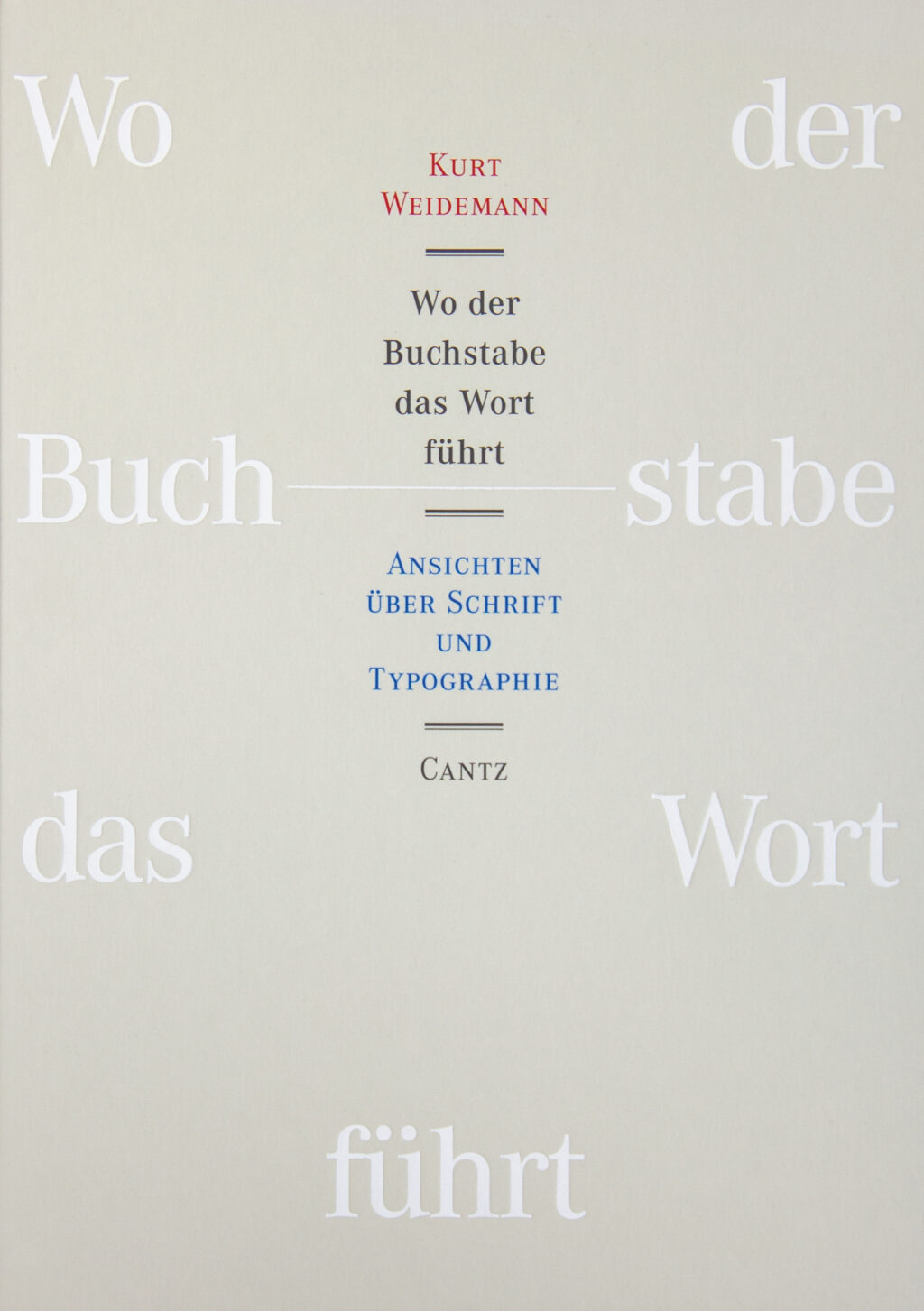
Wo der Buchstabe das Wort führt49,95€ Read moreSignierte Sonderauflage
Kurt Weidemanns Ansichten über Schrift und Typografie ist das beeindruckende Ergebnis eines über Jahrzehnte erlebten und reflektierten Berufslebens als Schriftsetzer, Typograf, Autor, Lehrer und Berater. Das Buch schildert die persönlichen, philosophischen und fachlichen Ansichten seines Metiers.
- Out of stock

Weltkulturerbe Völklinger Hütte 1999 – 2019
29,90€ Read moreDie Geschichte einer neuen Industriekultur
Die Völklinger Hütte gehört zu den wichtigsten Industriedenkmälern der Welt. Mit herausragenden Ausstellungen und Veranstaltungen ist das Kulturprojekt weit über die Grenzen des Saarlands hinaus bekannt geworden. Der Künstler Ottmar Hörl konzipierte hier sein großangelegtes Skulpturenprojekt 100 Arbeiter und Christian Boltanskis Installation in der Sinteranlage wurde zum hochemotionalen Erinnerungsort für die hier verpflichteten Zwangsarbeiter. Noch bis zum Jahr 1986 war die Völklinger Eisenhütte in Betrieb und wurde 1994 als erstes Industriekulturdenkmal aus der Hochphase der Industrialisierung in die renommierte Liste des UNESCO-Weltkulturerbes aufgenommen. Das Buch zum 25. Jubiläum dieser Auszeichnung zeigt die vielfältigen und eindrucksvollen Aufnahmen einer Transformation – vom größten Schrotthaufen Europas zum Begnungszentrum der Menschen mit der Kunst. Es dokumentiert die gelungene Umstrukturierung einer hochproduktiven Eisenverhüttungsstätte zu einem Ort für Kultur im 21. Jahrhundert.
-
Chiharu Shiota
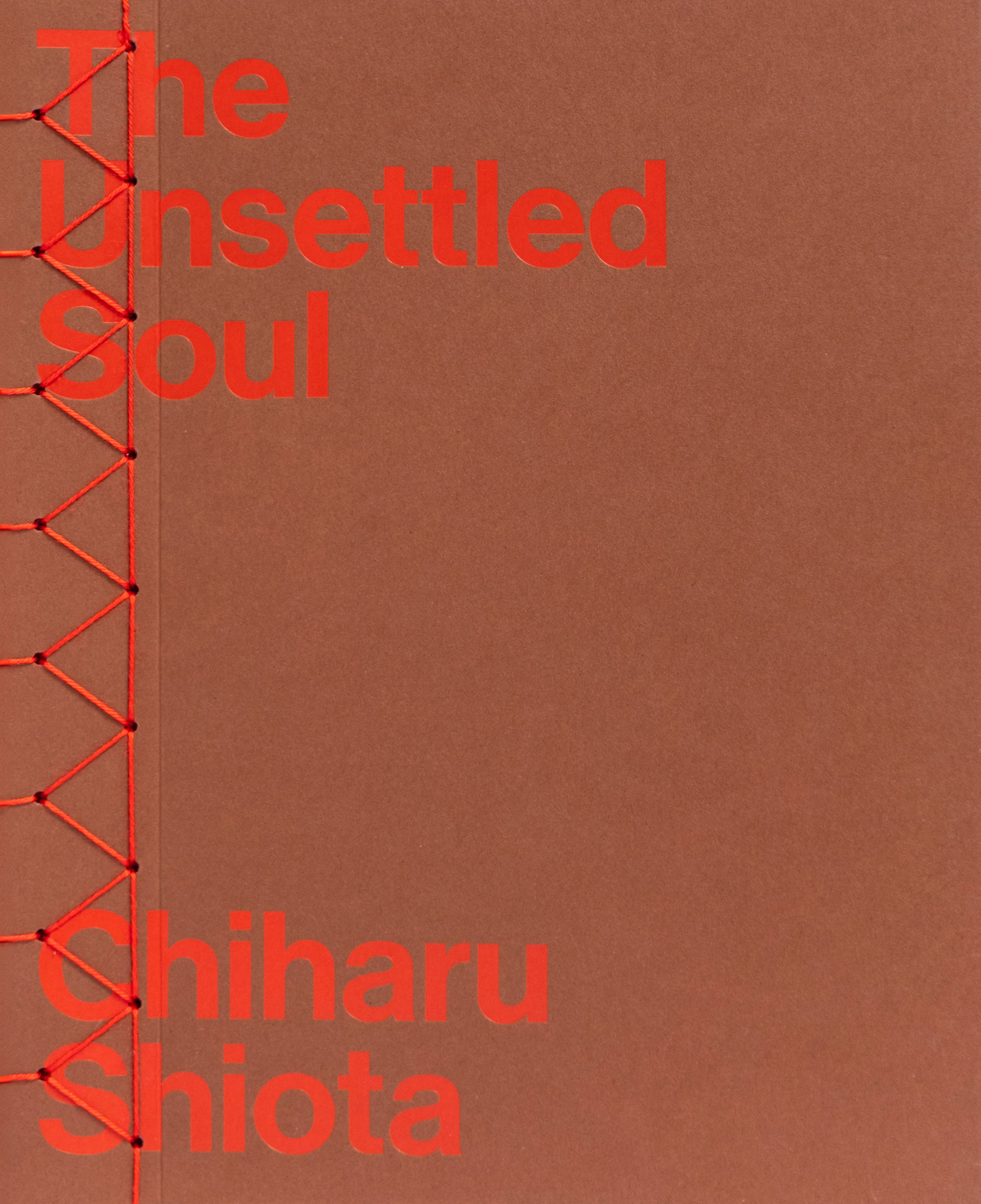
The Unsettled Soul48€ Add to cartWidely acclaimed for her distinctive visual language, which combines drawing, performance, sculpture, and installation art, Japanese artist Chiharu Shiota (b. 1972 in Osaka, lives and works in Berlin) addresses fundamental human concerns. Creating large-scale thread installations that incorporate a variety of everyday objects and memorabilia, she forms powerful environments that evoke a sense of nostalgia, personal history, and collective memory. The catalog accompanies the exhibition The Unsettled Soul, the first presentation of the artist in the Czech Republic. In addition to extensive photographic documentation of the exhibition at Kunsthalle Praha, the publication features an essay by Jason Waite discussing Shiota’s early works as well as an interview with the artist conducted by the editor, Christelle Havranek, about her key themes and the creation of the Prague exhibition.
-
Antonia Hirsch
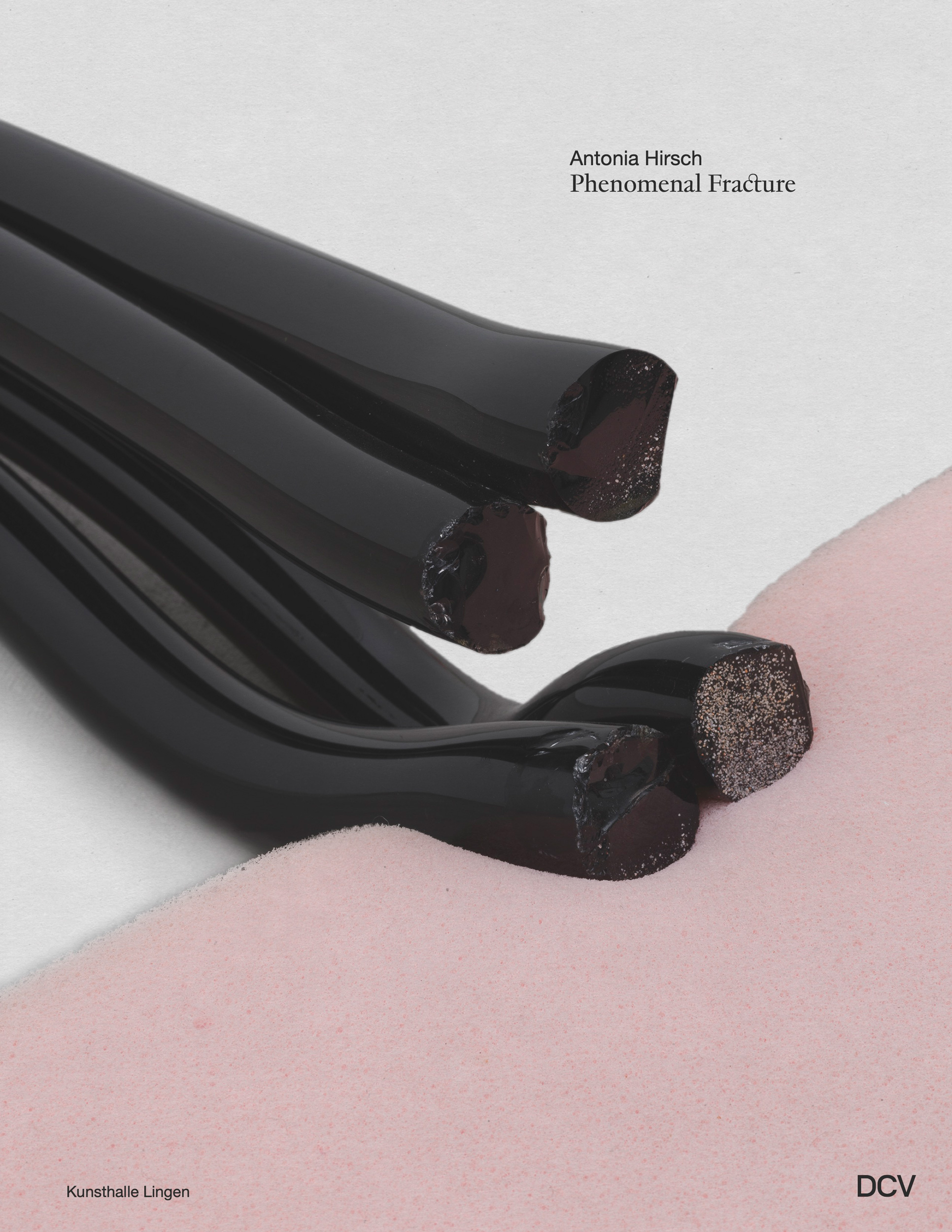
Phenomenal Fracture24€ Add to cartIn a probing engagement with the screen, an omnipresent object in contemporary life, Antonia Hirsch charts the gulf between the digital and the analog, the two spheres of which our perceived reality is composed. In provocative installations and objects, the artist conceives the distinctions between screen, mirror, and blade as less than sharply defined. Her works show rigidly geometric shapes made of hard and shimmering glass and steel; they encounter eerily somatic and perishable-looking cardboard or soft foamed-plastic components that recall the bodies they perhaps once served. Reflective surfaces mirror our gaze, but the less classy materials, too, await recognition by the beholder’s body. The book accompanies Hirsch’s solo exhibition Phenomenal Fracture at Kunsthalle Lingen; photographs and writings convey extensive and sustained impressions that run the gamut from the uncanny to the darkly humorous.
-

Jean-Marie Biwer
D’après nature42€ Add to cartPainterly Investigations of the Present
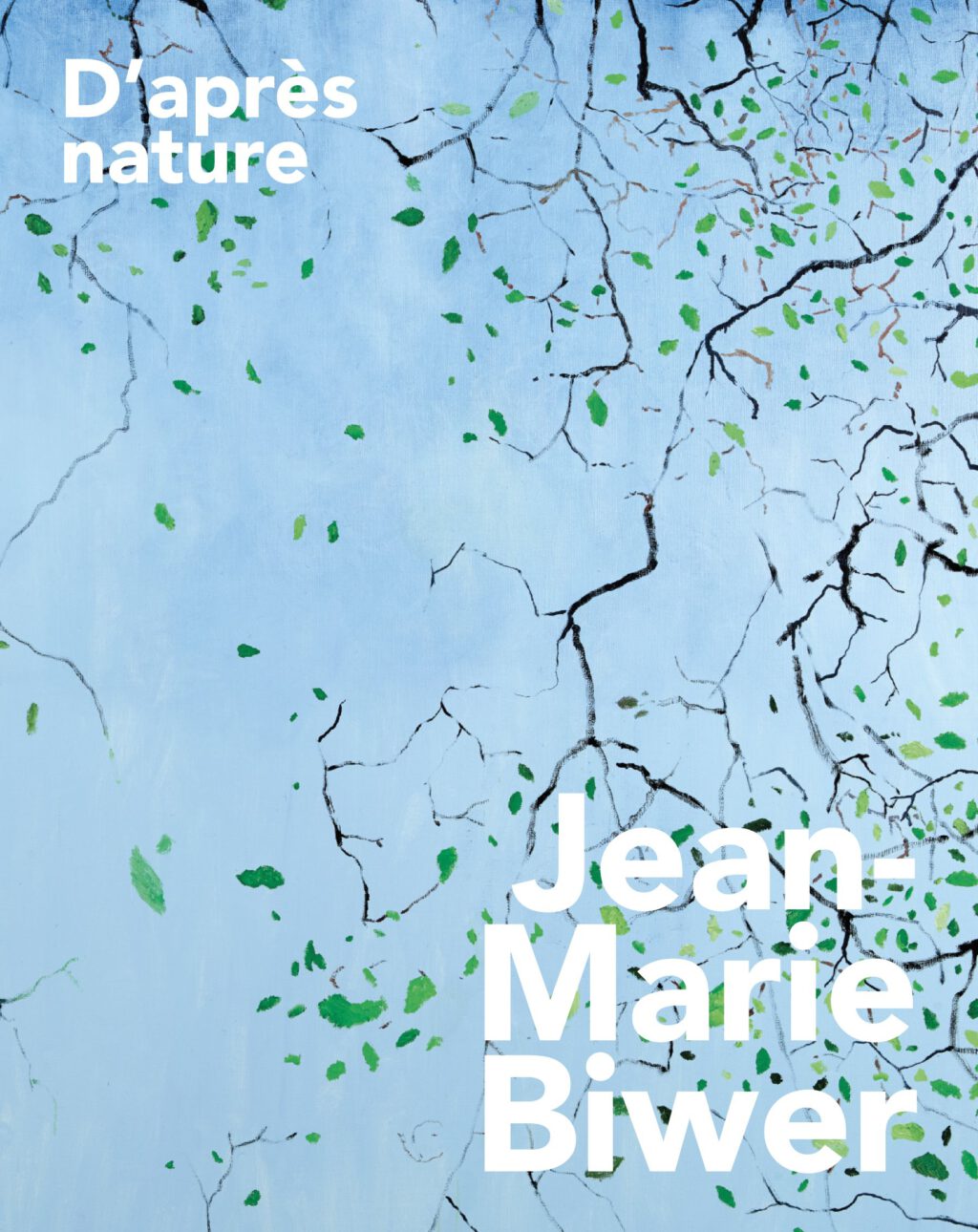
For over four decades, Jean-Marie Biwer (b. 1957, Dudelange, Luxembourg; lives and works in Basbellain, Luxembourg) has made art that records his fine-grained observations. Grappling with the grand themes of art history – the landscape, the human figure, the still life – Biwer consistently questions the role painting can play in a world shaped by a deluge of images and information. Responding to the omnipresence of the latter and reacting to the increasingly frantic pace of our lives, he creates paintings that allow the intensity of the present moment to unfold. The richly illustrated book gathers his most important works since 2005.
“These things are there, we just need to look at them. They are simple, but today they have the power to bring so much to people.”—Jean-Marie Biwer
Jean-Marie Biwer’s work has been shown throughout Europe and in 1993 he represented Luxembourg at the 45th Biennale di Venezia. His works can be found in the Musée National d’Histoire et d’Art Luxembourg, IKOB, Museum of Contemporary Art, Eupen, and Mudam Luxembourg – Musée d’Art Moderne Grand-Duc-Jean amongst others.
-

Jenny Michel
Doors, Windows and Cells38€ Add to cartThe Detritus of Our Society
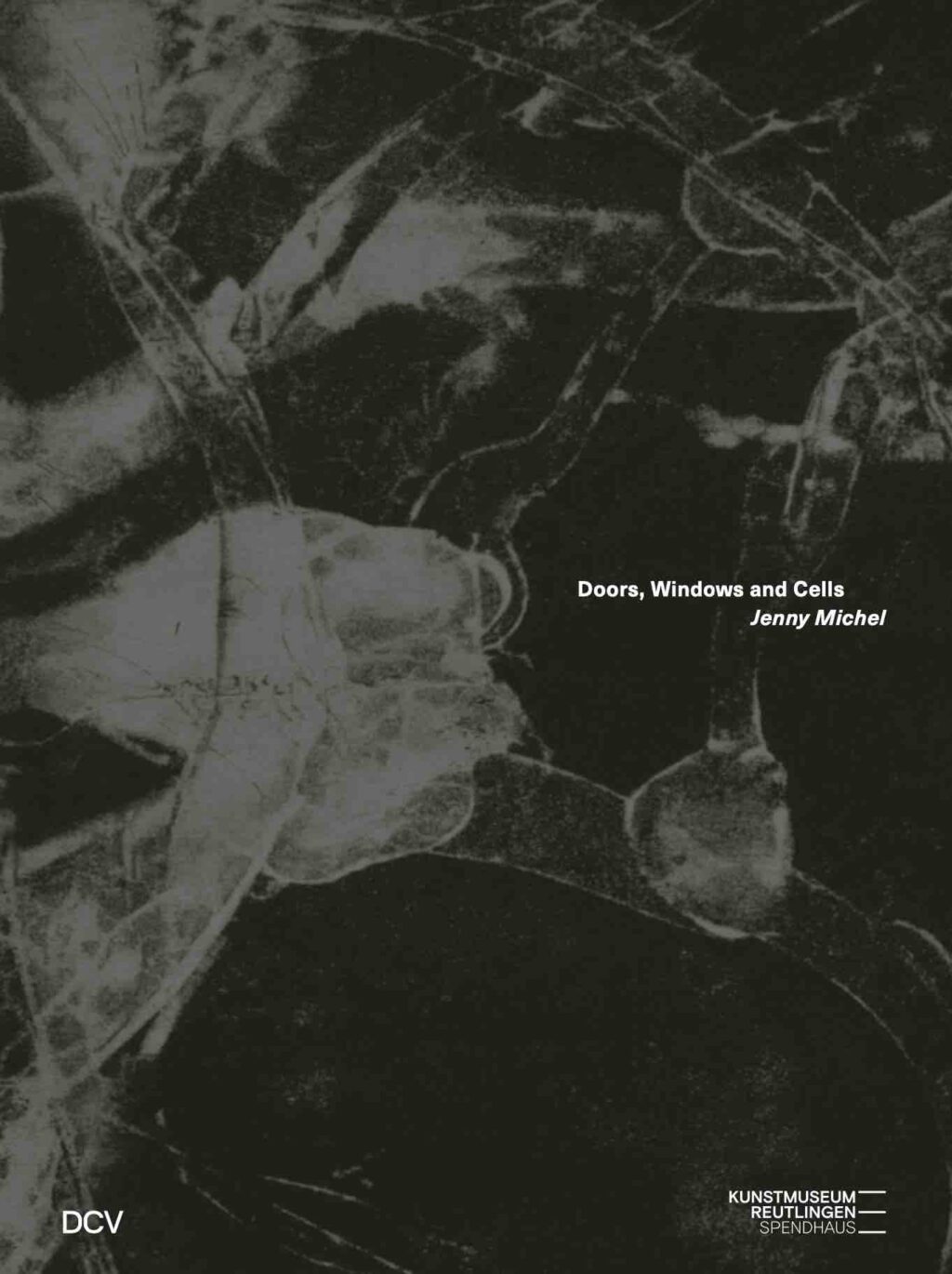
For around two decades, the artist Jenny Michel (b. Worms, 1975; lives and works in Berlin) has devoted herself to minute particles such as dust, cobwebs, and electromagnetic fields in space. Her fascination with orders of knowledge, symbolism, and utopian visions is reflected by installations, drawings, prints, and sculptures that she exhibits in carefully composed sprawling ensembles. Aggregating fantastic fragments of the world manufactured from paper, adhesive tape, staples, and other industrially made small parts, Michel builds disconcertingly dense structures—human knowledge is transformed into the debris of civilization, its legibility lost beneath palimpsestic layers of meanings and resignifications. The extensive monograph surveys major series in the artist’s oeuvre and presents new works on paper.
Jenny Michel studied at Kunsthochschule Kassel and the Academy of Fine Arts Vienna. Her work has been on view at Museum Wiesbaden, the Draiflessen Collection, the Schirn Kunsthalle, Frankfurt, and Berlinische Galerie, among other venues. In 2010, Michel was honored with the HAP Grieshaber Prize.
-

Pieter Slagboom
Scent of Hypnosis42€ Add to cartPieter Slagboom’s drawings are about life and death. About how these ostensible antagonists are inseparable; how, in his imagination, they are even fused. In his enormous canvases, we are held by the essence of our existence as though by a steel vise: we come from the void and in the end shall return to it. Thousands upon thousands of sweeping lines, twisting like Moebius strips, make for an almost physical experience of this truth. The dead and the newborn emerge from the primeval soup of Slagboom’s lines, as do genitals; we spot larger-than-life fantasies of disturbing sexual acts. The circle of life as a short circuit. The energy of some of the pictures in Slagboom’s oeuvre is almost too much to bear—we shudder before the pigments materializing our latent knowledge: that death is suspended in life.
-

Nobuyuki Tanaka
Primordial Memories25€ Add to cartThe craft of traditional Japanese lacquer finishing in contemporary art
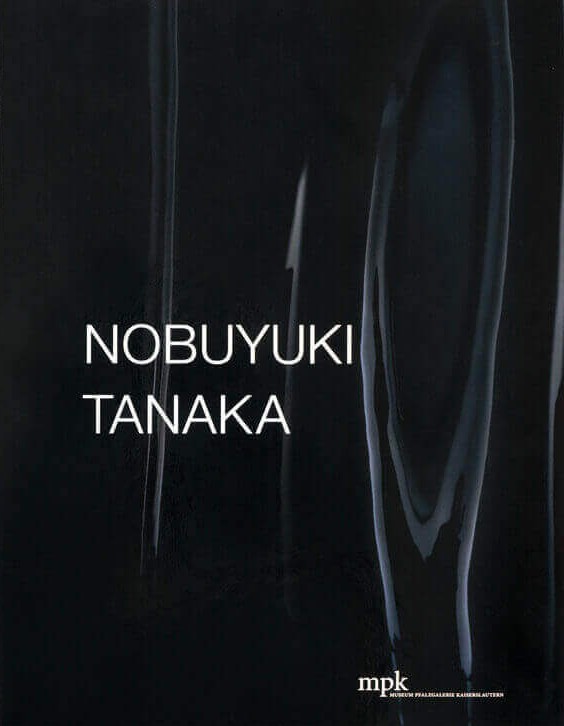
In his extraordinary sculptures, Nobuyuki Tanaka (b. 1971 in Tokyo) combines a lacquer finishing that has been practiced in Japan for centuries with an organic formal language. Tanaka is considered the most important representative and pioneer of the use of lacquer in contemporary art. He uses the material in polished deep black or intense red as a multi-layer coating for large-format sculptures. This results in abstract works with lively, curved, glossy surfaces in which the multi-faceted effect created by the interplay with changing light conditions plays a key role. The lavishly illustrated book includes texts by Britta E. Buhlmann, Beatrice Kromp, Antje Papist-Matsuo, Annette Reich, Atsuhiko Shima, and Nobuyuki Tanaka.
In his extraordinary sculptures, the artist combines a treatment of lacquer practiced for centuries in Japan with an organic language of form.
An exceptional representative and pioneer of the use of lacquer in contemporary art, Tanaka uses the lacquer mostly in polished deep black, sometimes also in intense red, as a multi-layer coating for his large-scale sculptures.
-

Museum Brot und Kunst
Forum Welternährung24€ Add to cartFood, Art, and Consumption
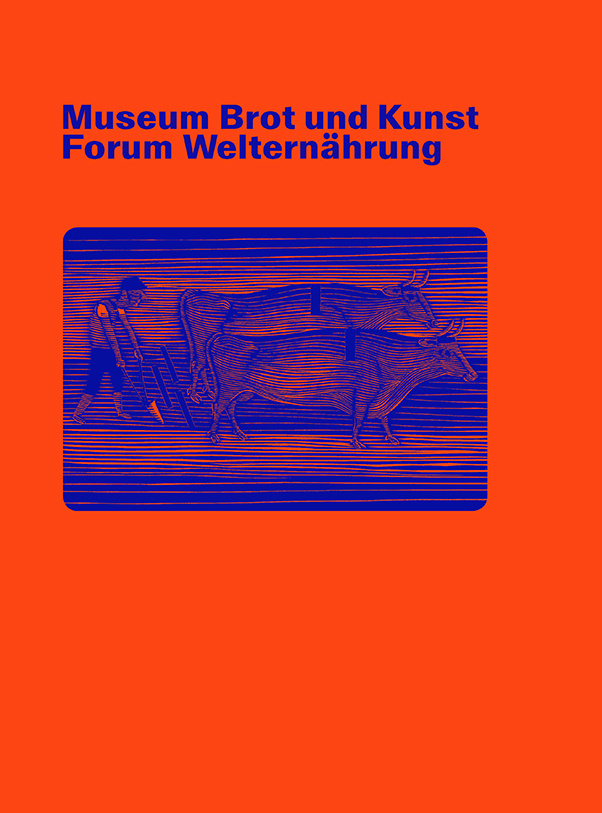
The craving for food and the desire to avoid being hungry have been among humanity’s central concerns for millennia. Economic activity, science, politics, culture—our basic need for sustenance informs and influences every domain of our lives. The catalogue accompanying the permanent exhibition at the Museum Brot und Kunst—Forum Welternährung sheds light on nineteen thematic foci around the significance of bread as the quintessential food. Founded in 1955, the Museum of Bread and Art was the first institution of its kind in the world dedicated to this subject; its collection comprises a large number of artifacts from across several centuries that speak to the histories of culture, society, and technology. The generously illustrated publication presents a panorama of the wide field of human nourishment in dialogue with art, helping the reader grasp the complexities of the world in which we live.
With works by Ernst Barlach, Bernhard Johannes Blume, Pieter Brueghel, Marc Chagall, Salvador Dalí, Simone Demandt, Agnes Denes, Frans Francken, Georg Flegel, Erich Heckel, Christian Jankowski, Markus Lüpertz, Gerhard Marcks, Max Pechstein, Pablo Picasso, Claire Pentecost, Thomas Rentmeister, Daniel Spoerri, Andy Warhol and others.
The book was included in the shortlist of the competition “Schönste Deutsche Bücher 2021”.
-
Franz Erhard Walther
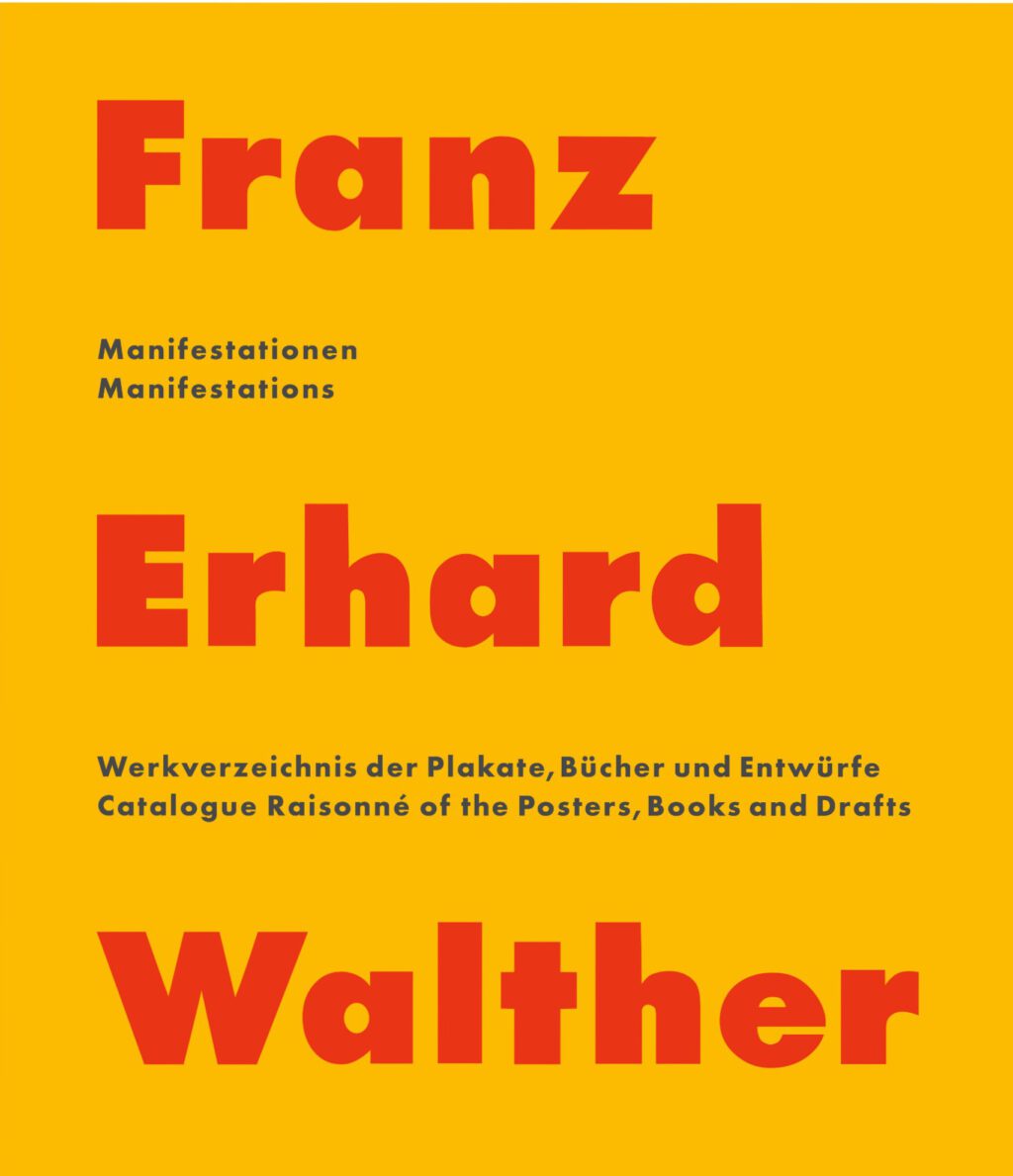
Manifestations. Catalogue Raisonné of the Posters, Books and Drafts 1958–202068€ Add to cart”I don’t make any artistic difference between a poster design and my Work Drawings.“—Franz Erhard Walther
Franz Erhard Walther (b. 1939, Fulda; lives and works in Fulda) is a German sculptor and creator of conceptual, installation, and process-based art whose work often stands in relation to his, or the beholder’s, body. For four decades, Walther designed artist’s posters, a genre that has become an anachronism in our contemporary digital world. This book is the first to gather his extensive output in the format in a single volume, rounded out by a wide-ranging survey of his designs and artist’s books.
”Artists give so much time, passion, and energy to their books that they are as important as very big installations. ‚Manifestations‘ is a very important artist book.“
Hans Ulrich Obrist, Artistic Director, Serpentine Galleries, London”The new catalogue raisonné by Franz Erhard Walther is a masterpiece of parergon aesthetics. With his ‚Manifestations‘, the blurring of the boundaries between work and design, Franz Erhard Walther, after his performative sculptures, has achieved another great success for the emancipatory differentiation of the concept of the work of art.“
Peter Weibel, Director, ZKM | Center for Art and Media, Karlsruhe”Franz Erhard Walther is nothing less than an exceptional 20th-century artist who has consistently questioned and fundamentally changed what a work of art can be. The innovative power of his comprehensive oeuvre is, of course, primarily evident in his art, but this publication of his manifold designs also provides an overview that is as wonderful as it is extraordinary.“
Andreas Beitin, Director, Kunstmuseum WolfsburgFranz Erhard Walther studied at the Werkkunstschule Offenbach am Main and the Staatliche Hochschule für Bildende Künste – Städelschule in Frankfurt am Main. He completed his education with a stint at the Kunstakademie Düsseldorf, where Gerhard Richter and Sigmar Polke were among his fellow students. His works were on display at documenta 5, 6, 7, and 8, and in 2017, Walther received the Golden Lion at the 57th Biennale di Venezia.
-

James Francis Gill
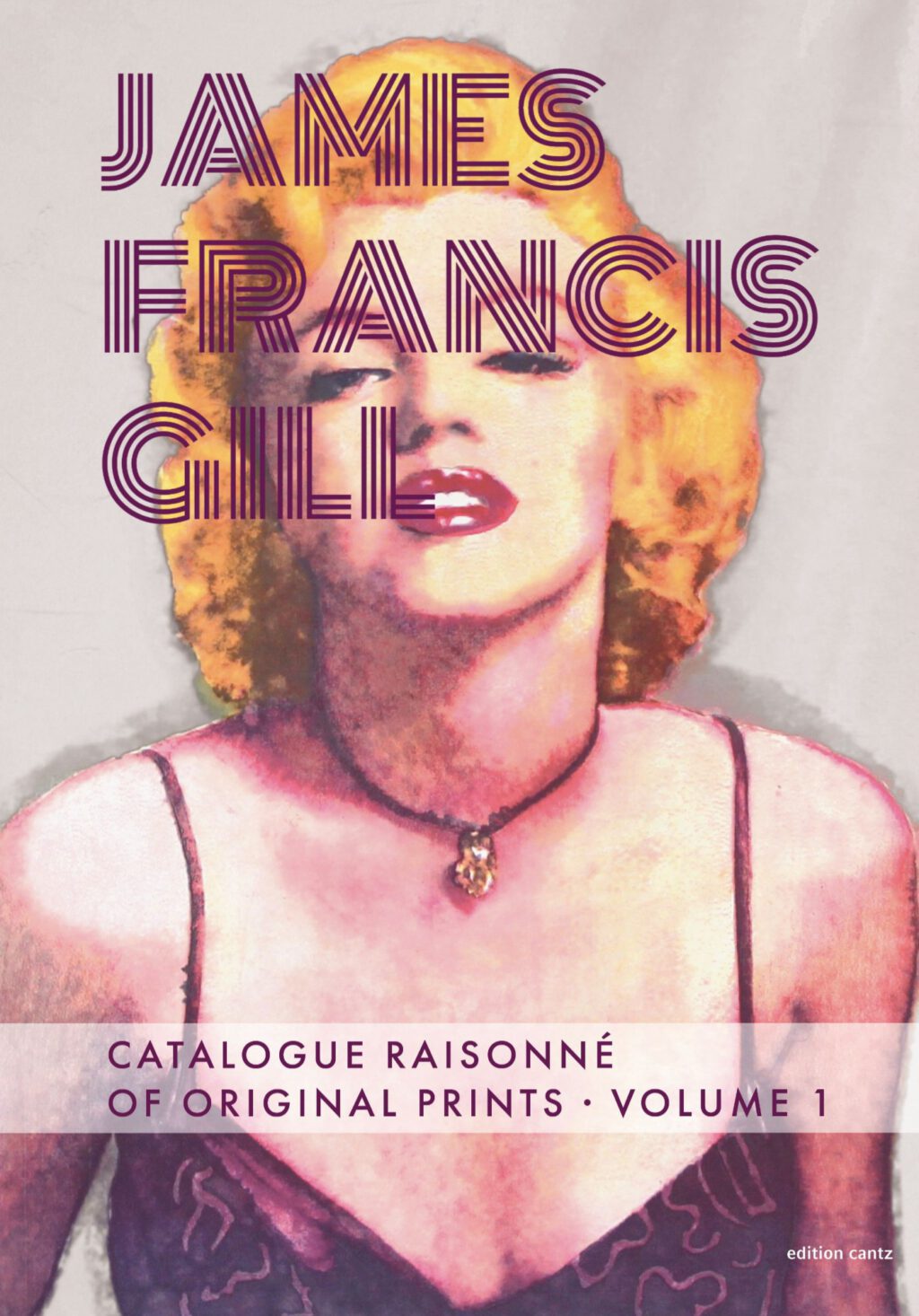
Catalogue Raisonné of Original Prints, Vol. 139€ Add to cartThe Catalogue Raisonné of the Co-Founder of American Pop Art
James Francis Gill (b. 1935, Tahoka; lives and works in Texas) is one of the most important artists of American Pop Art. His paintings, often based on photographs, provide an unusually personal approach to the icons of the 1950s and 60s. Gill suddenly became Hollywood’s most celebrated artist when his Marilyn Triptych was added to the permanent collection of The Museum of Modern Art in New York in 1962 – even before the works of Andy Warhol. Through friendships with celebrities such as John Wayne, Martin Luther King, and Marlon Brando, Gill became the contemporary artist-witness of an entire generation. Nevertheless, he kept his distance from the exuberant Hollywood of the time and surprisingly withdrew in 1972, only to reappear on the art market thirty years later. This catalogue raisonné in two volumes impressively documents his work from the early political motifs to the Pop Art icons of his late work.
- Release December 2025
eine freie malerin.
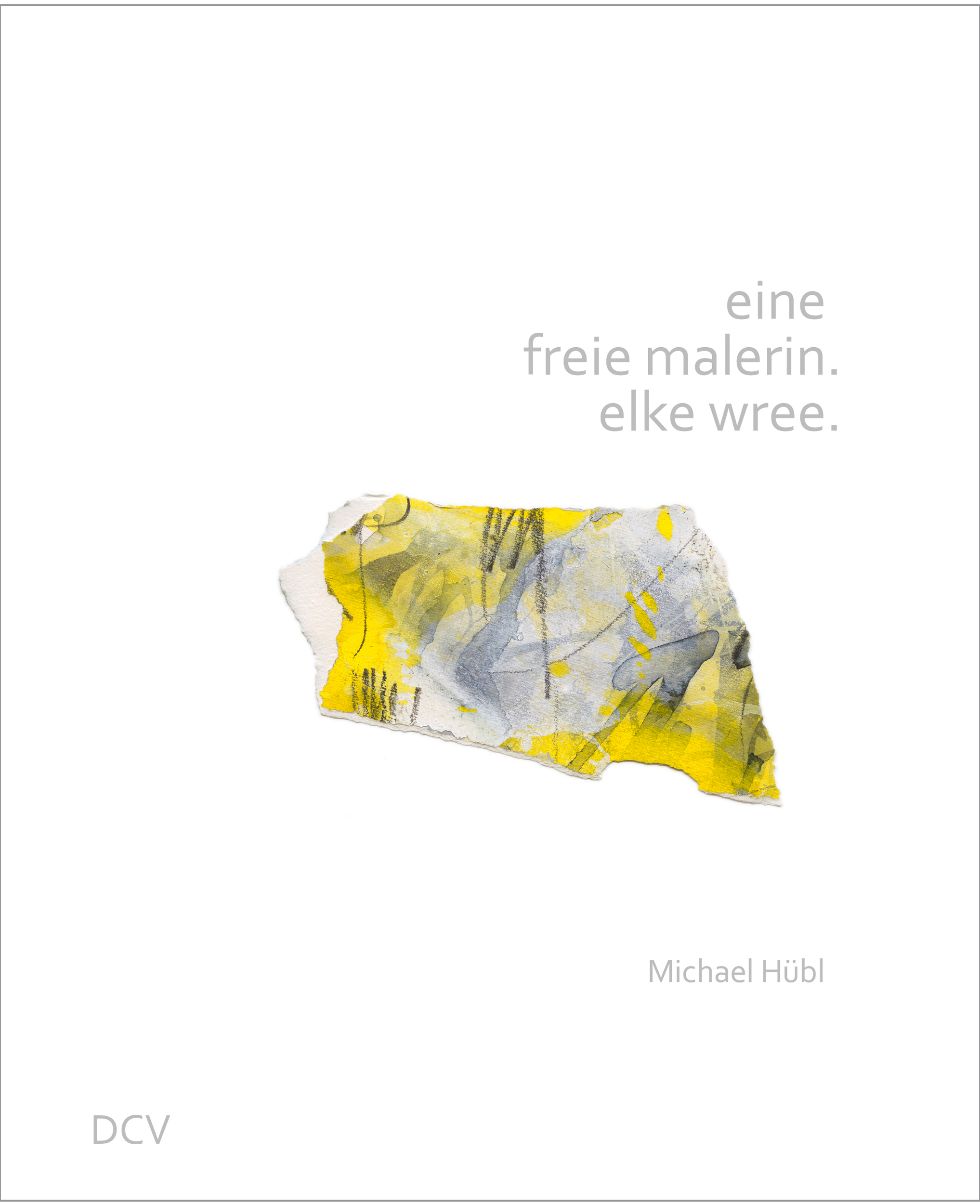
elke wree.26€ Add to cartThe painter Elke Wree’s career (born 1940, lives in Karlsruhe) was defined by the debates of the post-war era. Art was considered a search for truth and intended to reveal the existentially essential. Fundamental questions were: Realism or abstraction? Genuine or fake? This book provides insight into the search for an authentic, contemporary visual language. Wree’s formative teachers in Karlsruhe and Berlin are discussed, as are her changing social environments and the rapid societal changes. Wree’s paintings were always nature-inspired abstraction with overlapping color spaces and painting gestures. Wree groups her pictures with terms such as condensations and clearings, in-between lands, or traces of light and time. This volume is simultaneously a biography, panorama, analysis, and homage.
-

Chunqing Huang
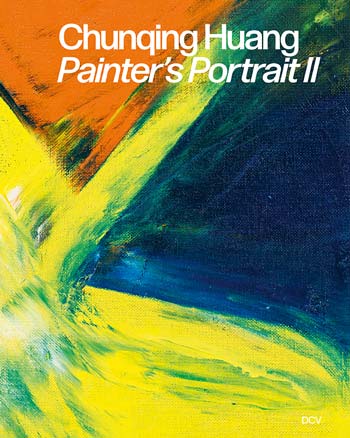
Painter’s Portrait II18€ Add to cartThe artist Chunqing Huang’s (b. Heze, China, 1974) Painters’ Portraits are anything but conventional likenesses. The portraits of artists including Louise Bourgeois, Anselm Kiefer, Martin Kippenberger and Imi Knoebel are acts of gestural-expressive abstraction and probing visual studies of the artist’s own recollections. Chunqing Huang paints meditations on art itself, systematically working through the vocabulary of abstract painting from Germany to the United States. The series Painter’s Portrait II features Chunqing Huang’s thirty most recent works from a series the artist has been transferring to canvases measuring 40 x 30 cm since 2016.
Painter’s Portrait II represents Chunqing Huang’s personal reflections on her influences, from Impressionism to expressive tendencies in abstract painting, which now make its début in book form. The catalogue showcases the portraits, each of which is distinguished by its own gestural quality and individual palette.
Chunqing Huang studied painting and interdisciplinary art at the Städelschule, Frankfurt am Main, where Wolfgang Tillmans and Peter Angermann were her teachers, and graduated from Hermann Nitsch’s master class. The German-Chinese artist’s work has been featured in numerous solo and group exhibitions. A first selection from the Painter’s Portrait series was on view at Kunsthalle Wiesbaden and Museum Wiesbaden in the summer of 2021; the catalogue Painter’s Portrait II is released in conjunction with her exhibition of the same title at 68projects, Berlin.
-

Stephan Kaluza
Das Rheinprojekt48€ Add to cartReinterpreting the Classical Panorama
The mythical character of the Rhine as a ‘German symbol’ has long been of profound interest to poets and visual artists. Today, however, the Rhine has lost the aura of a great romantic river along much of its course: from Basel to Rotterdam, it serves as a high-volume shipping lane, and sprawling industrial installations line its banks.
At the dawn of the new millennium, Stephan Kaluza (b. Bad Iburg, 1964; lives and works in Düsseldorf) went on an almost eight-months-long walking tour, following the Rhine from its source at the foot of Piz Badus in Switzerland to its debouchment into the North Sea near Rotterdam. During this thousand-mile trek along the river’s right bank, he stopped every minute—after between two and three hundred feet—to take a photograph of the opposite shore. In this way, his camera compiled a painstaking record of the Rhine in 21,449 individual shots. Digitally assembled in a single six-inch-tall composite image, the pictures form a two-and-a-half-mile stream.
What Kaluza created in this project would have been inconceivable before the development of digital photography, which made the seamless presentation of the pictures in a single panoramic band possible. What is more, the computers capable of processing the enormous quantities of data did not arrive until a few years ago. It took the artist’s assistants a full two years just to edit the images. Harnessing digital technology, Kaluza creates for photography what had been the exclusive precinct of painting: a sweeping holistic perspective. A large number of the fascinating panorama photographs were published in the imposing tome Der Rhein in 2007. Das Rheinprojekt now presents a freshly composed selection from this treasure trove.
Stephan Kaluza received a comprehensive education in Düsseldorf in the 1990s, studying photography at the city’s University of Applied Sciences, art history at the Academy of Fine Arts, and history and philosophy at Düsseldorf University. Since 1995, his work has been shown at numerous galleries in Seoul, Shanghai, Jerusalem, Los Angeles, Berlin and elsewhere. Kaluza’s plays have been performed in Düsseldorf, Berlin, and Stuttgart.
- Release November 2022

X x X
Semjon Contemporary50€ Add to cartFounded by Semjon H. N. Semjon in 2011, the gallery Semjon Contemporary has built a distinctive and singular profile that has earned it an unrivaled position in the art world. It represents international positions in contemporary art that, their divergences notwithstanding, are united by the extraordinary intelligence of their engagement with the material. The result is an unmistakable visual language that permits of no modification of established choices. Despite the considerable differences of material, technique, and expression, the artists’ works enter into dialogue with one another, as parallel solo presentations and special exhibitions showcasing numerous visiting artists have demonstrated.
The book features Colin Ardley, Edward L. Buchanan, Takayuki Daikoku, Dittmar Danner aka Krüger, Ute Essig, Experimental Setup (Kata Hinterlechner and Bosko Gastager’s collective moniker), Katja Flint, Andreas Fux, Dave Grossmann, Renate Hampke, Marc von der Hocht, Nataly Hocke, Michael Kutschbach, Henrik U. Müller, Cornelia Nagel, Susanne Knaack, Katja Kollowa, Susanne Pomrehn, Thomas Prochnow, Dirk Rathke, Ursula Sax, Gerda Schütte, Gil Shachar, Li Silberberg, Karina Spechter, Klaus Steinmann, Stefan Thiel, Hitomi Uchikura, Royden Watson, and Bettina Weiß in dedicated chapters. It is rounded out by statements from collectors including Thomas Lenhart, Cornelie Kunkat, Gabriele Quandt, Roland Schnell, Nobert Fuhr and Klaus Werner, Roswitha and Jürgen König, and Helmut Ließ. Remarks by art critics and scholars and an interview with Semjon by Jan Maruhn provide additional insight into the gallery’s work.
-
Sprache/Text/Bild
32€ Add to cartSpoken words, writing, and images originate in social and cultural contexts and so are fraught with meanings, are vehicles of values and norms. They inevitably also demarcate boundaries, serving to class people as members of groups or outsiders. This adds to the urgency of the question of what can in fact be said and shown, and who or what determines those limits. The present catalog addresses these concerns through a survey of eminent art of the twentieth and twenty-first centuries. The works gathered in it speak to mechanisms of inclusion and exclusion, to categorizations and the narratives that were created to sustain them. And they remind us that these phenomena are human-made, which is also to say, susceptible to change—that we share responsibility for them.
Artists: John Baldessari, Maria Bartuszová, Alice Bidault, Alejandro Cesarco, Ayşe Erkmen, Nadine Fecht, Gary Hill, Janice Kerbel, Gabriel Kladek, Gordon Parks, The National AIDS Memorial, Markus Vater, Gillian Wearing
-

Kensise Anders
10€ Add to cartKensise Anders’s work grapples with the reality of Black people’s lives. Born in Haiti, she was adopted by a German family when she was two. After a difficult childhood, with stints in a psychiatric institution and a boarding school, she eventually found art as a medium that lets her work through her experiences. She uses the crochet needle to create masks with which she ironically appropriates white identities and play carpets that show the world of her childhood—apartment blocks, streets; the “hole,” as she calls this environment. She also arranges crocheted threads on the canvas as though they were brushstrokes. One series of pictures is dedicated to a Black doll; another, to naked female bodies, including the artist’s own, with references to Courbet’s L’Origine du monde (1866). The works are acts of resistance to the prudishness of whites. Black dolls became popular in this country during the colonial era and never quite went away, like the racism in our society and in our heads. Anders’s weapon against that racism is the crochet needle, which she wields patiently and with flair as well as the necessary radicalism.