Judit Reigl
Kraftfelder / Centers of Dominance
 | |
|---|---|
| Editor(s) | For the Nationalgalerie, Staatliche Museen zu Berlin: Maike Steinkamp |
| Author(s) | Klaus Biesenbach, Maike Steinkamp |
| Design | Book Book, Berlin |
| Size | 23 x 27 cm |
| Cover | Softcover |
| Pages | 88 |
| Illustrations | 55 |
| Language(s) | German, English |
| ISBN | 978-3-96912-122-1 |
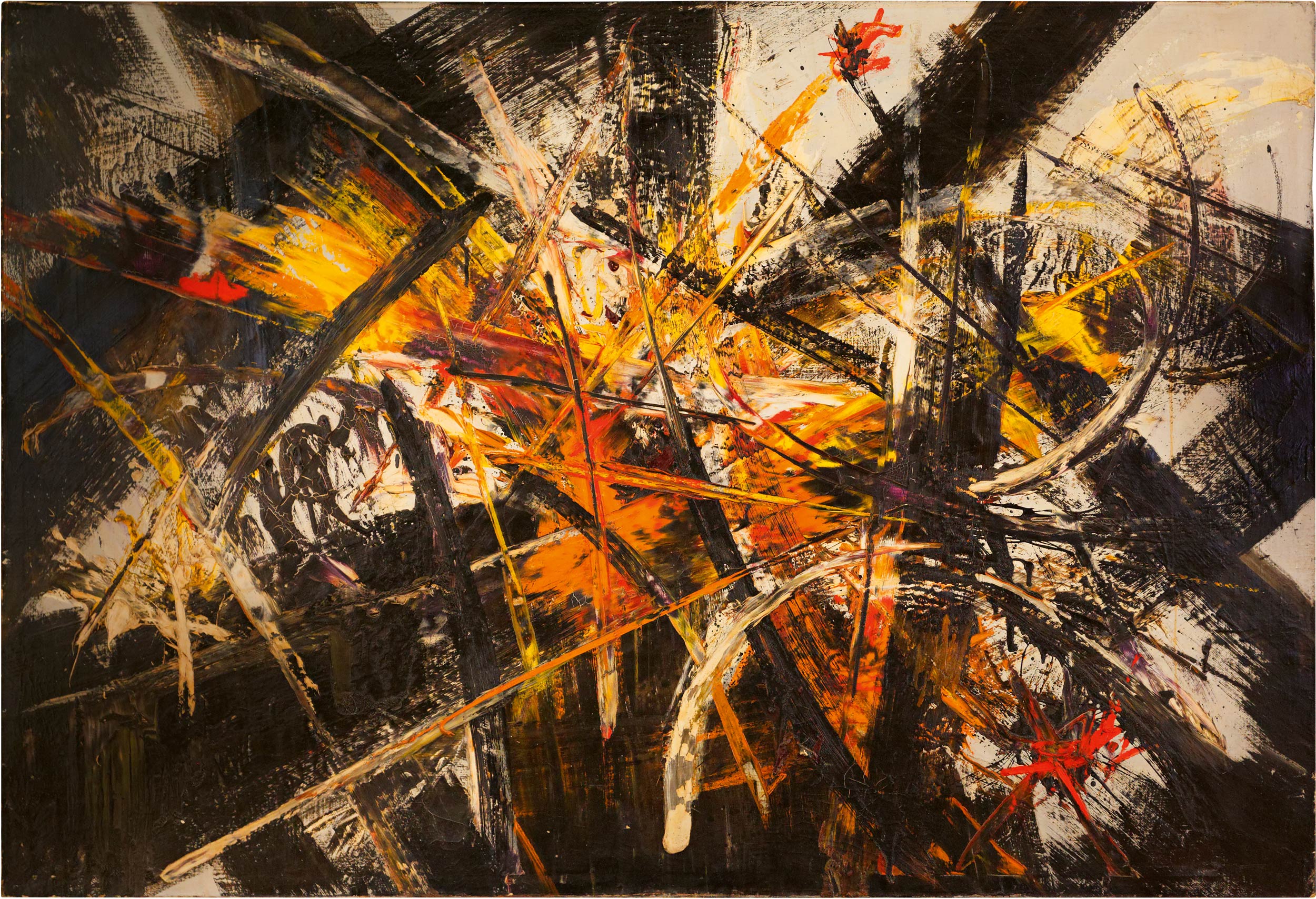
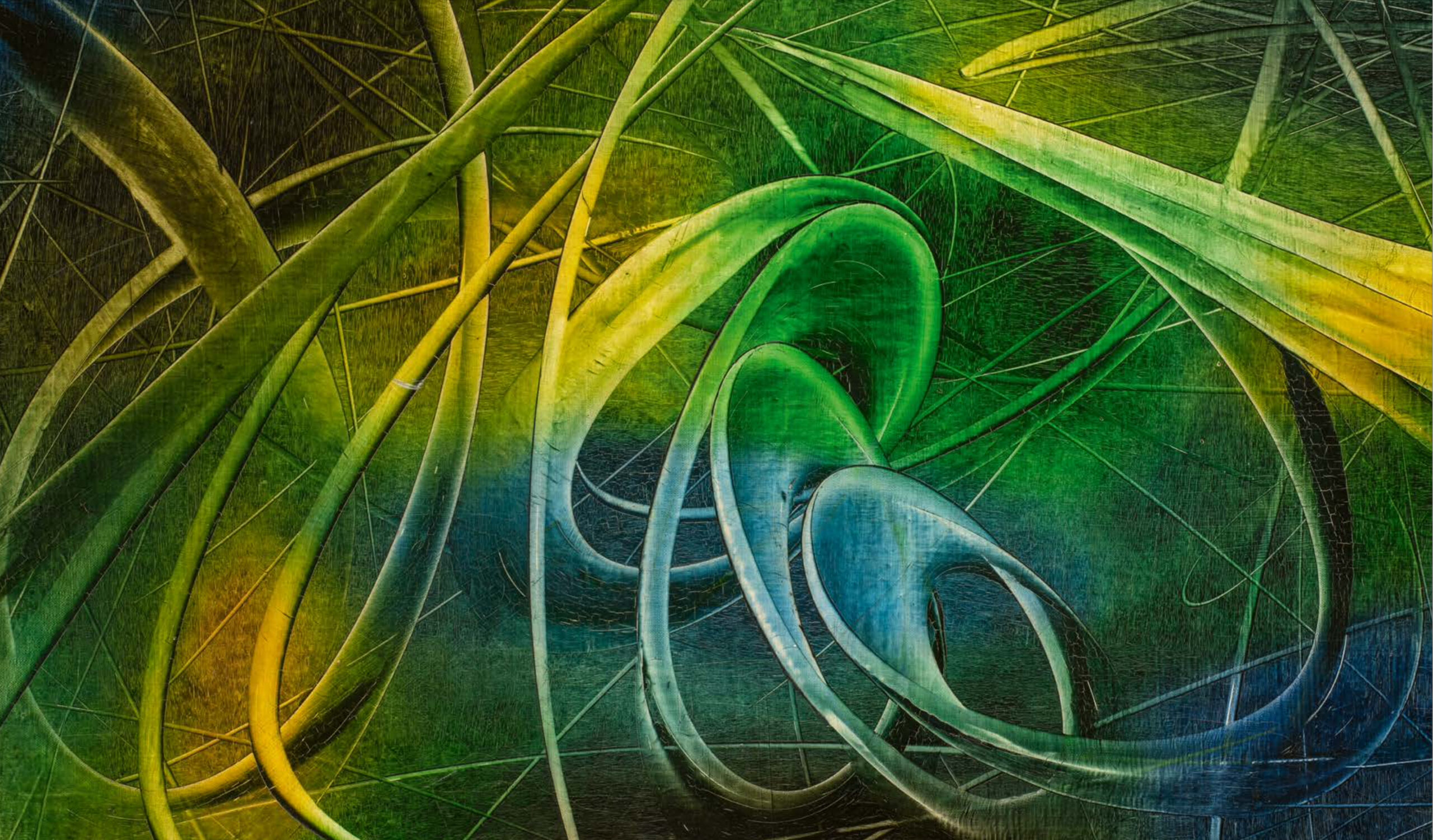
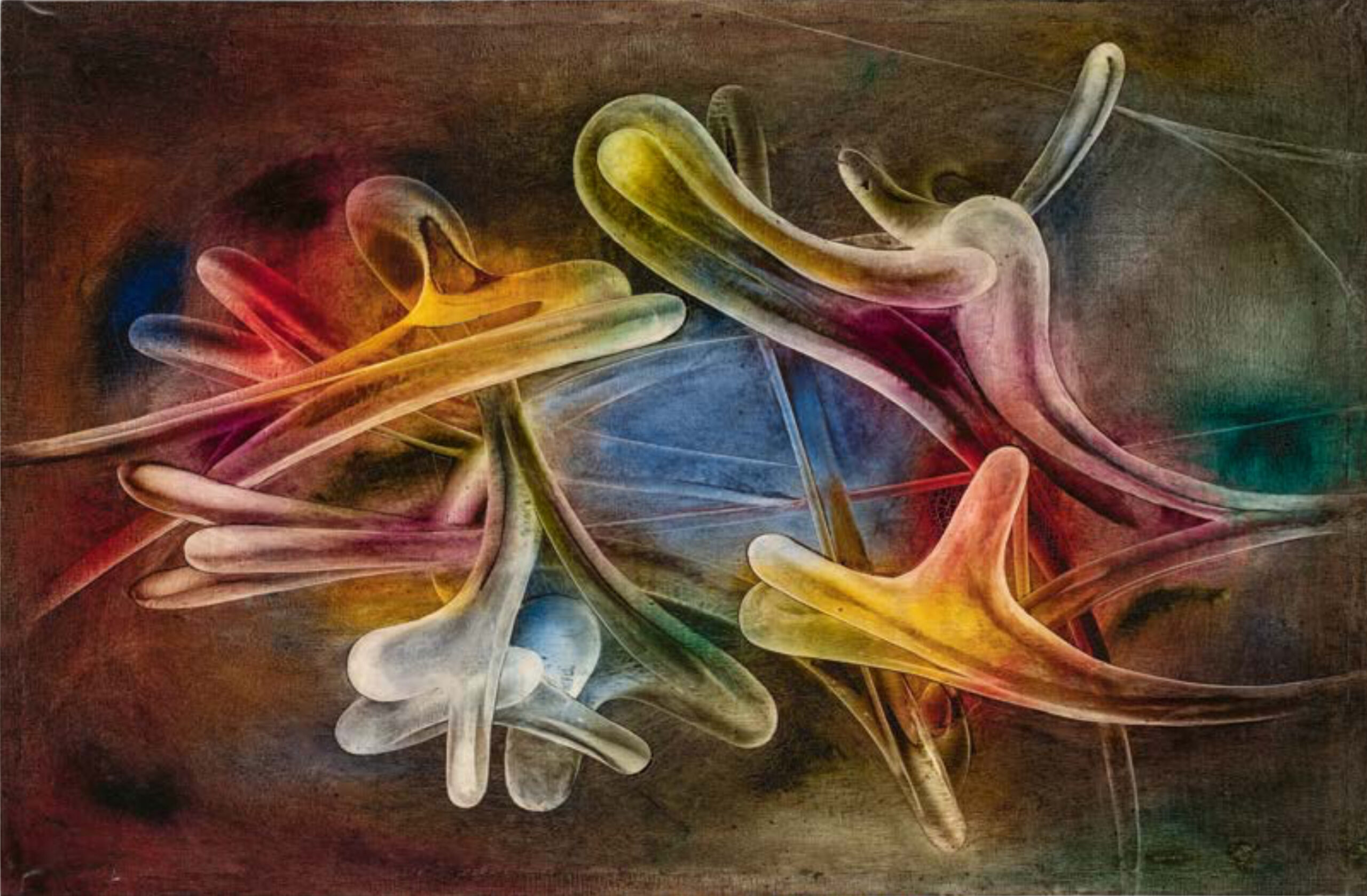
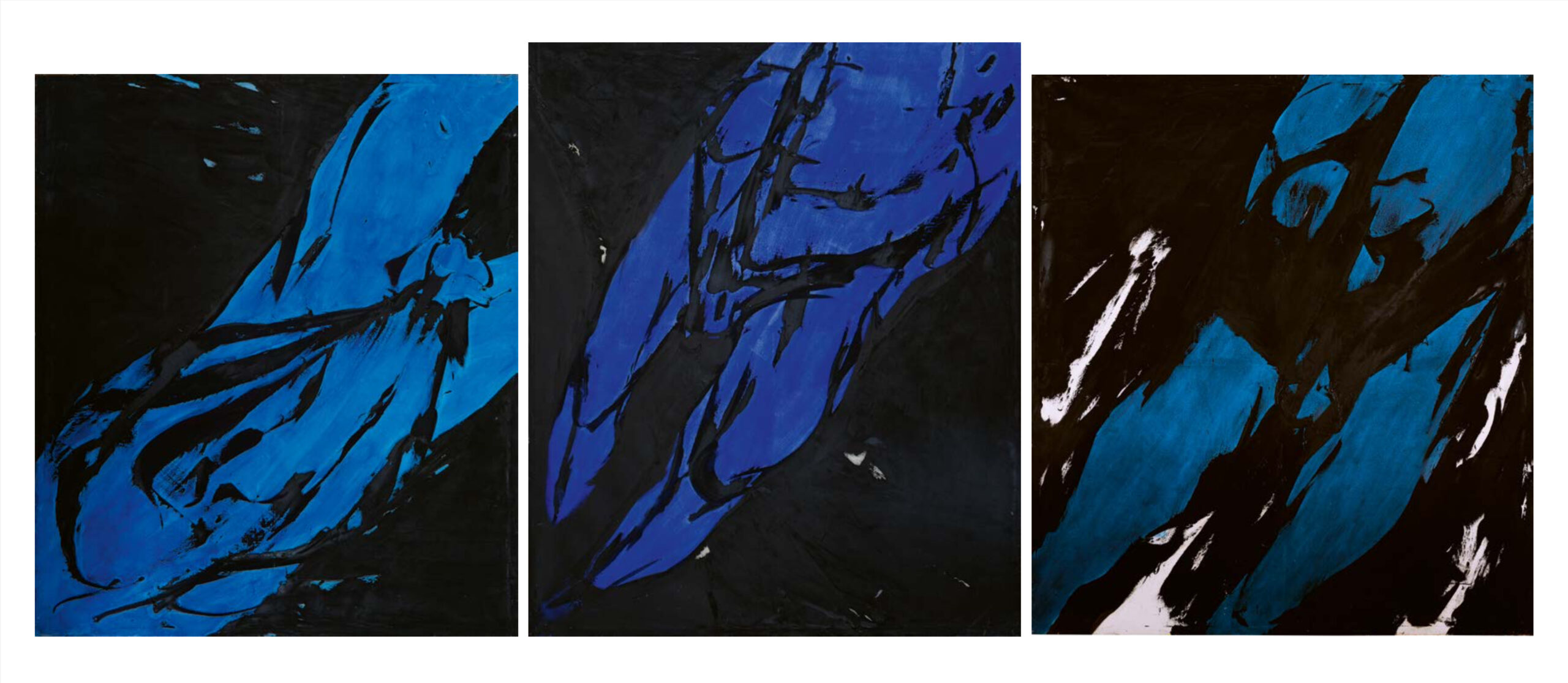
Beginning in the 1950s, Judit Reigl (b. Kapuvár, Hungary, 1923; d. Marcoussis, France, 2020) builds a singular creative oeuvre between abstraction and figuration, between Surrealism and gestural painting. After studying art in Budapest, Reigl flees Hungary in 1950; arriving in Paris, she is introduced to André Breton, who organizes her first exhibition in 1954. Under the influence of the École de Paris, she branches out into écriture automatique, then shifts toward free expression. Like her contemporaries Jackson Pollock and Helen Frankenthaler in New York, she lays out ever larger unprimed canvases on the floor and works them with a brush, her fingers, or other instruments. After 1966, bodily shapes emerge from her abstractions, and figures reappear in the pictures.
On occasion of Reigl’s centenary and the gift of three major works, the Neue Nationalgalerie mounts the artist’s first solo exhibition at a museum in Germany. The book surveys the oeuvre of one of the most important protagonists of European art in the second half of the twentieth century.
Judit Reigl studied painting at the Academy of Fine Arts in Budapest from 1942 until 1945 and was a fellow at the Hungarian Academy in Rome in 1947–48. From 1950 onwards, she lived and worked in France.
More books
-

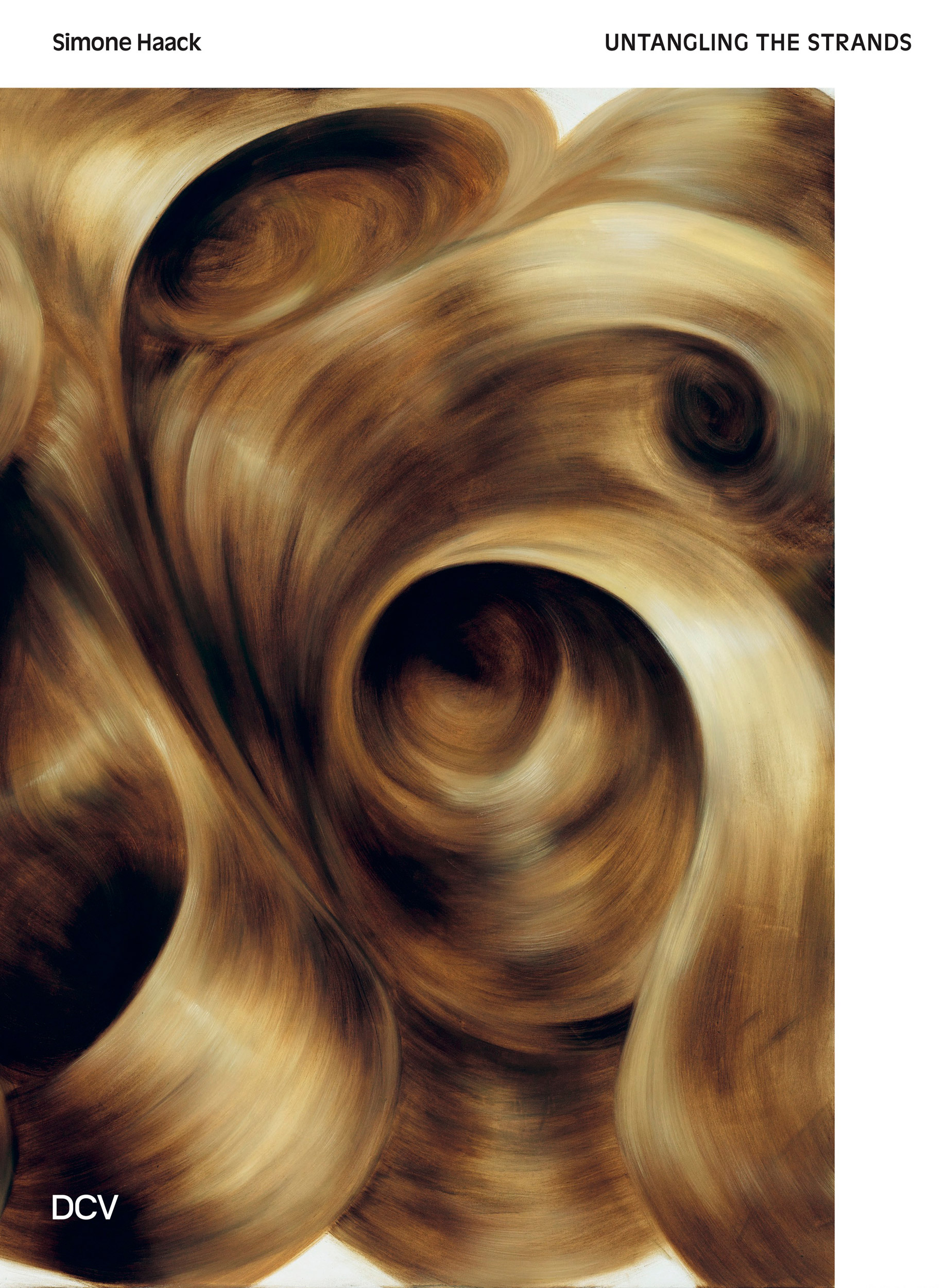
Simone Haack – Untangling the Strands / Démêler les Fils
24€ Add to cartSimone Haack’s (b. Rotenburg/Wümme, 1978; lives in Berlin) most recent body of work delves into the theme of hair as a parameter of identity straddling the division between nature and culture. Her second publication with DCV is released on the occasion of two exhibitions: Untangling the Strands at Berlin’s Abguss-Sammlung Antiker Plastik, a collection of casts of ancient sculpture, which are seen in dialogue with her hair pictures; and Helix of Realism at Galerie Droste, Paris, which is part of the official program of events around the grand Surrealism exhibition held at the Centre Pompidou in celebration of the Surrealist Manifesto’s centennial. The new book is the first to shed light on the aspect of the surreal in the artist’s oeuvre and uncovers a major source of her visual inspiration: the dream diaries that Haack has kept since she was seventeen and the interest in the unconscious they reflect. It is above all the logic of the dream as well as feelings and moods that inform her paintings.
Haack: “My goal is to use the means of realism to visualize what cannot be seen. To get into an automatism that lets the unconscious speak in order to infuse the pictures with a life of their own. To shed light on the domain where the myths originate.”
-

Judit Reigl
Kraftfelder / Centers of Dominance28€ Add to cartBeginning in the 1950s, Judit Reigl (b. Kapuvár, Hungary, 1923; d. Marcoussis, France, 2020) builds a singular creative oeuvre between abstraction and figuration, between Surrealism and gestural painting. After studying art in Budapest, Reigl flees Hungary in 1950; arriving in Paris, she is introduced to André Breton, who organizes her first exhibition in 1954. Under the influence of the École de Paris, she branches out into écriture automatique, then shifts toward free expression. Like her contemporaries Jackson Pollock and Helen Frankenthaler in New York, she lays out ever larger unprimed canvases on the floor and works them with a brush, her fingers, or other instruments. After 1966, bodily shapes emerge from her abstractions, and figures reappear in the pictures.
On occasion of Reigl’s centenary and the gift of three major works, the Neue Nationalgalerie mounts the artist’s first solo exhibition at a museum in Germany. The book surveys the oeuvre of one of the most important protagonists of European art in the second half of the twentieth century.
Judit Reigl studied painting at the Academy of Fine Arts in Budapest from 1942 until 1945 and was a fellow at the Hungarian Academy in Rome in 1947–48. From 1950 onwards, she lived and worked in France.
-

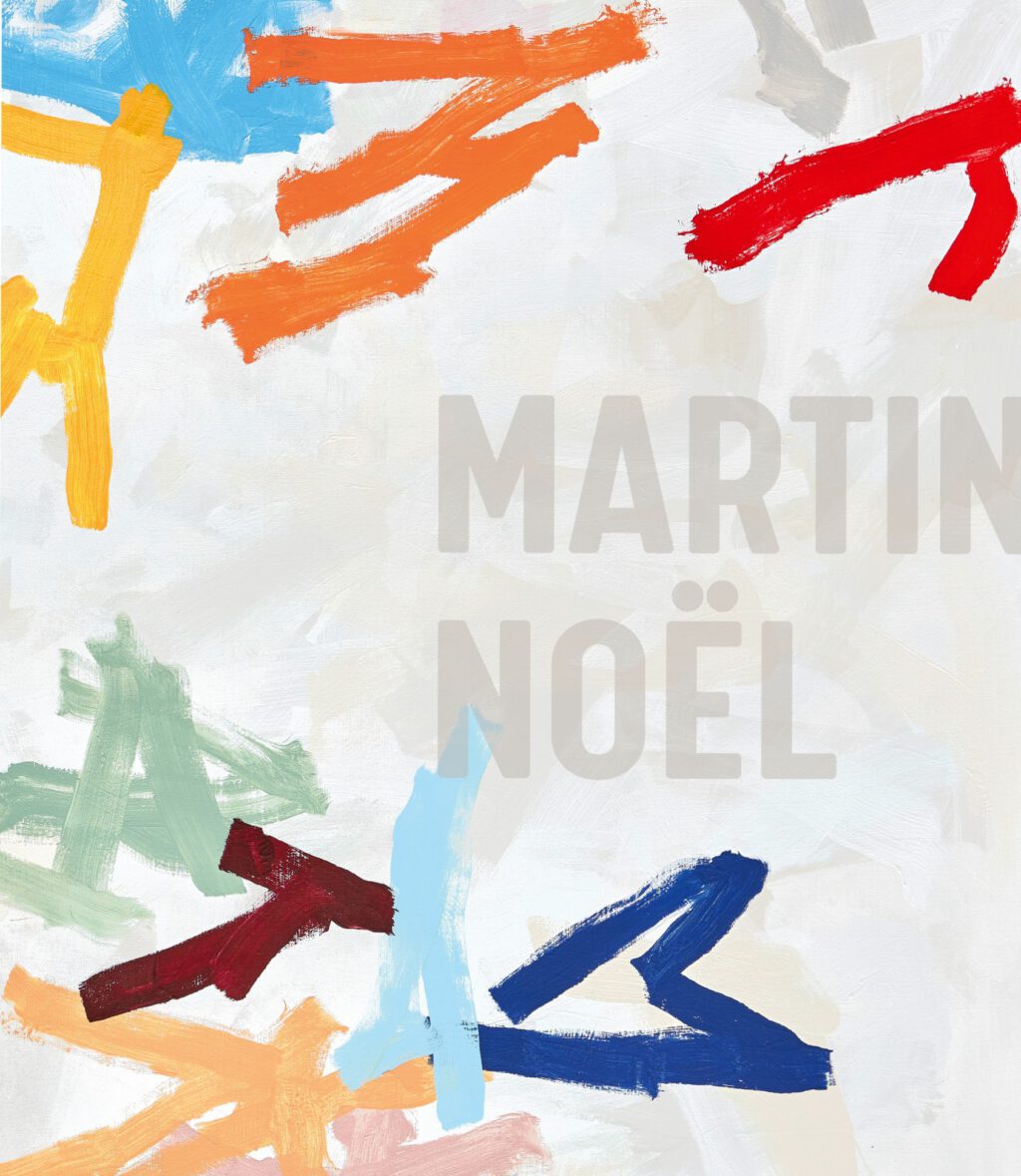
Martin Noël
paintprintpaint35€ Add to cartA Comprehensive Overview on the tenth Anniversary of the Death of Martin Noël
Martin Noël (b. 1956, Berlin; d. 2010, Bonn) was a German painter, draftsman, and printmaker. He was one of the formative innovators of the long-neglected techniques of linocut and woodcut. With his large-format works on paper, he created a position for himself in contemporary art that is as much respected as it is independent. On the occasion of the tenth anniversary of the artist’s death, this volume presents a comprehensive overview of his work from the mid-1980s to the last year of his life in 2010. Thirty-five exceptional works document Noël’s path from his early years as a painter, via the middle phase marked by printing blocks, linocuts and woodcuts, up to his late paintings.
Martin Noël studied Graphics and Painting at the Rheinische Fachhochschule Köln, Cologne. His works are included in, among others, the Federal Collection of Contemporary Art, the Kunstsammlungen Chemnitz, and the collection of the Museum Pfalzgalerie Kaiserslautern.
- Release July 2023

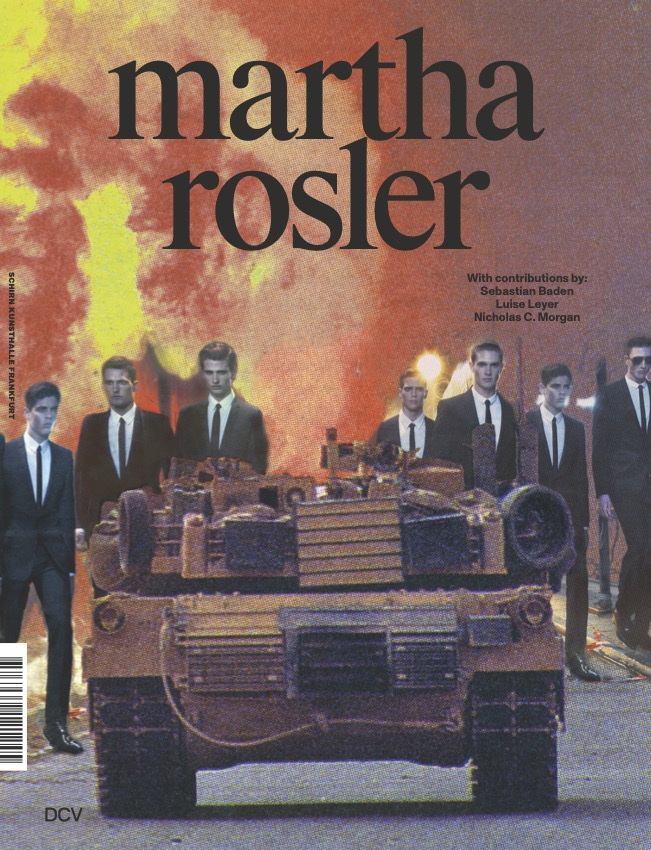
Martha Rosler
32€ Add to cartThe American conceptual artist and pioneer of critical feminism Martha Rosler (b. 1943 in Brooklyn, NY, lives and works in Brooklyn, NY) has influenced numerous contemporary artists with the radicalism of her artistic position. Rosler’s work is always political and examines questions of power and violence, the ideals of beauty and their demolition, and the purported contrasts between war and consumption. For her sociocritical collages and videos, Rosler uses found pictorial material that has already been published. The artist delights in working with photos from public sources like magazines and newspapers, which she processes and arranges in new contexts in order to visualize inequality and protest. Following on from Rosler’s iconic series House Beautiful: Bringing the War Home (ca. 1967–1972), at the heart of the publication lies the confrontation with warlike disputes as conveyed in the media, together with the associated dissonance between the private and the political.
Martha Rosler received a Bachelor of Arts from Brooklyn College in 1965 and a Master of Arts from the University of California, San Diego in 1985. In 1975 she began to write reviews for Artforum and other art magazines. She teaches at School of Arts of Rutgers University in New Brunswick, New Jersey.
-

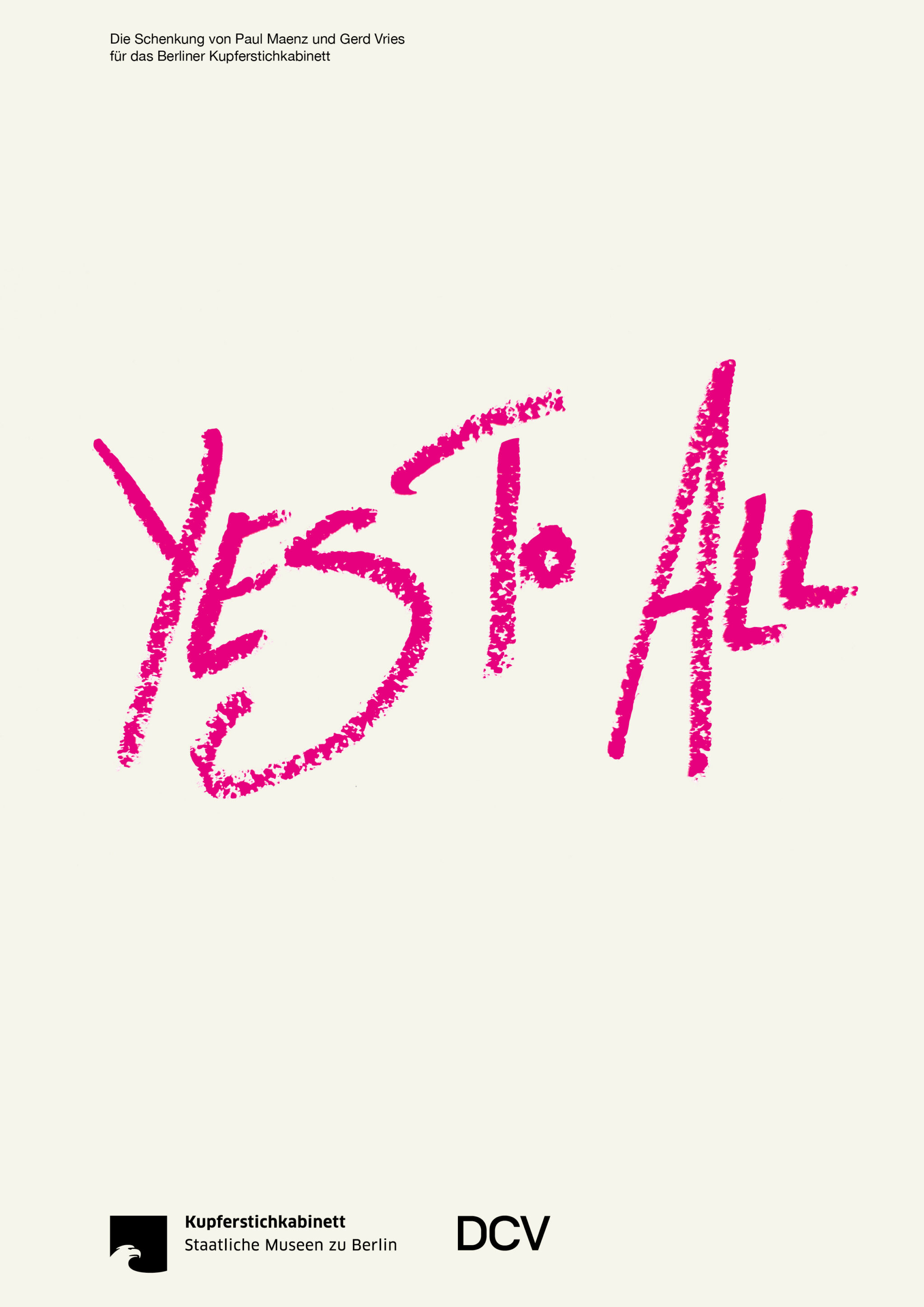
Yes To All
Die Schenkung Paul Maenz Gerd Vries42€ Add to cartThe catalog accompanying the exhibition YES TO ALL offers profound insight into a collection of over nine hundred works on paper—from postcards and drawings to photographs and posters—that was gifted to the Kupferstichkabinett in 2022, with subsequent additions over the years until 2025. The donors are Paul Maenz and Gerd de Vries, who ran a gallery for contemporary art in Cologne until 1990 and chaperoned the evolution of avant-garde art from the conceptualism of the late 1960s to the neo-expressive painting of the 1980s. The most recent works in the collection date from 2024. Several essays and a conversation with the donors invite the reader to experience the stylistic and thematic polyphony of Western art in the late twentieth and early twenty-first centuries in new ways.
EXHIBITION:
YES TO ALL. THE GIFTS OF PAUL MAENZ GERD DE VRIES TO THE KUPFERSTICHKABINETT
KUPFERSTICHKABINETT, STAATLICHE MUSEEN ZU BERLIN
UNTIL JANUARY 11, 2026 -

Simone Demandt
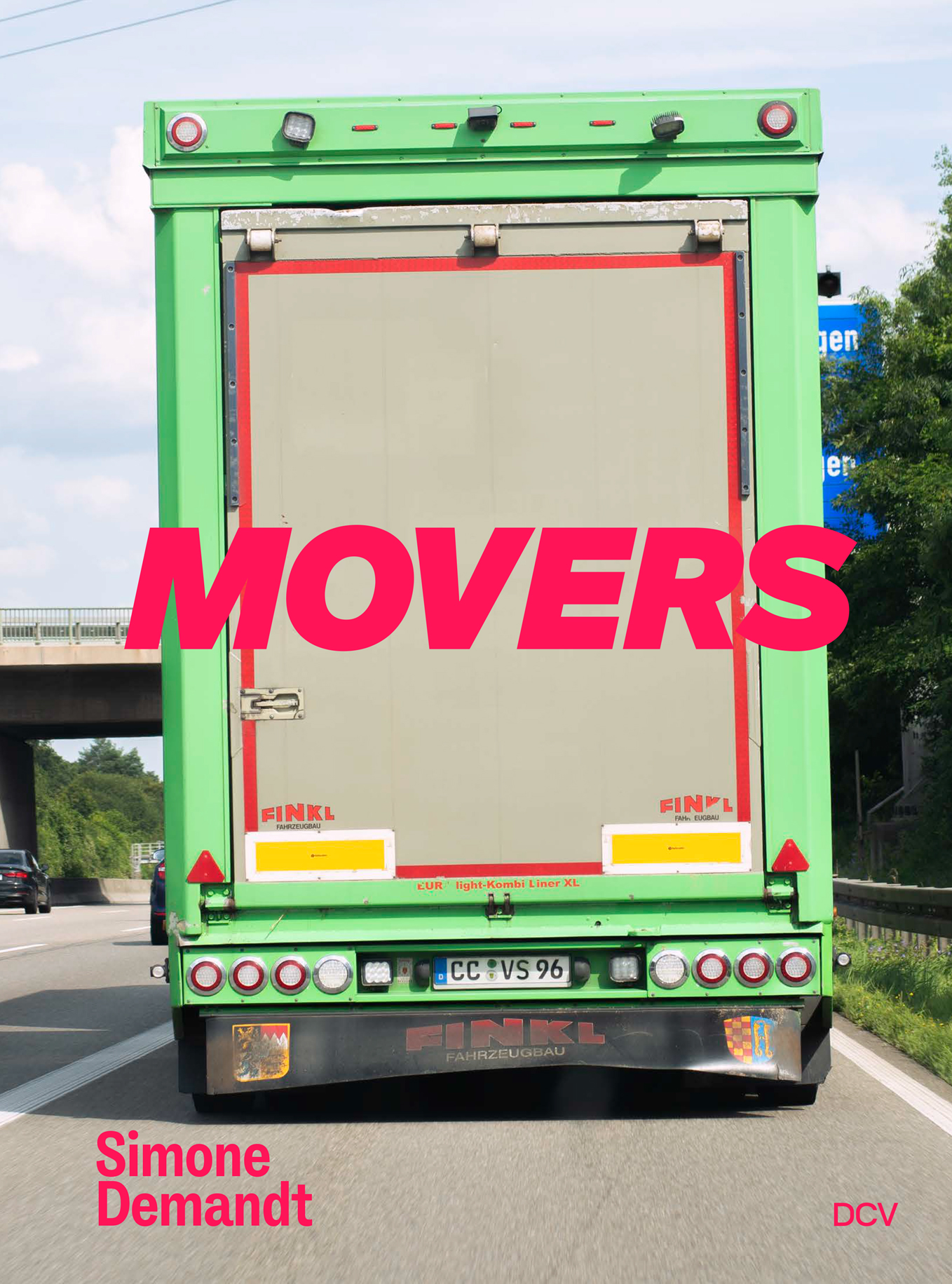
Movers / Beweger38€ Add to cartMotorways are Europe’s lifelines. The products we buy every day arrive on supermarket shelves after traveling along these arteries on the backs of thousands of trucks steered by hard-working drivers. Glancing up into the cabs of their hulking vehicles, we can just barely make out their heads sticking up above the steering wheels. In this overdue volume, Simone Demandt lets us see more of the heroes of the road who confidently posed for her camera. The pictures demonstrate Demandt’s knack for discovering “the intimate in the anonymous and the narrative element in the matter-of-factly” (Matthias Winzen). She has condensed the truckdrivers’ lifeworld into documentary black-and-white shots in which she shows these people as whole persons and individuals—very different from how we perceive them when they’re in the next lane. Movers lets us peek into the cabs through Demandt’s nonjudgmental lens, broadening our horizons hardly less than travelling would and helping us overcome our prejudices about teamsters. If you’ve always wanted to know whom we really have to thank for those never-empty supermarket shelves, you should not miss out on this book.
-

Wolfgang Gäfgen
Photographic Miracles45€ Add to cartA Mysterious Play of Light and Shadow
While Wolfgang Gäfgen’s (b. Hamburg, 1936; lives and works in Stuttgart and Esslingen) hand drawings and woodprints are widely acclaimed, only connoisseurs are familiar with his photographic oeuvre. The extensive body of analog black-and-white and color photographs spans the decades from the late 1960s to the present and is no less accomplished than the artist’s graphic works and prints. This book, with essays by Christian Gögger, Olivier Kaeppelin, Clemens Ottnad and Michel Poivert, is the first to gather a large selection of these pictures, illustrating the interdependencies between works in the different visual media of expression. Artfully arranged still lifes breathe a spectral animation into ostensibly trivial everyday objects. The human figures that appear now and then seem to be engaged in cultic performances; many of the photographic works are accompanied by ironic quotes from the earlier history of art or allusions to historic myths.
-

Călin Dan
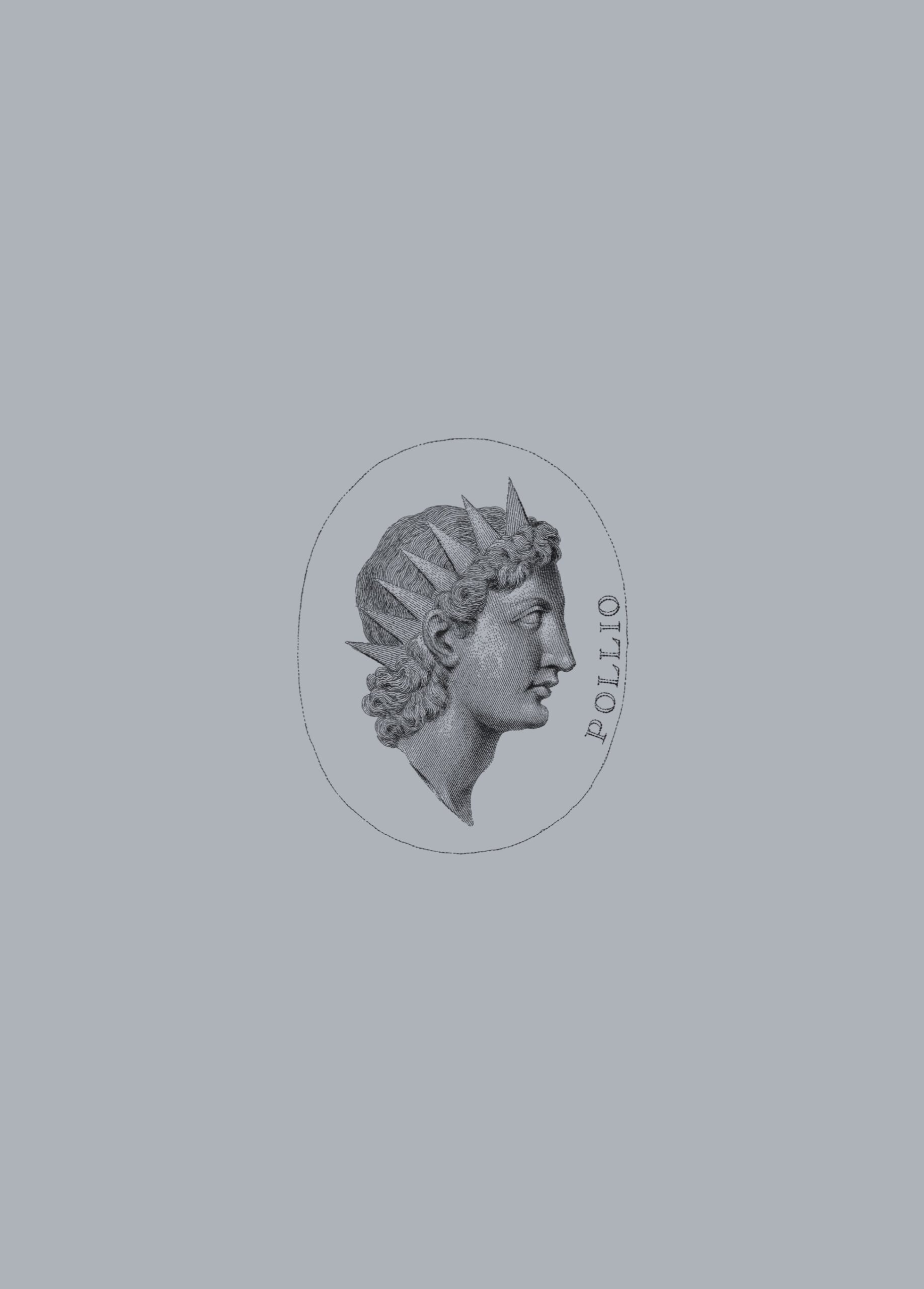
POLLIO34€ Add to cartThe oeuvre of the Romanian artist Călin Dan (b. Arad, Romania, 1955; lives and works in Bucharest) shows the influences of conceptual and minimal art. His book Pollio surveys his creative practice of the past decade, which straddles the media of installation and performance art, film, photography, and sculpture and is enriched by his work as an art historian, writer, and curator. In addition to the titular body of work, which wrestles with the Roman historian Gaius Asinius Pollio, the volume also documents the exhibition Alzheimer (2017). Călin Dan is a founding member of the artists’ group subREAL. His work was showcased at the Istanbul (1993), Venice (1993, 1999, 2001), São Paulo (1994), and Sydney Biennales (2006). He has been director of the National Museum of Contemporary Art (MNAC) in Bucharest since 2014.
-

Francis Alÿs
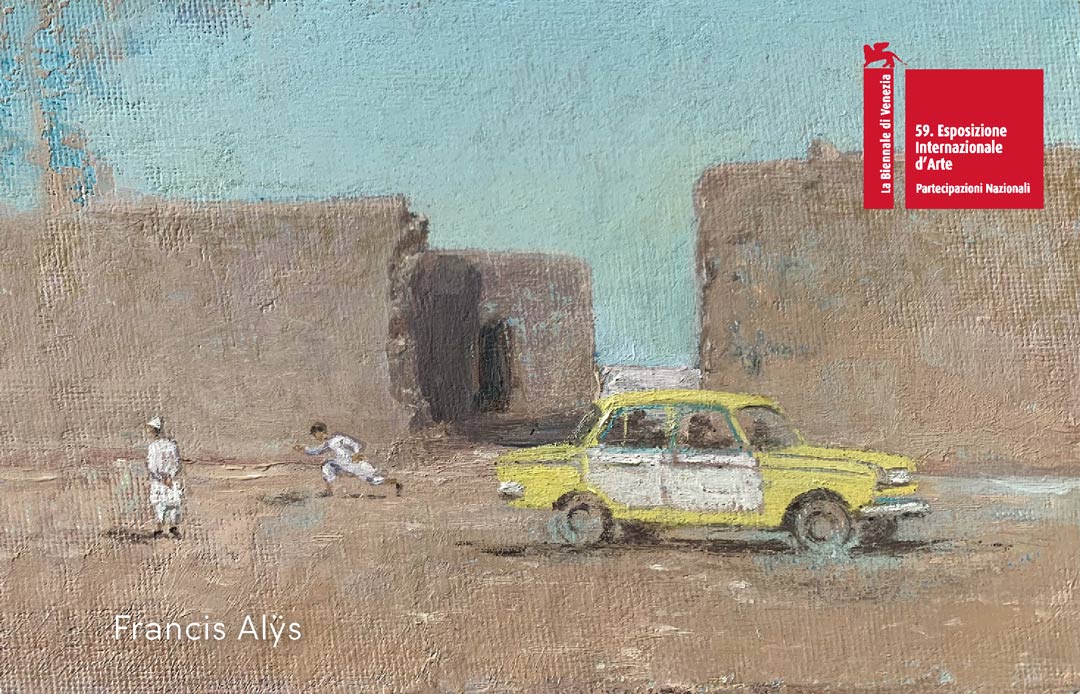
The Nature of the Game32€ Add to cartThe Belgian artist Francis Alÿs (b. Antwerp, 1959) makes work that is as multifaceted as it is poetically subversive. Straddling the line between performative conceptual art and community intervention, his films and drawings chart the political and social realities of urban spaces. One of his most imposing long-term projects is Children’s Games, for which he documents children playing all over the world, from Paris and Mexico City to the Yezidi refugee camp Sharya in Iraq. The richly illustrated book contains ideas and sketches he compiled in preparation for this series. It lets us glimpse into the engine room of his artistic practice, revealing key elements of his filmic poetics. An essay by the ethnographer and filmmaker David MacDougall embeds Alÿs’s observations of children’s play in the contexts of childhood studies as well as the history of ethnographic documentary film.
Francis Alÿs (b. Antwerp, 1959) is widely regarded as one of the foremost artists working today. His oeuvre, which has garnered numerous prizes and been featured in solo exhibitions around the world, encompasses films, photographs, performances, drawings, and paintings, many of them explorations of the social and political realities of urban spaces. Since 1986, Alÿs, who trained as an architect, has lived in Mexico City, where he moved after the major earthquake of 1985 to help in the rebuilding effort.
Francis Alÿs – The Nature of the Game is the official publication of the Belgian pavilion at the 59th Biennale di Venezia, curated by Hilde Teerlinck.
-

Alexandru Chira
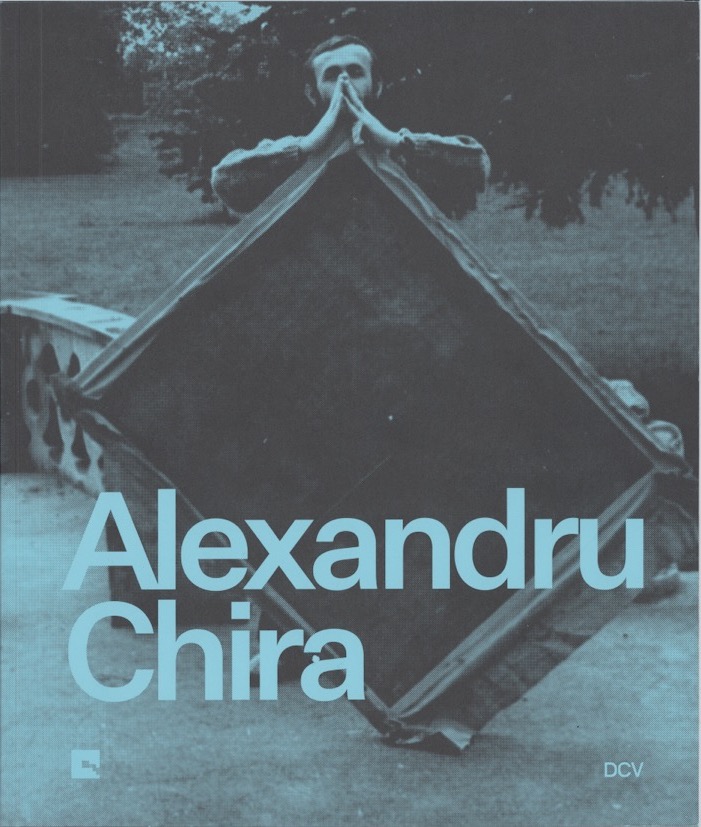
42€ Add to cartAlexandru Chira’s (b. Tăușeni, Romania, 1947; d. Bucharest, 2011) oeuvre systematically and comprehensively maps a fictional field of research. His paintings, drawings, and objects, whose individual elements recall switches, screens, keyboards, and levers, were designed to “bring rain and rainbows,” to promote prosperity and prevent floods. Working in his art laboratory, Chira resembled a farmer tilling his field. He sowed symbols across his paintings, sometimes transplanted them to create new semiotic interconnections, then reaped them and stored up his harvest in painted machines of varying shapes and dimensions. In the 1990s—by then Chira held a professorship and was a widely recognized artist—he fulfilled a lifelong dream by building the “Tăușeni Ensemble,” the largest monument single-handedly created by one man in Transylvania. Much of his oeuvre accordingly consists of sketches and elaborations relating to the monument. In the course of his decades-long fascination with an agrarian aesthetic, architecture, design, astronomy, history, magic, ufology, mysticism, shamanism, and theosophy fused, yielding a kind of practical knowledge as well as spiritual speculations sustaining his endeavor.
The extensive monograph with more than 750 illustrations surveys Alexandru Chira’s output of four decades and synthesizes years of research undertaken at the National Museum of Contemporary Art in Bucharest. It contains numerous transcriptions of textual parentheses, legends, and instructions on how to decode the works and poetic fragments embedded in Chira’s pictures.
-
Anna Bogouchevskaia
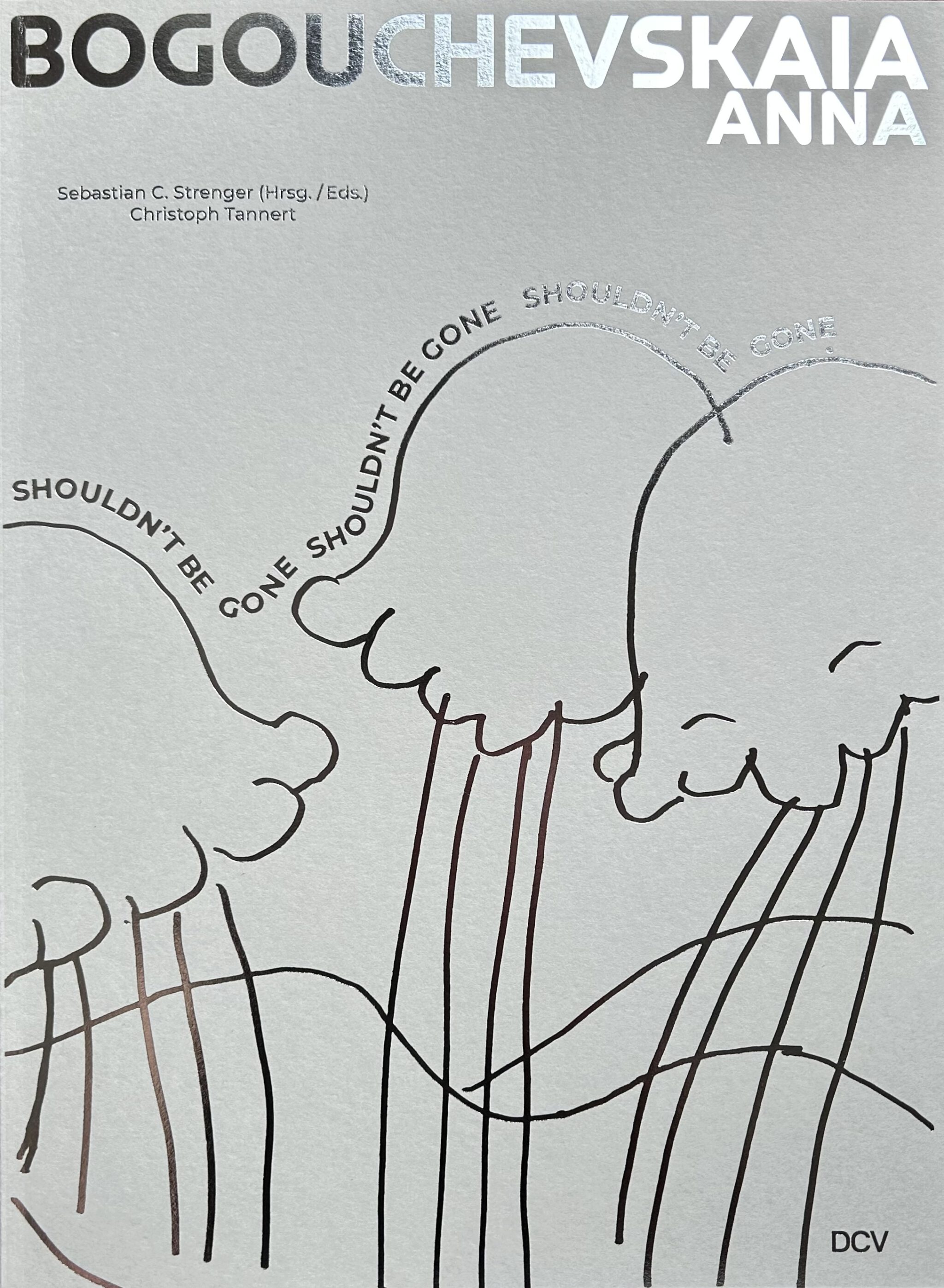
Shouldn’t Be Gone25€ Add to cartAnna Bogouchevskaia (b. Moscow, 1966; lives and works in Berlin) sees her work in sculpture as a geopolitical engagement with concerns on the intersection between figuration and abstraction. Macroscopic aluminum drops, bizarre bronze flowers, fog and snow made of silver—the artist, a committed environmentalist, has created a peculiar and fascinating world of evanescent natural phenomena. Focusing on two molecules—carbon dioxide and water—in their various states of aggregation, she draws attention to the threats posed by climate change.
The publication Shouldn’t be gone presents Bogouchevskaia’s most recent works since 2019: an urgent message of warning from an artist whose sculptural oeuvre even today has the air of a monument to a world in demise.
-
Liam Gillick
Filtered Time (ENGLISH)28€ Add to cartThe sculptor and object artist Liam Gillick (b. Aylesbury, UK, 1964; lives and works in New York) has created an intervention titled Filtered Time for the historic galleries of the Pergamon Museum in Berlin. Projections of light and color and acoustic effects condense six thousand years of cultural history into an immersive spatial experience. Gillick initiates a conversation between the iconic Processional Way and the Ishtar Gate from Babylon, the monumental sculptures of Tell Halaf, and other exhibits, engendering new layers of meaning across all historical periods. The first joint project of the Vorderasiatisches Museum and the Hamburger Bahnhof—Nationalgalerie der Gegenwart makes for a singular visual and sensory experience. Designed by the artist himself, the publication not only documents the richly colorful production, but also provides insight into the eventful history of the museum, which is approaching its centennial.
Liam Gillick studied at the Hertfordshire College of Art in 1983–1984 and at Goldsmiths, University of London from 1984 until 1987. Gillick is a prolific published writer as well, producing essays, reviews, fiction, and theatrical scenarios.
-

Candida Höfer
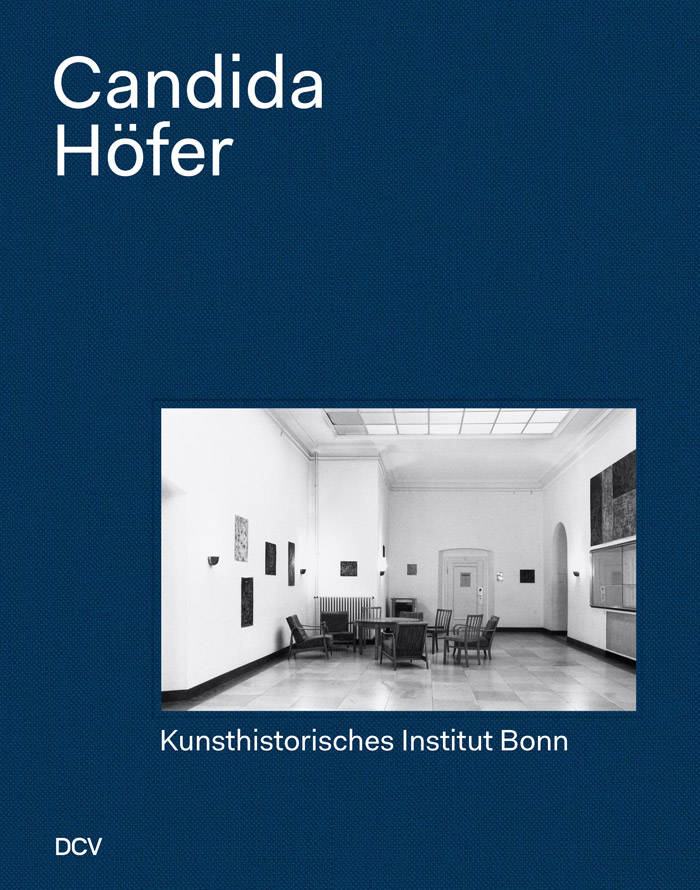
Kunsthistorisches Institut Bonn35€ Add to cartThe Kunsthistorisches Institut Bonn, Yesterday and Today
The imposing presence of architecture captured in the absence of humans: that is the defining characteristic of the photographs with which Candida Höfer (b. 1944, Eberswalde; lives and works in Cologne) has risen to international renown. In 1992, she captured the Kunsthistorisches Institut der Rheinischen Friedrich- Wilhelms-Universität Bonn in ten analogue black-and-white pictures that have not been on public display. In 2020, Höfer returned to the institute to take more pictures using a digital camera. The two series now make their public début in the institute’s halls and are gathered in this book. Undertaking a historically and aesthetically captivating comparison, Höfer probes the ways in which university life has changed over almost three decades.
Candida Höfer was a member of Bernd Becher’s inaugural photography class at the Kunstakademie Düsseldorf. Her works were shown at documenta 11 in 2002, and in 2003, she and Martin Kippenberger represented Germany at the 50th Biennale di Venezia.
- Out of stock

Otto Dix in Baden-Württemberg
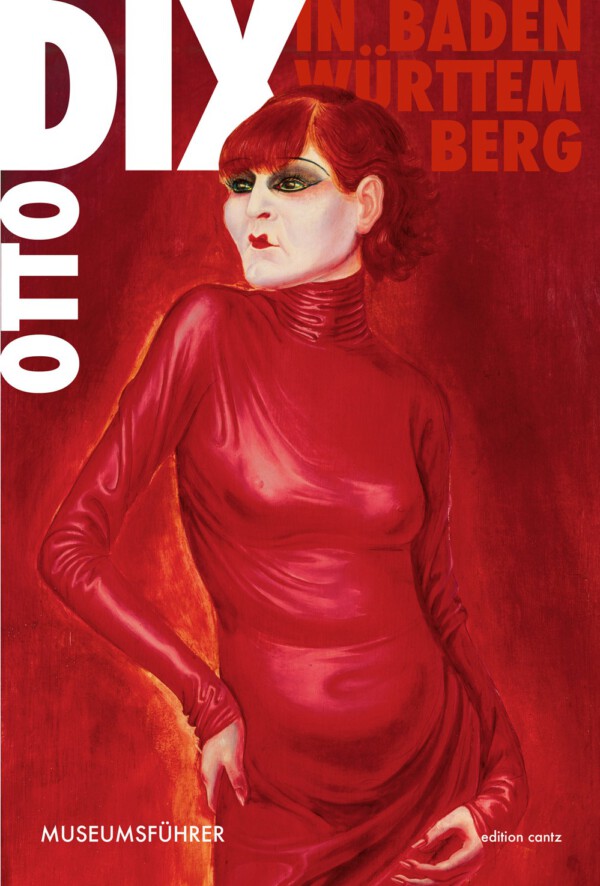
Museumsführer9,80€ Read moreSeven Museums Jointly Present the World’s Largest Collection of Works by the Famous German Painter.
In 1933, after the loss of his professorship in Dresden and mounting defamation by the National Socialists, Otto Dix (b. 1891, Untermhaus; d. 1969, Singen) retired to Lake Constance, where he lived for more than thirty years. Together, seven museums in the state of Baden-Württemberg — including the museum in his former home in Hemmenhofen — have the world’s most comprehensive collection of his works at their disposal, providing insight into all facets of his creative work: from the social criticism of the major works, at times depicted with brutal verism, to the old masterly glaze painting of his inner emigration and the expressive alla prima paintings of the late years. For the first time ever, this treasure trove is presented in one volume.
The participating museums: Kunstmuseum Albstadt, Zeppelin Museum Friedrichshafen, Museum Haus Dix, Gaienhofen-Hemmenhofen, Kunsthalle Mannheim, Kunstmuseum Singen, Kunstmuseum Stuttgart, Staatsgalerie Stuttgart.
-

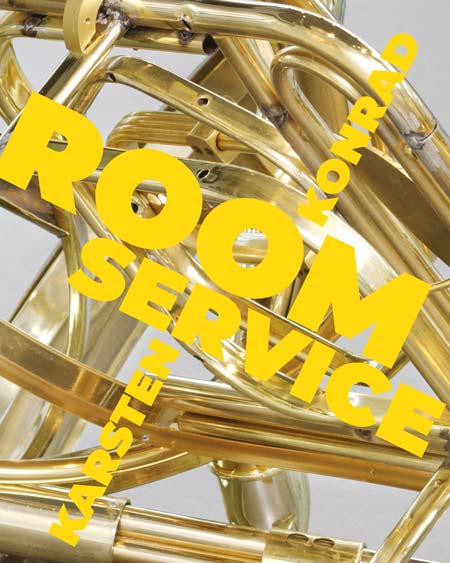
Karsten Konrad
Room Service42€ Add to cartThe Visual Archeologist
Objets trouvés, used designer objects, and discarded furniture are the defining elements of the sculptor Karsten Konrad’s (b. Würzburg, 1962; lives and works in Berlin) material poetics. Not unlike the Dadaist or Surrealist readymade, the works that Konrad has made since the 1990s transform these “disregarded things” into sculptures, immersive installations, reliefs, and collages. Detecting the faint traces that anonymous consumers have left on the secondhand stuff, he unfolds an archaeology of the present. Konrad’s first monograph in a decade offers comprehensive insight into an oeuvre that throws the marginal into relief and questions the destructive impact of unbridled consumerism.
Karsten Konrad studied at Johannes-Gutenberg-Universität, Mainz, and the Royal College of Art, London. He has been professor of sculpture at the Universität der Künste in Berlin since 2016. His works are held, amongst others, by the Bundeskunstsammlung Bonn and the Margulies Collection, Miami.
Each copy is hand-signed by the artist on the spine.
-
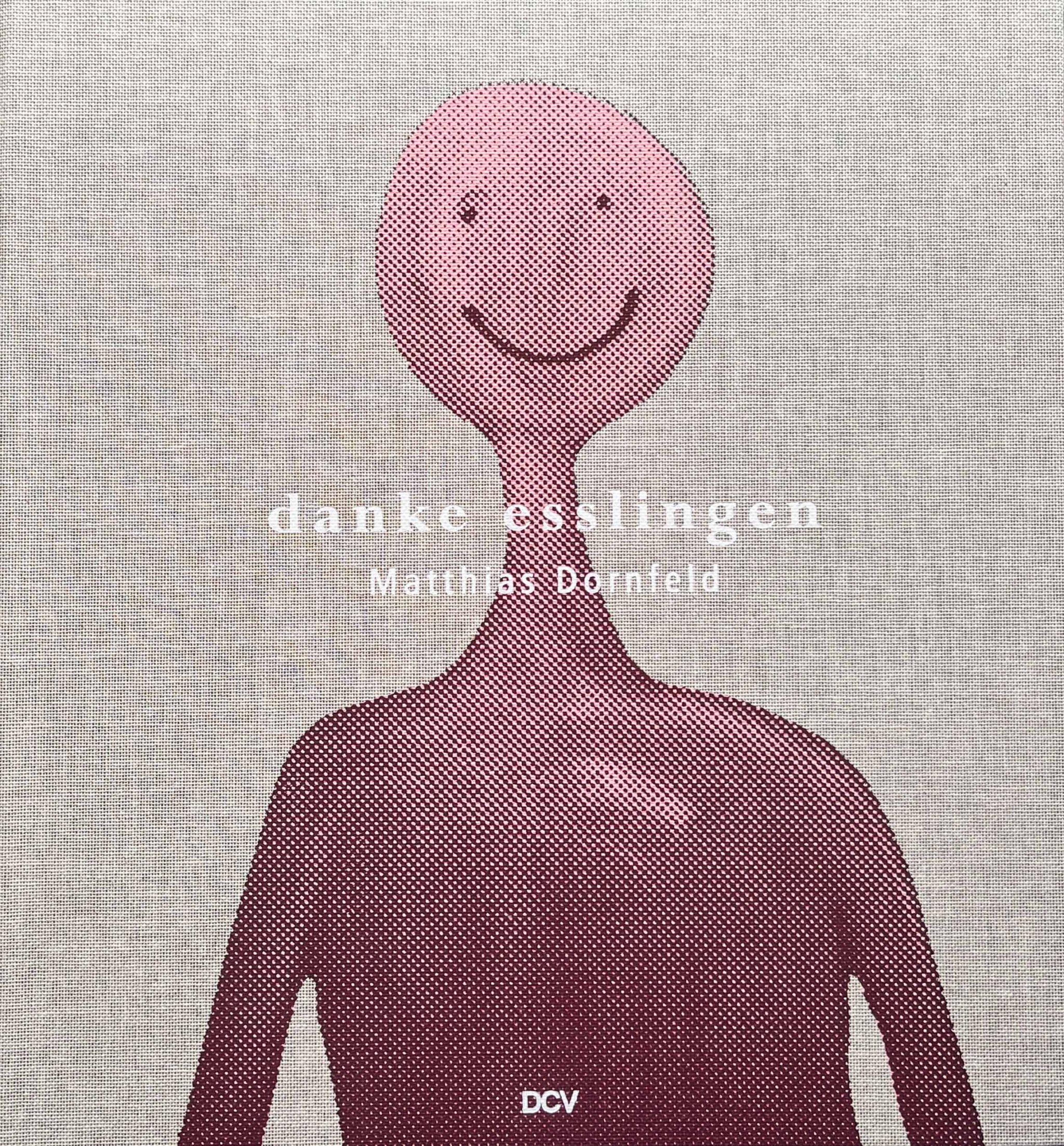
Matthias Dornfeld
danke esslingen42€ Add to cartAt first glance, the paintings of Matthias Dornfeld might strike us as naïve or even primitive. However, his still lifes, flower and animal depictions, and abstracted portraits occur in a compelling discourse with the avant-garde of European art history. Yet the works are equally accessible without that background, namely with their playful and provocative gestures, which tend to push the depictions to the brink of possibilities. After a comprehensive retrospective in the Villa Merkel Esslingen, this book documents the show and includes texts by Friedrich Meschede, Daniela Stöppel, and Christian Gögger. The in-depth essays illuminate Dornfeld’s oeuvre and iconography and furthermore discuss the unconventional hanging of the show as well as its reception.
-
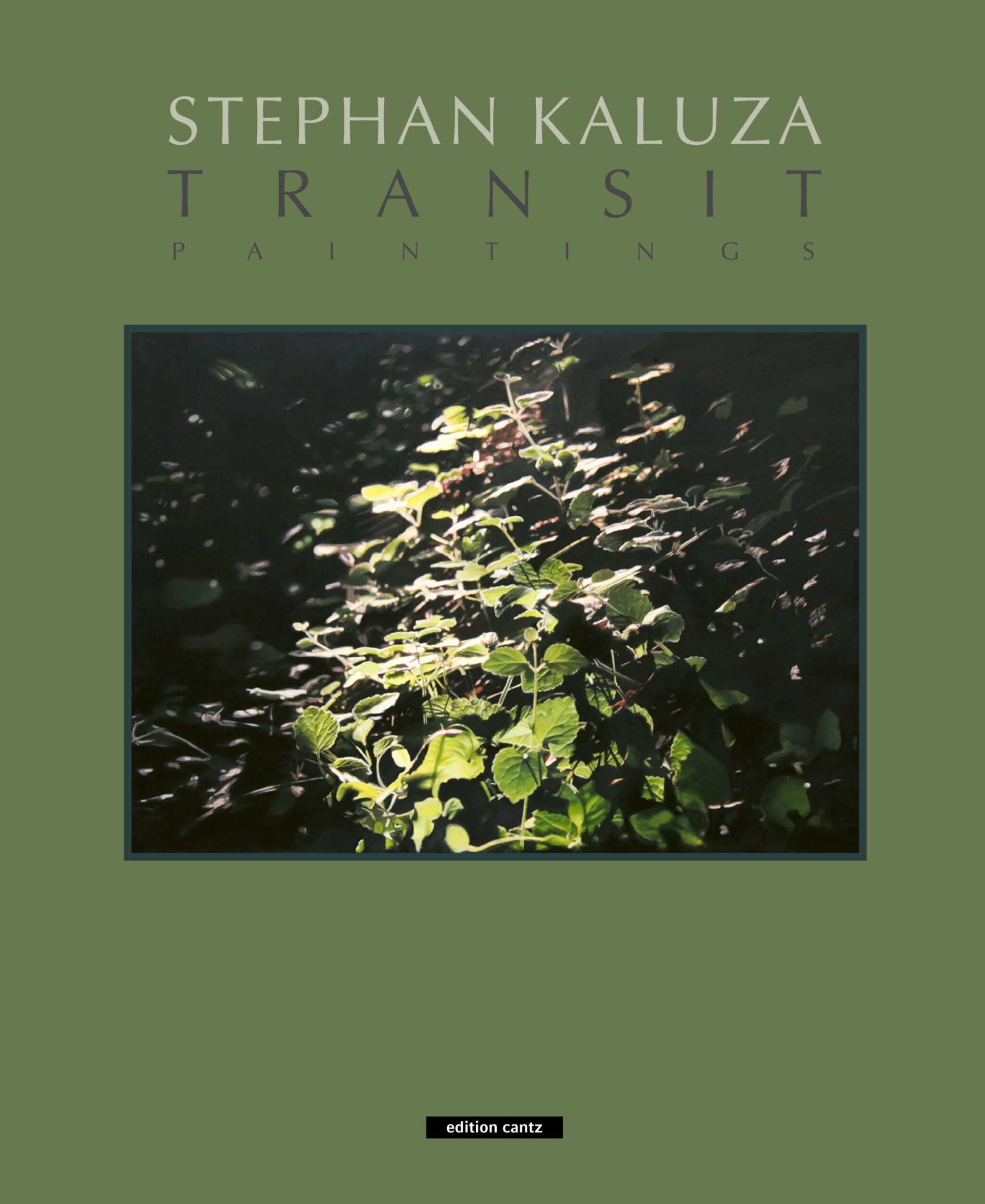
Stephan Kaluza & Dieter Nuhr
Transit42€ Add to cartLandscapes in a Dialogue between Painting and Photography
At first glance, Stephan Kaluza’s (b. 1964, Bad Iburg; lives and works in Düsseldorf) photorealist paintings might be still lifes, portraits of pristine nature. Yet they actually show battlefields and other scenes of past horrors. The idyll in his pictures positively appeals to our vigilance to resist the impression of profound peace. The same ambiguity lies at the heart of the photographs of Dieter Nuhr (b. 1960, Wesel; lives and works in Ratingen). Nuhr, who is also widely known as a comedian, has contributed pictures that are carefully focused renditions of seemingly serendipitous discoveries from his travels in Nepal, Bolivia, India, and Sudan. In their timelessness, Nuhr’s photographs are akin to the locales in Kaluza’s works, which, disburdened of the heavy weight of their histories, reemerge as straightforward natural landscapes. The lavishly illustrated two-volume edition presents the fruits of a collaboration between two artists united by their shared preoccupation with the dialectic of ephemerality and permanence.
-

Michael Bertram
mehr licht35€ Add to cartThe Mülheim-Kärlich Nuclear Power Station, 1975–2019
In 1975, construction began in Mülheim-Kärlich on what was to be the only nuclear power plant in the state of Rhineland-Palatinate. After numerous court battles and only two years of trial and regular operation, the plant was decommissioned in 1988 and dismantled starting in 2001. The 530-foot cooling tower, taller than Cologne Cathedral, was the point of reference, landmark, and eyesore of an entire region; its time-consuming demolition became a symbol of the perennial political polarization over the decision to phase out nuclear power.
Michael Bertram (b. Mendig, 1968; lives and works in Mayen) took photographs of the reactor looming between homes and factories in order to record the future past in pictures. The plant cost seven billion deutschmarks to build and one billion euros to take back down: vast resources expended on a temporary installation that lasted forty years and left a lasting mark on the landscape, the surrounding communities, and the people who lived in its shadow. Starting with the demolition, the book presents an inverted timeline in eighty-one black-and-white photographs. The object seems to rise before our eyes until, at the end of the series, five color photographs conjure up a past that was very much present only a moment ago—a singular document of Germany’s industrial heritage.
-
Jenny Brosinski
Things I’ve Never Said58€ Add to cartJenny Brosinski’s (b. Celle, 1984; lives and works in Berlin) paintings in large formats look like uncoordinated abstract compositions with traces of wear deliberately left in place. This brings their materiality to the fore and reveals the creative process. Expressive oil paint on unprimed canvas, spray-painted lines, typographic elements, shoeprints, or pieces of masking tape on the canvas: on the one hand, these are experiments and statements; on the other hand, they are engagements with painting as such. The artist added sculpture to her repertoire in 2019, making figurative and sometimes colorfully painted imaginary beasts in bronze or stone—more evidence of her subtle sense of humor, which also manifests itself in her pictures and especially in their titles. The extensive monograph offers profound and comprehensive insight into Brosinski’s oeuvre.
Jenny Brosinski studied illustration and animation at the Weißensee Kunsthochschule, Berlin, the École supérieure des arts décoratifs, Strasbourg, and the Hamburg University of Applied Sciences. She completed her education with a master class in Berlin in 2010.
-

Erich Hörtnagl
Unforgettable – Unforgotten48€ Add to cartHow can a life be remembered—what remains, what vanishes?
In Unforgettable | Unforgotten, Erich Hörtnagl brings together photographic fragments that are more than just memories: they are symbols of lived time. Roland Barthes’ concept of the “punctum” experience—that instant when a detail in an image pierces the heart—provides a key to Hörtnagl’s photographic gaze. It is not the spectacular events but the quiet and incidental things that move us. The seemingly insignificant becomes a projection screen for memory, loss, and emotion. The focus is not on what is staged, but on what eludes creative control.
Accompanied by insightful writings by Alois Schöpf and Kurt Höretzeder, a quiet monologue emerges about happiness and missed opportunities, about what we receive—and what we give. A book that doesn’t provide answers but asks questions: What makes a life worth living? What remains unforgettable or unforgotten?