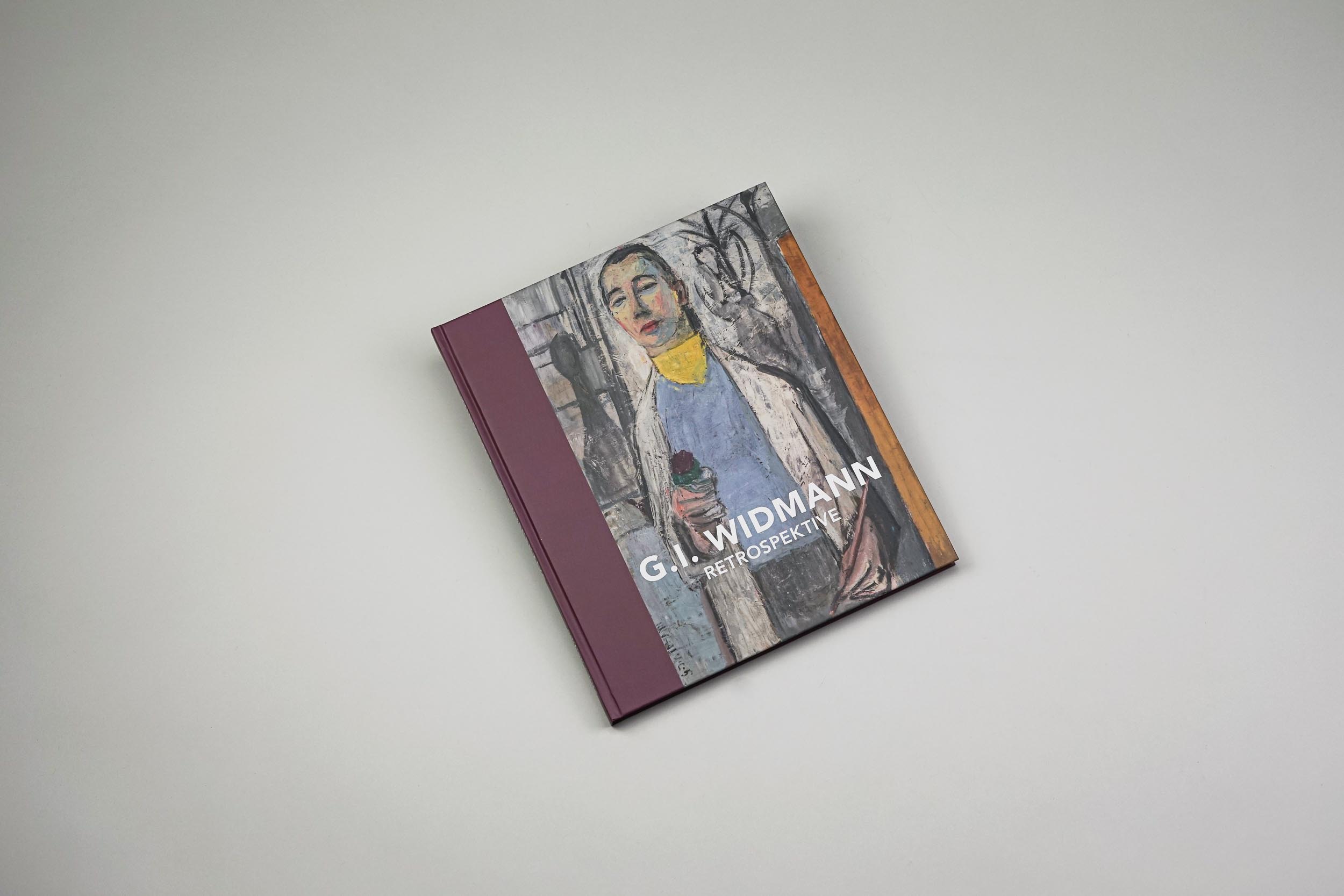
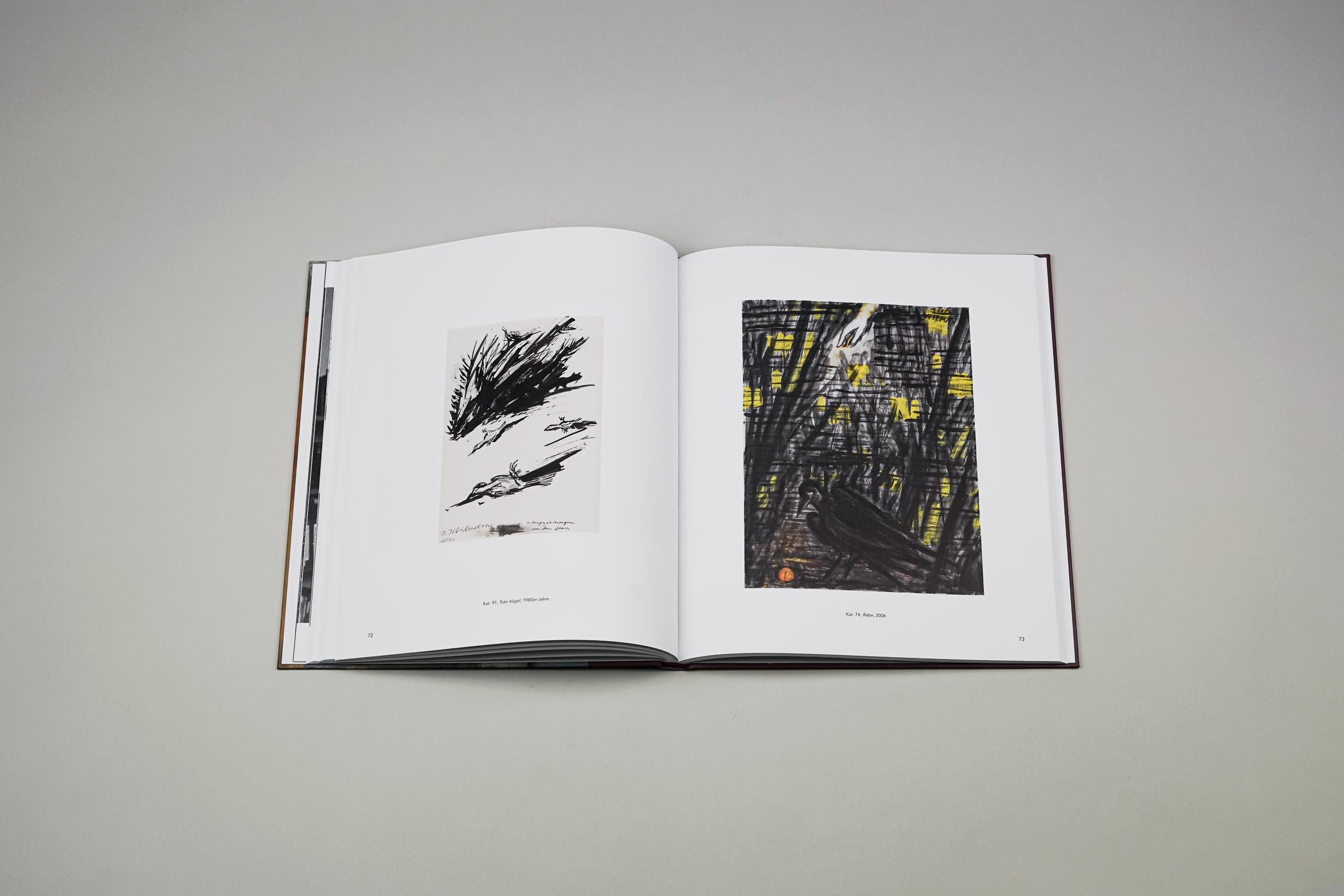
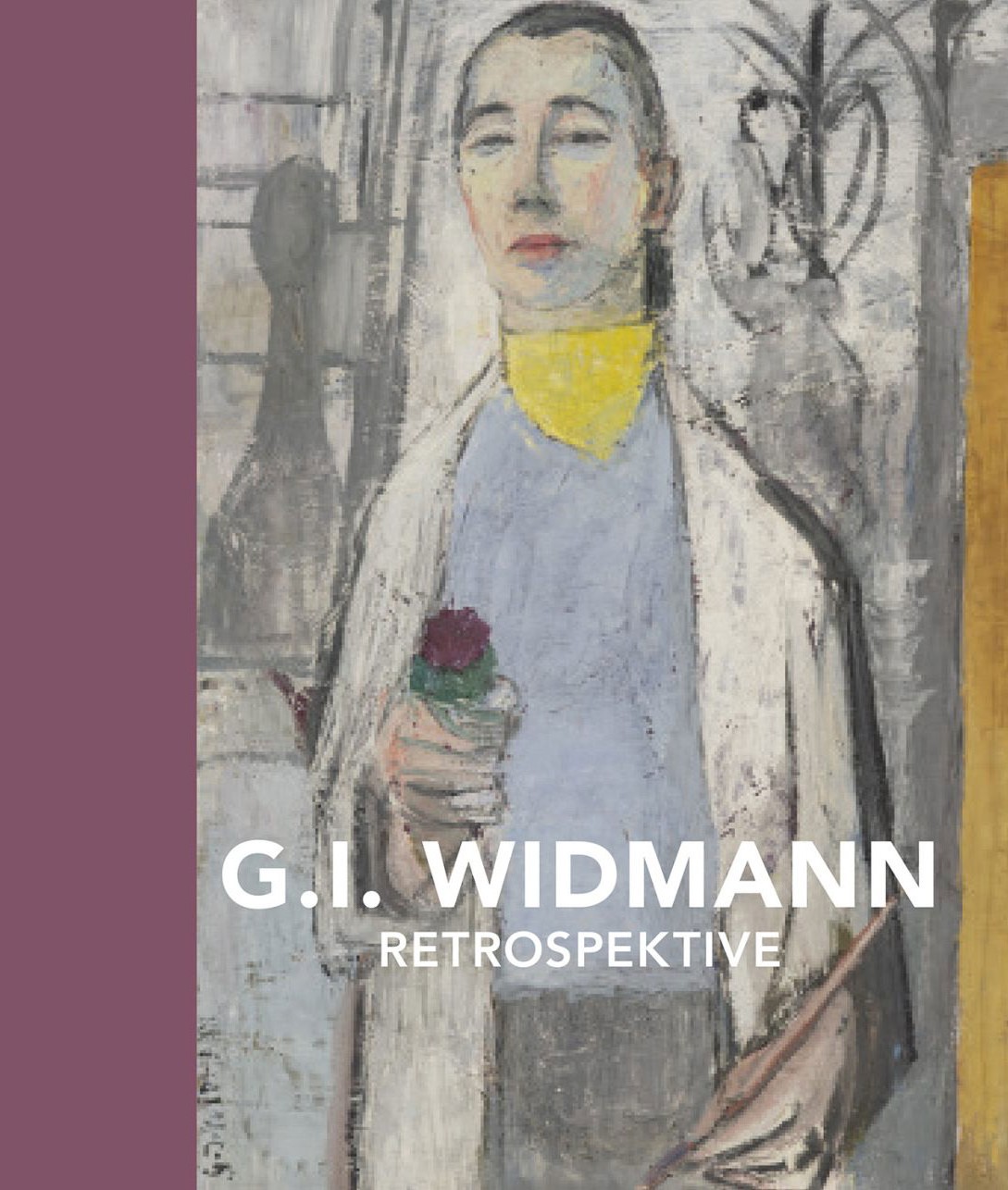
G. I. Widmann
Retrospektive
 | |
|---|---|
| Editor(s) | Kunstmuseum Reutlingen |
| Author(s) | David Gaiser, Herbert Eichhorn, Maren Keß-Hälbig, Sarah Debatin |
| Design | Andy Schmidt |
| Size | 24 x 28 cm |
| Pages | 136 |
| Illustrations | 125 |
| Cover | Hardcover |
| Language(s) | German |
| ISBN | 978-3-947563-42-5 |
A Tribute to the 100th Birthday. One of the Important Figurative Positions of the Young Federal Republic of Germany
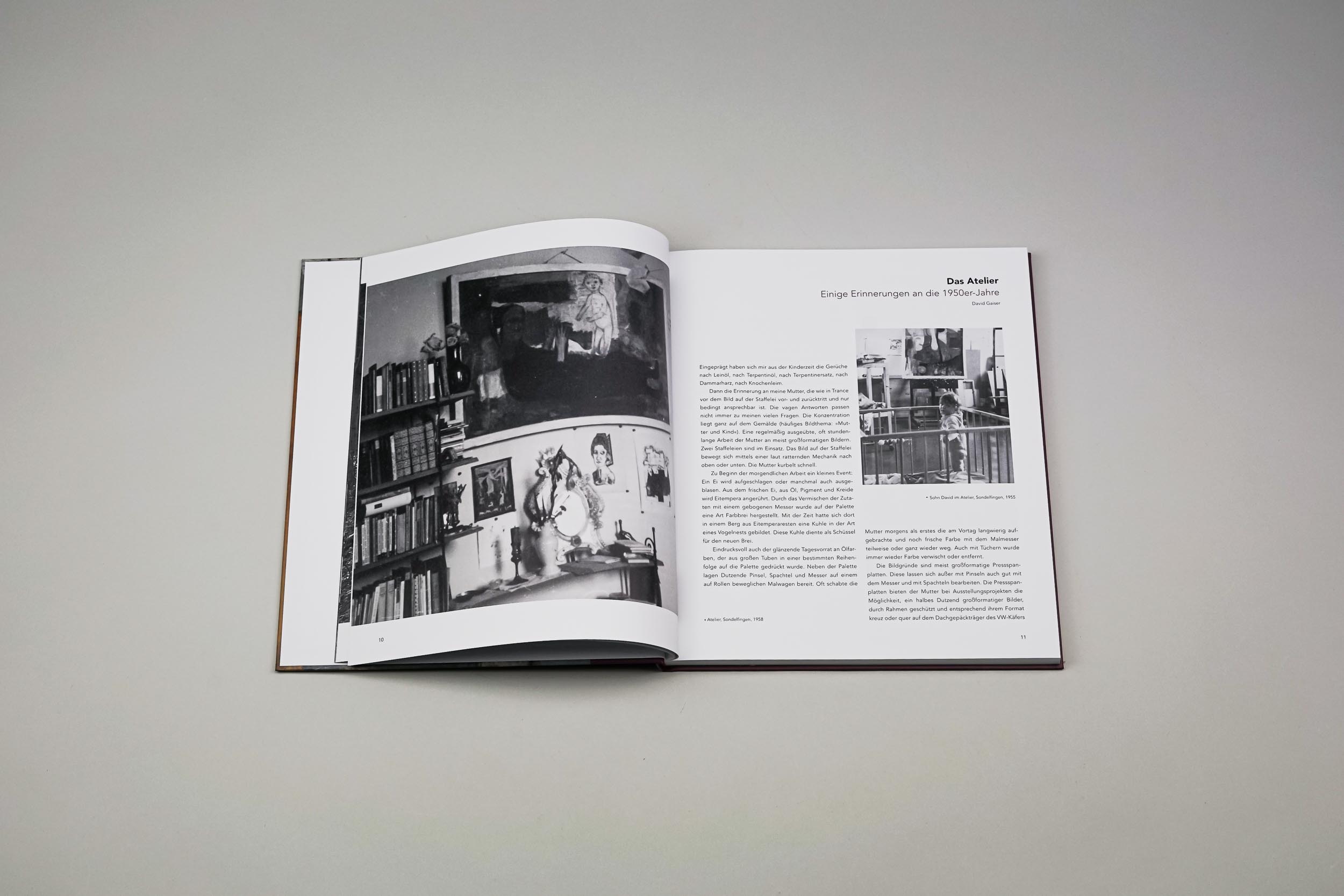
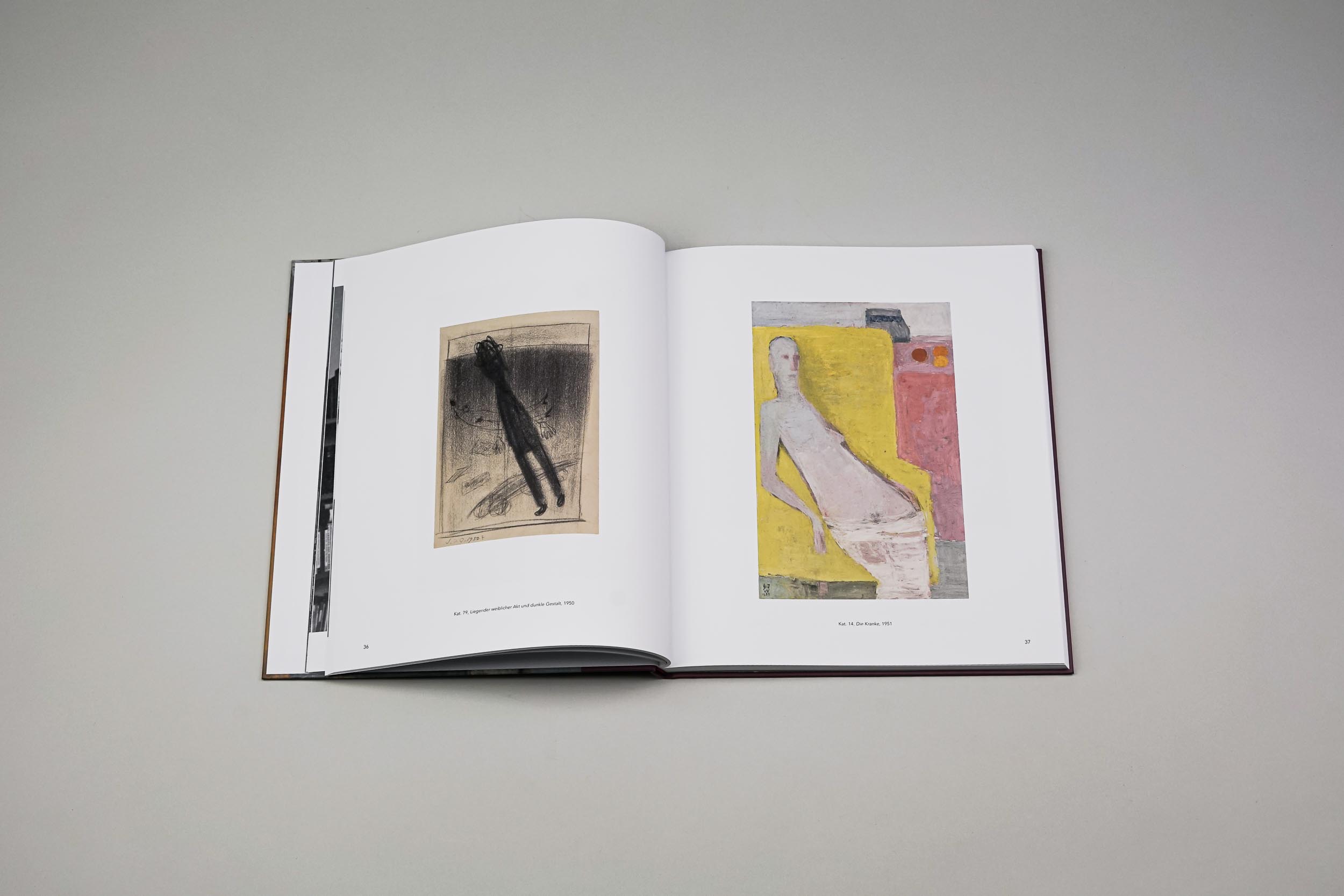
She was an unusual painter who sought to hide her gender behind a pseudonym, while at the same time addressing her own circumstances as an independent artist and single mother in her large-format canvases. Gudrun Irene Widmann (b. 1919, Reutlingen; d. 2011, Reutlingen) created an oeuvre that lays claim to being one of the most important figurative positions of the 1950s and ’60s. This retrospective volume pays testimony to a strong personality and sheds light not only on her self-image as an artist but also on the influences of society and personal contexts — representative of the situation of female artists in general.
Gudrun Irene Widmann studied at the academies in Düsseldorf, Stuttgart, and Vienna during the Second World War. She worked in her own studio in her hometown of Reutlingen until her death.
More books
-

Nicola Staeglich – Farbe schwebend / Color floating
22€ Add to cart“The more slowly one approaches Staeglich’s works, the more they reveal.” Stephan Berg
Nicola Staeglich transforms color and traces of the act of painting into complex pictorial spaces that exude light and make time visible. Using an extra-wide brush, she applies luminous oil paints to (semi-) transparent foils and solid support media made from acrylic glass. Each movement of her body leaves a distinct mark on the paintings. Once the works are placed in the exhibition space, they absorb their environment and ambient light as well as the eye. The artist’s experimental approach generates a rich dynamic: paint hovers in mid-air, disembodied, while a constant oscillation between color and surface, between pictorial body and setting unlocks novel dimensions in space and time. The picture continually coalesces in the eye of the beholder, metamorphosing as the angle of incidence shifts and the mind parses the traces and strata of paint. Even in printed form, Staeglich’s works convey a rousing vitality.
The catalogue accompanies Staeglich’s solo exhibition at Städtische Galerie Waldkraiburg.
- Out of stock

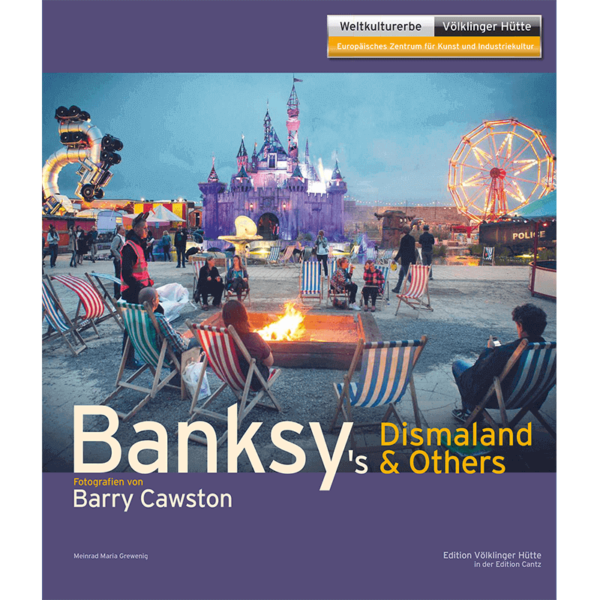
Banksy’s Dismaland & Others
14,80€ Read morePhotographs by Barry Cawston
The two projects by the British street artist Banksy, Dismaland and Walled Off Hotel, received an outstanding response worldwide. The book presents for the first time the documentation of the two extraordinary works from the perspective of Barry Cawston, the artist’s official photographer.
-

Nicola Staeglich
Color Light Matter Mind36€ Add to cart“This painting springs from the ambition to paint color into the air.” (Ulrich Loock)
Nicola Staeglich’s (b. Oldenburg, 1970; lives and works in Berlin) work with color achieves a distinctive intermediate state between physical presence and atmospheric radiance. She stages painting now as a performative action with broad propositions in color, now as an installation in three dimensions with multilayered translucent painted panels. Color Light Matter Mind is Staeglich’s first monograph, setting recent works in relation to her earlier output (1998–2021). From the spiral-shaped reliefs to her Liquid Lights, the artist opens up a fresh dimension for color.
Nicola Staeglich studied at the Städelschule, Frankfurt, the Academy of Fine Arts Mainz, and the Chelsea College of Art, London. She won numerous fellowships and has been professor of painting/graphic art at the Hochschule der bildenden Künste Essen since 2015. Her work has been presented in numerous solo exhibitions in Germany and abroad and is held by private and public collections.
-

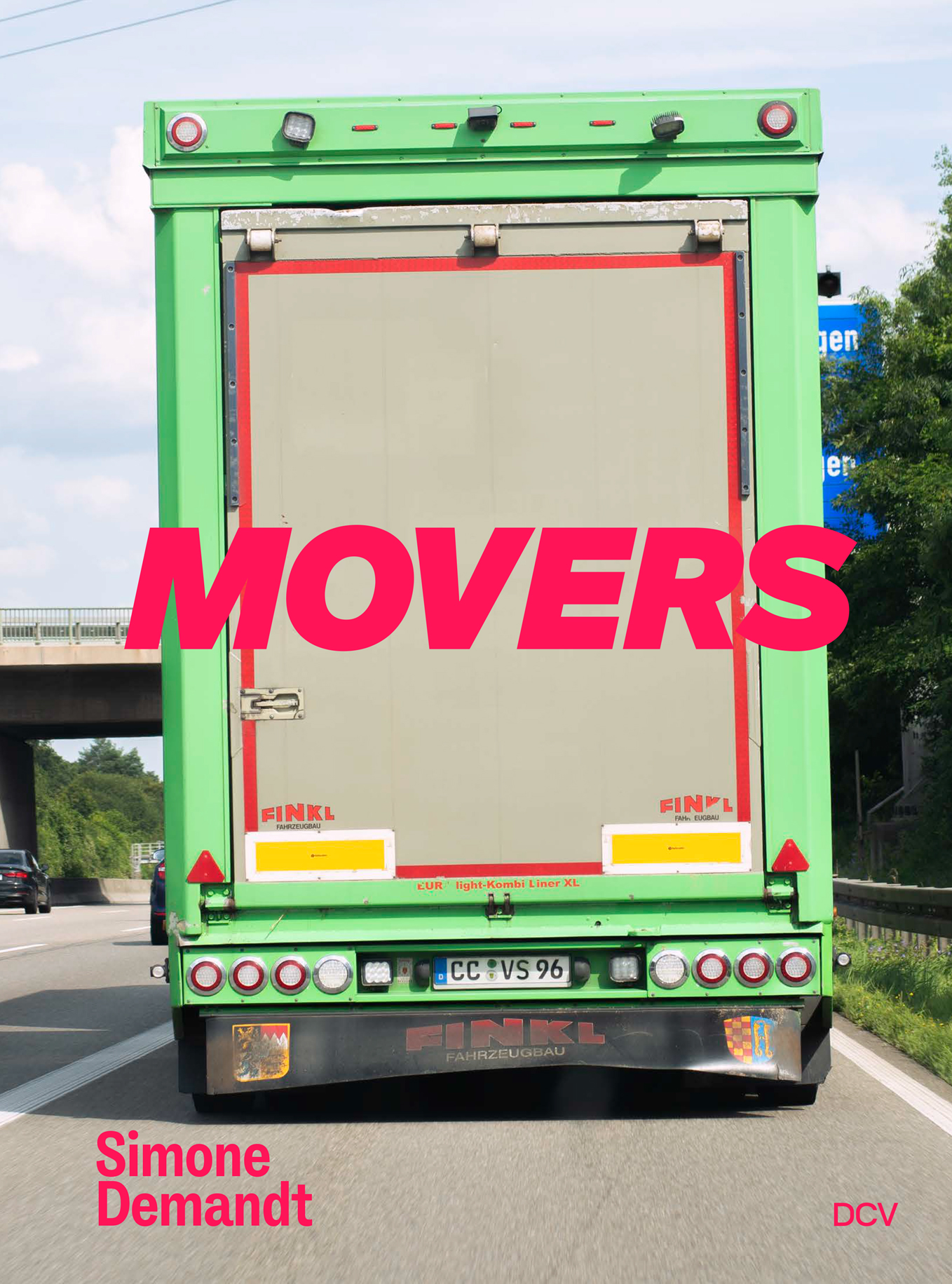
Simone Demandt
Movers / Beweger38€ Add to cartMotorways are Europe’s lifelines. The products we buy every day arrive on supermarket shelves after traveling along these arteries on the backs of thousands of trucks steered by hard-working drivers. Glancing up into the cabs of their hulking vehicles, we can just barely make out their heads sticking up above the steering wheels. In this overdue volume, Simone Demandt lets us see more of the heroes of the road who confidently posed for her camera. The pictures demonstrate Demandt’s knack for discovering “the intimate in the anonymous and the narrative element in the matter-of-factly” (Matthias Winzen). She has condensed the truckdrivers’ lifeworld into documentary black-and-white shots in which she shows these people as whole persons and individuals—very different from how we perceive them when they’re in the next lane. Movers lets us peek into the cabs through Demandt’s nonjudgmental lens, broadening our horizons hardly less than travelling would and helping us overcome our prejudices about teamsters. If you’ve always wanted to know whom we really have to thank for those never-empty supermarket shelves, you should not miss out on this book.
-

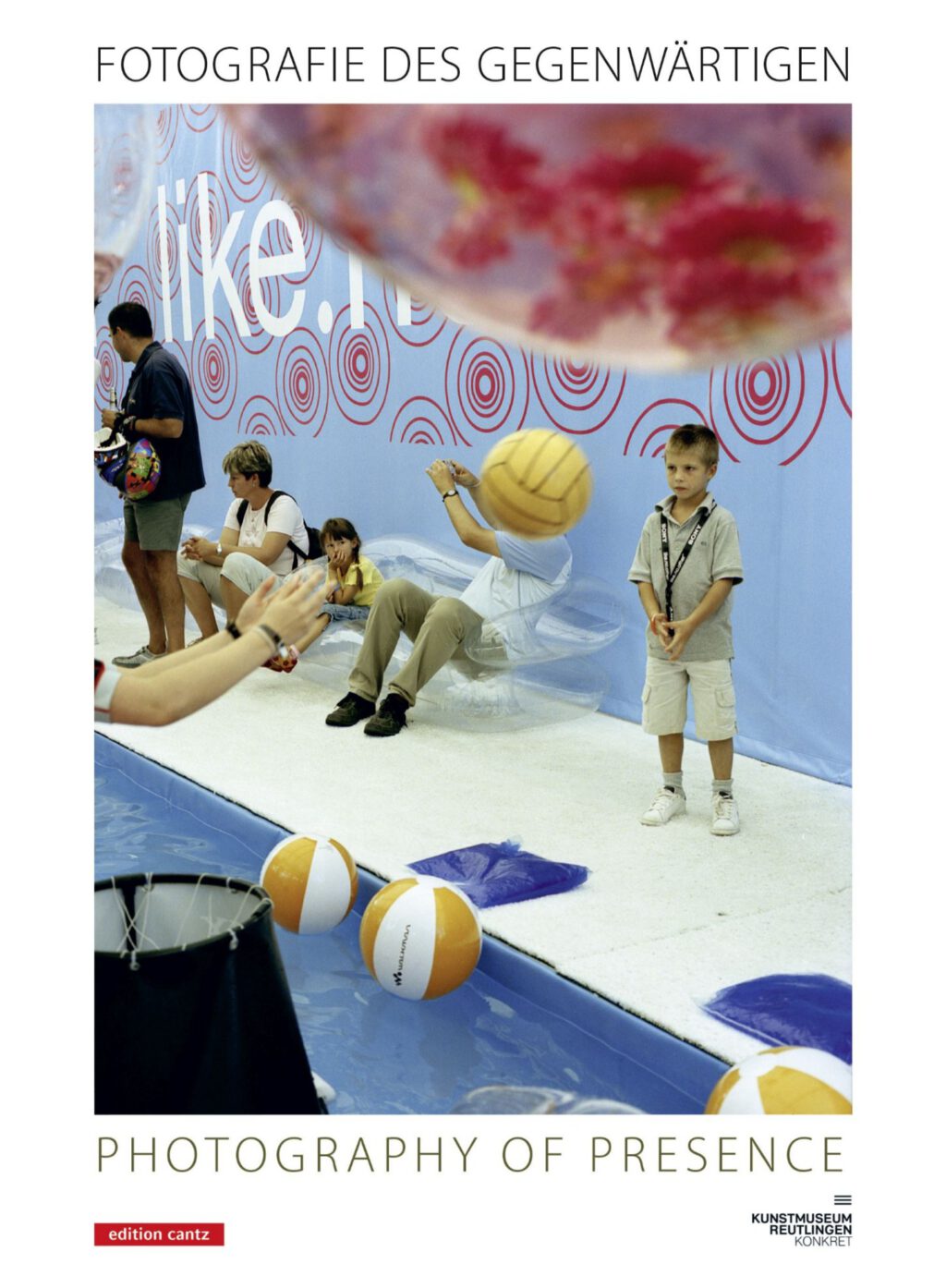
Photography of Presence
24€ Add to cartThe Importance of the Moment in Artistic Photography
Can photographs exist which represent concrete places? In view of the daily flood of images, this question seems superfluous at first. Only on closer inspection does the distance between the visual experience of places and the media images generated from them become apparent. “There is nothing in this world that does not have a decisive moment,” Henri Cartier-Bresson once stated. The present volume examines this decisive moment and explores the question of how artistic photography can describe the gap between spatial reality and photographic image and make the present at the time the photograph was taken visible.
With works by Viktoria Binschtok, Julian Faulhaber, Mareike Foecking, Stephanie Kiwitt, Nikolaus Koliusis, Barbara Probst, and Wolfgang Zurborn as well as texts by Holger Kube Ventura.
-

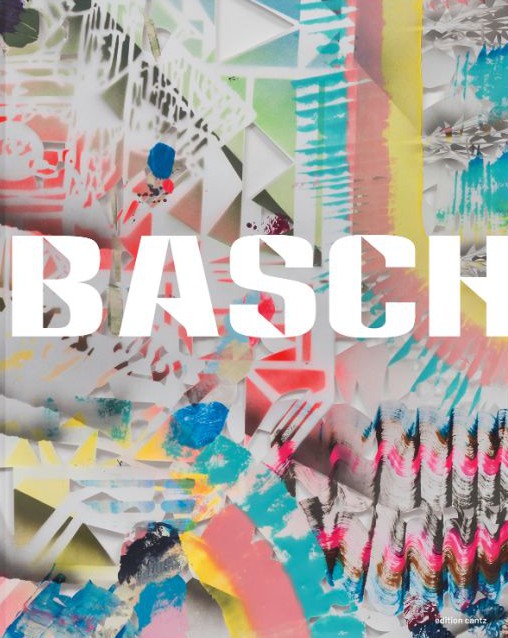
Gabriele Basch
fortuna24€ Add to cartPaper and Foil Cut‑Outs in an Innovative Language of Forms: An Overview of the Works of Gabriele Basch from 2008 to 2019
Since the 1990s, Gabriele Basch (b. 1964, Bad Homburg; lives and works in Berlin) has been working with cut-outs and translating the age-old tradition of silhouettes into an idiosyncratic and innovative language of forms. The artist interweaves creation and destruction, planning and chance into a complex, multi-layered reality and makes views into the spatial environment an integral part of her work. In her paper and foil cut-outs, foreground and background, materiality and void combine to form a whole that oscillates between painting and drawing, as well as between urban structures and hints of the biomorphic – in delicate color gradients, swirling structures, spontaneous gestures, and stenciled surfaces. The generously illustrated monograph offers a comprehensive overview of the artist’s work from 2008 to 2019.
-

Vera Mercer
New Works28€ Add to cartBeauty and Melancholy, Joie de Vivre and Vanity
The American photographer Vera Mercer’s (b. Berlin, 1936; lives and works in Omaha and Paris) oeuvre defies easy summary. She started taking pictures in Paris in the 1960s, making portraits of her then husband Daniel Spoerri—who, like she, was initially training as a dancer—and other members of the Fluxus group and Nouveaux Réalistes, including Emmett Williams and Robert Filiou, Jean Tinguely and Jacques Villeglé. Around the same time, she also photographed Andy Warhol and Marcel Duchamp for various magazines; her friends Eva Aeppli and Niki de Saint Phalle were among her favorite sitters.
In the 1970s, she took a long creative hiatus: after moving to Omaha, Nebraska, she poured all her energy into starting a number of restaurants and developing an entire downtown neighborhood. But then, in the early years of the new millennium, she returned to photography, capturing breathtaking neo-baroque still lifes featuring flowers, fruits, freshly killed game, antique glasses, and illuminating candles in large formats.
Vera Mercer’s fourth monograph presents her most recent opulent still lifes in color, as well as a novelty in her oeuvre: restrained black-and-white flower pictures and portraits realized as small-format platinum prints.
- Out of stock

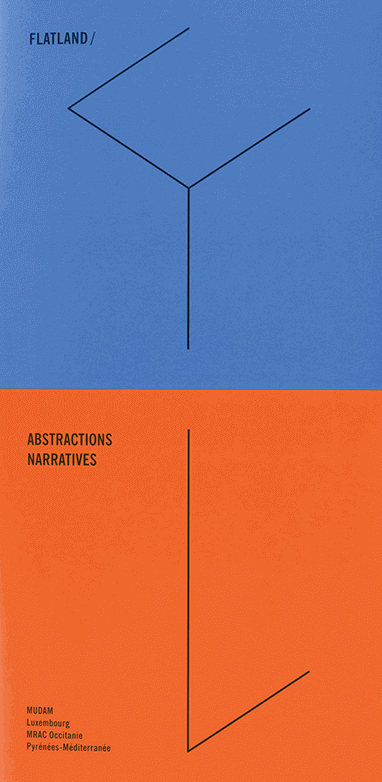
Flatland
35€ Read moreBetween the Dimensions
The title of this book quotes a literary work by Edwin A. Abbott that was first published in 1884 and gradually gained considerable fame: an allegorical satire whose protagonists are geometric figures, narrated by a square that relates its discovery of a three-dimensional world. Flatland examines the ways in which artists have found inspiration in the formal vocabularies of abstraction since the 1960s. The lavishly designed book gathers works from the past six decades that challenge orthodox interpretations of abstraction.
Contributing artists: Laëtitia Badaut Haussmann, Francis Baudevin, Philippe Decrauzat, Marie-Michelle Deschamps, Angela Detanico / Rafael Lain, Hoël Duret, Sylvie Fanchon, Liam Gillick, Mark Hagen, Christian Hidaka, Sonia Kacem, Tarik Kiswanson, Vera Kox, Sarah Morris, Reinhard Mucha, Damián Navarro, Camila Oliveira Fairclough, Bruno Peinado, Julien Prévieux, Eva Taulois, John Tremblay, Pierre Vadi, Elsa Werth, Raphaël Zarka
-

Wolfgang Gäfgen
Photographic Miracles45€ Add to cartA Mysterious Play of Light and Shadow
While Wolfgang Gäfgen’s (b. Hamburg, 1936; lives and works in Stuttgart and Esslingen) hand drawings and woodprints are widely acclaimed, only connoisseurs are familiar with his photographic oeuvre. The extensive body of analog black-and-white and color photographs spans the decades from the late 1960s to the present and is no less accomplished than the artist’s graphic works and prints. This book, with essays by Christian Gögger, Olivier Kaeppelin, Clemens Ottnad and Michel Poivert, is the first to gather a large selection of these pictures, illustrating the interdependencies between works in the different visual media of expression. Artfully arranged still lifes breathe a spectral animation into ostensibly trivial everyday objects. The human figures that appear now and then seem to be engaged in cultic performances; many of the photographic works are accompanied by ironic quotes from the earlier history of art or allusions to historic myths.
-

Glückliche Tage
32€ Add to cartWe see in contrasts. Freedom from pain follows pain, and felicity is the more radiant after a period of misfortune. Happiness, that is to say, displaces unhappiness and is perhaps its recompense; what is certain is that, as antonyms, they are (at least in this world) inconceivable without each other. The contrast they form also underlies the tensions inherent in the works in this catalogue. Some take us straight from the pinnacle of happiness down into the abyss, while in others the gradients of ascent or descent are so gentle that no culmination is perceptible. What all oeuvres gathered in the book have in common is that they furnish the human being, a social creature, with an experience of resonance. Happiness and unhappiness reverberate between the art and the beholders, leaving, in the best case, a lasting impression. Opening the catalogue—a metaphor for the human condition materialized in paper—one overhears this serenely melancholy echo of the works.
Artists: Rui Chafes, Tamara Eckhardt, Nan Goldin, Felix Gonzalez-Torres, Barbara Hammer, Carsten Höller, Ken Lum, Johanna von Monkiewitsch, Yoko Ono, Heike Weber, Stefan Wissel
With contributions by: Yevgenia Belorusets, Nell Sophie Bender, Elias Bendfeldt, Laura Berestecki, Annabella Ernst, Annika Gaeth, Hristina Georgieva, Markus Heinzelmann, Malwin Kraßnigg, Max Florian Kühlem, Natascha Laurier, Martin Middeke, Navaz Roomi-Mirhosseini, Vanessa Joan Müller, Julia Neumann, Martin Paul, Caroline Planert, Maike Prause, Arne Rautenberg, Kira Sophie Röller, Gina Marie Schwenzfeier
-

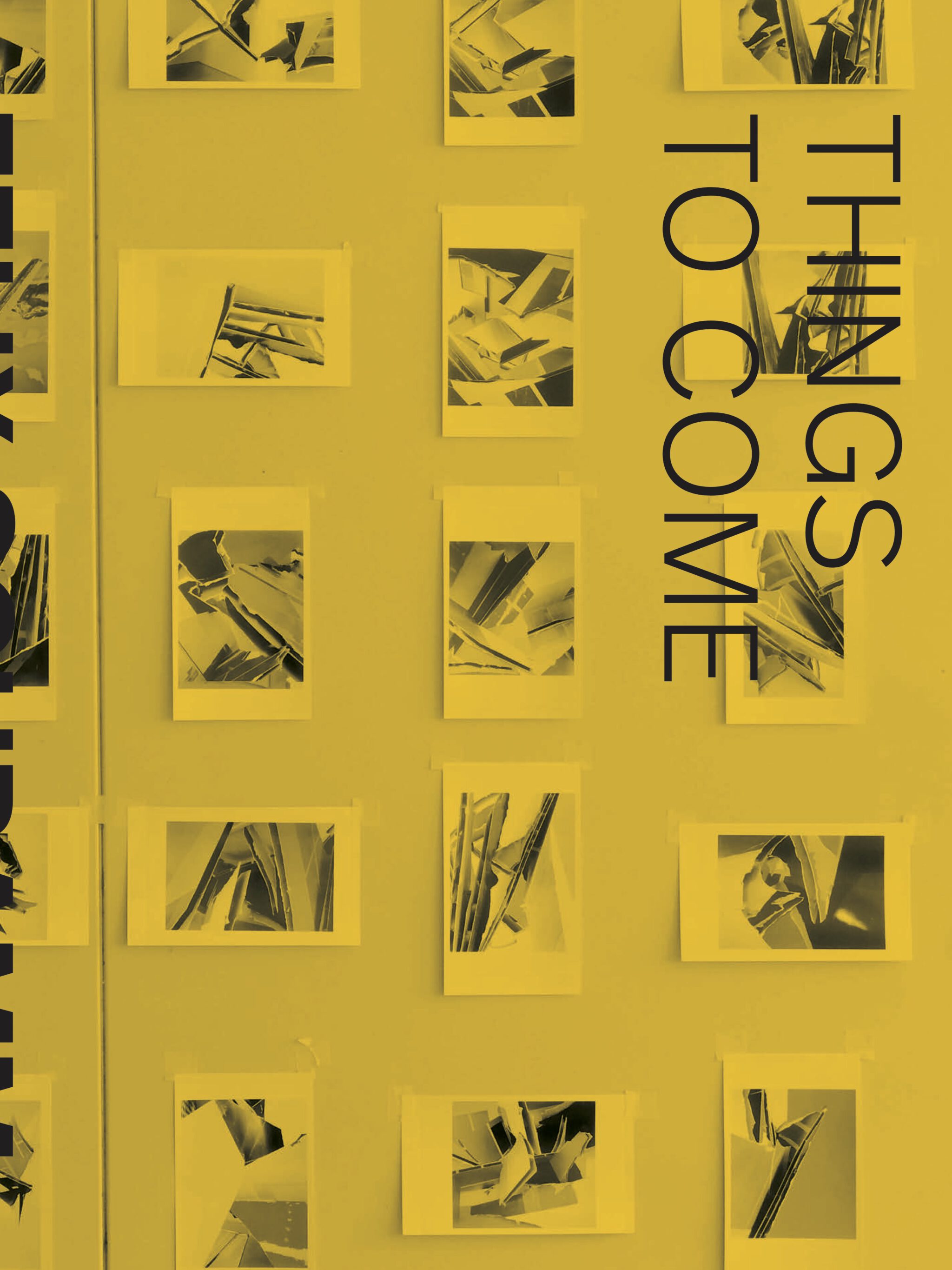
Felix Schramm
Things To Come44€ Add to cartFelix Schramm’s (b. Hamburg, 1970; lives and works in Düsseldorf) sculptural oeuvre reflects a probing engagement with space and the body. In works in a variety of media, including installations that intervene into a given setting, sculptures, and collages, the artist creates three-dimensional forms out of classical materials and industrial staples as well as detritus and dust. Deformations, rifts, cracks, or impurities undermine the existing order in his constructed formal ensembles, allowing novel correspondences in space and interconnections across time to emerge. The material and its subjection to form are held in a precarious balance; disintegration, which is an integral element of Schramm’s art, paves the way for artistic assertion and reformulation. The extensive publication gathers works and exhibitions of the past five years. It is Schramm’s first monograph, presenting a cross-section of his entire oeuvre with all bodies of work.
Felix Schramm studied at the Accademia di Belle Arti, Florence, from 1991 until 1993 and at the Academy of Fine Arts Düsseldorf, where he was in Jannis Kounellis’s master class, from 1994 until 1998. He rounded out his education with residencies in Tokyo in 2000 and at Villa Massimo in Rome in 2008.
-
Julius Hofmann
Western Philosophies35€ Add to cartJulius Hofmann (b. Göttingen, 1983; lives and works near Göttingen) has mastered the traditional aspects of painting and commands a broad repertoire of creative techniques. This expertise enables him to call conventional painting in question by combining it with the aesthetic of 1990s computer graphics. The simple and often grotesque symbolism of the imperfect digital imagery contrasts with a perfectionistic figurative painting. This approach lends his pictures a disconcerting and unexpected quality.
Western Philosophies is an episode in Hofmann’s ongoing work confronting consumerist society with its dark secrets and its indifference. Meanwhile, his creative process is also an exploration of the artist’s personal fears and frustrations. In depicting his figures, landscapes, and machines, he draws our attention to the painterly originality of structures and surfaces. The protagonists, to his mind, play a subordinate role, typically serving him as vehicles—he is more interested in the “how” than in the “what.”
Julius Hofmann studied painting with Neo Rauch and Heribert C. Ottersbach at the Academy of Fine Arts Leipzig (HGB) from 2005 until 2011. His work is represented in international collections and institutions.
-

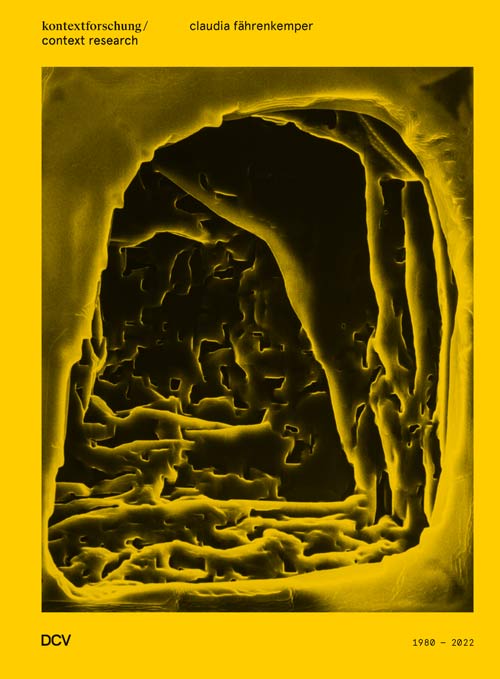
Claudia Fährenkemper
Kontextforschung / context research 1980–202268€ Add to cartClaudia Fährenkemper (b. Castrop-Rauxel, 1959; lives in Steinheim/Westfalen) photographs enormous as well as minuscule objects using scanning electron microscopes to produce images that are as fascinating as they are disconcerting. The play with extreme scales yields fantastic visual worlds: American desert and canyon landscapes, the giant industrial machinery of open-pit mines in Germany, insects, plant seeds, crystals, and plankton, plus historic armaments from Europe and Japan. The lavishly designed book is the first to gather works from her entire oeuvre, which now spans four decades. Surveying the most important of Fährenkemper’s conceptual series, it reveals unexpected interconnections between disparate motifs on vastly different scales from nature, technology, science, and cultural history.
Claudia Fährenkemper studied at Fachhochschule Köln, today’s Cologne University of Applied Sciences, where Arno Jansen was her teacher, and with Bernd and Hilla Becher and Nan Hoover at the Düsseldorf Academy of Fine Arts. Her photographs are held by numerous museum collections, including at the Kunstmuseum Bonn, the National Gallery of Canada, and the Margulies Collection, Miami.
-

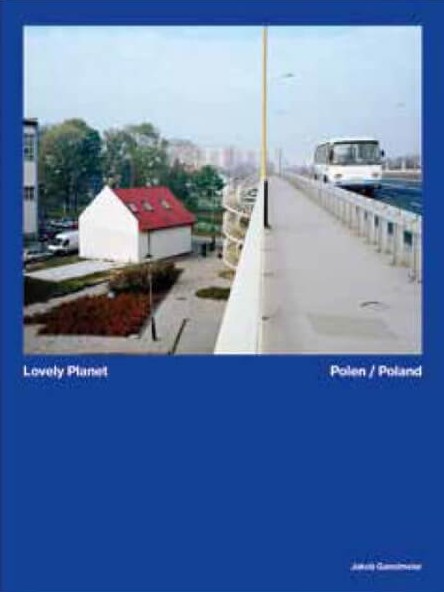
Jakob Ganslmeier
Lovely Planet. Polen / Poland16€ Add to cartAn Unconventional and Humorous Guide to a Country of Contrasts
In 2015, the photographer Jakob Ganslmeier (b. Munich, 1990; lives and works in Berlin) went on an extended tour of Poland in search of shots that captured the country’s social realities and way of life at a time of wrenching changes. The title of his project evokes associations with Lonely Planet, one of the world’s best-selling series of travel guides, and the artist took inspiration from the format of the popular books, where recommendations for readers exploring strange lands are grouped by categories. Crisscrossing Poland—he covered over ten thousand kilometers—Ganslmeier encountered widely different people and draws our attention to places that would never make it into a guidebook. His pictures show a country of extremes, between boomtown optimism and decline, consumerism and poverty, gleaming façades and bleak village streets.
Jakob Ganslmeier studied at the Ostkreuzschule für Fotografie, Berlin, and at the Bielefeld University of Applied Sciences. His pictures, which have garnered numerous awards, are frequently featured in leading German media and have been shown in exhibitions in Germany and abroad, including at the Brandenburgisches Landesmuseum für moderne Kunst, Cottbus, the Nobel Peace Center, Oslo, the Triennale der Photographie Hamburg, and the Fondation Calouste Gulbenkian, Paris.
- Release January 2026

Bettina Buck
Finding Form45€ Add to cartThe German sculptor Bettina Buck (1974-2017) called attention to herself with her “performative sculptures,” which she often presented vis-à-vis museal objects. Buck’s preferred materials came from the hardware store: corrugated cardboard, ceramic tiles, pressed foam, or plastic foil, which are all not meant to last. Out of these materials she created a kind of changeable and transient “protagonists,” who didn’t have a final form but rather emphasized the actual process of finding form (as well as losing form). In a provocative action in 2015, Buck dragged an oversized foam bloc through a museum collection and let it rest next to famous artworks, which gained a new dynamic in this interplay. Buck herself said once that her works were meant to “simultaneously attract and alienate the viewer.” In the exhibition space the objects should “create a tremor, a vibration and a conversation with its surroundings.”
Finding Form, a posthumous monograph presents Bucks complete sculptural works on over 300 pages and contains texts by Phyllida Barlow, Paolo Icaro, Cecilia Canziani, and Andrea Maria Popelka. The book was conceived and published by the artist’s estate, Bureau Bettina Buck.
-
Alexandra Tretter
24€ Add to cartThe art of Alexandra Tretter (*1988) is as deep as it is playful. Owing just as much to the gentle spirituality of Hilma af Klint’s late geometries as it does to Sonia Delaunay’s exuberant disc paintings, almost bursting with sheer chromatic pleasure. Her compassionately designed artist’s book combines monumental paintings with intimate works on paper, all of which are imbued with the contexts of Tretter’s own life as an artist, as a woman, as a mother.
Her kaleidoscopic figurations unfold from a center at rest in itself and multiply in symmetry and asymmetry towards all sides. She contrasts the circular form, the unchanging basic element of her compositions, with the oval, which constantly strives beyond itself, transforming itself in ever-new permutations from one figure into the next, into eyes, mouths, breasts, petals or vulvas.
Her images strive for composure, unfold and blossom, only to let go of all gestalt-like form. Once gained stability is instantly pushed into turmoil. Colors flare up violently or flow delicately about, lighten or shade each other, carry or throw each other off course. Tretter equally realizes materialization and dissolution as basic principles of her painting.
Whereby all, what her images absorb, preserve and release, is experience, growth and slow maturing. Her paintings are “figurations of affection”, in which each individual turns towards something else, doubts or grows, at times turns away or surrenders all the more consciously. They question everything, start anew and yet find their way back to themselves, into their very own.
-

Stephan Kaluza
Fragmente eines Ängstlichen28€ Add to cartA Novel on Coping with Guilt or the Feeling of Having Violated Life
The filmmaker Castner and the anthropologist Pollock not only share the similarity of their names with those of Castor and Pollux, the fabled twins of Greek myth, but also a hard fate: an irreparable guilt whose motifs run through the entire novel. Pollock is forced to admit to himself that, in his role as a scientist, he was involved in a genocide against indigenous people in Panama; Castner, meanwhile, tries to get a handle on his bouts of excessive hypochondria. In episodic flashbacks and an interview that gradually turns into an emotional dispute between them, the two characters analyze the minutiae of their life stories and arrive at a surreal insight.
Castor and Pollux were known in antiquity as the patrons of sailors, who took their bearings from the twins’ constellation. That is why water figures in this novel as the element that unites all narrative planes. Water—like life—will fill any vacant space regardless of shape and adapt to all circumstances.
Stephan Kaluza (b. Bad Iburg, 1964; lives and works in Düsseldorf) is a visual artist, working in the media of photography and painting, and a writer whose output includes plays, novels, and nonfiction books. The philosophy of nature is a central theme in both Kaluza’s art and his fiction.
-

Laura Schawelka
Double Issues24€ Add to cartSales Spaces without Merchandise
In her installations, Laura Schawelka (b. 1988, Munich; lives and works in Berlin) makes use of photography, video, and sculpture in a multilayered dialogue. In her latest works, the artist focuses on the role of photography in the development of modern consumer society. What does it mean if goods are only communicated through other goods, such as computers, cell phones, tablets? If this withholding of the genuine object is precisely what prompts the desire for it? The artist creates sales spaces without merchandise, in which images, photographs, and videos have replaced consumer goods of any kind.
Laura Schawelka studied at the Städelschule in Frankfurt am Main as a student of Tobias Rehberger master-class. In 2015, she was awarded the Master of Fine Arts at the California Institute of the Arts in Los Angeles, and in 2017 she moved to Paris as the recipient of a studio bursary of Hessische Kulturstiftung.
-
Kraftwerk
Innovation durch Transformation34€ Add to cartThe power plant in Rottweil, built in 1915 by the architect Paul Bonatz, looks back on a rich and interesting history: until 1976, it provided power to a gunpowder factory and, later, to a rayon manufacturer and at times also to the city of Rottweil. The façade design, the imposing perron leading up to the main entrance, and the tall chimneys still stand as testament to the modernist industrial structure’s erstwhile significance. Twenty years after the plant was taken out of service, the entrepreneurs Thomas Wenger and Mike Wutta with their event agency trend factory took over the dilapidated building with the surrounding premises and restored it, taking care to preserve its architectonic elements and the most important technical installations. (In the course of fifteen years, around 60,000 square feet of floorspace were reopened, with a special emphasis on the distinctive blend of morbid charm and contemporary design.) The power plant now serves the company as its headquarters and, more importantly, as a cutting-edge venue for concerts, congresses, and corporate events that has attracted clients and visitors from all over Baden-Württemberg and beyond.
-

Stefan Knauf
10€ Add to cartStefan Knauf (b. Munich, 1990; lives and works in Berlin) uses selected materials such as construction supplies or plants to investigate the histories of botany, migration, trade, science, and architecture and critique an idealized and anthropocentric conception of nature that is still prevalent. His sculptures, geometric-abstract pictures, and installations, with echoes of constructivism and minimal art, are contact zones in which everything is related to everything: human and non-human history, the natural and the artificial, ecology and ideology. Knauf’s works do not propose to unravel these entanglements. Rather, they suggest alternative perspectives and topographies guided by the idea of the “modified landscape” and devise material and alchemistic forms of knowledge and a novel and multiperspectival approach to the history and reality of the Anthropocene.