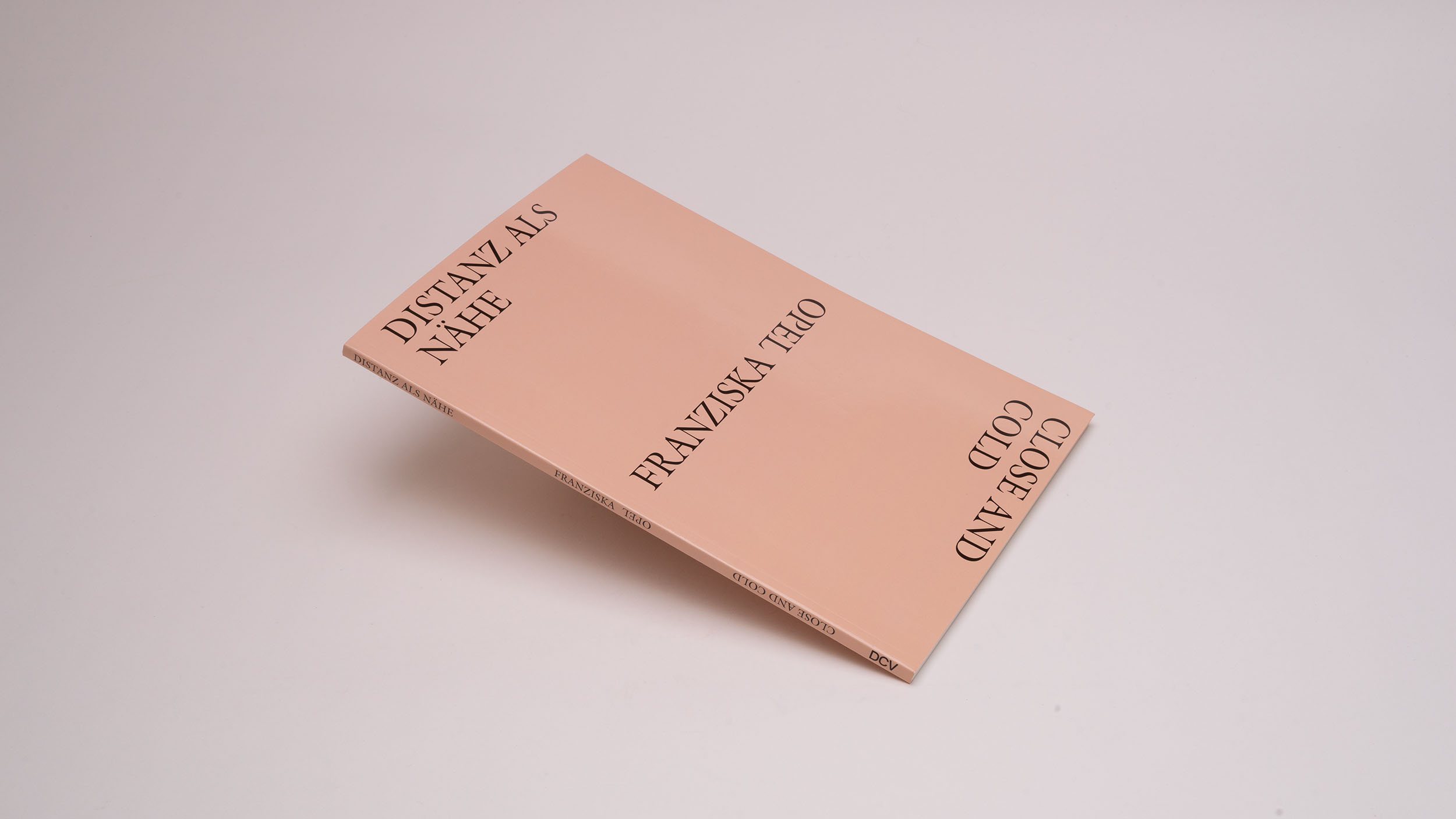
Franziska Opel
Close and Cold
 | |
|---|---|
| Author(s) | Corinna Koch, Nina Lucia Groß & Raphael Dillhof, Jenny Schäfer, David Fletcher, Mitko Mitkov |
| Design | Niklas Sagebiel |
| Size | 22 x 31 cm |
| Cover | Softcover with flaps |
| Pages | 96 |
| Illustrations | 164 |
| Language(s) | German, English |
| ISBN | 978-3-96912-195-5 |
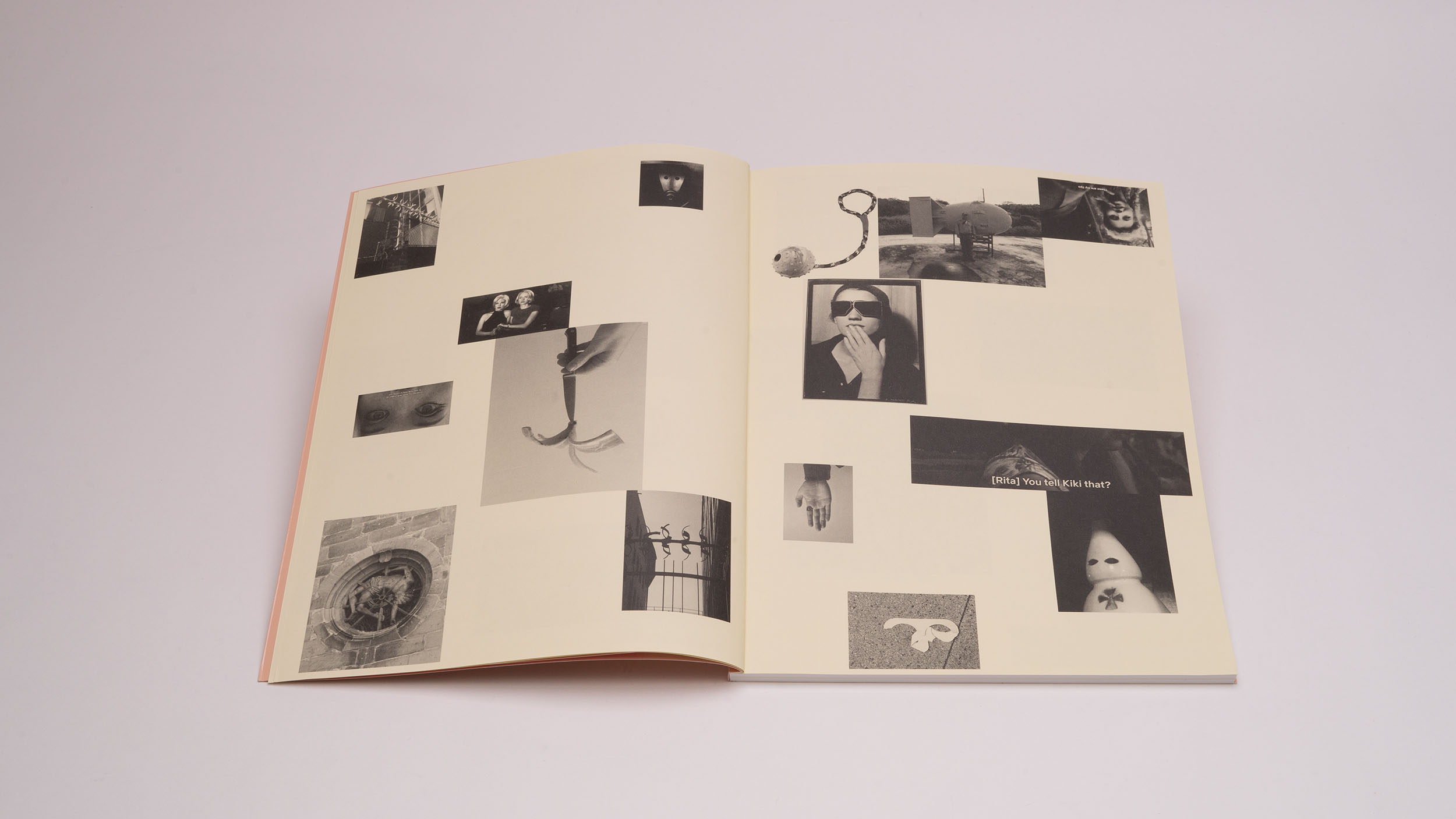
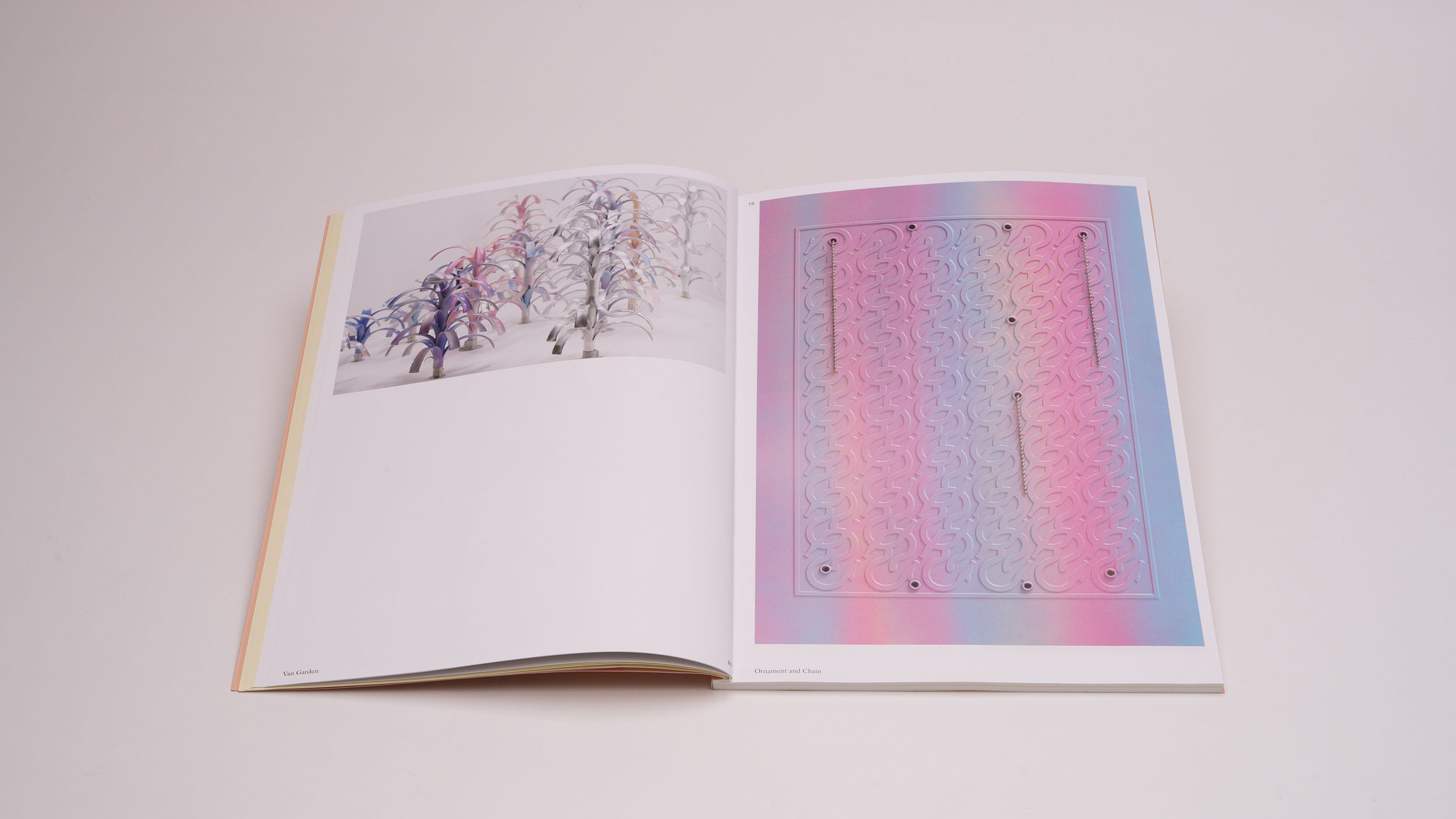
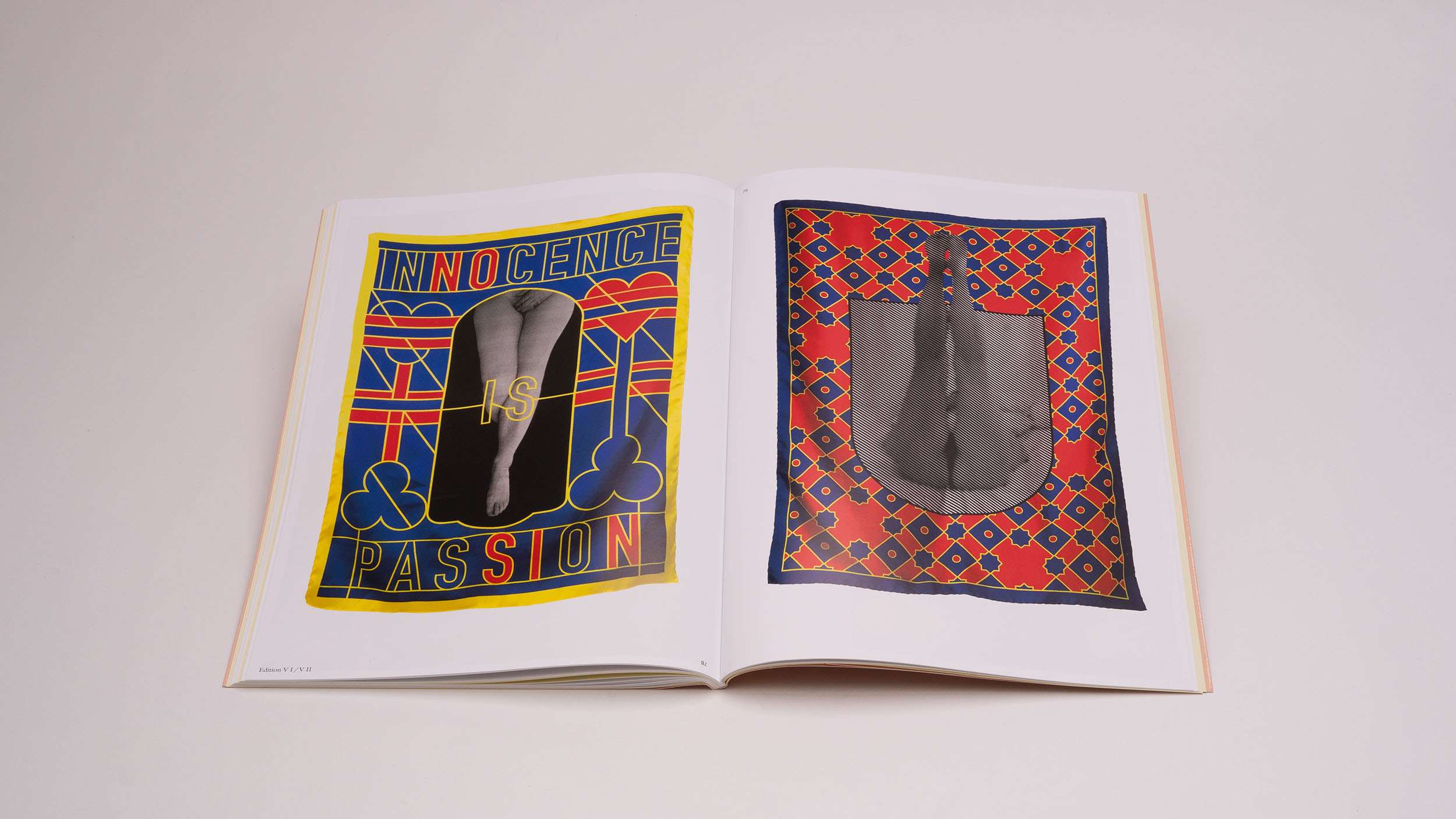
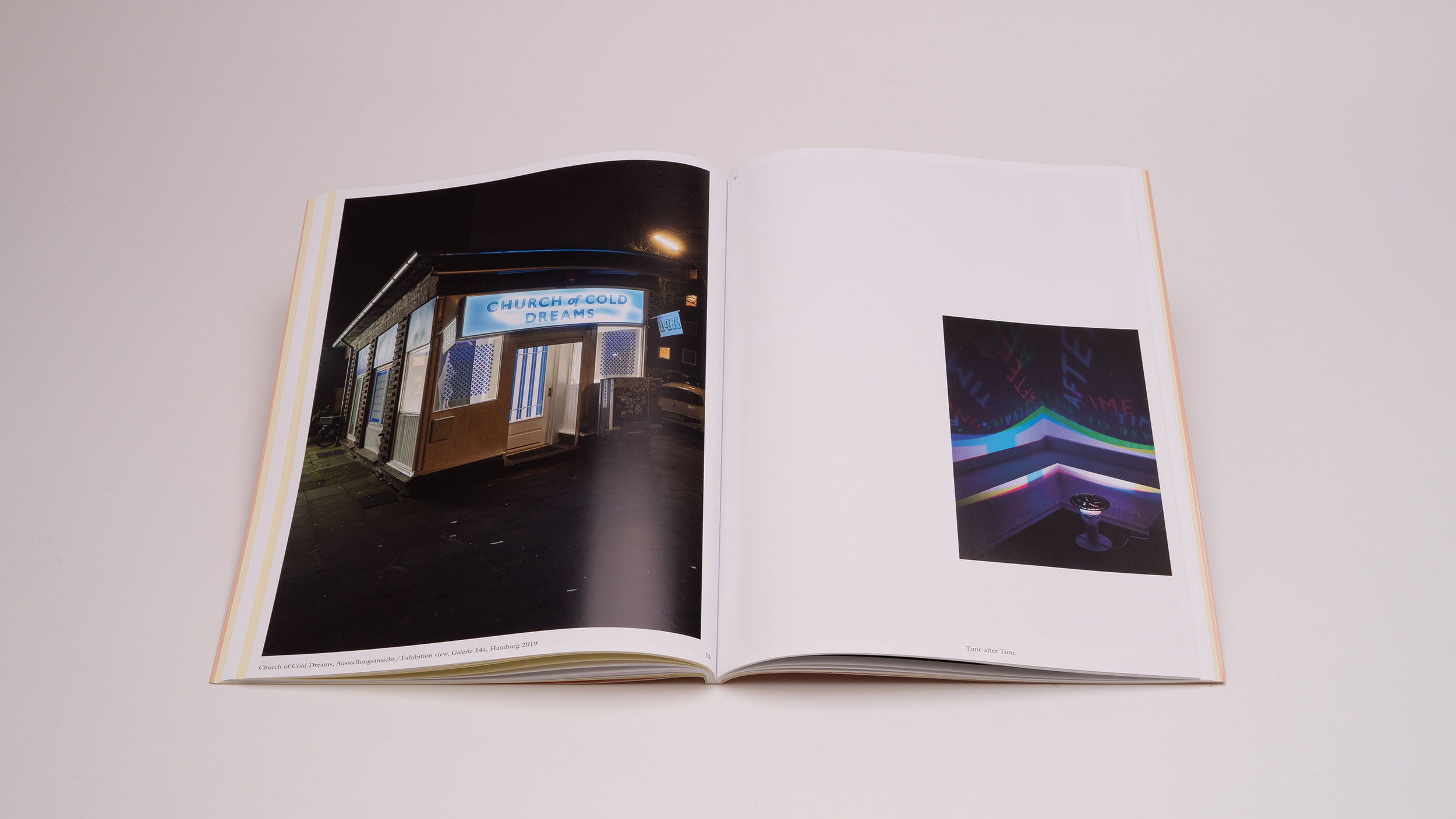
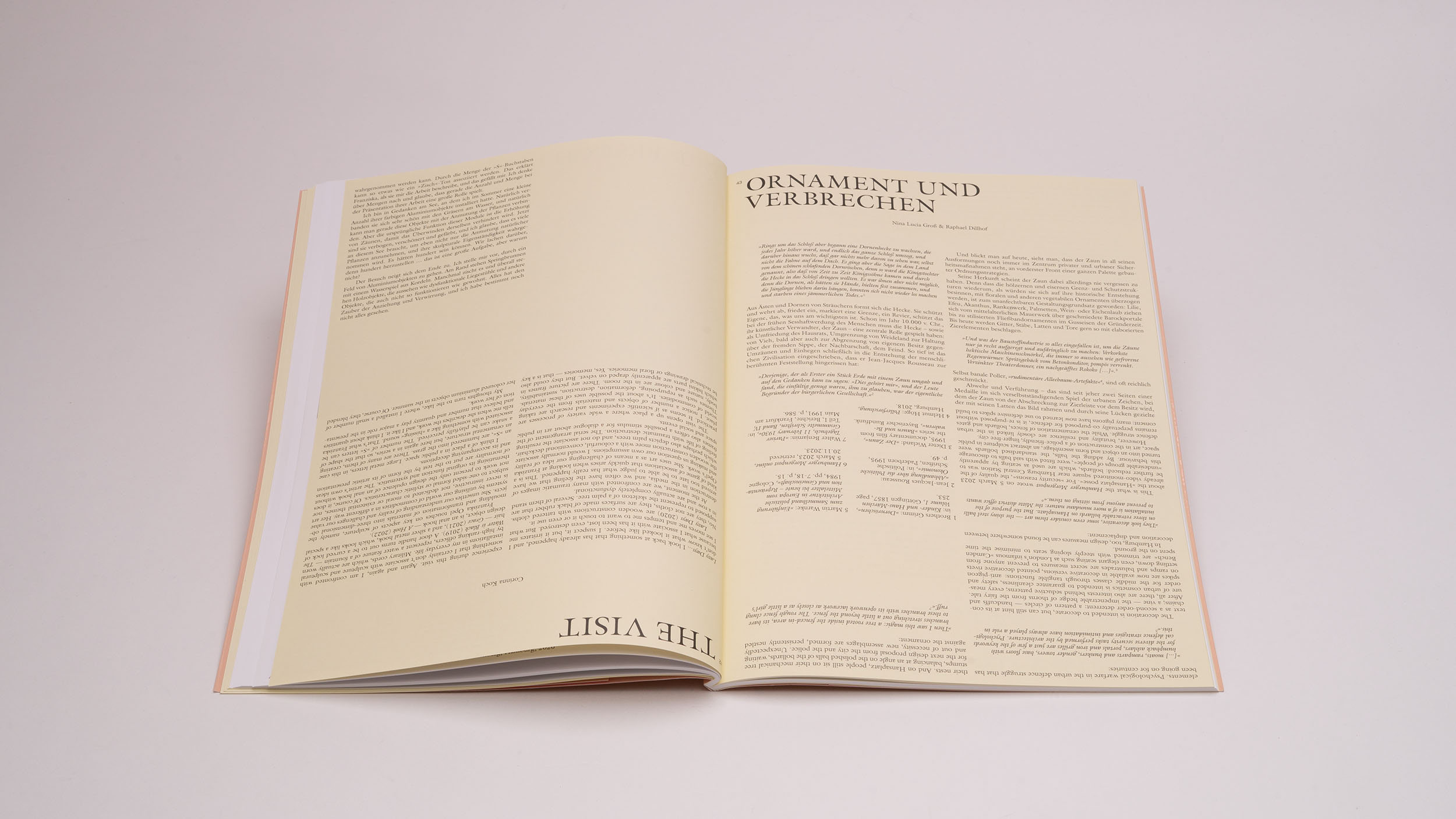
With sex toys, the potential for misinterpretation and ill-advised use is vast, as countless slapstick comedies illustrate. Steering clear of quick laughs, Franziska Opel deftly harnesses this anarchic power of misunderstanding to explode our perceptions and worldview. Her works are painstakingly planned experimental arrangements in which she modifies or deforms mundane objects as well as those sex toys in subtle ways or powers them up in series, making us see them with fresh eyes. They cast a spell over us with their sensual allure, while our associative circuits processing what we see spark a certain sense of irritation. Curiosity, attraction, bewilderment, shame—expertly staged in photographs for this catalogue, the works elicit a wide range of emotions. Their energizing contradictions are elaborated by contributions from gifted writers: standalone poetic-narrative writings that reflect on several key aspects of Opel’s art in offhanded yet challenging ways.
More books
- Release February 2026

Roman Ondak
The Day After Yesterday48€ Add to cartThe internationally acclaimed Slovakian conceptual artist Roman Ondak (b. 1966) responds to the historical specificities of Central Europe while also reflecting on the functioning of society in today’s global world in works that highlight the cyclical nature of processes and the reciprocal mirroring of the past and the present. His distinctive creative traits include the use of ordinary objects and materials as well as everyday situations, which he transfers into the exhibition space. This richly illustrated catalogue with essays by Barbora Ropková and Dieter Roelstraete accompanies the exhibition The Day After Yesterday at Kunsthalle Praha and explores Ondak’s artistic universe, in which existential and societal themes naturally intertwine with a biography of his own family.
THE DAY AFTER YESTERDAY
KUNSTHALLE PRAHA, PRAGUE, CZECH REPUBLIC
NOVEMBER 13, 2025 UNTIL MARCH 9, 2026
more info here -

Martin Krumbholz
Alex, Martin und Ich14€ Add to cart“The Vocation of Saint Matthew”: that is the title that Martin Krug has chosen for his novella, after Caravaggio’s iconic painting at the Church of San Luigi degli Francesi in Rome. The irony is unmistakable—Martin, the protagonist of his narrative, hesitates to accept a promotion: he has been offered the job of his boss, for whose wife, Marion, he has fallen on a shared vacation. Yet Martin’s friend, whom he has asked for advice, proposes a different title: Ghost Story—a key element of the plot is the mysterious Alexander’s disappearance, seemingly forever, in the sea …
Martin’s friend and interlocutor, the novel’s first-person narrator, embeds the novella in a narrative framework that mirrors its motifs: love as passion, eros and sex, loyalty and betrayal, manliness and chivalry, art, film, and music. Alberto Moravia’s novel Contempt, glamorously adapted for the silver screen by Jean-Luc Godard, is reread and discussed as a MeToo story.
Martin Krumbholz (b. Wuppertal-Elberfeld, Germany, 1954; lives and works in Düsseldorf) is a writer and theater critic. His first novel, Eine kleine Passion, came out in 2013.
-

Gregor Hildebrandt
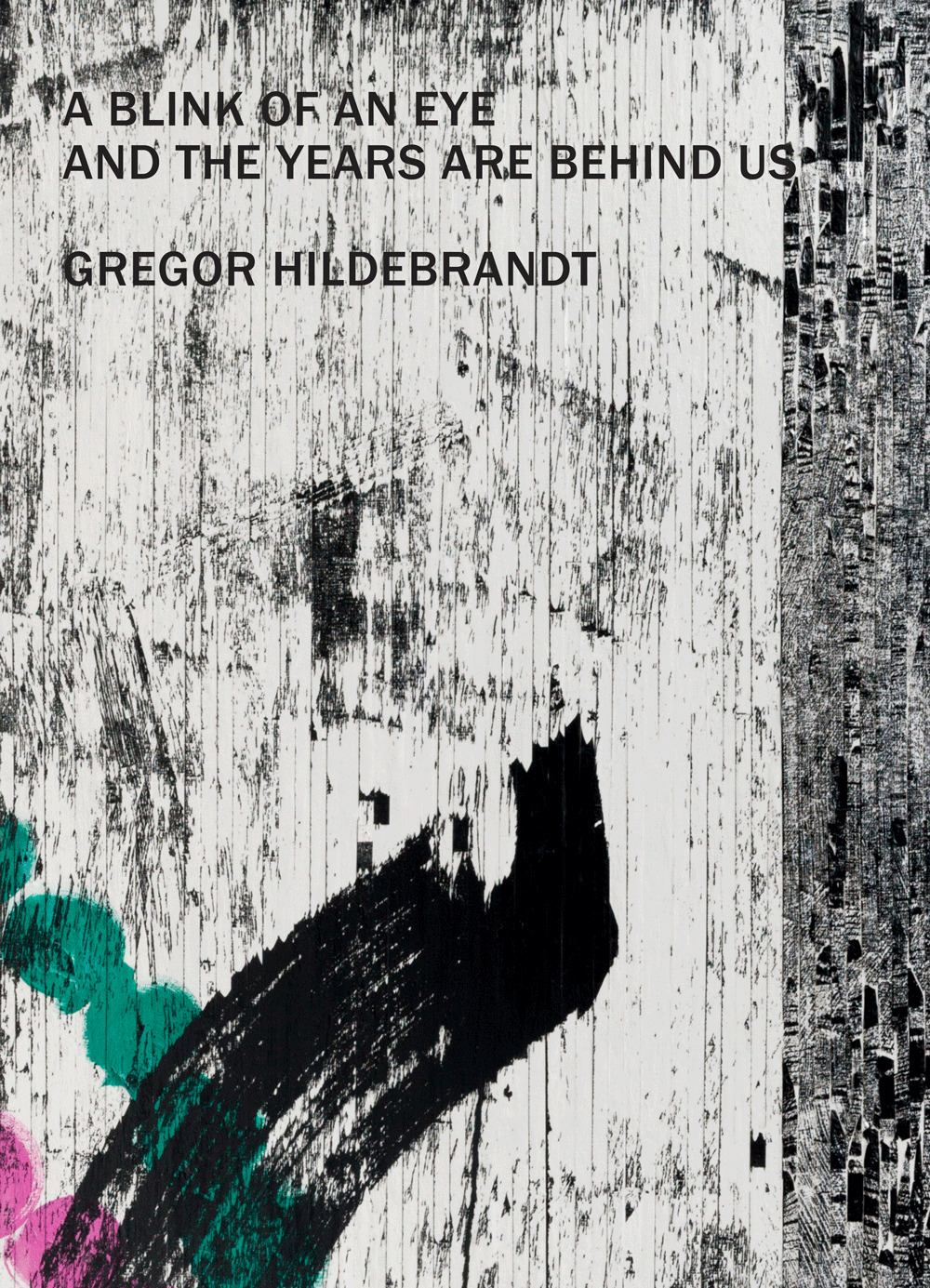
A Blink of an Eye and the Years are Behind us48€ Add to cartFor the past two decades, Gregor Hildebrandt (b. Bad Homburg, 1974; lives and works in Berlin) has transformed analog audiotapes, cassettes, and records into collages, sculptures, panel paintings, and installations. Melding visual art with music, he has charted a complex creative vision crossing boundaries of medium and genre that he continually refines. Before using a tape, he records selected music—typically a single song—on it, whose lyrics he quotes in the work’s title. The artist’s output draws on his personal repertoire of bands that share a romantic narrative of loneliness and a melancholy keynote. The same attitude toward life is reflected in Hildebrandt’s work. The book offers insight into all periods of the artist’s oeuvre and is rounded out by archival materials from Hildebrandt’s studio, his project space Grzegorzki Shows, and the music label Grzegorzki Records that illustrate his creative process.
Gregor Hildebrandt studied at Kunsthochschule Mainz from 1995 until 1999 and at the Berlin University of the Arts from 1999 until 2002. He was a fellow of the Deutsches Studienzentrum in Venice in 2003 and worked in Vienna on a fellowship from the German Academic Exchange Service in 2005–06. He has been professor of painting and graphic art at the Academy of Fine Arts in Munich since 2015.
- Release February 2026

Fidel Martínez
Todesfuge. Das Leben des Dichters Paul Celan26€ Add to cartThe Spanish graphic artist Fidel Martínez Nadal’s (b. Seville, 1979) graphic novel Todesfuge recounts the life of Paul Celan (1920–1970), one of the most eminent lyric poets of the twentieth century. The narrative interweaves biographical and literary aspects of Celan’s life, including his Jewish identity, his lifelong trauma as a Holocaust survivor, and his acclaimed poem Todesfuge. Martínez’s expressive and somber illustrations visualize Celan’s struggles with feelings of guilt, memory, and his creative efforts to find words for the unspeakable. An artistically brilliant homage to Paul Celan’s oeuvre, Todesfuge is an impressive contribution to the engagement with the Shoah in the medium of the graphic novel pioneered by Art Spiegelman.
-

João Onofre
Untitled (in awe of)25€ Add to cartJoão Onofre’s works are tributes to art history and pop. He gleans what is in danger of being lost right now, realigns it, and translates it into something sublime. His art encourages the beholders to reconsider a past that has faded in collective memory with a critical eye and make peace with it. His creative process is guided by the material and a clearly defined concept that nonetheless does not restrict a work’s finding its own way. That is why he does not commit to a particular medium, making videos, performances, installations, and much more. What all his works have in common is that they probe the limitations of their medium and our perceptive capacities in novel ways. This catalogue presents three recent works in which the essence of Onofre’s art becomes manifest: he molds myths and symbols into awe-inspiring images, sounds, and forms—not for nothing have critics labeled him an alchemist. In the catalogue, his tangible compressions of cultural history are rendered in imposing pictures and flanked by an ambitious essay that places them in their context.
-

Arantxa Etcheverria
Doors38€ Add to cartThe Mythical Power of Grids
Arantxa Etcheverria’s (b. 1975, France; lives and works in Bucharest) creative practice encompasses painting, sculpture, performance, photography, and film. Since 2006, she has been especially interested in modernist architecture, a ubiquitous sight in her adopted country, Romania. Blending rationalism with speculation, the artist draws on historical references including post-Communist turbo architecture, Op art, and minimalism for works that balance between figuration and abstraction, construction and deconstruction. This book documents Etcheverria’s more recent panel paintings and installations, seen in interaction with actors in monochrome costumes. With essays by the Paris-based Romanian curator and critic Ami Barak and the art historian and curator Alina Şerban.
Arantxa Etcheverria studied fine arts at Villa Arson, Nice, and stage design at the Théâtre national de Strasbourg.
- Release January 2026

Stefan Reiterer
Inflection Point38€ Add to cartThe Austrian artist Stefan Reiterer (born 1988, lives in Vienna) transfers digital maps and satellite images into analog physical space through abstract painting. He manipulates data from sources such as Google Earth or NASA, transforming them into illusory topologies and pseudo-cartographies to challenge our perception. What is recognized, discovered, rejected? Where is the viewer’s location? Andrea Kopranovic writes of Reiterer’s painted emptiness as a “pitting” and projection surface “for glitches, black holes, and abysses” and a metaphor for potential “interpretations, enrichments, and yet unimagined spaces of possibility.” This richly illustrated book documents Reiterer’s 2025 exhibition at the Museum Gegenstandsfreier Kunst in Otterndorf.
-

Alexander Ruthner
Cour: Sommer36€ Add to cartContemplating Nature in a Reduced-Mobility Environment
“The events of the year 2021, which was defined by lockdowns, the pandemic, and restrictions, has brought out the resonance in my pictures of Gustave Courbet’s realism,” Alexander Ruthner (b. Vienna, 1982; lives and works in Vienna) says about his most recent works: oil paintings featuring lush green vegetation and veritable down comforters painted all-over in saturated color gradients. The works will make their public début as the publication is released in the summer of 2021, hence the word “Sommer” in the title. The other word, “Cour,” is a nod to the first syllable of the French painter’s name as well as French for “court,” a term the artist creatively reinterprets as a synonym for the solitary “castle of the mind” to which we have retreated under pandemic conditions. Ruthner, who studied with Peter Kogler, Daniel Richter, and Albert Oehlen, revisits the boscage and pasture painting of past eras in new works that propose a distinctive personal interpretation of that tradition’s charm.
Alexander Ruthner’s work has been shown at Kunsthalle Wien, the Whitechapel Gallery, London, and the National Museum of Montenegro, among other venues.
- Out of stock

Hans Karl Zeisel
Hundred and more34,95€ Read morePossibilities of concrete art
What is possible without turning away from the cocrete? In the Bauhaus tradition, the typographer, graphic artist, designer and author Hans Karl Zeisel opens up countless design options with basic forms. His wooden cuboids demand a humorous approach to sculpture. They are creativity training, study tools and meditation game all in once. A playful experiment that reveals the diversity of concrete art.
-
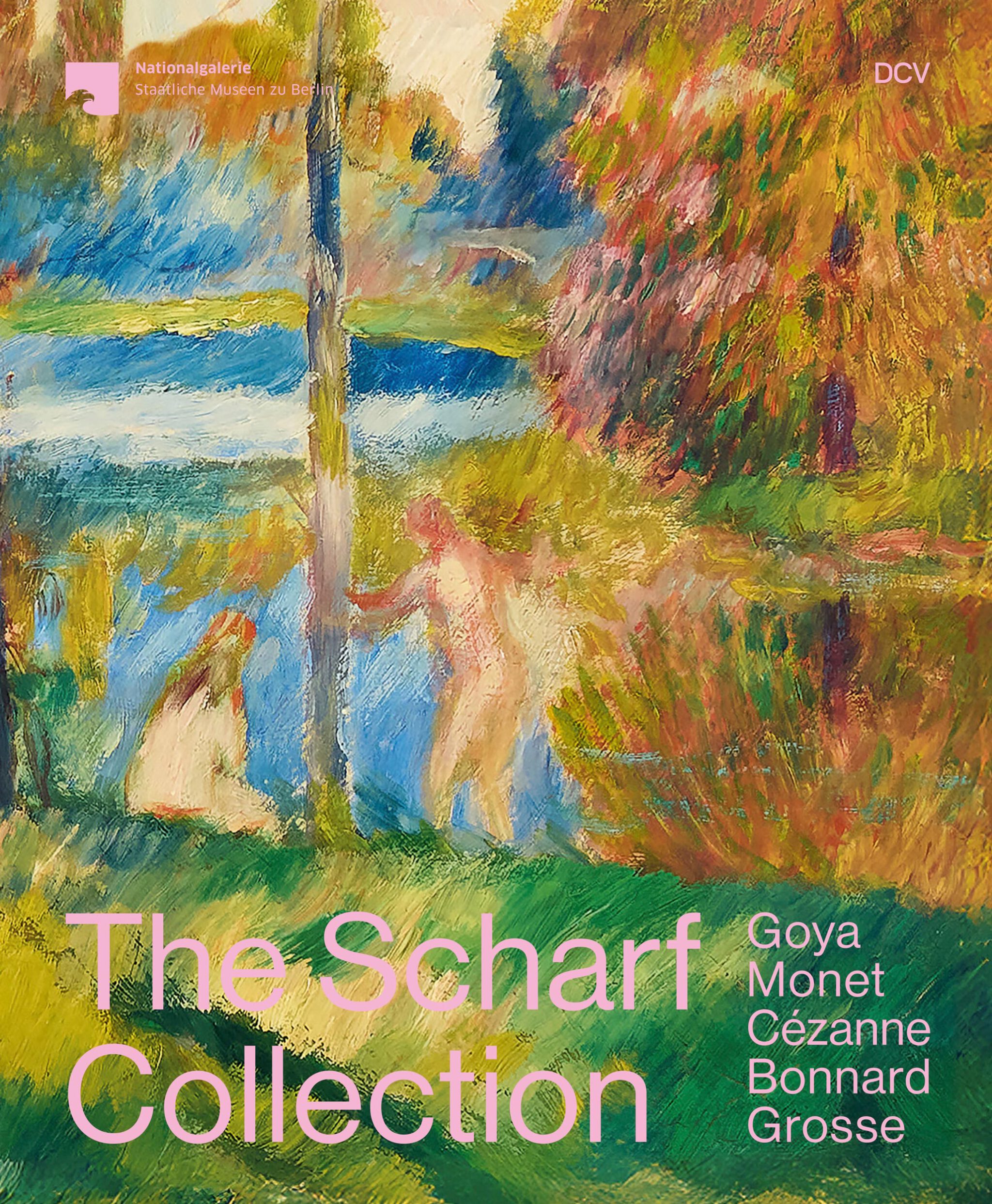
The Scharf Collection.
Goya – Monet – Cézanne – Bonnard – Grosse48€ Add to cartThe Scharf Collection is a German private collection of French art from the nineteenth and twentieth centuries and international contemporary art. Now in its fourth generation, it continues a branch of the renowned Otto Gerstenberg Collection in Berlin, which encompasses everything from the beginnings of modernism, represented by Francisco de Goya, to the French avant-garde of the second half of the nineteenth century with Gustave Courbet, Edgar Degas and the entire graphic oeuvre of Henri de Toulouse-Lautrec. The richly illustrated catalog accompanies the collection’s first comprehensive exhibition at the Alte Nationalgalerie – Staatliche Museen zu Berlin and the Kunstpalast in Düsseldorf.
-

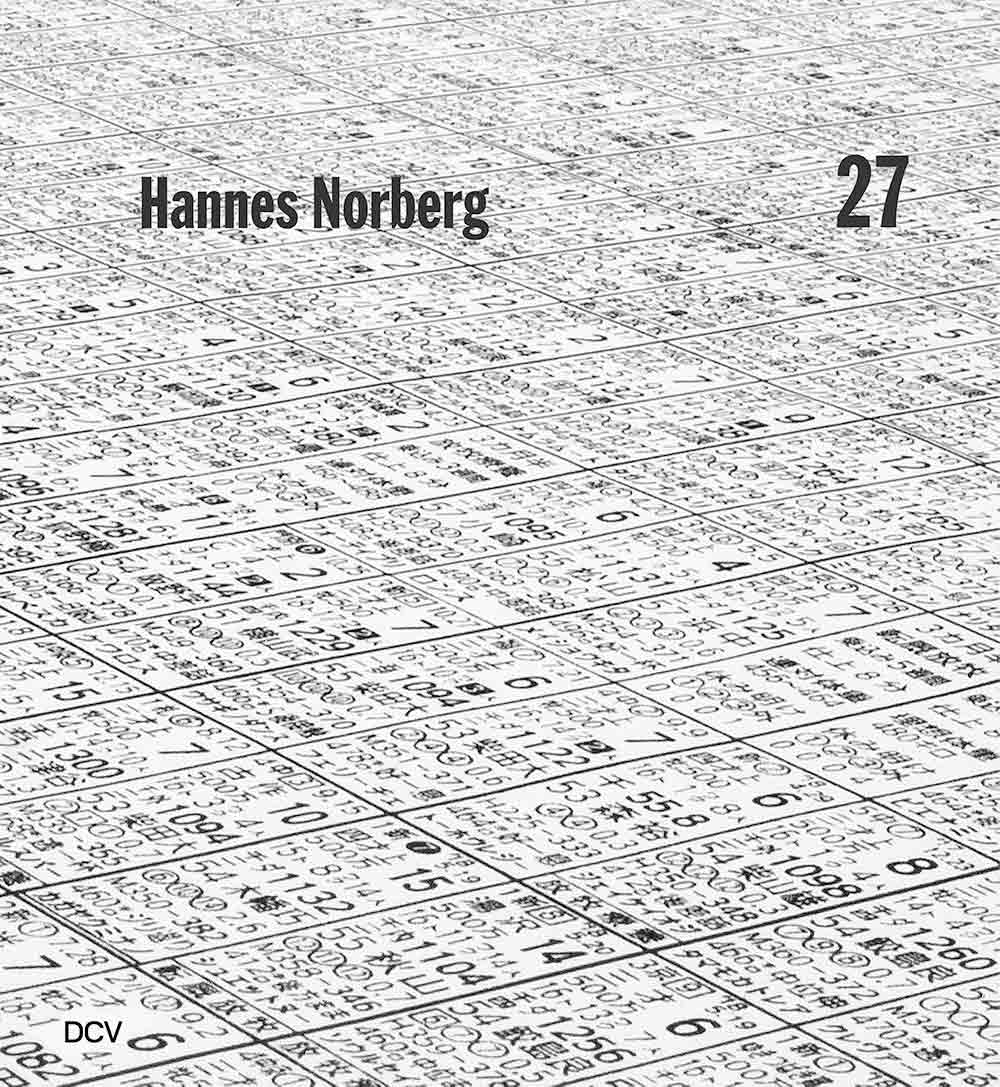
Hannes Norberg
2728€ Add to cartThe Ideal of Simplicity, Clarity and Timelessness
To make his photographs, Hannes Norberg (b. 1969, Worms; lives and works in Düsseldorf) constructs artificial spaces that integrate elements of painting, drawing, collage, and sculpture. Rather than reproducing selected details of an existing reality, his works make empty space and the play of light and shadow their point of departure. In his most recent pieces, the artist has focused on samples of typography that he collected on his travels and in numerous libraries all over the world and subjected to graphical redaction. Captured in natural light in his studio, his pictures showcase the quiet beauty of writing and paper, while their landscape-like aura gestures toward their place of origin. Designed by the artist himself, the book marks the public première of a selection of twenty-seven new photographs.
Hannes Norberg studied fine arts at the Kunstakademie Düsseldorf and was an artist-in-residence in Paris, New York, Florence, São Paulo, Xiamen and Seoul.
-

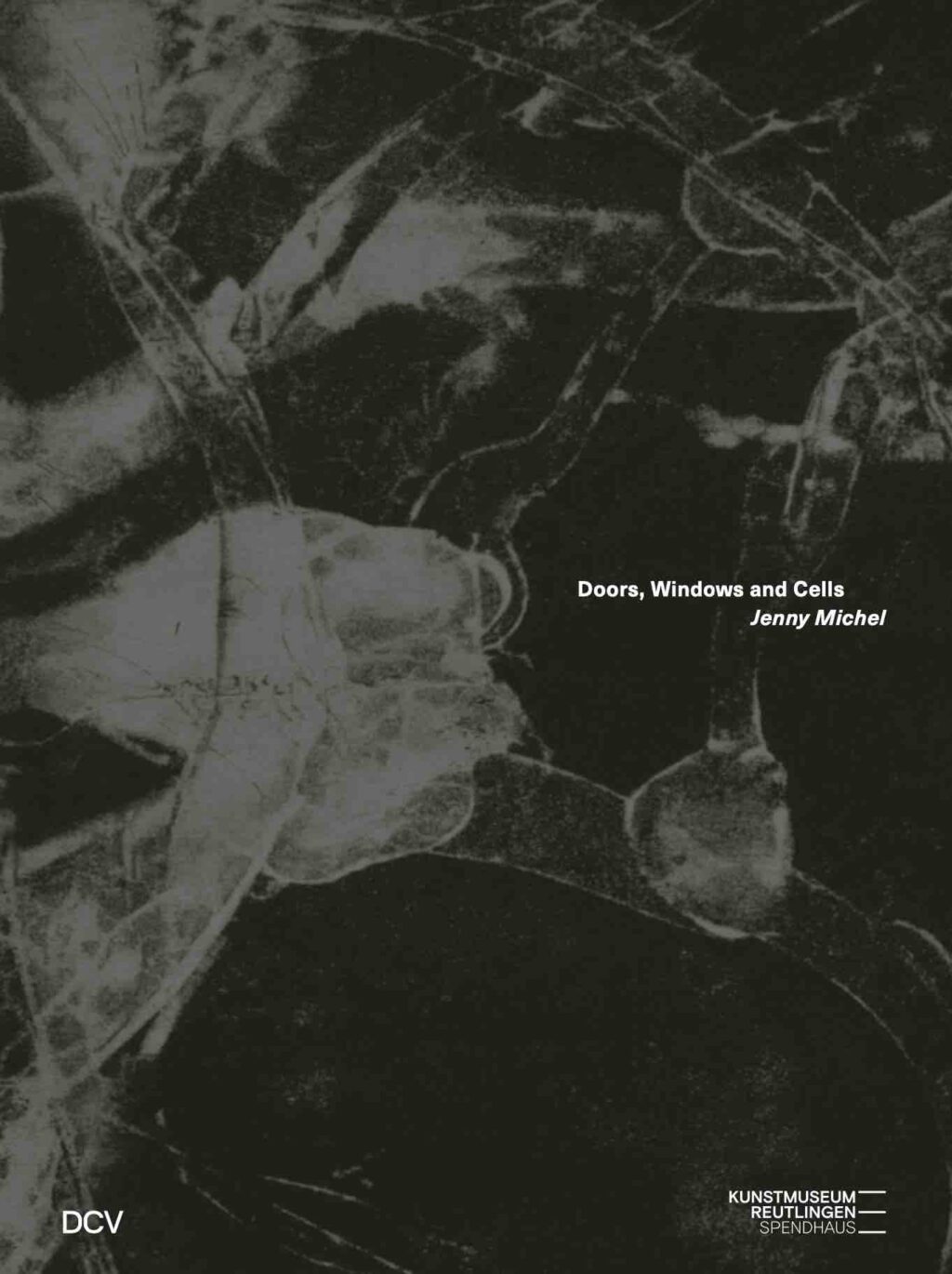
Jenny Michel
Doors, Windows and Cells38€ Add to cartThe Detritus of Our Society
For around two decades, the artist Jenny Michel (b. Worms, 1975; lives and works in Berlin) has devoted herself to minute particles such as dust, cobwebs, and electromagnetic fields in space. Her fascination with orders of knowledge, symbolism, and utopian visions is reflected by installations, drawings, prints, and sculptures that she exhibits in carefully composed sprawling ensembles. Aggregating fantastic fragments of the world manufactured from paper, adhesive tape, staples, and other industrially made small parts, Michel builds disconcertingly dense structures—human knowledge is transformed into the debris of civilization, its legibility lost beneath palimpsestic layers of meanings and resignifications. The extensive monograph surveys major series in the artist’s oeuvre and presents new works on paper.
Jenny Michel studied at Kunsthochschule Kassel and the Academy of Fine Arts Vienna. Her work has been on view at Museum Wiesbaden, the Draiflessen Collection, the Schirn Kunsthalle, Frankfurt, and Berlinische Galerie, among other venues. In 2010, Michel was honored with the HAP Grieshaber Prize.
-

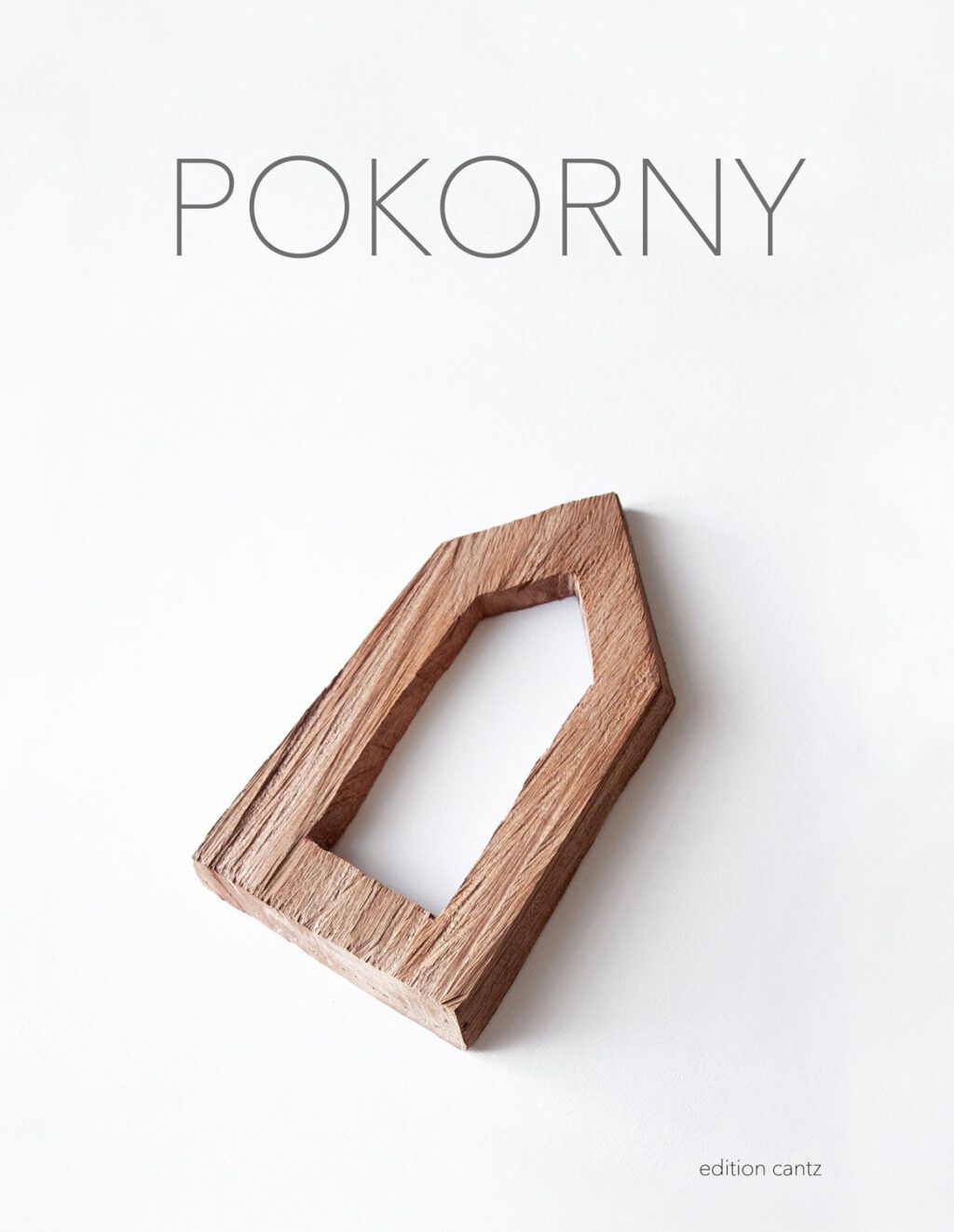
Pokorny
25€ Add to cart“Abstraction means the omission of the irrelevant and the unnecessary in order to find more substantial content and form.”—Werner Pokorny
His often monumental sculptures can be found in many places in Germany and abroad, including Aachen, Berlin, Busan (South Korea), Frankfurt am Main, Freiburg, Karlsruhe, Riehen, Saarbrücken, and Stuttgart. Werner Pokorny works (b. 1949, Mosbach; lives and works in Ettlingen) exclusively with Corten steel for his outdoor sculptures and with wood, steel, and bronze for his indoor works. Well-known basic forms such as bowls, spheres, cuboids, and houses serve as points of departure and reference, which are abstracted by reduction, rotation, tilting, or combination with other elements. The artistic field of tension characteristic of Pokorny’s impressive sculptural oeuvre is due to the oscillation between form and abstraction, figure and reduction, hard edges and soft curves.
- Out of stock

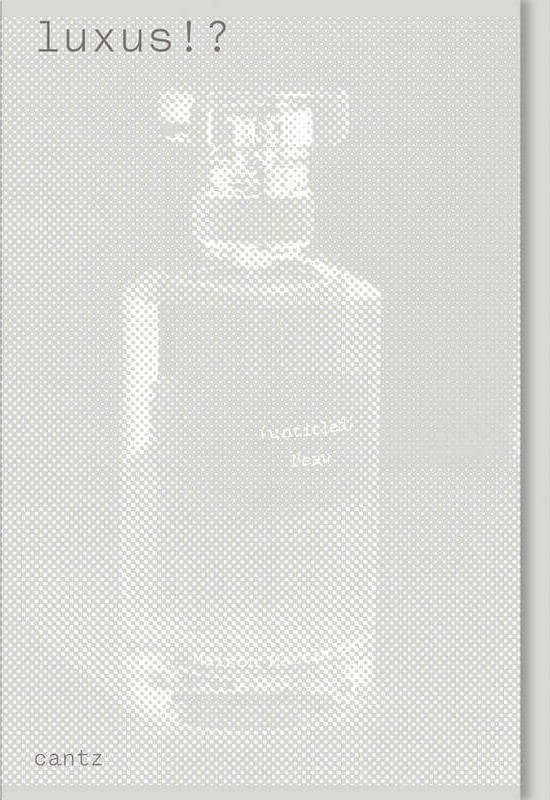
Luxus?!
34€ Read moreWhat is luxury today? How do designers perform the magic of transforming a utilitarian object into a must-have? Where does consumerism shade into obsession? When does more-is-more give way to less-is-more?
Luxury means breaking with convention, and this book showcases—and spawns—a cornucopia of ideas, products, and positions around luxury, featuring influential thinkers from the worlds of design, science, art, and society. The cultural theorists Wolfgang Ullrich and Lambert Wiesing exchange letters on the concept of luxury; Montblanc’s creative director Zaim Kamal lays out future strategies; the artist Jonathan Meese pens a gold manifesto; and Bazon Brock inquires into the asceticism of luxury. We live in a world full of things that resemble one another so closely that the only difference is how they are marketed. What might the precious objects of the future look like? The book presents examples from aspiring designers such as the fashion student Victoria Reize, whose collection counters luxury with arch defiance. Design, we learn, is not just about creating supreme values. Luxury is limitation and longevity, scarcity and refinement, yearning and sensuality.
With works by Assemble, Jake and Dinos Chapman, Daniel Chodowiecki, Kai Löffelbein, Jonathan Meese, Olaf Nicolai, Marcel Odenbach, Tobias Rehberger and Anna Skladmann.
-
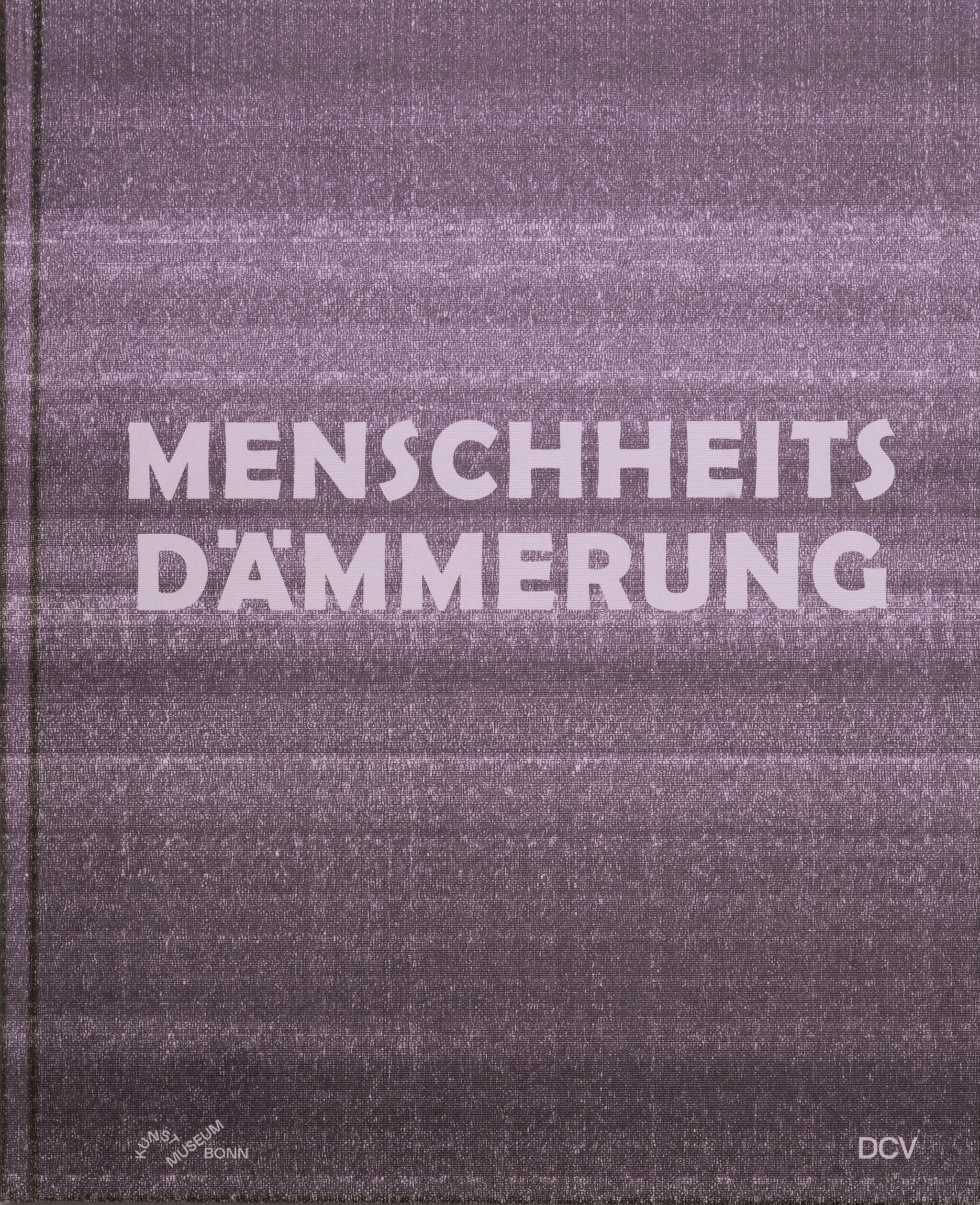
DAWN OF HUMANITY – ART IN PERIODS OF UPHEAVAL
37€ Add to cartThe book and exhibition present works from the first two decades of the twentieth century from the Kunstmuseum Bonn’s collection in dialogue with contemporary creative positions. What the works have in common across the distance of a century is their genesis in, and reflection on, a time of major social and political crisis. Back then, life had been profoundly changed by the industrial revolution; nowadays, climate change, wars, and the rising political power of right-wing ideologies are transforming the life of our communities. The presentation conceives art as a tool that lets us interrogate the world and imparts fresh intellectual impulses, and so also plays an active part in our societies. The title Menschheitsdämmerung – Dawn of Humanity – is borrowed from the poetry anthology of the same title released by Kurt Pinthus in 1919, which samples the Expressionist lyric poetry of the young century in four chapters: “Downfall and Outcry”; “Love Human Beings”; “Awakening of the Heart”; “Entreaty and Indignation.” Florian Illies, who already wrote an afterword for the 2019 centenary edition of Menschheitsdämmerung – the bestselling poetry anthology in the history of German literature – contributed the keynote essay in the book.
Artists: Nevin Aladağ, Francis Alÿs, Kader Attia, Yael Bartana, Rebekka Benzenberg, Monica Bonvicini, Andrea Bowers, Heinrich Campendonk, Louisa Clement, Max Ernst, Georg Herold, Franz M. Jansen, Alexej von Jawlensky, Käthe Kollwitz, Wilhelm Lehmbruck, Max Liebermann, August Macke, Helmuth Macke, Goshka Macuga, Marie von Malachowski-Nauen, Carlo Mense, Zanele Muholi, Heinrich Nauen, Grace Ndiritu, Anys Reimann, Deborah Roberts, Daniel Scislowski, Paul Adolf Seehaus, Tschabalala Self, Monika Sosnowska, William Straube, Emma Talbot, Hans Thuar, Lawrence Weiner
-

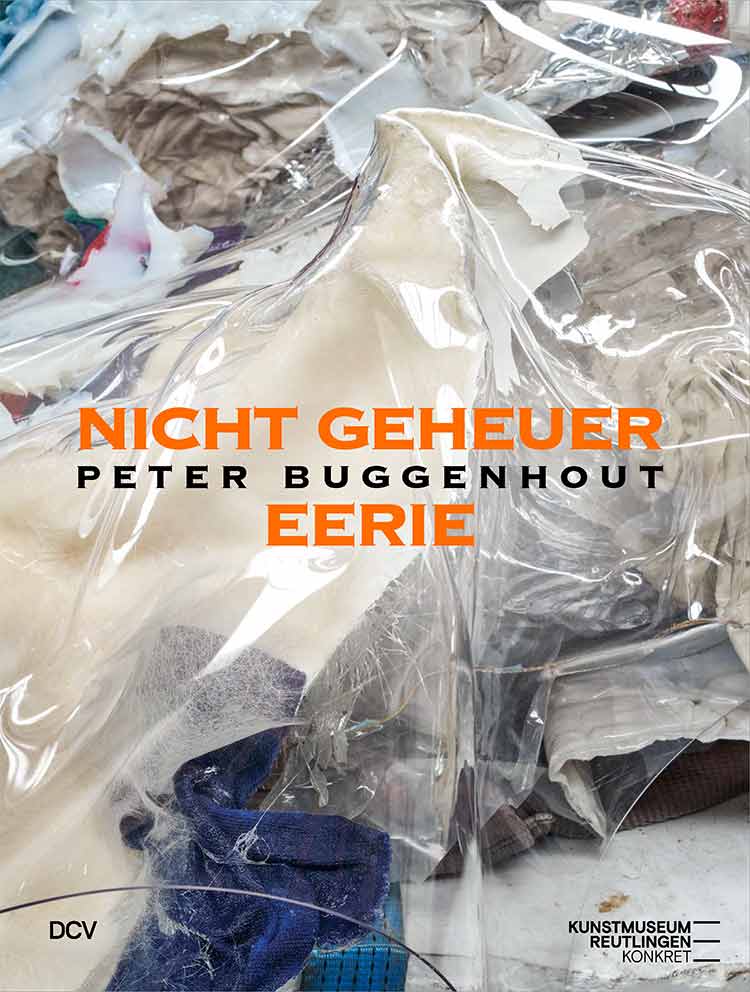
Peter Buggenhout
Eerie28€ Add to cartAn Autonomous Counterpart
The renowned sculptor Peter Buggenhout (b. 1963, Dendermonde, Belgium; lives and works in Ghent) describes his hybrid pieces as “abject things” that defy classification and even the label “work of art.” He aggregates and manipulates found and discarded objects as well as both technical and organic materials including pig blood, cow stomachs, and horsehair until he achieves a certain degree of abstraction. Buggenhout’s sculptures confront the beholder as creatures that are somehow “off,” exuding an eerie atmosphere by allowing something sinister to rise to the surface that, it appears, lurks just behind the façades of the physical world: vestiges of humanity, society’s sedimented refuse. The book presents a comprehensive survey of his growing oeuvre; it is the first publication to cover his most recent creations in marble.
Peter Buggenhout’s art has been featured at the Palais de Tokyo, Paris; the MoMA PS1, New York; the 2014 Taipei Biennial; and elsewhere.
-

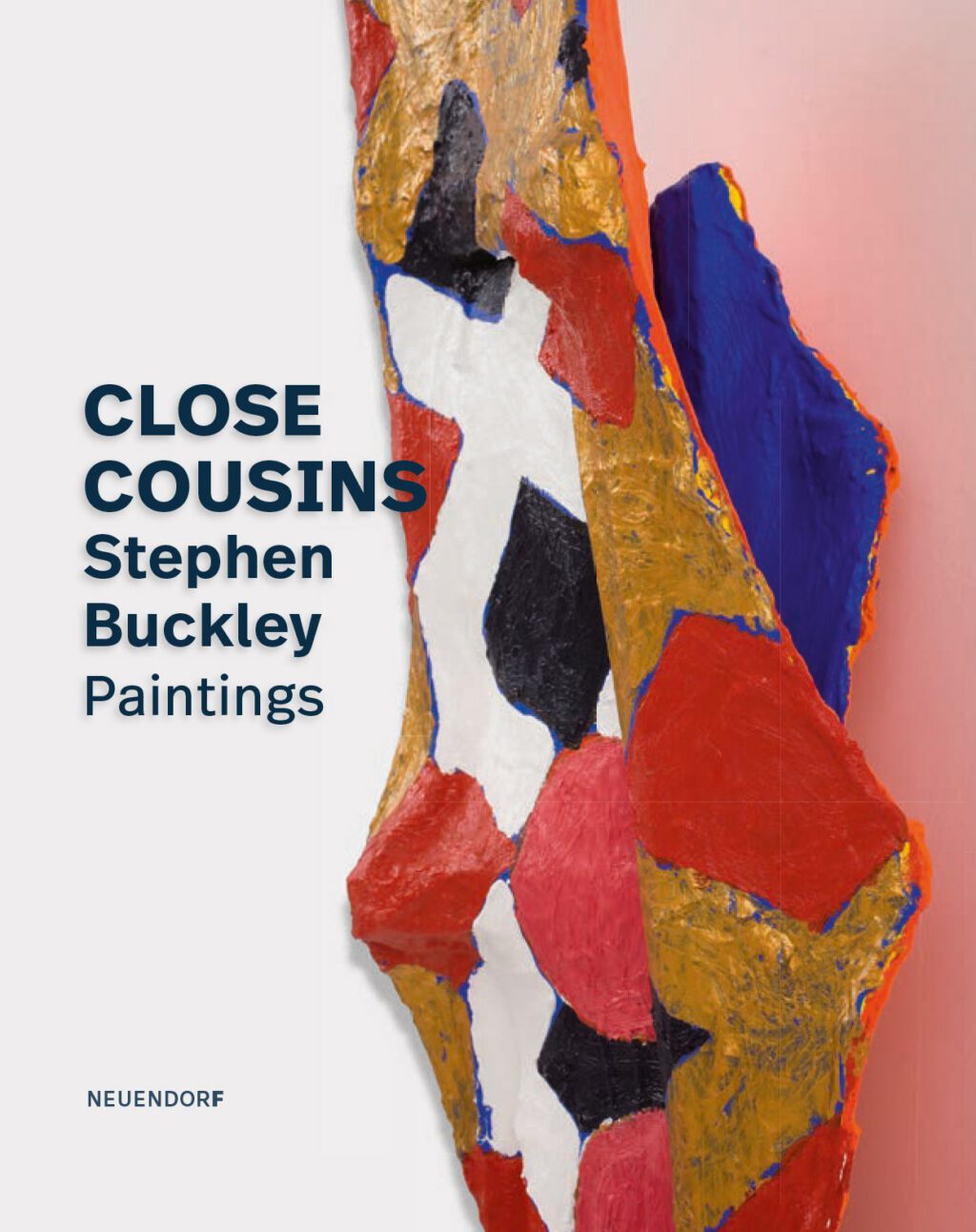
Stephen Buckley
Close Cousins. Paintings48€ Add to cartThe Artist’s First Publication in more than Thirty Years
For more than forty years Stephen Buckley (b. 1944, Leicester) has concerned himself with addressing the major themes of the twentieth century through a personal style oscillating between the matière of Kurt Schwitters, the dandyism of Francis Picabia and the intellectual rigour of Marcel Duchamp. He takes the two most basic components of a conventional painting (canvas and stretcher), and makes multi-dimensional constructions, joins groups of single canvases together in overlapping structures, makes shaped canvases, cuts a stretcher with a variegated edge, stitches and weaves together strips of canvas, patches pieces of canvas onto another support, and adds cardboard tubing, rope, found objects and cut out shapes. In the 1970’s and 1980’s, Buckley saw extended prominence in the art press, starting with the artist being described as “the Punk Rock of contemporary painting” and ending with him gaining the title of “the ubiquitous Stephen Buckley”. There is now a large portfolio of themes, references, motifs and symbols which are continually reworked and reinvented. Since then, he has made some of his most compelling paintings, lush pop canvases full of symbols and colour, a far cry from the pared-down, industrial feel of some of his early works.
-

Anders Goldfarb
Passed Remains35€ Add to cartAbandoned Gas Stations and Burned-Out Buildings
In 1986 when Anders Goldfarb (b. 1954 in Brooklyn, lived and worked in Brooklyn, NY) moved to Greenpoint, he was a young photographer with a master of fine arts degree from State University of New York at New Paltz. In moving to Williamsburg, he joined a growing number of young artists seeking the low rents of what was then a declining neighborhood of light industrial buildings and working-class residences. Working with black and white film, and a medium format Rolleiflex camera, Goldfarb began photographing in 1987 in Williamsburg and Greenpoint, riding his bike around the area and looking for the peculiar beauty of sidings, peeling paint and razor wire. Goldfarb’s photographs provide a valuable historical record of these neighborhoods prior to their demolition and gentrification. His subjects are metaphors for loss and vulnerability and distill moments in time that are destined for demise.
-

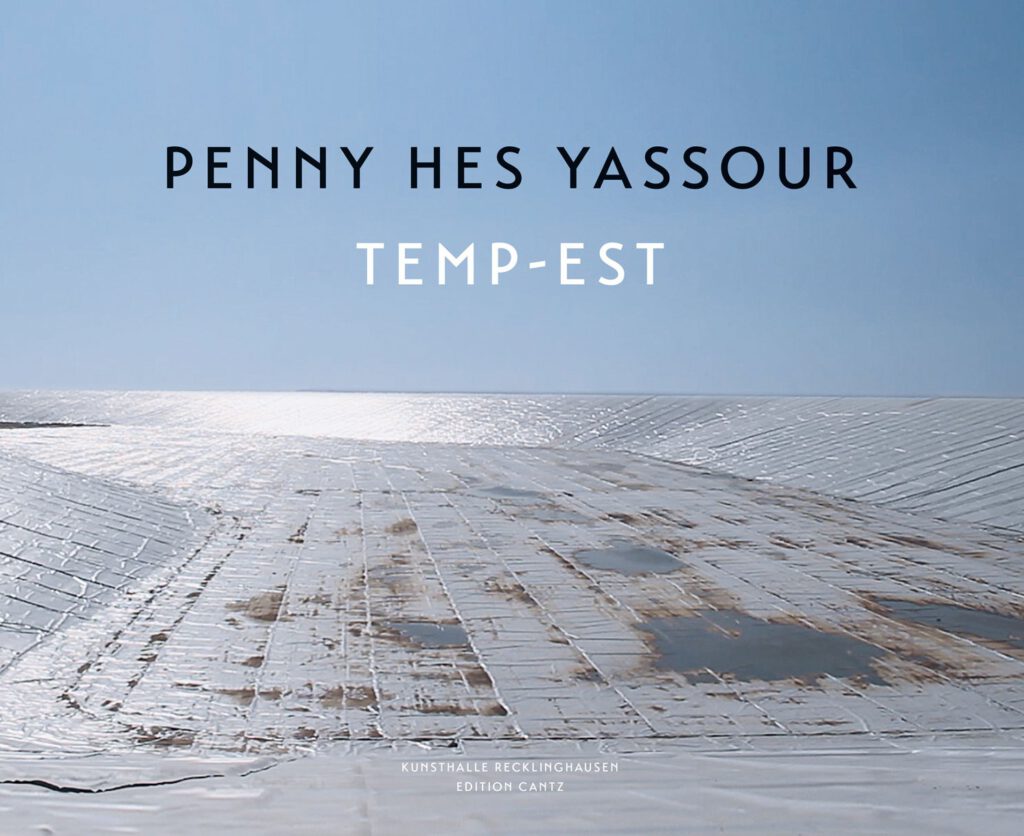
Penny Hes Yassour
Temp-Est24€ Add to cartA Monograph about the Award-Winning Israeli Artist
Penny Hes Yassour (b. 1950, lives and works at kibbutz En-Harod Ihud) tells stories and keeps history alive, explores the boundary between remembering and forgetting. In her installations she combines sound, image, and a multi-part world of objects into narrative mise-en-scènes of great poetic power. Hes Yassour leads the viewer through the Jordan Valley with its many watchtowers, accompanies the transformation of the landscape in a gigantic, stagelike water basin, and documents the flight of bats in a narrow, labyrinthine spatial installation. The book published on the occasion of the artist’s first exhibition in Germany provides comprehensive insights into her subtle artistic work.
-

ELASTE
1980 – 198649€ Add to cartThe story of ELASTE is the story of a movement – that of the New Wave generation in West Germany. Founded in 1980 in Hanover, the magazine was a beacon of cultural revolt and the first glossy indie magazine of the Federal Republic: self-published, a statement somewhere between pop avant-garde, subversion, and a sharp sense of style. Among those who shaped the look and spirit of the magazine were Jon Savage, Ellen von Unwerth, and Diedrich Diederichsen. No other magazine operated at the intersection of music, fashion, and society quite like ELASTE — with headliners such as Warhol, The Rolling Stones, and Kraftwerk. This book by the magazine’s editors Thomas Elsner and Michael Reinboth, looks back — at the pioneering spirit, the minds, and the stories behind the magazine.
Incl. download code card for 14 tracks from ELASTE RECORDS