Charles Moore
On painting
 | |
|---|---|
| Author(s) | Charles Moore |
| Cover | Softcover |
| Size | 12 x 18 cm |
| Pages | 224 |
| Illustrations | 16 |
| Language(s) | English |
| ISBN | 978-3-96912-236-5 | Release January 2026 |
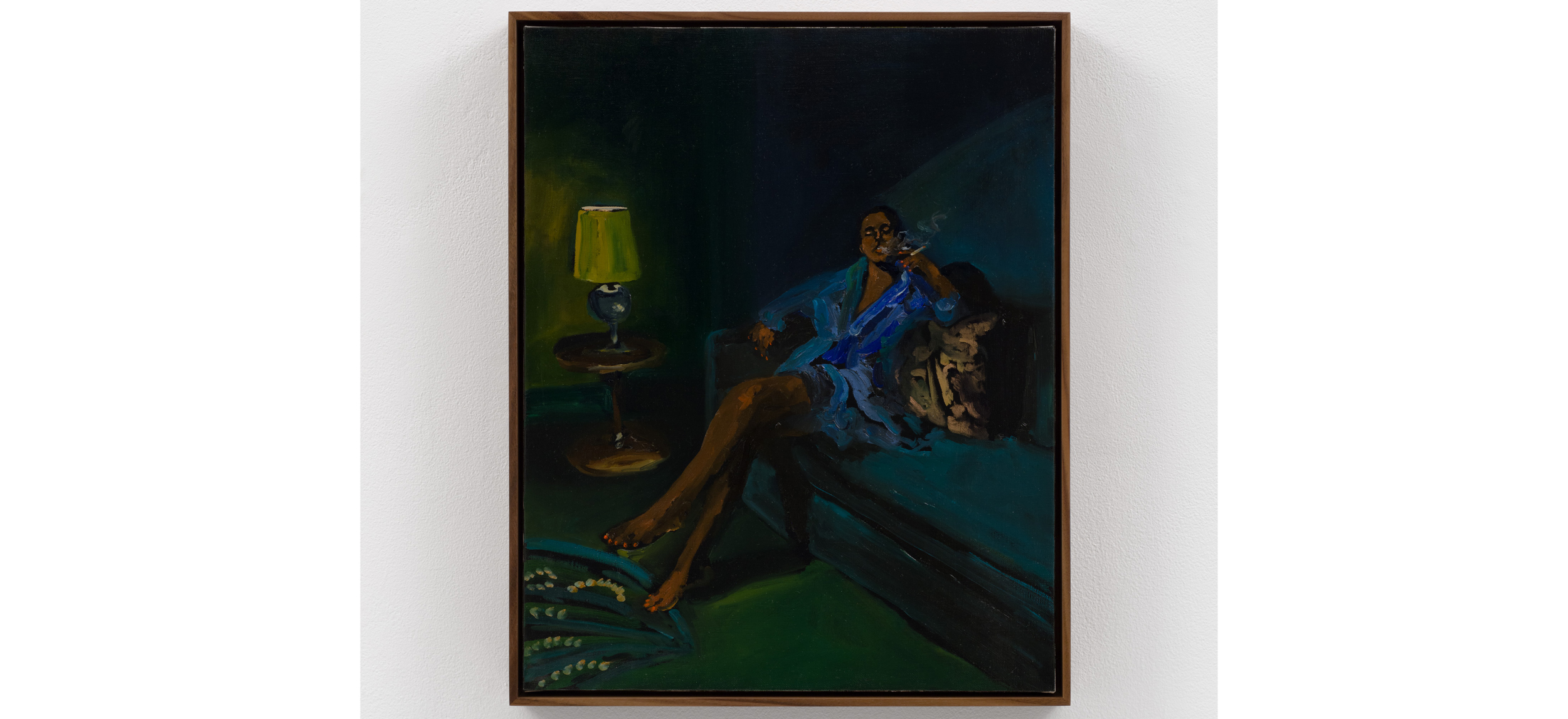
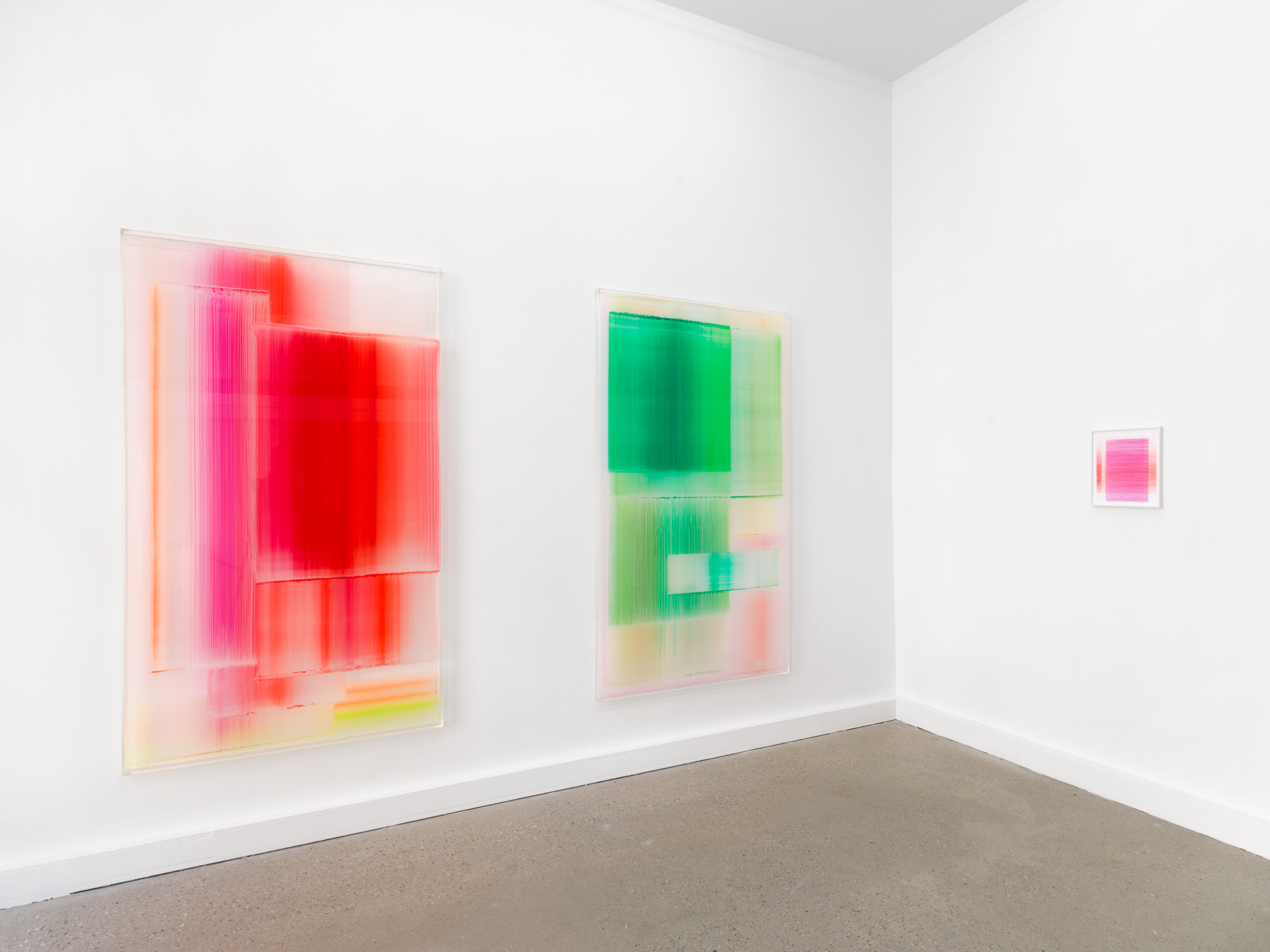
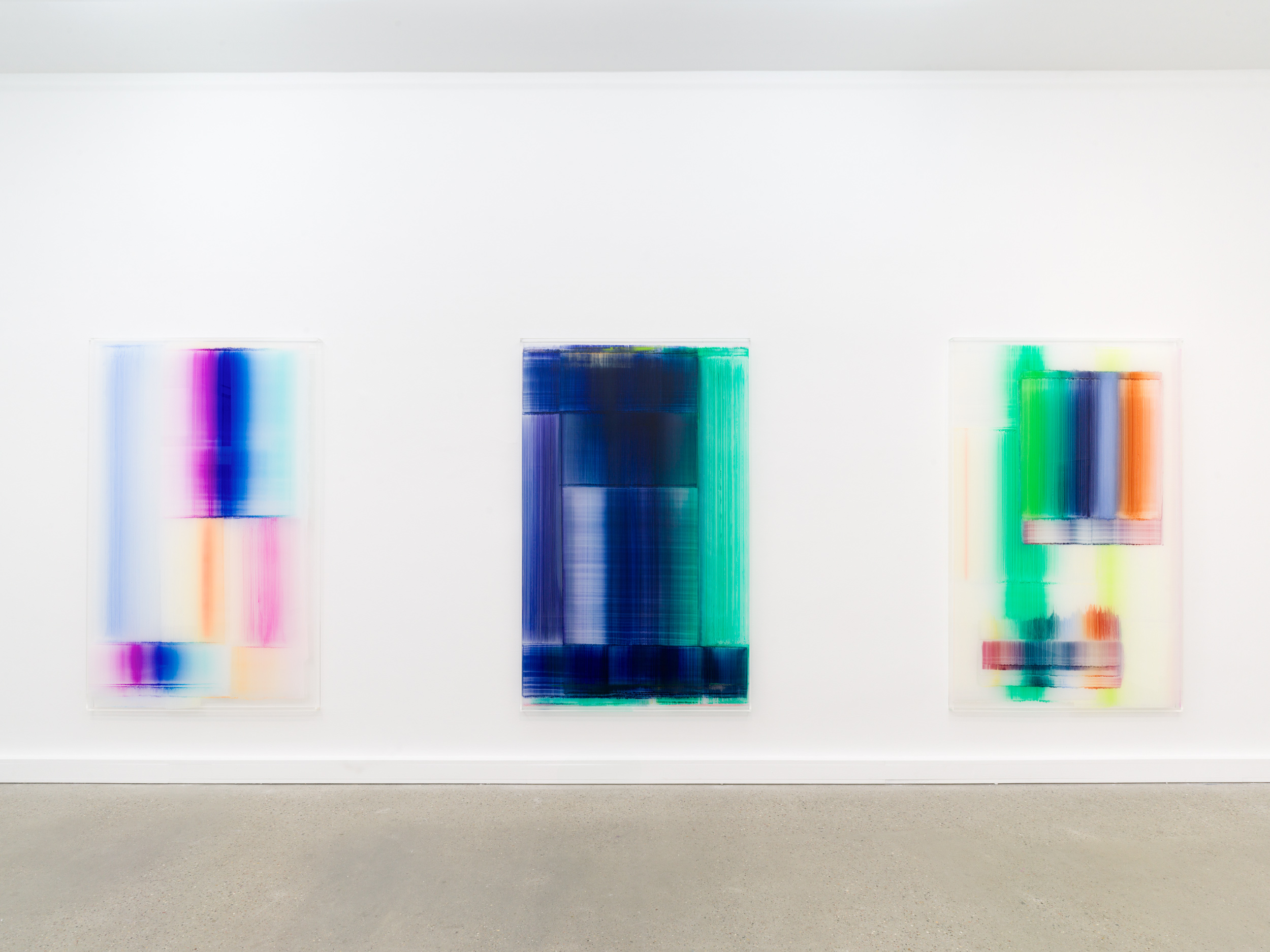
For On Painting, New York-based art historian and curator Charles Moore, interviewed four women artists about their practice, asking them to reveal their motives and aspirations. This publication consists of four interviews, each containing an introduction by Moore and illustrations of the artist’s works. Danielle Mckinney, who paints exclusively Black women, reflects on her experiences as a woman growing up in the US South. Nicola Staeglich creates subtle layered abstract works to evoke new perspectives and the potential for change. Nirit Takele elaborates on how her Ethiopian Jewish heritage has shaped her painting practice. Jorinde Voigt, who creates complex installations inspired by notation systems, discusses the use of algorithms and the beauty to be found in the unexpected.
Release January 2026
You may also like…
- Release January 2026

Frank Morrison
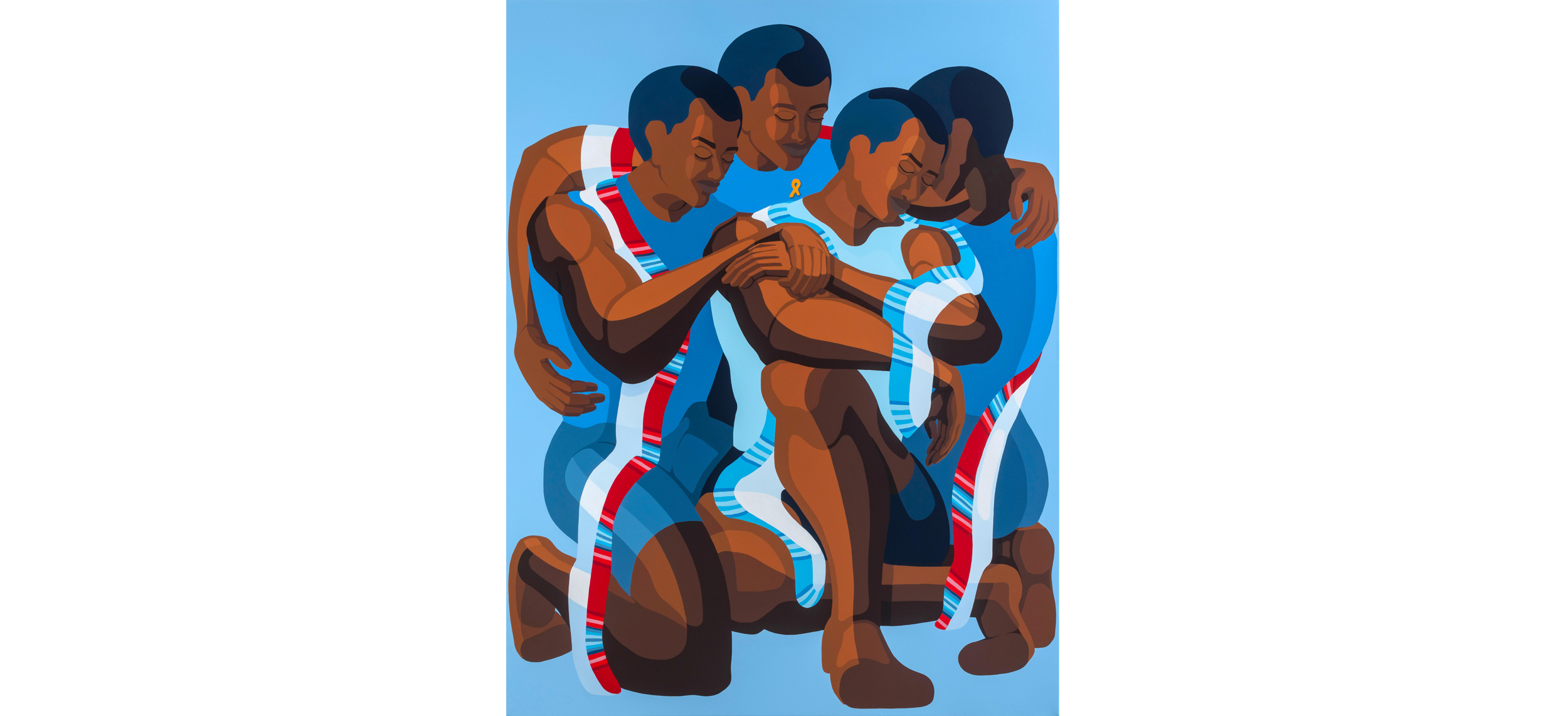
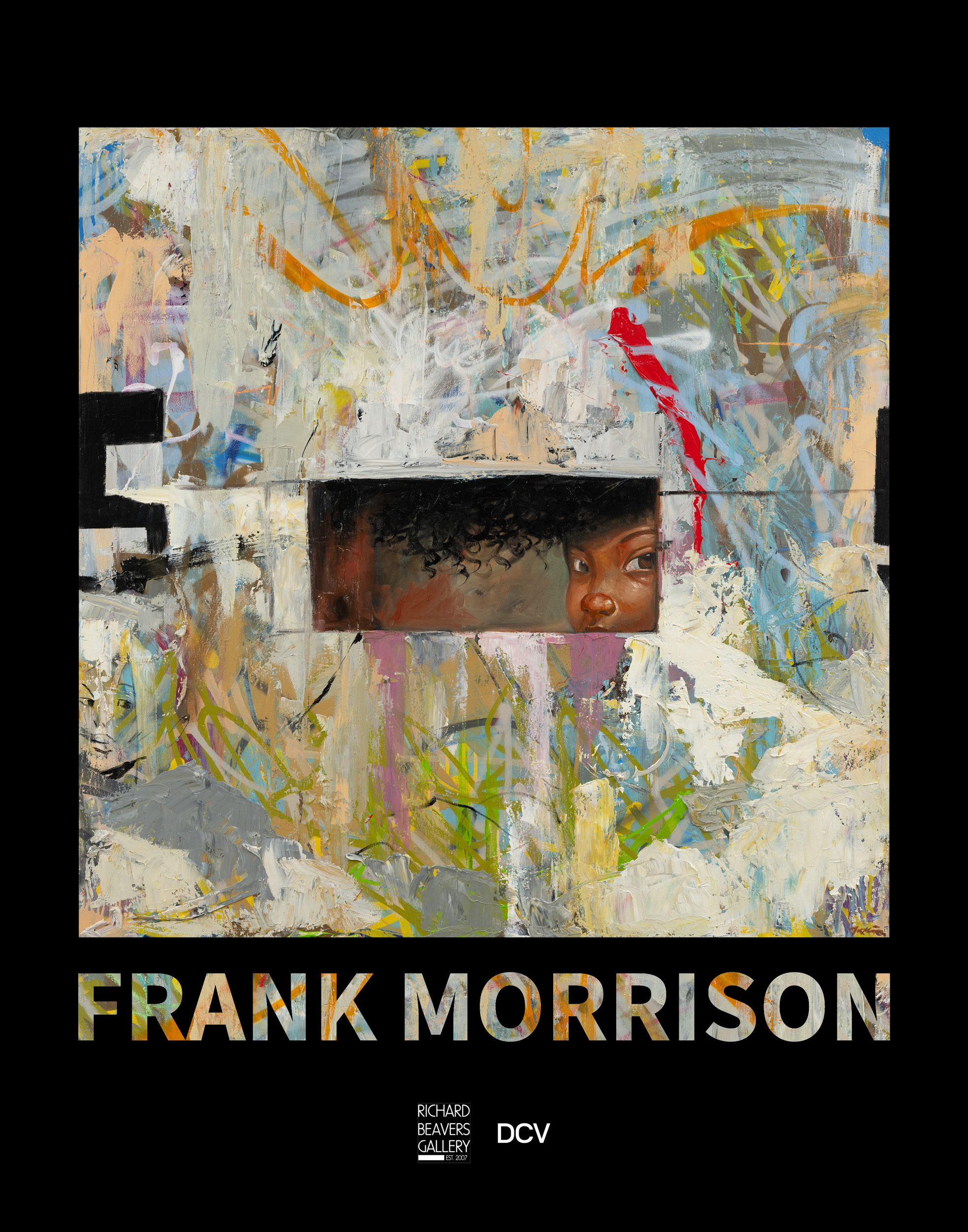
38€ Add to cartThe dynamic Neo-Mannerist images of painter and illustrator Frank Morrison (born 1971, lives in Atlanta) celebrate the resilience and dignity of African Americans in everyday life. A child of institutionalized racism in the US, he can testify that creativity and solidarity could never be suppressed in the segregated and brutally marginalized communities. Hip-hop and graffiti are resistance. Clichés of inner-city struggle are vividly refuted in this book. The volume documents Morrison’s recent exhibitions, one of which is dedicated to the younger generation: frame-braking images that interweave narrative forms of comics and pop art with illustration. Morrison’s gallery calls the book an explosive tribute to genius flourishing in institutionalized exile.
More books
-

Michelle Jezierski
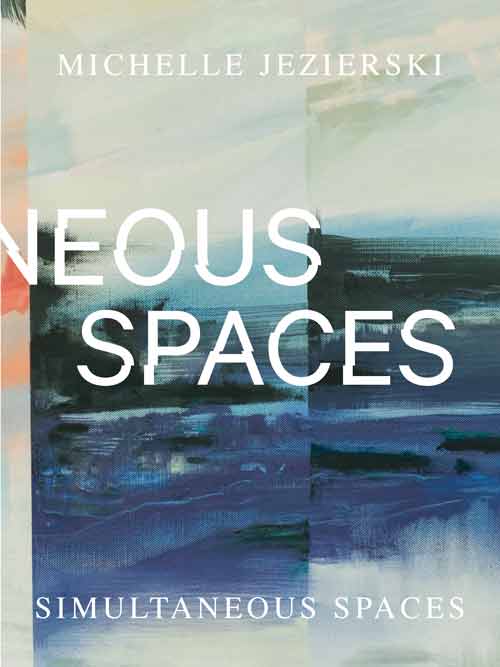
Simultaneous Spaces34€ Add to cartMichelle Jezierski’s (b. Berlin, 1981; lives and works in Berlin) paintings unfurl simultaneous spaces that are awash in light. Contrasts between bright and dark and muted as well as lucent hues engender a singular atmosphere characterized by depth and dynamism. The artist is as invested in the perception of these constructed spaces as in the capaciousness of natural landscapes. In her paintings, luminous colors and geometric disturbances achieve shifting balances between the extremes of order and chaos, light and shadow, interior and exterior, structure and flux. Simultaneous Spaces, the artist’s first comprehensive monograph, presents forty-five works painted between 2017 and 2022.
Michelle Jezierski studied with Tony Cragg at the Berlin University of Arts and graduated from Valérie Favre’s class in 2008. She also received a fellowship for a semester abroad at Cooper Union, New York, where she studied with Amy Sillman.
-

Thomas Lehnerer
Grott18€ Add to cartA Facsimile by the Theologian and Artist
The genesis of images is a central aspect of the work of the Munich-based theologian and artist Thomas Lehnerer (b. Munich, 1955; d. ibid., 1995). In drawings and sculptures, as well as in spatial and conceptual works, the production of images creates a counter-world to our own lives. By transferring fundamental experiences of human existence into art, Lehnerer creates an equivocal, anthropological space for observation and reflection. The artist’s book Grott, published in 1986, contains ambiguous elements. All drawings are positioned on the right page. In the not yet dried state, a double image was formed on the left side, which relativizes the “primary image.” The depictions of animals, people, and the environment were drawn nearly without interruption from a single line. In this style of continuous movement, the overall image can be traced back to its beginning. For Lehnerer, it was important to understand human (self-)consciousness from the perspective of the history of evolution, since there are countless models of thought and belief within this narrative. Grott refers in the title, as well as in the drawings, to the charged relationship between the earthly and the spiritual.
-

Jörg Heieck
CRUX29€ Add to cartTwo Fascinating Series of Works by the Photographer and Physicist
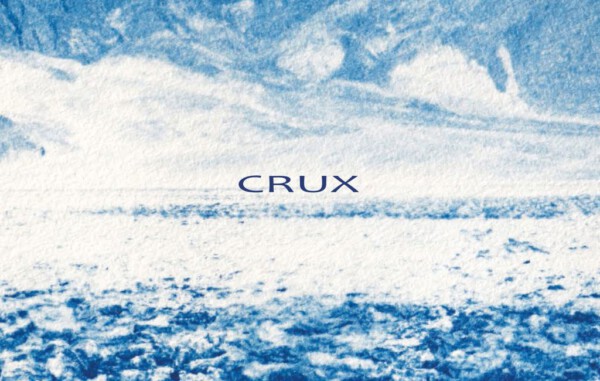
Expertly wielding the vintage photographic technique of the cyanotype, Jörg Heieck (b. 1964, Münster; lives and works in Kaiserslautern) transmutes nature into a fascinating play of shades of blue and defamiliarized shapes. Desolate sceneries, barren landscapes—the first series gathered in the book was created in the Sahara, Iceland, and Spitsbergen. Humanity has reached a crossroads: can we avert the destruction of the planet? Contrasting this symbolic crux, the second section presents populated intersections replete with signage from China, Japan, Russia, Israel, India, Greece, and Georgia. With these panoramas of urban life standing as a counterpoint to the abstraction in the photographs in the first section, the book offers insight into the artist’s extraordinary oeuvre.
Jörg Heieck has a PhD in physics and worked for many years as a researcher at Agfa, Kodak, and the ITER nuclear fusion reactor project. His art has been shown in numerous countries, including at the Goethe-Institutes in Damascus and Beirut, the Aleppo International Photo Festival, the Wilhelm-Hack-Museum, Ludwigshafen, and Kunsthalle Mannheim.
- Out of stock

Soulages
Malerei 1946–201942€ Read more“I paint not with black but with light.”
Pierre Soulages (b. Rodez, France, 1919; lives and works in Paris and Sète, France) is an eminent figure in abstract painting. A member of the Nouvelle École de Paris, he developed his first nonobjective pictures early on, in 1946, putting bars of bold color, typically black, on white grounds. His embrace of total non-representationality, an art that depicts nothing, that stands for nothing but itself, amounted to a radical challenge to the traditional values of painting. In 1979, his work entered a new phase, a painting he calls “outrenoir” or “beyond black.” Soulages now occupies a singular position, and not only by virtue of his choice of materials such as walnut stain and tar and implements like scrubbers, iron hooks, and spatulas. The book documents the arc of his oeuvre from his beginnings after World War II to the present. Illustrating the evolution of his art, it shows how he remained true to his creative vision, a consistency that is doubly imposing given the extraordinary length of his career.
Pierre Soulages studied at the École Régionale des Beaux-Arts, Montpellier, before moving to Paris in 1946. He contributed work to documentas I, II, and III and the 26th Biennale di Venezia. His work has been shown at the Museum of Fine Arts, Houston; the Hermitage Museum, Saint Petersburg; the Musée du Louvre and the Centre Pompidou, Paris; and the Musée Fabre, Montpellier. The Musée Soulages in his native Rodez opened in 2014.
-
On Air
Der Klang des Materials in der Kunst der 1950er bis 1970er Jahre40€ Add to cartOn Air showcases a distinctive art form, the sound sculpture, retracing its evolution from the early 1950s, when artists begin dismantling the conventional boundaries of art, to the early 1970s. In no more than a quarter-century, the range of possible answers to the question “What is art?” grows vastly larger. Propelled by the idea of the work of art as a machine and instrument, sounds, noises, tones, vibrations, silence, words, breath become a “tangible” sculptural material. Artists enrich visual perception by adding the acoustic dimension, interweave seeing and hearing, explore time and space with fresh zeal. In emerging artistic genres such as performance, installation, or media art, sound is an integral component of the work. The book focuses on sound objects by Yaakov Agam, Joseph Beuys, Hermann Goepfert, Yves Klein, Jannis Kounellis, Bruce Nauman, Robert Rauschenberg, Jean Tinguely, David Tudor, Timm Ulrichs, and others.
With five scholarly essays and numerous illustrations and notes on individual works, the comprehensive publication offers an attractive introduction to the subject.
-

Ugo Rondinone
winter, spring, summer, fall20€ Add to cartUgo Rondinone (b. Brunnen, Switzerland, 1964; lives and works in New York) is one of the most accomplished artists of his generation. For three decades, the conceptual and installation artist has built an oeuvre grappling with themes of time and impermanence, day and night, reality and fiction, nature and culture. Spanning diverse media—painting, sculpture, film, and installation art—his work is rooted in the transformation of outward reality into a subjective and emotionally charged world within, harnessing a multifaceted system of inspirations and references from German Romanticism to American Land Art and international pop culture. Balancing the mundane with the spiritual, the artist conjures suggestive atmospheres that capture the contemporary mood.
This book gathers four exhibitions of Ugo Rondinone’s work in 2021: a wall . a door . a tree . a lightbulb . winter at theSørlandets Kunstmuseum (SKMU), Kristiansand, Norway; a sky . a sea . distant mountains . horses . spring at Sadie Coles hq, London; a rainbow . a nude . bright light . summer at Kamel Mennour, Paris; and a low sun . golden mountains . fall at Galerie Krobath, Vienna.
-

Toni Mauersberg
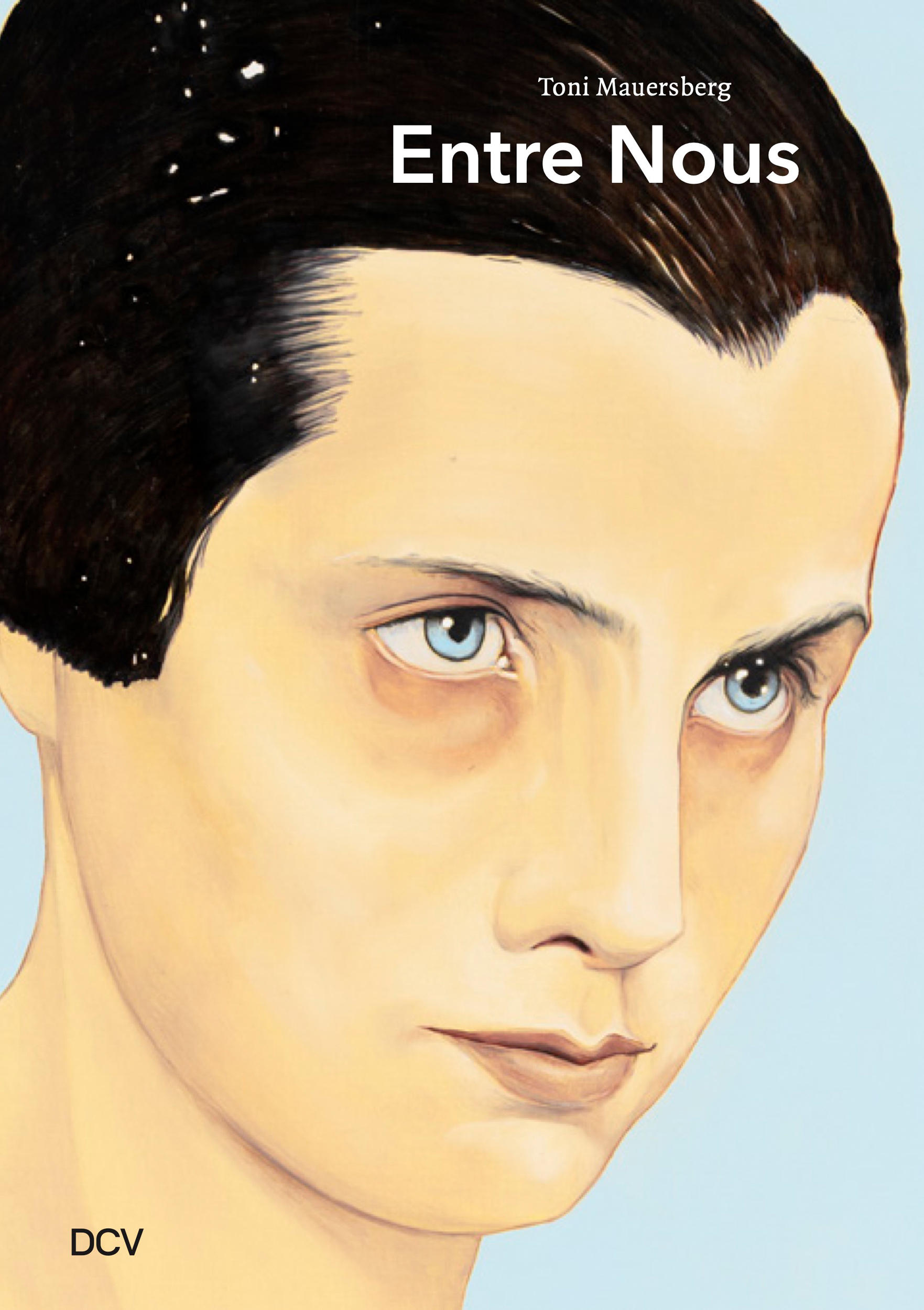
Entre Nous28€ Add to cartToni Mauersberg (b. Hannover, 1989; lives and works in Berlin) is interested in the different layers of a picture’s signification: there is, in the first instance, what it depicts; then the larger tradition in which it is grounded; and finally, the conditions of its genesis. She employs a range of painterly strategies and techniques to uncover the potentials of paintings as a medium of understanding, insight, and storytelling. The question that animates her art is how it is possible, in this post-religious, post-rational, and post-individual age, to be one’s own person. In her most recent series, Pas de Deux, Mauersberg investigates the complex visual language of abstract painting, which originated in part in a quest for new ways of representing spirituality and emancipation. Combining nonrepresentational pictures with portraits, she draws attention to how both are products of “making,” composed of nothing but color, while enlarging their interpretative ambits. The dialogue between the paintings is meant to help the beholders chart their own course as they unlock what appear to be hidden laws encoded in pictures.
Toni Mauersberg studied Jewish studies at Freie Universität Berlin in 2008–2012 and fine arts with Leiko Ikemura at the Berlin University of the Arts from 2009. In 2017, she was Michael Müller’s master student.
-

Ohne Schlüssel und Schloss
Chancen und Risiken von Big Data19,90€ Add to cartVon Kunsthandwerk zu digitaler Verschlüsselung
An jeder Haustür ziehen wir Grenzen, wir schließen auf und schließen ab. Und noch in jüngster Vergangenheit war eindeutig, was als Verschlusssache galt. Ganz anders stellt sich diese Frage im IT-Zeitalter. Ausgehend von der kunsthandwerklichen Sammlung des Museum Pfalzgalerie Kaiserslautern wird deutlich, wie in früheren Jahrhunderten über mechanisch und symbolisch aufwendig gestaltete Schlösser, Schränke oder auch Reliquienbehältnisse Distanzen austariert wurden. Sie alle sind sichtbares Vehikel für die bewusste Wahrnehmung von innen und außen, zugehörig und ausgegrenzt, wissend und unwissend oder öffentlich und privat. Für Big Data gilt dies in keiner Weise mehr. Beim Digitalen werden Serviceleistungen mit Datenerhebungen verbunden, deren weiteren Einsatzbereiche wir weder unmittelbar verstehen noch überblicken können. Historische, technologische und philosophische Überlegungen bieten wichtige Beträge zur aktuellen Debatte und Einschätzung der Risiken und Chancen von Big Data.
-

Erich Hörtnagl
to be a man38€ Add to cart“A photograph is a secret about a secret. The more it tells you, the less you know.” The witty remark, attributed to Diane Arbus, succinctly captures the twofold code at work in Erich Hörtnagl’s (b. Innsbruck, 1950) pictures. Aesthetically appealing photographs, mostly in black and white, show men (and women) in a wide variety of cultural, social, and religious contexts: from Swedish bikers and drag queens to monks in Myanmar, from Turkish belly dancers to Tyrolean performers in traditional attire. What looks at first glance like a conventional photobook soon reveals itself to be a brilliantly staged interactive riddle around clichéd notions of masculinity with positive and negative connotations, around gender roles and persistent stereotypes. With the deftly composed visual meta-narrative in to be a man, Hörtnagl, a seasoned theater and film director, lures us into a trap, and the only way out is by taking the challenge head-on: by engaging in self-reflection and questioning our own prejudices and ideas.
-
Ann Wolff
Observations and Reflections44€ Add to cart“Art is coming from my inside. I am working as its servant.—I let it out not thinking too much—using my hands and gesture—choosing a material to put it on place. I do not use the art. It is using me.“
Ann Wolff (b. Lübeck, 1937; lives and works in Visby and Kyllaj, Sweden) has ranked among the most significant and most influential glass artists on the international scene for over five decades. Yet she has also worked in bronze, aluminum, nickel silver, and concrete, creating abstract as well as figurative sculptures, and produced a sizable oeuvre on paper: pastels, drawings, and fine art prints. Ann Wolff enrolled at the legendary Ulm School of Design in the 1950s to study visual communication with Otl Aicher. From 1993 until 1998, she was professor of “materials-related design” at the University of Fine Arts (HFBK) in Hamburg. Her works, which have garnered an array of prizes, have been shown in numerous solo exhibitions and are held by renowned public and private collections all over the world.
-

Räume hautnah (GERMAN)
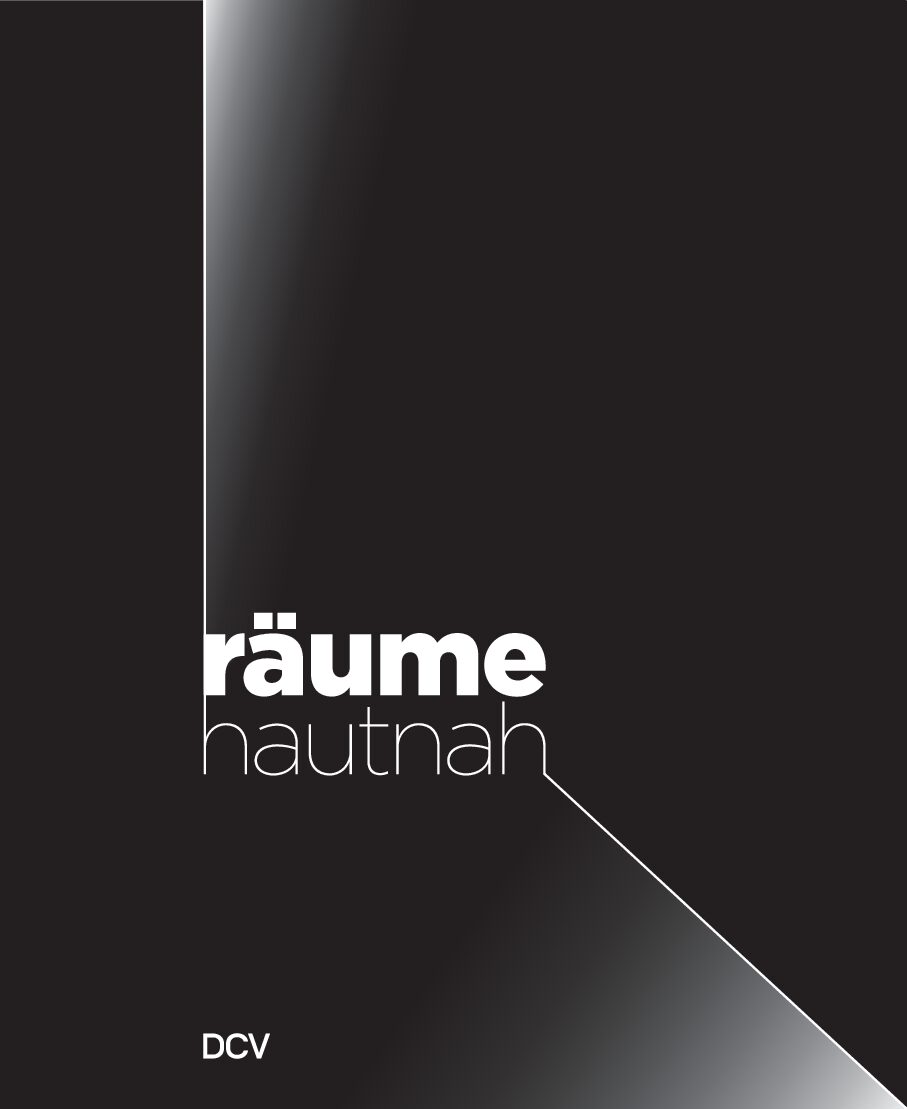
Draiflessen Collection32€ Add to cartWe live in spaces that we shape in accordance with our own ideas. Our everyday lives leave traces in them that speak to our habits. Spaces promise shelter and belonging, but they can also instill a sense of constraint. We grow into the spaces we inhabit—and they in turn become expressions of our personalities. Conversely, spaces, depending on their architecture and location, inform our existence. RÄUME HAUTNAH gathers works of art that, rather than conceiving of the human sphere and the spatial domain as separate, comprehend them in their complex entanglements: in bodily experience, emotional dependency, or the instinctive need for protection. An essay by Olesja Nein, the project’s curator, offers an introduction to the exhibition and takes the reader on a tour, describing each artist’s space of activity and supplying helpful information. Philipp Zitzlsperger, meanwhile, zooms in on a key aspect of the art in the exhibition, the imprint as an artistic technique with a distinctive aura, and illuminates its origins and significance since the dawn of modernism.
Artists: Absalon, Shannon Bool, Heidi Bucher, Eileen Gray, Do Ho Suh, Mary Mattingly, Tracey Snelling, Francesca Woodman
-

Alexandru Chira
42€ Add to cartAlexandru Chira’s (b. Tăușeni, Romania, 1947; d. Bucharest, 2011) oeuvre systematically and comprehensively maps a fictional field of research. His paintings, drawings, and objects, whose individual elements recall switches, screens, keyboards, and levers, were designed to “bring rain and rainbows,” to promote prosperity and prevent floods. Working in his art laboratory, Chira resembled a farmer tilling his field. He sowed symbols across his paintings, sometimes transplanted them to create new semiotic interconnections, then reaped them and stored up his harvest in painted machines of varying shapes and dimensions. In the 1990s—by then Chira held a professorship and was a widely recognized artist—he fulfilled a lifelong dream by building the “Tăușeni Ensemble,” the largest monument single-handedly created by one man in Transylvania. Much of his oeuvre accordingly consists of sketches and elaborations relating to the monument. In the course of his decades-long fascination with an agrarian aesthetic, architecture, design, astronomy, history, magic, ufology, mysticism, shamanism, and theosophy fused, yielding a kind of practical knowledge as well as spiritual speculations sustaining his endeavor.
The extensive monograph with more than 750 illustrations surveys Alexandru Chira’s output of four decades and synthesizes years of research undertaken at the National Museum of Contemporary Art in Bucharest. It contains numerous transcriptions of textual parentheses, legends, and instructions on how to decode the works and poetic fragments embedded in Chira’s pictures.
-

Maxim Gunga
10€ Add to cartThe painter Maxim Gunga is utterly unafraid of physicality. His canvas is a riot of oil paints huddling up against one another, fusing like the beasts, the humans, and the urban landscape of Berlin that serve him as motifs. Body and soul, animal nature and architecture, the profane and the sacred, subculture and mass culture—everything interpenetrates in Gunga’s paintings in large formats, melded into hybrid bodies. The result is an ecstatic intimacy, a flowing of colors and more or less abstracted dynamic forms toward their primal state, toward the matrix, toward pure energy: eternal transformation. It makes sense, then, that his pictures also amalgamate diverse styles and periods in the history of painting. He borrows from (Neo-)Expressionism, from Art Brut, from Baselitz, Lüpertz, the Neue Wilde, from modernism and Fauvism, from van Gogh and Matisse. His pinpoint brushwork, which reveals his extensive training, interweaves art history with our contemporary lifeworld and our affects. All the specters of the past and the present come to meet us in the pictures gathered in this catalogue, in a frenzy of the senses, in the primordial soup of Berlin, into which we dive with joyful abandon.
-

Winston Roeth
Speed of Light32€ Add to cartColor Is Light
Intense monochrome areas of color, radiant pigments, and multifaceted surfaces are the characteristics of the art of Winston Roeth (b. Chicago, 1945; lives and works in Beacon, New York, and Waldoboro, Maine). He has devoted himself to abstract color field painting since the 1970s, with the grid as a leitmotif running through his oeuvre; both are fraught with painterly memories of light, “a light that can jump out and grasp the beholders, a color saturation that throbs with a deep glow,” as the artist himself puts it. It emanates from the strata of paint in his pictures, encountering the light that, falling upon his works, molds their chromatic effect. Roeth experiments with pure pigments, which he mixes by hand to make paints he applies in layers to diverse media including paper, aluminum, honeycomb, slate, and wood panels. The book documents a tour of an exhibition, presenting works dating from between the early 1990s and 2020.
-
Michelle Jezierski
Verge28€ Add to cartHow does a simple line become a horizon? When do we begin to see colors and shapes as a landscape? Michelle Jezierski’s painting homes in on the tipping point at which our perception begins to oscillate between color/surface and space/representation. At that very point, she captures the essence of the landscape as such, which is not a concrete place but a metaphor for inner states of affairs. To get there, Jezierski distills what she sees in her surroundings down to the elements of painting—shapes and colors—which just barely intimate a pictorial space while persistently drifting toward abstraction. The defining feature of her technique is that she layers several pictorial planes and spaces on the canvas in staggered arrangements. “Perpetually discovering new ways to unsettle the visual space,” as she puts it, she engenders ruptures and structures that open up multiple perspectives and a portal for reflection on one’s own perception. Above all, however, the cuts lend her pictures a peculiar rhythm that powerfully pulls in the gaze, making the reader paging through this catalogue forget time and space.
-
Nadira Husain
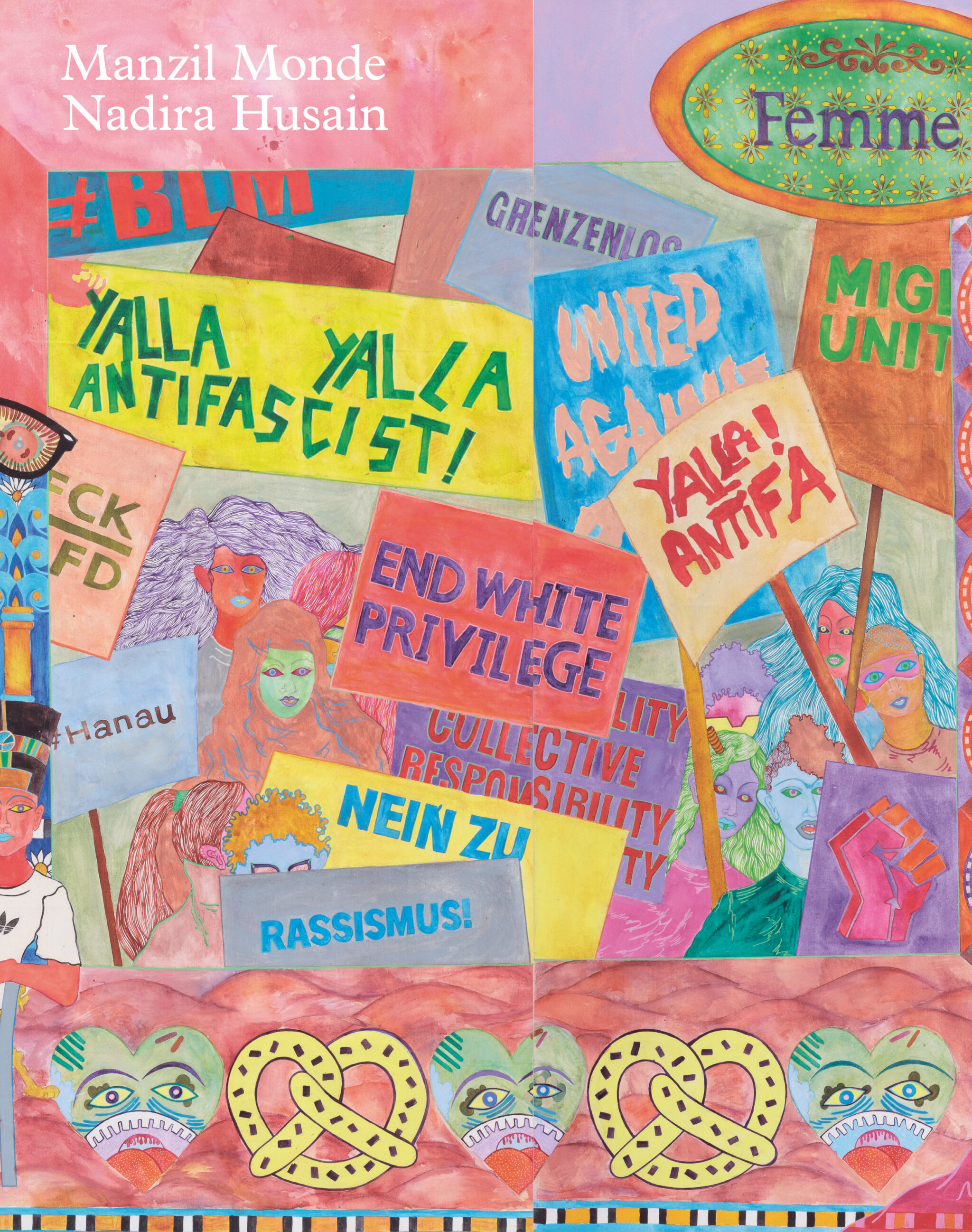
Manzil Monde30€ Add to cartNadira Husain’s (b. Paris, 1980; lives and works in Berlin, Paris, and Hyderabad) work combines figures, symbols, and ornaments from different cultures in complex imageries that reflect her own multicultural experience. To achieve a harmonious, though by no means placid, coexistence of all elements, the artist harnesses painting, drawing, printing processes, traditional artisan practices, and a range of materials including textile and ceramics, recognizing no hierarchy of media or genre. Hybridization and the translocation of motifs serve her to tease out similarities as well as divergences between myth and pop culture: the Indian deity, the cartoon character, and the fashion label appear as equals in the universe of her art.
The book contains several essays that explore Nadira Husain’s oeuvre as a significant contribution to the discourse around postmigration, transculturality, and feminism in contemporary art.
Nadira Husain studied at the École nationale supérieure des beaux-arts in Paris and the University of British Columbia in Vancouver. She is currently a visiting professor at the Berlin University of the Arts, where she co-teaches with the Belarusian artist Marina Naprushkina.
-

Larissa Kikol
SIGNED. Unterwegs mit der 1UP-Crew und Moses & Taps18€ Add to cartWho owns the city? It is a question to which graffiti artists and politicians have very different answers. 1UP and Moses & Taps are international stars of the scene, realizing radical creative concepts in spectacular actions. The art critic Larissa Kikol shadowed them on their nocturnal forays for three years and gathered her experiences in a book that has become a singular tribute to the graffiti scene. It lets us witness the genesis of the artists’ works on the knife’s edge between civil disobedience, criminal liability, and an irrepressible freedom. Traveling throughout Germany, Kikol records absorbing dialogues that reflect the contrast between different worlds: the legal and the illegal art worlds, painting and protest. Always on the hop and in danger of being discovered and arrested, she ventures beyond the bounds of permissible art, into subway tunnels, up on roofs, across switchyards. A portrait emerges of Germany and Berlin and the power relations that shape our society.
Larissa Kikol (b. 1986) works as a freelance art critic, art scholar, and writer. She writes for Die Zeit, Spiegel Online, Art, Kunstzeitung, Mare, Monopol Online, and Kunstforum International. In 2016, she won C/O Berlin’s international Talents award in the art criticism category. She teaches and lectures at art schools and universities in Germany and France.
Kikol studied stage design and dramaturgy in Berlin-Weißensee and obtained a Ph.D. in art studies from the Karlsruhe University of Arts and Design. She lives and works in Marseille and Cologne.
-

WORLD FRAMED
Zeitgenössische Zeichenkunst der Sammlung Schering Stiftung im Kupferstichkabinett38€ Add to cartIn 2008, the Schering Stiftung began acquiring outstanding contemporary works on paper for the Kupferstichkabinett (Museum of Prints and Drawings) in Berlin. The collection, which has since grown to 130 nonfigurative drawings and a small number of prints, emphasizes the close conjunction of art and science. The holdings also reflect central tendencies in the art of drawing: in addition to exploring the line and its multifaceted formulation, artists shed light on the bounds of their medium and its expansions and undertake forays into inter-media art within drawing. The lavishly designed publication WORLD FRAME—the title is borrowed from a work by the artist Matt Mullican—presents the works acquired thanks to this partnership. It inquires into how artists translate their perceptions of their world into pictures and which contexts and discourses inform those pictures. Which perspectives, which ideas frame the segment of reality an artist observes?
“World Framed,” exhibition, Kupferstichkabinett, Staatliche Museen zu Berlin, July 7–October 8, 2023
-

Bottrop, Breunig, Schröder
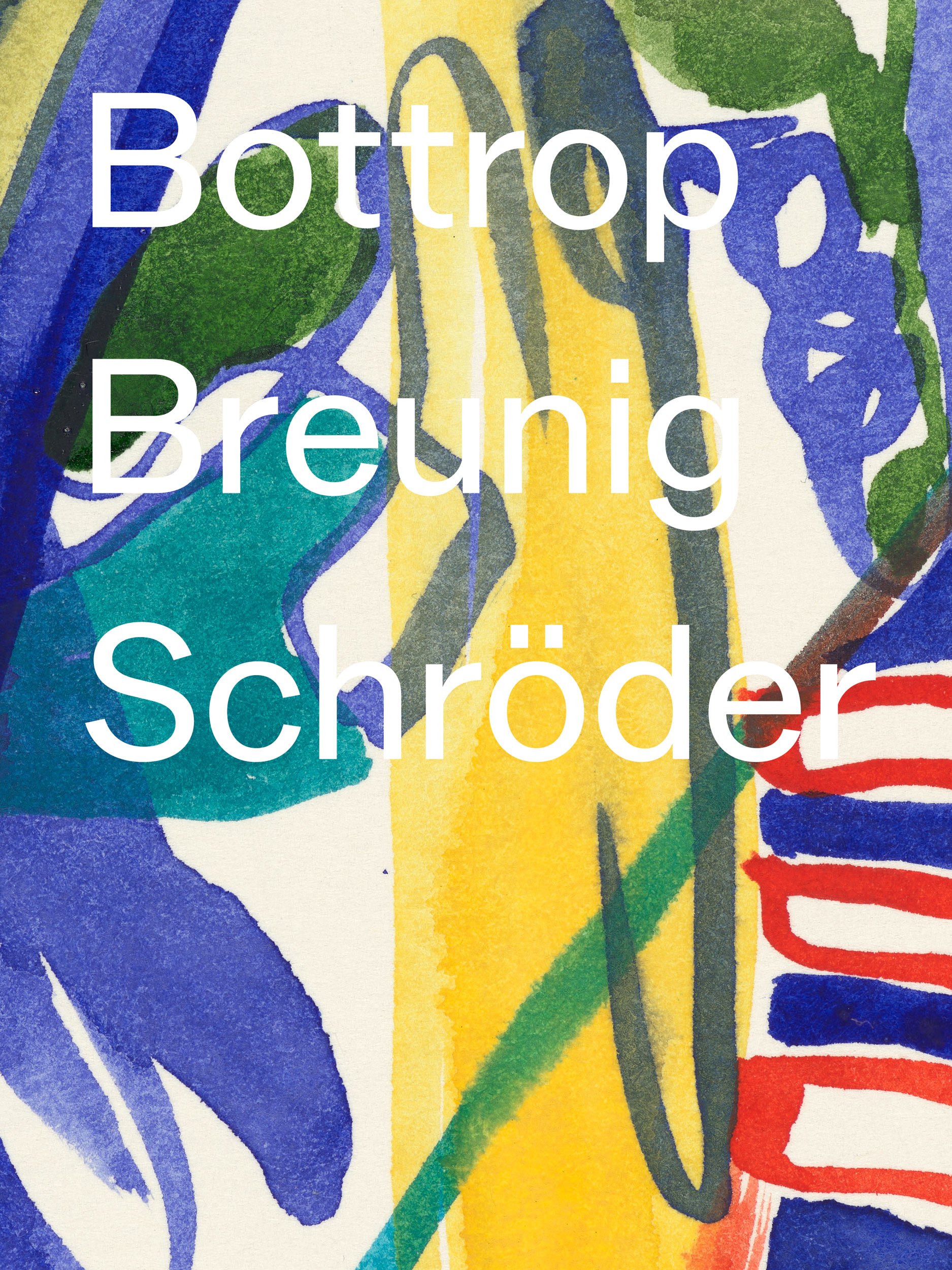
20:1528€ Add to cartRapidly growing floods of images and artificial intelligence have made art almost inevitably into a commentary on the illusion of actuality. Three painters—Jana Schröder, Peppi Bottrop und Andreas Breunig—present drawings in the Gesellschaft für Gegenwartskunst in Augsburg. 20:15 is the title of the exhibition and this accompanying book. All three artists have studied with Albert Oehlen at the Kunstakademie Düsseldorf and share a philosophical approach to painting. “Our painting is a response to the given conditions of pictoriality. We are here to deconstruct and question what images really are.” (Schröder) The art historian Christian Malycha interviews the three artists, together regarding the exhibition concept, and individually about the evolution of their works. The conversations in this book, which are supplemented by reproductions of all exhibited drawings, provide illuminating glimpses into the ongoing discourse about painting’s relevance.
-
Felix Schramm
Things To Come44€ Add to cartFelix Schramm’s (b. Hamburg, 1970; lives and works in Düsseldorf) sculptural oeuvre reflects a probing engagement with space and the body. In works in a variety of media, including installations that intervene into a given setting, sculptures, and collages, the artist creates three-dimensional forms out of classical materials and industrial staples as well as detritus and dust. Deformations, rifts, cracks, or impurities undermine the existing order in his constructed formal ensembles, allowing novel correspondences in space and interconnections across time to emerge. The material and its subjection to form are held in a precarious balance; disintegration, which is an integral element of Schramm’s art, paves the way for artistic assertion and reformulation. The extensive publication gathers works and exhibitions of the past five years. It is Schramm’s first monograph, presenting a cross-section of his entire oeuvre with all bodies of work.
Felix Schramm studied at the Accademia di Belle Arti, Florence, from 1991 until 1993 and at the Academy of Fine Arts Düsseldorf, where he was in Jannis Kounellis’s master class, from 1994 until 1998. He rounded out his education with residencies in Tokyo in 2000 and at Villa Massimo in Rome in 2008.