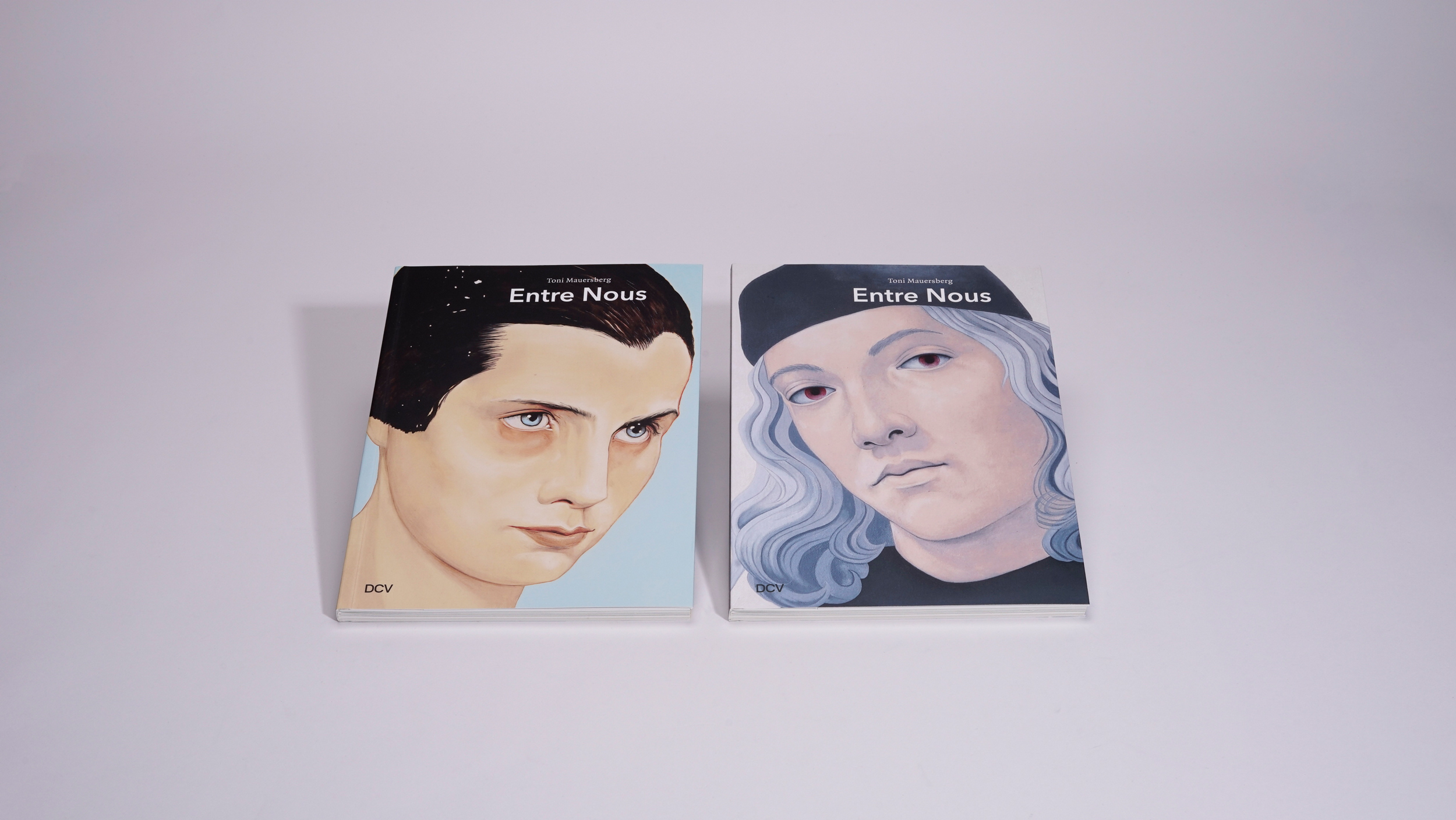
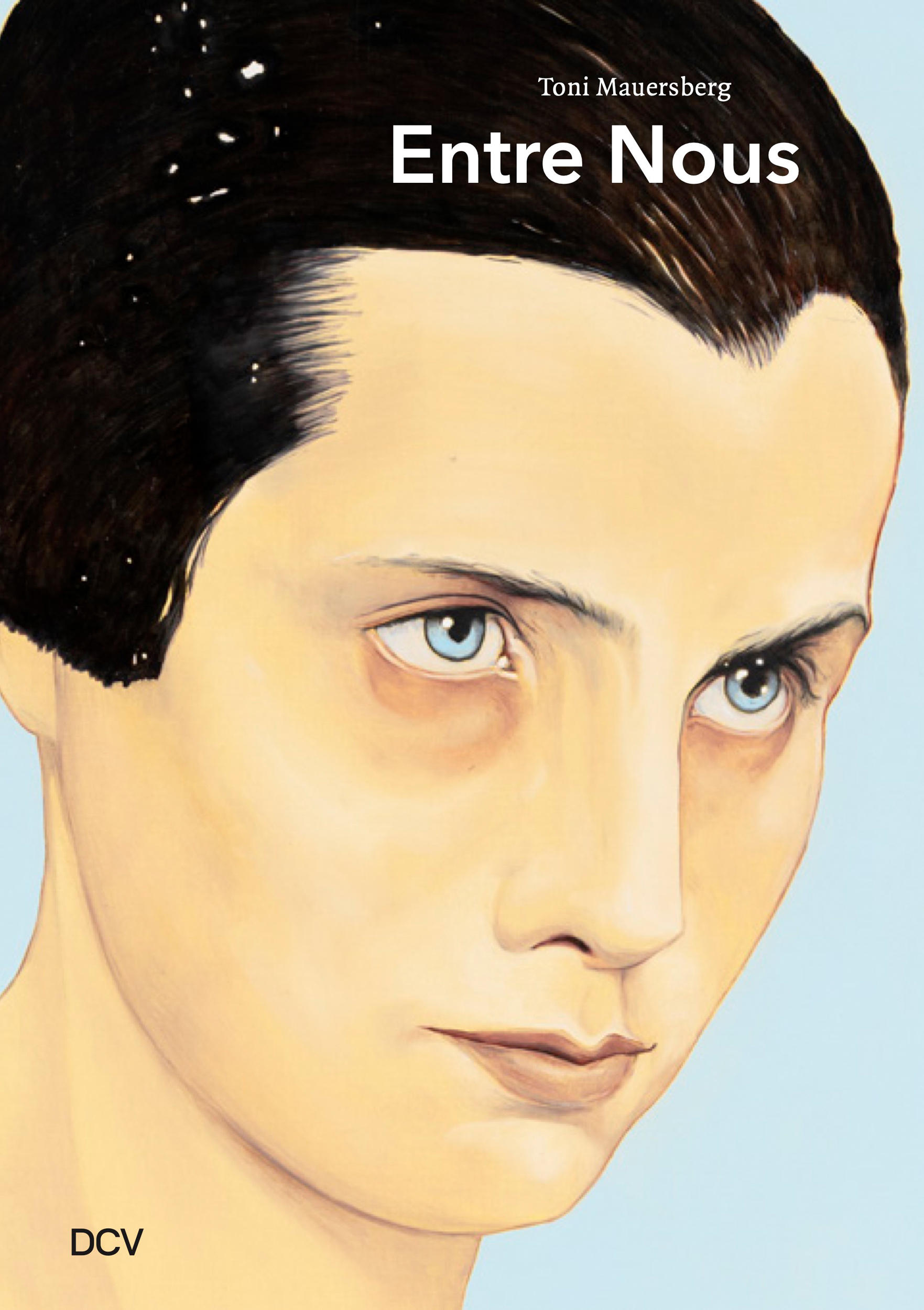
Toni Mauersberg
Entre Nous
 | |
|---|---|
| Author(s) | Arno Orzessek, Denise Koller, Toni Mauersberg, Vera de Vries |
| Design | Rolf Eusterschulte, Berlin |
| Size | 17 x 24 cm |
| Cover | Softcover with flaps |
| Pages | 96 |
| Illustrations | 48 |
| Language(s) | German, English |
| ISBN | 978-3-96912-166-5 |
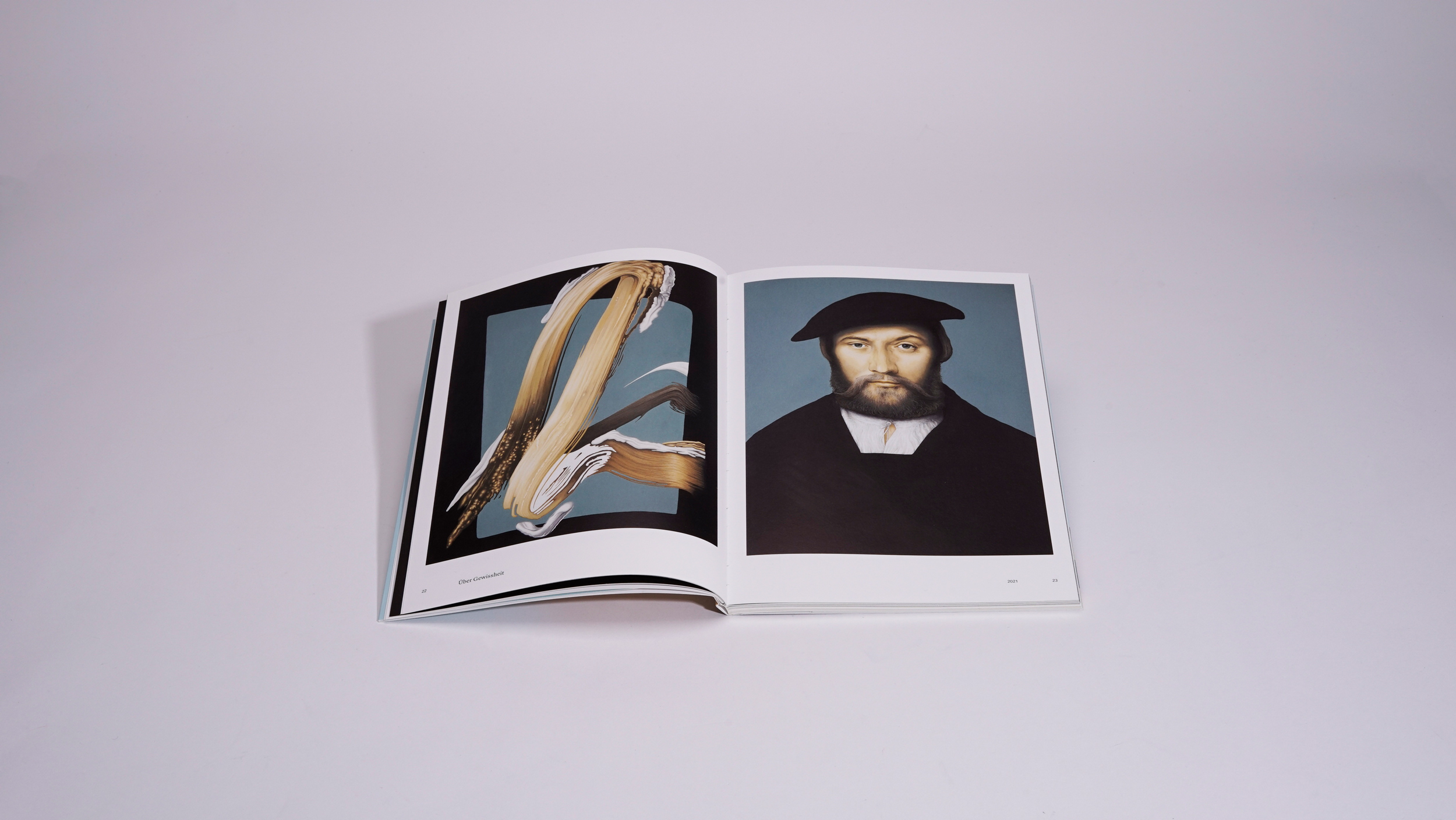
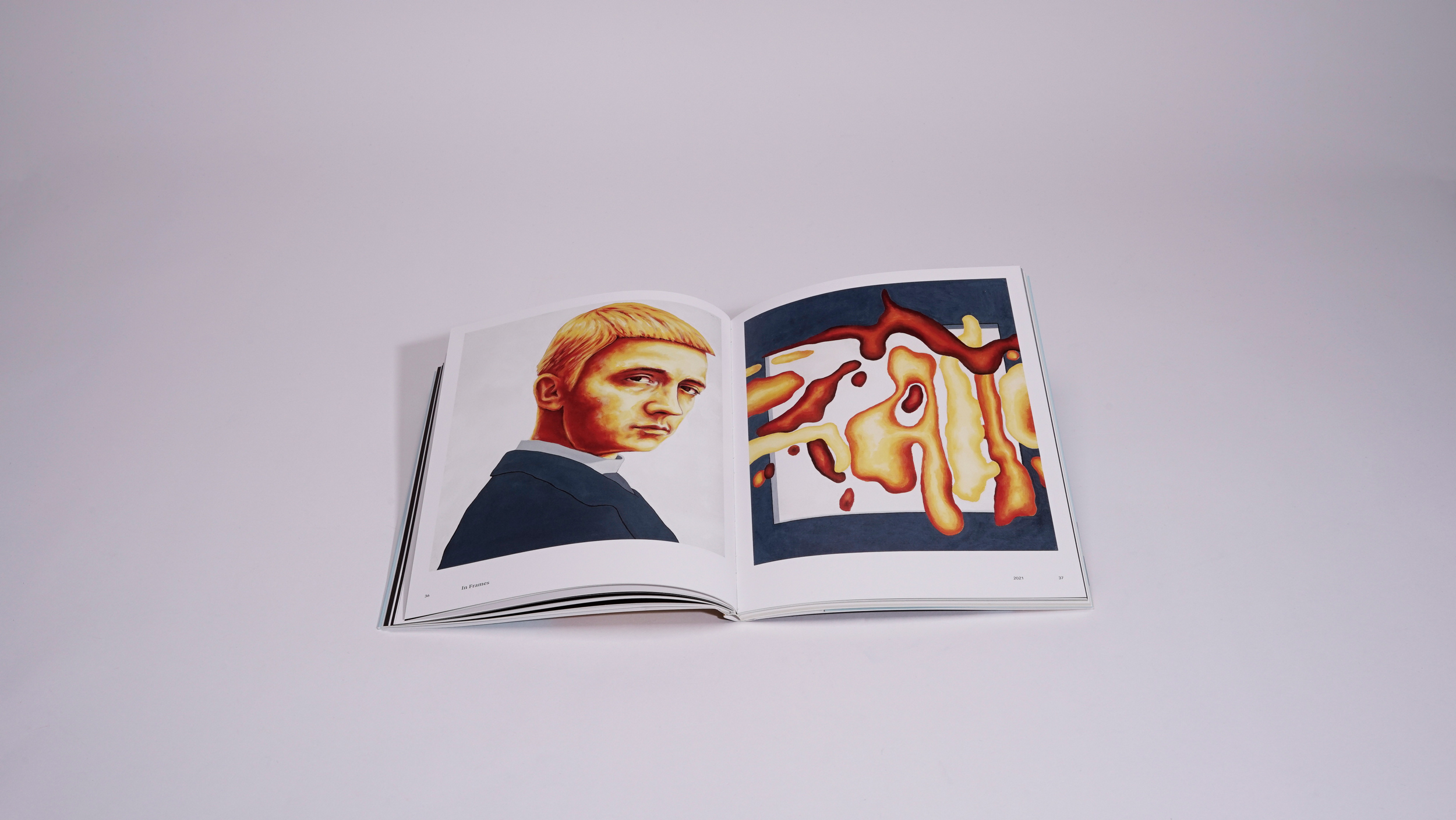
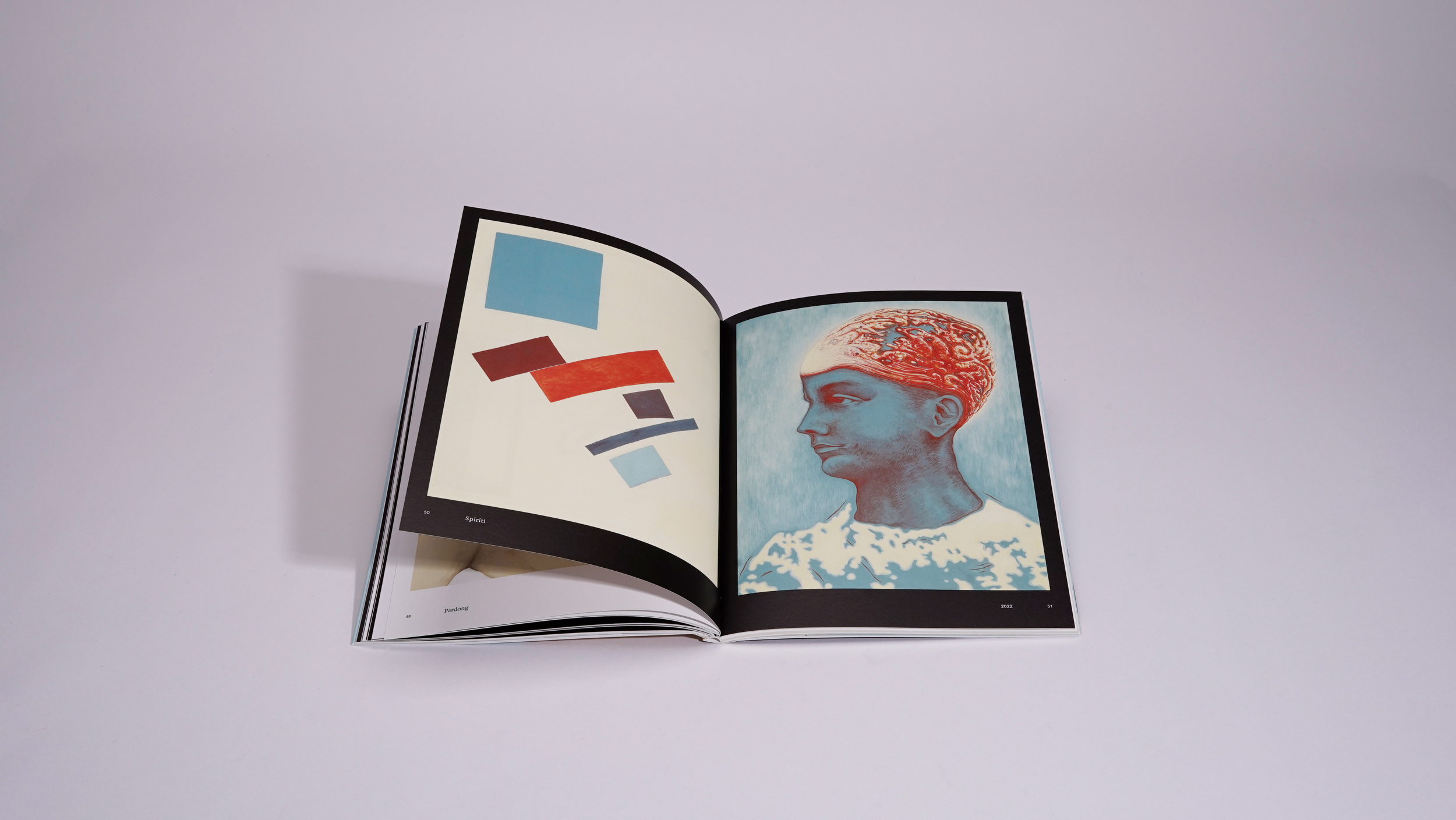
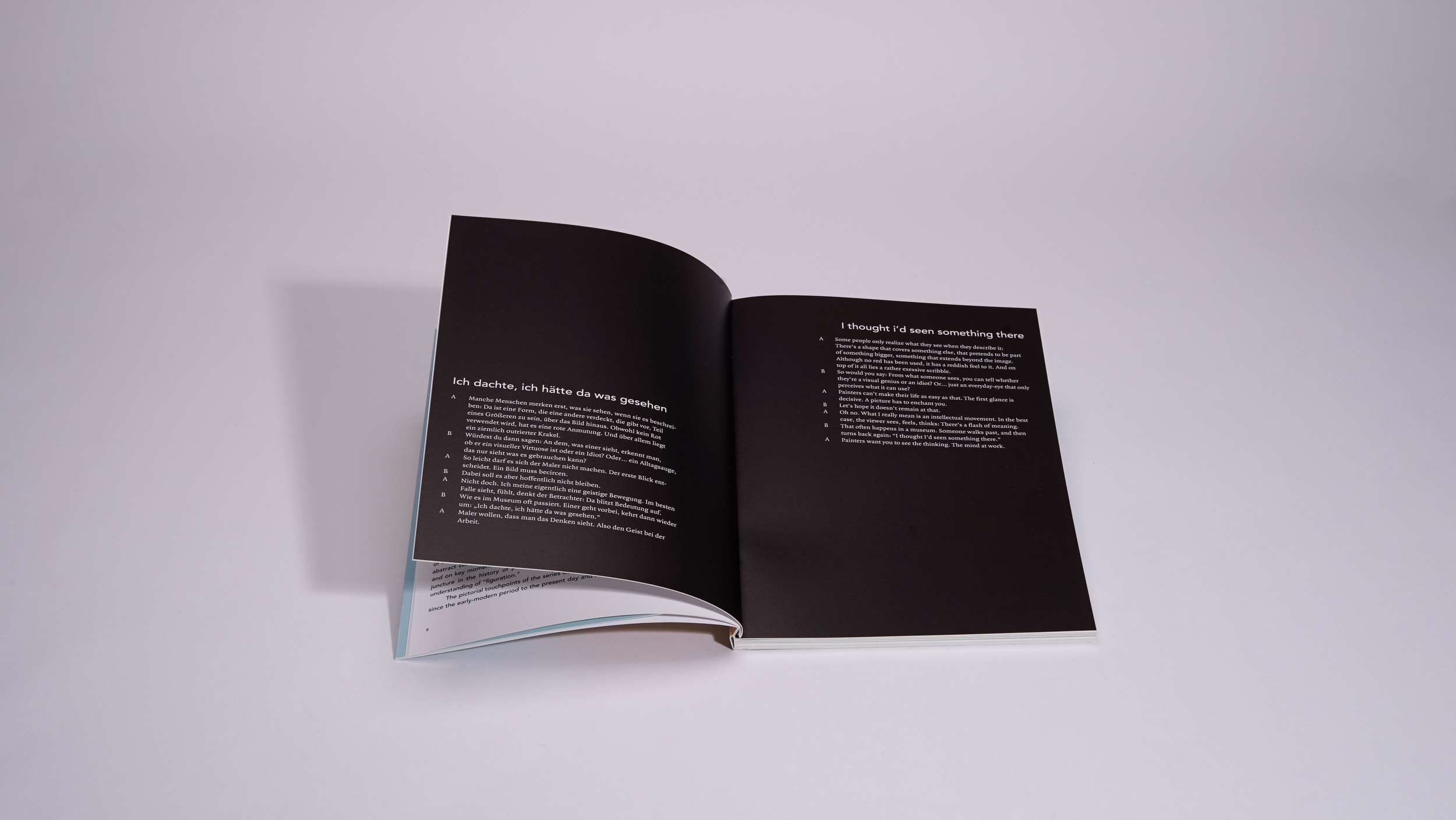
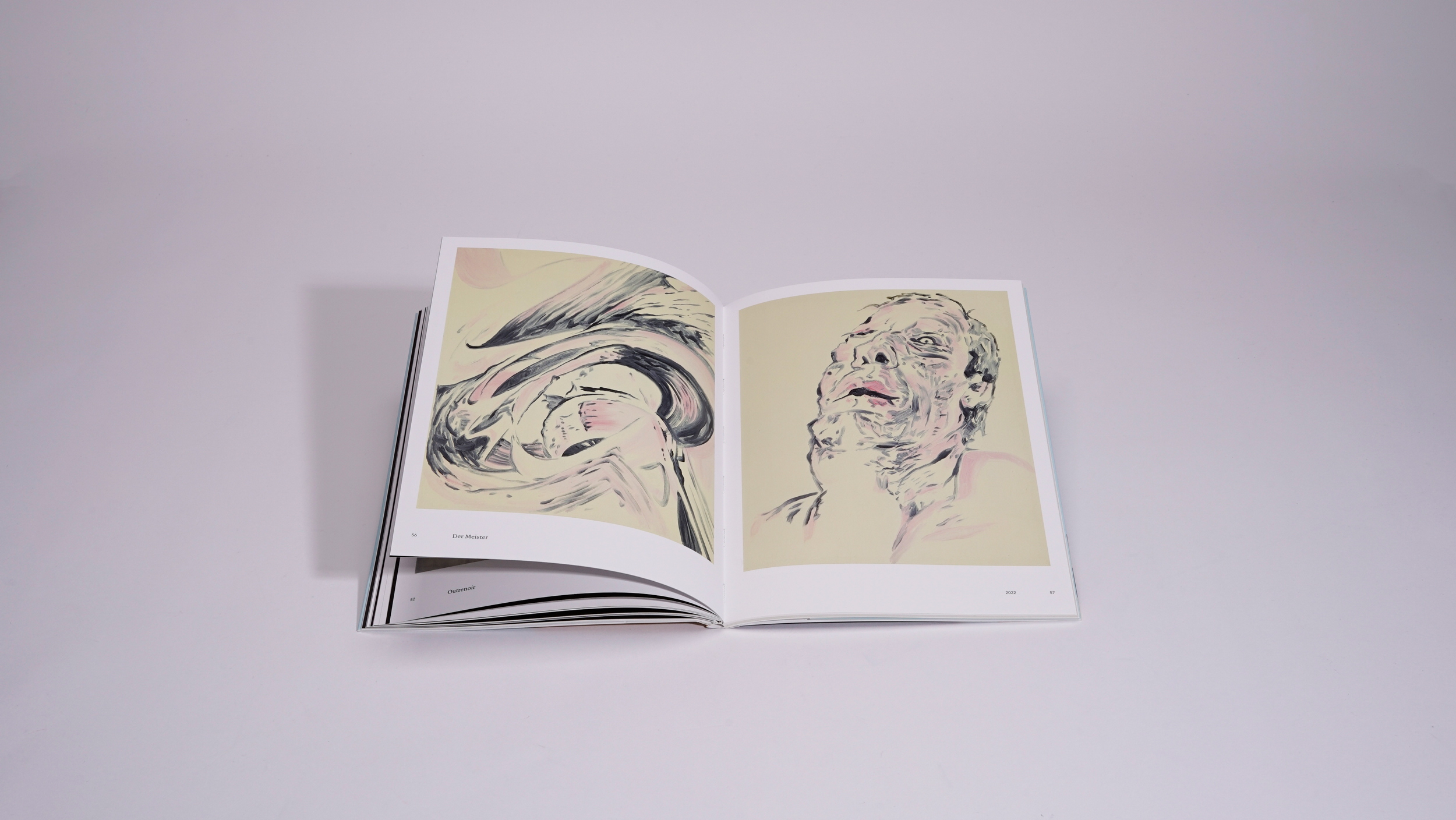
Toni Mauersberg (b. Hannover, 1989; lives and works in Berlin) is interested in the different layers of a picture’s signification: there is, in the first instance, what it depicts; then the larger tradition in which it is grounded; and finally, the conditions of its genesis. She employs a range of painterly strategies and techniques to uncover the potentials of paintings as a medium of understanding, insight, and storytelling. The question that animates her art is how it is possible, in this post-religious, post-rational, and post-individual age, to be one’s own person. In her most recent series, Pas de Deux, Mauersberg investigates the complex visual language of abstract painting, which originated in part in a quest for new ways of representing spirituality and emancipation. Combining nonrepresentational pictures with portraits, she draws attention to how both are products of “making,” composed of nothing but color, while enlarging their interpretative ambits. The dialogue between the paintings is meant to help the beholders chart their own course as they unlock what appear to be hidden laws encoded in pictures.
Toni Mauersberg studied Jewish studies at Freie Universität Berlin in 2008–2012 and fine arts with Leiko Ikemura at the Berlin University of the Arts from 2009. In 2017, she was Michael Müller’s master student.
More books
-

Wolfgang Gäfgen
Photographic Miracles45€ Add to cartA Mysterious Play of Light and Shadow
While Wolfgang Gäfgen’s (b. Hamburg, 1936; lives and works in Stuttgart and Esslingen) hand drawings and woodprints are widely acclaimed, only connoisseurs are familiar with his photographic oeuvre. The extensive body of analog black-and-white and color photographs spans the decades from the late 1960s to the present and is no less accomplished than the artist’s graphic works and prints. This book, with essays by Christian Gögger, Olivier Kaeppelin, Clemens Ottnad and Michel Poivert, is the first to gather a large selection of these pictures, illustrating the interdependencies between works in the different visual media of expression. Artfully arranged still lifes breathe a spectral animation into ostensibly trivial everyday objects. The human figures that appear now and then seem to be engaged in cultic performances; many of the photographic works are accompanied by ironic quotes from the earlier history of art or allusions to historic myths.
-

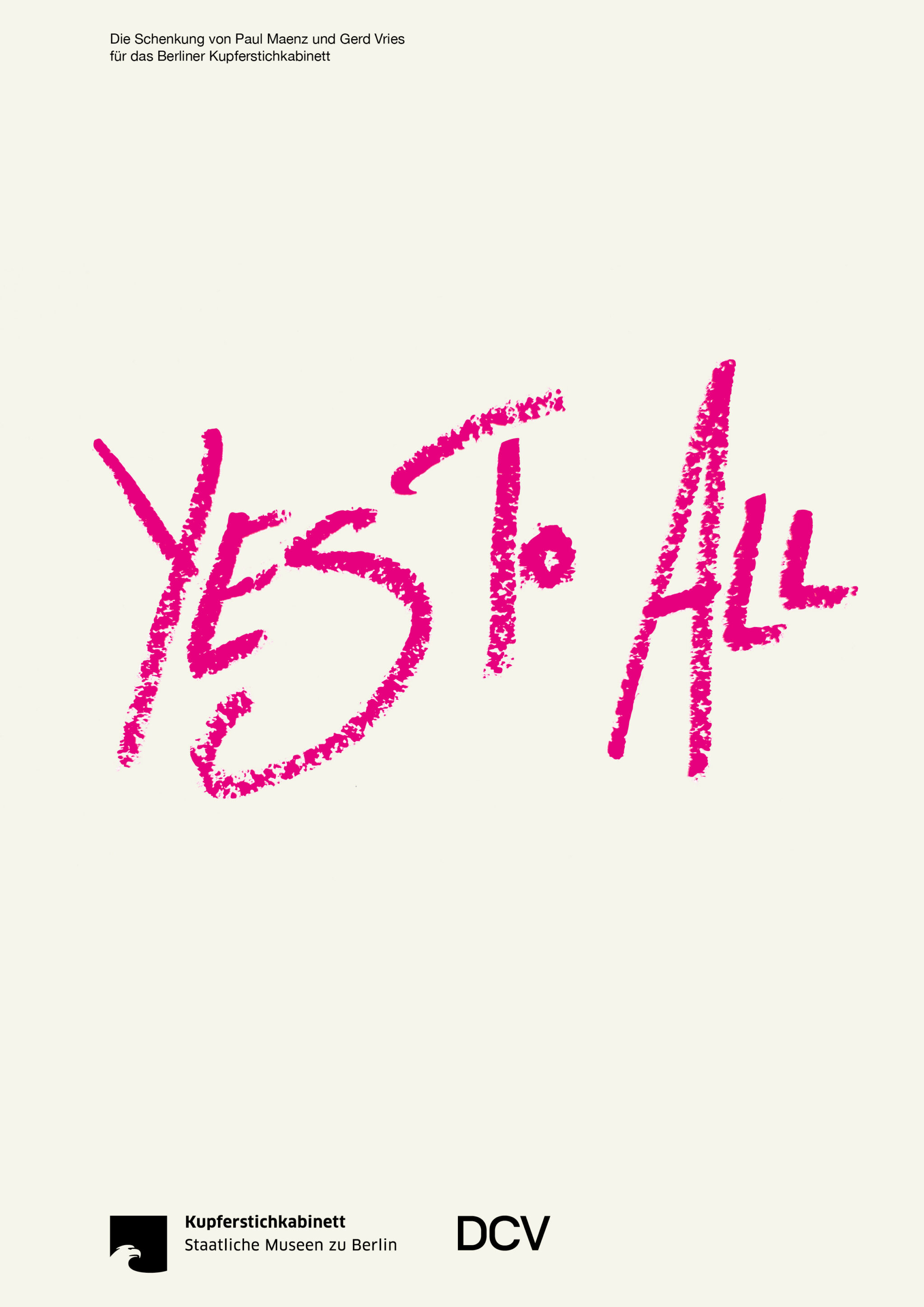
Yes To All
Die Schenkung Paul Maenz Gerd Vries42€ Add to cartThe catalog accompanying the exhibition YES TO ALL offers profound insight into a collection of over nine hundred works on paper—from postcards and drawings to photographs and posters—that was gifted to the Kupferstichkabinett in 2022, with subsequent additions over the years until 2025. The donors are Paul Maenz and Gerd de Vries, who ran a gallery for contemporary art in Cologne until 1990 and chaperoned the evolution of avant-garde art from the conceptualism of the late 1960s to the neo-expressive painting of the 1980s. The most recent works in the collection date from 2024. Several essays and a conversation with the donors invite the reader to experience the stylistic and thematic polyphony of Western art in the late twentieth and early twenty-first centuries in new ways.
-
Emmanuel Bornstein / Lotte Laserstein
Pensée20€ Add to cartHow do artists’ identities and the histories of their families influence their art? Where might a creative affinity sustained by a legacy of trauma take an artist? Lotte Laserstein (1898–1993) and Emmanuel Bornstein (b. 1986) are connected by such a bond, tied by Bornstein’s grandmother, a Résistance fighter and, like Lotte Laserstein, a Jew who survived the Nazis. Bornstein discovered Laserstein’s works by coincidence and without knowing of this connection, and he was fascinated right away: “It was actually what I’d been trying to make for years!” There are in fact parallels between their oeuvres—both feature people who are waiting and flower bouquets, and a melancholy aspect and a subtle menace can be felt in both. Yet there are also discrepancies, and the dialogue between their works would be far less inspiring without them: Bornstein’s omnipresent toxic cadmium, which contrasts with Laserstein’s muted tones; the paint application; the brushwork. What the artists have in common, in any case, is that Sweden became their abode in times of danger and painting, their only true home. This catalog celebrates their creative homecoming.
-
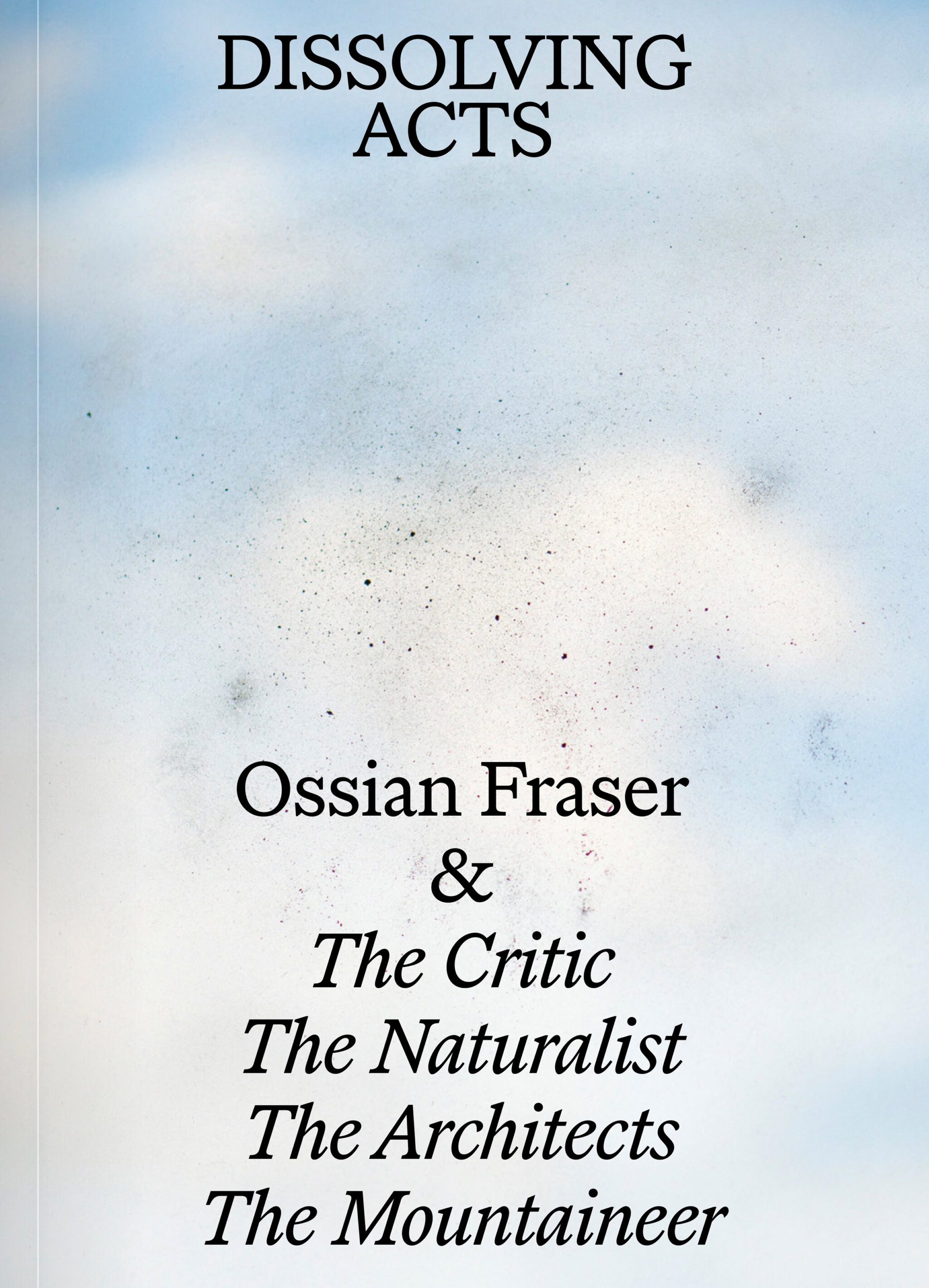
Ossian Fraser
DISSOLVING ACTS38€ Add to cartOssian Fraser (b. Edinburgh, 1983; lives in Munich and Berlin) molds and captures evanescent moments. Working with volatile materials such as water, dust, or light, the artist exposes the latent potentials of unremarkable situations in the urban fabric and natural scenes. A tunnel in a city, a rock face in the mountains become points of departure and elementary components of his site-specific interventions, which he records in photographs. The book is the first to offer comprehensive insight into Fraser’s artistic practice. Series of pictures showcasing his conceptual and poetic pieces alternate with conversations that not only demarcate the framework in which his art operates, but also touch on the great issues of our time.
Ossian Fraser studied fine arts and sculpture at the Alanus University of Arts and Social Sciences, Bonn, from 2006 until 2009 and at the Weißensee Kunsthochschule, Berlin, from 2009 until 2013, rounding out his education in Albrecht Schäfer’s master class in 2013–2014.
-
Tony Cragg
Points of View24€ Add to cartThe biomorphic and monumental sculptures of British sculptor Tony Cragg (born 1949, lives in Wuppertal) impress with their virtuosity and their dynamic appearance. They might even evoke movement, as if they are still becoming. Often exhibited outdoors, and in church or museum contexts, they blend into their surroundings like organic entities. Since the 1960s, Cragg’s search for sculptural form manifested through methods like layering and stacking existing materials, rearrangement, and assemblage. He now employs both traditional and new technologies and materials, yet his sculptures have to be seen in clear contrast to normative, repetitive industrial production. This book documents Cragg’s 2025 exhibition in the Anhaltische Gemäldegalerie Dessau.
-

Marion Anna Simon
Gemaltes Kaddisch14€ Add to cartAn artist paints the Kaddish
In roughly 330 self-portraits, Marion Anna Simon (b. 1972, Bitburg; lives and works in Cologne) dares to undertake an unusual transcription of Jewish prayer as a sign of mourning. On January 7, 2017, one day after the death of her mother, Marion Anna Simon began work on her painted Kaddish. What initially began as a very personal process of grieving quickly developed into an artistic concept: Roughly 330 painted and drawn self-portraits were created within eleven months—in daily notes, with acrylic and watercolor, pencil and ballpoint pen, oil crayon and pastel, on paper and canvas, wallpaper and cardboard, in lined exercise books and cheap notepads. Marion Anna Simon’s cycle explores her own face as a place of mourning and self-affirmation, documenting an artistic ritual beyond the Jewish prohibition of images and patriarchal attributions to sons in the tradition of the sanctification prayer for the memory of the dead.
-
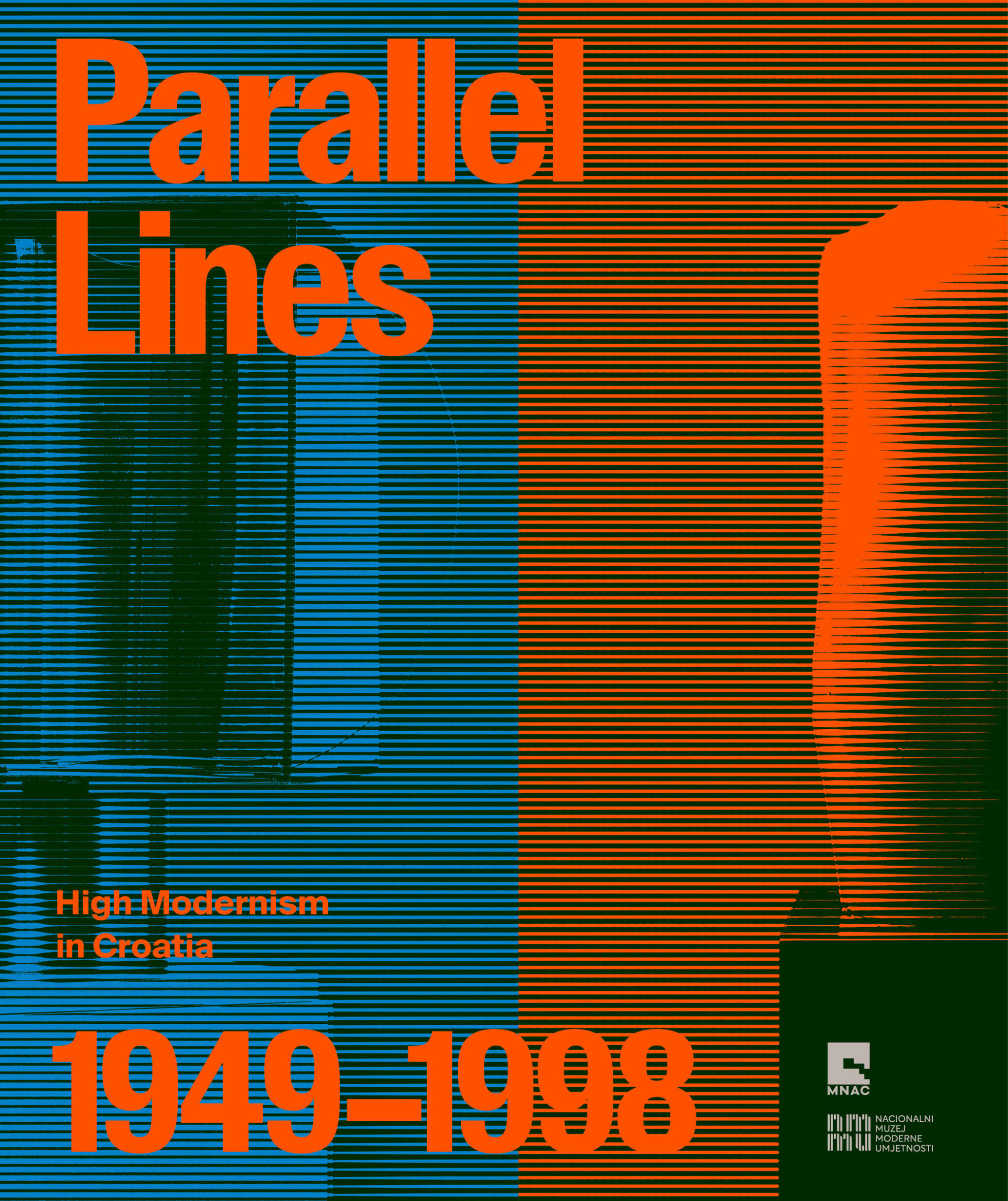
Parallel Lines
High Modernism in Croatia 1949–199836€ Add to cartParallel Lines. High Modernism in Croatia 1949–1998 documents an exhibition of the same name at Bucharest’s National Museum of Contemporary Art in 2025. Organized jointly with the National Museum of Modern Art in Zagreb, the show illuminates with 188 works the unique art scene after 1948’s Cominform resolution, which marked Yugoslavia’s break from Soviet influence. In the 1960s, Zagreb, with its “New Tendencies,” became a hub for artistic experimentation in response to the genre of socialist realist painting. Parallel Lines highlights the coexistence of institutionally supported and alternative art within Yugoslav “socialism with a human face.” Through public dialogues and debates, these parallel movements fostered a dynamic cultural landscape.
-

Alexandru Chira
42€ Add to cartAlexandru Chira’s (b. Tăușeni, Romania, 1947; d. Bucharest, 2011) oeuvre systematically and comprehensively maps a fictional field of research. His paintings, drawings, and objects, whose individual elements recall switches, screens, keyboards, and levers, were designed to “bring rain and rainbows,” to promote prosperity and prevent floods. Working in his art laboratory, Chira resembled a farmer tilling his field. He sowed symbols across his paintings, sometimes transplanted them to create new semiotic interconnections, then reaped them and stored up his harvest in painted machines of varying shapes and dimensions. In the 1990s—by then Chira held a professorship and was a widely recognized artist—he fulfilled a lifelong dream by building the “Tăușeni Ensemble,” the largest monument single-handedly created by one man in Transylvania. Much of his oeuvre accordingly consists of sketches and elaborations relating to the monument. In the course of his decades-long fascination with an agrarian aesthetic, architecture, design, astronomy, history, magic, ufology, mysticism, shamanism, and theosophy fused, yielding a kind of practical knowledge as well as spiritual speculations sustaining his endeavor.
The extensive monograph with more than 750 illustrations surveys Alexandru Chira’s output of four decades and synthesizes years of research undertaken at the National Museum of Contemporary Art in Bucharest. It contains numerous transcriptions of textual parentheses, legends, and instructions on how to decode the works and poetic fragments embedded in Chira’s pictures.
-

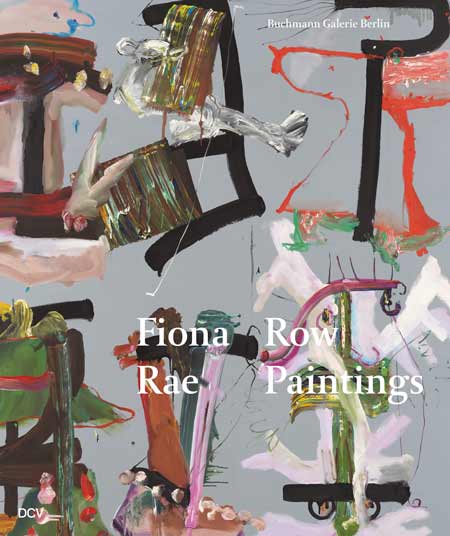
Fiona Rae
Row Paintings24€ Add to cartElements of Energy and Complexity
Fiona Rae’s (b. Hong Kong, 1963; lives and works in London) abstract paintings attracted the attention of broad audiences when she participated in the legendary exhibition Freeze at London’s Docklands in 1988. It put her on the map as an early member of the group known as Young British Artists, who would revolutionize not only the English art world. To this day, Rae’s distinctive creations, which are rooted in a conceptual engagement with the problems and potentials of abstract painting, have remained prominent and seminal contributions to the field. In 2011, she was appointed professor of painting at the Royal Academy, one of the first women to hold this position. The catalogue is the first to feature the most important pictures from this period: the Row Paintings. They mark the inception of the artist’s internationally acclaimed oeuvre. An essay by Terry R. Myers offers an appraisal of the Row Paintings’ significance in their historic context as well as the contemporary discourse of painting.
-

Dietmar Lutz
Ein Jahr40€ Add to cartDay by Day
For a full year, from August 2020 until August 2021, Dietmar Lutz (b. Ellwangen, 1968; lives and works in Düsseldorf) painted or drew a picture every day in which he rendered a scene or detail from his day-to-day life. All 365 works appear here in chronological sequence, either in reproductions or in photographs showing them in the setting in which they were created. Taken together, the series constitutes a radically subjective review of one year. The paintings capture memories, but although they invariably owe their existence to a particular situation, they do not necessarily frame it as a memorable event. The artist observes himself in his world and defines his role in it. Painting as a daily task seems to structure time rather than the other way around. Each picture opens up a new space in which the different facets of time manifest themselves to the senses.
Dietmar Lutz studied at the Düsseldorf Academy of Fine Arts and rose to renown with large-format paintings in which he portrays situations from ordinary life and weaves references to the histories of film and literature. Lutz is a cofounder of the German-British artists’ collective hobbypopMuseum, with which he has exhibited at the 1st Athens Biennale; Deitch Projects, New York; Tate Britain, London; and elsewhere.
-

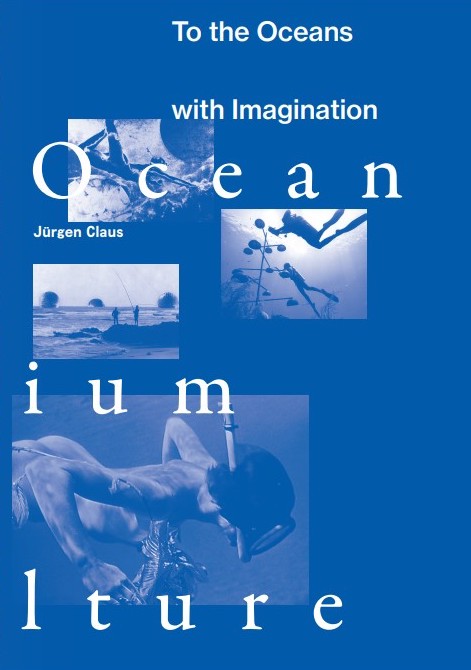
Jürgen Claus
To the Oceans with Imagination18€ Add to cartThe Sea as a Space of Artistic Experience
Jürgen Claus’s (b. 1935, Berlin; lives and works in Aachen and Baelen, Belgium) oeuvre encompasses paintings, films, light and solar installations, and underwater art. He is also a prolific writer on art, with theoretical works that have sold over 100,000 copies. “Jürgen Claus is the first one to see the ocean through an artist’s rather than a scientist’s lens,” Michel Ragon writes. In this book, Claus intertwines his experiences working on the fascinating underwater installations with a pressing contemporary concern: the global efforts to restore the seas to health. The publication combines visual art, architecture, poetry, and music for a multifaceted engagement with the world’s oceans.
Jürgen Claus majored in theater studies at the Universität München and was a research associate at the Massachusetts Institute of Technology (MIT) and professor of media art at the Kunsthochschule für Medien Köln, Cologne.
-

Jean-Marie Biwer
D’après nature42€ Add to cartPainterly Investigations of the Present
For over four decades, Jean-Marie Biwer (b. 1957, Dudelange, Luxembourg; lives and works in Basbellain, Luxembourg) has made art that records his fine-grained observations. Grappling with the grand themes of art history – the landscape, the human figure, the still life – Biwer consistently questions the role painting can play in a world shaped by a deluge of images and information. Responding to the omnipresence of the latter and reacting to the increasingly frantic pace of our lives, he creates paintings that allow the intensity of the present moment to unfold. The richly illustrated book gathers his most important works since 2005.
“These things are there, we just need to look at them. They are simple, but today they have the power to bring so much to people.”—Jean-Marie Biwer
Jean-Marie Biwer’s work has been shown throughout Europe and in 1993 he represented Luxembourg at the 45th Biennale di Venezia. His works can be found in the Musée National d’Histoire et d’Art Luxembourg, IKOB, Museum of Contemporary Art, Eupen, and Mudam Luxembourg – Musée d’Art Moderne Grand-Duc-Jean amongst others.
-

Membrane
38€ Add to cartMembrane documents an eponymous exhibition at the Neue Galerie Gladeck as well as the gallery’s architectural extension. The works of the 7 invited artists are engaged to explore skin in a broader sense—membrane also encompasses clothing, veiling, and masking from various cultural perspectives. Well-known portraits by Thomas Ruff, Shirin Neshat, and Cindy Sherman appear in a new light alongside Helena Parade Kim’s exploration of iconographic and ceremonial fashion codes, Daniel Buetti’s critique of the commercialized body, and Nicola Samorì’s exploration of skin in historical masterpieces. The membrane concept also inspired the exterior and interior surfaces of the new gallery building, and an interesting text by the architect reveals his approach.
Artists: Daniele Buetti, Sławomir Elsner, Shirin Neshat, Helena Parada Kim, Thomas Ruff, Nicola Samorì & Cindy Sherman
-

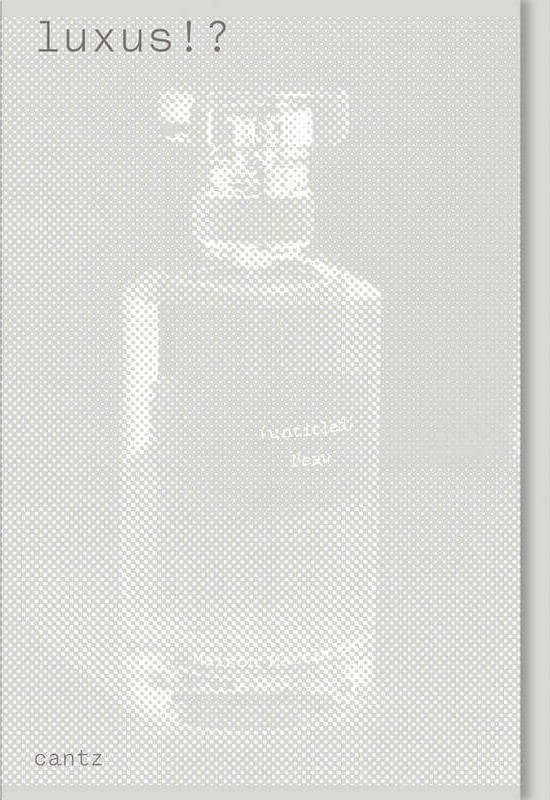
Luxus?!
34€ Read moreWhat is luxury today? How do designers perform the magic of transforming a utilitarian object into a must-have? Where does consumerism shade into obsession? When does more-is-more give way to less-is-more?
Luxury means breaking with convention, and this book showcases—and spawns—a cornucopia of ideas, products, and positions around luxury, featuring influential thinkers from the worlds of design, science, art, and society. The cultural theorists Wolfgang Ullrich and Lambert Wiesing exchange letters on the concept of luxury; Montblanc’s creative director Zaim Kamal lays out future strategies; the artist Jonathan Meese pens a gold manifesto; and Bazon Brock inquires into the asceticism of luxury. We live in a world full of things that resemble one another so closely that the only difference is how they are marketed. What might the precious objects of the future look like? The book presents examples from aspiring designers such as the fashion student Victoria Reize, whose collection counters luxury with arch defiance. Design, we learn, is not just about creating supreme values. Luxury is limitation and longevity, scarcity and refinement, yearning and sensuality.
With works by Assemble, Jake and Dinos Chapman, Daniel Chodowiecki, Kai Löffelbein, Jonathan Meese, Olaf Nicolai, Marcel Odenbach, Tobias Rehberger and Anna Skladmann.
-
Felix Schramm
Things To Come44€ Add to cartFelix Schramm’s (b. Hamburg, 1970; lives and works in Düsseldorf) sculptural oeuvre reflects a probing engagement with space and the body. In works in a variety of media, including installations that intervene into a given setting, sculptures, and collages, the artist creates three-dimensional forms out of classical materials and industrial staples as well as detritus and dust. Deformations, rifts, cracks, or impurities undermine the existing order in his constructed formal ensembles, allowing novel correspondences in space and interconnections across time to emerge. The material and its subjection to form are held in a precarious balance; disintegration, which is an integral element of Schramm’s art, paves the way for artistic assertion and reformulation. The extensive publication gathers works and exhibitions of the past five years. It is Schramm’s first monograph, presenting a cross-section of his entire oeuvre with all bodies of work.
Felix Schramm studied at the Accademia di Belle Arti, Florence, from 1991 until 1993 and at the Academy of Fine Arts Düsseldorf, where he was in Jannis Kounellis’s master class, from 1994 until 1998. He rounded out his education with residencies in Tokyo in 2000 and at Villa Massimo in Rome in 2008.
-

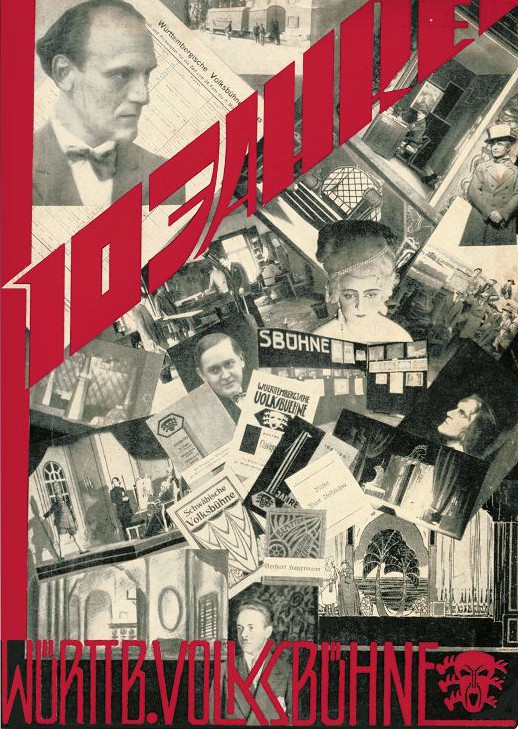
10 Jahre Württembergische Volksbühne
Reprint der Festschrift von 192915€ Add to cartCentennial Publication of the Württembergische Landesbühne Esslingen
In 2019, the Württembergische Landesbühne Esslingen (WLB)—one of the oldest regional theatres in Germany—is celebrating its 100th anniversary. On the occasion of this anniversary, the tenth commemorative publication by the Württembergische Volksbühne from 1929 is being reprinted. The unique document of the time visualizes in a special way the important role that the topics of cultural education and culture in rural areas, which are still relevant today, played in the young Weimar Republic immediately after the First World War. The brochure also documents both the mission and the daily work of the theater. In addition, the reprint is complemented by an essay from Joachim J. Halbekann, the principal of municipal archive of Esslingen, providing—for the first time in the history of the WLB—a comprehensive historical essay that examines the time betweeen 1919 and 1933/34.
-

Hans Karl Zeisel
Hundred and more34,95€ Read morePossibilities of concrete art
What is possible without turning away from the cocrete? In the Bauhaus tradition, the typographer, graphic artist, designer and author Hans Karl Zeisel opens up countless design options with basic forms. His wooden cuboids demand a humorous approach to sculpture. They are creativity training, study tools and meditation game all in once. A playful experiment that reveals the diversity of concrete art.
-

Kensise Anders
10€ Add to cartKensise Anders’s work grapples with the reality of Black people’s lives. Born in Haiti, she was adopted by a German family when she was two. After a difficult childhood, with stints in a psychiatric institution and a boarding school, she eventually found art as a medium that lets her work through her experiences. She uses the crochet needle to create masks with which she ironically appropriates white identities and play carpets that show the world of her childhood—apartment blocks, streets; the “hole,” as she calls this environment. She also arranges crocheted threads on the canvas as though they were brushstrokes. One series of pictures is dedicated to a Black doll; another, to naked female bodies, including the artist’s own, with references to Courbet’s L’Origine du monde (1866). The works are acts of resistance to the prudishness of whites. Black dolls became popular in this country during the colonial era and never quite went away, like the racism in our society and in our heads. Anders’s weapon against that racism is the crochet needle, which she wields patiently and with flair as well as the necessary radicalism.
-
Kraftwerk
Innovation durch Transformation34€ Add to cartThe power plant in Rottweil, built in 1915 by the architect Paul Bonatz, looks back on a rich and interesting history: until 1976, it provided power to a gunpowder factory and, later, to a rayon manufacturer and at times also to the city of Rottweil. The façade design, the imposing perron leading up to the main entrance, and the tall chimneys still stand as testament to the modernist industrial structure’s erstwhile significance. Twenty years after the plant was taken out of service, the entrepreneurs Thomas Wenger and Mike Wutta with their event agency trend factory took over the dilapidated building with the surrounding premises and restored it, taking care to preserve its architectonic elements and the most important technical installations. (In the course of fifteen years, around 60,000 square feet of floorspace were reopened, with a special emphasis on the distinctive blend of morbid charm and contemporary design.) The power plant now serves the company as its headquarters and, more importantly, as a cutting-edge venue for concerts, congresses, and corporate events that has attracted clients and visitors from all over Baden-Württemberg and beyond.
-

Michael Williams
New Paintings40€ Add to cartAwkward Uncertainty
Michael Williams (b. 1978, Doylestown, Pa.; lives and works in Los Angeles) makes work that interrogates the history of painting, often by dismantling its components into their constituent parts. His pictures employ form to reflect on the complexity and contradictions of modern life. He works on canvas, availing himself of a range of techniques including oil painting, collage, and inkjet prints. In his new works, Williams examines the relationship between painting and photography, transferring the chilly aloofness that is characteristic of the latter onto the former. The photographic “negative” yields a smooth canvas disencumbered of its painterly qualities and the medium’s historic ballast. The book includes several foldout plates that illustrate Williams’s creative approach, and a brief essay by his Austrian fellow painter Tobias Pils.
Michael Williams studied fine arts at Washington University, St. Louis, and has exhibited widely, including at the Wiener Secession, Vienna, and the Museum of Modern Art, New York.