Andreas Wegner
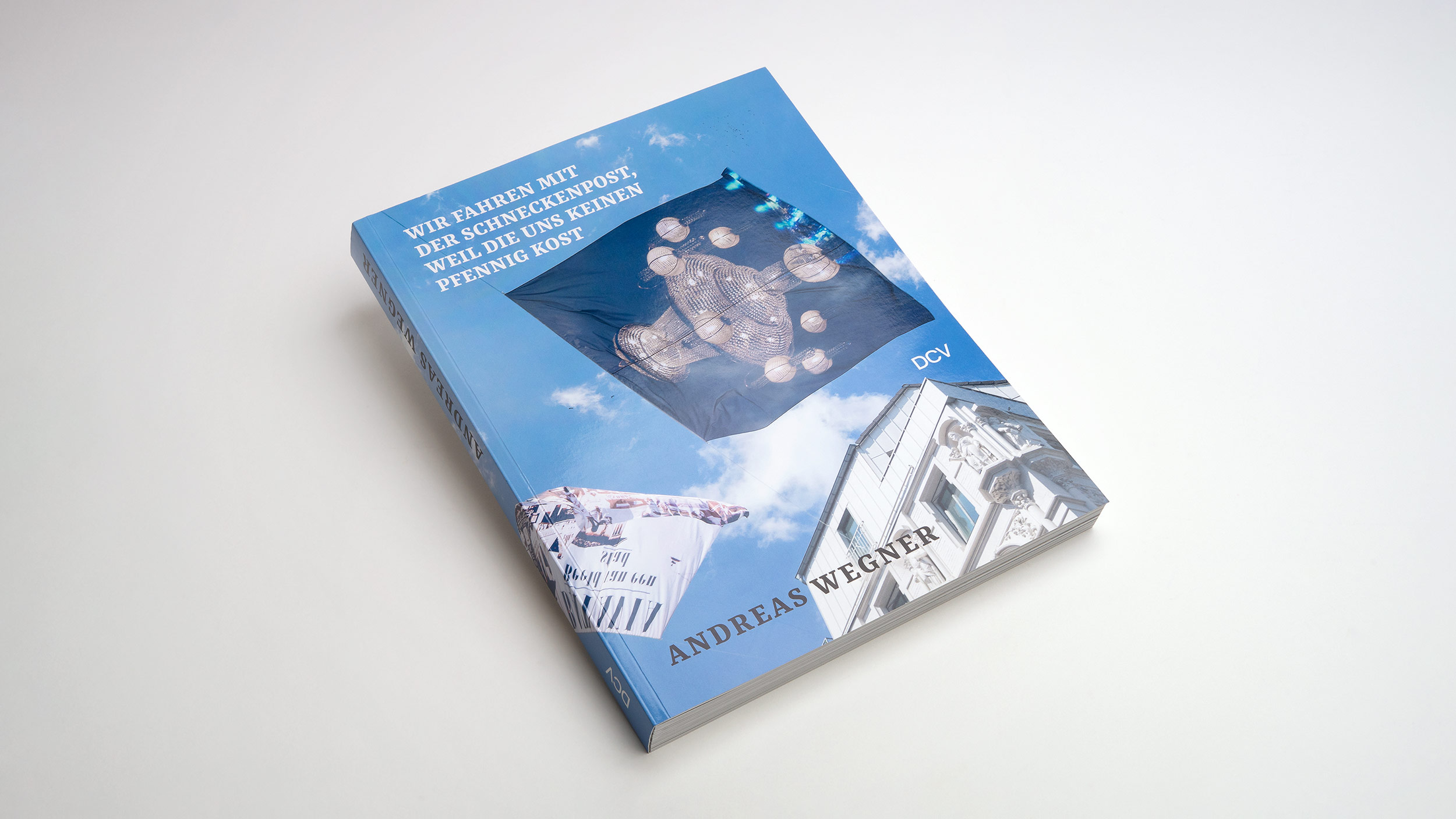
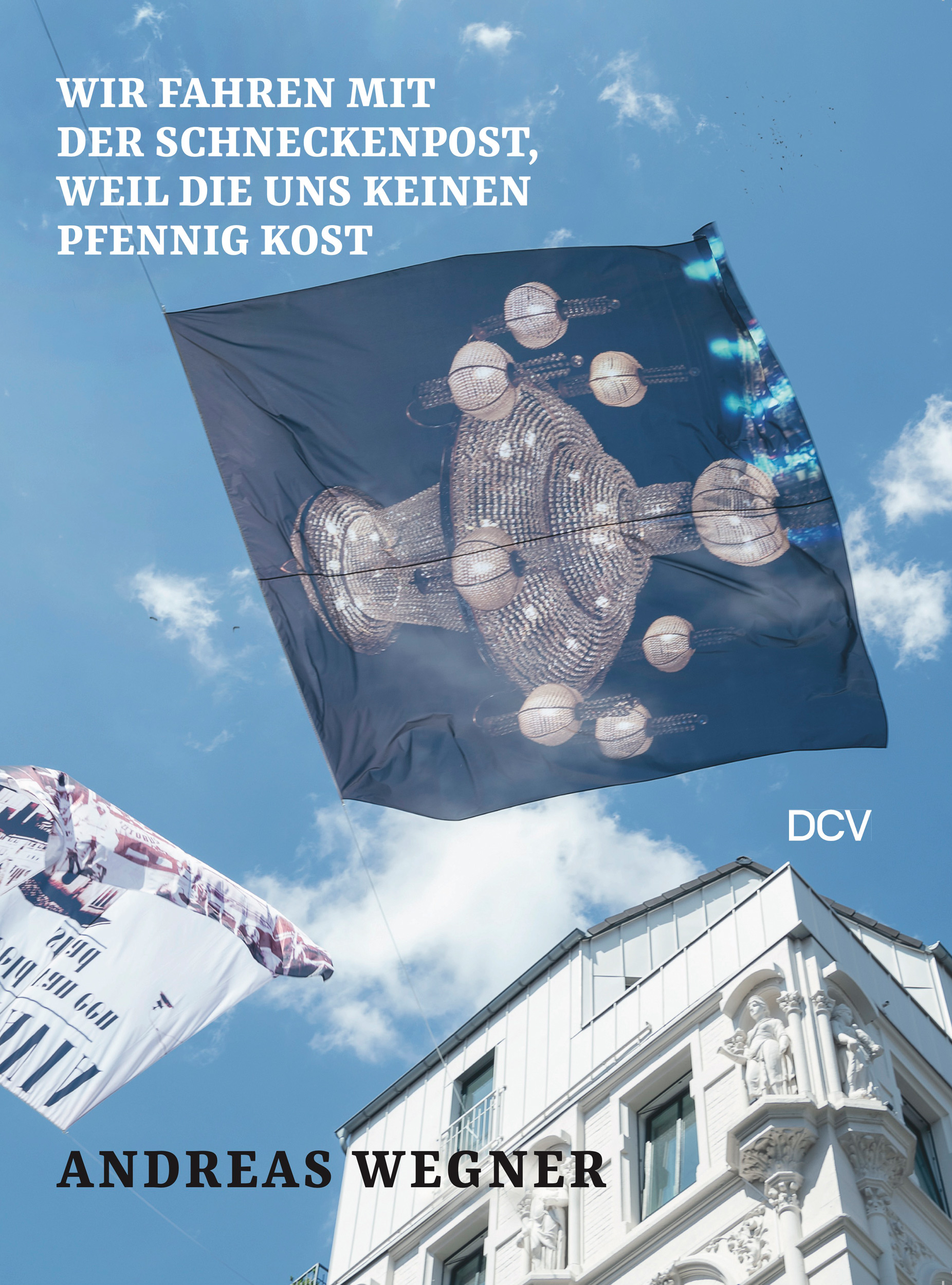
Wir fahren mit der Schneckenpost, weil die uns keinen Pfennig kost
 | |
|---|---|
| Author(s) | M. Ambach, M. Babias, J. Becker, B. Franzen, V. Fremlová, H. Fricke, R. Kersting, H. Loreck, J. Miller, M. Terkessidis, H. K. Ventura, P. Wächtler, A. Wegner, T. Wulffen, F. Zólyom |
| Design | mahlke.one |
| Size | 24 x 32 cm |
| Cover | Softcover |
| Pages | 360 |
| Illustrations | 289 |
| Language(s) | German, English |
| ISBN | 978-3-96912-256-3 |
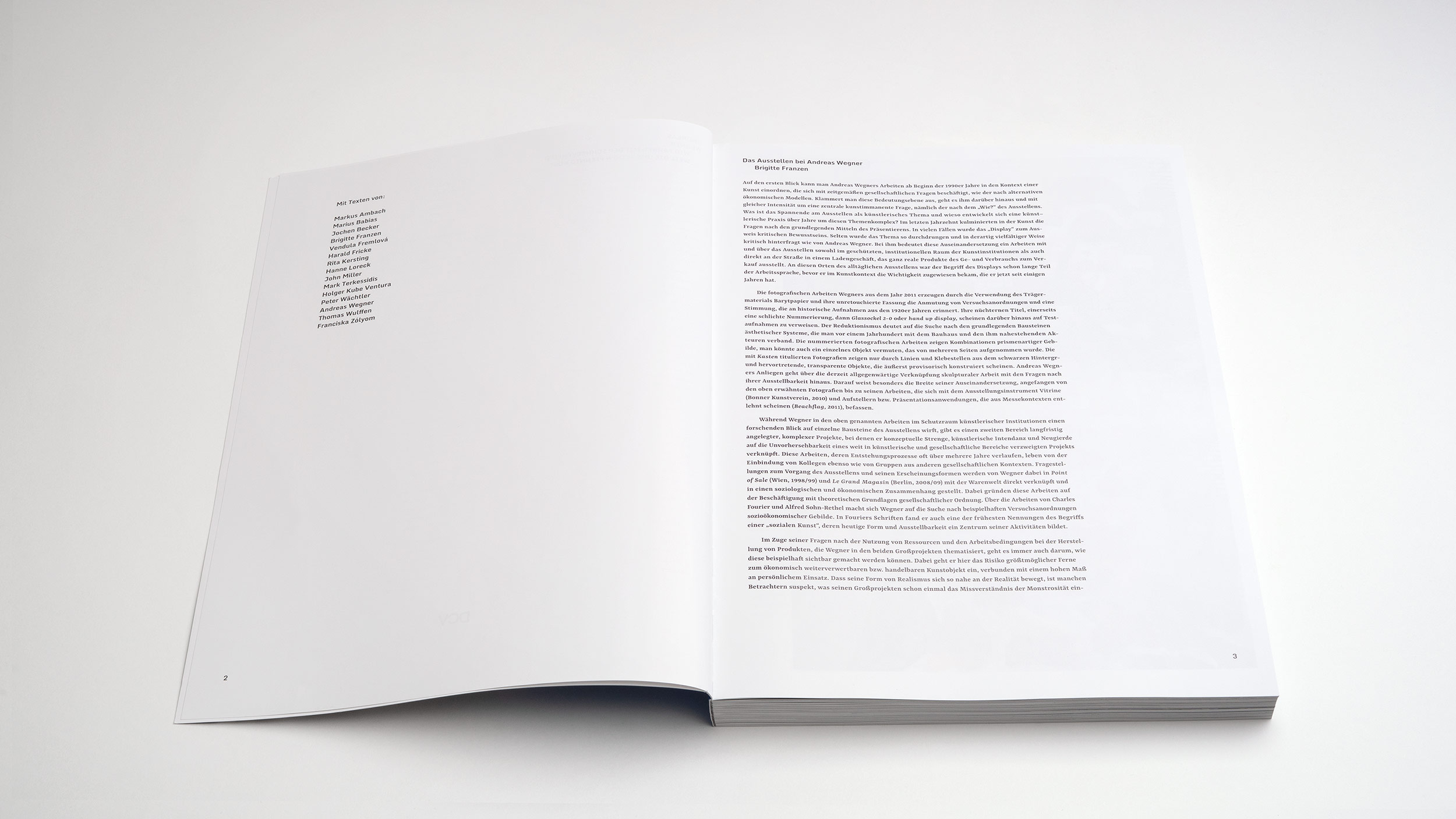
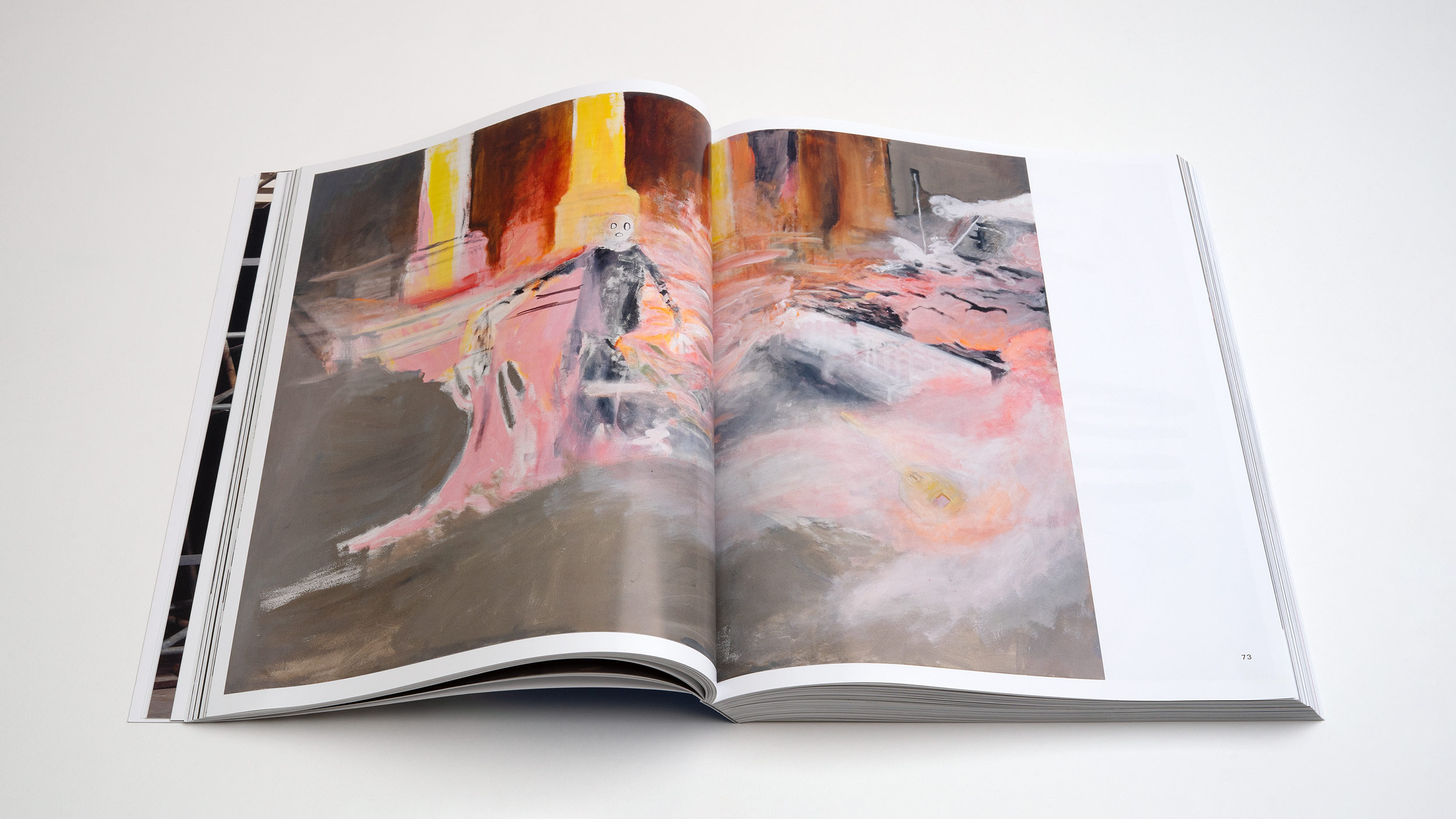
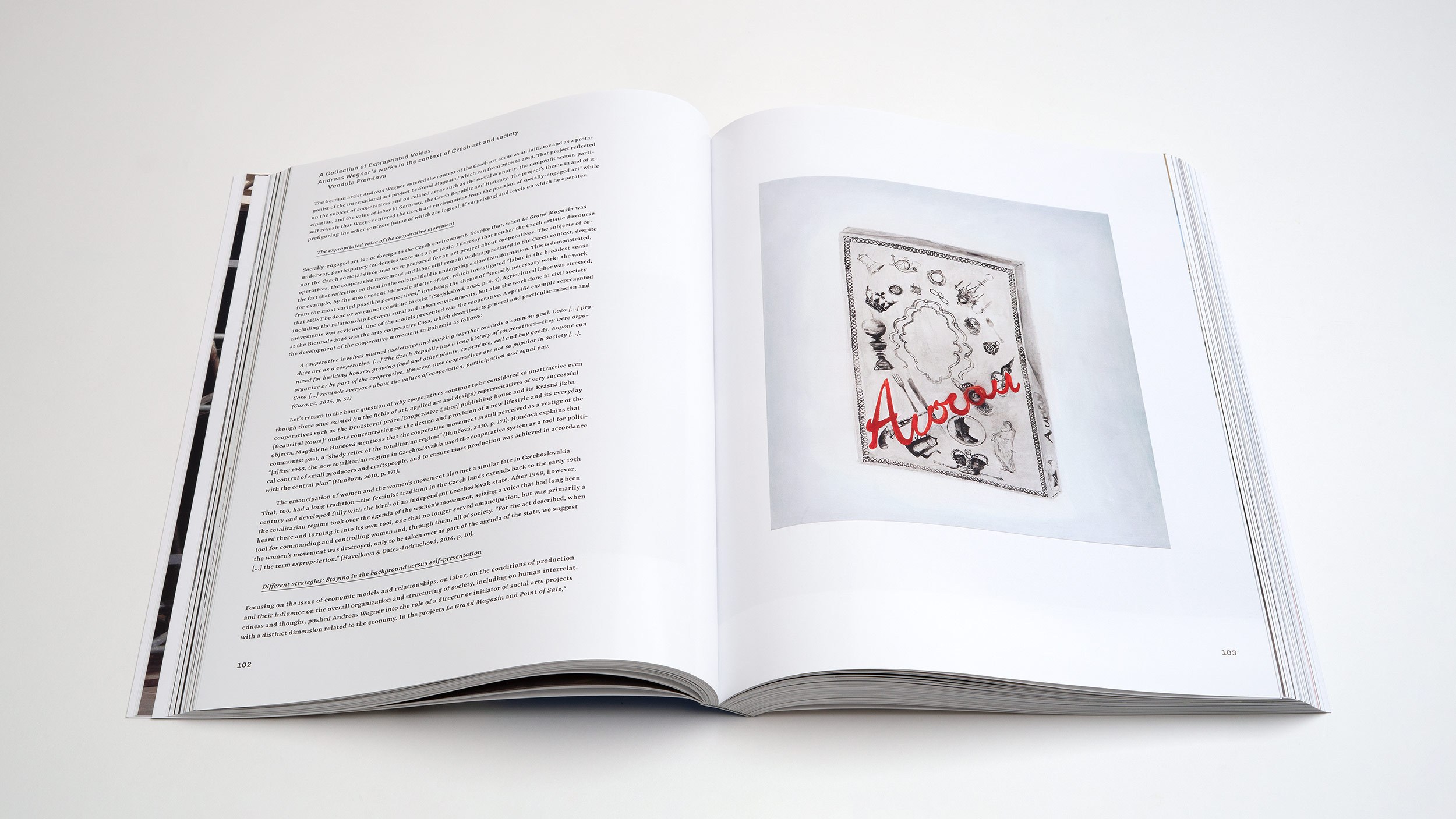
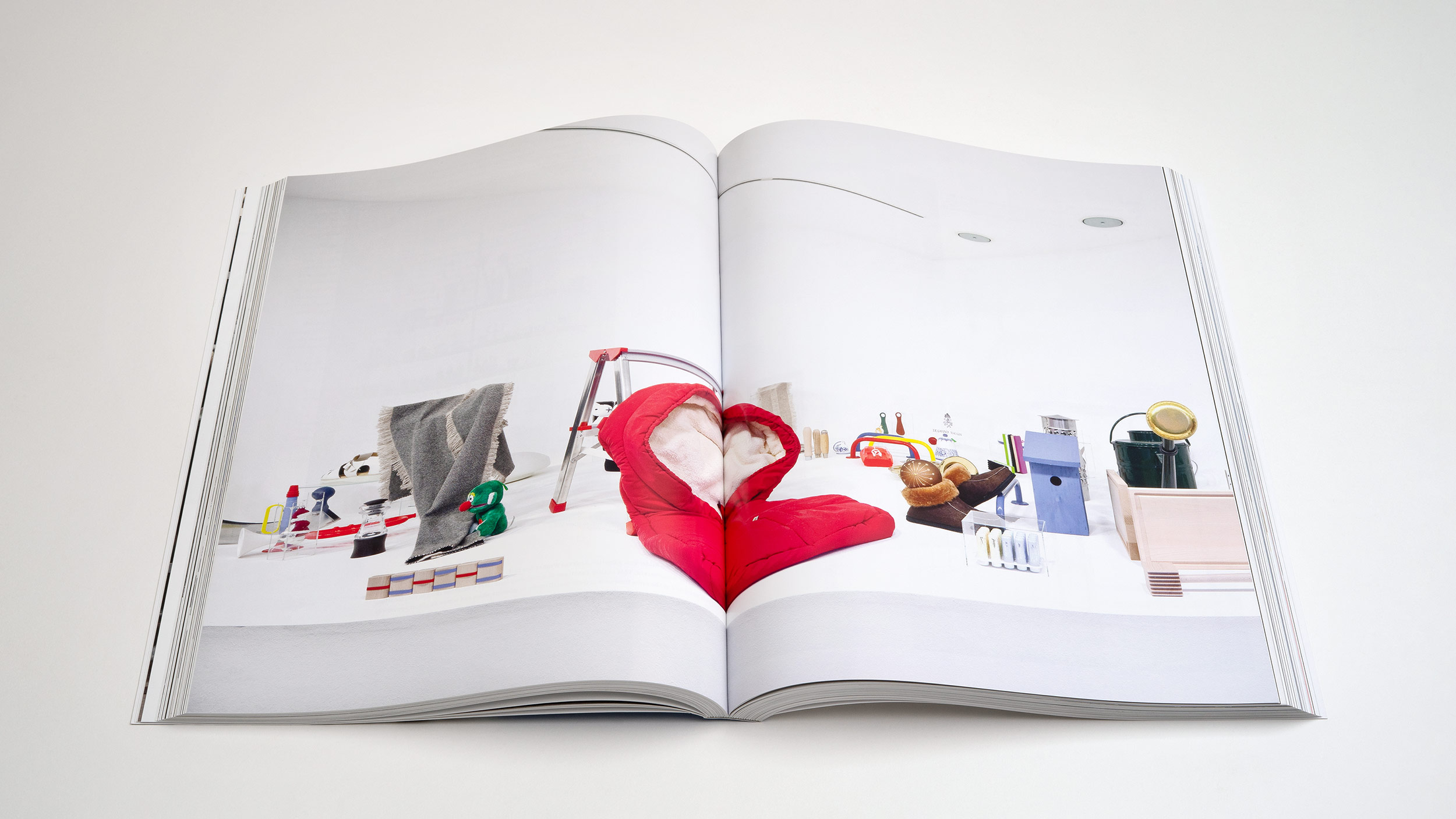
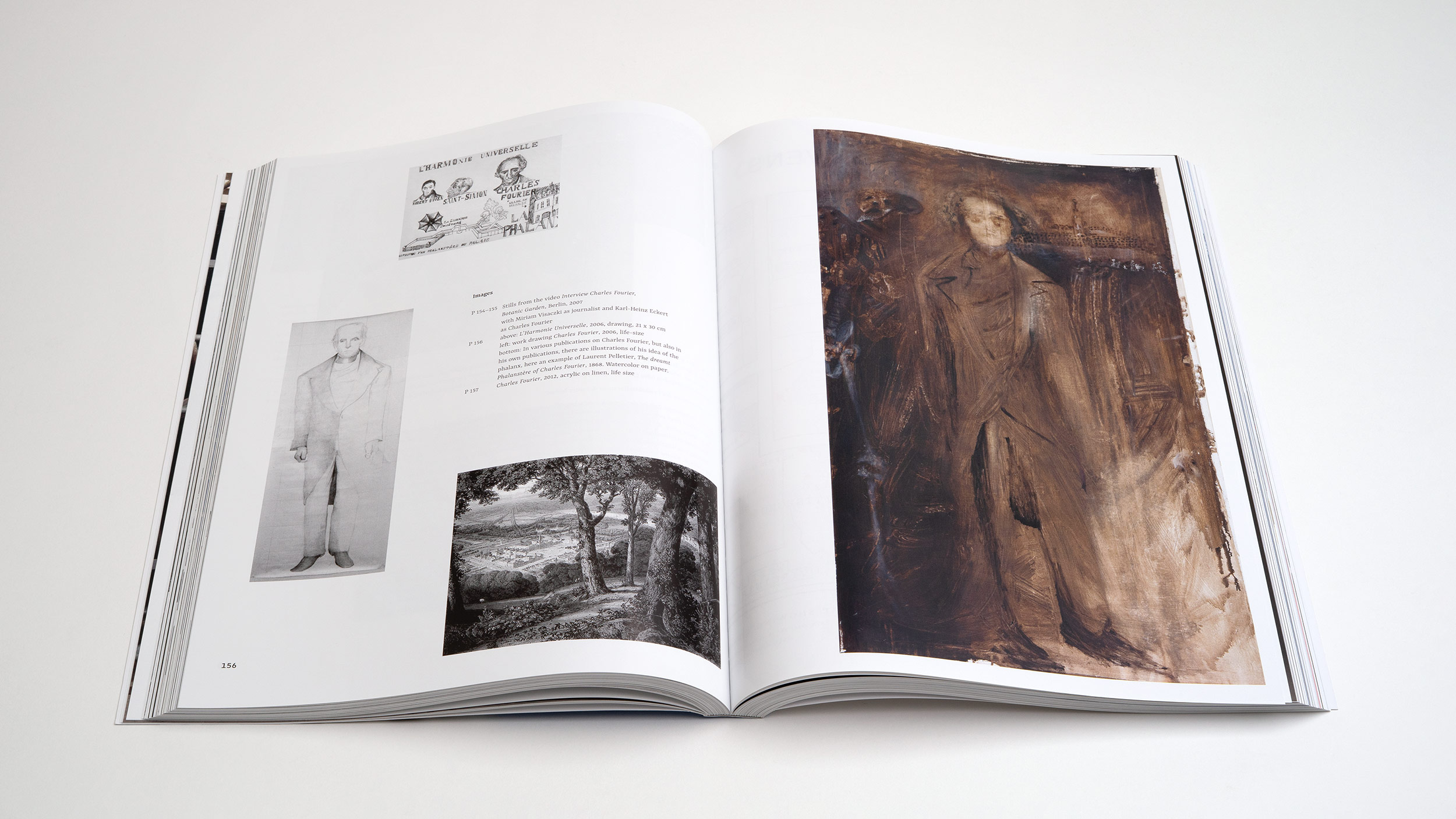
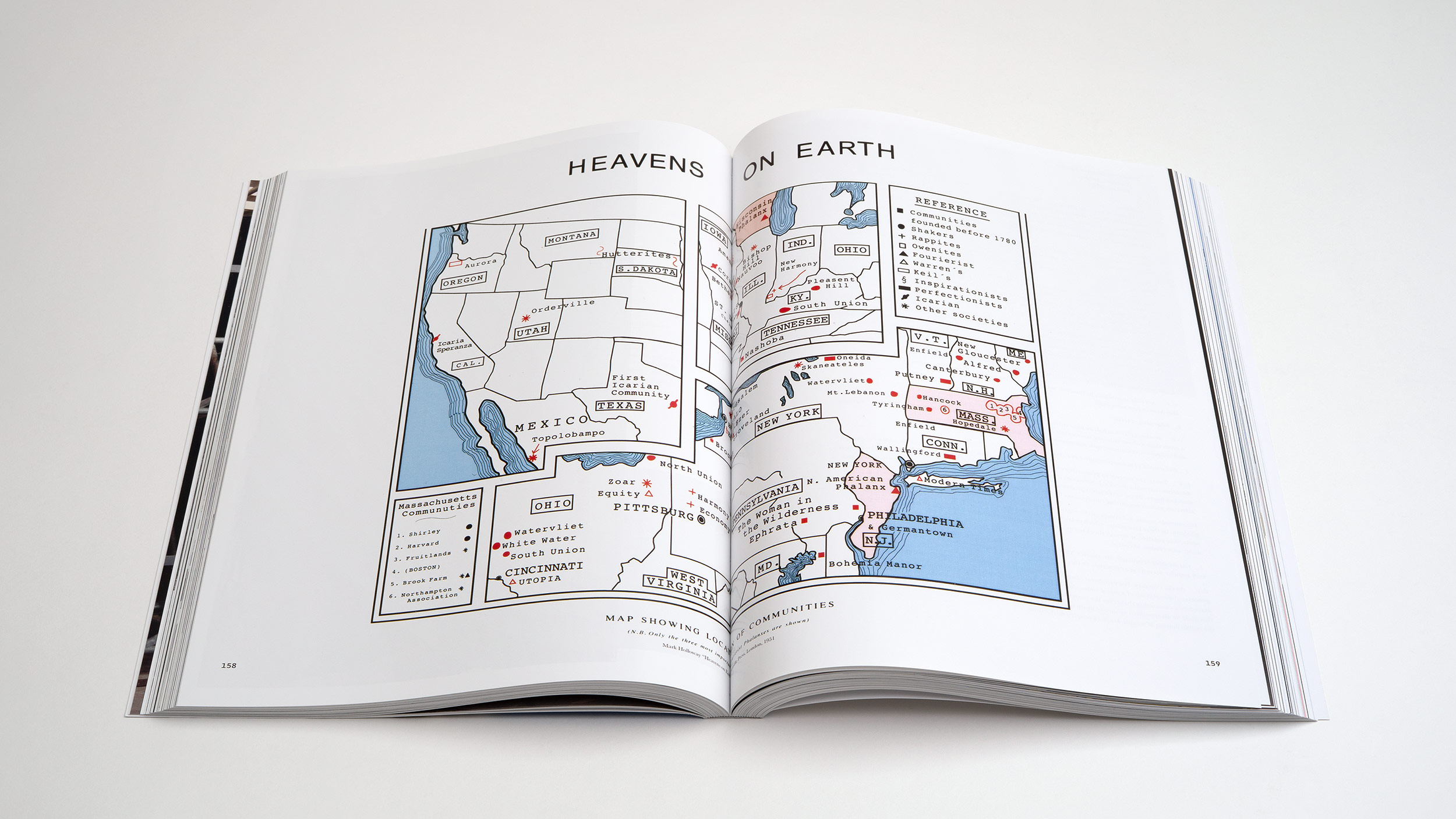
The art of Andreas Wegner is an inquiry into capitalist urbanity. His interventions explore alternative models for urban interaction, trade, city development, traffic, or the use of public space. Inspired by Joseph Beuys’s social sculpture and Charles Fourier’s social utopias, Wegner founded, e.g. a cooperative department store in Berlin, a grocery store in Vienna, and conducted real estate business as a form of creative resistance. This monograph illustrates the artist’s most important projects with ample imagery, essays by renowned authors, interviews, and his own texts. Alongside collective initiatives, installations, photography, film, and sculpture, painting remains a constant in Wegner’s oeuvre to this day.
More books
-

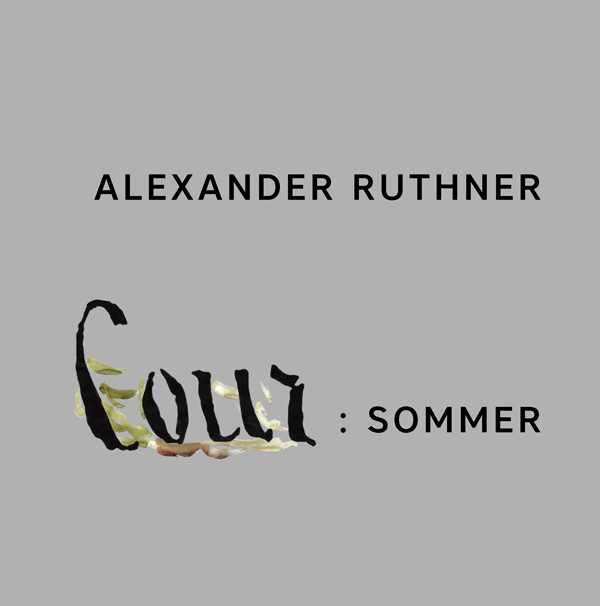
Alexander Ruthner
Cour: Sommer36€ Add to cartContemplating Nature in a Reduced-Mobility Environment
“The events of the year 2021, which was defined by lockdowns, the pandemic, and restrictions, has brought out the resonance in my pictures of Gustave Courbet’s realism,” Alexander Ruthner (b. Vienna, 1982; lives and works in Vienna) says about his most recent works: oil paintings featuring lush green vegetation and veritable down comforters painted all-over in saturated color gradients. The works will make their public début as the publication is released in the summer of 2021, hence the word “Sommer” in the title. The other word, “Cour,” is a nod to the first syllable of the French painter’s name as well as French for “court,” a term the artist creatively reinterprets as a synonym for the solitary “castle of the mind” to which we have retreated under pandemic conditions. Ruthner, who studied with Peter Kogler, Daniel Richter, and Albert Oehlen, revisits the boscage and pasture painting of past eras in new works that propose a distinctive personal interpretation of that tradition’s charm.
Alexander Ruthner’s work has been shown at Kunsthalle Wien, the Whitechapel Gallery, London, and the National Museum of Montenegro, among other venues.
-

Steven Shearer
Working from Life58€ Add to cart“Today’s images are echoes of how people have always been depicted.”
Steven Shearer (b. New Westminster, BC, 1968; lives and works in Vancouver) works in a range of media including printmaking, sculpture, painting, drawing, and collages of found photographs. His portraits of individuals in decorated settings earned Shearer international acclaim. They show heroes from the past—protagonists of musical subcultures or the history of art. The archetypal creative minds in their studios appear together with their works; the interiors surrounding them reflect their psychological constitution. Shearer paints them in the style of Symbolism, the German Romantics, or the Fauves. Imitating the perspective painting of the Renaissance, he virtually pulls the beholder into his pictures.
Steven Shearer participated in the Nova Scotia College of Art and Design New York Summer Studio Programme in 1992 and studied at the Emily Carr College of Art, Vancouver, in 1992. In 2011, he represented Canada at the 54th Venice Biennale.
-

Fahar Al-Salih
Beyond Fairy Tales39€ Add to cartBridges between East and West
The protection and sense of belonging one feels where one is at home, and what it is like to lose both of them: these are central concerns in the art of Fahar Al-Salih (b. Belgrade, 1964; lives and works in Karlsruhe). Having grown up in Kuwait, where a classical education in visual art was inconceivable, Al-Salih came late to his métier; Markus Lüpertz was among his teachers, and he completed his education in Hermann Nitsch’s master class. Seeing himself as a “bridge-builder” between the cultures of the Arab world and Europe, Al-Salih probes the different lived realities in which his itinerant biography has been set. No more linear than his path through life, his oeuvre is defined by subjects to which he keeps returning in a kind of cyclical motion. This publication offers unprecedented insight into Al-Salih’s creative approach and his articulations of individual yearnings, the comforts of safety, and political and social upheavals. His work achieves a deft interweaving of global perspectives and migrant realities.
-

Cudelice Brazelton IV
Mortal Surface35€ Add to cartCudelice Brazelton IV’s works are magnets. He uses them to glean what he finds in the urban landscape, in the street, in factories and studios: fabric, leather, metal, cardboard, and all sorts of implements. He arranges these materials and things atop one another and side by side in collages, assemblages, and sculptures, staging encounters also between the contexts in which they originated and what he calls their “undercurrents,” their subtexts. Such frames of reference, including that of the exhibition space, play a key role in his art, an aspect he will occasionally engage quite explicitly, creating site-specific works for some settings. This makes the space the context and a part of the piece, sometimes physically so, as when Brazelton works directly on the walls. The recent works gathered in this catalogue were displayed in a former railcar repair workshop. It is hard to imagine a more industrial, “metallic” environment. There, as between the covers of this catalogue, Brazelton’s works appear to their fullest advantage, becoming veritable magnets drawing the gaze.
-

Me, Family
Portrait of a Young Planet40€ Add to cartA Journey Through Many Worlds
In these times of great uncertainty, the themes that surface in the works of the thirty-six international artists gathered in Me, Family are more relevant than ever. Compiled by Francesco Bonami with a nod to Edward Steichen’s historic exhibition The Family of Man, the volume paints a multifaceted portrait of humanity in the early decades of the twenty-first century. The original installation of photographs and excerpts from writers opened at the Museum of Modern Art in New York in 1955 and then went on a seven-year tour of one hundred and fifty museums all over the world. Matching the radicalism of Steichen’s conception, Me, Family presents works by contemporary artists who harness a wide range of media and genres to explore the ways in which humans today engage with their manifold coexistent histories and the diverse challenges they confront. Including reproductions of contemporary art as well as representations of social networks, fashions, information technologies, advertising, sound, music, and performances, the book captures a reality that is beautiful, dramatic, and intoxicating by turns. With writings by Roland Barthes, Francesco Bonami, Edward Steichen, and others.
With works by Lawrence Abu Hamdan, Doug Aitken, Sophia Al Maria, Yuri Ancarani, Darren Bader, Lara Baladi, Cao Fei, Cheng Ran, Clément Cogitore, István Csákány, Christian Falsnaes, Harun Farocki, Simon Fujiwara, Rainer Ganahl, Theaster Gates, Jack Goldstein, Andreas Gursky, Thomas Hirschhorn, Hassan Khan, Ga Ram Kim, Olia Lialina, Li Ming, Cristina Lucas, Karolina Markiewicz & Pascal Piron, Eva & Franco Mattes, Shirin Neshat, Philippe Parreno, Mario Pfeifer, Jon Rafman, Cindy Sherman, Marianna Simnett, Rudolf Stingel, Thomas Struth, Wolfgang Tillmans, Jordan Wolfson, Wong Ping, and Akram Zaatari.
-

Etsu Egami
Rainbow18€ Add to cartWhat is worth talking about in art eludes language. Aesthetic experience is without words, like a human encounter that touches upon our innermost being. Etsu Egami is interested in the margins of understanding, where the communication of ideas and feelings threatens to fail, where forms become illegible. That is the point on which she homes in with her brush, which she wields in a rough calligraphic style, putting almost translucent oil paints on the canvas. Spectral faces emerge that dissolve into abstraction; abstract forms, beheld from the corner of one’s eye, momentarily coalesce into a likeness. Painting, to Egami, is a physical and performative act, the brush an extension of her arm, bringing a picture into being in sweeping rhythmical motions. As we contemplate her work, that momentum imparts itself to us: first our eyes begin to wander, then we feel our bodies stir, and finally the spirit, too, pulsates in the rhythm of the brush. Gathering Egami’s most outstanding works, this catalogue is a universal invitation to join a peculiar dance, an arc of light the artist traces across all barriers to understanding and that speaks to our senses.
-

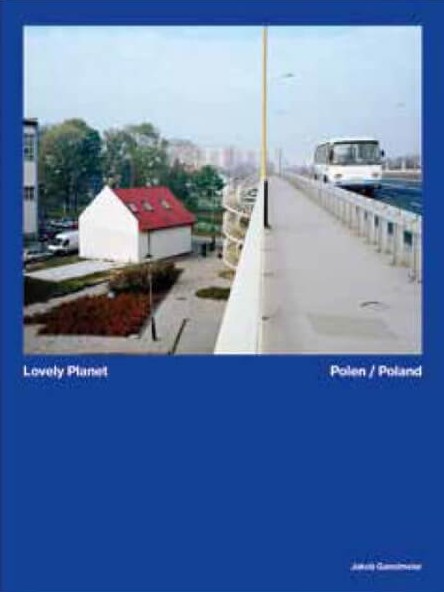
Jakob Ganslmeier
Lovely Planet. Polen / Poland16€ Add to cartAn Unconventional and Humorous Guide to a Country of Contrasts
In 2015, the photographer Jakob Ganslmeier (b. Munich, 1990; lives and works in Berlin) went on an extended tour of Poland in search of shots that captured the country’s social realities and way of life at a time of wrenching changes. The title of his project evokes associations with Lonely Planet, one of the world’s best-selling series of travel guides, and the artist took inspiration from the format of the popular books, where recommendations for readers exploring strange lands are grouped by categories. Crisscrossing Poland—he covered over ten thousand kilometers—Ganslmeier encountered widely different people and draws our attention to places that would never make it into a guidebook. His pictures show a country of extremes, between boomtown optimism and decline, consumerism and poverty, gleaming façades and bleak village streets.
Jakob Ganslmeier studied at the Ostkreuzschule für Fotografie, Berlin, and at the Bielefeld University of Applied Sciences. His pictures, which have garnered numerous awards, are frequently featured in leading German media and have been shown in exhibitions in Germany and abroad, including at the Brandenburgisches Landesmuseum für moderne Kunst, Cottbus, the Nobel Peace Center, Oslo, the Triennale der Photographie Hamburg, and the Fondation Calouste Gulbenkian, Paris.
-

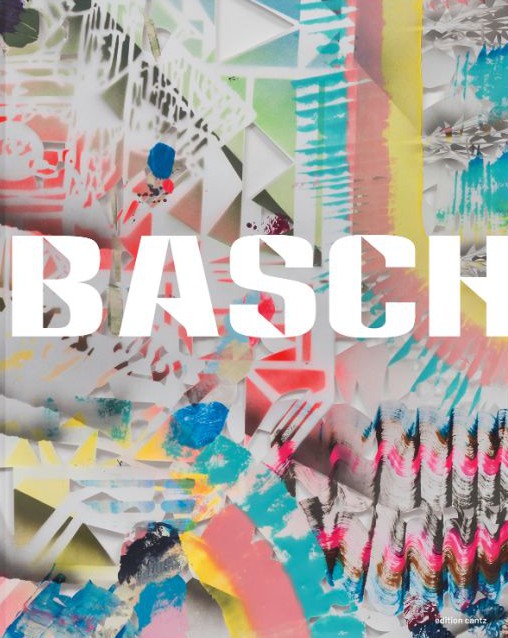
Gabriele Basch
fortuna24€ Add to cartPaper and Foil Cut‑Outs in an Innovative Language of Forms: An Overview of the Works of Gabriele Basch from 2008 to 2019
Since the 1990s, Gabriele Basch (b. 1964, Bad Homburg; lives and works in Berlin) has been working with cut-outs and translating the age-old tradition of silhouettes into an idiosyncratic and innovative language of forms. The artist interweaves creation and destruction, planning and chance into a complex, multi-layered reality and makes views into the spatial environment an integral part of her work. In her paper and foil cut-outs, foreground and background, materiality and void combine to form a whole that oscillates between painting and drawing, as well as between urban structures and hints of the biomorphic – in delicate color gradients, swirling structures, spontaneous gestures, and stenciled surfaces. The generously illustrated monograph offers a comprehensive overview of the artist’s work from 2008 to 2019.
-

Stephen Buckley
Close Cousins. Paintings48€ Add to cartThe Artist’s First Publication in more than Thirty Years
For more than forty years Stephen Buckley (b. 1944, Leicester) has concerned himself with addressing the major themes of the twentieth century through a personal style oscillating between the matière of Kurt Schwitters, the dandyism of Francis Picabia and the intellectual rigour of Marcel Duchamp. He takes the two most basic components of a conventional painting (canvas and stretcher), and makes multi-dimensional constructions, joins groups of single canvases together in overlapping structures, makes shaped canvases, cuts a stretcher with a variegated edge, stitches and weaves together strips of canvas, patches pieces of canvas onto another support, and adds cardboard tubing, rope, found objects and cut out shapes. In the 1970’s and 1980’s, Buckley saw extended prominence in the art press, starting with the artist being described as “the Punk Rock of contemporary painting” and ending with him gaining the title of “the ubiquitous Stephen Buckley”. There is now a large portfolio of themes, references, motifs and symbols which are continually reworked and reinvented. Since then, he has made some of his most compelling paintings, lush pop canvases full of symbols and colour, a far cry from the pared-down, industrial feel of some of his early works.
-

Maria Braune
Keep Away From Fire28€ Add to cartMaria Braune’s (b. Berlin, 1988; lives and works in Munich and Bamberg) work revolves around a material she developed; named Migma, it consists of eight different renewable natural resources. She heats it, then casts and molds it in a process that continues for weeks. The resulting sculptures and installations sprawl throughout the space like sensuous organisms. Associations of growth and symbiosis emerge, but discontinuities and disintegration come into view as well. Braune’s creative process is part of an ecosystem and thoroughly anchored in the now. Her material is a vitally alive substance to which she responds in an immediate engagement, connecting it to mythological and narrative significations and setting it in relation to her own world.
Maria Braune studied woodcarving at the Fachhochschule für Bildhauerei in Berchtesgaden, Germany, in 2009–2011, then fine arts with Hermann Pitz at the Academy of Fine Arts Munich, where she graduated in 2017.
-

MK Kaehne
Π = 3,1415935€ Add to cartThe biography of conceptual artist MK Kaehne (b. Vilnius, 1963; lives and works in Berlin) oscillates between Vilnius, Moscow and Berlin. Influenced by Russian Constructivism, he draws and builds suitcase sculptures with a department store aesthetic, a reversal of the readymade principle. His focus gradually shifted from the formal to the psychological, towards life-size figures such as It’s me (2023): a hyper-realistic replica of himself, lying upside down in the mud, with a garden gnome next to him. Kaehne’s work is strictly analytical, but the results are full of tragedy and irony. Unintentional drawings, in which biographical, Dadaist and political elements merge, accompany his oeuvre. A total work of art that traces personal and social development.
- Out of stock

Ernst Gamperl
Zwiesprache Dialogue34€ Read moreUnique wooden sculptures as the result of a ten‑year process
Ernst Gamperl (b. 1965, Munich; lives and works in Tremosine) is fascinated by the dialogue with living material and the quality of the unpredictable. He creates room-sized wooden objects, into the design of which he incorporates the natural drying process, cracks, and irregularities—a revolutionary technique of woodturning which has led to completely new standards, technically often at the limits of what is feasible. In a ten-year process, Gamperl transformed a roughly 230-year-old uprooted oak into an ensemble of vessels and sculptures. The artist’s book conveys the fascination of the material and the craft, brings us close to the objects, and documents the challenging work process.
-

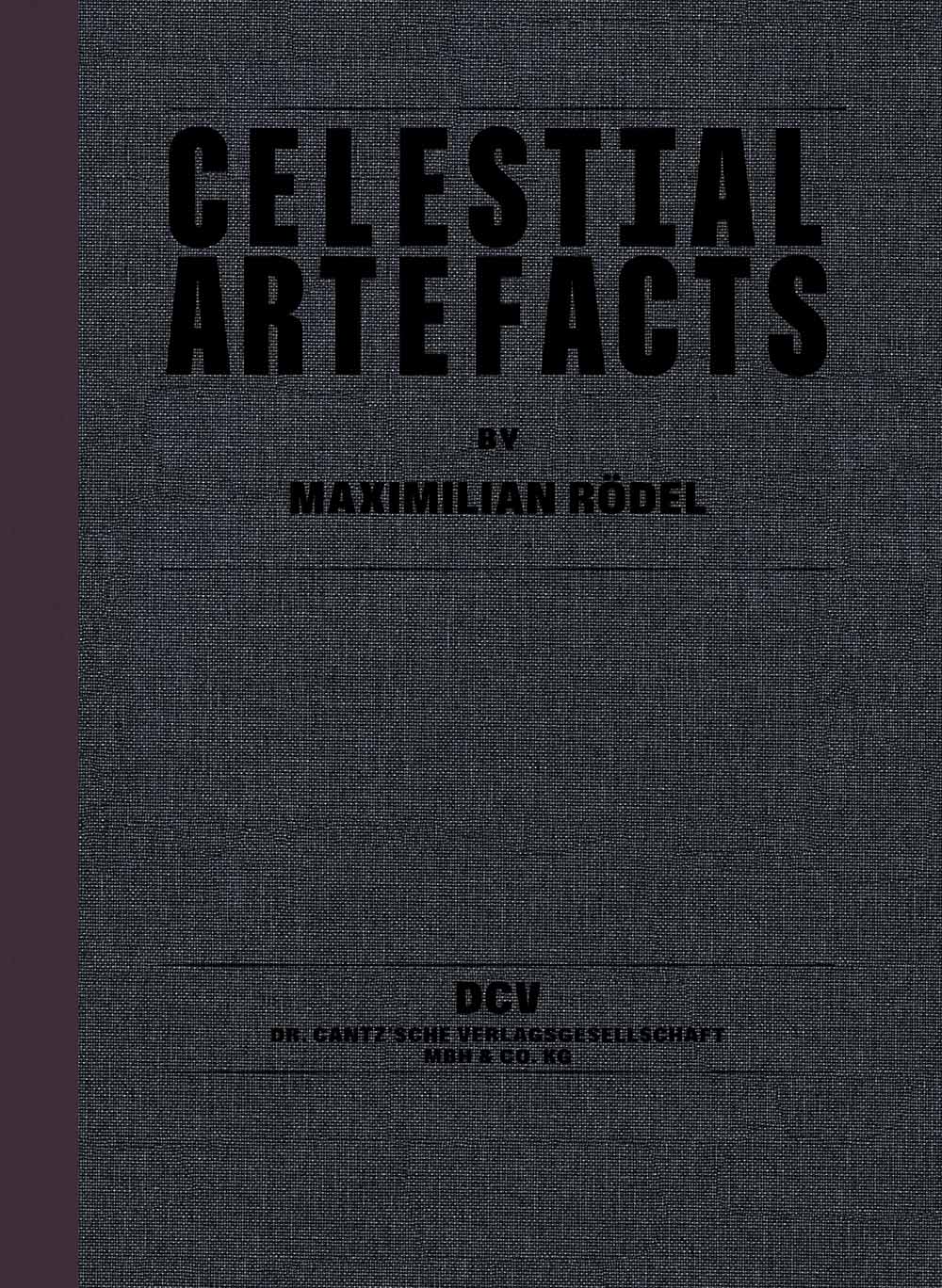
Maximilian Rödel
Celestial Artefacts50€ Add to cart“One must break free from wanting something and confine oneself instead to being something.” — Maximilian Rödel
Inky black, apricot, magenta, and a pastel purple: apparent monochromes, the paintings of Maximilian Rödel (b. Braunschweig, 1984; lives and works in Berlin) actually do not just traverse color spectrums; in a sense, they chart horizons of experience. To contemplate them is to embark on a voyage through space and time. Foreground and background are one, depth and surface at once; an undertow makes itself felt in which the nuances of color interweave, blur into one another, shimmer, flare up. The artist describes his pictures as an unfocused energy that already exists; he merely uncovers it.
The first publication on Rödel’s work presents the exhibition Celestial Artefacts at Neuer Aachener Kunstverein, with an emphasis on the Prehistoric Sunsets series (2018–2021). It is complemented by reproductions of selected works and an extensive index that also includes details from earlier series that are relevant in the context. Aperçus contributed by Rafael Horzon and Leif Randt and writings on art by Domenico de Chirico, Lena Fließbach, Stefanie Gerke, Philipp Hindahl, and Maurice Funken add another dimension to the paintings.
-

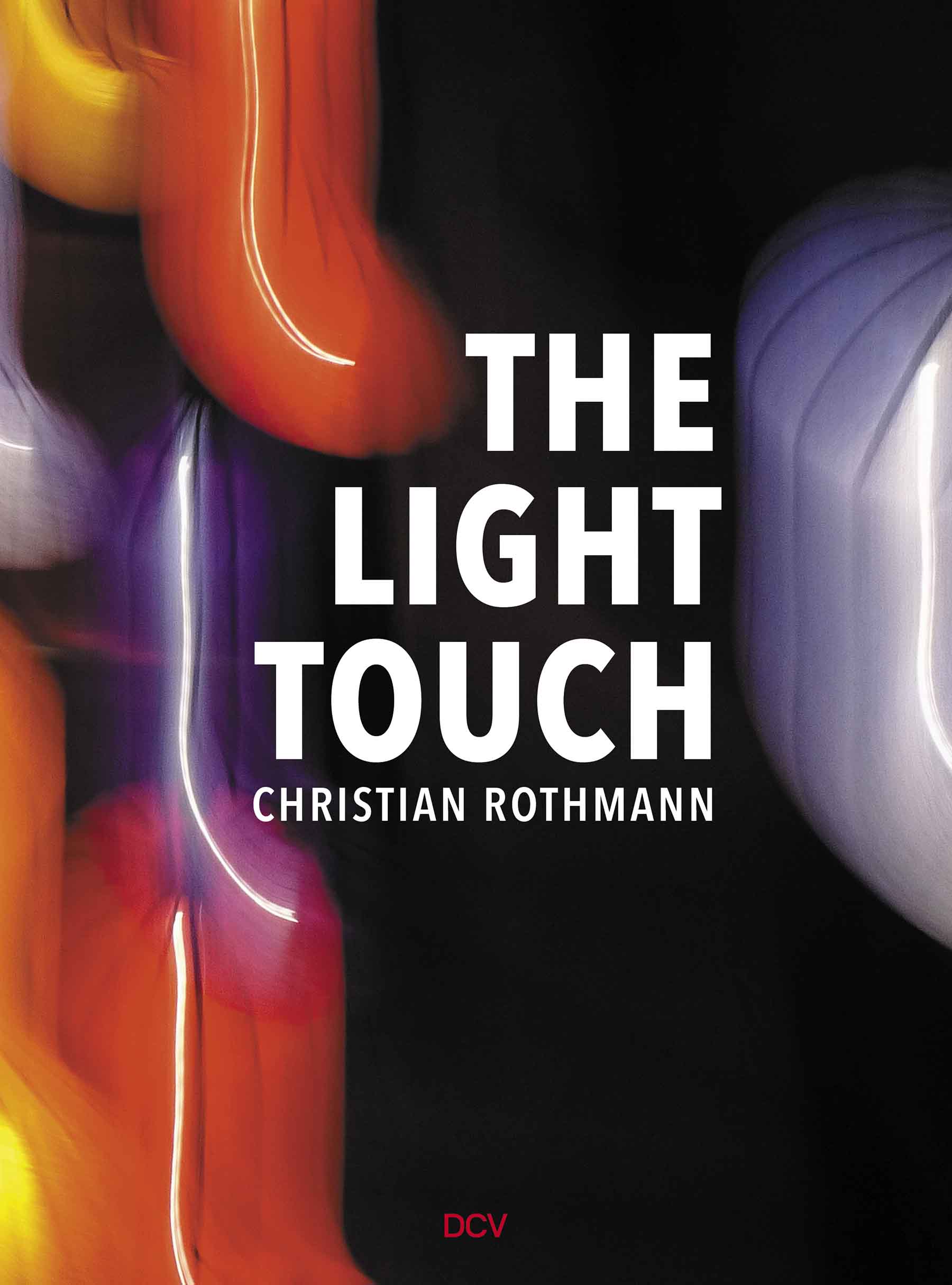
CHRISTIAN ROTHMANN
The Light Touch45€ Add to cartA Monograph of Curiosity
Christian Rothmann (b. Kędzierzyn, Poland, 1954; lives and works in Berlin) is an artistic jack-of-all-trades, a builder of bridges between cultures, and a restless globetrotter and traveler across time. He takes photographs wherever he goes, especially when he is on the road, gathering documentaries with a creative edge, spontaneous yet powerfully symbolic pictures, or conceptual series. His motifs have included basketball hoops in the most unbelievable places, toys in restaurants and stores, exotic dishes, and—in the sequence Legs of the World—beautiful legs, of real-world women, but also of advertising-poster idols and art objects. He has a special knack for recruiting accomplices from all age groups and across social and cultural differences, as for his series you and me or Mother & Daughter. Fierce large-format paintings and delicate watercolors on small paper formats from Rothmann’s studio in Berlin-Kreuzberg complement his long-term photographic projects. The Light Touch presents the artist’s variegated visual art on almost five hundred pages.
-

Konkrete Progressionen
François Morellet & Vera Molnar, Manfred Mohr & Hartmut Böhm15€ Add to cartThanks to a generous donor, the Kunstmuseum Reutlingen | konkret welcomed a number of outstanding works to its collection in 2022. Titled Konkrete Progressionen, the first exhibition to showcase a selection from the gift features four internationally renowned artists whose works are derived from mathematical or geometric procedures: the concrete systematists Hartmut Böhm (1938–2021) and François Morellet (1926–2016) and the pioneers of computer-generated art Manfred Mohr (1938–) and Vera Molnar (1924–).
The book documents the serial paintings, drawings, collages, wall objects, and monumental installations and environments of steel beams or concrete blocks. The works play concrete games with the beholder’s ability to recognize patterns in binary contrasts or layered grids. They show sine waves, vector series, hypercubes, and markings derived from the circular constant π or the Fibonacci sequence—and in each instance demonstrate primarily how the basis of calculation takes on a life of its own.
The exhibition at the Kunstmuseum Reutlingen runs until April 14, 2024.
-

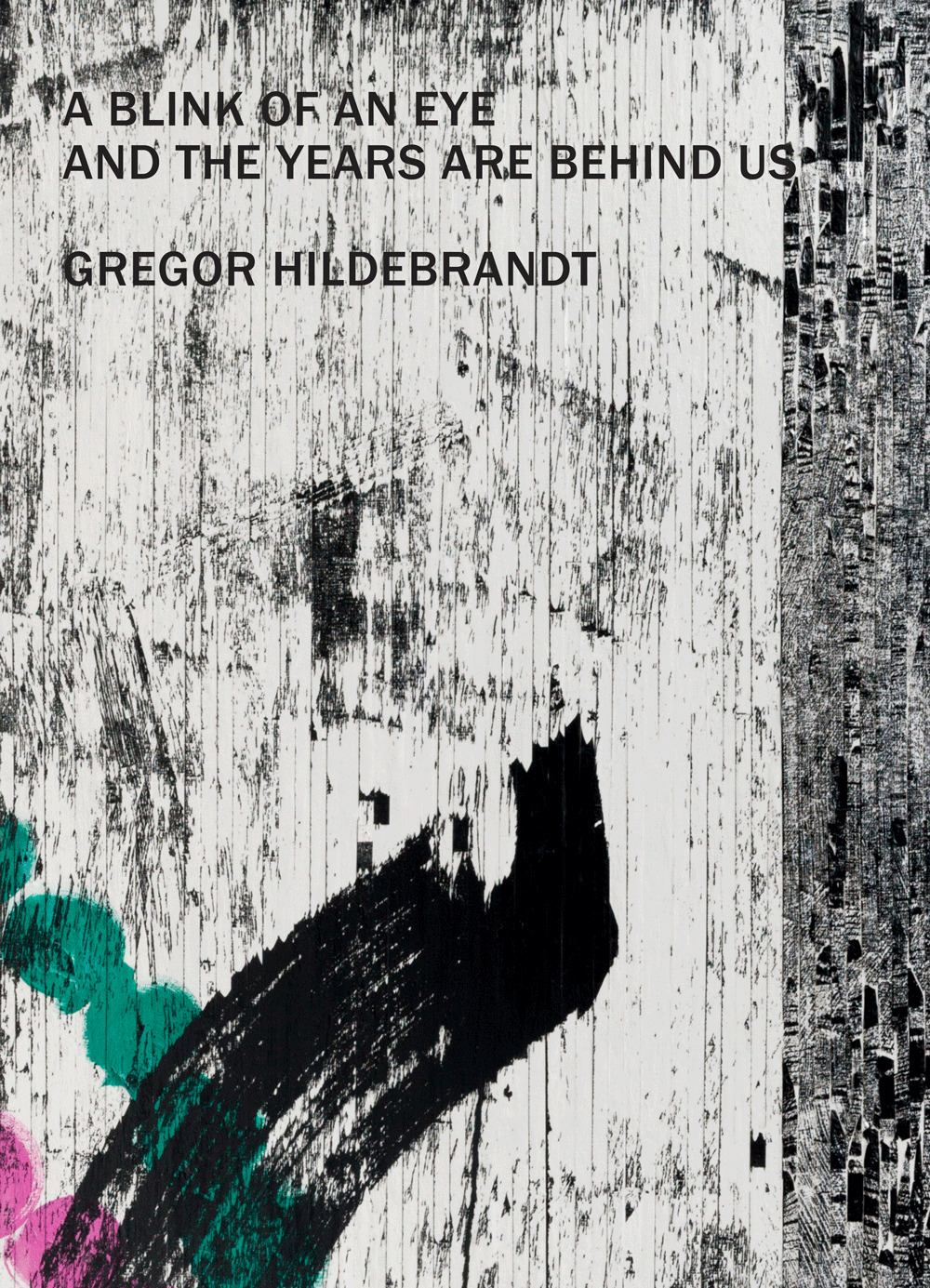
Gregor Hildebrandt
A Blink of an Eye and the Years are Behind us48€ Add to cartFor the past two decades, Gregor Hildebrandt (b. Bad Homburg, 1974; lives and works in Berlin) has transformed analog audiotapes, cassettes, and records into collages, sculptures, panel paintings, and installations. Melding visual art with music, he has charted a complex creative vision crossing boundaries of medium and genre that he continually refines. Before using a tape, he records selected music—typically a single song—on it, whose lyrics he quotes in the work’s title. The artist’s output draws on his personal repertoire of bands that share a romantic narrative of loneliness and a melancholy keynote. The same attitude toward life is reflected in Hildebrandt’s work. The book offers insight into all periods of the artist’s oeuvre and is rounded out by archival materials from Hildebrandt’s studio, his project space Grzegorzki Shows, and the music label Grzegorzki Records that illustrate his creative process.
Gregor Hildebrandt studied at Kunsthochschule Mainz from 1995 until 1999 and at the Berlin University of the Arts from 1999 until 2002. He was a fellow of the Deutsches Studienzentrum in Venice in 2003 and worked in Vienna on a fellowship from the German Academic Exchange Service in 2005–06. He has been professor of painting and graphic art at the Academy of Fine Arts in Munich since 2015.
-

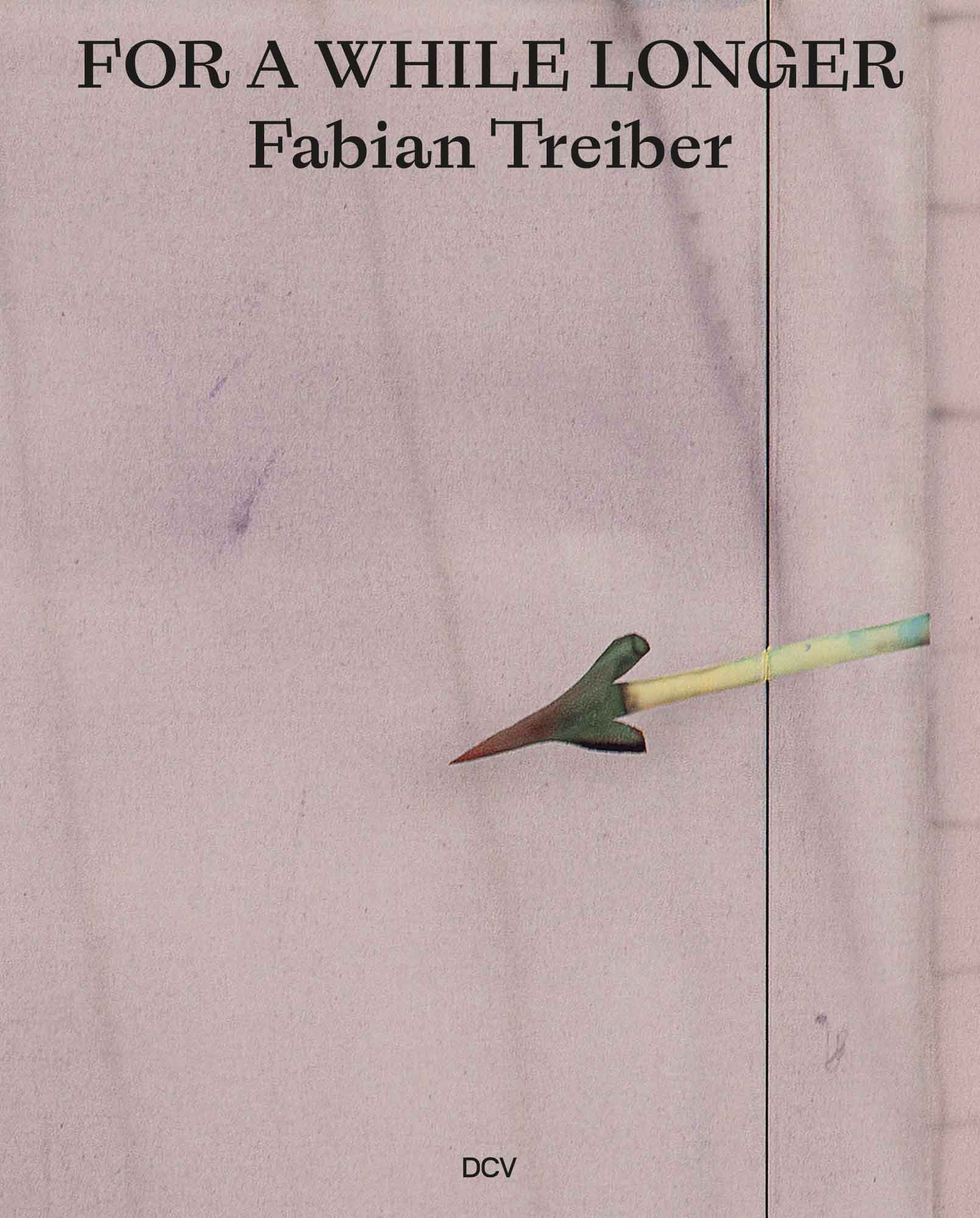
Fabian Treiber
For a While Longer34€ Add to cartUnstable Prototypes of a Reality We Know
Fabian Treiber’s (b. Ludwigsburg, 1986; lives and works in Stuttgart) paintings show what appear to be interiors while interrogating subjective projections and our perceptions of reality. The artificial spaces bear witness to human existence even though there are no people to be seen. In his still lifes, Treiber negotiates classical questions of painting: form and structure, color and composition, representation of space and organization of the surface. His paintings primarily implement formal rather than narrative decisions. This lets the artist provoke a deliberate breach in which the ostensibly fallacious emerges as the essential quality of painting—the effect is that of works that seem somehow off but are actually just right.
Fabian Treiber studied painting and intermedia design at the Stuttgart State Academy of Art and Design (ABK Stuttgart). His works have won him a Karl Schmidt Rottluff Fellowship; he was also a finalist for the 2021 Hans Purrmann Grand Prize. He has had numerous solo shows, including at Kunsthalle Nürnberg, Nuremberg; Kunstverein Ludwigsburg; and Galerie Ruttkowski;68, Cologne; and contributed to group exhibitions at Kunsthalle Düsseldorf; Villa Merkel—Galerien der Stadt Esslingen a.N.; and Staatliche Kunsthalle Baden-Baden. For a while longer is published on occasion of his first solo exhibition at Haverkampf Galerie.
-

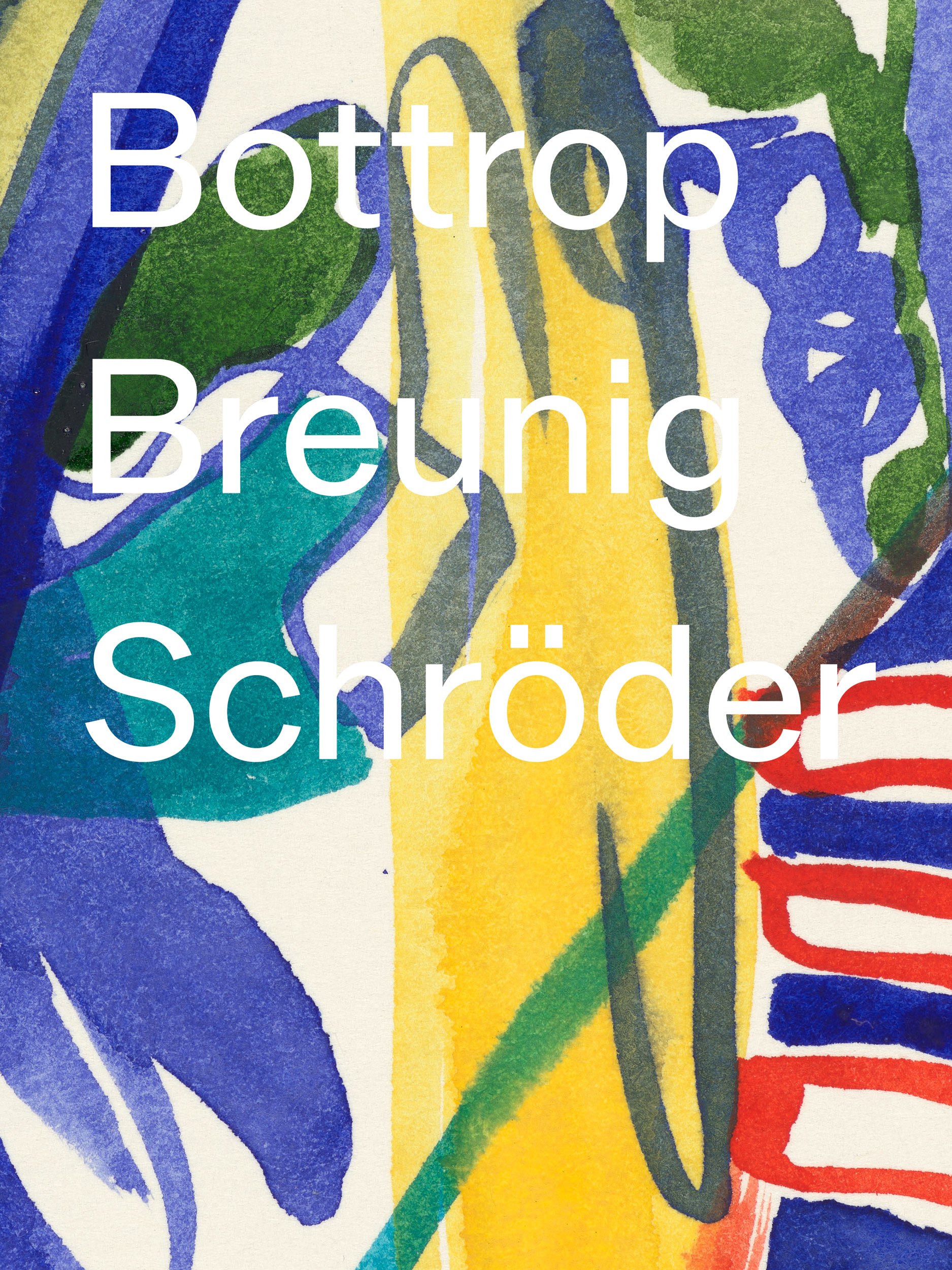
Bottrop, Breunig, Schröder
20:1528€ Add to cartRapidly growing floods of images and artificial intelligence have made art almost inevitably into a commentary on the illusion of actuality. Three painters—Jana Schröder, Peppi Bottrop und Andreas Breunig—present drawings in the Gesellschaft für Gegenwartskunst in Augsburg. 20:15 is the title of the exhibition and this accompanying book. All three artists have studied with Albert Oehlen at the Kunstakademie Düsseldorf and share a philosophical approach to painting. “Our painting is a response to the given conditions of pictoriality. We are here to deconstruct and question what images really are.” (Schröder) The art historian Christian Malycha interviews the three artists, together regarding the exhibition concept, and individually about the evolution of their works. The conversations in this book, which are supplemented by reproductions of all exhibited drawings, provide illuminating glimpses into the ongoing discourse about painting’s relevance.
-

Logan T. Sibrel
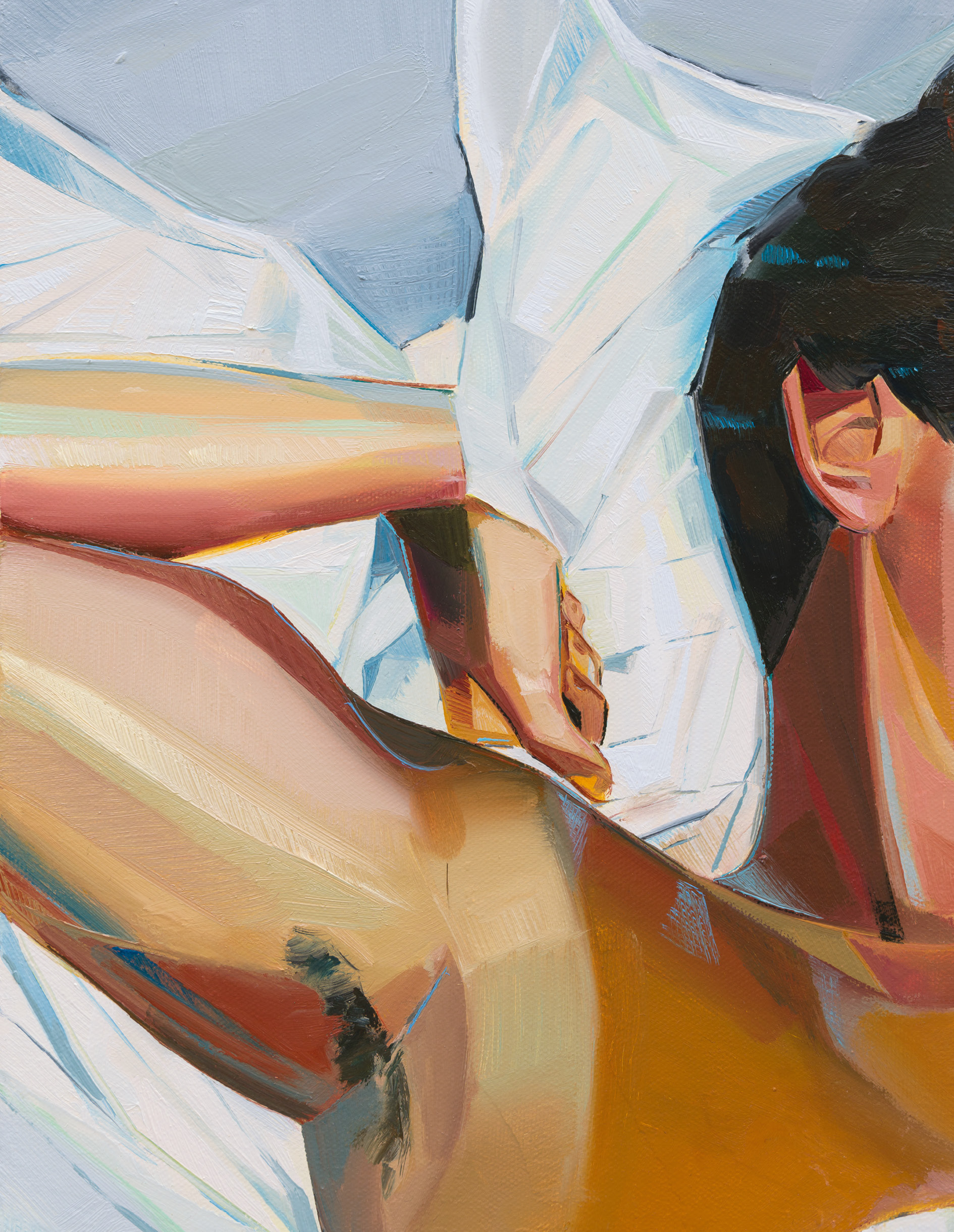
But I’m Different50€ Add to cartLogan T. Sibrel’s (born 1986 in Jasper, IN, lives and works in Brooklyn, NY) paintings and drawings depict moments of great joy and beauty, but also fear, sadness, desire and aggression. Frequently only part of the mostly male figures is depicted. Sibrel’s cropping can feel simultaneously intimate and alienating—fragmentary stories are told that touch you through their authenticity and vulnerability. Sibrel’s artistic maneuvers include overlapping, shifted perspectives, and text fragments that appear like snippets of overheard conversations and thus create a collage effect.
This book is the artist’s first comprehensive publication with works from the last twenty months. While the first part presents the artist’s paintings, the second part presents his drawings with the edges of the backing paper digitally removed so that it looks as if the images were drawn directly into the book.
Logan T. Sibrel completed his bachelor’s degree at Indiana University in Bloomington in 2009 and his master’s degree at Parsons New School of Design in New York in 2011. His most recent solo exhibitions include In Another Life and Galerie Thomas Fuchs (Stuttgart, DE) and Brake For Your Sweetheart at Auxier Kline (New York, NY).
-

Peter Hermann
Skulpturen24€ Add to cartDefying the Classical Canon
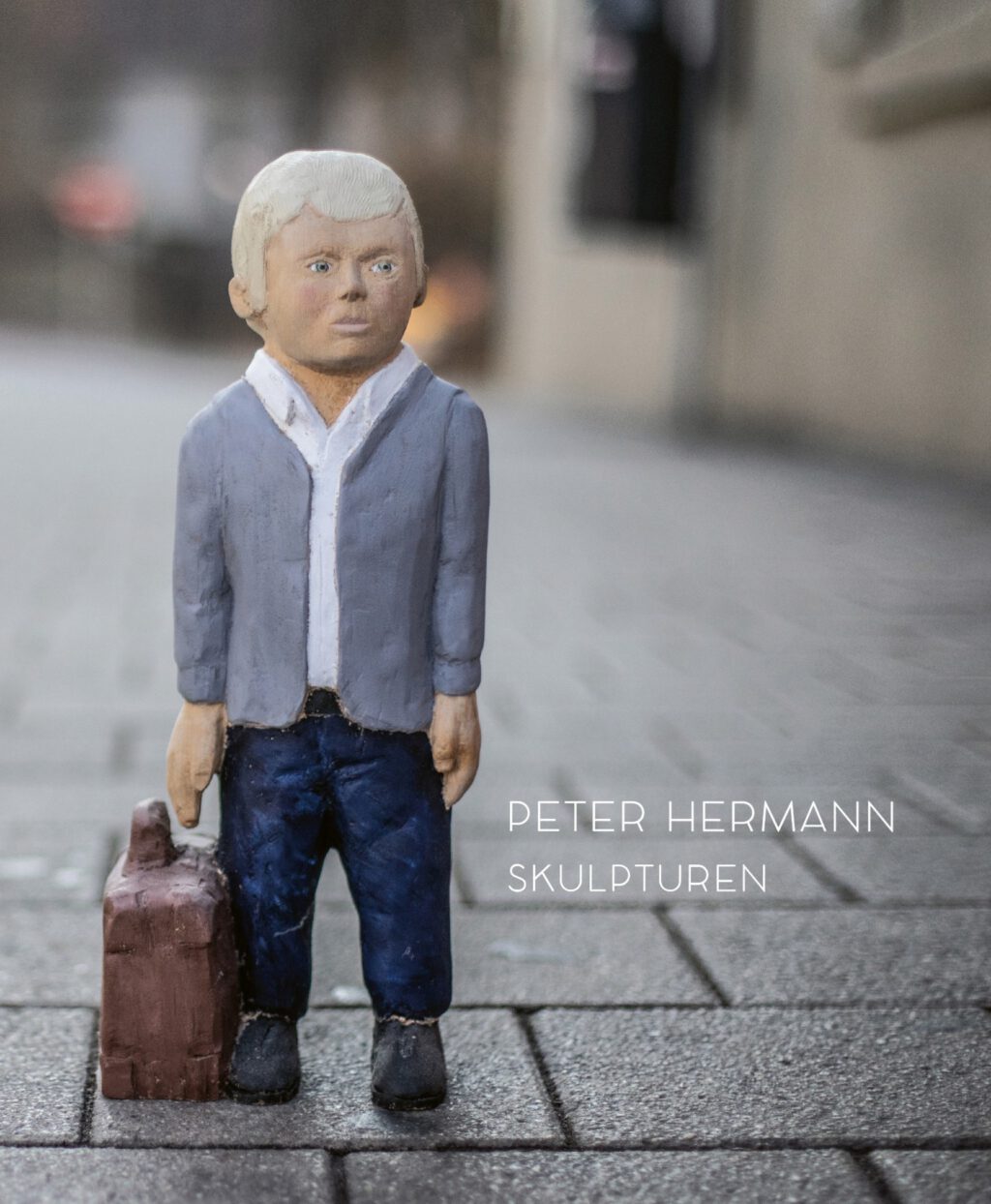
The figures of Peter Hermann (b. 1962, Bietigheim; lives and works in Ludwigsburg) stand and gaze. Made of limewood or bronze, his sculptures are precisely crafted in the manner of the old masters and thus stand in opposition to other contemporary positions. Nevertheless, in their static severity, their shortened and slightly caricatured limbs, and with a certain irony that accompanies this, they also defy the classical canon of figurative sculpture. Peter Hermann finds his themes in everyday life and succeeds in letting this apparent everydayness vibrate further in the encounter between the artwork and the viewer.