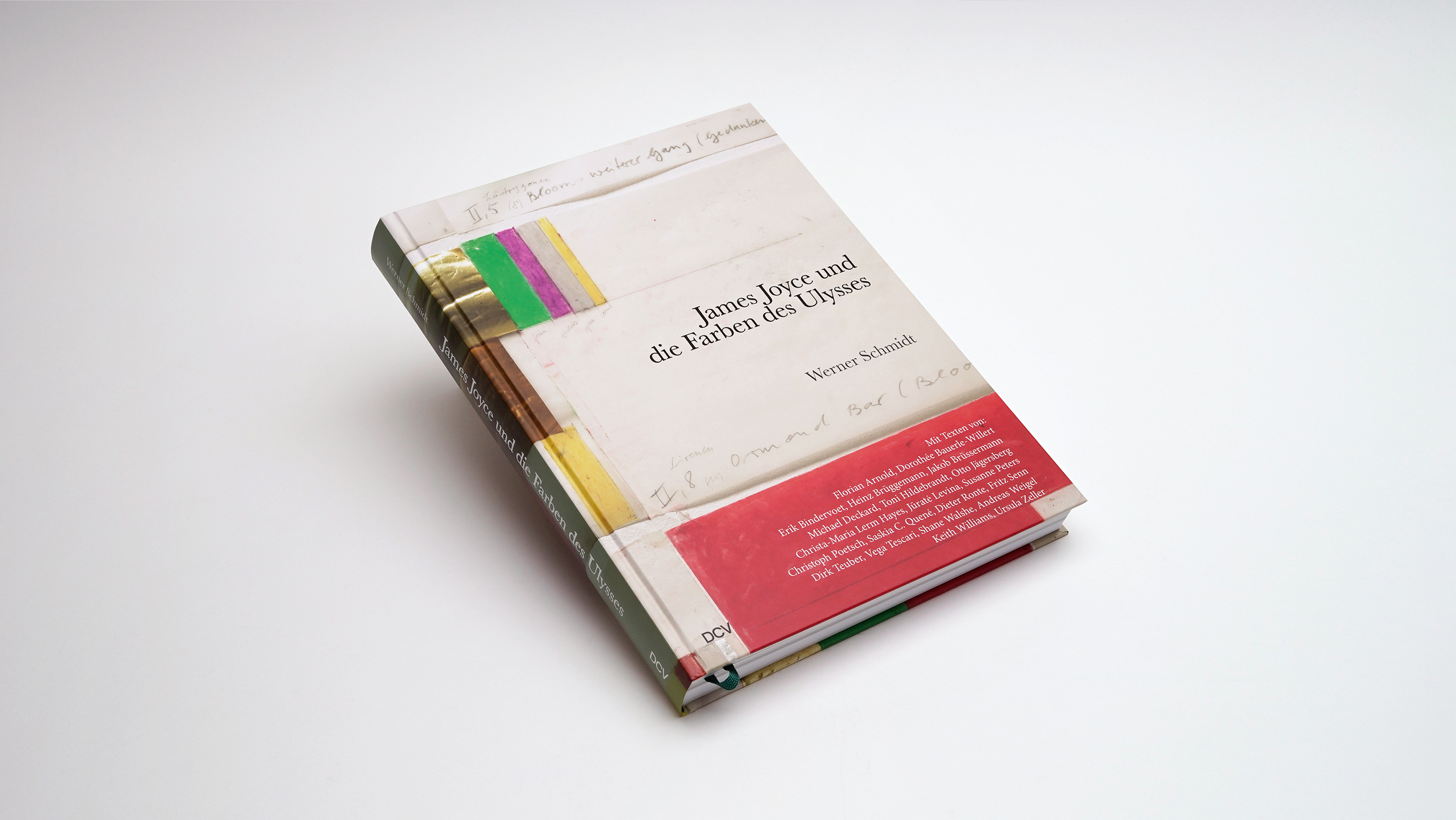
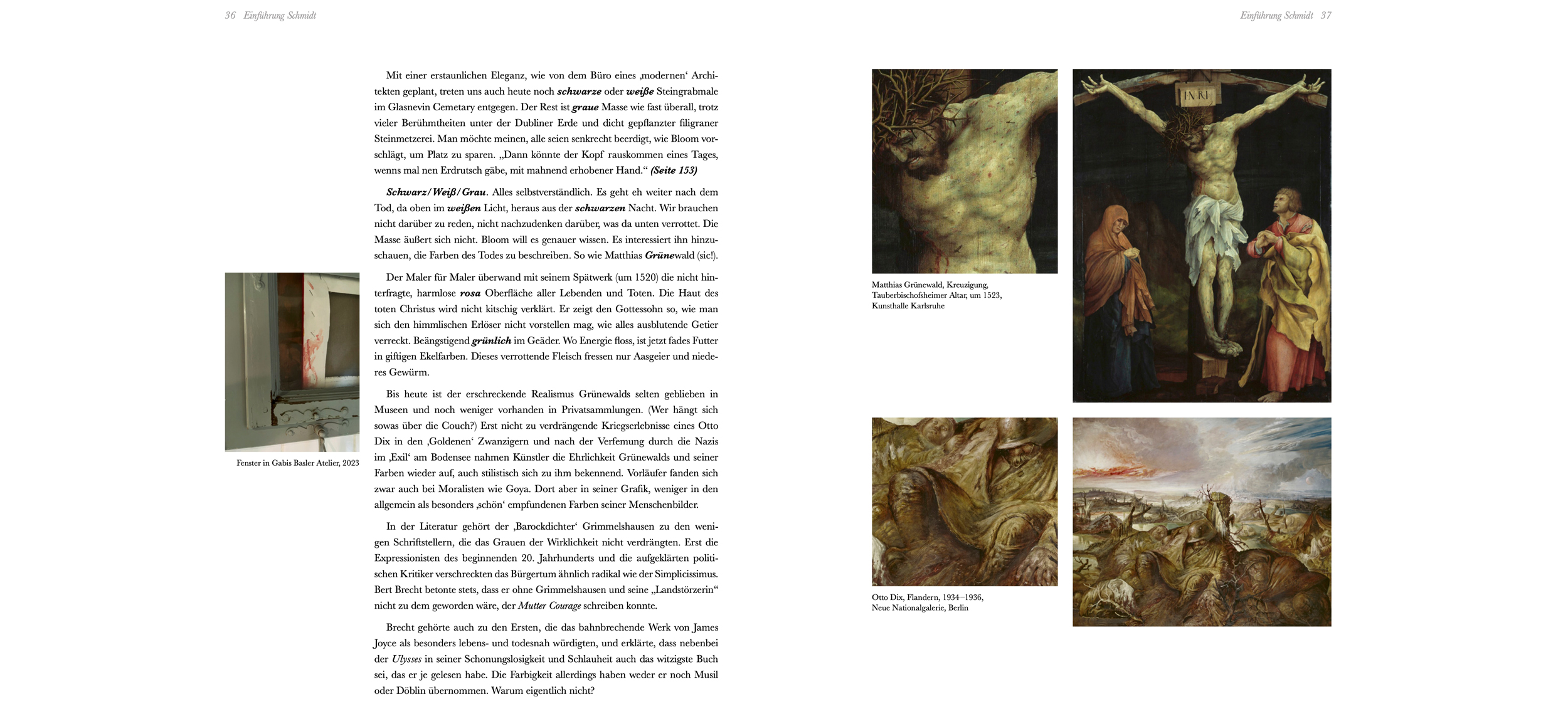
Werner Schmidt
James Joyce und die Farben des Ulysses
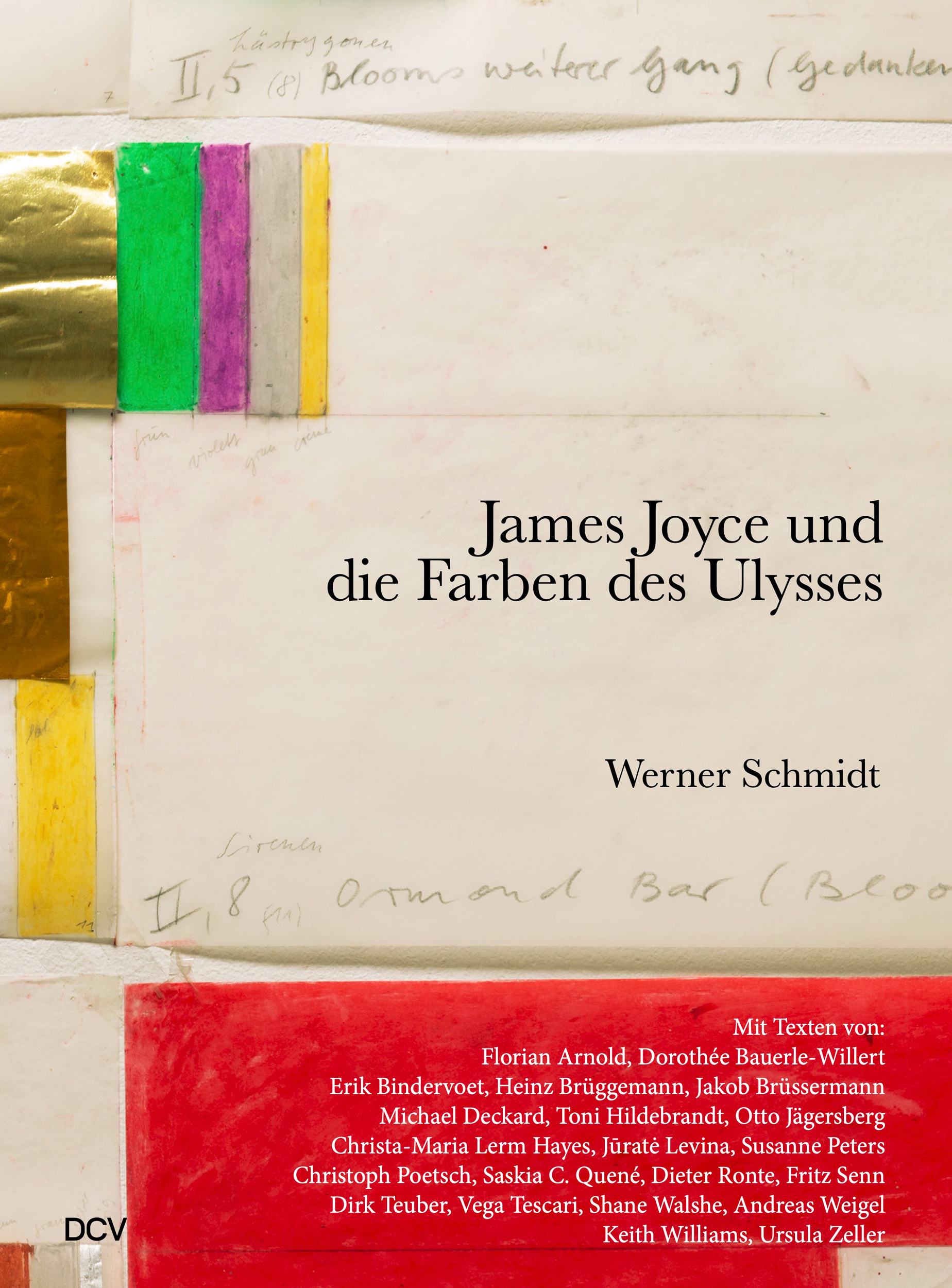 | |
|---|---|
| Design | Werner Schmidt and Frederik Zecheus |
| Size | 20 x 27 cm |
| Cover | Hardcover with debossing, bookmark ribbon and poster |
| Pages | 328 |
| Illustrations | ca. 243 |
| Language(s) | German, partly English |
| ISBN | 978-3-96912-242-6 |
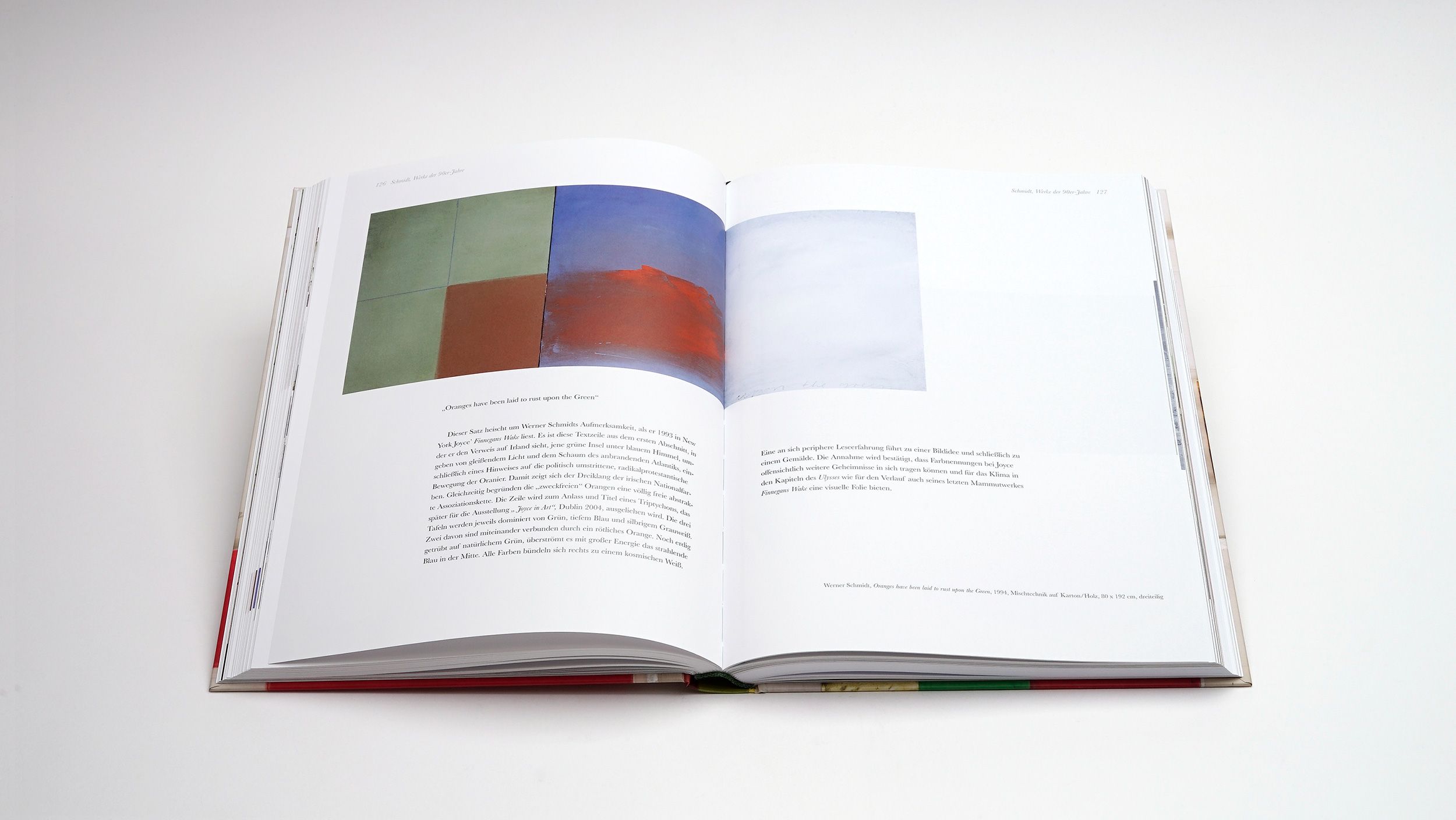
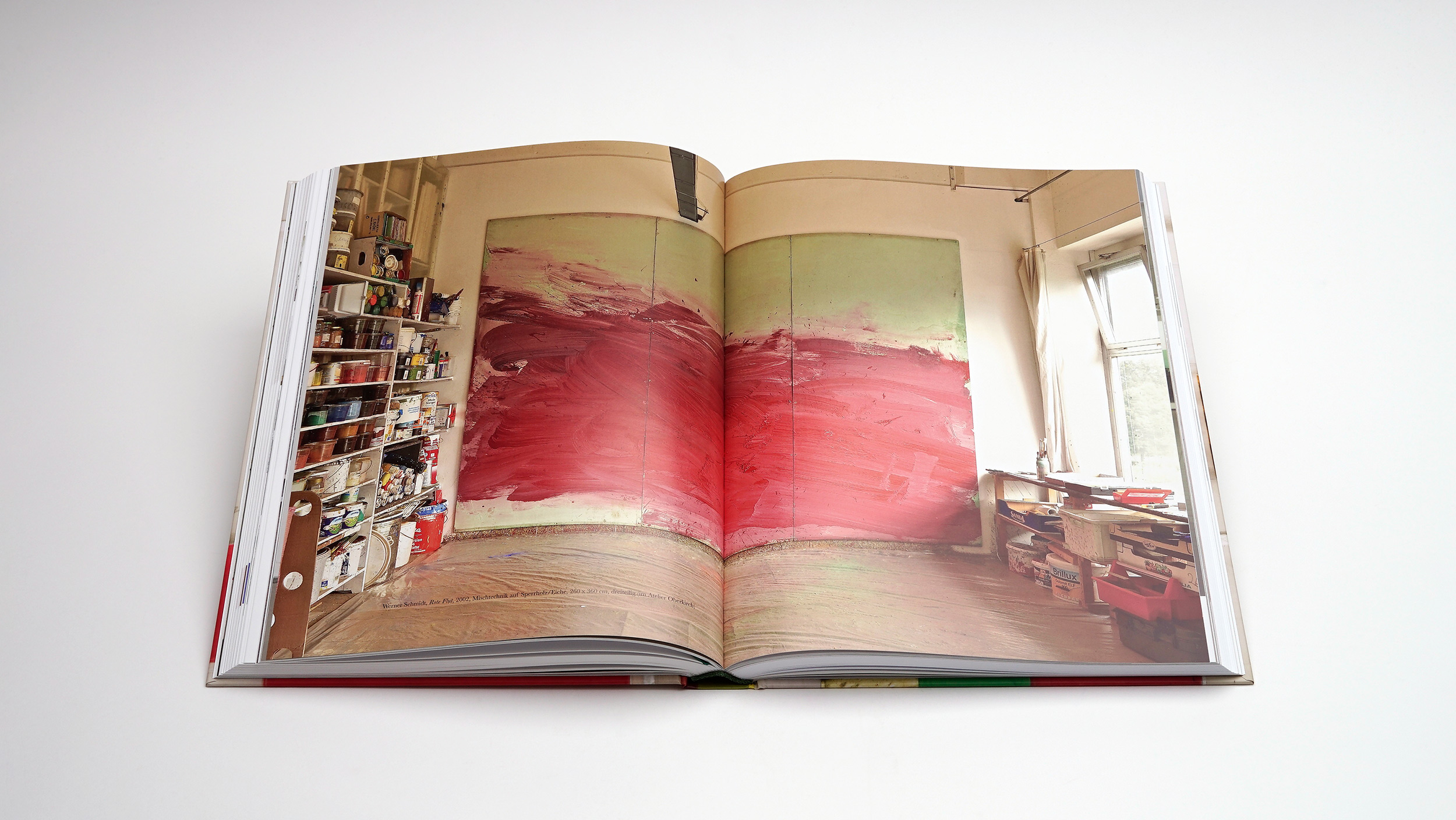
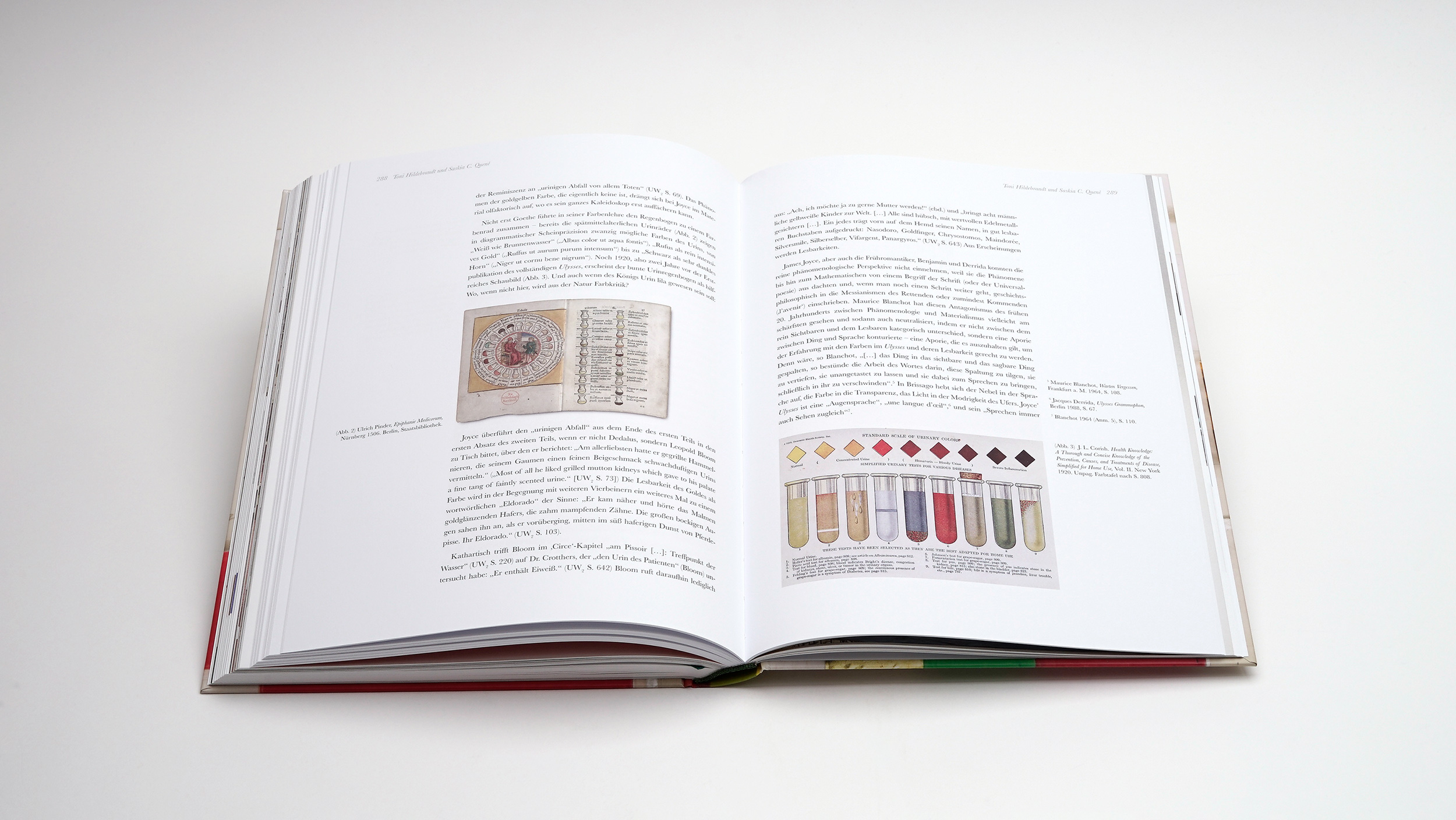
This imposing volume is the fruit of the artist Werner Schmidt’s decades-long immersion in the preeminent literary monument of the twentieth century: James Joyce’s Ulysses.
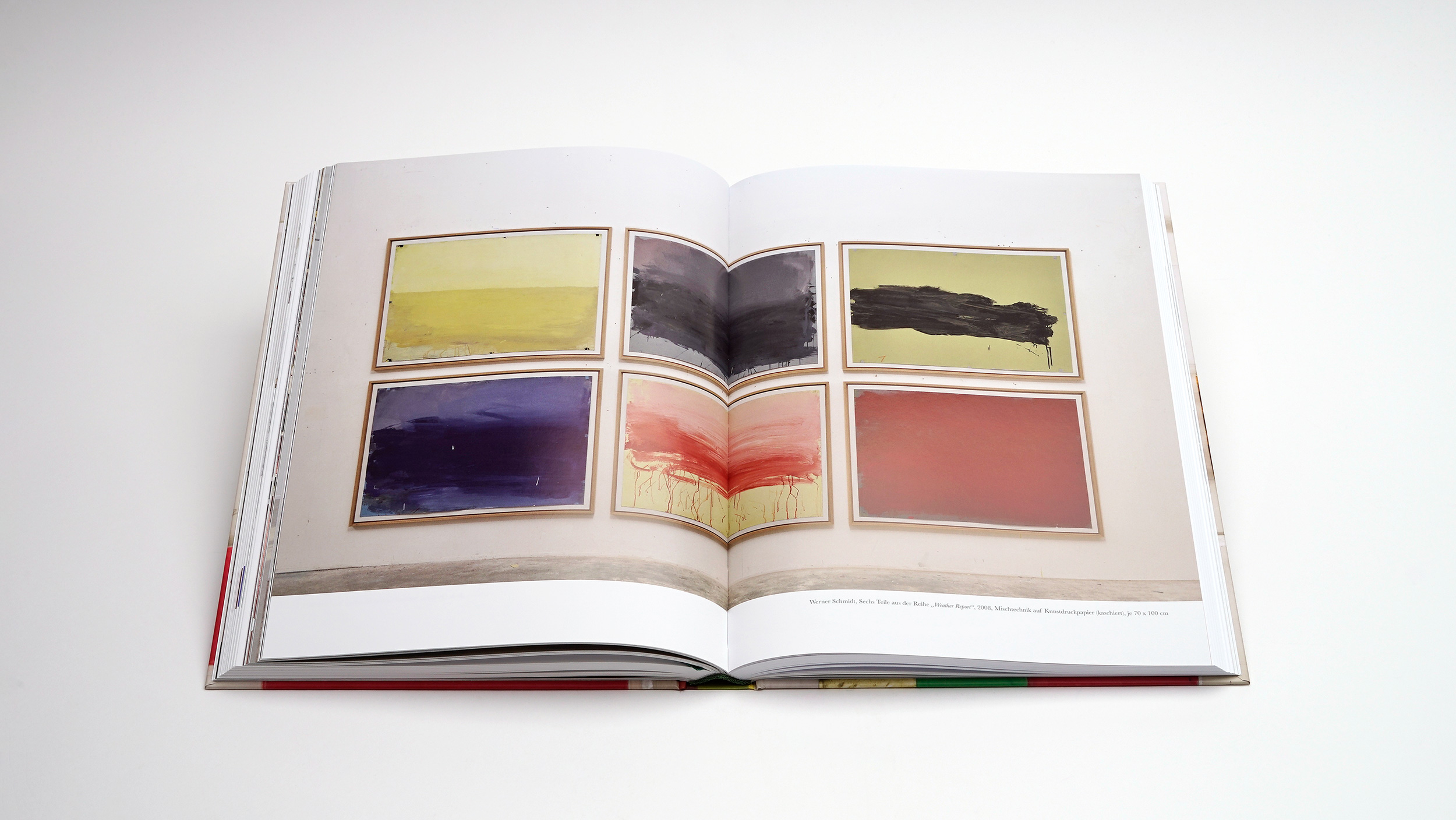
What began as a personal reader’s voyage now attains definite form in an eloquently colorful, interdisciplinary and polyphonic tribute—a work between literary study, theory of color, visual art, and reflection on language.
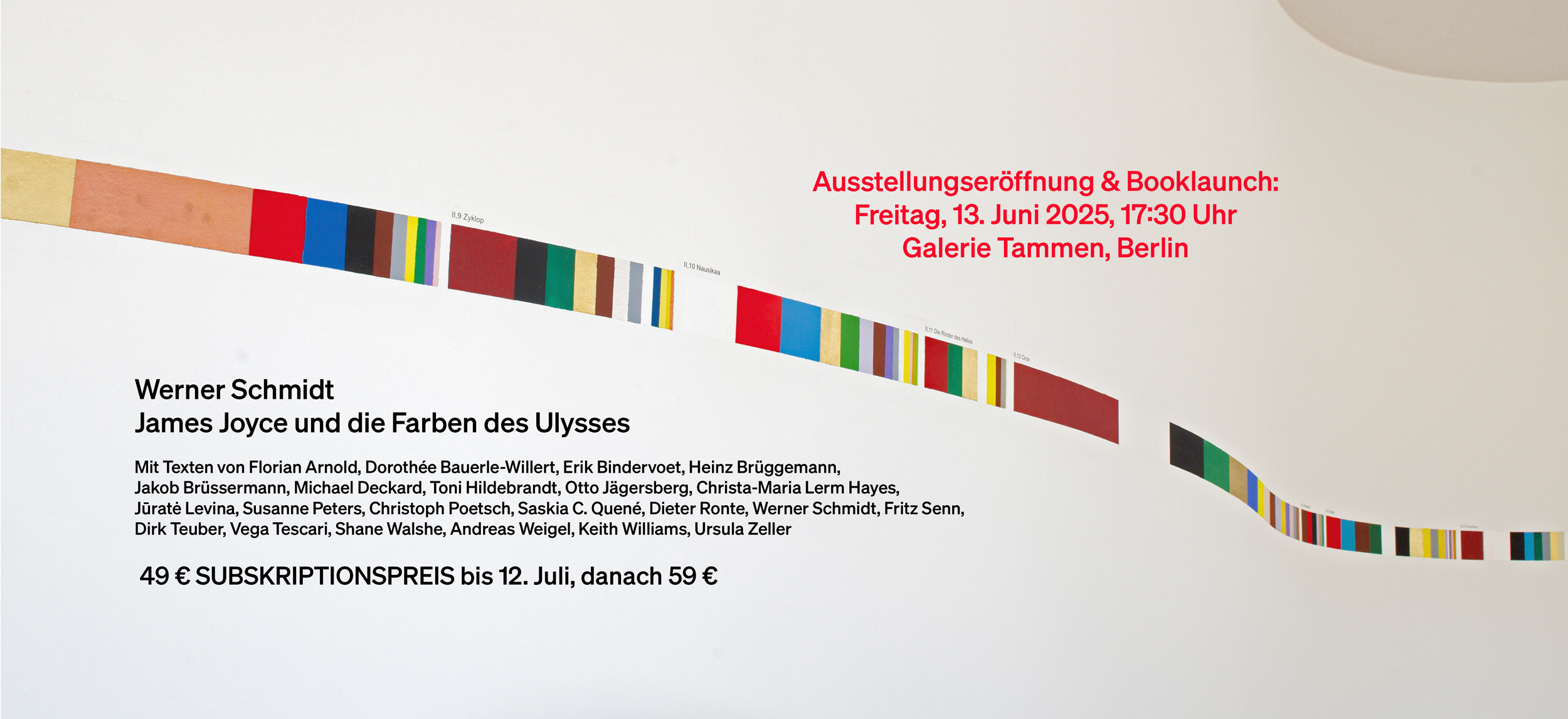
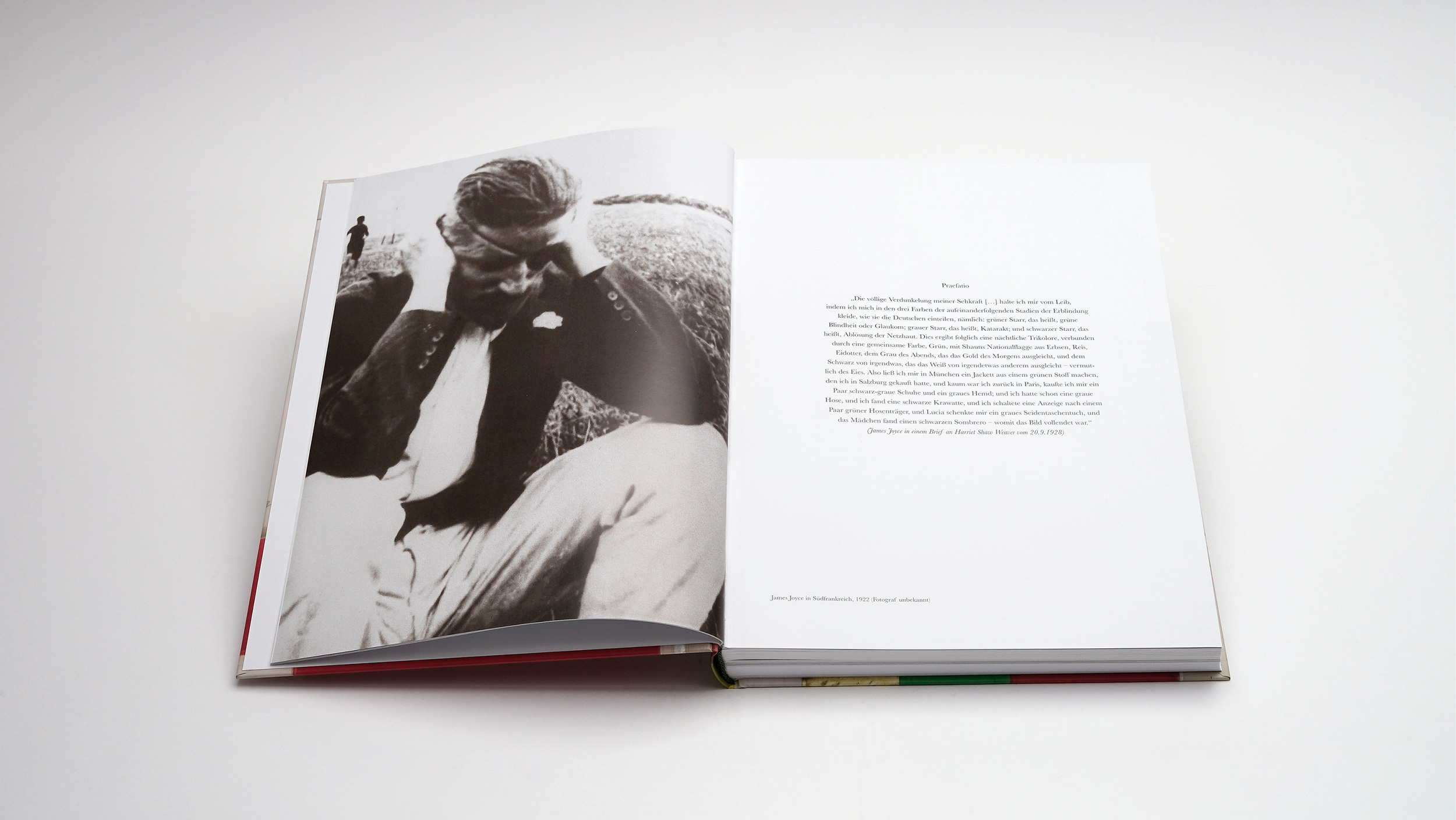
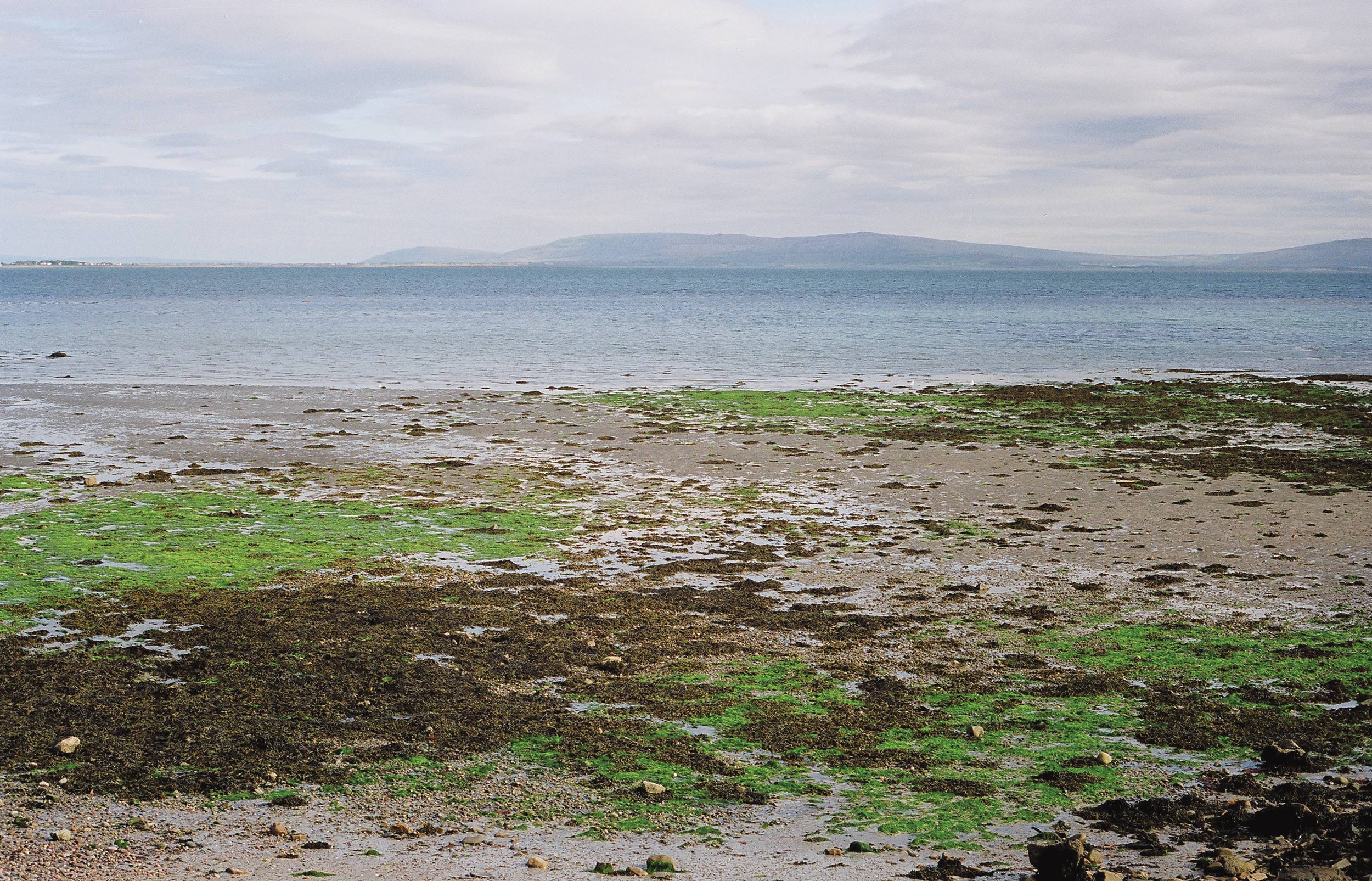
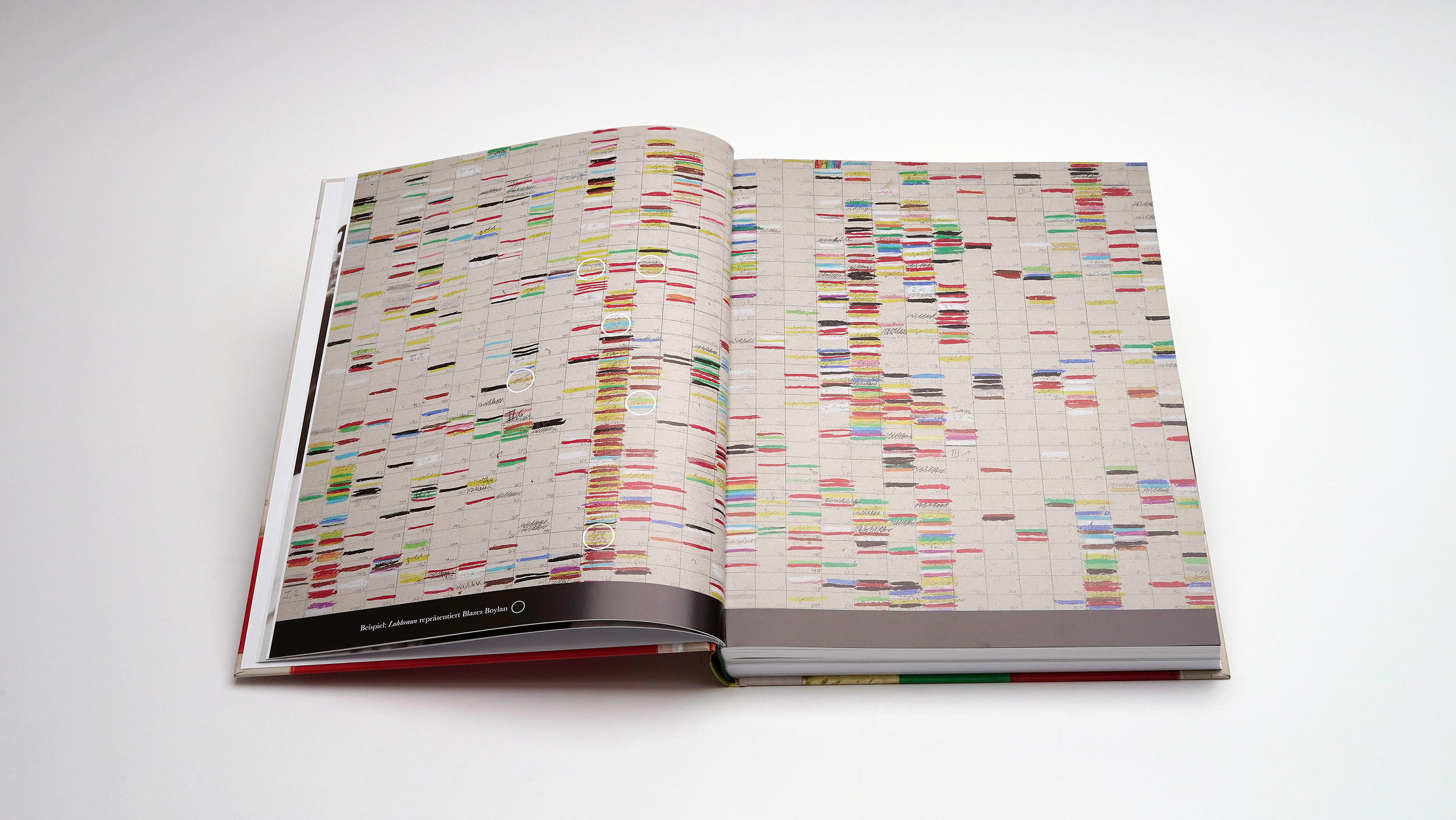
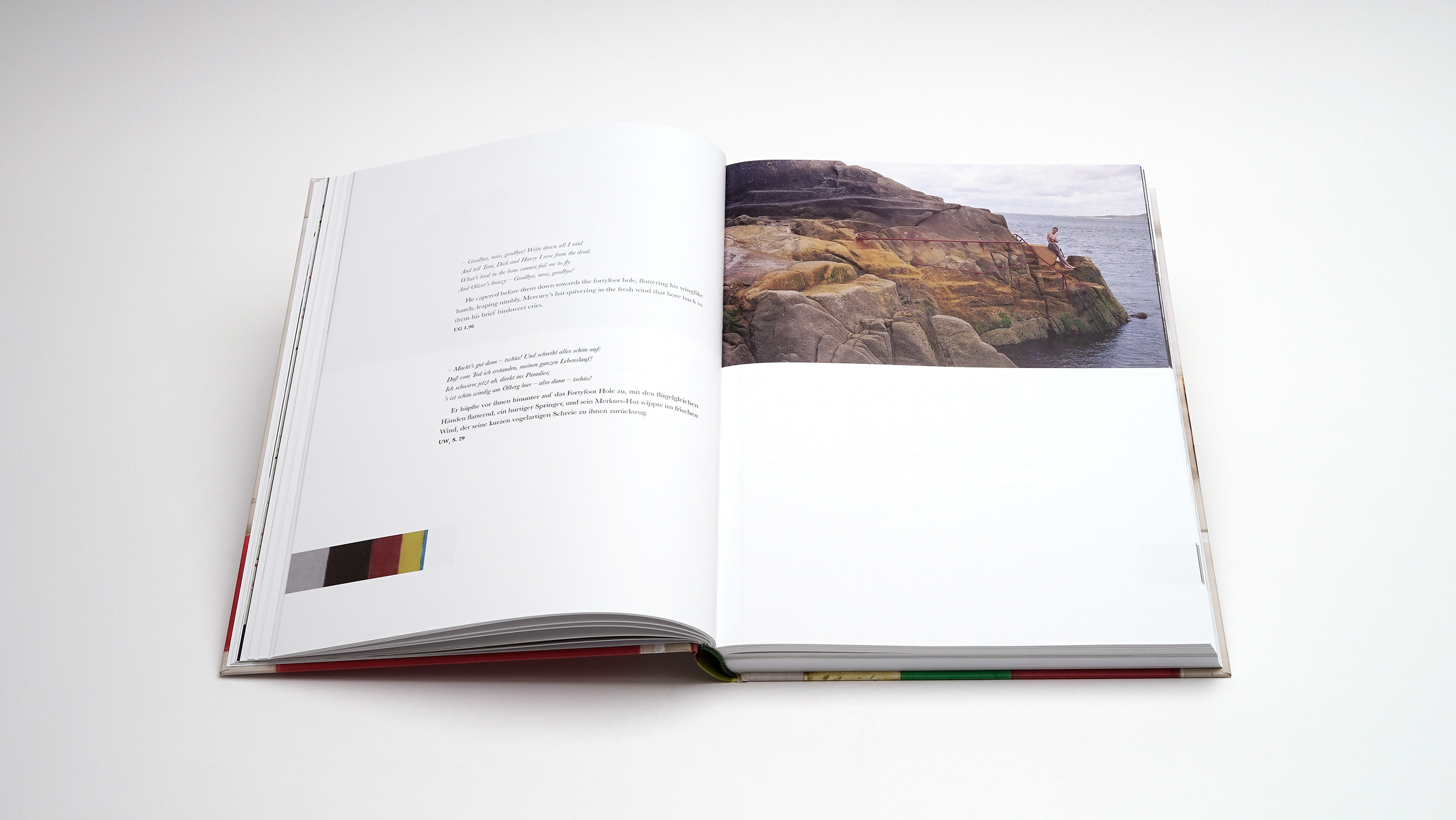
In the book’s first part, Schmidt analyzes and visualizes the use of colors in Ulysses in unique chromatic diagrams and coded color stripes that were literally painted on the walls in exhibitions. They are complemented by a series of photographs taken in Dublin, the novel’s setting, and accompanied by probing meditations on literary and linguistic facets and aspects of politics and the history of religion in the Joycean universe.
The second part gathers the voices of twenty renowned Joyce scholars, who, in five thematically organized chapters, share their perspectives on the color, texture, structure, and effect of Ulysses.
A feast for all who revere Joyce—and a gift of anyone who would not just read but truly wrap their mind around literature in its boldest and most luminous incarnation.
With texts by Florian Arnold, Dorothée Bauerle-Willert, Erik Bindervoet, Heinz Brüggemann, Jakob Brüssermann, Michael Deckard, Toni Hildebrandt, Otto Jägersberg, Christa-Maria Lerm Hayes, Jūratė Levina, Susanne Peters, Christoph Poetsch, Saskia C. Quené, Dieter Ronte, Werner Schmidt, Fritz Senn, Dirk Teuber, Vega Tescari, Shane Walshe, Andreas Weigel, Keith Williams, Ursula Zeller
More books
- Release January 2026

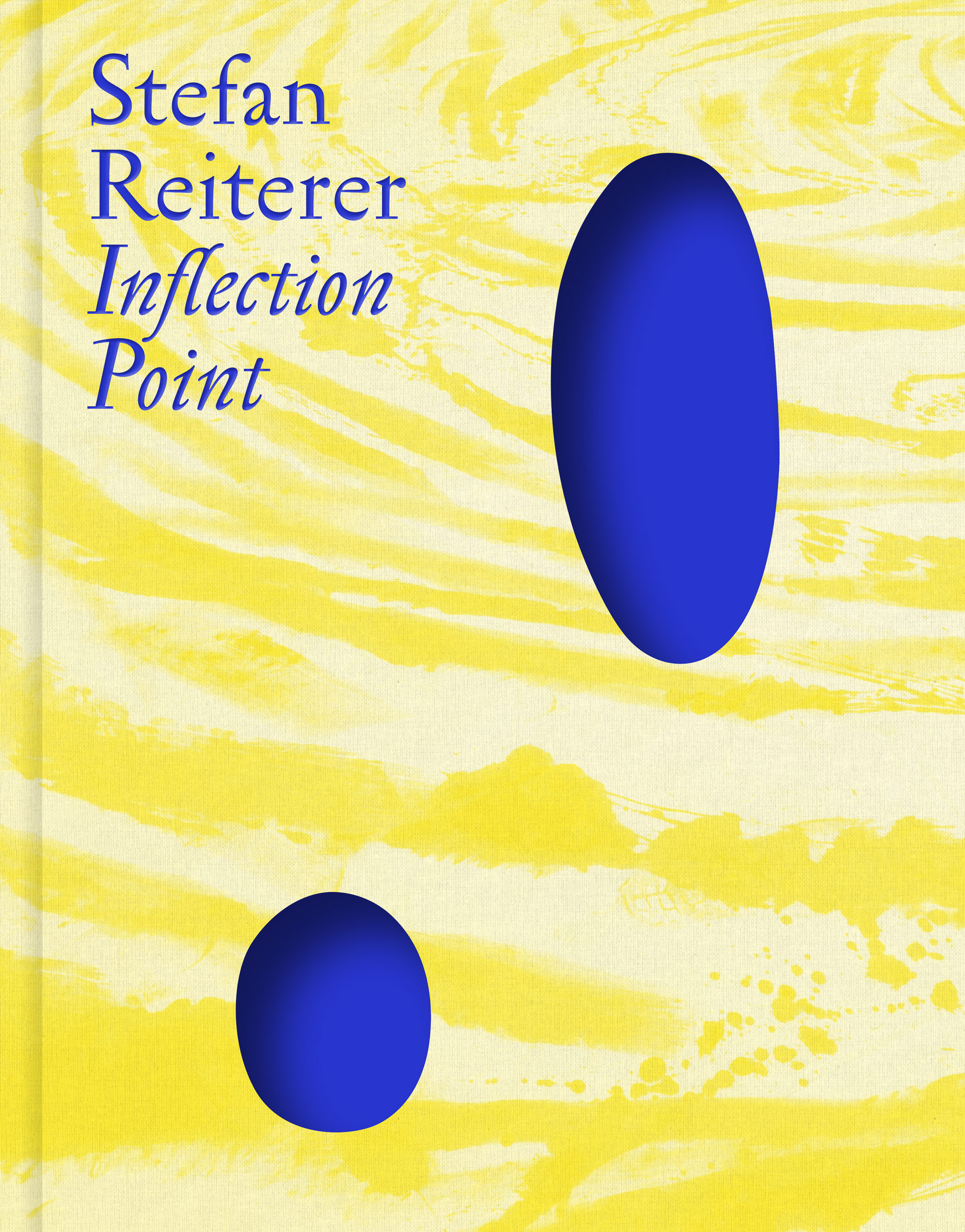
Stefan Reiterer
Inflection Point38€ Add to cartThe Austrian artist Stefan Reiterer (born 1988, lives in Vienna) transfers digital maps and satellite images into analog physical space through abstract painting. He manipulates data from sources such as Google Earth or NASA, transforming them into illusory topologies and pseudo-cartographies to challenge our perception. What is recognized, discovered, rejected? Where is the viewer’s location? Andrea Kopranovic writes of Reiterer’s painted emptiness as a “pitting” and projection surface “for glitches, black holes, and abysses” and a metaphor for potential “interpretations, enrichments, and yet unimagined spaces of possibility.” This richly illustrated book documents Reiterer’s 2025 exhibition at the Museum Gegenstandsfreier Kunst in Otterndorf.
-

Emmanuel Bornstein
Wildwechsel25€ Add to cartLike the deer that tests our vigilance by suddenly crossing the road, Emmanuel Bornstein’s (b. Toulouse, 1986; lives and works in Berlin) art, which is rarely winsome and often disturbing, forces us to grapple with reality. In his earlier work, the German-French artist often focused on the Holocaust and the Second World War, creating pictures profoundly informed by his own family’s story. Exploring Berlin, the epicenter of that dark history, inspired searching meditations in series that turned the spotlight on traces of what had happened. More recently, Bornstein has sought to disentangle his art from subjective experience, shifting his focus to the analysis and reconstruction of contemporary events. Wildwechsel retraces the evolution of his oeuvre as reflected in his biography, which exemplifies the cultural exchange between Germany and France.
Emmanuel Bornstein studied painting first at the École Nationale Supérieure des Beaux-Arts de Paris, then at the Berlin University of the Arts. His works are held in numerous private and institutional collections in New York, Paris, Berlin, Vienna, Madrid, and Istanbul.
-

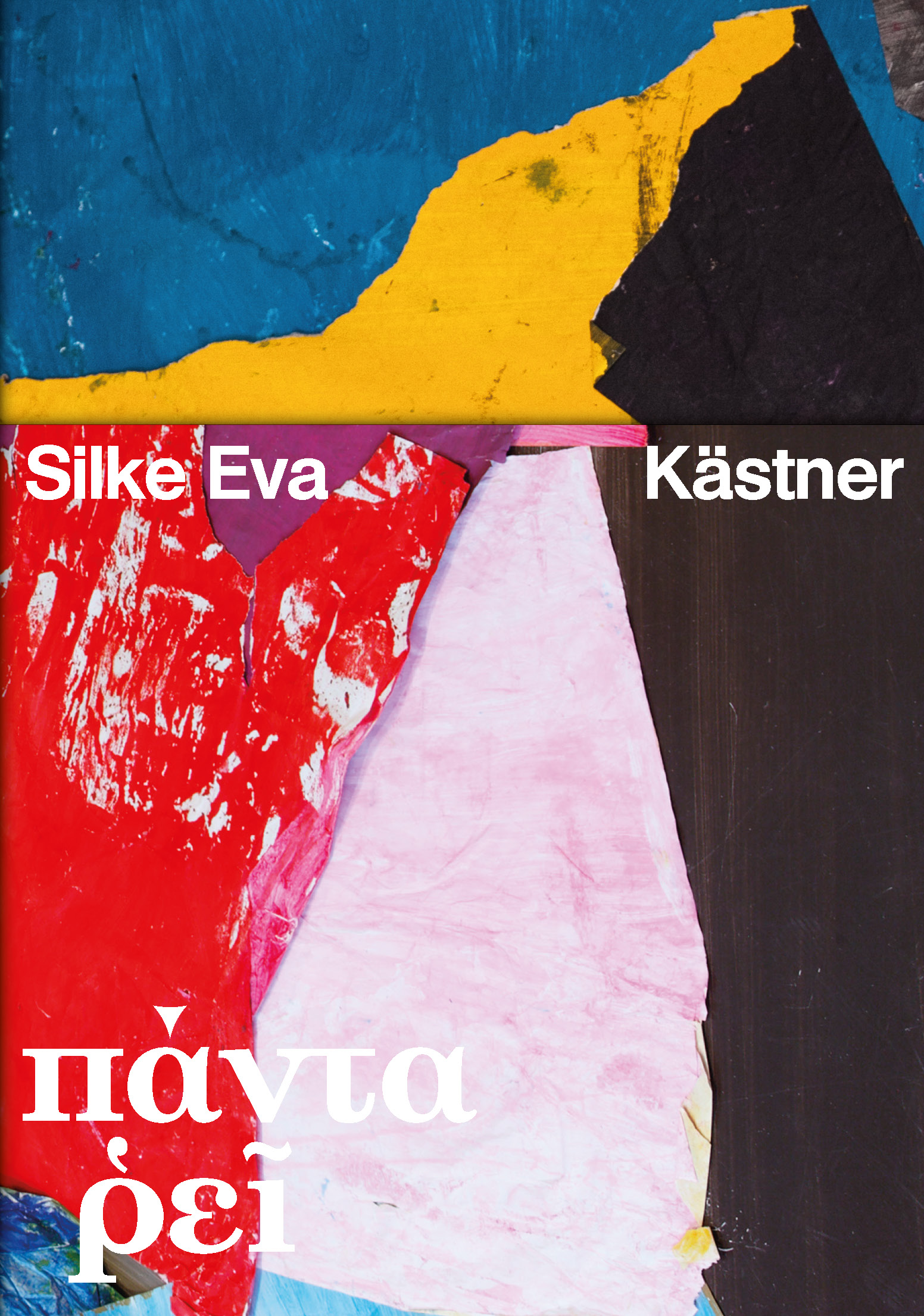
Silke Eva Kästner
Panta Rhei36€ Add to cartSilke Eva Kästner (lives and works in Berlin and Uckermark) developed her creative approach while traveling in India, New York, and Japan. She creates temporary on-site paintings as well as conceptual pieces in which the viewer comes upon prepared materials and becomes part of—or even alters—the picture. Kästner documents these encounters in photographs or filmic traces out of which she compiles films in the editing suite. Probing the potentials of painting as communication, she foregrounds the active intervention and process. In the gallery no less than the urban scene, Kästner places painting in relation to architecture in order to frame it in varying perspectives.
The monograph offers insight into the foci of Kästner’s art; the works are grouped in chapters rather than arranged in chronological sequence. This structure makes the book a space of experience that gives the reader a vivid sense of her ephemeral creations.
After studying with Katharina Grosse at the Weißensee School of Art and Design Berlin, Silke Eva Kästner won the Mart Stam Prize; she honed her craft in India on a NaFöG fellowship and in New York on a yearlong DAAD fellowship. Funding support from the Institut für Auslandsbeziehungen (ifa) enabled her to initiate an ongoing exchange project between Kashmir and Berlin. Her work has been on view at numerous institutions including the Schirn Kunsthalle Frankfurt; the Devi Art Foundation, Delhi; Berlinische Galerie, Berlin; the Queens Museum of Art, New York; Künstlerhaus Bethanien, Berlin; and the Haus der Kulturen der Welt, Berlin.
-

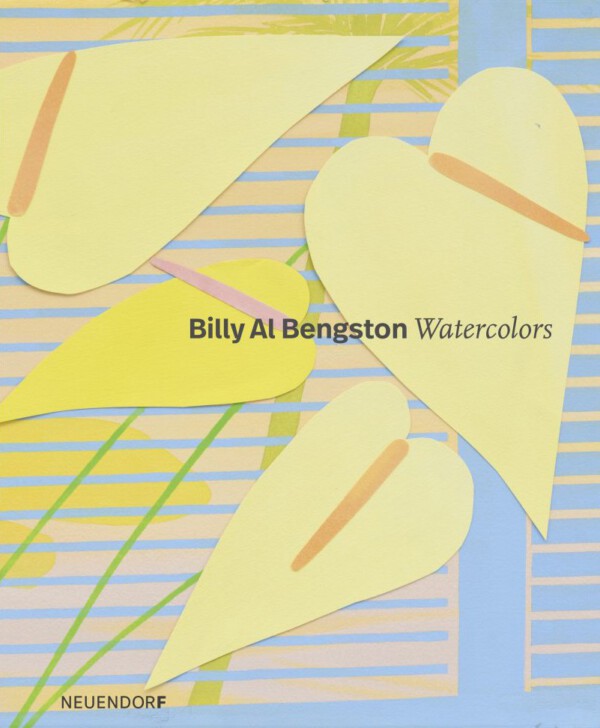
Billy Al Bengston
Watercolors48€ Add to cartThe Pop Artist as Master of Watercolor Painting
Billy Al Bengston (b. 1934, Dodge City; lives and works in Venice, California, and Honolulu, Hawaii) is a master of the watercolor. Themes and motifs that also determine the painterly work gain a special expressiveness here: bizarre landscapes and opulent blossoms, fantastic celestial bodies and colorful abstractions. This opulent volume presents this part of Bengston’s oeuvre for the first time in great breadth with roughly 400 works. They demonstrate the skill of an artist who has brought watercolor to extreme precision and enriched it with numerous new aspects.
Billy Al Bengston attended the California College of Arts and Crafts, Oakland, and the Otis Art Institute, Los Angeles. His works can be found in outstanding permanent collections, including the Centre Georges Pompidou, Paris, the Solomon R. Guggenheim Museum, New York, and the Museum of Modern Art, New York.
-
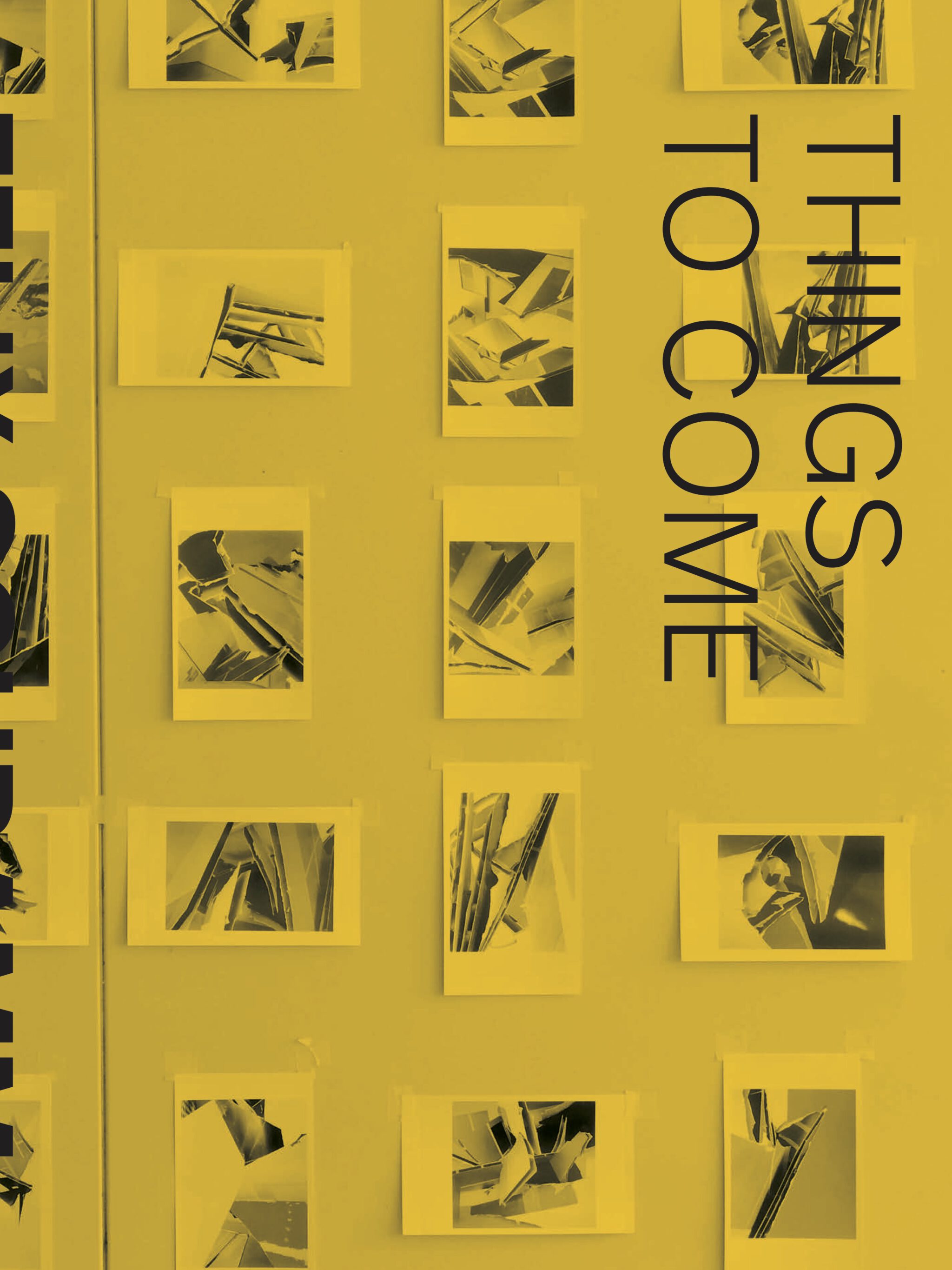
Felix Schramm
Things To Come44€ Add to cartFelix Schramm’s (b. Hamburg, 1970; lives and works in Düsseldorf) sculptural oeuvre reflects a probing engagement with space and the body. In works in a variety of media, including installations that intervene into a given setting, sculptures, and collages, the artist creates three-dimensional forms out of classical materials and industrial staples as well as detritus and dust. Deformations, rifts, cracks, or impurities undermine the existing order in his constructed formal ensembles, allowing novel correspondences in space and interconnections across time to emerge. The material and its subjection to form are held in a precarious balance; disintegration, which is an integral element of Schramm’s art, paves the way for artistic assertion and reformulation. The extensive publication gathers works and exhibitions of the past five years. It is Schramm’s first monograph, presenting a cross-section of his entire oeuvre with all bodies of work.
Felix Schramm studied at the Accademia di Belle Arti, Florence, from 1991 until 1993 and at the Academy of Fine Arts Düsseldorf, where he was in Jannis Kounellis’s master class, from 1994 until 1998. He rounded out his education with residencies in Tokyo in 2000 and at Villa Massimo in Rome in 2008.
-

Thyra Schmidt
Über Diebe und die Liebe. On Thieves and Love.15€ Add to cartAn artist’s book, an artist’s text
On twenty-two large-format typographic sheets, Thyra Schmidt (b. 1974, Pinneberg; lives and works in Düsseldorf) develops a narrative featuring moments in an amorous relationship. Thoughts and encounters between “her” and “him” are captured in poetically constructed, fragmentary units of meaning. Imaginary images are conjured in the mind’s eye: Close-ups and intimate insights into a delicate web of interpersonal incidents. Personal observations and experiences form the starting point of this artistic exploration of love. Yet the focus of her work is not on autobiographical rendering, but rather on the tracking down of elementary structures, a general understanding of intimacy.
-
Julius Hofmann
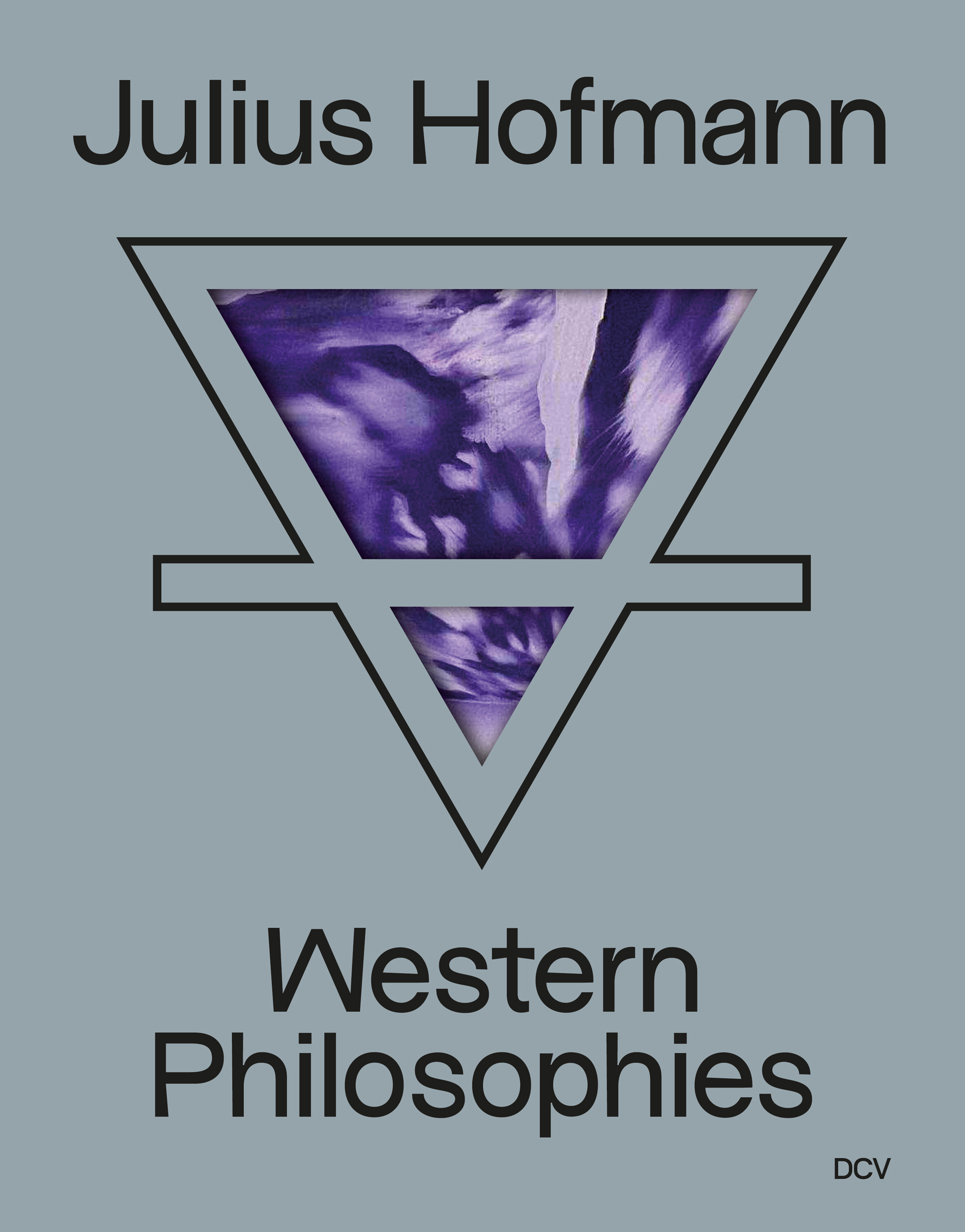
Western Philosophies35€ Add to cartJulius Hofmann (b. Göttingen, 1983; lives and works near Göttingen) has mastered the traditional aspects of painting and commands a broad repertoire of creative techniques. This expertise enables him to call conventional painting in question by combining it with the aesthetic of 1990s computer graphics. The simple and often grotesque symbolism of the imperfect digital imagery contrasts with a perfectionistic figurative painting. This approach lends his pictures a disconcerting and unexpected quality.
Western Philosophies is an episode in Hofmann’s ongoing work confronting consumerist society with its dark secrets and its indifference. Meanwhile, his creative process is also an exploration of the artist’s personal fears and frustrations. In depicting his figures, landscapes, and machines, he draws our attention to the painterly originality of structures and surfaces. The protagonists, to his mind, play a subordinate role, typically serving him as vehicles—he is more interested in the “how” than in the “what.”
Julius Hofmann studied painting with Neo Rauch and Heribert C. Ottersbach at the Academy of Fine Arts Leipzig (HGB) from 2005 until 2011. His work is represented in international collections and institutions.
-
Ruth Wolf-Rehfeldt – Wie eine Spinne im Netz
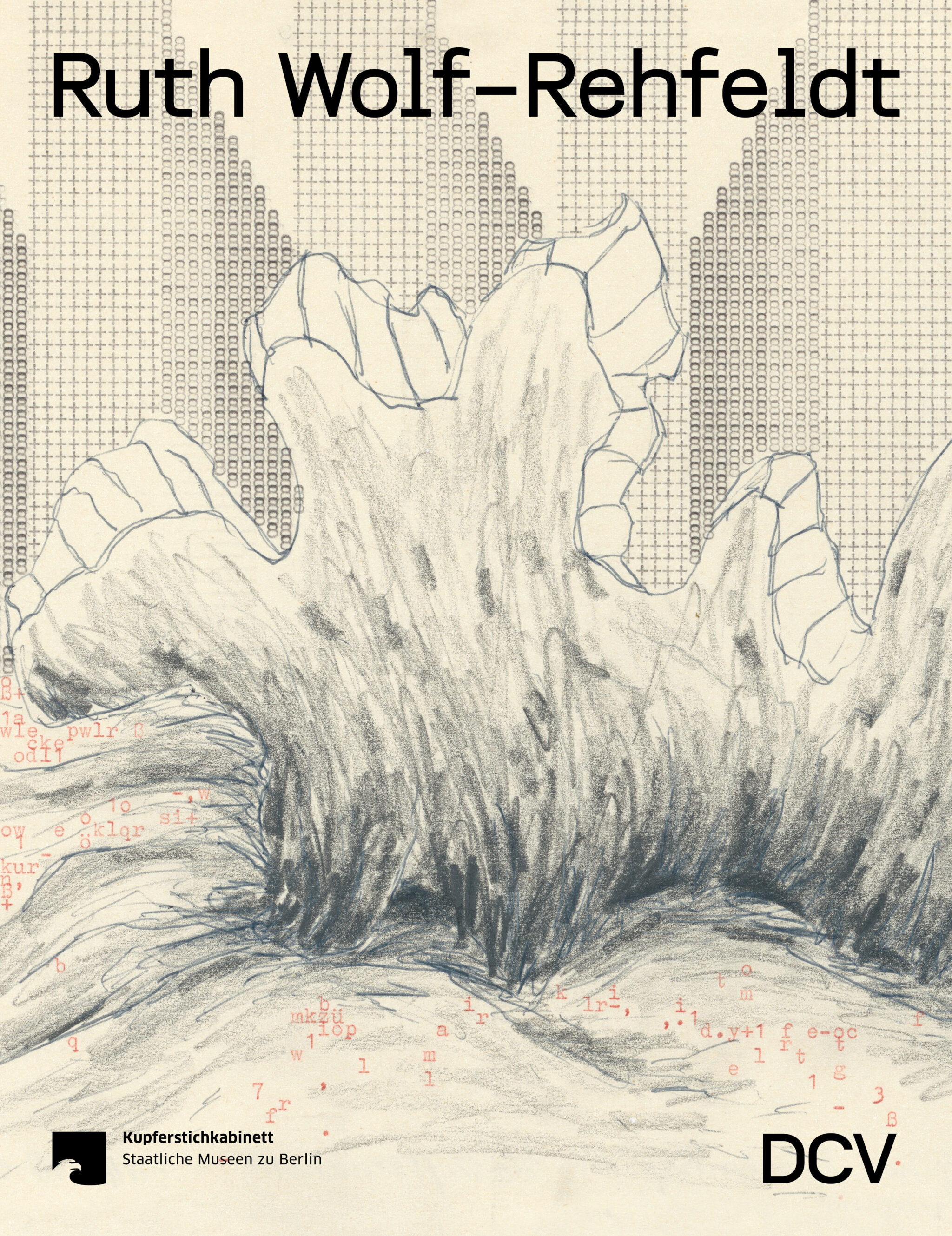
38€ Add to cartRuth Wolf-Rehfeldt (b. Wurzen, Germany, 1932; lives in Berlin) is one the few East German female artists who devoted themselves to graphic art produced on the typewriter. Working on her trusty “Erika,” she arranged letters, digits, commas, and plus signs to compose imaginative visual creations. Under her hands, the black and red characters were transformed into poetic verbal images, gently undulating waves, serial patterns, and architectonic or figurative formations. Sometimes verging on concrete poetry, these typewritings also evince unmistakable affinities with conceptual and minimalist art. In the 1980s, the artist expanded on them in collages that recall Hannah Höch’s Dadaist visual montages. With her graphic work, Wolf-Rehfeldt was also an active participant in the GDR’s mail-art program: she sent the typewritings to artists beyond the impassable borders of her country, building an extensive network of correspondences that spanned the globe.
The richly illustrated monograph underscores the diversity and contemporary relevance of Wolf-Rehfeldt’s works, which were created in the shadow of the Cold War and address the fragility of peace as well as early manifestations of the environmental devastation wrought by the industrial age.
-

Konkrete Progressionen
François Morellet & Vera Molnar, Manfred Mohr & Hartmut Böhm15€ Add to cartThanks to a generous donor, the Kunstmuseum Reutlingen | konkret welcomed a number of outstanding works to its collection in 2022. Titled Konkrete Progressionen, the first exhibition to showcase a selection from the gift features four internationally renowned artists whose works are derived from mathematical or geometric procedures: the concrete systematists Hartmut Böhm (1938–2021) and François Morellet (1926–2016) and the pioneers of computer-generated art Manfred Mohr (1938–) and Vera Molnar (1924–).
The book documents the serial paintings, drawings, collages, wall objects, and monumental installations and environments of steel beams or concrete blocks. The works play concrete games with the beholder’s ability to recognize patterns in binary contrasts or layered grids. They show sine waves, vector series, hypercubes, and markings derived from the circular constant π or the Fibonacci sequence—and in each instance demonstrate primarily how the basis of calculation takes on a life of its own.
The exhibition at the Kunstmuseum Reutlingen runs until April 14, 2024.
-

Me, Family
Portrait of a Young Planet40€ Add to cartA Journey Through Many Worlds
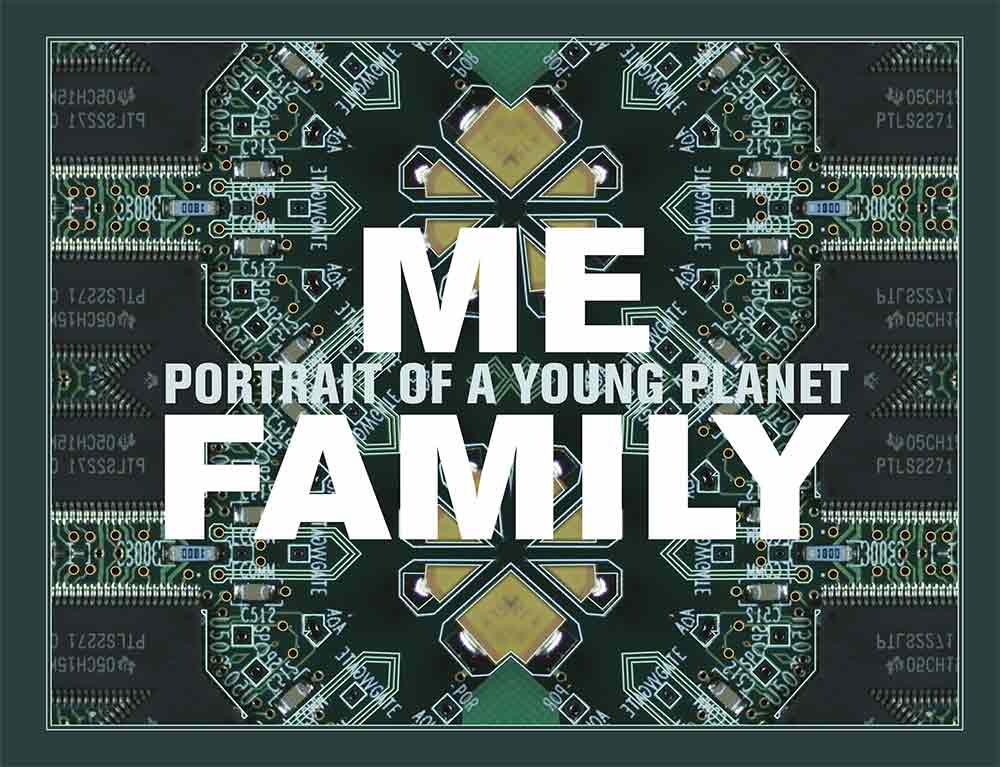
In these times of great uncertainty, the themes that surface in the works of the thirty-six international artists gathered in Me, Family are more relevant than ever. Compiled by Francesco Bonami with a nod to Edward Steichen’s historic exhibition The Family of Man, the volume paints a multifaceted portrait of humanity in the early decades of the twenty-first century. The original installation of photographs and excerpts from writers opened at the Museum of Modern Art in New York in 1955 and then went on a seven-year tour of one hundred and fifty museums all over the world. Matching the radicalism of Steichen’s conception, Me, Family presents works by contemporary artists who harness a wide range of media and genres to explore the ways in which humans today engage with their manifold coexistent histories and the diverse challenges they confront. Including reproductions of contemporary art as well as representations of social networks, fashions, information technologies, advertising, sound, music, and performances, the book captures a reality that is beautiful, dramatic, and intoxicating by turns. With writings by Roland Barthes, Francesco Bonami, Edward Steichen, and others.
With works by Lawrence Abu Hamdan, Doug Aitken, Sophia Al Maria, Yuri Ancarani, Darren Bader, Lara Baladi, Cao Fei, Cheng Ran, Clément Cogitore, István Csákány, Christian Falsnaes, Harun Farocki, Simon Fujiwara, Rainer Ganahl, Theaster Gates, Jack Goldstein, Andreas Gursky, Thomas Hirschhorn, Hassan Khan, Ga Ram Kim, Olia Lialina, Li Ming, Cristina Lucas, Karolina Markiewicz & Pascal Piron, Eva & Franco Mattes, Shirin Neshat, Philippe Parreno, Mario Pfeifer, Jon Rafman, Cindy Sherman, Marianna Simnett, Rudolf Stingel, Thomas Struth, Wolfgang Tillmans, Jordan Wolfson, Wong Ping, and Akram Zaatari.
- Release January 2026
PULS 22
36€ Add to cartPULS, an initiative of Bukarest’s National Museum for Contemporary Art (MNAC) began during the COVID-crisis. Since then, the museum supports Romanian artists by biennially purchasing more than 100 relevant creative works, carefully selected from a large pool of submissions by a democratic jury of artists and art professionals. PULS22 showcases in book-form MNAC’s most recent acquisitions and their subsequent exhibition. This volume, like the former PULS20, is an exciting panoramic snapshot of the country’s dynamic multigenerational art scene. The installation shots speak of an outstanding exhibition and the potential for future loans to curated shows elsewhere.
-

Fahar Al-Salih
Beyond Fairy Tales39€ Add to cartBridges between East and West
The protection and sense of belonging one feels where one is at home, and what it is like to lose both of them: these are central concerns in the art of Fahar Al-Salih (b. Belgrade, 1964; lives and works in Karlsruhe). Having grown up in Kuwait, where a classical education in visual art was inconceivable, Al-Salih came late to his métier; Markus Lüpertz was among his teachers, and he completed his education in Hermann Nitsch’s master class. Seeing himself as a “bridge-builder” between the cultures of the Arab world and Europe, Al-Salih probes the different lived realities in which his itinerant biography has been set. No more linear than his path through life, his oeuvre is defined by subjects to which he keeps returning in a kind of cyclical motion. This publication offers unprecedented insight into Al-Salih’s creative approach and his articulations of individual yearnings, the comforts of safety, and political and social upheavals. His work achieves a deft interweaving of global perspectives and migrant realities.
- Release January 2026
Frank Morrison
38€ Add to cartThe dynamic Neo-Mannerist images of painter and illustrator Frank Morrison (born 1971, lives in Atlanta) celebrate the resilience and dignity of African Americans in everyday life. A child of institutionalized racism in the US, he can testify that creativity and solidarity could never be suppressed in the segregated and brutally marginalized communities. Hip-hop and graffiti are resistance. Clichés of inner-city struggle are vividly refuted in this book. The volume documents Morrison’s recent exhibitions, one of which is dedicated to the younger generation: frame-braking images that interweave narrative forms of comics and pop art with illustration. Morrison’s gallery calls the book an explosive tribute to genius flourishing in institutionalized exile.
-

Louise Hindsgavl
Conversation Pieces68€ Add to cartThe Danish sculptor Louise Hindsgavl (born 1973, lives in Copenhagen) is known for hybrid figurines made of porcelain and glazed stoneware: half animal, half human. Only their material evokes the idealized and kitschy scenes traditionally rendered in porcelain; however, Hindsgavl’s “sculptural collisions” tell of disturbing encounters between tormented beast-like people. For that she draws from brutal folktales of the past as much as from the ubiquitous “fairytales” of today’s social media that normalize violence, sexual abuse, and self-harm. Using one of the most fragile materials, she brings these trends into focus for discussion, calling her sculptures Conversation Pieces—which is also the title of this interesting and provocative book.
-

Sibylle Springer
Ferne Spiegel / Distant Mirrors35€ Add to cartThe paintings of Sibylle Springer (born 1975, lives in Bremen) focus on the role of women in the art world of the digital age. For her portrait series Feed, she has painted 40 female artists to date, based on staged photographs from their Instagram feeds. “Is social media an instrument of emancipation, or does it even lead to new forms of objectification?” (Kohout) In Wait for It, Springer copied pop stars from the internet, but used a silver paint that oxidizes the canvases, thus aging the eternally youthful icons before our eyes—precisely what digital image control seeks to prevent. In her more recent textile objects, Springer interweaves female artists of the past and present. This informative book accompanies her exhibition at the Kunstverein Bremen.
Die Malerei von Sibylle Springer (geb. 1975, lebt in Bremen) widmet sich der Rolle von Frauen in der Kunstwelt des digitalen Zeitalters. Für ihre Portraitserie Feed malte sie bisher 40 Künstlerinnen, basierend auf fotografischen Selbstinszenierungen aus deren Instagram-Feeds. “Sind Soziale Medien Instrumente der Emanzipation oder führen sie gar zu neuen Formen der Objektifizierung?” (Kohout) Für Wait for It kopierte Springer Popstars aus dem Netz, aber benutzte ein die Leinwände oxidierendes Silber, das die ewig-jungen Ikonen vor unseren Augen altern lässt, gerade das, was digitale Imagekontrolle zu verhindern sucht. In neueren, textilen Objekten verknüpft Springer Künstlerinnen der Vergangenheit und Gegenwart. Dieses informative Buch begleitet ihre Ausstellung im Kunstverein Bremen.
FERNE SPIEGEL / DISTANT MIRRORS
KUNSTHALLE BREMEN
UNTIL JANUARY 11, 2026 -

Slawomir Elsner
Precision and Chance38€ Add to cartComplex Processes of Abstraction
International audiences know Sławomir Elsner (b. Wodzisław Śląski, Poland, 1976; lives and works in Berlin) for his naturalistic paintings and abstract watercolors, but it was his brilliantly executed colorful drawings that made him famous. The technique of his work in crayons is as formidable as it is singular and underlies his many adaptations of legendary works from the history of painting that seem blurry but are actually drawn in accurate lines.
More generally, Elsner’s art probes the effect of different media and the stories they tell. He interrogates the images they transport and challenges the consumers to subject their own visual experiences to a similar critical review. Do pictures represent reality or distort it? That is the question that guides his inquiries.
Elsner works almost exclusively in series. What makes this book special is that it includes an index in which eleven of these bodies of work are reproduced in their entirety. The Old Masters series alone comprises 143 works made in the years after 2014. It is complemented by the series Windows on the World (2008–2010), Feuerwerk- und Luftabwehr (2004), Unsere Sonnen (2004–2005), the watercolors of Tagstücke and Nachtstücke (2014–2021), and others.
Many of the works frame accidents, disasters, wars, nuclear tests, or other horrible events. By harnessing the means of art to detach their depiction from a documentary setting, Sławomir Elsner achieves an unrivaled degree of aestheticization; his works are fascinating at first glance, only to fill the beholder with a creeping dread.
-

Ion Bitzan
48€ Add to cartThe painter and object artist Ion Bitzan (b. Limanu, 1924; d. Bucharest, 1997) belonged to the generation of Romanian artists who, in the 1960s and 1970s, broke through their country’s isolation to connect to the international avant-garde. His creativity and the quality of his artistic experiments, which drew inspiration from conceptual art, Dada, and other sources, made him a leading figure in the Romanian art of the Ceaușescu era. This book also sheds light on the complex relationship between artistic innovation and political (propaganda) art behind the Iron Curtain during this period, in which nothing was ever black or white. Bitzan represented Romania at the Venice (1964) and São Paulo Biennales (1967, 1969, 1981). In 2017, the National Museum of Contemporary Art (MNAC) in Bucharest mounted a major retrospective of his oeuvre.
-

Pharaonengold
3.000 Jahre altägyptische Hochkultur27,50€ Add to cartThe Mysterious World of the Pharaohs and their Magical Relationship to Gold
Hardly any other culture fascinates as much as the high culture of ancient Egypt. At its center were the pharaohs, those legendary kings who, according to the beliefs of the ancient Egyptians, descended directly from the gods. Gold was ascribed a special symbolic and religious power; it stood for eternity and indestructibility and, as the “flesh of the gods,” was a sacred metal. The book brings together 150 exhibits from pharaonic tombs from the Old Kingdom of the Third Dynasty (circa 2680 B.C.E.) and the oldest gold statue of an Egyptian pharaoh to Tutankhamun and Horemheb (circa 1330–1310 B.C.E.).
-

Pieter Slagboom
Scent of Hypnosis42€ Add to cartPieter Slagboom’s drawings are about life and death. About how these ostensible antagonists are inseparable; how, in his imagination, they are even fused. In his enormous canvases, we are held by the essence of our existence as though by a steel vise: we come from the void and in the end shall return to it. Thousands upon thousands of sweeping lines, twisting like Moebius strips, make for an almost physical experience of this truth. The dead and the newborn emerge from the primeval soup of Slagboom’s lines, as do genitals; we spot larger-than-life fantasies of disturbing sexual acts. The circle of life as a short circuit. The energy of some of the pictures in Slagboom’s oeuvre is almost too much to bear—we shudder before the pigments materializing our latent knowledge: that death is suspended in life.
-

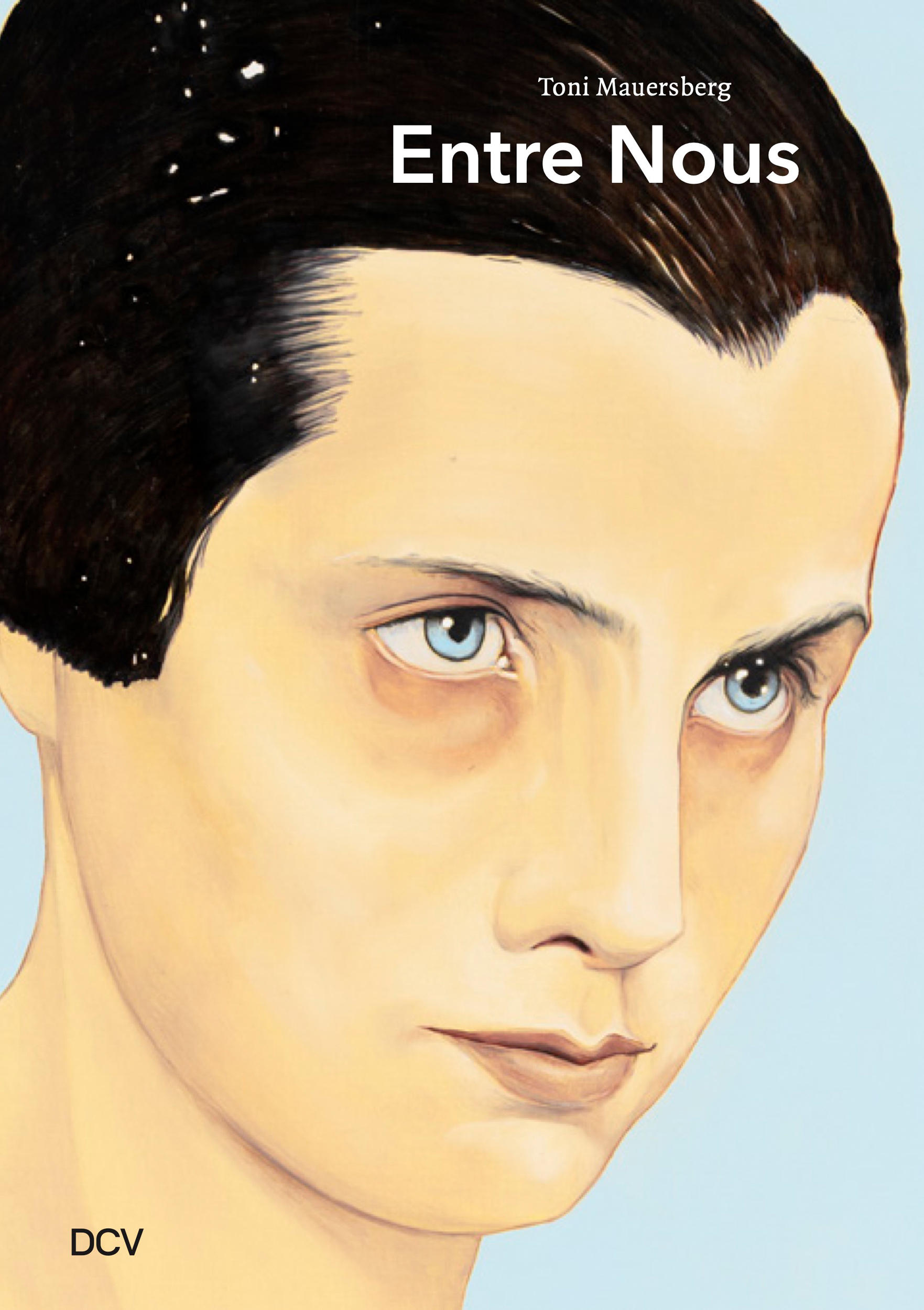
Toni Mauersberg
Entre Nous28€ Add to cartToni Mauersberg (b. Hannover, 1989; lives and works in Berlin) is interested in the different layers of a picture’s signification: there is, in the first instance, what it depicts; then the larger tradition in which it is grounded; and finally, the conditions of its genesis. She employs a range of painterly strategies and techniques to uncover the potentials of paintings as a medium of understanding, insight, and storytelling. The question that animates her art is how it is possible, in this post-religious, post-rational, and post-individual age, to be one’s own person. In her most recent series, Pas de Deux, Mauersberg investigates the complex visual language of abstract painting, which originated in part in a quest for new ways of representing spirituality and emancipation. Combining nonrepresentational pictures with portraits, she draws attention to how both are products of “making,” composed of nothing but color, while enlarging their interpretative ambits. The dialogue between the paintings is meant to help the beholders chart their own course as they unlock what appear to be hidden laws encoded in pictures.
Toni Mauersberg studied Jewish studies at Freie Universität Berlin in 2008–2012 and fine arts with Leiko Ikemura at the Berlin University of the Arts from 2009. In 2017, she was Michael Müller’s master student.