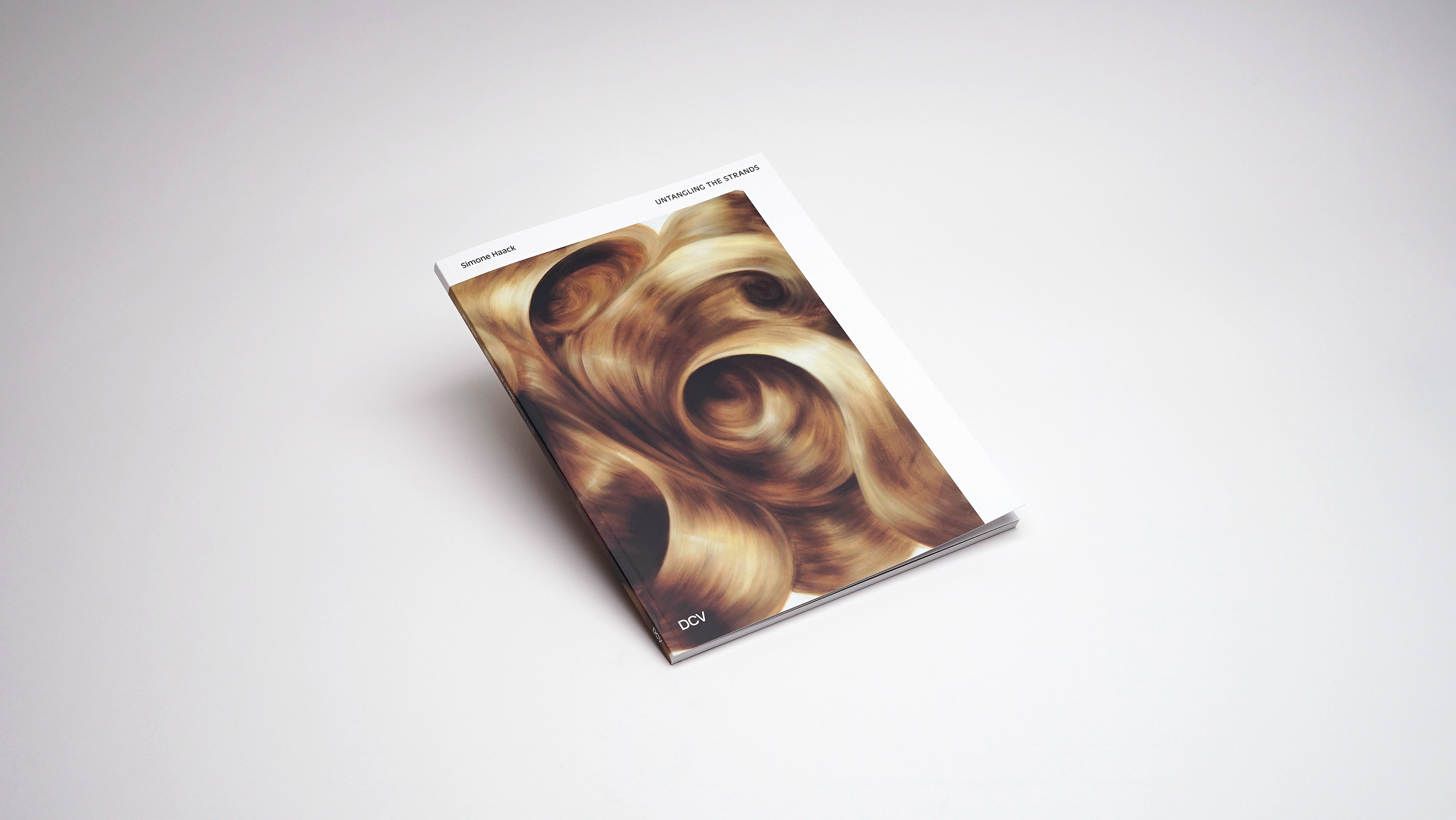
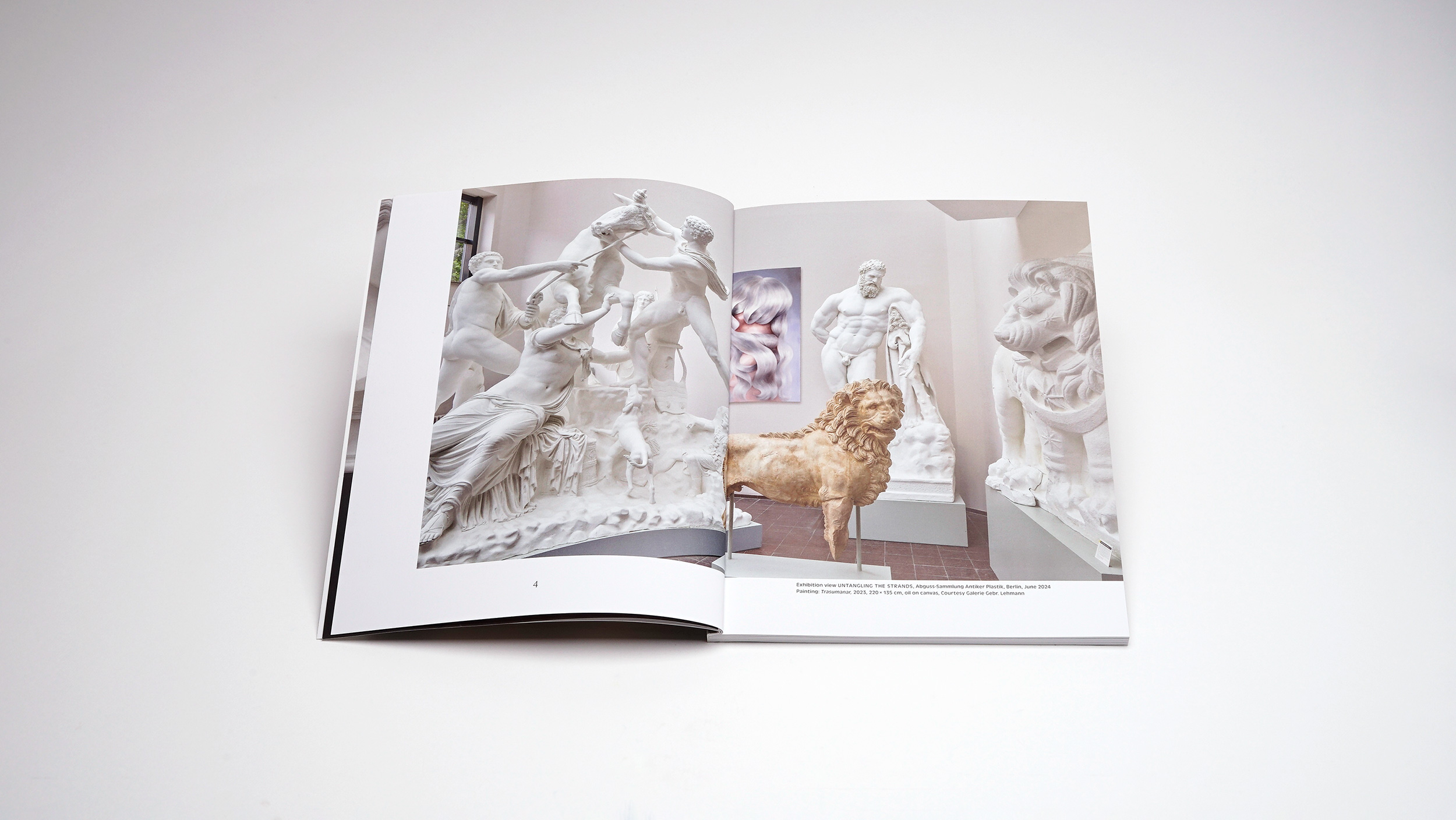
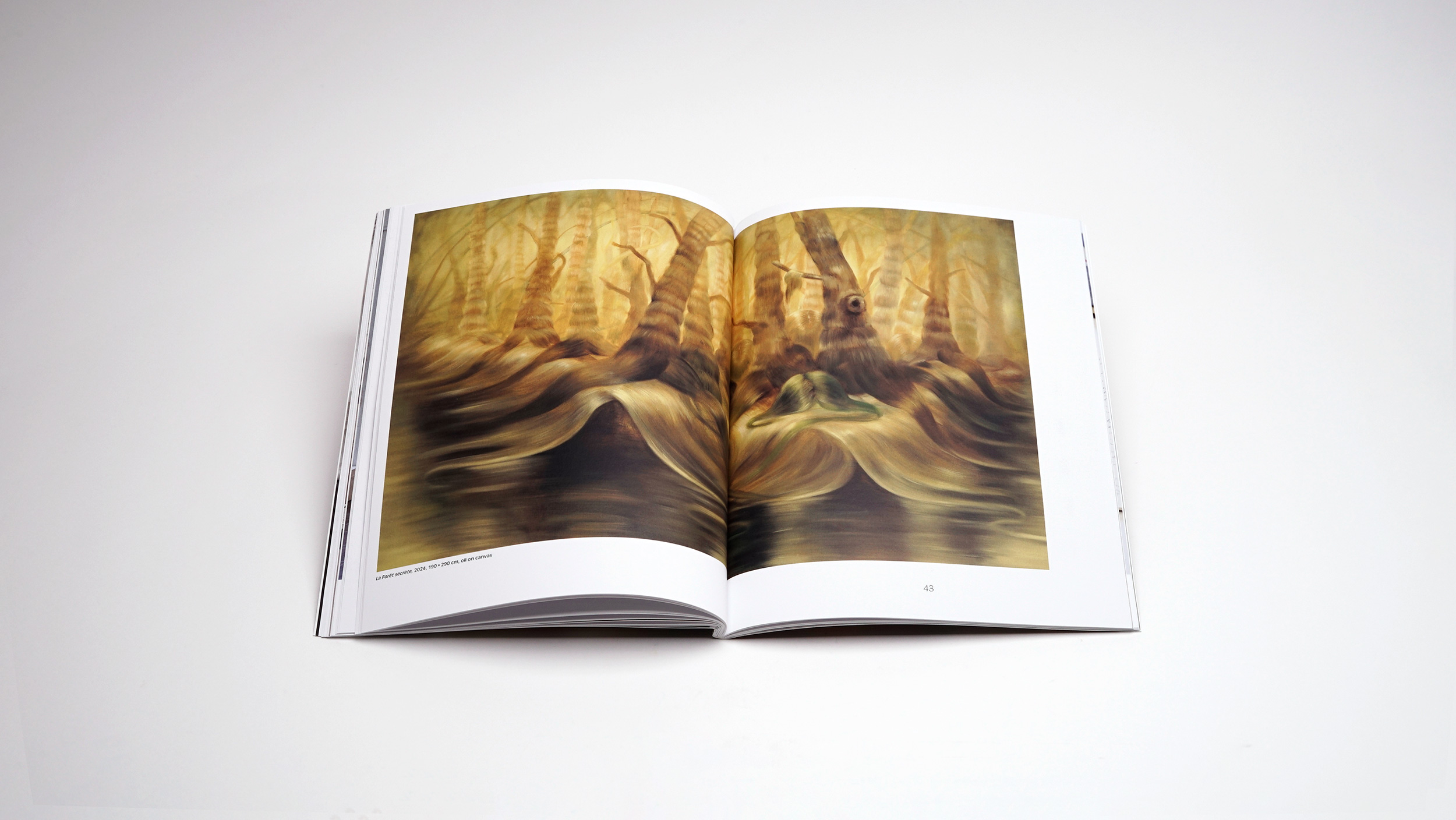
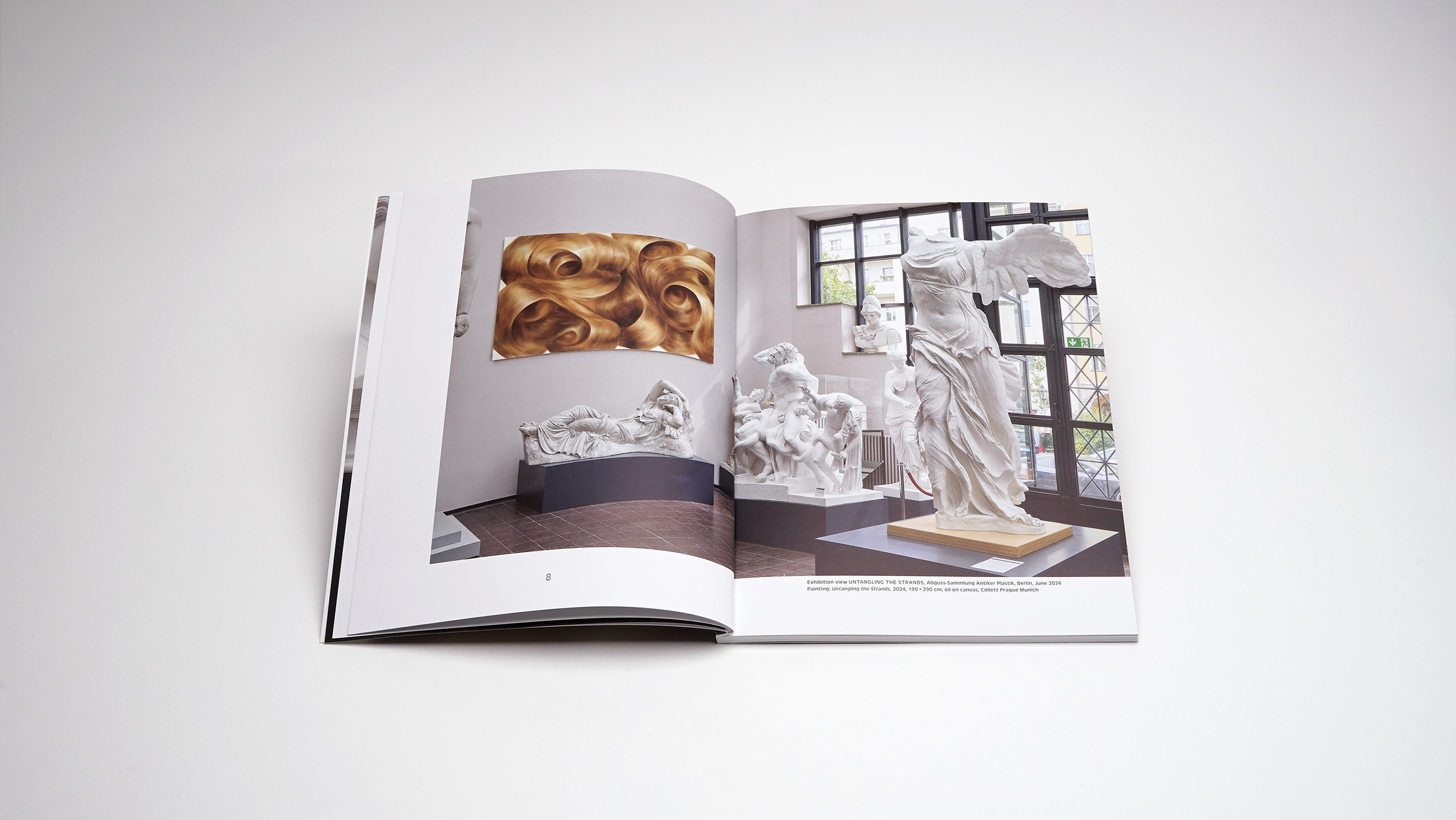
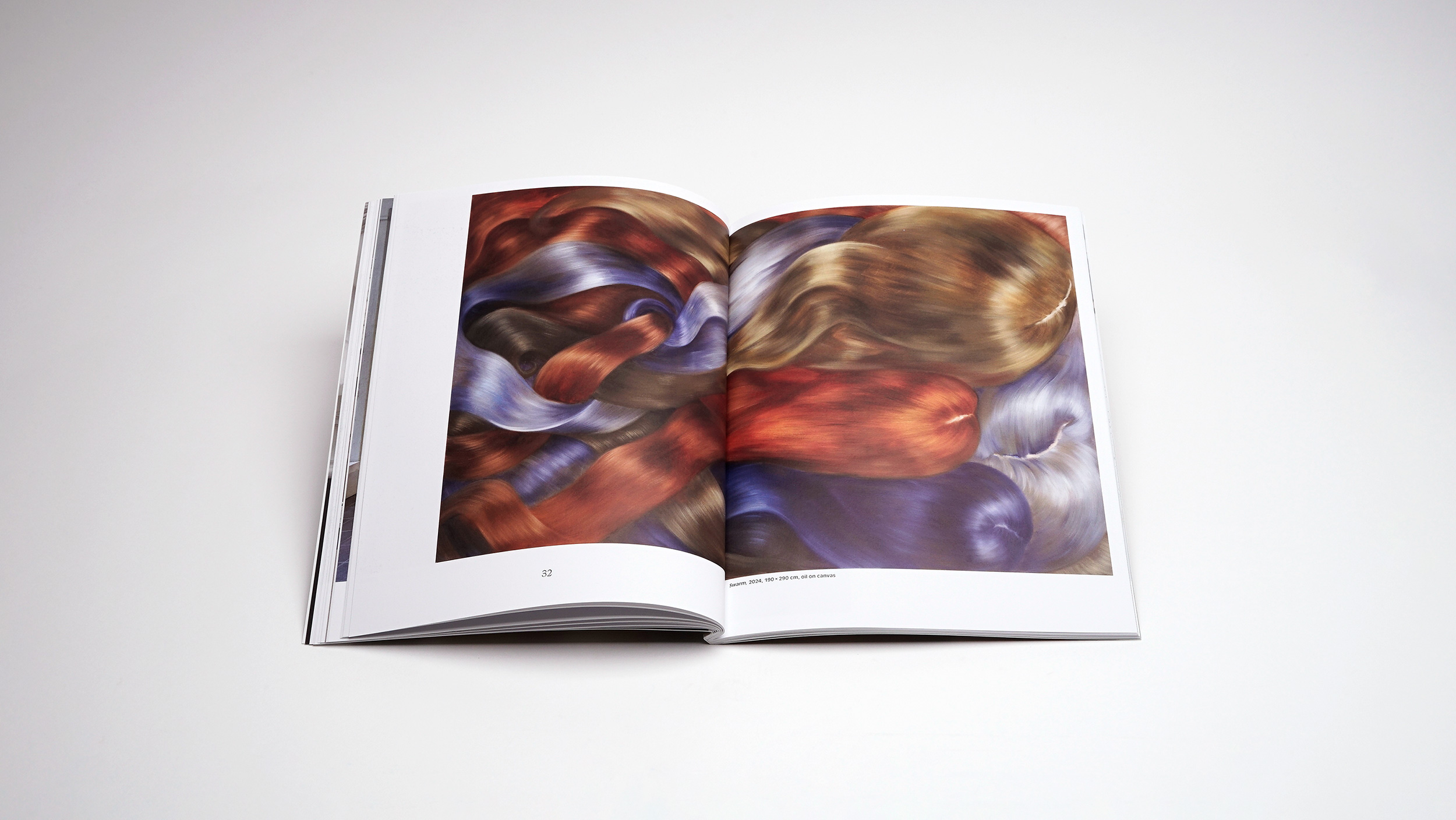
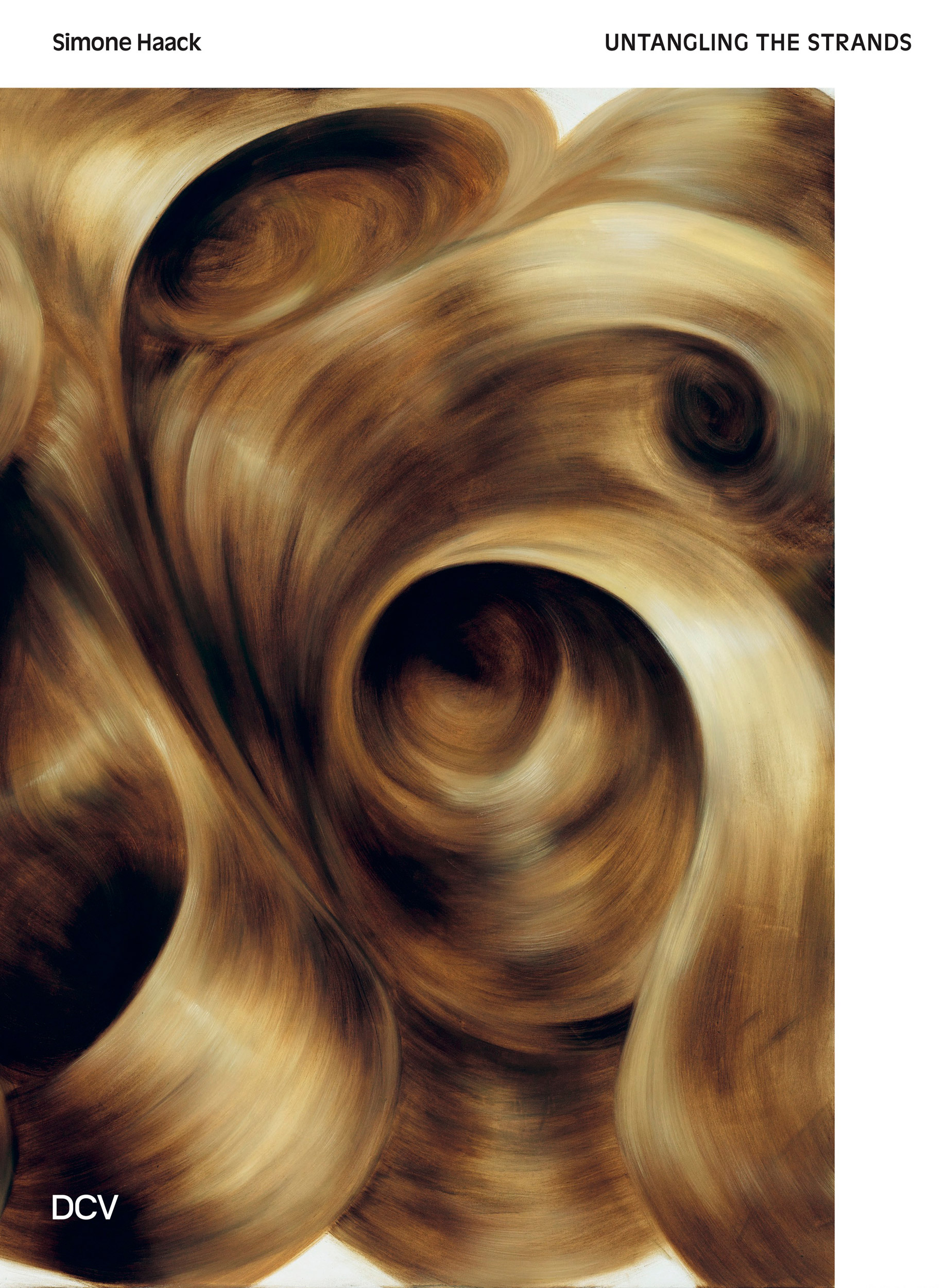
Simone Haack – Untangling the Strands / Démêler les Fils
 | |
|---|---|
| Editor(s) | Abgußsammlung Antiker Plastik Berlin, Galerie Droste Paris / Düsseldorf / Berlin |
| Author(s) | Dominik Bonatz, Annabelle Gugnon |
| Design | Cyrill Kuhlmann, COPE Studio |
| Cover | Softcover |
| Size | 19 x 25,5 cm |
| Pages | 64 |
| Illustrations | 30 |
| Language(s) | English, French |
| ISBN | 978-3-96912-225-9 |
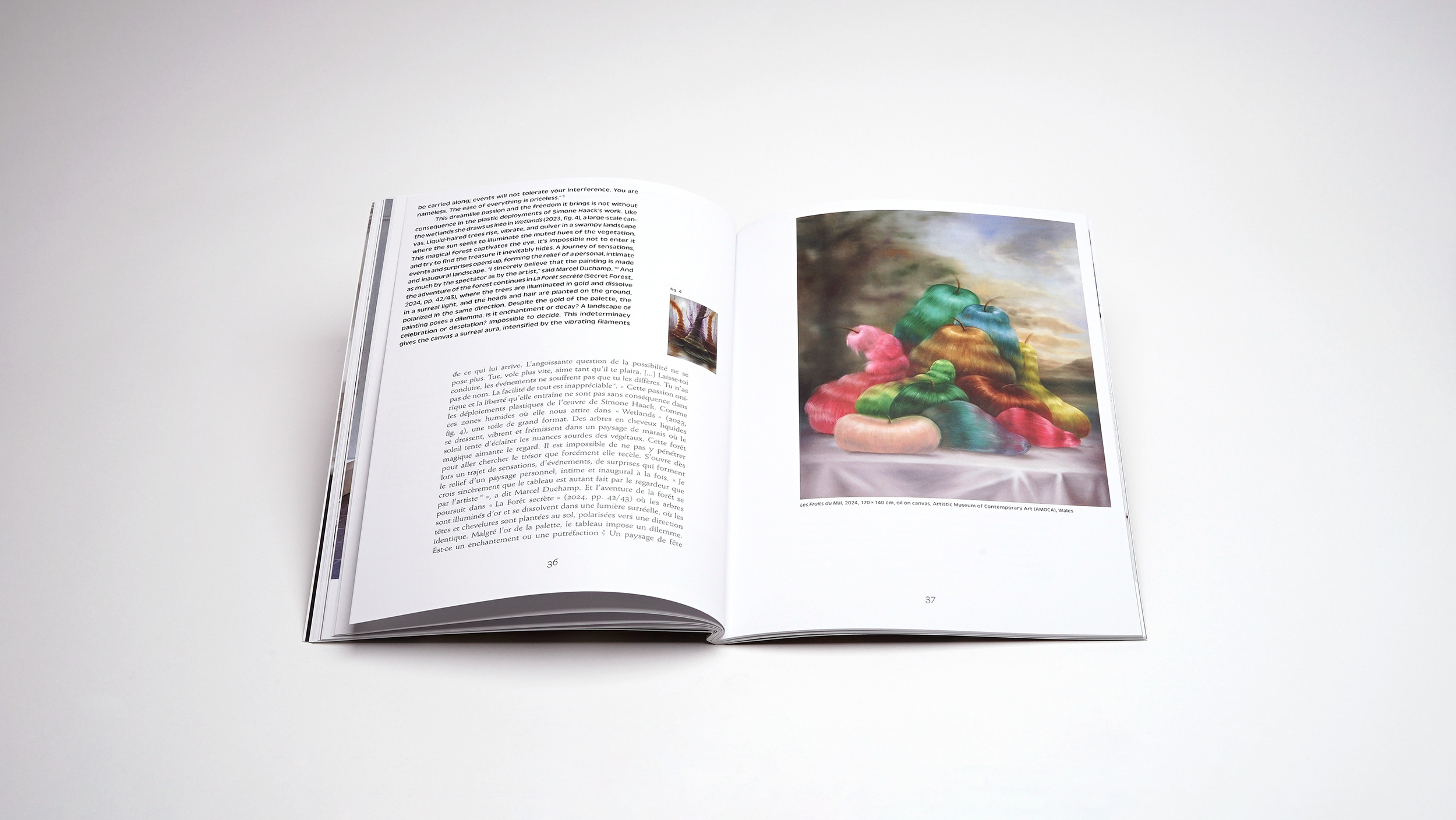
Simone Haack’s (b. Rotenburg/Wümme, 1978; lives in Berlin) most recent body of work delves into the theme of hair as a parameter of identity straddling the division between nature and culture. Her second publication with DCV is released on the occasion of two exhibitions: Untangling the Strands at Berlin’s Abguss-Sammlung Antiker Plastik, a collection of casts of ancient sculpture, which are seen in dialogue with her hair pictures; and Helix of Realism at Galerie Droste, Paris, which is part of the official program of events around the grand Surrealism exhibition held at the Centre Pompidou in celebration of the Surrealist Manifesto’s centennial. The new book is the first to shed light on the aspect of the surreal in the artist’s oeuvre and uncovers a major source of her visual inspiration: the dream diaries that Haack has kept since she was seventeen and the interest in the unconscious they reflect. It is above all the logic of the dream as well as feelings and moods that inform her paintings.
Haack: “My goal is to use the means of realism to visualize what cannot be seen. To get into an automatism that lets the unconscious speak in order to infuse the pictures with a life of their own. To shed light on the domain where the myths originate.”
More books
-

Anna Bogouchevskaia
Shouldn’t Be Gone25€ Add to cartAnna Bogouchevskaia (b. Moscow, 1966; lives and works in Berlin) sees her work in sculpture as a geopolitical engagement with concerns on the intersection between figuration and abstraction. Macroscopic aluminum drops, bizarre bronze flowers, fog and snow made of silver—the artist, a committed environmentalist, has created a peculiar and fascinating world of evanescent natural phenomena. Focusing on two molecules—carbon dioxide and water—in their various states of aggregation, she draws attention to the threats posed by climate change.
The publication Shouldn’t be gone presents Bogouchevskaia’s most recent works since 2019: an urgent message of warning from an artist whose sculptural oeuvre even today has the air of a monument to a world in demise.
-

Robbie Cornelissen
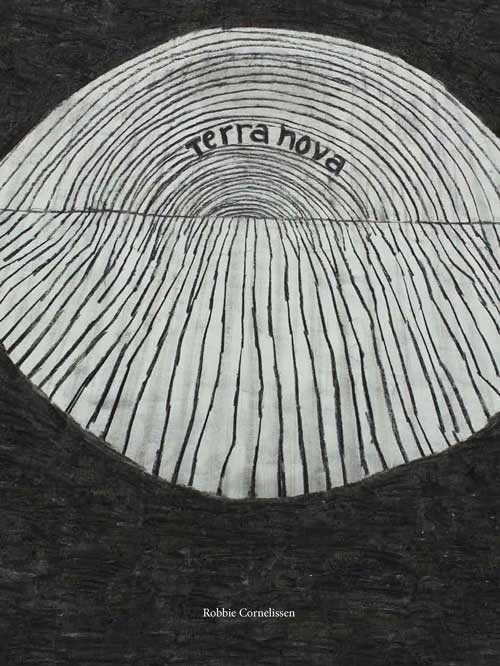
Terra Nova28€ Add to cartFuturistic / Fantastic
The Dutch artist Robbie Cornelissen’s (b. Utrecht, 1954; lives and works in Utrecht) oeuvre is endowed with unusual narrative power. His architectonic drawings in enormous formats, which often exude a futuristic aura, typically show deserted libraries, waiting halls, factory floors, or other oversized spaces. In alternation with his work on paper, the artist creates animated films out of thousands of drawings. This publication presents 250 drawings from Cornelissen’s new film Terra Nova, which explores an urgent contemporary concern: humanity’s responsibility for the earth and the open question of its long-term survival on the planet.
Robbie Cornelissen studied biology and ecology at Rijksuniversiteit Utrecht and at Vrije Akademie, Den Haag, and the Gerrit Rietveld Academie, Amsterdam. His work has been shown at Centraal Museum Utrecht, Hamburger Kunsthalle, the 11th Biennale de Lyon, and elsewhere.
-

Hans Karl Zeisel
Hundred and more34,95€ Add to cartPossibilities of Concrete Art
What is possible without turning away from the cocrete? In the Bauhaus tradition, the typographer, graphic artist, designer and author Hans Karl Zeisel opens up countless design options with basic forms. His wooden cuboids demand a humorous approach to sculpture. They are creativity training, study tools and meditation game all in once. A playful experiment that reveals the diversity of concrete art.
-

James Francis Gill
Catalogue Raisonné of Original Prints, Vol. 239€ Add to cartThe Catalogue Raisonné of the Co-Founder of American Pop Art
James Francis Gill (b. 1935, Tahoka; lives and works in Texas) is one of the most important artists of American Pop Art. His paintings, often based on photographs, provide an unusually personal approach to the icons of the 1950s and 60s. Gill suddenly became Hollywood’s most celebrated artist when his Marilyn Triptych was added to the permanent collection of The Museum of Modern Art in New York in 1962 – even before the works of Andy Warhol. Through friendships with celebrities such as John Wayne, Martin Luther King, and Marlon Brando, Gill became the contemporary artist-witness of an entire generation. Nevertheless, he kept his distance from the exuberant Hollywood of the time and surprisingly withdrew in 1972, only to reappear on the art market thirty years later. This catalogue raisonné in two volumes impressively documents his work from the early political motifs to the Pop Art icons of his late work.
-

America! America!
How real is real?38€ Add to cartMyths, Projections, Aspirations
In times of fake news and alternative facts it is becoming even more clear how the American Dream is closely interwoven with emotional pictures and symbols. At the same time, it can be said that no other nation might have the same strong awareness of the power of images. Images of the American Way of Life, which are produced in media and entertainment, are able to consolidate existing power structures and perceptions of reality, but also question them in a radical way. The psychologically charged canvasses of Eric Fischl, the hermetic scenes of Alex Katz, the enormous film-noir-like graffiti paintings of Robert Longo dissect the dreams and fears of an insecure white middle class. Simultaneously, artists such as Jeff Wall or Cindy Sherman conquer scenes that critically reflect our media-influenced perception, becoming models for subsequent generations. By showing 70 masterpieces of US-contemporary art, the book shows how artists from the 1960s to date comment on the American reality.
-
Tony Cragg
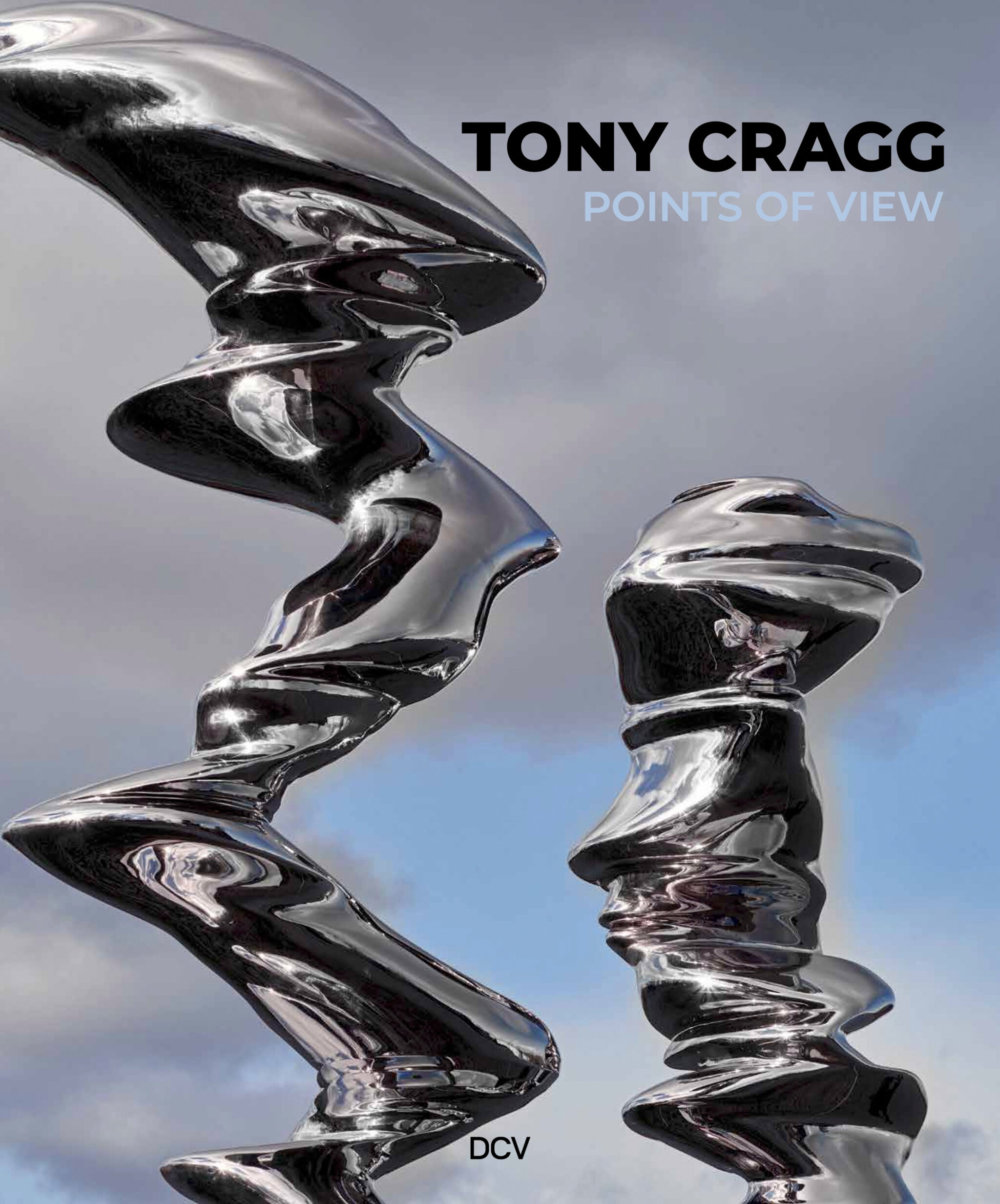
Points of View24€ Add to cartThe biomorphic and monumental sculptures of British sculptor Tony Cragg (born 1949, lives in Wuppertal) impress with their virtuosity and their dynamic appearance. They might even evoke movement, as if they are still becoming. Often exhibited outdoors, and in church or museum contexts, they blend into their surroundings like organic entities. Since the 1960s, Cragg’s search for sculptural form manifested through methods like layering and stacking existing materials, rearrangement, and assemblage. He now employs both traditional and new technologies and materials, yet his sculptures have to be seen in clear contrast to normative, repetitive industrial production. This book documents Cragg’s 2025 exhibition in the Anhaltische Gemäldegalerie Dessau.
- Release December 2025

Louise Hindsgavl
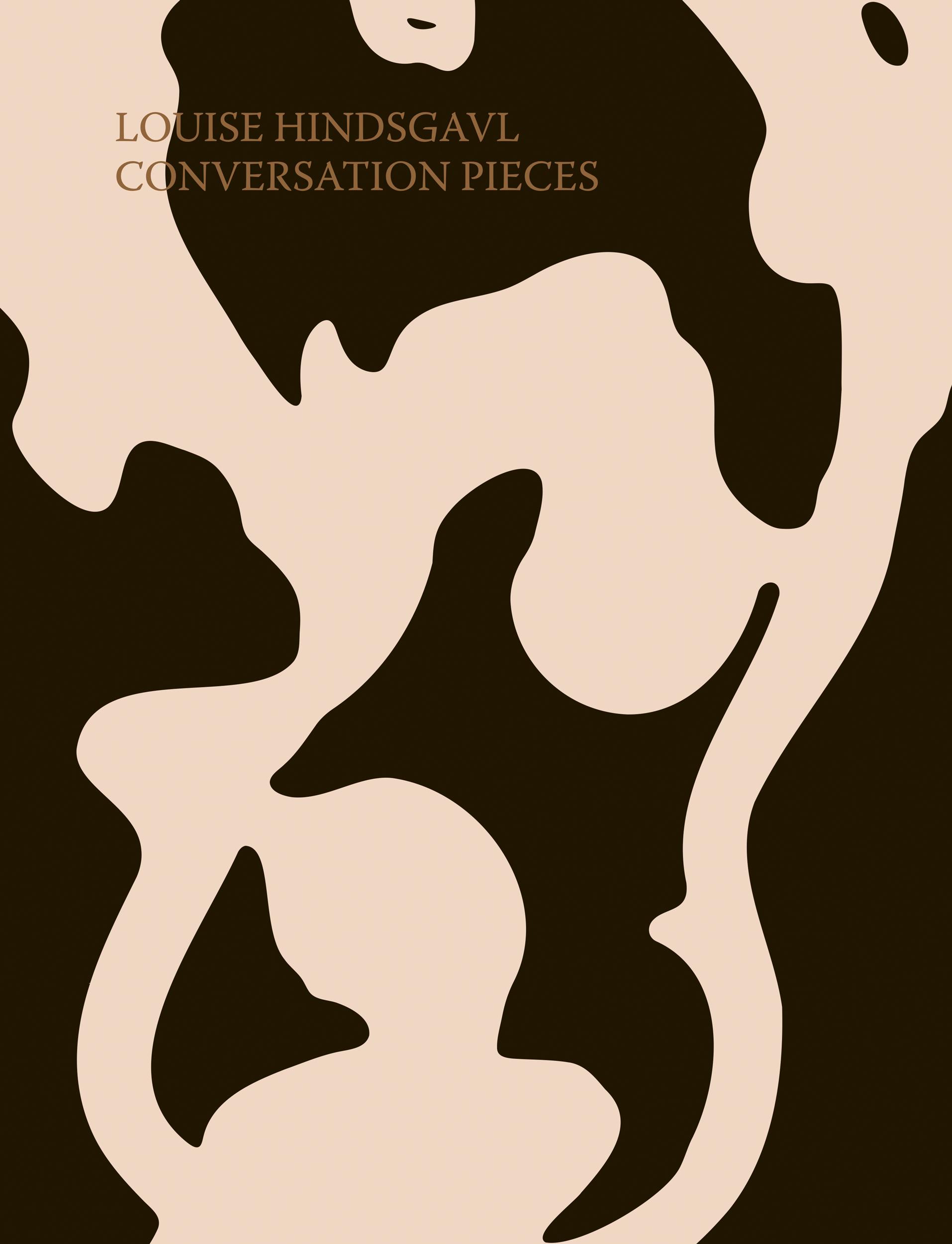
Conversation Pieces68€ Add to cartThe Danish sculptor Louise Hindsgavl (born 1973, lives in Copenhagen) is known for hybrid figurines made of porcelain and glazed stoneware: half animal, half human. Only their material evokes the idealized and kitschy scenes traditionally rendered in porcelain; however, Hindsgavl’s “sculptural collisions” tell of disturbing encounters between tormented beast-like people. For that she draws from brutal folktales of the past as much as from the ubiquitous “fairytales” of today’s social media that normalize violence, sexual abuse, and self-harm. Using one of the most fragile materials, she brings these trends into focus for discussion, calling her sculptures Conversation Pieces—which is also the title of this interesting and provocative book.
-
Maria Balea & George Crîngașu
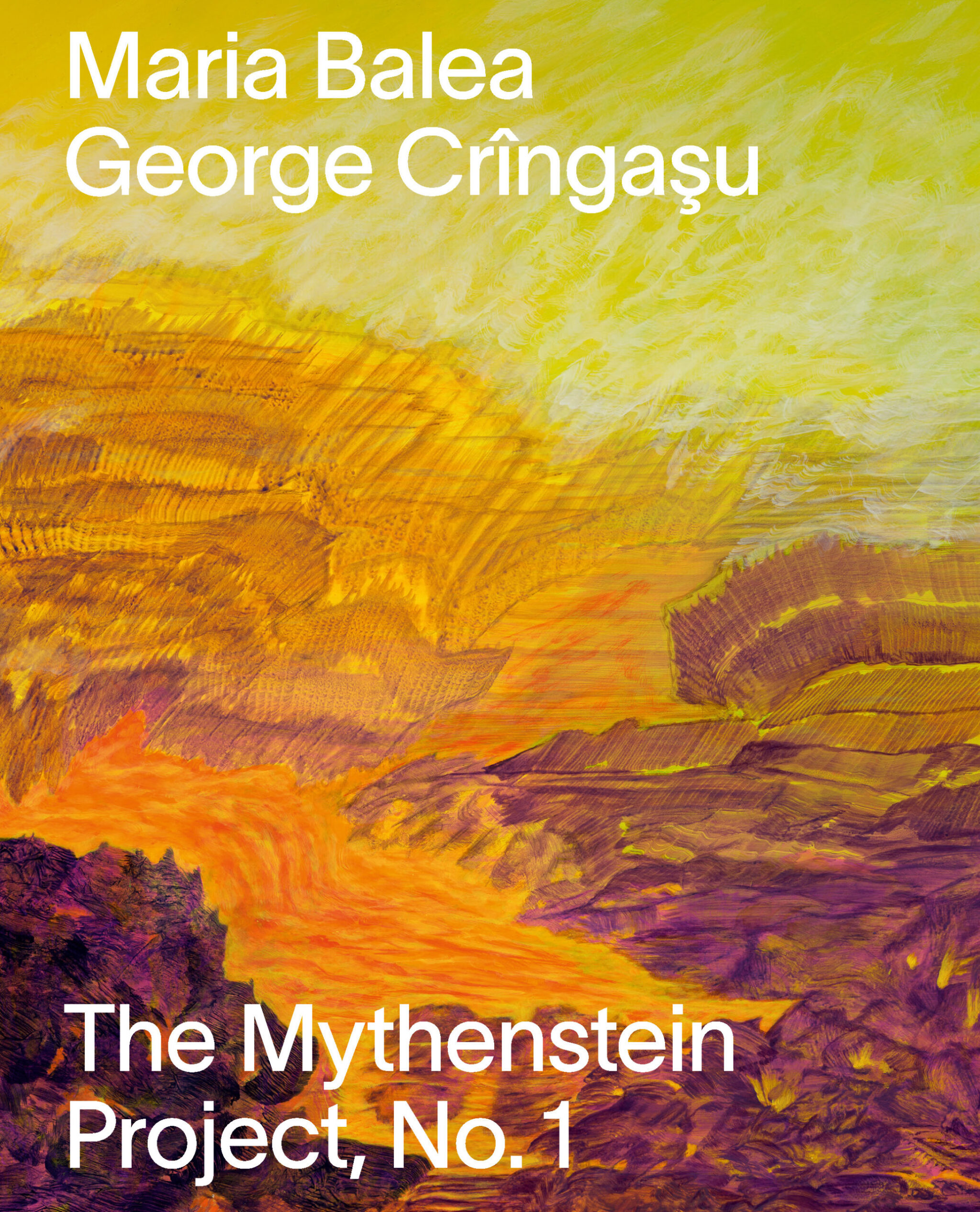
The Mythenstein Project18€ Add to cartMaria Balea (b. Sighetu Marmației, 1990; lives and works in Cluj-Napoca, Romania) and George Crîngașu (b. Focșani, 1988; lives and works in Cluj-Napoca and Rome) are among the youngest members of the School of Cluj, which has attained international renown in Adrian Ghenie, Hortensia Mi Kafchin, and Ciprian Mureșan. The overarching theme in their works in a range of media is the lived reality of today’s young people between a physical world defined by uncertainties and a virtual parallel universe whose boundless possibilities make it a fascinating yet also often deceptive safe haven. Both artists roam this dizzying kaleidoscope of worlds on a quest for beauty: Balea, through a romantically idealized focus on remnants of untouched or deserted nature; Crîngașu, by abandoning himself to the graphical possibilities of the digital realm, where beauty is often bound up with the bending of natural laws and the physical impossibility of architecture. Yet both, the retreat to an ostensibly natural state and the escape into garish artificiality, are overshadowed by a nameless menace.
- Release November 2022

X x X
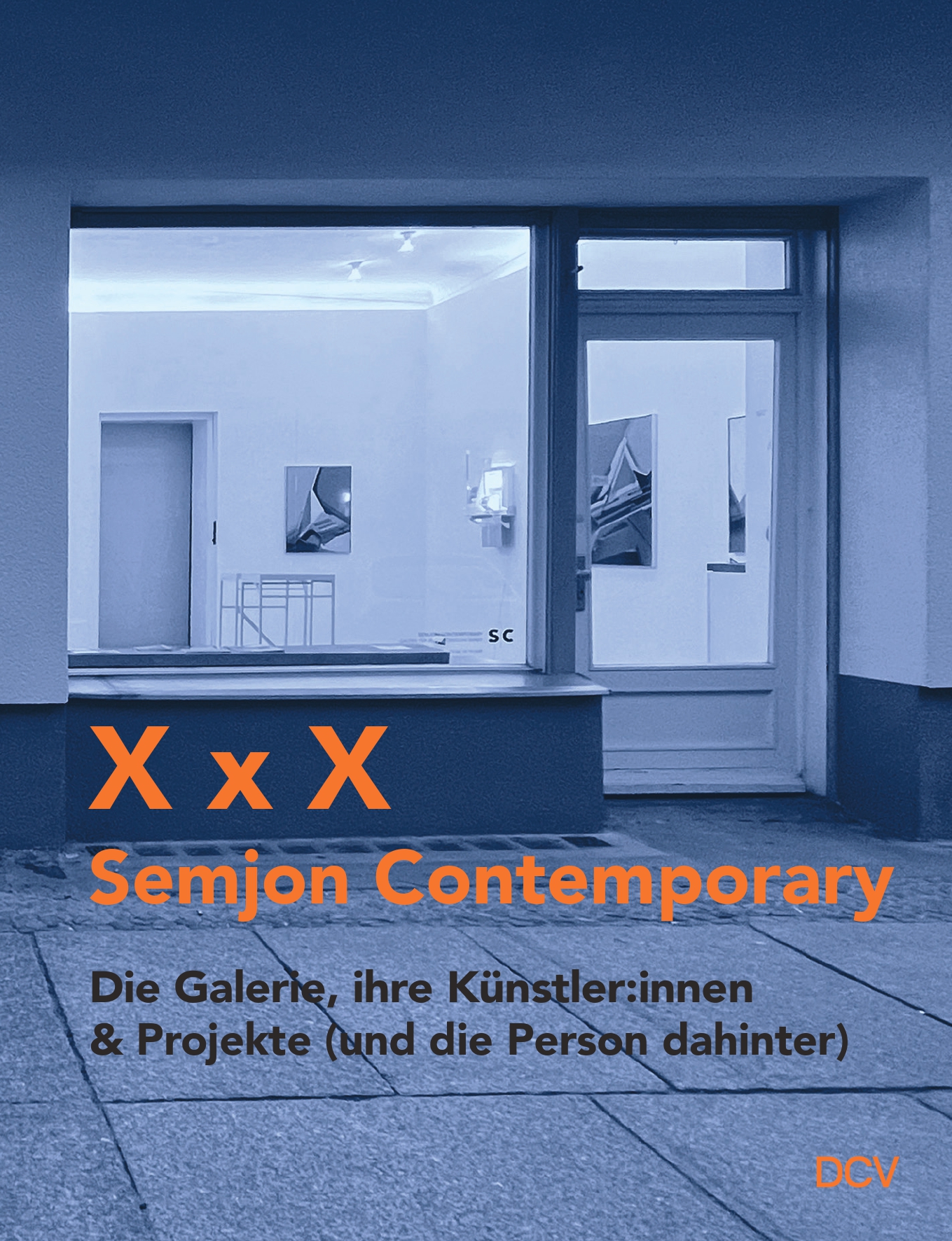
Semjon Contemporary50€ Add to cartFounded by Semjon H. N. Semjon in 2011, the gallery Semjon Contemporary has built a distinctive and singular profile that has earned it an unrivaled position in the art world. It represents international positions in contemporary art that, their divergences notwithstanding, are united by the extraordinary intelligence of their engagement with the material. The result is an unmistakable visual language that permits of no modification of established choices. Despite the considerable differences of material, technique, and expression, the artists’ works enter into dialogue with one another, as parallel solo presentations and special exhibitions showcasing numerous visiting artists have demonstrated.
The book features Colin Ardley, Edward L. Buchanan, Takayuki Daikoku, Dittmar Danner aka Krüger, Ute Essig, Experimental Setup (Kata Hinterlechner and Bosko Gastager’s collective moniker), Katja Flint, Andreas Fux, Dave Grossmann, Renate Hampke, Marc von der Hocht, Nataly Hocke, Michael Kutschbach, Henrik U. Müller, Cornelia Nagel, Susanne Knaack, Katja Kollowa, Susanne Pomrehn, Thomas Prochnow, Dirk Rathke, Ursula Sax, Gerda Schütte, Gil Shachar, Li Silberberg, Karina Spechter, Klaus Steinmann, Stefan Thiel, Hitomi Uchikura, Royden Watson, and Bettina Weiß in dedicated chapters. It is rounded out by statements from collectors including Thomas Lenhart, Cornelie Kunkat, Gabriele Quandt, Roland Schnell, Nobert Fuhr and Klaus Werner, Roswitha and Jürgen König, and Helmut Ließ. Remarks by art critics and scholars and an interview with Semjon by Jan Maruhn provide additional insight into the gallery’s work.
-
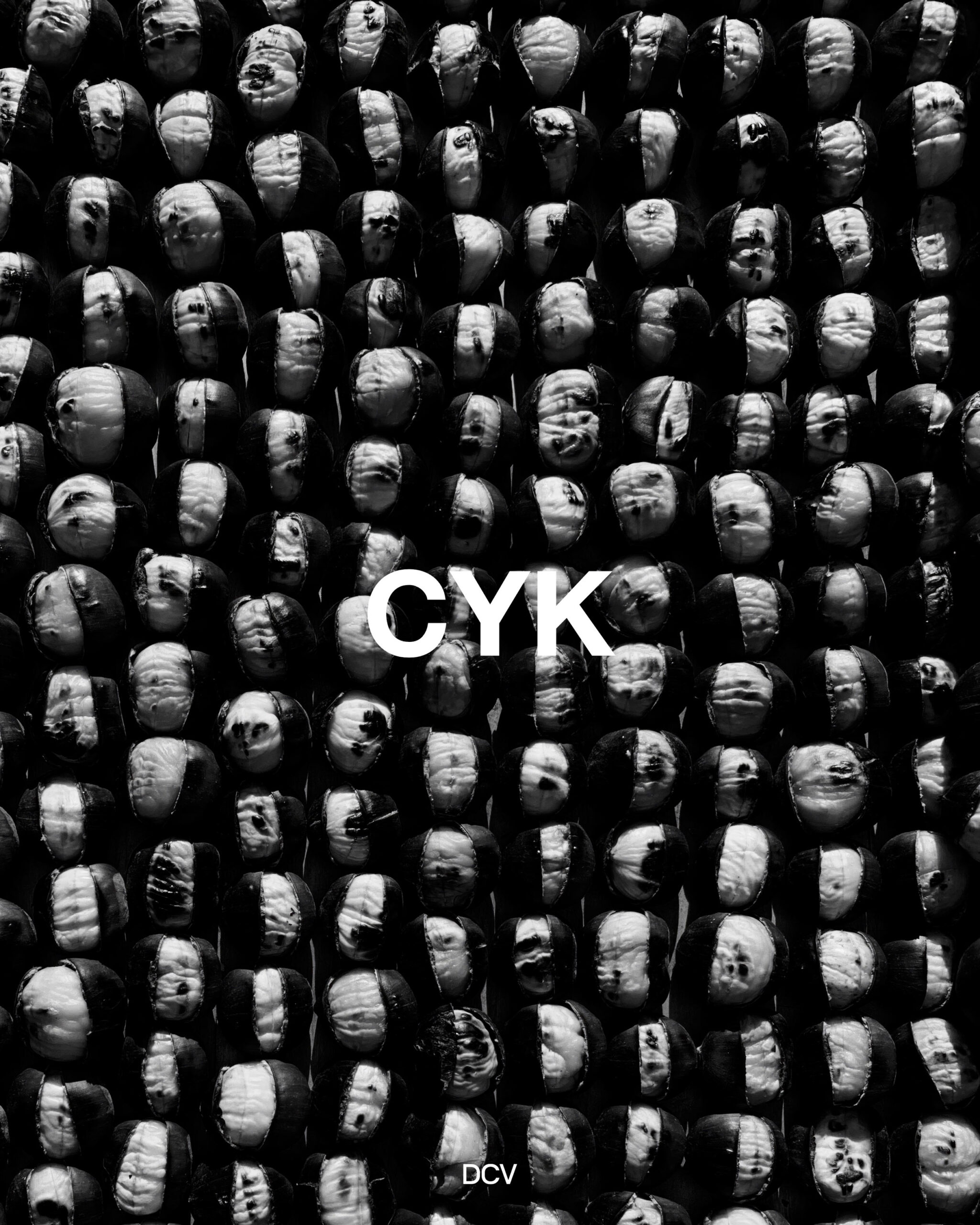
Emil Nolde
A Critical Approach by Mischa Kuball40€ Add to cartWhat is Visible and What is Not
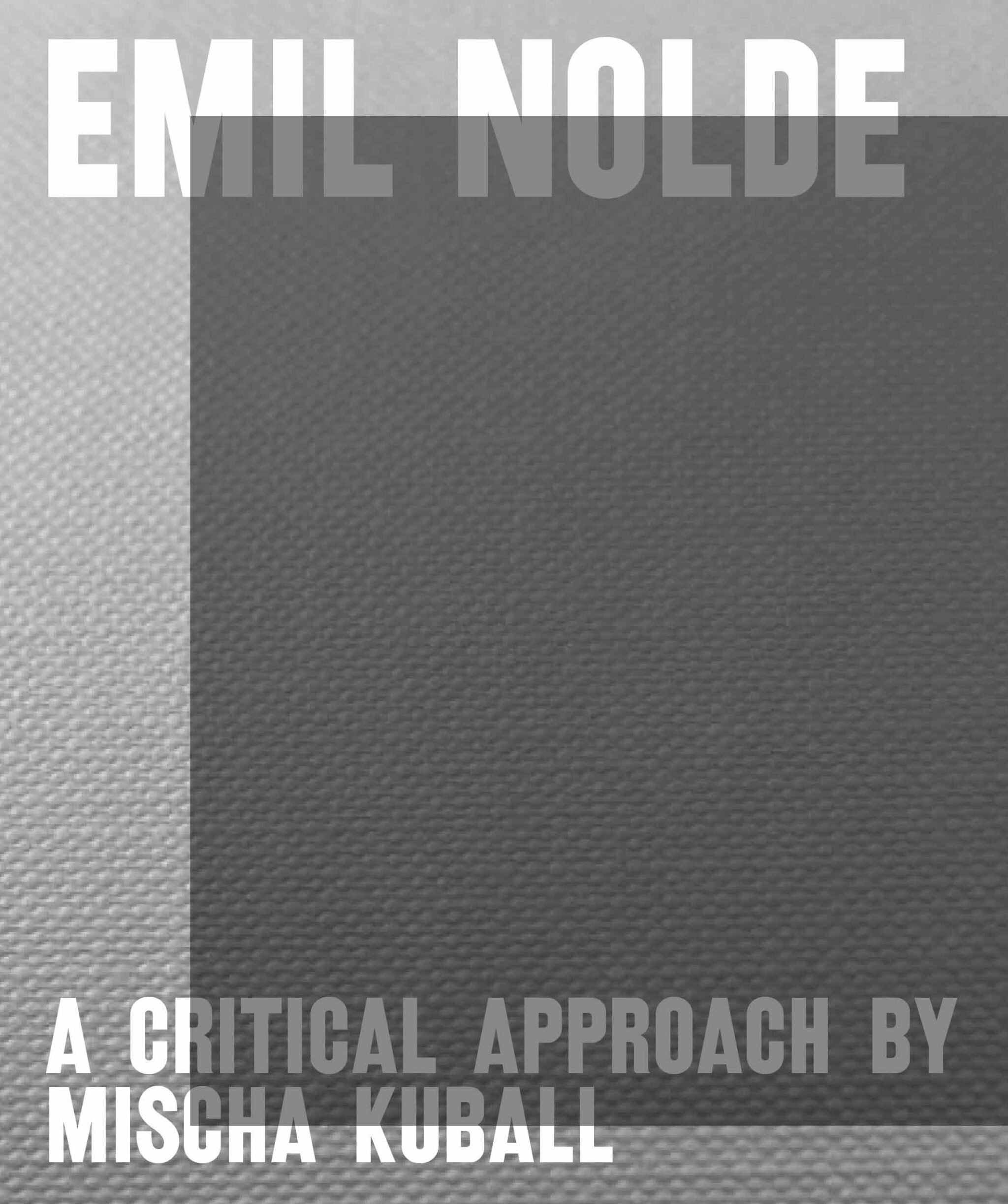
Mischa Kuball (b. 1959, Düsseldorf; lives and works in Düsseldorf) investigates public and institutional spaces and the social and political discourses that shape them. At the invitation of the Draiflessen Collection and with support from the Nolde Stiftung, the conceptual artist grappled with the life and oeuvre of the painter Emil Nolde (1867–1956) and created a body of work titled Nolde/critique/Kuball. In piece after piece, Kuball drains Nolde’s works of the colors that made the Expressionist famous, challenging the beholder’s preconceptions and examining perception and its constituent processes. Laid out in black and white, the book accordingly directs our attention not only to what a picture shows, but also to how structures and organizing principles emerge into view.
Mischa Kuball has been professor of public art at the Kunsthochschule für Medien Köln, and associate professor of media art at the Staatliche Hochschule für Gestaltung/ZKM Karlsruhe since 2007.
Note: This publication is released in German, English and Dutch. When ordering, please let us know which edition you would like to receive. Use the annotation box on the checkout page.
-

Susanne Rottenbacher
Radiationen40€ Add to cartIn expansive compositions in light, Susanne Rottenbacher (b. Göttingen, 1969; lives and works in Berlin) visualizes the fire of life in its timebound and fluid dimension. Plotinus called fire the “spiritual potency of beauty.” Pursuing a similar vision, Rottenbacher’s works orchestrate light as energy in space. To this end, the artist, who studied light and stage design in the United States and the United Kingdom, creates weightless luminous choreographies realized in colorful LED technology in combination with acrylic glass as a translucent vehicle of form. The results are installations in three dimensions that are deeply silent yet unfold in a magical ecstasy of light.
In Christian sacred architecture, light has been deployed and perceived since the Middle Ages as the aesthetic equivalent of the divine mind’s lucidity. The history of light art, by contrast, is much younger, going back to the years after the First World War. Having built her creative practice over the past fifteen years, Rottenbacher not only continues a century-old tradition of light art in Europe and the U.S.; her works also anticipate a future in which humanity will have room for feelings no less than for scientific knowledge.
-

Fiona Rae
Row Paintings24€ Add to cartElements of Energy and Complexity
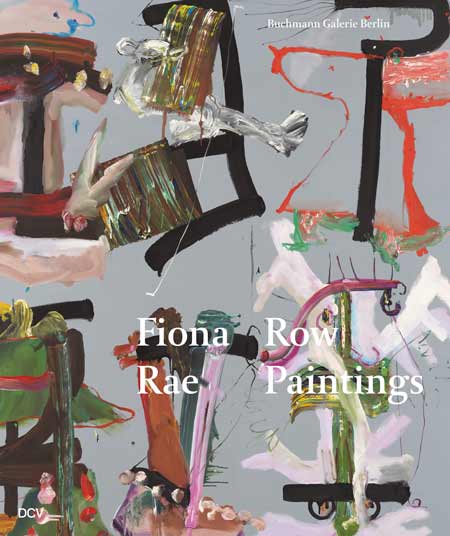
Fiona Rae’s (b. Hong Kong, 1963; lives and works in London) abstract paintings attracted the attention of broad audiences when she participated in the legendary exhibition Freeze at London’s Docklands in 1988. It put her on the map as an early member of the group known as Young British Artists, who would revolutionize not only the English art world. To this day, Rae’s distinctive creations, which are rooted in a conceptual engagement with the problems and potentials of abstract painting, have remained prominent and seminal contributions to the field. In 2011, she was appointed professor of painting at the Royal Academy, one of the first women to hold this position. The catalogue is the first to feature the most important pictures from this period: the Row Paintings. They mark the inception of the artist’s internationally acclaimed oeuvre. An essay by Terry R. Myers offers an appraisal of the Row Paintings’ significance in their historic context as well as the contemporary discourse of painting.
-

John M Armleder
CA. CA.19€ Add to cartCommentaries on our Present Day Realities and the Status of Art
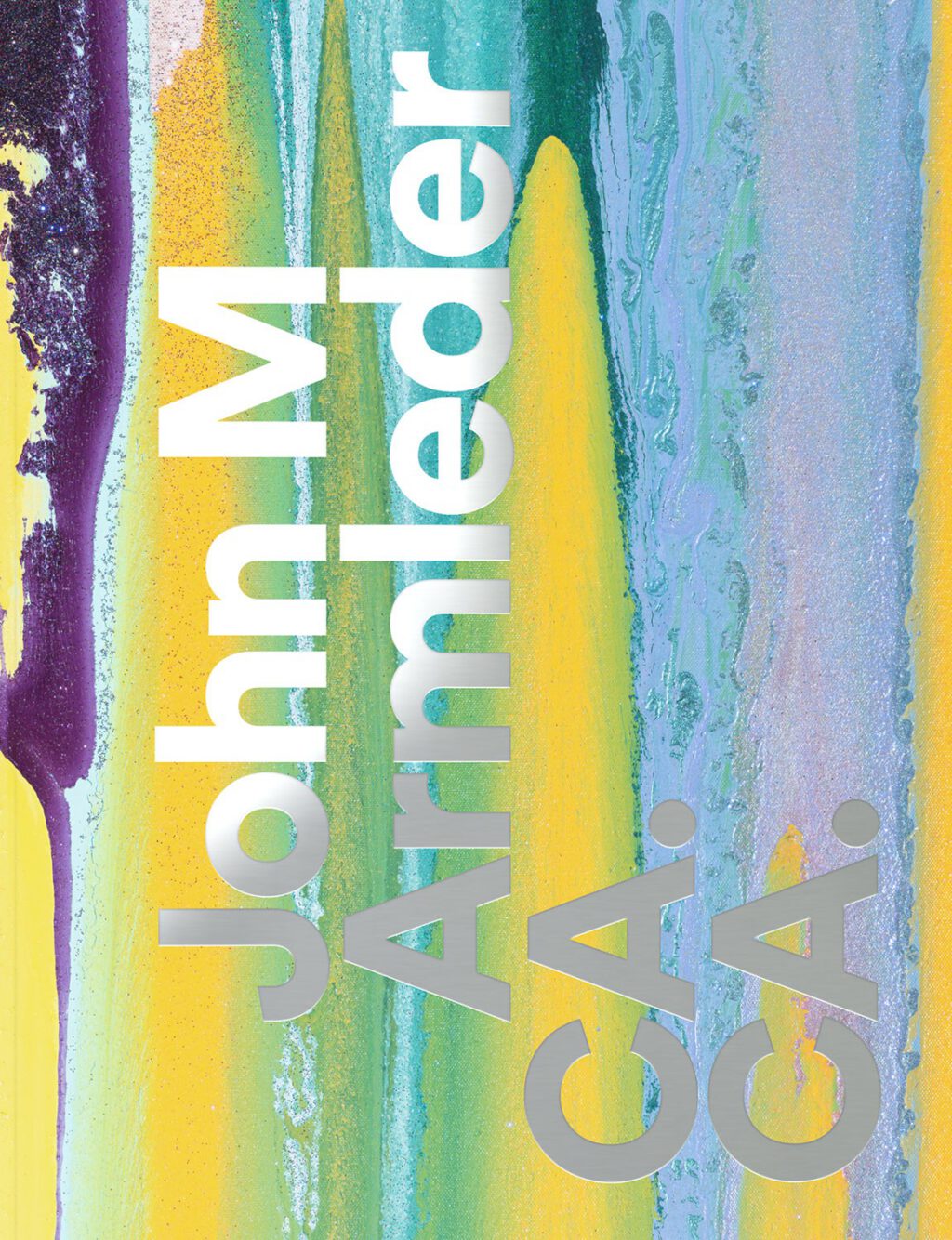
John M Armleder (b. 1948, Geneva; lives and works in Geneva and New York) is one of the most influential contemporary conceptual, performance and object artists. The profound and the banal, control and coincidence, high culture and everyday life coalesce in Armleder’s work to create a unique experience. The works of the Swiss – often humorous or ironically twisted commentaries on contemporary reality – draw on the formal repertoire of Classical Modernism, as well as on video and design. The book focuses on large-scale, site-specific installations and wall pieces, showing in detail the broad spectrum of Armleder’s work.
John M Armleder studied at the École des Beaux-Arts in Geneva. He represented Switzerland 1986 at the 42nd Biennale di Venezia and participated in documenta 8 one year later. His work has been exhibited at the Museum of Modern Art, New York, Palais de Tokyo, Paris, and Belvedere, Vienna, amongst others.
-

Nicola Staeglich – Farbe schwebend / Color floating
22€ Add to cart“The more slowly one approaches Staeglich’s works, the more they reveal.” Stephan Berg
Nicola Staeglich transforms color and traces of the act of painting into complex pictorial spaces that exude light and make time visible. Using an extra-wide brush, she applies luminous oil paints to (semi-) transparent foils and solid support media made from acrylic glass. Each movement of her body leaves a distinct mark on the paintings. Once the works are placed in the exhibition space, they absorb their environment and ambient light as well as the eye. The artist’s experimental approach generates a rich dynamic: paint hovers in mid-air, disembodied, while a constant oscillation between color and surface, between pictorial body and setting unlocks novel dimensions in space and time. The picture continually coalesces in the eye of the beholder, metamorphosing as the angle of incidence shifts and the mind parses the traces and strata of paint. Even in printed form, Staeglich’s works convey a rousing vitality.
The catalogue accompanies Staeglich’s solo exhibition at Städtische Galerie Waldkraiburg.
-

Ion Bitzan
48€ Add to cartThe painter and object artist Ion Bitzan (b. Limanu, 1924; d. Bucharest, 1997) belonged to the generation of Romanian artists who, in the 1960s and 1970s, broke through their country’s isolation to connect to the international avant-garde. His creativity and the quality of his artistic experiments, which drew inspiration from conceptual art, Dada, and other sources, made him a leading figure in the Romanian art of the Ceaușescu era. This book also sheds light on the complex relationship between artistic innovation and political (propaganda) art behind the Iron Curtain during this period, in which nothing was ever black or white. Bitzan represented Romania at the Venice (1964) and São Paulo Biennales (1967, 1969, 1981). In 2017, the National Museum of Contemporary Art (MNAC) in Bucharest mounted a major retrospective of his oeuvre.
-

Winston Roeth
Speed of Light32€ Add to cartColor Is Light
Intense monochrome areas of color, radiant pigments, and multifaceted surfaces are the characteristics of the art of Winston Roeth (b. Chicago, 1945; lives and works in Beacon, New York, and Waldoboro, Maine). He has devoted himself to abstract color field painting since the 1970s, with the grid as a leitmotif running through his oeuvre; both are fraught with painterly memories of light, “a light that can jump out and grasp the beholders, a color saturation that throbs with a deep glow,” as the artist himself puts it. It emanates from the strata of paint in his pictures, encountering the light that, falling upon his works, molds their chromatic effect. Roeth experiments with pure pigments, which he mixes by hand to make paints he applies in layers to diverse media including paper, aluminum, honeycomb, slate, and wood panels. The book documents a tour of an exhibition, presenting works dating from between the early 1990s and 2020.
-
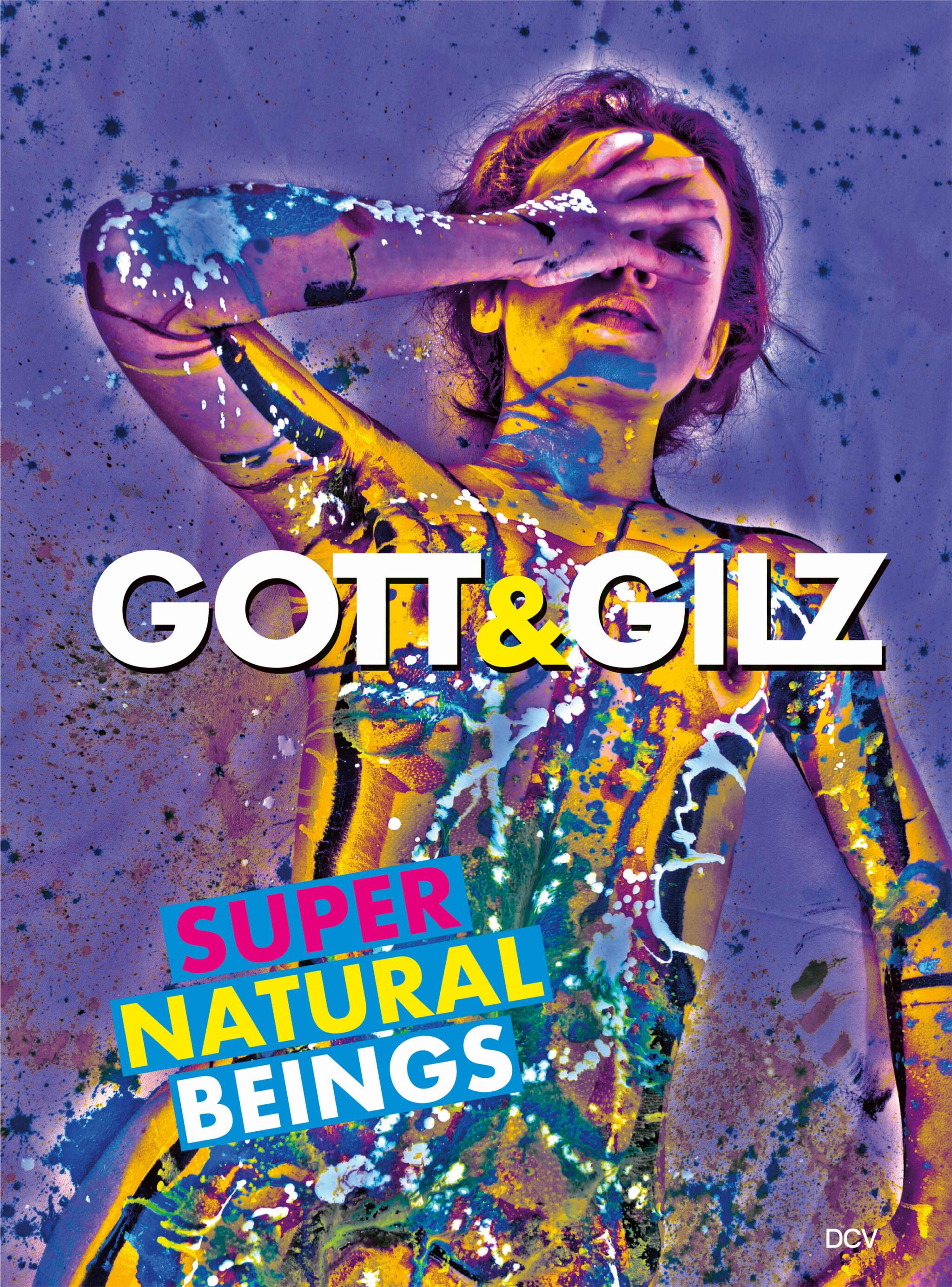
GOTT&GILZ
Supernatural Beings54€ Add to cartGOTT&GILZ clothe provocative nudity into the guise of art-historical classics
The female nude is a constant of art history whose vicissitudes illustrate changing forms of representation and the wild swings of public morality. Many a nude was initially condemned as smut only to be reclassified a few years later as beautiful and becoming and inducted into the hallowed halls (the opposite has also happened). GOTT&GILZ’s photographic paintings build on this long tradition of depictions of naked women by men—theirs is the proverbial “male gaze.” It is a debt they are quick to acknowledge, with nods to Klimt, Schiele, Pollock, et al. No wonder some have responded to their work with kneejerk indignation. Unlike in those art-historical references, then, the impudence lies not in the shattering of traditional norms of representation but in quoting them: the past as affront. The women in the pictures as well as the artists themselves flaunt their desires, shamelessly and relentlessly confronting us with the historic roots of our social and psychological realities.
Freedom is the key idea in the two artists’ oeuvre: the freedom to be authentic and express oneself without shame. Their subtly provocative play with aesthetic conventions and taboos has not only made a splash on the arts scene, it has also prompted vital discussions about gender roles, body images, and the right to sexual self-determination.
By letting it all hang out, they allow us to see ourselves as we are instead of presenting a picture of what we (supposedly) should be like. The insolence of it!
-

Martin Krumbholz
Alex, Martin und Ich14€ Add to cart“The Vocation of Saint Matthew”: that is the title that Martin Krug has chosen for his novella, after Caravaggio’s iconic painting at the Church of San Luigi degli Francesi in Rome. The irony is unmistakable—Martin, the protagonist of his narrative, hesitates to accept a promotion: he has been offered the job of his boss, for whose wife, Marion, he has fallen on a shared vacation. Yet Martin’s friend, whom he has asked for advice, proposes a different title: Ghost Story—a key element of the plot is the mysterious Alexander’s disappearance, seemingly forever, in the sea …
Martin’s friend and interlocutor, the novel’s first-person narrator, embeds the novella in a narrative framework that mirrors its motifs: love as passion, eros and sex, loyalty and betrayal, manliness and chivalry, art, film, and music. Alberto Moravia’s novel Contempt, glamorously adapted for the silver screen by Jean-Luc Godard, is reread and discussed as a MeToo story.
Martin Krumbholz (b. Wuppertal-Elberfeld, Germany, 1954; lives and works in Düsseldorf) is a writer and theater critic. His first novel, Eine kleine Passion, came out in 2013.
- Release February 2026

Werner Hahn
Kailas. Berg und Gott72€ Add to cartKailas is far more than just a mountain—it is a symbol of spiritual quest, transcendence, and enlightenment. In this book, the painter and photographer Werner Hahn (b. Karlsbad, now Czech Republic, 1944) approaches the holiest peak in Asia from a unique perspective: as an artist, traveler, and profound connoisseur of its cultural history. This book interweaves art, mythology, and historical accounts from Buddhism and Hinduism. Hahn’s personal travel experiences, complemented by reflections on Western travel literature and spiritual sources, enter into a dialogue with ancient traditions, revealing Kailas as a place of both deep personal experience and artistic contemplation. A visual pilgrimage to one of the most significant mountains in the world.
-

Pat Steir & Ugo Rondinone
Waterfalls & Clouds20€ Add to cartThe imposing installation Waterfalls & Clouds consists of three sculptures by the Swiss artist Ugo Rondinone (b. Brunnen, Switzerland, 1964; lives and works in New York) and nineteen paintings by the American Pat Steir (b. Newark, NJ, 1940; lives and works in New York). The three large gray monoliths of concrete, sand, and gravel bear the titles Faces, Look, and Twisted and are part of a series of twenty works created in 2018. They are surrounded by nineteen tall and narrow black oil paintings titled Flags for Ugo #1 through #19 (2021); with colorful or white paint streaming down the canvases, they hark back to Steir’s Waterfall series from the 1980s. A symbiotic relationship connects the works: the sculptures, in which erosion is integral to the art, embody time, while the pictures symbolize gravity and hence nature as such.