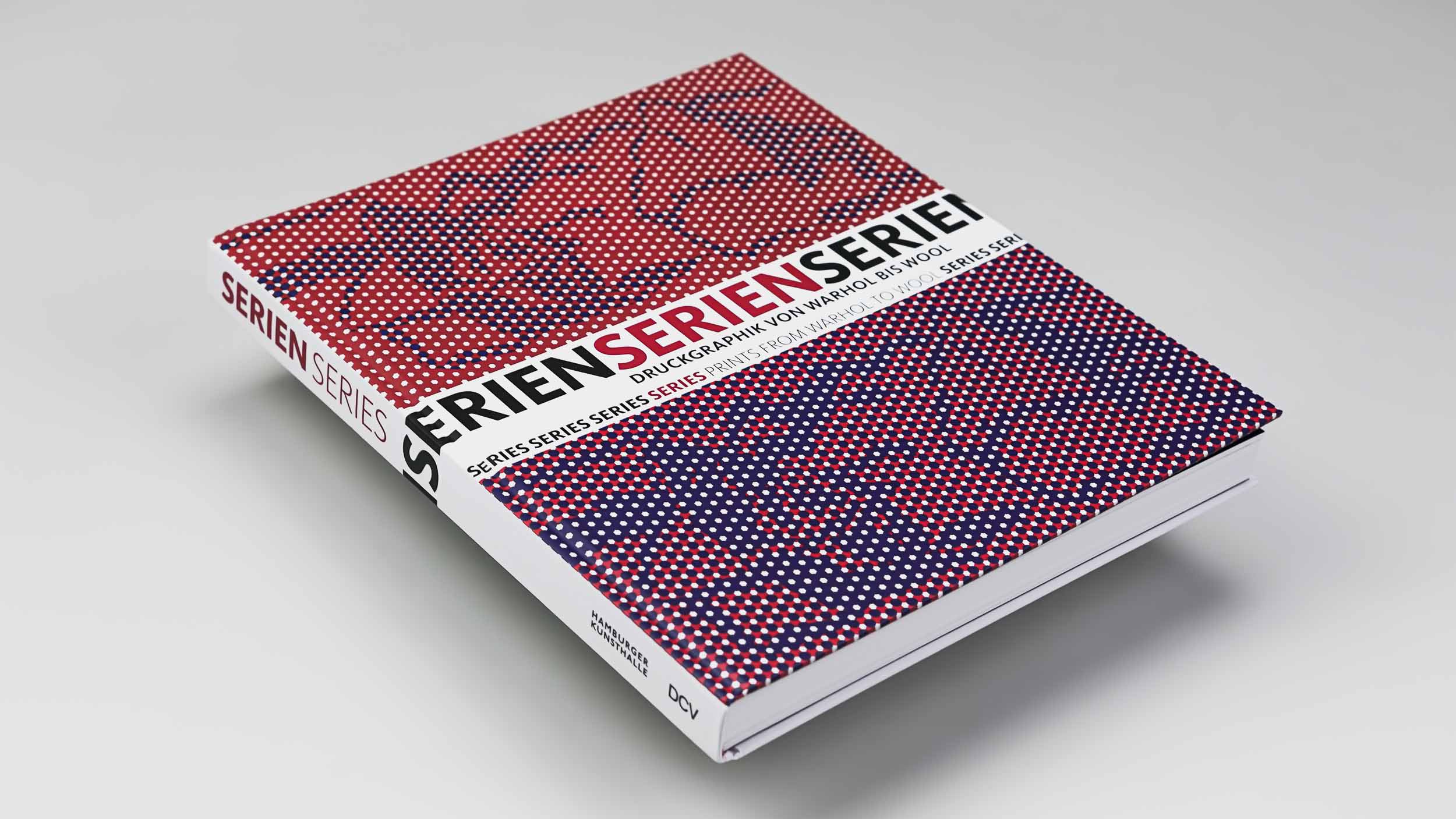
SERIES
Prints from Warhol to Wool
 | |
|---|---|
| Editor(s) | Petra Roettig |
| Author(s) | Leona Marie Ahrens, Dirk Dobke, Petra Roettig |
| Design | Peter Nils Dorén |
| Cover | Hardcover |
| Size | 24 x 28 cm |
| Pages | 256 |
| Illustrations | 220 |
| Language(s) | German, English |
| ISBN | 978-3-96912-026-2 |
A Creative Strategy and Technique of Modernism
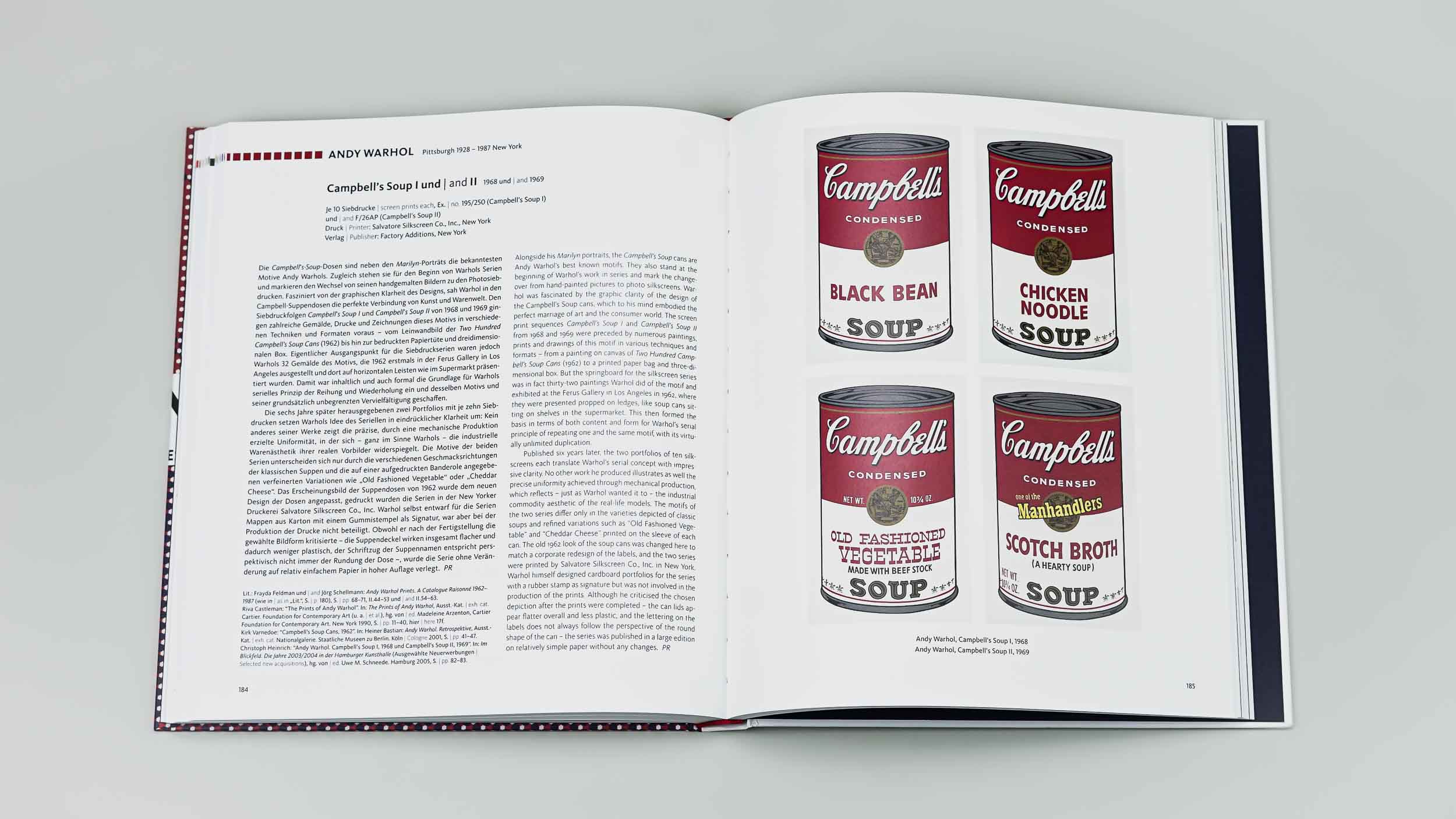
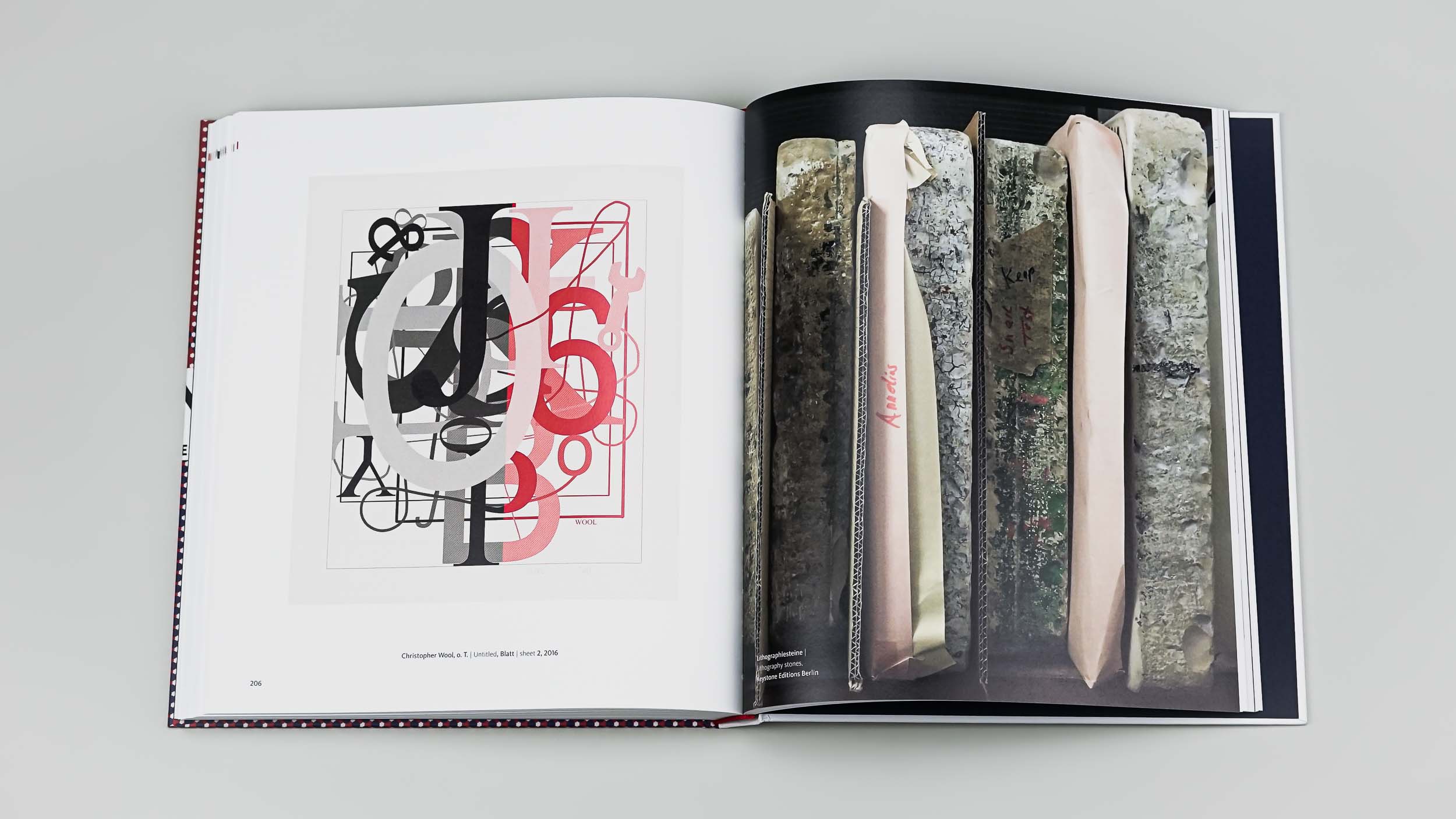
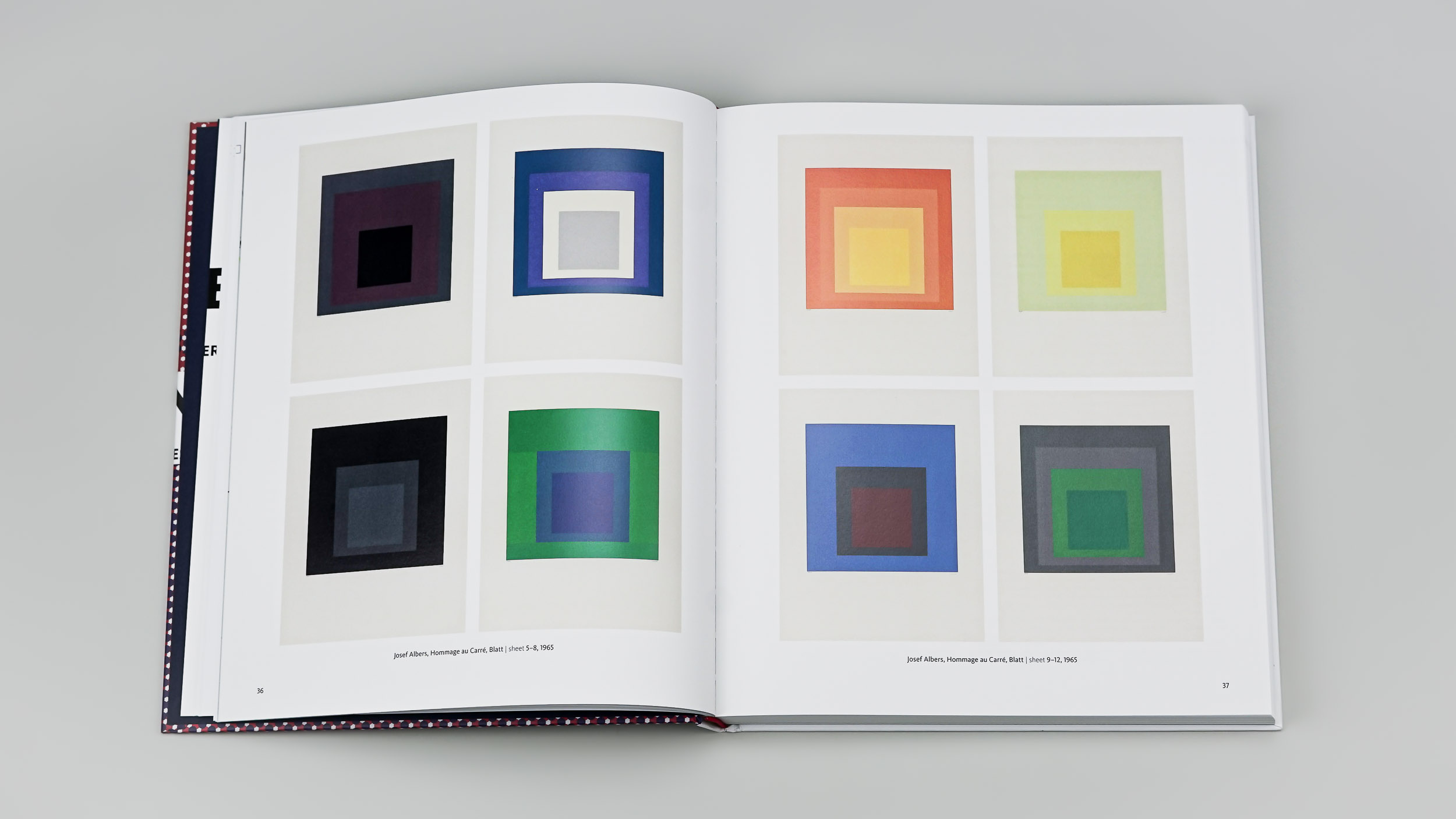
Series are open systems, telling stories, toying with rhythms, permitting variations, and documenting creative processes. Andy Warhol’s famous silkscreen prints made the serial iteration of images his trademark stratagem. In the mid-1960s, Pop Art and Fluxus had established the fine art print as a medium in which seminal work was being done. New graphic techniques such as serigraphy and offset printing, used with aggressive colors and punchy motifs, not only allowed for large numbers of copies, they also opened the door to an unprecedented engagement with the imagery of popular print and advertising media. Opening with an inquiry into how serial fine art prints are made, the book presents and contextualizes the explosive visual and political energy of graphic series. The numerous illustrations and essays are rounded out by an interview with Thomas Schütte and Ellen Sturm.
With works by Josef Albers, Joseph Beuys, Ulla von Brandenburg, John Cage, Helen Cammock, Nina Canell, Jim Dine, Dan Flavin, David Hockney, Jenny Holzer, Olav Christopher Jenssen, Donald Judd, Ronald B. Kitaj, Maria Lassnig, Sol LeWitt, Roy Lichtenstein, Richard Lindner, Robert Mangold, Brice Marden, Stefan Marx, Bruce Nauman, Dennis Oppenheim, Nam June Paik, Sigmar Polke, Gerhard Richter, Dieter Roth, Fred Sandback, Nora Schultz, Thomas Schütte, Dasha Shishkin, Frank Stella, Rosemarie Trockel, Victor Vasarely, Wolf Vostell, Andy Warhol, Corinne Wasmuht, Emmett Williams, Christopher Wool, and others.
More books
-

Hans Karl Zeisel
Hundred and more34,95€ Add to cartPossibilities of Concrete Art
What is possible without turning away from the cocrete? In the Bauhaus tradition, the typographer, graphic artist, designer and author Hans Karl Zeisel opens up countless design options with basic forms. His wooden cuboids demand a humorous approach to sculpture. They are creativity training, study tools and meditation game all in once. A playful experiment that reveals the diversity of concrete art.
-

6 U L
Lust and Desire in Art and Design28€ Add to cart“Whose Jizz is this?” Sechs-u-ell: to make sense of the publication title, trust your college German and your phonetic ear. “Sexual,” here, comprises the entire broad spectrum of what we associate with carnal pleasure. Lust, desire, ecstasy, repression, obsession—the world of art, fashion, and design abounds with specimens of eroticism and sexuality in their infinite variety, shopworn stereotypes be damned. Looking back on the thorough revision of society’s ideas about sexuality in the past three decades, the book inquires into how the works of visual artists, fashion creatives, and designers reflect today’s public debates over biological and social gender roles, power structures, and sexual violence or the fading of taboos over sexual practices. With works and designs by Walter Van Beirendonck, Monica Bonvicini, Tracey Emin, Hans-Peter Feldmann, Jürgen Klauke, Peaches, Cindy Sherman, Kara Walker, Vivienne Westwood, and many more. This book documents a grand exhibition scheduled for the past summer at the GRASSI Museum of Applied Arts, Leipzig, which had to be canceled due to the Covid-19 pandemic.
-

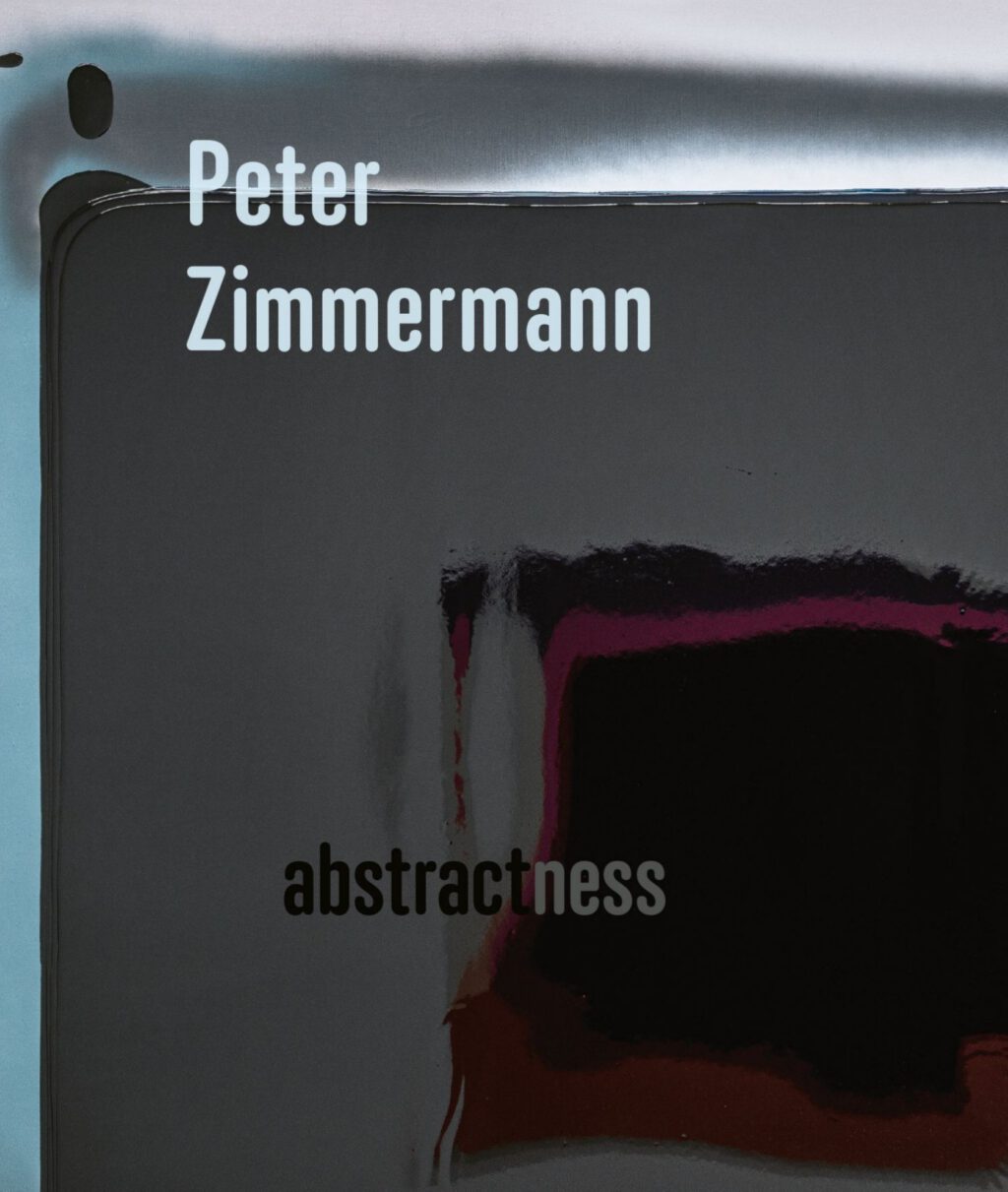
Peter Zimmermann
abstractness26€ Add to cartTreading the Limits of Originality
Peter Zimmermann (b. 1956, Freiburg; lives and works in Cologne) is one of the most important conceptual media artists. With his work, he consistently experiments with visual reproduction techniques and gained international recognition in the late 1980s with his Book Cover Paintings: motifs from book covers such as that of the Diercke Weltatlas or the Polyglott travel guides, which Zimmermann transfers to the canvas with oil and epoxy resins. The relationship between original and copy is the central theme of his work, with which he addresses the ambivalence of artistic and digital authorship. This monograph brings together early works and a selection of current productions.
Peter Zimmermann studied at the Staatliche Akademie der Bildenden Künste Stuttgart and was professor at the Kunsthochschule für Medien Köln, Cologne, from 2002 to 2007.
-

MEUSER
Werke 2012–2023 (GERMAN)48€ Add to cartEver since his studies with Joseph Beuys and Erwin Heerich, since his first exhibitions – for instance at ‘Kippenberger’s Office’ in 1979 – Meuser (b. Essen 1947, lives and works in Karlsruhe) has been a solitaire. His sculptures are unyielding and unruly, just as much as they are vulnerable and tender. They are witty and heart-touchingly charming.
Meuser finds his material in the scrapyard. Confidently and empathically, he reinstates form and dignity to the remnants and vestiges of industrial society. As a romantic, he grants things a life of their own and turns them into self-reliant protagonists, once more. Unwaveringly, he works to re-poetize a standardized and maltreated world.
The lavishly designed monograph is published on the occasion of Meuser’s 75th birthday, presenting works and exhibitions from the past ten years. Eight international authors and scholars create a dazzling mosaic and reveal how Meuser boldly holds his own in face of Duchamp, Minimalism, and Social Sculpture. An open-ended outlook.
Meuser studied 1968–1976 at Art Academy, Düsseldorf with Joseph Beuys and Erwin Heerich. 1991 he received the ars viva award. 1992-2015 professorship at Academy of Fine Art, Karlsruhe.
Since 1976, numerous institutional solo and group exhibitions and works in international collections: Bundeskunsthalle, Bonn; Deichtorhallen, Hamburg; documenta IX / Fridericianum, Kassel; Fundació Joan Miró, Barcelona; Joanneum, Graz; Kunsthalle Düsseldorf; Museum of Contemporary Art, Monterrey; Martin-Gropius-Bau, Berlin; Museum Abteiberg, Mönchengladbach; Museum Folkwang, Essen; Museum moderner Kunst Stiftung Ludwig, Vienna; Museum Morsbroich, Leverkusen; Rijksmuseum Twenthe, Enschede; Sakip Sabanci Museum, Istanbul; Städtische Galerie, Karlsruhe; Vanhaerents Art Collection, Brussels; ZKM | Museum für Neue Kunst, Karlsruhe.
-

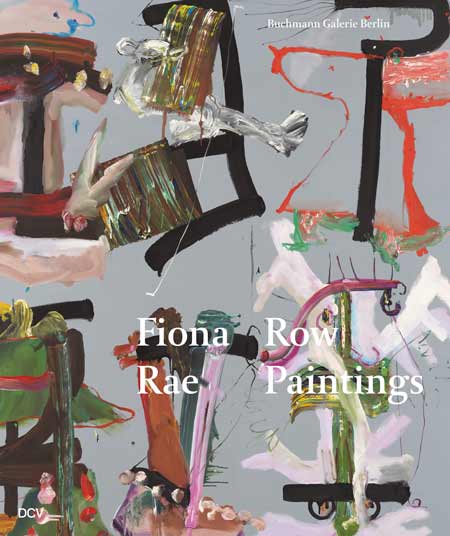
Fiona Rae
Row Paintings24€ Add to cartElements of Energy and Complexity
Fiona Rae’s (b. Hong Kong, 1963; lives and works in London) abstract paintings attracted the attention of broad audiences when she participated in the legendary exhibition Freeze at London’s Docklands in 1988. It put her on the map as an early member of the group known as Young British Artists, who would revolutionize not only the English art world. To this day, Rae’s distinctive creations, which are rooted in a conceptual engagement with the problems and potentials of abstract painting, have remained prominent and seminal contributions to the field. In 2011, she was appointed professor of painting at the Royal Academy, one of the first women to hold this position. The catalogue is the first to feature the most important pictures from this period: the Row Paintings. They mark the inception of the artist’s internationally acclaimed oeuvre. An essay by Terry R. Myers offers an appraisal of the Row Paintings’ significance in their historic context as well as the contemporary discourse of painting.
-

GABRIELE BASCH, GESA LANGE
UND_NEWS_FROM_NOW_HERE18€ Add to cartBeyond Painting
Gabriele Basch’s (b. 1964, Bad Homburg; lives and works in Berlin) cut-outs and Gesa Lange’s (b. 1972, Tongeren, Belgium; lives and works in Hamburg) drawings are meditations on construction and deconstruction as well as doubts and how to overcome them. Both artists expand the range of painting: Basch, with incisions into the medium and a creative handling of the tinged shadows that transform the painted panel into a wall-mounted object; Lange, by embroidering her canvases with colorful threads that open up the pictorial space on all sides. The book presents works by both artists, initiating an animated and dynamic dialogue between their nonrepresentational visual idioms. Gabriele Basch is professor of painting at the Hochschule für Angewandte Wissenschaften Hamburg. Gesa Lange is professor of graphic art at the Hochschule für Angewandte Wissenschaften Hamburg. She has received the Kunsthalle Rostock Prize and other awards.
-
Alexandra Tretter
24€ Add to cartThe art of Alexandra Tretter (*1988) is as deep as it is playful. Owing just as much to the gentle spirituality of Hilma af Klint’s late geometries as it does to Sonia Delaunay’s exuberant disc paintings, almost bursting with sheer chromatic pleasure. Her compassionately designed artist’s book combines monumental paintings with intimate works on paper, all of which are imbued with the contexts of Tretter’s own life as an artist, as a woman, as a mother.
Her kaleidoscopic figurations unfold from a center at rest in itself and multiply in symmetry and asymmetry towards all sides. She contrasts the circular form, the unchanging basic element of her compositions, with the oval, which constantly strives beyond itself, transforming itself in ever-new permutations from one figure into the next, into eyes, mouths, breasts, petals or vulvas.
Her images strive for composure, unfold and blossom, only to let go of all gestalt-like form. Once gained stability is instantly pushed into turmoil. Colors flare up violently or flow delicately about, lighten or shade each other, carry or throw each other off course. Tretter equally realizes materialization and dissolution as basic principles of her painting.
Whereby all, what her images absorb, preserve and release, is experience, growth and slow maturing. Her paintings are “figurations of affection”, in which each individual turns towards something else, doubts or grows, at times turns away or surrenders all the more consciously. They question everything, start anew and yet find their way back to themselves, into their very own.
- Release February 2026

Uwe Schütte
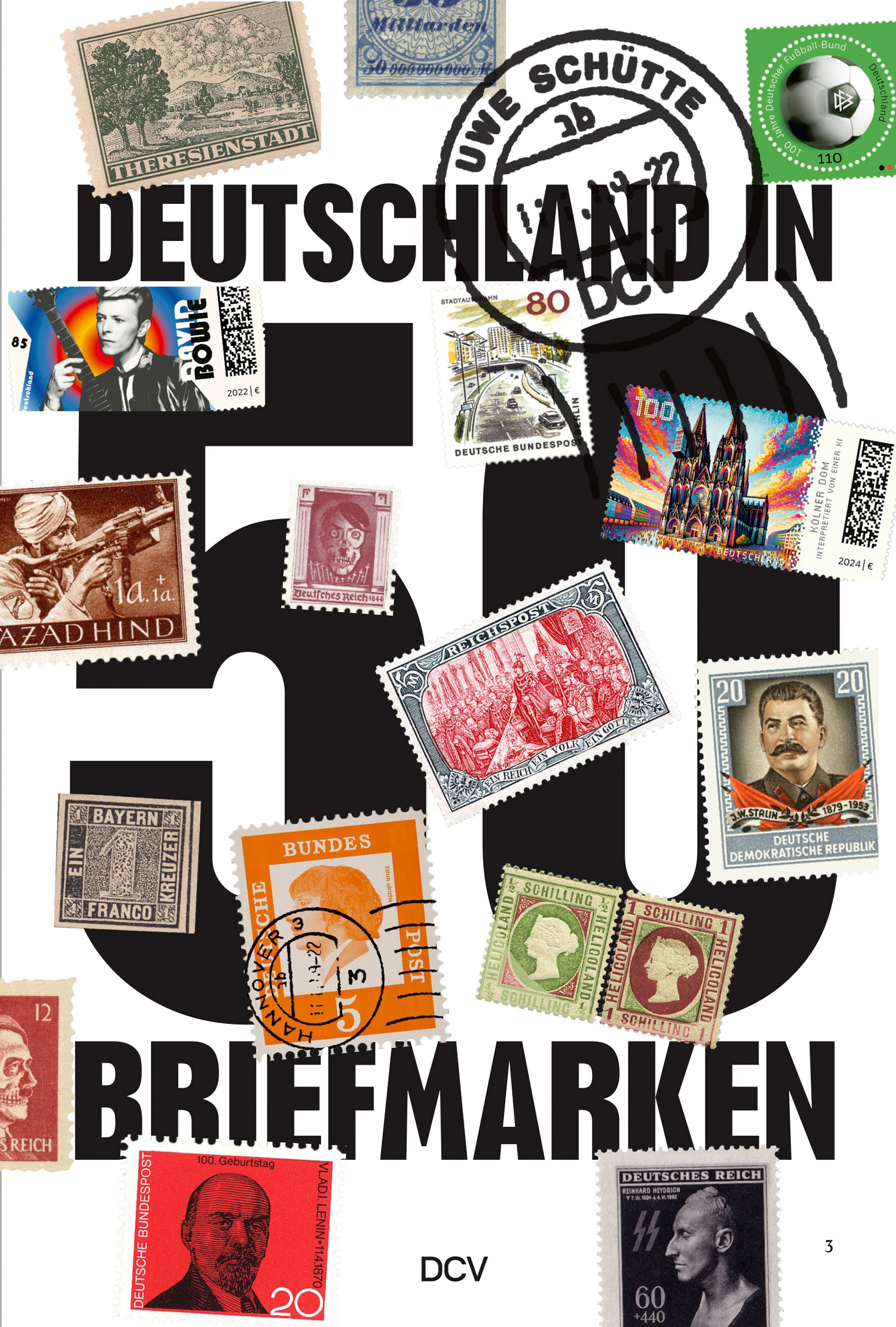
Deutschland in 50 Briefmarken24€ Add to cartThe postage stamp, the avid philatelist Walter Benjamin prophesied in 1928, would “not survive the twentieth century.” Time, then, for a look back: in fifty essays, Uwe Schütte embarks on a voyage through 175 years of German postal history to decode the mentalities that shaped it. Analyzing the visual language of the stamps and their significance for Germany’s collective memory, from the One kreuzer black to Deutsche Post’s cutting-edge crypto-stamp, he shows how the stamp broke the shackles of its function as a proof of postage paid to emerge in the early twentieth century as a medium of mass-circulation miniature-format graphic art. It went on to serve as an instrument of propaganda, was collected and counterfeited, and proved a capacious mirror of discourses in society.
The cultural essayist Uwe Schütte, born in Sauerland in 1967 and a philatelist since childhood, completed his doctorate in German Literature under W.G. Sebald. After two decades as a university lecturer in England, he now lives and works in Berlin. His work includes more than 30 books dealing with extremist art and occultism as well as advanced pop culture and contemporary literature.
-

Katharina Arndt
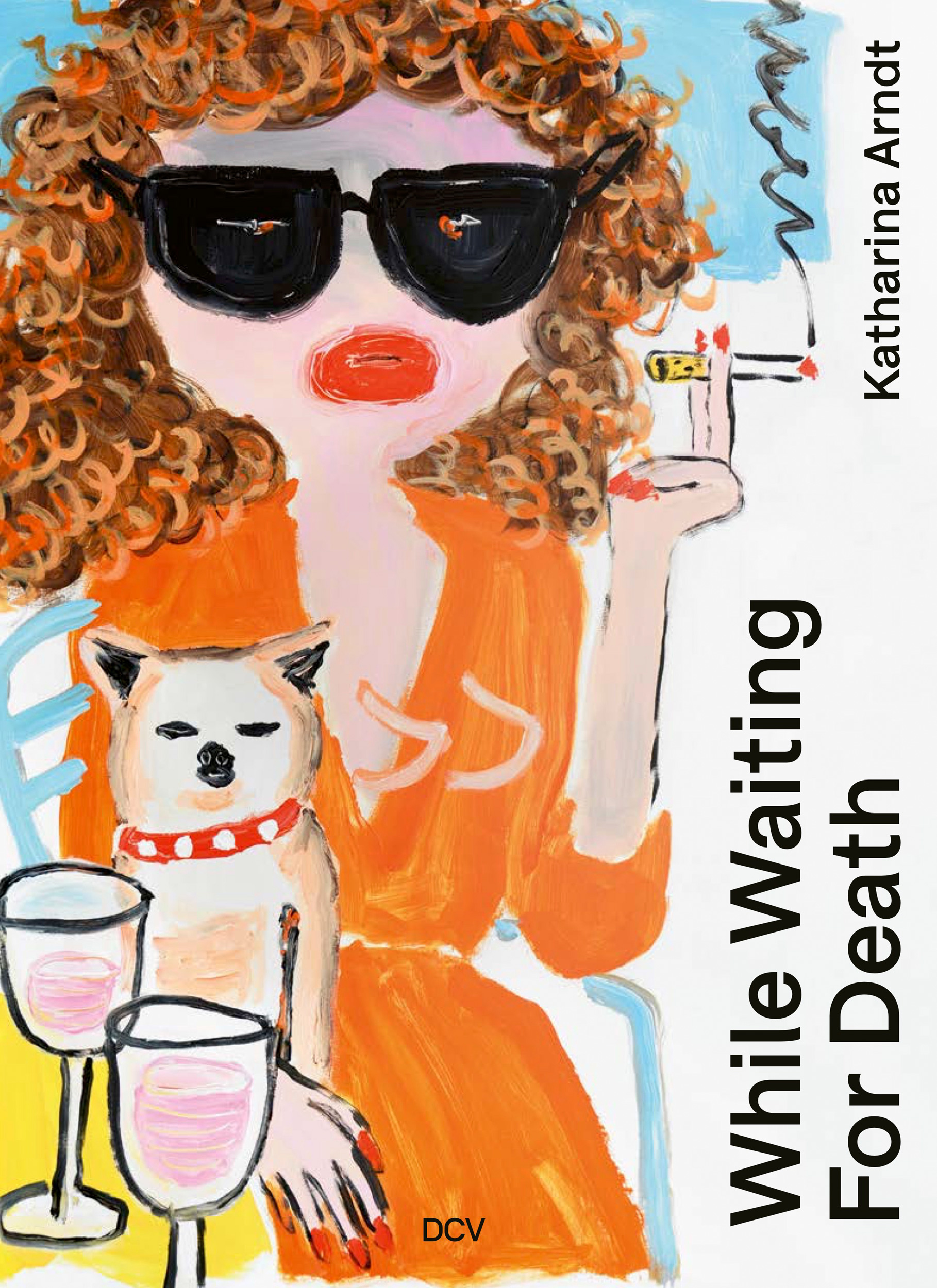
While waiting for Death38€ Add to cartLife for the most part consists of banalities. What to make of it? Katharina Arndt has decided to dip thick brushes into luminous bold acrylic paints, which she applies expansively without regard for the ostensible gray areas of life. Every stroke is valid, there’s no remorse or trepidation, everything is foreground, all elements of a picture are equipollent. The people in Arndt’s paintings from 2022–23 gathered in this catalog are simply there, for the moment, gaping into their cell phones, stuffing themselves with burgers. Nothing more. That makes her works distorted depictions of our hedonistic society with its craving for sensuality, even as we always have one eye riveted on the virtual. The harder, then, to face up to physical reality; with all photo filters off, its imperfections are unmistakable. And so, although we clearly delight in these gaudy colors, the pictures contain intimations of melancholy and death, too. Knowing that the hour of farewell is near, Arndt’s figures stimulate their senses. They kill time down to the very end with jarring trivia, agitated Sisyphuses wallowing in their glittering inadequacy.
-

Tobias Rehberger
1993–202244€ Add to cartIn his sculptural work, Tobias Rehberger (b. Esslingen, 1966; lives and works in Frankfurt/Main) connects strategies from different, also non-art disciplines. His interiors meant to be taken into service have established him as one of the most influential artists of his generation. In 2022, the Kunstmuseum Stuttgart will honor Rehberger with a grand exhibition that will feature some of the most important bodies of work from the past three decades. The accompanying book makes a signal contribution to the ongoing critical engagement with his art.
Tobias Rehberger studied with Thomas Bayrle and Martin Kippenberger at the Städelschule in Frankfurt from 1987 until 1992 and later returned to his alma mater as a professor. He has had numerous solo shows in Germany and abroad and, in 2009, furnished the central cafeteria at the 53rd Venice Biennale, which won him a Golden Lion.
-

Ion Bitzan
48€ Add to cartThe painter and object artist Ion Bitzan (b. Limanu, 1924; d. Bucharest, 1997) belonged to the generation of Romanian artists who, in the 1960s and 1970s, broke through their country’s isolation to connect to the international avant-garde. His creativity and the quality of his artistic experiments, which drew inspiration from conceptual art, Dada, and other sources, made him a leading figure in the Romanian art of the Ceaușescu era. This book also sheds light on the complex relationship between artistic innovation and political (propaganda) art behind the Iron Curtain during this period, in which nothing was ever black or white. Bitzan represented Romania at the Venice (1964) and São Paulo Biennales (1967, 1969, 1981). In 2017, the National Museum of Contemporary Art (MNAC) in Bucharest mounted a major retrospective of his oeuvre.
-

Stefan Knauf
10€ Add to cartStefan Knauf (b. Munich, 1990; lives and works in Berlin) uses selected materials such as construction supplies or plants to investigate the histories of botany, migration, trade, science, and architecture and critique an idealized and anthropocentric conception of nature that is still prevalent. His sculptures, geometric-abstract pictures, and installations, with echoes of constructivism and minimal art, are contact zones in which everything is related to everything: human and non-human history, the natural and the artificial, ecology and ideology. Knauf’s works do not propose to unravel these entanglements. Rather, they suggest alternative perspectives and topographies guided by the idea of the “modified landscape” and devise material and alchemistic forms of knowledge and a novel and multiperspectival approach to the history and reality of the Anthropocene.
-
Kraftwerk
Innovation durch Transformation34€ Add to cartThe power plant in Rottweil, built in 1915 by the architect Paul Bonatz, looks back on a rich and interesting history: until 1976, it provided power to a gunpowder factory and, later, to a rayon manufacturer and at times also to the city of Rottweil. The façade design, the imposing perron leading up to the main entrance, and the tall chimneys still stand as testament to the modernist industrial structure’s erstwhile significance. Twenty years after the plant was taken out of service, the entrepreneurs Thomas Wenger and Mike Wutta with their event agency trend factory took over the dilapidated building with the surrounding premises and restored it, taking care to preserve its architectonic elements and the most important technical installations. (In the course of fifteen years, around 60,000 square feet of floorspace were reopened, with a special emphasis on the distinctive blend of morbid charm and contemporary design.) The power plant now serves the company as its headquarters and, more importantly, as a cutting-edge venue for concerts, congresses, and corporate events that has attracted clients and visitors from all over Baden-Württemberg and beyond.
-
Shara Hughes
Time Lapsed35€ Add to cartShara Hughes (b. Atlanta, 1981; lives and works in New York) describes her pictures and drawings as psychological or invented landscapes. Her cliff coasts, river valleys, sunsets, and lush gardens, often framed by abstract patterns, might be the settings of fairy tales or scenes from paradise. As the New Yorker put it, the paintings “use every trick in the book to seduce, but still manage to come off as guileless visions of not-so-far-away worlds.” Wielding oil paint, brushes, spatulas, and spray cans, the artist celebrates painting itself, not infrequently quoting the masters of past eras.
Shara Hughes studied at the Rhode Island School of Design and later attended the Skowhegan School of Painting and Sculpture. Her most recent solo exhibitions are currently on view at the FLAG Art Foundation, New York, and the Kunstmuseum Luzern, Switzerland. In 2021, she had shows at the Yuz Museum, Shanghai; the Contemporary Art Museum St. Louis; the Garden Museum, London; the Aspen Museum of Art, Colorado; and at Le Consortium, Dijon.
- Release November 2022

X x X
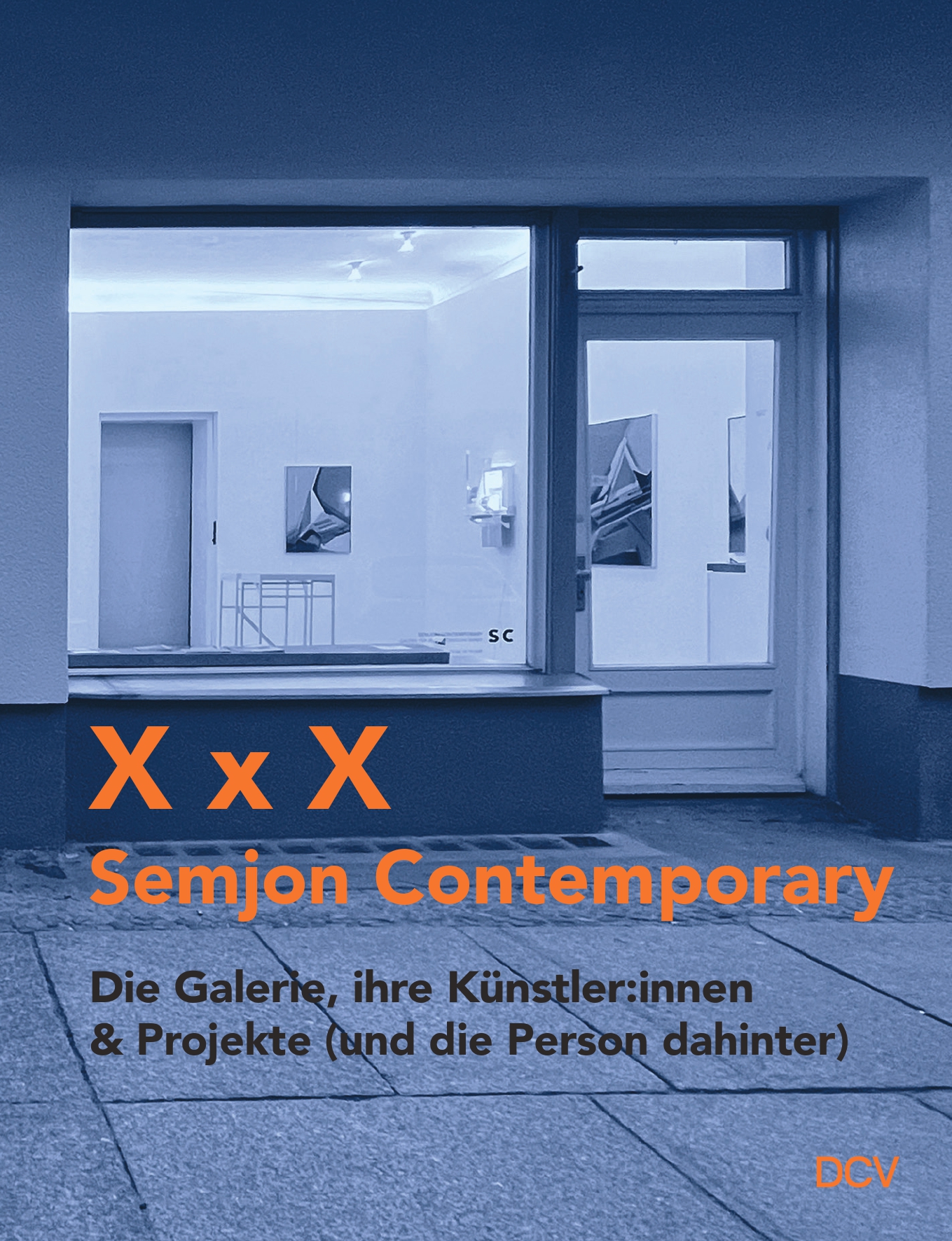
Semjon Contemporary50€ Add to cartFounded by Semjon H. N. Semjon in 2011, the gallery Semjon Contemporary has built a distinctive and singular profile that has earned it an unrivaled position in the art world. It represents international positions in contemporary art that, their divergences notwithstanding, are united by the extraordinary intelligence of their engagement with the material. The result is an unmistakable visual language that permits of no modification of established choices. Despite the considerable differences of material, technique, and expression, the artists’ works enter into dialogue with one another, as parallel solo presentations and special exhibitions showcasing numerous visiting artists have demonstrated.
The book features Colin Ardley, Edward L. Buchanan, Takayuki Daikoku, Dittmar Danner aka Krüger, Ute Essig, Experimental Setup (Kata Hinterlechner and Bosko Gastager’s collective moniker), Katja Flint, Andreas Fux, Dave Grossmann, Renate Hampke, Marc von der Hocht, Nataly Hocke, Michael Kutschbach, Henrik U. Müller, Cornelia Nagel, Susanne Knaack, Katja Kollowa, Susanne Pomrehn, Thomas Prochnow, Dirk Rathke, Ursula Sax, Gerda Schütte, Gil Shachar, Li Silberberg, Karina Spechter, Klaus Steinmann, Stefan Thiel, Hitomi Uchikura, Royden Watson, and Bettina Weiß in dedicated chapters. It is rounded out by statements from collectors including Thomas Lenhart, Cornelie Kunkat, Gabriele Quandt, Roland Schnell, Nobert Fuhr and Klaus Werner, Roswitha and Jürgen König, and Helmut Ließ. Remarks by art critics and scholars and an interview with Semjon by Jan Maruhn provide additional insight into the gallery’s work.
-

Alexandru Chira
42€ Add to cartAlexandru Chira’s (b. Tăușeni, Romania, 1947; d. Bucharest, 2011) oeuvre systematically and comprehensively maps a fictional field of research. His paintings, drawings, and objects, whose individual elements recall switches, screens, keyboards, and levers, were designed to “bring rain and rainbows,” to promote prosperity and prevent floods. Working in his art laboratory, Chira resembled a farmer tilling his field. He sowed symbols across his paintings, sometimes transplanted them to create new semiotic interconnections, then reaped them and stored up his harvest in painted machines of varying shapes and dimensions. In the 1990s—by then Chira held a professorship and was a widely recognized artist—he fulfilled a lifelong dream by building the “Tăușeni Ensemble,” the largest monument single-handedly created by one man in Transylvania. Much of his oeuvre accordingly consists of sketches and elaborations relating to the monument. In the course of his decades-long fascination with an agrarian aesthetic, architecture, design, astronomy, history, magic, ufology, mysticism, shamanism, and theosophy fused, yielding a kind of practical knowledge as well as spiritual speculations sustaining his endeavor.
The extensive monograph with more than 750 illustrations surveys Alexandru Chira’s output of four decades and synthesizes years of research undertaken at the National Museum of Contemporary Art in Bucharest. It contains numerous transcriptions of textual parentheses, legends, and instructions on how to decode the works and poetic fragments embedded in Chira’s pictures.
-

The Art of Society
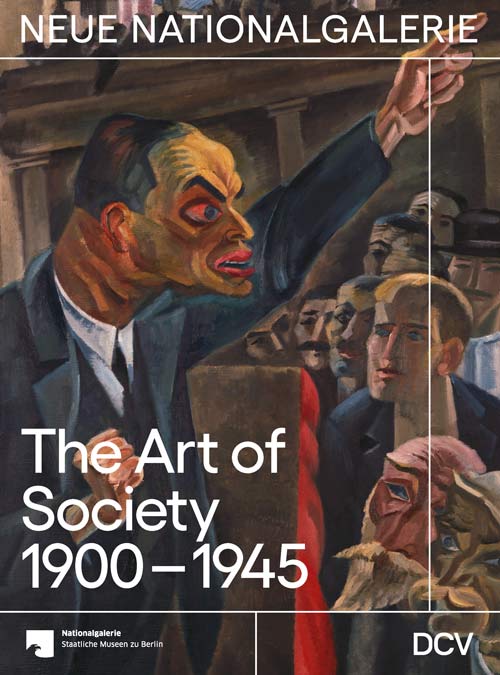
1900–194529€ Add to cartThe Collection of the Nationalgalerie, Berlin
The Neue Nationalgalerie in Berlin, the last building designed by Mies van der Rohe, has been closed a full six years for refurbishment. To mark its reopening the museum is presenting the highlights of its classical modernist collection under the title The Art of Society, 1900–1945. Visionary, critical, resigned or utopian, the paintings and sculptures bear witness to art’s dialogue with prevailing social conditions – from the German Empire to the First World War, the Weimar Republic and ultimately National Socialism. The catalogue documenting all works in the exhibition traces the major artistic tendencies during the first half of the 20th century in thirteen chapters. The Art of Society, 1900–1945 offers a renewed encounter with works by Edvard Munch, Ernst Ludwig Kirchner, Tamara de Lempicka, Lotte Laserstein, Otto Dix, George Grosz, Max Beckmann, and many others that is as captivating as it is illuminating.
Click here for the German edition.
-
Ossian Fraser
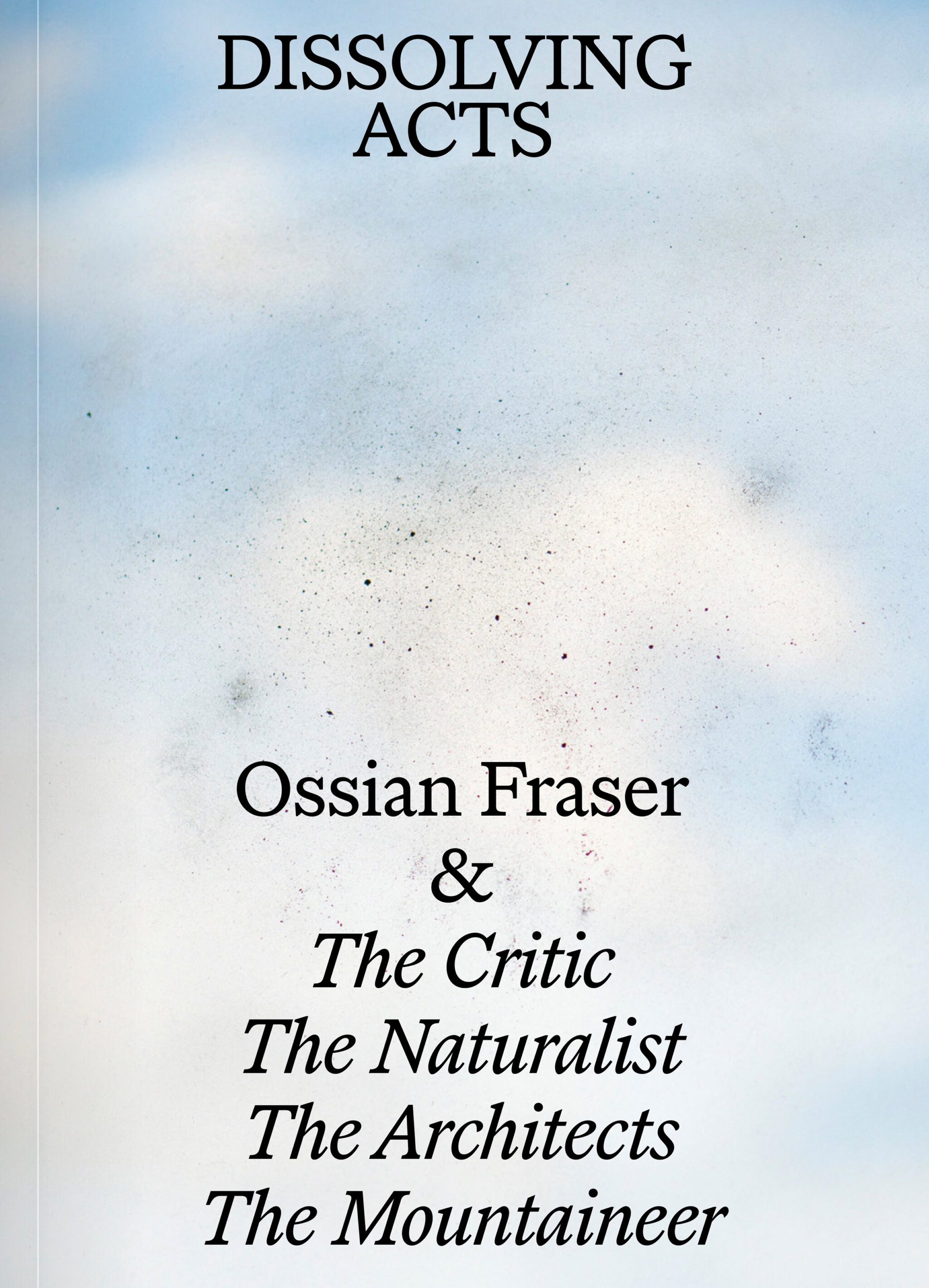
DISSOLVING ACTS38€ Add to cartOssian Fraser (b. Edinburgh, 1983; lives in Munich and Berlin) molds and captures evanescent moments. Working with volatile materials such as water, dust, or light, the artist exposes the latent potentials of unremarkable situations in the urban fabric and natural scenes. A tunnel in a city, a rock face in the mountains become points of departure and elementary components of his site-specific interventions, which he records in photographs. The book is the first to offer comprehensive insight into Fraser’s artistic practice. Series of pictures showcasing his conceptual and poetic pieces alternate with conversations that not only demarcate the framework in which his art operates, but also touch on the great issues of our time.
Ossian Fraser studied fine arts and sculpture at the Alanus University of Arts and Social Sciences, Bonn, from 2006 until 2009 and at the Weißensee Kunsthochschule, Berlin, from 2009 until 2013, rounding out his education in Albrecht Schäfer’s master class in 2013–2014.
-

Was ist Wiener Aktionismus?
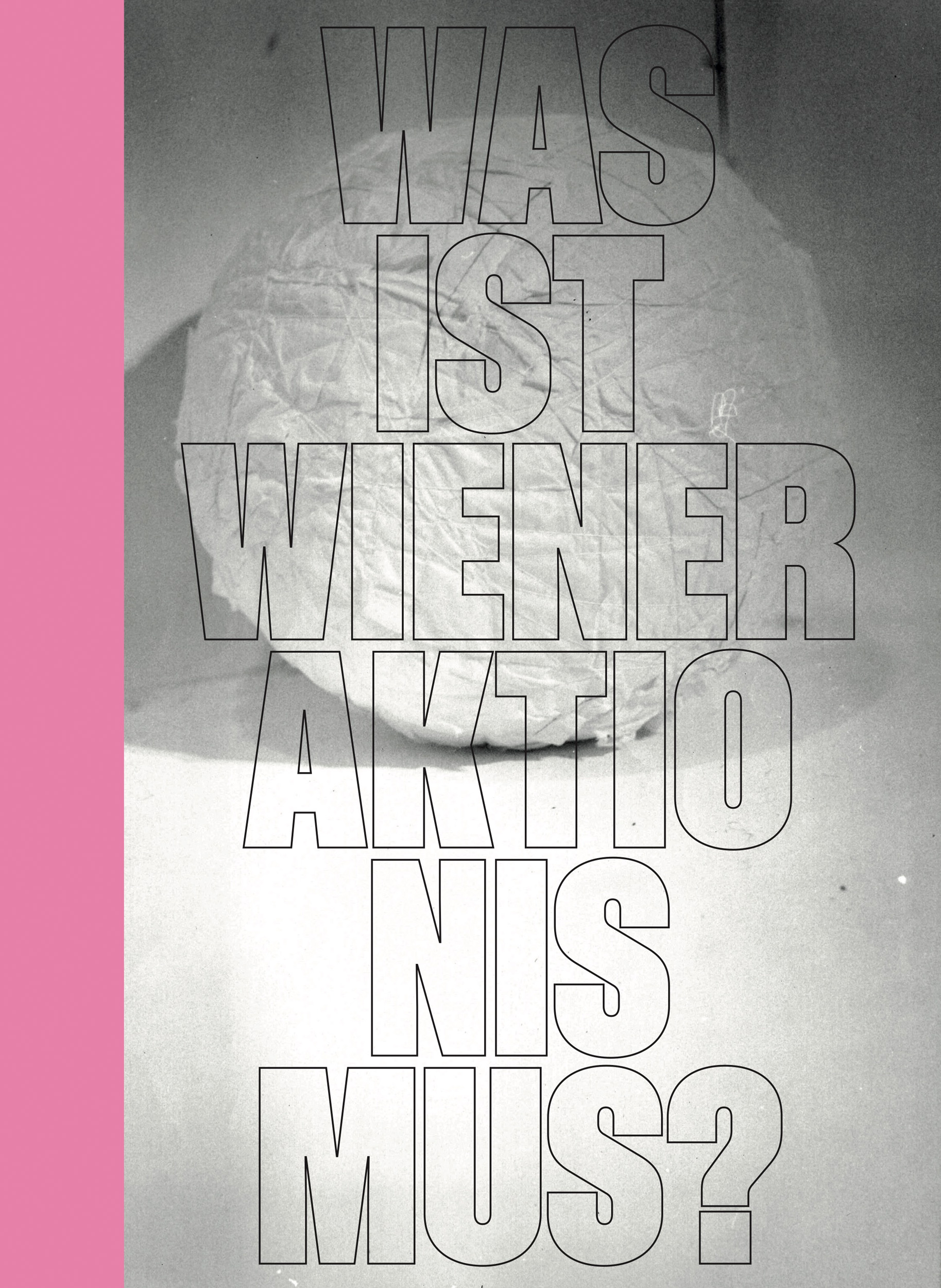
50€ Add to cartBlows were dealt. An artist exposed and cut himself, others urinated in glasses, daubed themselves with dirt, and masturbated over the Austrian flag. Meanwhile, music was playing, including the national anthem; someone read pornographic writings. Vienna in the late 1960s: what had started in the artists’ homes and studios was now brough out on the grand stage, and taboos were broken in full view of the public.
The Vienna Actionism Museum’s first publication is dedicated to the idea of Vienna Actionism in the dynamic context of abstract realism, Fluxus, and the international Happening scene. The book relates the story of one of art history’s most influential art movements, spearheaded by the Actionists Günter Brus and Otto Muehl, Hermann Nitsch and Rudolf Schwarzkogler.
-

Zwischen Freiheit und Moderne
Die Bildhauerin Renée Sintenis29€ Read moreThe Successful Sculptor and Symbol of the “Neue Frau”
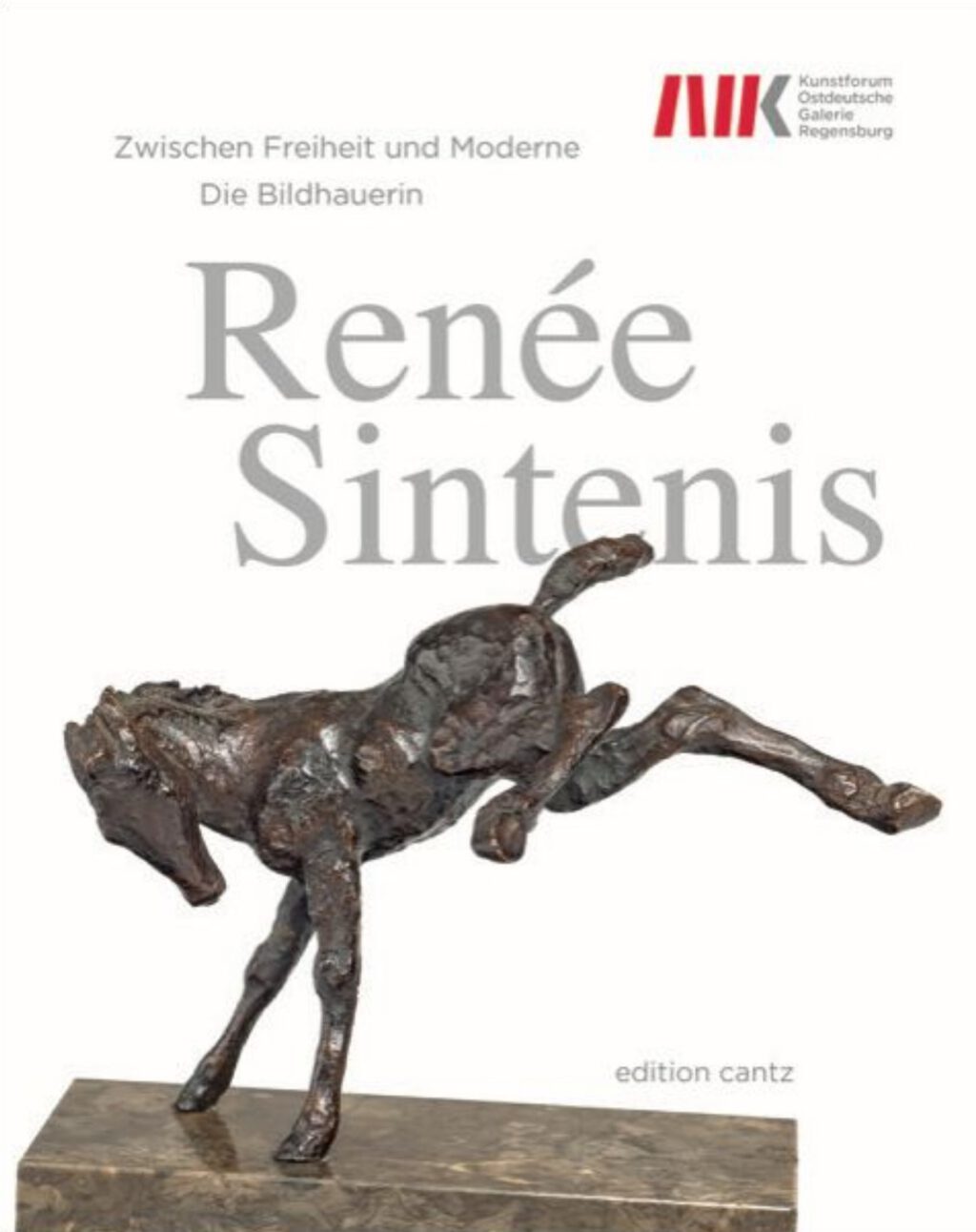
Renée Sintenis (b. 1888, Glatz; d. 1965, Berlin) belongs to the first generation of professional female sculptors at the beginning of the twentieth century. She made skillful use of her business relations with her gallerist Alfred Flechtheim, who introduced her to collectors in Paris, London, and New York. The market for, in particular, her lively, small animal sculptures was quite lucrative. These experienced renewed popularity in the 1950s through her Berlin Bear statuette, which has been presented in a small version at the Berlin International Film Festival since 1960. The catalog sheds light on the sculptor’s diverse oeuvre and provides insight into the self-image of one of the most successful women artists of the Weimar Republic, who embodied the type “Neue Frau” (new woman) due to her dazzling appearance.