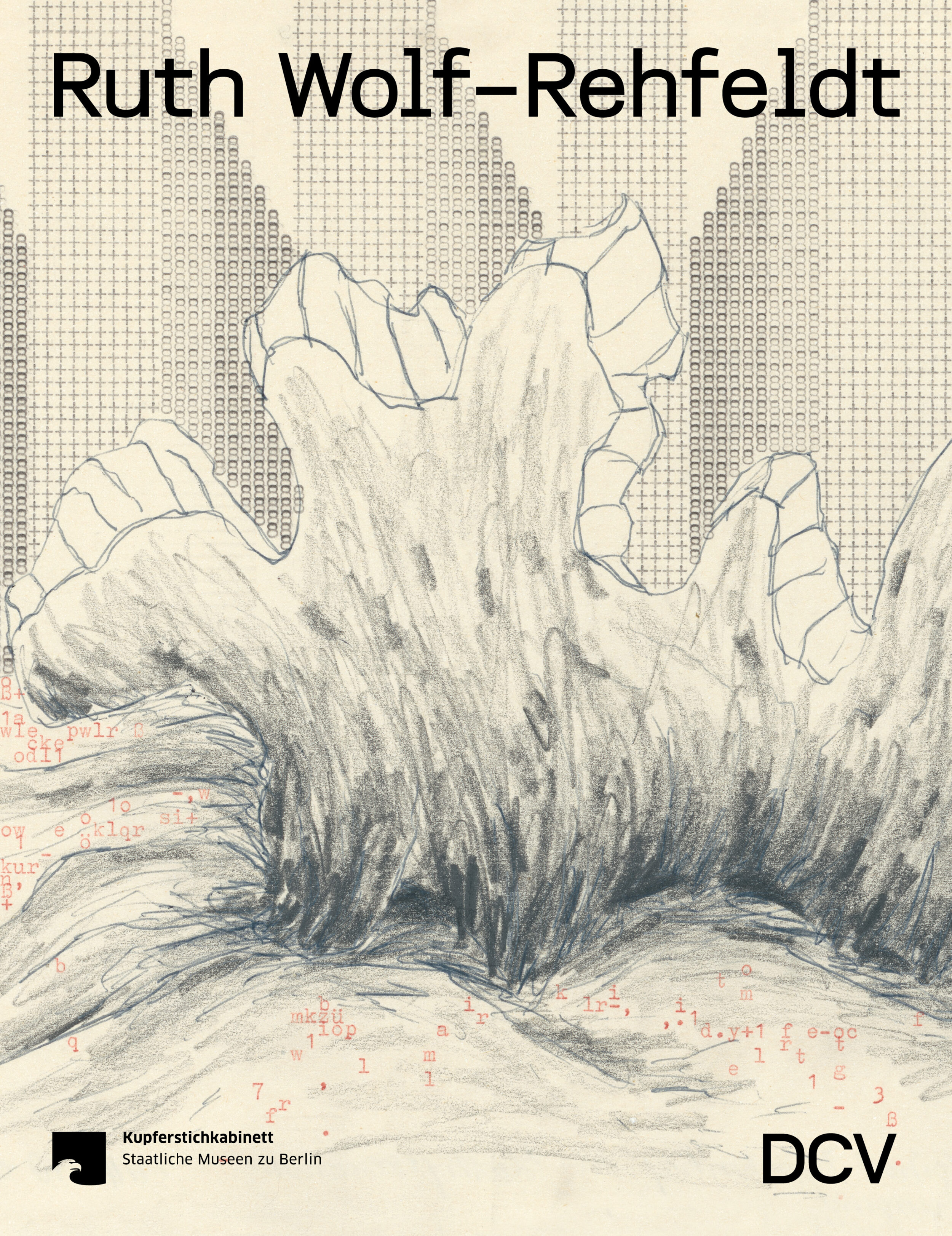
Ruth Wolf-Rehfeldt – Wie eine Spinne im Netz
 | |
|---|---|
| Editor(s) | Jenny Graser |
| Author(s) | Jenny Graser, Dagmar Korbacher, Klaus Lederer, Fabienne Meyer, Kathleen Reinhardt |
| Design | Book Book, Berlin |
| Cover | Softcover with flaps |
| Size | 22,6 × 29,7 cm |
| Pages | 216 |
| Illustrations | 172 |
| Language(s) | German |
| ISBN | 978-3-96912-104-7 |
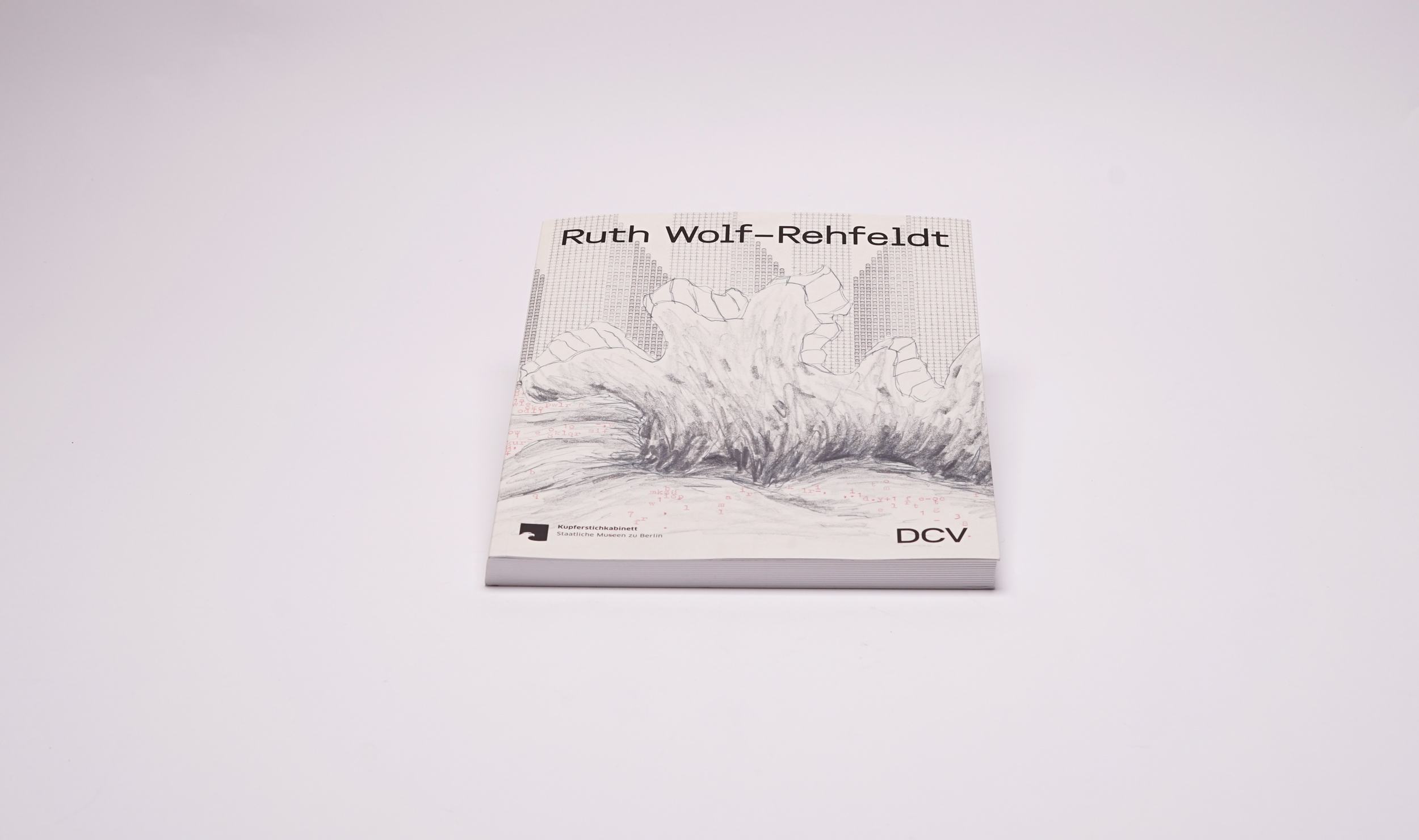
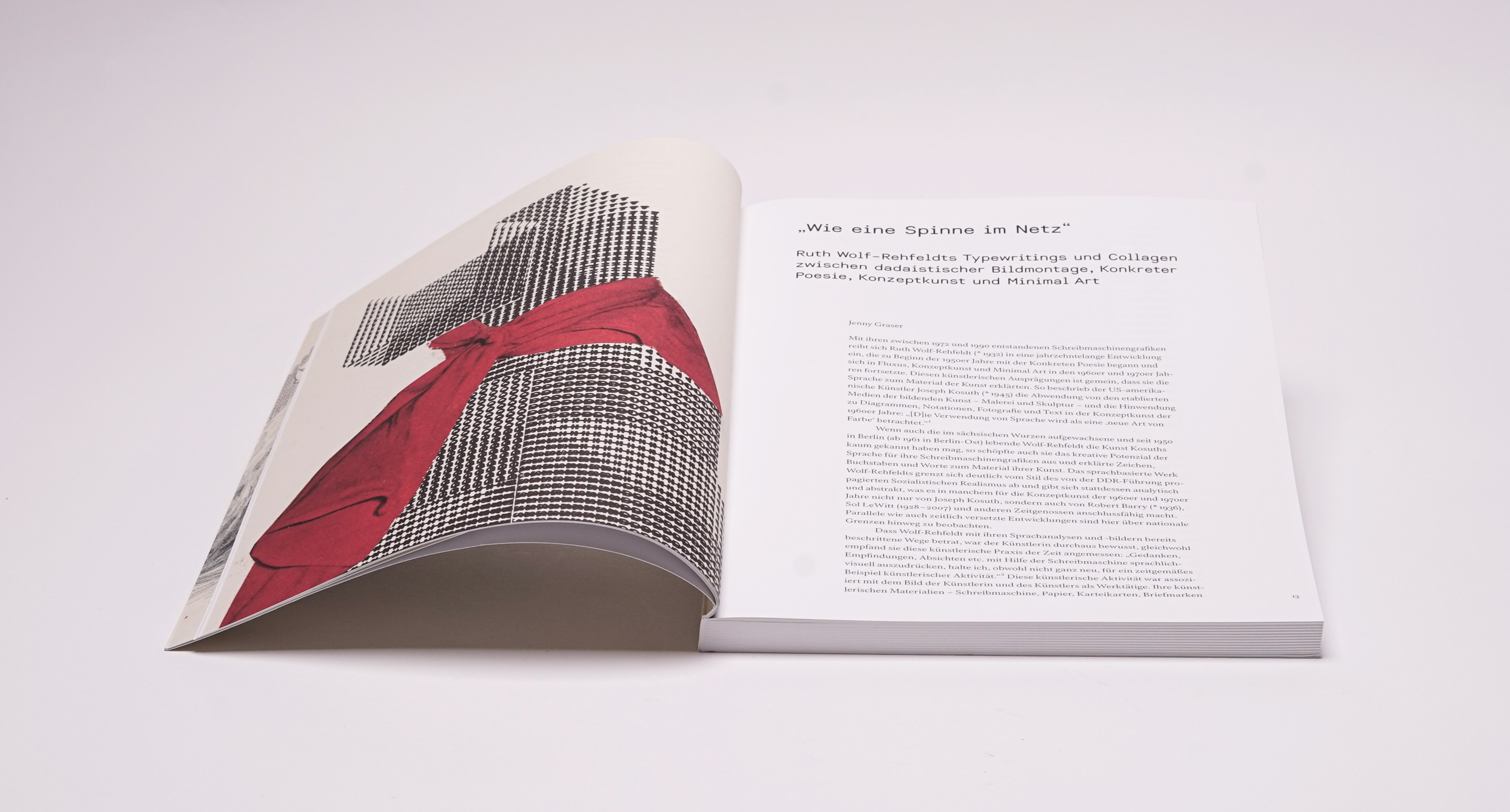
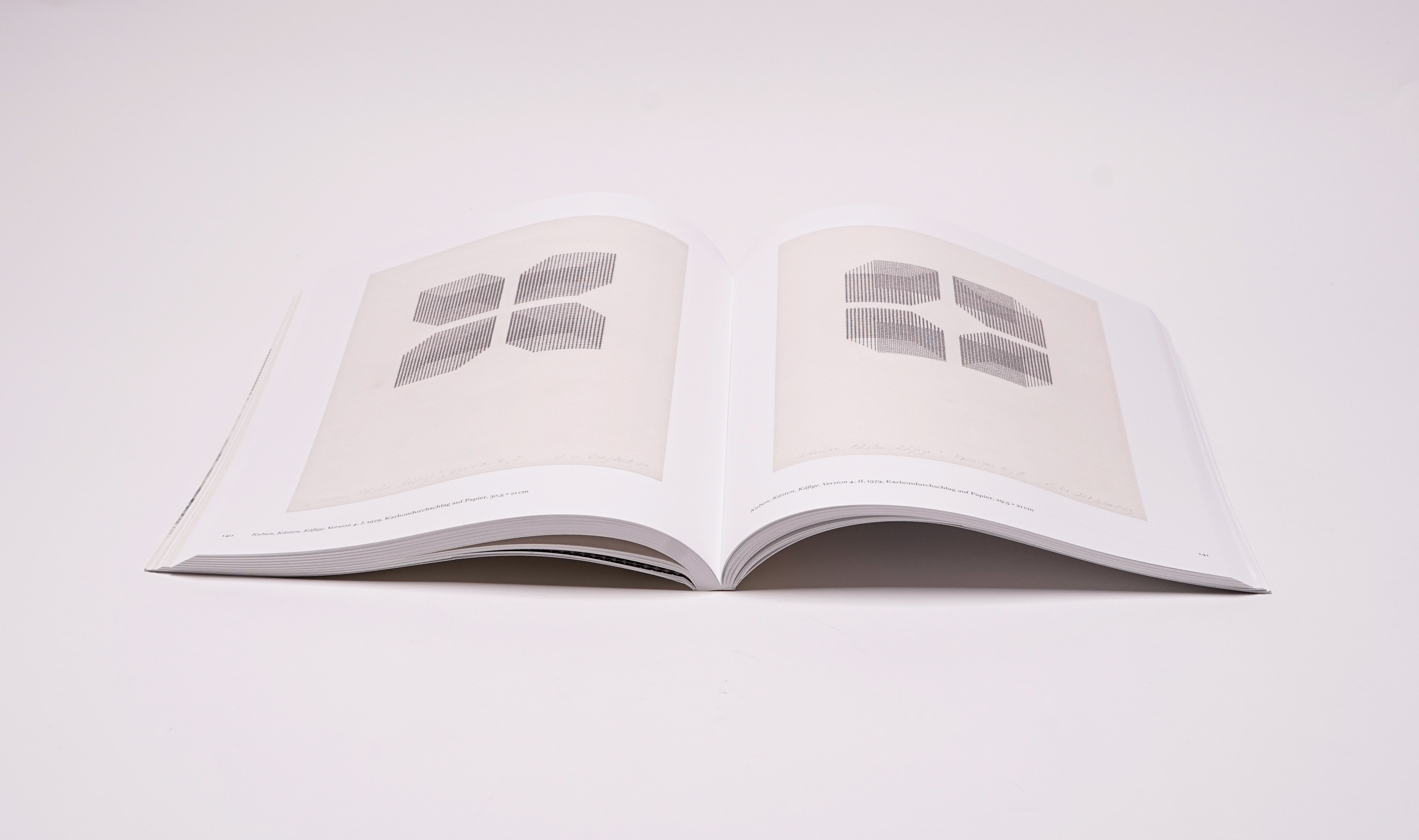
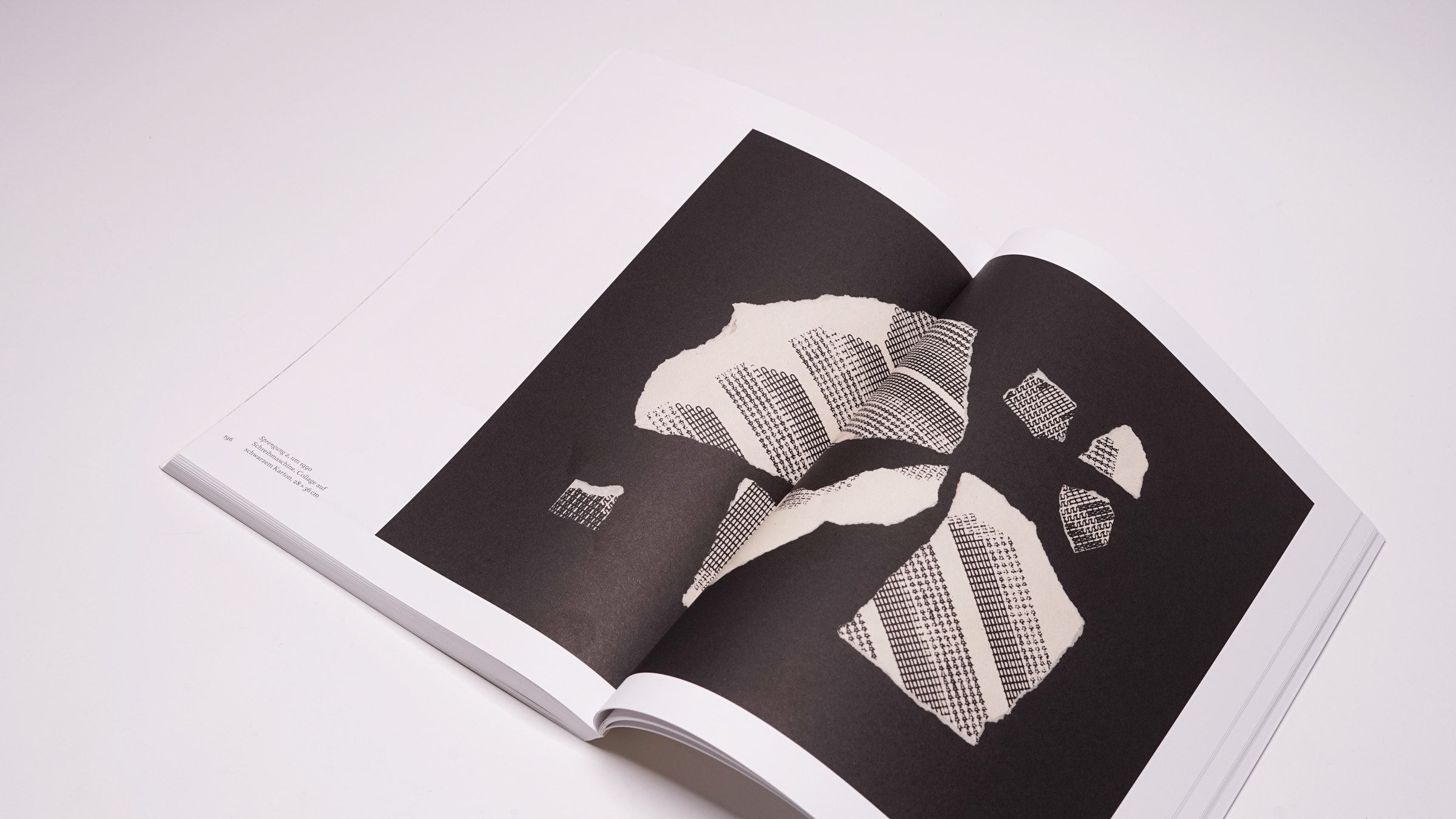
Ruth Wolf-Rehfeldt (b. Wurzen, Germany, 1932; lives in Berlin) is one the few East German female artists who devoted themselves to graphic art produced on the typewriter. Working on her trusty “Erika,” she arranged letters, digits, commas, and plus signs to compose imaginative visual creations. Under her hands, the black and red characters were transformed into poetic verbal images, gently undulating waves, serial patterns, and architectonic or figurative formations. Sometimes verging on concrete poetry, these typewritings also evince unmistakable affinities with conceptual and minimalist art. In the 1980s, the artist expanded on them in collages that recall Hannah Höch’s Dadaist visual montages. With her graphic work, Wolf-Rehfeldt was also an active participant in the GDR’s mail-art program: she sent the typewritings to artists beyond the impassable borders of her country, building an extensive network of correspondences that spanned the globe.
The richly illustrated monograph underscores the diversity and contemporary relevance of Wolf-Rehfeldt’s works, which were created in the shadow of the Cold War and address the fragility of peace as well as early manifestations of the environmental devastation wrought by the industrial age.
More books
-

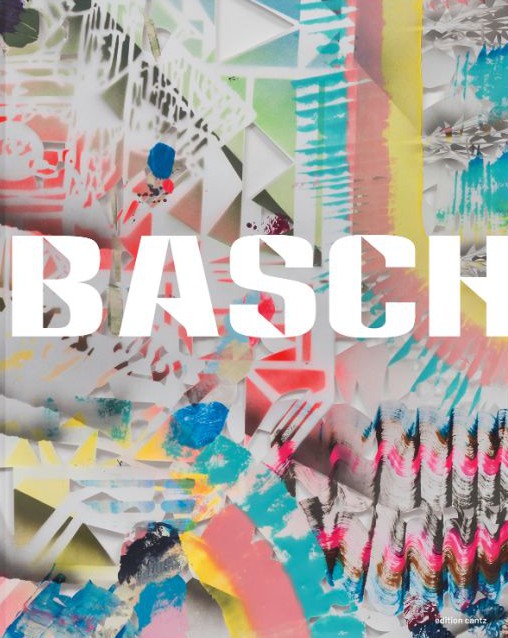
Gabriele Basch
fortuna24€ Add to cartPaper and Foil Cut‑Outs in an Innovative Language of Forms: An Overview of the Works of Gabriele Basch from 2008 to 2019
Since the 1990s, Gabriele Basch (b. 1964, Bad Homburg; lives and works in Berlin) has been working with cut-outs and translating the age-old tradition of silhouettes into an idiosyncratic and innovative language of forms. The artist interweaves creation and destruction, planning and chance into a complex, multi-layered reality and makes views into the spatial environment an integral part of her work. In her paper and foil cut-outs, foreground and background, materiality and void combine to form a whole that oscillates between painting and drawing, as well as between urban structures and hints of the biomorphic – in delicate color gradients, swirling structures, spontaneous gestures, and stenciled surfaces. The generously illustrated monograph offers a comprehensive overview of the artist’s work from 2008 to 2019.
-

Maria Balea & George Crîngașu
The Mythenstein Project18€ Add to cartMaria Balea (b. Sighetu Marmației, 1990; lives and works in Cluj-Napoca, Romania) and George Crîngașu (b. Focșani, 1988; lives and works in Cluj-Napoca and Rome) are among the youngest members of the School of Cluj, which has attained international renown in Adrian Ghenie, Hortensia Mi Kafchin, and Ciprian Mureșan. The overarching theme in their works in a range of media is the lived reality of today’s young people between a physical world defined by uncertainties and a virtual parallel universe whose boundless possibilities make it a fascinating yet also often deceptive safe haven. Both artists roam this dizzying kaleidoscope of worlds on a quest for beauty: Balea, through a romantically idealized focus on remnants of untouched or deserted nature; Crîngașu, by abandoning himself to the graphical possibilities of the digital realm, where beauty is often bound up with the bending of natural laws and the physical impossibility of architecture. Yet both, the retreat to an ostensibly natural state and the escape into garish artificiality, are overshadowed by a nameless menace.
-

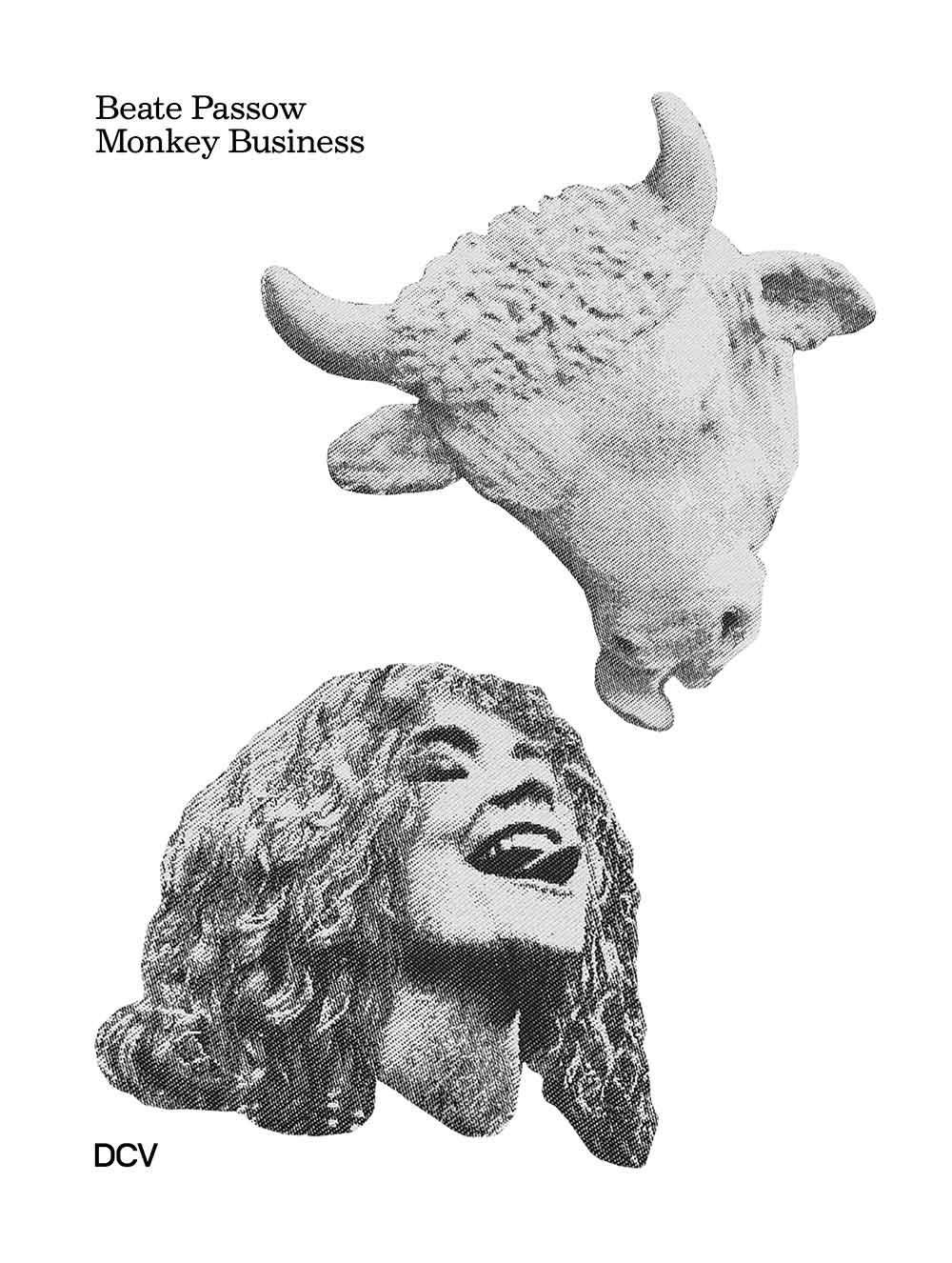
Beate Passow
Monkey Business24€ Add to cartDrawing on the Past to Build a Better Future
Beate Passow (b. Stadtoldendorf, Germany, 1945; lives and works in Munich) creates installations, photodocumentaries, and collages that seek to salvage her subjects from oblivion, though as she sees it, her art is an effort to come to terms not so much with the past as with the present. When her compositional inventions touch on painful memories, their objective is not to arrive at new insights. Rather, she aims to uncover visible and verifiable states of affairs and throw them into sharp relief. In her cycle of pictures Monkey Business, the artist unfolds a mysterious fairy-tale world with a political edge. Strange animals and mythical figures populate the large-format black-and-white tableaux, which a closer look reveals to be woven tapestries. The unusual protagonists roam readily identifiable locations: Gibraltar, New York’s Wall Street, Brussels, or the island of Lampedusa. Behind these ostensibly simple facts of geography loom the darker aspects of contemporary European politics: Passow’s work calls for a debate on the systems, economic structures, and political movements that rule the continent.
-

Stephan Kaluza
Die dritte Natur14€ Add to cartThe Nature of Art as Totality and Idyll
The philosophy of nature is central to the artist Stephan Kaluza’s (b. Bad Iburg, 1964; lives and works in Düsseldorf) work. As he sees it, there exists a succession of different natures: first nature is Kaluza’s designation for a world as immediately felt by (early) humans, part of an encompassing and close-range experiential totality they labeled ‘nature’ and perceived as a physical, but also spiritual and emotional concatenation of events. Second nature is stripped down to an objective and utilitarian quality; nature becomes a resource, the basis of life, the environment. In a kind of linguistic turn, speech mediates a surrogate, an alternative world, that positions nature as culture’s opposite; the former becomes replaceable in favor of latter. Yet this culture is far from devoid of yearnings for the immediacy that it has lost, and so develops an ‘artificial idyllic nature’ in turn. This third nature of the arts—a purely human nature—harks back to the archetypes of a first nature in escapism and totalized immersion.
- Release September 2021

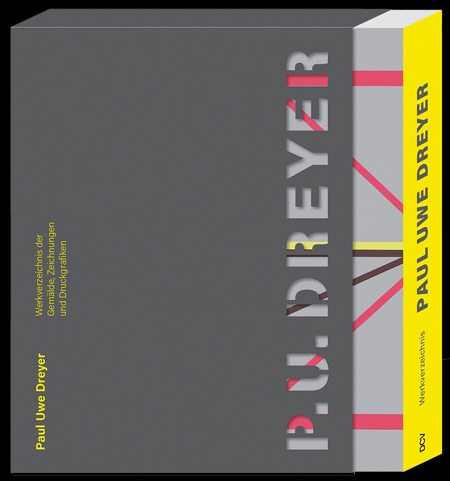
Paul Uwe Dreyer
Werkverzeichnis der Gemälde, Zeichnungen und Druckgrafiken68€ Add to cartA Painter, Draftsman, and Draftsman of Concrete Art
Paul Uwe Dreyer (b. 1939, Osnabrück; d. 2008, Stuttgart) taught painting as a professor at the Staatliche Akademie der Bildenden Künste Stuttgart for more than three decades. His oeuvre shows the hallmarks of geometric constructive art: inspired by subjective experiences of reality, Dreyer’s compositions visualize the dialectics of organizing principles and their potentials for variation, a guiding interest that is already evident in his early work since the 1960s and especially in the pairs and series of pictures he begins creating in the early 1970s. His art unfolds a fascinatingly dynamic yet nonhierarchical dialogue between colors, surfaces, and lines. The chronological catalogue raisonné reveals the consistency with which motifs evolve from his early to his late oeuvre, from architectural, figural, and ornamental tokens through elements resembling symbols and icons to complex penetrations of spaces.
-
Irmel Droese. Felix Droese
Die Fruchtbarkeit der Polarität28€ Add to cartA Tribute to the Artist Couple
Irmel Droese (b. 1943, Landsberg an der Warthe) and Felix Droese (b. 1950, Singen/Hohentwiel) first met in 1970, when both were students in Joseph Beuys’s class at the Kunstakademie Düsseldorf. In a decades-long partnership in life and art, they have built oeuvres that, both each for itself and in dialogue with each other, scrutinize a rapidly changing reality. Irmel Droese creates expressive stage characters, sculptural oil paper figures, and depictions of humans on paper, while Felix Droese’s diverse ensembles and large-format papercuts grapple with money, economic questions, and the rising predominance of commercial considerations. His art gained international renown with his participation in documenta 7 in 1982 and the 43rd Biennale di Venezia in 1988. Designed in close collaboration with the artists, the publication documents their separate and joint oeuvres, drawing attention to societal questions.
- temporarily not available
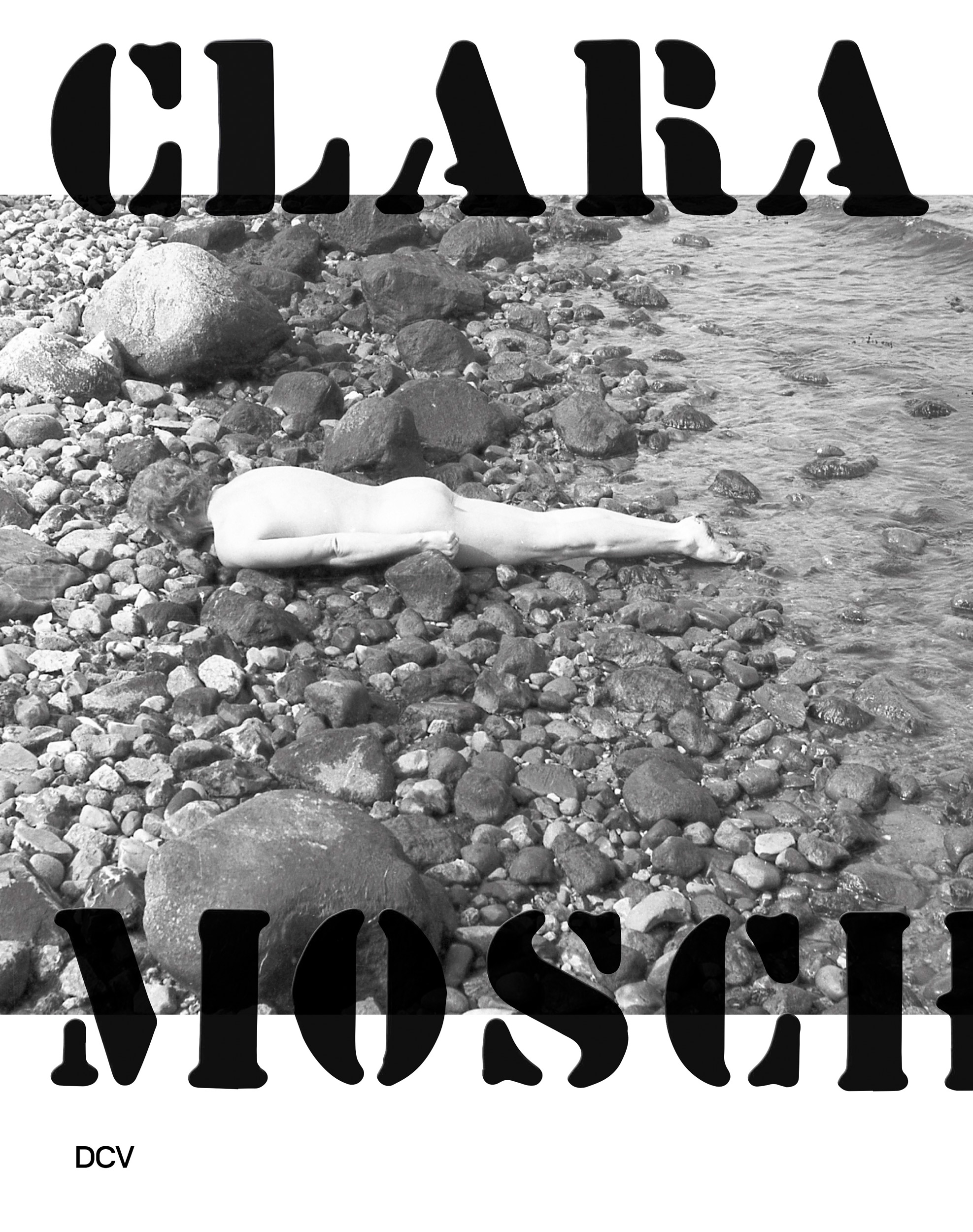
CLARA MOSCH
and early art events in the GDRRead moreThe legendary producer-run gallery Clara Mosch and the artists’ group of the same title that gathered around it were founded in Karl-Marx-Stadt (today’s Chemnitz) in 1977 and existed until 1982. The catchy name was an acronym of the contributors’ last names: CLA = Carlfriedrich Claus, RA = Thomas Ranft and Dagmar Ranft-Schinke, MO = Michael Morgner, SCH = Gregor-Torsten Schade. As the founders of the first producers’ gallery in the GDR and creators of diverse oeuvres, the group’s artists rank among the foremost exponents of avant-garde art in East Germany. The book presents works of art, limited editions, and posters as well as photographs from the Ralf-Rainer Wasse archive in the collections of the Lindenau-Museum in Altenburg. One thematic focus is on Clara Mosch’s land-art happenings and plein-air pieces. The unconventional actions attest to the group’s stated objective of building greater awareness of the ongoing devastation of the local environment. Forty years after the fact, Clara Mosch’s work has lost none of its relevance and urgency.
-

CHRISTIAN ROTHMANN
The Light Touch45€ Add to cartA Monograph of Curiosity
Christian Rothmann (b. Kędzierzyn, Poland, 1954; lives and works in Berlin) is an artistic jack-of-all-trades, a builder of bridges between cultures, and a restless globetrotter and traveler across time. He takes photographs wherever he goes, especially when he is on the road, gathering documentaries with a creative edge, spontaneous yet powerfully symbolic pictures, or conceptual series. His motifs have included basketball hoops in the most unbelievable places, toys in restaurants and stores, exotic dishes, and—in the sequence Legs of the World—beautiful legs, of real-world women, but also of advertising-poster idols and art objects. He has a special knack for recruiting accomplices from all age groups and across social and cultural differences, as for his series you and me or Mother & Daughter. Fierce large-format paintings and delicate watercolors on small paper formats from Rothmann’s studio in Berlin-Kreuzberg complement his long-term photographic projects. The Light Touch presents the artist’s variegated visual art on almost five hundred pages.
- Release November 2022

X x X
Semjon Contemporary50€ Add to cartFounded by Semjon H. N. Semjon in 2011, the gallery Semjon Contemporary has built a distinctive and singular profile that has earned it an unrivaled position in the art world. It represents international positions in contemporary art that, their divergences notwithstanding, are united by the extraordinary intelligence of their engagement with the material. The result is an unmistakable visual language that permits of no modification of established choices. Despite the considerable differences of material, technique, and expression, the artists’ works enter into dialogue with one another, as parallel solo presentations and special exhibitions showcasing numerous visiting artists have demonstrated.
The book features Colin Ardley, Edward L. Buchanan, Takayuki Daikoku, Dittmar Danner aka Krüger, Ute Essig, Experimental Setup (Kata Hinterlechner and Bosko Gastager’s collective moniker), Katja Flint, Andreas Fux, Dave Grossmann, Renate Hampke, Marc von der Hocht, Nataly Hocke, Michael Kutschbach, Henrik U. Müller, Cornelia Nagel, Susanne Knaack, Katja Kollowa, Susanne Pomrehn, Thomas Prochnow, Dirk Rathke, Ursula Sax, Gerda Schütte, Gil Shachar, Li Silberberg, Karina Spechter, Klaus Steinmann, Stefan Thiel, Hitomi Uchikura, Royden Watson, and Bettina Weiß in dedicated chapters. It is rounded out by statements from collectors including Thomas Lenhart, Cornelie Kunkat, Gabriele Quandt, Roland Schnell, Nobert Fuhr and Klaus Werner, Roswitha and Jürgen König, and Helmut Ließ. Remarks by art critics and scholars and an interview with Semjon by Jan Maruhn provide additional insight into the gallery’s work.
-

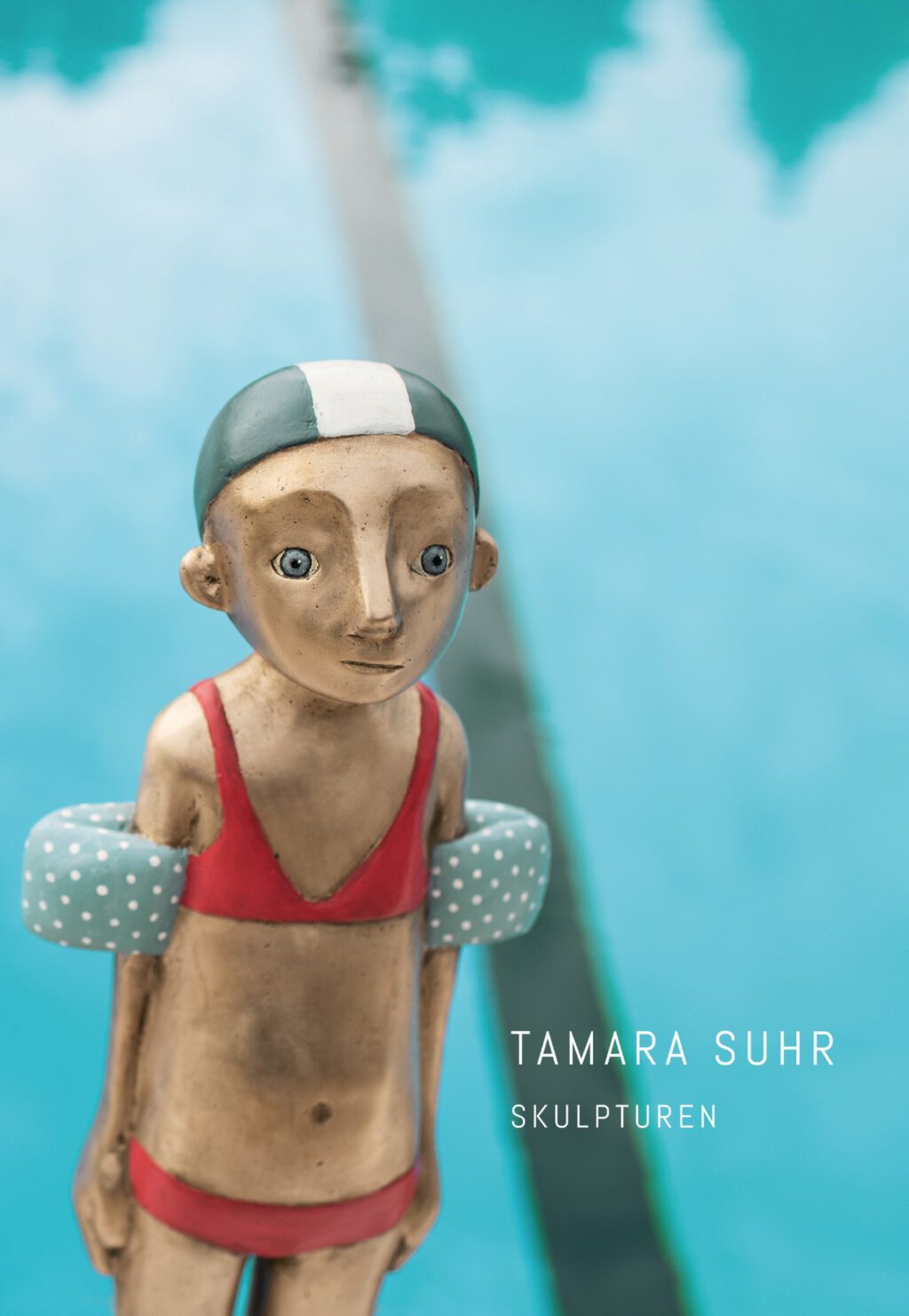
Tamara Suhr
Skulpturen24€ Add to cartHesitant yet Immediately Present
As a sculptor, Tamara Suhr (b. 1968, Tübingen; lives and works in Ludwigsburg) has devoted herself unswervingly to the human figure. Her subjects are figures of children whose hesitancy always embodies a certain curiosity, a sense of expectation. In their form reduced to the essential, indeed almost archaic, they radiate calm and serenity—supported by balance with regard to both the motif and possible associations. In their small size and vulnerability, Suhr’s figurative sculptures, painstakingly crafted in bronze, seem apparently in need of protection, yet they appear strong and courageous. They stand, gaze, crouch, fish, swim or balance. They are present, in the here and now, a symbol for the children of the world.
- Out of stock

Hans Karl Zeisel
Hundred and more34,95€ Read morePossibilities of concrete art
What is possible without turning away from the cocrete? In the Bauhaus tradition, the typographer, graphic artist, designer and author Hans Karl Zeisel opens up countless design options with basic forms. His wooden cuboids demand a humorous approach to sculpture. They are creativity training, study tools and meditation game all in once. A playful experiment that reveals the diversity of concrete art.
-

Martin Noël
paintprintpaint35€ Add to cartA Comprehensive Overview on the tenth Anniversary of the Death of Martin Noël
Martin Noël (b. 1956, Berlin; d. 2010, Bonn) was a German painter, draftsman, and printmaker. He was one of the formative innovators of the long-neglected techniques of linocut and woodcut. With his large-format works on paper, he created a position for himself in contemporary art that is as much respected as it is independent. On the occasion of the tenth anniversary of the artist’s death, this volume presents a comprehensive overview of his work from the mid-1980s to the last year of his life in 2010. Thirty-five exceptional works document Noël’s path from his early years as a painter, via the middle phase marked by printing blocks, linocuts and woodcuts, up to his late paintings.
Martin Noël studied Graphics and Painting at the Rheinische Fachhochschule Köln, Cologne. His works are included in, among others, the Federal Collection of Contemporary Art, the Kunstsammlungen Chemnitz, and the collection of the Museum Pfalzgalerie Kaiserslautern.
-

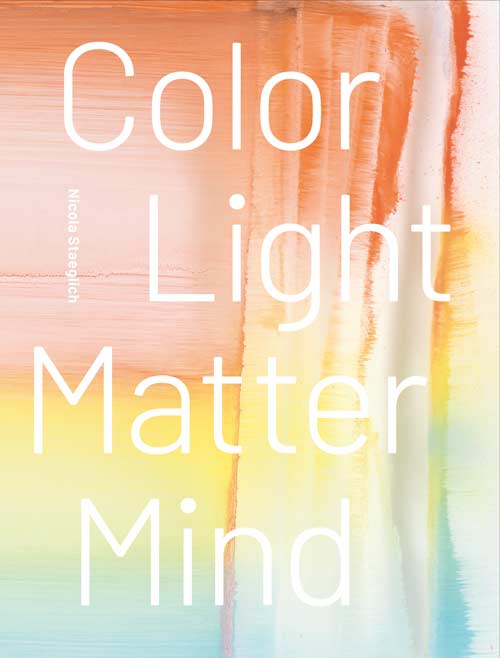
Nicola Staeglich
Color Light Matter Mind36€ Add to cart“This painting springs from the ambition to paint color into the air.” (Ulrich Loock)
Nicola Staeglich’s (b. Oldenburg, 1970; lives and works in Berlin) work with color achieves a distinctive intermediate state between physical presence and atmospheric radiance. She stages painting now as a performative action with broad propositions in color, now as an installation in three dimensions with multilayered translucent painted panels. Color Light Matter Mind is Staeglich’s first monograph, setting recent works in relation to her earlier output (1998–2021). From the spiral-shaped reliefs to her Liquid Lights, the artist opens up a fresh dimension for color.
Nicola Staeglich studied at the Städelschule, Frankfurt, the Academy of Fine Arts Mainz, and the Chelsea College of Art, London. She won numerous fellowships and has been professor of painting/graphic art at the Hochschule der bildenden Künste Essen since 2015. Her work has been presented in numerous solo exhibitions in Germany and abroad and is held by private and public collections.
- temporarily not available
MEUSER
Works 2012–2023 (ENGLISH)Read moreEver since his studies with Joseph Beuys and Erwin Heerich, since his first exhibitions – for instance at ‘Kippenberger’s Office’ in 1979 – Meuser (b. Essen 1947, lives and works in Karlsruhe) has been a solitaire. His sculptures are unyielding and unruly, just as much as they are vulnerable and tender. They are witty and heart-touchingly charming.
Meuser finds his material in the scrapyard. Confidently and empathically, he reinstates form and dignity to the remnants and vestiges of industrial society. As a romantic, he grants things a life of their own and turns them into self-reliant protagonists, once more. Unwaveringly, he works to re-poetize a standardized and maltreated world.
The lavishly designed monograph is published on the occasion of Meuser’s 75th birthday, presenting works and exhibitions from the past ten years. Eight international authors and scholars create a dazzling mosaic and reveal how Meuser boldly holds his own in face of Duchamp, Minimalism, and Social Sculpture. An open-ended outlook.
Meuser studied 1968–1976 at Art Academy, Düsseldorf with Joseph Beuys and Erwin Heerich. 1991 he received the ars viva award. 1992-2015 professorship at Academy of Fine Art, Karlsruhe.
Since 1976, numerous institutional solo and group exhibitions and works in international collections: Bundeskunsthalle, Bonn; Deichtorhallen, Hamburg; documenta IX / Fridericianum, Kassel; Fundació Joan Miró, Barcelona; Joanneum, Graz; Kunsthalle Düsseldorf; Museum of Contemporary Art, Monterrey; Martin-Gropius-Bau, Berlin; Museum Abteiberg, Mönchengladbach; Museum Folkwang, Essen; Museum moderner Kunst Stiftung Ludwig, Vienna; Museum Morsbroich, Leverkusen; Rijksmuseum Twenthe, Enschede; Sakip Sabanci Museum, Istanbul; Städtische Galerie, Karlsruhe; Vanhaerents Art Collection, Brussels; ZKM | Museum für Neue Kunst, Karlsruhe.
-
Antonia Hirsch
Phenomenal Fracture24€ Add to cartIn a probing engagement with the screen, an omnipresent object in contemporary life, Antonia Hirsch charts the gulf between the digital and the analog, the two spheres of which our perceived reality is composed. In provocative installations and objects, the artist conceives the distinctions between screen, mirror, and blade as less than sharply defined. Her works show rigidly geometric shapes made of hard and shimmering glass and steel; they encounter eerily somatic and perishable-looking cardboard or soft foamed-plastic components that recall the bodies they perhaps once served. Reflective surfaces mirror our gaze, but the less classy materials, too, await recognition by the beholder’s body. The book accompanies Hirsch’s solo exhibition Phenomenal Fracture at Kunsthalle Lingen; photographs and writings convey extensive and sustained impressions that run the gamut from the uncanny to the darkly humorous.
- Release October 2025

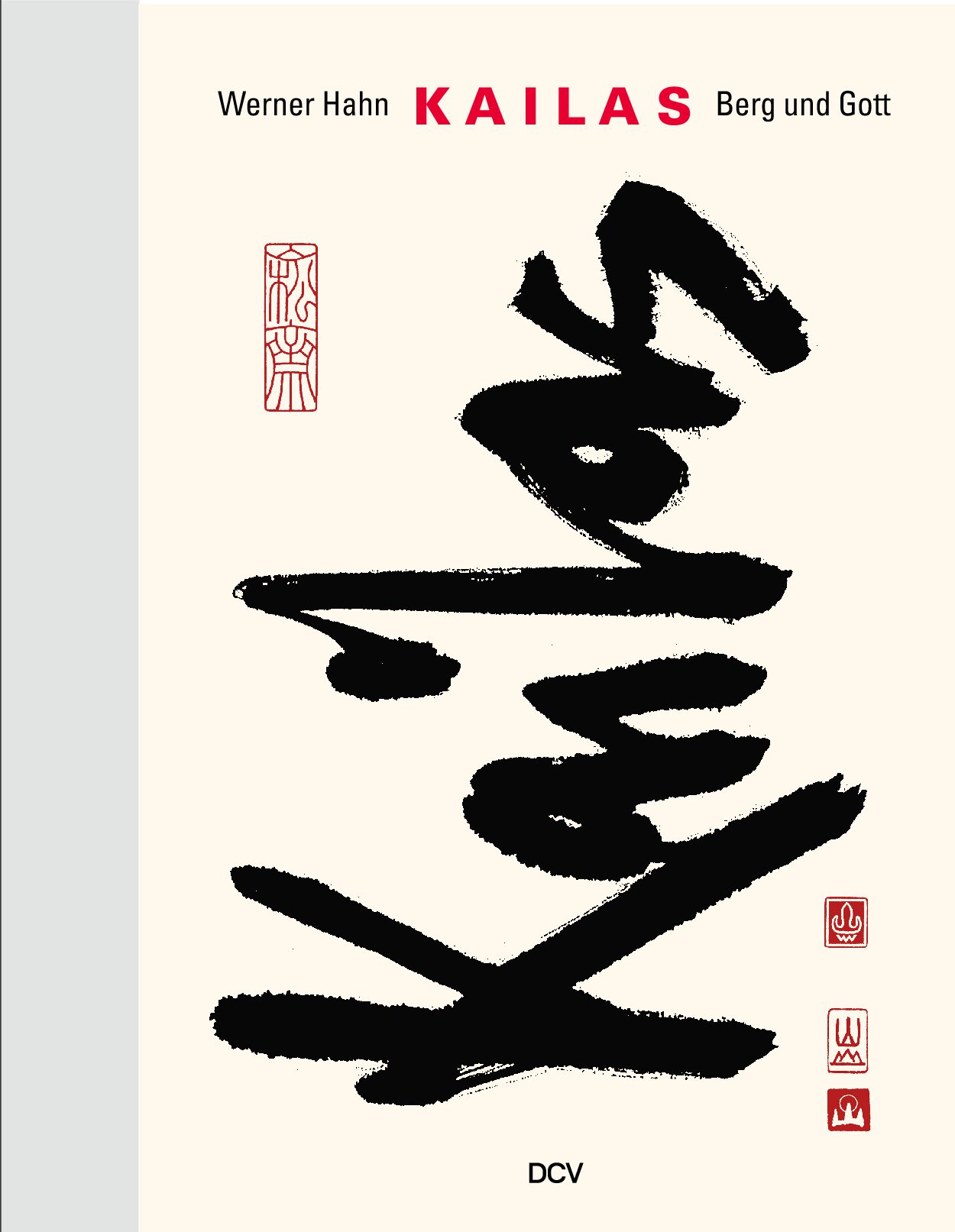
Werner Hahn
Kailas. Berg und Gott72€ Add to cartKailas is far more than just a mountain—it is a symbol of spiritual quest, transcendence, and enlightenment. In this book, the painter and photographer Werner Hahn (b. Karlsbad, now Czech Republic, 1944) approaches the holiest peak in Asia from a unique perspective: as an artist, traveler, and profound connoisseur of its cultural history. This book interweaves art, mythology, and historical accounts from Buddhism and Hinduism. Hahn’s personal travel experiences, complemented by reflections on Western travel literature and spiritual sources, enter into a dialogue with ancient traditions, revealing Kailas as a place of both deep personal experience and artistic contemplation. A visual pilgrimage to one of the most significant mountains in the world.
-

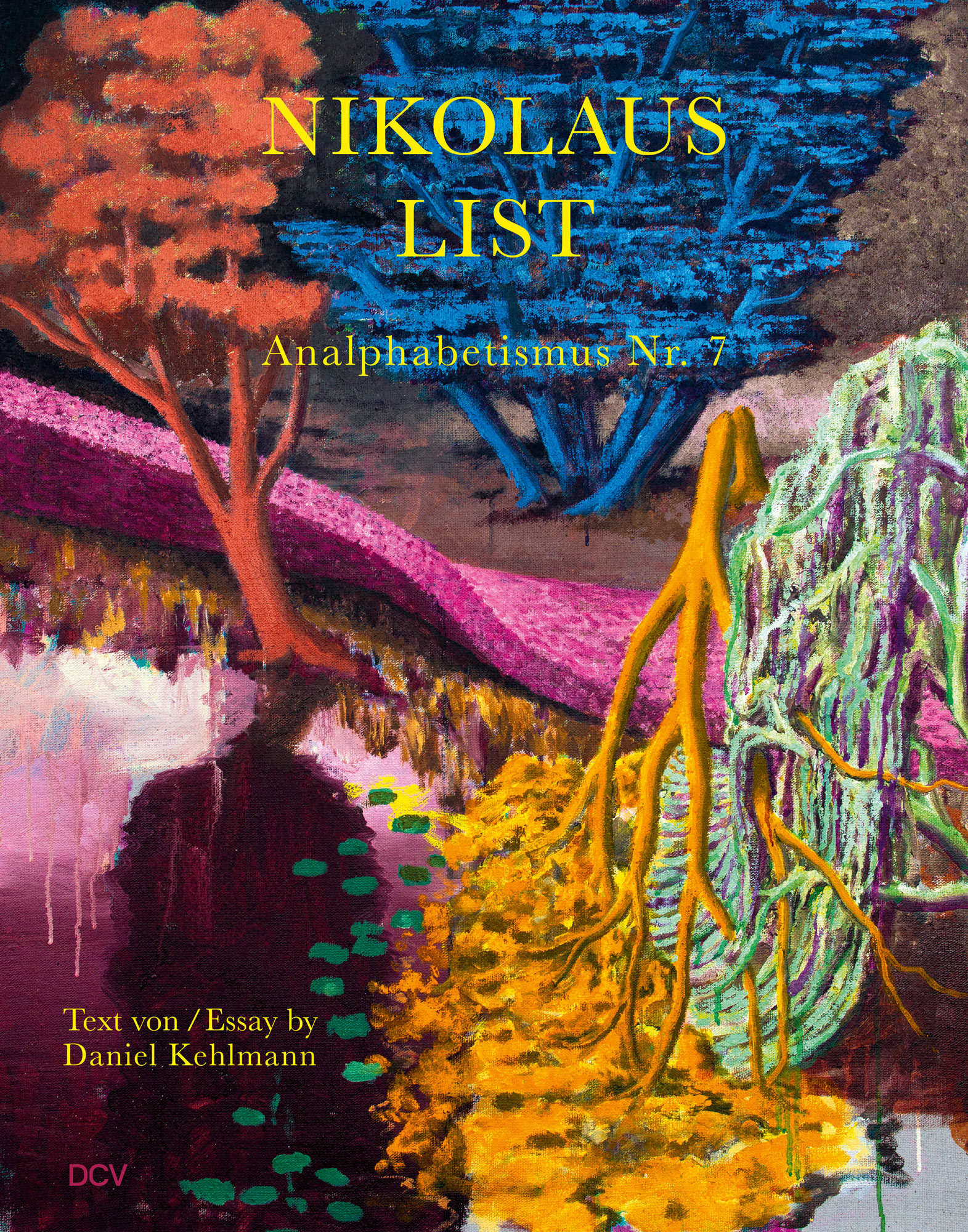
Nikolaus List
Analphabetismus Nr. 737€ Add to cartBeguilingly colorful, balancing opulence with restraint, Nikolaus List’s (b. Frankfurt am Main, 1965; lives and works in Berlin) pictures scrutinize the relation between nature and art. Observations of natural scenes around Berlin blend with the artificiality of baroque gardens or early videogames. As List studies the operation of human perception, the painted space alternates between the depth of one-point perspective and a schematized flatness. The rhythmically organized compositions suspend the hierarchical distinction between foreground and background, an effect that is heightened by the often dissonant selection of colors and lends List’s art a “decidedly anti-sublime and anti-minimal” quality. A fallen tree, luminous rampantly growing and coiled branches become a metaphor for our relationships, our existence, for becoming and passing away, renewal and time.
Nikolaus List studied with Thomas Bayrle, Peter Kogler, and Christa Näher at the Academy of Fine Arts—Städelschule in Frankfurt. He has taught painting at the Weißensee School of Art and Design and the Berlin Art Institute.
-

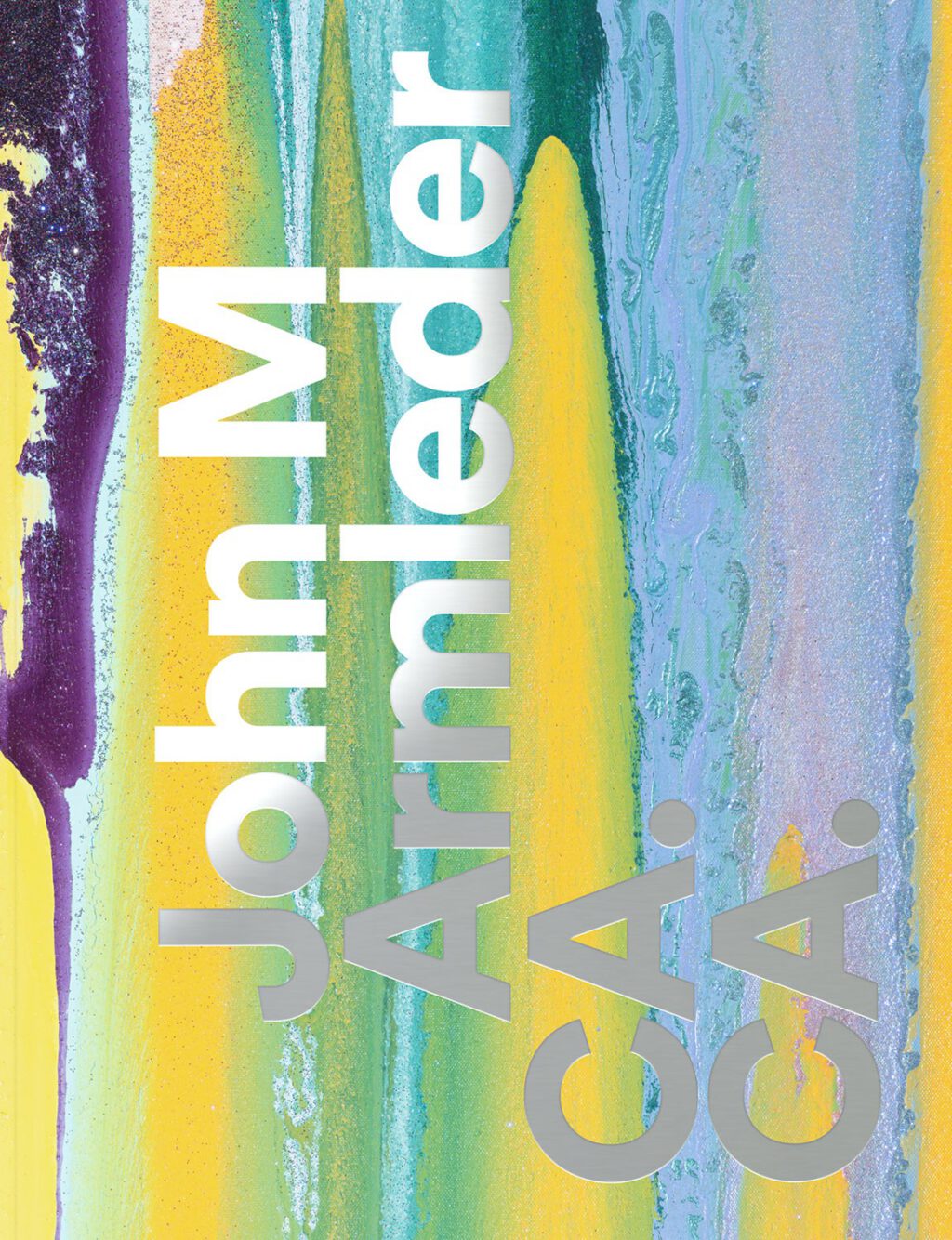
John M Armleder
CA. CA.19€ Add to cartCommentaries on our Present Day Realities and the Status of Art
John M Armleder (b. 1948, Geneva; lives and works in Geneva and New York) is one of the most influential contemporary conceptual, performance and object artists. The profound and the banal, control and coincidence, high culture and everyday life coalesce in Armleder’s work to create a unique experience. The works of the Swiss – often humorous or ironically twisted commentaries on contemporary reality – draw on the formal repertoire of Classical Modernism, as well as on video and design. The book focuses on large-scale, site-specific installations and wall pieces, showing in detail the broad spectrum of Armleder’s work.
John M Armleder studied at the École des Beaux-Arts in Geneva. He represented Switzerland 1986 at the 42nd Biennale di Venezia and participated in documenta 8 one year later. His work has been exhibited at the Museum of Modern Art, New York, Palais de Tokyo, Paris, and Belvedere, Vienna, amongst others.
-
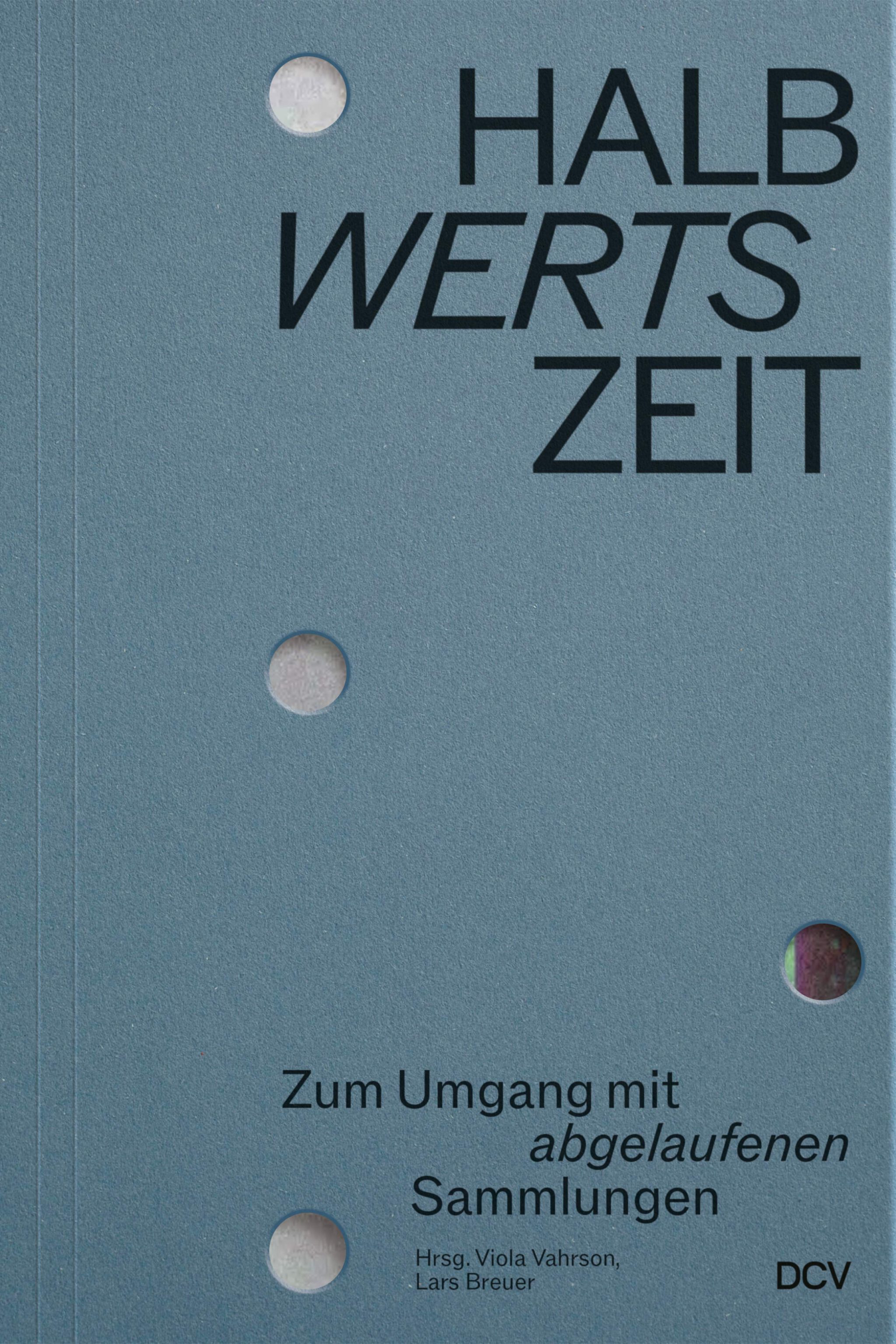
HALBwertsZeit
Zum Umgang mit ‚abgelaufenen‘ Sammlungen28€ Add to cartDo collections have an expiration date? Shifting interests, evolving social contexts, and discursive developments influence when a collection or its presentation is said to be outdated and what that implies for the constraints on, or options for, the actions to be taken in response. The revision or reorientation of a collection presuppose a critical engagement with the criteria regarded as valid at the time, which concern the origins, composition, objectives, and significance of a collection, among other aspects.
The contributions to this volume intertwine historical case studies with contemporary questions about the reasons and circumstances that give rise to the assessment that a collection has outlived its shelf life.
-

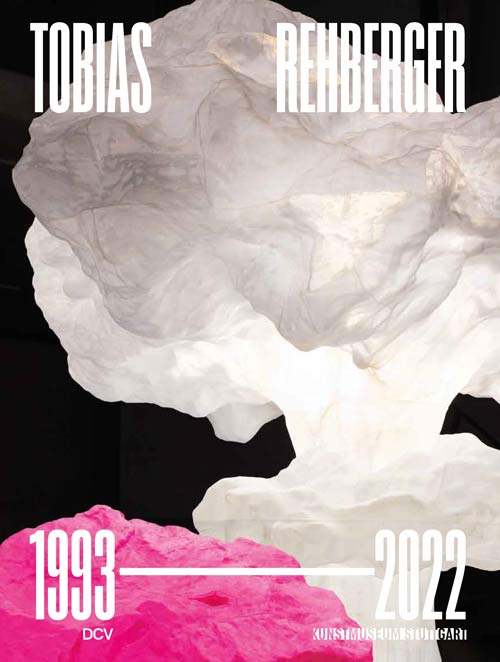
Tobias Rehberger
1993–202244€ Add to cartIn his sculptural work, Tobias Rehberger (b. Esslingen, 1966; lives and works in Frankfurt/Main) connects strategies from different, also non-art disciplines. His interiors meant to be taken into service have established him as one of the most influential artists of his generation. In 2022, the Kunstmuseum Stuttgart will honor Rehberger with a grand exhibition that will feature some of the most important bodies of work from the past three decades. The accompanying book makes a signal contribution to the ongoing critical engagement with his art.
Tobias Rehberger studied with Thomas Bayrle and Martin Kippenberger at the Städelschule in Frankfurt from 1987 until 1992 and later returned to his alma mater as a professor. He has had numerous solo shows in Germany and abroad and, in 2009, furnished the central cafeteria at the 53rd Venice Biennale, which won him a Golden Lion.