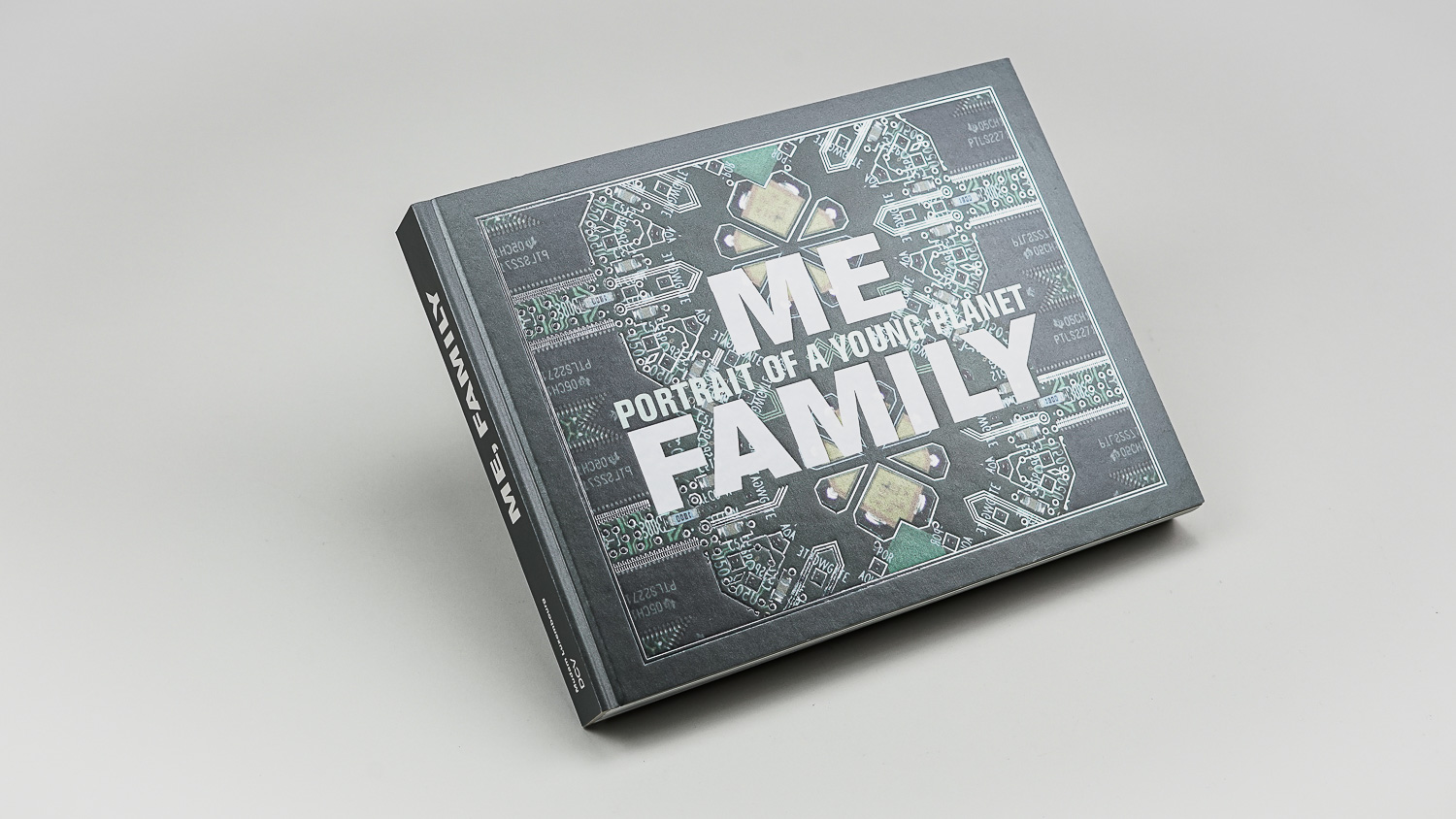
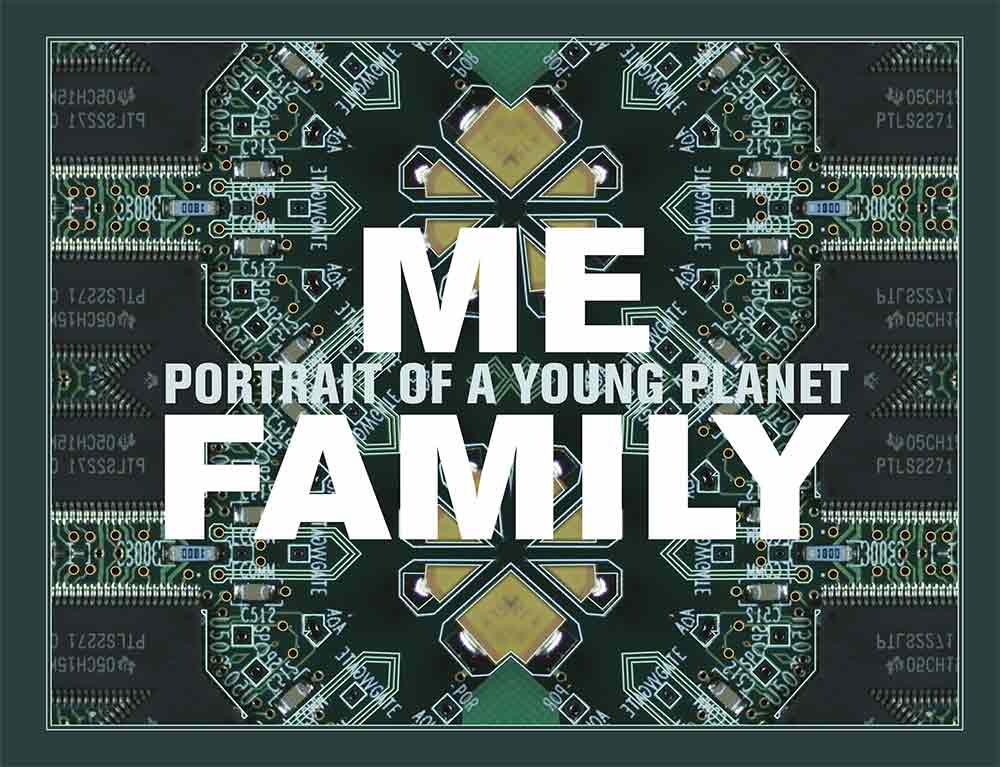
Me, Family
Portrait of a Young Planet
 | |
|---|---|
| Editor(s) | Emanuela Mazzonis di Pralafera, Francesco Bonami, Mudam Luxembourg |
| Author(s) | Roland Barthes, Francesco Bonami, Luigi Alberto Cippini, Omar Kholeif, Natalia Kucirkova, Emanuela Mazzonis di Pralafera, Markus Pilgram, Anke Reitz, Carl Sandburg, Ali Smith, Edward Steichen |
| Design | Florence Richard |
| Cover | Hardcover with hot-foil embossing |
| Size | 30 x 23 cm |
| Pages | 284 |
| Illustrations | 116 |
| Language(s) | English, French |
| ISBN | 978-3-947563-84-5 |
A Journey Through Many Worlds
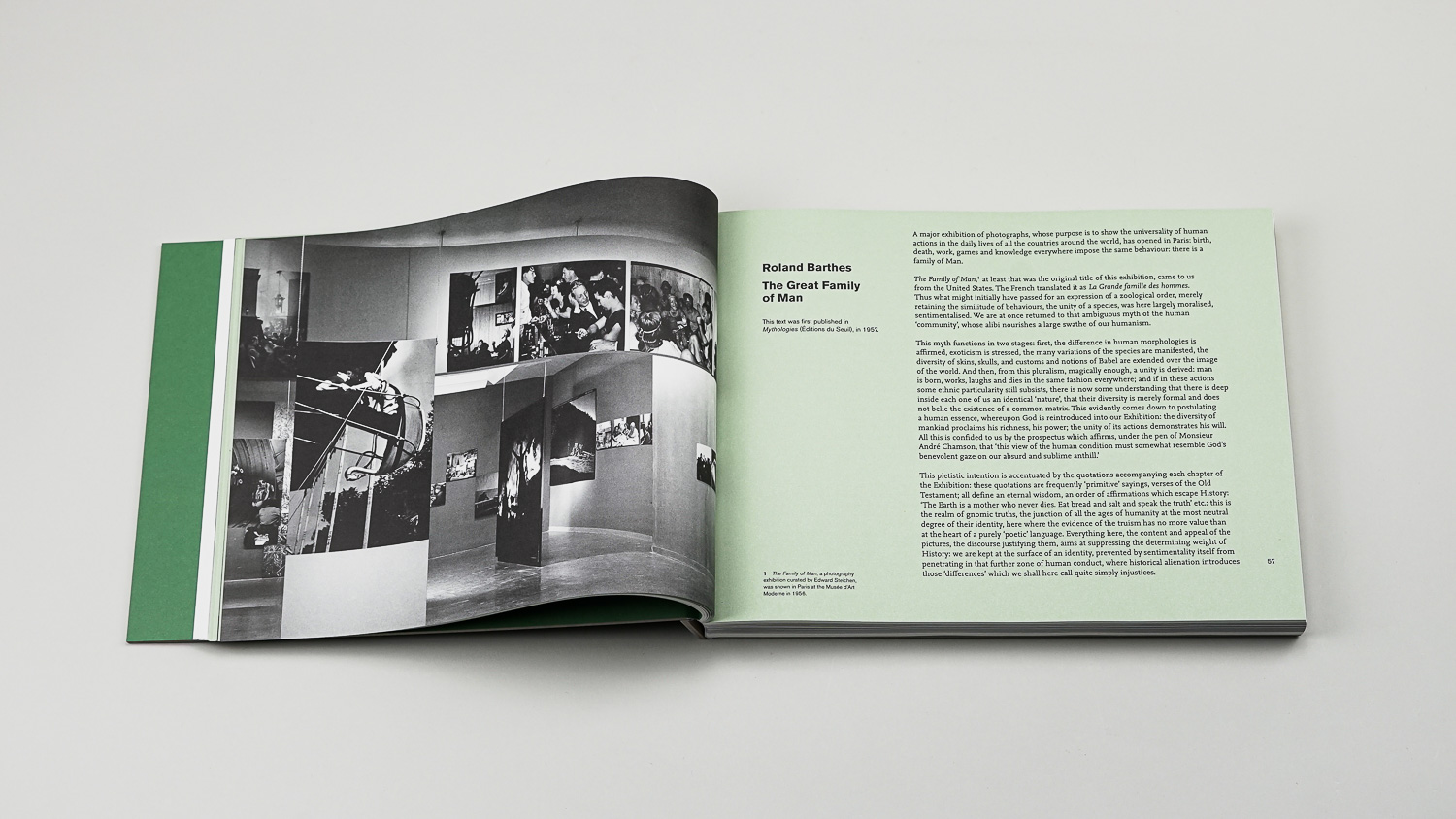
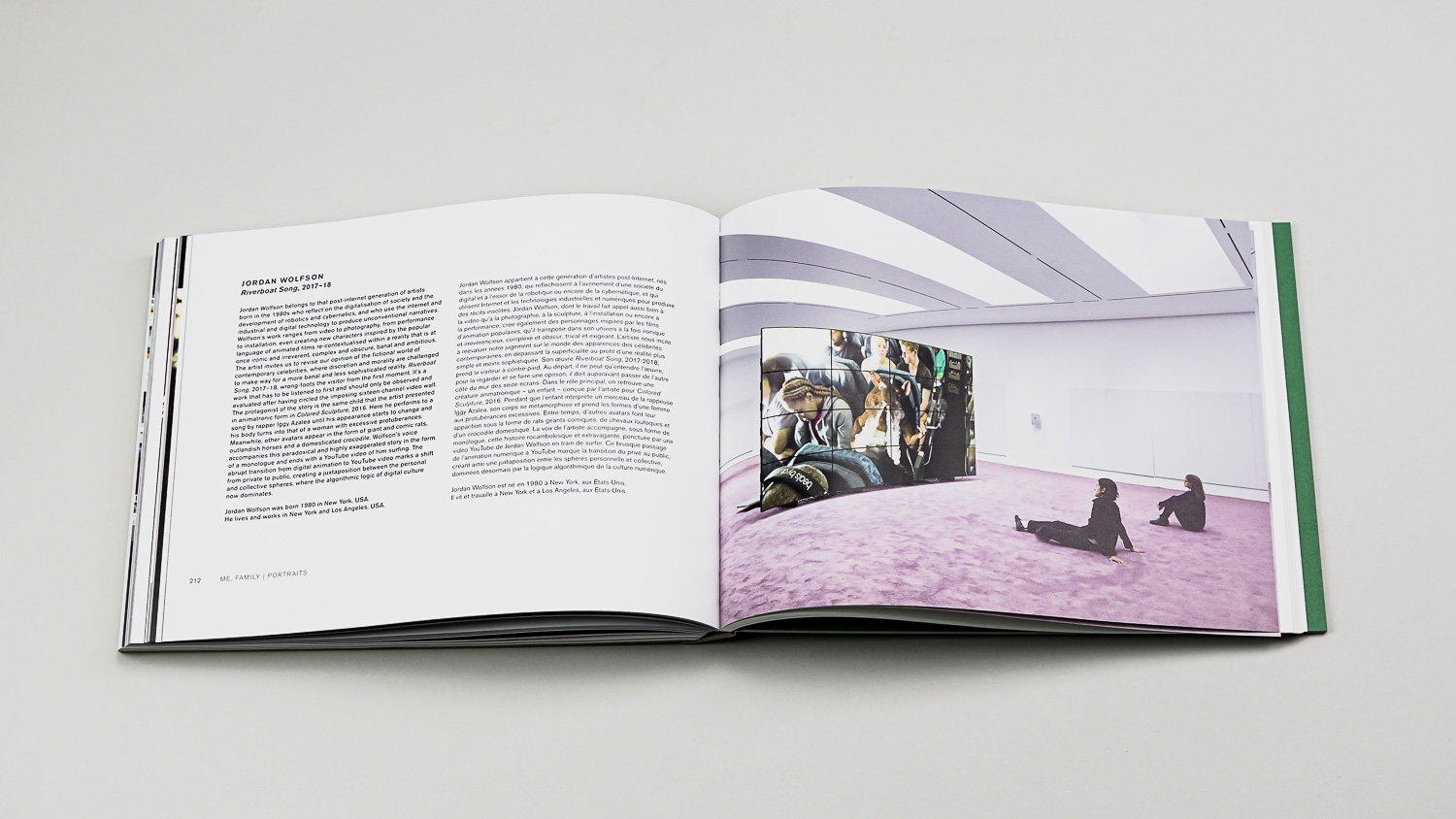
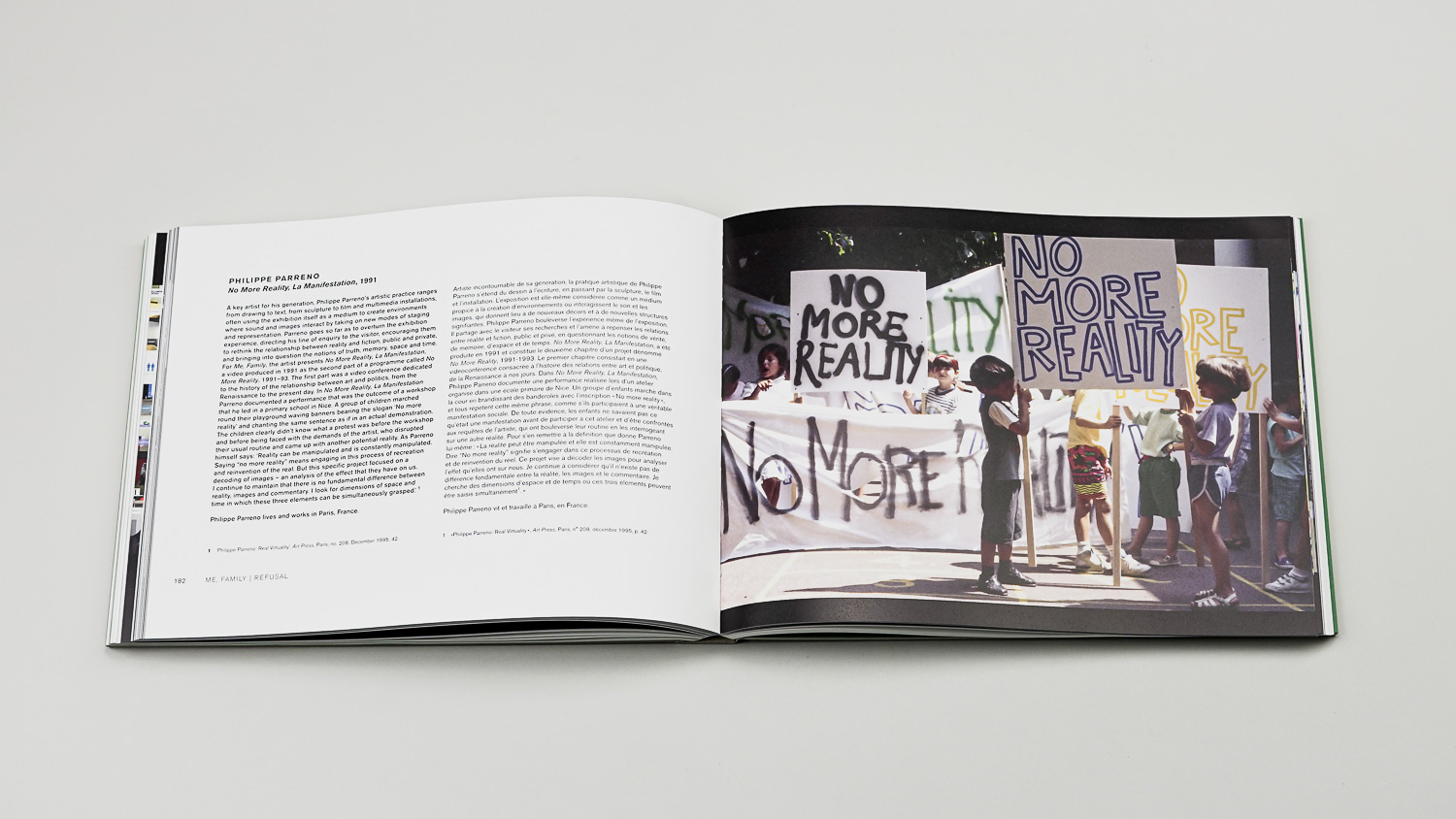
In these times of great uncertainty, the themes that surface in the works of the thirty-six international artists gathered in Me, Family are more relevant than ever. Compiled by Francesco Bonami with a nod to Edward Steichen’s historic exhibition The Family of Man, the volume paints a multifaceted portrait of humanity in the early decades of the twenty-first century. The original installation of photographs and excerpts from writers opened at the Museum of Modern Art in New York in 1955 and then went on a seven-year tour of one hundred and fifty museums all over the world. Matching the radicalism of Steichen’s conception, Me, Family presents works by contemporary artists who harness a wide range of media and genres to explore the ways in which humans today engage with their manifold coexistent histories and the diverse challenges they confront. Including reproductions of contemporary art as well as representations of social networks, fashions, information technologies, advertising, sound, music, and performances, the book captures a reality that is beautiful, dramatic, and intoxicating by turns. With writings by Roland Barthes, Francesco Bonami, Edward Steichen, and others.
With works by Lawrence Abu Hamdan, Doug Aitken, Sophia Al Maria, Yuri Ancarani, Darren Bader, Lara Baladi, Cao Fei, Cheng Ran, Clément Cogitore, István Csákány, Christian Falsnaes, Harun Farocki, Simon Fujiwara, Rainer Ganahl, Theaster Gates, Jack Goldstein, Andreas Gursky, Thomas Hirschhorn, Hassan Khan, Ga Ram Kim, Olia Lialina, Li Ming, Cristina Lucas, Karolina Markiewicz & Pascal Piron, Eva & Franco Mattes, Shirin Neshat, Philippe Parreno, Mario Pfeifer, Jon Rafman, Cindy Sherman, Marianna Simnett, Rudolf Stingel, Thomas Struth, Wolfgang Tillmans, Jordan Wolfson, Wong Ping, and Akram Zaatari.
More books
-

Alexandru Chira
42€ Add to cartAlexandru Chira’s (b. Tăușeni, Romania, 1947; d. Bucharest, 2011) oeuvre systematically and comprehensively maps a fictional field of research. His paintings, drawings, and objects, whose individual elements recall switches, screens, keyboards, and levers, were designed to “bring rain and rainbows,” to promote prosperity and prevent floods. Working in his art laboratory, Chira resembled a farmer tilling his field. He sowed symbols across his paintings, sometimes transplanted them to create new semiotic interconnections, then reaped them and stored up his harvest in painted machines of varying shapes and dimensions. In the 1990s—by then Chira held a professorship and was a widely recognized artist—he fulfilled a lifelong dream by building the “Tăușeni Ensemble,” the largest monument single-handedly created by one man in Transylvania. Much of his oeuvre accordingly consists of sketches and elaborations relating to the monument. In the course of his decades-long fascination with an agrarian aesthetic, architecture, design, astronomy, history, magic, ufology, mysticism, shamanism, and theosophy fused, yielding a kind of practical knowledge as well as spiritual speculations sustaining his endeavor.
The extensive monograph with more than 750 illustrations surveys Alexandru Chira’s output of four decades and synthesizes years of research undertaken at the National Museum of Contemporary Art in Bucharest. It contains numerous transcriptions of textual parentheses, legends, and instructions on how to decode the works and poetic fragments embedded in Chira’s pictures.
-

Erich Hörtnagl
Unforgettable – Unforgotten48€ Add to cartHow can a life be remembered—what remains, what vanishes?
In Unforgettable | Unforgotten, Erich Hörtnagl brings together photographic fragments that are more than just memories: they are symbols of lived time. Roland Barthes’ concept of the “punctum” experience—that instant when a detail in an image pierces the heart—provides a key to Hörtnagl’s photographic gaze. It is not the spectacular events but the quiet and incidental things that move us. The seemingly insignificant becomes a projection screen for memory, loss, and emotion. The focus is not on what is staged, but on what eludes creative control.
Accompanied by insightful writings by Alois Schöpf and Kurt Höretzeder, a quiet monologue emerges about happiness and missed opportunities, about what we receive—and what we give. A book that doesn’t provide answers but asks questions: What makes a life worth living? What remains unforgettable or unforgotten?
-

Tamara Suhr
Skulpturen24€ Add to cartHesitant yet Immediately Present
As a sculptor, Tamara Suhr (b. 1968, Tübingen; lives and works in Ludwigsburg) has devoted herself unswervingly to the human figure. Her subjects are figures of children whose hesitancy always embodies a certain curiosity, a sense of expectation. In their form reduced to the essential, indeed almost archaic, they radiate calm and serenity—supported by balance with regard to both the motif and possible associations. In their small size and vulnerability, Suhr’s figurative sculptures, painstakingly crafted in bronze, seem apparently in need of protection, yet they appear strong and courageous. They stand, gaze, crouch, fish, swim or balance. They are present, in the here and now, a symbol for the children of the world.
- Out of stock

Supernatural
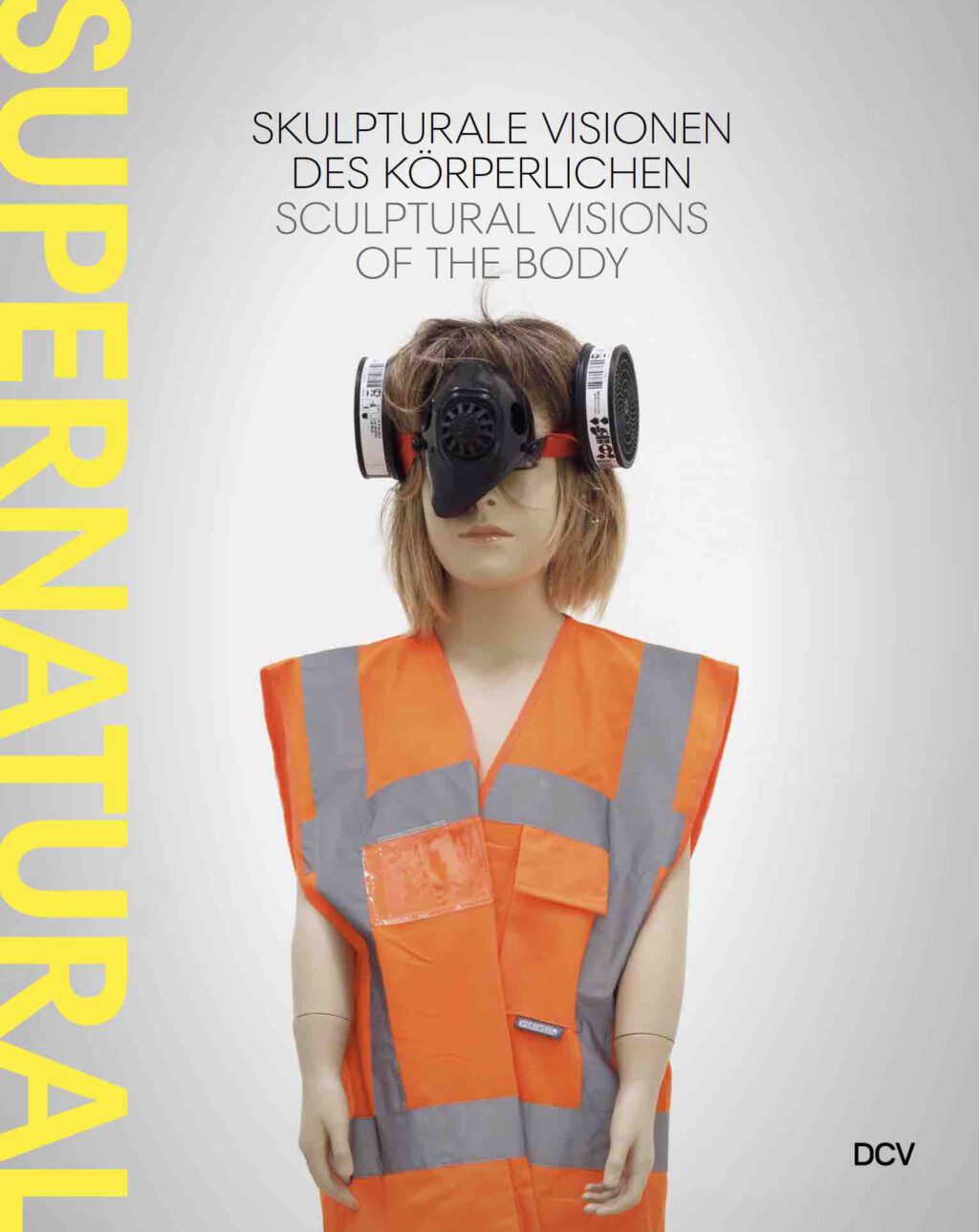
Sculptural Visions of the BodyRead moreThe future of human corporeality in the Anthropocene era
Given the technological development in biogenetics, humans will be able to make existential modifications to all living things, Nature, the animal world and human likenesses in future. What will bodies of the future look like? Who or what will we be? Supernatural offers us some answers in its hyperrealistic and realistic sculptures. These visionary works not only exemplify the impact of the digital revolution and genetic engineering on “posthumans” and the environment, but also illustrate, including in their own hybrid creations, how increasingly blurred the line between nature and culture is now becoming. Technological innovations are also having more and more effects on trends in the latest hyperrealistic sculptures. In using 3D printing to perfect their creation processes and pushing sculptural boundaries to encompass robotics and synthetic biology, artists are opening the door to new design possibilities in artefact, biology and technology for themselves as well.
The book presents works by Anne Carnein, Isa Genzken, Glaser/Kunz, Thomas Grünfeld, Sam Jinks, Josh Kline, Krištof Kintera, Reiner Maria Matysik, Alex May and Anna Dumitriu, Fabien Mérelle, Patricia Piccinini amongst others.
-

Maxim Gunga
10€ Add to cartThe painter Maxim Gunga is utterly unafraid of physicality. His canvas is a riot of oil paints huddling up against one another, fusing like the beasts, the humans, and the urban landscape of Berlin that serve him as motifs. Body and soul, animal nature and architecture, the profane and the sacred, subculture and mass culture—everything interpenetrates in Gunga’s paintings in large formats, melded into hybrid bodies. The result is an ecstatic intimacy, a flowing of colors and more or less abstracted dynamic forms toward their primal state, toward the matrix, toward pure energy: eternal transformation. It makes sense, then, that his pictures also amalgamate diverse styles and periods in the history of painting. He borrows from (Neo-)Expressionism, from Art Brut, from Baselitz, Lüpertz, the Neue Wilde, from modernism and Fauvism, from van Gogh and Matisse. His pinpoint brushwork, which reveals his extensive training, interweaves art history with our contemporary lifeworld and our affects. All the specters of the past and the present come to meet us in the pictures gathered in this catalogue, in a frenzy of the senses, in the primordial soup of Berlin, into which we dive with joyful abandon.
-

Ohne Schlüssel und Schloss
Chancen und Risiken von Big Data19,90€ Add to cartVon Kunsthandwerk zu digitaler Verschlüsselung
An jeder Haustür ziehen wir Grenzen, wir schließen auf und schließen ab. Und noch in jüngster Vergangenheit war eindeutig, was als Verschlusssache galt. Ganz anders stellt sich diese Frage im IT-Zeitalter. Ausgehend von der kunsthandwerklichen Sammlung des Museum Pfalzgalerie Kaiserslautern wird deutlich, wie in früheren Jahrhunderten über mechanisch und symbolisch aufwendig gestaltete Schlösser, Schränke oder auch Reliquienbehältnisse Distanzen austariert wurden. Sie alle sind sichtbares Vehikel für die bewusste Wahrnehmung von innen und außen, zugehörig und ausgegrenzt, wissend und unwissend oder öffentlich und privat. Für Big Data gilt dies in keiner Weise mehr. Beim Digitalen werden Serviceleistungen mit Datenerhebungen verbunden, deren weiteren Einsatzbereiche wir weder unmittelbar verstehen noch überblicken können. Historische, technologische und philosophische Überlegungen bieten wichtige Beträge zur aktuellen Debatte und Einschätzung der Risiken und Chancen von Big Data.
-

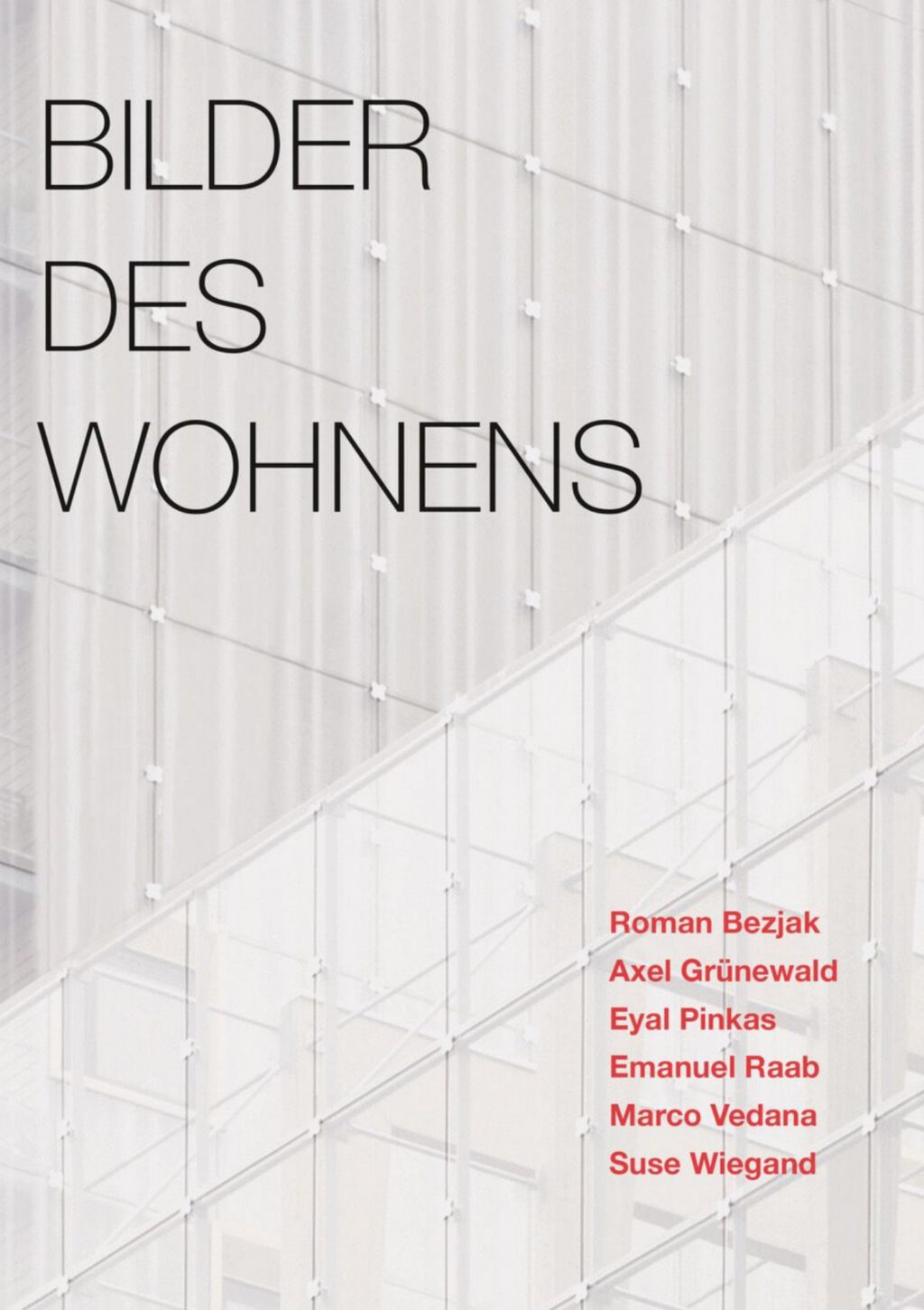
Bilder des Wohnens
18€ Add to cartThe Cognitive Registers of Photography
All over the world, housing shortages and living conditions are urgent concerns of political and academic debates. Scholars at the FH Bielefeld conducted a three-year research project on Bilder des Wohnens. Architekturen im Bild, focusing on questions of the representation of space and hybrid forms of visualization between documentation and staging as well as photography as an archive of architectural knowledge and tool in the planning process. The book draws on studies of twentieth-century social utopias such as Tashkent, Uzbekistan, an embodiment of the urban-planning ideal of Soviet modernism, and explorations of social and cultural spaces along the coasts of northern Morocco and southern Spain, as well as a photographic typology of urban fabrics in Germany and other sociocultural studies that grapple with the significance of living spaces today.
-

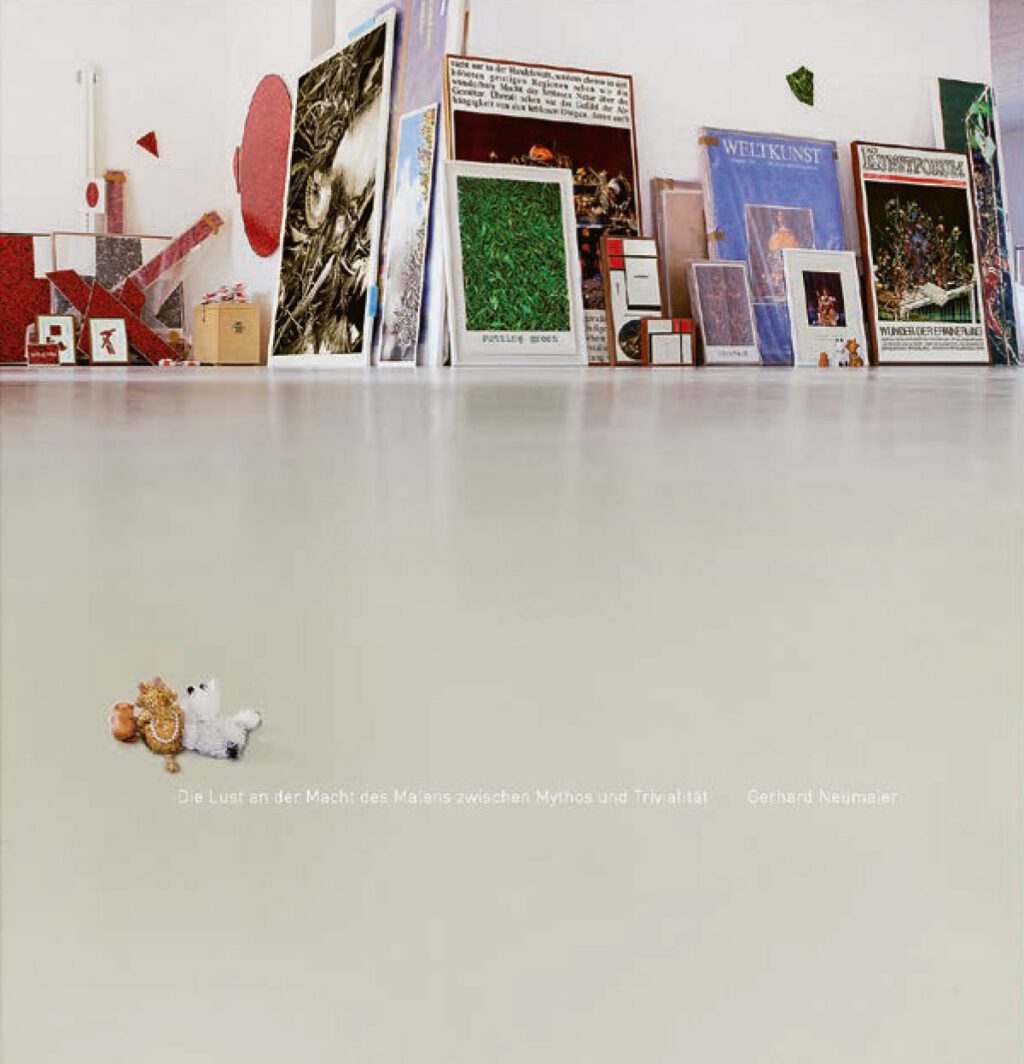
Gerhard Neumaier
Die Lust an der Macht des Malens zwischen Mythos und Trivialität32€ Add to cartEin Spiel mit den Ambivalenzen
Offenkundig Mythologisches gerät bei Gerhard Neumaier (geb. 1950 in Freiburg, lebt und arbeitet in Baden-Baden) ebenso zur trivialen Episode, wie scheinbar Triviales legendäre Ikonik entfaltet. Dabei bricht sein unvoreingenommener Umgang mit Klassikern wie etwa in der Duchamp-Persiflage „Hokuspokus mit Fokus Lokus“ semantische Vorurteile in den Sehgewohnheiten auf und bietet dem Betrachter neuartige Interpretationen. In der perfomativen Bewegtheit seiner Rakelbilder legt er eine haptische Sinnlichkeit an den Tag, die Cora von Pape in ihrer Einleitung dazu bringt, den Künstler zu zitieren: „Ich male, was ich weiß, damit ich sehe, was ich fühle.“
-

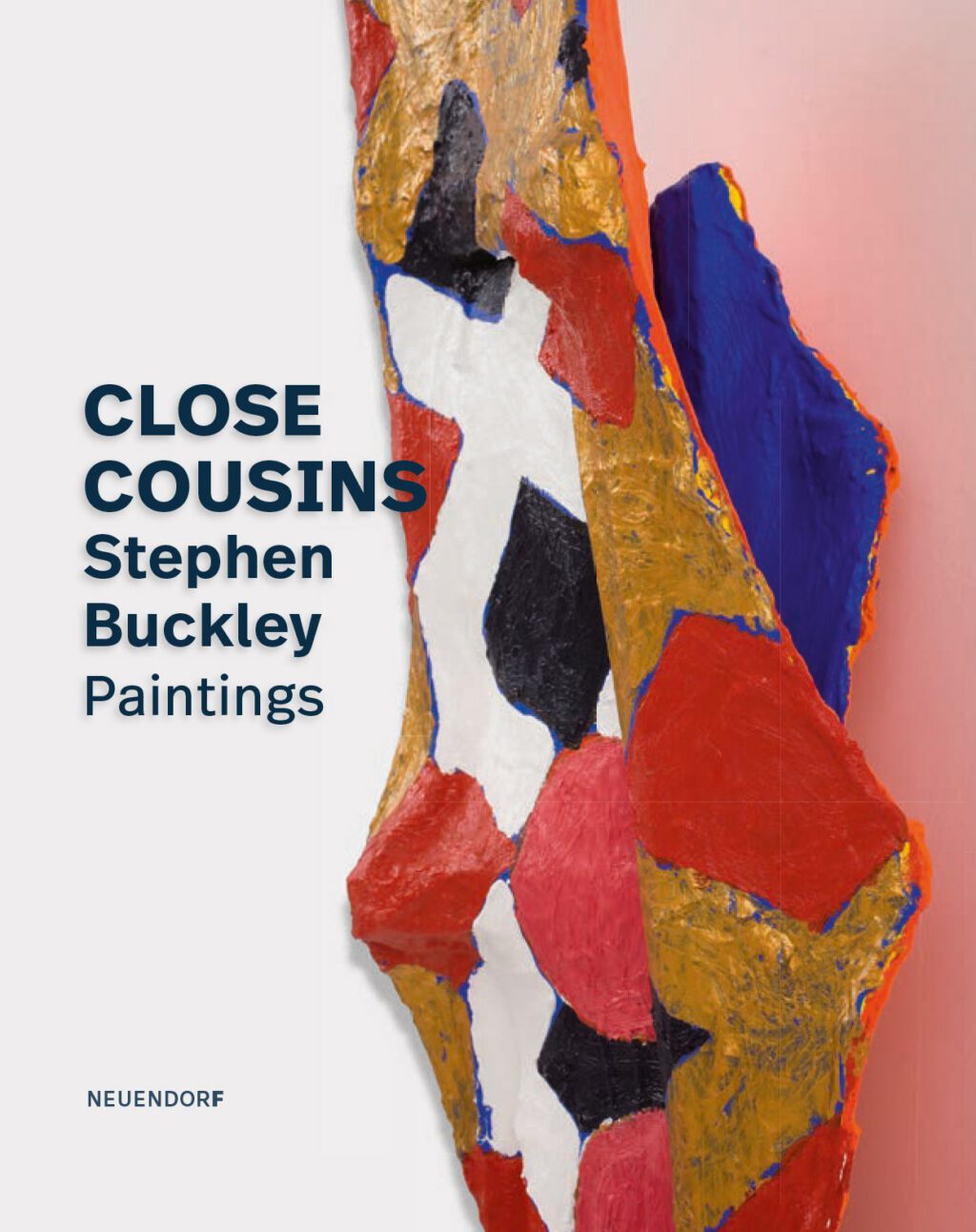
Stephen Buckley
Close Cousins. Paintings48€ Add to cartThe Artist’s First Publication in more than Thirty Years
For more than forty years Stephen Buckley (b. 1944, Leicester) has concerned himself with addressing the major themes of the twentieth century through a personal style oscillating between the matière of Kurt Schwitters, the dandyism of Francis Picabia and the intellectual rigour of Marcel Duchamp. He takes the two most basic components of a conventional painting (canvas and stretcher), and makes multi-dimensional constructions, joins groups of single canvases together in overlapping structures, makes shaped canvases, cuts a stretcher with a variegated edge, stitches and weaves together strips of canvas, patches pieces of canvas onto another support, and adds cardboard tubing, rope, found objects and cut out shapes. In the 1970’s and 1980’s, Buckley saw extended prominence in the art press, starting with the artist being described as “the Punk Rock of contemporary painting” and ending with him gaining the title of “the ubiquitous Stephen Buckley”. There is now a large portfolio of themes, references, motifs and symbols which are continually reworked and reinvented. Since then, he has made some of his most compelling paintings, lush pop canvases full of symbols and colour, a far cry from the pared-down, industrial feel of some of his early works.
-

Photography of Presence
24€ Add to cartThe Importance of the Moment in Artistic Photography
Can photographs exist which represent concrete places? In view of the daily flood of images, this question seems superfluous at first. Only on closer inspection does the distance between the visual experience of places and the media images generated from them become apparent. “There is nothing in this world that does not have a decisive moment,” Henri Cartier-Bresson once stated. The present volume examines this decisive moment and explores the question of how artistic photography can describe the gap between spatial reality and photographic image and make the present at the time the photograph was taken visible.
With works by Viktoria Binschtok, Julian Faulhaber, Mareike Foecking, Stephanie Kiwitt, Nikolaus Koliusis, Barbara Probst, and Wolfgang Zurborn as well as texts by Holger Kube Ventura.
-

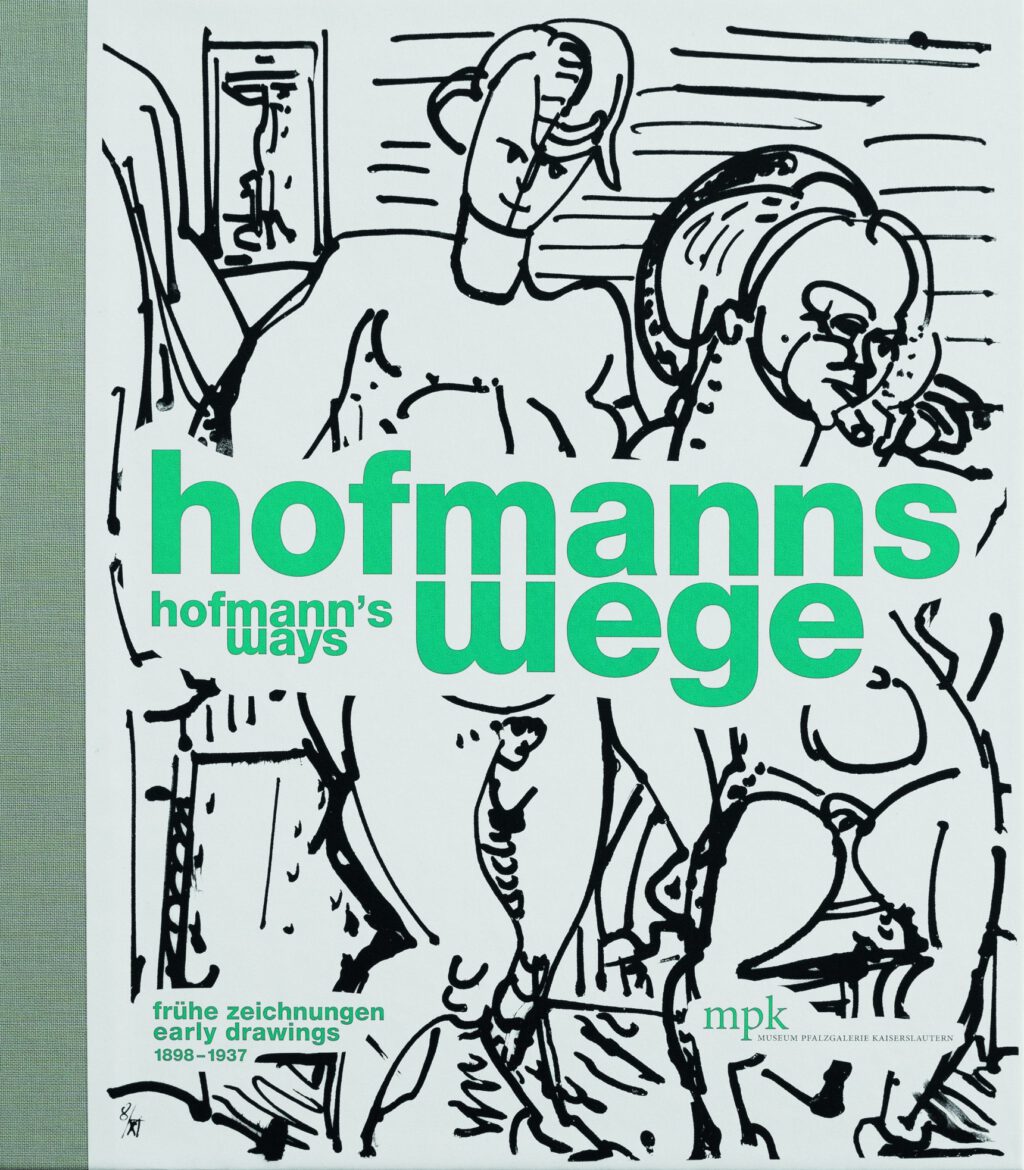
Hofmann’s Ways
Early Drawings (1898-1937)24,80€ Add to cartA Re-Discovery: the Early Graphic Work of Hans Hofmann
A representative of Abstract Expressionism, Hans Hofmann (b. 1880, Weißenburg; d. 1966, New York) was one of the most important artistic personalities of the 20th century. He began his career as a teacher and artist in the United States in the mid-1930s. The previously unpublished graphic oeuvre presents the highly varied development process that preceded Hans Hofmann’s influential painting of the post-war period.
-

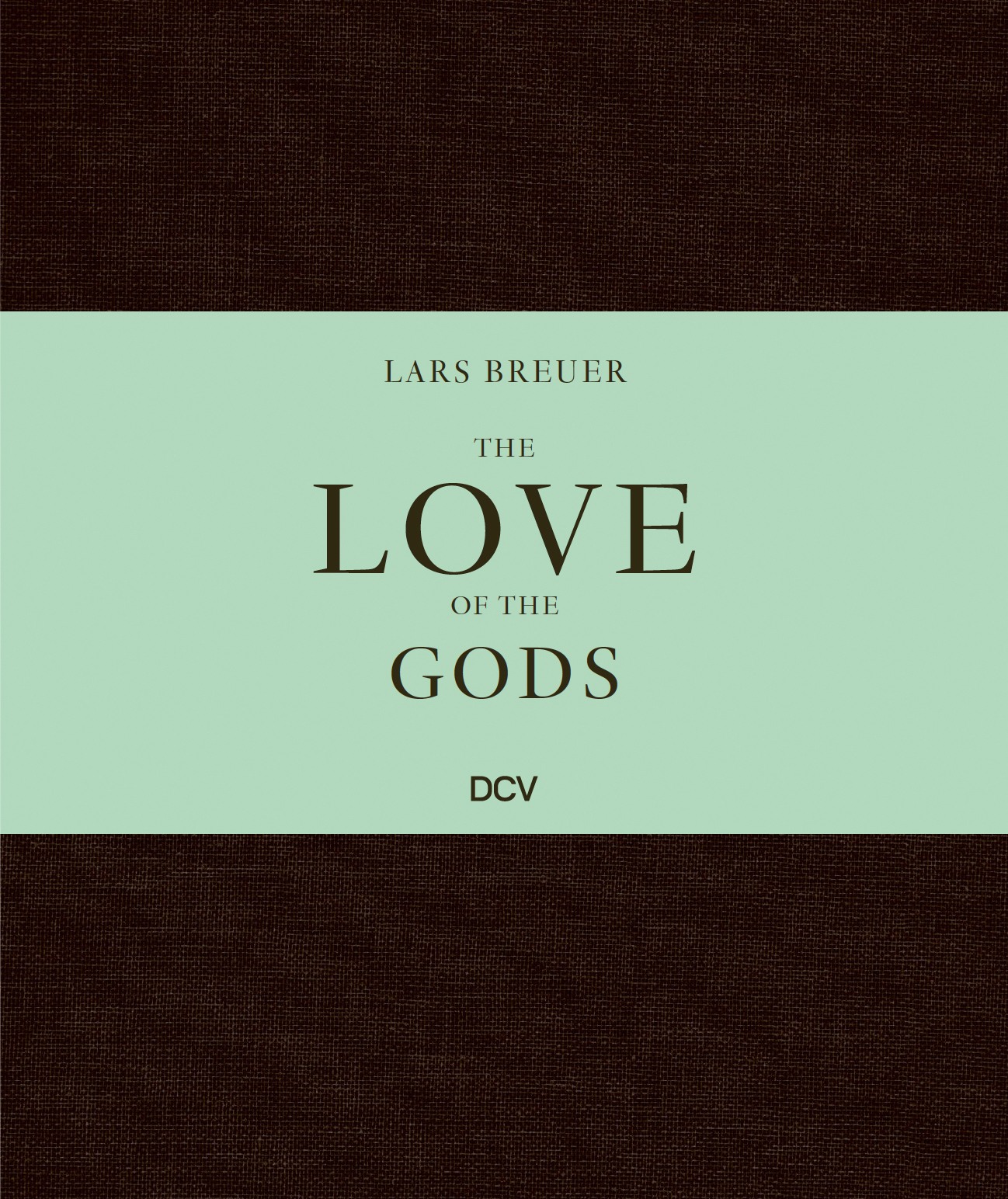
Lars Breuer
The Love of the Gods32€ Add to cartThe art of Lars Breuer (b. Aachen, 1974; lives and works in Düsseldorf and Cologne) is set apart by its broad spectrum of systems of reference. In his large-format installations, text-based works in his own typography draw connections to literature and art history. They are complemented by figurative and abstract paintings and photographs.
In The Love of the Gods, Breuer presents 104 C-prints of photographs for which he pointed the camera’s lens into the barrels of disused rifles, pistoles, revolvers, and cannons. The pictures were taken on the artist’s travels to Athens, Bangkok, Buenos Aires, Copenhagen, Leverkusen, Ingolstadt, Melbourne, New York, Oslo, and Phnom Penh, in museums, palaces, and public squares. Breuer’s conceptual and meticulously sober-minded approach yields almost abstract compositions showing nothing but the round muzzles and the dark interiors of the weapons on a deep-black ground. We see only a ring-shaped ornament until it dawns on us that it is part of a lethal implement. A cruel constant of human existence stares us in the face: humans behind these weapons were perpetrators, humans in front of these weapons were victims. Lars Breuer’s turn the spotlight on what the aura of the ornaments conceals: they have wrought death.
-

Aline Schwibbe
Now It’s Dark28€ Add to cartAline Schwibbe (b. Hamm 1988; lives and works in Berlin) studied both psychology and art and her interest lies in observing the cyclical nature of events and experiences—in memory, in dreams and in the reality of the present. Her films and her photographic and mixed-media sequences often appear like fragments of occurrences snatched from the dark and exposed multiple times in an attempt to make them visible.
The artist’s first monograph is published on the occasion of her solo exhibition Now It‘s Dark at the EIGEN+ART Lab Berlin. The book introduces Schwibbe’s extensive multidisciplinary practice, which besides drawing, photography and video also includes sculpture, animation, sound installations, and textile projects.
-

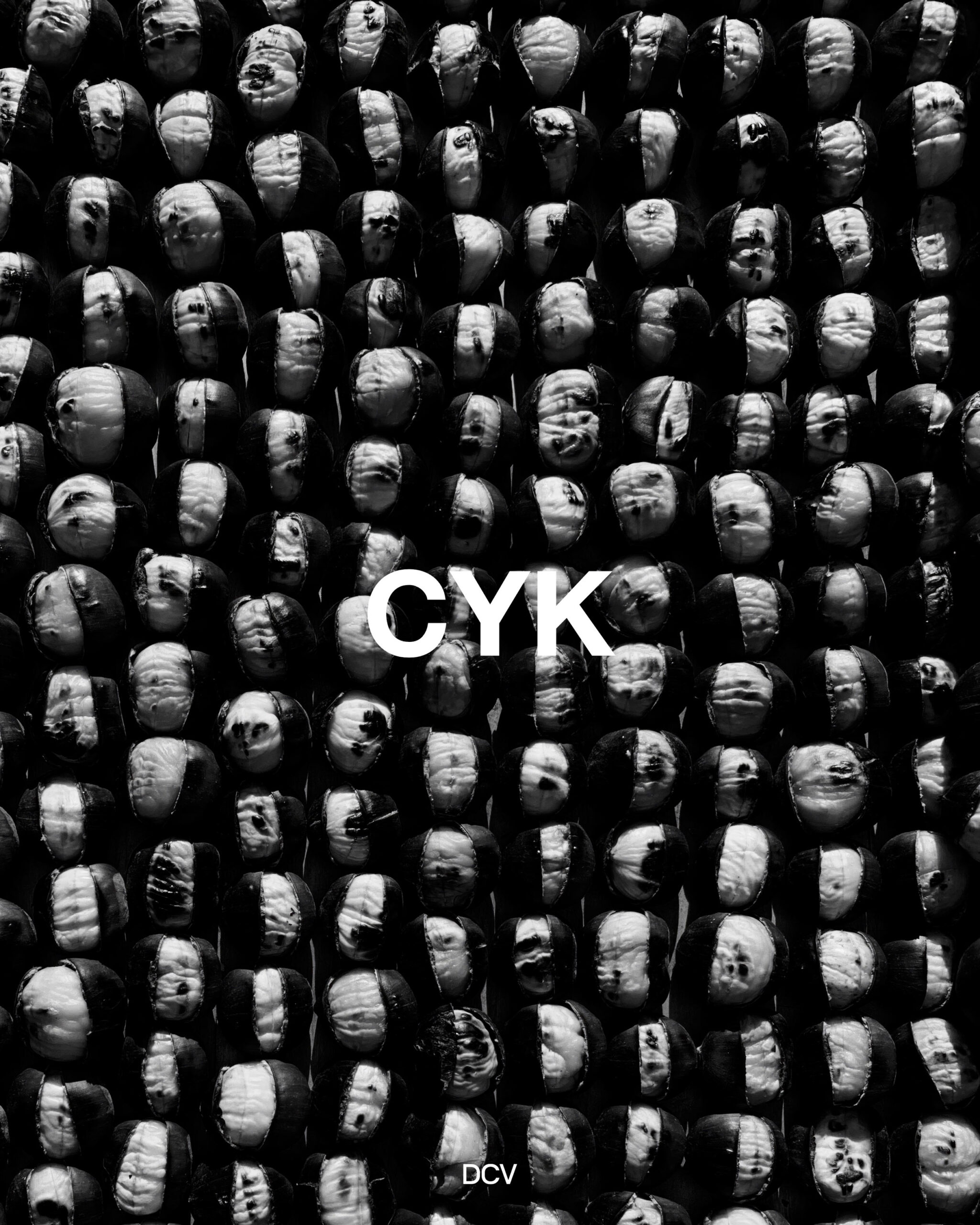
Can Yasar Köklü
CYK55€ Add to cartThe young photographer, graphic designer, and filmmaker Can Yasar Köklü (b. Schwelm, 2003; lives and works in Brooklyn) grew up between Cologne and Istanbul and currently studies at New York’s renowned Pratt Institute. In his first publication CYK—an artist’s book featuring breathtakingly beautiful photographs and personal writings—he explores his experiences growing up, the traditions that inform his art, and his feelings in three different cultures: “Heimat” charts his native Germany, where he spent most of his life; “Memleket” is dedicated to Turkey, where his roots are; and “Home” presents the impressions Köklü gathered during a year in high school in Los Angeles and now in New York, where he continues his education. Driven by a passion for storytelling, he captures singular—fascinating and deeply moving—moments in time.
-

Wolfgang Gäfgen
Photographic Miracles45€ Add to cartA Mysterious Play of Light and Shadow
While Wolfgang Gäfgen’s (b. Hamburg, 1936; lives and works in Stuttgart and Esslingen) hand drawings and woodprints are widely acclaimed, only connoisseurs are familiar with his photographic oeuvre. The extensive body of analog black-and-white and color photographs spans the decades from the late 1960s to the present and is no less accomplished than the artist’s graphic works and prints. This book, with essays by Christian Gögger, Olivier Kaeppelin, Clemens Ottnad and Michel Poivert, is the first to gather a large selection of these pictures, illustrating the interdependencies between works in the different visual media of expression. Artfully arranged still lifes breathe a spectral animation into ostensibly trivial everyday objects. The human figures that appear now and then seem to be engaged in cultic performances; many of the photographic works are accompanied by ironic quotes from the earlier history of art or allusions to historic myths.
-
Stephan Kaluza & Dieter Nuhr
Transit42€ Add to cartLandscapes in a Dialogue between Painting and Photography
At first glance, Stephan Kaluza’s (b. 1964, Bad Iburg; lives and works in Düsseldorf) photorealist paintings might be still lifes, portraits of pristine nature. Yet they actually show battlefields and other scenes of past horrors. The idyll in his pictures positively appeals to our vigilance to resist the impression of profound peace. The same ambiguity lies at the heart of the photographs of Dieter Nuhr (b. 1960, Wesel; lives and works in Ratingen). Nuhr, who is also widely known as a comedian, has contributed pictures that are carefully focused renditions of seemingly serendipitous discoveries from his travels in Nepal, Bolivia, India, and Sudan. In their timelessness, Nuhr’s photographs are akin to the locales in Kaluza’s works, which, disburdened of the heavy weight of their histories, reemerge as straightforward natural landscapes. The lavishly illustrated two-volume edition presents the fruits of a collaboration between two artists united by their shared preoccupation with the dialectic of ephemerality and permanence.
-
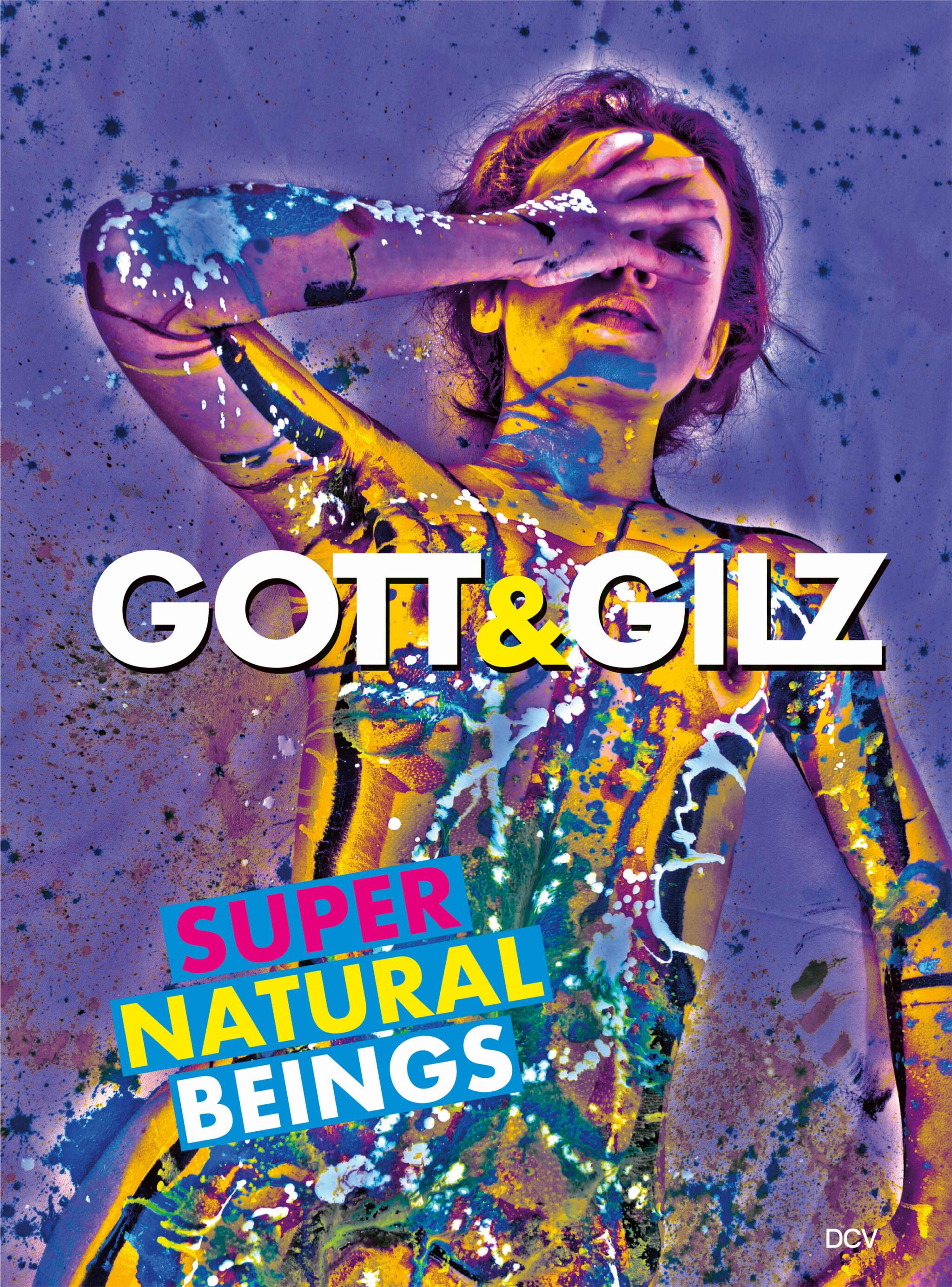
GOTT&GILZ
Supernatural Beings54€ Add to cartGOTT&GILZ clothe provocative nudity into the guise of art-historical classics
The female nude is a constant of art history whose vicissitudes illustrate changing forms of representation and the wild swings of public morality. Many a nude was initially condemned as smut only to be reclassified a few years later as beautiful and becoming and inducted into the hallowed halls (the opposite has also happened). GOTT&GILZ’s photographic paintings build on this long tradition of depictions of naked women by men—theirs is the proverbial “male gaze.” It is a debt they are quick to acknowledge, with nods to Klimt, Schiele, Pollock, et al. No wonder some have responded to their work with kneejerk indignation. Unlike in those art-historical references, then, the impudence lies not in the shattering of traditional norms of representation but in quoting them: the past as affront. The women in the pictures as well as the artists themselves flaunt their desires, shamelessly and relentlessly confronting us with the historic roots of our social and psychological realities.
Freedom is the key idea in the two artists’ oeuvre: the freedom to be authentic and express oneself without shame. Their subtly provocative play with aesthetic conventions and taboos has not only made a splash on the arts scene, it has also prompted vital discussions about gender roles, body images, and the right to sexual self-determination.
By letting it all hang out, they allow us to see ourselves as we are instead of presenting a picture of what we (supposedly) should be like. The insolence of it!
-

Jenny Michel
Doors, Windows and Cells38€ Add to cartThe Detritus of Our Society
For around two decades, the artist Jenny Michel (b. Worms, 1975; lives and works in Berlin) has devoted herself to minute particles such as dust, cobwebs, and electromagnetic fields in space. Her fascination with orders of knowledge, symbolism, and utopian visions is reflected by installations, drawings, prints, and sculptures that she exhibits in carefully composed sprawling ensembles. Aggregating fantastic fragments of the world manufactured from paper, adhesive tape, staples, and other industrially made small parts, Michel builds disconcertingly dense structures—human knowledge is transformed into the debris of civilization, its legibility lost beneath palimpsestic layers of meanings and resignifications. The extensive monograph surveys major series in the artist’s oeuvre and presents new works on paper.
Jenny Michel studied at Kunsthochschule Kassel and the Academy of Fine Arts Vienna. Her work has been on view at Museum Wiesbaden, the Draiflessen Collection, the Schirn Kunsthalle, Frankfurt, and Berlinische Galerie, among other venues. In 2010, Michel was honored with the HAP Grieshaber Prize.
-

Philip Loersch
POW – PORTRAITIST OF WRITING34€ Add to cartPhilip Loersch (b. Aachen, 1980; lives and works near Munich) combines painstaking imitations of printed writing with hyperrealist colored-pencil drawings; for instance, he transfers pages from encyclopedias not only onto paper, but also onto three-dimensional objects such as soapstone. His works reveal the fragility of truth and authenticity while commenting with subversive irony on the postmodern disintegration of the idea of originality. His art has been exhibited at renowned institutions like Kunsthaus Zürich, Museum Kunstpalast Düsseldorf, and Hamburger Kunsthalle. He has won numerous fellowships and awards, including the Kunstpreis Berlin für Bildende Kunst. This monograph gathers his works created between 2016 and today.
-

Roland Schappert & Wolfgang Ullrich
Aktualitätsjetzt16€ Add to cartPhilistinism, climate change, legitimation discourses—in a tour de force sustained by profound knowledge of the phenomena in question, AKTUALITÄTSJETZT blazes trails through the jungle of contemporary art and its current debates. Over the course of two years, the art scholar and author Wolfgang Ullrich initiated 14 dialogues on Schappert’s word paintings, murals, and interventions. Their distinctive formal features and conceptual and substantial dimensions inspired illuminating conversations that range far beyond the specific works to explore today’s art world and questions of the philosophy of art and the sociology of culture. The best volume of dialogues on art since David Sylvester’s interviews with Francis Bacon.