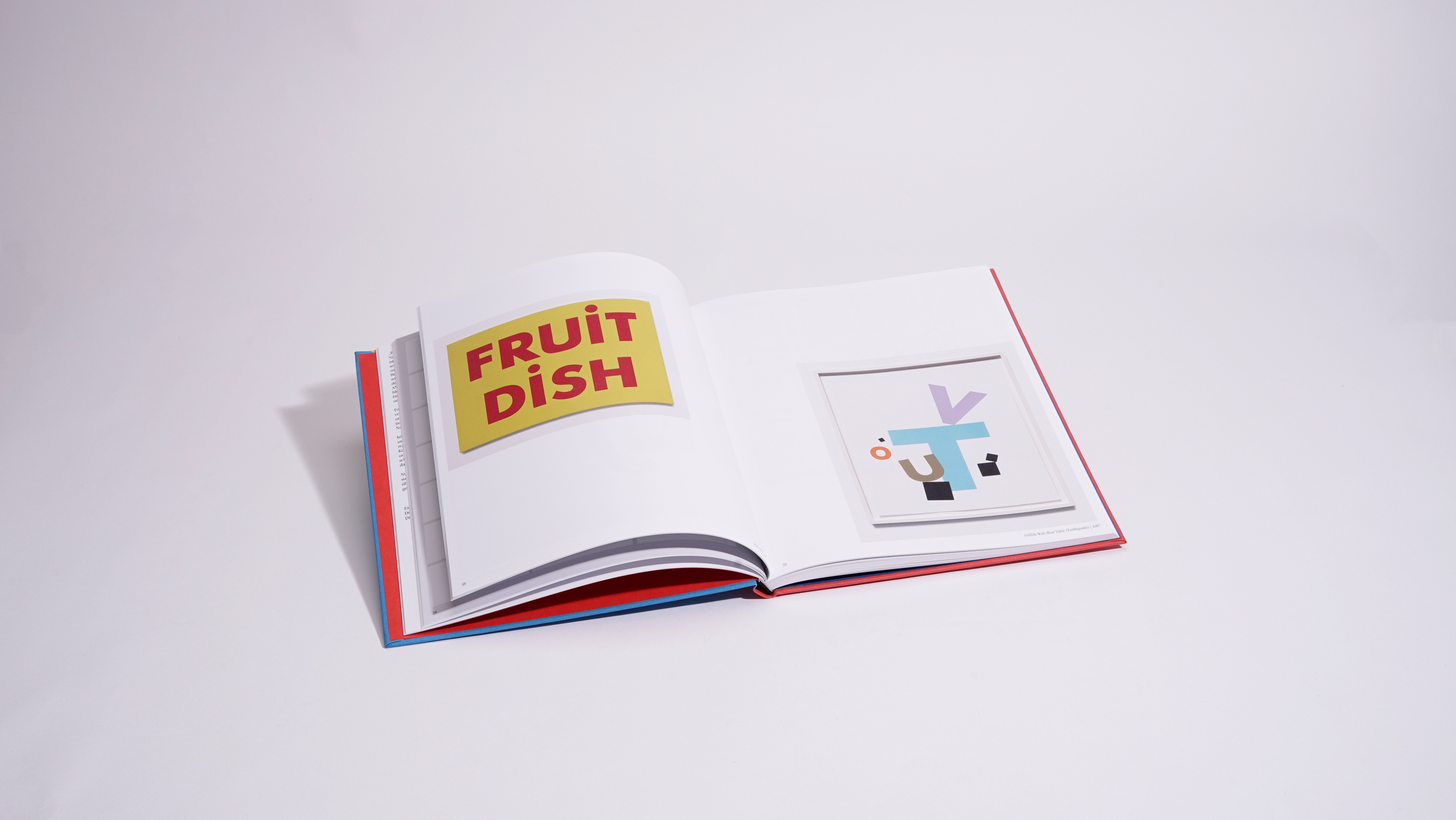
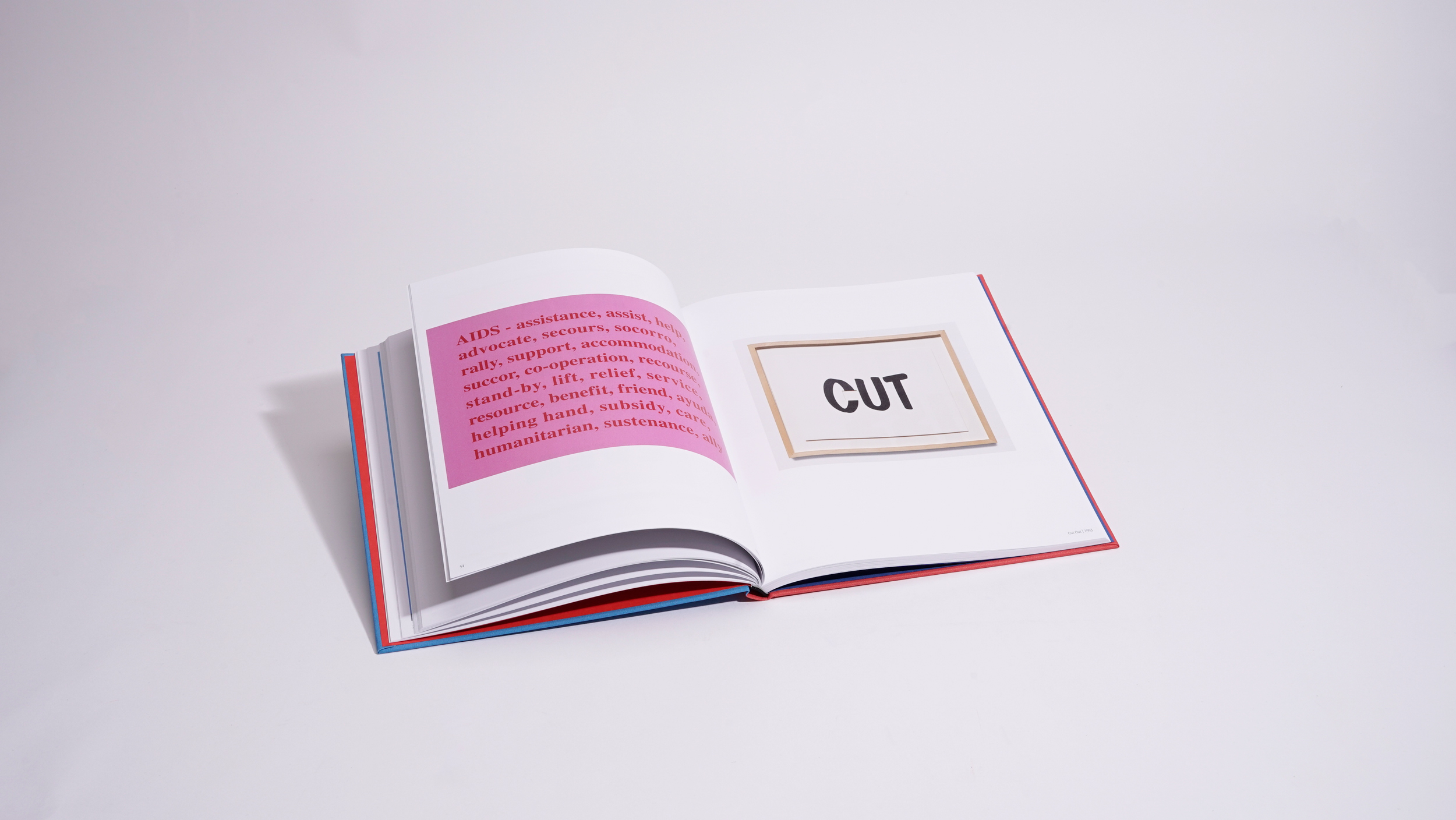
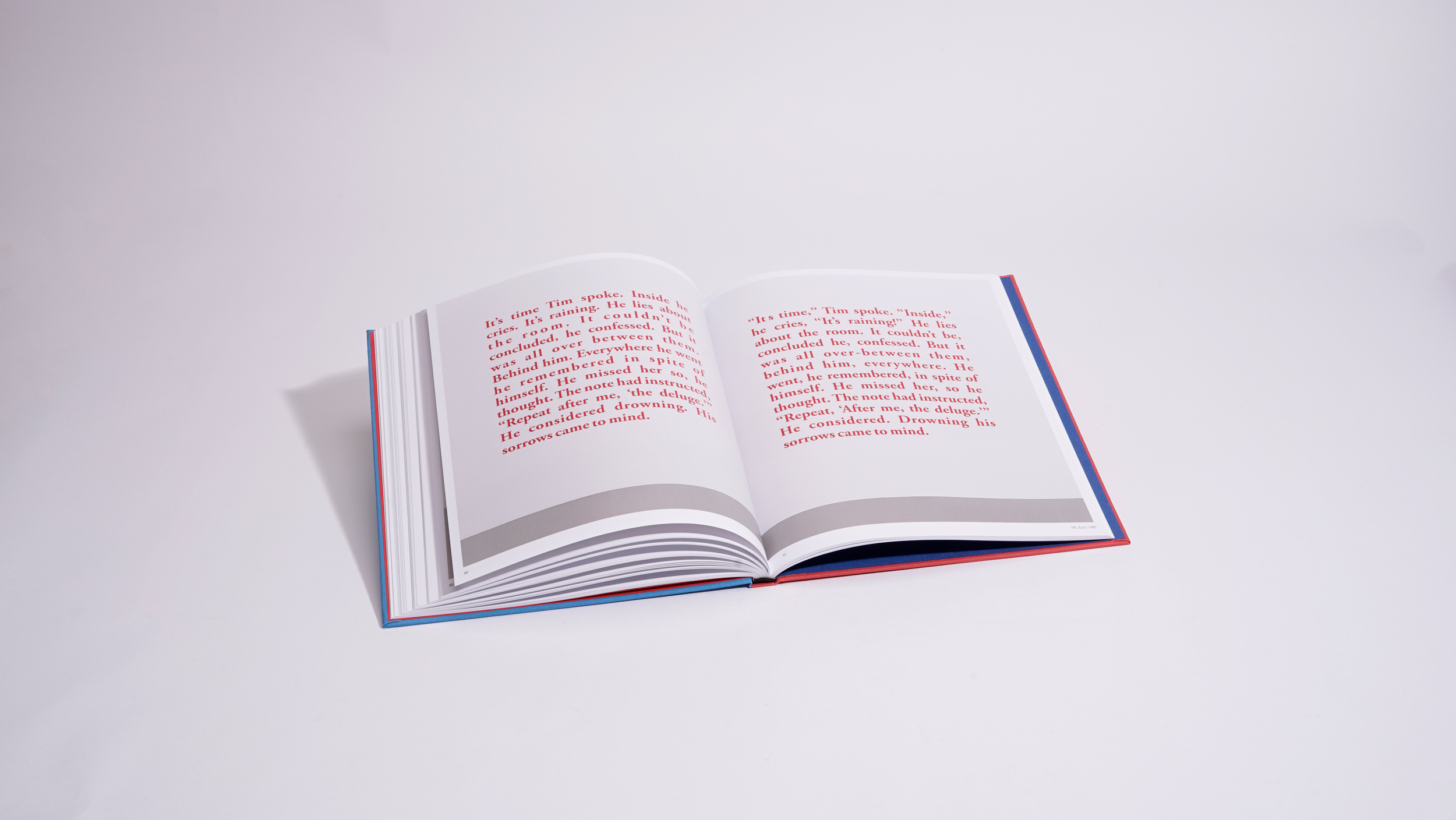
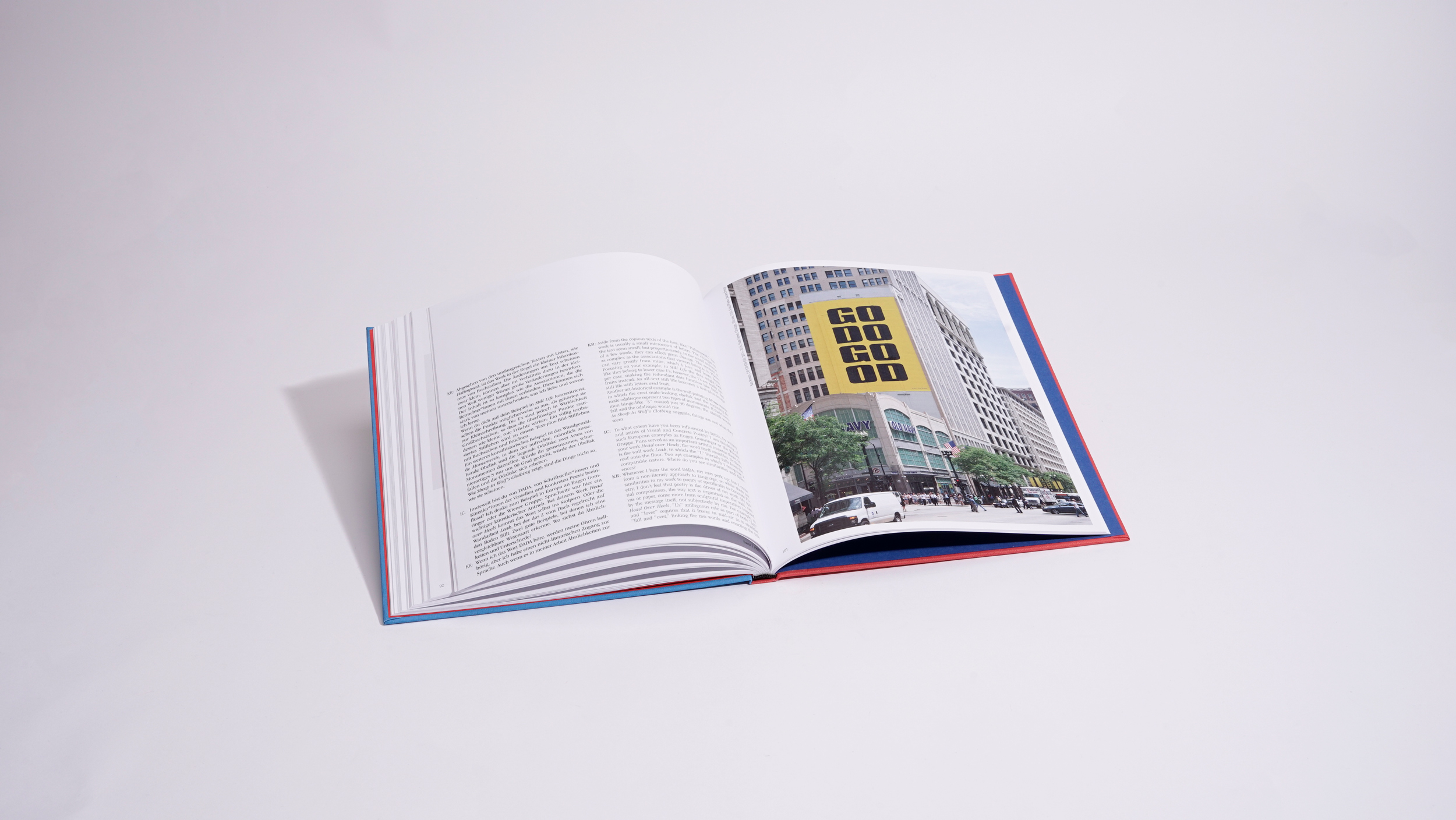
Kay Rosen
NOW AND THEN
 | |
|---|---|
| Editor(s) | Ingo Clauß, Janneke de Vries |
| Author(s) | Ingo Clauß, Kay Rosen, Kenneth Goldsmith |
| Design | Studio Lindhorst-Emme+Hinrichs |
| Size | 20,5 x 25,5 cm |
| Cover | Hardcover |
| Pages | 128 |
| Illustrations | 69 |
| Language(s) | German, English |
| ISBN | 978-3-96912-155-9 |
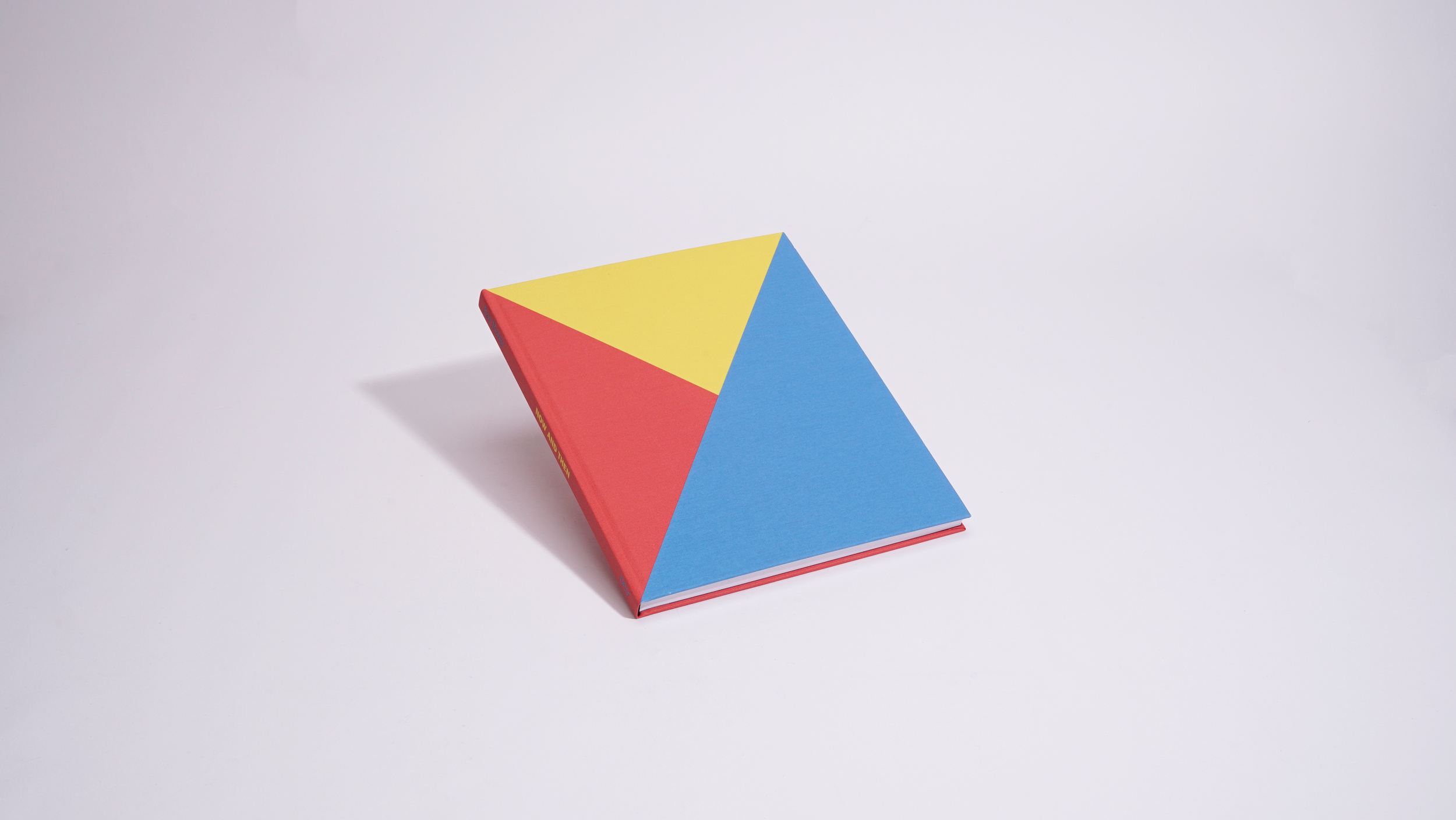
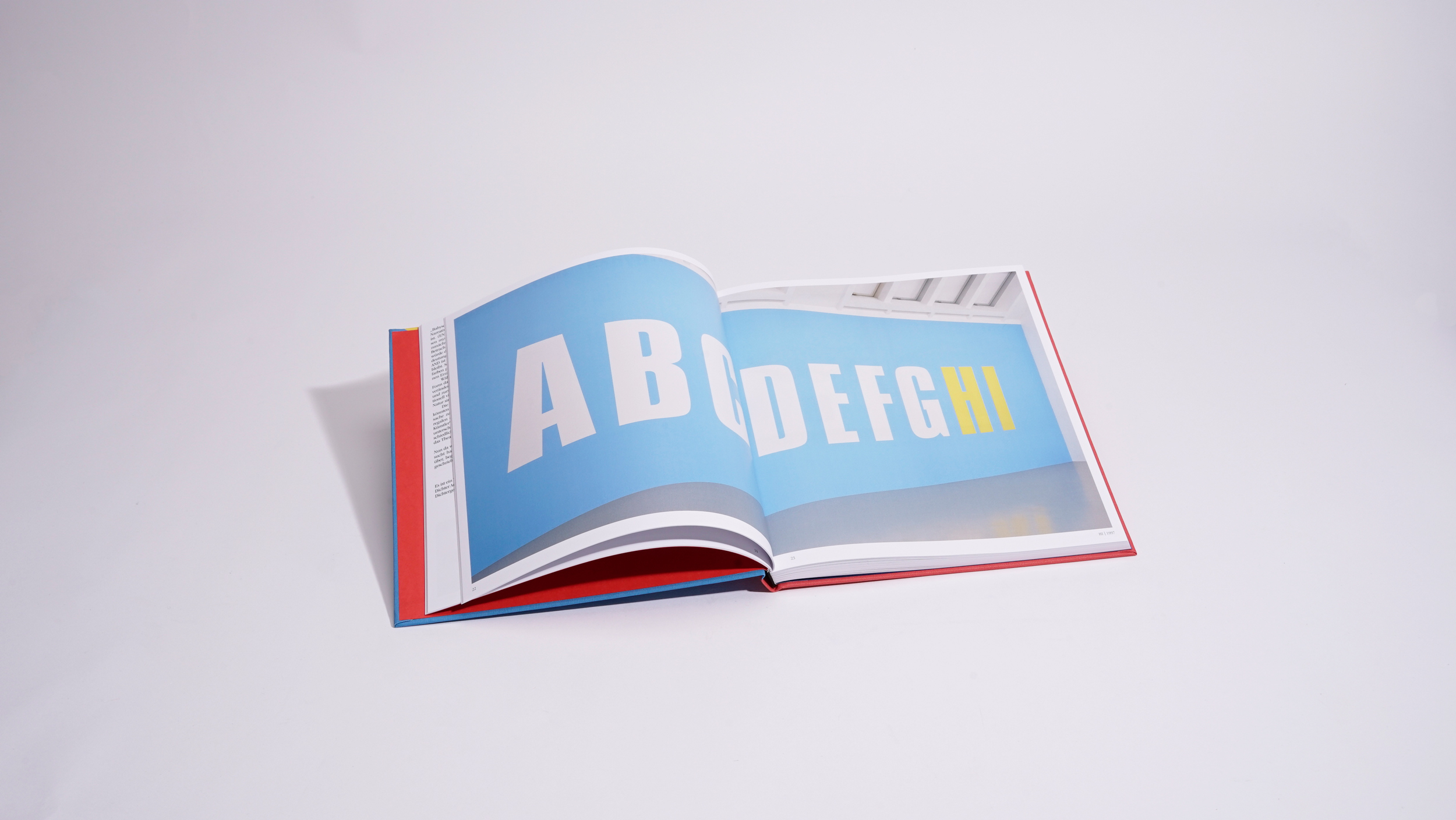
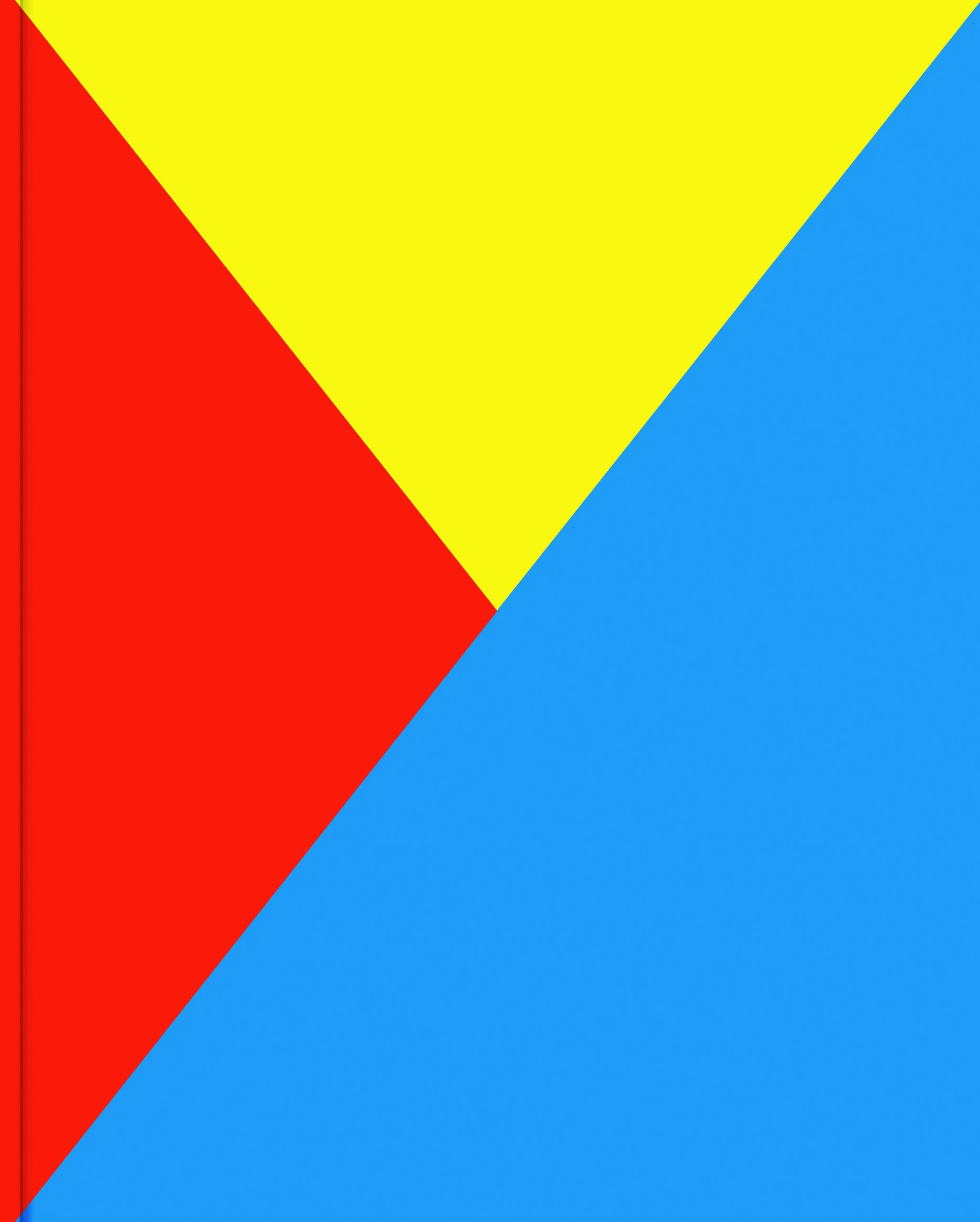
Kay Rosen (b. Corpus Christi, TX, 1943; lives in New York City and Gary, IN) has made art out of language since the 1970s. She garnered international acclaim with wall pieces spelling individual words, phrases, or strings of letters, often on a vast scale. Her works combine minimalist form, aesthetic force, and clever ideas in compelling ways. By modulating their arrangement and typographic and color design, the artist puts irritating twists on everyday terms and expressions. Subtle alterations often yield striking effects. Through punning, reframing, and onomatopoeic exploration, Rosen continually unearths unexpected layers of meaning. Released on occasion of the artist’s eightieth birthday, the publication presents wall pieces, paintings, drawings, prints, and video stills, inviting readers to discover or rediscover a multifaceted oeuvre that blends lightness and humor with analytical acumen in singular fashion.
Kay Rosen obtained a B.A. in linguistics, Spanish, and French at Tulane University’s Newcomb College in New Orleans, LA, in 1965. She then taught Spanish at Indiana University in Gary while attending studio classes at the School of the Art Institute of Chicago, where she subsequently taught for twenty-four years.
More books
-

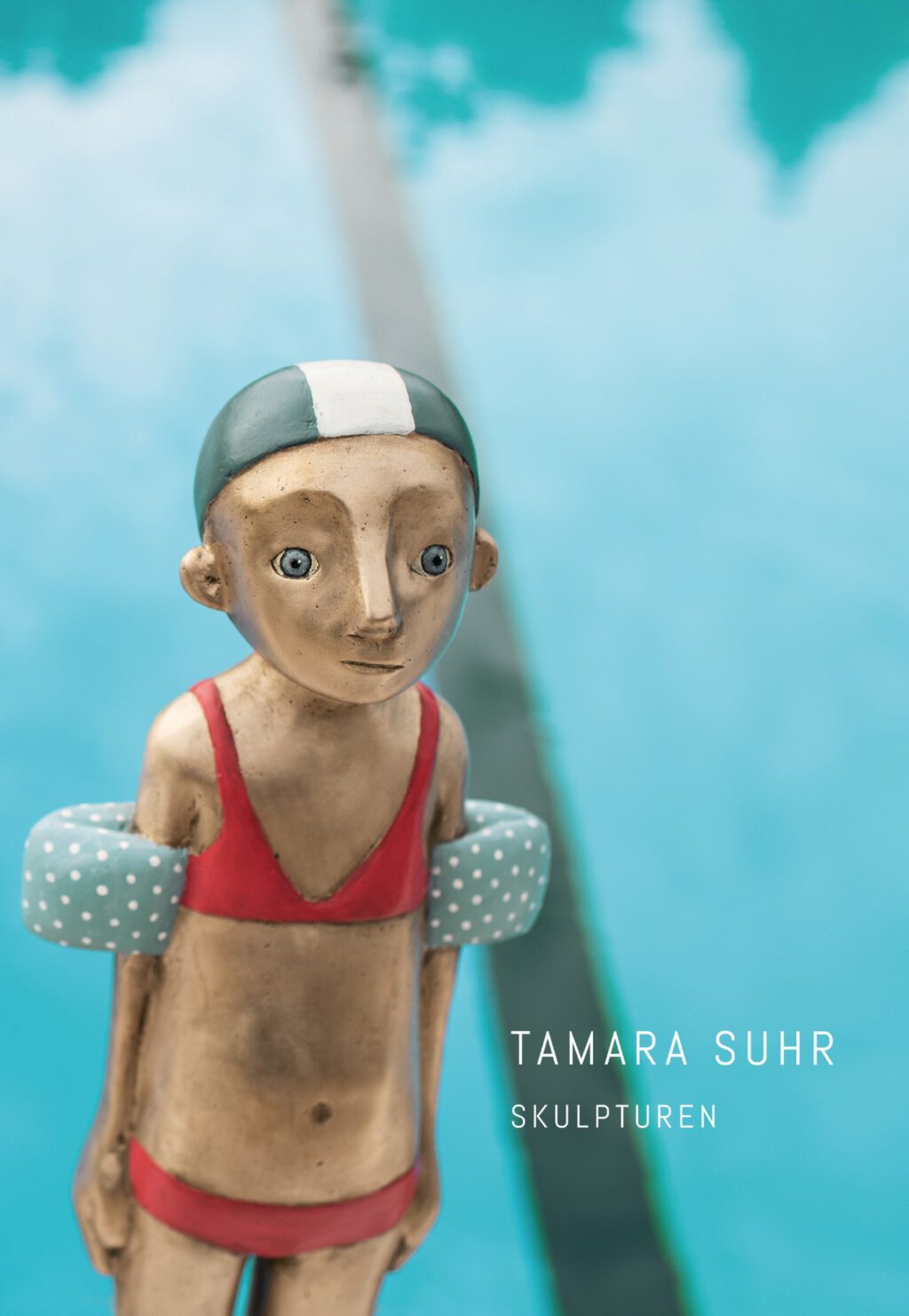
Tamara Suhr
Skulpturen24€ Add to cartHesitant yet Immediately Present
As a sculptor, Tamara Suhr (b. 1968, Tübingen; lives and works in Ludwigsburg) has devoted herself unswervingly to the human figure. Her subjects are figures of children whose hesitancy always embodies a certain curiosity, a sense of expectation. In their form reduced to the essential, indeed almost archaic, they radiate calm and serenity—supported by balance with regard to both the motif and possible associations. In their small size and vulnerability, Suhr’s figurative sculptures, painstakingly crafted in bronze, seem apparently in need of protection, yet they appear strong and courageous. They stand, gaze, crouch, fish, swim or balance. They are present, in the here and now, a symbol for the children of the world.
-

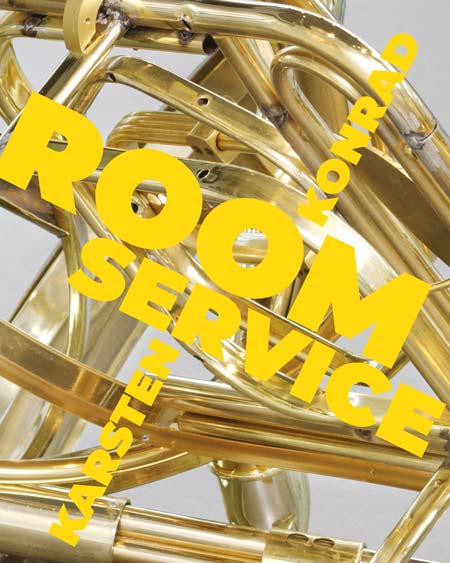
Karsten Konrad
Room Service42€ Add to cartThe Visual Archeologist
Objets trouvés, used designer objects, and discarded furniture are the defining elements of the sculptor Karsten Konrad’s (b. Würzburg, 1962; lives and works in Berlin) material poetics. Not unlike the Dadaist or Surrealist readymade, the works that Konrad has made since the 1990s transform these “disregarded things” into sculptures, immersive installations, reliefs, and collages. Detecting the faint traces that anonymous consumers have left on the secondhand stuff, he unfolds an archaeology of the present. Konrad’s first monograph in a decade offers comprehensive insight into an oeuvre that throws the marginal into relief and questions the destructive impact of unbridled consumerism.
Karsten Konrad studied at Johannes-Gutenberg-Universität, Mainz, and the Royal College of Art, London. He has been professor of sculpture at the Universität der Künste in Berlin since 2016. His works are held, amongst others, by the Bundeskunstsammlung Bonn and the Margulies Collection, Miami.
Each copy is hand-signed by the artist on the spine.
-

Jenny Brosinski
Things I’ve Never Said58€ Add to cartJenny Brosinski’s (b. Celle, 1984; lives and works in Berlin) paintings in large formats look like uncoordinated abstract compositions with traces of wear deliberately left in place. This brings their materiality to the fore and reveals the creative process. Expressive oil paint on unprimed canvas, spray-painted lines, typographic elements, shoeprints, or pieces of masking tape on the canvas: on the one hand, these are experiments and statements; on the other hand, they are engagements with painting as such. The artist added sculpture to her repertoire in 2019, making figurative and sometimes colorfully painted imaginary beasts in bronze or stone—more evidence of her subtle sense of humor, which also manifests itself in her pictures and especially in their titles. The extensive monograph offers profound and comprehensive insight into Brosinski’s oeuvre.
Jenny Brosinski studied illustration and animation at the Weißensee Kunsthochschule, Berlin, the École supérieure des arts décoratifs, Strasbourg, and the Hamburg University of Applied Sciences. She completed her education with a master class in Berlin in 2010.
- temporarily not available

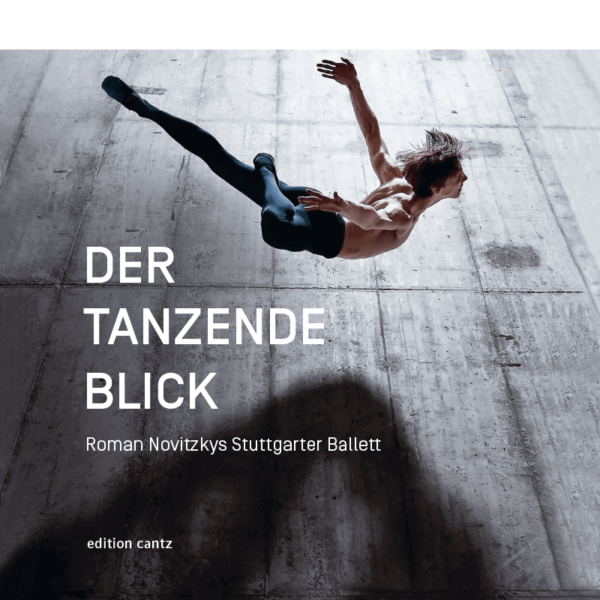
Der tanzende Blick
Roman Novitzkys Stuttgarter BallettRead moreWeightlessness, Grace, Emotions
The photographs by Roman Novitzky (b. 1984 in Bratislava) reveal the entire vocabulary of dance—and yet convey much more than this. With his camera, the first soloist of the Stuttgart Ballet not only captures hidden moments in rehearsal or from the side stage, but also opens the door to his own cosmos for the viewer. He depicts sweat and tension, doubt and euphoria, and gives the audience intimate insight behind the scenes of the Stuttgart Ballet. Roman Novitzky’s first monograph comprises more than sixty photographs of the ballet hall, the cloakroom, and guest performances. It not only stands for his two passions, dance and photography, but also describes his photographic approach, shaped by years of dance experience, which gives the viewer familiar insights into his everyday surroundings.
- temporarily not available
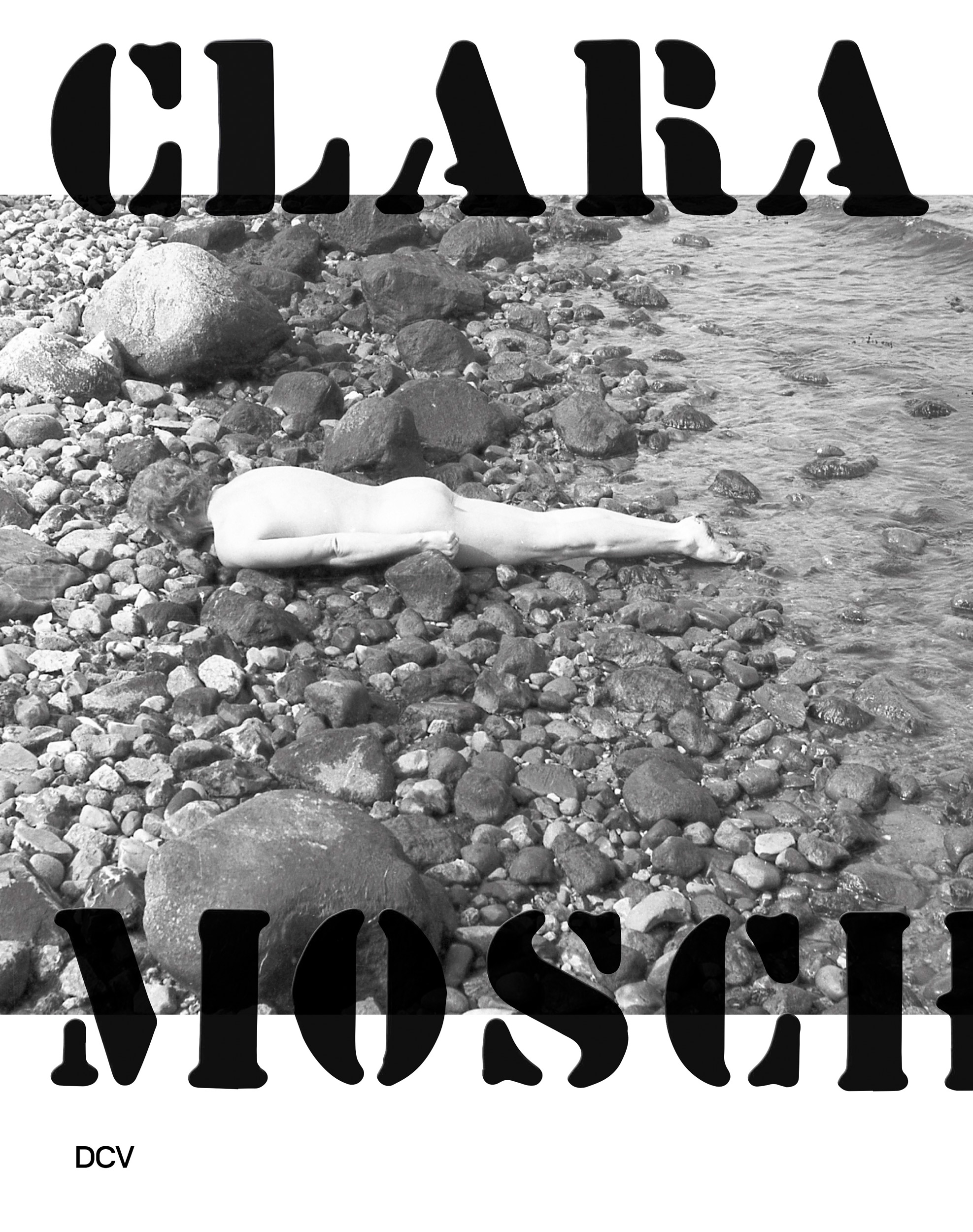
CLARA MOSCH
and early art events in the GDRRead moreThe legendary producer-run gallery Clara Mosch and the artists’ group of the same title that gathered around it were founded in Karl-Marx-Stadt (today’s Chemnitz) in 1977 and existed until 1982. The catchy name was an acronym of the contributors’ last names: CLA = Carlfriedrich Claus, RA = Thomas Ranft and Dagmar Ranft-Schinke, MO = Michael Morgner, SCH = Gregor-Torsten Schade. As the founders of the first producers’ gallery in the GDR and creators of diverse oeuvres, the group’s artists rank among the foremost exponents of avant-garde art in East Germany. The book presents works of art, limited editions, and posters as well as photographs from the Ralf-Rainer Wasse archive in the collections of the Lindenau-Museum in Altenburg. One thematic focus is on Clara Mosch’s land-art happenings and plein-air pieces. The unconventional actions attest to the group’s stated objective of building greater awareness of the ongoing devastation of the local environment. Forty years after the fact, Clara Mosch’s work has lost none of its relevance and urgency.
-
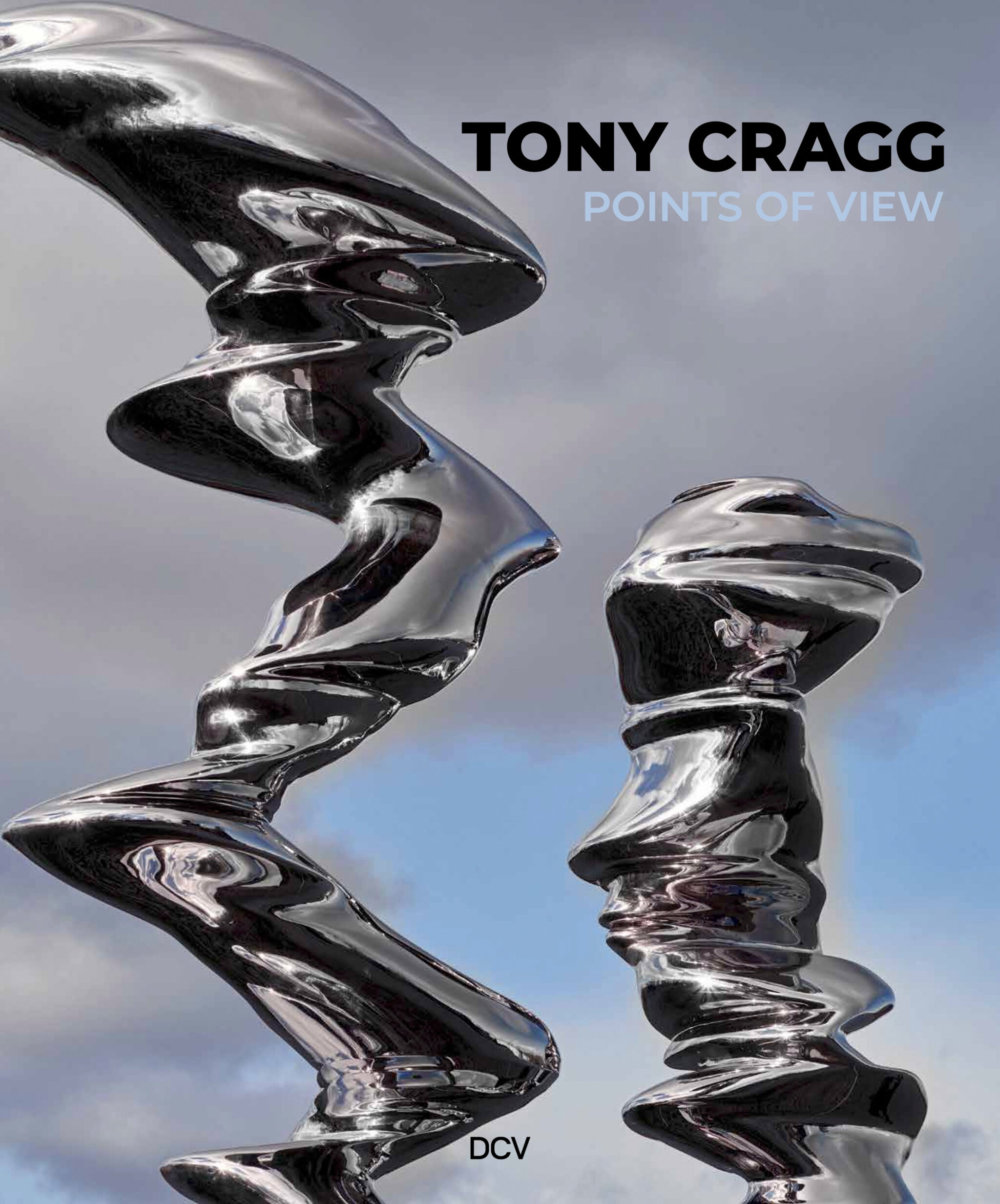
Tony Cragg
Points of View24€ Add to cartThe biomorphic and monumental sculptures of British sculptor Tony Cragg (born 1949, lives in Wuppertal) impress with their virtuosity and their dynamic appearance. They might even evoke movement, as if they are still becoming. Often exhibited outdoors, and in church or museum contexts, they blend into their surroundings like organic entities. Since the 1960s, Cragg’s search for sculptural form manifested through methods like layering and stacking existing materials, rearrangement, and assemblage. He now employs both traditional and new technologies and materials, yet his sculptures have to be seen in clear contrast to normative, repetitive industrial production. This book documents Cragg’s 2025 exhibition in the Anhaltische Gemäldegalerie Dessau.
-

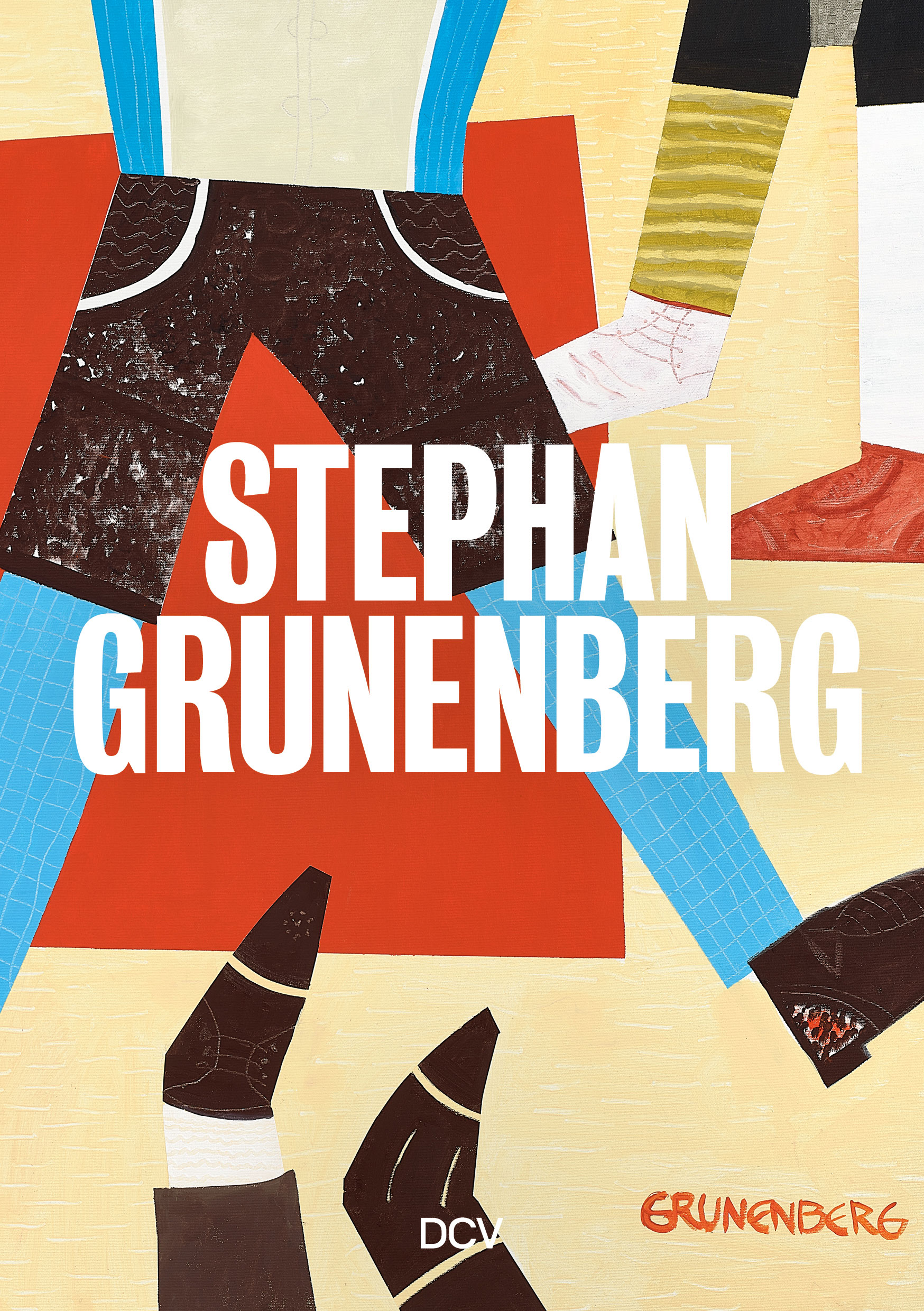
Stephan Grunenberg
10€ Add to cartStephan Grunenberg (b. 1954) paints peculiar portraits: not heads or sitting and reclining figures but seemingly independent feet, legs, trousers, socks or soles of shoes. These and other under-appreciated motives are playfully arranged in captivating compositions which take issue with our hierarchical habits while looking at art. “Leaving out the ‘civilized’, educated head and centering on neglected parts such as the legs, including the lower abdomen—which is either eroticized or made taboo—is the artist’s point”, writes Oliver Koerner von Gustorf in an essay that accompanies the images inside this small and attractive new book. The paintings reproduced in this volume were all exhibited in Grunenberg’s latest exhibition in 2024, which was titled tongue-in-cheek „Representatives Regional To Earth.”
-

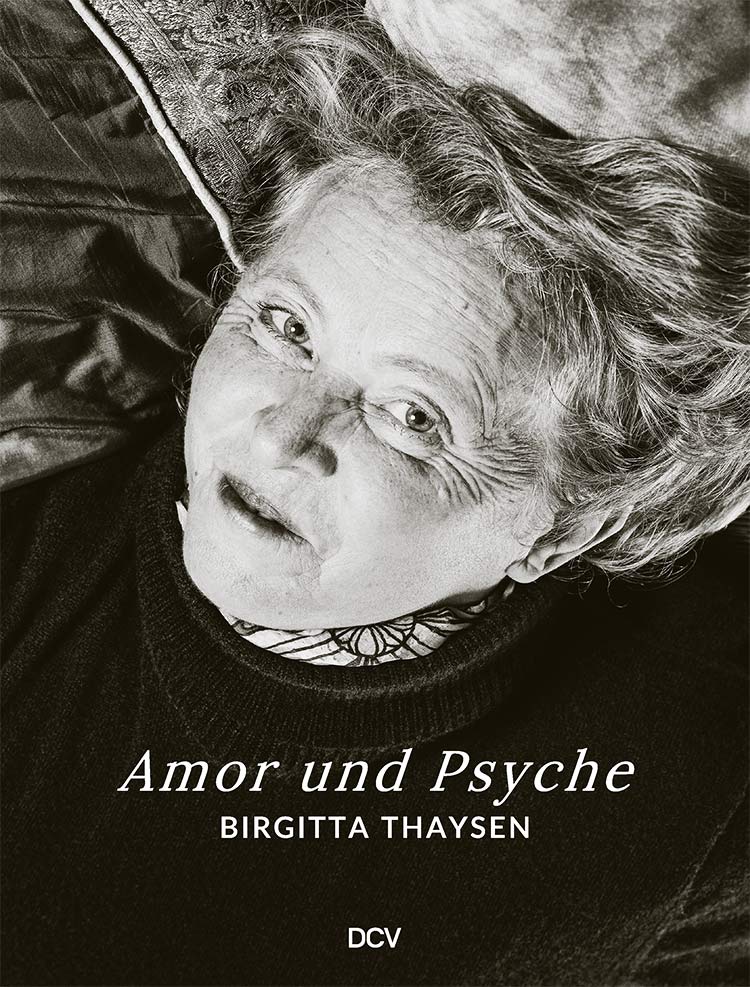
Birgitta Thaysen
Amor and Psyche24€ Add to cartAspects of Love
The fine art photographer Birgitta Thaysen (b. Gelsenkirchen, Germany, 1962; lives and works in Düsseldorf) studied with Bernd and Hilla Becher at the Düsseldorf Academy of Fine Arts and in Nan Hoover’s master class. Her photographic oeuvre encompasses urban motifs as well as likenesses of humans. In black-and-white portrait shots, she revisits the ancient myth of Amor and Psyche; embodiments of the yearning for love and the bafflements of the soul, the title characters have long been vehicles for variegated interpretations in visual art. Thaysen chose to shoot her portraits at Künstlerverein Malkasten, Düsseldorf, where the tale is present in an adaptation as a lavishly made wallpaper from the nineteenth century. She captured the protagonists lying on the floor, bedded on cushions, their heads upside down, for a vertiginous exploration of states of mind between self-abandonment and doubt.
Birgitta Thaysen studied art with Bernd and Hilla Becher at the Düsseldorf Academy of Fine Arts. Her conceptual photographic series have been seen by wide audiences in numerous exhibitions.
-

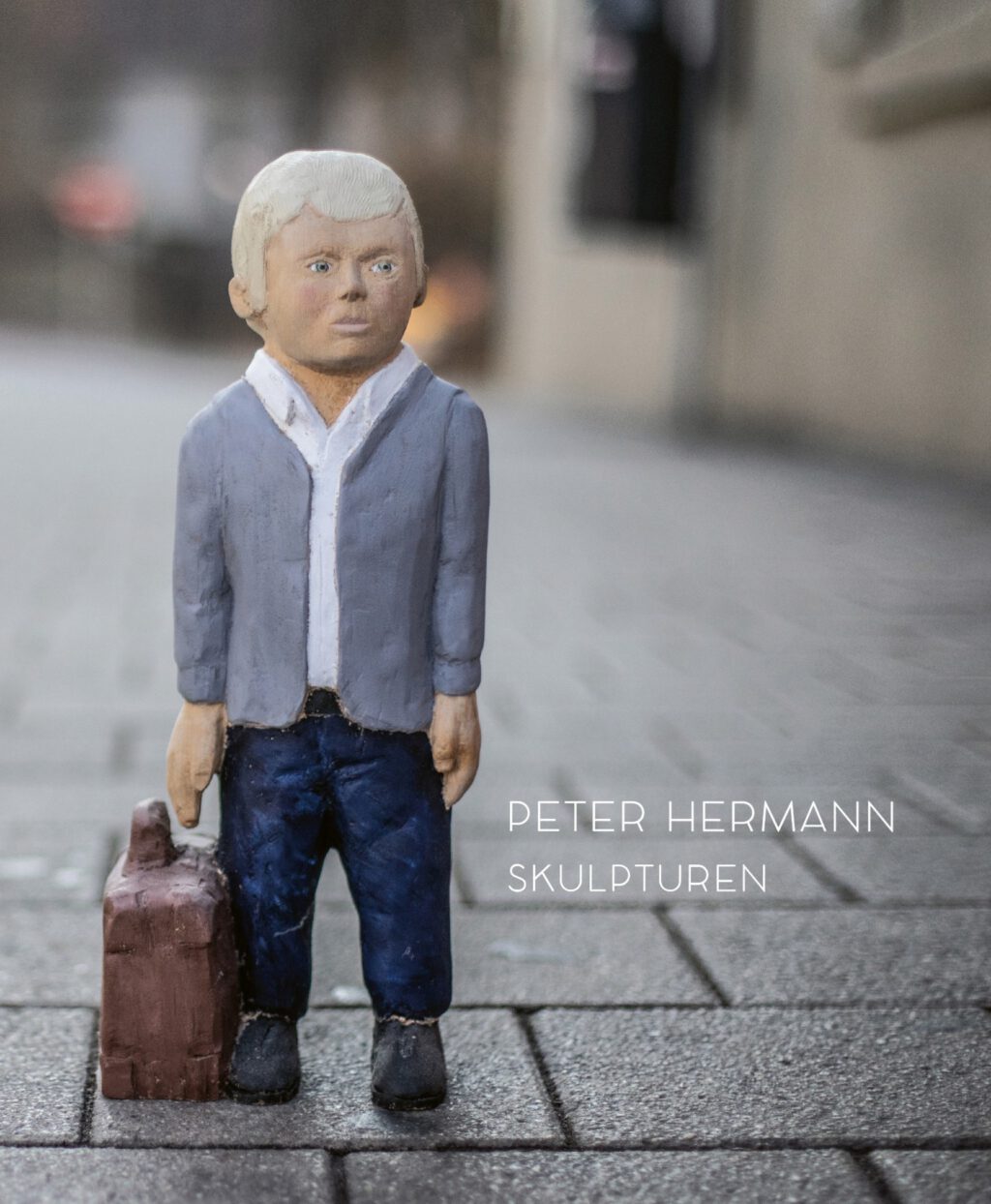
Peter Hermann
Skulpturen24€ Add to cartDefying the Classical Canon
The figures of Peter Hermann (b. 1962, Bietigheim; lives and works in Ludwigsburg) stand and gaze. Made of limewood or bronze, his sculptures are precisely crafted in the manner of the old masters and thus stand in opposition to other contemporary positions. Nevertheless, in their static severity, their shortened and slightly caricatured limbs, and with a certain irony that accompanies this, they also defy the classical canon of figurative sculpture. Peter Hermann finds his themes in everyday life and succeeds in letting this apparent everydayness vibrate further in the encounter between the artwork and the viewer.
-

Räume hautnah (GERMAN)
Draiflessen Collection32€ Add to cartWe live in spaces that we shape in accordance with our own ideas. Our everyday lives leave traces in them that speak to our habits. Spaces promise shelter and belonging, but they can also instill a sense of constraint. We grow into the spaces we inhabit—and they in turn become expressions of our personalities. Conversely, spaces, depending on their architecture and location, inform our existence. RÄUME HAUTNAH gathers works of art that, rather than conceiving of the human sphere and the spatial domain as separate, comprehend them in their complex entanglements: in bodily experience, emotional dependency, or the instinctive need for protection. An essay by Olesja Nein, the project’s curator, offers an introduction to the exhibition and takes the reader on a tour, describing each artist’s space of activity and supplying helpful information. Philipp Zitzlsperger, meanwhile, zooms in on a key aspect of the art in the exhibition, the imprint as an artistic technique with a distinctive aura, and illuminates its origins and significance since the dawn of modernism.
Artists: Absalon, Shannon Bool, Heidi Bucher, Eileen Gray, Do Ho Suh, Mary Mattingly, Tracey Snelling, Francesca Woodman
-

Cahier #1
Heinz Gappmayr22€ Add to cartDo we think in images or in language? Can writing visualize time? Heinz Gappmayr (1925-2010) was interested in text as a spatial event and in letters as architecture. Although his works were often presented in the context of Visual Poetry, Gappmayr himself preferred the more neutral term text to lyricism. His understanding of written language as a conceptual medium and typography as an indicator of physicality was closer to Lawrence Weiner’s approach than to that of the Concrete Poets. This volume accompanies an exhibition at the Tiroler Landesmuseum and includes Gappmayer’s most important art-in-architecture projects, as well as a complete notebook from 1961, with commentary by Gaby Gappmayr, the artist’s daughter. A conversation with her provides valuable philosophical insights into her father’s work.
-

Female Gaze
From Virtual to Reality25€ Add to cartWorks of Art Take a Stance
The “female gaze” embodies a stance that is the polar opposite of the “male gaze.” The latter term came into use in the movie and advertising industries in the 1970s to describe the fact that women typically appear in films in supporting roles, as accessories to men, rather than as protagonists. The male gaze originated in a patriarchal society that has begun to change. The female gaze champions a modern form of emancipation that challenges men to abandon entrenched structures. Much more importantly, it encourages women to become aware of the strength that lies in their femininity and make it the source of their own creative expression and their own perspective on the world. For many years, the writer Silke Tobeler has visited artists in their studios, collecting the photographs she took there and her conversations with her hosts on her blog, Female Gaze.
-

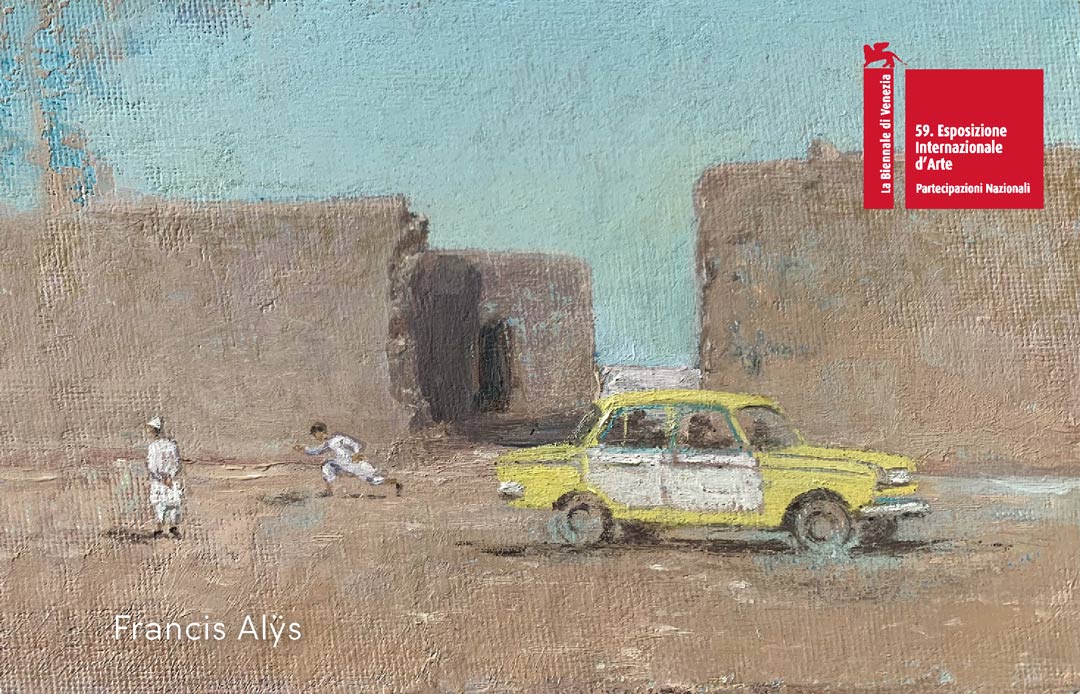
Francis Alÿs
The Nature of the Game32€ Add to cartThe Belgian artist Francis Alÿs (b. Antwerp, 1959) makes work that is as multifaceted as it is poetically subversive. Straddling the line between performative conceptual art and community intervention, his films and drawings chart the political and social realities of urban spaces. One of his most imposing long-term projects is Children’s Games, for which he documents children playing all over the world, from Paris and Mexico City to the Yezidi refugee camp Sharya in Iraq. The richly illustrated book contains ideas and sketches he compiled in preparation for this series. It lets us glimpse into the engine room of his artistic practice, revealing key elements of his filmic poetics. An essay by the ethnographer and filmmaker David MacDougall embeds Alÿs’s observations of children’s play in the contexts of childhood studies as well as the history of ethnographic documentary film.
Francis Alÿs (b. Antwerp, 1959) is widely regarded as one of the foremost artists working today. His oeuvre, which has garnered numerous prizes and been featured in solo exhibitions around the world, encompasses films, photographs, performances, drawings, and paintings, many of them explorations of the social and political realities of urban spaces. Since 1986, Alÿs, who trained as an architect, has lived in Mexico City, where he moved after the major earthquake of 1985 to help in the rebuilding effort.
Francis Alÿs – The Nature of the Game is the official publication of the Belgian pavilion at the 59th Biennale di Venezia, curated by Hilde Teerlinck.
- Out of stock

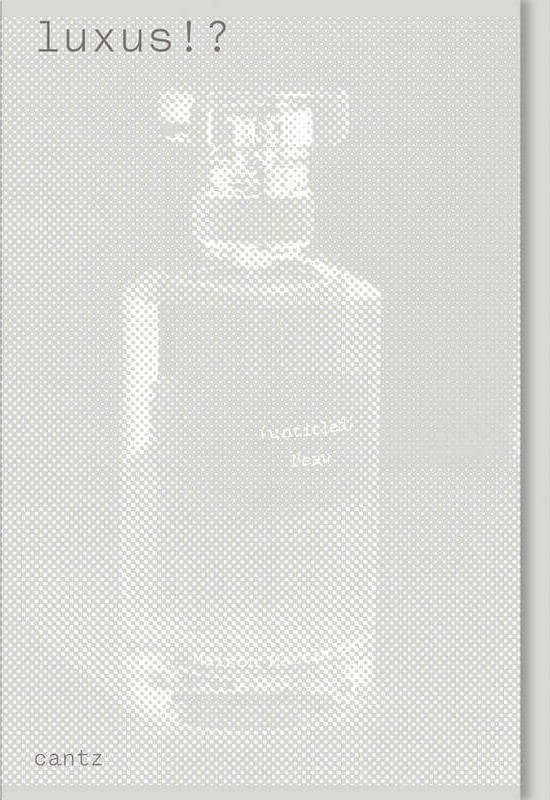
Luxus?!
34€ Read moreWhat is luxury today? How do designers perform the magic of transforming a utilitarian object into a must-have? Where does consumerism shade into obsession? When does more-is-more give way to less-is-more?
Luxury means breaking with convention, and this book showcases—and spawns—a cornucopia of ideas, products, and positions around luxury, featuring influential thinkers from the worlds of design, science, art, and society. The cultural theorists Wolfgang Ullrich and Lambert Wiesing exchange letters on the concept of luxury; Montblanc’s creative director Zaim Kamal lays out future strategies; the artist Jonathan Meese pens a gold manifesto; and Bazon Brock inquires into the asceticism of luxury. We live in a world full of things that resemble one another so closely that the only difference is how they are marketed. What might the precious objects of the future look like? The book presents examples from aspiring designers such as the fashion student Victoria Reize, whose collection counters luxury with arch defiance. Design, we learn, is not just about creating supreme values. Luxury is limitation and longevity, scarcity and refinement, yearning and sensuality.
With works by Assemble, Jake and Dinos Chapman, Daniel Chodowiecki, Kai Löffelbein, Jonathan Meese, Olaf Nicolai, Marcel Odenbach, Tobias Rehberger and Anna Skladmann.
-

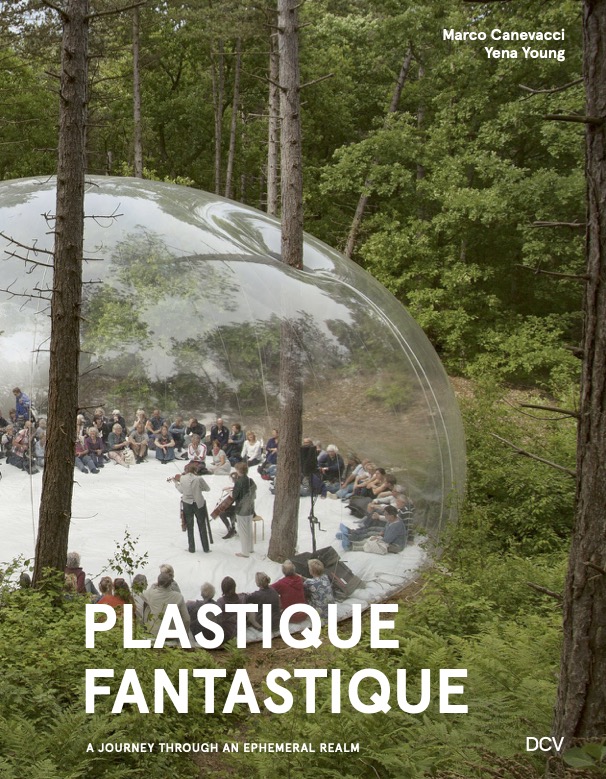
Plastique Fantastique
A Journey through an ephemeral Realm32€ Add to cartIn the wake of Frank Lloyd Wright’s pioneering work, visionary architects including Frei Otto and Buckminster Fuller established bubbles as a recognized artistic and architectonic form. The Berlin-based art duo Plastique Fantastique (Marco Canevacci and Yena Young) go one step further and harness them as a medium of temporary social interactions. The philosopher Vilém Flusser conceived of space in the digital universe as a network of relational settings in which humans can be in multiple places at one, as a “bubble that extends into the future.” Plastique Fantastique transform our urban and rural environments into laboratories for such spaces in which urgent social, political, and aesthetic questions are negotiated. Oversized translucent bubbles, traffic islands ringed by diaphanous tubes, giant lifebelts, air-filled sausages that the audience at a Peaches concert pass over their heads: Plastique Fantastique’s installations fuse art, performance, people, and architecture in a multisensory experience that blurs the conventional boundaries of art and focuses our attention on the larger bubble in which human existence is contained. Richly illustrated with exceptional photographs, this monograph is the first to document a representative selection from the duo’s projects of the past two decades.
-

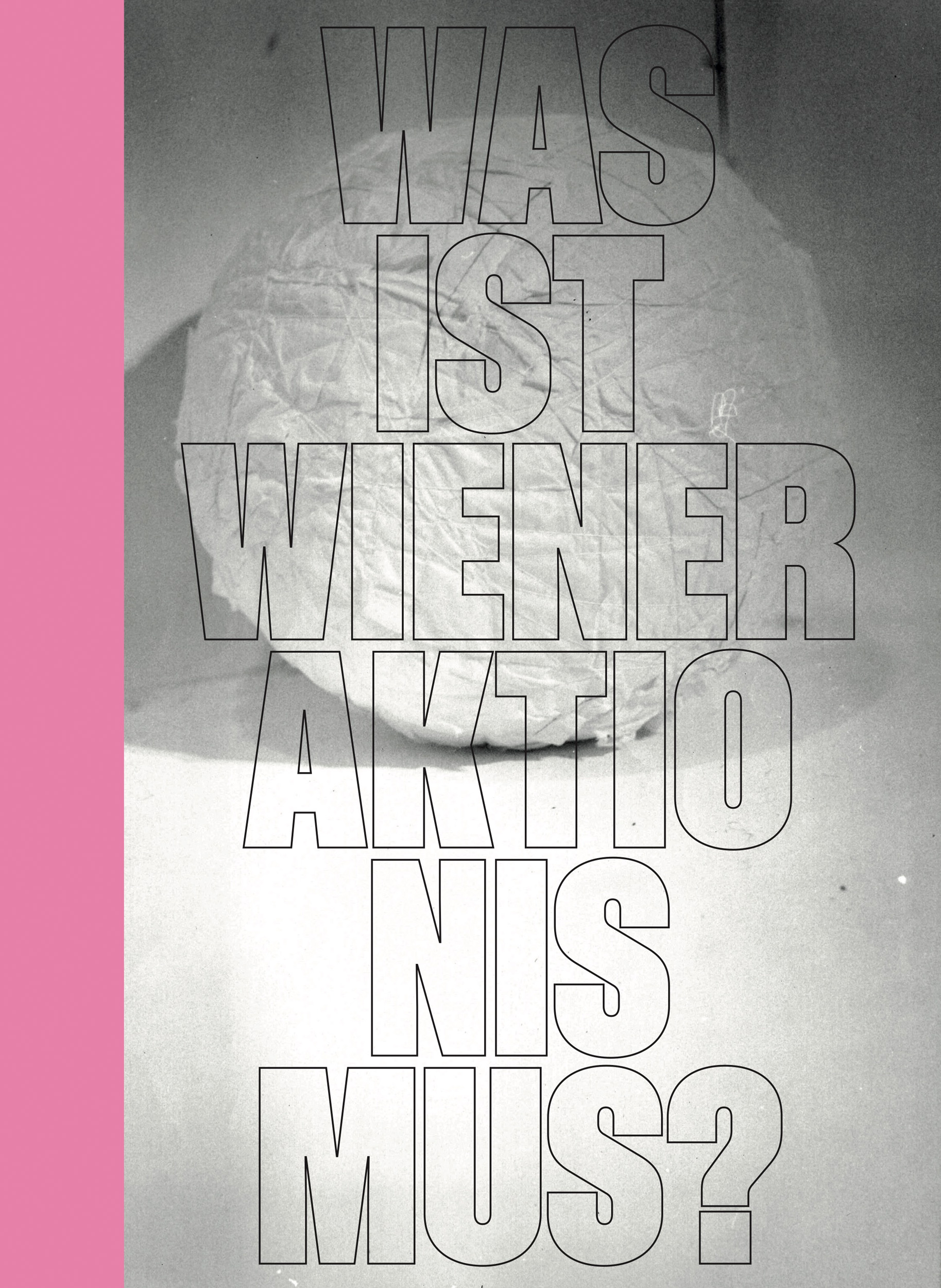
Was ist Wiener Aktionismus?
50€ Add to cartBlows were dealt. An artist exposed and cut himself, others urinated in glasses, daubed themselves with dirt, and masturbated over the Austrian flag. Meanwhile, music was playing, including the national anthem; someone read pornographic writings. Vienna in the late 1960s: what had started in the artists’ homes and studios was now brough out on the grand stage, and taboos were broken in full view of the public.
The Vienna Actionism Museum’s first publication is dedicated to the idea of Vienna Actionism in the dynamic context of abstract realism, Fluxus, and the international Happening scene. The book relates the story of one of art history’s most influential art movements, spearheaded by the Actionists Günter Brus and Otto Muehl, Hermann Nitsch and Rudolf Schwarzkogler.
-

Dietmar Lutz
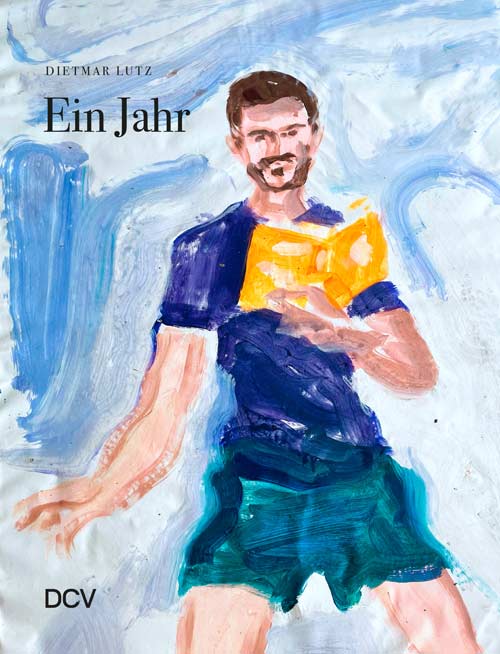
Ein Jahr40€ Add to cartDay by Day
For a full year, from August 2020 until August 2021, Dietmar Lutz (b. Ellwangen, 1968; lives and works in Düsseldorf) painted or drew a picture every day in which he rendered a scene or detail from his day-to-day life. All 365 works appear here in chronological sequence, either in reproductions or in photographs showing them in the setting in which they were created. Taken together, the series constitutes a radically subjective review of one year. The paintings capture memories, but although they invariably owe their existence to a particular situation, they do not necessarily frame it as a memorable event. The artist observes himself in his world and defines his role in it. Painting as a daily task seems to structure time rather than the other way around. Each picture opens up a new space in which the different facets of time manifest themselves to the senses.
Dietmar Lutz studied at the Düsseldorf Academy of Fine Arts and rose to renown with large-format paintings in which he portrays situations from ordinary life and weaves references to the histories of film and literature. Lutz is a cofounder of the German-British artists’ collective hobbypopMuseum, with which he has exhibited at the 1st Athens Biennale; Deitch Projects, New York; Tate Britain, London; and elsewhere.
- out of stock

Drucksache Bauhaus
38€ Add to cartThe Early Years of the Weimar Print Workshop
At the Staatliches Bauhaus in Weimar, the print workshop began operation in the spring of 1919 as the first workshop. Printmaking corresponded to the basic idea of the Bauhaus in that it realized the unity of art and craftsmanship in an ideal manner. With the groundbreaking project Bauhaus-Drucke. Neue Europaeische Graphik, four portfolios were created in which forty-five representatives of the European artistic avant-garde participated. In the announcement brochure of 1921, it stated: “The many who do not yet know about the work of the Bauhaus, and who cannot know, are to be made aware of us through this work.” The book presents the portfolios published between 1921 and 1924, together with other works printed at the Bauhaus by Lyonel Feininger, Wassily Kandinsky, and Oskar Schlemmer. The Stuttgarter Prolog also sheds light on the influence of Adolf Hölzel, whose students and later Bauhaus masters Oskar Schlemmer and Johannes Itten brought many of his ideas to the Bauhaus.
-

Pharaonengold
3.000 Jahre altägyptische Hochkultur27,50€ Add to cartThe Mysterious World of the Pharaohs and their Magical Relationship to Gold
Hardly any other culture fascinates as much as the high culture of ancient Egypt. At its center were the pharaohs, those legendary kings who, according to the beliefs of the ancient Egyptians, descended directly from the gods. Gold was ascribed a special symbolic and religious power; it stood for eternity and indestructibility and, as the “flesh of the gods,” was a sacred metal. The book brings together 150 exhibits from pharaonic tombs from the Old Kingdom of the Third Dynasty (circa 2680 B.C.E.) and the oldest gold statue of an Egyptian pharaoh to Tutankhamun and Horemheb (circa 1330–1310 B.C.E.).
-

Billy Al Bengston
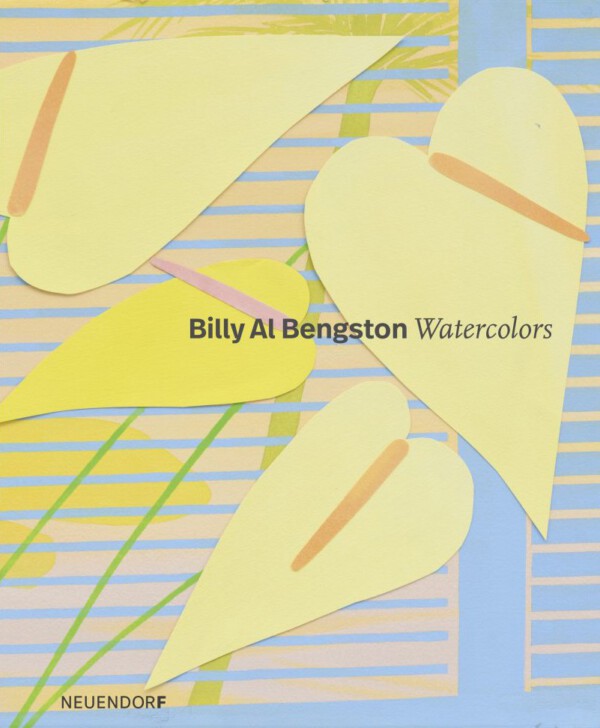
Watercolors48€ Add to cartThe Pop Artist as Master of Watercolor Painting
Billy Al Bengston (b. 1934, Dodge City; lives and works in Venice, California, and Honolulu, Hawaii) is a master of the watercolor. Themes and motifs that also determine the painterly work gain a special expressiveness here: bizarre landscapes and opulent blossoms, fantastic celestial bodies and colorful abstractions. This opulent volume presents this part of Bengston’s oeuvre for the first time in great breadth with roughly 400 works. They demonstrate the skill of an artist who has brought watercolor to extreme precision and enriched it with numerous new aspects.
Billy Al Bengston attended the California College of Arts and Crafts, Oakland, and the Otis Art Institute, Los Angeles. His works can be found in outstanding permanent collections, including the Centre Georges Pompidou, Paris, the Solomon R. Guggenheim Museum, New York, and the Museum of Modern Art, New York.