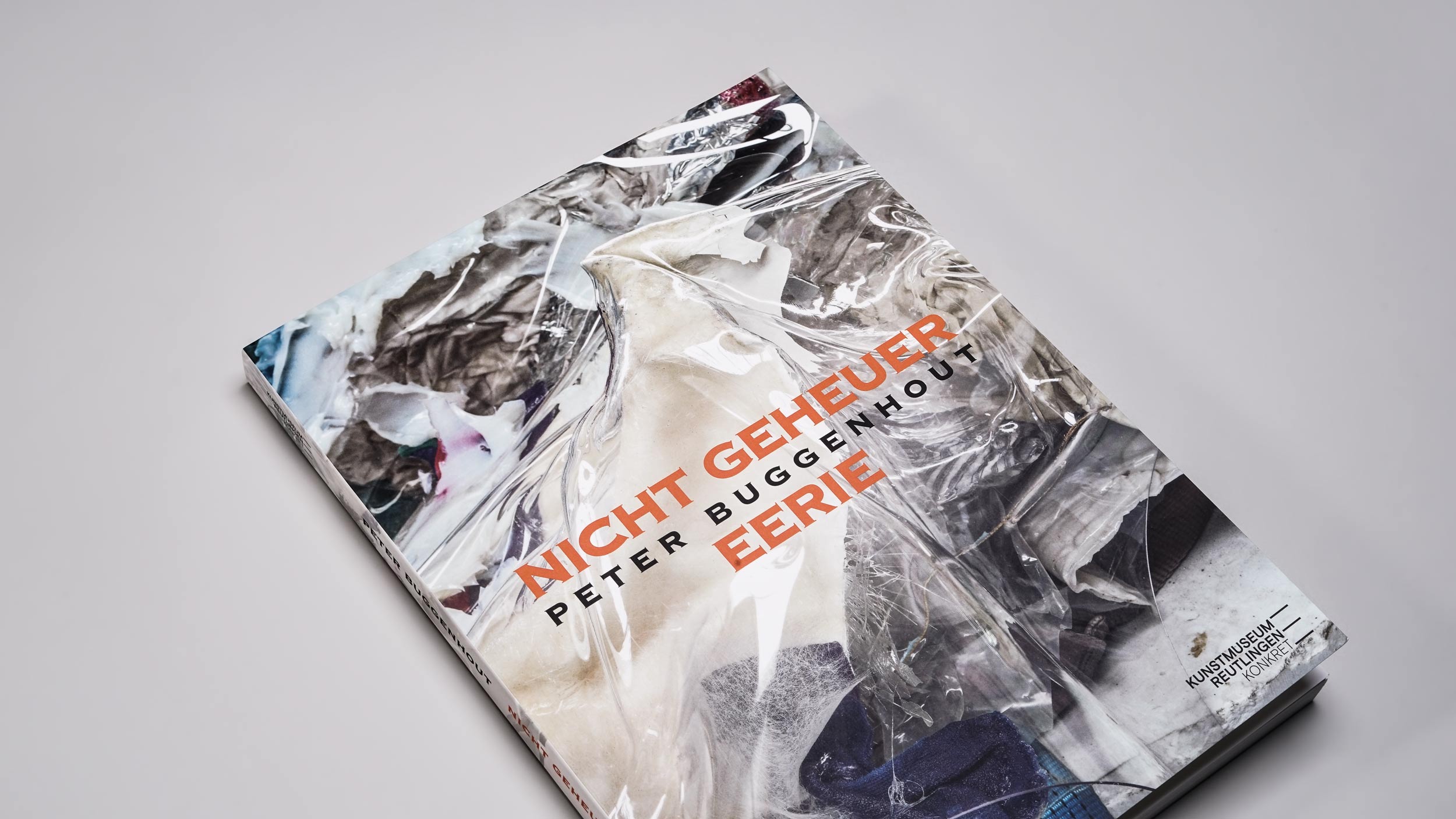

Peter Buggenhout
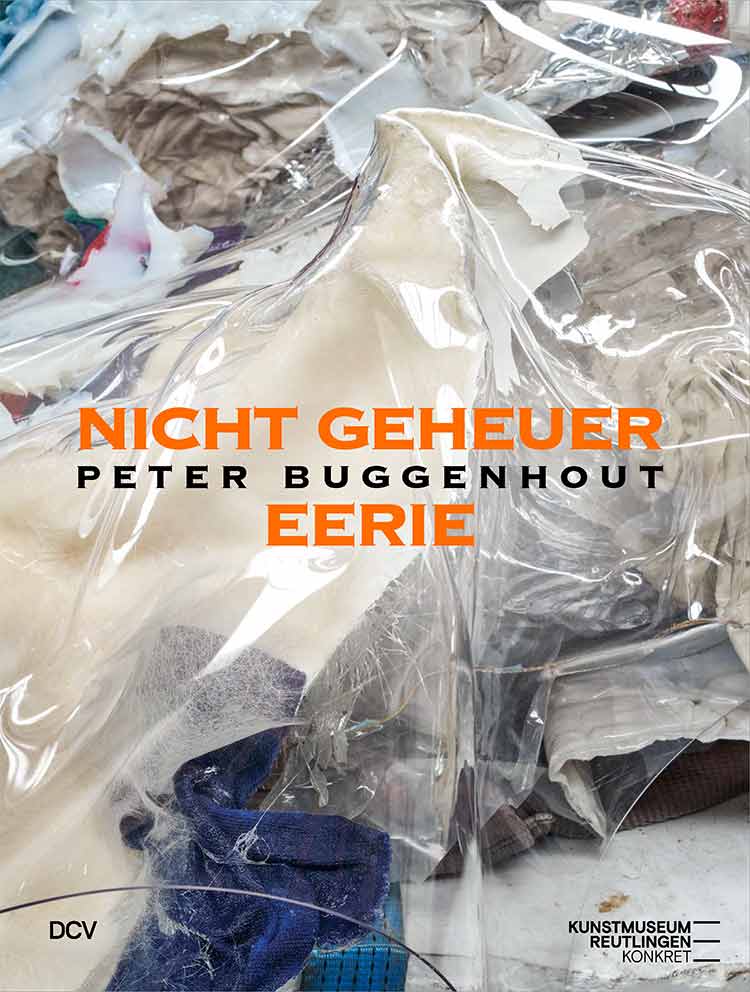
Eerie
 | |
|---|---|
| Editor(s) | Holger Kube Ventura |
| Author(s) | Ory Dessau, Christian Janecke, Holger Kube Ventura |
| Design | Andy Schmidt |
| Cover | Softcover with flaps, flush cut and open spine |
| Size | 20 x 27 cm |
| Pages | 160 |
| Illustrations | 47 color, 6 b/w |
| Language(s) | English, German |
| ISBN | 978-3-947563-93-7 |
An Autonomous Counterpart
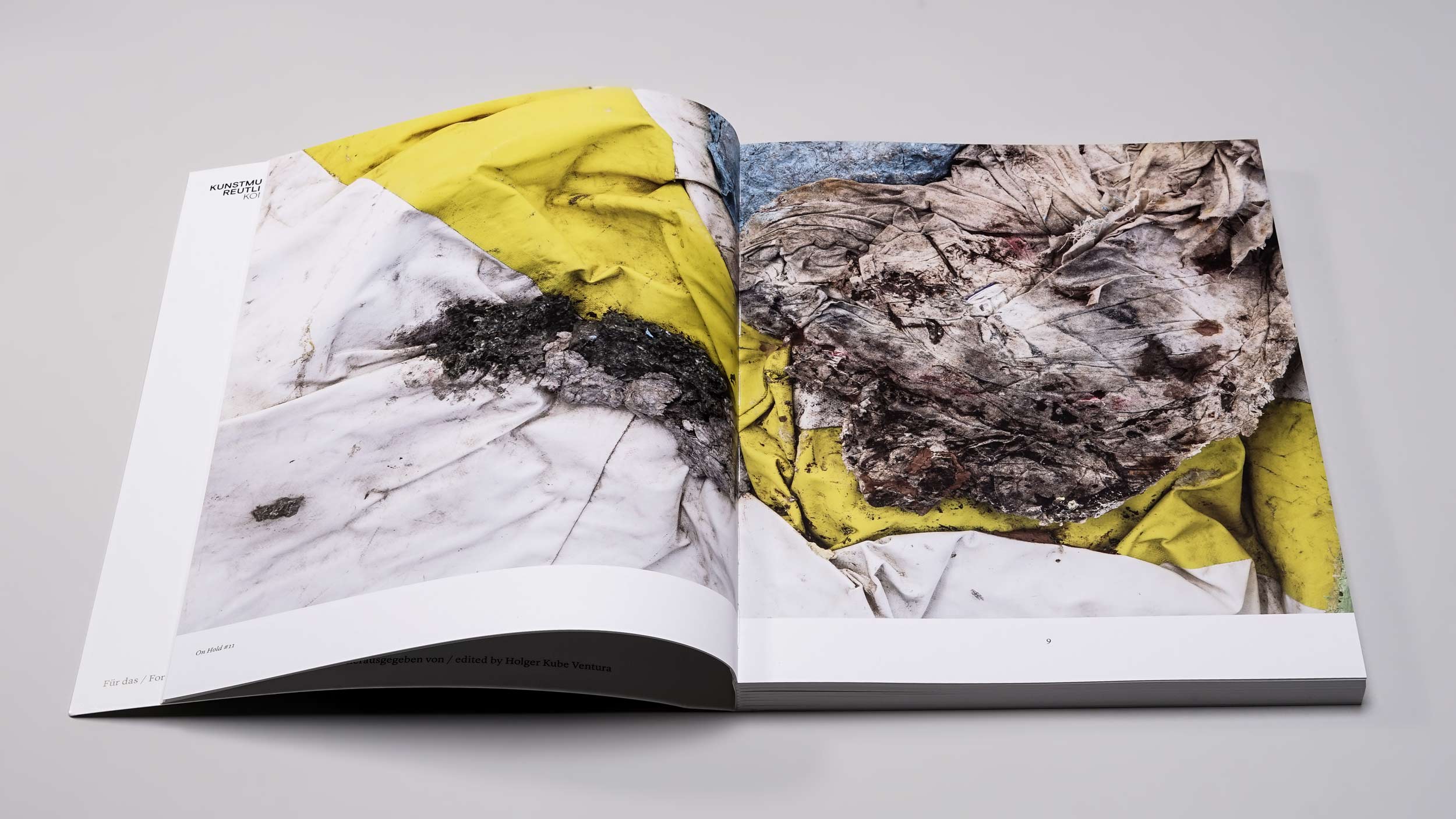
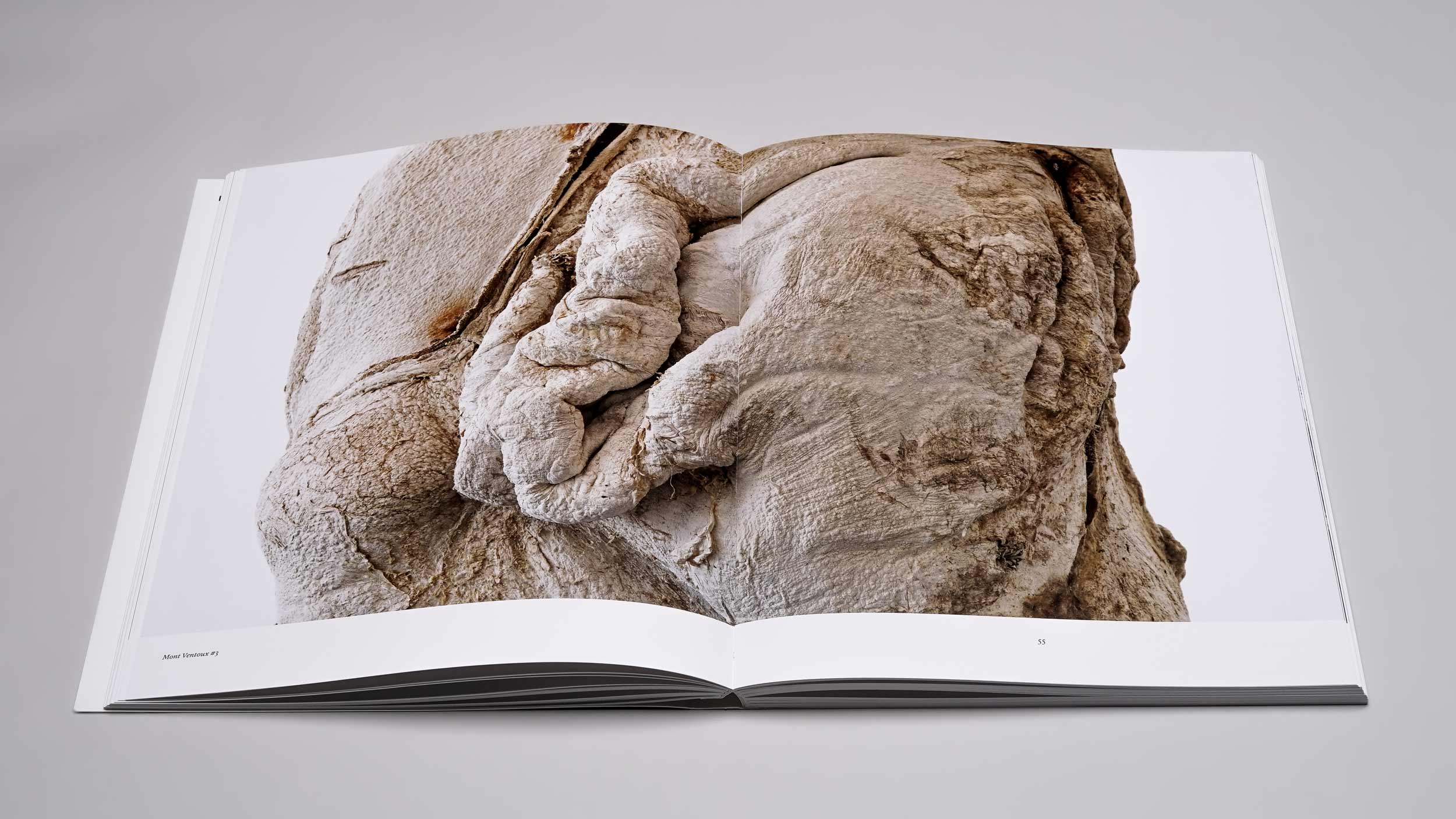
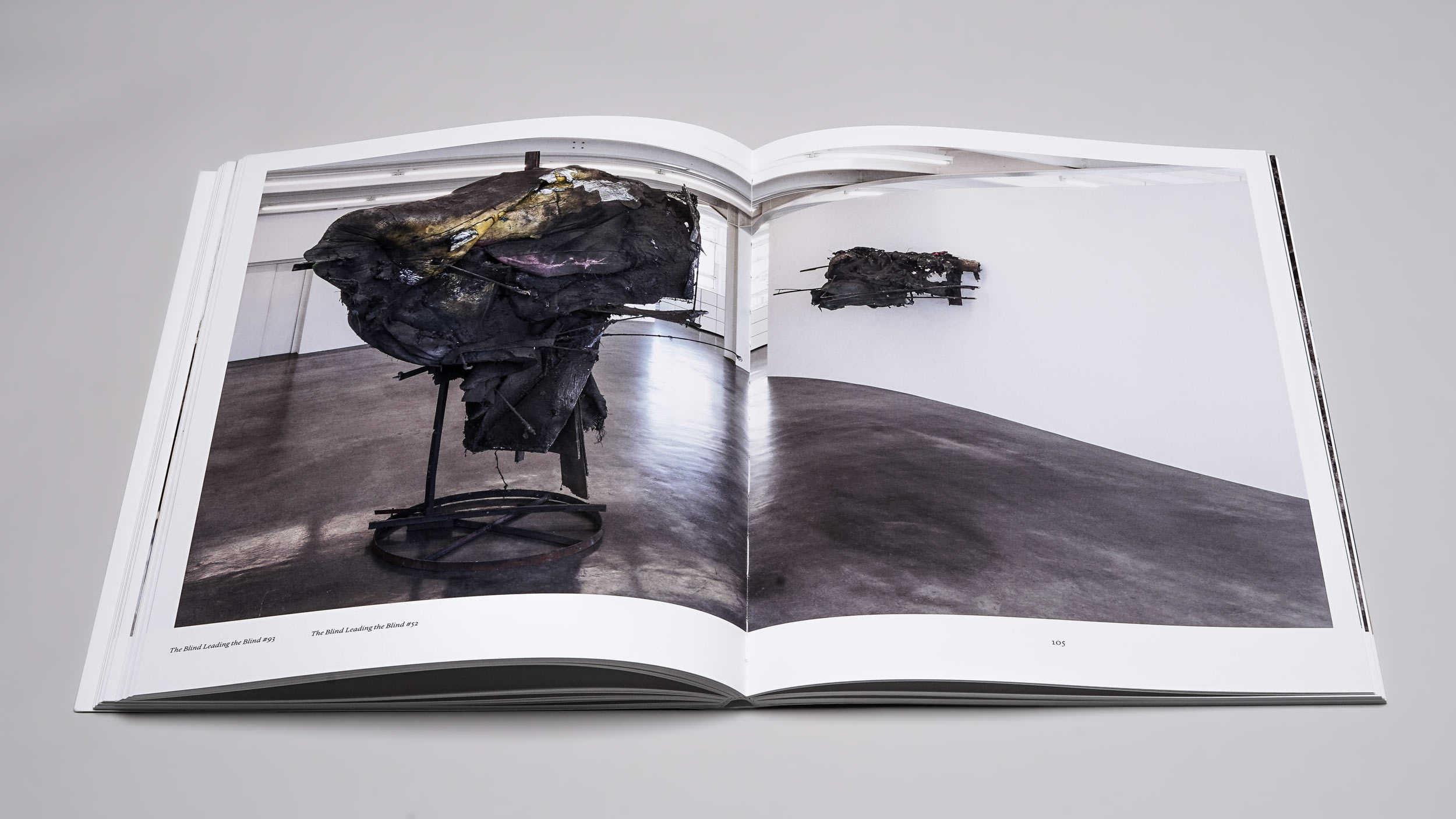
The renowned sculptor Peter Buggenhout (b. 1963, Dendermonde, Belgium; lives and works in Ghent) describes his hybrid pieces as “abject things” that defy classification and even the label “work of art.” He aggregates and manipulates found and discarded objects as well as both technical and organic materials including pig blood, cow stomachs, and horsehair until he achieves a certain degree of abstraction. Buggenhout’s sculptures confront the beholder as creatures that are somehow “off,” exuding an eerie atmosphere by allowing something sinister to rise to the surface that, it appears, lurks just behind the façades of the physical world: vestiges of humanity, society’s sedimented refuse. The book presents a comprehensive survey of his growing oeuvre; it is the first publication to cover his most recent creations in marble.
Peter Buggenhout’s art has been featured at the Palais de Tokyo, Paris; the MoMA PS1, New York; the 2014 Taipei Biennial; and elsewhere.
More books
- Out of stock

Supernatural
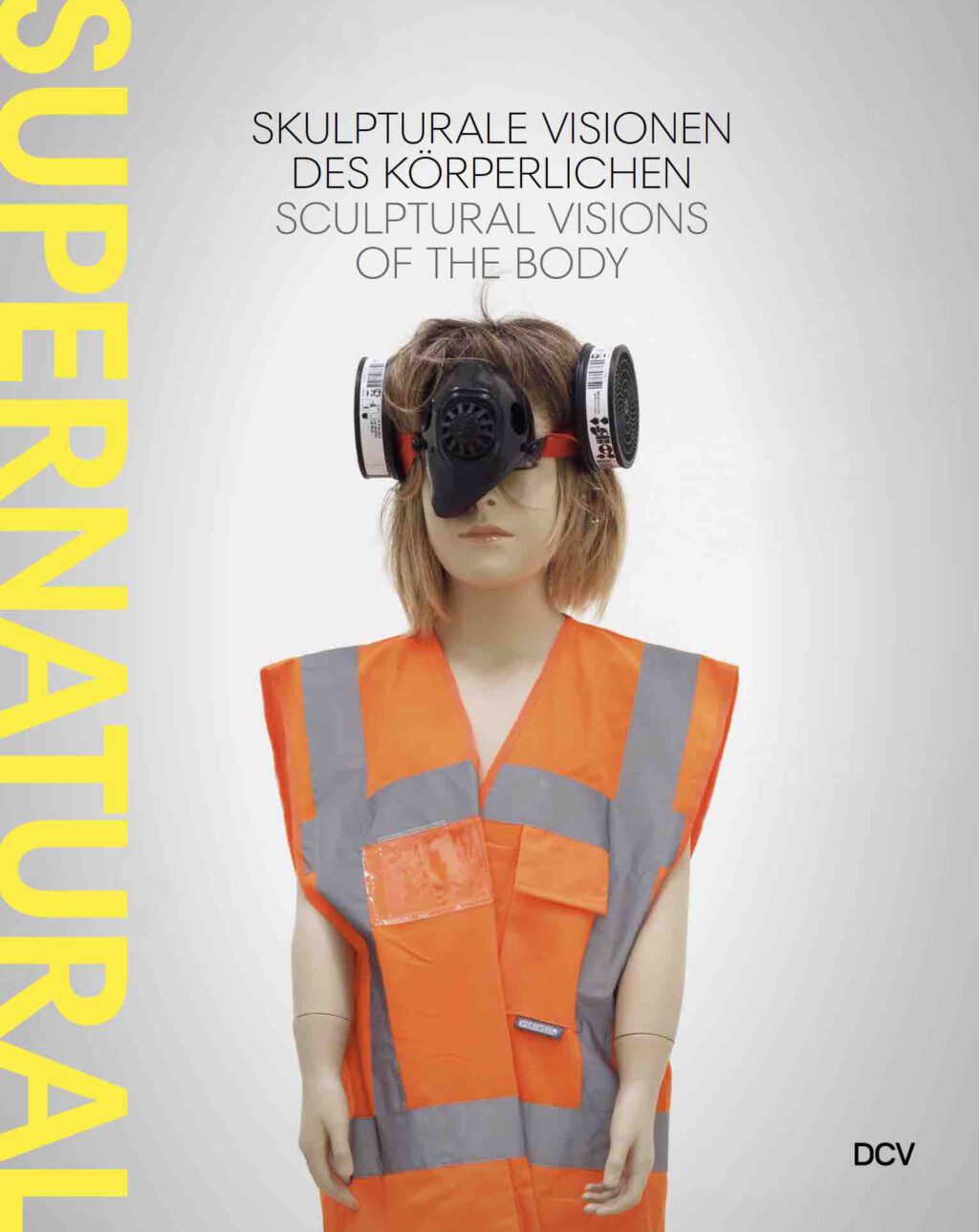
Sculptural Visions of the BodyRead moreThe future of human corporeality in the Anthropocene era
Given the technological development in biogenetics, humans will be able to make existential modifications to all living things, Nature, the animal world and human likenesses in future. What will bodies of the future look like? Who or what will we be? Supernatural offers us some answers in its hyperrealistic and realistic sculptures. These visionary works not only exemplify the impact of the digital revolution and genetic engineering on “posthumans” and the environment, but also illustrate, including in their own hybrid creations, how increasingly blurred the line between nature and culture is now becoming. Technological innovations are also having more and more effects on trends in the latest hyperrealistic sculptures. In using 3D printing to perfect their creation processes and pushing sculptural boundaries to encompass robotics and synthetic biology, artists are opening the door to new design possibilities in artefact, biology and technology for themselves as well.
The book presents works by Anne Carnein, Isa Genzken, Glaser/Kunz, Thomas Grünfeld, Sam Jinks, Josh Kline, Krištof Kintera, Reiner Maria Matysik, Alex May and Anna Dumitriu, Fabien Mérelle, Patricia Piccinini amongst others.
-

Jürgen Claus
To the Oceans with Imagination18€ Add to cartThe Sea as a Space of Artistic Experience
Jürgen Claus’s (b. 1935, Berlin; lives and works in Aachen and Baelen, Belgium) oeuvre encompasses paintings, films, light and solar installations, and underwater art. He is also a prolific writer on art, with theoretical works that have sold over 100,000 copies. “Jürgen Claus is the first one to see the ocean through an artist’s rather than a scientist’s lens,” Michel Ragon writes. In this book, Claus intertwines his experiences working on the fascinating underwater installations with a pressing contemporary concern: the global efforts to restore the seas to health. The publication combines visual art, architecture, poetry, and music for a multifaceted engagement with the world’s oceans.
Jürgen Claus majored in theater studies at the Universität München and was a research associate at the Massachusetts Institute of Technology (MIT) and professor of media art at the Kunsthochschule für Medien Köln, Cologne.
-

6 U L
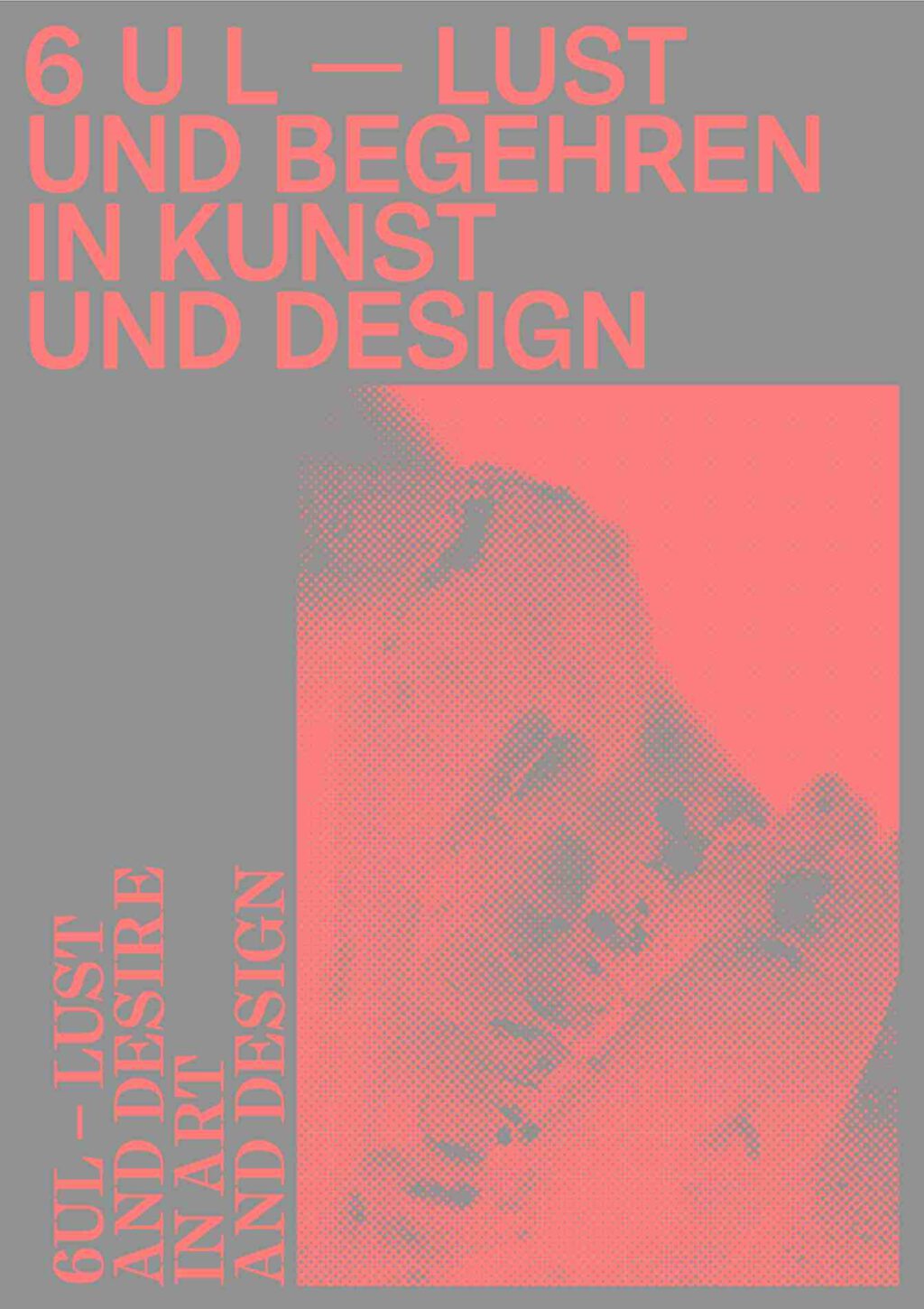
Lust and Desire in Art and Design28€ Add to cart“Whose Jizz is this?” Sechs-u-ell: to make sense of the publication title, trust your college German and your phonetic ear. “Sexual,” here, comprises the entire broad spectrum of what we associate with carnal pleasure. Lust, desire, ecstasy, repression, obsession—the world of art, fashion, and design abounds with specimens of eroticism and sexuality in their infinite variety, shopworn stereotypes be damned. Looking back on the thorough revision of society’s ideas about sexuality in the past three decades, the book inquires into how the works of visual artists, fashion creatives, and designers reflect today’s public debates over biological and social gender roles, power structures, and sexual violence or the fading of taboos over sexual practices. With works and designs by Walter Van Beirendonck, Monica Bonvicini, Tracey Emin, Hans-Peter Feldmann, Jürgen Klauke, Peaches, Cindy Sherman, Kara Walker, Vivienne Westwood, and many more. This book documents a grand exhibition scheduled for the past summer at the GRASSI Museum of Applied Arts, Leipzig, which had to be canceled due to the Covid-19 pandemic.
- temporarily not available

Sonia Gomes
I Rise – I’m a Black Ocean, Leaping and WideRead more“My Work is Black, it is Feminine, and it is Marginal. I‘m a Rebel.”
The biomorphic sculptures of Sonia Gomes (b. 1948, Caetanópolis, Brazil; lives and works in Belo Horizonte, Brazil) have an eerie, almost magical presence. As the daughter of a black mother and a white textile industrialist, she grew up between two worlds. But the African culture and spirituality of her mother and grandmother, as well as an interest in rituals, processions, and myths, made a lasting impact on her life and her later work as an artist. As a teenager, Gomes began deconstructing textiles and items of clothing to create her own style and to make both items for practical use and craft objects. Having previously participated in the 56th Biennale di Venezia in 2015, Sonia Gomes now counts among the most influential artists in Brazil.
-

Peter Buggenhout
Eerie28€ Add to cartAn Autonomous Counterpart
The renowned sculptor Peter Buggenhout (b. 1963, Dendermonde, Belgium; lives and works in Ghent) describes his hybrid pieces as “abject things” that defy classification and even the label “work of art.” He aggregates and manipulates found and discarded objects as well as both technical and organic materials including pig blood, cow stomachs, and horsehair until he achieves a certain degree of abstraction. Buggenhout’s sculptures confront the beholder as creatures that are somehow “off,” exuding an eerie atmosphere by allowing something sinister to rise to the surface that, it appears, lurks just behind the façades of the physical world: vestiges of humanity, society’s sedimented refuse. The book presents a comprehensive survey of his growing oeuvre; it is the first publication to cover his most recent creations in marble.
Peter Buggenhout’s art has been featured at the Palais de Tokyo, Paris; the MoMA PS1, New York; the 2014 Taipei Biennial; and elsewhere.
-

GABRIELE BASCH, GESA LANGE
UND_NEWS_FROM_NOW_HERE18€ Add to cartBeyond Painting
Gabriele Basch’s (b. 1964, Bad Homburg; lives and works in Berlin) cut-outs and Gesa Lange’s (b. 1972, Tongeren, Belgium; lives and works in Hamburg) drawings are meditations on construction and deconstruction as well as doubts and how to overcome them. Both artists expand the range of painting: Basch, with incisions into the medium and a creative handling of the tinged shadows that transform the painted panel into a wall-mounted object; Lange, by embroidering her canvases with colorful threads that open up the pictorial space on all sides. The book presents works by both artists, initiating an animated and dynamic dialogue between their nonrepresentational visual idioms. Gabriele Basch is professor of painting at the Hochschule für Angewandte Wissenschaften Hamburg. Gesa Lange is professor of graphic art at the Hochschule für Angewandte Wissenschaften Hamburg. She has received the Kunsthalle Rostock Prize and other awards.
-

Christian Boltanski
Die Zwangsarbeiter – Erinnerung in der Völklinger Hütte27,50€ Add to cartErinnerungen | Souvenirs | Memoirs
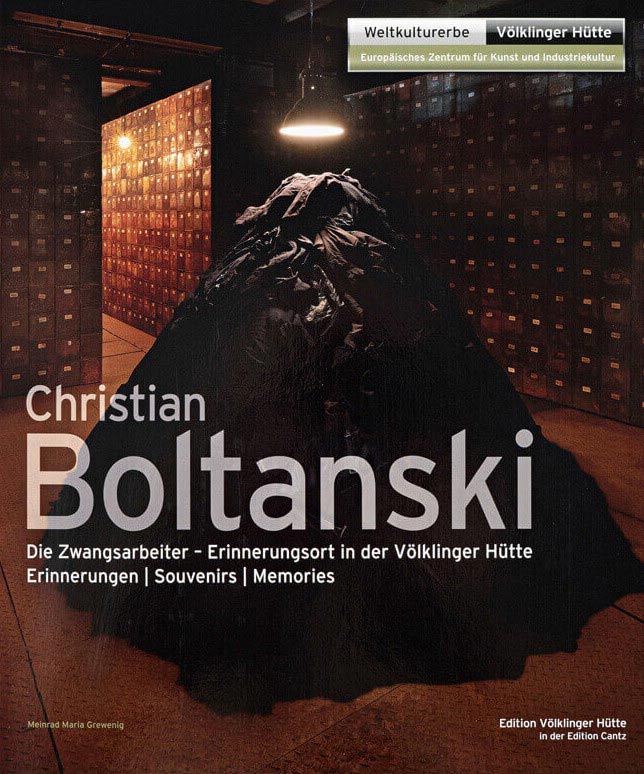
Christian Boltanski (b. 1944, Paris; lives and works in Paris) combines industrial architecture with relics of the working culture in his impressive installation for the Völklingen ironworks – a highly emotional approach to the subject of forced labor.
-

Zwischen Freiheit und Moderne
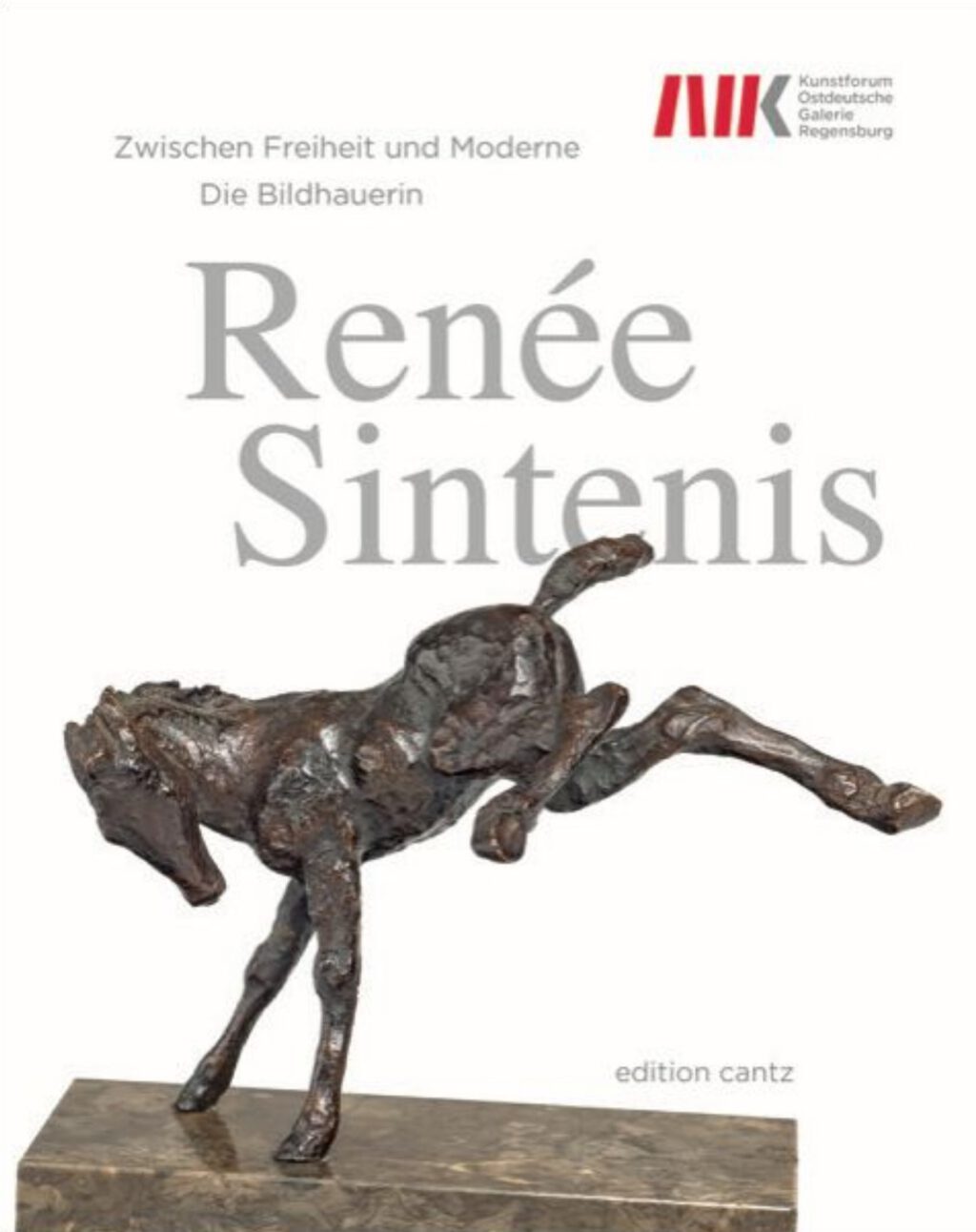
Die Bildhauerin Renée Sintenis29€ Read moreThe Successful Sculptor and Symbol of the “Neue Frau”
Renée Sintenis (b. 1888, Glatz; d. 1965, Berlin) belongs to the first generation of professional female sculptors at the beginning of the twentieth century. She made skillful use of her business relations with her gallerist Alfred Flechtheim, who introduced her to collectors in Paris, London, and New York. The market for, in particular, her lively, small animal sculptures was quite lucrative. These experienced renewed popularity in the 1950s through her Berlin Bear statuette, which has been presented in a small version at the Berlin International Film Festival since 1960. The catalog sheds light on the sculptor’s diverse oeuvre and provides insight into the self-image of one of the most successful women artists of the Weimar Republic, who embodied the type “Neue Frau” (new woman) due to her dazzling appearance.
-

Michael Bielicky
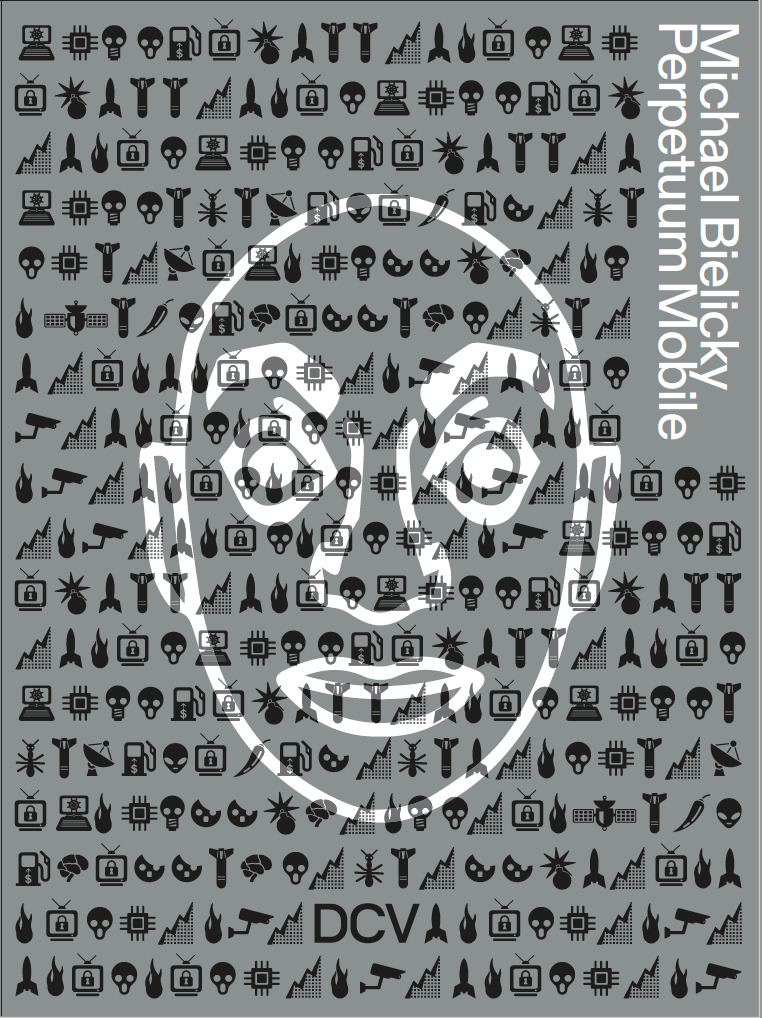
Perpetuum mobile54€ Add to cartContemporary Media Art
The German-Czech artist Michael Bielicky (b. Prague, 1954; lives and works in Karlsruhe) has been an innovator in the fields of photography, video, and web-based installation art for over four decades. In an ongoing dialogue with emerging technological developments, his works probe the history of his media from the deepest strata to the magical mathematical practices of the medieval Cabalists: idiosyncratic hybrids that straddle the boundary between the analog and digital worlds. Operating on the interfaces between real and virtual spaces, his media art prompts a critical reflection on the nature of technology, its material and immaterial significations, and the ways in which it informs our perceptions and actions. The book Perpetuum mobile is the first to offer a comprehensive survey of Bielicky’s rich and diverse oeuvre. The layout, designed by the artist himself, integrates the experimental images into a graphic “stream of consciousness.”
Michael Bielicky moved to Germany in 1969 and initially studied medicine. After an extended stay in New York, he studied at the Düsseldorf Academy of Fine Arts from 1984 until 1990, first with Bernd Becher and then in Nam June Paik’s master class. He was made professor at the Academy of Fine Arts Prague in 1991, then professor of new media at the Karlsruhe University of Arts and Design in 2006. Bielicky participated in numerous major exhibitions, including the São Paulo Biennial (1987); Videonale, Bonn (1988, 1990, 1992); Ars Electronica, Linz (1992, 1994, 1995); and the Havana Biennial (2012).
- Release November 2022

X x X
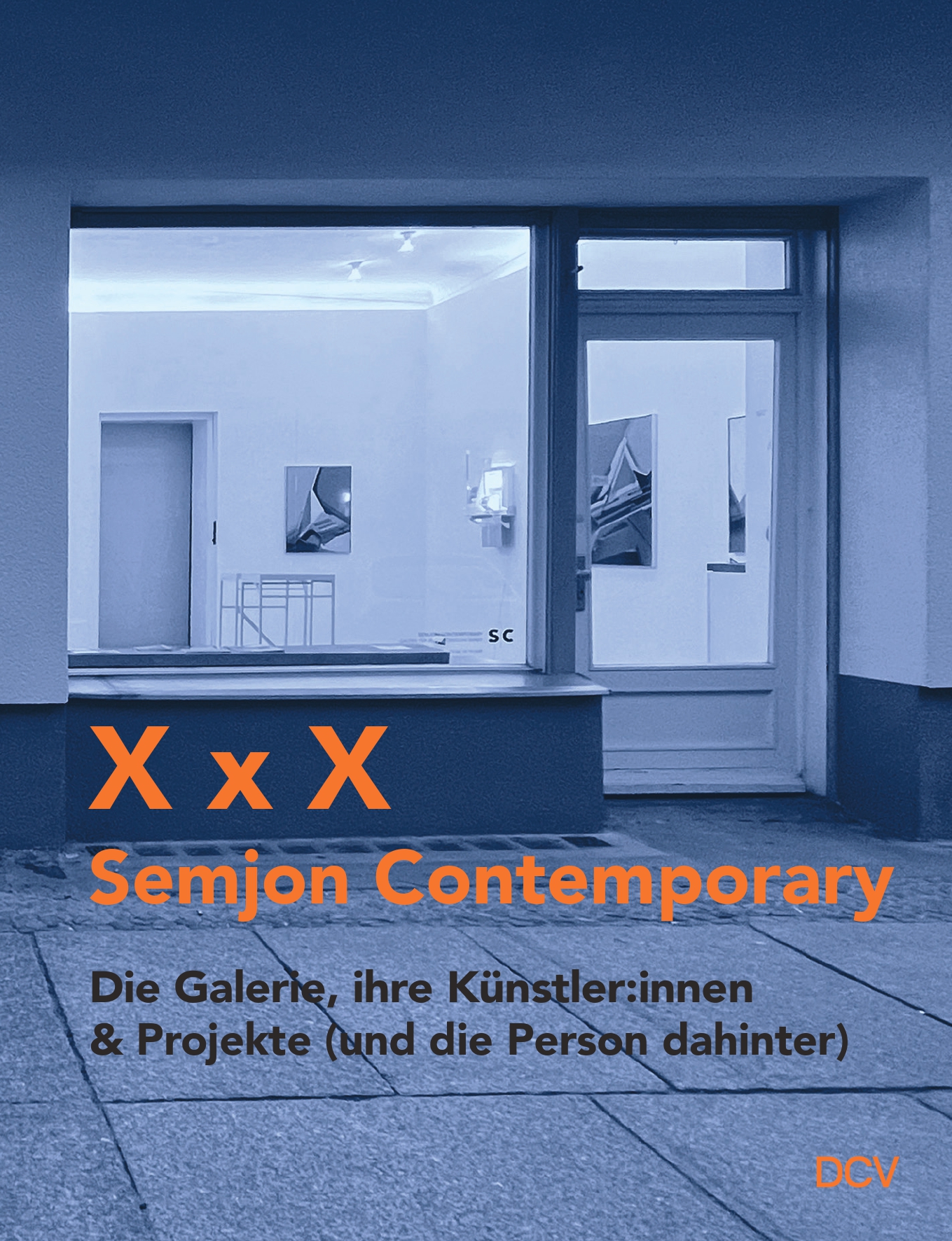
Semjon Contemporary50€ Add to cartFounded by Semjon H. N. Semjon in 2011, the gallery Semjon Contemporary has built a distinctive and singular profile that has earned it an unrivaled position in the art world. It represents international positions in contemporary art that, their divergences notwithstanding, are united by the extraordinary intelligence of their engagement with the material. The result is an unmistakable visual language that permits of no modification of established choices. Despite the considerable differences of material, technique, and expression, the artists’ works enter into dialogue with one another, as parallel solo presentations and special exhibitions showcasing numerous visiting artists have demonstrated.
The book features Colin Ardley, Edward L. Buchanan, Takayuki Daikoku, Dittmar Danner aka Krüger, Ute Essig, Experimental Setup (Kata Hinterlechner and Bosko Gastager’s collective moniker), Katja Flint, Andreas Fux, Dave Grossmann, Renate Hampke, Marc von der Hocht, Nataly Hocke, Michael Kutschbach, Henrik U. Müller, Cornelia Nagel, Susanne Knaack, Katja Kollowa, Susanne Pomrehn, Thomas Prochnow, Dirk Rathke, Ursula Sax, Gerda Schütte, Gil Shachar, Li Silberberg, Karina Spechter, Klaus Steinmann, Stefan Thiel, Hitomi Uchikura, Royden Watson, and Bettina Weiß in dedicated chapters. It is rounded out by statements from collectors including Thomas Lenhart, Cornelie Kunkat, Gabriele Quandt, Roland Schnell, Nobert Fuhr and Klaus Werner, Roswitha and Jürgen König, and Helmut Ließ. Remarks by art critics and scholars and an interview with Semjon by Jan Maruhn provide additional insight into the gallery’s work.
-

Freeters
HELP! Artistic Intelligence38€ Add to cartFREETERS stands for an artist collective that designs, creates, transforms and plays with spaces, for and with the people who experience their time there. The artistic intelligence used in the process transforms into spaces for thinking, working, living, playing and learning, creating identity, emotion and inspiration.
This book is about the mediation of artistic thinking and artistic action in processes. The artistic practice of Freeters is characterized by strategies of thought and action that are needed in a society with constantly changing conditions, in a working world that overturns itself in its dynamics. The necessity of shaping the present through artistic thought and action can no longer be limited to the art context.
FREETERS’ AI approach should be understood less as a scientific methodology and more as a call not to reduce our intelligence to only rational thought processes with a utility maxim. Of course, AI has already made impressive progress in many areas of our public services via the hard components of machine learning. However, it is doubtful whether this approach alone can really give rise to a superintelligence that will one day create a resource-saving paradise on earth. Nor is it guaranteed that we as Homo Sapiens will be assigned a place in this paradise by such a unilaterally gifted superintelligence. Cognitively, this machine will be superior to us in any case – only the necessary feeling of happiness of a consensual coexistence does not seem quite conceivable.
-

Louise Hindsgavl
Conversation Pieces68€ Add to cartThe Danish sculptor Louise Hindsgavl (born 1973, lives in Copenhagen) is known for hybrid figurines made of porcelain and glazed stoneware: half animal, half human. Only their material evokes the idealized and kitschy scenes traditionally rendered in porcelain; however, Hindsgavl’s “sculptural collisions” tell of disturbing encounters between tormented beast-like people. For that she draws from brutal folktales of the past as much as from the ubiquitous “fairytales” of today’s social media that normalize violence, sexual abuse, and self-harm. Using one of the most fragile materials, she brings these trends into focus for discussion, calling her sculptures Conversation Pieces—which is also the title of this interesting and provocative book.
- Release January 2026

PULS 22
36€ Add to cartPULS, an initiative of Bukarest’s National Museum for Contemporary Art (MNAC) began during the COVID-crisis. Since then, the museum supports Romanian artists by biennially purchasing more than 100 relevant creative works, carefully selected from a large pool of submissions by a democratic jury of artists and art professionals. PULS22 showcases in book-form MNAC’s most recent acquisitions and their subsequent exhibition. This volume, like the former PULS20, is an exciting panoramic snapshot of the country’s dynamic multigenerational art scene. The installation shots speak of an outstanding exhibition and the potential for future loans to curated shows elsewhere.
-
Clemens Krauss
Antidot | Gegengift40€ Add to cartClemens Krauss restlessly shuttles across history; his vehicles are painting, video art, sculpture, and performance. Yet Krauss is not “just” an artist, he is also a psychoanalyst and physician. As such, he has first-hand experience of time as the defining factor of existence, daring him to play with it. The bosom of painting is where he feels safest after his hazardous excursions back into his youth and forward into death. Executed in thick paints, his work is physical, material, which is also to say, it exists in time: everything passes away, even the picture. Evanescent, more than anything, are encounters of the sort Krauss stages as part of his psychoanalytical practice; all that remains is the indelible impression they leave. To be indelible, to recall the past, while also “letting happen what has never happened,” as he puts it, these are the ambitions he pursues in his art. Preserved between the covers of the present catalogue and reproduced in thousands of copies, his works now fan out in an instant to circulate for an indeterminate period of time among countless hands, whence they will effortlessly penetrate the barriers of our inner lives to bring us one step closer to transcendence.
-
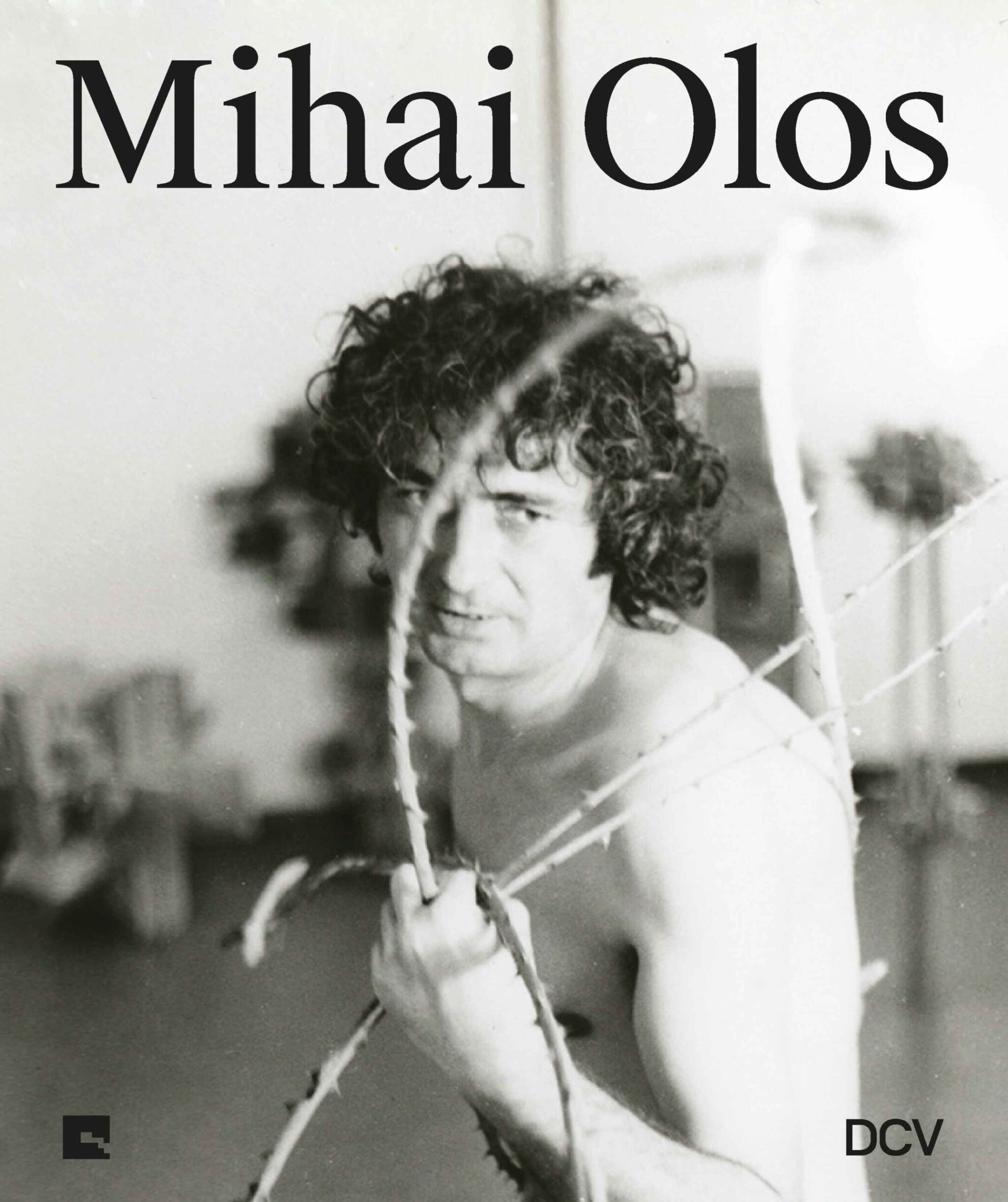
Mihai Olos
42€ Add to cartMihai Olos (b. Ariniș, Romania, 1940; d. Endingen am Kaiserstuhl, 2015) ranks among the most fascinating artists of the second half of the twentieth century. His adaptations of the formal vocabulary pioneered by Constantin Brâncuși are unrivaled in their creative originality. His works evince an utterly novel approach to the combination of materials from the culture of rural Romania with the visual strategies of modernism. His formidable oeuvre engages with conceptual and minimal art and comprises paintings, drawings, and sculptures, sometimes in the dimensions of land-art projects, as well as performances and poetry. Despite the constraints imposed by the communist system, his art and travels—during which he also met his kindred spirit Joseph Beuys—were dedicated to the unerring pursuit of his vision of social sculpture and radical utopian architecture.
- Out of stock

Karsten Födinger
Toward a Radical Sculpture42€ Read moreHarnessing the Formative Power of Gravity
Typically made of basic construction materials, the works of Karsten Födinger (b. Mönchengladbach, Germany, 1978; lives and works in Berlin) bridge the divide between architecture and sculpture. Ideas relating to the durability and load-bearing capacity of structures are a key interest in his creative process. Besides large sculptures destined for interior settings, Födinger makes striking sculptural interventions in public spaces that take inspiration from the specific site and always engage with its historical and cultural context. Untainted by romanticism, his sculptures symbolize the approach to a foreseeable end that is hastened by the uncontrolled exploitation of the earth’s resources. With numerous illustrations and essays, this first extensive monograph on the artist presents a comprehensive survey of his sizable oeuvre.
Födinger’s works have been presented in numerous solo exhibitions, including at Antenna Space, Shanghai, and the Palais de Tokyo, Paris. In 2012, he was awarded the Baloise Art Prize at Art Basel Statements.
-

Glückliche Tage
32€ Add to cartWe see in contrasts. Freedom from pain follows pain, and felicity is the more radiant after a period of misfortune. Happiness, that is to say, displaces unhappiness and is perhaps its recompense; what is certain is that, as antonyms, they are (at least in this world) inconceivable without each other. The contrast they form also underlies the tensions inherent in the works in this catalogue. Some take us straight from the pinnacle of happiness down into the abyss, while in others the gradients of ascent or descent are so gentle that no culmination is perceptible. What all oeuvres gathered in the book have in common is that they furnish the human being, a social creature, with an experience of resonance. Happiness and unhappiness reverberate between the art and the beholders, leaving, in the best case, a lasting impression. Opening the catalogue—a metaphor for the human condition materialized in paper—one overhears this serenely melancholy echo of the works.
Artists: Rui Chafes, Tamara Eckhardt, Nan Goldin, Felix Gonzalez-Torres, Barbara Hammer, Carsten Höller, Ken Lum, Johanna von Monkiewitsch, Yoko Ono, Heike Weber, Stefan Wissel
With contributions by: Yevgenia Belorusets, Nell Sophie Bender, Elias Bendfeldt, Laura Berestecki, Annabella Ernst, Annika Gaeth, Hristina Georgieva, Markus Heinzelmann, Malwin Kraßnigg, Max Florian Kühlem, Natascha Laurier, Martin Middeke, Navaz Roomi-Mirhosseini, Vanessa Joan Müller, Julia Neumann, Martin Paul, Caroline Planert, Maike Prause, Arne Rautenberg, Kira Sophie Röller, Gina Marie Schwenzfeier
-

GETA BRĂTESCU
Film and Video 1977–201842€ Add to cartGeta Brătescu (b. Ploiești, 1926; d. Bucharest, 2018) is now widely regarded as one of Eastern Europe’s most important avant-gardists. In the Western art world, however, she was largely obscure until her participation in documenta 14 in 2017 and the Venice Biennale of the same year. Questions of abstraction, the political potential of the image, and the subjective experience of self, memory, and history inform her stylistically diverse oeuvre in a wide range of media, which evolved under the repressive conditions of the Ceaușescu regime yet kept pace with the discourses of the Western avant-gardes. This richly illustrated volume focuses on her collages and drawings as well as her works on film and video from the late 1970s until her death.
-

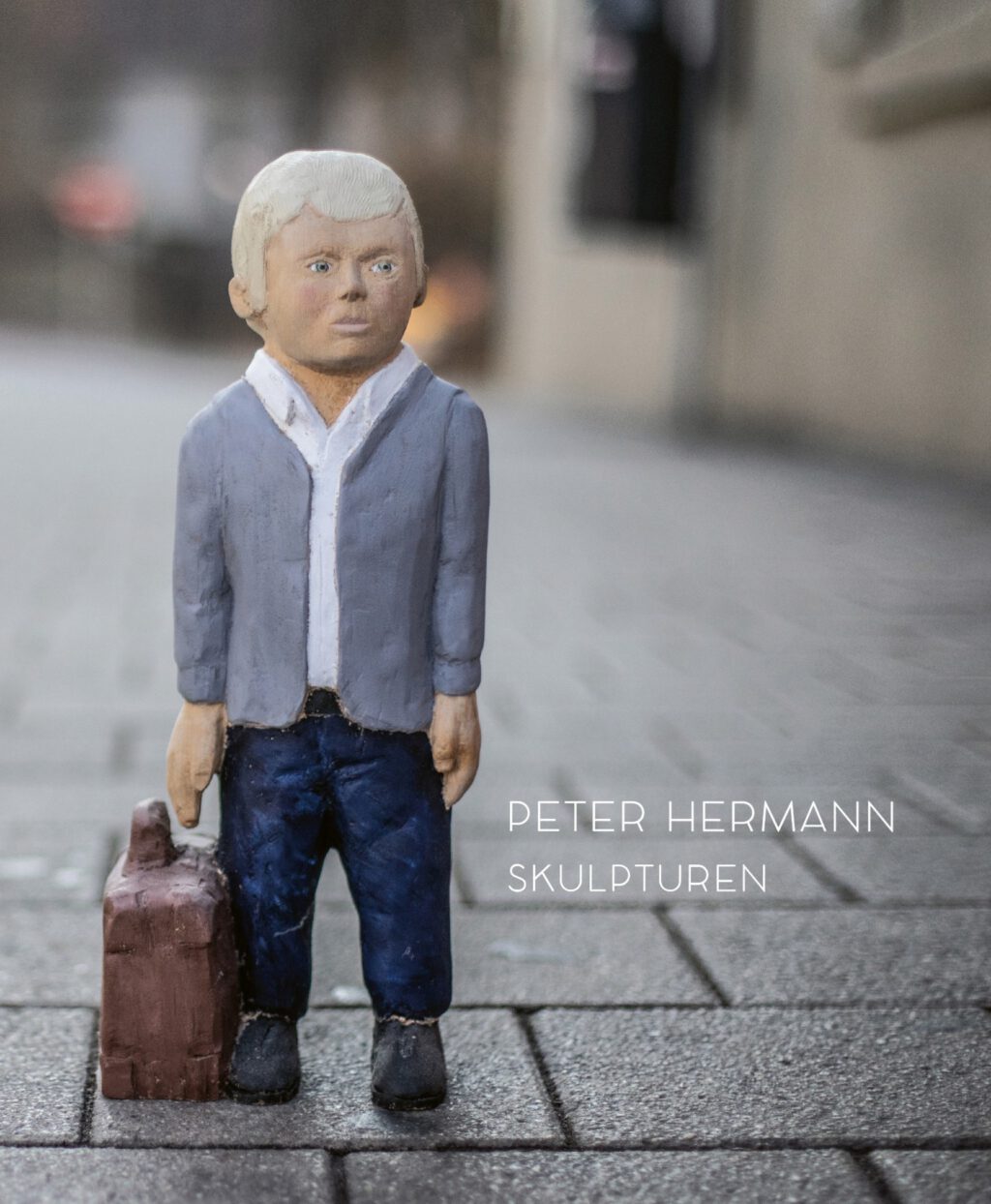
Peter Hermann
Skulpturen24€ Add to cartDefying the Classical Canon
The figures of Peter Hermann (b. 1962, Bietigheim; lives and works in Ludwigsburg) stand and gaze. Made of limewood or bronze, his sculptures are precisely crafted in the manner of the old masters and thus stand in opposition to other contemporary positions. Nevertheless, in their static severity, their shortened and slightly caricatured limbs, and with a certain irony that accompanies this, they also defy the classical canon of figurative sculpture. Peter Hermann finds his themes in everyday life and succeeds in letting this apparent everydayness vibrate further in the encounter between the artwork and the viewer.
- Release September 2025

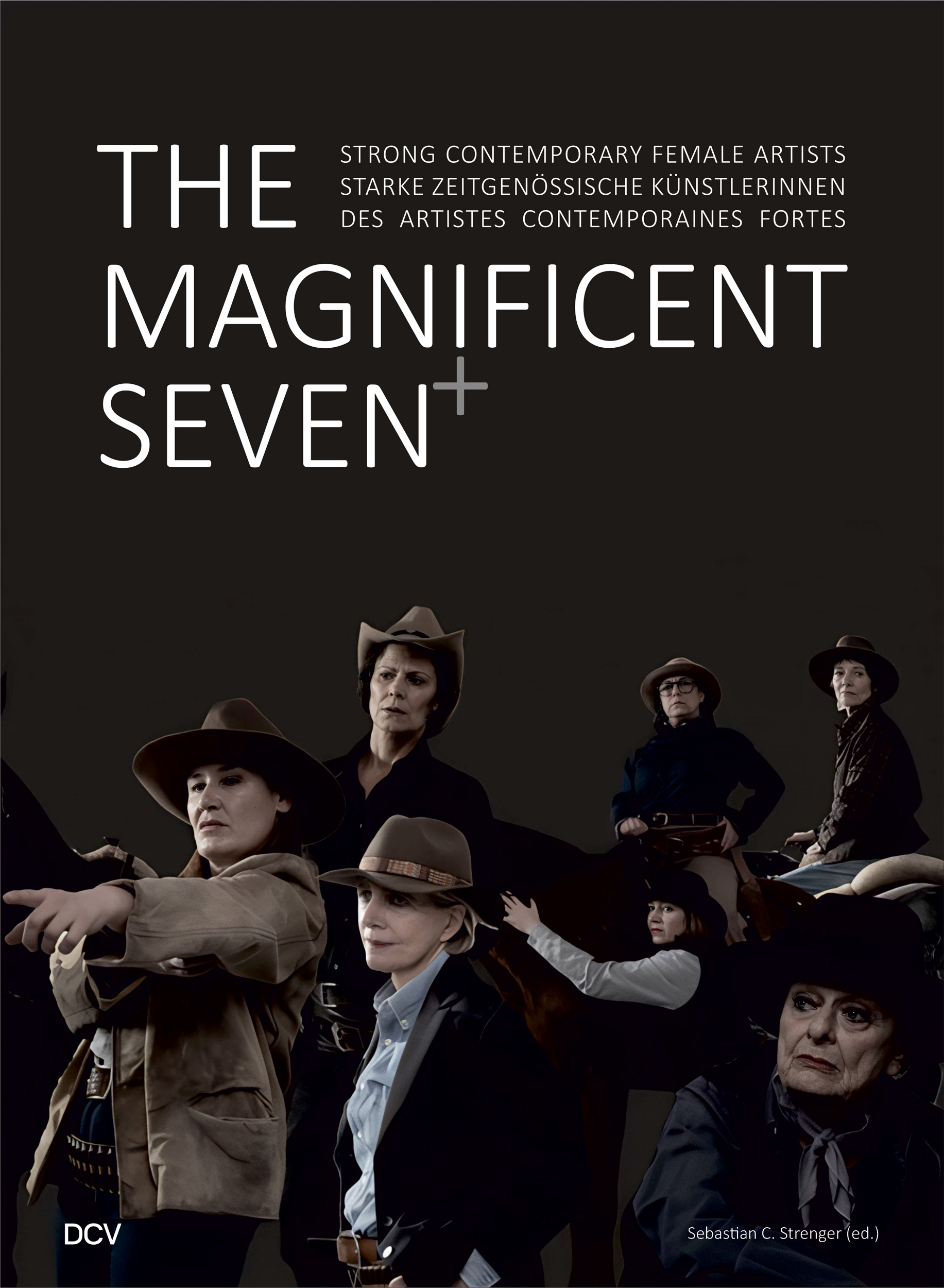
The Magnificent Seven+
Strong Contemporary Female Artists44€ Add to cartWhen The Magnificent Seven hit the silver screen in 1960, heroism was firmly men’s business. Now it is women artists who are redefining the art world with visionary energy. Sebastian C. Strenger portrays outstanding women making art today, including Ingeborg Lüscher, Elfie Semotan, Xenia Hausner, Valérie Favre, Sandra Vásquez de la Horra, and Cristina Lucas. Their works question power structures, play with identity, or deconstruct prevailing narratives. Their art is figurative or abstract, narrative or conceptual, political or introspective. These women are changing the art market and dominate the new canon at international institutions by calling existing structures in question and opening up spaces for fresh thinking.