Alexandru Chira
 | |
|---|---|
| Editor(s) | Călin Dan, Mălina Ionescu |
| Author(s) | Ionuț Cioană, Alexandru Chira, Călin Dan, Mălina Ionescu, Diana Marincu, Alexandra Titu |
| Design | Radu Manelici, Andrei Turenici |
| Cover | Softcover |
| Size | 23,5 x 28 cm |
| Pages | 416 |
| Illustrations | 749 |
| Language(s) | English, Romanian |
| ISBN | 978-3-96912-103-0 |
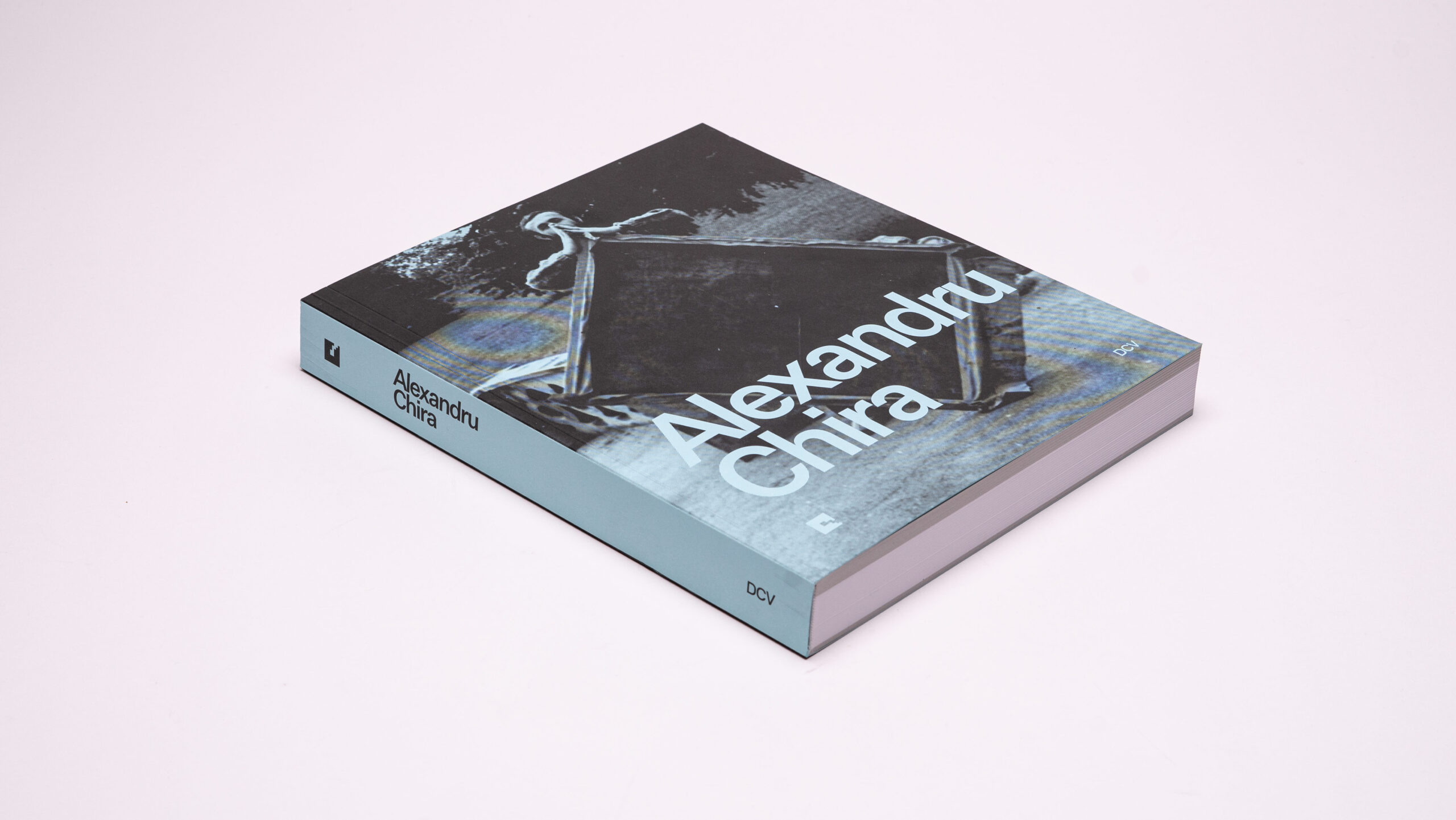
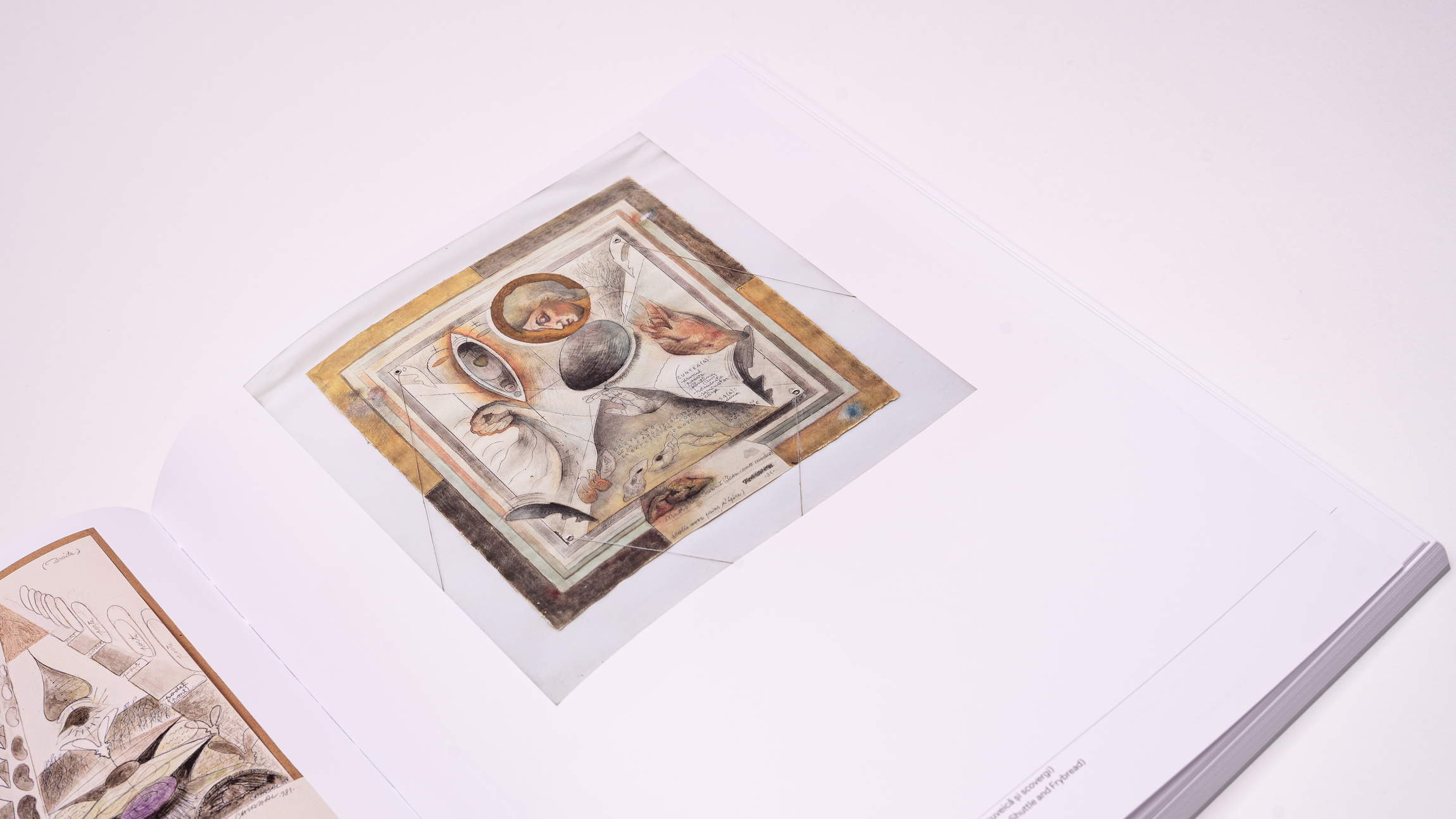
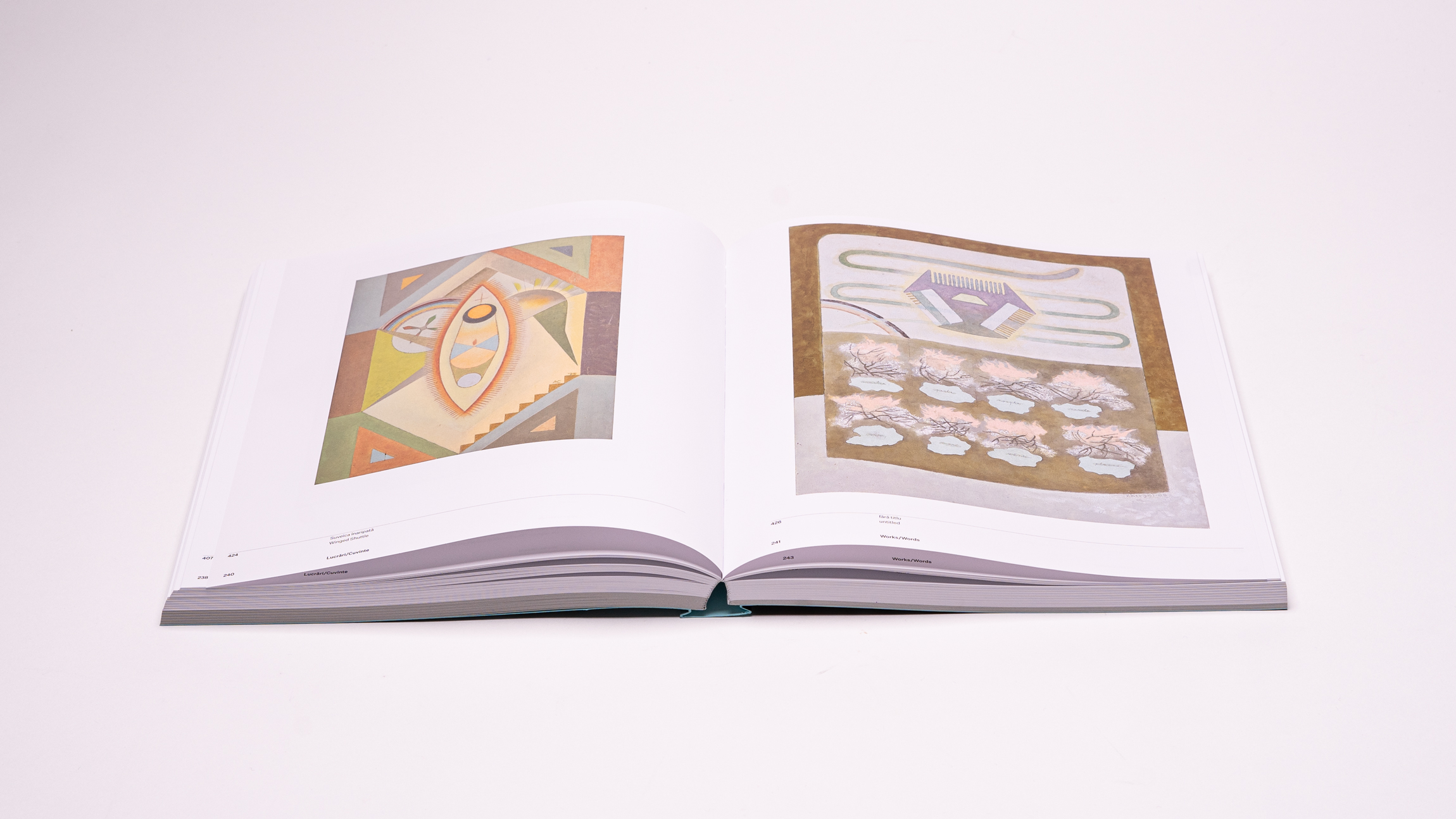
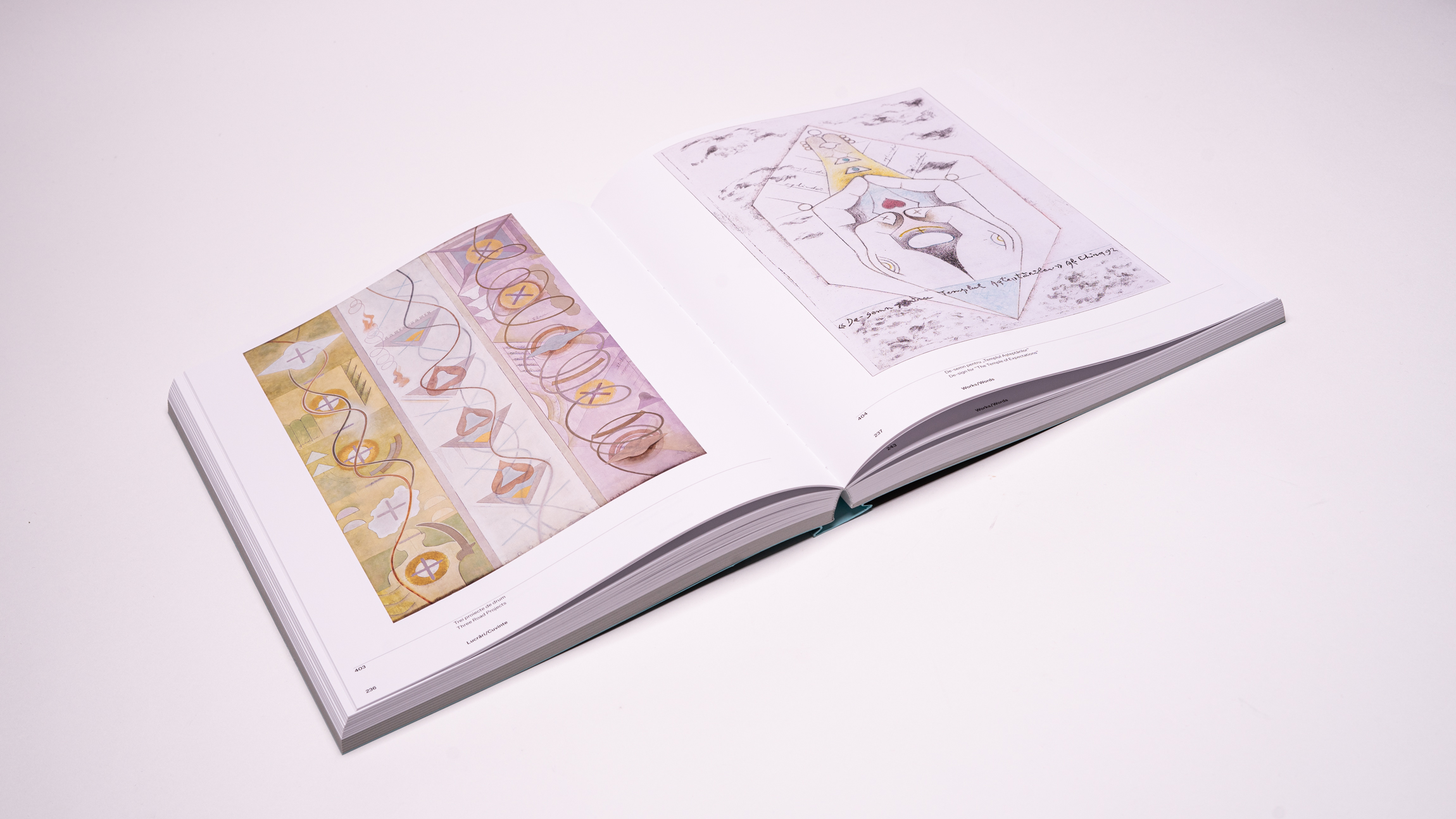
Alexandru Chira’s (b. Tăușeni, Romania, 1947; d. Bucharest, 2011) oeuvre systematically and comprehensively maps a fictional field of research. His paintings, drawings, and objects, whose individual elements recall switches, screens, keyboards, and levers, were designed to “bring rain and rainbows,” to promote prosperity and prevent floods. Working in his art laboratory, Chira resembled a farmer tilling his field. He sowed symbols across his paintings, sometimes transplanted them to create new semiotic interconnections, then reaped them and stored up his harvest in painted machines of varying shapes and dimensions. In the 1990s—by then Chira held a professorship and was a widely recognized artist—he fulfilled a lifelong dream by building the “Tăușeni Ensemble,” the largest monument single-handedly created by one man in Transylvania. Much of his oeuvre accordingly consists of sketches and elaborations relating to the monument. In the course of his decades-long fascination with an agrarian aesthetic, architecture, design, astronomy, history, magic, ufology, mysticism, shamanism, and theosophy fused, yielding a kind of practical knowledge as well as spiritual speculations sustaining his endeavor.
The extensive monograph with more than 750 illustrations surveys Alexandru Chira’s output of four decades and synthesizes years of research undertaken at the National Museum of Contemporary Art in Bucharest. It contains numerous transcriptions of textual parentheses, legends, and instructions on how to decode the works and poetic fragments embedded in Chira’s pictures.
More books
-

Cornelia Baltes
Dingbats44€ Add to cartCornelia Baltes’s (b. Mönchengladbach, 1978; lives and works in Berlin) paintings and installation straddle the divide between abstraction and figuration. Her pictures are inspired by observations of mundane details—apparel, body parts, or facial expressions—that she pares down to simple lines and shapes. Rendered in vibrant colors and gestural fields, they hint at a narrative in the pictorial space. Baltes works with steadily modulated color gradients, on which she places thick and assertive marks. She often interrogates the painted picture’s function, by painting on the wall beyond the rectangle of the canvas, by hanging a picture in the middle of the room as an object in its own right or laying it out on the floor. Her works blend Pop Art and minimalism with an intensity and dynamic energy—and, sometimes, unmistakable flashes of humor—that cannot fail to captivate the beholder.
This book is the first comprehensive monograph on the artist’s oeuvre.
Cornelia Baltes studied at Bergische Universität Wuppertal in 2000–2003 and at Folkwang Universität der Künste, Essen, in 2003–2006, before rounding out her education at the Slade School of Fine Art, London, in 2009–2011.
- temporarily not available

Dissonance
Platform GermanyRead moreA Changed Vision—New Painting from Germany
Post-reunification Germany has emerged as an important forum for international painting. The generation of artists born in the 1970s and 1980s eschew alignment with collective tendencies and resist clearly definable influences. Meanwhile, their art has registered the cultural and sociological dislocations and divergences since the fall of the Iron Curtain with seismographic precision.
The editors of Dissonance – Platform Germany present eighty-one of the most significant painters living and working in Germany in the past two decades. They have the courage of strong opinions, turn the spotlight on unsuspected treasures, and tease out the unexpected value in aesthetically thrilling achievements of programmatic pluralism. A vital survey of one of the most exciting chapters in the more recent history of art in Germany.
Some of the presented artists have graciously agreed to allow DCV to release limited editions of their works, which you can find here.
-

Maria Balea & George Crîngașu
The Mythenstein Project18€ Add to cartMaria Balea (b. Sighetu Marmației, 1990; lives and works in Cluj-Napoca, Romania) and George Crîngașu (b. Focșani, 1988; lives and works in Cluj-Napoca and Rome) are among the youngest members of the School of Cluj, which has attained international renown in Adrian Ghenie, Hortensia Mi Kafchin, and Ciprian Mureșan. The overarching theme in their works in a range of media is the lived reality of today’s young people between a physical world defined by uncertainties and a virtual parallel universe whose boundless possibilities make it a fascinating yet also often deceptive safe haven. Both artists roam this dizzying kaleidoscope of worlds on a quest for beauty: Balea, through a romantically idealized focus on remnants of untouched or deserted nature; Crîngașu, by abandoning himself to the graphical possibilities of the digital realm, where beauty is often bound up with the bending of natural laws and the physical impossibility of architecture. Yet both, the retreat to an ostensibly natural state and the escape into garish artificiality, are overshadowed by a nameless menace.
-

SERIES
Prints from Warhol to Wool40€ Add to cartA Creative Strategy and Technique of Modernism
Series are open systems, telling stories, toying with rhythms, permitting variations, and documenting creative processes. Andy Warhol’s famous silkscreen prints made the serial iteration of images his trademark stratagem. In the mid-1960s, Pop Art and Fluxus had established the fine art print as a medium in which seminal work was being done. New graphic techniques such as serigraphy and offset printing, used with aggressive colors and punchy motifs, not only allowed for large numbers of copies, they also opened the door to an unprecedented engagement with the imagery of popular print and advertising media. Opening with an inquiry into how serial fine art prints are made, the book presents and contextualizes the explosive visual and political energy of graphic series. The numerous illustrations and essays are rounded out by an interview with Thomas Schütte and Ellen Sturm.
With works by Josef Albers, Joseph Beuys, Ulla von Brandenburg, John Cage, Helen Cammock, Nina Canell, Jim Dine, Dan Flavin, David Hockney, Jenny Holzer, Olav Christopher Jenssen, Donald Judd, Ronald B. Kitaj, Maria Lassnig, Sol LeWitt, Roy Lichtenstein, Richard Lindner, Robert Mangold, Brice Marden, Stefan Marx, Bruce Nauman, Dennis Oppenheim, Nam June Paik, Sigmar Polke, Gerhard Richter, Dieter Roth, Fred Sandback, Nora Schultz, Thomas Schütte, Dasha Shishkin, Frank Stella, Rosemarie Trockel, Victor Vasarely, Wolf Vostell, Andy Warhol, Corinne Wasmuht, Emmett Williams, Christopher Wool, and others.
-

Peter Hermann
Skulpturen24€ Add to cartDefying the Classical Canon
The figures of Peter Hermann (b. 1962, Bietigheim; lives and works in Ludwigsburg) stand and gaze. Made of limewood or bronze, his sculptures are precisely crafted in the manner of the old masters and thus stand in opposition to other contemporary positions. Nevertheless, in their static severity, their shortened and slightly caricatured limbs, and with a certain irony that accompanies this, they also defy the classical canon of figurative sculpture. Peter Hermann finds his themes in everyday life and succeeds in letting this apparent everydayness vibrate further in the encounter between the artwork and the viewer.
- Release January 2026

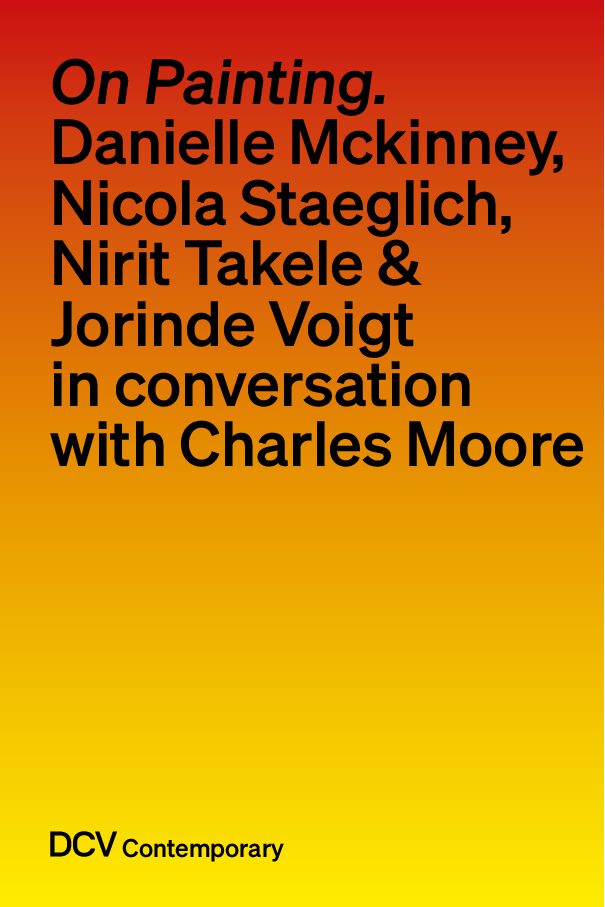
Charles Moore
On painting16€ Add to cartFor On Painting, New York-based art historian and curator Charles Moore, interviewed four women artists about their practice, asking them to reveal their motives and aspirations. This publication consists of four interviews, each containing an introduction by Moore and illustrations of the artist’s works. Danielle Mckinney, who paints exclusively Black women, reflects on her experiences as a woman growing up in the US South. Nicola Staeglich creates subtle layered abstract works to evoke new perspectives and the potential for change. Nirit Takele elaborates on how her Ethiopian Jewish heritage has shaped her painting practice. Jorinde Voigt, who creates complex installations inspired by notation systems, discusses the use of algorithms and the beauty to be found in the unexpected.
-

Franziska Windisch
Walk with a wire14€ Add to cartThe interweaving of traces, sounds, and movements in an impressive work of sound art
The narrow brown magnetic tape of an audio cassette runs through a half-opened hand, slides through the fingers, is palpated in constant motion, and finally falls to the ground. The hand and its touching, particles of sand and small stones leave their traces and, when the tape is played, generate a multi-layered soundscape with crackling and background noises.
In her performative action in the ruins of the city of Messene in the Peloponnese region of Greece, Franziska Windisch (b. 1983) thematizes aspects of repetition and recording. Her artistic examination of the vestiges of the ancient urban space, the reciprocal transition from traces to writing in her video documentation, and the graphic element of the line visible on the ground lead to a reflection on temporality, dissolution, and decay. -
Wyatt Kahn
Paintings and Sculptures36€ Add to cartWyatt Kahn’s (b. New York, 1983; lives and works in New York) work hovers between two and three dimensions, reviving aspects of American 1960s Minimal Art. In the tradition of minimalist abstraction, his multipart paintings seem devoid of content, but their construction is a sophisticated choreography of geometric shapes. Instead of delineating them on the canvas itself, he transforms them into physical elements composed of canvas stretched over strips of wood that he mounts on the wall as reliefs, making the latter an integral part of the composition. Working on the interface between painting and sculpture, the artist also references Ellsworth Kelly’s single and multiple shaped canvases.
Wyatt Kahn’s works are held by major collections including the Metropolitan Museum of Art, New York; the Museum of Modern Art, New York; the Whitney Museum of American Art, New York; the Centre Pompidou, Paris; the Museum of Contemporary Art, Los Angeles; the Dallas Museum of Art; the Museum of Contemporary Art, Chicago; and the Albright-Knox Art Gallery, Buffalo.
-

Elias Sime
Echo የገደል ማሚቶ35€ Add to cartEthiopia’s multi-award-winning artist Elias Sime (born 1968 in Addis Ababa) impresses with monumental wall reliefs made of ornamentally interwoven wires and cables or sawn-up circuit boards. For years, together with his team, he has been tirelessly
reworking discarded electronic components into complex and colorful assemblages. In doing so, he draws on traditional Ethiopian techniques of weaving, braiding and carving. Sime is interested in the “biography of the material” and each collage is a search for traces (of the local and global past). The artist obtains the electronic waste, which the countries of the global North are known to like to “dispose of” in the African continent, from the flea markets in Addis Ababa. His friezes are monuments both to the throwaway society and to global networking and interaction.
Echo የገደል ማሚቶ, a richly illustrated book, gives an overview over the artist’s fascinating career and is published on the occasion of the solo show at the Kunstpalast Düsseldorf. The volume includes insightful essays by Felicity Korn and Andria Hickey as well as an important conversation with Hans-Ulrich Obrist from 2016. Also discussed is the Zoma Museum complex, which was initiated by Sime (together with the curator Meskerem Assegued)—a total work of art that is exemplary for sustainability and community building.
-

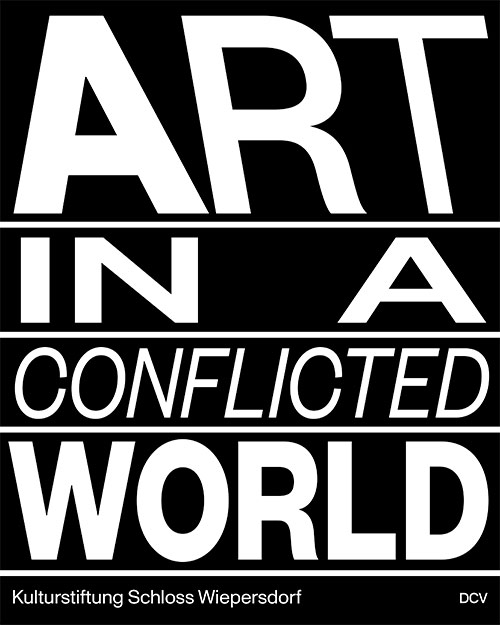
Art in a Conflicted World
34€ Add to cartTrans-European Perspectives in the Age of Cultural Fragmentation
Since the turn of the millennium, much of the world has become an increasingly unstable and dissonant place. Sharp disruptions define many aspects of our social, cultural, and political relations. Art in a Conflicted World addresses this evolving reality, featuring critical positions articulated by visual artists and writers from Ukraine, Russia, and Great Britain—regions embroiled in extraordinary strife and upheaval. The publication takes a frank look at these multifaceted states of social dissonance and reflects them in diverse artistic and literary inquiries and responses. The contributions are the fruits of an interdisciplinary fellowship program at Kulturstiftung Schloss Wiepersdorf that offers the participants an opportunity to gain fresh creative and cultural insights, test ways of engaging with complexity, and develop models for the future that transcend national boundaries.
The publication presents works by Sarah Dobai, Nikita Kadan, Ali Eisa, and Sebastian Lloyd Rees (Lloyd Corporation) as well as writings by Alisa Ganieva and Tanya Zaharchenko.
The project was mentored by Wolfgang Tillmans, Tom McCarthy, Katharina Raabe, and Mark Gisbourne and received funding support from the German Federal Foreign Office.
-

Simone Haack – Untangling the Strands / Démêler les Fils
24€ Add to cartSimone Haack’s (b. Rotenburg/Wümme, 1978; lives in Berlin) most recent body of work delves into the theme of hair as a parameter of identity straddling the division between nature and culture. Her second publication with DCV is released on the occasion of two exhibitions: Untangling the Strands at Berlin’s Abguss-Sammlung Antiker Plastik, a collection of casts of ancient sculpture, which are seen in dialogue with her hair pictures; and Helix of Realism at Galerie Droste, Paris, which is part of the official program of events around the grand Surrealism exhibition held at the Centre Pompidou in celebration of the Surrealist Manifesto’s centennial. The new book is the first to shed light on the aspect of the surreal in the artist’s oeuvre and uncovers a major source of her visual inspiration: the dream diaries that Haack has kept since she was seventeen and the interest in the unconscious they reflect. It is above all the logic of the dream as well as feelings and moods that inform her paintings.
Haack: “My goal is to use the means of realism to visualize what cannot be seen. To get into an automatism that lets the unconscious speak in order to infuse the pictures with a life of their own. To shed light on the domain where the myths originate.”
-
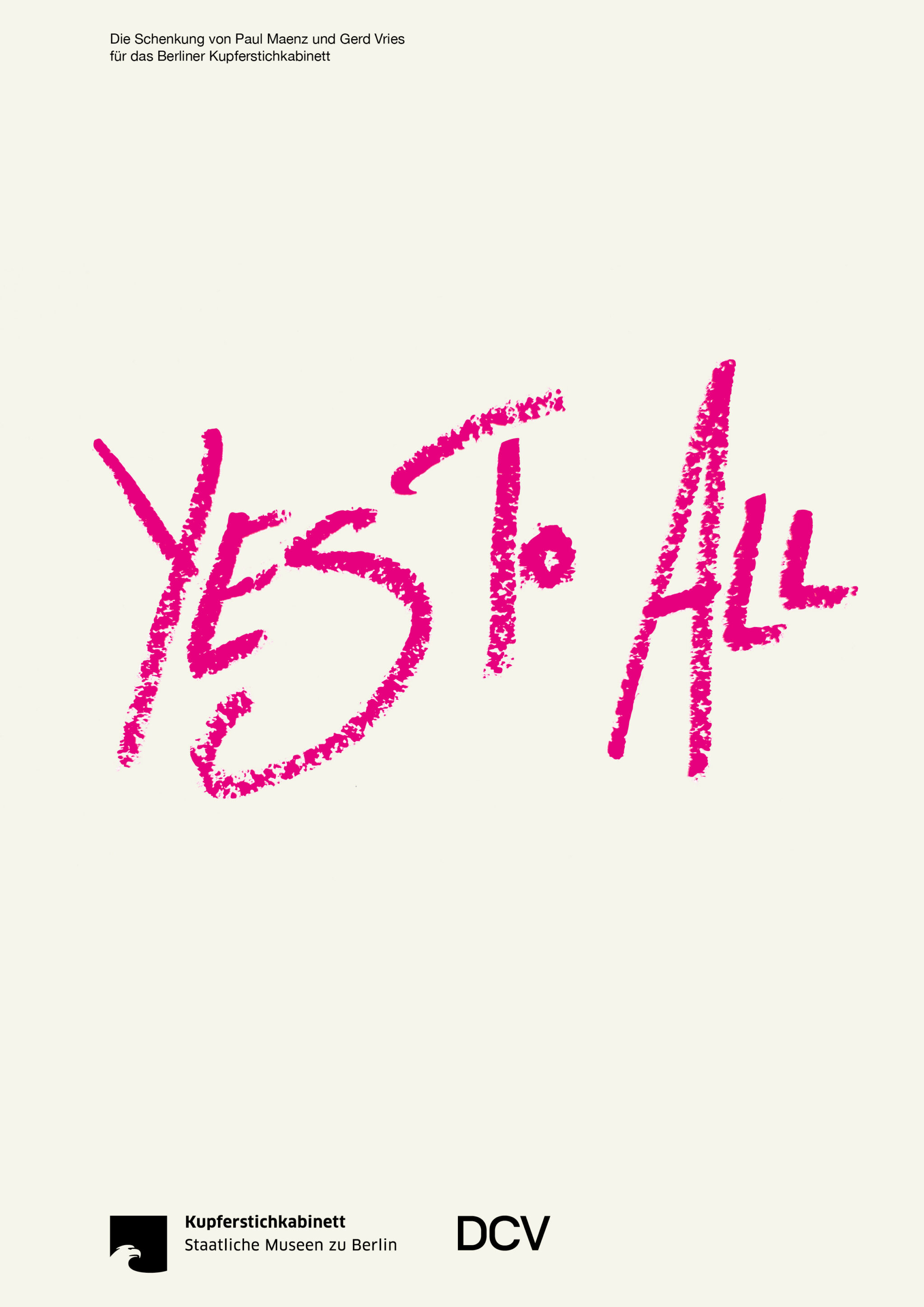
Yes To All
Die Schenkung Paul Maenz Gerd Vries42€ Add to cartThe catalog accompanying the exhibition YES TO ALL offers profound insight into a collection of over nine hundred works on paper—from postcards and drawings to photographs and posters—that was gifted to the Kupferstichkabinett in 2022, with subsequent additions over the years until 2025. The donors are Paul Maenz and Gerd de Vries, who ran a gallery for contemporary art in Cologne until 1990 and chaperoned the evolution of avant-garde art from the conceptualism of the late 1960s to the neo-expressive painting of the 1980s. The most recent works in the collection date from 2024. Several essays and a conversation with the donors invite the reader to experience the stylistic and thematic polyphony of Western art in the late twentieth and early twenty-first centuries in new ways.
EXHIBITION:
YES TO ALL. THE GIFTS OF PAUL MAENZ GERD DE VRIES TO THE KUPFERSTICHKABINETT
KUPFERSTICHKABINETT, STAATLICHE MUSEEN ZU BERLIN
UNTIL JANUARY 11, 2026 -

Thomas Lehnerer
Freies Spiel44€ Add to cartThe function of art in human existence
Throughout his short life, the Munich-based theologian and artist Thomas Lehnerer (1955–1995) did not take the existence of art for granted. In his writings, above all in Methode der Kunst (Methods of Art), he developed a concept of art in the continuation of key texts from the fields of aesthetics, cultural theory, and art history, which can also be found in his own artistic work. The small-format figurative sculptures by Lehnerer, as well as his drawings, watercolors, and early installations, follow theoretical premises and address comprehensive themes of human existence. The present volume documents his examination of human existence, which is deepened by the inclusion of cultural historical figures and idols.
- temporarily not available

Shara Hughes
Day by Day by DayRead moreGraphic Manifestations of the Unconscious
The painter Shara Hughes (b. Atlanta, GA, 1981; lives and works in Brooklyn, NY, USA) is one of the rising stars of the American arts scene. Her colorful imaginary landscapes, executed in a radiant palette and with an expressive gesture, pay homage to the Symbolists, the Fauves, and the Expressionists, whose artful handling of lighting and depth she deftly emulates. In an intuitive approach, Hughes applies paints to the canvas that match her present state of mind. She calls her pictures “emotional landscapes” and notes that she does not know what will happen next; her work on them touches on a vulnerable boundary. The lavish book presents numerous works on paper, most of them in large formats, and contains an essay by the New York-based art critic Andrew Russeth.
Shara Hughes graduated from the Rhode Island School of Design and later attended the Skowhegan School of Painting & Sculpture in Madison, ME. She has had solo shows at the Arts Club, London, the Newport Art Museum, the Metropolitan Opera, New York, and the Museum of Contemporary Art of Georgia, Atlanta. In 2017, her work was included in the Whitney Biennial at the Whitney Museum of American Art, New York.
-

Stephan Kaluza
Die dritte Natur14€ Add to cartThe Nature of Art as Totality and Idyll
The philosophy of nature is central to the artist Stephan Kaluza’s (b. Bad Iburg, 1964; lives and works in Düsseldorf) work. As he sees it, there exists a succession of different natures: first nature is Kaluza’s designation for a world as immediately felt by (early) humans, part of an encompassing and close-range experiential totality they labeled ‘nature’ and perceived as a physical, but also spiritual and emotional concatenation of events. Second nature is stripped down to an objective and utilitarian quality; nature becomes a resource, the basis of life, the environment. In a kind of linguistic turn, speech mediates a surrogate, an alternative world, that positions nature as culture’s opposite; the former becomes replaceable in favor of latter. Yet this culture is far from devoid of yearnings for the immediacy that it has lost, and so develops an ‘artificial idyllic nature’ in turn. This third nature of the arts—a purely human nature—harks back to the archetypes of a first nature in escapism and totalized immersion.
-

Tobias Rehberger
1993–202244€ Add to cartIn his sculptural work, Tobias Rehberger (b. Esslingen, 1966; lives and works in Frankfurt/Main) connects strategies from different, also non-art disciplines. His interiors meant to be taken into service have established him as one of the most influential artists of his generation. In 2022, the Kunstmuseum Stuttgart will honor Rehberger with a grand exhibition that will feature some of the most important bodies of work from the past three decades. The accompanying book makes a signal contribution to the ongoing critical engagement with his art.
Tobias Rehberger studied with Thomas Bayrle and Martin Kippenberger at the Städelschule in Frankfurt from 1987 until 1992 and later returned to his alma mater as a professor. He has had numerous solo shows in Germany and abroad and, in 2009, furnished the central cafeteria at the 53rd Venice Biennale, which won him a Golden Lion.
-

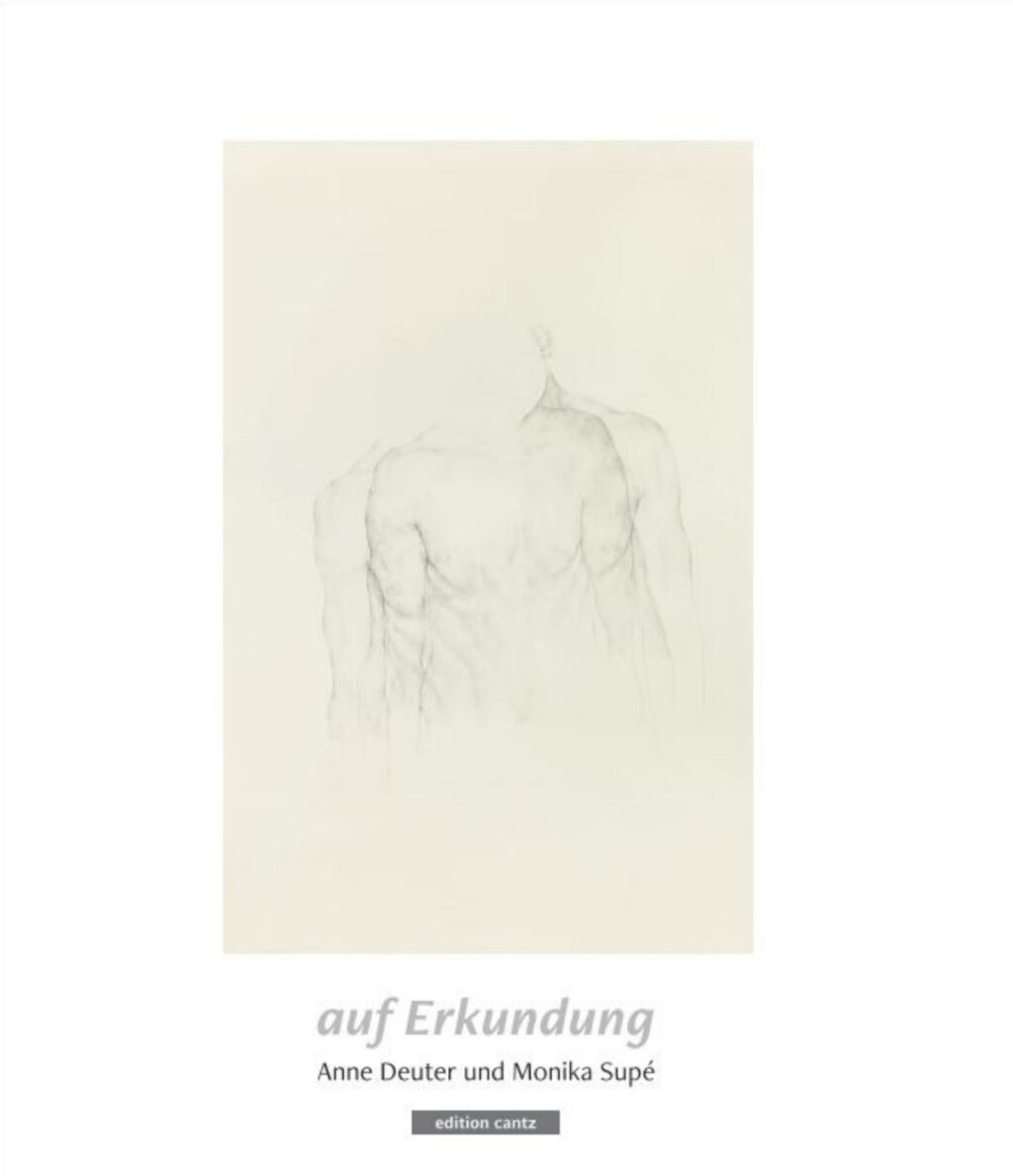
auf Erkundung
Anne Deuter und Monika Supé25€ Add to cartA Dialogue on Time
The two artists Anne Deuter (b. 1986, Halle; lives and works in Halle) and Monika Supé (b. 1967, Munich; lives and works in Munich) engage in self-exploration to find ways to convey an experience of body, space, and time. Grappling with formalist elements, they devise their compositional practices in graphite and ink and in words and images, respectively. Enhanced by selected works by contemporary poets, the publication opens up new perspectives on what it means to exist in time.
Anne Deuter studied visual art and art history at the Ernst-Moritz-Arndt-Universität Greifswald. She rounded out her education in the book art program at Burg Giebichenstein Kunsthochschule Halle. Monika Supé studied architecture at the Technischen Universität München and completed a doctorate on visual perception training at the Technische Universität Kaiserslautern. Since 1995, she has taught in the design divisions of various universities.
-
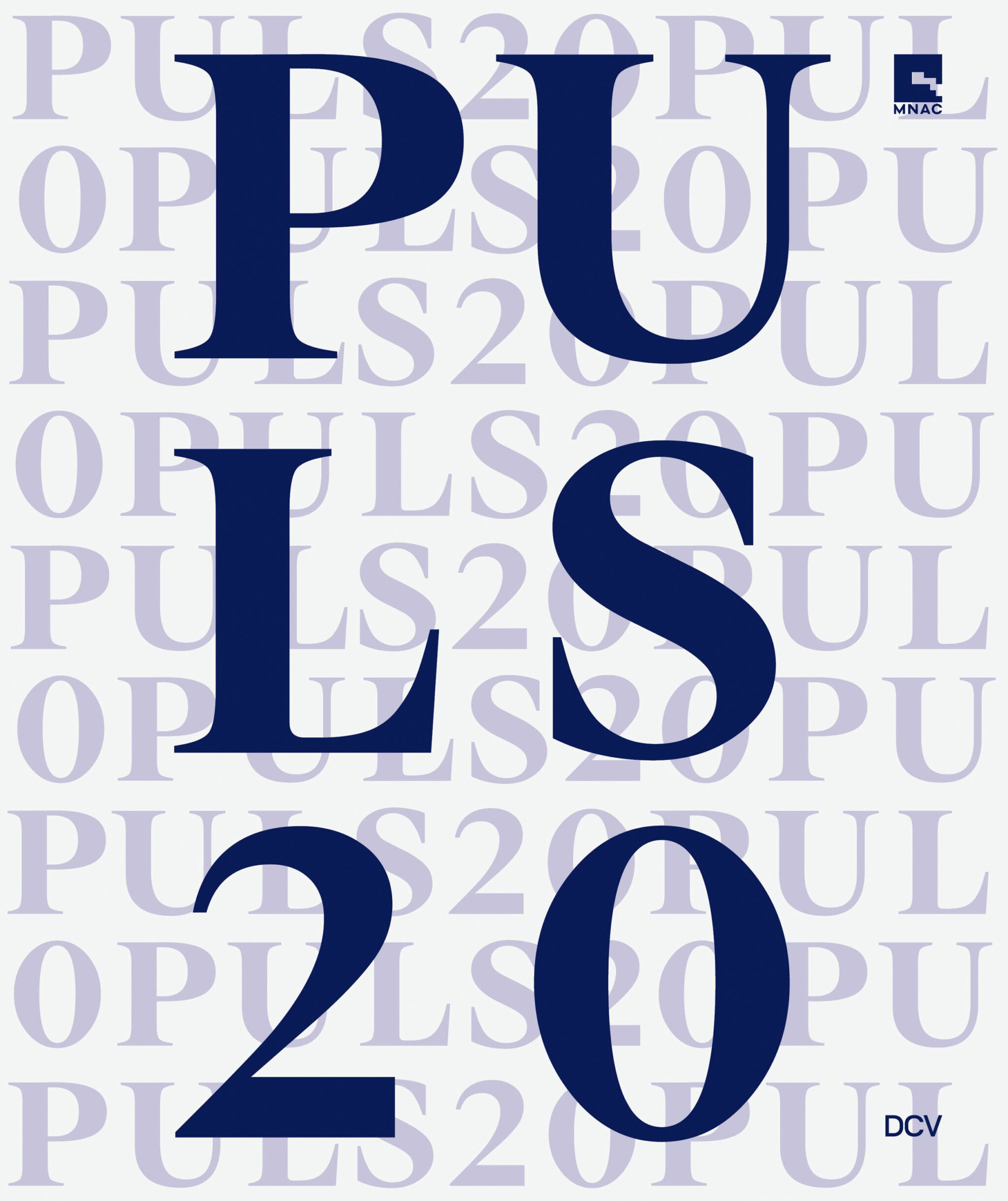
PULS 20
New Entries in the MNAC Collection36€ Add to cartPULS 20 unites the most valuable finds from a communal treasure hunt. Exponents of the Romanian arts scene and representatives of the National Museum of Contemporary Art (MNAC) in Bucharest teamed up to review the oeuvres of countless eminent Romanian artists and select works of outstanding quality that reflect the diversity of the country’s creative production over the past fifty years. In time for the celebrations of MNAC’s twentieth anniversary in 2020, the institution acquired the 180 works reproduced in this catalogue. That makes PULS 20 a singular document in two respects: it gathers a selection of key works of Romanian art that is unprecedented in its breadth between the covers of a book; and it is the result of a successful cooperative curatorial process, an organic discourse involving a wide variety of participants, demonstrating that democratic dialogue in art is not just possible but also extraordinarily fruitful and indeed necessary. All in all, this catalogue is the perfect choice both for newcomers to Romanian contemporary art and for specialists.
-

Philip Loersch
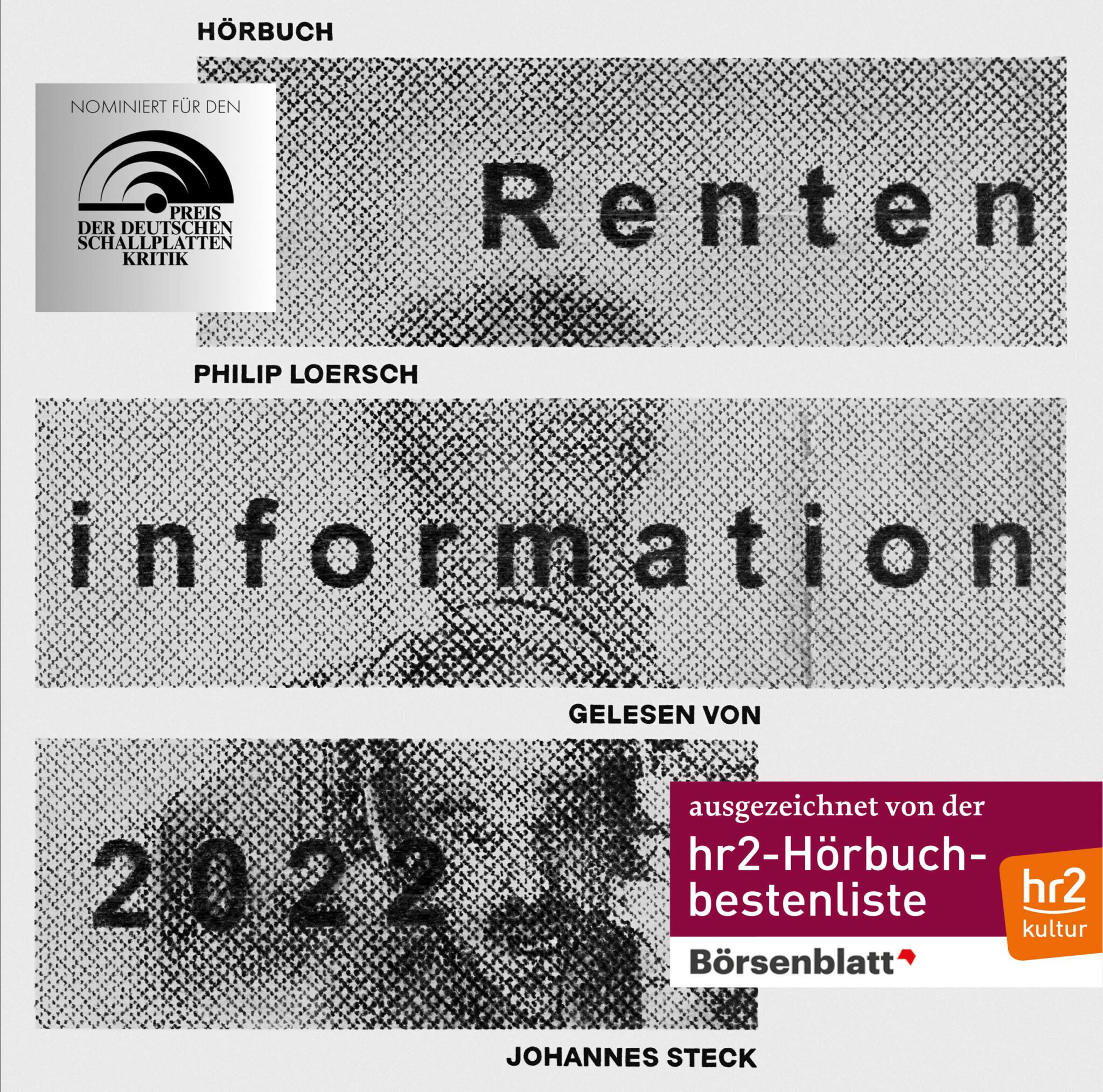
Renteninformation 202230€ Add to cartA satirical audiobook, read by Johannes Steck
with free download link on the inside
You’ve read right, and you’re going to hear it: a bureaucratic document—we’re all familiar with it, for a new one arrives every year—is the subject of this inspired collaboration between the graphic artist Philip Loersch and the virtuoso vocalist Johannes Steck.
The “Renteninformation”—an official letter on cheap paper informing the recipient about their expected future retirement benefits—makes many cultural workers, and others, crack up or break out in tears: arriving unexpectedly, it launches us on an emotional roller coaster between excitement, fascination, resignation, and sheer madness.
The manuscript for this audiobook is Loersch’s actual Renteninformation for 2022. Its intonation is the culmination of a series of works the artist has pursued since 2016. Every year, he has produced a naturalist colored-pencil drawing of his Renteninformation, embedding it in idyllic scenes—in the garden on a summer afternoon, amid autumn foliage, or on a frozen lake, delicately and accurately executed down to the smallest leaf of grass and the tiniest letter.
“Renteninformation 2022” is the ideal gift for all vinyl lovers who need to close a “pension gap” in their collections and a stunning audio experience that redefines what the satire of reality itself and conceptual art can do.
Philip Loersch (b. Aachen, 1980) is best known for his unconventional drawings. His works combine painstaking imitations of printed writing with hyperrealist colored-pencil drawings; for instance, he transfers pages from encyclopedias not only onto paper, but also onto three-dimensional objects such as soapstone. His art has been exhibited at renowned institutions such as Kunsthaus Zürich, Museum Kunstpalast Düsseldorf, and Hamburger Kunsthalle. He has won numerous fellowships and awards, including the Kunstpreis Berlin für Bildende Kunst, and helped initiate the exhibition series “Drawing Wow.”
Johannes Steck (b. Würzburg, 1966) is one of Germany’s best-known audiobook narrators, having sold over four million copies, including of books by Simon Beckett and Ken Follett, in a three-decade career. Television viewers also know his voice from trailers on Kabel 1 and DMAX and documentaries on ZDF, BR, and Sky. His work has garnered awards including the 2012 HörKules.
-

Thomas Lehnerer
Grott18€ Add to cartA Facsimile by the Theologian and Artist
The genesis of images is a central aspect of the work of the Munich-based theologian and artist Thomas Lehnerer (b. Munich, 1955; d. ibid., 1995). In drawings and sculptures, as well as in spatial and conceptual works, the production of images creates a counter-world to our own lives. By transferring fundamental experiences of human existence into art, Lehnerer creates an equivocal, anthropological space for observation and reflection. The artist’s book Grott, published in 1986, contains ambiguous elements. All drawings are positioned on the right page. In the not yet dried state, a double image was formed on the left side, which relativizes the “primary image.” The depictions of animals, people, and the environment were drawn nearly without interruption from a single line. In this style of continuous movement, the overall image can be traced back to its beginning. For Lehnerer, it was important to understand human (self-)consciousness from the perspective of the history of evolution, since there are countless models of thought and belief within this narrative. Grott refers in the title, as well as in the drawings, to the charged relationship between the earthly and the spiritual.