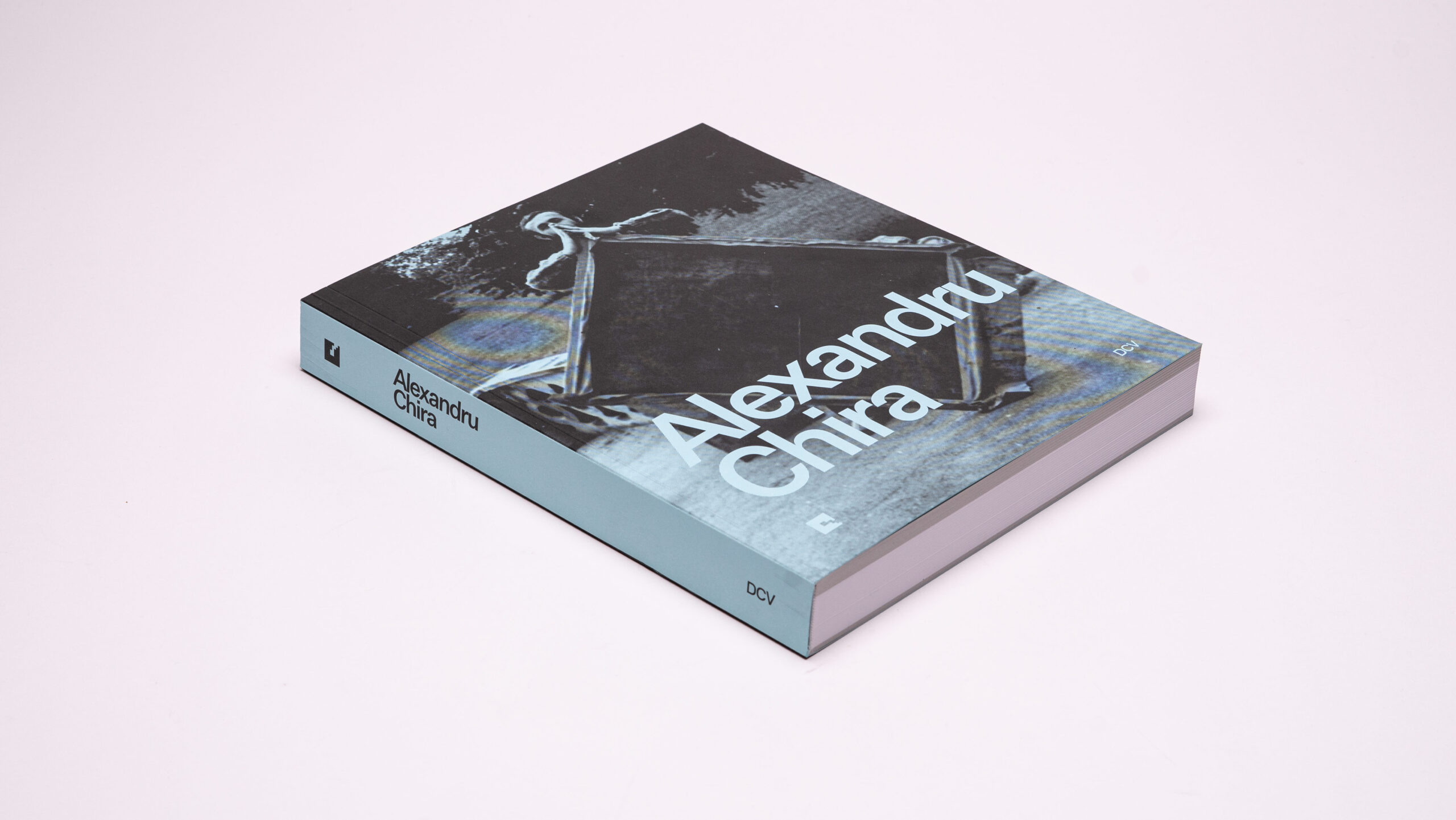
Alexandru Chira
 | |
|---|---|
| Editor(s) | Călin Dan, Mălina Ionescu |
| Author(s) | Ionuț Cioană, Alexandru Chira, Călin Dan, Mălina Ionescu, Diana Marincu, Alexandra Titu |
| Design | Radu Manelici, Andrei Turenici |
| Cover | Softcover |
| Size | 23,5 x 28 cm |
| Pages | 416 |
| Illustrations | 749 |
| Language(s) | English, Romanian |
| ISBN | 978-3-96912-103-0 |
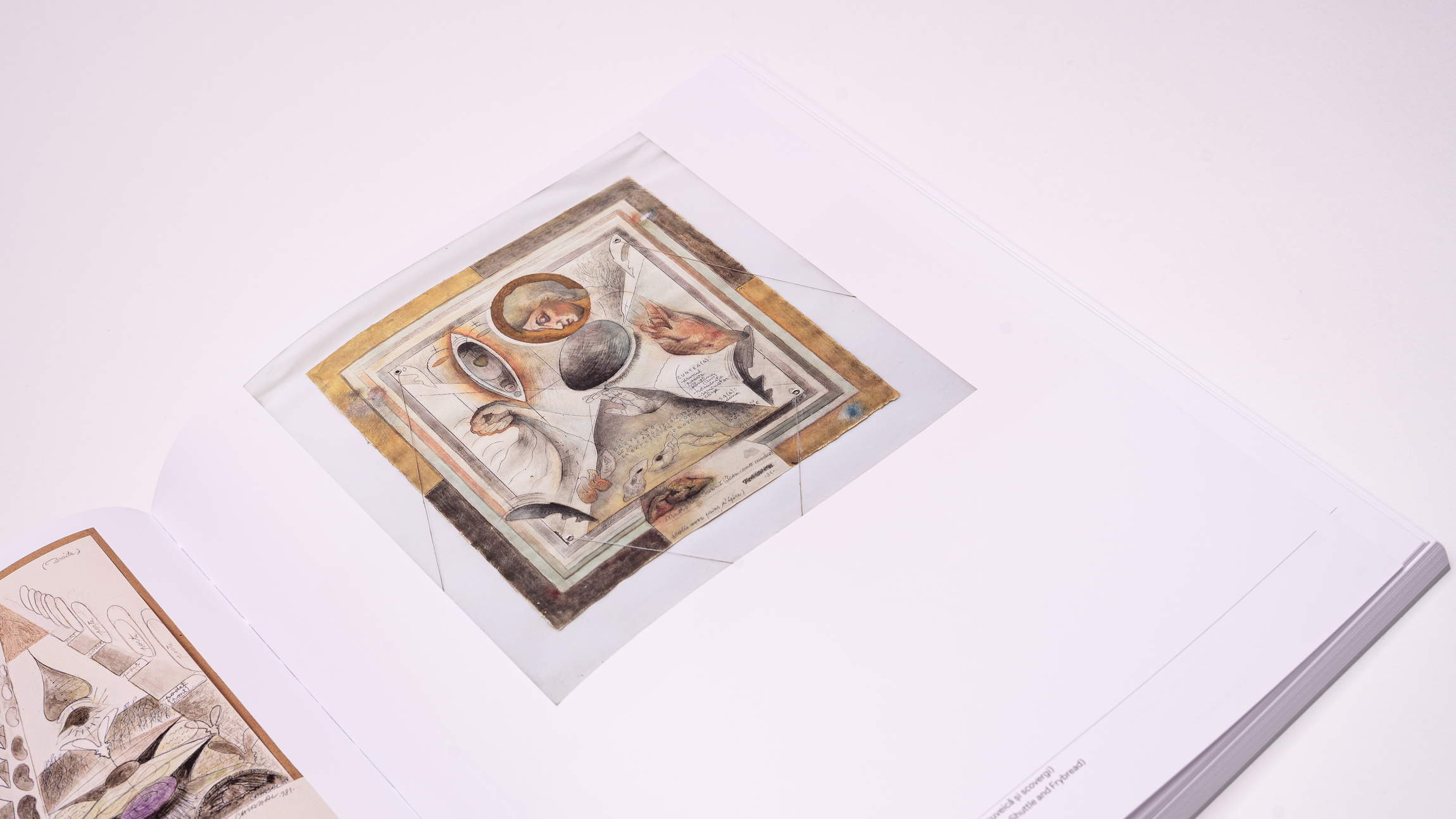
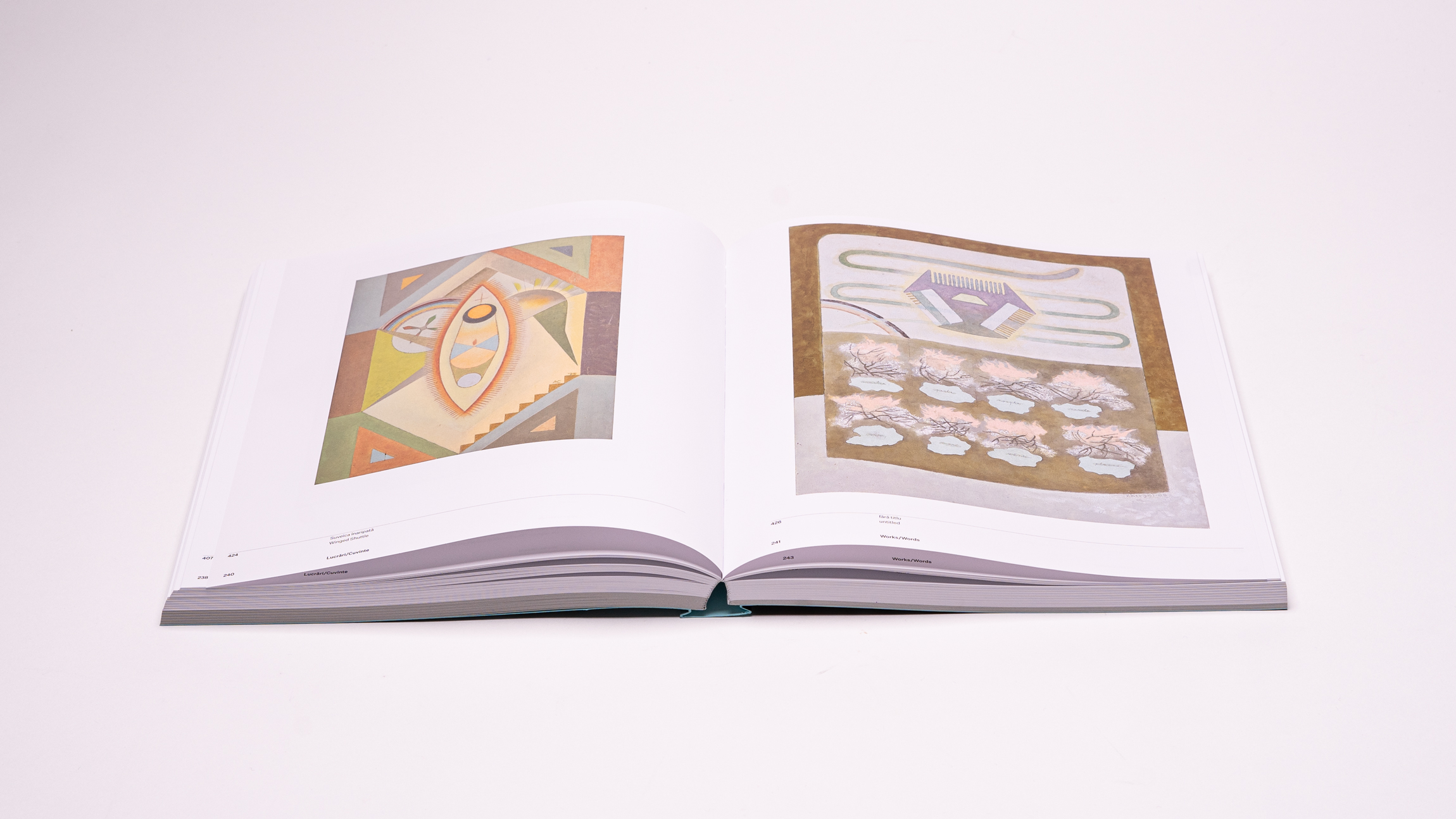
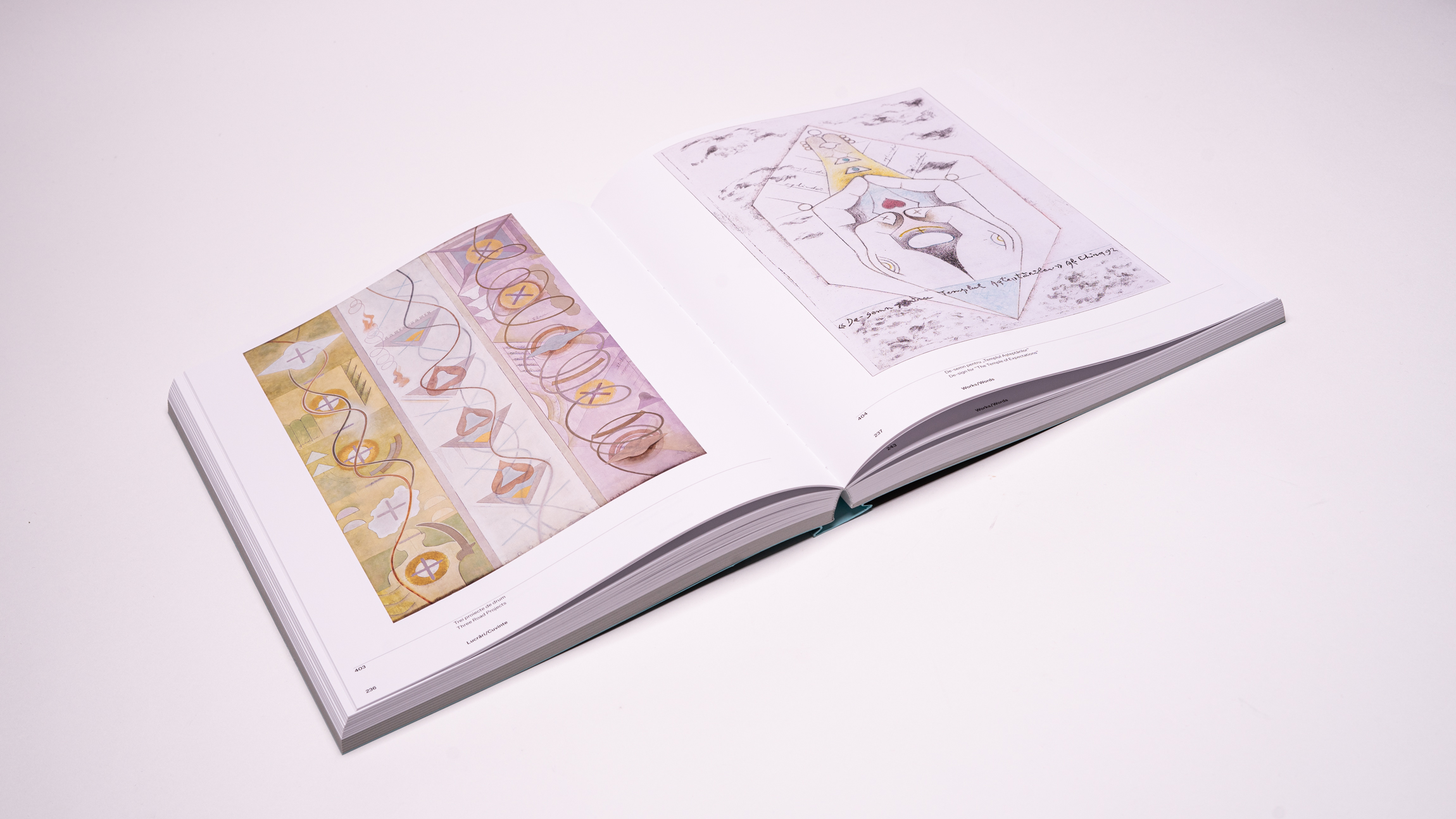
Alexandru Chira’s (b. Tăușeni, Romania, 1947; d. Bucharest, 2011) oeuvre systematically and comprehensively maps a fictional field of research. His paintings, drawings, and objects, whose individual elements recall switches, screens, keyboards, and levers, were designed to “bring rain and rainbows,” to promote prosperity and prevent floods. Working in his art laboratory, Chira resembled a farmer tilling his field. He sowed symbols across his paintings, sometimes transplanted them to create new semiotic interconnections, then reaped them and stored up his harvest in painted machines of varying shapes and dimensions. In the 1990s—by then Chira held a professorship and was a widely recognized artist—he fulfilled a lifelong dream by building the “Tăușeni Ensemble,” the largest monument single-handedly created by one man in Transylvania. Much of his oeuvre accordingly consists of sketches and elaborations relating to the monument. In the course of his decades-long fascination with an agrarian aesthetic, architecture, design, astronomy, history, magic, ufology, mysticism, shamanism, and theosophy fused, yielding a kind of practical knowledge as well as spiritual speculations sustaining his endeavor.
The extensive monograph with more than 750 illustrations surveys Alexandru Chira’s output of four decades and synthesizes years of research undertaken at the National Museum of Contemporary Art in Bucharest. It contains numerous transcriptions of textual parentheses, legends, and instructions on how to decode the works and poetic fragments embedded in Chira’s pictures.
More books
-

Anna Leonhardt
Touching Space34€ Add to cartAnna Leonhardt’s (b. Pforzheim, 1981; lives and works in New York and Leipzig) paintings probe her own experiences and moods, while also referencing works of literature and quoting phenomena in the history of her craft. Abstract surfaces composed of numerous layers that break the two-dimensional bounds of the canvas engender a physical and imagined space that is further expanded by the interrelations between the pictorial elements, an imaginary communication with other works of art, and the beholders. The publication Touching Space presents Anna Leonhardt’s most recent works. A compendium of writings on the subject of space by the phenomenologist Franz Xaver Baier and the artist’s correspondence with the curator Sophia Pietryga complement the imposing illustrations. The book is released in conjunction with the eponymous solo exhibition at Galerie She BAM! Laetitia Gorsy, Leipzig.
Anna Leonhardt studied painting and graphic art at the Dresden University of Fine Arts (HfBK) from 2002–2008, completing her education with postgraduate training with Ralf Kerbach until 2010.
-

Olaf Breuning
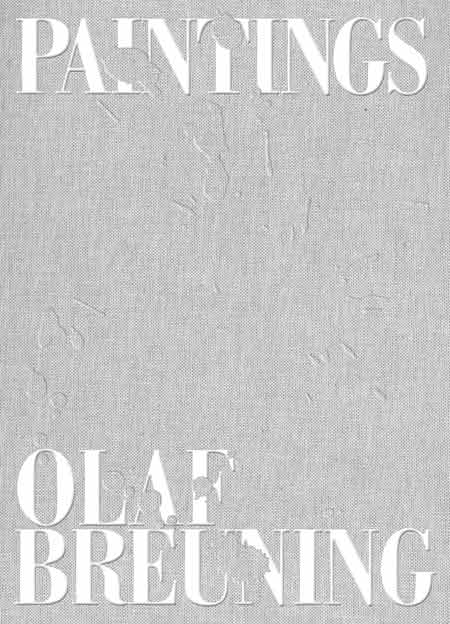
Paintings37€ Add to cartThe multimedia artist Olaf Breuning (b. Schaffhausen, Switzerland, 1970; lives and works in Upstate New York) has built a multifaceted oeuvre in installation art, photography, video, sculpture, drawing, and performance that questions contemporary reality. In a recent series of paintings, he playfully grapples with pressing concerns such as global warming. Like his earlier work, the new ensemble manifests his unorthodox approach. Breuning devised a unique painterly technique involving large-format wooden stamps with which he presses paint onto the canvas. The result is unconventional and fresh.
The publication—the first book dedicated exclusively to Breuning’s paintings—presents two dozen pictures as well documentation of the production process in the form of wooden stamps and sculptures. A dialogue between Katharina Beisiegel, director of the Kirchner Museum, Davos, and Gianni Jetzer, designated director of the Kunstmuseum St. Gallen, delves into parallels and differences between the oeuvres of Ernst Ludwig Kirchner and Olaf Breuning.
Breuning trained as a photographer in Winterthur from 1988 until 1993 and completed a master class in photography from 1992 until 1995. In 1995–1996, he was enrolled in a postgraduate program at today’s Zurich University of the Arts. He has had solo exhibitions at the NRW-Forum, Düsseldorf; the Palais de Tokyo, Paris; the Chisenhale Gallery, London; and the Zentrum Paul Klee, Berne. He participated in the 2008 Whitney Biennial and has had work in group exhibitions at the Museum of Modern Art, New York; the Centre Pompidou, Paris; the Haus der Kunst, Munich; Kunsthalle Zürich; the Walker Art Center, Minneapolis; the Jeu de Paume, Paris; the KW Institute for Contemporary Art, Berlin; the Whitechapel Gallery, London; and the Mori Art Museum, Tokyo.
- Release September 2021

Paul Uwe Dreyer
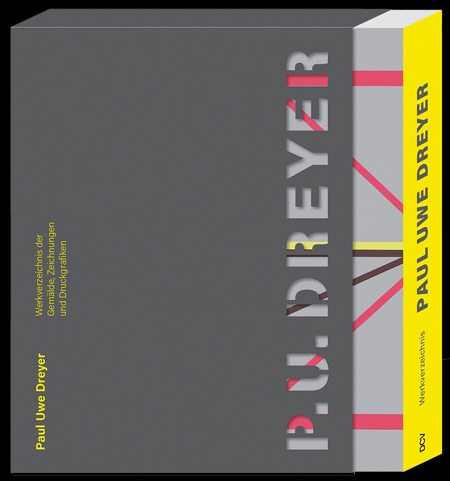
Werkverzeichnis der Gemälde, Zeichnungen und Druckgrafiken68€ Add to cartA Painter, Draftsman, and Draftsman of Concrete Art
Paul Uwe Dreyer (b. 1939, Osnabrück; d. 2008, Stuttgart) taught painting as a professor at the Staatliche Akademie der Bildenden Künste Stuttgart for more than three decades. His oeuvre shows the hallmarks of geometric constructive art: inspired by subjective experiences of reality, Dreyer’s compositions visualize the dialectics of organizing principles and their potentials for variation, a guiding interest that is already evident in his early work since the 1960s and especially in the pairs and series of pictures he begins creating in the early 1970s. His art unfolds a fascinatingly dynamic yet nonhierarchical dialogue between colors, surfaces, and lines. The chronological catalogue raisonné reveals the consistency with which motifs evolve from his early to his late oeuvre, from architectural, figural, and ornamental tokens through elements resembling symbols and icons to complex penetrations of spaces.
-

Stefan Knauf
10€ Add to cartStefan Knauf (b. Munich, 1990; lives and works in Berlin) uses selected materials such as construction supplies or plants to investigate the histories of botany, migration, trade, science, and architecture and critique an idealized and anthropocentric conception of nature that is still prevalent. His sculptures, geometric-abstract pictures, and installations, with echoes of constructivism and minimal art, are contact zones in which everything is related to everything: human and non-human history, the natural and the artificial, ecology and ideology. Knauf’s works do not propose to unravel these entanglements. Rather, they suggest alternative perspectives and topographies guided by the idea of the “modified landscape” and devise material and alchemistic forms of knowledge and a novel and multiperspectival approach to the history and reality of the Anthropocene.
- Out of stock

Eva Jospin
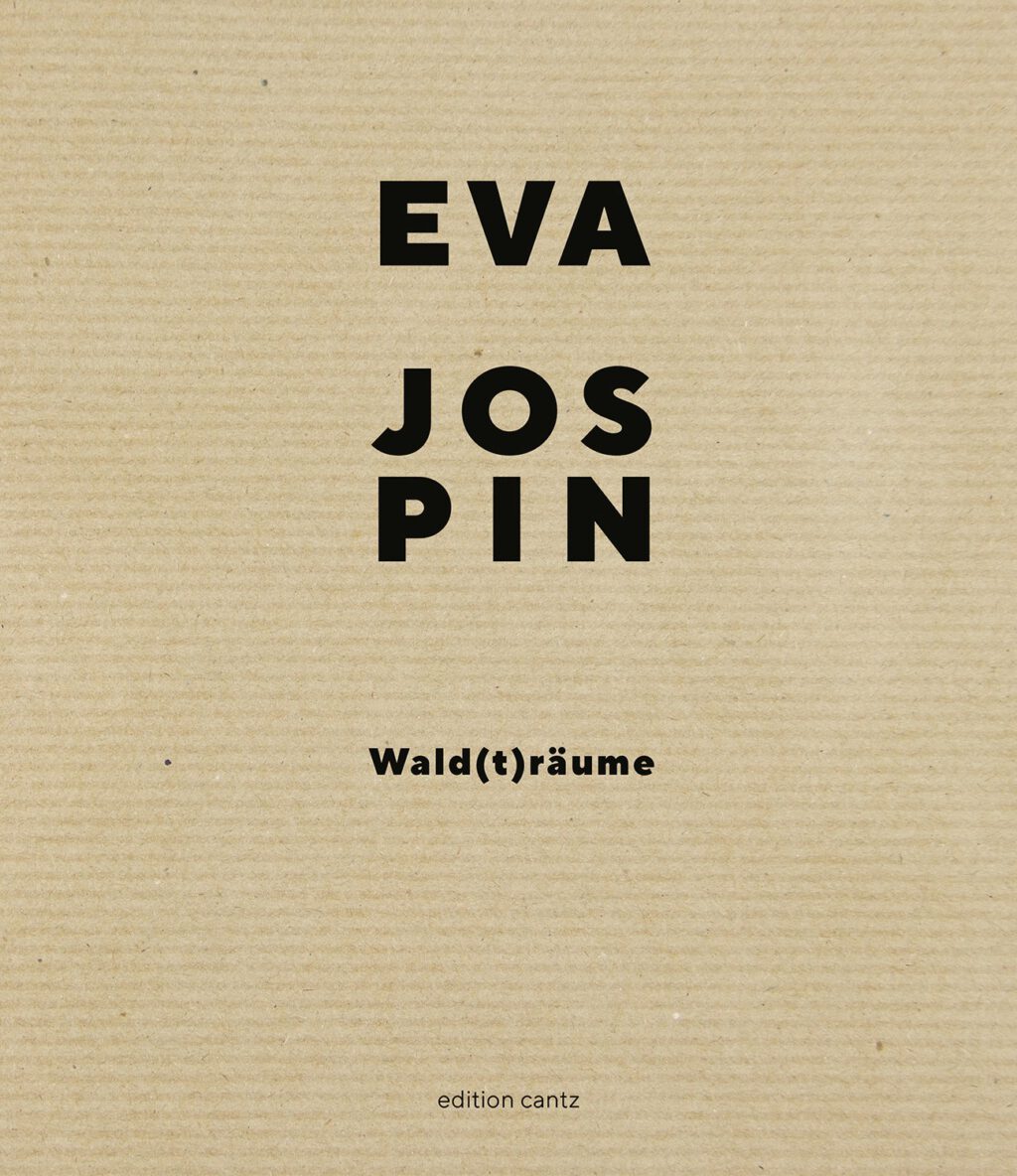
Wald(t)räume22€ Read moreThe Forest as a Place of Longing: Eva Jospin’s Magical Corrugated Cardboard Sculptures
The French artist Eva Jospin (b. 1975, Paris; lives and works in Paris) cuts and layers corrugated cardboard to create sculptures and reliefs. Handcraft and precision are essential aspects of her work. The artist retains the original color of the cardboard, since, for her, the material itself already contains sufficient color variations and nuances. The recurring motif is the forest — consisting of numerous trunks, branches, and twigs in extreme density and interspersed with black shadows. They suggest depth and stimulate the viewer’s imagination. Eva Jospin does not reproduce nature one to one, but conveys the feelings of fear, anarchy, or freedom that it triggers: The forest as a universal place of longing.
-

Maxim Gunga
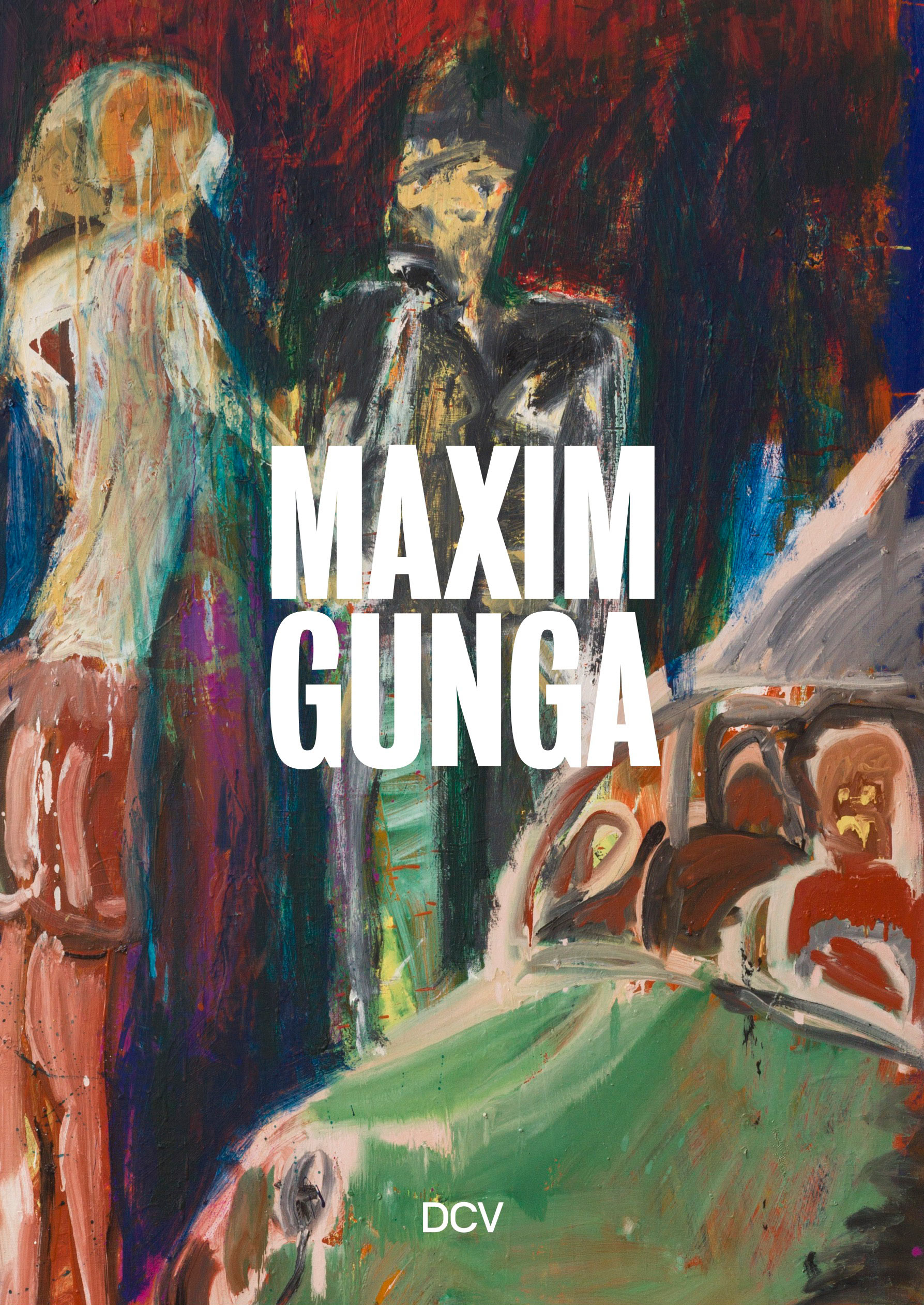
10€ Add to cartThe painter Maxim Gunga is utterly unafraid of physicality. His canvas is a riot of oil paints huddling up against one another, fusing like the beasts, the humans, and the urban landscape of Berlin that serve him as motifs. Body and soul, animal nature and architecture, the profane and the sacred, subculture and mass culture—everything interpenetrates in Gunga’s paintings in large formats, melded into hybrid bodies. The result is an ecstatic intimacy, a flowing of colors and more or less abstracted dynamic forms toward their primal state, toward the matrix, toward pure energy: eternal transformation. It makes sense, then, that his pictures also amalgamate diverse styles and periods in the history of painting. He borrows from (Neo-)Expressionism, from Art Brut, from Baselitz, Lüpertz, the Neue Wilde, from modernism and Fauvism, from van Gogh and Matisse. His pinpoint brushwork, which reveals his extensive training, interweaves art history with our contemporary lifeworld and our affects. All the specters of the past and the present come to meet us in the pictures gathered in this catalogue, in a frenzy of the senses, in the primordial soup of Berlin, into which we dive with joyful abandon.
-
MEUSER
Werke 2012–2023 (GERMAN)48€ Add to cartEver since his studies with Joseph Beuys and Erwin Heerich, since his first exhibitions – for instance at ‘Kippenberger’s Office’ in 1979 – Meuser (b. Essen 1947, lives and works in Karlsruhe) has been a solitaire. His sculptures are unyielding and unruly, just as much as they are vulnerable and tender. They are witty and heart-touchingly charming.
Meuser finds his material in the scrapyard. Confidently and empathically, he reinstates form and dignity to the remnants and vestiges of industrial society. As a romantic, he grants things a life of their own and turns them into self-reliant protagonists, once more. Unwaveringly, he works to re-poetize a standardized and maltreated world.
The lavishly designed monograph is published on the occasion of Meuser’s 75th birthday, presenting works and exhibitions from the past ten years. Eight international authors and scholars create a dazzling mosaic and reveal how Meuser boldly holds his own in face of Duchamp, Minimalism, and Social Sculpture. An open-ended outlook.
Meuser studied 1968–1976 at Art Academy, Düsseldorf with Joseph Beuys and Erwin Heerich. 1991 he received the ars viva award. 1992-2015 professorship at Academy of Fine Art, Karlsruhe.
Since 1976, numerous institutional solo and group exhibitions and works in international collections: Bundeskunsthalle, Bonn; Deichtorhallen, Hamburg; documenta IX / Fridericianum, Kassel; Fundació Joan Miró, Barcelona; Joanneum, Graz; Kunsthalle Düsseldorf; Museum of Contemporary Art, Monterrey; Martin-Gropius-Bau, Berlin; Museum Abteiberg, Mönchengladbach; Museum Folkwang, Essen; Museum moderner Kunst Stiftung Ludwig, Vienna; Museum Morsbroich, Leverkusen; Rijksmuseum Twenthe, Enschede; Sakip Sabanci Museum, Istanbul; Städtische Galerie, Karlsruhe; Vanhaerents Art Collection, Brussels; ZKM | Museum für Neue Kunst, Karlsruhe.
-

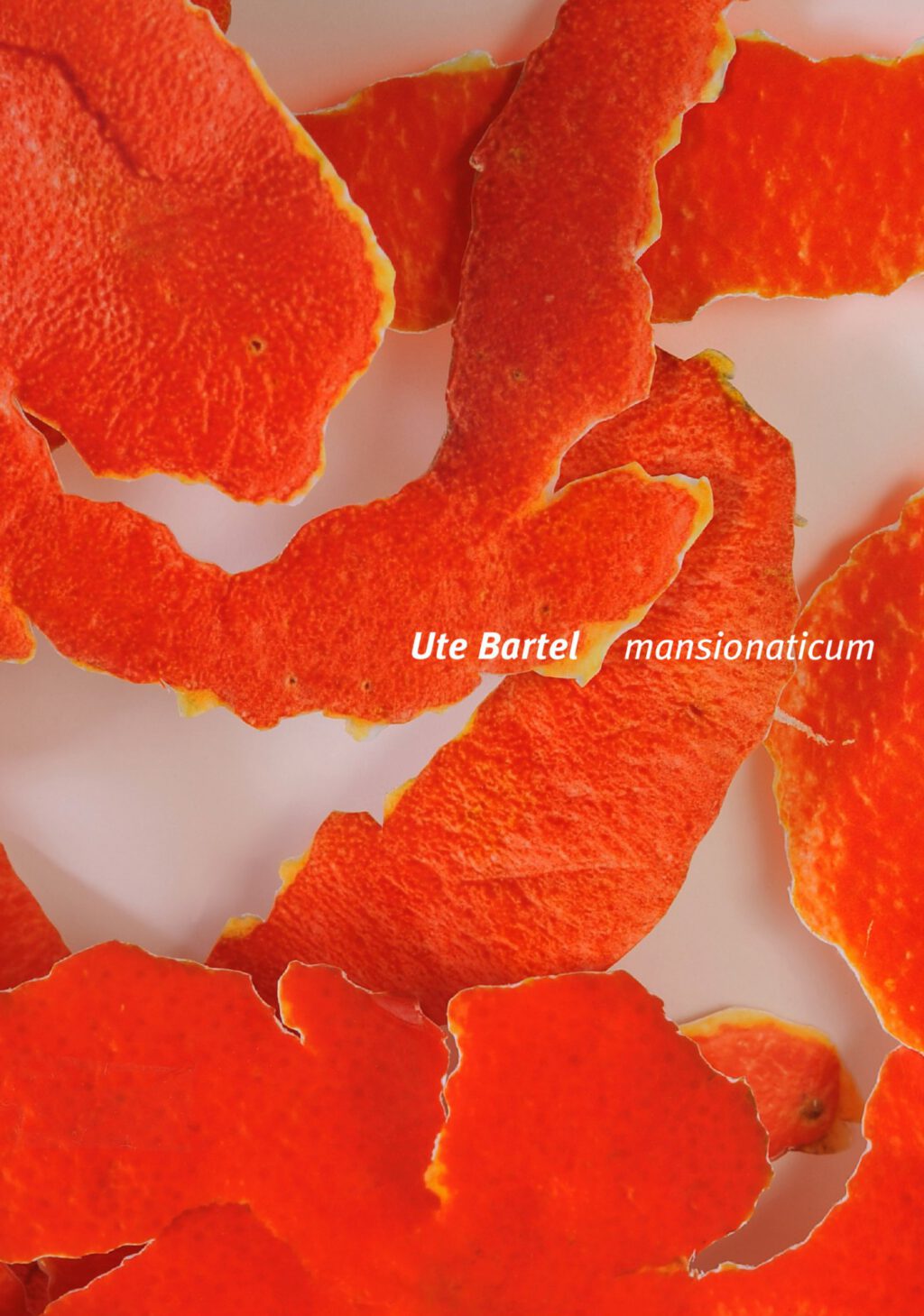
Ute Bartel
mansionaticum25€ Add to cartAn unreal view of reality
In her works, Ute Bartel (b. 1961, Halle; lives and works in Cologne) deals with everyday circumstances, the “mansionaticum.” A term which at first glance seems epochal, but etymologically simply means “belonging to the household.” In a concrete confrontation with particular places and situations, she is interested in things in and of themselves, in their formal characteristics, such as their forms, colors, and structures. Using analog and digital techniques, she creates collages, objects, and works that project into the respective space. This generously illustrated monograph presents structures of familiar and yet unknown realities marked by highly pronounced forms and bold colors and provides comprehensive insight into one of the focal points of the artist’s oeuvre.
Ute Bartel studied at the Kunstakademie Münster, where she was a master student of Reiner Ruthenbeck. Her works have been widely exhibited at, among others, the Kunstverein Speyer, the Deichtorhallen Hamburg, and the Westfälischer Kunstverein, Münster.
- out of stock

Drucksache Bauhaus
38€ Add to cartThe Early Years of the Weimar Print Workshop
At the Staatliches Bauhaus in Weimar, the print workshop began operation in the spring of 1919 as the first workshop. Printmaking corresponded to the basic idea of the Bauhaus in that it realized the unity of art and craftsmanship in an ideal manner. With the groundbreaking project Bauhaus-Drucke. Neue Europaeische Graphik, four portfolios were created in which forty-five representatives of the European artistic avant-garde participated. In the announcement brochure of 1921, it stated: “The many who do not yet know about the work of the Bauhaus, and who cannot know, are to be made aware of us through this work.” The book presents the portfolios published between 1921 and 1924, together with other works printed at the Bauhaus by Lyonel Feininger, Wassily Kandinsky, and Oskar Schlemmer. The Stuttgarter Prolog also sheds light on the influence of Adolf Hölzel, whose students and later Bauhaus masters Oskar Schlemmer and Johannes Itten brought many of his ideas to the Bauhaus.
-

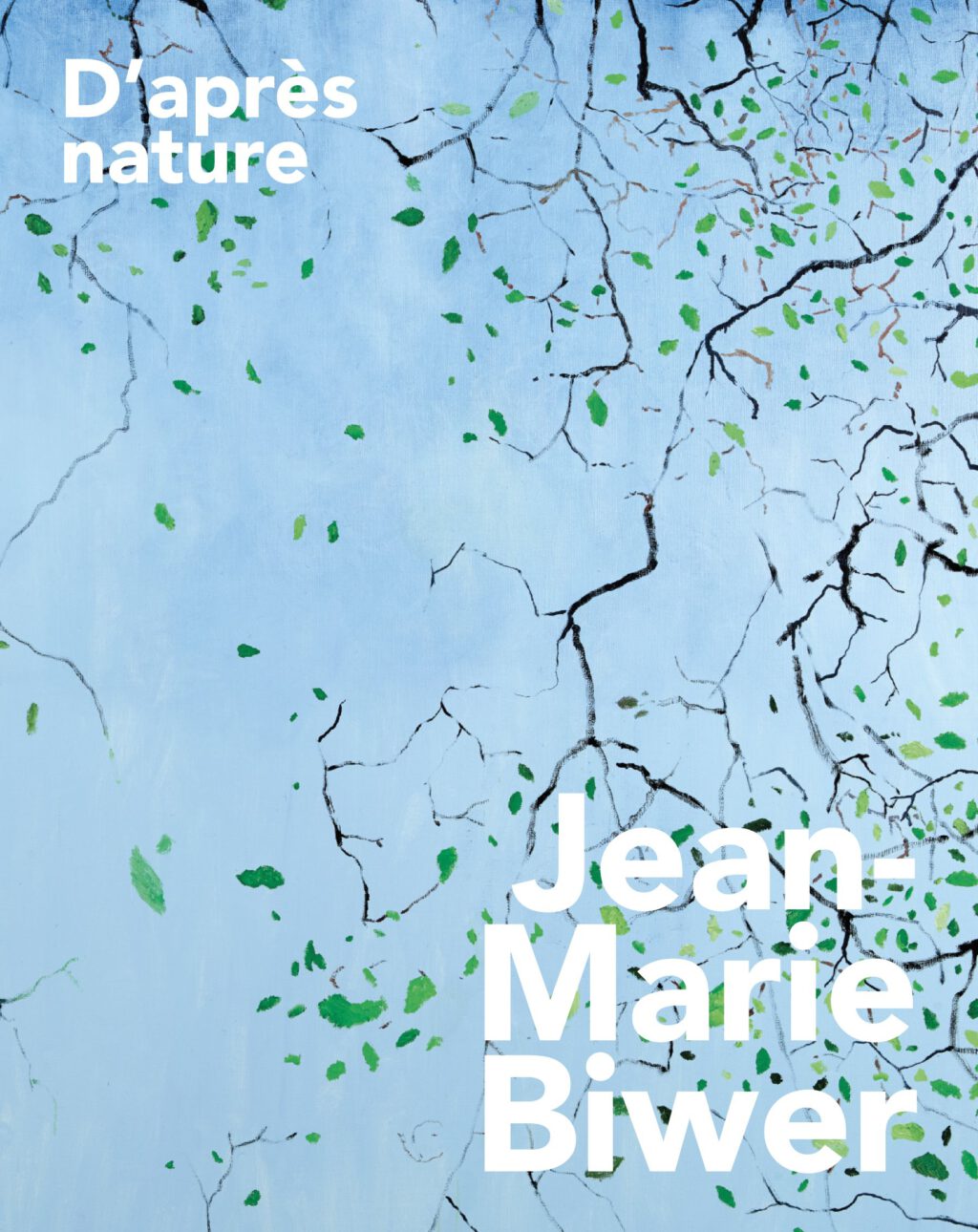
Jean-Marie Biwer
D’après nature42€ Add to cartPainterly Investigations of the Present
For over four decades, Jean-Marie Biwer (b. 1957, Dudelange, Luxembourg; lives and works in Basbellain, Luxembourg) has made art that records his fine-grained observations. Grappling with the grand themes of art history – the landscape, the human figure, the still life – Biwer consistently questions the role painting can play in a world shaped by a deluge of images and information. Responding to the omnipresence of the latter and reacting to the increasingly frantic pace of our lives, he creates paintings that allow the intensity of the present moment to unfold. The richly illustrated book gathers his most important works since 2005.
“These things are there, we just need to look at them. They are simple, but today they have the power to bring so much to people.”—Jean-Marie Biwer
Jean-Marie Biwer’s work has been shown throughout Europe and in 1993 he represented Luxembourg at the 45th Biennale di Venezia. His works can be found in the Musée National d’Histoire et d’Art Luxembourg, IKOB, Museum of Contemporary Art, Eupen, and Mudam Luxembourg – Musée d’Art Moderne Grand-Duc-Jean amongst others.
-

Erich Hörtnagl
Unforgettable – Unforgotten48€ Add to cartHow can a life be remembered—what remains, what vanishes?
In Unforgettable | Unforgotten, Erich Hörtnagl brings together photographic fragments that are more than just memories: they are symbols of lived time. Roland Barthes’ concept of the “punctum” experience—that instant when a detail in an image pierces the heart—provides a key to Hörtnagl’s photographic gaze. It is not the spectacular events but the quiet and incidental things that move us. The seemingly insignificant becomes a projection screen for memory, loss, and emotion. The focus is not on what is staged, but on what eludes creative control.
Accompanied by insightful writings by Alois Schöpf and Kurt Höretzeder, a quiet monologue emerges about happiness and missed opportunities, about what we receive—and what we give. A book that doesn’t provide answers but asks questions: What makes a life worth living? What remains unforgettable or unforgotten?
-

Peter Zimmermann
abstractness26€ Add to cartTreading the Limits of Originality
Peter Zimmermann (b. 1956, Freiburg; lives and works in Cologne) is one of the most important conceptual media artists. With his work, he consistently experiments with visual reproduction techniques and gained international recognition in the late 1980s with his Book Cover Paintings: motifs from book covers such as that of the Diercke Weltatlas or the Polyglott travel guides, which Zimmermann transfers to the canvas with oil and epoxy resins. The relationship between original and copy is the central theme of his work, with which he addresses the ambivalence of artistic and digital authorship. This monograph brings together early works and a selection of current productions.
Peter Zimmermann studied at the Staatliche Akademie der Bildenden Künste Stuttgart and was professor at the Kunsthochschule für Medien Köln, Cologne, from 2002 to 2007.
- Release February 2026

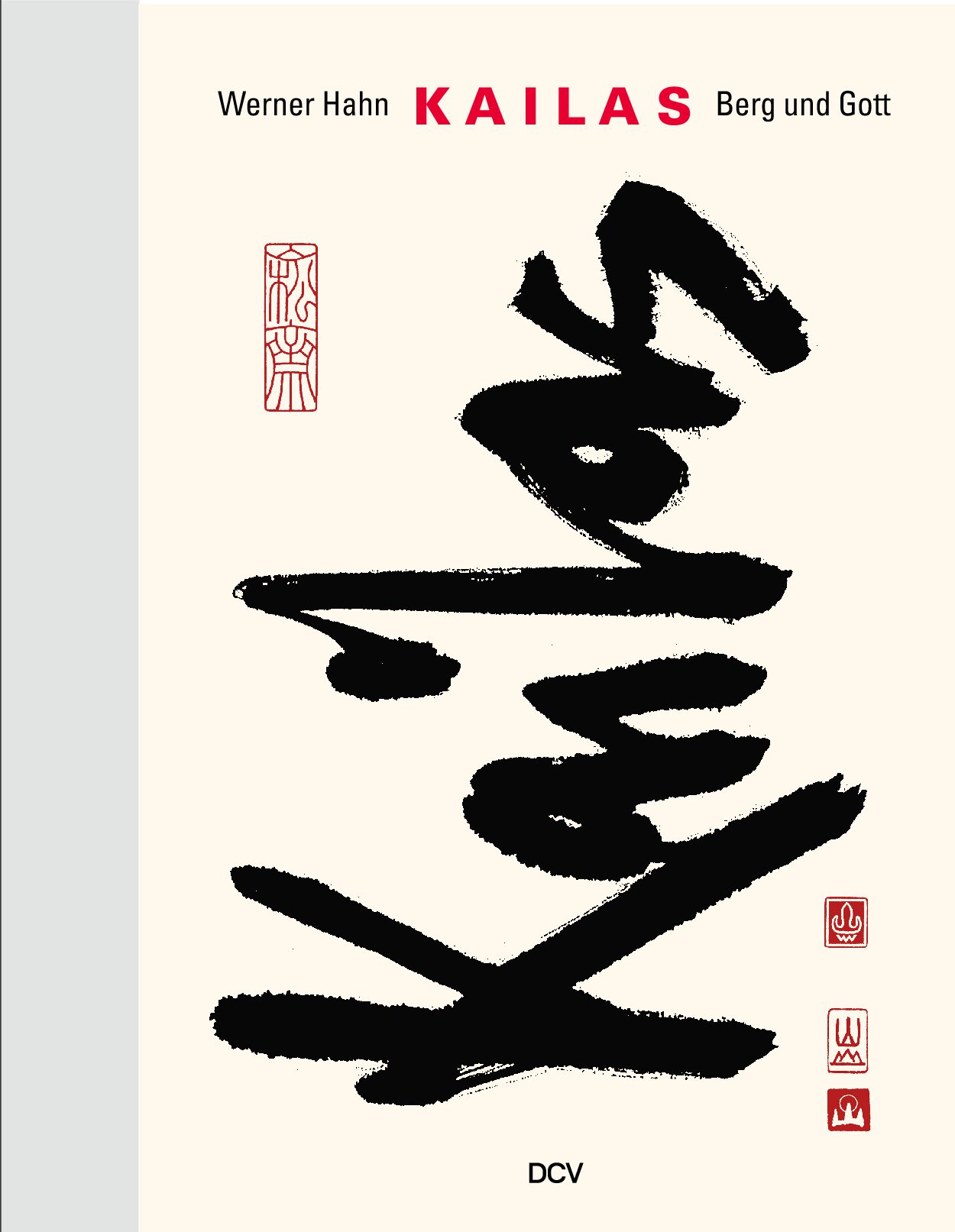
Werner Hahn
Kailas. Berg und Gott72€ Add to cartKailas is far more than just a mountain—it is a symbol of spiritual quest, transcendence, and enlightenment. In this book, the painter and photographer Werner Hahn (b. Karlsbad, now Czech Republic, 1944) approaches the holiest peak in Asia from a unique perspective: as an artist, traveler, and profound connoisseur of its cultural history. This book interweaves art, mythology, and historical accounts from Buddhism and Hinduism. Hahn’s personal travel experiences, complemented by reflections on Western travel literature and spiritual sources, enter into a dialogue with ancient traditions, revealing Kailas as a place of both deep personal experience and artistic contemplation. A visual pilgrimage to one of the most significant mountains in the world.
- temporarily not available

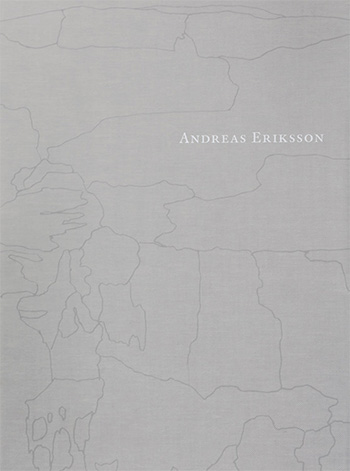
Andreas Eriksson
Read moreAll is related, from the outside in. Look what’s behind it.
Andreas Eriksson (b. 1975 in Björsäter, lives and works in Medelplana, Sweden) is one of Sweden’s most notable contemporary artists. His artistic practice is based on a traditional painterly language, but he constantly expands this field to also encompass a vast production of textile works. He examines different histories through conceptual twists and turns in sculpture and prints. This monograph, the artist’s first, seeks to explain and illustrate Eriksson’s development and thoughts behind the meandering array of works he produces. It is a close look behind the canvas.
Andreas Eriksson studied at the Royal Academy of Fine Arts in Stockholm from 1993 to 1998 and represented Sweden with the Nordic Pavilion at the 54. Biennale di Venezia. His most comprehensive solo exhibition to date took place in 2014 at Bonniers Konsthall, Stockholm.
-
Jagoda Bednarsky
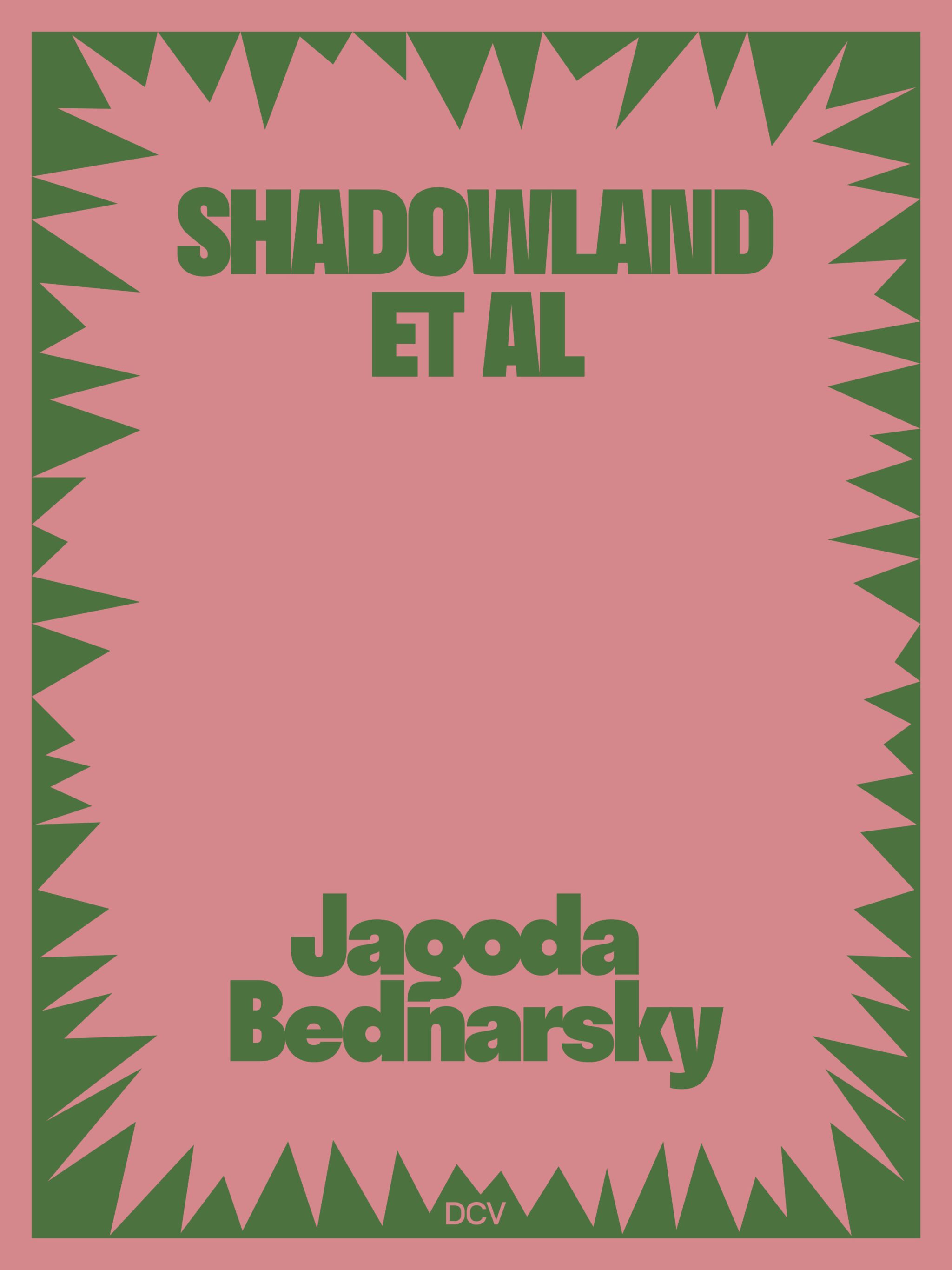
SHADOWLAND ET AL40€ Add to cartJagoda Bednarsky’s (b. Złotoryja, Poland, 1988; lives and works in Berlin) paintings are pop-cultural and nostalgic borrowings that she transfers into the grotesque register, with allusions to stereotyped role models between hypermasculinity and matriarchy. Unfurling pastel-colored hillscapes composed of breasts, breast pumps, vulvas, figures from Greek myth, and motifs from flora and fauna, Bednarsky’s Shadowland series interrogates traditional ideas of femininity and motherhood. The depiction of the female breast serves as a metaphor referring to the titular “Shadowland,” where this part of the body is still perceived as a sexualized object rather than as natural. The title, one might note, is borrowed from a culture magazine first published in New York in 1919 in which the artist spotted Art Deco illustrations that became a vital source of inspiration. Despite the dense aggregation of fraught symbols and referential gestures, the sensual, poetic, and richly imaginative works exude a lightness that stems from their translucency and subtle irony.
The comprehensive volume presents Bednarsky’s works from between 2018 and 2023 and a singular conversation with the artist.
Jagoda Bednarsky studied fine arts, first at Kunsthochschule Kassel (2008–2009), then at HfBK Städelschule, Frankfurt am Main, with Michael Krebber and Monika Baer (2009–2014).
-

Emmanuel Bornstein
Wildwechsel25€ Add to cartLike the deer that tests our vigilance by suddenly crossing the road, Emmanuel Bornstein’s (b. Toulouse, 1986; lives and works in Berlin) art, which is rarely winsome and often disturbing, forces us to grapple with reality. In his earlier work, the German-French artist often focused on the Holocaust and the Second World War, creating pictures profoundly informed by his own family’s story. Exploring Berlin, the epicenter of that dark history, inspired searching meditations in series that turned the spotlight on traces of what had happened. More recently, Bornstein has sought to disentangle his art from subjective experience, shifting his focus to the analysis and reconstruction of contemporary events. Wildwechsel retraces the evolution of his oeuvre as reflected in his biography, which exemplifies the cultural exchange between Germany and France.
Emmanuel Bornstein studied painting first at the École Nationale Supérieure des Beaux-Arts de Paris, then at the Berlin University of the Arts. His works are held in numerous private and institutional collections in New York, Paris, Berlin, Vienna, Madrid, and Istanbul.
-

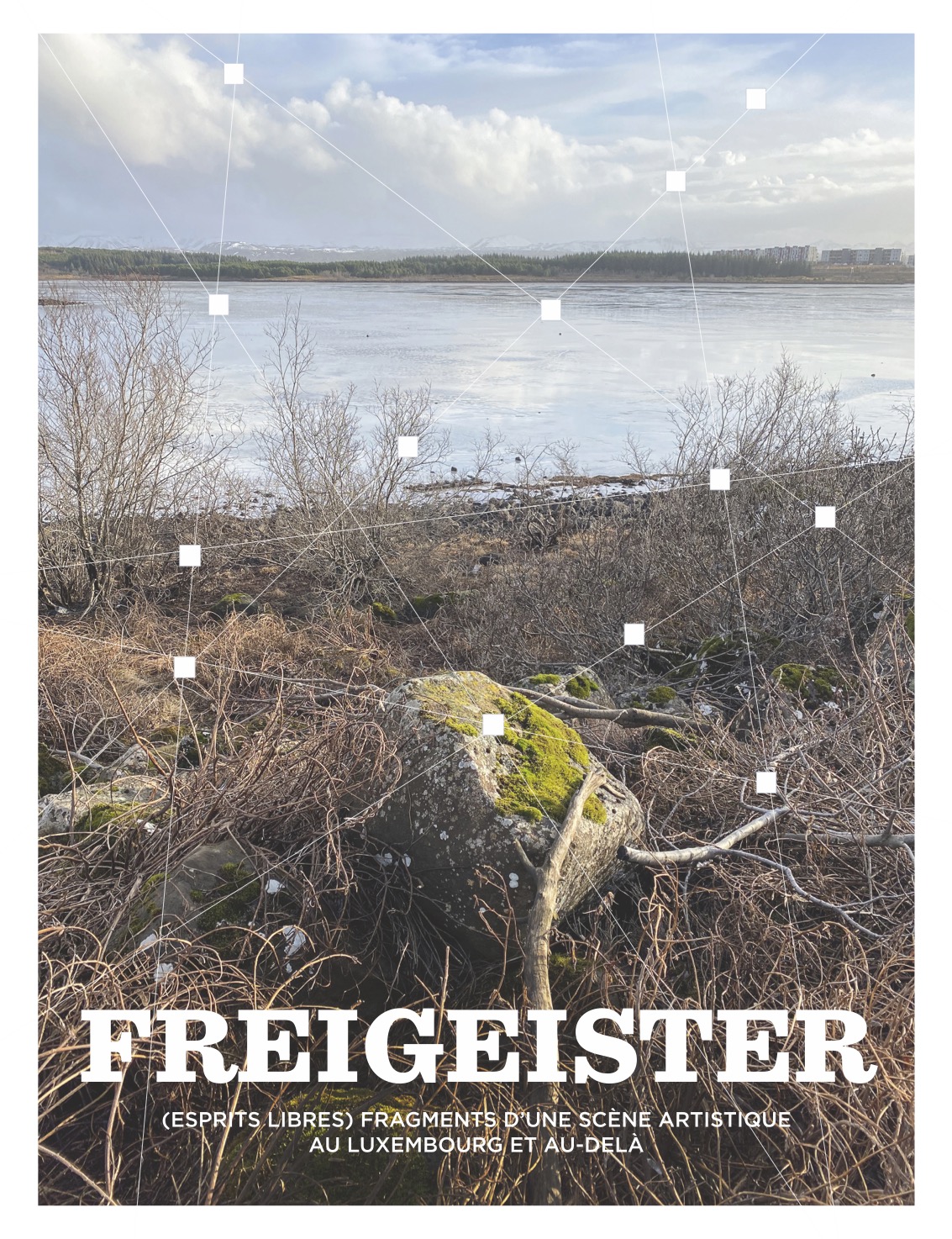
FREIGEISTER
FRAGMENTS OF AN ART SCENE IN LUXEMBOURG AND BEYOND35€ Add to cartThinking Otherwise—the Mudam in Luxembourg at Fifteen
A free spirit, Friedrich Nietzsche wrote, is someone who “thinks otherwise than is expected of him in consideration of his origin, surroundings, position, and office, or by reason of the prevailing contemporary views” (Human, All Too Human,1878). As the German philosopher saw it, one must seek to become “untimely” and remain a “stranger” to one’s time in order to question its premises. This view to states of alienation unites the positions of fourteen young Luxembourgish artists in Freigeister, the publication accompanying the celebrations on occasion of the fifteenth anniversary of the Musée d’Art Moderne Grand-Duc Jean.
In recent years, Luxembourg’s art scene has grappled in a wide variety of ways with the challenges that come with the small yet economically successful country’s ongoing transformation. Charting realities between the familiar and the unknown, the artists featured in Freigeister employ photography, painting, and installation as well as film, sculpture, printmaking, and performance art to paint a carefully considered but by no means dispassionate portrait of today’s society in an effort to build bridges between identity and the future.
The book presents works by Yann Annicchiarico, Laurianne Bixhain, Aline Bouvy, Marco Godinho, Sophie Jung, Catherine Lorent, Filip Markiewicz, Karolina Markiewicz & Pascal Piron, Claudia Passeri, Daniel Reuter, Nina Tomàs, Daniel Wagener, and Jeff Weber.
-
Spaces Embodied (ENGLISH)
Draiflessen Collection32€ Add to cartWe live in spaces that we shape in accordance with our own ideas. Our everyday lives leave traces in them that speak to our habits. Spaces promise shelter and belonging, but they can also instill a sense of constraint. We grow into the spaces we inhabit—and they in turn become expressions of our personalities. Conversely, spaces, depending on their architecture and location, inform our existence. RÄUME HAUTNAH gathers works of art that, rather than conceiving of the human sphere and the spatial domain as separate, comprehend them in their complex entanglements: in bodily experience, emotional dependency, or the instinctive need for protection. An essay by Olesja Nein, the project’s curator, offers an introduction to the exhibition and takes the reader on a tour, describing each artist’s space of activity and supplying helpful information. Philipp Zitzlsperger, meanwhile, zooms in on a key aspect of the art in the exhibition, the imprint as an artistic technique with a distinctive aura, and illuminates its origins and significance since the dawn of modernism.
Artists: Absalon, Shannon Bool, Heidi Bucher, Eileen Gray, Do Ho Suh, Mary Mattingly, Tracey Snelling, Francesca Woodman
-
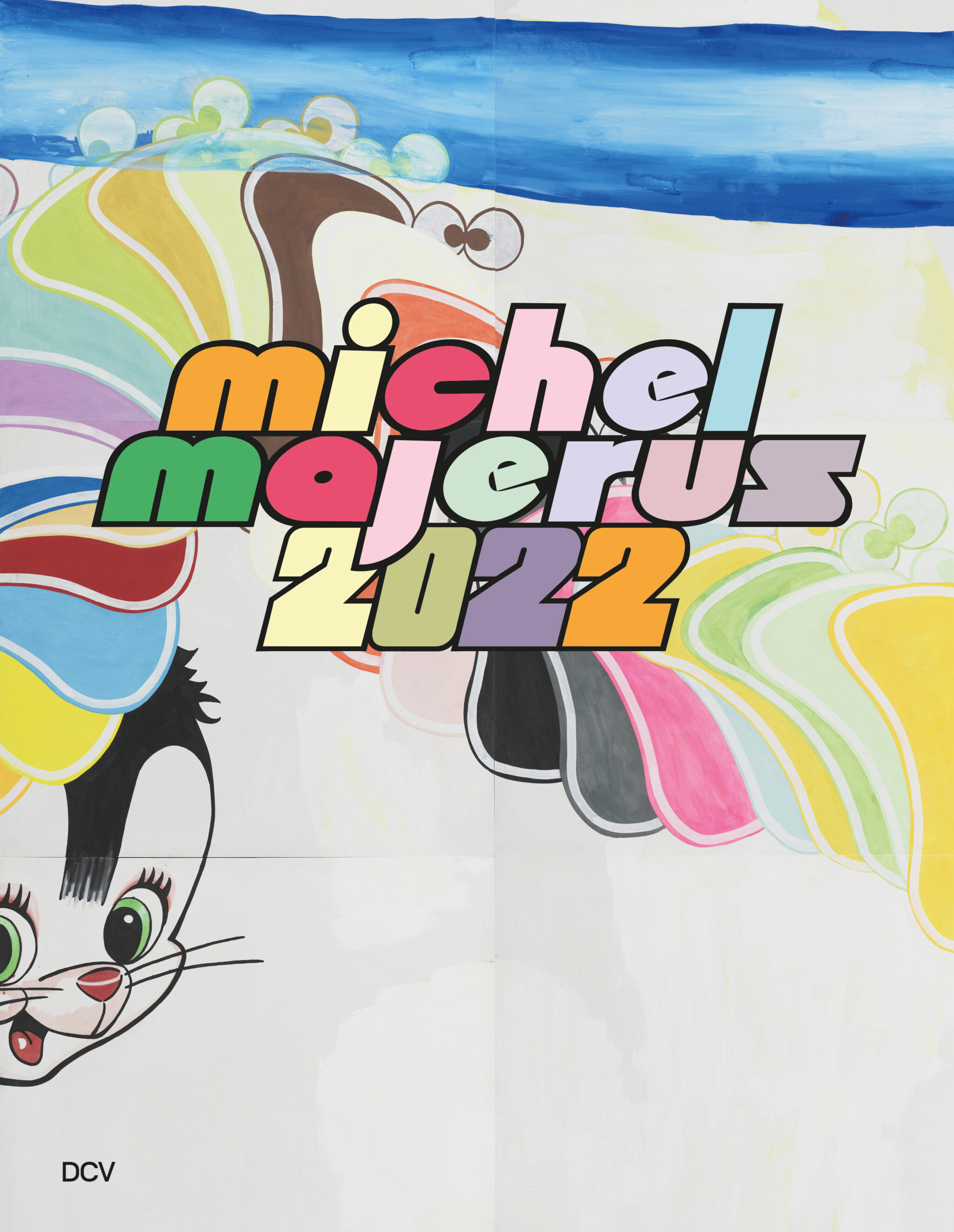
Michel Majerus 2022
49€ Add to cartMichel Majerus (1967–2002) ranks among the most interesting painters of his generation and left a singular and multifaceted oeuvre that still speaks powerfully to contemporary concerns. His works quote phenomena of everyday culture such as comic strips, advertisements, and videogames as well as sources of inspiration from art history ranging from minimalism to Pop Art. Decontextualizing the different elements of pictures, he integrated them into novel contexts of meaning by, for instance, setting them on a par with art-historical references.
Twenty years after his death, a series of exhibitions throughout Germany showcase different periods and aspects of his creative output. Five solo exhibitions at the KW Institute for Contemporary Art, the Neuer Berliner Kunstverein (n.b.k.), the Kunstverein in Hamburg, the Michel Majerus Estate, and Galerie neugerriemschneider, Berlin, pay tribute to Michel Majerus’s art in unprecedented breadth.
Concurrently, thirteen museums mount presentations of works by Michel Majerus from their collections: Ludwig Forum Aachen; Kunsthalle Bielefeld; Kunstmuseum Bonn; Museum Folkwang, Essen; Sprengel Museum Hannover; Museum Ludwig, Cologne; Kunsthalle Mannheim; Städtische Galerie im Lenbachhaus, Munich; Neues Museum Nürnberg, Nuremberg; Saarlandmuseum—Moderne Galerie, Saarbrücken; Kunstmuseum Stuttgart; Staatsgalerie Stuttgart; and Kunstmuseum Wolfsburg.
The extensive publication accompanying the exhibition series Michel Majerus 2022 includes three essays and two artists’ contributions as well as visual documentation of the exhibitions and presentations from the collections. It is rounded out by a biographical sketch of Michel Majerus, a history of exhibitions of his work, and archival photographs.
-

Female Gaze
From Virtual to Reality25€ Add to cartWorks of Art Take a Stance
The “female gaze” embodies a stance that is the polar opposite of the “male gaze.” The latter term came into use in the movie and advertising industries in the 1970s to describe the fact that women typically appear in films in supporting roles, as accessories to men, rather than as protagonists. The male gaze originated in a patriarchal society that has begun to change. The female gaze champions a modern form of emancipation that challenges men to abandon entrenched structures. Much more importantly, it encourages women to become aware of the strength that lies in their femininity and make it the source of their own creative expression and their own perspective on the world. For many years, the writer Silke Tobeler has visited artists in their studios, collecting the photographs she took there and her conversations with her hosts on her blog, Female Gaze.