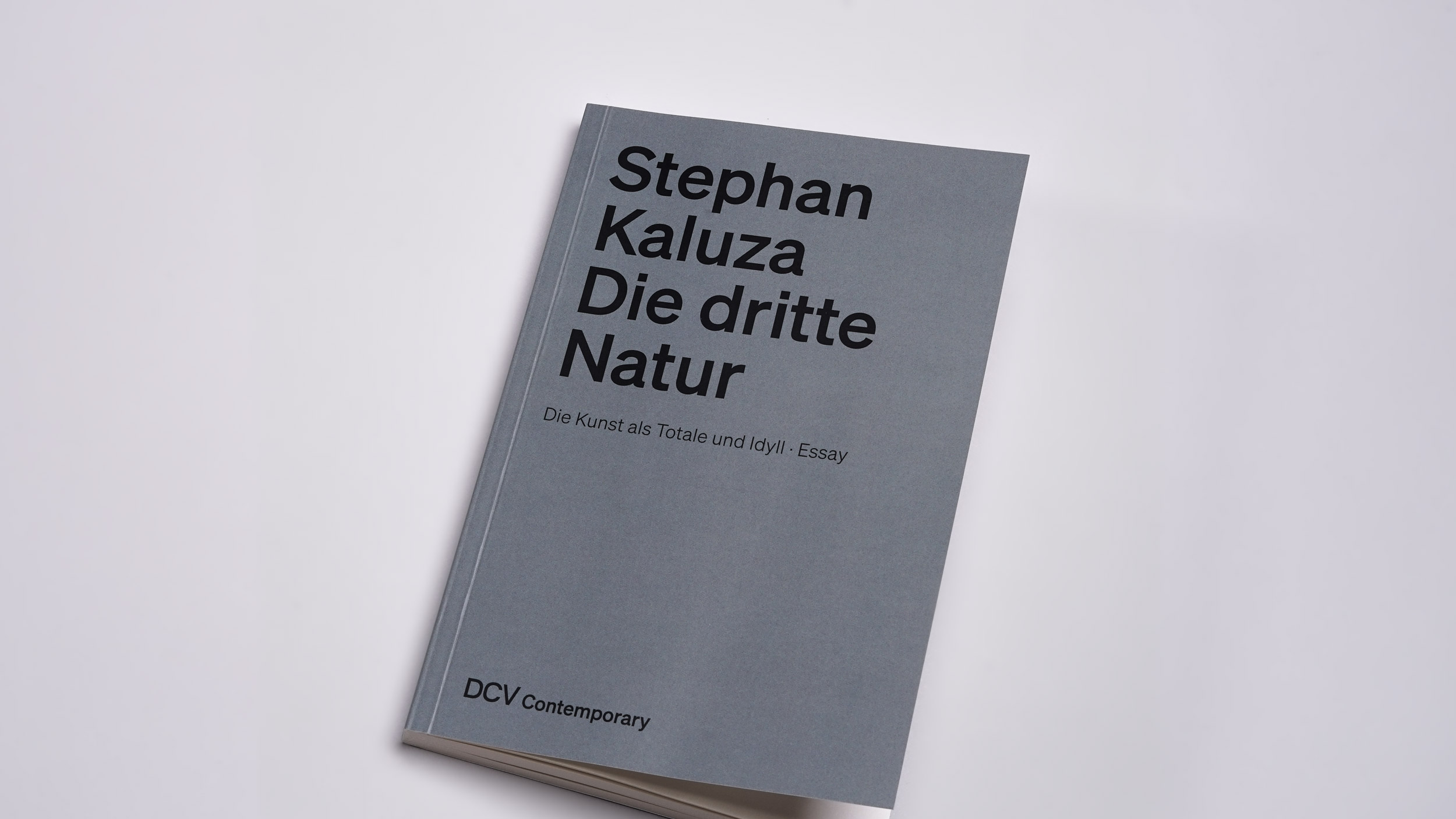
Stephan Kaluza
Die dritte Natur
 | |
|---|---|
| Author(s) | Stephan Kaluza |
| Design | Book Book, Berlin |
| Cover | Softcover |
| Size | 12 x 18 cm |
| Pages | 112 |
| Language(s) | German |
| ISBN | 978-3-96912-029-3 |
The Nature of Art as Totality and Idyll
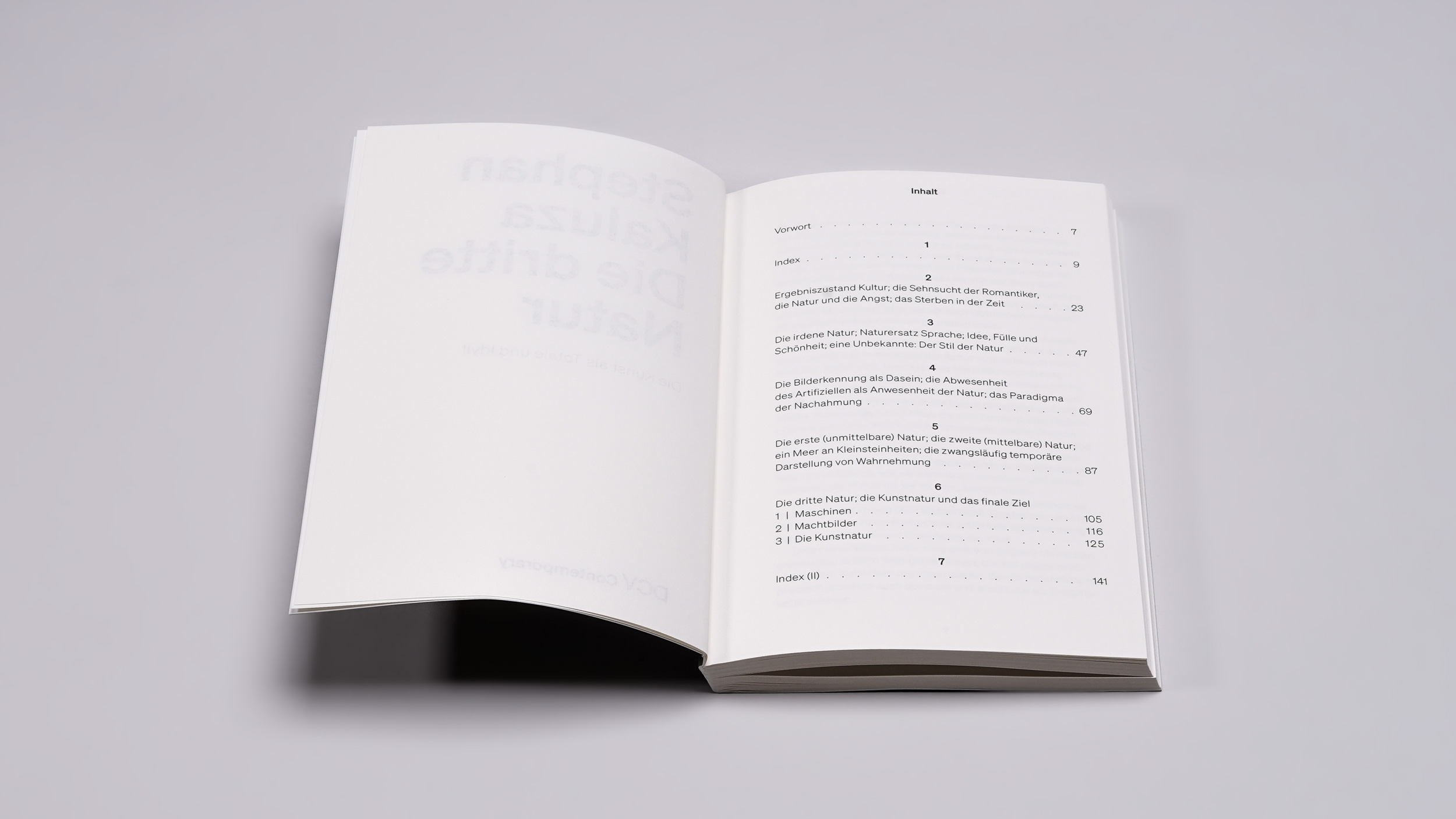
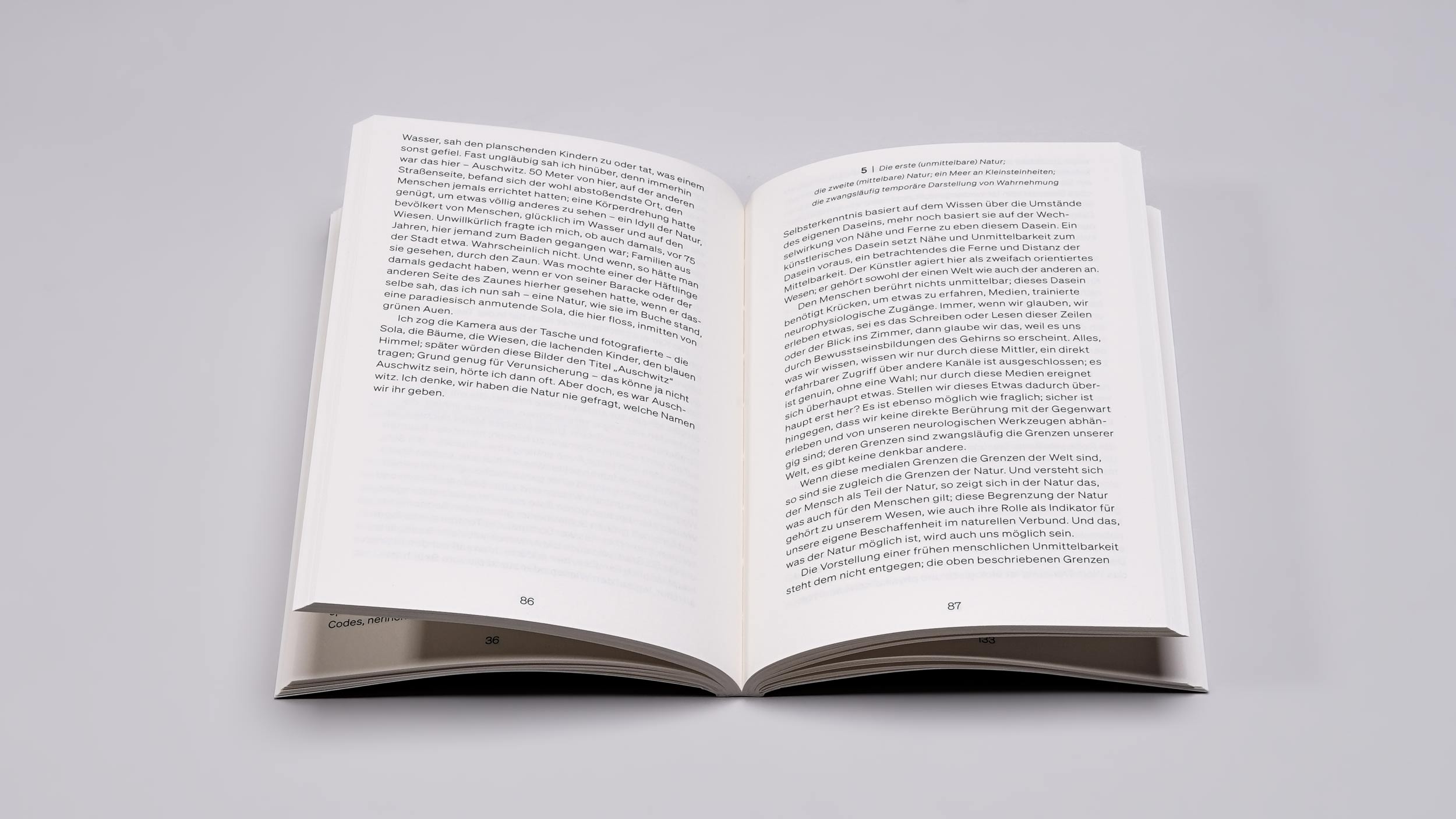
The philosophy of nature is central to the artist Stephan Kaluza’s (b. Bad Iburg, 1964; lives and works in Düsseldorf) work. As he sees it, there exists a succession of different natures: first nature is Kaluza’s designation for a world as immediately felt by (early) humans, part of an encompassing and close-range experiential totality they labeled ‘nature’ and perceived as a physical, but also spiritual and emotional concatenation of events. Second nature is stripped down to an objective and utilitarian quality; nature becomes a resource, the basis of life, the environment. In a kind of linguistic turn, speech mediates a surrogate, an alternative world, that positions nature as culture’s opposite; the former becomes replaceable in favor of latter. Yet this culture is far from devoid of yearnings for the immediacy that it has lost, and so develops an ‘artificial idyllic nature’ in turn. This third nature of the arts—a purely human nature—harks back to the archetypes of a first nature in escapism and totalized immersion.
More books
-

Julius Hofmann
Western Philosophies35€ Add to cartJulius Hofmann (b. Göttingen, 1983; lives and works near Göttingen) has mastered the traditional aspects of painting and commands a broad repertoire of creative techniques. This expertise enables him to call conventional painting in question by combining it with the aesthetic of 1990s computer graphics. The simple and often grotesque symbolism of the imperfect digital imagery contrasts with a perfectionistic figurative painting. This approach lends his pictures a disconcerting and unexpected quality.
Western Philosophies is an episode in Hofmann’s ongoing work confronting consumerist society with its dark secrets and its indifference. Meanwhile, his creative process is also an exploration of the artist’s personal fears and frustrations. In depicting his figures, landscapes, and machines, he draws our attention to the painterly originality of structures and surfaces. The protagonists, to his mind, play a subordinate role, typically serving him as vehicles—he is more interested in the “how” than in the “what.”
Julius Hofmann studied painting with Neo Rauch and Heribert C. Ottersbach at the Academy of Fine Arts Leipzig (HGB) from 2005 until 2011. His work is represented in international collections and institutions.
-

Mon Trésor
34€ Add to cartEurope’s Treasure Chamber
What do the torque of the princess of Reinheim, the tableware from the Orient Express, and the radio station Europe 1’s studio building have in common? They are among the treasures of the Saar region. The book presents outstanding archaeological objects and achievements of technology and art dating from the age of the Celts to the present. Drawn from the Saarland and neighboring Alsace-Lorraine, Luxembourg, and Rhineland-Palatinate, the unexpected riches illustrate the cultural and social dimensions of this multinational region in the heart of Europe. The title Mon Trésor describes many of them quite literally: the note a seven-year-old dashed off to his father before his family was evacuated in the first days of World War II; the Roman-era ring that is also a relic, witnessing to flight and danger. All treasures are personal first and foremost, though others may later cherish them as cultural assets.
-

Filip Henin
10€ Add to cartThe events captured in Filip Henin’s (b. Mayen, 1986; lives and works in Berlin) paintings are set in a world beyond time and place, as though on an empty stage prepared for a Samuel Beckett production. It is virtually impossible to say whether a picture shows a coastal region or a craggy slope up in the mountains, whether a field of blue represents the sea or a band of open sky. Henin strips landscapes down no less than human figures, subtracting specific features to isolate basic forms that might be found in the hill country around his hometown in western Germany or in Tuscany. His work integrates quotations from antiquity, Romantic landscape painting, and postmodernism as well as Italian Transavanguardia, the mysticism of Francesco Clemente and Sandro Chia, and the figurative painting of the 1990s. Without veering into drama or pathos, he harnesses two utterly antithetical energies: the reflection on painting and the history of art and the need to be simple.
-
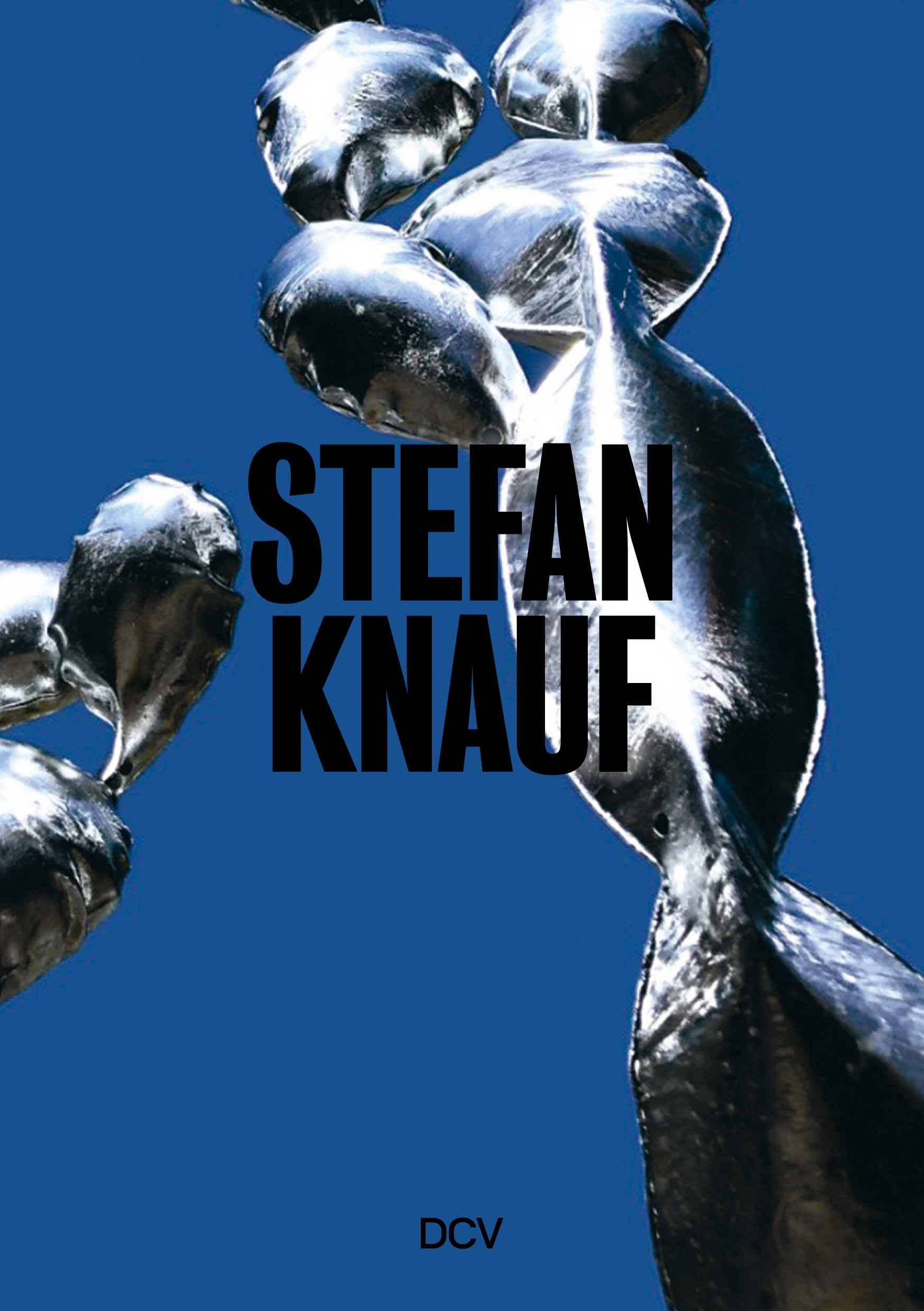
Stefan Knauf
10€ Add to cartStefan Knauf (b. Munich, 1990; lives and works in Berlin) uses selected materials such as construction supplies or plants to investigate the histories of botany, migration, trade, science, and architecture and critique an idealized and anthropocentric conception of nature that is still prevalent. His sculptures, geometric-abstract pictures, and installations, with echoes of constructivism and minimal art, are contact zones in which everything is related to everything: human and non-human history, the natural and the artificial, ecology and ideology. Knauf’s works do not propose to unravel these entanglements. Rather, they suggest alternative perspectives and topographies guided by the idea of the “modified landscape” and devise material and alchemistic forms of knowledge and a novel and multiperspectival approach to the history and reality of the Anthropocene.
- Release January 2026

Charles Moore
On painting16€ Add to cartFor On Painting, New York-based art historian and curator Charles Moore, interviewed four women artists about their practice, asking them to reveal their motives and aspirations. This publication consists of four interviews, each containing an introduction by Moore and illustrations of the artist’s works. Danielle Mckinney, who paints exclusively Black women, reflects on her experiences as a woman growing up in the US South. Nicola Staeglich creates subtle layered abstract works to evoke new perspectives and the potential for change. Nirit Takele elaborates on how her Ethiopian Jewish heritage has shaped her painting practice. Jorinde Voigt, who creates complex installations inspired by notation systems, discusses the use of algorithms and the beauty to be found in the unexpected.
-
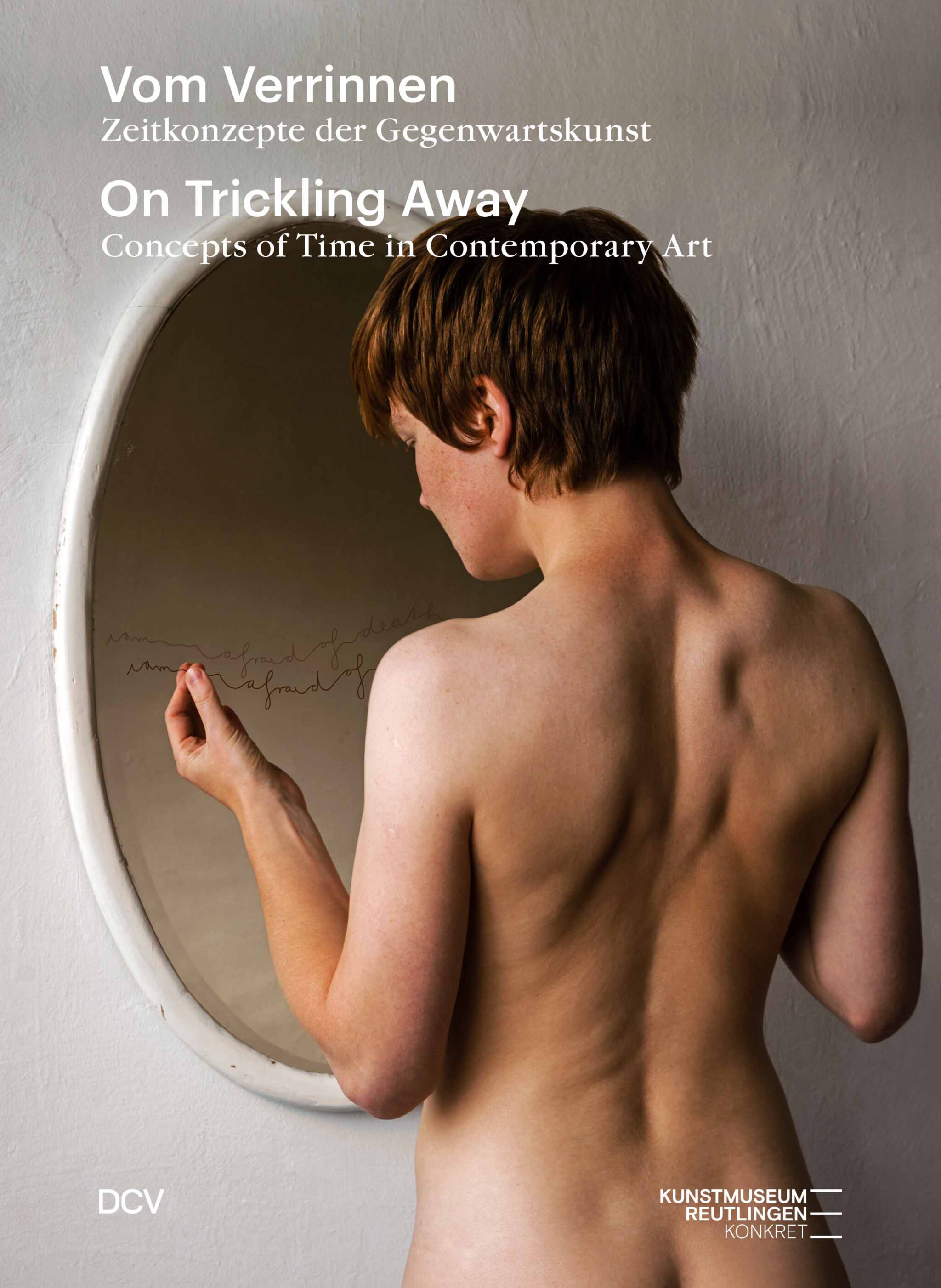
On Trickling Away
Concepts of Time in Contemporary Art30€ Add to cartTime, like space, is one of the key coordinates of human existence. The great mysteries of our lives revolve around it, only to remain unresolved when death inevitably ends our days. What is time’s role in art? The vanitas, a genre that was popular with painters in the seventeenth century, is hardly the earliest form that artists have devised to grapple with it. Holger Kube Ventura’s book On Trickling Away. Concepts of Time in Contemporary Art presents the ideas of contemporary artists who approach time from diverse angles. In the twenty-first century, their interest appears to have shifted from visualizations of future raptures to visions of slowness, of the distension, repetition, and standstill of moments in time. Bernard Aubertin (FR), Inge Dick (AT), Rom Gaastra (NL), Gosbert Gottmann (DE), Tommi Grönlund & Petteri Nisunen (FI), Manuela Kasemir (DE), Timo Klos (DE), Dimitry Orlac (FR), George Rickey (US), Patrik Söderlund & Visa Suonpää (FI), and John Woodman (UK) hone our awareness of how subjective the passage of time is and convey vivid experiences of its trickling away.
-
Emil Nolde
A Critical Approach by Mischa Kuball40€ Add to cartWhat is Visible and What is Not
Mischa Kuball (b. 1959, Düsseldorf; lives and works in Düsseldorf) investigates public and institutional spaces and the social and political discourses that shape them. At the invitation of the Draiflessen Collection and with support from the Nolde Stiftung, the conceptual artist grappled with the life and oeuvre of the painter Emil Nolde (1867–1956) and created a body of work titled Nolde/critique/Kuball. In piece after piece, Kuball drains Nolde’s works of the colors that made the Expressionist famous, challenging the beholder’s preconceptions and examining perception and its constituent processes. Laid out in black and white, the book accordingly directs our attention not only to what a picture shows, but also to how structures and organizing principles emerge into view.
Mischa Kuball has been professor of public art at the Kunsthochschule für Medien Köln, and associate professor of media art at the Staatliche Hochschule für Gestaltung/ZKM Karlsruhe since 2007.
Note: This publication is released in German, English and Dutch. When ordering, please let us know which edition you would like to receive. Use the annotation box on the checkout page.
-
Felix Schramm
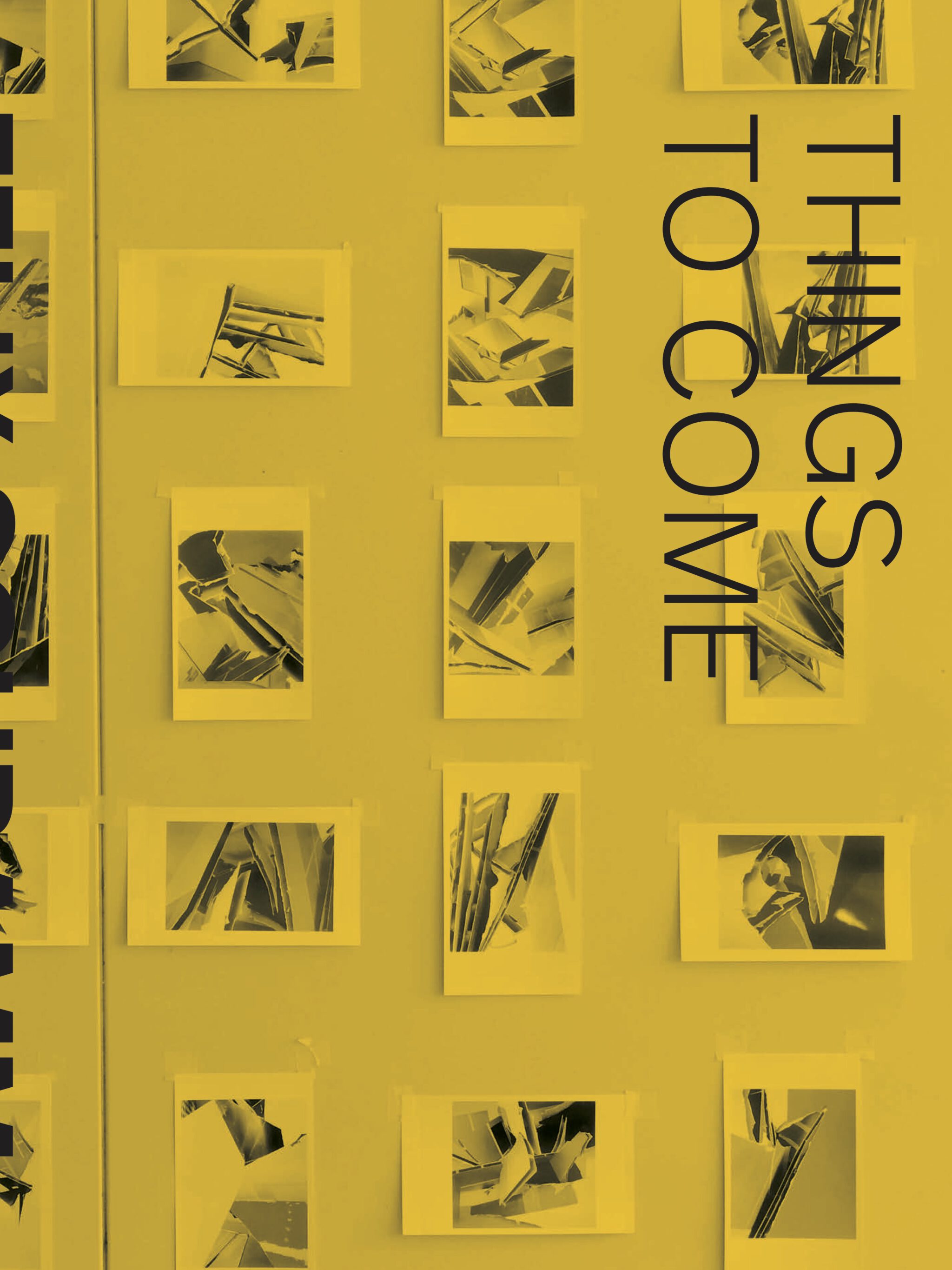
Things To Come44€ Add to cartFelix Schramm’s (b. Hamburg, 1970; lives and works in Düsseldorf) sculptural oeuvre reflects a probing engagement with space and the body. In works in a variety of media, including installations that intervene into a given setting, sculptures, and collages, the artist creates three-dimensional forms out of classical materials and industrial staples as well as detritus and dust. Deformations, rifts, cracks, or impurities undermine the existing order in his constructed formal ensembles, allowing novel correspondences in space and interconnections across time to emerge. The material and its subjection to form are held in a precarious balance; disintegration, which is an integral element of Schramm’s art, paves the way for artistic assertion and reformulation. The extensive publication gathers works and exhibitions of the past five years. It is Schramm’s first monograph, presenting a cross-section of his entire oeuvre with all bodies of work.
Felix Schramm studied at the Accademia di Belle Arti, Florence, from 1991 until 1993 and at the Academy of Fine Arts Düsseldorf, where he was in Jannis Kounellis’s master class, from 1994 until 1998. He rounded out his education with residencies in Tokyo in 2000 and at Villa Massimo in Rome in 2008.
-
On Air
Der Klang des Materials in der Kunst der 1950er bis 1970er Jahre40€ Add to cartOn Air showcases a distinctive art form, the sound sculpture, retracing its evolution from the early 1950s, when artists begin dismantling the conventional boundaries of art, to the early 1970s. In no more than a quarter-century, the range of possible answers to the question “What is art?” grows vastly larger. Propelled by the idea of the work of art as a machine and instrument, sounds, noises, tones, vibrations, silence, words, breath become a “tangible” sculptural material. Artists enrich visual perception by adding the acoustic dimension, interweave seeing and hearing, explore time and space with fresh zeal. In emerging artistic genres such as performance, installation, or media art, sound is an integral component of the work. The book focuses on sound objects by Yaakov Agam, Joseph Beuys, Hermann Goepfert, Yves Klein, Jannis Kounellis, Bruce Nauman, Robert Rauschenberg, Jean Tinguely, David Tudor, Timm Ulrichs, and others.
With five scholarly essays and numerous illustrations and notes on individual works, the comprehensive publication offers an attractive introduction to the subject.
-

G. I. Widmann
Retrospektive24€ Add to cartA Tribute to the 100th Birthday. One of the Important Figurative Positions of the Young Federal Republic of Germany
She was an unusual painter who sought to hide her gender behind a pseudonym, while at the same time addressing her own circumstances as an independent artist and single mother in her large-format canvases. Gudrun Irene Widmann (b. 1919, Reutlingen; d. 2011, Reutlingen) created an oeuvre that lays claim to being one of the most important figurative positions of the 1950s and ’60s. This retrospective volume pays testimony to a strong personality and sheds light not only on her self-image as an artist but also on the influences of society and personal contexts — representative of the situation of female artists in general.
Gudrun Irene Widmann studied at the academies in Düsseldorf, Stuttgart, and Vienna during the Second World War. She worked in her own studio in her hometown of Reutlingen until her death.
-

Corona, Queens
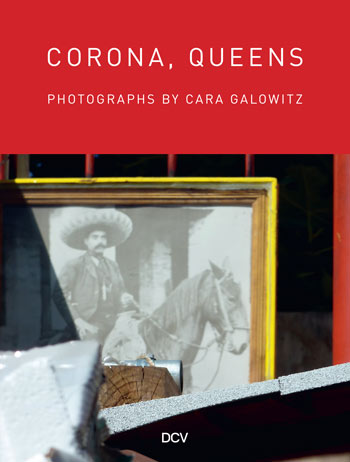
Photographs by Cara Galowitz32€ Add to cartFor seven years Cara Galowitz (b. 1964, lives and works in New York) walked the streets of Corona, Queens every day during her lunch break from her nearby museum job, where she worked as an art director. These photographs, which she calls “an exercise in seeing”, capture the vivid juxtapositions of one of the most ethnically diverse neighborhoods in the world.
Through layers of irony, humor, and visual sophistication, these photographs evoke a place that is a continual work-in-progress, where the past, be it faded lettering or crumbling architecture, collides with the present in the form of spontaneous street decorations, signage, graffiti, and religious iconography. The images evoke the struggle and resilience of the people of Corona, as well as capturing the quirky beauty of the streets.
Cara Galowitz is a graduate of the Cooper Union School of Art where she focused on graphic design, photography, and fine art. She has pursued a long career as a museum art director and has shown work at the Newark Museum, the Museum of the City of New York, and the Grey Art Gallery.
-

6 U L
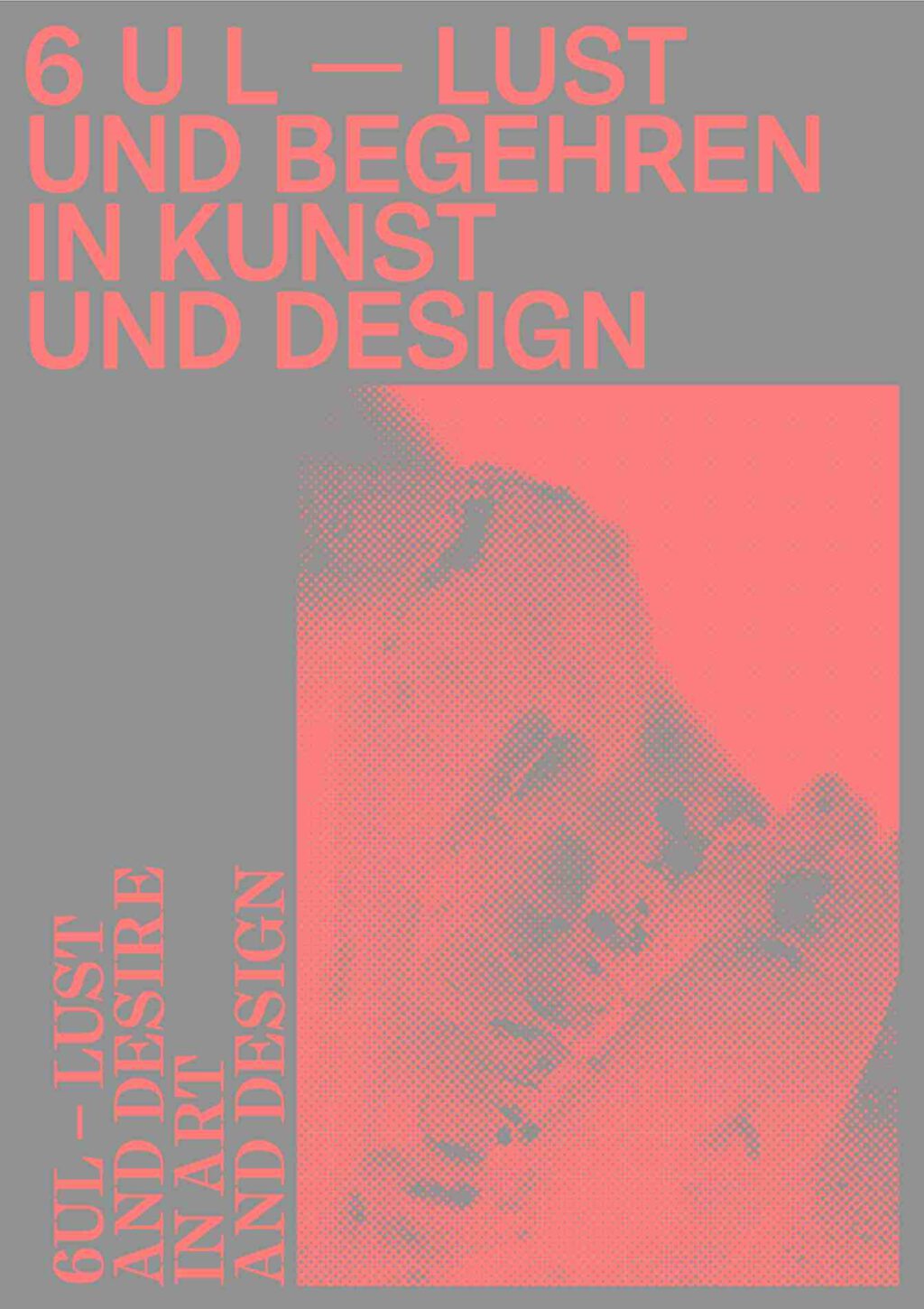
Lust and Desire in Art and Design28€ Add to cart“Whose Jizz is this?” Sechs-u-ell: to make sense of the publication title, trust your college German and your phonetic ear. “Sexual,” here, comprises the entire broad spectrum of what we associate with carnal pleasure. Lust, desire, ecstasy, repression, obsession—the world of art, fashion, and design abounds with specimens of eroticism and sexuality in their infinite variety, shopworn stereotypes be damned. Looking back on the thorough revision of society’s ideas about sexuality in the past three decades, the book inquires into how the works of visual artists, fashion creatives, and designers reflect today’s public debates over biological and social gender roles, power structures, and sexual violence or the fading of taboos over sexual practices. With works and designs by Walter Van Beirendonck, Monica Bonvicini, Tracey Emin, Hans-Peter Feldmann, Jürgen Klauke, Peaches, Cindy Sherman, Kara Walker, Vivienne Westwood, and many more. This book documents a grand exhibition scheduled for the past summer at the GRASSI Museum of Applied Arts, Leipzig, which had to be canceled due to the Covid-19 pandemic.
- Out of stock

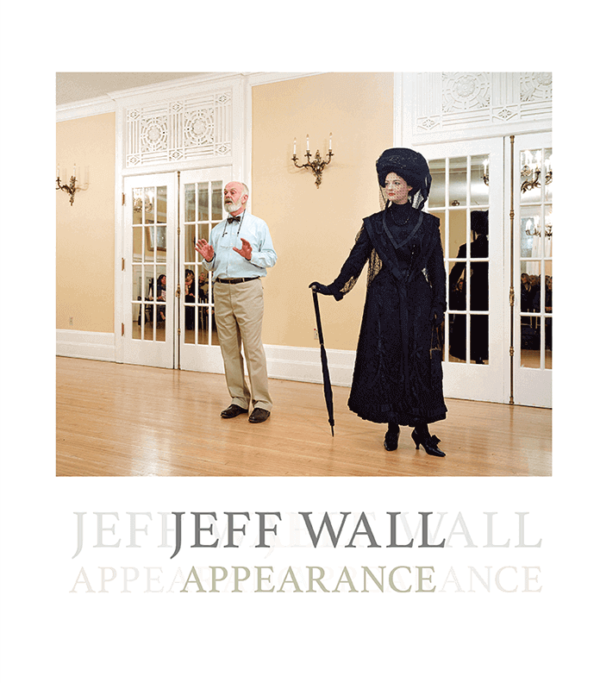
Jeff Wall
AppearanceRead moreA New Perspective on the Work of the Photo Artist
The trademark of Jeff Wall (b. 1946, Vancouver; lives and works in Vancouver) are large-scale backlit light boxes, which appear like carefully composed film stills. The art historian ties his works in manifold ways to art history and, due to his elaborate arrangements, is often compared to modern masters. Many pictures by Jeff Wall are inspired by novels or stories and condense into intentional stagings of the everyday. With a special focus on constellations which present the medium photography like a search for traces, the book allows a new perspective on the artist’s works which have up until now rarely been shown in exhibitions.
Jeff Wall studied art history at the University of British Columbia, Vancouver, and at the Courtauld Institute of Art, London. His works are exhibited internationally, for example at the Museum of Modern Art, New York, Tate Modern, London, and the Art Institute of Chicago. In 2008 he received the Audain-Award for his life work.
-

Harte Zeiten
Ciężkie Czasy34€ Add to cartIncreasingly pressing global political and societal challenges are always also rewarding subjects of creative engagement, and sometimes artists devise anticipative approaches to real-world problems.
Harte Zeiten—Ciężkie Czasy is a cooperative venture launched by Künstlerbund Baden-Württemberg; Port25—Raum für Gegenwartskunst, Mannheim; and Galeria Miejska bwa, Bydgoszcz, Poland. It showcases works by altogether ten Polish and ten German contemporary artists. Putting the principle that art knows no boundaries into practice, the publication, with statements from Wolfgang Ullrich, Joanna Kiliszek, Schamma Schahadat, and others as well as documentation of the symposium held in September 2021, inspires forward-looking reflections on the conditions in which cultures thrive and similarities and differences between the two countries and beyond.
-

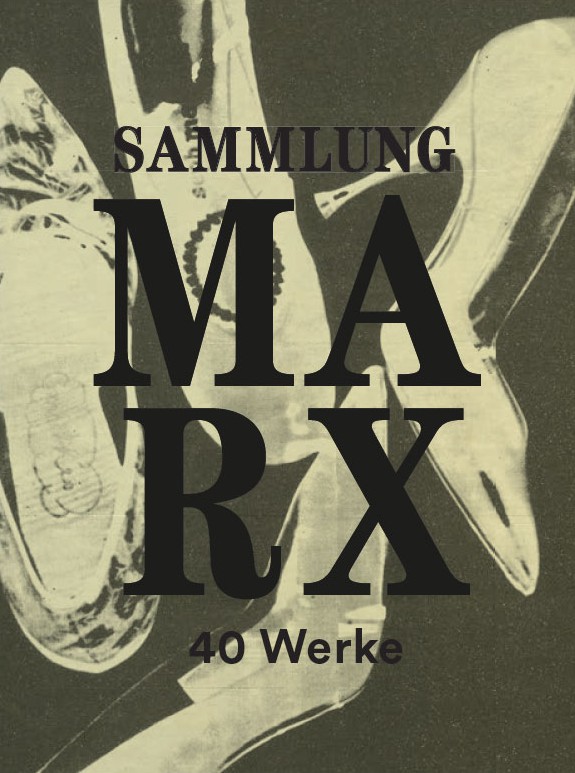
Sammlung Marx
40 Werke29€ Add to cartThis is the German edition, follow here for the English edition
- Release September 2025

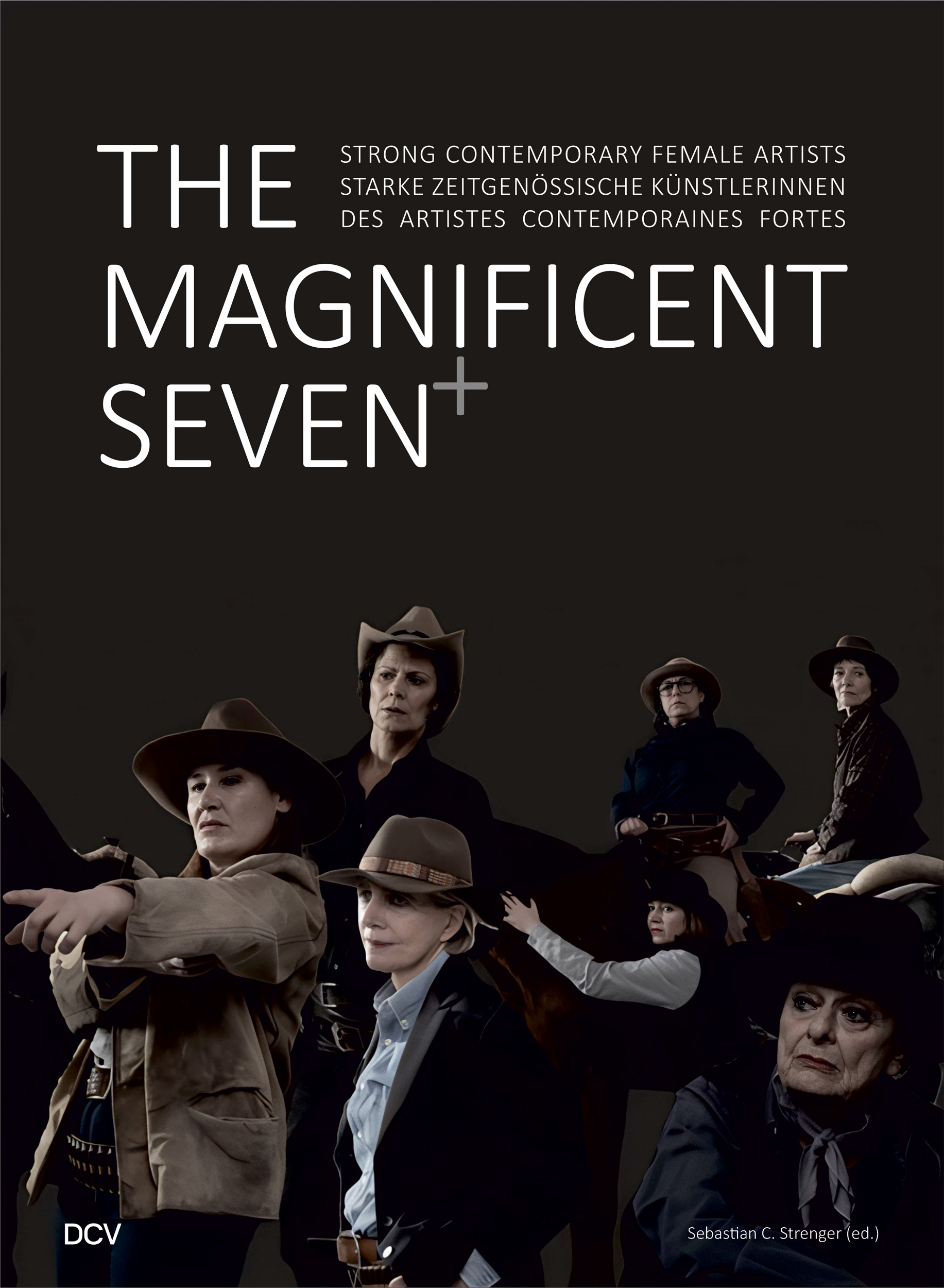
The Magnificent Seven+
Strong Contemporary Female Artists44€ Add to cartWhen The Magnificent Seven hit the silver screen in 1960, heroism was firmly men’s business. Now it is women artists who are redefining the art world with visionary energy. Sebastian C. Strenger portrays outstanding women making art today, including Ingeborg Lüscher, Elfie Semotan, Xenia Hausner, Valérie Favre, Sandra Vásquez de la Horra, and Cristina Lucas. Their works question power structures, play with identity, or deconstruct prevailing narratives. Their art is figurative or abstract, narrative or conceptual, political or introspective. These women are changing the art market and dominate the new canon at international institutions by calling existing structures in question and opening up spaces for fresh thinking.
-
Jagoda Bednarsky
SHADOWLAND ET AL40€ Add to cartJagoda Bednarsky’s (b. Złotoryja, Poland, 1988; lives and works in Berlin) paintings are pop-cultural and nostalgic borrowings that she transfers into the grotesque register, with allusions to stereotyped role models between hypermasculinity and matriarchy. Unfurling pastel-colored hillscapes composed of breasts, breast pumps, vulvas, figures from Greek myth, and motifs from flora and fauna, Bednarsky’s Shadowland series interrogates traditional ideas of femininity and motherhood. The depiction of the female breast serves as a metaphor referring to the titular “Shadowland,” where this part of the body is still perceived as a sexualized object rather than as natural. The title, one might note, is borrowed from a culture magazine first published in New York in 1919 in which the artist spotted Art Deco illustrations that became a vital source of inspiration. Despite the dense aggregation of fraught symbols and referential gestures, the sensual, poetic, and richly imaginative works exude a lightness that stems from their translucency and subtle irony.
The comprehensive volume presents Bednarsky’s works from between 2018 and 2023 and a singular conversation with the artist.
Jagoda Bednarsky studied fine arts, first at Kunsthochschule Kassel (2008–2009), then at HfBK Städelschule, Frankfurt am Main, with Michael Krebber and Monika Baer (2009–2014).
-

Fritz Overbeck und Hermine Overbeck-Rohte
Der Briefwechsel38€ Add to cartIntimate Glimpses from the Marriage of Two Worpswede Artists
In the final years of the nineteenth century, numerous painters settled in the village at the foot of Weyerberg hill, followed by young women who took classes with the local artists. Fritz Overbeck (b. Bremen, 1869; d. Bröcken near Vegesack, 1909) and Hermine Overbeck-Rohte (b. Walsrode, 1869; d. Bremen, 1937) became one of Worpswede’s husband-and-wife creative duos, though their union has been less celebrated than those of Otto Modersohn and Paula Becker or Rainer Maria Rilke and Clara Westhoff. Like the stories of their more famous neighbors, theirs exemplifies life and work in the artists’ colony, but also the dogged struggle for equality in the creative professions. Yet unlike those other relationships, theirs did not break up over the conflict between art and marital life; it lasted until Fritz Overbeck’s tragic early death. In a first, this book contains virtually the entire extant correspondence between the Overbeck-Rohtes in unabridged form and with numerous annotations. Offering fresh and nuanced insight into the lives and oeuvres of its protagonists, it makes for moving and entertaining reading.
-

Jakob Ganslmeier
Lovely Planet. Polen / Poland16€ Add to cartAn Unconventional and Humorous Guide to a Country of Contrasts
In 2015, the photographer Jakob Ganslmeier (b. Munich, 1990; lives and works in Berlin) went on an extended tour of Poland in search of shots that captured the country’s social realities and way of life at a time of wrenching changes. The title of his project evokes associations with Lonely Planet, one of the world’s best-selling series of travel guides, and the artist took inspiration from the format of the popular books, where recommendations for readers exploring strange lands are grouped by categories. Crisscrossing Poland—he covered over ten thousand kilometers—Ganslmeier encountered widely different people and draws our attention to places that would never make it into a guidebook. His pictures show a country of extremes, between boomtown optimism and decline, consumerism and poverty, gleaming façades and bleak village streets.
Jakob Ganslmeier studied at the Ostkreuzschule für Fotografie, Berlin, and at the Bielefeld University of Applied Sciences. His pictures, which have garnered numerous awards, are frequently featured in leading German media and have been shown in exhibitions in Germany and abroad, including at the Brandenburgisches Landesmuseum für moderne Kunst, Cottbus, the Nobel Peace Center, Oslo, the Triennale der Photographie Hamburg, and the Fondation Calouste Gulbenkian, Paris.
-
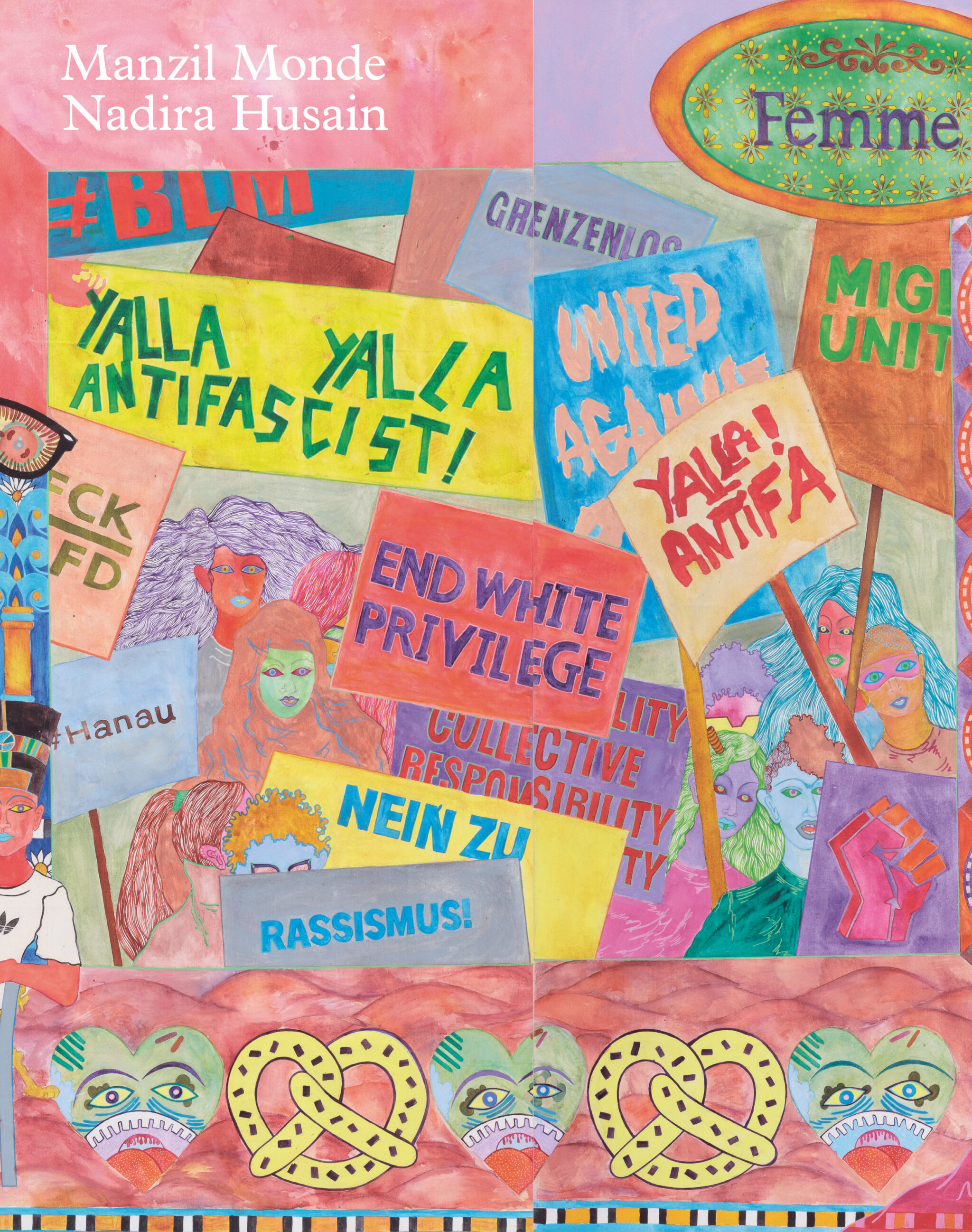
Nadira Husain
Manzil Monde30€ Add to cartNadira Husain’s (b. Paris, 1980; lives and works in Berlin, Paris, and Hyderabad) work combines figures, symbols, and ornaments from different cultures in complex imageries that reflect her own multicultural experience. To achieve a harmonious, though by no means placid, coexistence of all elements, the artist harnesses painting, drawing, printing processes, traditional artisan practices, and a range of materials including textile and ceramics, recognizing no hierarchy of media or genre. Hybridization and the translocation of motifs serve her to tease out similarities as well as divergences between myth and pop culture: the Indian deity, the cartoon character, and the fashion label appear as equals in the universe of her art.
The book contains several essays that explore Nadira Husain’s oeuvre as a significant contribution to the discourse around postmigration, transculturality, and feminism in contemporary art.
Nadira Husain studied at the École nationale supérieure des beaux-arts in Paris and the University of British Columbia in Vancouver. She is currently a visiting professor at the Berlin University of the Arts, where she co-teaches with the Belarusian artist Marina Naprushkina.