Sonja Yakovleva
Soaplands
 | |
|---|---|
| Author(s) | Anna Gien, Sabrina Günther, Oliver Koerner von Gustorf, Egor Sofronov |
| Design | Correspondence (Justus Gelberg, Berlin & Lukas Engelhardt, Amsterdam) |
| Size | 25 x 32 cm |
| Cover | Hardcover |
| Pages | 256 |
| Illustrations | 164 |
| Language(s) | German, English |
| ISBN | 978-3-96912-145-0 |
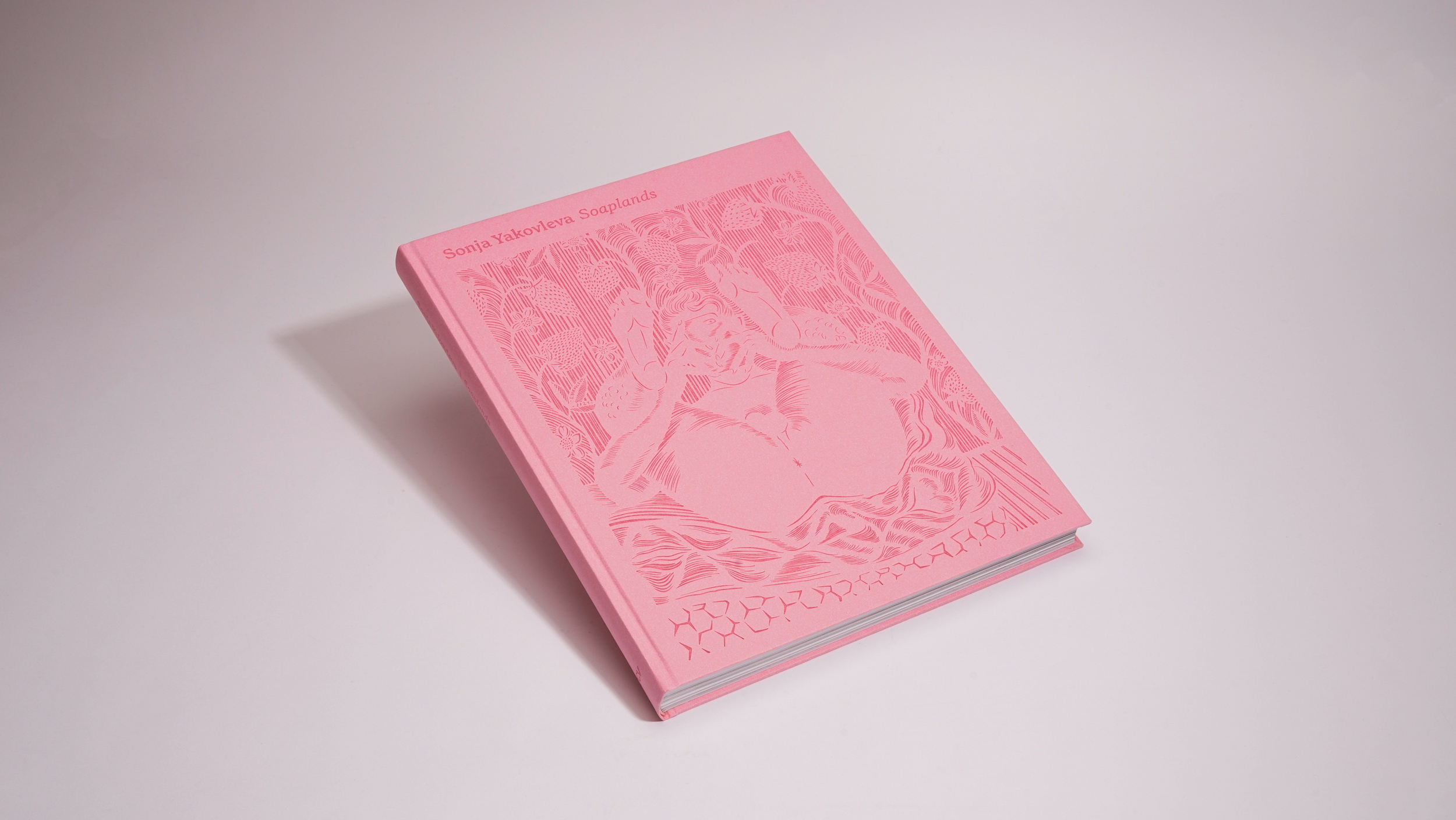
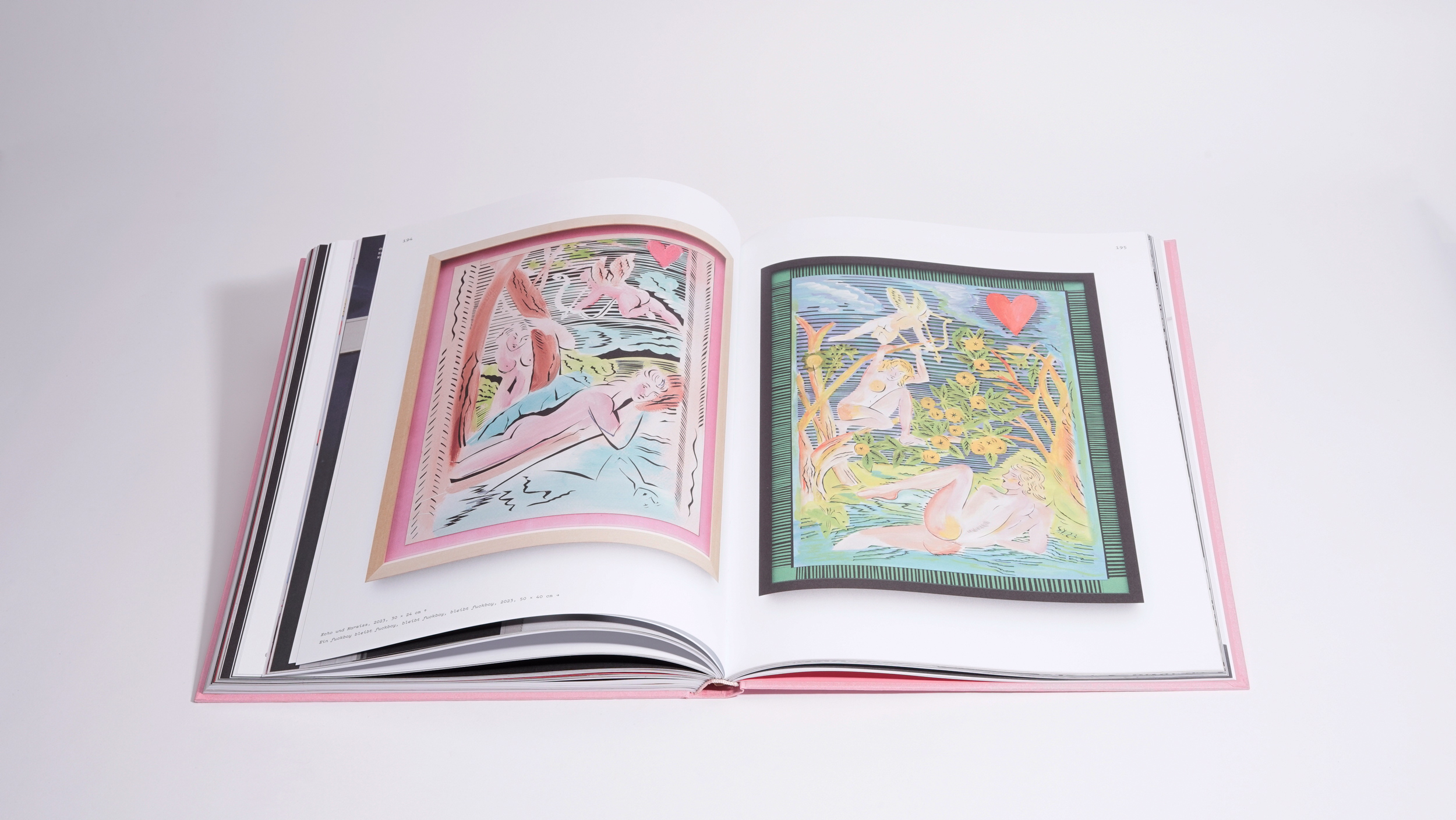
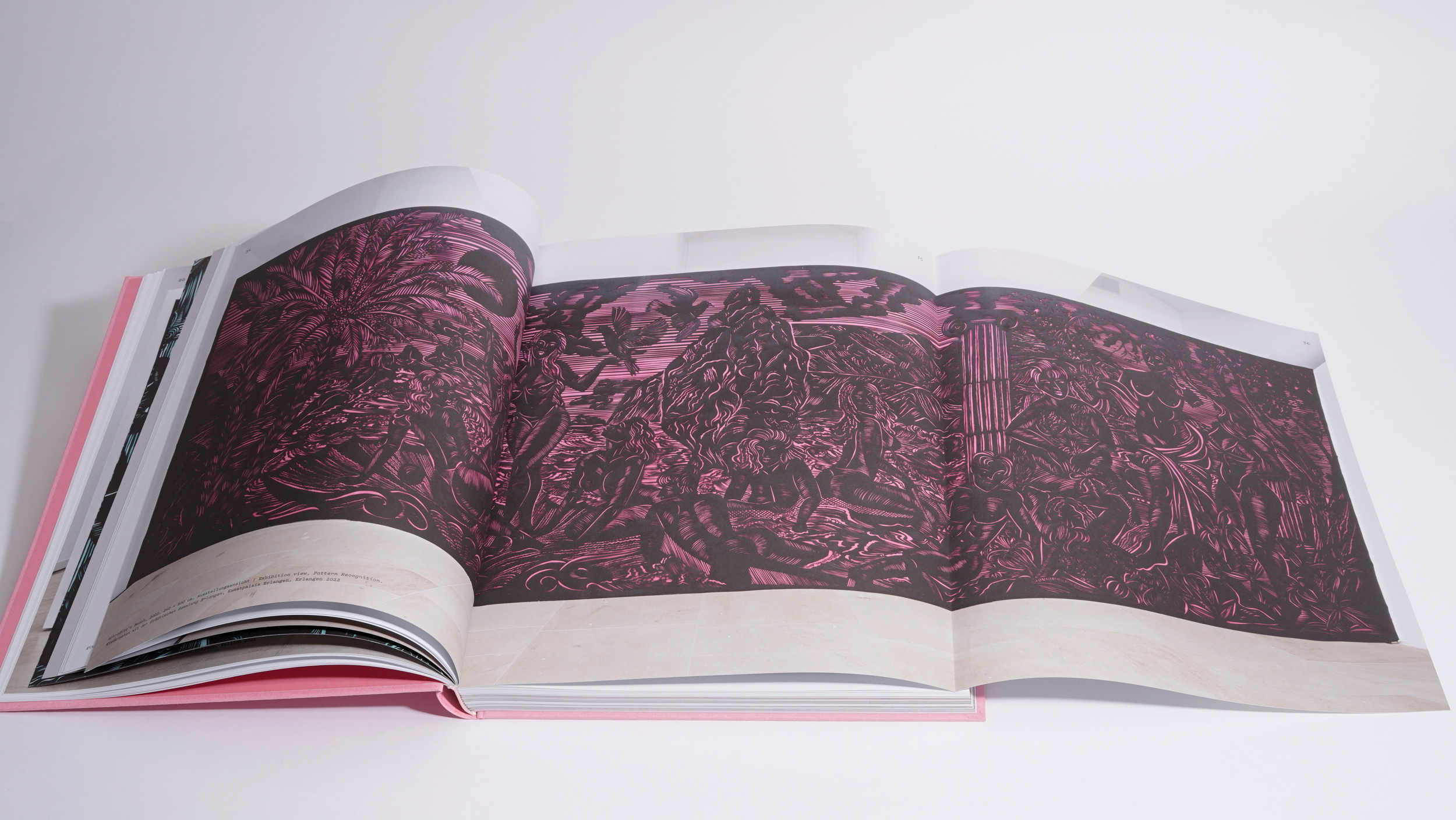
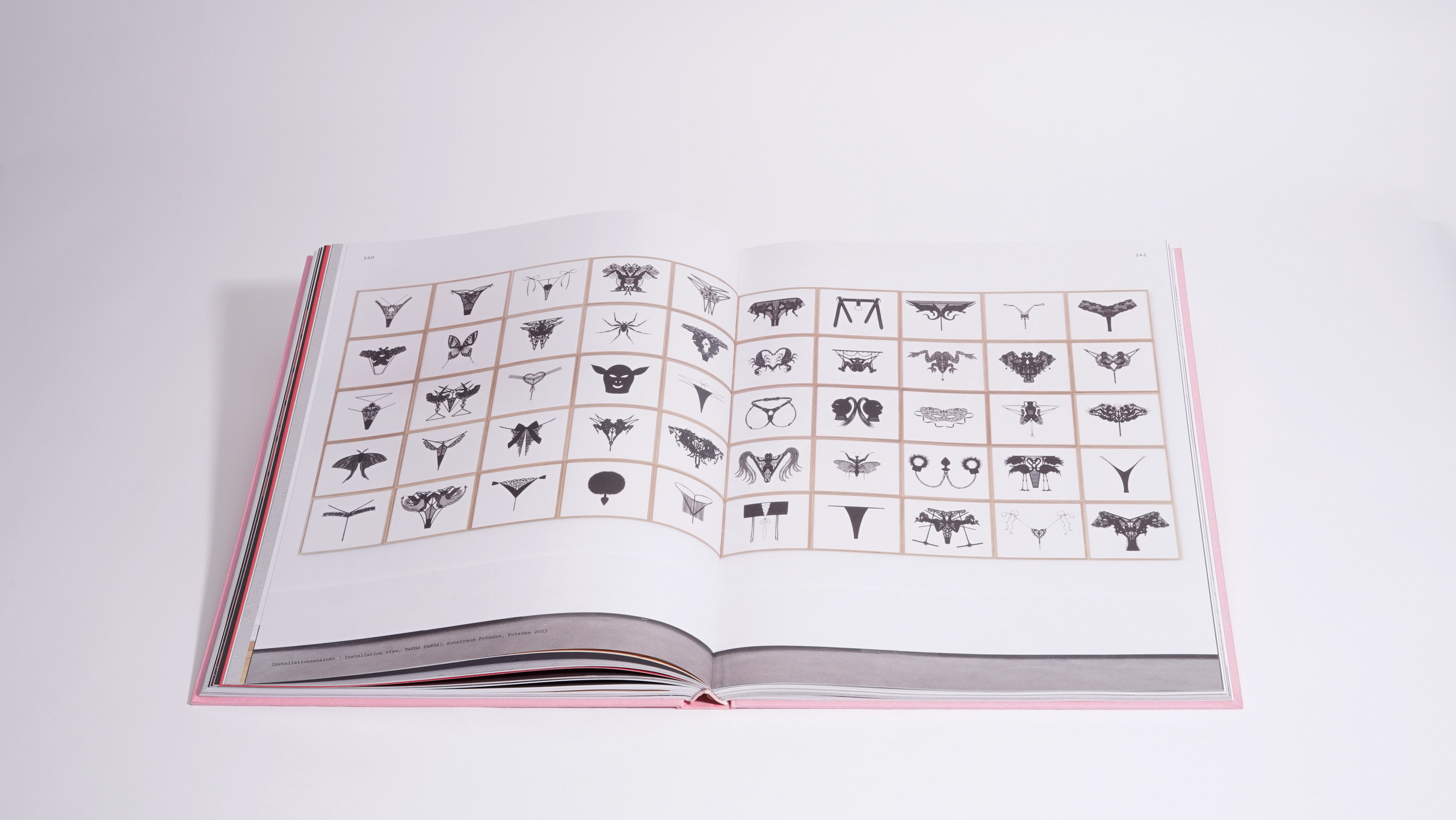
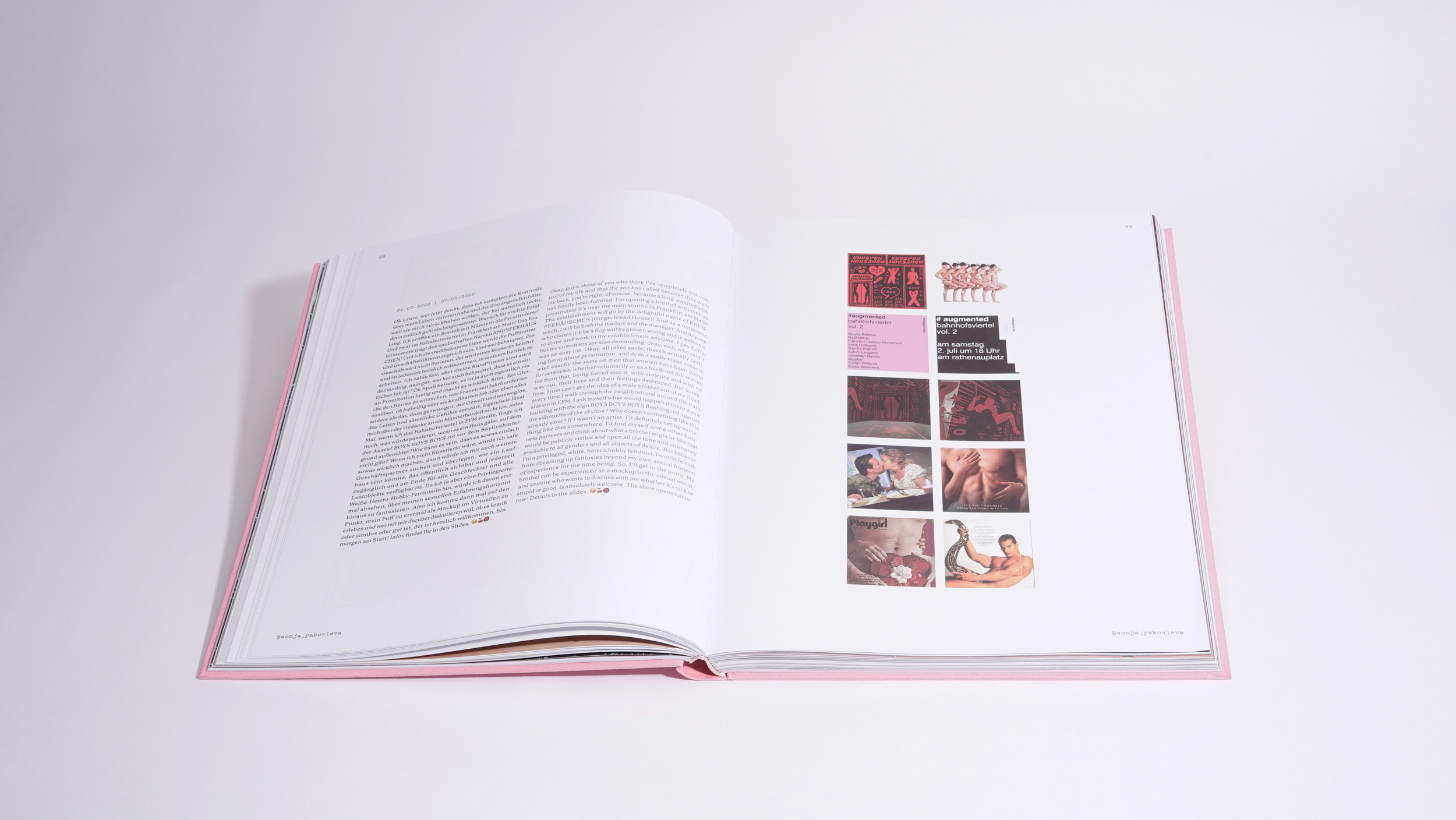
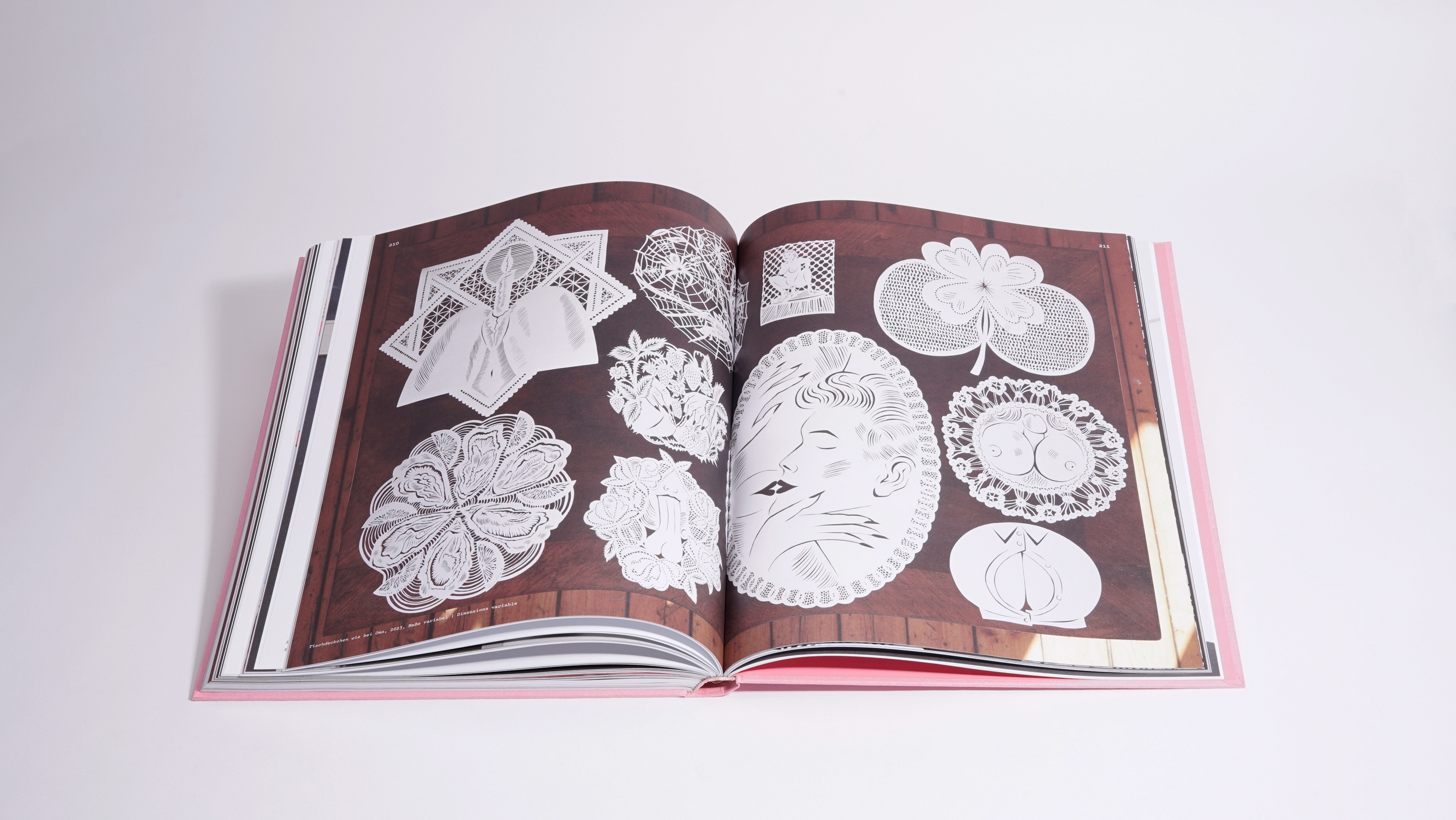
Sonja Yakovleva’s (b. Potsdam, 1989; lives and works in Frankfurt am Main) silhouettes are informed by her sex-positive feminist views. They mix and match pornography with art-historical references, folkloristic motifs, fairy tales, and myths that have served to ingrain misogynistic, racist, and homophobic ideologies in the collective consciousness since the Middle Ages. The dissemination of such materials was facilitated by the paper cut, a medium that encouraged simplified graphical representations and was seen as domestic and appropriate for women. Yakovleva’s intentions in adopting it, however, are contrarian: her iridescent silhouettes grapple with women’s stories, precarious gray areas, power relations, representation, sexuality, and violence in novel ways.
Soaplands, the title of Sonja Yakovleva’s first monograph, is a nod to Japanese bathhouses where men receive personal care, massages, and sexual services. Most recently, a number of soaplands have opened that cater to women with male prostitutes. Similarly, in the paper cuts in the book, which were created between 2018 and 2023, women have seized sexual power and conquered the patriarchal system. Unchecked by shame, they use men as objects to satisfy their desires.
You may also like…
-

Sonja Yakovleva
10€ Add to cartSonja Yakovleva (b. Potsdam, 1989; lives and works in Frankfurt am Main) uses pornographic representations and images from the internet as templates for papercuts, some in large formats, that grapple with personal and public stories about women, power relations, sexuality, and violence. The silhouettes show popular motifs that have served to ingrain fairy tales, myths, and ideologies in the collective consciousness from the colonial era to modernism and the early twenty-first century. Yakovleva, whose art is often associated with sex-positive feminism, appropriates this folkloristic visual idiom and hybridizes and sexualizes it. Dessous and strap-on dildos, for example, figure as preserved specimens of butterflies and insects, bringing historic scientific expeditions to mind. Yet her work also addresses the capitalist urge to categorize, evaluate, and market every kink.

More books
-

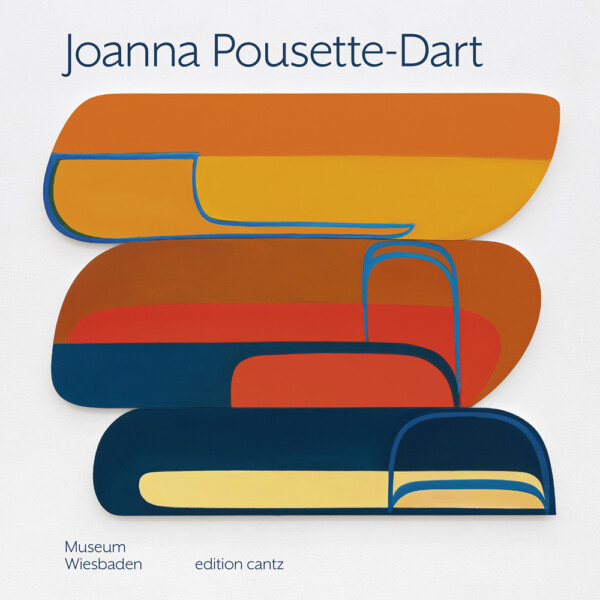
Joanna Pousette-Dart
32€ Read more„A kind of Dialogue between Myself and the Horizon.“
The works of Joanna Pousette-Dart (b. 1947, New York; lives and works in New York) are deeply rooted in the vast expanse of the American desert landscape, without ever committing themselves to a strict objectivity. As early as the 1970s, the artist abandoned the rectangular form of her canvas in favor of dynamically balanced panels that open out to the respective space. This volume presents her fascinating paintings from 2004 till 2019, which oscillate between landscape and abstraction, line and form. Born in New York to abstract expressionist painter and founding member of the New York School of painting, Richard Pousette-Dart, Joanna Pousette-Dart’s experience as a painter rises from rich tradition. Her work is held in the collection of the Museum of Fine Arts, Boston, the Solomon R. Guggenheim Museum, New York, and the Museum of Modern Art, New York, amongst others.
-

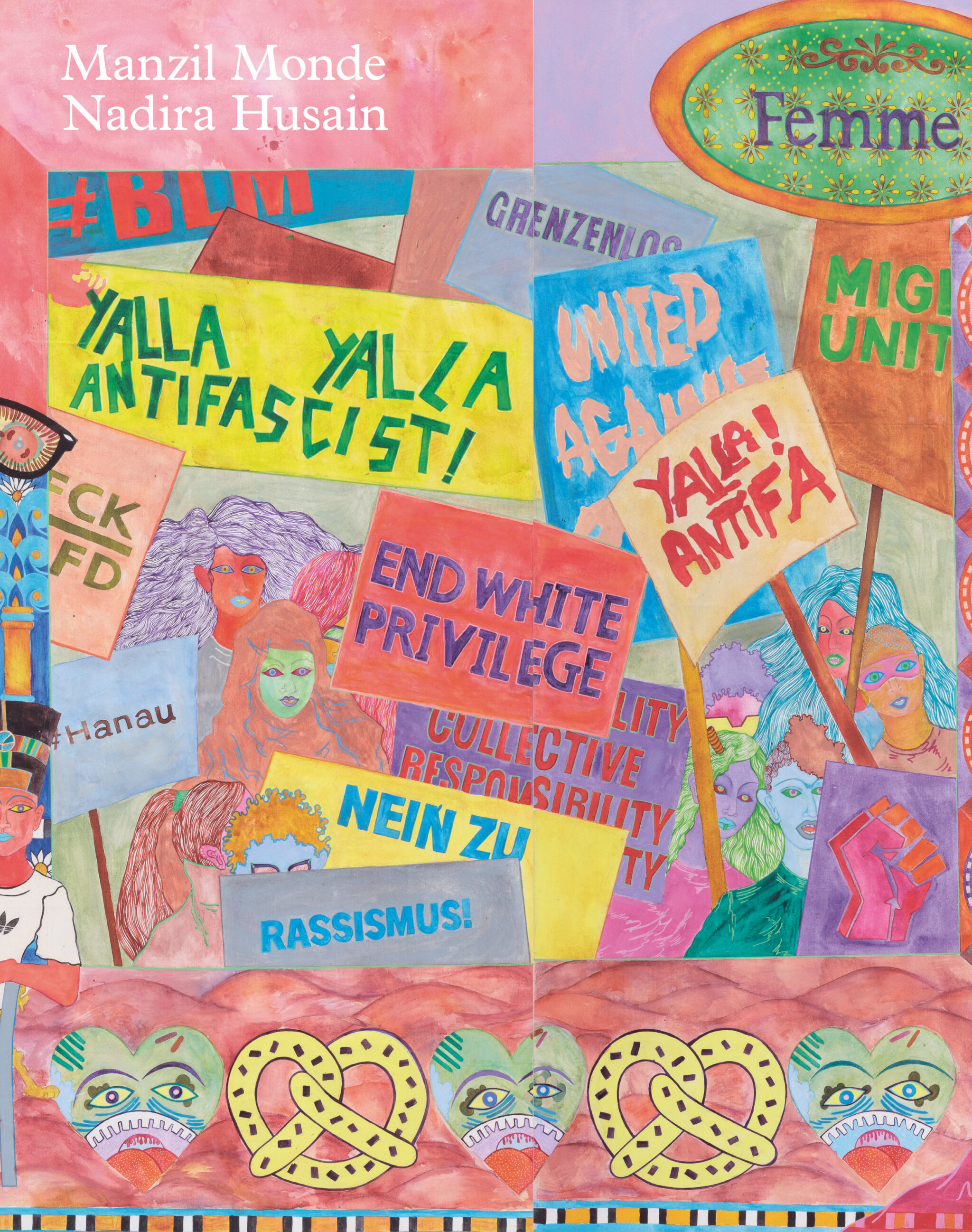
Nadira Husain
Manzil Monde30€ Add to cartNadira Husain’s (b. Paris, 1980; lives and works in Berlin, Paris, and Hyderabad) work combines figures, symbols, and ornaments from different cultures in complex imageries that reflect her own multicultural experience. To achieve a harmonious, though by no means placid, coexistence of all elements, the artist harnesses painting, drawing, printing processes, traditional artisan practices, and a range of materials including textile and ceramics, recognizing no hierarchy of media or genre. Hybridization and the translocation of motifs serve her to tease out similarities as well as divergences between myth and pop culture: the Indian deity, the cartoon character, and the fashion label appear as equals in the universe of her art.
The book contains several essays that explore Nadira Husain’s oeuvre as a significant contribution to the discourse around postmigration, transculturality, and feminism in contemporary art.
Nadira Husain studied at the École nationale supérieure des beaux-arts in Paris and the University of British Columbia in Vancouver. She is currently a visiting professor at the Berlin University of the Arts, where she co-teaches with the Belarusian artist Marina Naprushkina.
-
Johannes Schütz
Die Unterbrechung / The Interruption48€ Add to cartJohannes Schütz (b. Frankfurt am Main, 1950; lives in Berlin) is one of the best-known stage designers and directors working today. His style may be characterized as “simple, clean, and radical.” All major theatres and opera houses in the German-speaking countries and beyond have showcased Schütz’s work. He trained with Wilfried Minks and created his first stage setting for Luc Bondy in 1971. His career then took him to Berlin’s Schillertheater and the Kammerspiele in Munich, later he became head of stage design at the Bremer Theater and the Schauspielhaus Bochum. Schütz taught scenography at the ZKM Center for Art and Media Karlsruhe from 1992 until 1998 and has been professor of stage design at the Düsseldorf Academy of Fine Arts since 2010.
In his book Die Unterbrechung, he meets Annette Storr to discuss his new work for the stage, which is documented by maquettes and photographs and, most often, by stills from the performances. The productions represented include Penthesilea by Heinrich von Kleist, Landestheater Salzburg, 2018; Hamlet by William Shakespeare, Schauspielhaus Bochum, 2019; Reich des Todes by Rainald Goetz, Deutsches Schauspielhaus Hamburg, 2020; Richard II by William Shakespeare, Burgtheater, Vienna, 2021; and Der Idiot by Dostoevsky, Thalia Theater, Hamburg, 2021.
-

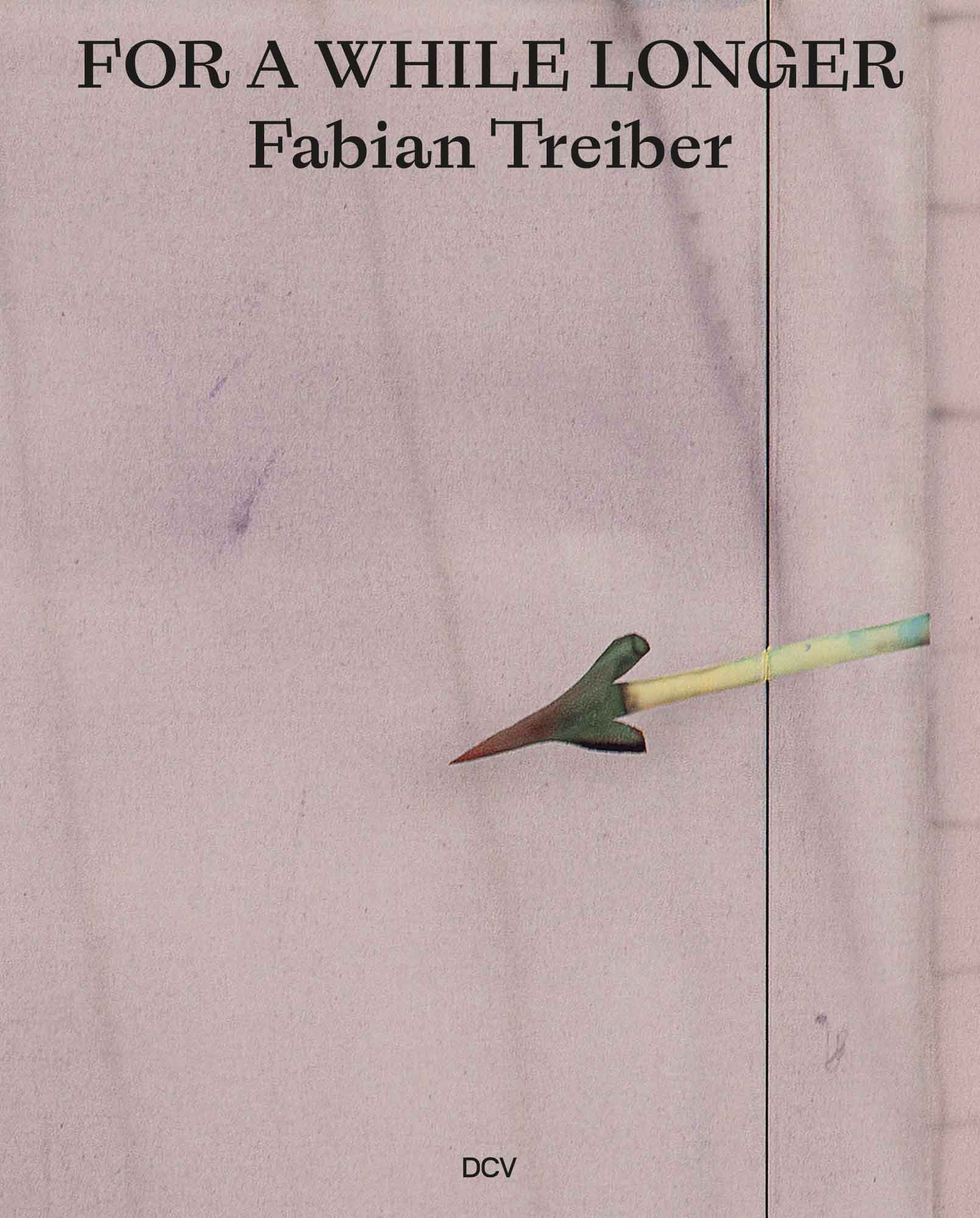
Fabian Treiber
For a While Longer34€ Add to cartUnstable Prototypes of a Reality We Know
Fabian Treiber’s (b. Ludwigsburg, 1986; lives and works in Stuttgart) paintings show what appear to be interiors while interrogating subjective projections and our perceptions of reality. The artificial spaces bear witness to human existence even though there are no people to be seen. In his still lifes, Treiber negotiates classical questions of painting: form and structure, color and composition, representation of space and organization of the surface. His paintings primarily implement formal rather than narrative decisions. This lets the artist provoke a deliberate breach in which the ostensibly fallacious emerges as the essential quality of painting—the effect is that of works that seem somehow off but are actually just right.
Fabian Treiber studied painting and intermedia design at the Stuttgart State Academy of Art and Design (ABK Stuttgart). His works have won him a Karl Schmidt Rottluff Fellowship; he was also a finalist for the 2021 Hans Purrmann Grand Prize. He has had numerous solo shows, including at Kunsthalle Nürnberg, Nuremberg; Kunstverein Ludwigsburg; and Galerie Ruttkowski;68, Cologne; and contributed to group exhibitions at Kunsthalle Düsseldorf; Villa Merkel—Galerien der Stadt Esslingen a.N.; and Staatliche Kunsthalle Baden-Baden. For a while longer is published on occasion of his first solo exhibition at Haverkampf Galerie.
-
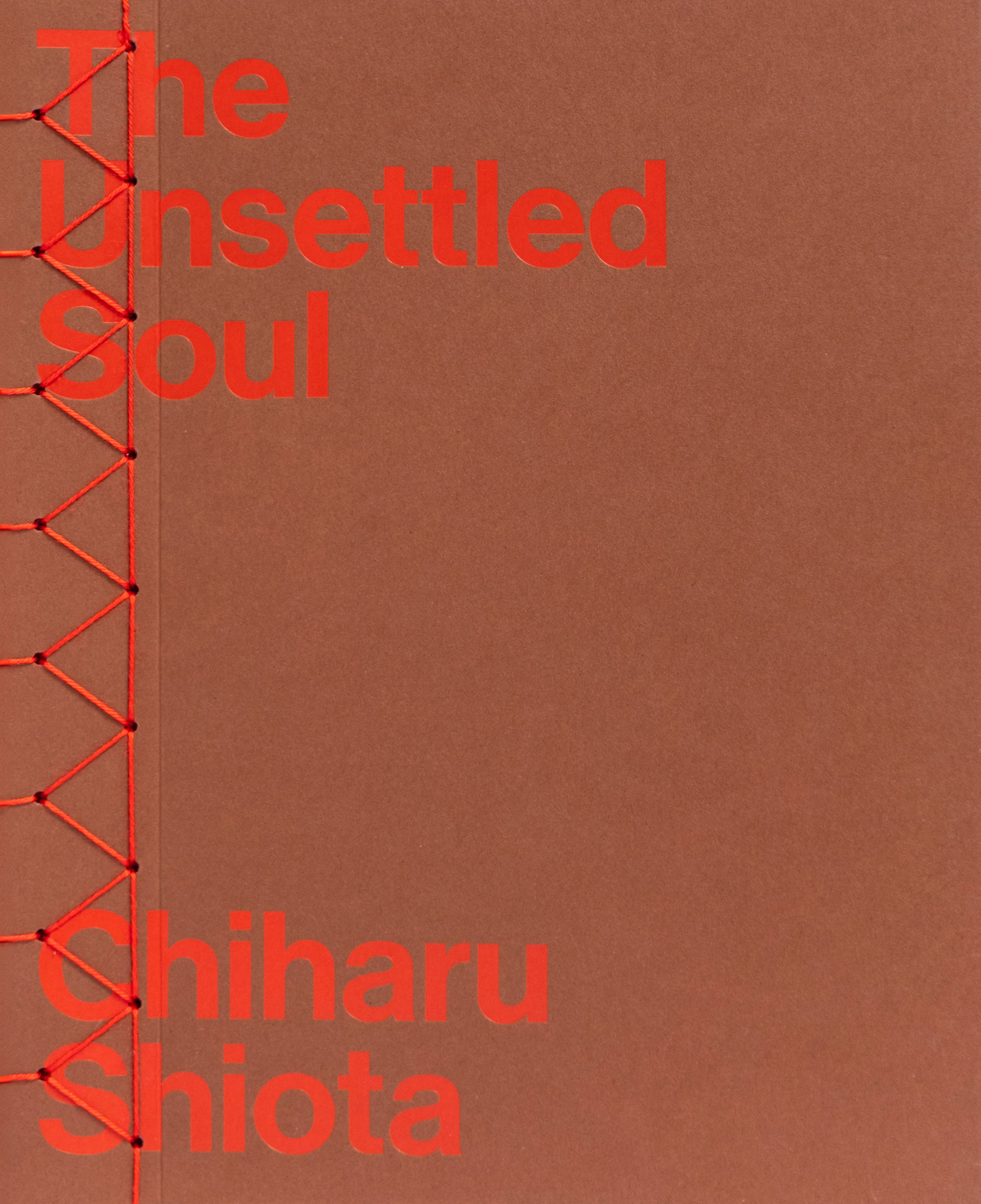
Chiharu Shiota
The Unsettled Soul48€ Add to cartWidely acclaimed for her distinctive visual language, which combines drawing, performance, sculpture, and installation art, Japanese artist Chiharu Shiota (b. 1972 in Osaka, lives and works in Berlin) addresses fundamental human concerns. Creating large-scale thread installations that incorporate a variety of everyday objects and memorabilia, she forms powerful environments that evoke a sense of nostalgia, personal history, and collective memory. The catalog accompanies the exhibition The Unsettled Soul, the first presentation of the artist in the Czech Republic. In addition to extensive photographic documentation of the exhibition at Kunsthalle Praha, the publication features an essay by Jason Waite discussing Shiota’s early works as well as an interview with the artist conducted by the editor, Christelle Havranek, about her key themes and the creation of the Prague exhibition.
-
Thomas Lehnerer
Grott18€ Add to cartA Facsimile by the Theologian and Artist
The genesis of images is a central aspect of the work of the Munich-based theologian and artist Thomas Lehnerer (b. Munich, 1955; d. ibid., 1995). In drawings and sculptures, as well as in spatial and conceptual works, the production of images creates a counter-world to our own lives. By transferring fundamental experiences of human existence into art, Lehnerer creates an equivocal, anthropological space for observation and reflection. The artist’s book Grott, published in 1986, contains ambiguous elements. All drawings are positioned on the right page. In the not yet dried state, a double image was formed on the left side, which relativizes the “primary image.” The depictions of animals, people, and the environment were drawn nearly without interruption from a single line. In this style of continuous movement, the overall image can be traced back to its beginning. For Lehnerer, it was important to understand human (self-)consciousness from the perspective of the history of evolution, since there are countless models of thought and belief within this narrative. Grott refers in the title, as well as in the drawings, to the charged relationship between the earthly and the spiritual.
-

Liam Gillick
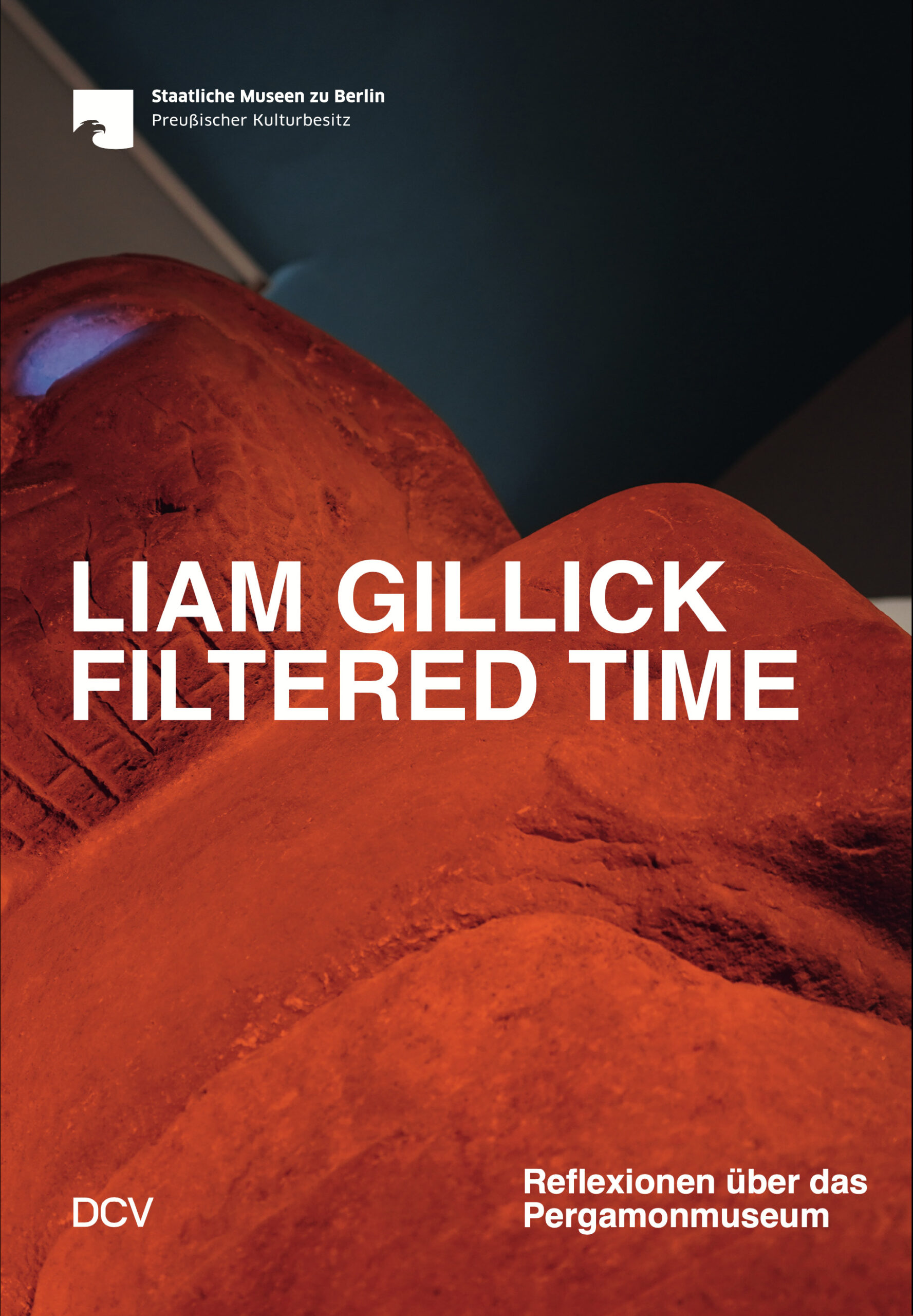
Filtered Time (GERMAN)28€ Add to cartThe sculptor and object artist Liam Gillick (b. Aylesbury, UK, 1964; lives and works in New York) has created an intervention titled Filtered Time for the historic galleries of the Pergamon Museum in Berlin. Projections of light and color and acoustic effects condense six thousand years of cultural history into an immersive spatial experience. Gillick initiates a conversation between the iconic Processional Way and the Ishtar Gate from Babylon, the monumental sculptures of Tell Halaf, and other exhibits, engendering new layers of meaning across all historical periods. The first joint project of the Vorderasiatisches Museum and the Hamburger Bahnhof—Nationalgalerie der Gegenwart makes for a singular visual and sensory experience. Designed by the artist himself, the publication not only documents the richly colorful production, but also provides insight into the eventful history of the museum, which is approaching its centennial.
Liam Gillick studied at the Hertfordshire College of Art in 1983–1984 and at Goldsmiths, University of London from 1984 until 1987. Gillick is a prolific published writer as well, producing essays, reviews, fiction, and theatrical scenarios.
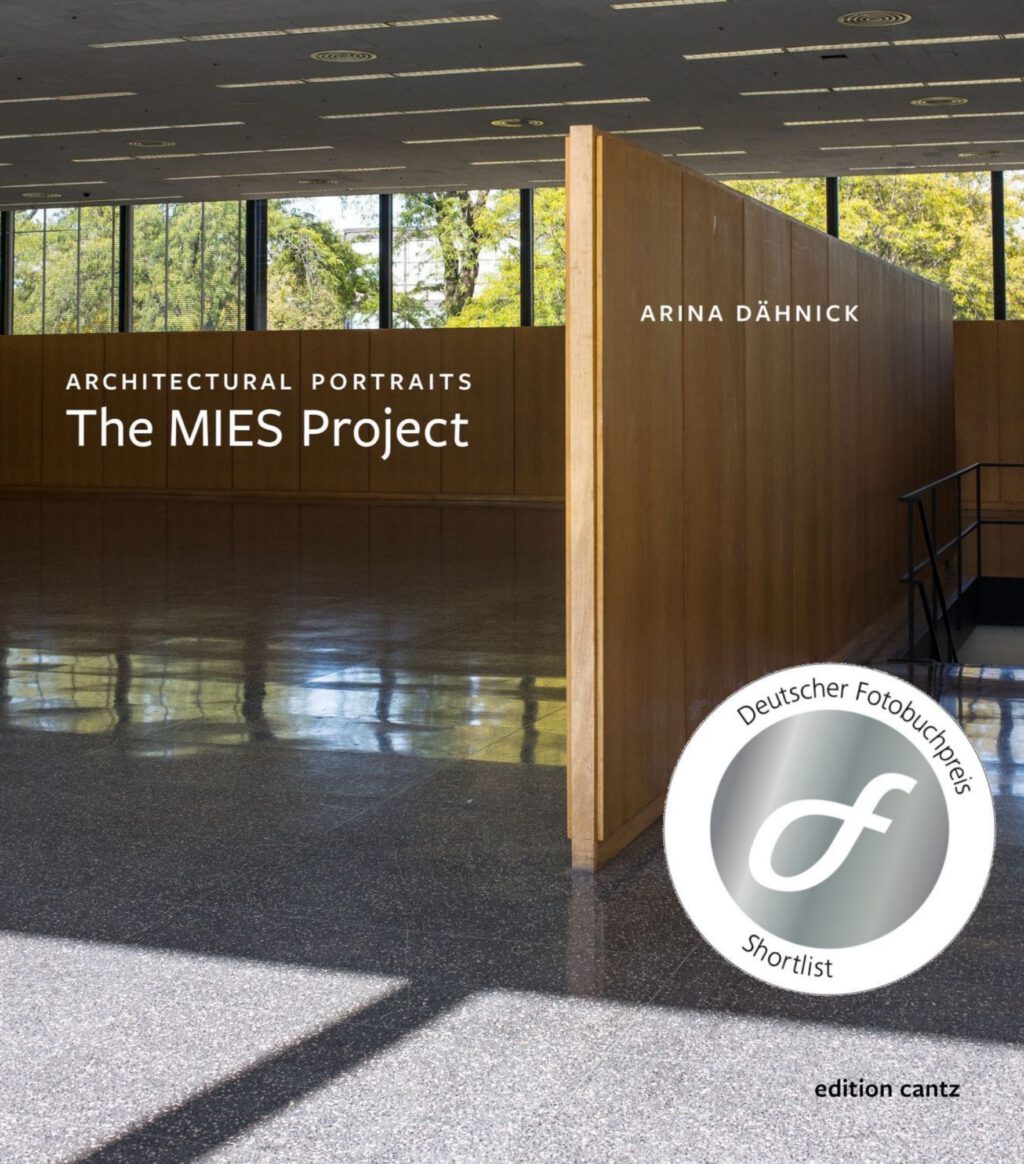
- Shortlist German Photo Book Award 2019/2020

Arina Dähnick
The MIES Project45€ Add to cartIn the Footsteps of Ludwig Mies van der Rohe
In her photographic works, Arina Dähnick (b. 1965, Krefeld; lives and works in Berlin) deals with urbanity, spatial reality and visual perception. She discovered the architecture of Ludwig Mies van der Rohe in 2012, when, after a thunderstorm, she perceived the Neue Nationalgalerie in a both fascinating and paradoxical spatial experience of boundless vastness – and a simultaneous feeling of being held. From then on she photographed the building under various conditions until its closure in 2015, afterwards following in Mies van der Rohe’s footsteps from Berlin to Brno, from Chicago to New York. Dähnick captured his most famous buildings – including the Villa Tugendhat, the Seagram Building, and the Lake Shore Drive Apartments – in impressive photo series, which have been exhibited during the Chicago Architecture Biennial amongst others. The book was awarded the silver medal of the Deutscher Fotobuchpreis.
-
ODOR
Immaterial Sculptures40€ Add to cartThe effect of odor is immediate. Smells arouse feelings in us, put us in moods, awaken recollections. They color the other senses and shape our perceptions more profoundly than we are aware. Scents create closeness and distance at the same time. They become imprinted on our memories and consolidate our experiences. And yet their existence in the world of three dimensions remains invisible, and the act of picking up a scent is fleeting.
The publication Odor—Immaterial Sculptures zooms in on the power of smells. Contributions from curators, artists, scientists, and scholars frame a variety of perspectives on this evanescent phenomenon, examining the olfactory sense and the qualities of the immaterial. Full-page plates conceived by the artists provide additional information, imagery, and contexts around the individual works, which put odor as an olfactory and spatial experience at the center of the engagement with art. The works operate between the poles of time and space, individual and community, consciousness and the subconscious, visibility and invisibility, the everyday and the miraculous, the sense of self and the perceptions of others, presence and absence, life and death.
Artists : Jason Dodge, Carsten Höller, Koo Jeong A, Oswaldo Maciá, Teresa Margolles, Pamela Rosenkranz, Sissel Tolaas, Clara Ursitti, Luca Vitone
-

Matthew Davis
Kustodiev28€ Add to cartAn Expressive Instant in Painting
The art of Matthew Davis (b. 1969, Colchester, UK; lives and works in Berlin) operates between the micro and macro dimensions, between control and chance. Working with extraordinary precision, the artist applies drops of synthetic resin varnishes and enamel paints to canvases laid flat. The artist’s book Kustodiev showcases a recent innovative turn in Davis’s output, whose latest works were inspired by the lusciously colorful pictures of the Russian painter Boris Kustodiev (1878–1927). Kustodiev was manufactured using offset presses and Office Offset, a largely forgotten reproduction process based on miniature offset printing machines. The publication is released in a limited edition of 250 copies.
Matthew Davis studied at the Camberwell College of Arts, London, and the Norwich School of Art and Design. His work has been shown at the Konrad-Adenauer-Stiftung, Berlin; Künstlerhaus Wien, Vienna; Kunsthalle Wilhelmshaven; and other museums and galleries.
-

SOMA
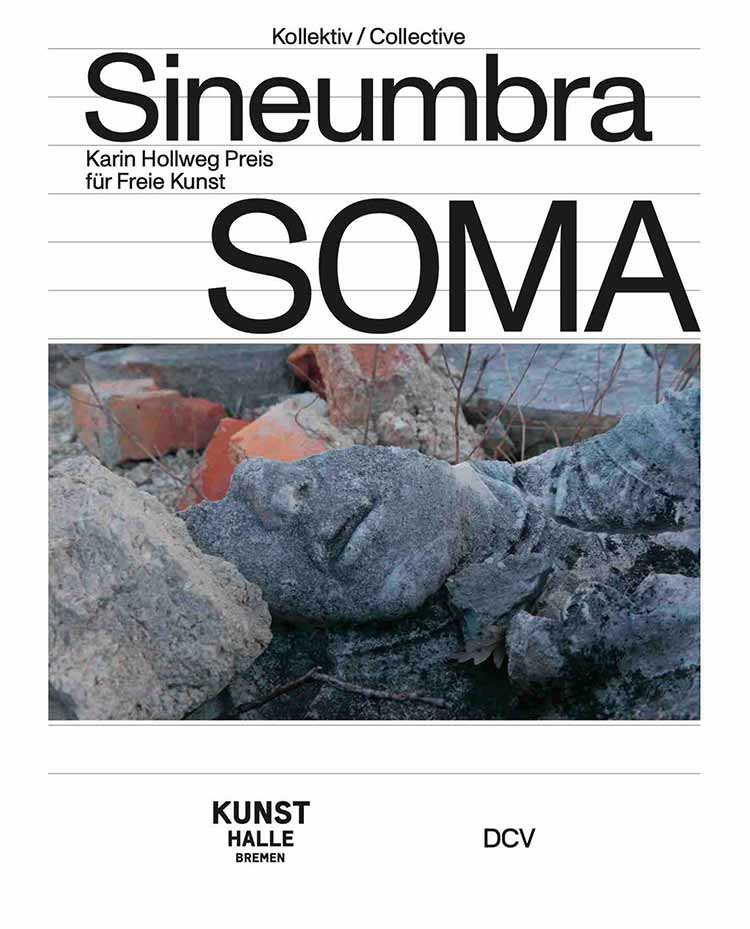
Collective SineUmbra18€ Add to cartOn the Disappearance of Italian Culture
Under the collective label SineUmbra, the artists Luisa Eugeni (b. Assisi, Italy, 1987; lives and works in Berlin) and Mattia Bonafini (b. Legnago, Italy, 1980; lives and works in Bremen) develop interdisciplinary projects that they realize as sprawling multimedia installations comprising video projections, sound, and performative elements. The point of departure for their project SOMA was Pier Paolo Pasolini’s 1975 essay Disappearance of the Fireflies, which probes the wrenching transformation that Italian society and the country’s very landscapes have undergone since the 1960s. SOMA melds performance art, the visitors’ movements, geography, and psychology in a space of experience that speaks to all senses for an exploration of the impact that traumata inflicted on individuals and communities by natural disasters and social changes have on the human soul and perceptual capacities. In keeping with the artists’ collective and dynamic creative vision, the catalogue embeds the multimedia installation in a context fleshed out by rich photographic documentation and numerous texts.
On occasion of the master class graduate exhibition at the Bremen University of the Arts in 2019, the two artists were awarded the renowned Karin Hollweg Prize for Fine Art. The publication accompanies their first solo show at Kunsthalle Bremen.
- Out of stock

Eva Jospin
Wald(t)räume22€ Read moreThe Forest as a Place of Longing: Eva Jospin’s Magical Corrugated Cardboard Sculptures
The French artist Eva Jospin (b. 1975, Paris; lives and works in Paris) cuts and layers corrugated cardboard to create sculptures and reliefs. Handcraft and precision are essential aspects of her work. The artist retains the original color of the cardboard, since, for her, the material itself already contains sufficient color variations and nuances. The recurring motif is the forest — consisting of numerous trunks, branches, and twigs in extreme density and interspersed with black shadows. They suggest depth and stimulate the viewer’s imagination. Eva Jospin does not reproduce nature one to one, but conveys the feelings of fear, anarchy, or freedom that it triggers: The forest as a universal place of longing.
-

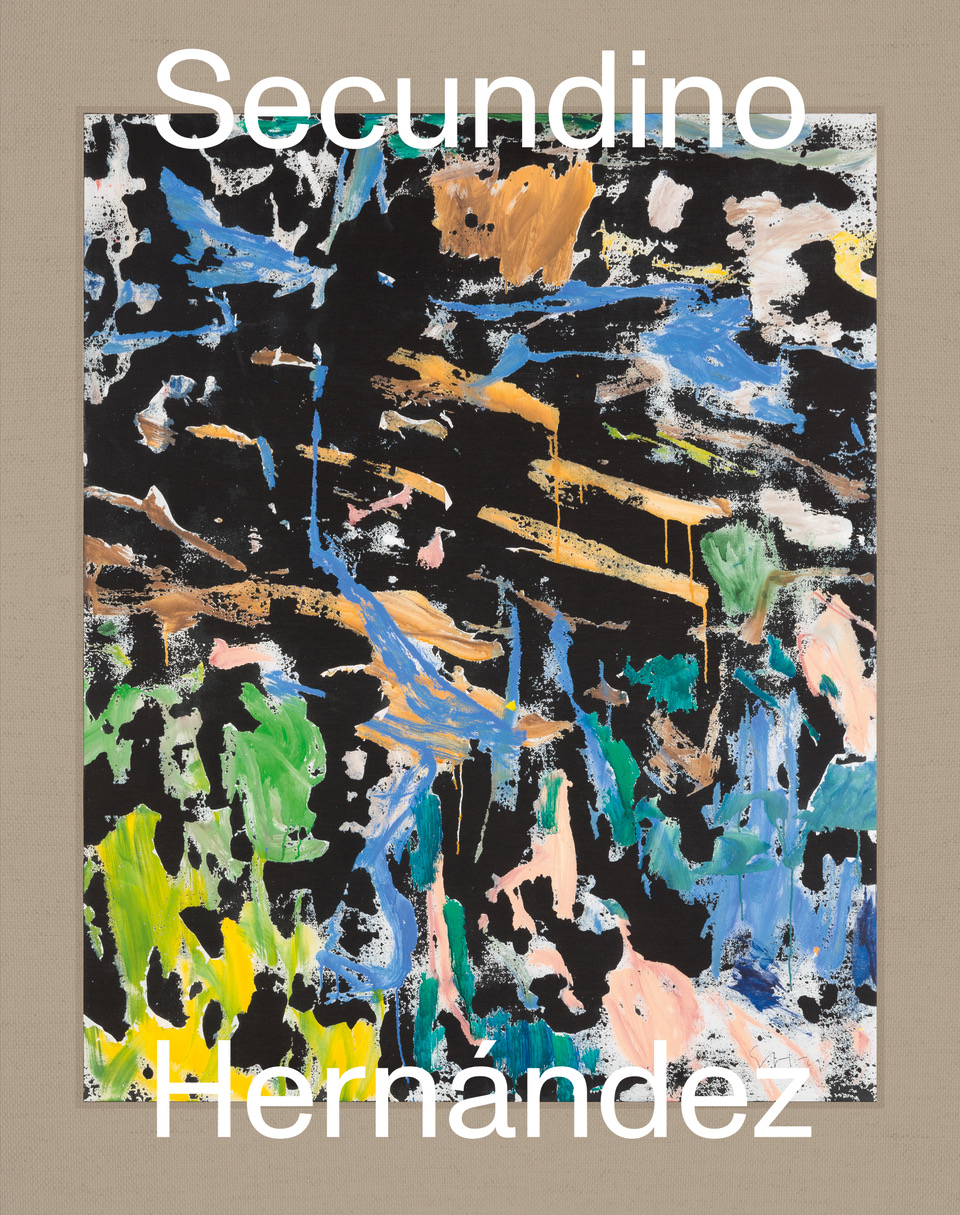
Secundino Hernández
Miettinen Collection36€ Add to cartSecundino Hernández’s (b. Madrid, 1975; lives and works in Madrid und Berlin) paintings and works on paper blend figuration and abstraction, the linearity of drawing and exuberant color, minimalism and gesture. Slowly and methodically moving across the canvas, Hernández sets down sinuous lines and marks, using a brush or applying the paint straight from the tube before rinsing and scratching off the surfaces. The resulting compositions feel organized yet charged with explosive energy and evince manifold references: a physicality reminiscent of Action Painting, cartoon-style terse figuration, and passages that bring to mind Old Masters and especially the Spaniards El Greco and Velázquez. As Hernández observes, his works “may look like Action Painting or Expressionism, but they represent a profound and painstaking scrutiny of these visual idioms, a way of articulating my own contemporary perspective on certain aesthetic movements.”
Secundino Hernández studied at the Universidad Complutense de Madrid from 1995 until 2000 and at the Royal Spanish Academy in Rome in 2005–2006.
- Out of stock

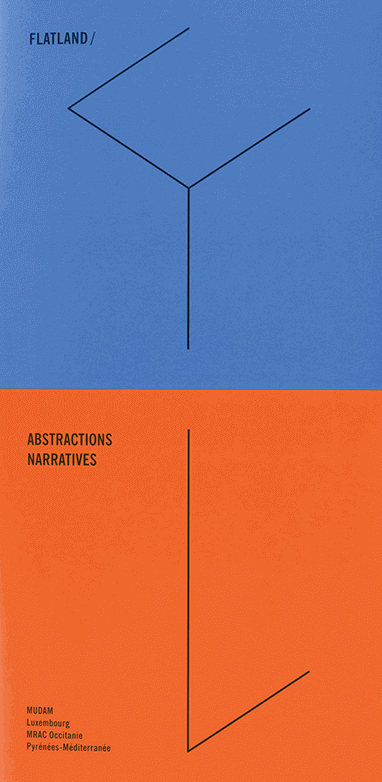
Flatland
35€ Read moreBetween the Dimensions
The title of this book quotes a literary work by Edwin A. Abbott that was first published in 1884 and gradually gained considerable fame: an allegorical satire whose protagonists are geometric figures, narrated by a square that relates its discovery of a three-dimensional world. Flatland examines the ways in which artists have found inspiration in the formal vocabularies of abstraction since the 1960s. The lavishly designed book gathers works from the past six decades that challenge orthodox interpretations of abstraction.
Contributing artists: Laëtitia Badaut Haussmann, Francis Baudevin, Philippe Decrauzat, Marie-Michelle Deschamps, Angela Detanico / Rafael Lain, Hoël Duret, Sylvie Fanchon, Liam Gillick, Mark Hagen, Christian Hidaka, Sonia Kacem, Tarik Kiswanson, Vera Kox, Sarah Morris, Reinhard Mucha, Damián Navarro, Camila Oliveira Fairclough, Bruno Peinado, Julien Prévieux, Eva Taulois, John Tremblay, Pierre Vadi, Elsa Werth, Raphaël Zarka
-

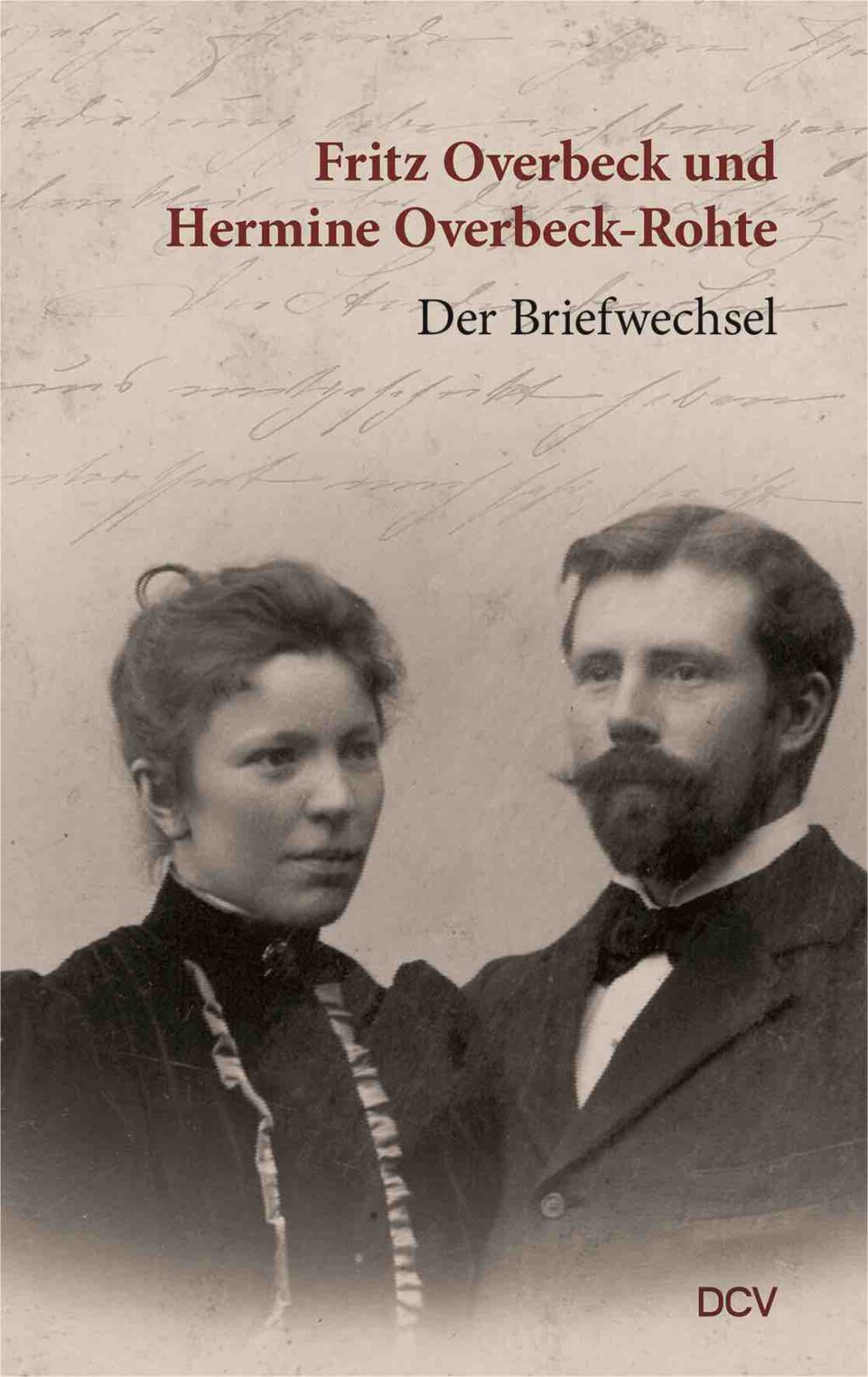
Fritz Overbeck und Hermine Overbeck-Rohte
Der Briefwechsel38€ Add to cartIntimate Glimpses from the Marriage of Two Worpswede Artists
In the final years of the nineteenth century, numerous painters settled in the village at the foot of Weyerberg hill, followed by young women who took classes with the local artists. Fritz Overbeck (b. Bremen, 1869; d. Bröcken near Vegesack, 1909) and Hermine Overbeck-Rohte (b. Walsrode, 1869; d. Bremen, 1937) became one of Worpswede’s husband-and-wife creative duos, though their union has been less celebrated than those of Otto Modersohn and Paula Becker or Rainer Maria Rilke and Clara Westhoff. Like the stories of their more famous neighbors, theirs exemplifies life and work in the artists’ colony, but also the dogged struggle for equality in the creative professions. Yet unlike those other relationships, theirs did not break up over the conflict between art and marital life; it lasted until Fritz Overbeck’s tragic early death. In a first, this book contains virtually the entire extant correspondence between the Overbeck-Rohtes in unabridged form and with numerous annotations. Offering fresh and nuanced insight into the lives and oeuvres of its protagonists, it makes for moving and entertaining reading.
- Out of stock

Welt ohne Inventar
16,80€ Read moreThe stories by Katja Hachenberg (b. 1972, Rhineland-Palatinate; lives and works in Karlsruhe) bridge the gap between fiction and reality. They urge the familiar to disappear and the usual to dissolve. Hachenberg is interested in complex and broken characters who oppose the conventions: outsiders, jailbreaker, dropouts. The relief faces of the sculptor Reinhard Voss (b. Rendsburg; lives and works in Karlsruhe) are juxtaposed with her texts. In dialogue, a relational panopticon of figures emerges which invites the reader for a visual and imaginative stroll.
-

6 U L
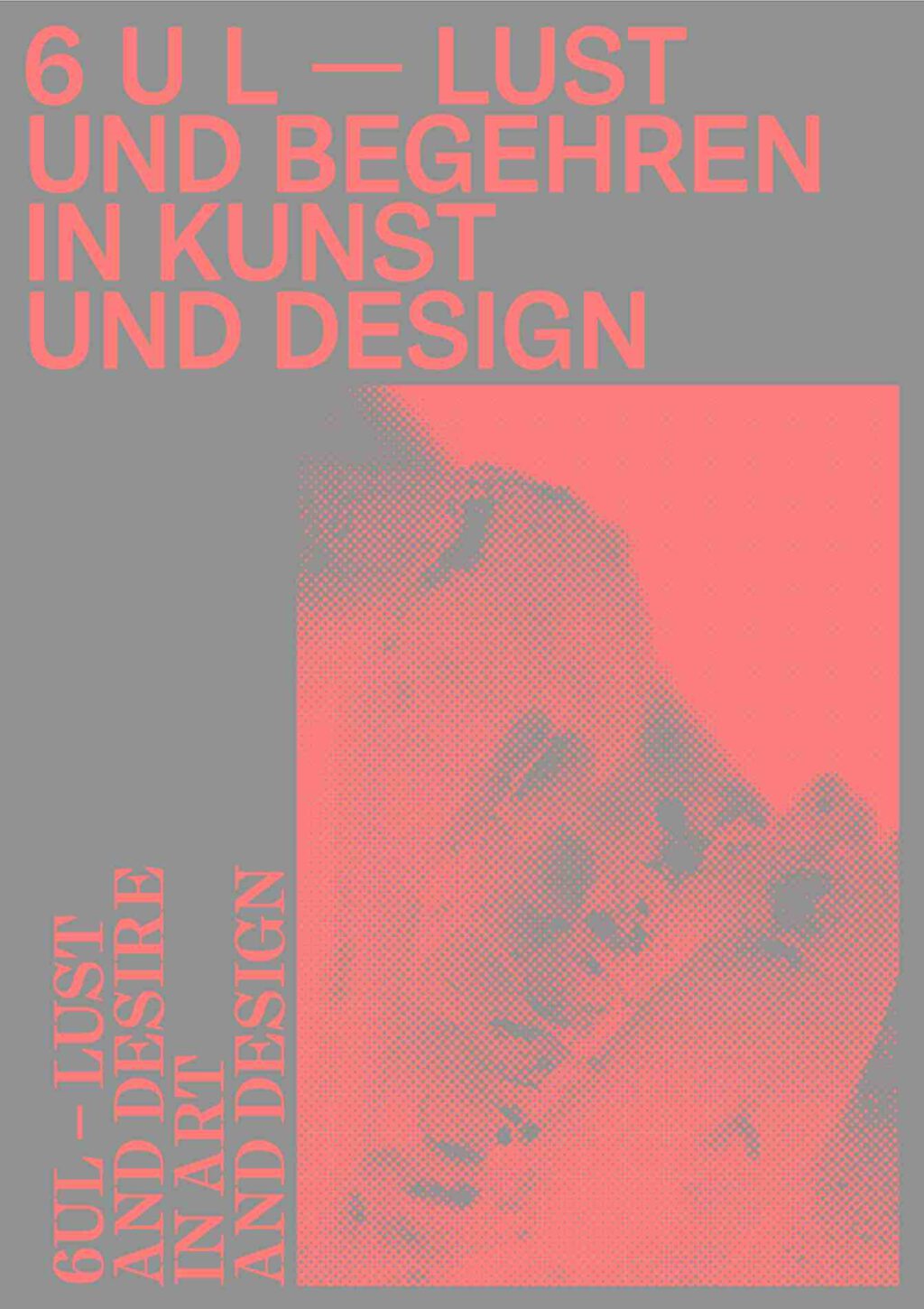
Lust and Desire in Art and Design28€ Add to cart“Whose Jizz is this?” Sechs-u-ell: to make sense of the publication title, trust your college German and your phonetic ear. “Sexual,” here, comprises the entire broad spectrum of what we associate with carnal pleasure. Lust, desire, ecstasy, repression, obsession—the world of art, fashion, and design abounds with specimens of eroticism and sexuality in their infinite variety, shopworn stereotypes be damned. Looking back on the thorough revision of society’s ideas about sexuality in the past three decades, the book inquires into how the works of visual artists, fashion creatives, and designers reflect today’s public debates over biological and social gender roles, power structures, and sexual violence or the fading of taboos over sexual practices. With works and designs by Walter Van Beirendonck, Monica Bonvicini, Tracey Emin, Hans-Peter Feldmann, Jürgen Klauke, Peaches, Cindy Sherman, Kara Walker, Vivienne Westwood, and many more. This book documents a grand exhibition scheduled for the past summer at the GRASSI Museum of Applied Arts, Leipzig, which had to be canceled due to the Covid-19 pandemic.
-

Martin Krumbholz
Alex, Martin und Ich14€ Add to cart“The Vocation of Saint Matthew”: that is the title that Martin Krug has chosen for his novella, after Caravaggio’s iconic painting at the Church of San Luigi degli Francesi in Rome. The irony is unmistakable—Martin, the protagonist of his narrative, hesitates to accept a promotion: he has been offered the job of his boss, for whose wife, Marion, he has fallen on a shared vacation. Yet Martin’s friend, whom he has asked for advice, proposes a different title: Ghost Story—a key element of the plot is the mysterious Alexander’s disappearance, seemingly forever, in the sea …
Martin’s friend and interlocutor, the novel’s first-person narrator, embeds the novella in a narrative framework that mirrors its motifs: love as passion, eros and sex, loyalty and betrayal, manliness and chivalry, art, film, and music. Alberto Moravia’s novel Contempt, glamorously adapted for the silver screen by Jean-Luc Godard, is reread and discussed as a MeToo story.
Martin Krumbholz (b. Wuppertal-Elberfeld, Germany, 1954; lives and works in Düsseldorf) is a writer and theater critic. His first novel, Eine kleine Passion, came out in 2013.
- Out of stock

Hans Karl Zeisel
Hundred and more34,95€ Read morePossibilities of concrete art
What is possible without turning away from the cocrete? In the Bauhaus tradition, the typographer, graphic artist, designer and author Hans Karl Zeisel opens up countless design options with basic forms. His wooden cuboids demand a humorous approach to sculpture. They are creativity training, study tools and meditation game all in once. A playful experiment that reveals the diversity of concrete art.
-

Dietmar Lutz
Ein Jahr40€ Add to cartDay by Day
For a full year, from August 2020 until August 2021, Dietmar Lutz (b. Ellwangen, 1968; lives and works in Düsseldorf) painted or drew a picture every day in which he rendered a scene or detail from his day-to-day life. All 365 works appear here in chronological sequence, either in reproductions or in photographs showing them in the setting in which they were created. Taken together, the series constitutes a radically subjective review of one year. The paintings capture memories, but although they invariably owe their existence to a particular situation, they do not necessarily frame it as a memorable event. The artist observes himself in his world and defines his role in it. Painting as a daily task seems to structure time rather than the other way around. Each picture opens up a new space in which the different facets of time manifest themselves to the senses.
Dietmar Lutz studied at the Düsseldorf Academy of Fine Arts and rose to renown with large-format paintings in which he portrays situations from ordinary life and weaves references to the histories of film and literature. Lutz is a cofounder of the German-British artists’ collective hobbypopMuseum, with which he has exhibited at the 1st Athens Biennale; Deitch Projects, New York; Tate Britain, London; and elsewhere.