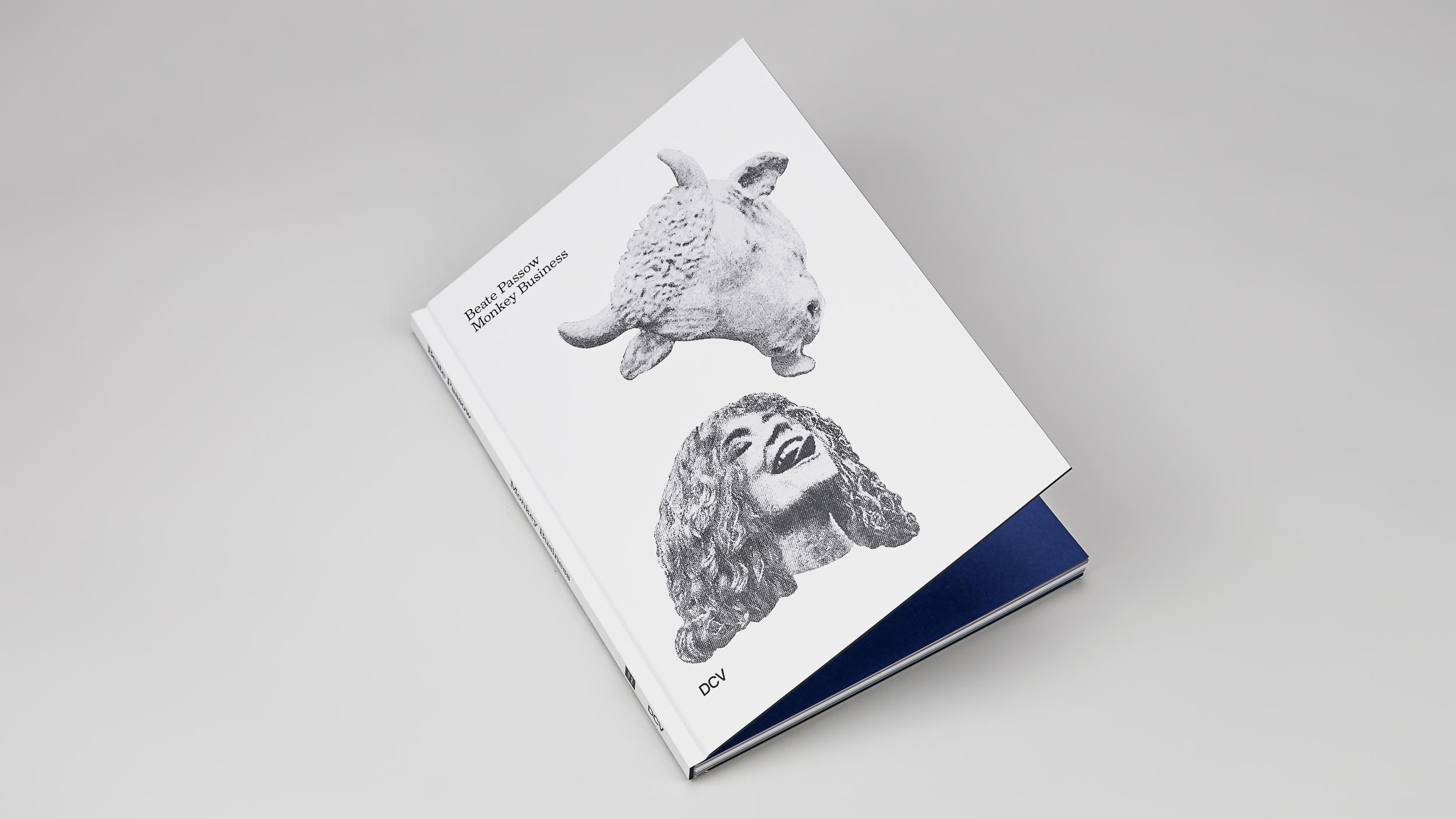
Beate Passow
Monkey Business
 | |
|---|---|
| Editor(s) | Michael Buhrs |
| Author(s) | Michael Buhrs, Ulrich Wilmes |
| Design | Access All Areas (Felix Flemmer, Noëm Held) |
| Cover | Hardcover |
| Size | 20 x 26,5 cm |
| Pages | 118 |
| Illustrations | 17 |
| Language(s) | German, English |
| ISBN | 978-3-96912-018-7 |
Drawing on the Past to Build a Better Future
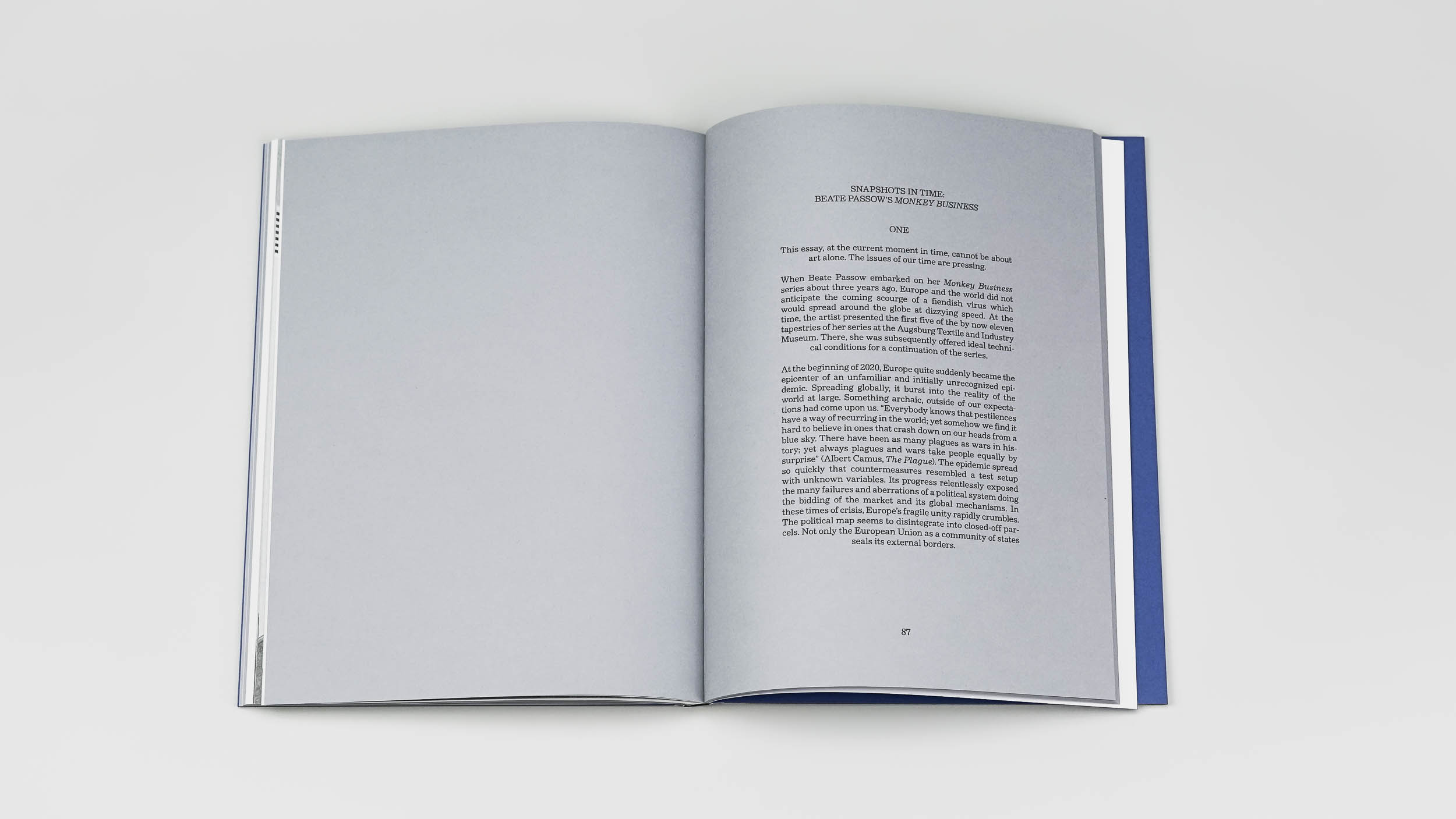
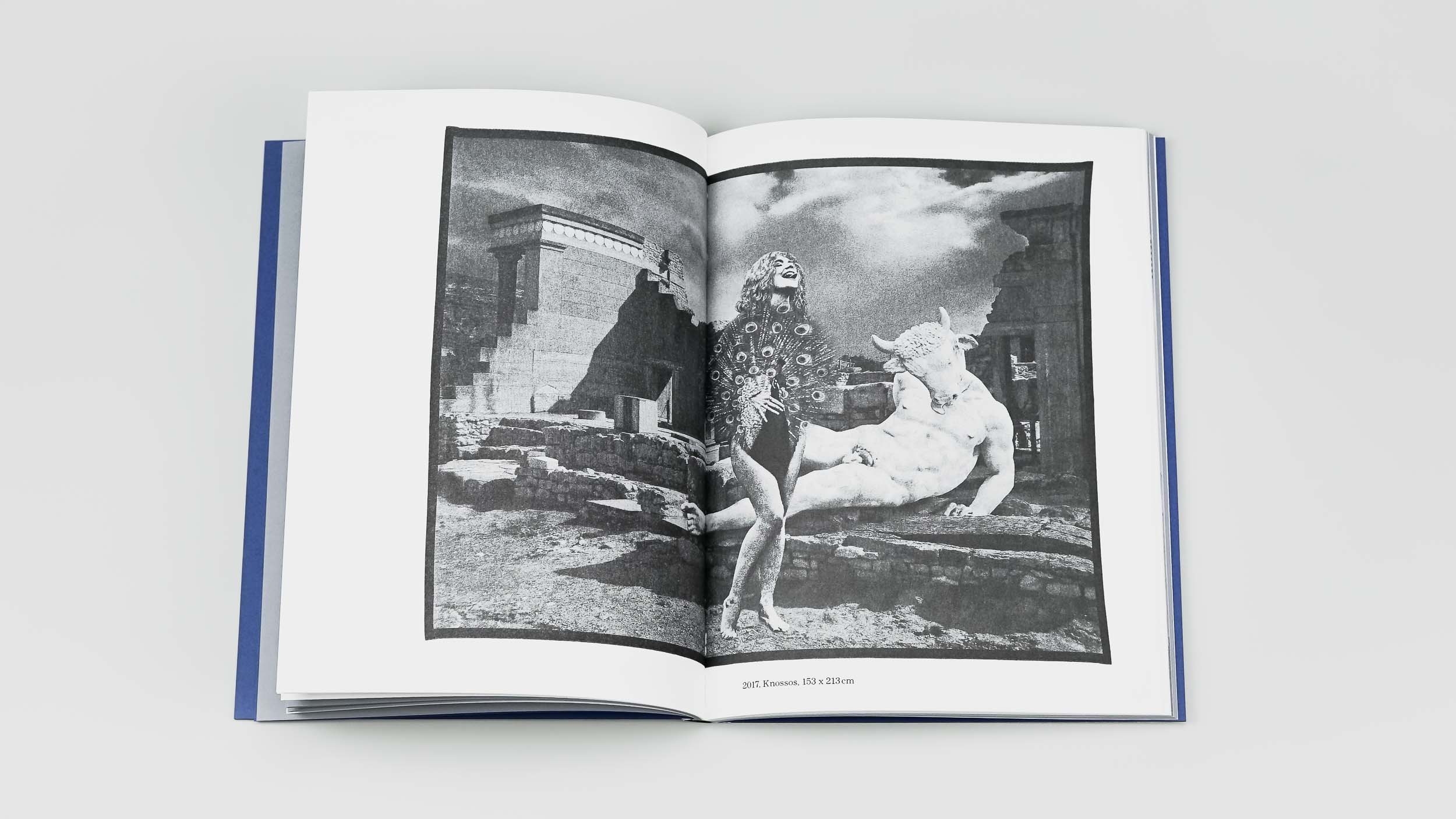
Beate Passow (b. Stadtoldendorf, Germany, 1945; lives and works in Munich) creates installations, photodocumentaries, and collages that seek to salvage her subjects from oblivion, though as she sees it, her art is an effort to come to terms not so much with the past as with the present. When her compositional inventions touch on painful memories, their objective is not to arrive at new insights. Rather, she aims to uncover visible and verifiable states of affairs and throw them into sharp relief. In her cycle of pictures Monkey Business, the artist unfolds a mysterious fairy-tale world with a political edge. Strange animals and mythical figures populate the large-format black-and-white tableaux, which a closer look reveals to be woven tapestries. The unusual protagonists roam readily identifiable locations: Gibraltar, New York’s Wall Street, Brussels, or the island of Lampedusa. Behind these ostensibly simple facts of geography loom the darker aspects of contemporary European politics: Passow’s work calls for a debate on the systems, economic structures, and political movements that rule the continent.
More books
-

Anders Goldfarb
Passed Remains35€ Add to cartAbandoned Gas Stations and Burned-Out Buildings
In 1986 when Anders Goldfarb (b. 1954 in Brooklyn, lived and worked in Brooklyn, NY) moved to Greenpoint, he was a young photographer with a master of fine arts degree from State University of New York at New Paltz. In moving to Williamsburg, he joined a growing number of young artists seeking the low rents of what was then a declining neighborhood of light industrial buildings and working-class residences. Working with black and white film, and a medium format Rolleiflex camera, Goldfarb began photographing in 1987 in Williamsburg and Greenpoint, riding his bike around the area and looking for the peculiar beauty of sidings, peeling paint and razor wire. Goldfarb’s photographs provide a valuable historical record of these neighborhoods prior to their demolition and gentrification. His subjects are metaphors for loss and vulnerability and distill moments in time that are destined for demise.
-

Karsten Konrad
Room Service42€ Add to cartThe Visual Archeologist
Objets trouvés, used designer objects, and discarded furniture are the defining elements of the sculptor Karsten Konrad’s (b. Würzburg, 1962; lives and works in Berlin) material poetics. Not unlike the Dadaist or Surrealist readymade, the works that Konrad has made since the 1990s transform these “disregarded things” into sculptures, immersive installations, reliefs, and collages. Detecting the faint traces that anonymous consumers have left on the secondhand stuff, he unfolds an archaeology of the present. Konrad’s first monograph in a decade offers comprehensive insight into an oeuvre that throws the marginal into relief and questions the destructive impact of unbridled consumerism.
Karsten Konrad studied at Johannes-Gutenberg-Universität, Mainz, and the Royal College of Art, London. He has been professor of sculpture at the Universität der Künste in Berlin since 2016. His works are held, amongst others, by the Bundeskunstsammlung Bonn and the Margulies Collection, Miami.
Each copy is hand-signed by the artist on the spine.
-

schneider+schumacher
39€ Add to cartA Review and Prospect of the Work of the Frankfurt‑based Architectural Office on the Occasion of its Thirtieth Anniversary
schneider+schumacher is an internationally operating team of architects with headquarters in Frankfurt am Main. On the occasion of its 30th anniversary they present a book in the shape of a red box, whose chapters “Beauty,” “Endurance,” “Curiosity,” “Land Art,” “Integrating,” “Transitions,” and “Made in Germany” cover issues and values that have determined their work since its founding. Renowned authors shed light on the respective concept and its significance for the history of schneider+schumacher, while the office’s works are presented in large-format illustrations – including the extension to the Städel Museum in Frankfurt, the Siegerland motorway church, and the new pavilion of the Frankfurt Book Fair. In architectural practice, it becomes clear how Till Schneider and Michael Schumacher and their team implement their thematic and theoretical orientation into their working methods, design approach, and understanding of architecture.
-

Peter Buggenhout
Eerie28€ Add to cartAn Autonomous Counterpart
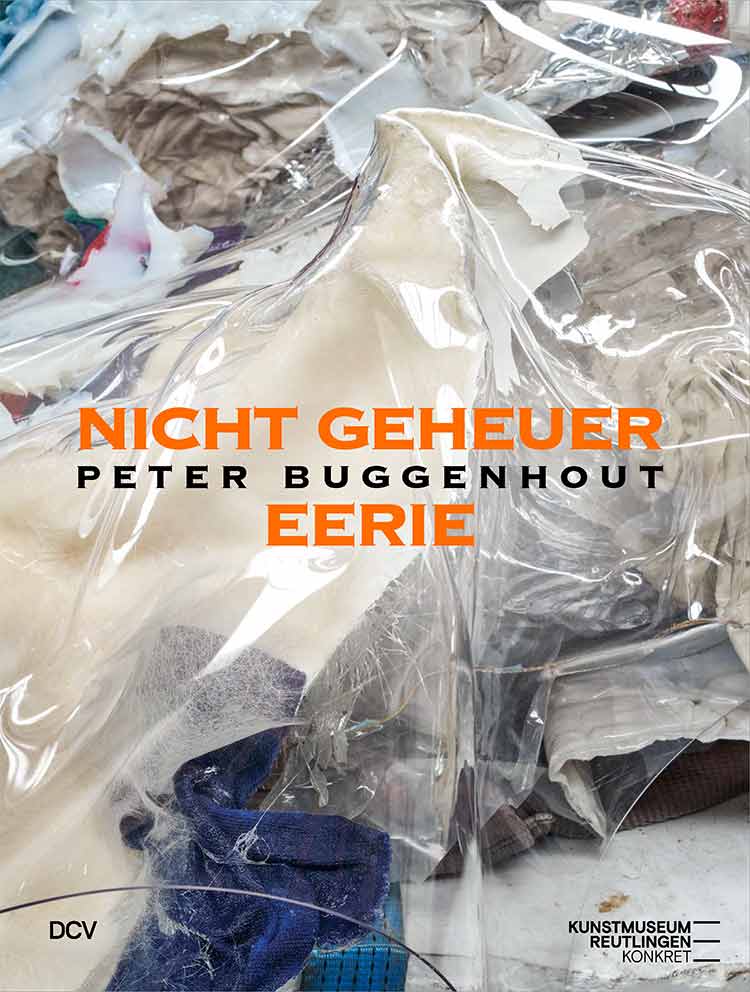
The renowned sculptor Peter Buggenhout (b. 1963, Dendermonde, Belgium; lives and works in Ghent) describes his hybrid pieces as “abject things” that defy classification and even the label “work of art.” He aggregates and manipulates found and discarded objects as well as both technical and organic materials including pig blood, cow stomachs, and horsehair until he achieves a certain degree of abstraction. Buggenhout’s sculptures confront the beholder as creatures that are somehow “off,” exuding an eerie atmosphere by allowing something sinister to rise to the surface that, it appears, lurks just behind the façades of the physical world: vestiges of humanity, society’s sedimented refuse. The book presents a comprehensive survey of his growing oeuvre; it is the first publication to cover his most recent creations in marble.
Peter Buggenhout’s art has been featured at the Palais de Tokyo, Paris; the MoMA PS1, New York; the 2014 Taipei Biennial; and elsewhere.
-

Erich Hörtnagl
to be a man38€ Add to cart“A photograph is a secret about a secret. The more it tells you, the less you know.” The witty remark, attributed to Diane Arbus, succinctly captures the twofold code at work in Erich Hörtnagl’s (b. Innsbruck, 1950) pictures. Aesthetically appealing photographs, mostly in black and white, show men (and women) in a wide variety of cultural, social, and religious contexts: from Swedish bikers and drag queens to monks in Myanmar, from Turkish belly dancers to Tyrolean performers in traditional attire. What looks at first glance like a conventional photobook soon reveals itself to be a brilliantly staged interactive riddle around clichéd notions of masculinity with positive and negative connotations, around gender roles and persistent stereotypes. With the deftly composed visual meta-narrative in to be a man, Hörtnagl, a seasoned theater and film director, lures us into a trap, and the only way out is by taking the challenge head-on: by engaging in self-reflection and questioning our own prejudices and ideas.
- Release February 2026

Fidel Martínez
Todesfuge. Das Leben des Dichters Paul Celan26€ Add to cartThe Spanish graphic artist Fidel Martínez Nadal’s (b. Seville, 1979) graphic novel Todesfuge recounts the life of Paul Celan (1920–1970), one of the most eminent lyric poets of the twentieth century. The narrative interweaves biographical and literary aspects of Celan’s life, including his Jewish identity, his lifelong trauma as a Holocaust survivor, and his acclaimed poem Todesfuge. Martínez’s expressive and somber illustrations visualize Celan’s struggles with feelings of guilt, memory, and his creative efforts to find words for the unspeakable. An artistically brilliant homage to Paul Celan’s oeuvre, Todesfuge is an impressive contribution to the engagement with the Shoah in the medium of the graphic novel pioneered by Art Spiegelman.
-

Liam Gillick
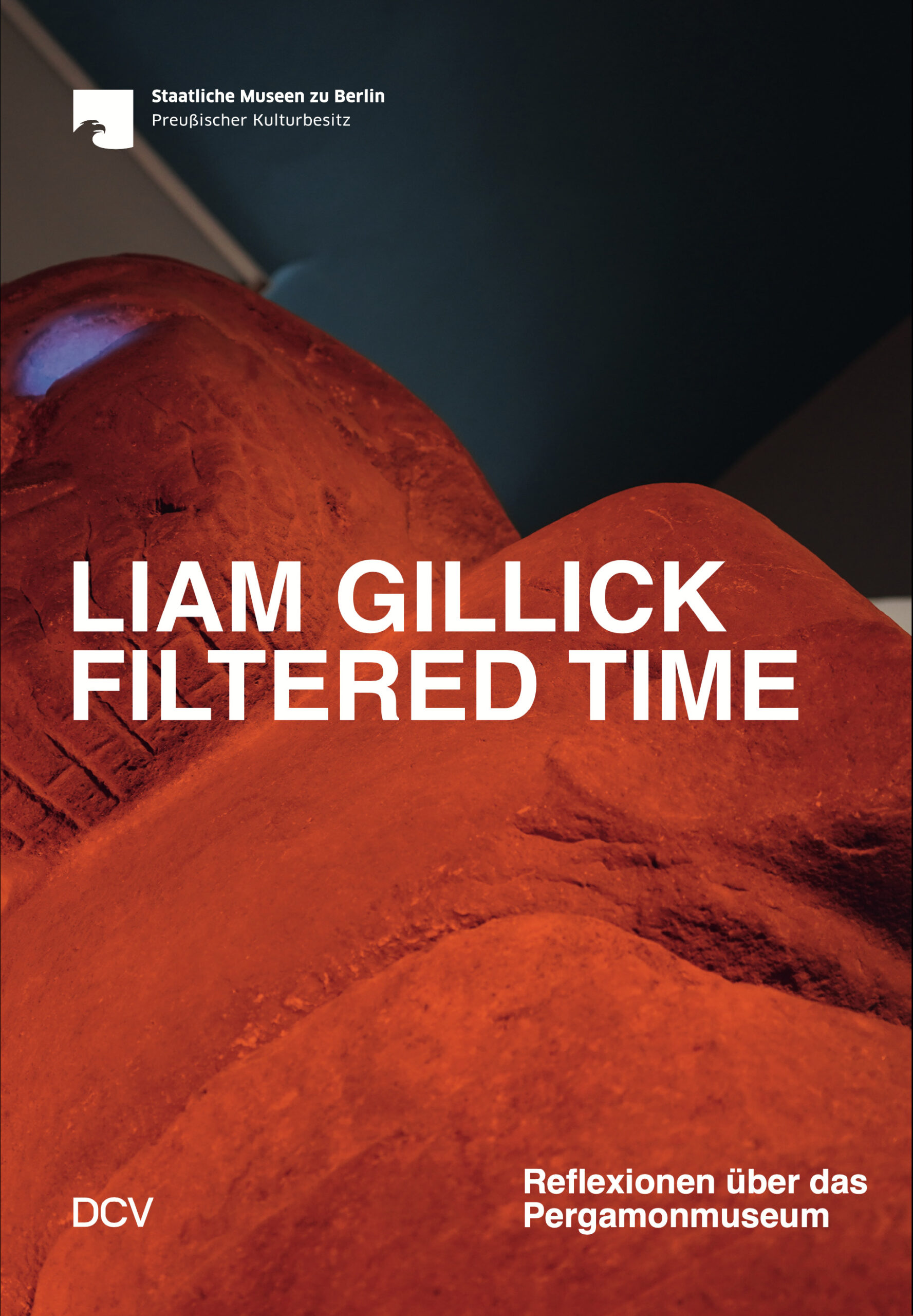
Filtered Time (GERMAN)28€ Add to cartThe sculptor and object artist Liam Gillick (b. Aylesbury, UK, 1964; lives and works in New York) has created an intervention titled Filtered Time for the historic galleries of the Pergamon Museum in Berlin. Projections of light and color and acoustic effects condense six thousand years of cultural history into an immersive spatial experience. Gillick initiates a conversation between the iconic Processional Way and the Ishtar Gate from Babylon, the monumental sculptures of Tell Halaf, and other exhibits, engendering new layers of meaning across all historical periods. The first joint project of the Vorderasiatisches Museum and the Hamburger Bahnhof—Nationalgalerie der Gegenwart makes for a singular visual and sensory experience. Designed by the artist himself, the publication not only documents the richly colorful production, but also provides insight into the eventful history of the museum, which is approaching its centennial.
Liam Gillick studied at the Hertfordshire College of Art in 1983–1984 and at Goldsmiths, University of London from 1984 until 1987. Gillick is a prolific published writer as well, producing essays, reviews, fiction, and theatrical scenarios.
-

Arantxa Etcheverria
Doors38€ Add to cartThe Mythical Power of Grids
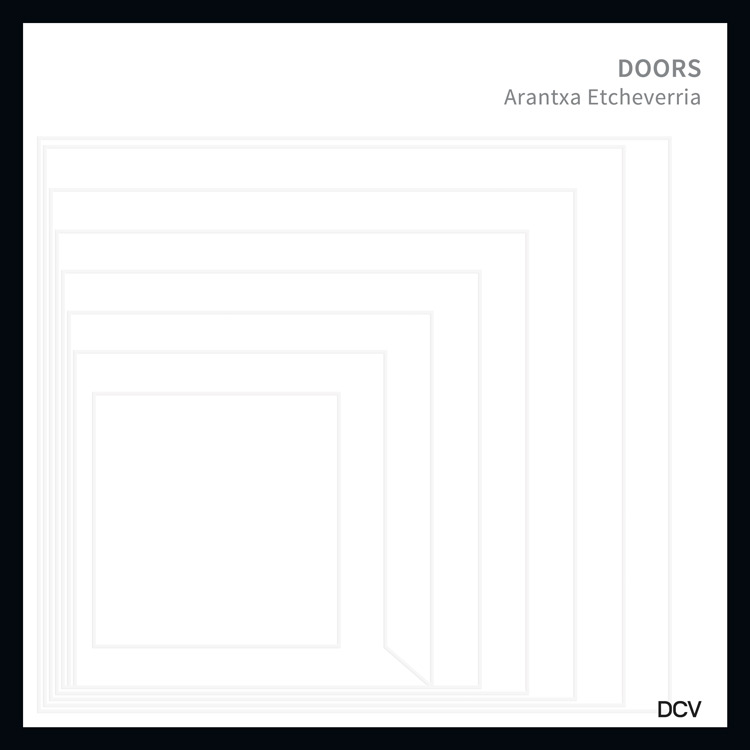
Arantxa Etcheverria’s (b. 1975, France; lives and works in Bucharest) creative practice encompasses painting, sculpture, performance, photography, and film. Since 2006, she has been especially interested in modernist architecture, a ubiquitous sight in her adopted country, Romania. Blending rationalism with speculation, the artist draws on historical references including post-Communist turbo architecture, Op art, and minimalism for works that balance between figuration and abstraction, construction and deconstruction. This book documents Etcheverria’s more recent panel paintings and installations, seen in interaction with actors in monochrome costumes. With essays by the Paris-based Romanian curator and critic Ami Barak and the art historian and curator Alina Şerban.
Arantxa Etcheverria studied fine arts at Villa Arson, Nice, and stage design at the Théâtre national de Strasbourg.
-

Cornelia Baltes
Dingbats44€ Add to cartCornelia Baltes’s (b. Mönchengladbach, 1978; lives and works in Berlin) paintings and installation straddle the divide between abstraction and figuration. Her pictures are inspired by observations of mundane details—apparel, body parts, or facial expressions—that she pares down to simple lines and shapes. Rendered in vibrant colors and gestural fields, they hint at a narrative in the pictorial space. Baltes works with steadily modulated color gradients, on which she places thick and assertive marks. She often interrogates the painted picture’s function, by painting on the wall beyond the rectangle of the canvas, by hanging a picture in the middle of the room as an object in its own right or laying it out on the floor. Her works blend Pop Art and minimalism with an intensity and dynamic energy—and, sometimes, unmistakable flashes of humor—that cannot fail to captivate the beholder.
This book is the first comprehensive monograph on the artist’s oeuvre.
Cornelia Baltes studied at Bergische Universität Wuppertal in 2000–2003 and at Folkwang Universität der Künste, Essen, in 2003–2006, before rounding out her education at the Slade School of Fine Art, London, in 2009–2011.
-

Ion Bitzan
48€ Add to cartThe painter and object artist Ion Bitzan (b. Limanu, 1924; d. Bucharest, 1997) belonged to the generation of Romanian artists who, in the 1960s and 1970s, broke through their country’s isolation to connect to the international avant-garde. His creativity and the quality of his artistic experiments, which drew inspiration from conceptual art, Dada, and other sources, made him a leading figure in the Romanian art of the Ceaușescu era. This book also sheds light on the complex relationship between artistic innovation and political (propaganda) art behind the Iron Curtain during this period, in which nothing was ever black or white. Bitzan represented Romania at the Venice (1964) and São Paulo Biennales (1967, 1969, 1981). In 2017, the National Museum of Contemporary Art (MNAC) in Bucharest mounted a major retrospective of his oeuvre.
-

Leszek Skurski
Catalogue raisonné Vol. 1: Works from 1990–202459€ Add to cartLeszek Skurski (b. Gdańsk, 1973; lives and works in Fulda and Mallorca) is known for his singular and immediately recognizable white paintings. Small black and gray figures emerge from the white landscapes, always set in relation to one another, in pairs or groups. Exposed on the expansive and boundless-seeming plane, they silently tell a story that remains as open-ended as the pictures. In a few spare brushstrokes or lines drawn with the palette knife, Skurski’s superb neoimpressionism deftly captures the atmosphere that weighs down on his characters and holds his compositions in suspense.
The extensive monograph presents over two thousand works from more than three decades. Essays embed the various bodies of work in their art-historical contexts.
-

Michael Bielicky
Perpetuum mobile54€ Add to cartContemporary Media Art
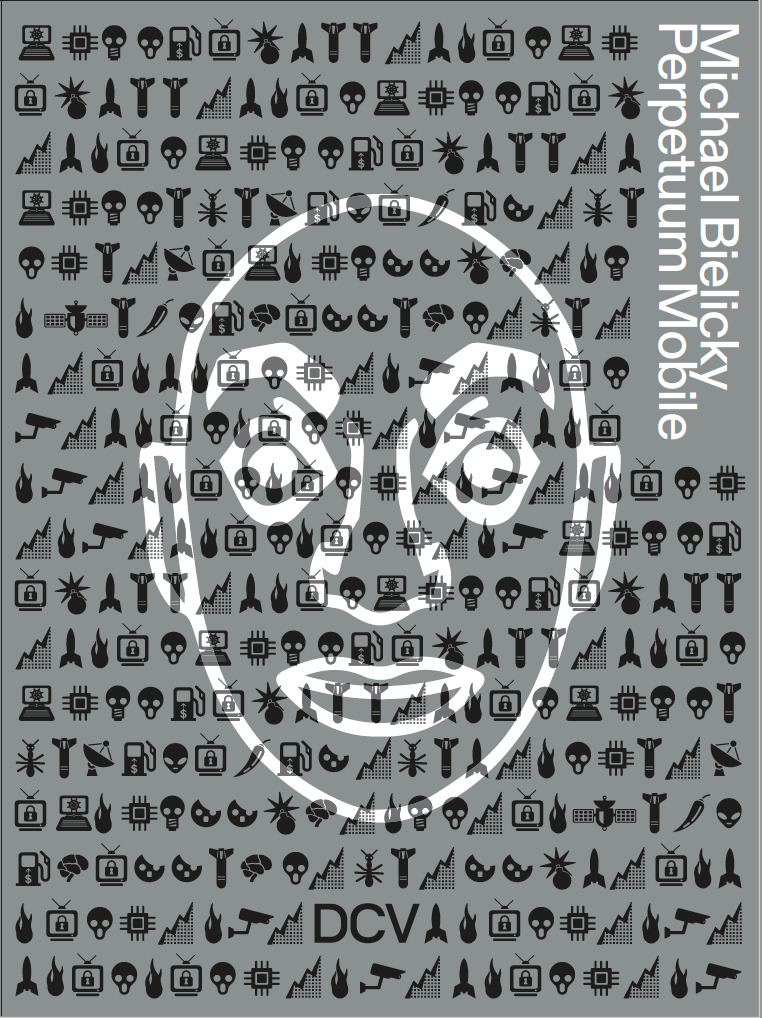
The German-Czech artist Michael Bielicky (b. Prague, 1954; lives and works in Karlsruhe) has been an innovator in the fields of photography, video, and web-based installation art for over four decades. In an ongoing dialogue with emerging technological developments, his works probe the history of his media from the deepest strata to the magical mathematical practices of the medieval Cabalists: idiosyncratic hybrids that straddle the boundary between the analog and digital worlds. Operating on the interfaces between real and virtual spaces, his media art prompts a critical reflection on the nature of technology, its material and immaterial significations, and the ways in which it informs our perceptions and actions. The book Perpetuum mobile is the first to offer a comprehensive survey of Bielicky’s rich and diverse oeuvre. The layout, designed by the artist himself, integrates the experimental images into a graphic “stream of consciousness.”
Michael Bielicky moved to Germany in 1969 and initially studied medicine. After an extended stay in New York, he studied at the Düsseldorf Academy of Fine Arts from 1984 until 1990, first with Bernd Becher and then in Nam June Paik’s master class. He was made professor at the Academy of Fine Arts Prague in 1991, then professor of new media at the Karlsruhe University of Arts and Design in 2006. Bielicky participated in numerous major exhibitions, including the São Paulo Biennial (1987); Videonale, Bonn (1988, 1990, 1992); Ars Electronica, Linz (1992, 1994, 1995); and the Havana Biennial (2012).
-

Alexandru Chira
42€ Add to cartAlexandru Chira’s (b. Tăușeni, Romania, 1947; d. Bucharest, 2011) oeuvre systematically and comprehensively maps a fictional field of research. His paintings, drawings, and objects, whose individual elements recall switches, screens, keyboards, and levers, were designed to “bring rain and rainbows,” to promote prosperity and prevent floods. Working in his art laboratory, Chira resembled a farmer tilling his field. He sowed symbols across his paintings, sometimes transplanted them to create new semiotic interconnections, then reaped them and stored up his harvest in painted machines of varying shapes and dimensions. In the 1990s—by then Chira held a professorship and was a widely recognized artist—he fulfilled a lifelong dream by building the “Tăușeni Ensemble,” the largest monument single-handedly created by one man in Transylvania. Much of his oeuvre accordingly consists of sketches and elaborations relating to the monument. In the course of his decades-long fascination with an agrarian aesthetic, architecture, design, astronomy, history, magic, ufology, mysticism, shamanism, and theosophy fused, yielding a kind of practical knowledge as well as spiritual speculations sustaining his endeavor.
The extensive monograph with more than 750 illustrations surveys Alexandru Chira’s output of four decades and synthesizes years of research undertaken at the National Museum of Contemporary Art in Bucharest. It contains numerous transcriptions of textual parentheses, legends, and instructions on how to decode the works and poetic fragments embedded in Chira’s pictures.
-

Simone Haack – Untangling the Strands / Démêler les Fils
24€ Add to cartSimone Haack’s (b. Rotenburg/Wümme, 1978; lives in Berlin) most recent body of work delves into the theme of hair as a parameter of identity straddling the division between nature and culture. Her second publication with DCV is released on the occasion of two exhibitions: Untangling the Strands at Berlin’s Abguss-Sammlung Antiker Plastik, a collection of casts of ancient sculpture, which are seen in dialogue with her hair pictures; and Helix of Realism at Galerie Droste, Paris, which is part of the official program of events around the grand Surrealism exhibition held at the Centre Pompidou in celebration of the Surrealist Manifesto’s centennial. The new book is the first to shed light on the aspect of the surreal in the artist’s oeuvre and uncovers a major source of her visual inspiration: the dream diaries that Haack has kept since she was seventeen and the interest in the unconscious they reflect. It is above all the logic of the dream as well as feelings and moods that inform her paintings.
Haack: “My goal is to use the means of realism to visualize what cannot be seen. To get into an automatism that lets the unconscious speak in order to infuse the pictures with a life of their own. To shed light on the domain where the myths originate.”
-
Jagoda Bednarsky
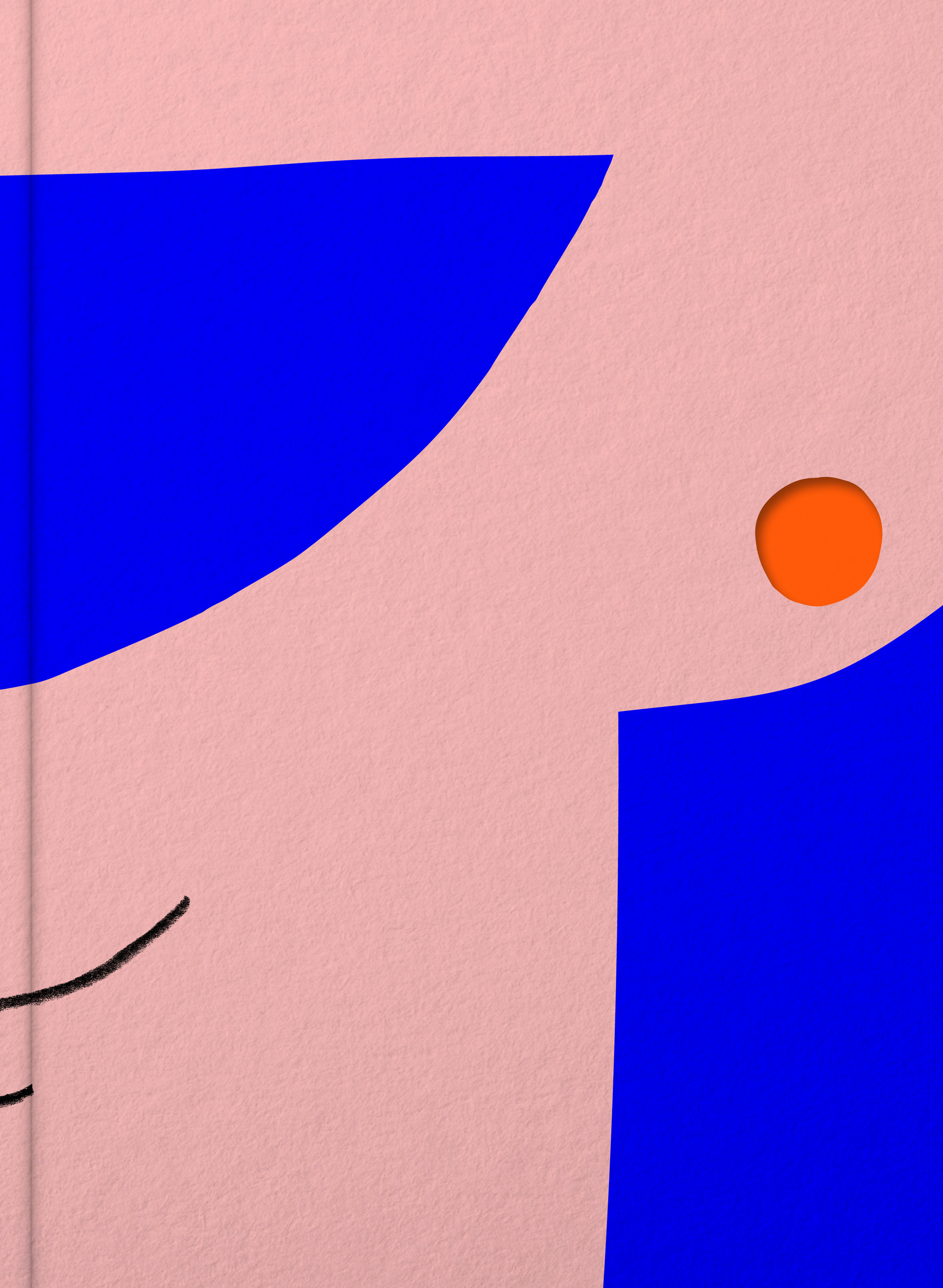
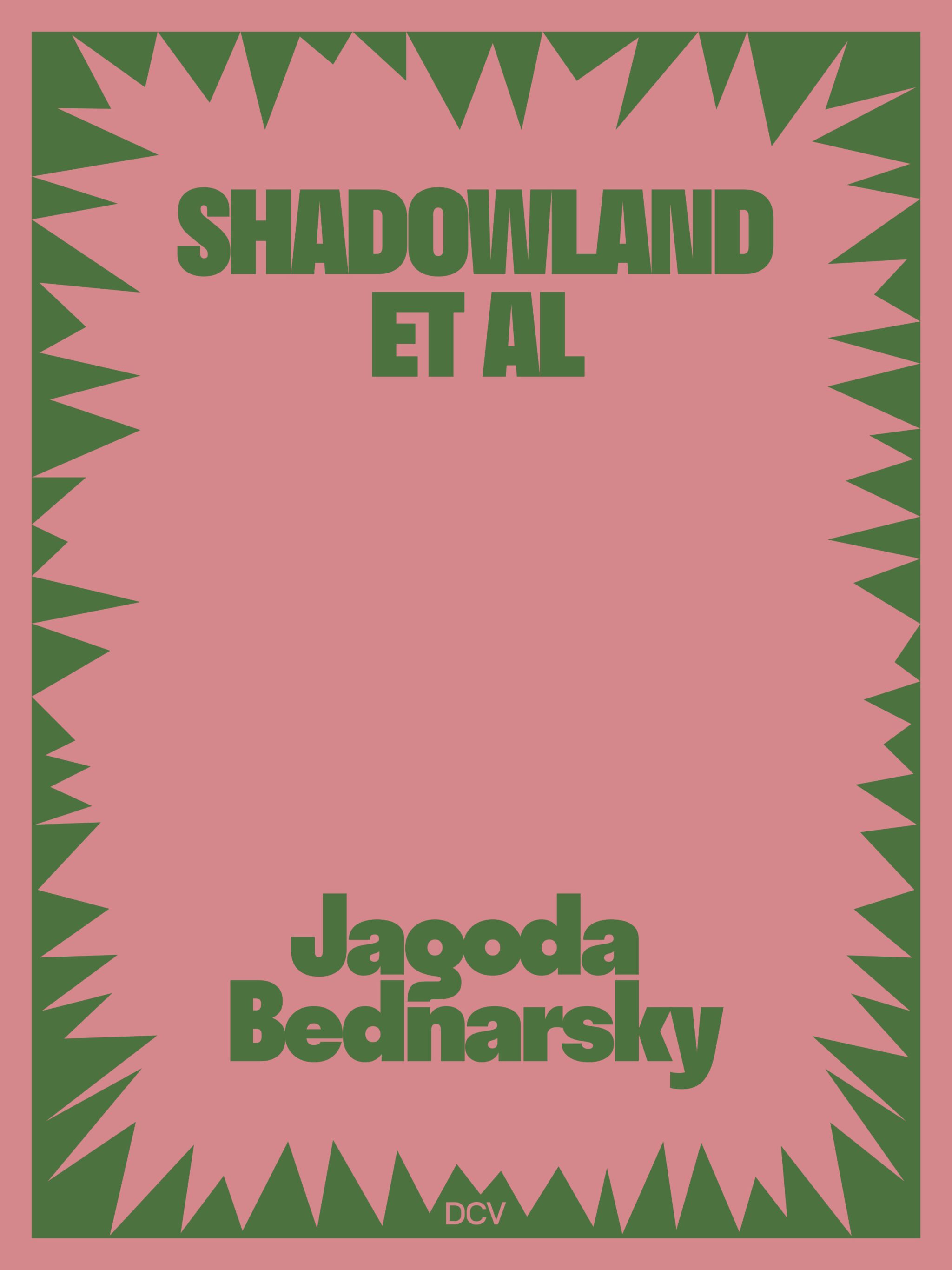
SHADOWLAND ET AL40€ Add to cartJagoda Bednarsky’s (b. Złotoryja, Poland, 1988; lives and works in Berlin) paintings are pop-cultural and nostalgic borrowings that she transfers into the grotesque register, with allusions to stereotyped role models between hypermasculinity and matriarchy. Unfurling pastel-colored hillscapes composed of breasts, breast pumps, vulvas, figures from Greek myth, and motifs from flora and fauna, Bednarsky’s Shadowland series interrogates traditional ideas of femininity and motherhood. The depiction of the female breast serves as a metaphor referring to the titular “Shadowland,” where this part of the body is still perceived as a sexualized object rather than as natural. The title, one might note, is borrowed from a culture magazine first published in New York in 1919 in which the artist spotted Art Deco illustrations that became a vital source of inspiration. Despite the dense aggregation of fraught symbols and referential gestures, the sensual, poetic, and richly imaginative works exude a lightness that stems from their translucency and subtle irony.
The comprehensive volume presents Bednarsky’s works from between 2018 and 2023 and a singular conversation with the artist.
Jagoda Bednarsky studied fine arts, first at Kunsthochschule Kassel (2008–2009), then at HfBK Städelschule, Frankfurt am Main, with Michael Krebber and Monika Baer (2009–2014).
-

auf Erkundung
Anne Deuter und Monika Supé25€ Add to cartA Dialogue on Time
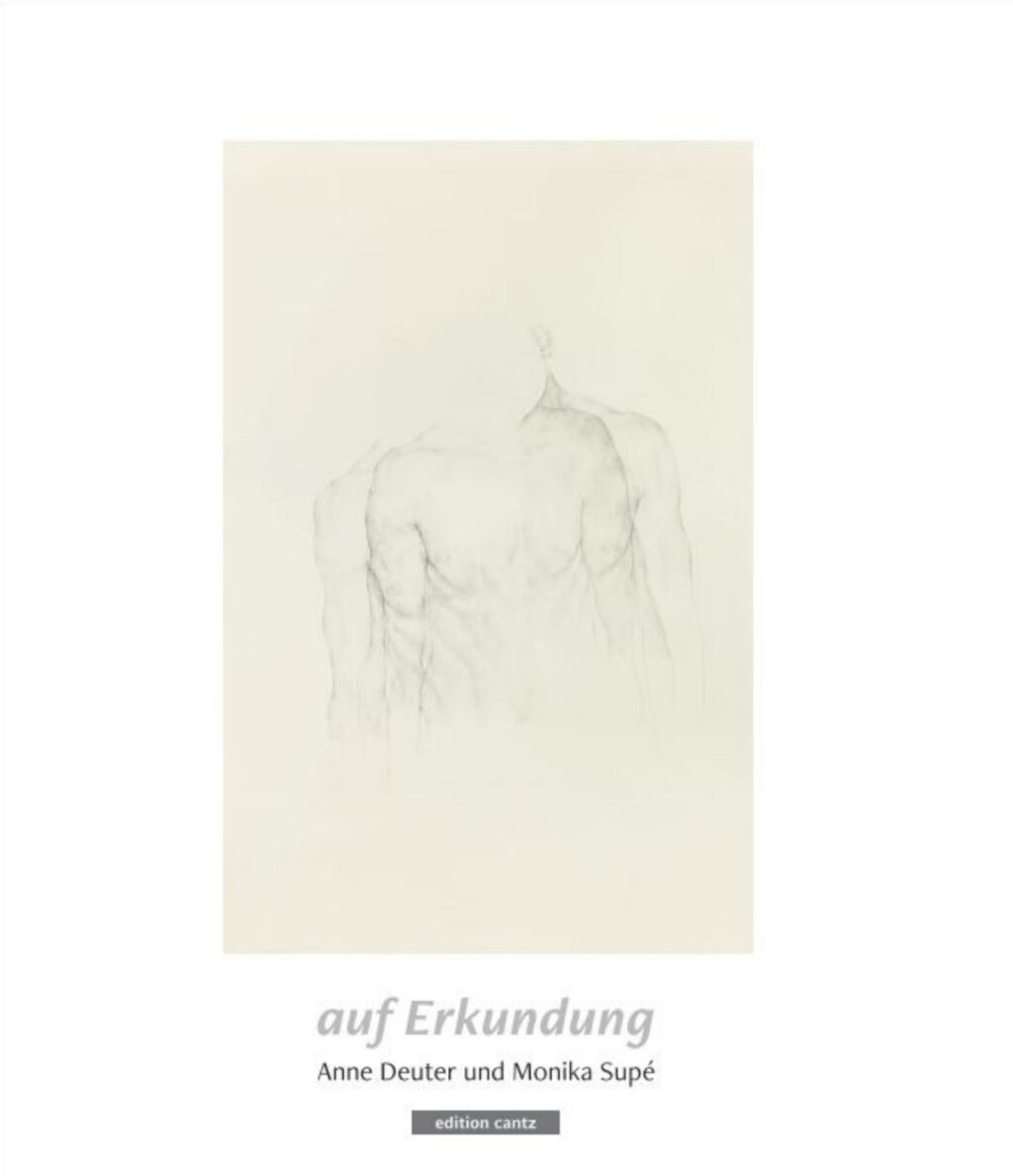
The two artists Anne Deuter (b. 1986, Halle; lives and works in Halle) and Monika Supé (b. 1967, Munich; lives and works in Munich) engage in self-exploration to find ways to convey an experience of body, space, and time. Grappling with formalist elements, they devise their compositional practices in graphite and ink and in words and images, respectively. Enhanced by selected works by contemporary poets, the publication opens up new perspectives on what it means to exist in time.
Anne Deuter studied visual art and art history at the Ernst-Moritz-Arndt-Universität Greifswald. She rounded out her education in the book art program at Burg Giebichenstein Kunsthochschule Halle. Monika Supé studied architecture at the Technischen Universität München and completed a doctorate on visual perception training at the Technische Universität Kaiserslautern. Since 1995, she has taught in the design divisions of various universities.
-

Räume hautnah (GERMAN)
Draiflessen Collection32€ Add to cartWe live in spaces that we shape in accordance with our own ideas. Our everyday lives leave traces in them that speak to our habits. Spaces promise shelter and belonging, but they can also instill a sense of constraint. We grow into the spaces we inhabit—and they in turn become expressions of our personalities. Conversely, spaces, depending on their architecture and location, inform our existence. RÄUME HAUTNAH gathers works of art that, rather than conceiving of the human sphere and the spatial domain as separate, comprehend them in their complex entanglements: in bodily experience, emotional dependency, or the instinctive need for protection. An essay by Olesja Nein, the project’s curator, offers an introduction to the exhibition and takes the reader on a tour, describing each artist’s space of activity and supplying helpful information. Philipp Zitzlsperger, meanwhile, zooms in on a key aspect of the art in the exhibition, the imprint as an artistic technique with a distinctive aura, and illuminates its origins and significance since the dawn of modernism.
Artists: Absalon, Shannon Bool, Heidi Bucher, Eileen Gray, Do Ho Suh, Mary Mattingly, Tracey Snelling, Francesca Woodman
- Out of stock

Eva Jospin
Wald(t)räume22€ Read moreThe Forest as a Place of Longing: Eva Jospin’s Magical Corrugated Cardboard Sculptures
The French artist Eva Jospin (b. 1975, Paris; lives and works in Paris) cuts and layers corrugated cardboard to create sculptures and reliefs. Handcraft and precision are essential aspects of her work. The artist retains the original color of the cardboard, since, for her, the material itself already contains sufficient color variations and nuances. The recurring motif is the forest — consisting of numerous trunks, branches, and twigs in extreme density and interspersed with black shadows. They suggest depth and stimulate the viewer’s imagination. Eva Jospin does not reproduce nature one to one, but conveys the feelings of fear, anarchy, or freedom that it triggers: The forest as a universal place of longing.
-
Maria Balea & George Crîngașu
The Mythenstein Project18€ Add to cartMaria Balea (b. Sighetu Marmației, 1990; lives and works in Cluj-Napoca, Romania) and George Crîngașu (b. Focșani, 1988; lives and works in Cluj-Napoca and Rome) are among the youngest members of the School of Cluj, which has attained international renown in Adrian Ghenie, Hortensia Mi Kafchin, and Ciprian Mureșan. The overarching theme in their works in a range of media is the lived reality of today’s young people between a physical world defined by uncertainties and a virtual parallel universe whose boundless possibilities make it a fascinating yet also often deceptive safe haven. Both artists roam this dizzying kaleidoscope of worlds on a quest for beauty: Balea, through a romantically idealized focus on remnants of untouched or deserted nature; Crîngașu, by abandoning himself to the graphical possibilities of the digital realm, where beauty is often bound up with the bending of natural laws and the physical impossibility of architecture. Yet both, the retreat to an ostensibly natural state and the escape into garish artificiality, are overshadowed by a nameless menace.
-
Jan Zöller
Keine Zeit zum Baden38€ Add to cartJan Zöller’s (b. Haslach im Kinzigtal, 1992; lives and works in Karlsruhe) art brims with personal references and experiences that he translates into his distinctive personal visual idiom. His paintings are theatrical arrangements for which he draws on a multifarious repertoire of motifs. Zöller’s first monograph Keine Zeit zum Baden presents new works engaging with the exhibition space such as a floating installation with blue tiles from the exhibition of the same title at Städtische Galerie Ostfildern and videos and large-format paintings from the cycle Badebrunnen that were created between 2019 and 2022. The bathtubs in the pictures hint at private moments of relaxation; the fountains, at the “eternal cycle” of nature. The title Keine Zeit zum Baden (No Time for Bathing), then, gestures toward the subjects of the works, but also suggest the dilemma of striking a healthy balance between life, work, and one’s vocation.
Jan Zöller studied with Marijke van Warmerdam und Leni Hoffmann at the State Academy of Fine Arts Karlsruhe from 2012 until 2017 and with Jean-Marc Bustamante at the École Nationale Supérieure des Beaux-Arts de Paris in 2016. He won the Federal Prize for Art Students of the Bundeskunsthalle, Bonn, in 2018, followed by Stiftung Kunstfonds’s working fellowship in 2021.