
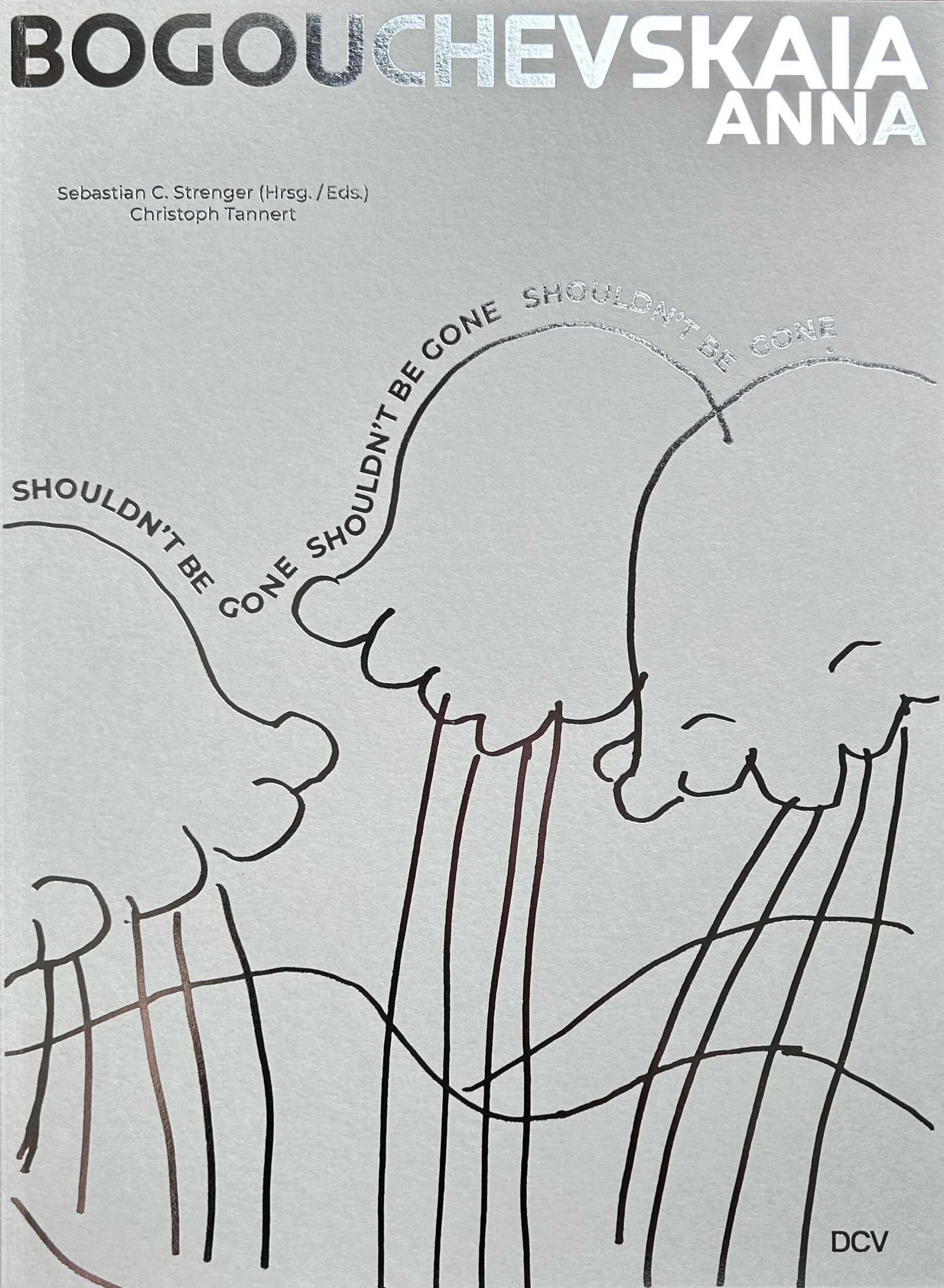
Anna Bogouchevskaia
Shouldn’t Be Gone
 | |
|---|---|
| Editor(s) | Sebastian C. Strenger |
| Author(s) | Christoph Tannert, Sebastian C. Strenger |
| Design | Dimitrij Sebellchen |
| Size | 22,8 x 30,5 cm |
| Cover | Softcover |
| Pages | 88 |
| Illustrations | 38 |
| Language(s) | German, English |
| ISBN | 978-3-96912-139-9 |
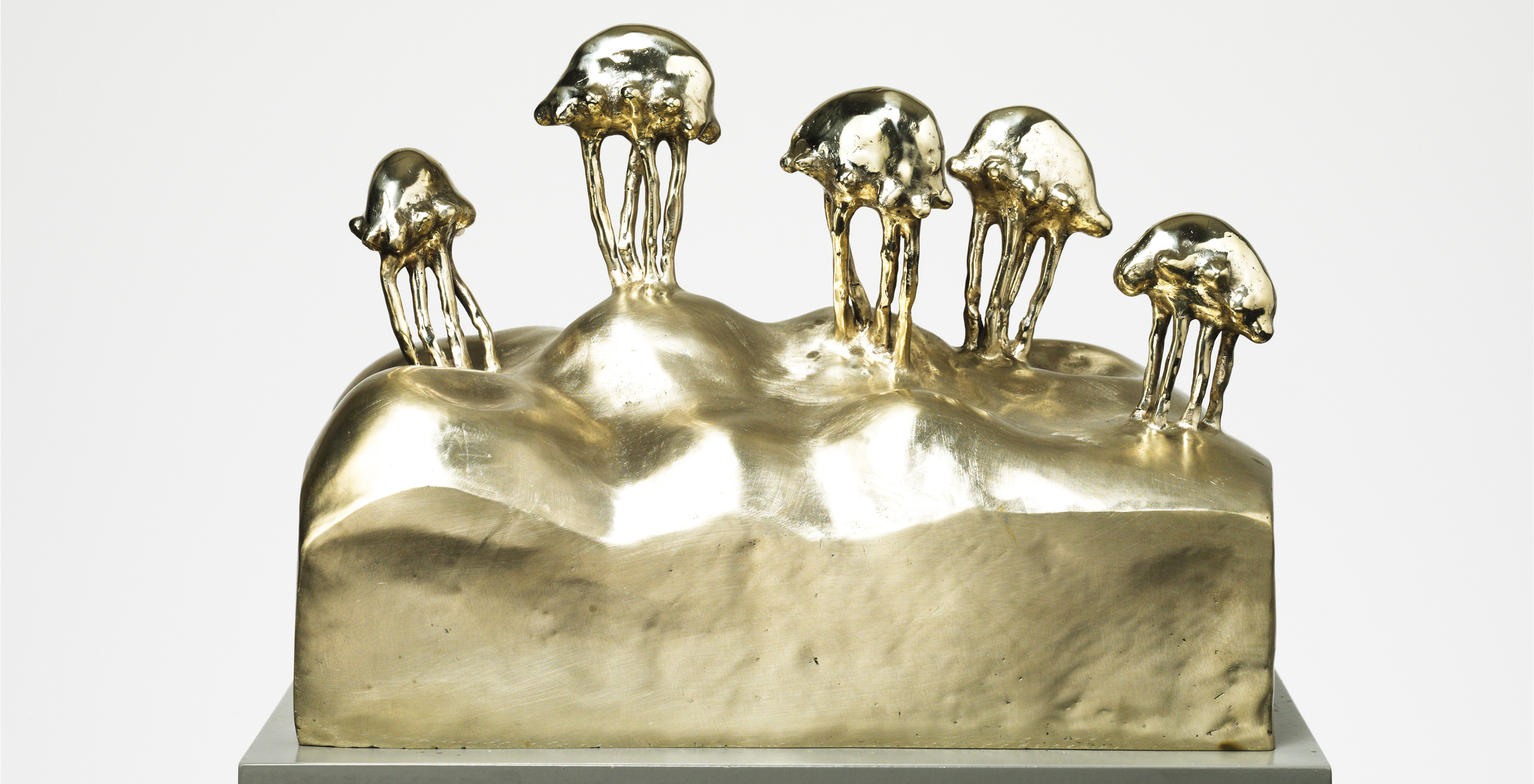
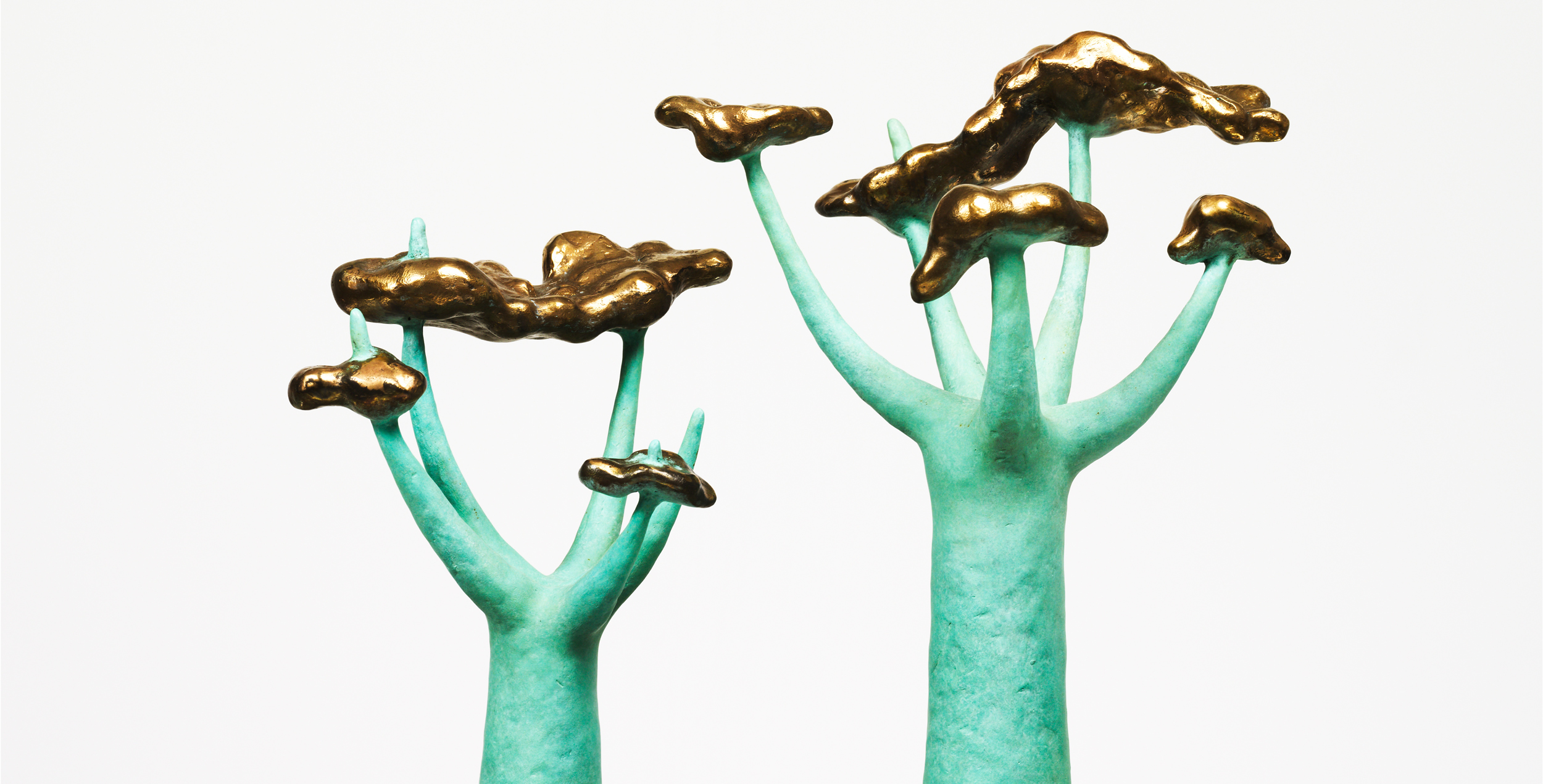
Anna Bogouchevskaia (b. Moscow, 1966; lives and works in Berlin) sees her work in sculpture as a geopolitical engagement with concerns on the intersection between figuration and abstraction. Macroscopic aluminum drops, bizarre bronze flowers, fog and snow made of silver—the artist, a committed environmentalist, has created a peculiar and fascinating world of evanescent natural phenomena. Focusing on two molecules—carbon dioxide and water—in their various states of aggregation, she draws attention to the threats posed by climate change.
The publication Shouldn’t be gone presents Bogouchevskaia’s most recent works since 2019: an urgent message of warning from an artist whose sculptural oeuvre even today has the air of a monument to a world in demise.
More books
-

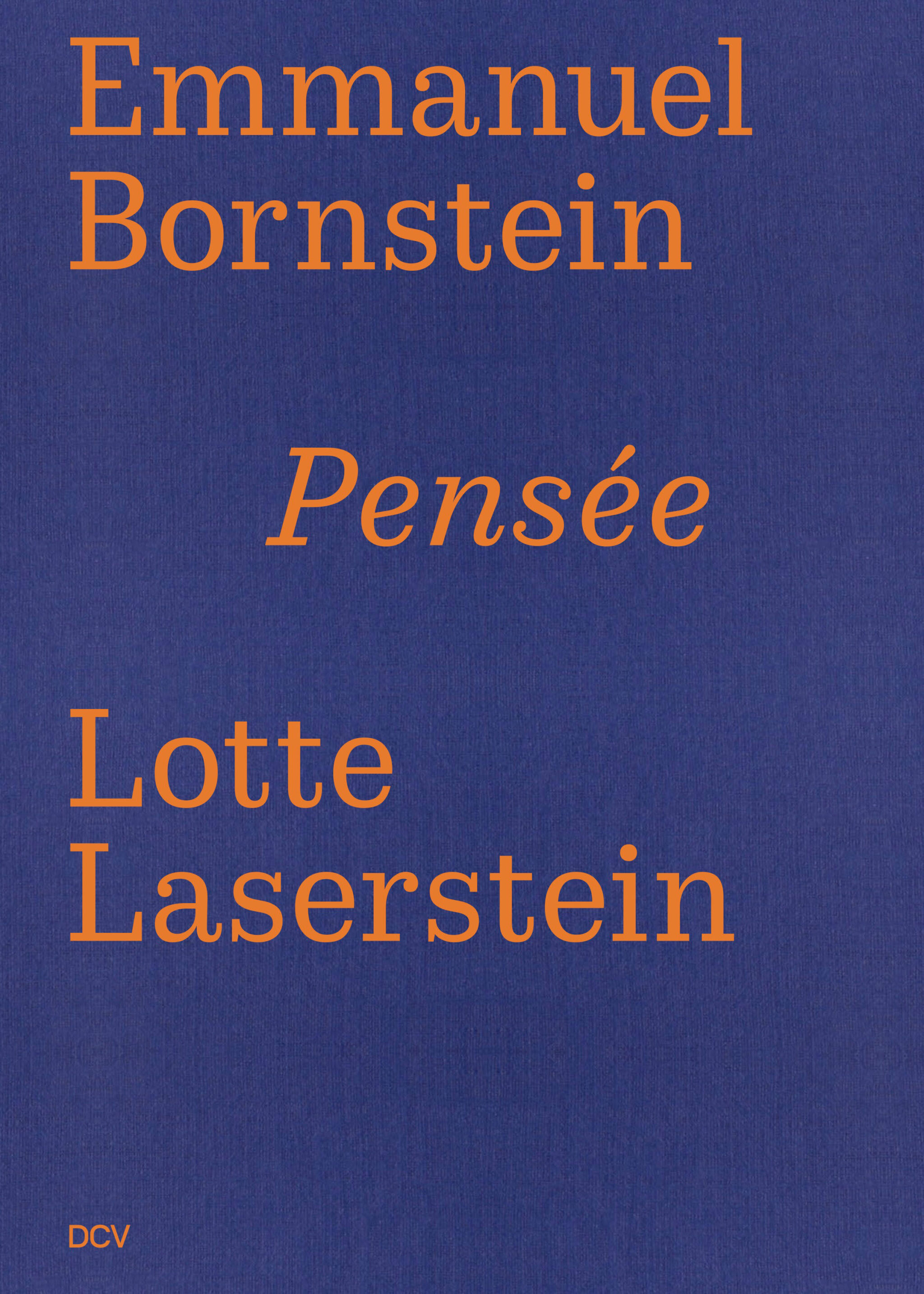
Emmanuel Bornstein / Lotte Laserstein
Pensée20€ Add to cartHow do artists’ identities and the histories of their families influence their art? Where might a creative affinity sustained by a legacy of trauma take an artist? Lotte Laserstein (1898–1993) and Emmanuel Bornstein (b. 1986) are connected by such a bond, tied by Bornstein’s grandmother, a Résistance fighter and, like Lotte Laserstein, a Jew who survived the Nazis. Bornstein discovered Laserstein’s works by coincidence and without knowing of this connection, and he was fascinated right away: “It was actually what I’d been trying to make for years!” There are in fact parallels between their oeuvres—both feature people who are waiting and flower bouquets, and a melancholy aspect and a subtle menace can be felt in both. Yet there are also discrepancies, and the dialogue between their works would be far less inspiring without them: Bornstein’s omnipresent toxic cadmium, which contrasts with Laserstein’s muted tones; the paint application; the brushwork. What the artists have in common, in any case, is that Sweden became their abode in times of danger and painting, their only true home. This catalog celebrates their creative homecoming.
-
André Butzer
Miettinen Collection30€ Add to cartAndré Butzer (b. Stuttgart, 1973; lives in Berlin) rose to renown with pictures he describes as “science fiction expressionism” and iconic characters like the “Peace Siemense,” the “Men of Shame,” or the “Woman” as well as seemingly abstract compositions. Artistic predecessors he admires and emulates include Walt Disney, Edvard Munch, Henri Matisse, Friedrich Hölderlin, and Henry Ford. Butzer’s utopian artistic vision is anchored in the fictional place “NASAHEIM”, a kind of pilgrimage destination in outer space. Yet his paintings should not be mistaken for illustrations of narrative structures; they articulate something that could not be said before. Similes of a sort, they embody the forever recurring extremes of history as emblems of human existence.
André Butzer briefly studied at the Merz Akademie, Stuttgart, before enrolling at the Hamburg University of Fine Arts (HFBK), from which he was expelled after two semesters in 1996. He went on to found the autonomous and anti-institutional Akademie Isotrop (1996–2000), where over twenty artists including Markus Selg, Jonathan Meese, and, in loose association, John Bock trained one another. In 2001, Butzer teamed up with Björn Dahlem to establish the Institute for SDI Dream Research.
- Out of stock

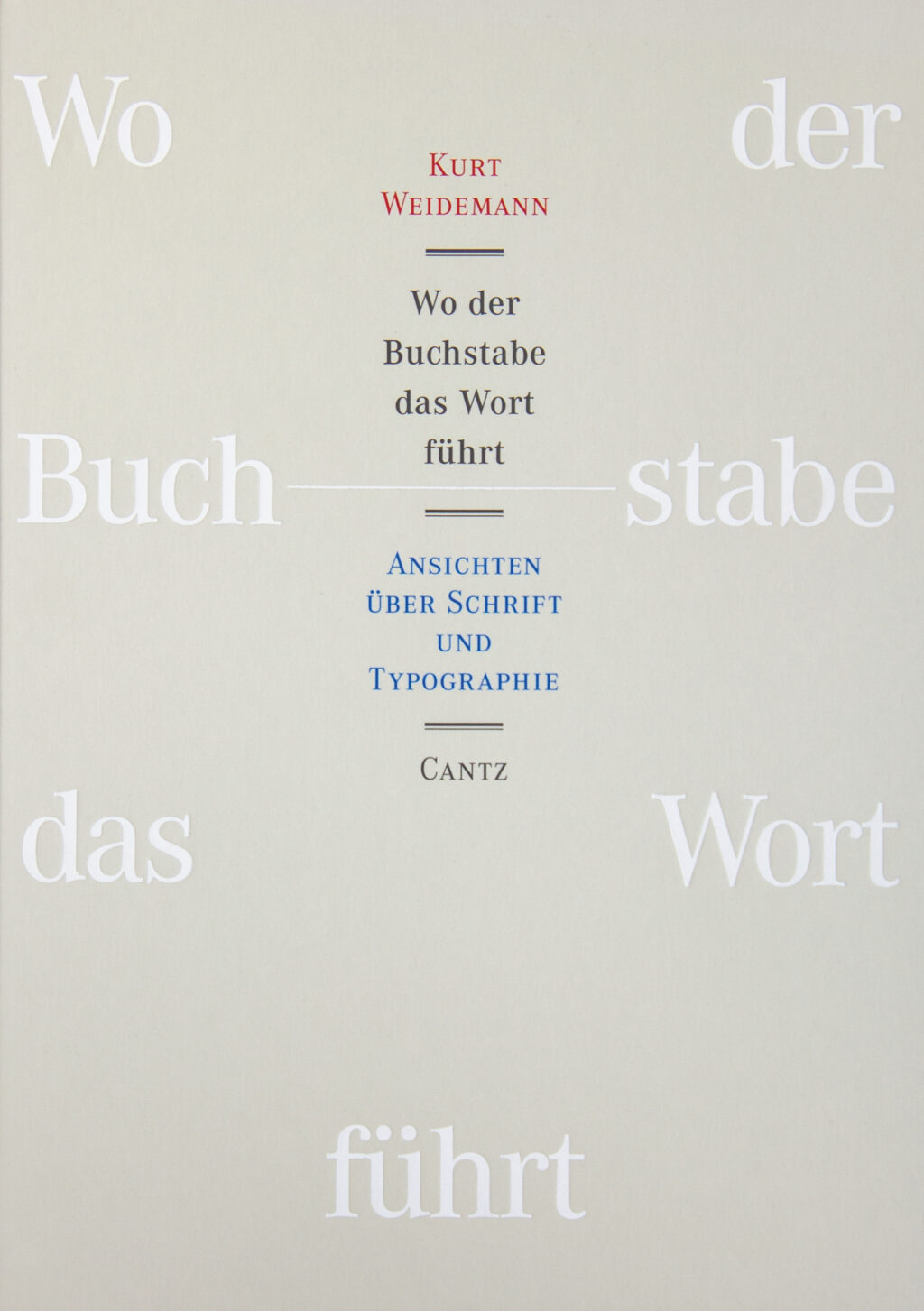
Kurt Weidemann
Wo der Buchstabe das Wort führt49,95€ Read moreSignierte Sonderauflage
Kurt Weidemanns Ansichten über Schrift und Typografie ist das beeindruckende Ergebnis eines über Jahrzehnte erlebten und reflektierten Berufslebens als Schriftsetzer, Typograf, Autor, Lehrer und Berater. Das Buch schildert die persönlichen, philosophischen und fachlichen Ansichten seines Metiers.
-

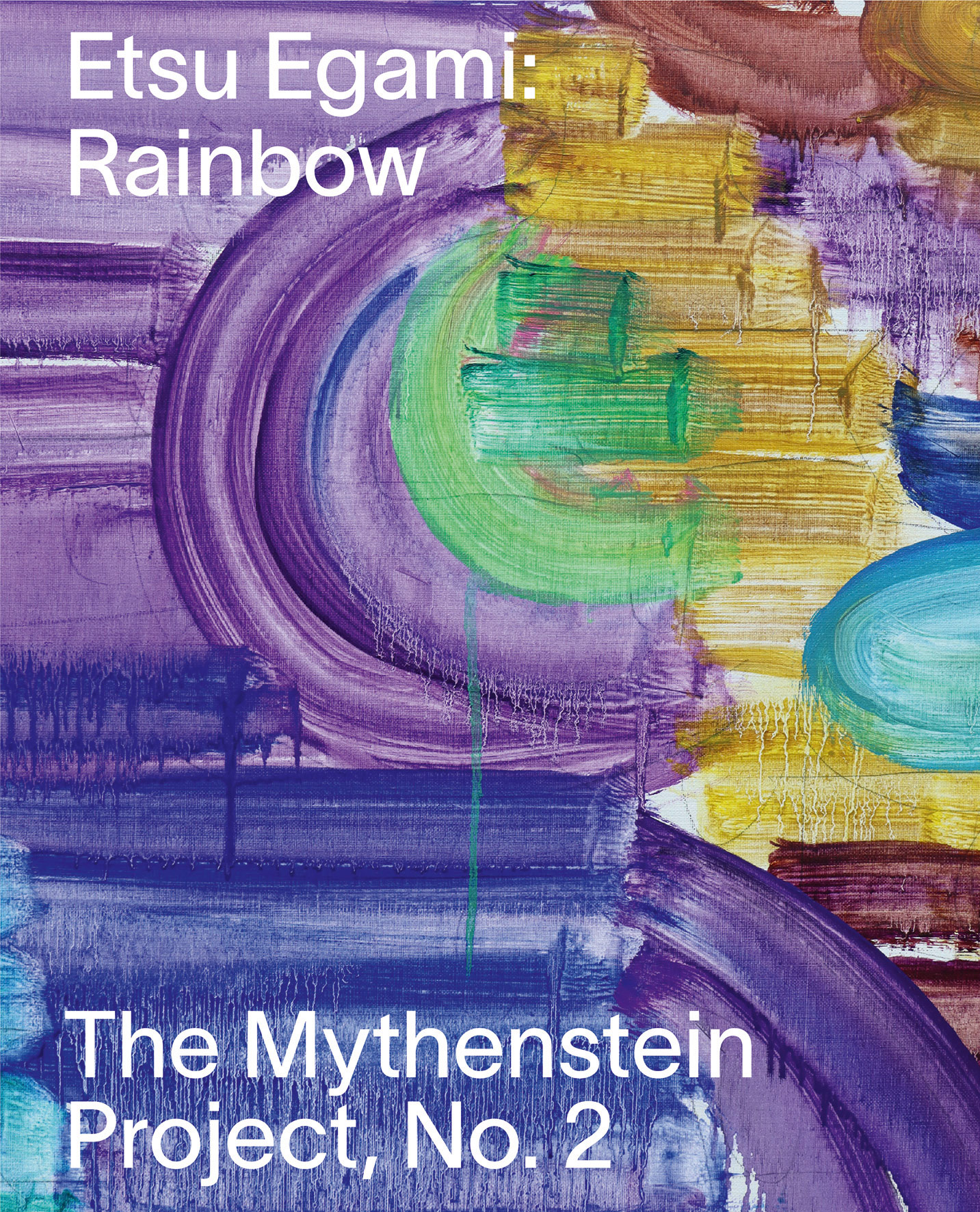
Etsu Egami
Rainbow18€ Add to cartWhat is worth talking about in art eludes language. Aesthetic experience is without words, like a human encounter that touches upon our innermost being. Etsu Egami is interested in the margins of understanding, where the communication of ideas and feelings threatens to fail, where forms become illegible. That is the point on which she homes in with her brush, which she wields in a rough calligraphic style, putting almost translucent oil paints on the canvas. Spectral faces emerge that dissolve into abstraction; abstract forms, beheld from the corner of one’s eye, momentarily coalesce into a likeness. Painting, to Egami, is a physical and performative act, the brush an extension of her arm, bringing a picture into being in sweeping rhythmical motions. As we contemplate her work, that momentum imparts itself to us: first our eyes begin to wander, then we feel our bodies stir, and finally the spirit, too, pulsates in the rhythm of the brush. Gathering Egami’s most outstanding works, this catalogue is a universal invitation to join a peculiar dance, an arc of light the artist traces across all barriers to understanding and that speaks to our senses.
-

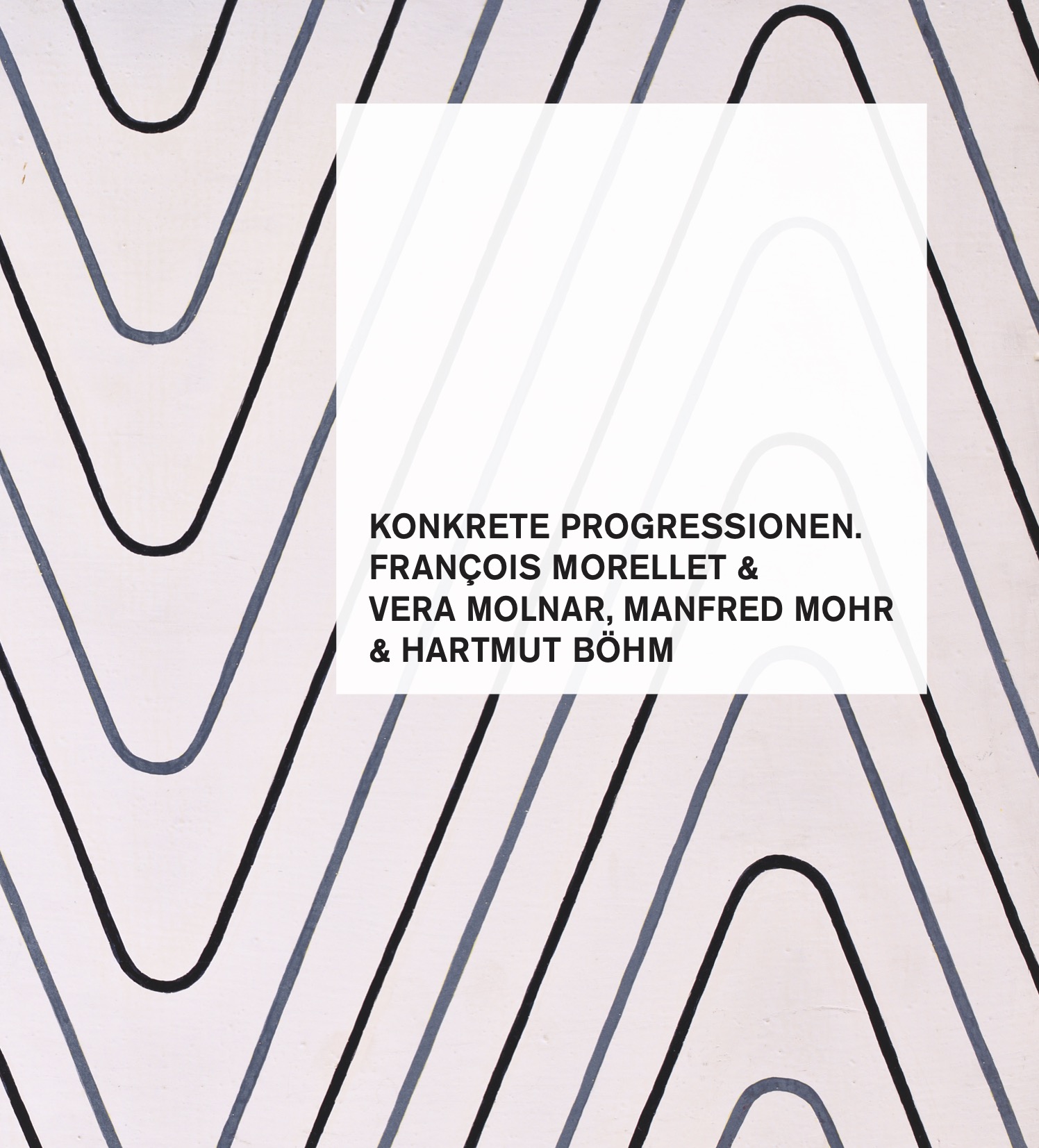
Konkrete Progressionen
François Morellet & Vera Molnar, Manfred Mohr & Hartmut Böhm15€ Add to cartThanks to a generous donor, the Kunstmuseum Reutlingen | konkret welcomed a number of outstanding works to its collection in 2022. Titled Konkrete Progressionen, the first exhibition to showcase a selection from the gift features four internationally renowned artists whose works are derived from mathematical or geometric procedures: the concrete systematists Hartmut Böhm (1938–2021) and François Morellet (1926–2016) and the pioneers of computer-generated art Manfred Mohr (1938–) and Vera Molnar (1924–).
The book documents the serial paintings, drawings, collages, wall objects, and monumental installations and environments of steel beams or concrete blocks. The works play concrete games with the beholder’s ability to recognize patterns in binary contrasts or layered grids. They show sine waves, vector series, hypercubes, and markings derived from the circular constant π or the Fibonacci sequence—and in each instance demonstrate primarily how the basis of calculation takes on a life of its own.
The exhibition at the Kunstmuseum Reutlingen runs until April 14, 2024.
-

Thomas Lehnerer
Freies Spiel44€ Add to cartThe function of art in human existence
Throughout his short life, the Munich-based theologian and artist Thomas Lehnerer (1955–1995) did not take the existence of art for granted. In his writings, above all in Methode der Kunst (Methods of Art), he developed a concept of art in the continuation of key texts from the fields of aesthetics, cultural theory, and art history, which can also be found in his own artistic work. The small-format figurative sculptures by Lehnerer, as well as his drawings, watercolors, and early installations, follow theoretical premises and address comprehensive themes of human existence. The present volume documents his examination of human existence, which is deepened by the inclusion of cultural historical figures and idols.
-
DAWN OF HUMANITY – ART IN PERIODS OF UPHEAVAL
37€ Add to cartThe book and exhibition present works from the first two decades of the twentieth century from the Kunstmuseum Bonn’s collection in dialogue with contemporary creative positions. What the works have in common across the distance of a century is their genesis in, and reflection on, a time of major social and political crisis. Back then, life had been profoundly changed by the industrial revolution; nowadays, climate change, wars, and the rising political power of right-wing ideologies are transforming the life of our communities. The presentation conceives art as a tool that lets us interrogate the world and imparts fresh intellectual impulses, and so also plays an active part in our societies. The title Menschheitsdämmerung – Dawn of Humanity – is borrowed from the poetry anthology of the same title released by Kurt Pinthus in 1919, which samples the Expressionist lyric poetry of the young century in four chapters: “Downfall and Outcry”; “Love Human Beings”; “Awakening of the Heart”; “Entreaty and Indignation.” Florian Illies, who already wrote an afterword for the 2019 centenary edition of Menschheitsdämmerung – the bestselling poetry anthology in the history of German literature – contributed the keynote essay in the book.
Artists: Nevin Aladağ, Francis Alÿs, Kader Attia, Yael Bartana, Rebekka Benzenberg, Monica Bonvicini, Andrea Bowers, Heinrich Campendonk, Louisa Clement, Max Ernst, Georg Herold, Franz M. Jansen, Alexej von Jawlensky, Käthe Kollwitz, Wilhelm Lehmbruck, Max Liebermann, August Macke, Helmuth Macke, Goshka Macuga, Marie von Malachowski-Nauen, Carlo Mense, Zanele Muholi, Heinrich Nauen, Grace Ndiritu, Anys Reimann, Deborah Roberts, Daniel Scislowski, Paul Adolf Seehaus, Tschabalala Self, Monika Sosnowska, William Straube, Emma Talbot, Hans Thuar, Lawrence Weiner
-
Mihai Olos
42€ Add to cartMihai Olos (b. Ariniș, Romania, 1940; d. Endingen am Kaiserstuhl, 2015) ranks among the most fascinating artists of the second half of the twentieth century. His adaptations of the formal vocabulary pioneered by Constantin Brâncuși are unrivaled in their creative originality. His works evince an utterly novel approach to the combination of materials from the culture of rural Romania with the visual strategies of modernism. His formidable oeuvre engages with conceptual and minimal art and comprises paintings, drawings, and sculptures, sometimes in the dimensions of land-art projects, as well as performances and poetry. Despite the constraints imposed by the communist system, his art and travels—during which he also met his kindred spirit Joseph Beuys—were dedicated to the unerring pursuit of his vision of social sculpture and radical utopian architecture.
-

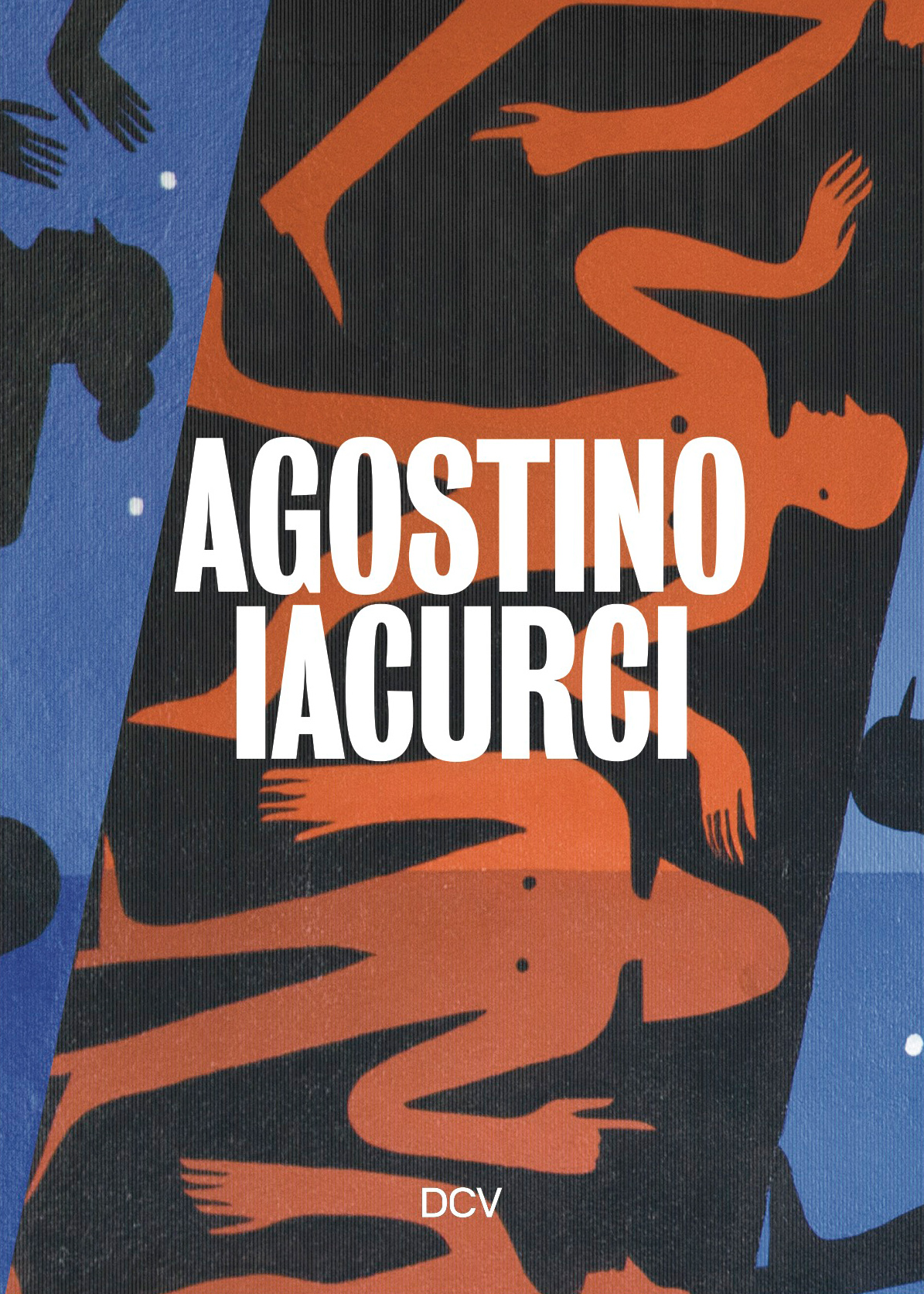
Agostino Iacurci
10€ Add to cartAgostino Iacurci’s (b. Foggia, Italy, 1986; lives and works in Berlin) paintings, sculptures, installations, and murals are based on vegetal forms and botanical subjects. Lucid compositions in radiant colors unfurl fantastical ornaments that transcend the division between figuration and abstraction and the hierarchical distinctions of applied art, design, fine art, and folk art. His central theme is the painted garden, in which he stages plants, humans, architecture, geometry, and decoration in a fashionably theatrical landscape. In Iacurci, the interpenetration of nature and civilization is real, integrating mythological motifs from across the history of art and culture, from antiquity to futurism and postmodernism, into his singular style.
Agostino Iacurci studied fine arts at the Accademia di Belle Arti in Rome. Since 2009, he has realized numerous large-format murals and installations for public and private institutions. He has also worked with international brands including Apple, Adidas, Hermès, and Starbucks.
- temporarily not available
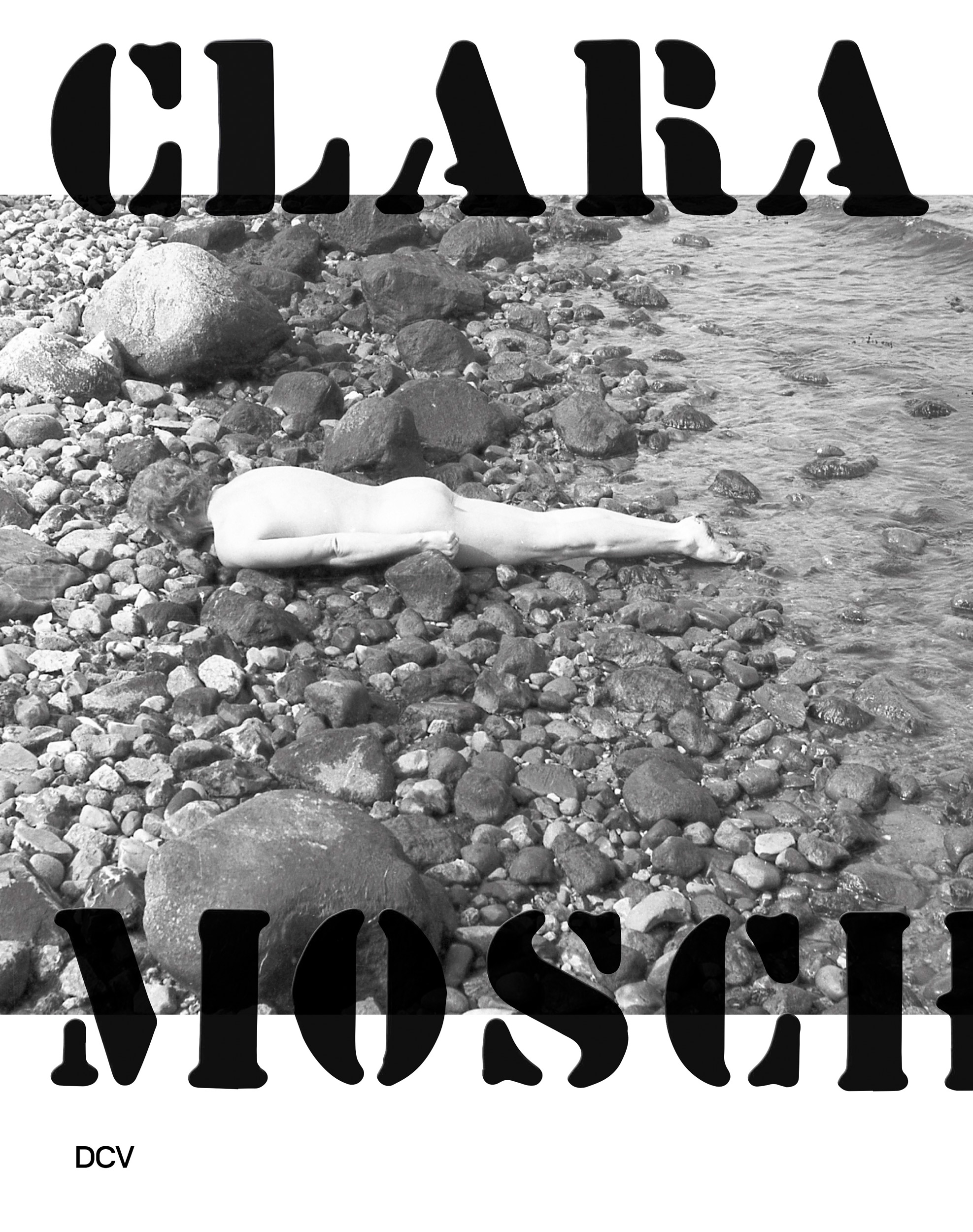
CLARA MOSCH
and early art events in the GDRRead moreThe legendary producer-run gallery Clara Mosch and the artists’ group of the same title that gathered around it were founded in Karl-Marx-Stadt (today’s Chemnitz) in 1977 and existed until 1982. The catchy name was an acronym of the contributors’ last names: CLA = Carlfriedrich Claus, RA = Thomas Ranft and Dagmar Ranft-Schinke, MO = Michael Morgner, SCH = Gregor-Torsten Schade. As the founders of the first producers’ gallery in the GDR and creators of diverse oeuvres, the group’s artists rank among the foremost exponents of avant-garde art in East Germany. The book presents works of art, limited editions, and posters as well as photographs from the Ralf-Rainer Wasse archive in the collections of the Lindenau-Museum in Altenburg. One thematic focus is on Clara Mosch’s land-art happenings and plein-air pieces. The unconventional actions attest to the group’s stated objective of building greater awareness of the ongoing devastation of the local environment. Forty years after the fact, Clara Mosch’s work has lost none of its relevance and urgency.
-

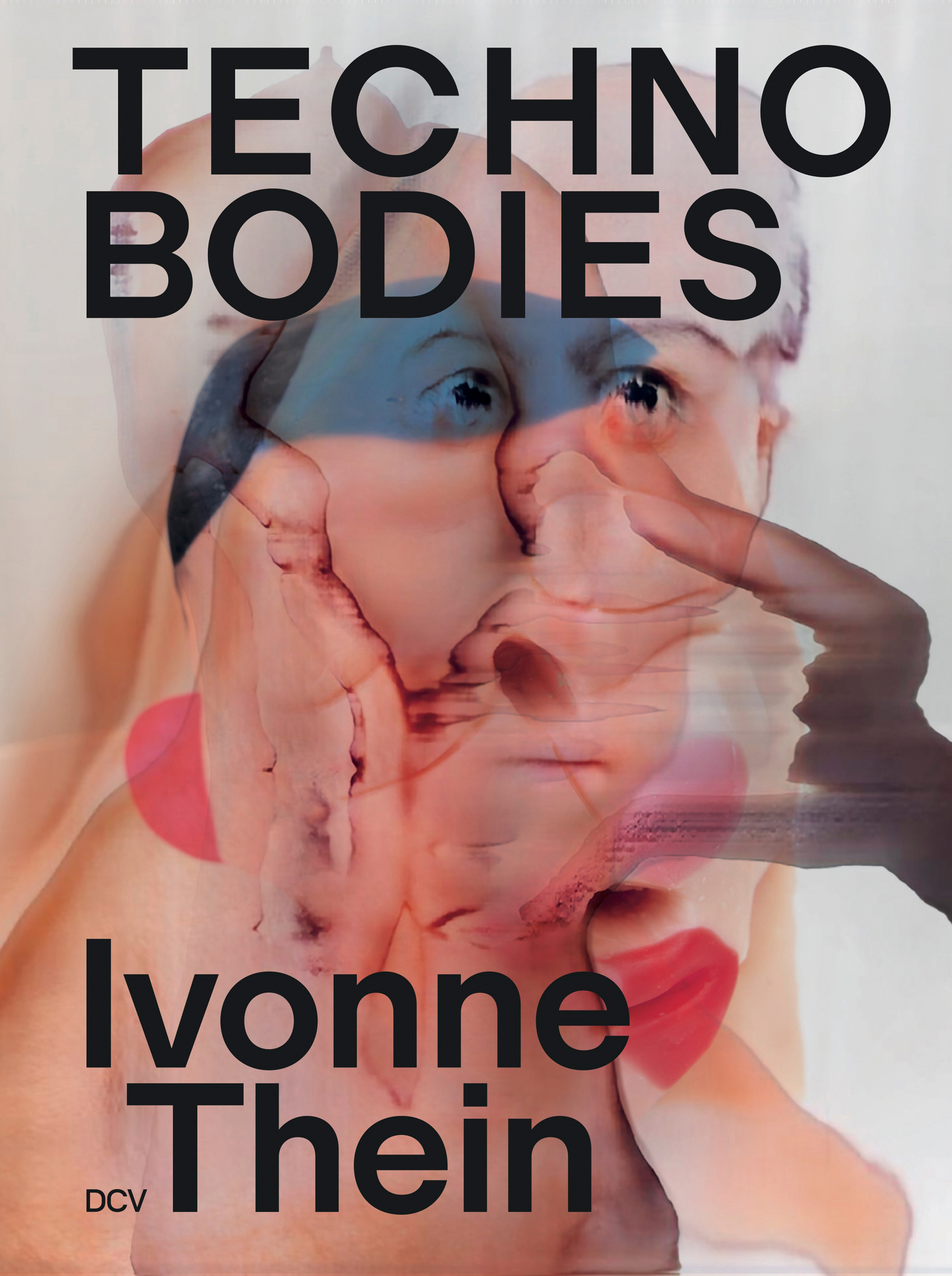
Ivonne Thein
TECHNO BODIES28€ Add to cartIn her multidisciplinary work, Ivonne Thein (born 1979 in Meiningen, lives and works in Berlin) addresses the current body images of a digital culture that is undergoing fundamental change due to extensive technologization. Today, new technologies are profoundly shaping both the physical body and its virtual representations in the visual culture of our time. Thein works with AI systems for her installations and places the question of the problem of imitating nature, and thus the relationship between art, technology and body, at the center of her artistic work. To do this, she combines digital techniques with sculptures that she creates by hand from silicone. Thein thereby evokes an intrusive closeness in the exhibition space, as the images generated with the AI no longer remain just a pure data set on the screen. The book presents works from 2020–2023.
-

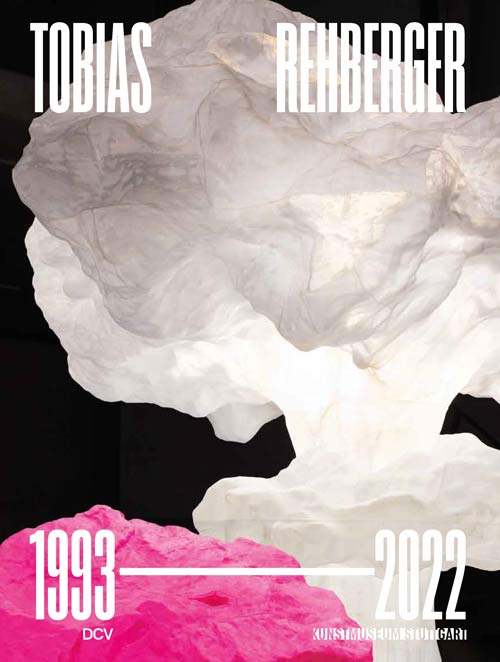
Tobias Rehberger
1993–202244€ Add to cartIn his sculptural work, Tobias Rehberger (b. Esslingen, 1966; lives and works in Frankfurt/Main) connects strategies from different, also non-art disciplines. His interiors meant to be taken into service have established him as one of the most influential artists of his generation. In 2022, the Kunstmuseum Stuttgart will honor Rehberger with a grand exhibition that will feature some of the most important bodies of work from the past three decades. The accompanying book makes a signal contribution to the ongoing critical engagement with his art.
Tobias Rehberger studied with Thomas Bayrle and Martin Kippenberger at the Städelschule in Frankfurt from 1987 until 1992 and later returned to his alma mater as a professor. He has had numerous solo shows in Germany and abroad and, in 2009, furnished the central cafeteria at the 53rd Venice Biennale, which won him a Golden Lion.
-

Liam Gillick
Filtered Time (GERMAN)28€ Add to cartThe sculptor and object artist Liam Gillick (b. Aylesbury, UK, 1964; lives and works in New York) has created an intervention titled Filtered Time for the historic galleries of the Pergamon Museum in Berlin. Projections of light and color and acoustic effects condense six thousand years of cultural history into an immersive spatial experience. Gillick initiates a conversation between the iconic Processional Way and the Ishtar Gate from Babylon, the monumental sculptures of Tell Halaf, and other exhibits, engendering new layers of meaning across all historical periods. The first joint project of the Vorderasiatisches Museum and the Hamburger Bahnhof—Nationalgalerie der Gegenwart makes for a singular visual and sensory experience. Designed by the artist himself, the publication not only documents the richly colorful production, but also provides insight into the eventful history of the museum, which is approaching its centennial.
Liam Gillick studied at the Hertfordshire College of Art in 1983–1984 and at Goldsmiths, University of London from 1984 until 1987. Gillick is a prolific published writer as well, producing essays, reviews, fiction, and theatrical scenarios.
-

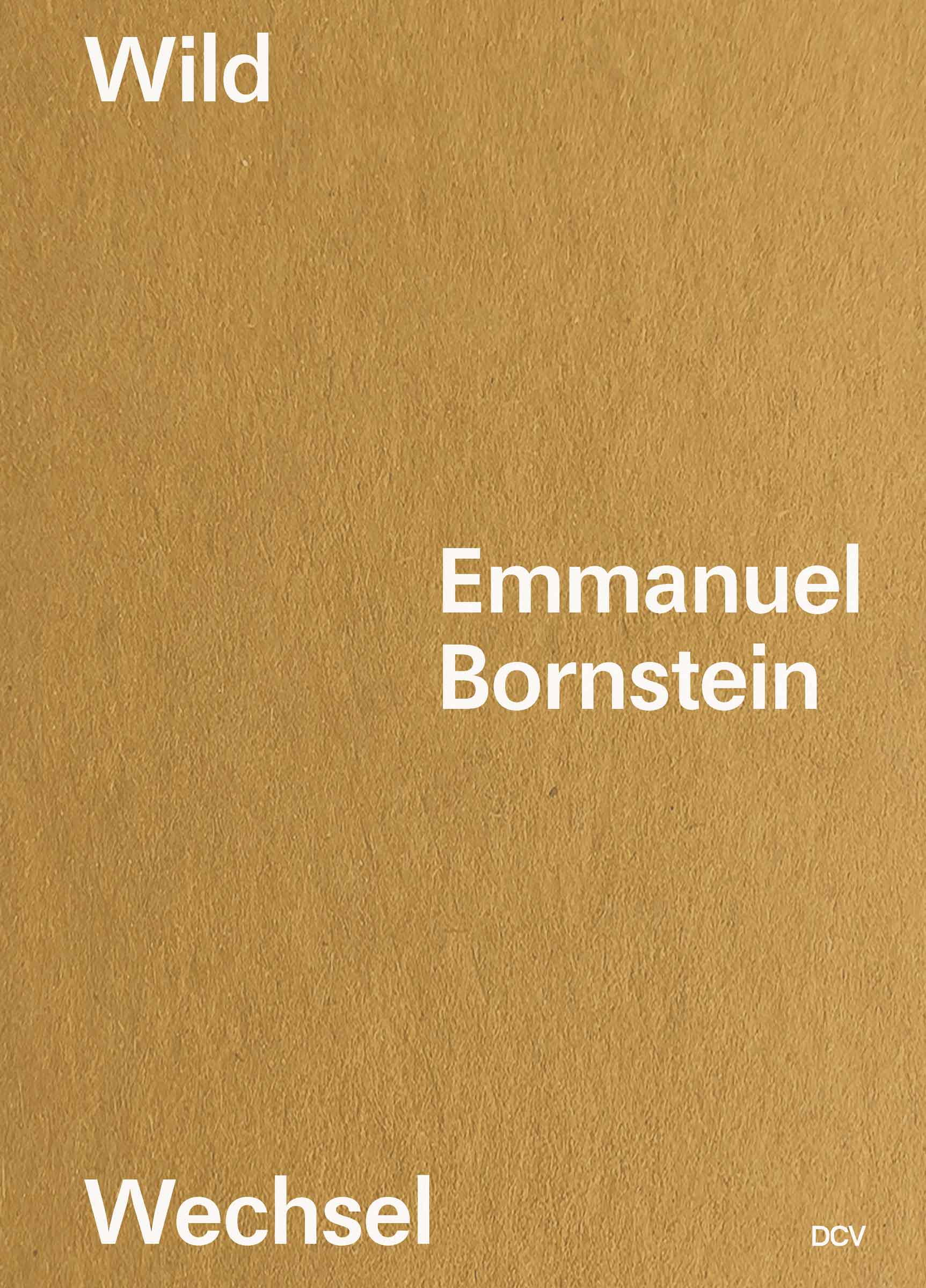
Emmanuel Bornstein
Wildwechsel25€ Add to cartLike the deer that tests our vigilance by suddenly crossing the road, Emmanuel Bornstein’s (b. Toulouse, 1986; lives and works in Berlin) art, which is rarely winsome and often disturbing, forces us to grapple with reality. In his earlier work, the German-French artist often focused on the Holocaust and the Second World War, creating pictures profoundly informed by his own family’s story. Exploring Berlin, the epicenter of that dark history, inspired searching meditations in series that turned the spotlight on traces of what had happened. More recently, Bornstein has sought to disentangle his art from subjective experience, shifting his focus to the analysis and reconstruction of contemporary events. Wildwechsel retraces the evolution of his oeuvre as reflected in his biography, which exemplifies the cultural exchange between Germany and France.
Emmanuel Bornstein studied painting first at the École Nationale Supérieure des Beaux-Arts de Paris, then at the Berlin University of the Arts. His works are held in numerous private and institutional collections in New York, Paris, Berlin, Vienna, Madrid, and Istanbul.
-
Felix Schramm
Things To Come44€ Add to cartFelix Schramm’s (b. Hamburg, 1970; lives and works in Düsseldorf) sculptural oeuvre reflects a probing engagement with space and the body. In works in a variety of media, including installations that intervene into a given setting, sculptures, and collages, the artist creates three-dimensional forms out of classical materials and industrial staples as well as detritus and dust. Deformations, rifts, cracks, or impurities undermine the existing order in his constructed formal ensembles, allowing novel correspondences in space and interconnections across time to emerge. The material and its subjection to form are held in a precarious balance; disintegration, which is an integral element of Schramm’s art, paves the way for artistic assertion and reformulation. The extensive publication gathers works and exhibitions of the past five years. It is Schramm’s first monograph, presenting a cross-section of his entire oeuvre with all bodies of work.
Felix Schramm studied at the Accademia di Belle Arti, Florence, from 1991 until 1993 and at the Academy of Fine Arts Düsseldorf, where he was in Jannis Kounellis’s master class, from 1994 until 1998. He rounded out his education with residencies in Tokyo in 2000 and at Villa Massimo in Rome in 2008.
-

Larissa Kikol
Neue abstrakte Malerei26€ Add to cartAbstract painting has reinvented itself: rid of political and ideological burdens, it now stands for pure creative autonomy. From the Abstract Expressionism of the postwar era to today’s expansive ease—in essays and conversations, Larissa Kikol sheds light on how this art form broke free of the narratives that attended its emergence and performed a “great reset.” From the seminal innovations of Katharina Grosse or Albert Oehlen and radically subjectivist approaches in Cecily Brown or André Butzer to cutting-edge tendencies like Dirty Minimalism and Post Vandalism, the book presents thrilling insights into a painting that puts emotion, color, and shapes center stage. An inspiring look at the renaissance of abstract art in the 21st century and a must-have reference work for all art lovers.
Artists: Frederic Anderson, Karla Black, Frank Bowling, Andreas Breunig, Jenny Brosinski, Cecily Brown, André Butzer, Diamonds Crew, Willehad Eilers, Jadé Fadojutimi, Helen Frankenthaler, Katharina Grosse, Antwan Horfee, Aneta Kajzer, Joan Mitchell, Michael Müller, Oscar Murillo, NEU, NUG, Albert Oehlen, David Ostrowski, Over, Daisy Parris, Marco Pariani, Jackson Pollock, Christopher Wool
-

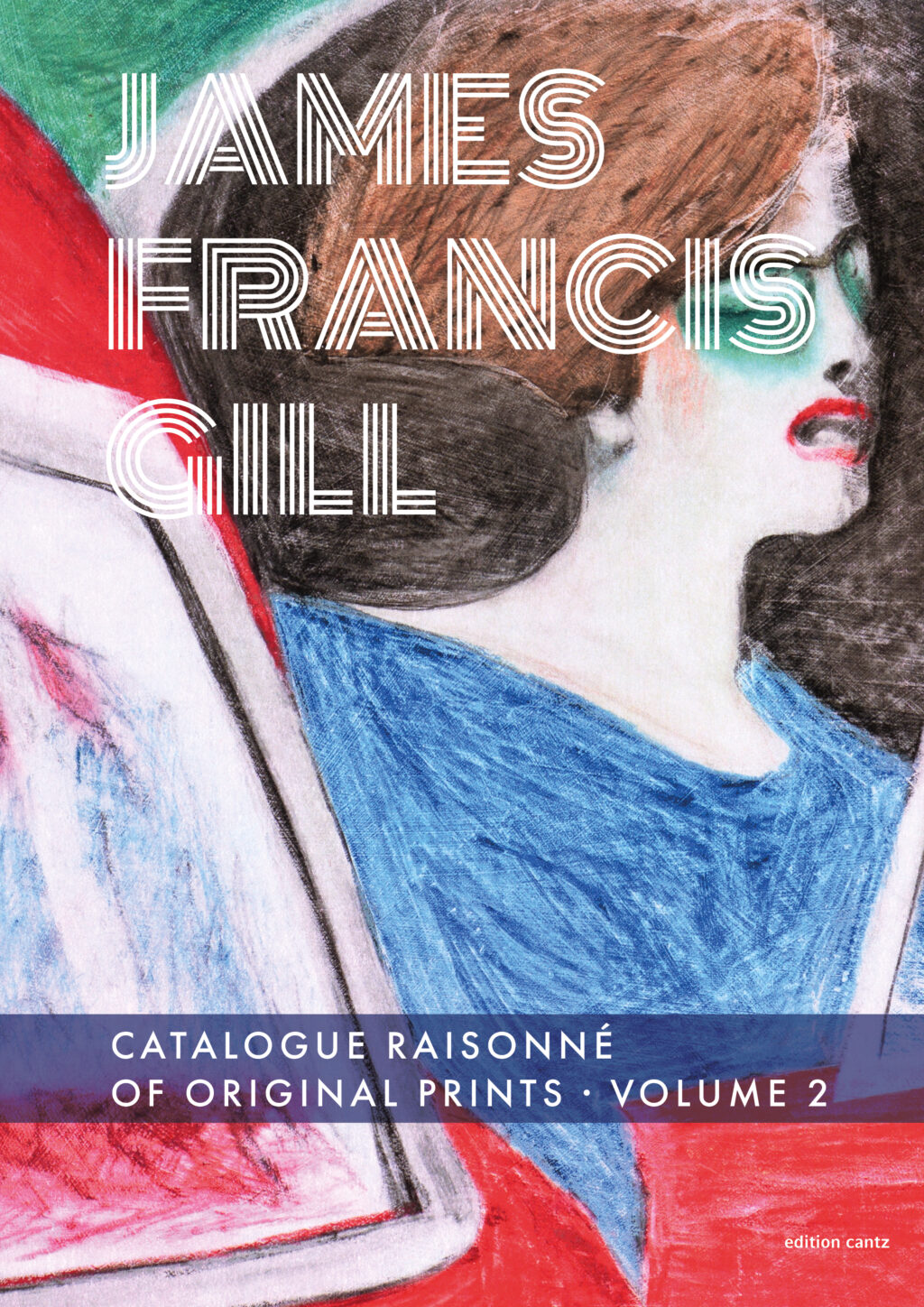
James Francis Gill
Catalogue Raisonné of Original Prints, Vol. 239€ Add to cartThe Catalogue Raisonné of the Co-Founder of American Pop Art
James Francis Gill (b. 1935, Tahoka; lives and works in Texas) is one of the most important artists of American Pop Art. His paintings, often based on photographs, provide an unusually personal approach to the icons of the 1950s and 60s. Gill suddenly became Hollywood’s most celebrated artist when his Marilyn Triptych was added to the permanent collection of The Museum of Modern Art in New York in 1962 – even before the works of Andy Warhol. Through friendships with celebrities such as John Wayne, Martin Luther King, and Marlon Brando, Gill became the contemporary artist-witness of an entire generation. Nevertheless, he kept his distance from the exuberant Hollywood of the time and surprisingly withdrew in 1972, only to reappear on the art market thirty years later. This catalogue raisonné in two volumes impressively documents his work from the early political motifs to the Pop Art icons of his late work.
- temporarily not available

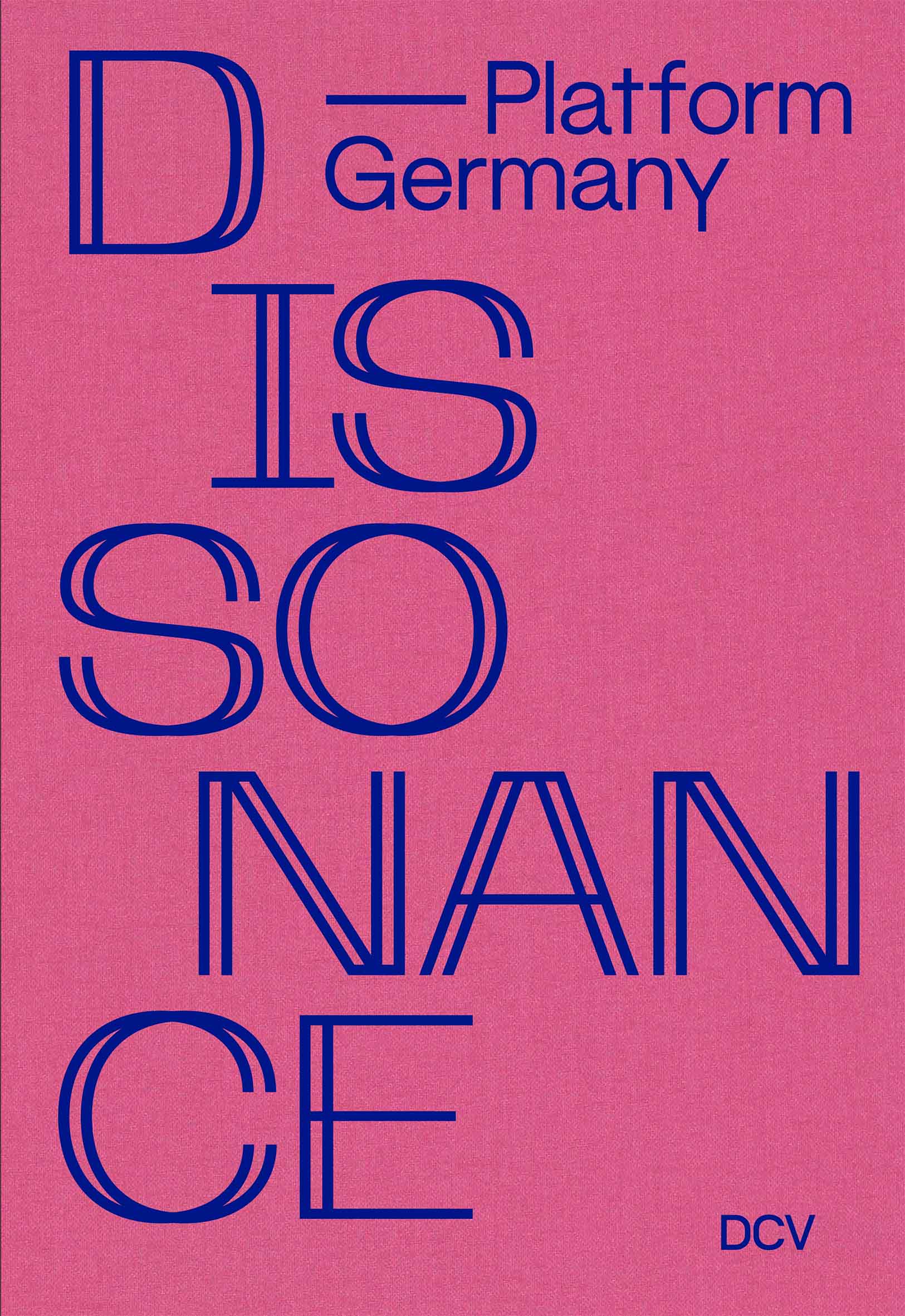
Dissonance
Platform GermanyRead moreA Changed Vision—New Painting from Germany
Post-reunification Germany has emerged as an important forum for international painting. The generation of artists born in the 1970s and 1980s eschew alignment with collective tendencies and resist clearly definable influences. Meanwhile, their art has registered the cultural and sociological dislocations and divergences since the fall of the Iron Curtain with seismographic precision.
The editors of Dissonance – Platform Germany present eighty-one of the most significant painters living and working in Germany in the past two decades. They have the courage of strong opinions, turn the spotlight on unsuspected treasures, and tease out the unexpected value in aesthetically thrilling achievements of programmatic pluralism. A vital survey of one of the most exciting chapters in the more recent history of art in Germany.
Some of the presented artists have graciously agreed to allow DCV to release limited editions of their works, which you can find here.
-

Marion Anna Simon
Gemaltes Kaddisch14€ Add to cartAn artist paints the Kaddish
In roughly 330 self-portraits, Marion Anna Simon (b. 1972, Bitburg; lives and works in Cologne) dares to undertake an unusual transcription of Jewish prayer as a sign of mourning. On January 7, 2017, one day after the death of her mother, Marion Anna Simon began work on her painted Kaddish. What initially began as a very personal process of grieving quickly developed into an artistic concept: Roughly 330 painted and drawn self-portraits were created within eleven months—in daily notes, with acrylic and watercolor, pencil and ballpoint pen, oil crayon and pastel, on paper and canvas, wallpaper and cardboard, in lined exercise books and cheap notepads. Marion Anna Simon’s cycle explores her own face as a place of mourning and self-affirmation, documenting an artistic ritual beyond the Jewish prohibition of images and patriarchal attributions to sons in the tradition of the sanctification prayer for the memory of the dead.
-

Arantxa Etcheverria
Doors38€ Add to cartThe Mythical Power of Grids
Arantxa Etcheverria’s (b. 1975, France; lives and works in Bucharest) creative practice encompasses painting, sculpture, performance, photography, and film. Since 2006, she has been especially interested in modernist architecture, a ubiquitous sight in her adopted country, Romania. Blending rationalism with speculation, the artist draws on historical references including post-Communist turbo architecture, Op art, and minimalism for works that balance between figuration and abstraction, construction and deconstruction. This book documents Etcheverria’s more recent panel paintings and installations, seen in interaction with actors in monochrome costumes. With essays by the Paris-based Romanian curator and critic Ami Barak and the art historian and curator Alina Şerban.
Arantxa Etcheverria studied fine arts at Villa Arson, Nice, and stage design at the Théâtre national de Strasbourg.