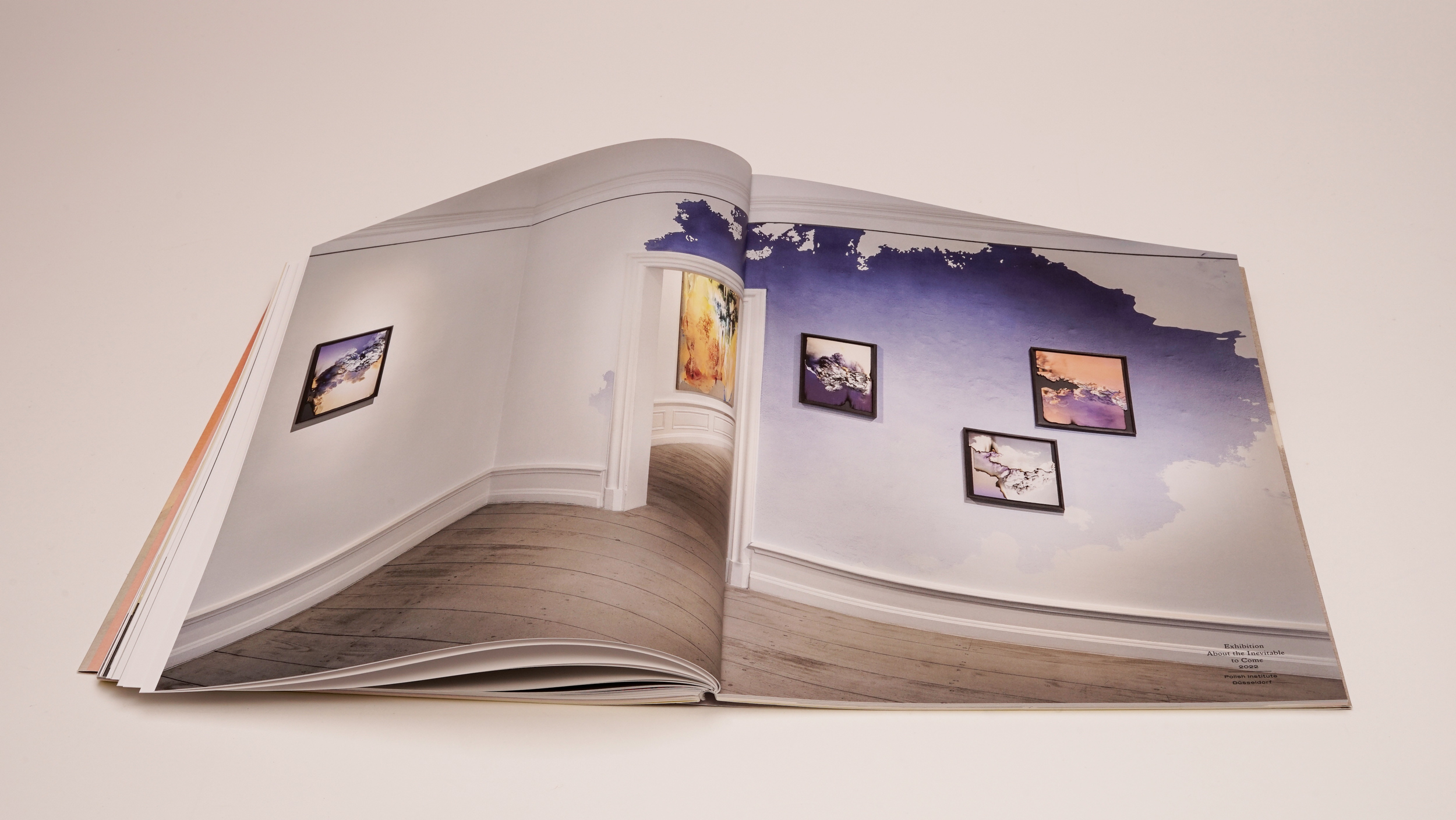

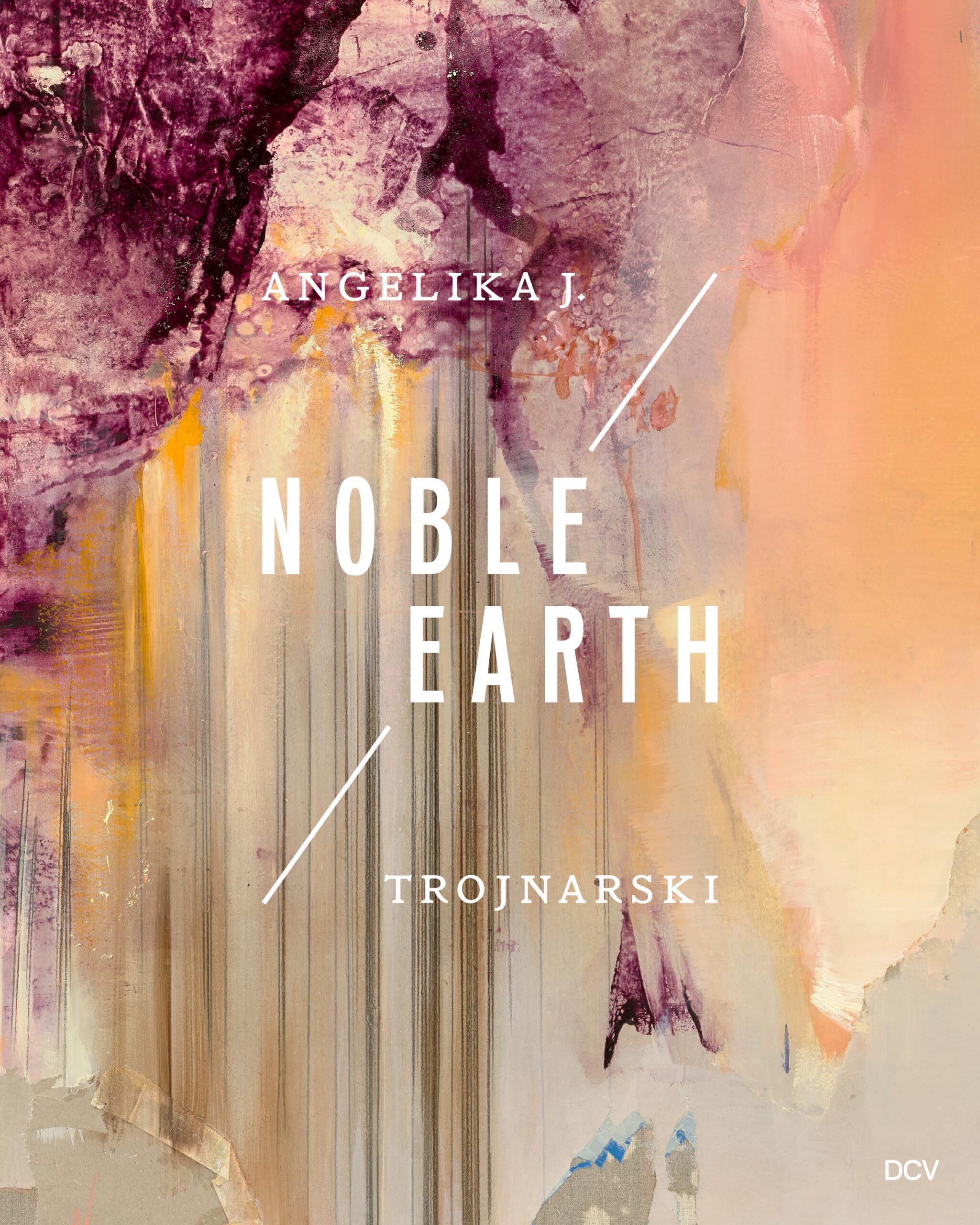
Angelika J. Trojnarski
Noble Earth
 | |
|---|---|
| Author(s) | Ann-Katrin Günzel, Jurriaan Benschop |
| Design | Sichtvermerk |
| Size | 23 x 29 cm |
| Cover | |
| Pages | 136 |
| Illustrations | 110 |
| Language(s) | German, English |
| ISBN | 978-3-96912-137-5 |
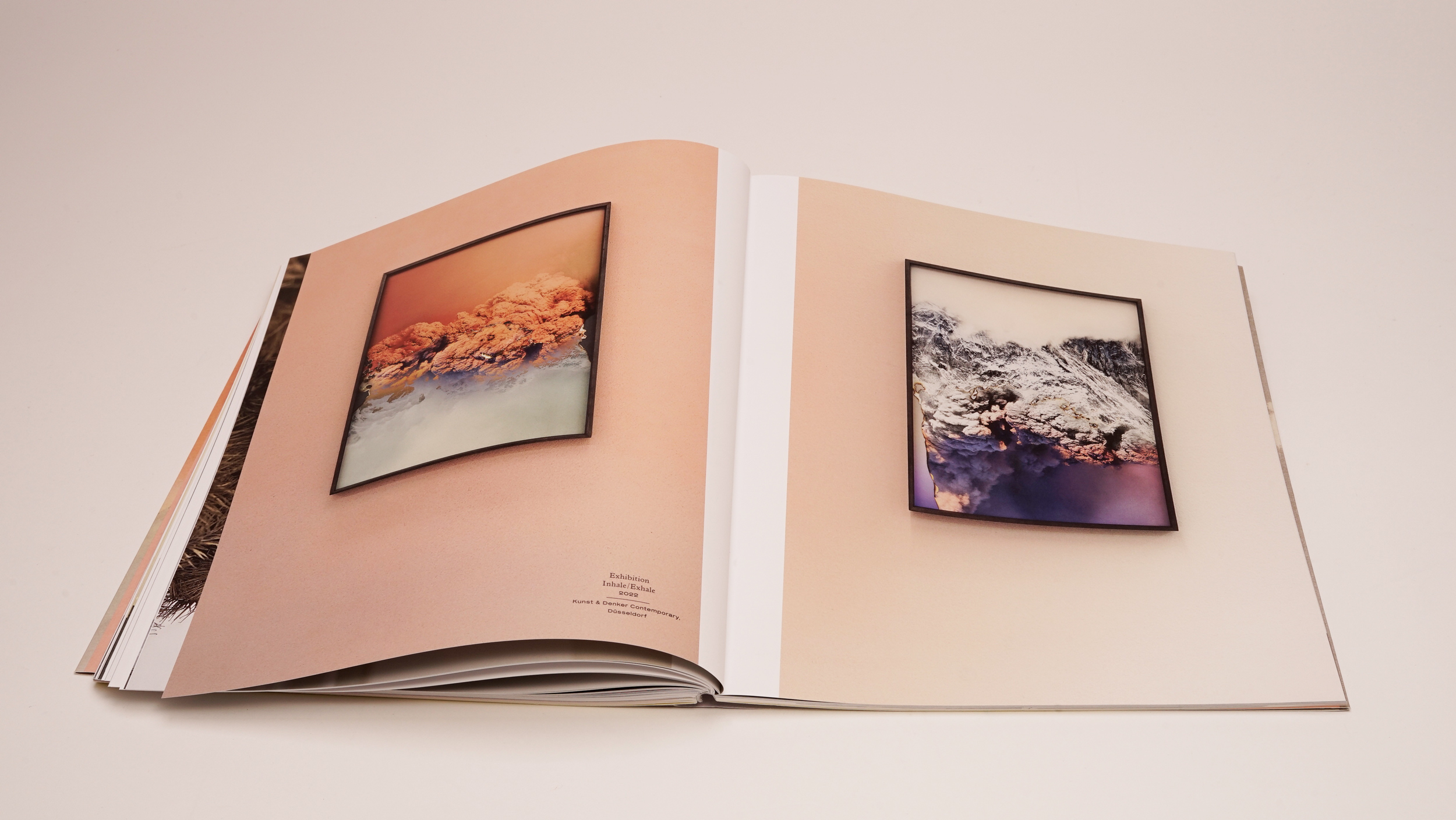
Angelika J. Trojnarski (born 1979 in Mrągowo/Polen; lives and works in Düsseldorf) examines facets of nature through an ecological, scientific, poetic study of their phenomena. Through a process centered on painting, her art articulates allegorical relationships between some of the most significant contentions of our time: humans and nature, strength and fragility, crisis and hope. She expresses a desire to understand nature by reproducing its workings, pointing to its incredible might while underscoring its increasing fragility. Trojnarski overlays raw canvases with paper fragments, employing brushwork and collage to apply materials like graphite or soot, generating a source of energy and suspense through color and contrast. The monograph offers an overview of the last decade of Trojnarski’s work.
Angelika J. Trojnarski 2006–2013 studies at Kunstakademie Düsseldorf. 2006–2009 Painting with Jörg Immendorff, Markus Lüpertz and Herbert Brandl, from 2010 Free Art with Andreas Gursky.
More books
-

Tim Eitel
Propositions for Afterimages 2015–202436€ Add to cartTim Eitel initiates an exchange between recollection and painting. The work on his pictures, he says, is “a conversation about reality and memory” in which he engages the canvas. In the course of this dialogue, Eitel reflects on personal experiences, creating a standalone figural-abstract reality that needs to be internally consistent—the canvas has a strong will of its own. That makes the scenes depicted in his paintings analogues or afterimages of a situation rather than renditions of it. They are characterized by a certain openness that enables the beholders to inject their own recollections into the pictorial space as well. The dialogue between canvas and artist thus gives way to a colloquy between audience and finished work. Not by coincidence, many of the paintings by Eitel gathered in this catalog show people in museums: these scenes facilitate the leap into the pictorial space. The beholders have experienced a situation like the one shown in the pictures in the past or are experiencing it right now, and so they are already at the heart of the works; they become part of the painting, and the picture becomes a particle of their recollection.
-
HALBwertsZeit
Zum Umgang mit ‚abgelaufenen‘ Sammlungen28€ Add to cartDo collections have an expiration date? Shifting interests, evolving social contexts, and discursive developments influence when a collection or its presentation is said to be outdated and what that implies for the constraints on, or options for, the actions to be taken in response. The revision or reorientation of a collection presuppose a critical engagement with the criteria regarded as valid at the time, which concern the origins, composition, objectives, and significance of a collection, among other aspects.
The contributions to this volume intertwine historical case studies with contemporary questions about the reasons and circumstances that give rise to the assessment that a collection has outlived its shelf life.
-

ELASTE
1980 – 198649€ Add to cartThe story of ELASTE is the story of a movement – that of the New Wave generation in West Germany. Founded in 1980 in Hanover, the magazine was a beacon of cultural revolt and the first glossy indie magazine of the Federal Republic: self-published, a statement somewhere between pop avant-garde, subversion, and a sharp sense of style. Among those who shaped the look and spirit of the magazine were Jon Savage, Ellen von Unwerth, and Diedrich Diederichsen. No other magazine operated at the intersection of music, fashion, and society quite like ELASTE — with headliners such as Warhol, The Rolling Stones, and Kraftwerk. This book by the magazine’s editors Thomas Elsner and Michael Reinboth, looks back — at the pioneering spirit, the minds, and the stories behind the magazine.
Incl. download code card for 14 tracks from ELASTE RECORDS
-

FINALE
DIRECTOR’S CUT25€ Add to cartThe Best Part …
In 1994, Britta Erika Buhlmann took the helm at Museum Pfalzgalerie Kaiserslautern, from which she will retire in the spring of 2022. In her twenty-eight-year tenure, she has enlarged the museum’s art collection and put her personal stamp on it. The classical modernism division was strengthened with the addition of major works by Otto Dix, Hermann Scherrer, and Karl Buchheister, while key pieces by François Morellet, Martin Willing, Werner Pokorny, and others have enriched the museum’s holdings in sculpture. A newly established division of the collection is dedicated to the creations of American artists such as Eric Levin, Kiki Smith, Charles Pollock, and Richard Pousette-Dart. More than a few artists—the list includes Carmen Herrera, Pierrette Bloch, Eva Jospin, and Nobuyuki Tanaka—made their German or even European début at the mpk.
In this book, members of the mpk’s staff offer their takes on selected works in the collection, unfurling a subjective story of their engagement with works that have earned the museum its reputation as a “place of discoveries.”
-
On Air
Der Klang des Materials in der Kunst der 1950er bis 1970er Jahre40€ Add to cartOn Air showcases a distinctive art form, the sound sculpture, retracing its evolution from the early 1950s, when artists begin dismantling the conventional boundaries of art, to the early 1970s. In no more than a quarter-century, the range of possible answers to the question “What is art?” grows vastly larger. Propelled by the idea of the work of art as a machine and instrument, sounds, noises, tones, vibrations, silence, words, breath become a “tangible” sculptural material. Artists enrich visual perception by adding the acoustic dimension, interweave seeing and hearing, explore time and space with fresh zeal. In emerging artistic genres such as performance, installation, or media art, sound is an integral component of the work. The book focuses on sound objects by Yaakov Agam, Joseph Beuys, Hermann Goepfert, Yves Klein, Jannis Kounellis, Bruce Nauman, Robert Rauschenberg, Jean Tinguely, David Tudor, Timm Ulrichs, and others.
With five scholarly essays and numerous illustrations and notes on individual works, the comprehensive publication offers an attractive introduction to the subject.
-

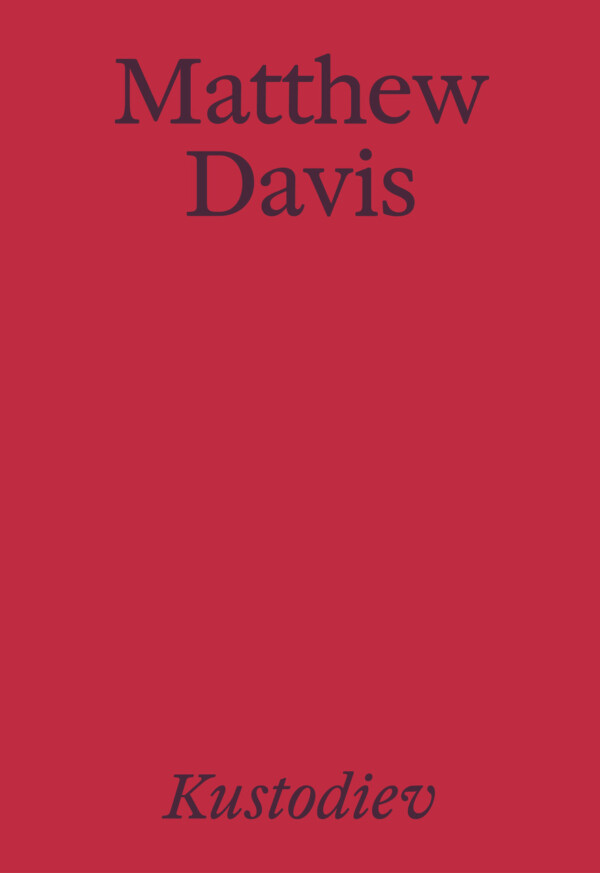
Matthew Davis
Kustodiev28€ Add to cartAn Expressive Instant in Painting
The art of Matthew Davis (b. 1969, Colchester, UK; lives and works in Berlin) operates between the micro and macro dimensions, between control and chance. Working with extraordinary precision, the artist applies drops of synthetic resin varnishes and enamel paints to canvases laid flat. The artist’s book Kustodiev showcases a recent innovative turn in Davis’s output, whose latest works were inspired by the lusciously colorful pictures of the Russian painter Boris Kustodiev (1878–1927). Kustodiev was manufactured using offset presses and Office Offset, a largely forgotten reproduction process based on miniature offset printing machines. The publication is released in a limited edition of 250 copies.
Matthew Davis studied at the Camberwell College of Arts, London, and the Norwich School of Art and Design. His work has been shown at the Konrad-Adenauer-Stiftung, Berlin; Künstlerhaus Wien, Vienna; Kunsthalle Wilhelmshaven; and other museums and galleries.
-

Mon Trésor
34€ Add to cartEurope’s Treasure Chamber
What do the torque of the princess of Reinheim, the tableware from the Orient Express, and the radio station Europe 1’s studio building have in common? They are among the treasures of the Saar region. The book presents outstanding archaeological objects and achievements of technology and art dating from the age of the Celts to the present. Drawn from the Saarland and neighboring Alsace-Lorraine, Luxembourg, and Rhineland-Palatinate, the unexpected riches illustrate the cultural and social dimensions of this multinational region in the heart of Europe. The title Mon Trésor describes many of them quite literally: the note a seven-year-old dashed off to his father before his family was evacuated in the first days of World War II; the Roman-era ring that is also a relic, witnessing to flight and danger. All treasures are personal first and foremost, though others may later cherish them as cultural assets.
-

Christian Boltanski
Die Zwangsarbeiter – Erinnerung in der Völklinger Hütte27,50€ Add to cartErinnerungen | Souvenirs | Memoirs
Christian Boltanski (b. 1944, Paris; lives and works in Paris) combines industrial architecture with relics of the working culture in his impressive installation for the Völklingen ironworks – a highly emotional approach to the subject of forced labor.
-
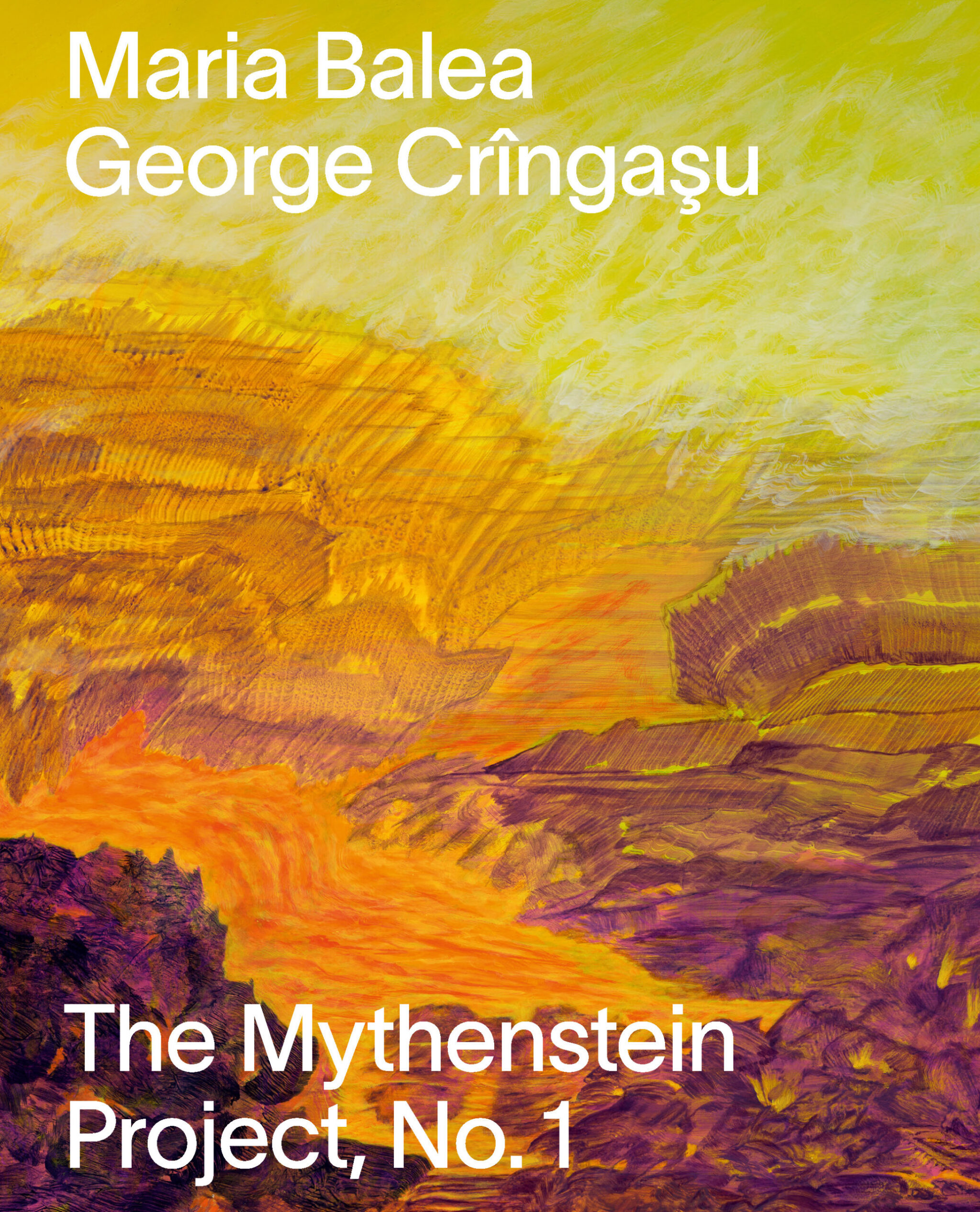
Maria Balea & George Crîngașu
The Mythenstein Project18€ Add to cartMaria Balea (b. Sighetu Marmației, 1990; lives and works in Cluj-Napoca, Romania) and George Crîngașu (b. Focșani, 1988; lives and works in Cluj-Napoca and Rome) are among the youngest members of the School of Cluj, which has attained international renown in Adrian Ghenie, Hortensia Mi Kafchin, and Ciprian Mureșan. The overarching theme in their works in a range of media is the lived reality of today’s young people between a physical world defined by uncertainties and a virtual parallel universe whose boundless possibilities make it a fascinating yet also often deceptive safe haven. Both artists roam this dizzying kaleidoscope of worlds on a quest for beauty: Balea, through a romantically idealized focus on remnants of untouched or deserted nature; Crîngașu, by abandoning himself to the graphical possibilities of the digital realm, where beauty is often bound up with the bending of natural laws and the physical impossibility of architecture. Yet both, the retreat to an ostensibly natural state and the escape into garish artificiality, are overshadowed by a nameless menace.
-

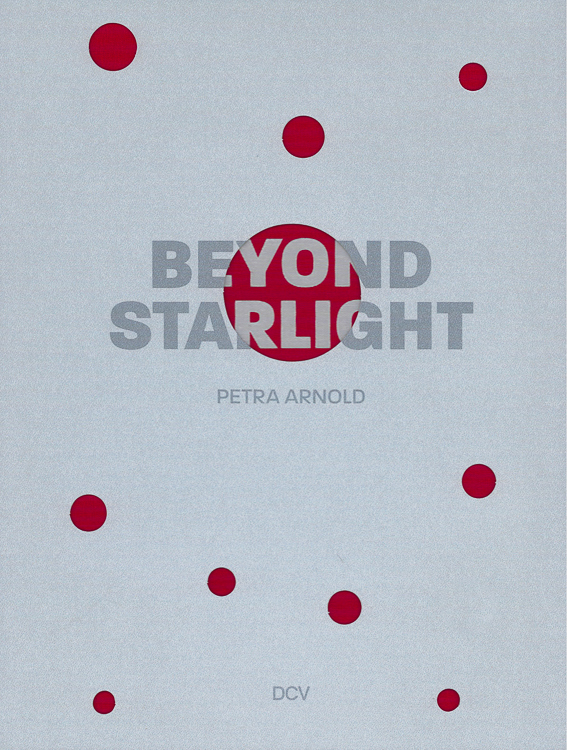
Petra Arnold
Beyond Starlight39,90€ Read moreThe Fischer Family of Circus Artists: A Photographic Long-term Observation
For more than a decade, the photographer Petra Arnold has shadowed the Zirkus Starlight troupe and the Fischers, a family of performers, taking analog photographs, mostly black-and-white, of their life behind the scenes. When she began the project, the Fischers were a large family, with thirty grandchildren. Over time, the company has had to downsize – the business environment is difficult, and few people can make a living as circus artists these days. Arnold’s photographs peek behind the curtain for a study of an existence between circus family and family circus – mostly outside the limelight. The portraits and unstaged scenes are documents of contemporary history and draw attention to the steady decline of circus culture.
-

The Art of Society
1900–194529€ Add to cartThe Collection of the Nationalgalerie, Berlin
The Neue Nationalgalerie in Berlin, the last building designed by Mies van der Rohe, has been closed a full six years for refurbishment. To mark its reopening the museum is presenting the highlights of its classical modernist collection under the title The Art of Society, 1900–1945. Visionary, critical, resigned or utopian, the paintings and sculptures bear witness to art’s dialogue with prevailing social conditions – from the German Empire to the First World War, the Weimar Republic and ultimately National Socialism. The catalogue documenting all works in the exhibition traces the major artistic tendencies during the first half of the 20th century in thirteen chapters. The Art of Society, 1900–1945 offers a renewed encounter with works by Edvard Munch, Ernst Ludwig Kirchner, Tamara de Lempicka, Lotte Laserstein, Otto Dix, George Grosz, Max Beckmann, and many others that is as captivating as it is illuminating.
Click here for the German edition.
- temporarily not available

Andreas Eriksson
Read moreAll is related, from the outside in. Look what’s behind it.
Andreas Eriksson (b. 1975 in Björsäter, lives and works in Medelplana, Sweden) is one of Sweden’s most notable contemporary artists. His artistic practice is based on a traditional painterly language, but he constantly expands this field to also encompass a vast production of textile works. He examines different histories through conceptual twists and turns in sculpture and prints. This monograph, the artist’s first, seeks to explain and illustrate Eriksson’s development and thoughts behind the meandering array of works he produces. It is a close look behind the canvas.
Andreas Eriksson studied at the Royal Academy of Fine Arts in Stockholm from 1993 to 1998 and represented Sweden with the Nordic Pavilion at the 54. Biennale di Venezia. His most comprehensive solo exhibition to date took place in 2014 at Bonniers Konsthall, Stockholm.
- Release January 2026
Frank Morrison
38€ Add to cartThe dynamic Neo-Mannerist images of painter and illustrator Frank Morrison (born 1971, lives in Atlanta) celebrate the resilience and dignity of African Americans in everyday life. A child of institutionalized racism in the US, he can testify that creativity and solidarity could never be suppressed in the segregated and brutally marginalized communities. Hip-hop and graffiti are resistance. Clichés of inner-city struggle are vividly refuted in this book. The volume documents Morrison’s recent exhibitions, one of which is dedicated to the younger generation: frame-braking images that interweave narrative forms of comics and pop art with illustration. Morrison’s gallery calls the book an explosive tribute to genius flourishing in institutionalized exile.
-

René Holm
Let me be your everlasting light25€ Add to cartLight is the theme of the new paintings by René Holm (b. Esbjerg, 1967). Faceless protagonists traversing symbolic forests with leafless trees occurred already in previous works, stripping them of individual or local signifiers and moving them into a spiritual and universal realm. Skulls with burning candles in Still lifes symbolize the fragility of life and unavoidability of death. Holm goes a step further and makes his figures carry the symbols in their hands or even has them become themselves live “still lifes” with burning candles on their backs. The presence of death is not a picture to behold from afar but a truth to be aware of and carry with us every day. The burning candles also mean that we’re here with our sorrow as well as our light. We must burn to shine. This book accompanies the artist’s gallery exhibition Let me be your everlasting light in Horsens, Denmark.
-
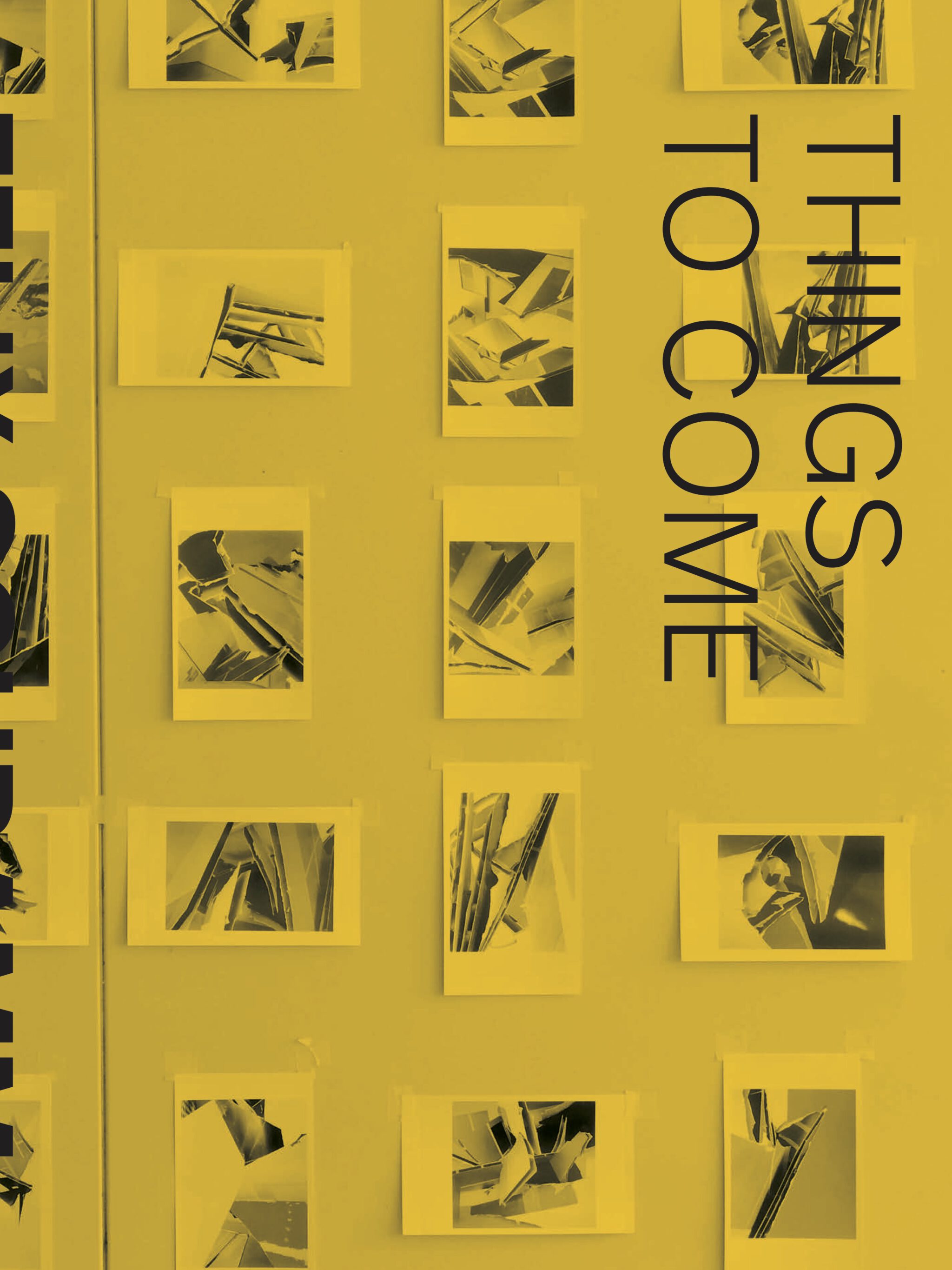
Felix Schramm
Things To Come44€ Add to cartFelix Schramm’s (b. Hamburg, 1970; lives and works in Düsseldorf) sculptural oeuvre reflects a probing engagement with space and the body. In works in a variety of media, including installations that intervene into a given setting, sculptures, and collages, the artist creates three-dimensional forms out of classical materials and industrial staples as well as detritus and dust. Deformations, rifts, cracks, or impurities undermine the existing order in his constructed formal ensembles, allowing novel correspondences in space and interconnections across time to emerge. The material and its subjection to form are held in a precarious balance; disintegration, which is an integral element of Schramm’s art, paves the way for artistic assertion and reformulation. The extensive publication gathers works and exhibitions of the past five years. It is Schramm’s first monograph, presenting a cross-section of his entire oeuvre with all bodies of work.
Felix Schramm studied at the Accademia di Belle Arti, Florence, from 1991 until 1993 and at the Academy of Fine Arts Düsseldorf, where he was in Jannis Kounellis’s master class, from 1994 until 1998. He rounded out his education with residencies in Tokyo in 2000 and at Villa Massimo in Rome in 2008.
-

Michael Bielicky
Perpetuum mobile54€ Add to cartContemporary Media Art
The German-Czech artist Michael Bielicky (b. Prague, 1954; lives and works in Karlsruhe) has been an innovator in the fields of photography, video, and web-based installation art for over four decades. In an ongoing dialogue with emerging technological developments, his works probe the history of his media from the deepest strata to the magical mathematical practices of the medieval Cabalists: idiosyncratic hybrids that straddle the boundary between the analog and digital worlds. Operating on the interfaces between real and virtual spaces, his media art prompts a critical reflection on the nature of technology, its material and immaterial significations, and the ways in which it informs our perceptions and actions. The book Perpetuum mobile is the first to offer a comprehensive survey of Bielicky’s rich and diverse oeuvre. The layout, designed by the artist himself, integrates the experimental images into a graphic “stream of consciousness.”
Michael Bielicky moved to Germany in 1969 and initially studied medicine. After an extended stay in New York, he studied at the Düsseldorf Academy of Fine Arts from 1984 until 1990, first with Bernd Becher and then in Nam June Paik’s master class. He was made professor at the Academy of Fine Arts Prague in 1991, then professor of new media at the Karlsruhe University of Arts and Design in 2006. Bielicky participated in numerous major exhibitions, including the São Paulo Biennial (1987); Videonale, Bonn (1988, 1990, 1992); Ars Electronica, Linz (1992, 1994, 1995); and the Havana Biennial (2012).
-

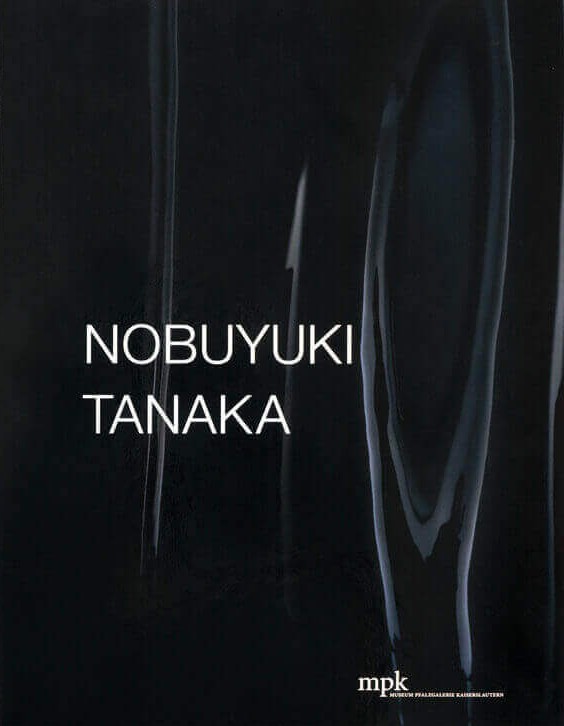
Nobuyuki Tanaka
Primordial Memories25€ Add to cartThe craft of traditional Japanese lacquer finishing in contemporary art
In his extraordinary sculptures, Nobuyuki Tanaka (b. 1971 in Tokyo) combines a lacquer finishing that has been practiced in Japan for centuries with an organic formal language. Tanaka is considered the most important representative and pioneer of the use of lacquer in contemporary art. He uses the material in polished deep black or intense red as a multi-layer coating for large-format sculptures. This results in abstract works with lively, curved, glossy surfaces in which the multi-faceted effect created by the interplay with changing light conditions plays a key role. The lavishly illustrated book includes texts by Britta E. Buhlmann, Beatrice Kromp, Antje Papist-Matsuo, Annette Reich, Atsuhiko Shima, and Nobuyuki Tanaka.
In his extraordinary sculptures, the artist combines a treatment of lacquer practiced for centuries in Japan with an organic language of form.
An exceptional representative and pioneer of the use of lacquer in contemporary art, Tanaka uses the lacquer mostly in polished deep black, sometimes also in intense red, as a multi-layer coating for his large-scale sculptures.
-

Stephan Grunenberg
10€ Add to cartStephan Grunenberg (b. 1954) paints peculiar portraits: not heads or sitting and reclining figures but seemingly independent feet, legs, trousers, socks or soles of shoes. These and other under-appreciated motives are playfully arranged in captivating compositions which take issue with our hierarchical habits while looking at art. “Leaving out the ‘civilized’, educated head and centering on neglected parts such as the legs, including the lower abdomen—which is either eroticized or made taboo—is the artist’s point”, writes Oliver Koerner von Gustorf in an essay that accompanies the images inside this small and attractive new book. The paintings reproduced in this volume were all exhibited in Grunenberg’s latest exhibition in 2024, which was titled tongue-in-cheek „Representatives Regional To Earth.”
-
Spaces Embodied (ENGLISH)
Draiflessen Collection32€ Add to cartWe live in spaces that we shape in accordance with our own ideas. Our everyday lives leave traces in them that speak to our habits. Spaces promise shelter and belonging, but they can also instill a sense of constraint. We grow into the spaces we inhabit—and they in turn become expressions of our personalities. Conversely, spaces, depending on their architecture and location, inform our existence. RÄUME HAUTNAH gathers works of art that, rather than conceiving of the human sphere and the spatial domain as separate, comprehend them in their complex entanglements: in bodily experience, emotional dependency, or the instinctive need for protection. An essay by Olesja Nein, the project’s curator, offers an introduction to the exhibition and takes the reader on a tour, describing each artist’s space of activity and supplying helpful information. Philipp Zitzlsperger, meanwhile, zooms in on a key aspect of the art in the exhibition, the imprint as an artistic technique with a distinctive aura, and illuminates its origins and significance since the dawn of modernism.
Artists: Absalon, Shannon Bool, Heidi Bucher, Eileen Gray, Do Ho Suh, Mary Mattingly, Tracey Snelling, Francesca Woodman
-

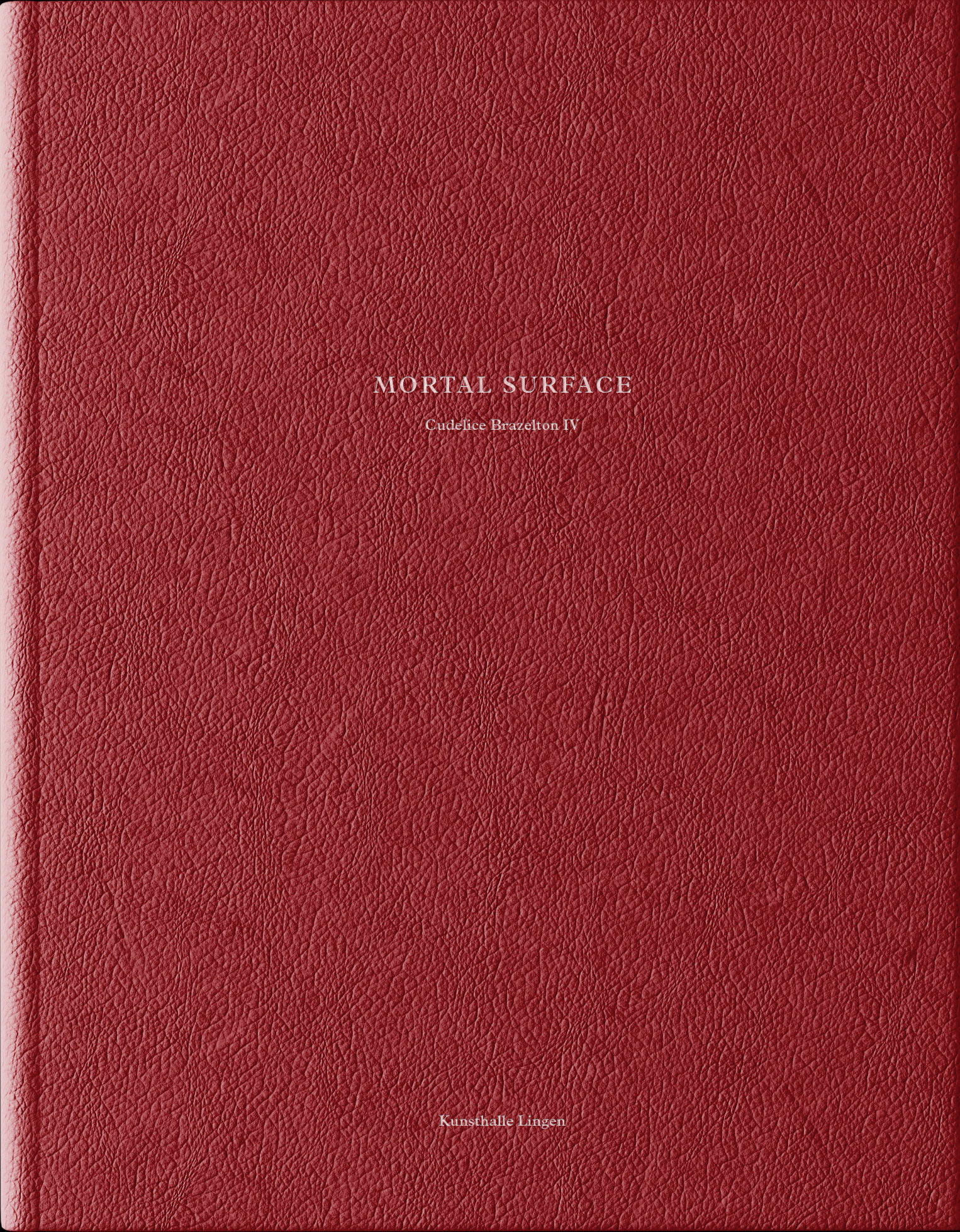
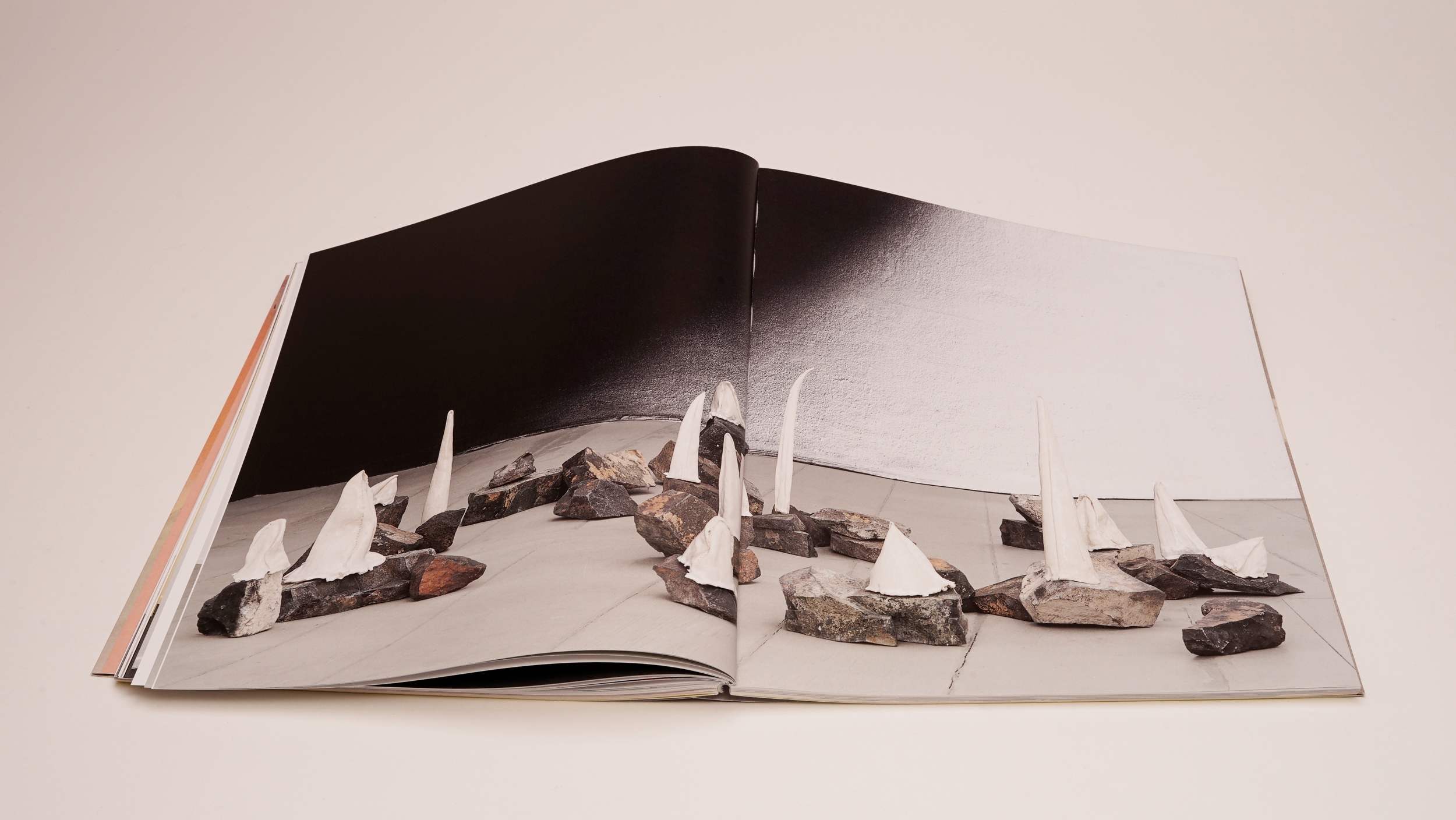
Cudelice Brazelton IV
Mortal Surface35€ Add to cartCudelice Brazelton IV’s works are magnets. He uses them to glean what he finds in the urban landscape, in the street, in factories and studios: fabric, leather, metal, cardboard, and all sorts of implements. He arranges these materials and things atop one another and side by side in collages, assemblages, and sculptures, staging encounters also between the contexts in which they originated and what he calls their “undercurrents,” their subtexts. Such frames of reference, including that of the exhibition space, play a key role in his art, an aspect he will occasionally engage quite explicitly, creating site-specific works for some settings. This makes the space the context and a part of the piece, sometimes physically so, as when Brazelton works directly on the walls. The recent works gathered in this catalogue were displayed in a former railcar repair workshop. It is hard to imagine a more industrial, “metallic” environment. There, as between the covers of this catalogue, Brazelton’s works appear to their fullest advantage, becoming veritable magnets drawing the gaze.