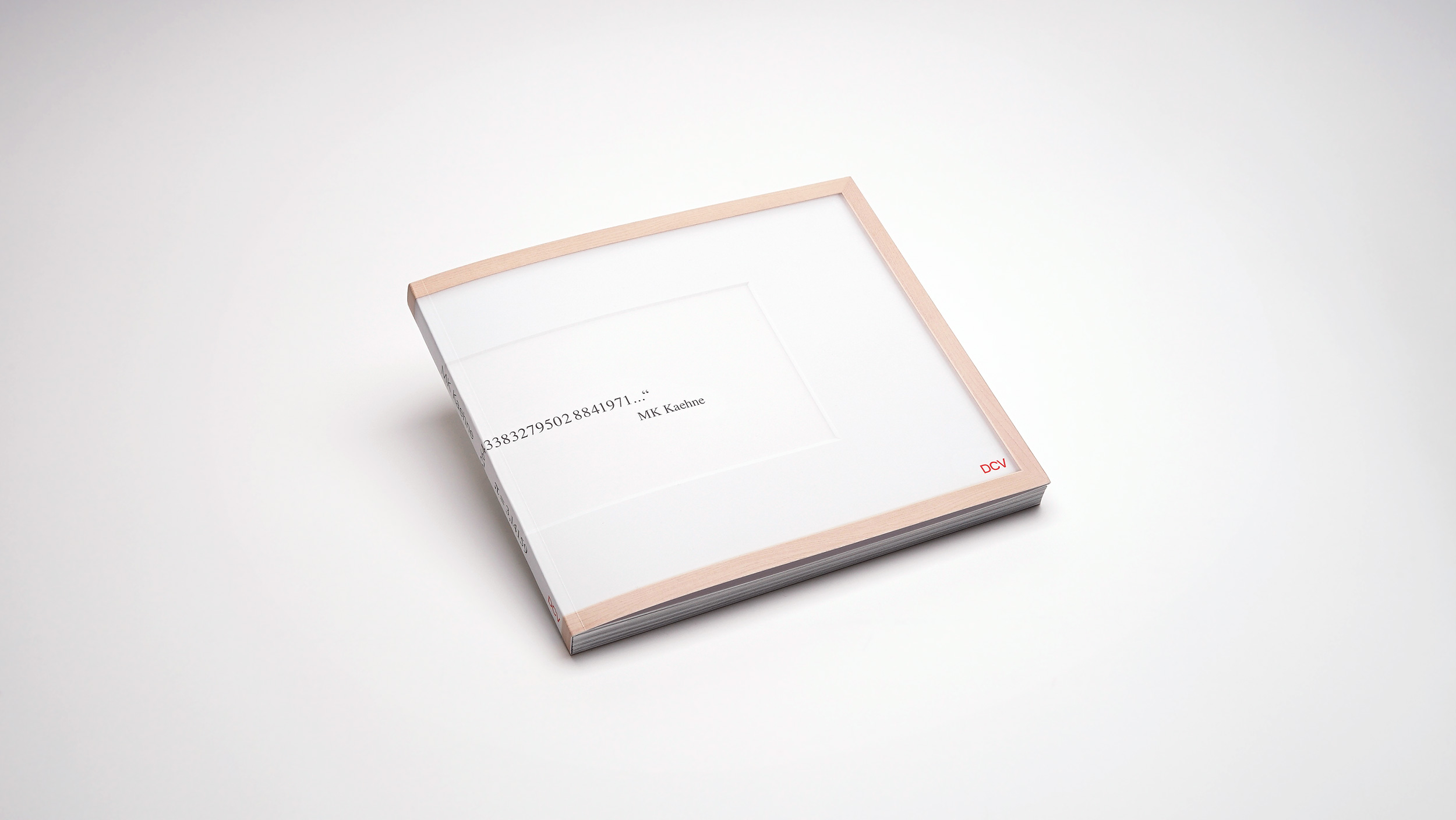
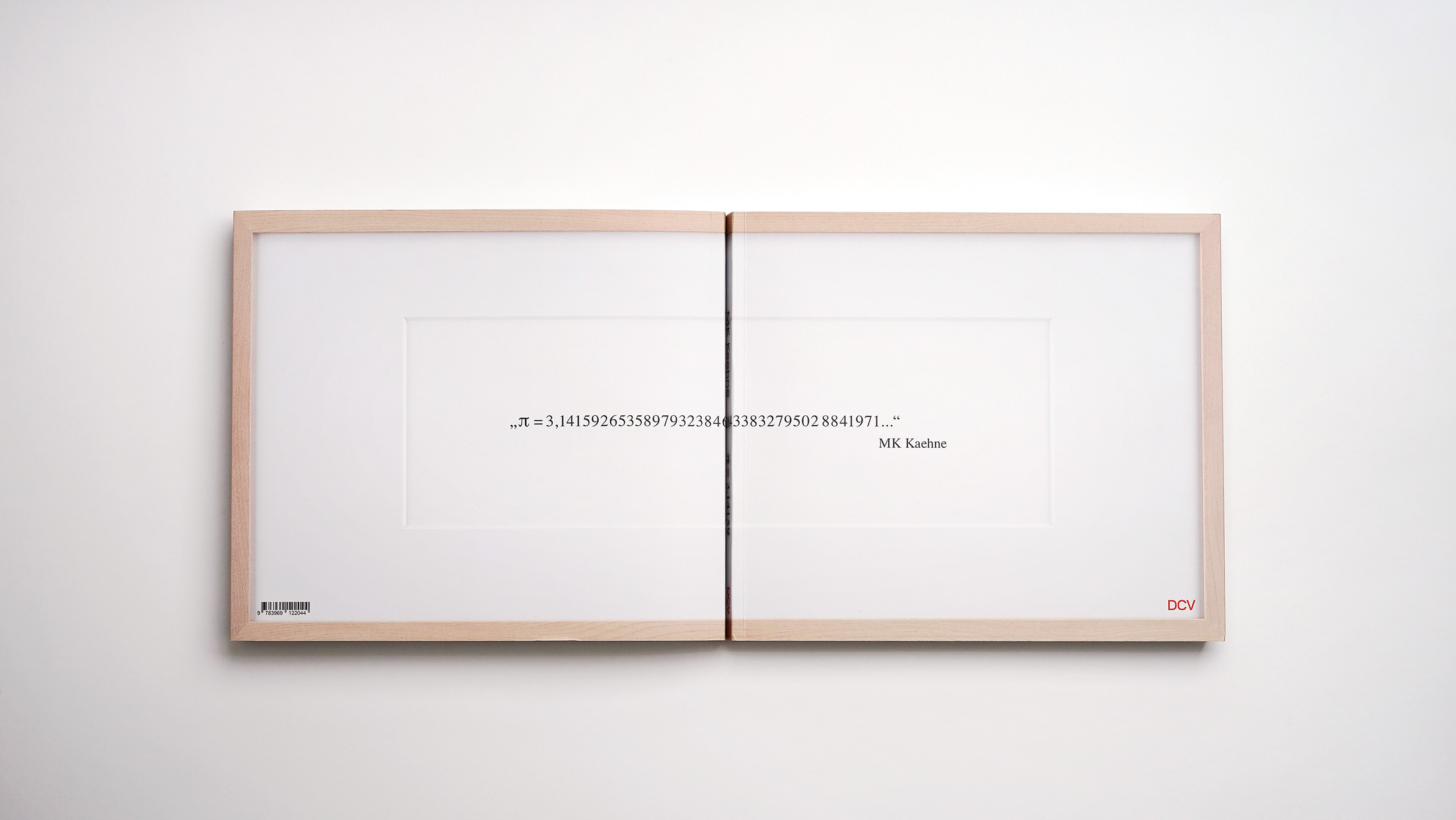
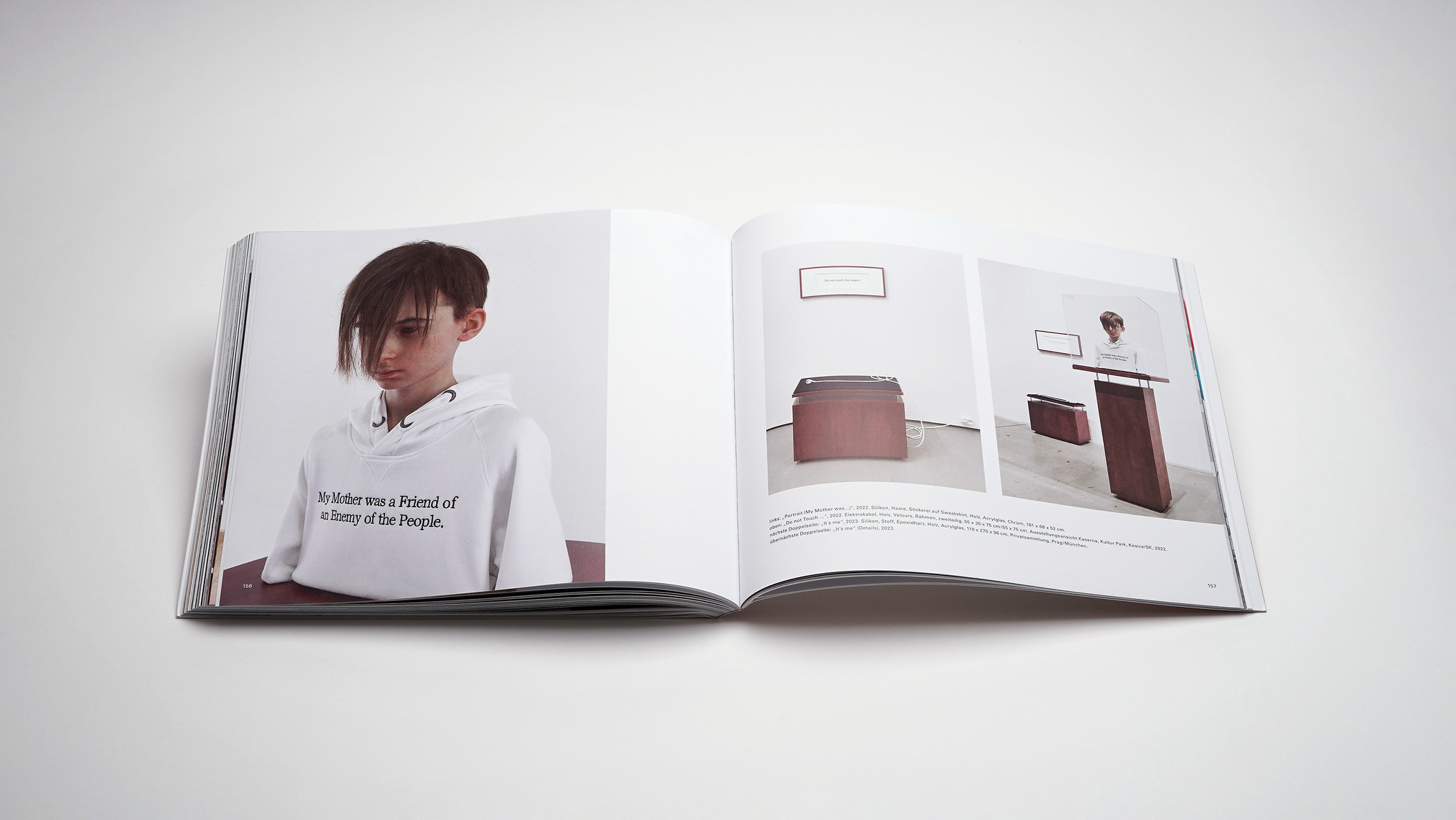
MK Kaehne
Π = 3,14159
 | |
|---|---|
| Author(s) | conversation Anemone Vostell – MK Kaehne, text Brigitte Werneburg |
| Design | müller&friends grafikdesign. |
| Size | 24 x 21 cm |
| Cover | Softcover |
| Pages | 176 |
| Illustrations | 140 |
| Language(s) | German, English |
| ISBN | 978-3-96912-204-4 |
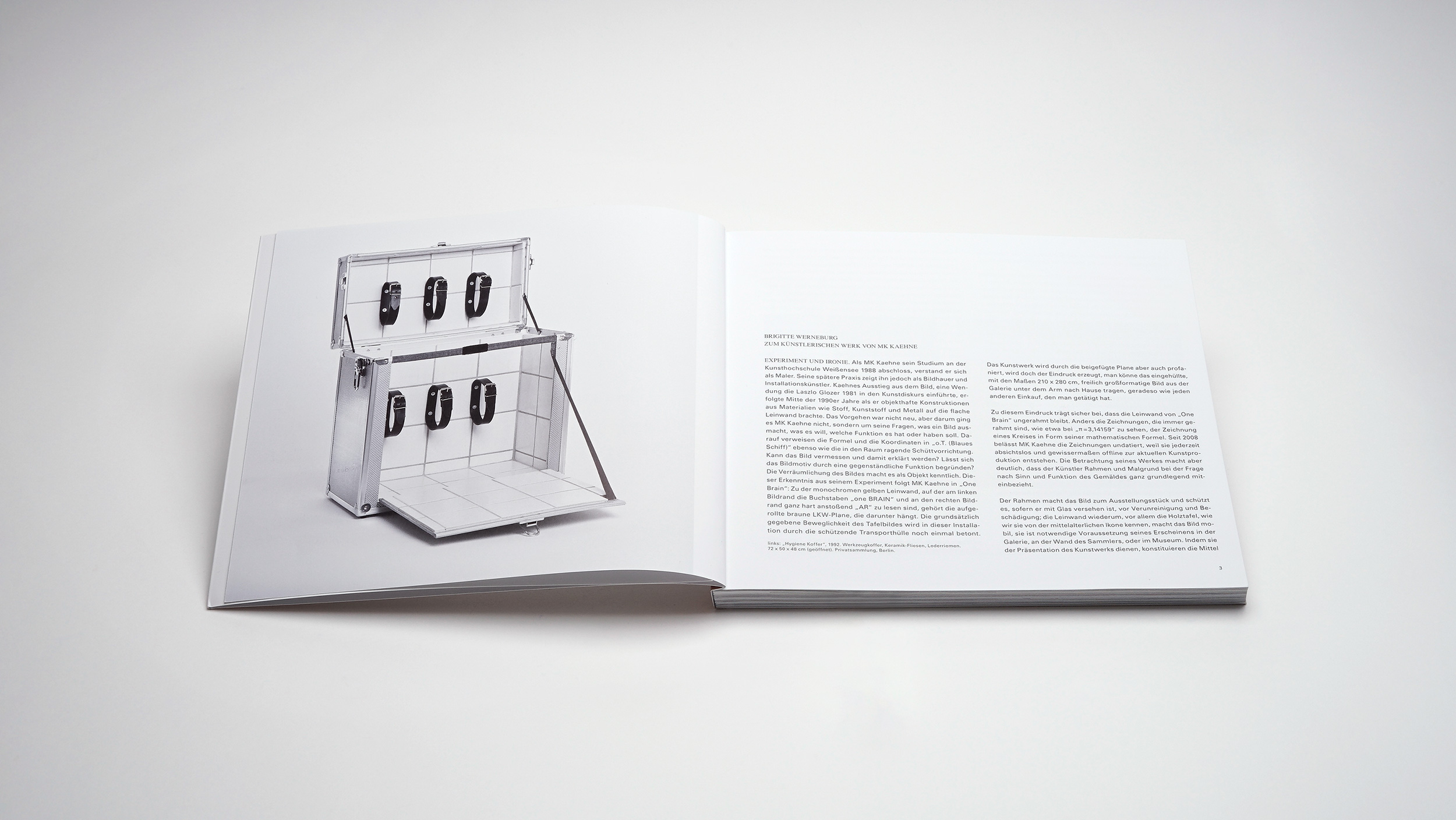
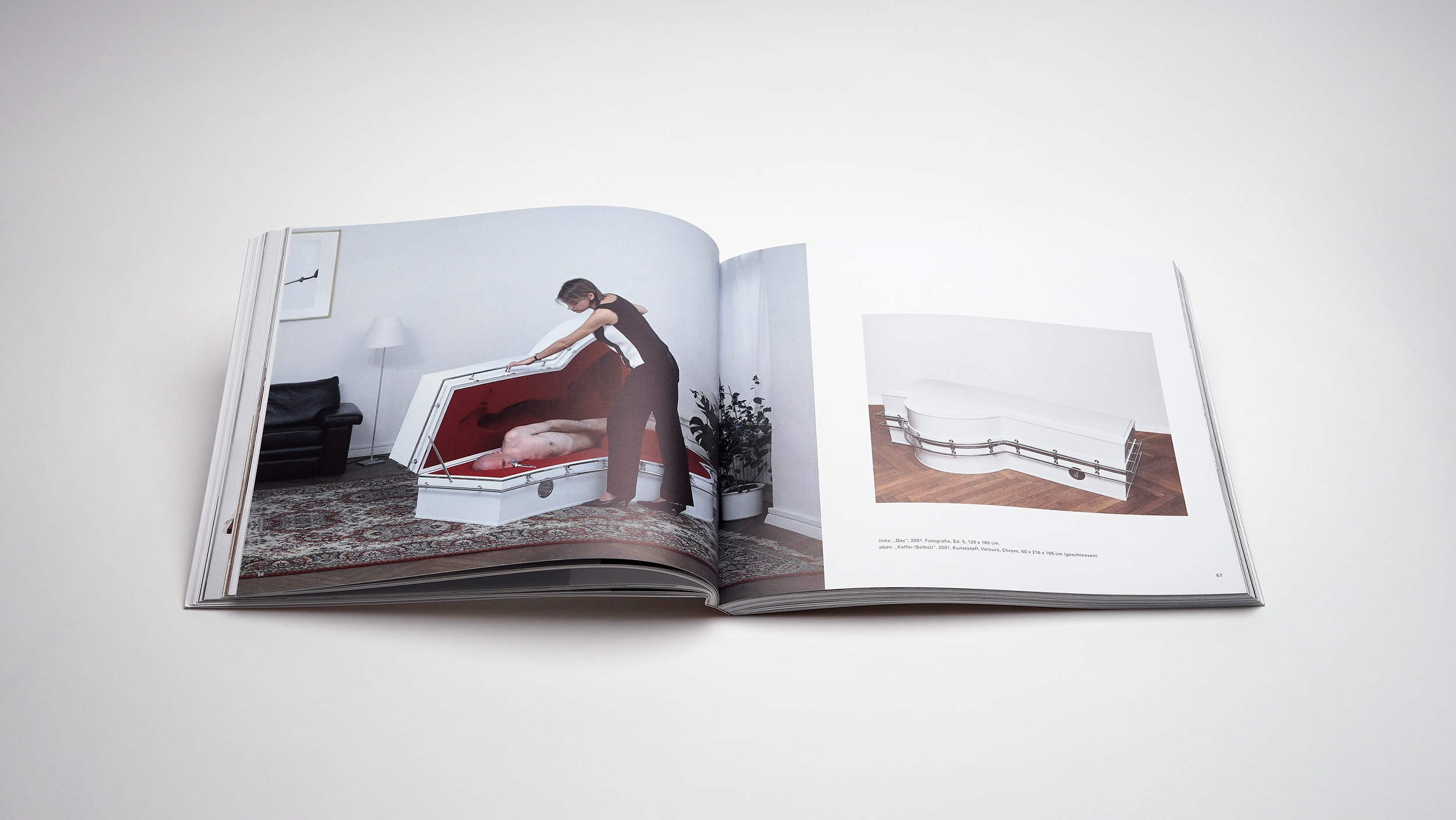
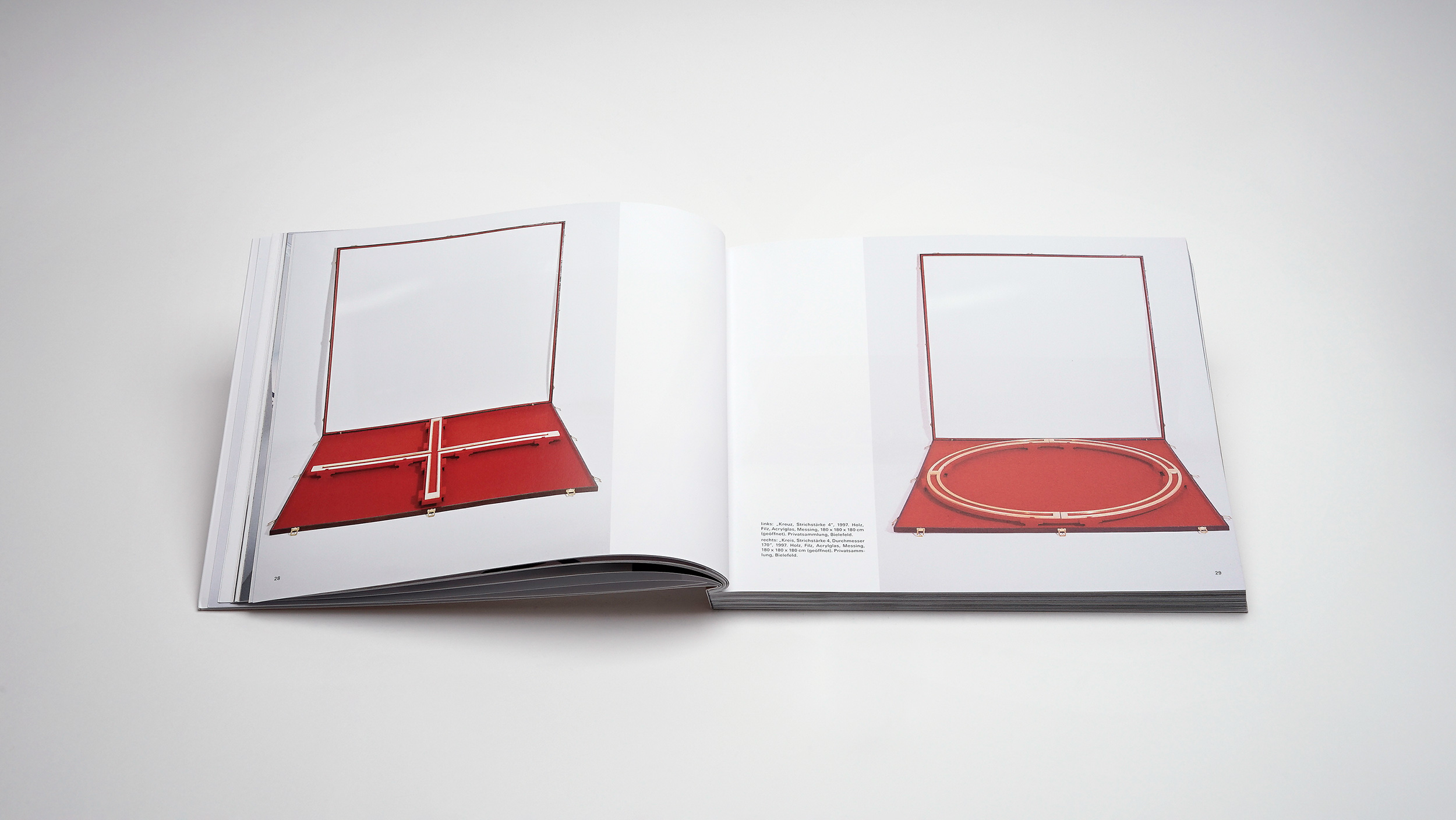
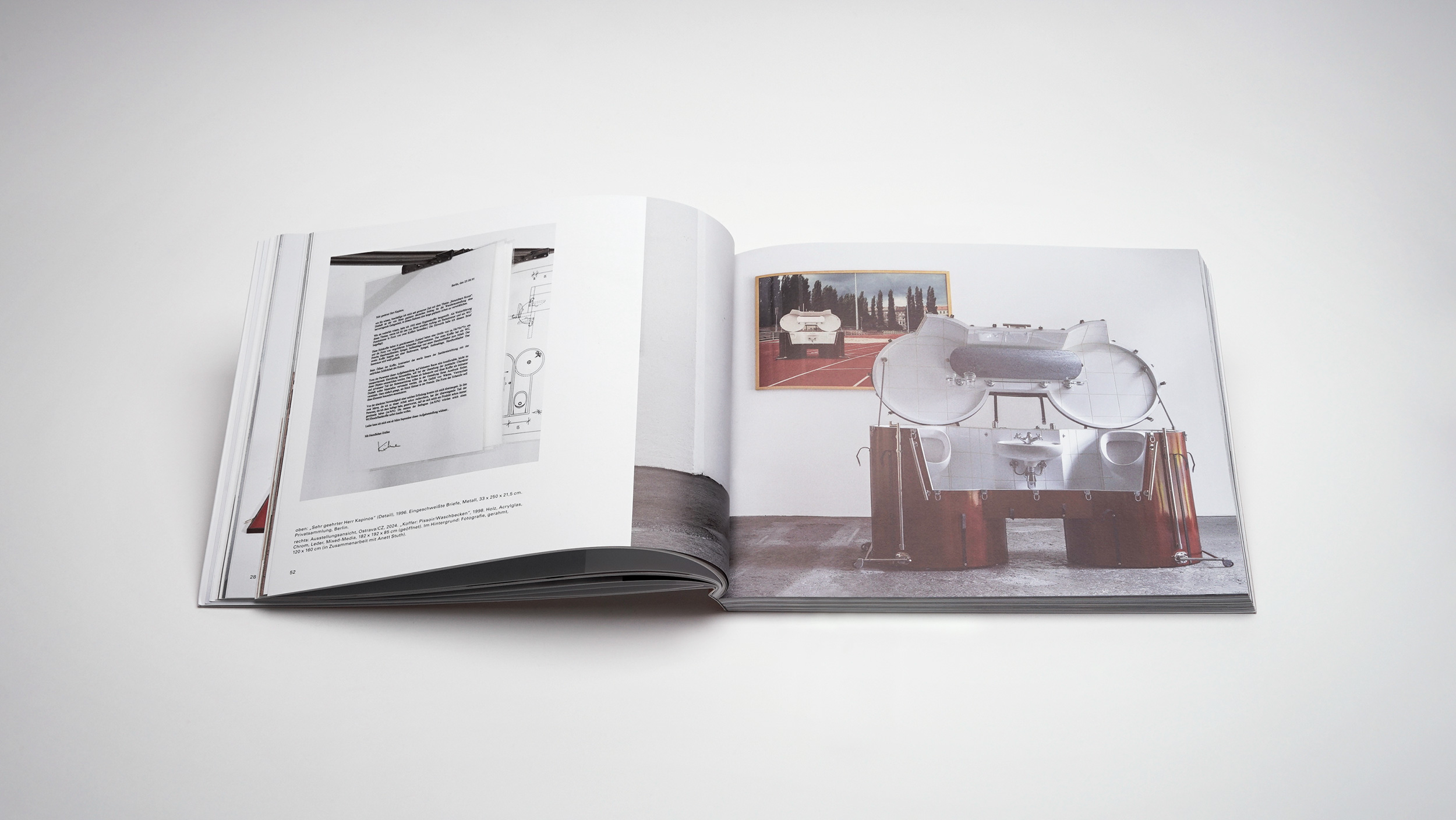
The biography of conceptual artist MK Kaehne (b. Vilnius, 1963; lives and works in Berlin) oscillates between Vilnius, Moscow and Berlin. Influenced by Russian Constructivism, he draws and builds suitcase sculptures with a department store aesthetic, a reversal of the readymade principle. His focus gradually shifted from the formal to the psychological, towards life-size figures such as It’s me (2023): a hyper-realistic replica of himself, lying upside down in the mud, with a garden gnome next to him. Kaehne’s work is strictly analytical, but the results are full of tragedy and irony. Unintentional drawings, in which biographical, Dadaist and political elements merge, accompany his oeuvre. A total work of art that traces personal and social development.
More books
-

Angelika J. Trojnarski
Noble Earth38€ Add to cartAngelika J. Trojnarski (born 1979 in Mrągowo/Polen; lives and works in Düsseldorf) examines facets of nature through an ecological, scientific, poetic study of their phenomena. Through a process centered on painting, her art articulates allegorical relationships between some of the most significant contentions of our time: humans and nature, strength and fragility, crisis and hope. She expresses a desire to understand nature by reproducing its workings, pointing to its incredible might while underscoring its increasing fragility. Trojnarski overlays raw canvases with paper fragments, employing brushwork and collage to apply materials like graphite or soot, generating a source of energy and suspense through color and contrast. The monograph offers an overview of the last decade of Trojnarski’s work.
Angelika J. Trojnarski 2006–2013 studies at Kunstakademie Düsseldorf. 2006–2009 Painting with Jörg Immendorff, Markus Lüpertz and Herbert Brandl, from 2010 Free Art with Andreas Gursky.
-

Markus Vater
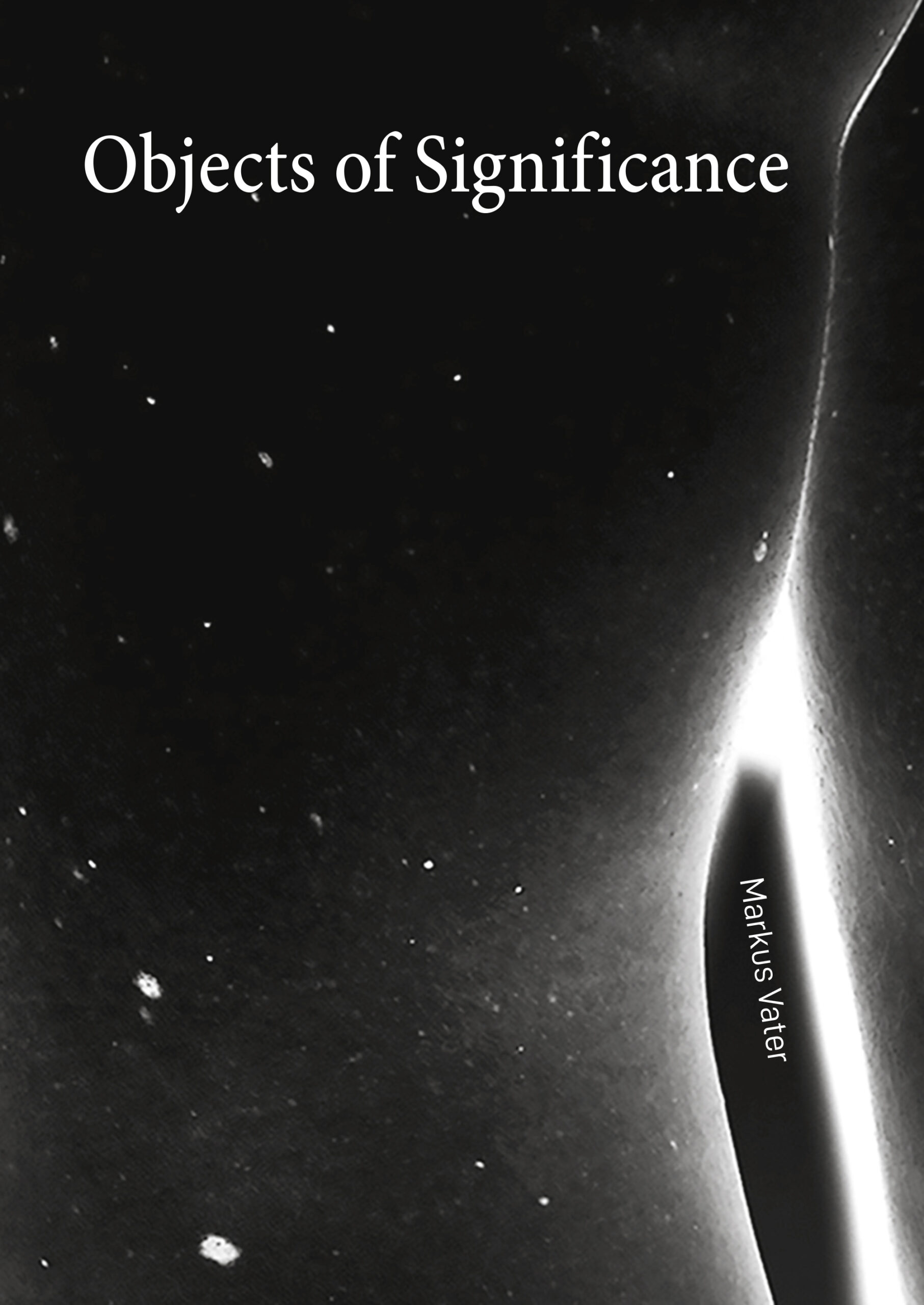
Objects of Significance32€ Add to cartObjects of Significance is an artist’s book that grew out of a series of photographs and writings which Markus Vater (b. Dusseldorf, 1970; lives and works in London and Dusseldorf) collected over several years. They show and describe what matters to the artist: objects fraught with meaning, questions, relationships, memories. It is a creative and philosophical book, as funny as it is serious, delving into questions like: What do you see when you close your eyes and turn your head toward the sun? Or: How much does a cloud weigh? Vater has interviewed the North Sea for the book and ponders the wind. He sheds light on the conditions in which art comes into being and meditates on what holes are.
-

Franziska Windisch
Walk with a wire14€ Add to cartThe interweaving of traces, sounds, and movements in an impressive work of sound art
The narrow brown magnetic tape of an audio cassette runs through a half-opened hand, slides through the fingers, is palpated in constant motion, and finally falls to the ground. The hand and its touching, particles of sand and small stones leave their traces and, when the tape is played, generate a multi-layered soundscape with crackling and background noises.
In her performative action in the ruins of the city of Messene in the Peloponnese region of Greece, Franziska Windisch (b. 1983) thematizes aspects of repetition and recording. Her artistic examination of the vestiges of the ancient urban space, the reciprocal transition from traces to writing in her video documentation, and the graphic element of the line visible on the ground lead to a reflection on temporality, dissolution, and decay. - temporarily not available

Shara Hughes
Day by Day by DayRead moreGraphic Manifestations of the Unconscious
The painter Shara Hughes (b. Atlanta, GA, 1981; lives and works in Brooklyn, NY, USA) is one of the rising stars of the American arts scene. Her colorful imaginary landscapes, executed in a radiant palette and with an expressive gesture, pay homage to the Symbolists, the Fauves, and the Expressionists, whose artful handling of lighting and depth she deftly emulates. In an intuitive approach, Hughes applies paints to the canvas that match her present state of mind. She calls her pictures “emotional landscapes” and notes that she does not know what will happen next; her work on them touches on a vulnerable boundary. The lavish book presents numerous works on paper, most of them in large formats, and contains an essay by the New York-based art critic Andrew Russeth.
Shara Hughes graduated from the Rhode Island School of Design and later attended the Skowhegan School of Painting & Sculpture in Madison, ME. She has had solo shows at the Arts Club, London, the Newport Art Museum, the Metropolitan Opera, New York, and the Museum of Contemporary Art of Georgia, Atlanta. In 2017, her work was included in the Whitney Biennial at the Whitney Museum of American Art, New York.
-

Ralf Cohen
Synthese25€ Add to cartThe First Comprehensive Overview of the Work of the Photo Artist from 1972 to the Present Day
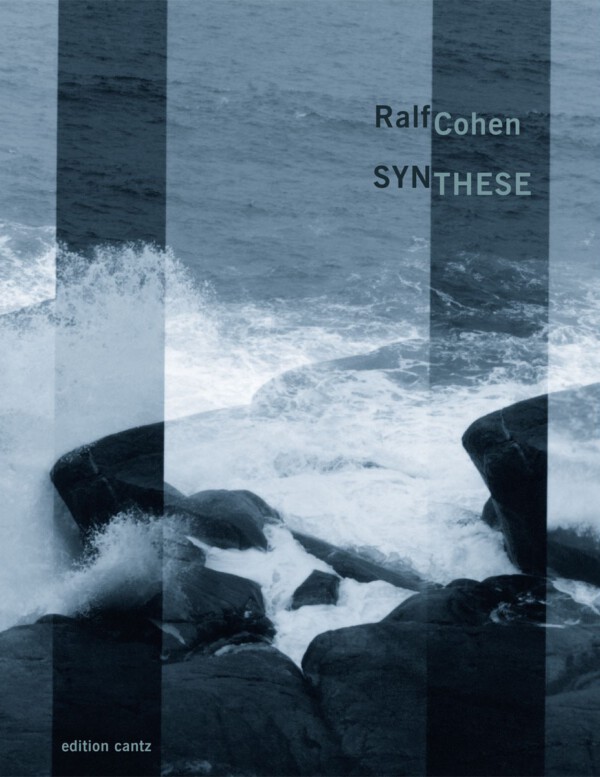
Ralf Cohen (b. 1949, Solingen; lives and works in Karlsruhe) makes use of the entire material complex of photographic image production for his own creative purposes. He works exclusively with analog processes and explores the limits of the medium with a variety of experiments in the darkroom, altering his photographs through solarization, long-term exposure, light/dark reversal, chromatic filtering, and further manual processing. This comprehensive volume presents Cohen’s works, from the high-contrast black-and-white architectural photographs of the early period and the work groups of people in cities from the late 1980s to the latest photographic series with their enigmatic light effects, seemingly glowing planetary surfaces, hails of stars, and fantastical islands. Ralf Cohen’s fascinating cosmos of imagery breaks viewing habits and, with his imaginary universes, opens up a new perception of the world.
-

nolde/kritik/documenta (English)
42€ Add to cartEmil Nolde (1867–1956) ranks among the best-known classic modernists. Contemporary perceptions of the artist and his oeuvre are informed by mythmaking as well as its deconstruction. After the Second World War, Nolde himself and art historians of the time portrayed him as a victim of Nazi persecution. More recent critics have drawn attention to his anti-Semitic views and his opportunism in his dealings with the Nazi authorities.
With support from the Nolde Foundation, Seebüll, the Düsseldorf-based conceptual artist Mischa Kuball (b. 1959) delved into the documentary record to shed light on this profoundly ambivalent figure and frame a critical perspective on Emil Nolde’s output and actions. The first fruits of his endeavors were shown at the Draiflessen Collection, Mettingen, in the winter of 2020–2021.
Kuball continued his research at the invitation of the documenta archive, Kassel. Based on his findings, the exhibition project “nolde / kritik / documenta” illuminates the ways in which life and oeuvre are interwoven and inquires into the contradictions of modernism, which Emil Nolde as a man and artist may be said to have embodied. The focus of the new project is on the staging of Nolde’s works at the first three editions of the documenta exhibition series (1955, 1959, 1964), which were instrumental to establishing the “Nolde myth.”
An enlarged and revised edition of the catalogue “nolde / kritik / documenta” is released in conjunction with the exhibition at the Fridericianum, Kassel (December 9, 2022–February 19, 2023).
Mischa Kuball has been professor of public art at the Academy of Media Arts Cologne and associate professor of media art at the Karlsruhe University of Arts and Design/ZKM since 2007.
-
Jagoda Bednarsky
SHADOWLAND ET AL40€ Add to cartJagoda Bednarsky’s (b. Złotoryja, Poland, 1988; lives and works in Berlin) paintings are pop-cultural and nostalgic borrowings that she transfers into the grotesque register, with allusions to stereotyped role models between hypermasculinity and matriarchy. Unfurling pastel-colored hillscapes composed of breasts, breast pumps, vulvas, figures from Greek myth, and motifs from flora and fauna, Bednarsky’s Shadowland series interrogates traditional ideas of femininity and motherhood. The depiction of the female breast serves as a metaphor referring to the titular “Shadowland,” where this part of the body is still perceived as a sexualized object rather than as natural. The title, one might note, is borrowed from a culture magazine first published in New York in 1919 in which the artist spotted Art Deco illustrations that became a vital source of inspiration. Despite the dense aggregation of fraught symbols and referential gestures, the sensual, poetic, and richly imaginative works exude a lightness that stems from their translucency and subtle irony.
The comprehensive volume presents Bednarsky’s works from between 2018 and 2023 and a singular conversation with the artist.
Jagoda Bednarsky studied fine arts, first at Kunsthochschule Kassel (2008–2009), then at HfBK Städelschule, Frankfurt am Main, with Michael Krebber and Monika Baer (2009–2014).
-

Olaf Breuning
Paintings37€ Add to cartThe multimedia artist Olaf Breuning (b. Schaffhausen, Switzerland, 1970; lives and works in Upstate New York) has built a multifaceted oeuvre in installation art, photography, video, sculpture, drawing, and performance that questions contemporary reality. In a recent series of paintings, he playfully grapples with pressing concerns such as global warming. Like his earlier work, the new ensemble manifests his unorthodox approach. Breuning devised a unique painterly technique involving large-format wooden stamps with which he presses paint onto the canvas. The result is unconventional and fresh.
The publication—the first book dedicated exclusively to Breuning’s paintings—presents two dozen pictures as well documentation of the production process in the form of wooden stamps and sculptures. A dialogue between Katharina Beisiegel, director of the Kirchner Museum, Davos, and Gianni Jetzer, designated director of the Kunstmuseum St. Gallen, delves into parallels and differences between the oeuvres of Ernst Ludwig Kirchner and Olaf Breuning.
Breuning trained as a photographer in Winterthur from 1988 until 1993 and completed a master class in photography from 1992 until 1995. In 1995–1996, he was enrolled in a postgraduate program at today’s Zurich University of the Arts. He has had solo exhibitions at the NRW-Forum, Düsseldorf; the Palais de Tokyo, Paris; the Chisenhale Gallery, London; and the Zentrum Paul Klee, Berne. He participated in the 2008 Whitney Biennial and has had work in group exhibitions at the Museum of Modern Art, New York; the Centre Pompidou, Paris; the Haus der Kunst, Munich; Kunsthalle Zürich; the Walker Art Center, Minneapolis; the Jeu de Paume, Paris; the KW Institute for Contemporary Art, Berlin; the Whitechapel Gallery, London; and the Mori Art Museum, Tokyo.
- Release September 2025

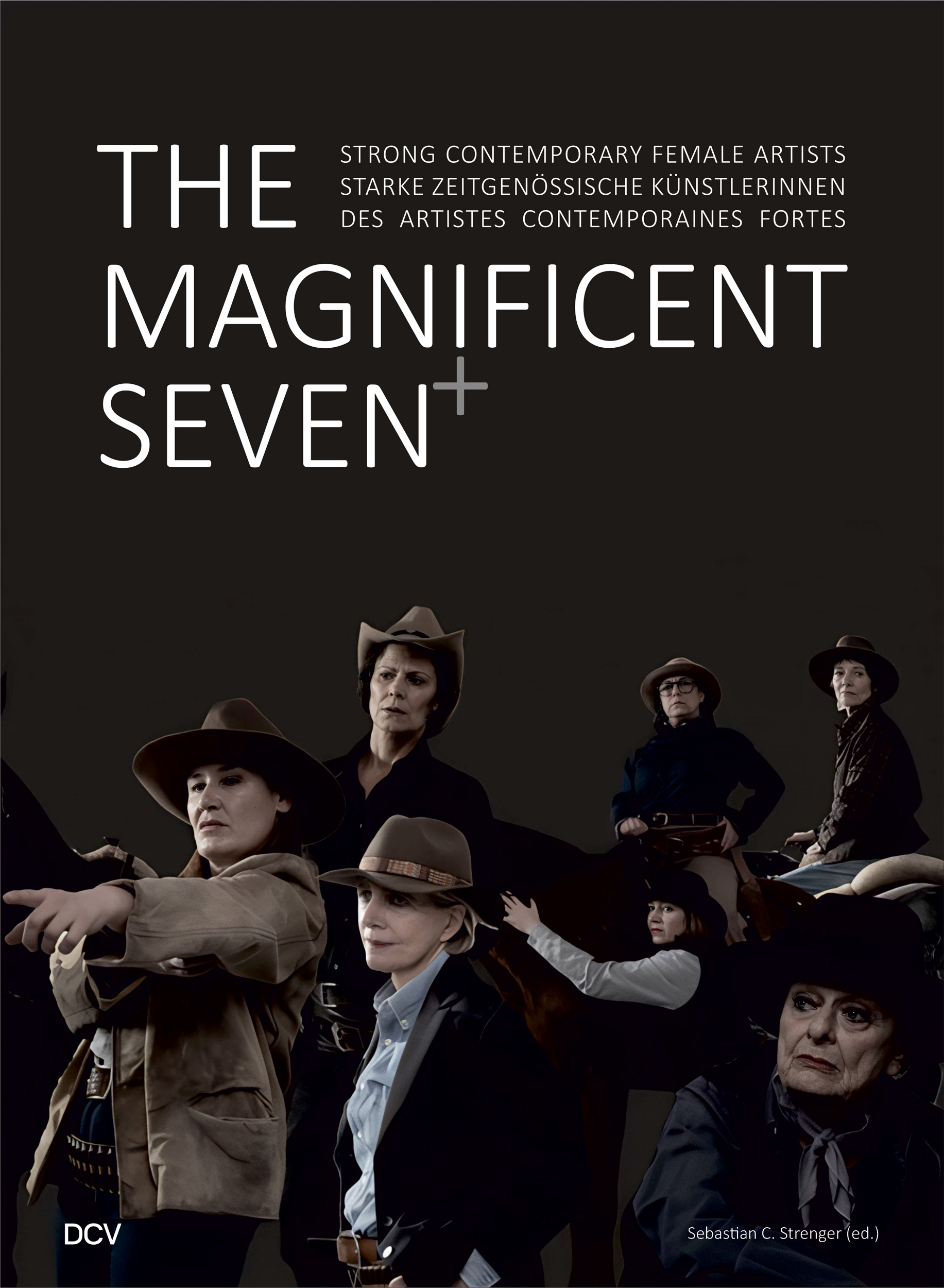
The Magnificent Seven+
Strong Contemporary Female Artists44€ Add to cartWhen The Magnificent Seven hit the silver screen in 1960, heroism was firmly men’s business. Now it is women artists who are redefining the art world with visionary energy. Sebastian C. Strenger portrays outstanding women making art today, including Ingeborg Lüscher, Elfie Semotan, Xenia Hausner, Valérie Favre, Sandra Vásquez de la Horra, and Cristina Lucas. Their works question power structures, play with identity, or deconstruct prevailing narratives. Their art is figurative or abstract, narrative or conceptual, political or introspective. These women are changing the art market and dominate the new canon at international institutions by calling existing structures in question and opening up spaces for fresh thinking.
- Release December 2025
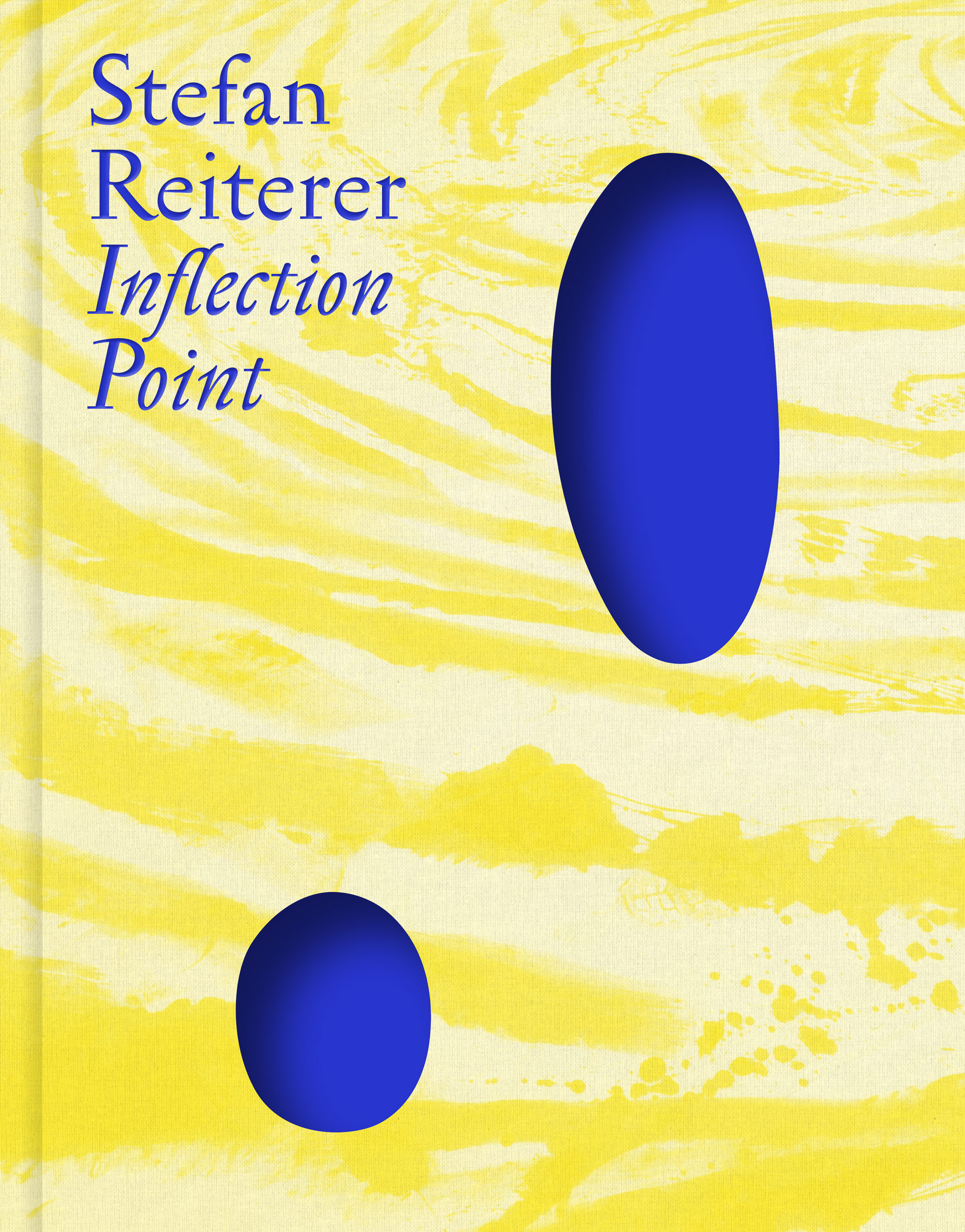
Stefan Reiterer
Inflection Point38€ Add to cartThe Austrian artist Stefan Reiterer (born 1988, lives in Vienna) transfers digital maps and satellite images into analog physical space through abstract painting. He manipulates data from sources such as Google Earth or NASA, transforming them into illusory topologies and pseudo-cartographies to challenge our perception. What is recognized, discovered, rejected? Where is the viewer’s location? Andrea Kopranovic writes of Reiterer’s painted emptiness as a “pitting” and projection surface “for glitches, black holes, and abysses” and a metaphor for potential “interpretations, enrichments, and yet unimagined spaces of possibility.” This richly illustrated book documents Reiterer’s 2025 exhibition at the Museum Gegenstandsfreier Kunst in Otterndorf.
-

Roland Schappert
Coronasehnsucht14€ Add to cartThe coronavirus pandemic hit us in a time of disparate foci of attention. A fundamental lack of comprehension and hate speech contrast sharply with an unspoken consonance of ideas as well as feelings. What do reality, statistics, love, and yearnings do to us? They are playing a game with reality, sans fiction. Relationships sustain our lives. What was unmistakable before is now manifest, with stark certainty. Are we ready for loving dissension? Can we bear to think only as far ahead as we can see? How do our emotions answer these questions, and how does our intellect? The Cologne visual artist and writer Roland Schappert retraces his personal voyage through this sun-kissed rain-drenched time. The book is a diary-like tour de force of digital amorous overtures, an attempt to explain the world of art via WhatsApp, and the real challenges of life as a single artist in a major German city in precarious circumstances.
-
Wyatt Kahn
Paintings and Sculptures36€ Add to cartWyatt Kahn’s (b. New York, 1983; lives and works in New York) work hovers between two and three dimensions, reviving aspects of American 1960s Minimal Art. In the tradition of minimalist abstraction, his multipart paintings seem devoid of content, but their construction is a sophisticated choreography of geometric shapes. Instead of delineating them on the canvas itself, he transforms them into physical elements composed of canvas stretched over strips of wood that he mounts on the wall as reliefs, making the latter an integral part of the composition. Working on the interface between painting and sculpture, the artist also references Ellsworth Kelly’s single and multiple shaped canvases.
Wyatt Kahn’s works are held by major collections including the Metropolitan Museum of Art, New York; the Museum of Modern Art, New York; the Whitney Museum of American Art, New York; the Centre Pompidou, Paris; the Museum of Contemporary Art, Los Angeles; the Dallas Museum of Art; the Museum of Contemporary Art, Chicago; and the Albright-Knox Art Gallery, Buffalo.
-

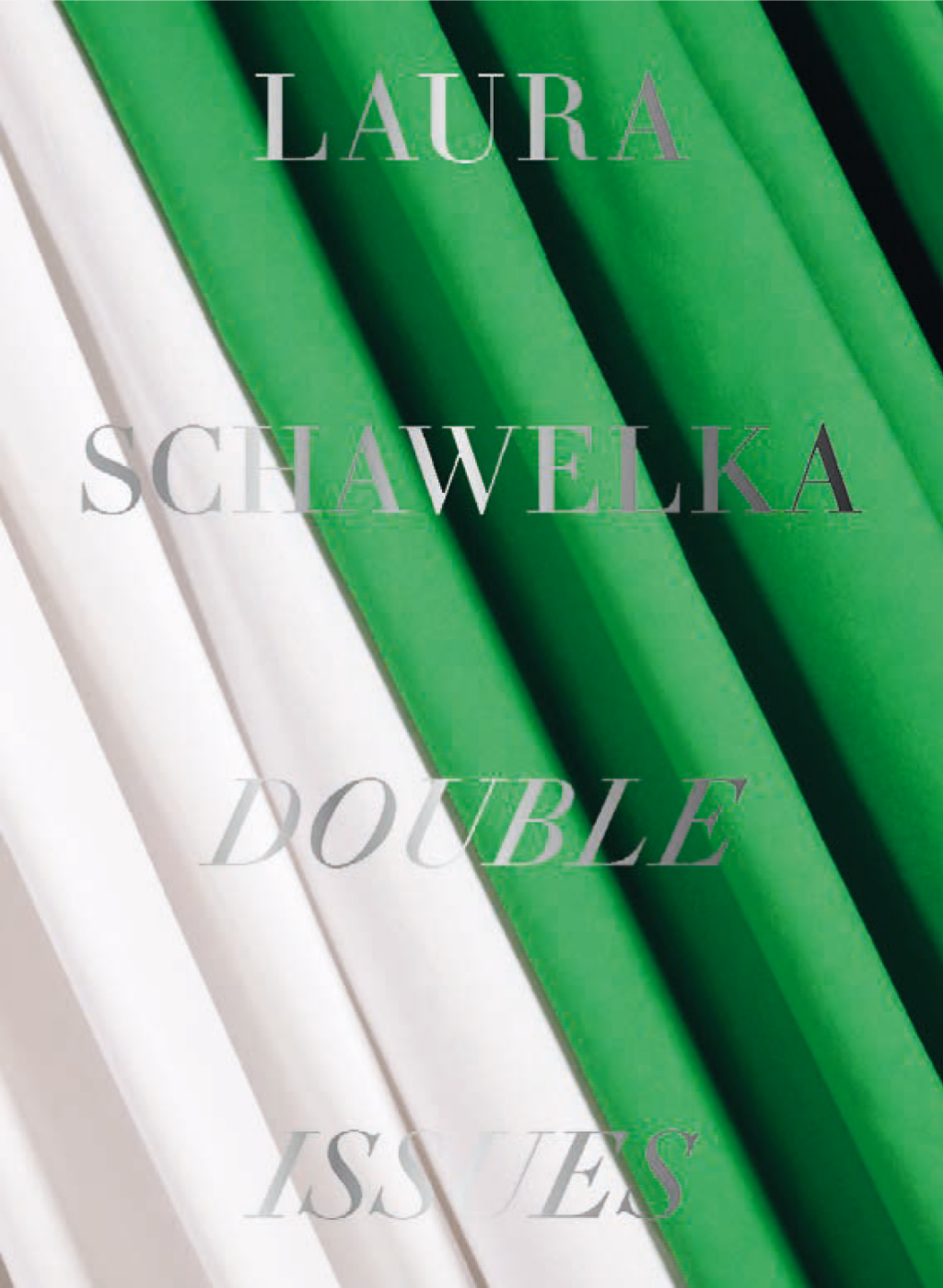
Laura Schawelka
Double Issues24€ Add to cartSales Spaces without Merchandise
In her installations, Laura Schawelka (b. 1988, Munich; lives and works in Berlin) makes use of photography, video, and sculpture in a multilayered dialogue. In her latest works, the artist focuses on the role of photography in the development of modern consumer society. What does it mean if goods are only communicated through other goods, such as computers, cell phones, tablets? If this withholding of the genuine object is precisely what prompts the desire for it? The artist creates sales spaces without merchandise, in which images, photographs, and videos have replaced consumer goods of any kind.
Laura Schawelka studied at the Städelschule in Frankfurt am Main as a student of Tobias Rehberger master-class. In 2015, she was awarded the Master of Fine Arts at the California Institute of the Arts in Los Angeles, and in 2017 she moved to Paris as the recipient of a studio bursary of Hessische Kulturstiftung.
-

René Holm
45€ Add to cartRené Holm goes for the big picture, painting the ambivalence of human existence and our relationship with nature. Some of his protagonists are physically naked, and all embody an interior life through their poses. The faceless figures function as screens onto which the beholders can project their own feelings, as symbols of universal human experiences. That is why, Holm notes, people very often recognize themselves in his protagonists. The effect is in part due to the forest, the setting of all pictures in this catalogue, which has been Holm’s studio and preferred backdrop for decades. It is where he finds the twilight that glows in all of our souls: woodlands nourish and menace us, they are home to helpful fairies and nasty demons, one can find life and death alike in them. He translates the sublime of the forest—a central motif in the Romantics—into a contemporary visual idiom. In his pursuit of this endeavor, he has recently ventured a radical aesthetic change: instead of using thick paints as before, he now applies the pigments to the canvas in thinner and drier layers. The book illustrates this spectacular fresh start, carrying us off into the depths of the soul and mysterious woodlands.
-
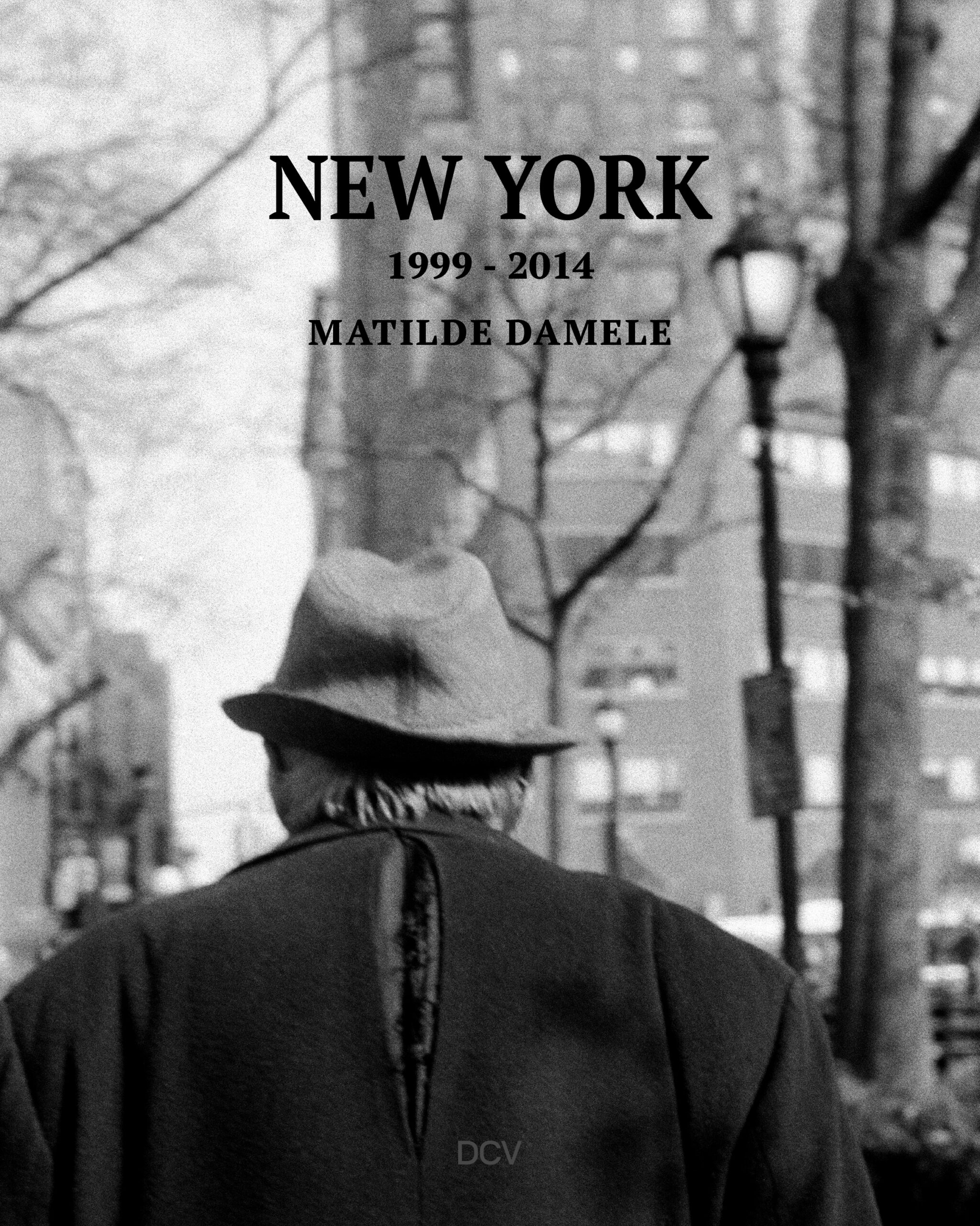
Matilde Damele
New York. 1999-201435€ Add to cartNew York and street photography were made for each other, which is why Matilde Damele (b. Bologna; lives and works in Rome), a master of the genre, left home for the big city in the late 1990s. She spent fifteen years in New York, and now her forays have congealed in this singular picture book. The light, the skyscraper-lined avenues, the pedestrians hurrying past and their loneliness in crowds—nimbly wielding her camera, Damele recorded all of it in classic black and white. The result is an outstanding portrait of a forward-looking metropolis that continually draws our attention to its past.
-

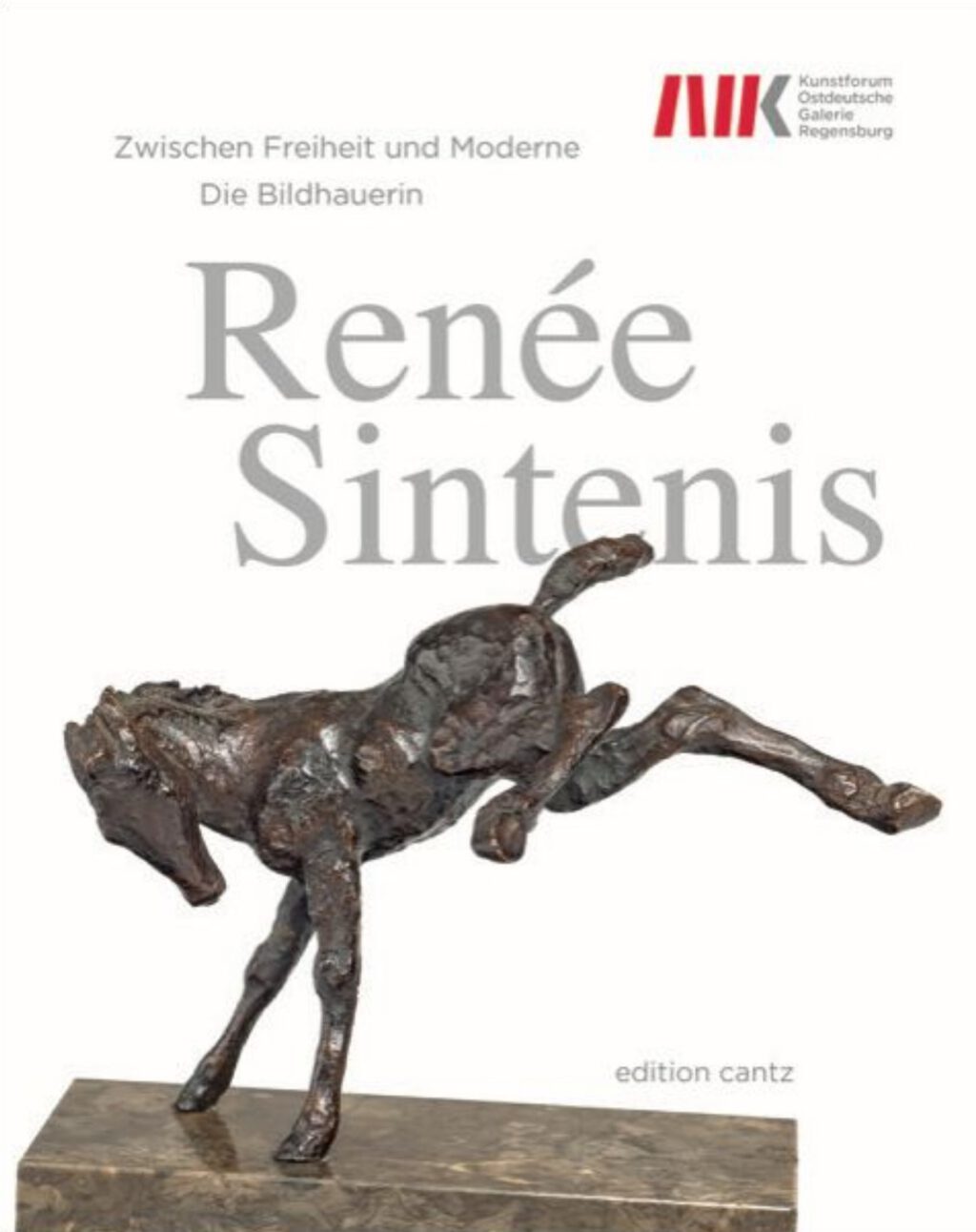
Zwischen Freiheit und Moderne
Die Bildhauerin Renée Sintenis29€ Read moreThe Successful Sculptor and Symbol of the “Neue Frau”
Renée Sintenis (b. 1888, Glatz; d. 1965, Berlin) belongs to the first generation of professional female sculptors at the beginning of the twentieth century. She made skillful use of her business relations with her gallerist Alfred Flechtheim, who introduced her to collectors in Paris, London, and New York. The market for, in particular, her lively, small animal sculptures was quite lucrative. These experienced renewed popularity in the 1950s through her Berlin Bear statuette, which has been presented in a small version at the Berlin International Film Festival since 1960. The catalog sheds light on the sculptor’s diverse oeuvre and provides insight into the self-image of one of the most successful women artists of the Weimar Republic, who embodied the type “Neue Frau” (new woman) due to her dazzling appearance.
-

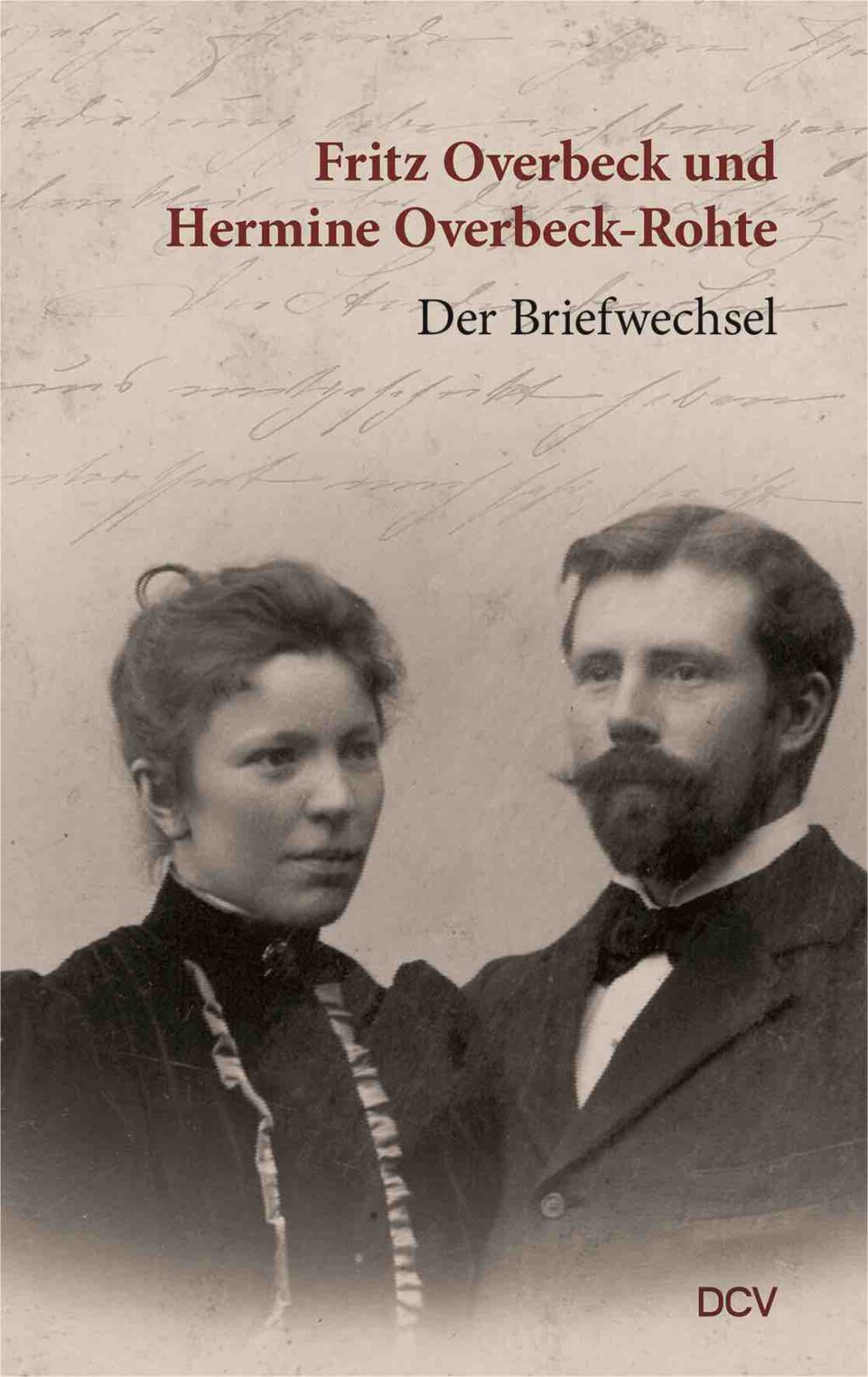
Fritz Overbeck und Hermine Overbeck-Rohte
Der Briefwechsel38€ Add to cartIntimate Glimpses from the Marriage of Two Worpswede Artists
In the final years of the nineteenth century, numerous painters settled in the village at the foot of Weyerberg hill, followed by young women who took classes with the local artists. Fritz Overbeck (b. Bremen, 1869; d. Bröcken near Vegesack, 1909) and Hermine Overbeck-Rohte (b. Walsrode, 1869; d. Bremen, 1937) became one of Worpswede’s husband-and-wife creative duos, though their union has been less celebrated than those of Otto Modersohn and Paula Becker or Rainer Maria Rilke and Clara Westhoff. Like the stories of their more famous neighbors, theirs exemplifies life and work in the artists’ colony, but also the dogged struggle for equality in the creative professions. Yet unlike those other relationships, theirs did not break up over the conflict between art and marital life; it lasted until Fritz Overbeck’s tragic early death. In a first, this book contains virtually the entire extant correspondence between the Overbeck-Rohtes in unabridged form and with numerous annotations. Offering fresh and nuanced insight into the lives and oeuvres of its protagonists, it makes for moving and entertaining reading.
-
HALBwertsZeit
Zum Umgang mit ‚abgelaufenen‘ Sammlungen28€ Add to cartDo collections have an expiration date? Shifting interests, evolving social contexts, and discursive developments influence when a collection or its presentation is said to be outdated and what that implies for the constraints on, or options for, the actions to be taken in response. The revision or reorientation of a collection presuppose a critical engagement with the criteria regarded as valid at the time, which concern the origins, composition, objectives, and significance of a collection, among other aspects.
The contributions to this volume intertwine historical case studies with contemporary questions about the reasons and circumstances that give rise to the assessment that a collection has outlived its shelf life.
-
Maria Balea & George Crîngașu
The Mythenstein Project18€ Add to cartMaria Balea (b. Sighetu Marmației, 1990; lives and works in Cluj-Napoca, Romania) and George Crîngașu (b. Focșani, 1988; lives and works in Cluj-Napoca and Rome) are among the youngest members of the School of Cluj, which has attained international renown in Adrian Ghenie, Hortensia Mi Kafchin, and Ciprian Mureșan. The overarching theme in their works in a range of media is the lived reality of today’s young people between a physical world defined by uncertainties and a virtual parallel universe whose boundless possibilities make it a fascinating yet also often deceptive safe haven. Both artists roam this dizzying kaleidoscope of worlds on a quest for beauty: Balea, through a romantically idealized focus on remnants of untouched or deserted nature; Crîngașu, by abandoning himself to the graphical possibilities of the digital realm, where beauty is often bound up with the bending of natural laws and the physical impossibility of architecture. Yet both, the retreat to an ostensibly natural state and the escape into garish artificiality, are overshadowed by a nameless menace.
-
Julius Hofmann
Western Philosophies35€ Add to cartJulius Hofmann (b. Göttingen, 1983; lives and works near Göttingen) has mastered the traditional aspects of painting and commands a broad repertoire of creative techniques. This expertise enables him to call conventional painting in question by combining it with the aesthetic of 1990s computer graphics. The simple and often grotesque symbolism of the imperfect digital imagery contrasts with a perfectionistic figurative painting. This approach lends his pictures a disconcerting and unexpected quality.
Western Philosophies is an episode in Hofmann’s ongoing work confronting consumerist society with its dark secrets and its indifference. Meanwhile, his creative process is also an exploration of the artist’s personal fears and frustrations. In depicting his figures, landscapes, and machines, he draws our attention to the painterly originality of structures and surfaces. The protagonists, to his mind, play a subordinate role, typically serving him as vehicles—he is more interested in the “how” than in the “what.”
Julius Hofmann studied painting with Neo Rauch and Heribert C. Ottersbach at the Academy of Fine Arts Leipzig (HGB) from 2005 until 2011. His work is represented in international collections and institutions.