Kay Rosen
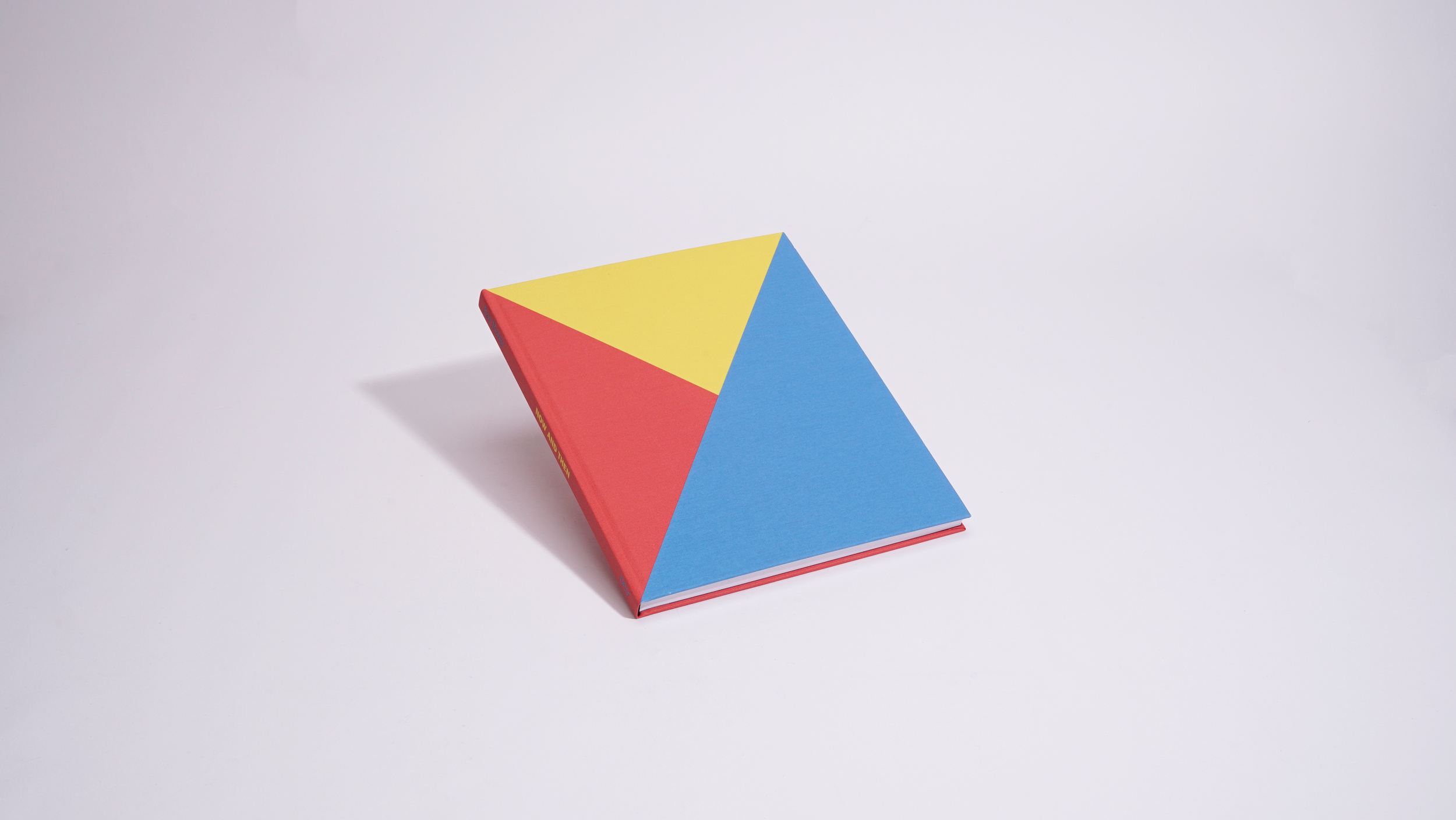
NOW AND THEN
 | |
|---|---|
| Editor(s) | Ingo Clauß, Janneke de Vries |
| Author(s) | Ingo Clauß, Kay Rosen, Kenneth Goldsmith |
| Design | Studio Lindhorst-Emme+Hinrichs |
| Size | 20,5 x 25,5 cm |
| Cover | Hardcover |
| Pages | 128 |
| Illustrations | 69 |
| Language(s) | German, English |
| ISBN | 978-3-96912-155-9 |
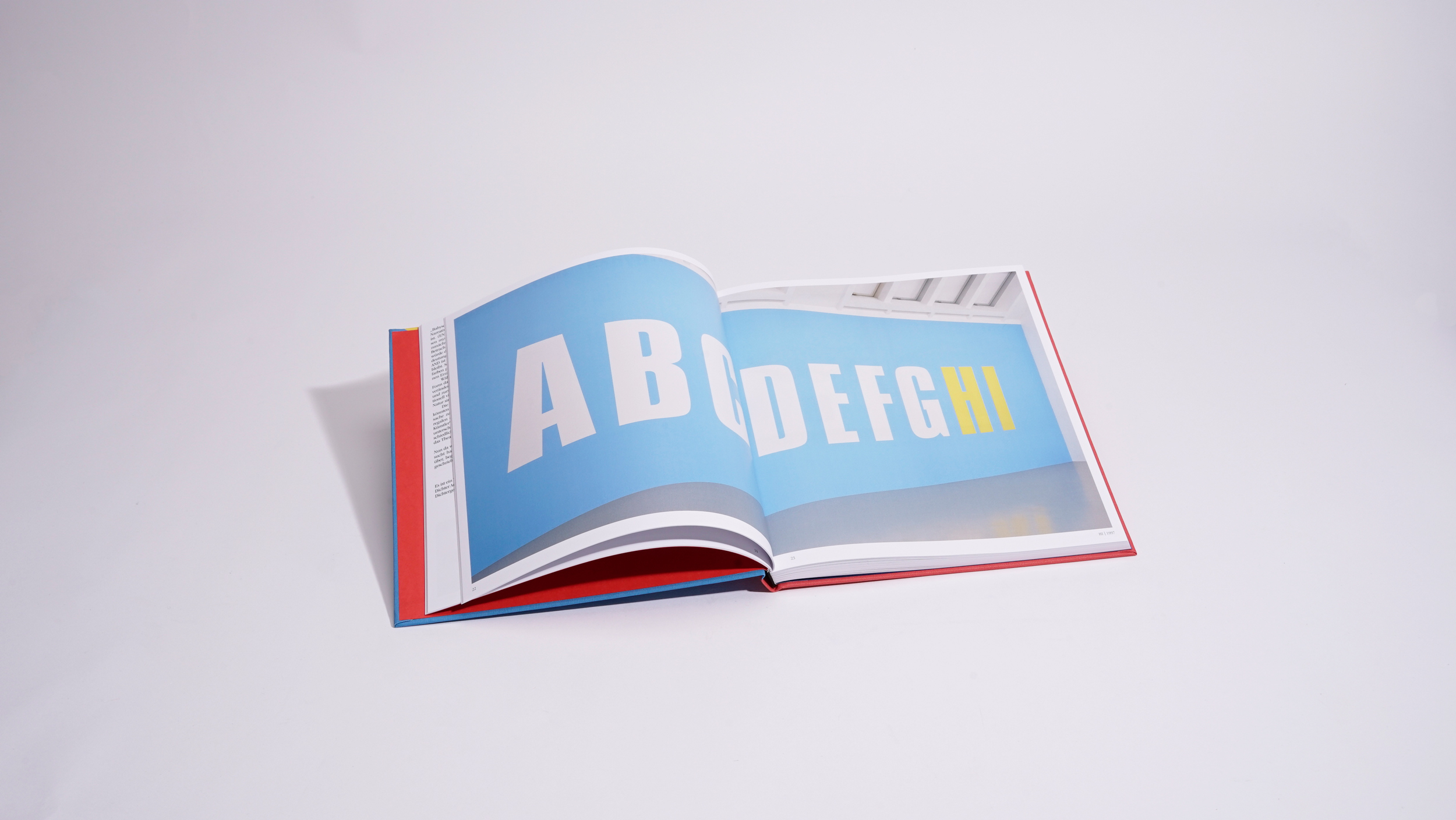
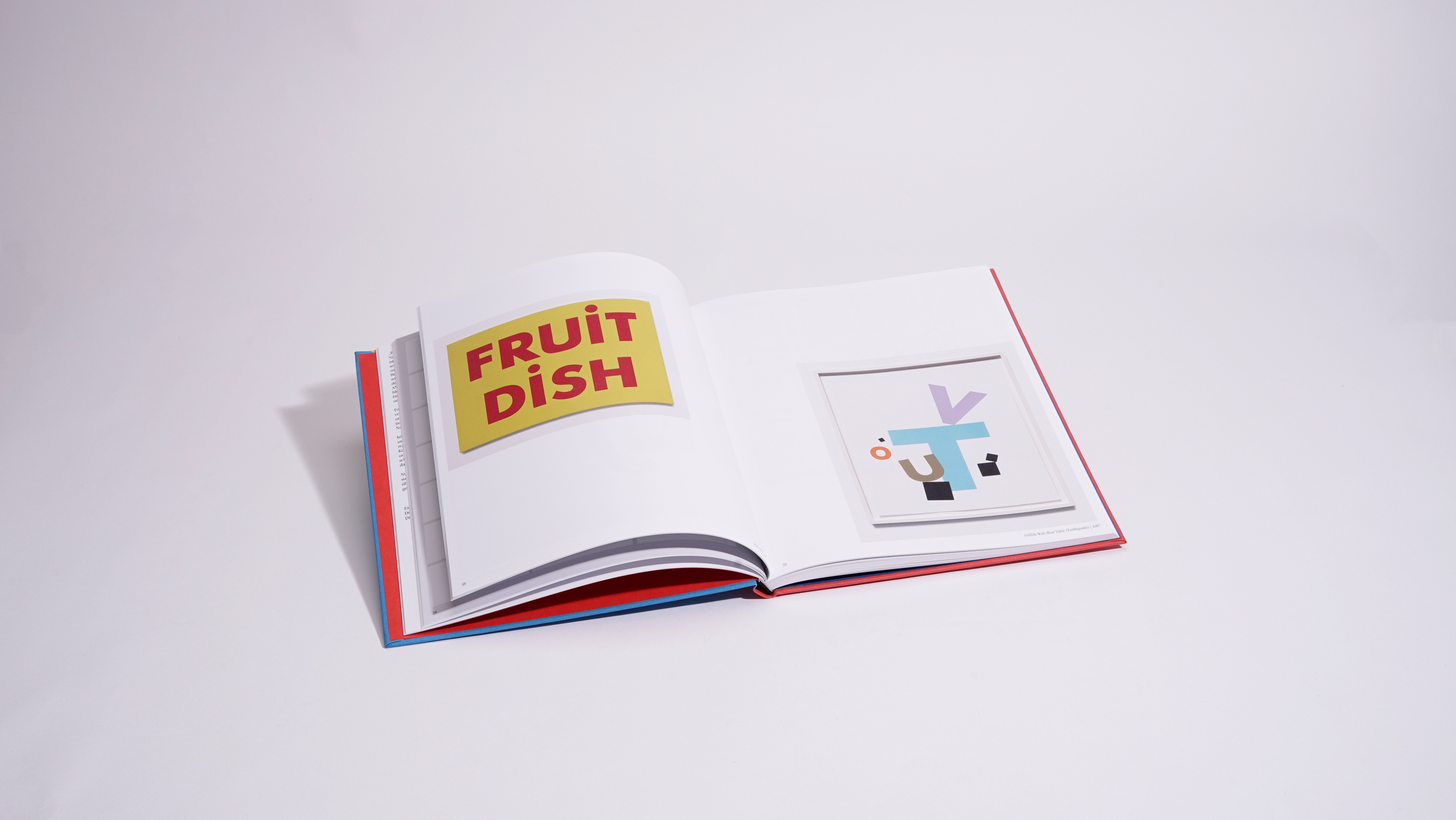
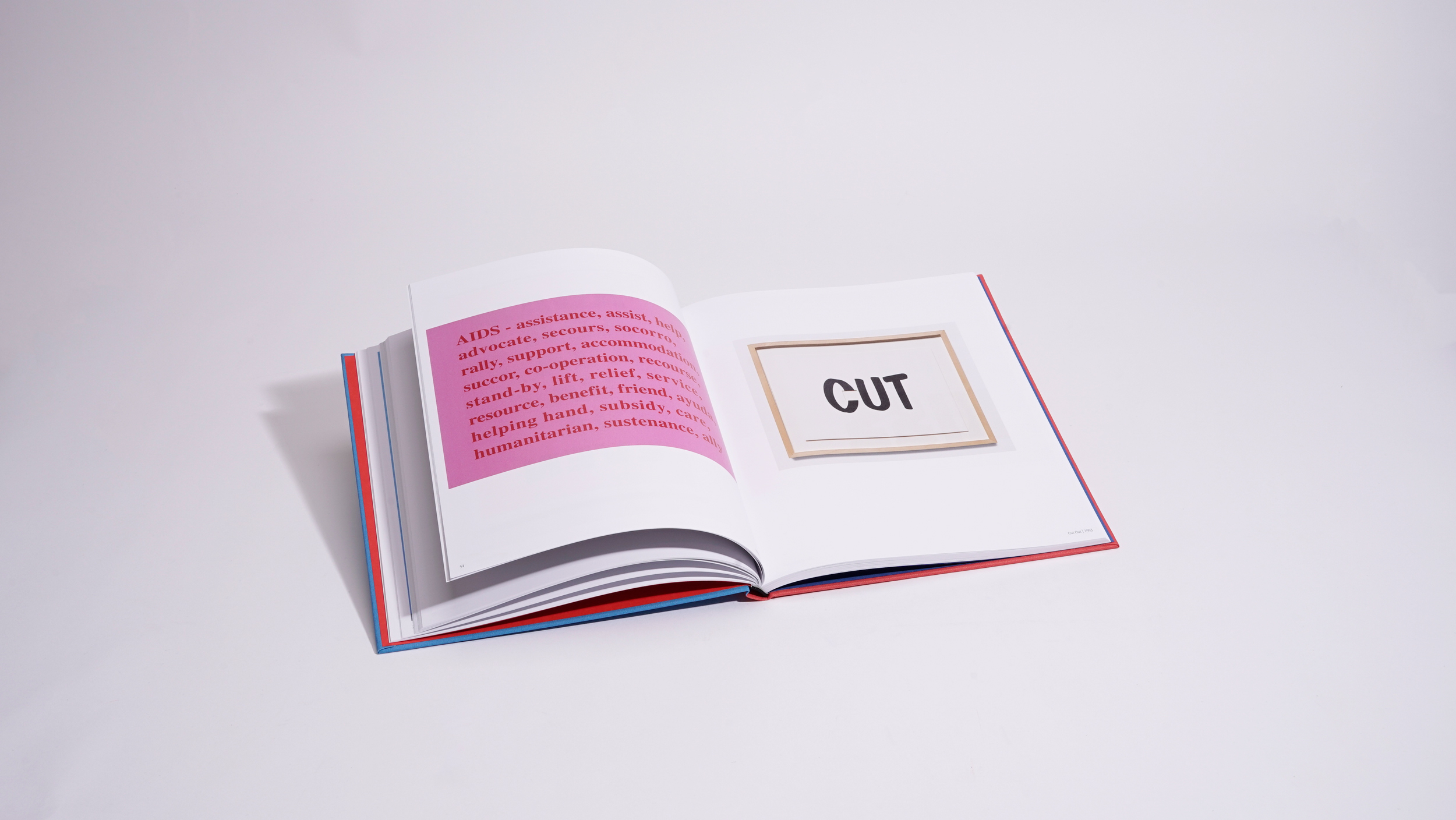
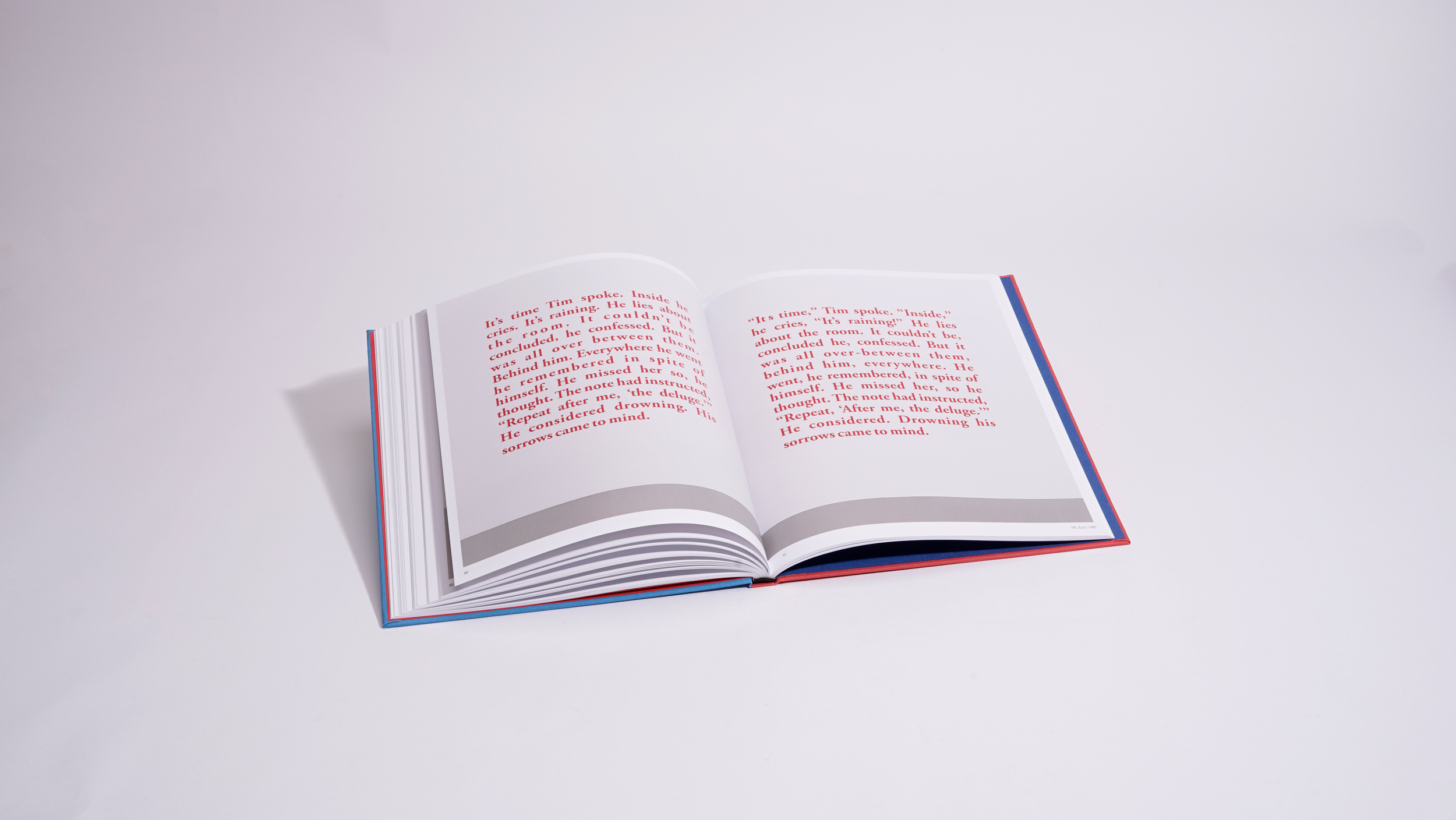
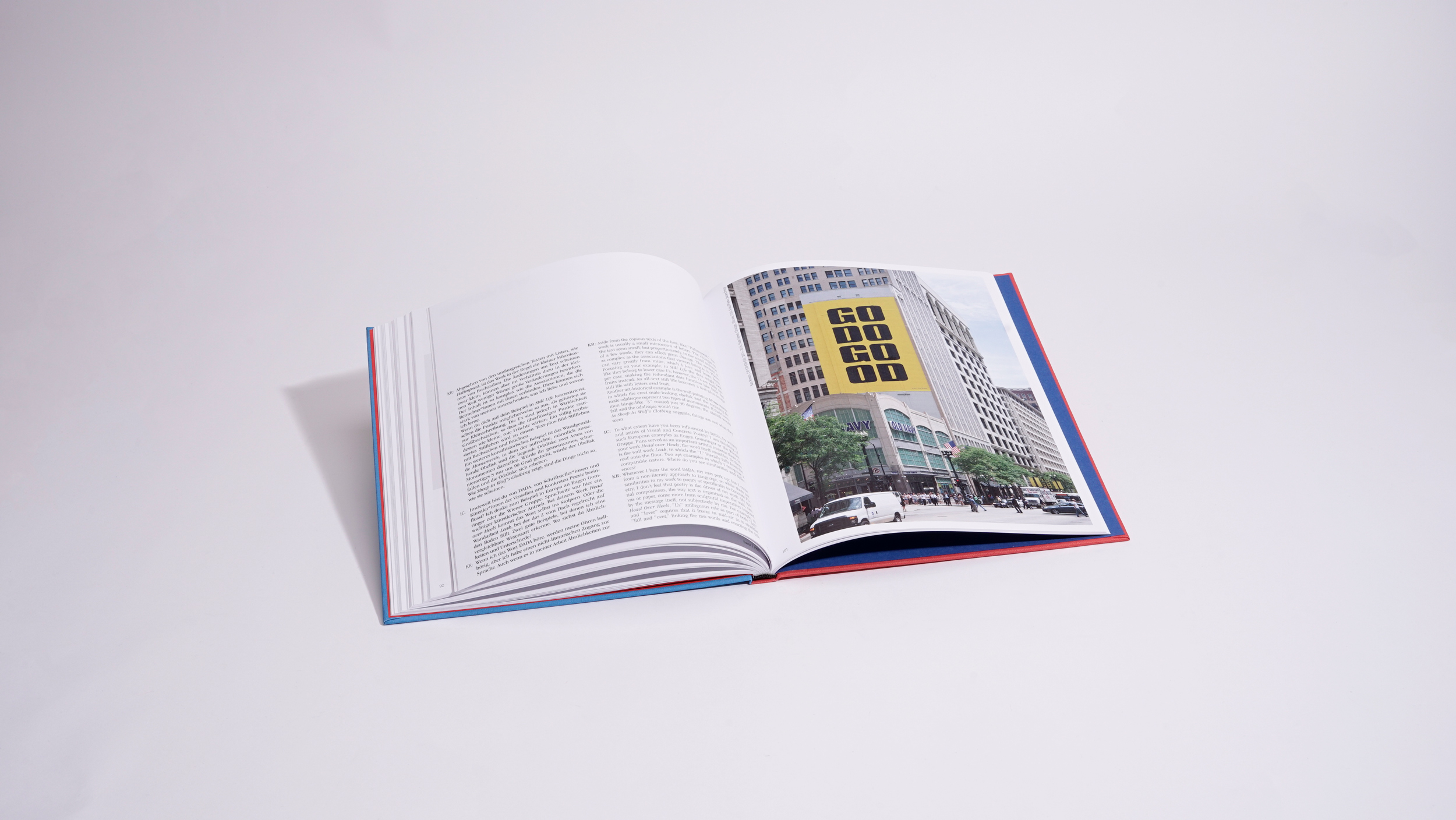
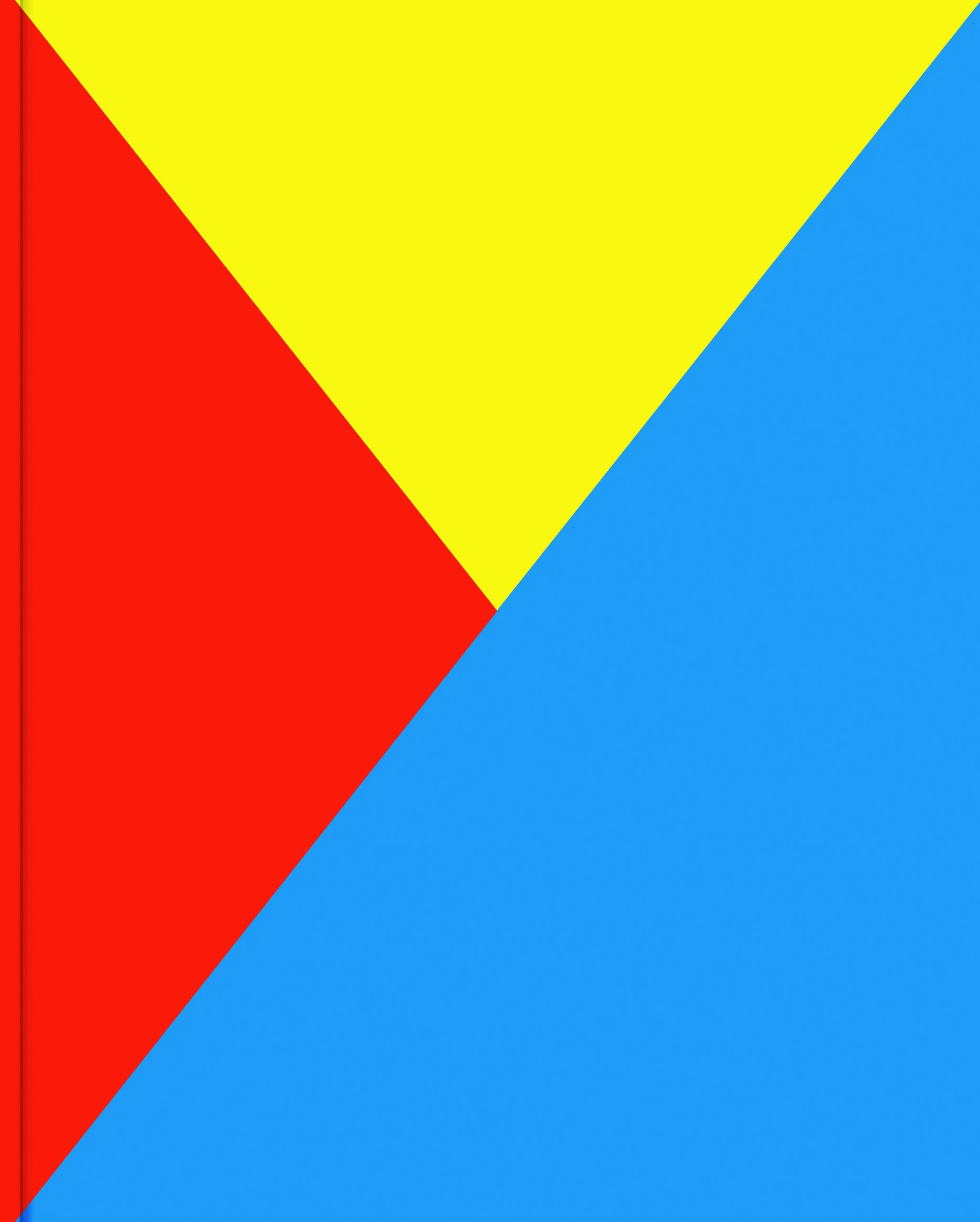
Kay Rosen (b. Corpus Christi, TX, 1943; lives in New York City and Gary, IN) has made art out of language since the 1970s. She garnered international acclaim with wall pieces spelling individual words, phrases, or strings of letters, often on a vast scale. Her works combine minimalist form, aesthetic force, and clever ideas in compelling ways. By modulating their arrangement and typographic and color design, the artist puts irritating twists on everyday terms and expressions. Subtle alterations often yield striking effects. Through punning, reframing, and onomatopoeic exploration, Rosen continually unearths unexpected layers of meaning. Released on occasion of the artist’s eightieth birthday, the publication presents wall pieces, paintings, drawings, prints, and video stills, inviting readers to discover or rediscover a multifaceted oeuvre that blends lightness and humor with analytical acumen in singular fashion.
Kay Rosen obtained a B.A. in linguistics, Spanish, and French at Tulane University’s Newcomb College in New Orleans, LA, in 1965. She then taught Spanish at Indiana University in Gary while attending studio classes at the School of the Art Institute of Chicago, where she subsequently taught for twenty-four years.
More books
-

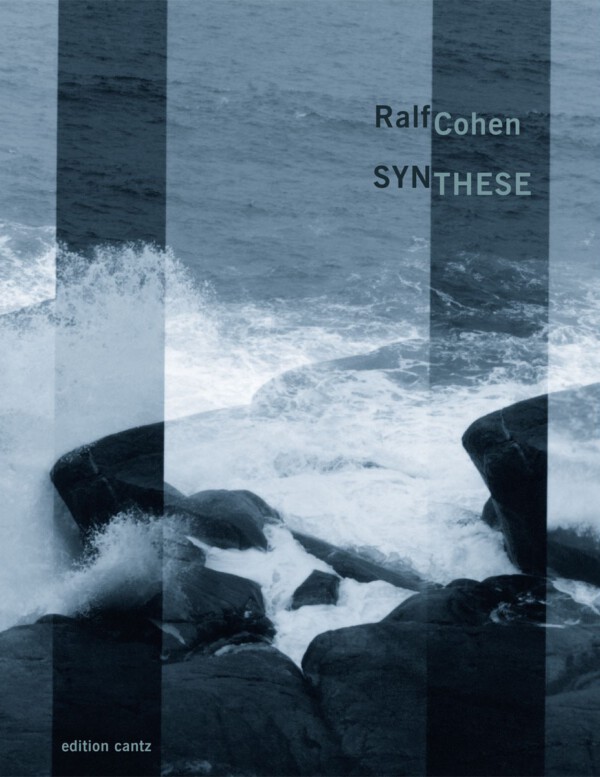
Ralf Cohen
Synthese25€ Add to cartThe First Comprehensive Overview of the Work of the Photo Artist from 1972 to the Present Day
Ralf Cohen (b. 1949, Solingen; lives and works in Karlsruhe) makes use of the entire material complex of photographic image production for his own creative purposes. He works exclusively with analog processes and explores the limits of the medium with a variety of experiments in the darkroom, altering his photographs through solarization, long-term exposure, light/dark reversal, chromatic filtering, and further manual processing. This comprehensive volume presents Cohen’s works, from the high-contrast black-and-white architectural photographs of the early period and the work groups of people in cities from the late 1980s to the latest photographic series with their enigmatic light effects, seemingly glowing planetary surfaces, hails of stars, and fantastical islands. Ralf Cohen’s fascinating cosmos of imagery breaks viewing habits and, with his imaginary universes, opens up a new perception of the world.
-

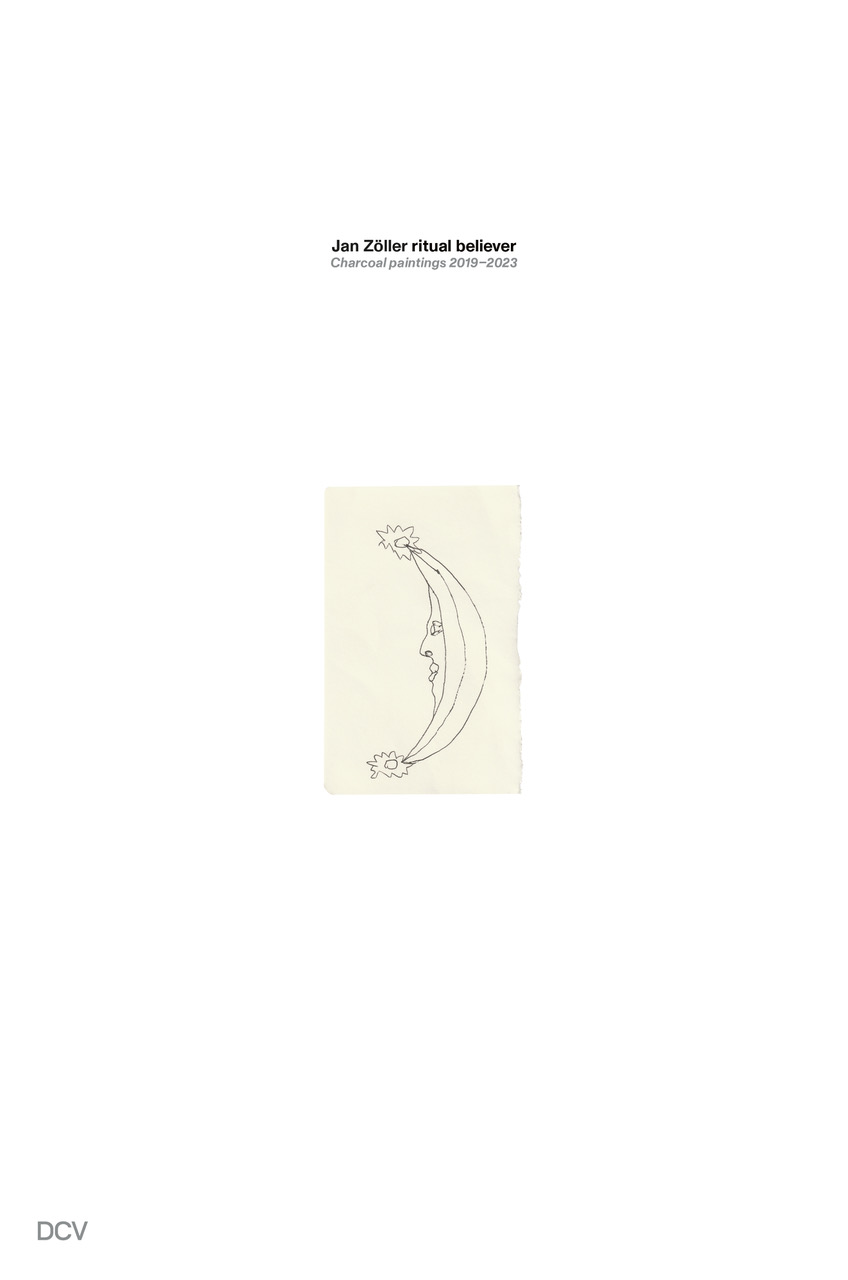
Jan Zöller
Ritual Believer40€ Add to cartJan Zöller’s (b. Haslach, 1992; lives and works in Karlsruhe) paintings, sculptures, and installations probe the discrepancy between economic production and the spiritual and magical dimension of art. The artist’s book Ritual Believer surveys the so-called charcoal paintings series, created between 2019 and 2023. For these works, the artist paints directly in charcoal on the unprimed canvas, making it impossible to correct “blunders.” Another distinguishing feature is the virtual absence of color; the austerity of the compositions contrasts with Zöller’s other, often intensely colorful paintings. The motifs that are the hallmark of his oeuvre—birds, running legs—are complemented by writing and text. Another aspect of this shift is that the works’ titles play a central part and almost figure as a creative element in their own right. For the text in the book, the artist sent the titles of the works shown to his brother, who wove them into a story. An appendix presents scanned archival materials. Notebooks and zines Zöller produced between 2015 and 2017 provide interesting insight into how he finds his motifs and his compositional process.
Jan Zöller studied with Marijke van Warmerdam and Leni Hoffmann at the Akademie der Bildenden Künste Karlsruhe from 2012 until 2017 and with Jean-Marc Bustamante and Götz Arndt at the École Nationale Supérieure des Beaux-Arts de Paris in 2016.
-

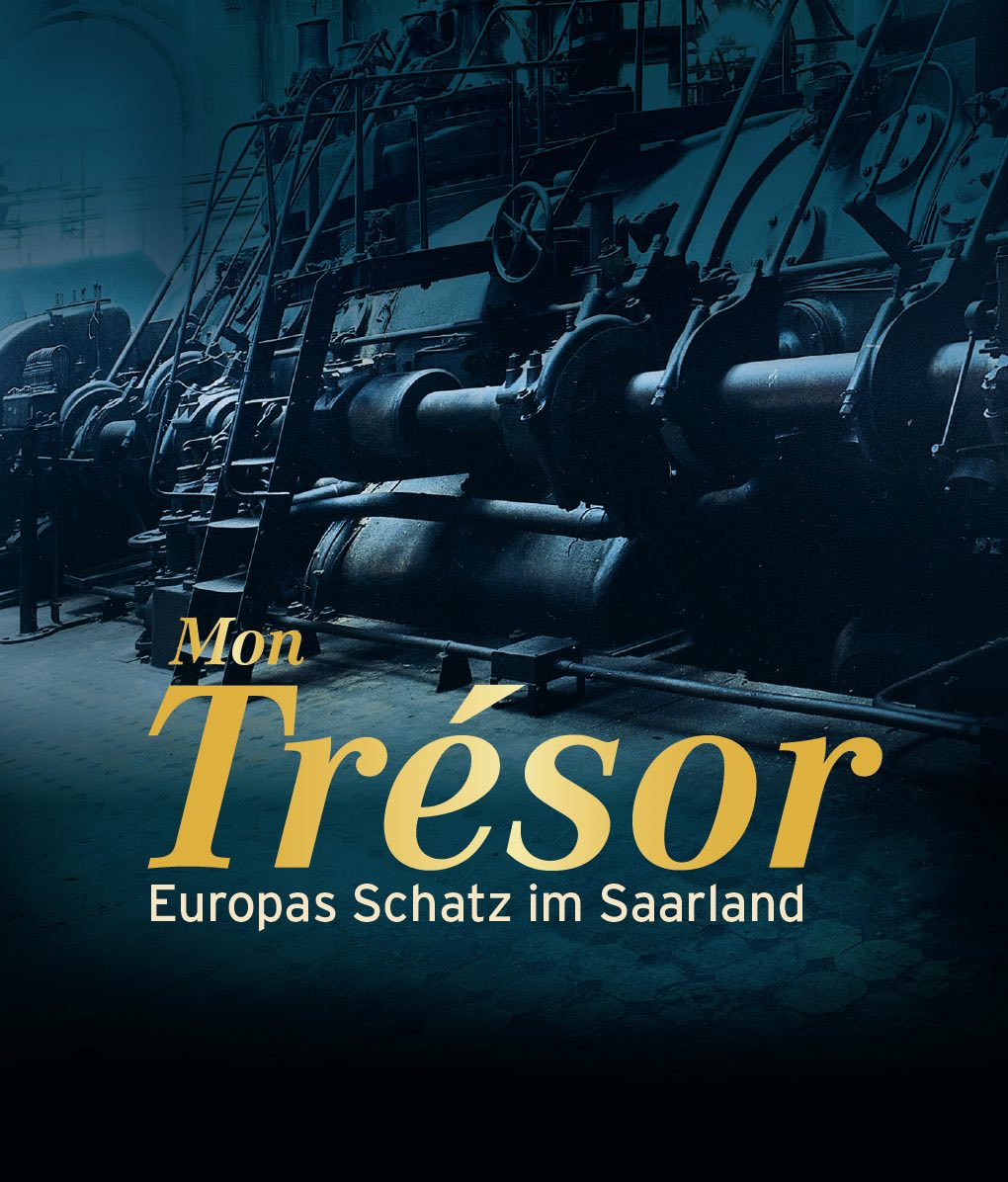
Mon Trésor
34€ Add to cartEurope’s Treasure Chamber
What do the torque of the princess of Reinheim, the tableware from the Orient Express, and the radio station Europe 1’s studio building have in common? They are among the treasures of the Saar region. The book presents outstanding archaeological objects and achievements of technology and art dating from the age of the Celts to the present. Drawn from the Saarland and neighboring Alsace-Lorraine, Luxembourg, and Rhineland-Palatinate, the unexpected riches illustrate the cultural and social dimensions of this multinational region in the heart of Europe. The title Mon Trésor describes many of them quite literally: the note a seven-year-old dashed off to his father before his family was evacuated in the first days of World War II; the Roman-era ring that is also a relic, witnessing to flight and danger. All treasures are personal first and foremost, though others may later cherish them as cultural assets.
-

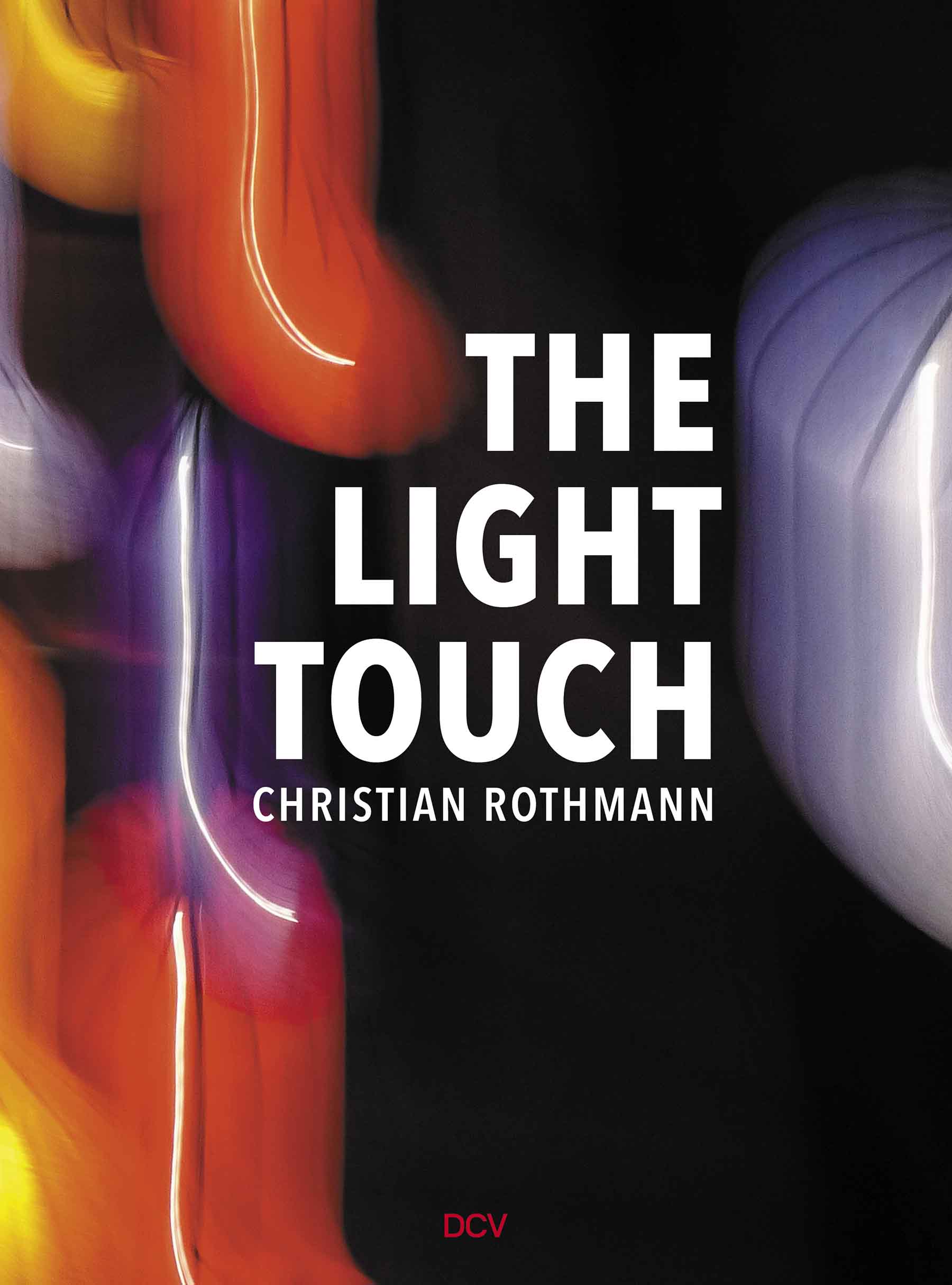
CHRISTIAN ROTHMANN
The Light Touch45€ Add to cartA Monograph of Curiosity
Christian Rothmann (b. Kędzierzyn, Poland, 1954; lives and works in Berlin) is an artistic jack-of-all-trades, a builder of bridges between cultures, and a restless globetrotter and traveler across time. He takes photographs wherever he goes, especially when he is on the road, gathering documentaries with a creative edge, spontaneous yet powerfully symbolic pictures, or conceptual series. His motifs have included basketball hoops in the most unbelievable places, toys in restaurants and stores, exotic dishes, and—in the sequence Legs of the World—beautiful legs, of real-world women, but also of advertising-poster idols and art objects. He has a special knack for recruiting accomplices from all age groups and across social and cultural differences, as for his series you and me or Mother & Daughter. Fierce large-format paintings and delicate watercolors on small paper formats from Rothmann’s studio in Berlin-Kreuzberg complement his long-term photographic projects. The Light Touch presents the artist’s variegated visual art on almost five hundred pages.
-

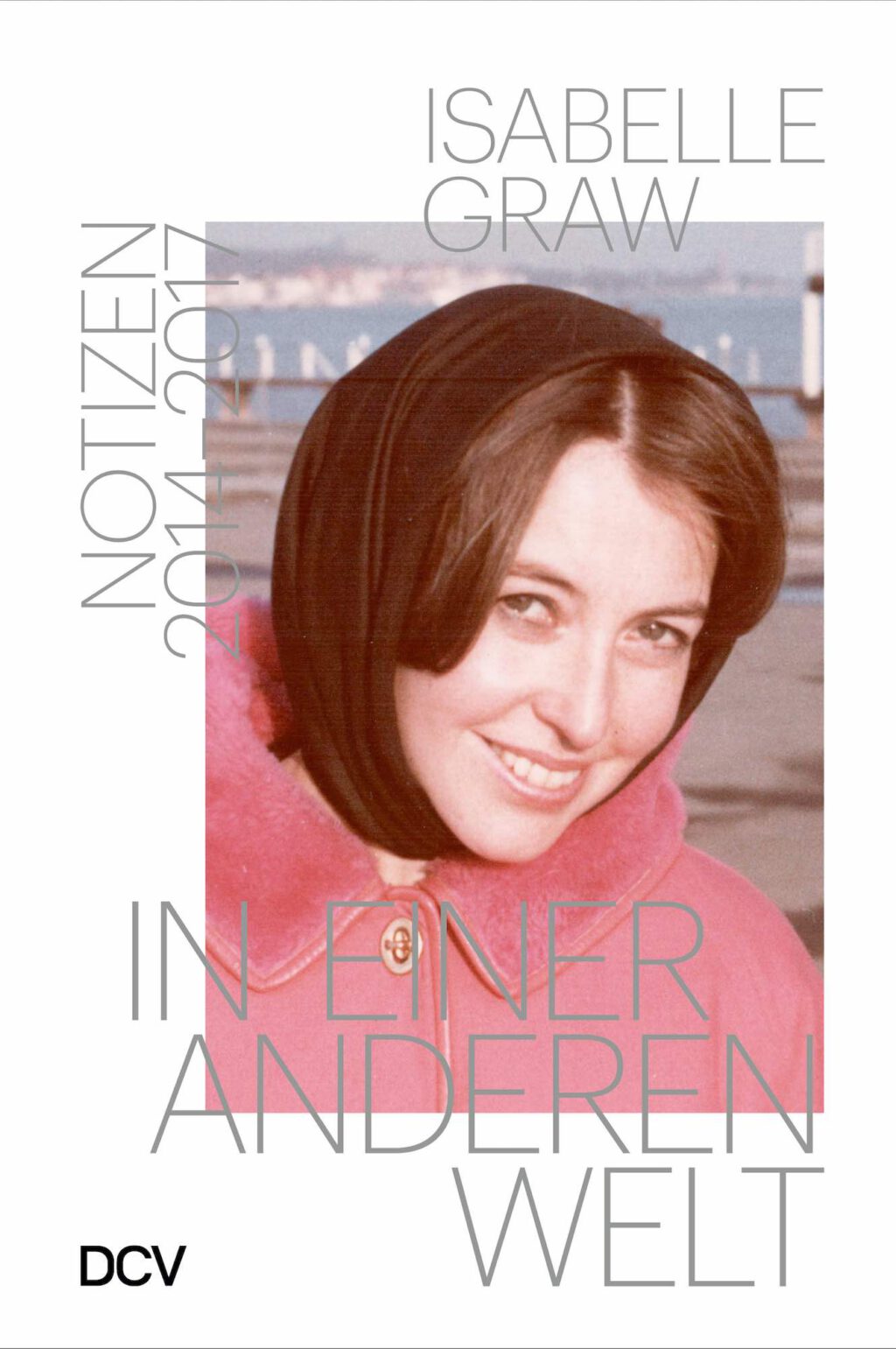
Isabelle Graw
In einer anderen Welt. Notizen 2014–201726€ Add to cartPersonal Observation as an Analytical Lens on Society
Isabelle Graw (b. 1962, Hamburg; lives in Berlin) is publisher of the magazine Texte zur Kunst and has been professor of art theory at the Staatliche Hochschule für bildende Künste – Städelschule in Frankfurt am Main since 2002. In this book, she branches out from her work as an art historian and critic to offer reflections on a wide range of observations from her own life. Never before has Graw addressed her readers more frankly than in these 160 notes.
“She is blindingly frank, addressing the questions that envelop her days: waxing salons, the arrival of Syrian refugees in Germany, exhibitions and grief, electoral and family politics. Subtly, Graw reveals how impressions and beliefs arise out of circumstance.”
Chris Kraus, American filmmaker and author of I Love Dick“In crisp and striking vignettes, this book shows how self-scrutiny and minute observation of the world intermesh and form the dense web of her analysis. This is a unique and original book, literary, psychological and sociological, all at once.”
Eva Illouz, French-Israeli sociologist -

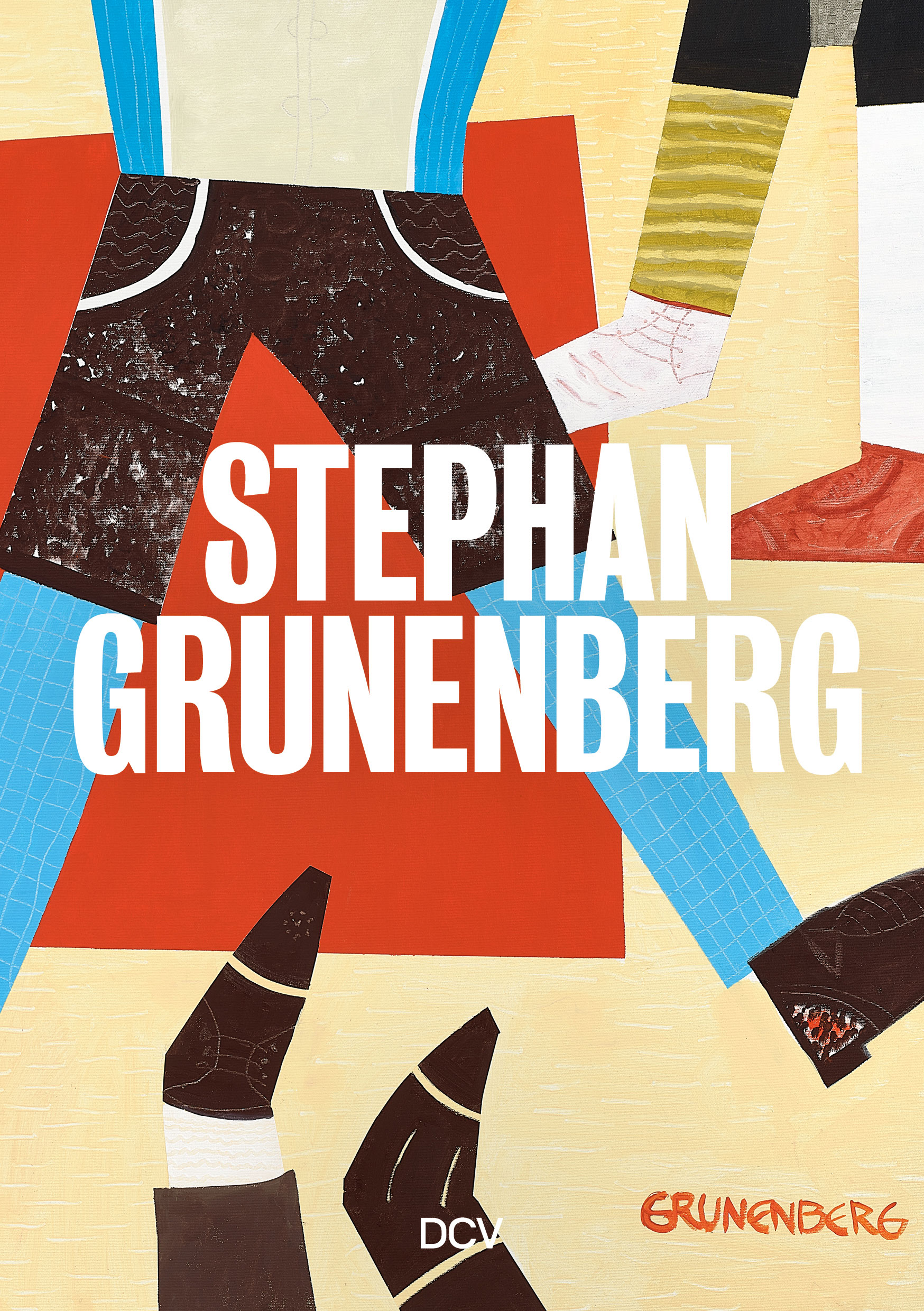
Stephan Grunenberg
10€ Add to cartStephan Grunenberg (b. 1954) paints peculiar portraits: not heads or sitting and reclining figures but seemingly independent feet, legs, trousers, socks or soles of shoes. These and other under-appreciated motives are playfully arranged in captivating compositions which take issue with our hierarchical habits while looking at art. “Leaving out the ‘civilized’, educated head and centering on neglected parts such as the legs, including the lower abdomen—which is either eroticized or made taboo—is the artist’s point”, writes Oliver Koerner von Gustorf in an essay that accompanies the images inside this small and attractive new book. The paintings reproduced in this volume were all exhibited in Grunenberg’s latest exhibition in 2024, which was titled tongue-in-cheek „Representatives Regional To Earth.”
-

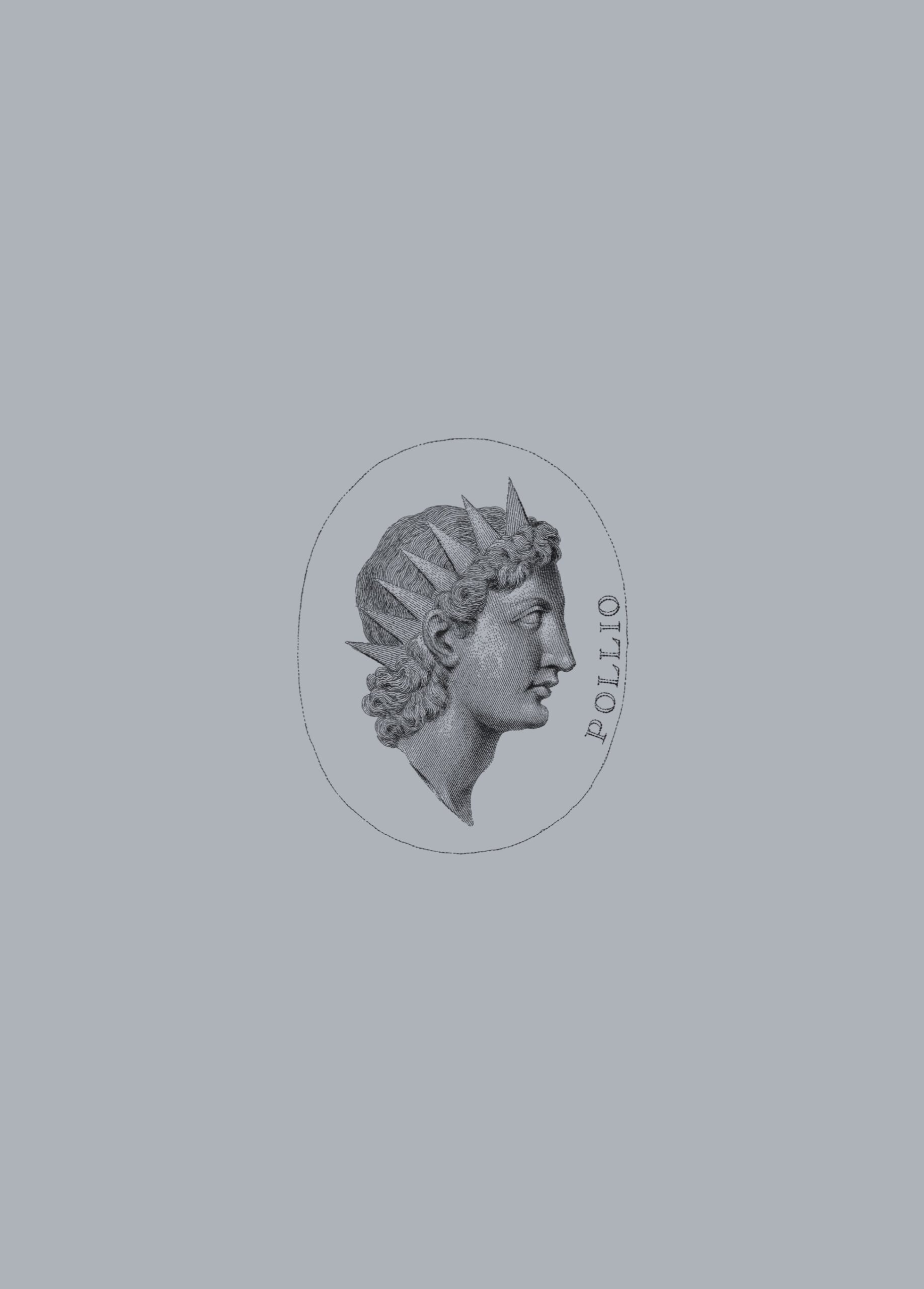
Călin Dan
POLLIO34€ Add to cartThe oeuvre of the Romanian artist Călin Dan (b. Arad, Romania, 1955; lives and works in Bucharest) shows the influences of conceptual and minimal art. His book Pollio surveys his creative practice of the past decade, which straddles the media of installation and performance art, film, photography, and sculpture and is enriched by his work as an art historian, writer, and curator. In addition to the titular body of work, which wrestles with the Roman historian Gaius Asinius Pollio, the volume also documents the exhibition Alzheimer (2017). Călin Dan is a founding member of the artists’ group subREAL. His work was showcased at the Istanbul (1993), Venice (1993, 1999, 2001), São Paulo (1994), and Sydney Biennales (2006). He has been director of the National Museum of Contemporary Art (MNAC) in Bucharest since 2014.
-

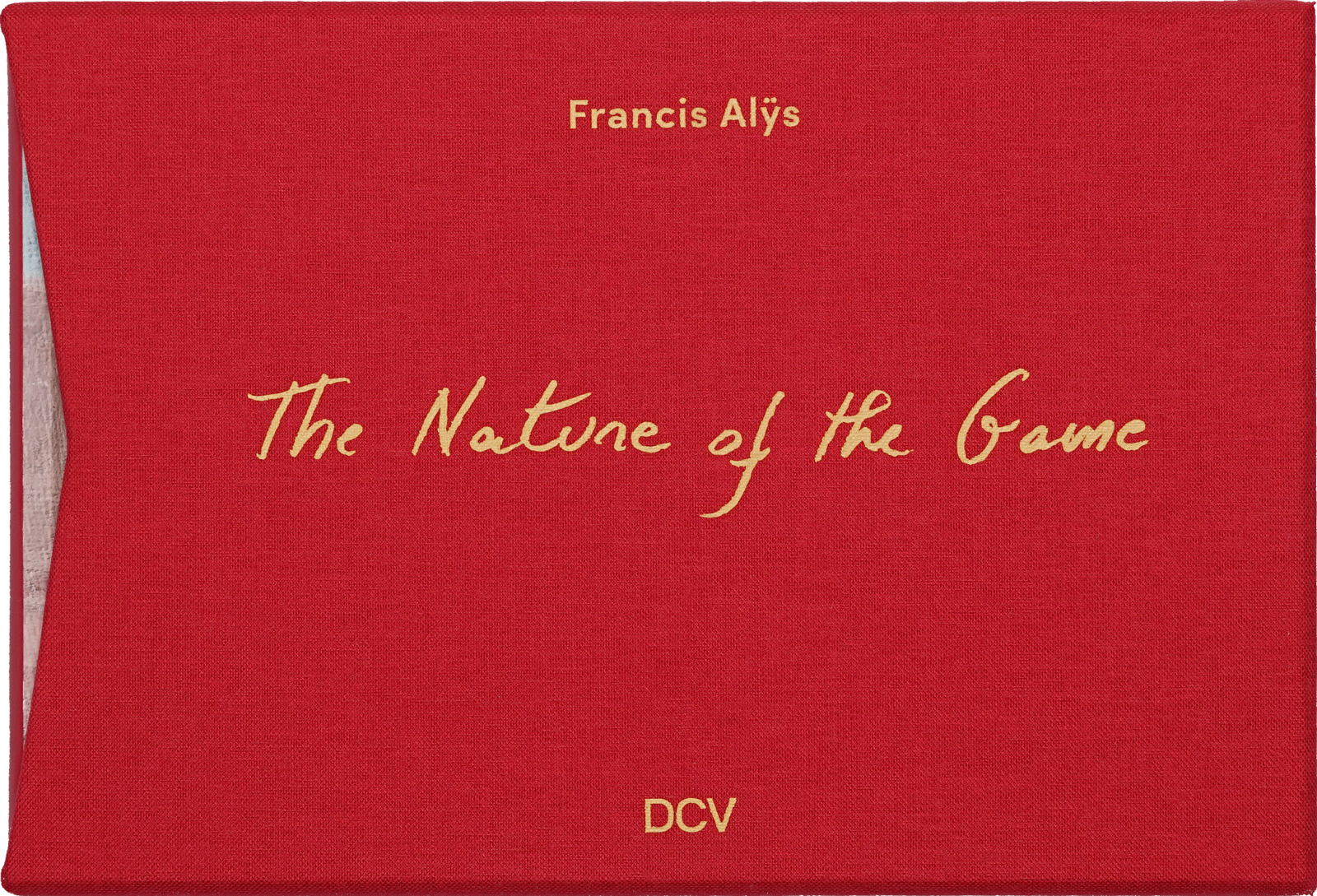
Francis Alÿs
The Nature of the Game
Special Edition60€ Add to cartSPECIAL EDITION in clothbound slipcase
The Belgian artist Francis Alÿs (b. Antwerp, 1959) makes work that is as multifaceted as it is poetically subversive. Straddling the line between performative conceptual art and community intervention, his films and drawings chart the political and social realities of urban spaces. One of his most imposing long-term projects is Children’s Games, for which he documents children playing all over the world, from Paris and Mexico City to the Yezidi refugee camp Sharya in Iraq. The richly illustrated book contains ideas and sketches he compiled in preparation for this series. It lets us glimpse into the engine room of his artistic practice, revealing key elements of his filmic poetics. An essay by the ethnographer and filmmaker David MacDougall embeds Alÿs’s observations of children’s play in the contexts of childhood studies as well as the history of ethnographic documentary film.
Francis Alÿs (b. Antwerp, 1959) is widely regarded as one of the foremost artists working today. His oeuvre, which has garnered numerous prizes and been featured in solo exhibitions around the world, encompasses films, photographs, performances, drawings, and paintings, many of them explorations of the social and political realities of urban spaces. Since 1986, Alÿs, who trained as an architect, has lived in Mexico City, where he moved after the major earthquake of 1985 to help in the rebuilding effort.
Francis Alÿs – The Nature of the Game is the official publication of the Belgian pavilion at the 59th Biennale di Venezia, curated by Hilde Teerlinck.
-

Anders Goldfarb
Passed Remains35€ Add to cartAbandoned Gas Stations and Burned-Out Buildings
In 1986 when Anders Goldfarb (b. 1954 in Brooklyn, lived and worked in Brooklyn, NY) moved to Greenpoint, he was a young photographer with a master of fine arts degree from State University of New York at New Paltz. In moving to Williamsburg, he joined a growing number of young artists seeking the low rents of what was then a declining neighborhood of light industrial buildings and working-class residences. Working with black and white film, and a medium format Rolleiflex camera, Goldfarb began photographing in 1987 in Williamsburg and Greenpoint, riding his bike around the area and looking for the peculiar beauty of sidings, peeling paint and razor wire. Goldfarb’s photographs provide a valuable historical record of these neighborhoods prior to their demolition and gentrification. His subjects are metaphors for loss and vulnerability and distill moments in time that are destined for demise.
-

MK Kaehne
Π = 3,1415935€ Add to cartThe biography of conceptual artist MK Kaehne (b. Vilnius, 1963; lives and works in Berlin) oscillates between Vilnius, Moscow and Berlin. Influenced by Russian Constructivism, he draws and builds suitcase sculptures with a department store aesthetic, a reversal of the readymade principle. His focus gradually shifted from the formal to the psychological, towards life-size figures such as It’s me (2023): a hyper-realistic replica of himself, lying upside down in the mud, with a garden gnome next to him. Kaehne’s work is strictly analytical, but the results are full of tragedy and irony. Unintentional drawings, in which biographical, Dadaist and political elements merge, accompany his oeuvre. A total work of art that traces personal and social development.
- Out of stock

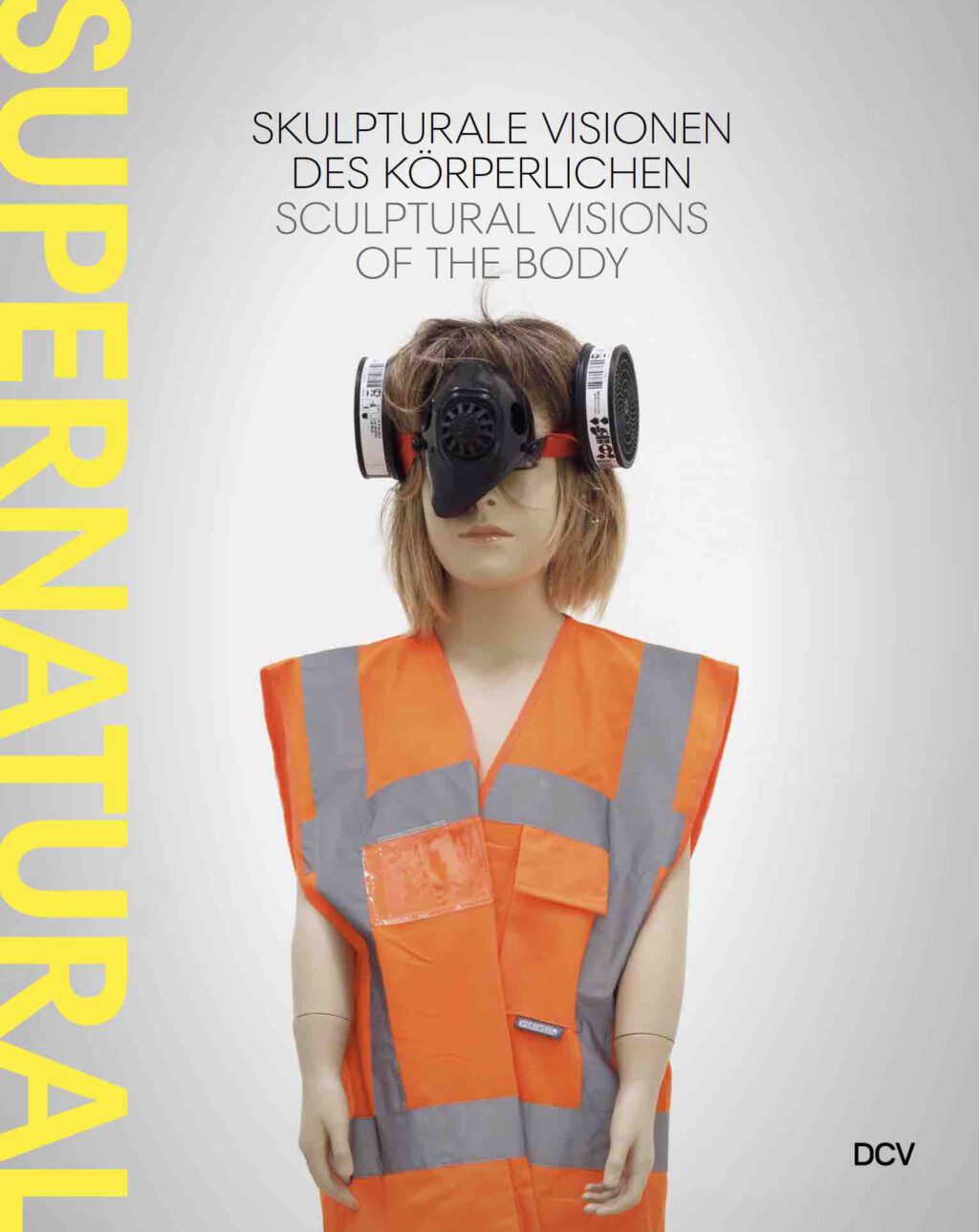
Supernatural
Sculptural Visions of the BodyRead moreThe future of human corporeality in the Anthropocene era
Given the technological development in biogenetics, humans will be able to make existential modifications to all living things, Nature, the animal world and human likenesses in future. What will bodies of the future look like? Who or what will we be? Supernatural offers us some answers in its hyperrealistic and realistic sculptures. These visionary works not only exemplify the impact of the digital revolution and genetic engineering on “posthumans” and the environment, but also illustrate, including in their own hybrid creations, how increasingly blurred the line between nature and culture is now becoming. Technological innovations are also having more and more effects on trends in the latest hyperrealistic sculptures. In using 3D printing to perfect their creation processes and pushing sculptural boundaries to encompass robotics and synthetic biology, artists are opening the door to new design possibilities in artefact, biology and technology for themselves as well.
The book presents works by Anne Carnein, Isa Genzken, Glaser/Kunz, Thomas Grünfeld, Sam Jinks, Josh Kline, Krištof Kintera, Reiner Maria Matysik, Alex May and Anna Dumitriu, Fabien Mérelle, Patricia Piccinini amongst others.
-

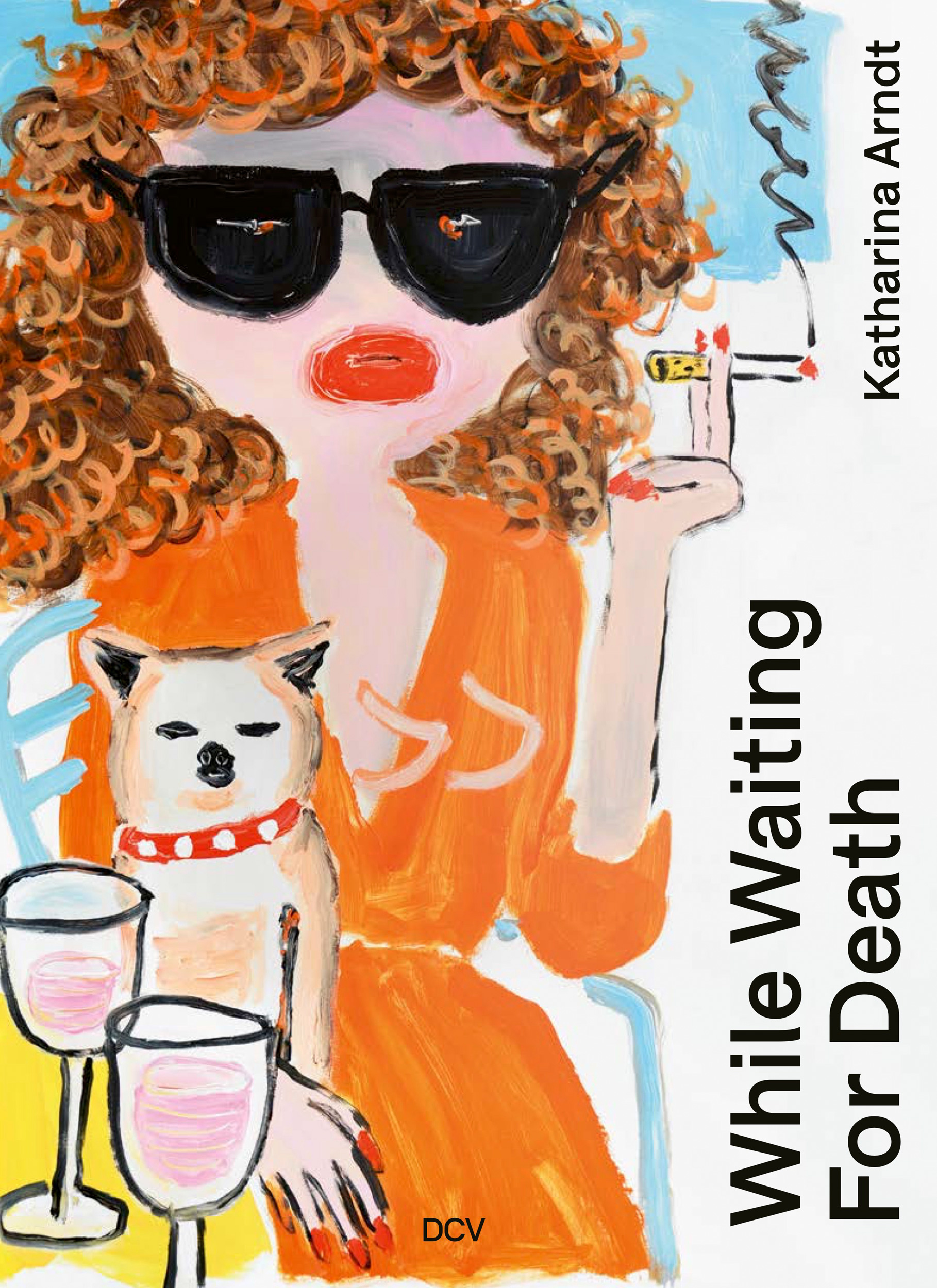
Katharina Arndt
While waiting for Death38€ Add to cartLife for the most part consists of banalities. What to make of it? Katharina Arndt has decided to dip thick brushes into luminous bold acrylic paints, which she applies expansively without regard for the ostensible gray areas of life. Every stroke is valid, there’s no remorse or trepidation, everything is foreground, all elements of a picture are equipollent. The people in Arndt’s paintings from 2022–23 gathered in this catalog are simply there, for the moment, gaping into their cell phones, stuffing themselves with burgers. Nothing more. That makes her works distorted depictions of our hedonistic society with its craving for sensuality, even as we always have one eye riveted on the virtual. The harder, then, to face up to physical reality; with all photo filters off, its imperfections are unmistakable. And so, although we clearly delight in these gaudy colors, the pictures contain intimations of melancholy and death, too. Knowing that the hour of farewell is near, Arndt’s figures stimulate their senses. They kill time down to the very end with jarring trivia, agitated Sisyphuses wallowing in their glittering inadequacy.
-

Kai Schiemenz
Priel38€ Add to cartTidal creeks are watercourses that crisscross coastal mudflats. Running between sandbars, they flush deposits out into the sea with the falling tide, and when the tide rises, the water flows back in. In other works, tidal creeks are effectively rivers in the sea. Delving into the implications of this idea, the book presents Kai Schiemenz’s (b. Erfurt, 1966; lives and works in Berlin) major works and projects of the past four years. The publication offers insight into the provenance of selected bodies of work and their genesis. Kai Schiemenz’s art examines the city, spaces, and architecture. His small-format sculptures are self-contained creations that combine digital technologies with natural materials like wood or paper. At the same time, they function as models for expansive installations and outdoor and indoor architectures in which Schiemenz orchestrates sight lines to construct spaces whose permeability makes the audience an integral aspect of the work. If his sculptures are architecture, his exhibitions are landscapes in which the visitors encounter one another as they would in a park. Their central question, time and again, concerns the impact of the built environment and urban landscapes on their inhabitants.
-

Margret Eicher
Lob der Malkunst38€ Add to cartContemporary Visual Communication in a Historic Weaving Technique
Margret Eicher’s (b. Viersen, Germany, 1955; lives and works in Berlin) large-format tapestries combine the baroque form of the woven picture with familiar motifs excerpted from contemporary media images. She digitizes her sources and then assembles them in painstaking editing work on the computer. The resulting ‘media tapestries’ occupy the interface between the traditional work of art as a physical object and the electronic noise of the digital realm: two worlds that at first glance would seem to be incompatible yet find themselves in harmonious union in Eicher’s art. In Göttliche Liebe (Divine Love), for example, Caravaggio’s Crowning with Thorns meets a kissing gay couple from a pro-tolerance campaign in Berlin, while Botticelli’s Birth of Venus is sampled together with a subway station in Frankfurt. In conceptual art production, the creative idea is central and its realization becomes secondary; in a final twist, Lob der Malkunst (Praise of Painting) elects this practice as its artistic lodestar. Eicher installs the painter Martin Kippenberger in the interior of Berlin’s Paris Bar, where he poses as a dandy and presides over a clash between the different tendencies in the art of the twentieth and twenty-first centuries.
-

Fabian Treiber
For a While Longer34€ Add to cartUnstable Prototypes of a Reality We Know
Fabian Treiber’s (b. Ludwigsburg, 1986; lives and works in Stuttgart) paintings show what appear to be interiors while interrogating subjective projections and our perceptions of reality. The artificial spaces bear witness to human existence even though there are no people to be seen. In his still lifes, Treiber negotiates classical questions of painting: form and structure, color and composition, representation of space and organization of the surface. His paintings primarily implement formal rather than narrative decisions. This lets the artist provoke a deliberate breach in which the ostensibly fallacious emerges as the essential quality of painting—the effect is that of works that seem somehow off but are actually just right.
Fabian Treiber studied painting and intermedia design at the Stuttgart State Academy of Art and Design (ABK Stuttgart). His works have won him a Karl Schmidt Rottluff Fellowship; he was also a finalist for the 2021 Hans Purrmann Grand Prize. He has had numerous solo shows, including at Kunsthalle Nürnberg, Nuremberg; Kunstverein Ludwigsburg; and Galerie Ruttkowski;68, Cologne; and contributed to group exhibitions at Kunsthalle Düsseldorf; Villa Merkel—Galerien der Stadt Esslingen a.N.; and Staatliche Kunsthalle Baden-Baden. For a while longer is published on occasion of his first solo exhibition at Haverkampf Galerie.
-

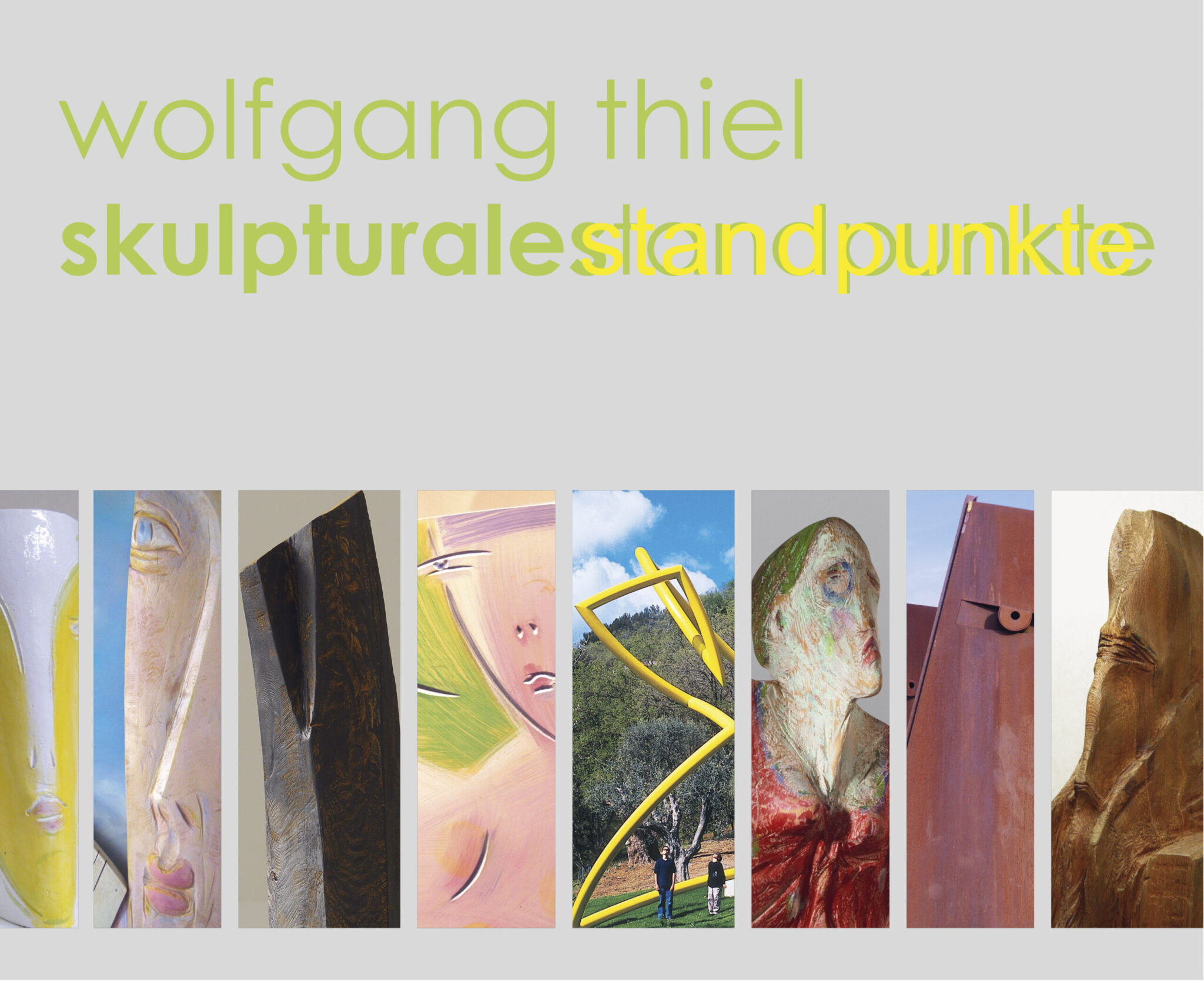
wolfgang thiel
skulpturale standpunkte38€ Add to cartWolfgang Thiel (b. Zweibrücken, 1952; lives and works in Plochingen) is a sculptor who makes figurative work. He is especially interested in the southern German tradition of colorfully painted sculpture, which he seeks to bring into the twenty-first century. His experimental handling of various genres and materials suggests a researcher’s mind. Switching between different materials is key to Thiel’s approach because their particular characteristics demand his constant attention. Å playful aspect is essential to all his works, which include large-format sculptures in public settings (more than thirty have been installed in Germany) as well as sculptural garden landscapes, stage designs, and costumes.
The opulent wide-format book containing almost three hundred illustrations offers a representative overview of Wolfgang Thiel’s oeuvre and includes the first complete chronological catalogue raisonné of his works in wood.
Wolfgang Thiel studied at the Stuttgart State Academy of Art and Design from 1970 until 1976 and later taught at his alma mater from 1987 until 1991. From 2008 until 2018, he held a teaching position at the Hochschule für Technik Stuttgart. In 1990, he won the Art Award of the City of Stuttgart. Since 1977, Thiel’s work has been showcased in numerous solo exhibitions in Switzerland, France, and Germany.
-

Roland Schappert
Liebe +–24€ Add to cartRoland Schappert’s Liebe+– is a poetic voyage into the mysterious and paradoxical landscapes of love. Combining an unrelenting eye with lyrical precision, Schappert captures the fragile equilibrium between intimacy and distance, between the longing for union and the need for detachment. The +– in the title is a symbolic shorthand for the ambivalence of love: attraction and repulsion, delight and pain, their constant interplay defining the dynamic of love.
The terse and sometimes aphoristic writings enter into a dialogue with the author’s artful and enigmatic pictures and sculptures—text images sewn out of strings of beads or painted in Champagne chalk that subtly mirror and refract the emotional tension of the poems. Nimbly balancing on the fine line between devotion and disaffection, Schappert’s verses are interspersed with ironic allusions to our digital and urban contemporary world.
By forging a symbiosis of poetry and image, this artist’s book charts a world unto itself in which the boundaries between I and you blur and subject and object are fused in a collective we. It invites us to contemplate love with a fresh eye—as tender touch and fractious idea, as a play of expectation and disappointment that we begin anew every day.
‘Love in the age of social media and dating apps, but not from a Gen Z perspective – but from someone who has known this feeling for much longer. And who brings his experiences – which are certainly representative of many – in ever new combinations of text and images into a form that makes reading and viewing a memorable experience.’ – Wolfgang Ullrich
-

Bilder des Wohnens
18€ Add to cartThe Cognitive Registers of Photography
All over the world, housing shortages and living conditions are urgent concerns of political and academic debates. Scholars at the FH Bielefeld conducted a three-year research project on Bilder des Wohnens. Architekturen im Bild, focusing on questions of the representation of space and hybrid forms of visualization between documentation and staging as well as photography as an archive of architectural knowledge and tool in the planning process. The book draws on studies of twentieth-century social utopias such as Tashkent, Uzbekistan, an embodiment of the urban-planning ideal of Soviet modernism, and explorations of social and cultural spaces along the coasts of northern Morocco and southern Spain, as well as a photographic typology of urban fabrics in Germany and other sociocultural studies that grapple with the significance of living spaces today.
-

Laura Schawelka
Double Issues24€ Add to cartSales Spaces without Merchandise
In her installations, Laura Schawelka (b. 1988, Munich; lives and works in Berlin) makes use of photography, video, and sculpture in a multilayered dialogue. In her latest works, the artist focuses on the role of photography in the development of modern consumer society. What does it mean if goods are only communicated through other goods, such as computers, cell phones, tablets? If this withholding of the genuine object is precisely what prompts the desire for it? The artist creates sales spaces without merchandise, in which images, photographs, and videos have replaced consumer goods of any kind.
Laura Schawelka studied at the Städelschule in Frankfurt am Main as a student of Tobias Rehberger master-class. In 2015, she was awarded the Master of Fine Arts at the California Institute of the Arts in Los Angeles, and in 2017 she moved to Paris as the recipient of a studio bursary of Hessische Kulturstiftung.
- Release February 2026

Roman Ondak
The Day After Yesterday48€ Add to cartThe internationally acclaimed Slovakian conceptual artist Roman Ondak (b. 1966) responds to the historical specificities of Central Europe while also reflecting on the functioning of society in today’s global world in works that highlight the cyclical nature of processes and the reciprocal mirroring of the past and the present. His distinctive creative traits include the use of ordinary objects and materials as well as everyday situations, which he transfers into the exhibition space. This richly illustrated catalogue with essays by Barbora Ropková and Dieter Roelstraete accompanies the exhibition The Day After Yesterday at Kunsthalle Praha and explores Ondak’s artistic universe, in which existential and societal themes naturally intertwine with a biography of his own family.
THE DAY AFTER YESTERDAY
KUNSTHALLE PRAHA, PRAGUE, CZECH REPUBLIC
NOVEMBER 13, 2025 UNTIL MARCH 9, 2026
more info here