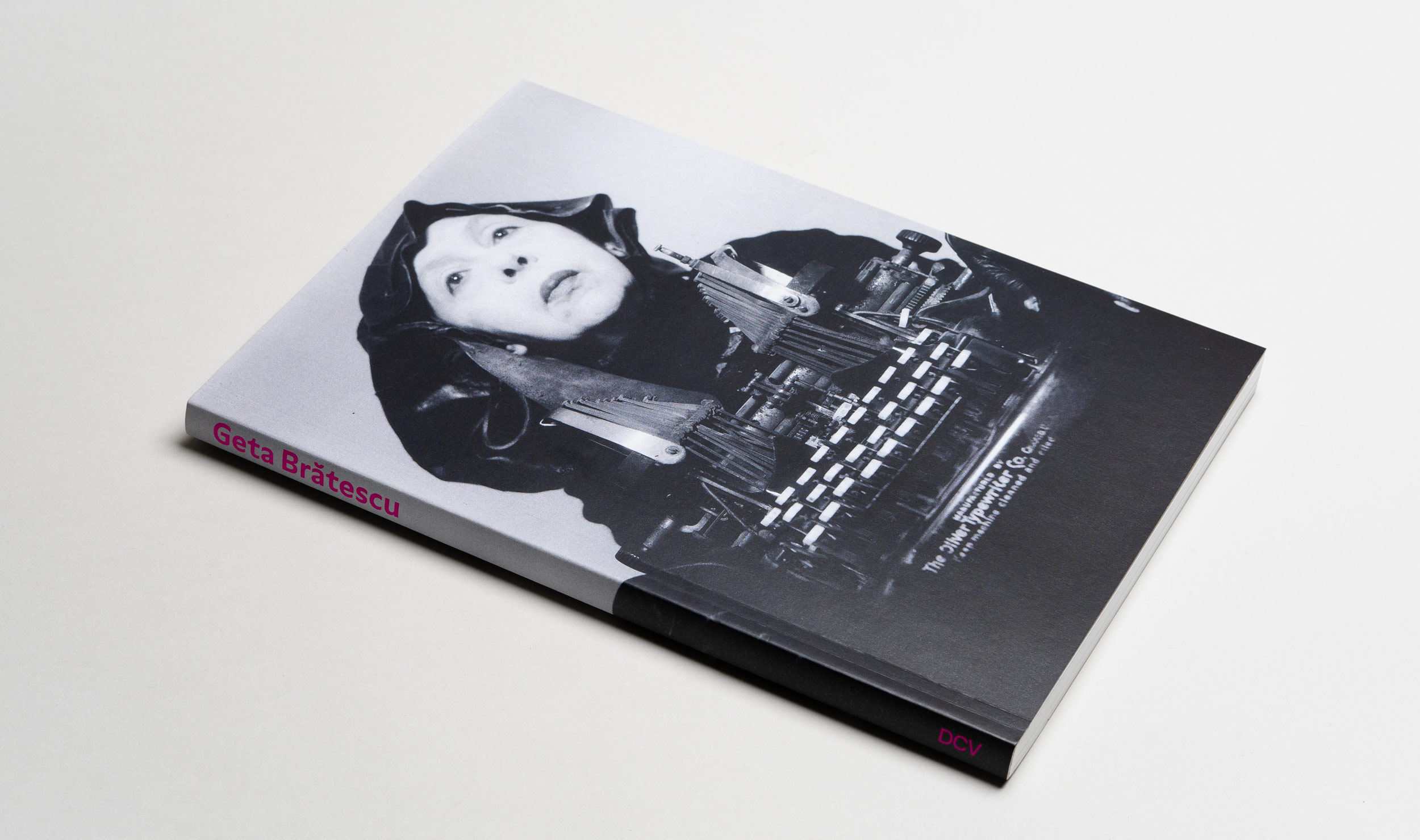
GETA BRĂTESCU
Film and Video 1977–2018
 | |
|---|---|
| Editor(s) | Roland Wäspe, Lorenz Wiederkehr / Kunstmuseum St.Gallen |
| Author(s) | Geta Brătescu, Pernille Fonnesbech, Ion Grigorescu, Marian Ivan, Albert Kriemler, Ștefan Sava, Roland Wäspe, Lorenz Wiederkehr |
| Design | Matthias Christ, Christian Davatz, Bernhard Senn / TGG Hafen Senn Stieger |
| Cover | Softcover with flaps and open spine |
| Size | 21 x 29 cm |
| Pages | 244 |
| Illustrations | 1500 |
| Language(s) | German, English |
| ISBN | 978-3-96912-064-4 |
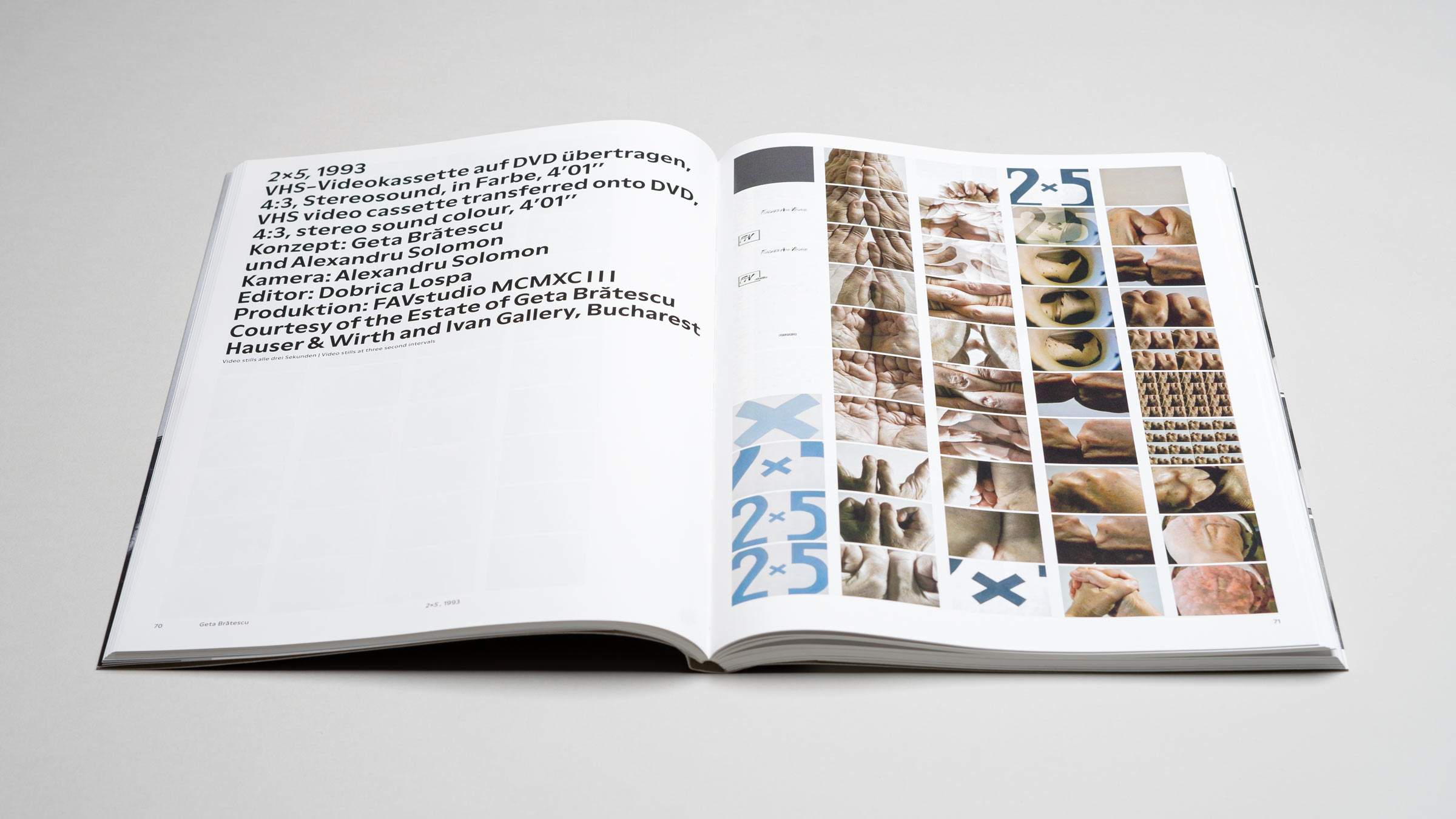
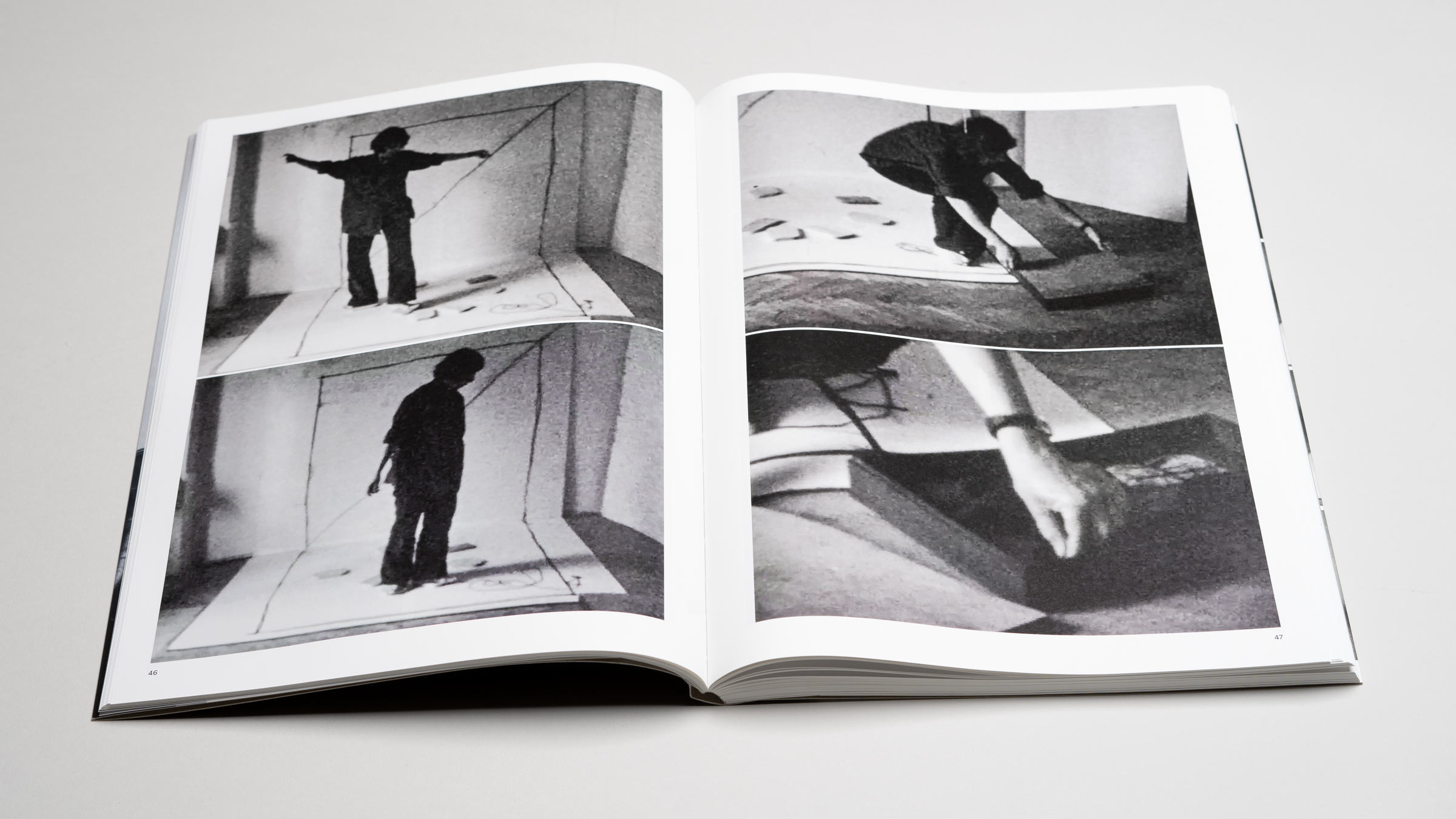
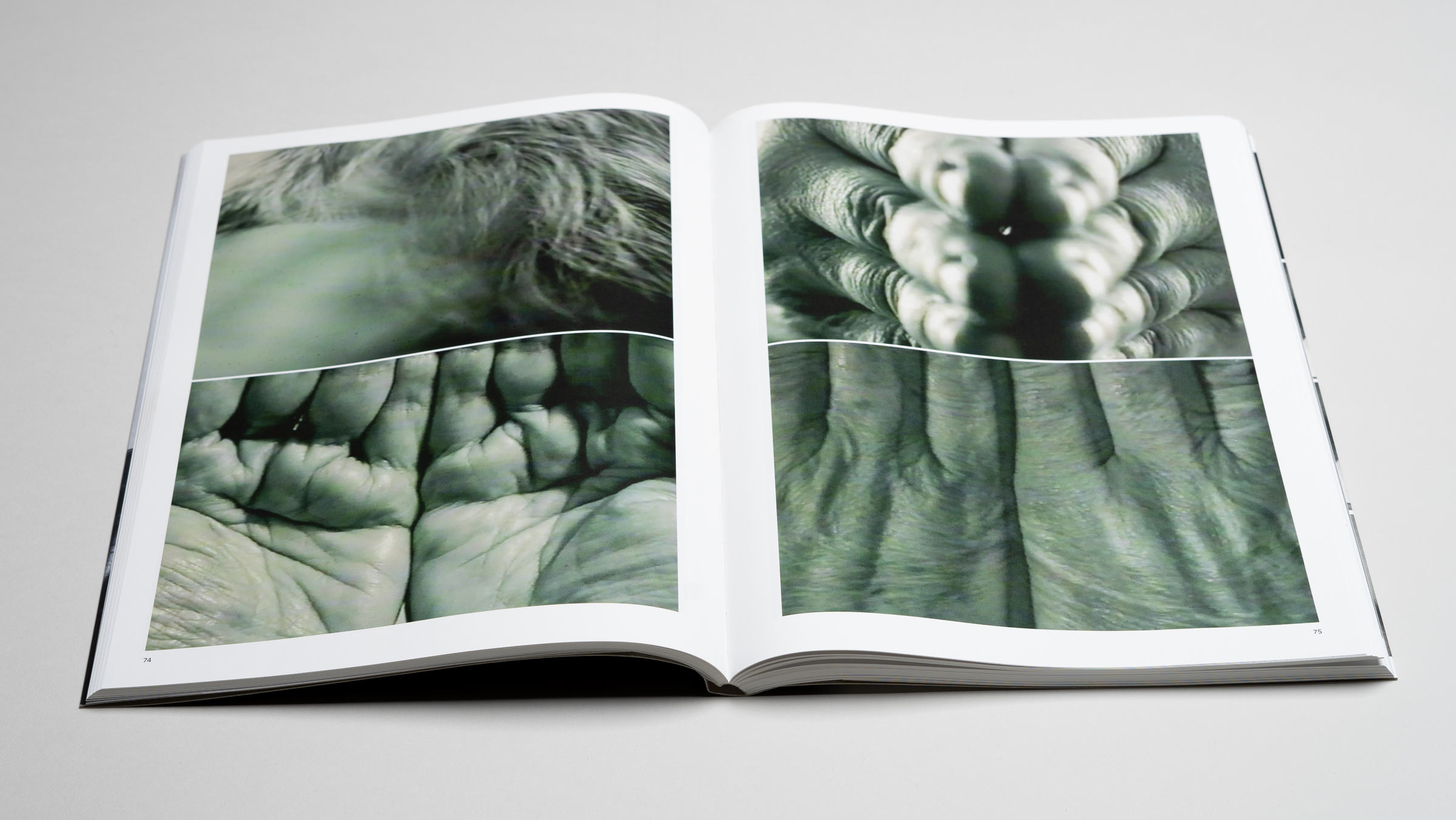
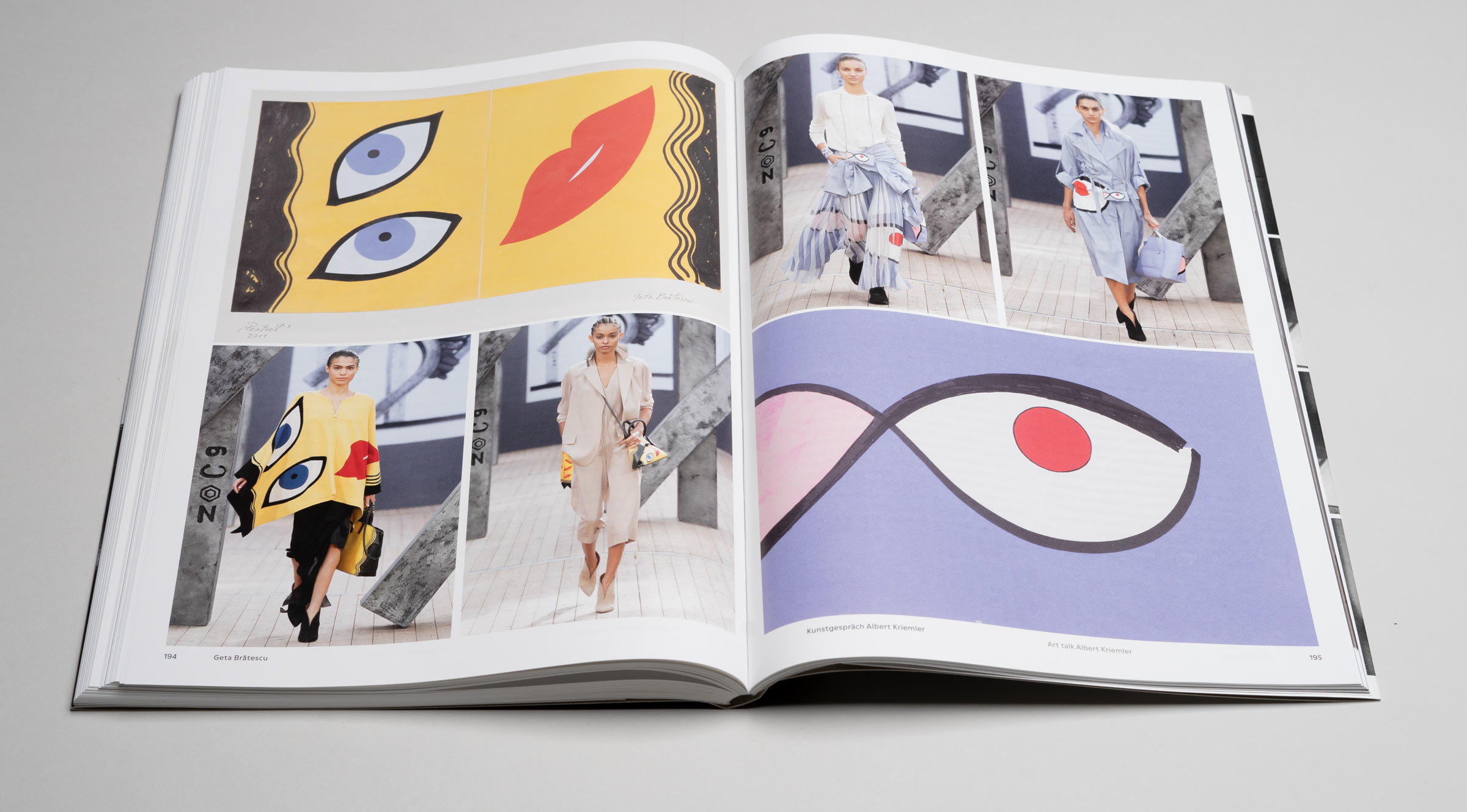
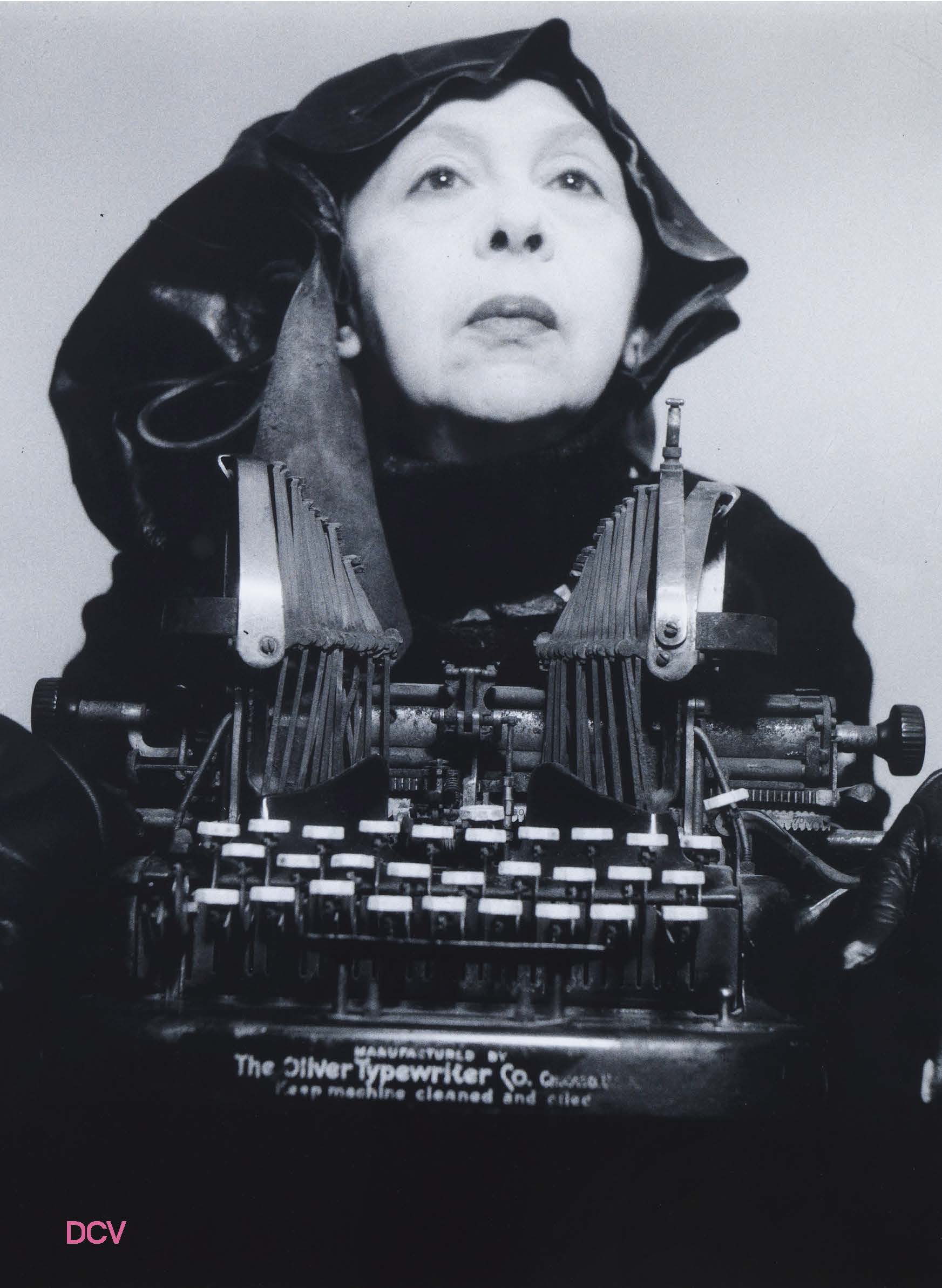
Geta Brătescu (b. Ploiești, 1926; d. Bucharest, 2018) is now widely regarded as one of Eastern Europe’s most important avant-gardists. In the Western art world, however, she was largely obscure until her participation in documenta 14 in 2017 and the Venice Biennale of the same year. Questions of abstraction, the political potential of the image, and the subjective experience of self, memory, and history inform her stylistically diverse oeuvre in a wide range of media, which evolved under the repressive conditions of the Ceaușescu regime yet kept pace with the discourses of the Western avant-gardes. This richly illustrated volume focuses on her collages and drawings as well as her works on film and video from the late 1970s until her death.
Description
Geta Brătescu (b. Ploiești, 1926; d. Bucharest, 2018) is now widely regarded as one of Eastern Europe’s most important avant-gardists. In the Western art world, however, she was largely obscure until her participation in documenta 14 in 2017 and the Venice Biennale of the same year. Questions of abstraction, the political potential of the image, and the subjective experience of self, memory, and history inform her stylistically diverse oeuvre in a wide range of media, which evolved under the repressive conditions of the Ceaușescu regime yet kept pace with the discourses of the Western avant-gardes. This richly illustrated volume focuses on her collages and drawings as well as her works on film and video from the late 1970s until her death.
Additional information
| | |
|---|---|
| Editor(s) | Roland Wäspe, Lorenz Wiederkehr / Kunstmuseum St.Gallen |
| Author(s) | Geta Brătescu, Pernille Fonnesbech, Ion Grigorescu, Marian Ivan, Albert Kriemler, Ștefan Sava, Roland Wäspe, Lorenz Wiederkehr |
| Design | Matthias Christ, Christian Davatz, Bernhard Senn / TGG Hafen Senn Stieger |
| Cover | Softcover with flaps and open spine |
| Size | 21 x 29 cm |
| Pages | 244 |
| Illustrations | 1500 |
| Language(s) | German, English |
| ISBN | 978-3-96912-064-4 |
More books
-

Pieter Slagboom
Scent of Hypnosis42€ Add to cartPieter Slagboom’s drawings are about life and death. About how these ostensible antagonists are inseparable; how, in his imagination, they are even fused. In his enormous canvases, we are held by the essence of our existence as though by a steel vise: we come from the void and in the end shall return to it. Thousands upon thousands of sweeping lines, twisting like Moebius strips, make for an almost physical experience of this truth. The dead and the newborn emerge from the primeval soup of Slagboom’s lines, as do genitals; we spot larger-than-life fantasies of disturbing sexual acts. The circle of life as a short circuit. The energy of some of the pictures in Slagboom’s oeuvre is almost too much to bear—we shudder before the pigments materializing our latent knowledge: that death is suspended in life.
-

Margret Eicher
Lob der Malkunst38€ Add to cartContemporary Visual Communication in a Historic Weaving Technique
Margret Eicher’s (b. Viersen, Germany, 1955; lives and works in Berlin) large-format tapestries combine the baroque form of the woven picture with familiar motifs excerpted from contemporary media images. She digitizes her sources and then assembles them in painstaking editing work on the computer. The resulting ‘media tapestries’ occupy the interface between the traditional work of art as a physical object and the electronic noise of the digital realm: two worlds that at first glance would seem to be incompatible yet find themselves in harmonious union in Eicher’s art. In Göttliche Liebe (Divine Love), for example, Caravaggio’s Crowning with Thorns meets a kissing gay couple from a pro-tolerance campaign in Berlin, while Botticelli’s Birth of Venus is sampled together with a subway station in Frankfurt. In conceptual art production, the creative idea is central and its realization becomes secondary; in a final twist, Lob der Malkunst (Praise of Painting) elects this practice as its artistic lodestar. Eicher installs the painter Martin Kippenberger in the interior of Berlin’s Paris Bar, where he poses as a dandy and presides over a clash between the different tendencies in the art of the twentieth and twenty-first centuries.
-

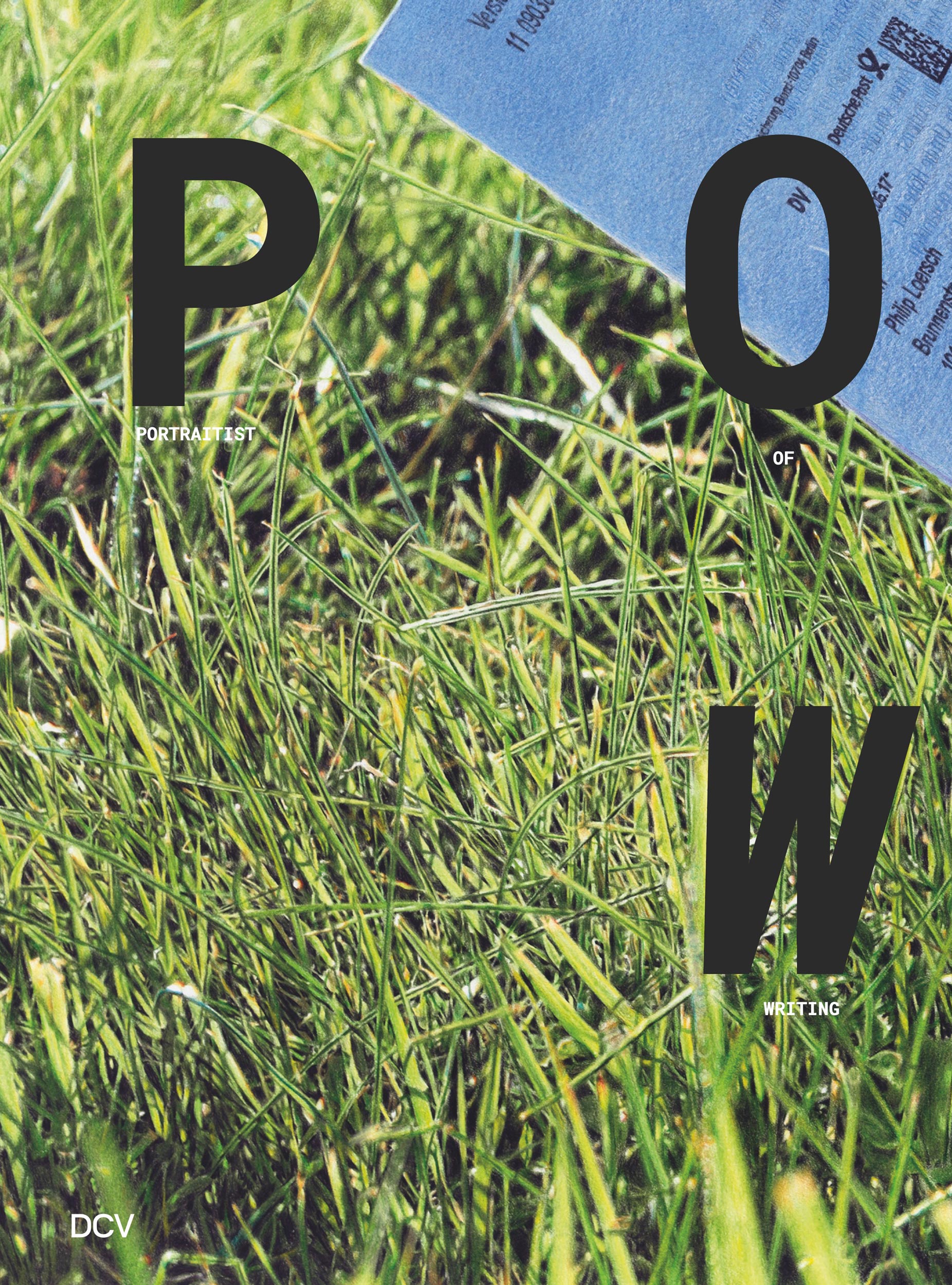
Philip Loersch
POW – PORTRAITIST OF WRITING34€ Add to cartPhilip Loersch (b. Aachen, 1980; lives and works near Munich) combines painstaking imitations of printed writing with hyperrealist colored-pencil drawings; for instance, he transfers pages from encyclopedias not only onto paper, but also onto three-dimensional objects such as soapstone. His works reveal the fragility of truth and authenticity while commenting with subversive irony on the postmodern disintegration of the idea of originality. His art has been exhibited at renowned institutions like Kunsthaus Zürich, Museum Kunstpalast Düsseldorf, and Hamburger Kunsthalle. He has won numerous fellowships and awards, including the Kunstpreis Berlin für Bildende Kunst. This monograph gathers his works created between 2016 and today.
-

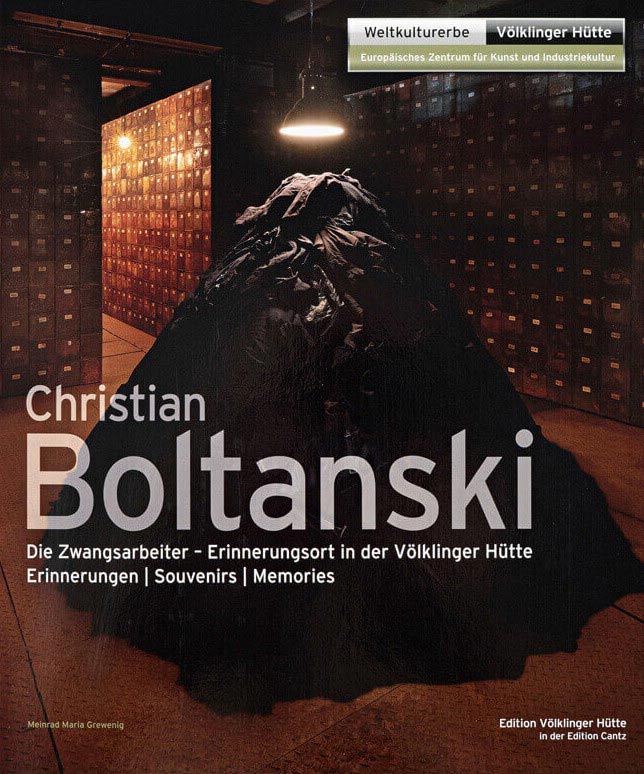
Christian Boltanski
Die Zwangsarbeiter – Erinnerung in der Völklinger Hütte27,50€ Add to cartErinnerungen | Souvenirs | Memoirs
Christian Boltanski (b. 1944, Paris; lives and works in Paris) combines industrial architecture with relics of the working culture in his impressive installation for the Völklingen ironworks – a highly emotional approach to the subject of forced labor.
-

Stephan Kaluza
Fragmente eines Ängstlichen28€ Add to cartA Novel on Coping with Guilt or the Feeling of Having Violated Life
The filmmaker Castner and the anthropologist Pollock not only share the similarity of their names with those of Castor and Pollux, the fabled twins of Greek myth, but also a hard fate: an irreparable guilt whose motifs run through the entire novel. Pollock is forced to admit to himself that, in his role as a scientist, he was involved in a genocide against indigenous people in Panama; Castner, meanwhile, tries to get a handle on his bouts of excessive hypochondria. In episodic flashbacks and an interview that gradually turns into an emotional dispute between them, the two characters analyze the minutiae of their life stories and arrive at a surreal insight.
Castor and Pollux were known in antiquity as the patrons of sailors, who took their bearings from the twins’ constellation. That is why water figures in this novel as the element that unites all narrative planes. Water—like life—will fill any vacant space regardless of shape and adapt to all circumstances.
Stephan Kaluza (b. Bad Iburg, 1964; lives and works in Düsseldorf) is a visual artist, working in the media of photography and painting, and a writer whose output includes plays, novels, and nonfiction books. The philosophy of nature is a central theme in both Kaluza’s art and his fiction.
-

Simone Demandt
Movers / Beweger38€ Add to cartMotorways are Europe’s lifelines. The products we buy every day arrive on supermarket shelves after traveling along these arteries on the backs of thousands of trucks steered by hard-working drivers. Glancing up into the cabs of their hulking vehicles, we can just barely make out their heads sticking up above the steering wheels. In this overdue volume, Simone Demandt lets us see more of the heroes of the road who confidently posed for her camera. The pictures demonstrate Demandt’s knack for discovering “the intimate in the anonymous and the narrative element in the matter-of-factly” (Matthias Winzen). She has condensed the truckdrivers’ lifeworld into documentary black-and-white shots in which she shows these people as whole persons and individuals—very different from how we perceive them when they’re in the next lane. Movers lets us peek into the cabs through Demandt’s nonjudgmental lens, broadening our horizons hardly less than travelling would and helping us overcome our prejudices about teamsters. If you’ve always wanted to know whom we really have to thank for those never-empty supermarket shelves, you should not miss out on this book.
-

Barthélémy Toguo
10€ Add to cartBarthélémy Toguo’s art is a call for community and love, but there is nothing naïve about it. His paintings, graphic art, sculptures, performances, and installations explicitly grapple with colonialism, migration, and inequality; he directs our attention to the devastations wrought by humans, to the slow deaths of nature and cultures. But he does not dwell in this abyss. He aspires to something greater: to create work that establishes non-hierarchical connections; to build, as he puts it, a “world of solidarity and generosity” that knows neither ego nor identity, a community of all forms of life that flourish and pass away so that new living beings can sprout from their remains—Endless Blossoms. His choice of words and the aesthetic of the works gathered in this catalogue suggest that he is not alone in this undertaking. He stands with Ellen Gallagher, Wangechi Mutu, Louise Bourgeois, Marlene Dumas, and Kiki Smith. With them and with all of us, Toguo envisions a colorful future, a universe of exuberant energy and joie de vivre.
-

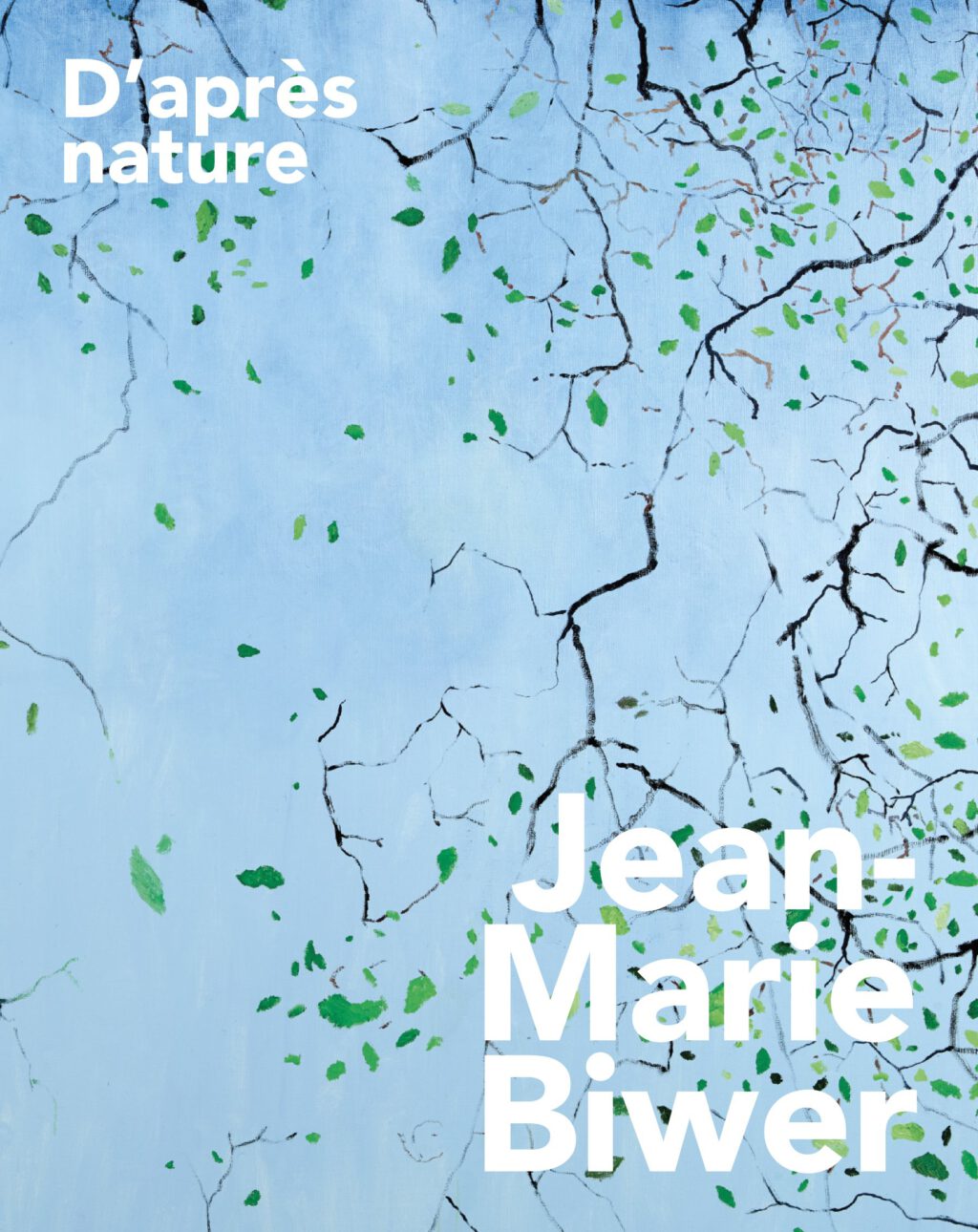
Jean-Marie Biwer
D’après nature42€ Add to cartPainterly Investigations of the Present
For over four decades, Jean-Marie Biwer (b. 1957, Dudelange, Luxembourg; lives and works in Basbellain, Luxembourg) has made art that records his fine-grained observations. Grappling with the grand themes of art history – the landscape, the human figure, the still life – Biwer consistently questions the role painting can play in a world shaped by a deluge of images and information. Responding to the omnipresence of the latter and reacting to the increasingly frantic pace of our lives, he creates paintings that allow the intensity of the present moment to unfold. The richly illustrated book gathers his most important works since 2005.
“These things are there, we just need to look at them. They are simple, but today they have the power to bring so much to people.”—Jean-Marie Biwer
Jean-Marie Biwer’s work has been shown throughout Europe and in 1993 he represented Luxembourg at the 45th Biennale di Venezia. His works can be found in the Musée National d’Histoire et d’Art Luxembourg, IKOB, Museum of Contemporary Art, Eupen, and Mudam Luxembourg – Musée d’Art Moderne Grand-Duc-Jean amongst others.
-

Thomas Lehnerer
Freies Spiel44€ Add to cartThe function of art in human existence
Throughout his short life, the Munich-based theologian and artist Thomas Lehnerer (1955–1995) did not take the existence of art for granted. In his writings, above all in Methode der Kunst (Methods of Art), he developed a concept of art in the continuation of key texts from the fields of aesthetics, cultural theory, and art history, which can also be found in his own artistic work. The small-format figurative sculptures by Lehnerer, as well as his drawings, watercolors, and early installations, follow theoretical premises and address comprehensive themes of human existence. The present volume documents his examination of human existence, which is deepened by the inclusion of cultural historical figures and idols.
-

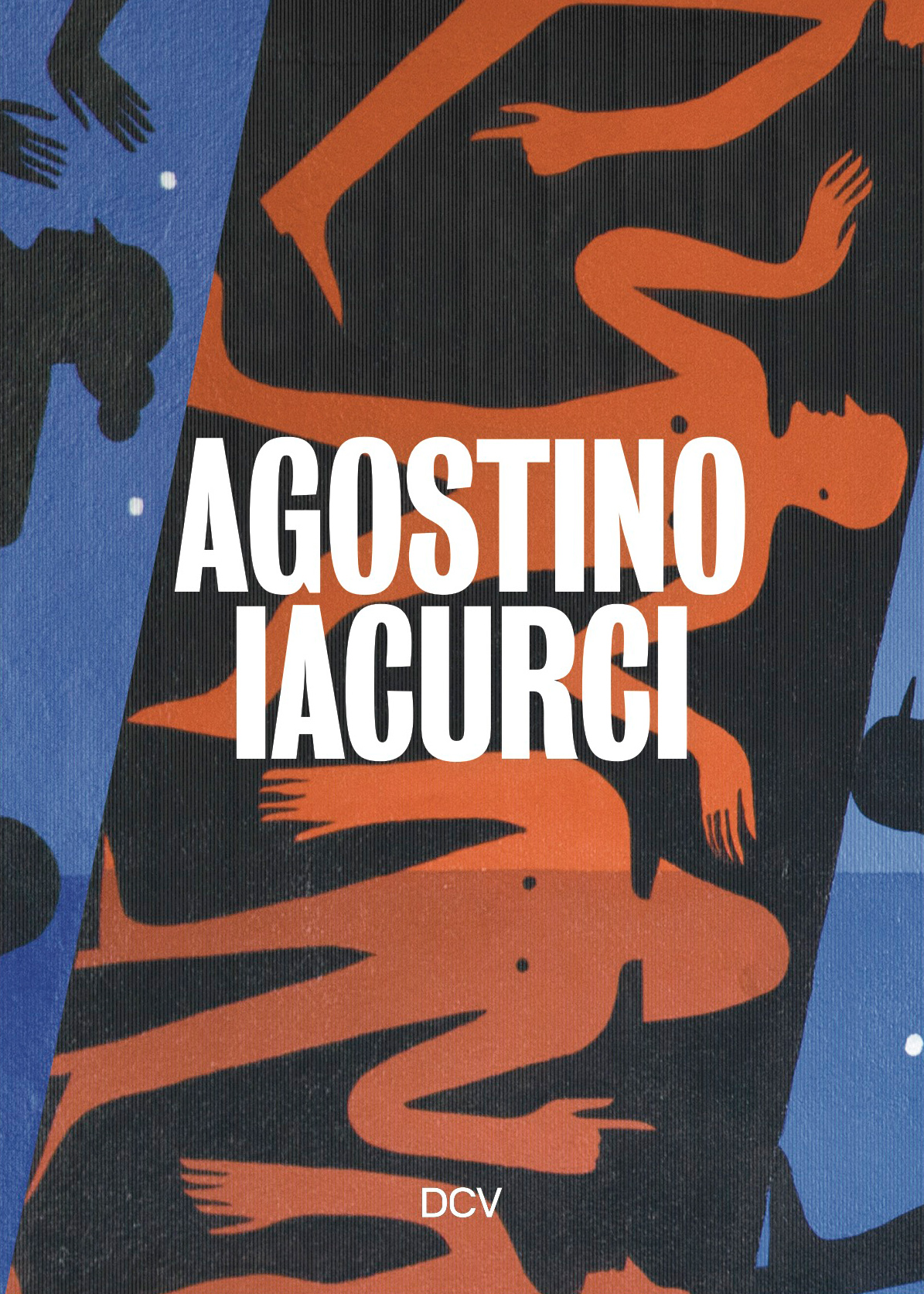
Agostino Iacurci
10€ Add to cartAgostino Iacurci’s (b. Foggia, Italy, 1986; lives and works in Berlin) paintings, sculptures, installations, and murals are based on vegetal forms and botanical subjects. Lucid compositions in radiant colors unfurl fantastical ornaments that transcend the division between figuration and abstraction and the hierarchical distinctions of applied art, design, fine art, and folk art. His central theme is the painted garden, in which he stages plants, humans, architecture, geometry, and decoration in a fashionably theatrical landscape. In Iacurci, the interpenetration of nature and civilization is real, integrating mythological motifs from across the history of art and culture, from antiquity to futurism and postmodernism, into his singular style.
Agostino Iacurci studied fine arts at the Accademia di Belle Arti in Rome. Since 2009, he has realized numerous large-format murals and installations for public and private institutions. He has also worked with international brands including Apple, Adidas, Hermès, and Starbucks.
-

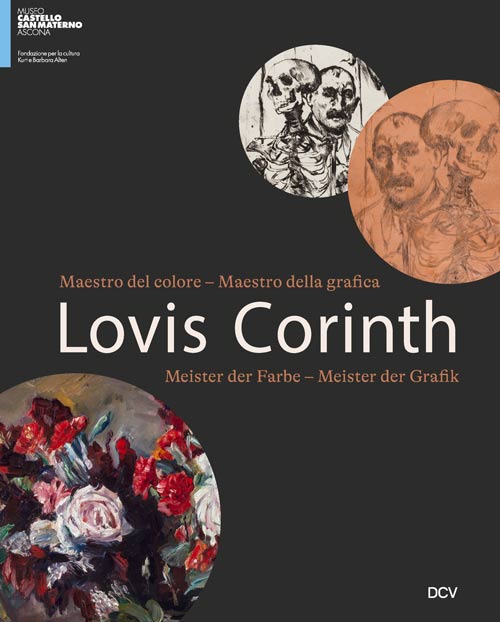
Lovis Corinth
Maestro del colore – Maestro della grafica35€ Add to cartLovis Corinth (b. Tapiau, East Prussia, 1858; d. Zandvoort, Netherlands, 1925) ranks among the leading German Impressionists. But he has also been described as a precursor of Expressionism for his impulsive and passionate style in painting and graphic art as well his liberal handling of form, which vividly conveys agitated states of mind and powerful emotions. In addition to an eminent body of paintings and numerous drawings and watercolors, he left a graphic oeuvre encompassing over a thousand prints. In his paintings as in his etchings and lithographs, Corinth dedicates himself to a set of recurring themes: mythological and religious motifs, nudes, still lifes, landscapes, and portraits of his family and close friends. His graphic work also shows him engaging with the challenges of self-portraiture.
- Release July 2023

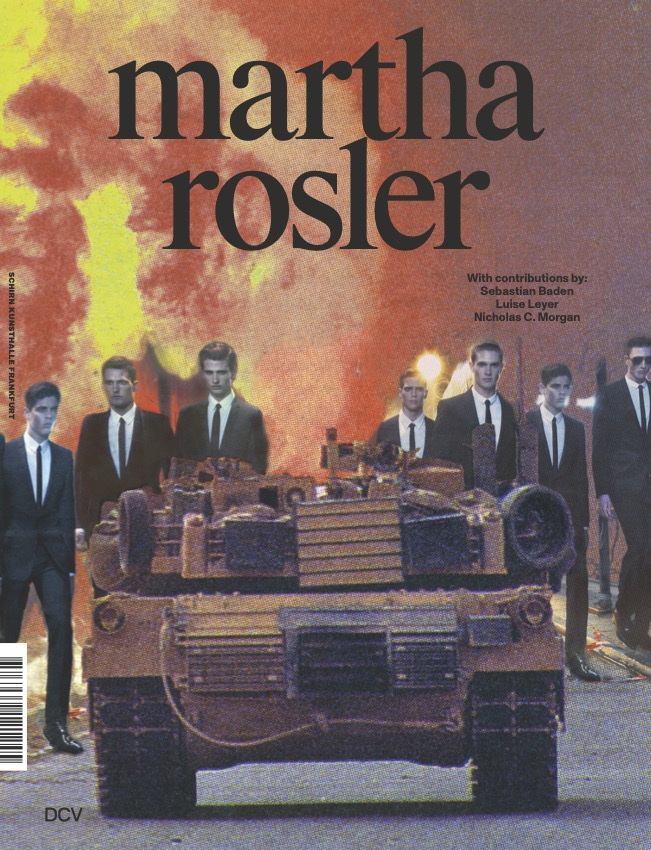
Martha Rosler
32€ Add to cartThe American conceptual artist and pioneer of critical feminism Martha Rosler (b. 1943 in Brooklyn, NY, lives and works in Brooklyn, NY) has influenced numerous contemporary artists with the radicalism of her artistic position. Rosler’s work is always political and examines questions of power and violence, the ideals of beauty and their demolition, and the purported contrasts between war and consumption. For her sociocritical collages and videos, Rosler uses found pictorial material that has already been published. The artist delights in working with photos from public sources like magazines and newspapers, which she processes and arranges in new contexts in order to visualize inequality and protest. Following on from Rosler’s iconic series House Beautiful: Bringing the War Home (ca. 1967–1972), at the heart of the publication lies the confrontation with warlike disputes as conveyed in the media, together with the associated dissonance between the private and the political.
Martha Rosler received a Bachelor of Arts from Brooklyn College in 1965 and a Master of Arts from the University of California, San Diego in 1985. In 1975 she began to write reviews for Artforum and other art magazines. She teaches at School of Arts of Rutgers University in New Brunswick, New Jersey.
-

SERIES
Prints from Warhol to Wool40€ Add to cartA Creative Strategy and Technique of Modernism
Series are open systems, telling stories, toying with rhythms, permitting variations, and documenting creative processes. Andy Warhol’s famous silkscreen prints made the serial iteration of images his trademark stratagem. In the mid-1960s, Pop Art and Fluxus had established the fine art print as a medium in which seminal work was being done. New graphic techniques such as serigraphy and offset printing, used with aggressive colors and punchy motifs, not only allowed for large numbers of copies, they also opened the door to an unprecedented engagement with the imagery of popular print and advertising media. Opening with an inquiry into how serial fine art prints are made, the book presents and contextualizes the explosive visual and political energy of graphic series. The numerous illustrations and essays are rounded out by an interview with Thomas Schütte and Ellen Sturm.
With works by Josef Albers, Joseph Beuys, Ulla von Brandenburg, John Cage, Helen Cammock, Nina Canell, Jim Dine, Dan Flavin, David Hockney, Jenny Holzer, Olav Christopher Jenssen, Donald Judd, Ronald B. Kitaj, Maria Lassnig, Sol LeWitt, Roy Lichtenstein, Richard Lindner, Robert Mangold, Brice Marden, Stefan Marx, Bruce Nauman, Dennis Oppenheim, Nam June Paik, Sigmar Polke, Gerhard Richter, Dieter Roth, Fred Sandback, Nora Schultz, Thomas Schütte, Dasha Shishkin, Frank Stella, Rosemarie Trockel, Victor Vasarely, Wolf Vostell, Andy Warhol, Corinne Wasmuht, Emmett Williams, Christopher Wool, and others.
-

Johannes Schütz
Die Unterbrechung / The Interruption48€ Add to cartJohannes Schütz (b. Frankfurt am Main, 1950; lives in Berlin) is one of the best-known stage designers and directors working today. His style may be characterized as “simple, clean, and radical.” All major theatres and opera houses in the German-speaking countries and beyond have showcased Schütz’s work. He trained with Wilfried Minks and created his first stage setting for Luc Bondy in 1971. His career then took him to Berlin’s Schillertheater and the Kammerspiele in Munich, later he became head of stage design at the Bremer Theater and the Schauspielhaus Bochum. Schütz taught scenography at the ZKM Center for Art and Media Karlsruhe from 1992 until 1998 and has been professor of stage design at the Düsseldorf Academy of Fine Arts since 2010.
In his book Die Unterbrechung, he meets Annette Storr to discuss his new work for the stage, which is documented by maquettes and photographs and, most often, by stills from the performances. The productions represented include Penthesilea by Heinrich von Kleist, Landestheater Salzburg, 2018; Hamlet by William Shakespeare, Schauspielhaus Bochum, 2019; Reich des Todes by Rainald Goetz, Deutsches Schauspielhaus Hamburg, 2020; Richard II by William Shakespeare, Burgtheater, Vienna, 2021; and Der Idiot by Dostoevsky, Thalia Theater, Hamburg, 2021.
-

Larissa Kikol
Neue abstrakte Malerei26€ Add to cartAbstract painting has reinvented itself: rid of political and ideological burdens, it now stands for pure creative autonomy. From the Abstract Expressionism of the postwar era to today’s expansive ease—in essays and conversations, Larissa Kikol sheds light on how this art form broke free of the narratives that attended its emergence and performed a “great reset.” From the seminal innovations of Katharina Grosse or Albert Oehlen and radically subjectivist approaches in Cecily Brown or André Butzer to cutting-edge tendencies like Dirty Minimalism and Post Vandalism, the book presents thrilling insights into a painting that puts emotion, color, and shapes center stage. An inspiring look at the renaissance of abstract art in the 21st century and a must-have reference work for all art lovers.
Artists: Frederic Anderson, Karla Black, Frank Bowling, Andreas Breunig, Jenny Brosinski, Cecily Brown, André Butzer, Diamonds Crew, Willehad Eilers, Jadé Fadojutimi, Helen Frankenthaler, Katharina Grosse, Antwan Horfee, Aneta Kajzer, Joan Mitchell, Michael Müller, Oscar Murillo, NEU, NUG, Albert Oehlen, David Ostrowski, Over, Daisy Parris, Marco Pariani, Jackson Pollock, Christopher Wool
-

Tobias Rehberger
1993–202244€ Add to cartIn his sculptural work, Tobias Rehberger (b. Esslingen, 1966; lives and works in Frankfurt/Main) connects strategies from different, also non-art disciplines. His interiors meant to be taken into service have established him as one of the most influential artists of his generation. In 2022, the Kunstmuseum Stuttgart will honor Rehberger with a grand exhibition that will feature some of the most important bodies of work from the past three decades. The accompanying book makes a signal contribution to the ongoing critical engagement with his art.
Tobias Rehberger studied with Thomas Bayrle and Martin Kippenberger at the Städelschule in Frankfurt from 1987 until 1992 and later returned to his alma mater as a professor. He has had numerous solo shows in Germany and abroad and, in 2009, furnished the central cafeteria at the 53rd Venice Biennale, which won him a Golden Lion.
-

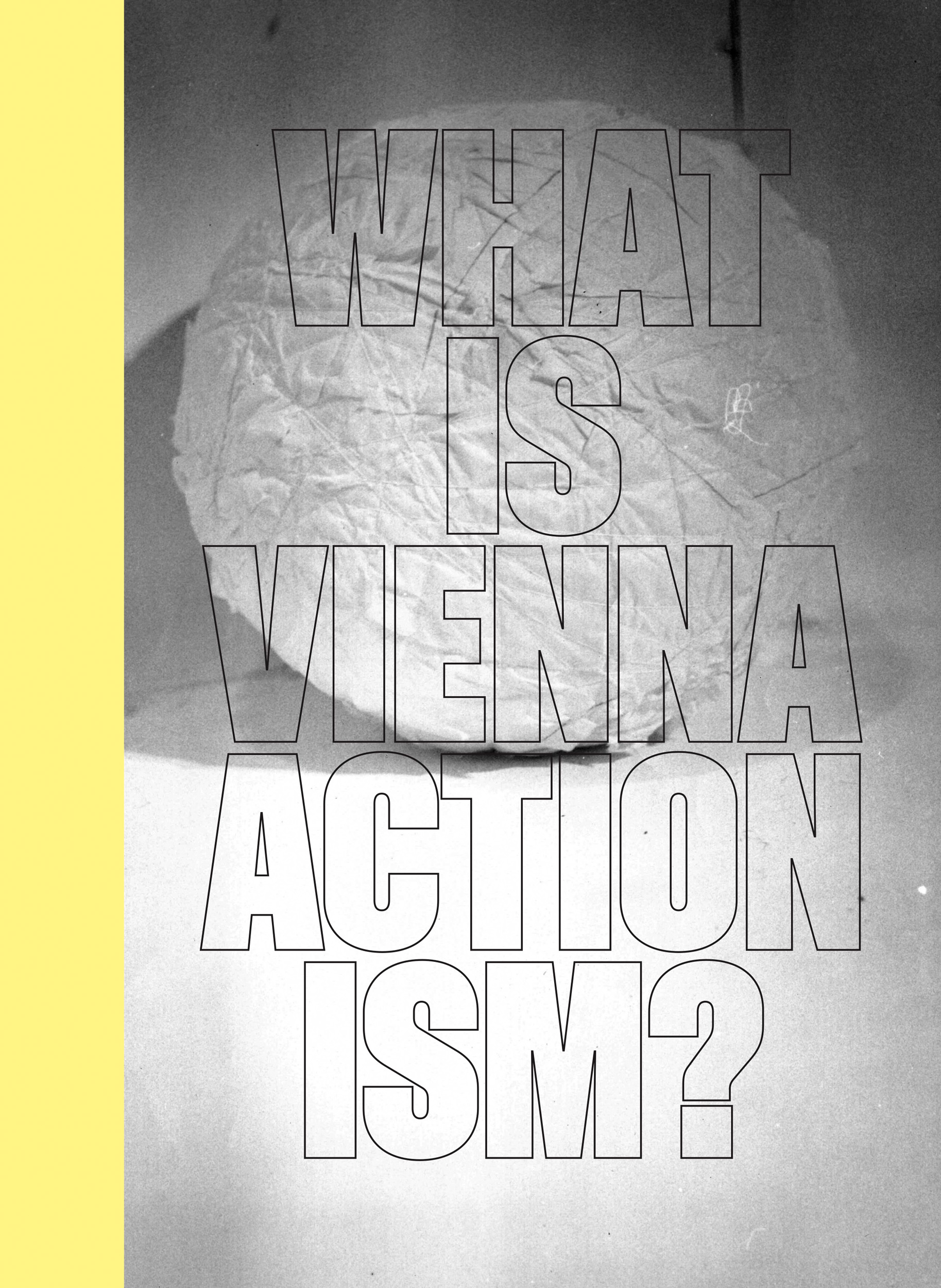
What is Vienna Actionism?
50€ Add to cartBlows were dealt. An artist exposed and cut himself, others urinated in glasses, daubed themselves with dirt, and masturbated over the Austrian flag. Meanwhile, music was playing, including the national anthem; someone read pornographic writings. Vienna in the late 1960s: what had started in the artists’ homes and studios was now brough out on the grand stage, and taboos were broken in full view of the public.
The Vienna Actionism Museum’s first publication is dedicated to the idea of Vienna Actionism in the dynamic context of abstract realism, Fluxus, and the international Happening scene. The book relates the story of one of art history’s most influential art movements, spearheaded by the Actionists Günter Brus and Otto Muehl, Hermann Nitsch and Rudolf Schwarzkogler.
-

Sinje Dillenkofer
Archives Vivantes34€ Add to cartSinje Dillenkofer’s (b. Neustadt a.d.W., 1959) body of work ARCHIVES VIVANTES inquires into the idea of the “archive,” harnessing the means of visual art to allow us to see and perceive what the archive does not reveal. With staged photographs that combine conceptual rigor with a wide spectrum of creative techniques and devices, Dillenkofer’s pictorial essay turns the spotlight on specimens, artifacts, graphic art, and writings compiled by the explorer and naturalist Alexander von Humboldt (1769–1859) and the ornithologist Carlo von Erlanger (1872–1904). Examining the archive as a model of nature and reality as well as a mirror of “human nature,” the artist develops compositional ideas inspired by the peculiar features of the objects in the collections in visual analogies, pictorial spaces, and spatial compositions. Animals and plants that died long ago “in the service of science” are vividly embodied through the distinctive use of light and shadow. The resulting pictures consider the archive in a new context, framed by our complex relationships with nature, humankind, society and its values and ideals, circumstances and constellations of power. The pictures were taken in six German collection archives: at the Museum bei der Kaiserpfalz Ingelheim, the Naturhistorisches Museum Mainz, the Senckenberg Forschungsinstitut und Naturmuseum Frankfurt, the Stadtmuseum Berlin, and the Stuttgart State Museum of Natural History. Dillenkofer was the first artist to be invited by the Berlin State Library—Prussian Cultural Heritage to translate Humboldt’s American travel diaries into art.
Sinje Dillenkofer studied at the Stuttgart State Academy of Art and Design and has taught at universities and art academies. Her work is held by the Victoria & Albert Museum in London, the ZKM | Center for Art and Media Karlsruhe, the Staatsgalerie Stuttgart, and the Berlinische Galerie, among others.
- Release September 2021

Paul Uwe Dreyer
Werkverzeichnis der Gemälde, Zeichnungen und Druckgrafiken68€ Add to cartA Painter, Draftsman, and Draftsman of Concrete Art
Paul Uwe Dreyer (b. 1939, Osnabrück; d. 2008, Stuttgart) taught painting as a professor at the Staatliche Akademie der Bildenden Künste Stuttgart for more than three decades. His oeuvre shows the hallmarks of geometric constructive art: inspired by subjective experiences of reality, Dreyer’s compositions visualize the dialectics of organizing principles and their potentials for variation, a guiding interest that is already evident in his early work since the 1960s and especially in the pairs and series of pictures he begins creating in the early 1970s. His art unfolds a fascinatingly dynamic yet nonhierarchical dialogue between colors, surfaces, and lines. The chronological catalogue raisonné reveals the consistency with which motifs evolve from his early to his late oeuvre, from architectural, figural, and ornamental tokens through elements resembling symbols and icons to complex penetrations of spaces.
-

Beate Passow
Monkey Business24€ Add to cartDrawing on the Past to Build a Better Future
Beate Passow (b. Stadtoldendorf, Germany, 1945; lives and works in Munich) creates installations, photodocumentaries, and collages that seek to salvage her subjects from oblivion, though as she sees it, her art is an effort to come to terms not so much with the past as with the present. When her compositional inventions touch on painful memories, their objective is not to arrive at new insights. Rather, she aims to uncover visible and verifiable states of affairs and throw them into sharp relief. In her cycle of pictures Monkey Business, the artist unfolds a mysterious fairy-tale world with a political edge. Strange animals and mythical figures populate the large-format black-and-white tableaux, which a closer look reveals to be woven tapestries. The unusual protagonists roam readily identifiable locations: Gibraltar, New York’s Wall Street, Brussels, or the island of Lampedusa. Behind these ostensibly simple facts of geography loom the darker aspects of contemporary European politics: Passow’s work calls for a debate on the systems, economic structures, and political movements that rule the continent.