Filip Henin
 | |
|---|---|
| Editor(s) | Robert Grunenberg |
| Author(s) | Oliver Koerner von Gustorf |
| Design | OOR Studio, Berlin; Vladimir Llovet |
| Size | 15 x 21 cm |
| Cover | Softcover |
| Pages | 40 |
| Illustrations | 26 |
| Language(s) | German, English |
| ISBN | 978-3-96912-131-3 |
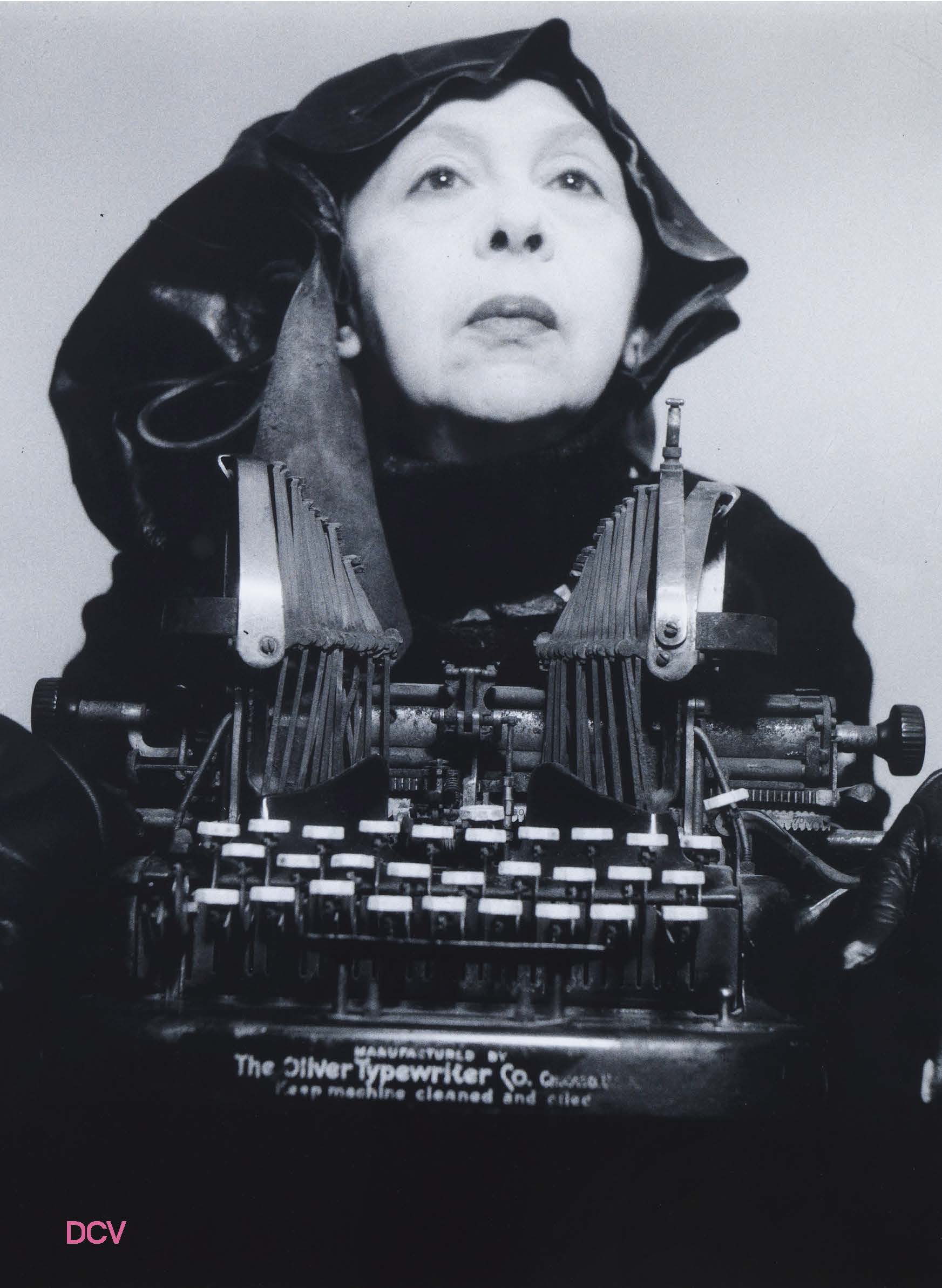
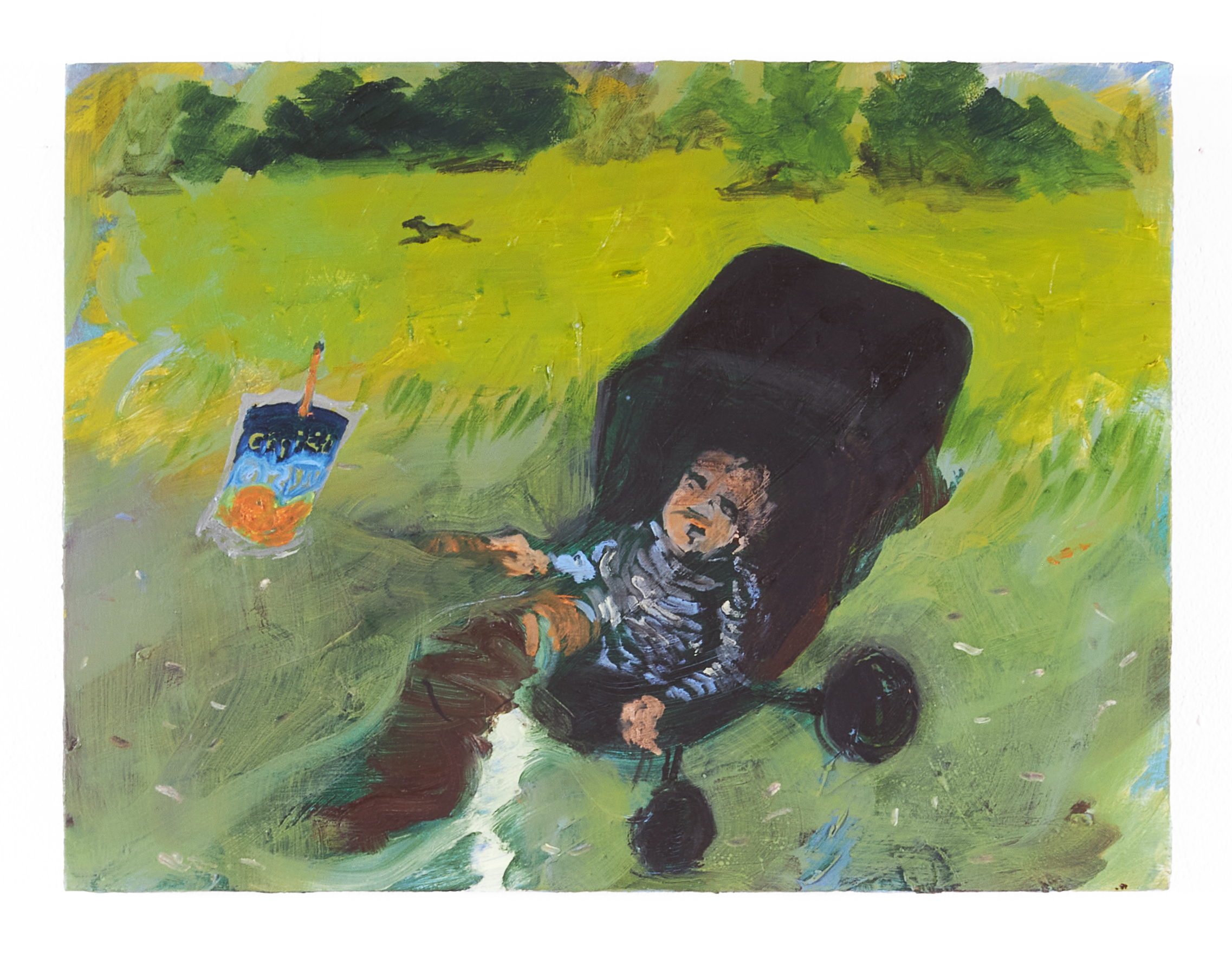
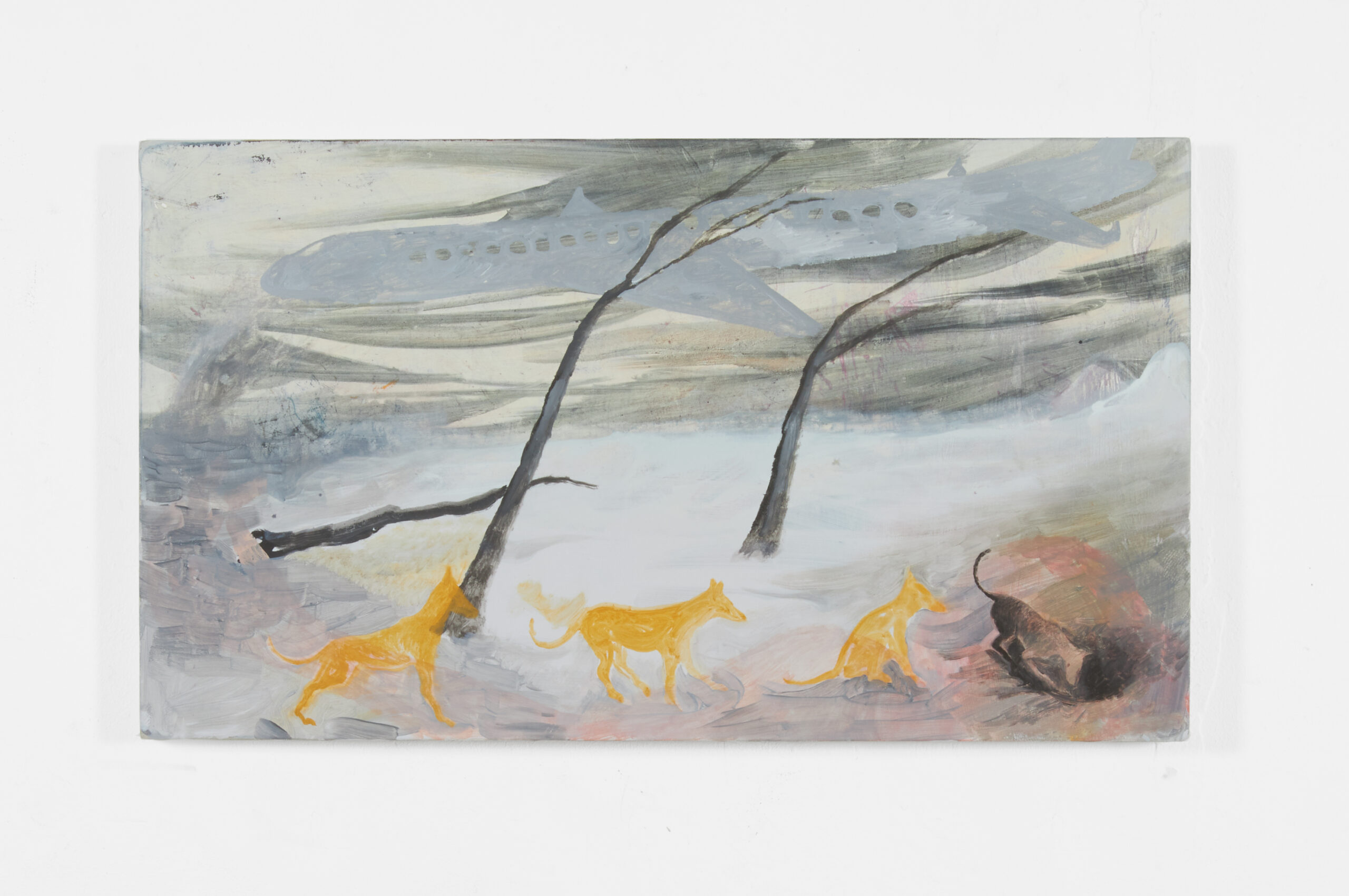
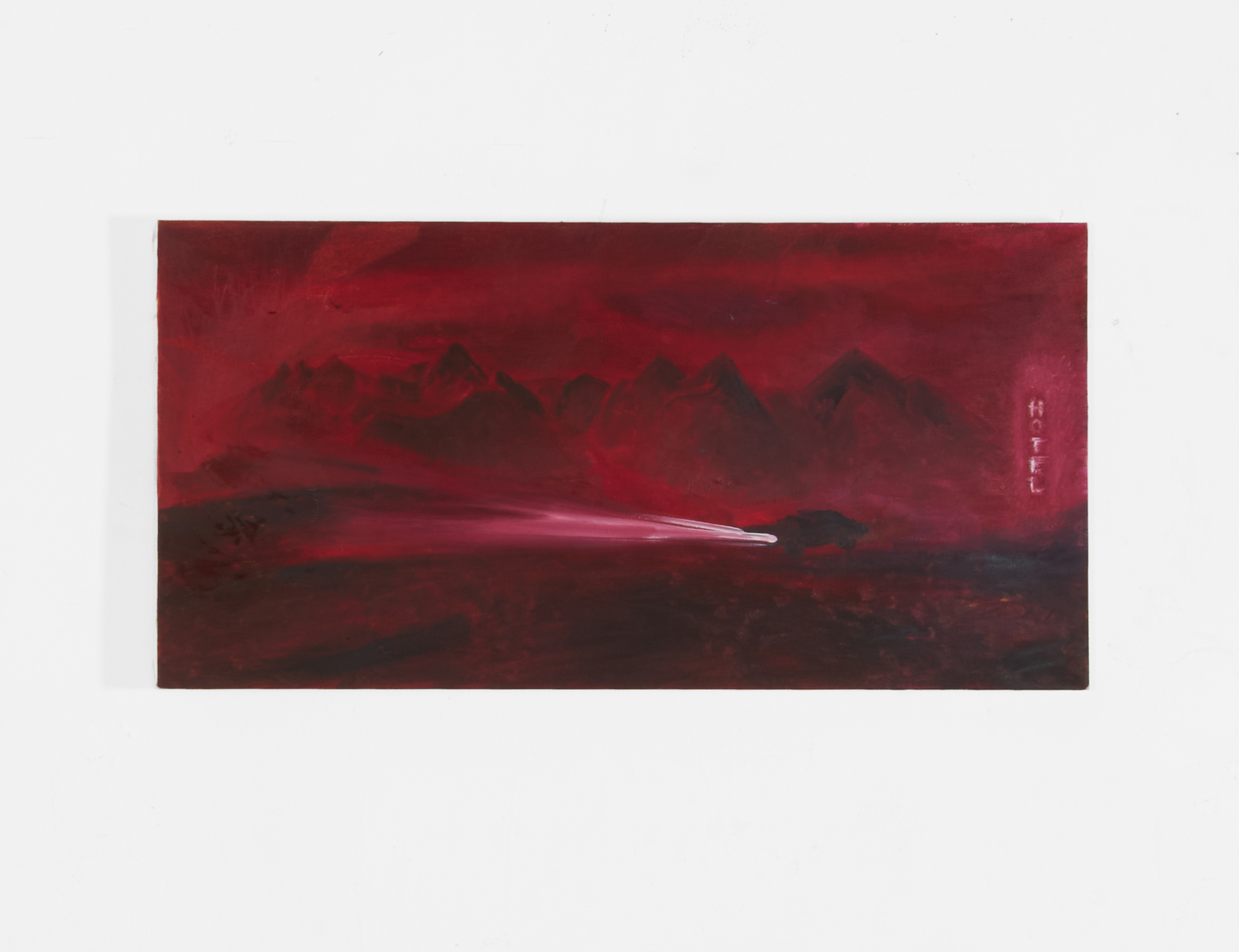
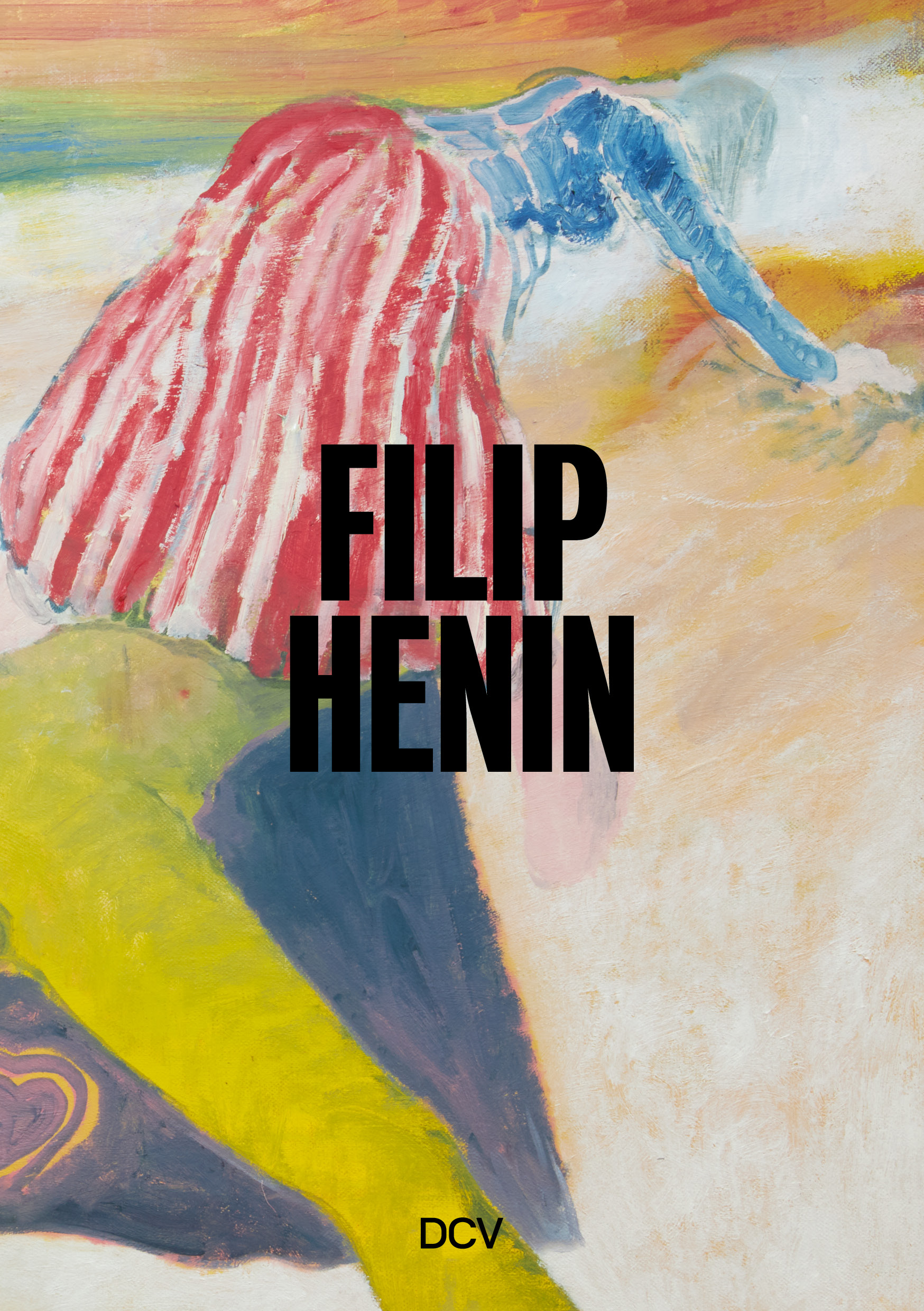
The events captured in Filip Henin’s (b. Mayen, 1986; lives and works in Berlin) paintings are set in a world beyond time and place, as though on an empty stage prepared for a Samuel Beckett production. It is virtually impossible to say whether a picture shows a coastal region or a craggy slope up in the mountains, whether a field of blue represents the sea or a band of open sky. Henin strips landscapes down no less than human figures, subtracting specific features to isolate basic forms that might be found in the hill country around his hometown in western Germany or in Tuscany. His work integrates quotations from antiquity, Romantic landscape painting, and postmodernism as well as Italian Transavanguardia, the mysticism of Francesco Clemente and Sandro Chia, and the figurative painting of the 1990s. Without veering into drama or pathos, he harnesses two utterly antithetical energies: the reflection on painting and the history of art and the need to be simple.
More books
-

GETA BRĂTESCU
Film and Video 1977–201842€ Add to cartGeta Brătescu (b. Ploiești, 1926; d. Bucharest, 2018) is now widely regarded as one of Eastern Europe’s most important avant-gardists. In the Western art world, however, she was largely obscure until her participation in documenta 14 in 2017 and the Venice Biennale of the same year. Questions of abstraction, the political potential of the image, and the subjective experience of self, memory, and history inform her stylistically diverse oeuvre in a wide range of media, which evolved under the repressive conditions of the Ceaușescu regime yet kept pace with the discourses of the Western avant-gardes. This richly illustrated volume focuses on her collages and drawings as well as her works on film and video from the late 1970s until her death.
- Out of stock

Luxus?!
34€ Read moreWhat is luxury today? How do designers perform the magic of transforming a utilitarian object into a must-have? Where does consumerism shade into obsession? When does more-is-more give way to less-is-more?
Luxury means breaking with convention, and this book showcases—and spawns—a cornucopia of ideas, products, and positions around luxury, featuring influential thinkers from the worlds of design, science, art, and society. The cultural theorists Wolfgang Ullrich and Lambert Wiesing exchange letters on the concept of luxury; Montblanc’s creative director Zaim Kamal lays out future strategies; the artist Jonathan Meese pens a gold manifesto; and Bazon Brock inquires into the asceticism of luxury. We live in a world full of things that resemble one another so closely that the only difference is how they are marketed. What might the precious objects of the future look like? The book presents examples from aspiring designers such as the fashion student Victoria Reize, whose collection counters luxury with arch defiance. Design, we learn, is not just about creating supreme values. Luxury is limitation and longevity, scarcity and refinement, yearning and sensuality.
With works by Assemble, Jake and Dinos Chapman, Daniel Chodowiecki, Kai Löffelbein, Jonathan Meese, Olaf Nicolai, Marcel Odenbach, Tobias Rehberger and Anna Skladmann.
-

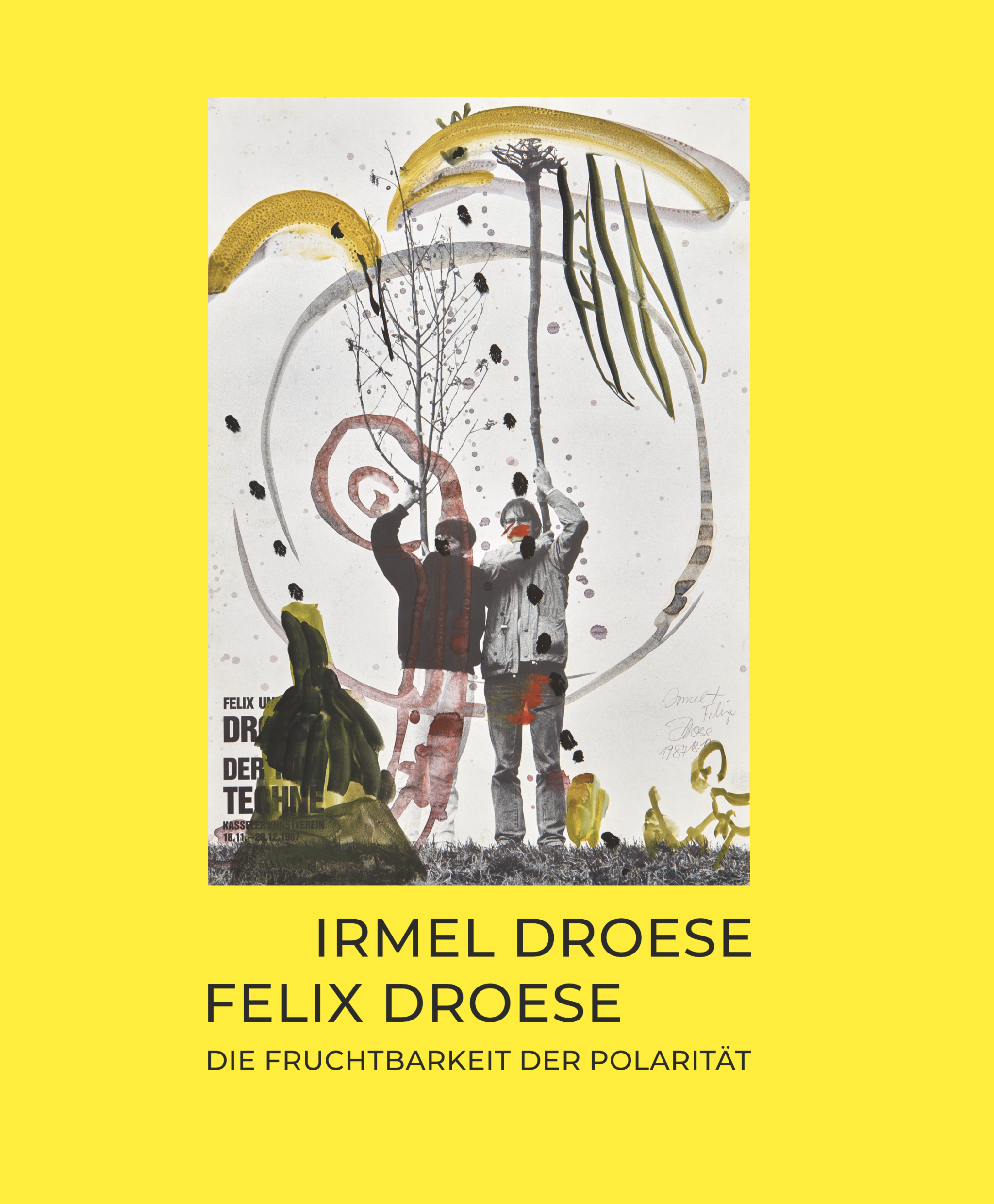
Irmel Droese. Felix Droese
Die Fruchtbarkeit der Polarität28€ Add to cartA Tribute to the Artist Couple
Irmel Droese (b. 1943, Landsberg an der Warthe) and Felix Droese (b. 1950, Singen/Hohentwiel) first met in 1970, when both were students in Joseph Beuys’s class at the Kunstakademie Düsseldorf. In a decades-long partnership in life and art, they have built oeuvres that, both each for itself and in dialogue with each other, scrutinize a rapidly changing reality. Irmel Droese creates expressive stage characters, sculptural oil paper figures, and depictions of humans on paper, while Felix Droese’s diverse ensembles and large-format papercuts grapple with money, economic questions, and the rising predominance of commercial considerations. His art gained international renown with his participation in documenta 7 in 1982 and the 43rd Biennale di Venezia in 1988. Designed in close collaboration with the artists, the publication documents their separate and joint oeuvres, drawing attention to societal questions.
-

Jürgen Claus
To the Oceans with Imagination18€ Add to cartThe Sea as a Space of Artistic Experience
Jürgen Claus’s (b. 1935, Berlin; lives and works in Aachen and Baelen, Belgium) oeuvre encompasses paintings, films, light and solar installations, and underwater art. He is also a prolific writer on art, with theoretical works that have sold over 100,000 copies. “Jürgen Claus is the first one to see the ocean through an artist’s rather than a scientist’s lens,” Michel Ragon writes. In this book, Claus intertwines his experiences working on the fascinating underwater installations with a pressing contemporary concern: the global efforts to restore the seas to health. The publication combines visual art, architecture, poetry, and music for a multifaceted engagement with the world’s oceans.
Jürgen Claus majored in theater studies at the Universität München and was a research associate at the Massachusetts Institute of Technology (MIT) and professor of media art at the Kunsthochschule für Medien Köln, Cologne.
- Release January 2026
PULS 22
36€ Add to cartPULS, an initiative of Bukarest’s National Museum for Contemporary Art (MNAC) began during the COVID-crisis. Since then, the museum supports Romanian artists by biennially purchasing more than 100 relevant creative works, carefully selected from a large pool of submissions by a democratic jury of artists and art professionals. PULS22 showcases in book-form MNAC’s most recent acquisitions and their subsequent exhibition. This volume, like the former PULS20, is an exciting panoramic snapshot of the country’s dynamic multigenerational art scene. The installation shots speak of an outstanding exhibition and the potential for future loans to curated shows elsewhere.
-

Fritz Overbeck und Hermine Overbeck-Rohte
Der Briefwechsel38€ Add to cartIntimate Glimpses from the Marriage of Two Worpswede Artists
In the final years of the nineteenth century, numerous painters settled in the village at the foot of Weyerberg hill, followed by young women who took classes with the local artists. Fritz Overbeck (b. Bremen, 1869; d. Bröcken near Vegesack, 1909) and Hermine Overbeck-Rohte (b. Walsrode, 1869; d. Bremen, 1937) became one of Worpswede’s husband-and-wife creative duos, though their union has been less celebrated than those of Otto Modersohn and Paula Becker or Rainer Maria Rilke and Clara Westhoff. Like the stories of their more famous neighbors, theirs exemplifies life and work in the artists’ colony, but also the dogged struggle for equality in the creative professions. Yet unlike those other relationships, theirs did not break up over the conflict between art and marital life; it lasted until Fritz Overbeck’s tragic early death. In a first, this book contains virtually the entire extant correspondence between the Overbeck-Rohtes in unabridged form and with numerous annotations. Offering fresh and nuanced insight into the lives and oeuvres of its protagonists, it makes for moving and entertaining reading.
-

Filip Henin
10€ Add to cartThe events captured in Filip Henin’s (b. Mayen, 1986; lives and works in Berlin) paintings are set in a world beyond time and place, as though on an empty stage prepared for a Samuel Beckett production. It is virtually impossible to say whether a picture shows a coastal region or a craggy slope up in the mountains, whether a field of blue represents the sea or a band of open sky. Henin strips landscapes down no less than human figures, subtracting specific features to isolate basic forms that might be found in the hill country around his hometown in western Germany or in Tuscany. His work integrates quotations from antiquity, Romantic landscape painting, and postmodernism as well as Italian Transavanguardia, the mysticism of Francesco Clemente and Sandro Chia, and the figurative painting of the 1990s. Without veering into drama or pathos, he harnesses two utterly antithetical energies: the reflection on painting and the history of art and the need to be simple.
-

Hans Karl Zeisel
Hundred and more34,95€ Add to cartPossibilities of Concrete Art
What is possible without turning away from the cocrete? In the Bauhaus tradition, the typographer, graphic artist, designer and author Hans Karl Zeisel opens up countless design options with basic forms. His wooden cuboids demand a humorous approach to sculpture. They are creativity training, study tools and meditation game all in once. A playful experiment that reveals the diversity of concrete art.
- Out of stock

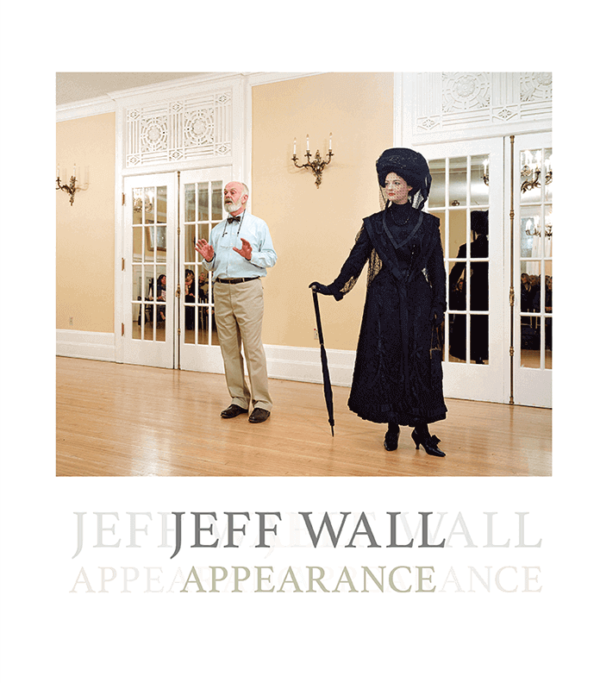
Jeff Wall
AppearanceRead moreA New Perspective on the Work of the Photo Artist
The trademark of Jeff Wall (b. 1946, Vancouver; lives and works in Vancouver) are large-scale backlit light boxes, which appear like carefully composed film stills. The art historian ties his works in manifold ways to art history and, due to his elaborate arrangements, is often compared to modern masters. Many pictures by Jeff Wall are inspired by novels or stories and condense into intentional stagings of the everyday. With a special focus on constellations which present the medium photography like a search for traces, the book allows a new perspective on the artist’s works which have up until now rarely been shown in exhibitions.
Jeff Wall studied art history at the University of British Columbia, Vancouver, and at the Courtauld Institute of Art, London. His works are exhibited internationally, for example at the Museum of Modern Art, New York, Tate Modern, London, and the Art Institute of Chicago. In 2008 he received the Audain-Award for his life work.
-

Simone Haack – Untangling the Strands / Démêler les Fils
24€ Add to cartSimone Haack’s (b. Rotenburg/Wümme, 1978; lives in Berlin) most recent body of work delves into the theme of hair as a parameter of identity straddling the division between nature and culture. Her second publication with DCV is released on the occasion of two exhibitions: Untangling the Strands at Berlin’s Abguss-Sammlung Antiker Plastik, a collection of casts of ancient sculpture, which are seen in dialogue with her hair pictures; and Helix of Realism at Galerie Droste, Paris, which is part of the official program of events around the grand Surrealism exhibition held at the Centre Pompidou in celebration of the Surrealist Manifesto’s centennial. The new book is the first to shed light on the aspect of the surreal in the artist’s oeuvre and uncovers a major source of her visual inspiration: the dream diaries that Haack has kept since she was seventeen and the interest in the unconscious they reflect. It is above all the logic of the dream as well as feelings and moods that inform her paintings.
Haack: “My goal is to use the means of realism to visualize what cannot be seen. To get into an automatism that lets the unconscious speak in order to infuse the pictures with a life of their own. To shed light on the domain where the myths originate.”
-

Barthélémy Toguo
10€ Add to cartBarthélémy Toguo’s art is a call for community and love, but there is nothing naïve about it. His paintings, graphic art, sculptures, performances, and installations explicitly grapple with colonialism, migration, and inequality; he directs our attention to the devastations wrought by humans, to the slow deaths of nature and cultures. But he does not dwell in this abyss. He aspires to something greater: to create work that establishes non-hierarchical connections; to build, as he puts it, a “world of solidarity and generosity” that knows neither ego nor identity, a community of all forms of life that flourish and pass away so that new living beings can sprout from their remains—Endless Blossoms. His choice of words and the aesthetic of the works gathered in this catalogue suggest that he is not alone in this undertaking. He stands with Ellen Gallagher, Wangechi Mutu, Louise Bourgeois, Marlene Dumas, and Kiki Smith. With them and with all of us, Toguo envisions a colorful future, a universe of exuberant energy and joie de vivre.
-

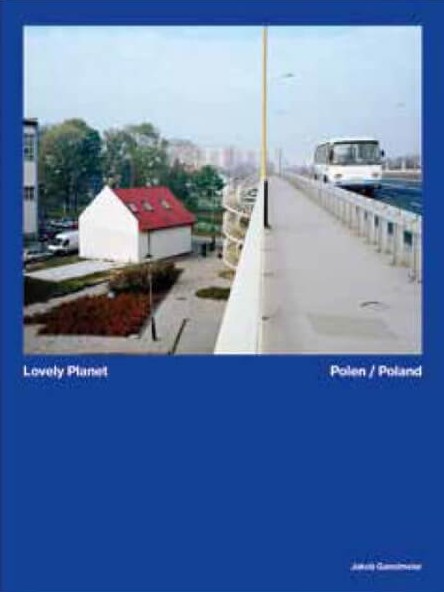
Jakob Ganslmeier
Lovely Planet. Polen / Poland16€ Add to cartAn Unconventional and Humorous Guide to a Country of Contrasts
In 2015, the photographer Jakob Ganslmeier (b. Munich, 1990; lives and works in Berlin) went on an extended tour of Poland in search of shots that captured the country’s social realities and way of life at a time of wrenching changes. The title of his project evokes associations with Lonely Planet, one of the world’s best-selling series of travel guides, and the artist took inspiration from the format of the popular books, where recommendations for readers exploring strange lands are grouped by categories. Crisscrossing Poland—he covered over ten thousand kilometers—Ganslmeier encountered widely different people and draws our attention to places that would never make it into a guidebook. His pictures show a country of extremes, between boomtown optimism and decline, consumerism and poverty, gleaming façades and bleak village streets.
Jakob Ganslmeier studied at the Ostkreuzschule für Fotografie, Berlin, and at the Bielefeld University of Applied Sciences. His pictures, which have garnered numerous awards, are frequently featured in leading German media and have been shown in exhibitions in Germany and abroad, including at the Brandenburgisches Landesmuseum für moderne Kunst, Cottbus, the Nobel Peace Center, Oslo, the Triennale der Photographie Hamburg, and the Fondation Calouste Gulbenkian, Paris.
-

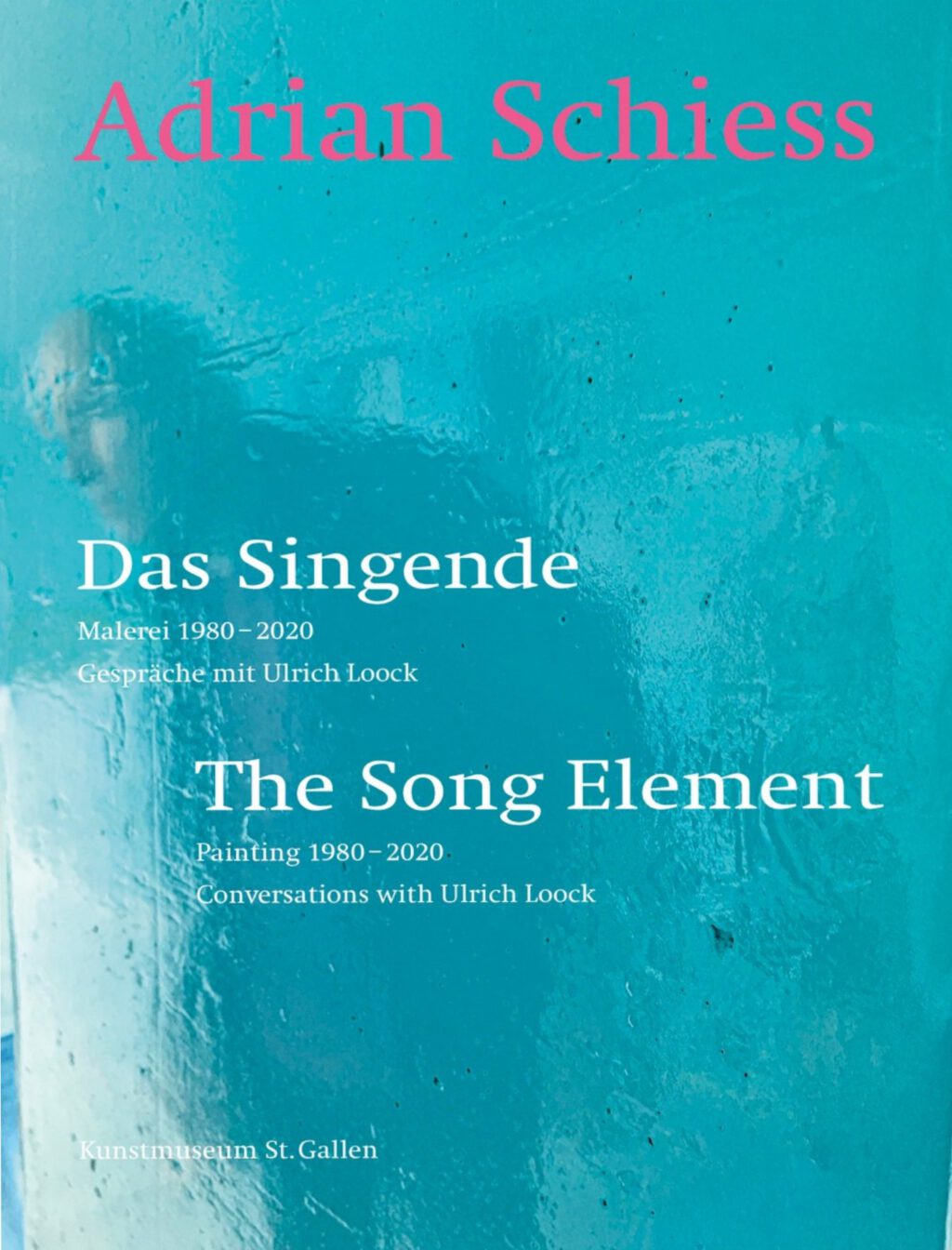
Adrian Schiess
The Song Element68€ Add to cartThe Renowned Swiss Artist and His Work in Its Architectural Setting
Smoothly painted panels laid out on the floor have earned Adrian Schiess (b. 1959, Zurich; lives and works in Mouans-Sartoux, France) international renown. His objects, which may be placed in a room as desired, are conceived as platforms of creative engagement with the appearance and disappearance of painting. They have become integral components of buildings by world-famous architects including Norman Foster and Herzog & de Meuron. For this book, Schiess has compiled spectacular series of photographs and extensive conversations that probe the peculiar quality of his work: hybrid and fluctuating and yet always utterly distinctive. It is the first publication to put the focus on this essential aspect of his output, documenting works created between 1993 and 2018.
Adrian Schiess studied at the Kunstgewerbeschule Zürich and trained as a graphic designer. His works were on display at the 44th Biennale di Venezia and at documenta IX.
-

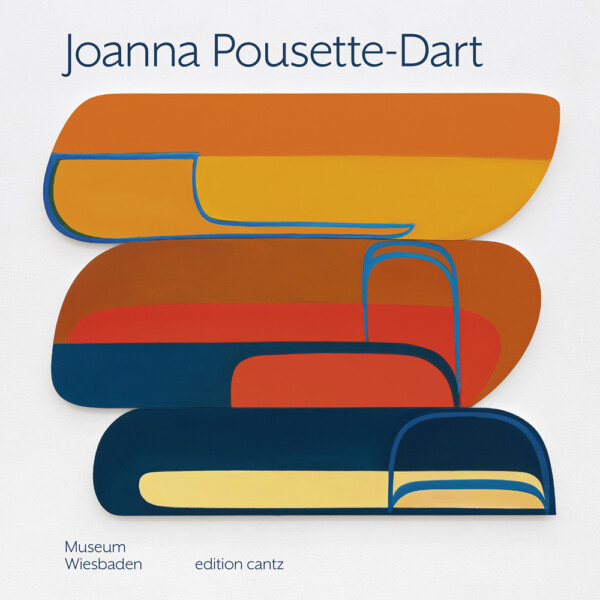
Joanna Pousette-Dart
32€ Read more„A kind of Dialogue between Myself and the Horizon.“
The works of Joanna Pousette-Dart (b. 1947, New York; lives and works in New York) are deeply rooted in the vast expanse of the American desert landscape, without ever committing themselves to a strict objectivity. As early as the 1970s, the artist abandoned the rectangular form of her canvas in favor of dynamically balanced panels that open out to the respective space. This volume presents her fascinating paintings from 2004 till 2019, which oscillate between landscape and abstraction, line and form. Born in New York to abstract expressionist painter and founding member of the New York School of painting, Richard Pousette-Dart, Joanna Pousette-Dart’s experience as a painter rises from rich tradition. Her work is held in the collection of the Museum of Fine Arts, Boston, the Solomon R. Guggenheim Museum, New York, and the Museum of Modern Art, New York, amongst others.
-

Karlheinz Bux
über Linie …15€ Add to cartClarity, Complexity, and Linearity
The defining artistic means in the work of Karlheinz Bux (b. 1952 in Ulm, lives and works in Karlsruhe) is the line. As edges and folds, they determine vertically oriented sculptures, which simultaneously convey compactness and openness, dynamism and repose. In Bux’s pencil drawings and photo-based works, they form the subject of the image in the form of complex linear structures. This present book documents the artist’s large-format works and provides insight into his oeuvre, with texts by Michael Hübl, Christine Reeh-Peters, and Carmela Thiele.
Karlheinz Bux studied at the State Academy of Fine Arts Karlsruhe and taught as a lecturer at Pforzheim University and as a visiting professor at the Mainz University of Applied Sciences. His works are represented in private and public collections, including the Staatliche Kunsthalle Karlsruhe, the Hurrle Collection, and the Würth Collection.
-

Sibylle Springer
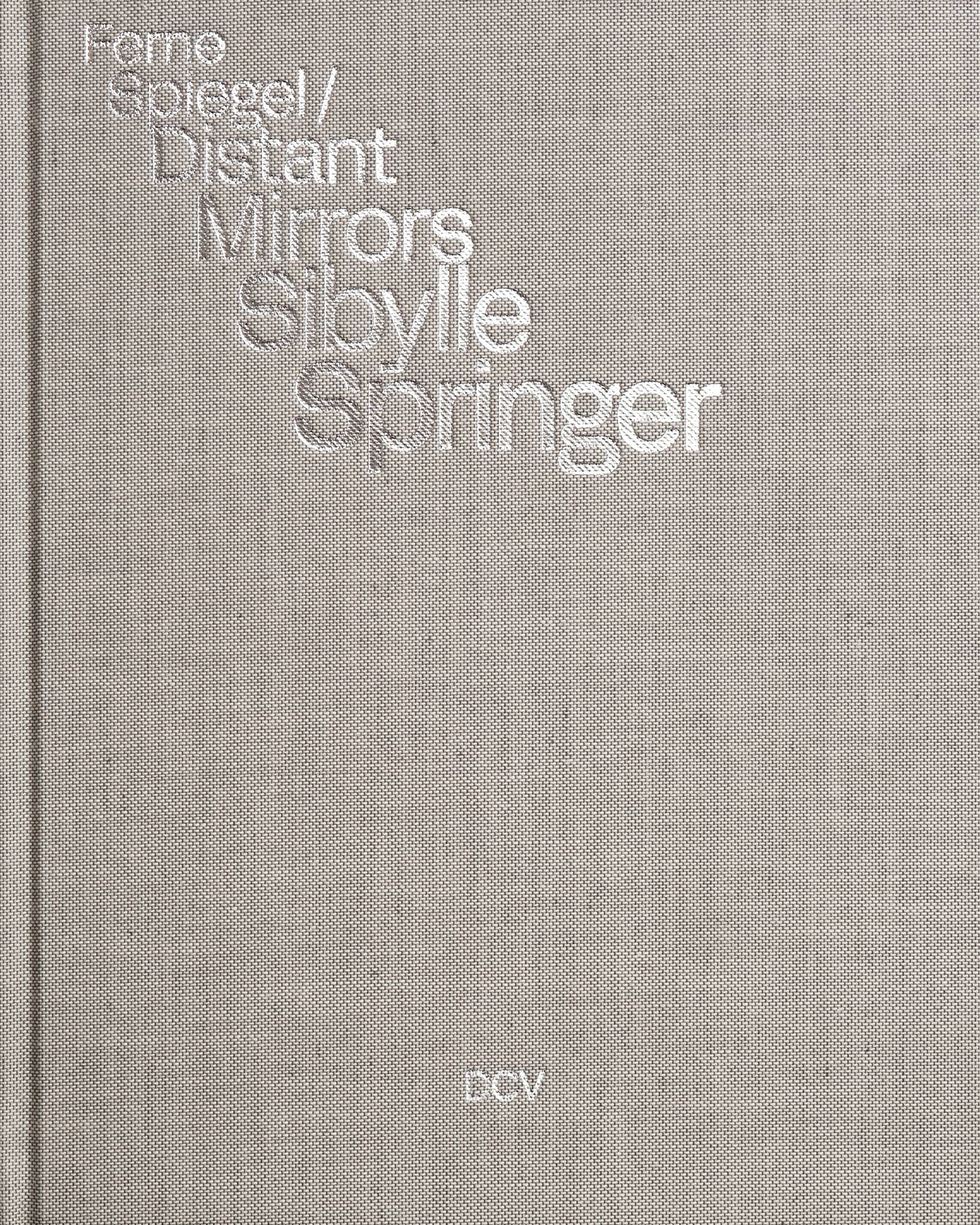
Ferne Spiegel / Distant Mirrors35€ Add to cartThe paintings of Sibylle Springer (born 1975, lives in Bremen) focus on the role of women in the art world of the digital age. For her portrait series Feed, she has painted 40 female artists to date, based on staged photographs from their Instagram feeds. “Is social media an instrument of emancipation, or does it even lead to new forms of objectification?” (Kohout) In Wait for It, Springer copied pop stars from the internet, but used a silver paint that oxidizes the canvases, thus aging the eternally youthful icons before our eyes—precisely what digital image control seeks to prevent. In her more recent textile objects, Springer interweaves female artists of the past and present. This informative book accompanies her exhibition at the Kunstverein Bremen.
Die Malerei von Sibylle Springer (geb. 1975, lebt in Bremen) widmet sich der Rolle von Frauen in der Kunstwelt des digitalen Zeitalters. Für ihre Portraitserie Feed malte sie bisher 40 Künstlerinnen, basierend auf fotografischen Selbstinszenierungen aus deren Instagram-Feeds. “Sind Soziale Medien Instrumente der Emanzipation oder führen sie gar zu neuen Formen der Objektifizierung?” (Kohout) Für Wait for It kopierte Springer Popstars aus dem Netz, aber benutzte ein die Leinwände oxidierendes Silber, das die ewig-jungen Ikonen vor unseren Augen altern lässt, gerade das, was digitale Imagekontrolle zu verhindern sucht. In neueren, textilen Objekten verknüpft Springer Künstlerinnen der Vergangenheit und Gegenwart. Dieses informative Buch begleitet ihre Ausstellung im Kunstverein Bremen.
FERNE SPIEGEL / DISTANT MIRRORS
KUNSTHALLE BREMEN
UNTIL JANUARY 11, 2026 -

Jörg Heieck
CRUX29€ Add to cartTwo Fascinating Series of Works by the Photographer and Physicist
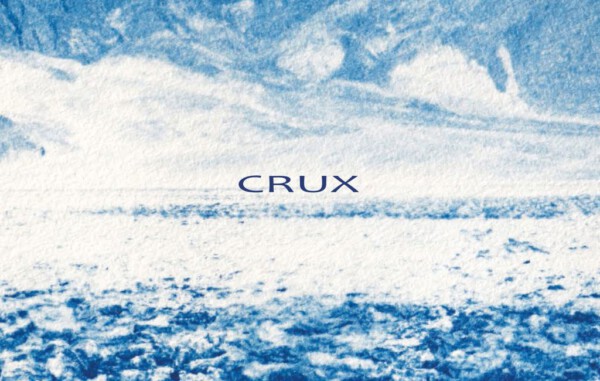
Expertly wielding the vintage photographic technique of the cyanotype, Jörg Heieck (b. 1964, Münster; lives and works in Kaiserslautern) transmutes nature into a fascinating play of shades of blue and defamiliarized shapes. Desolate sceneries, barren landscapes—the first series gathered in the book was created in the Sahara, Iceland, and Spitsbergen. Humanity has reached a crossroads: can we avert the destruction of the planet? Contrasting this symbolic crux, the second section presents populated intersections replete with signage from China, Japan, Russia, Israel, India, Greece, and Georgia. With these panoramas of urban life standing as a counterpoint to the abstraction in the photographs in the first section, the book offers insight into the artist’s extraordinary oeuvre.
Jörg Heieck has a PhD in physics and worked for many years as a researcher at Agfa, Kodak, and the ITER nuclear fusion reactor project. His art has been shown in numerous countries, including at the Goethe-Institutes in Damascus and Beirut, the Aleppo International Photo Festival, the Wilhelm-Hack-Museum, Ludwigshafen, and Kunsthalle Mannheim.
- Out of stock

Voré
Stückwerk Mensch18€ Read moreHistorically Anchored Installations with Current Political References
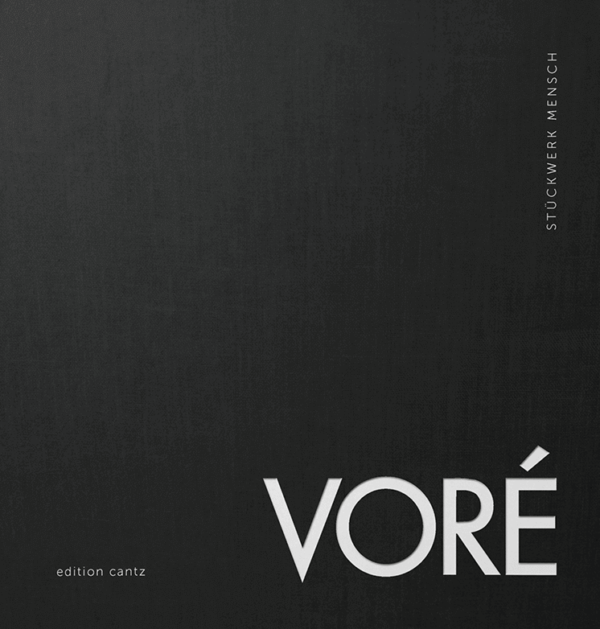
The sculptures by Voré (b. 1941 in Karlsruhe, lives and works in Ettlingen) reflect the artist’s examination of the conditions of human existence and the human state of mind. Finely polished forms, splinters, and rough fractures become a statement of content and at the same time constitute the formal tension of the respective object. The process of creation can be seen in the rough remaining parts and traces of the various tools. Parallel and closely related to this, drawings and collages are created as independent works or as components of installations. Formal impulses of the sculptural concept are taken up, graphically processed, and projected back into the sculptural work. The present volume presents projects from six decades with numerous illustrations.
-
Steven Shearer
Working from Life58€ Add to cart“Today’s images are echoes of how people have always been depicted.”
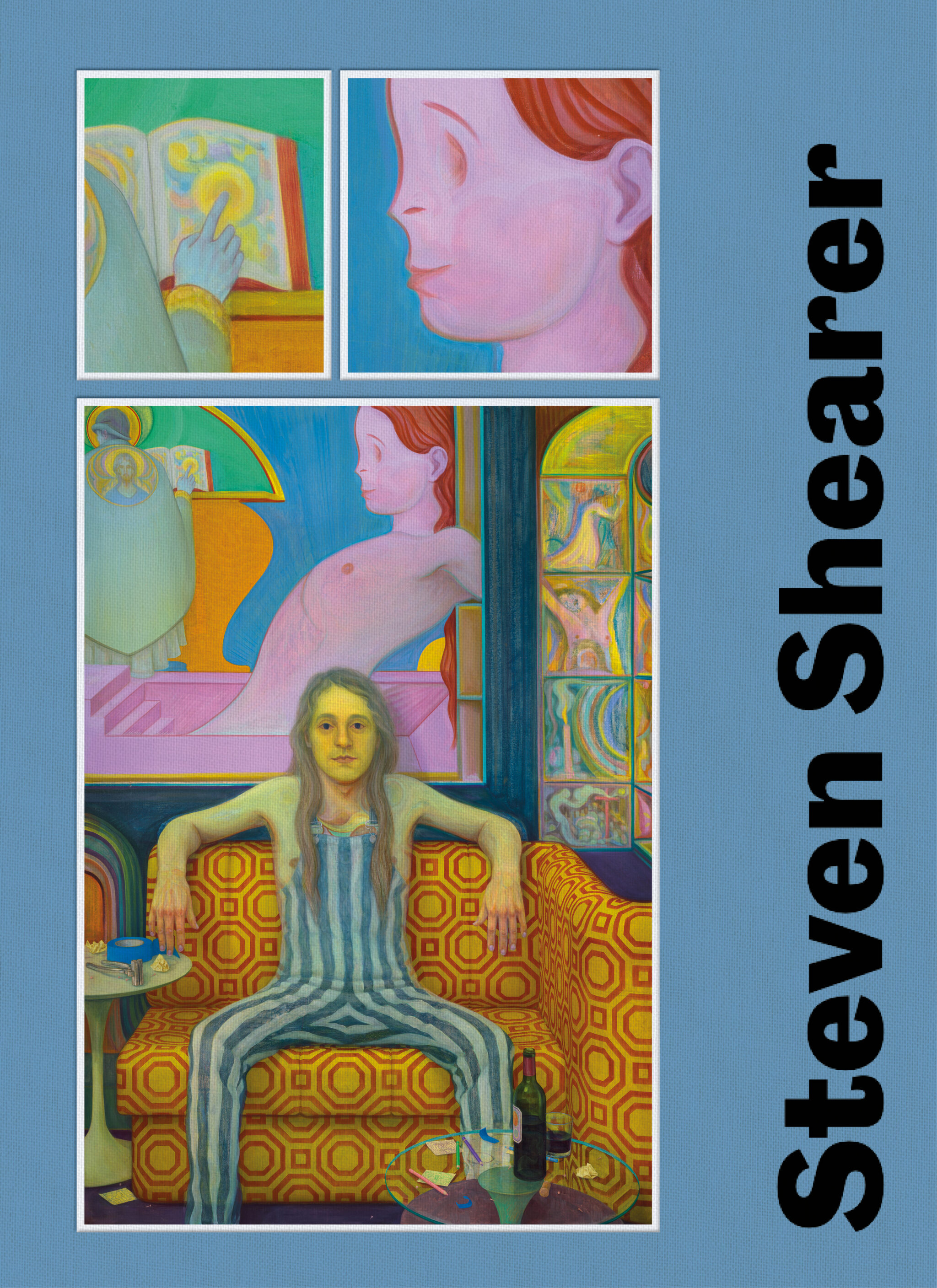
Steven Shearer (b. New Westminster, BC, 1968; lives and works in Vancouver) works in a range of media including printmaking, sculpture, painting, drawing, and collages of found photographs. His portraits of individuals in decorated settings earned Shearer international acclaim. They show heroes from the past—protagonists of musical subcultures or the history of art. The archetypal creative minds in their studios appear together with their works; the interiors surrounding them reflect their psychological constitution. Shearer paints them in the style of Symbolism, the German Romantics, or the Fauves. Imitating the perspective painting of the Renaissance, he virtually pulls the beholder into his pictures.
Steven Shearer participated in the Nova Scotia College of Art and Design New York Summer Studio Programme in 1992 and studied at the Emily Carr College of Art, Vancouver, in 1992. In 2011, he represented Canada at the 54th Venice Biennale.
- Out of stock

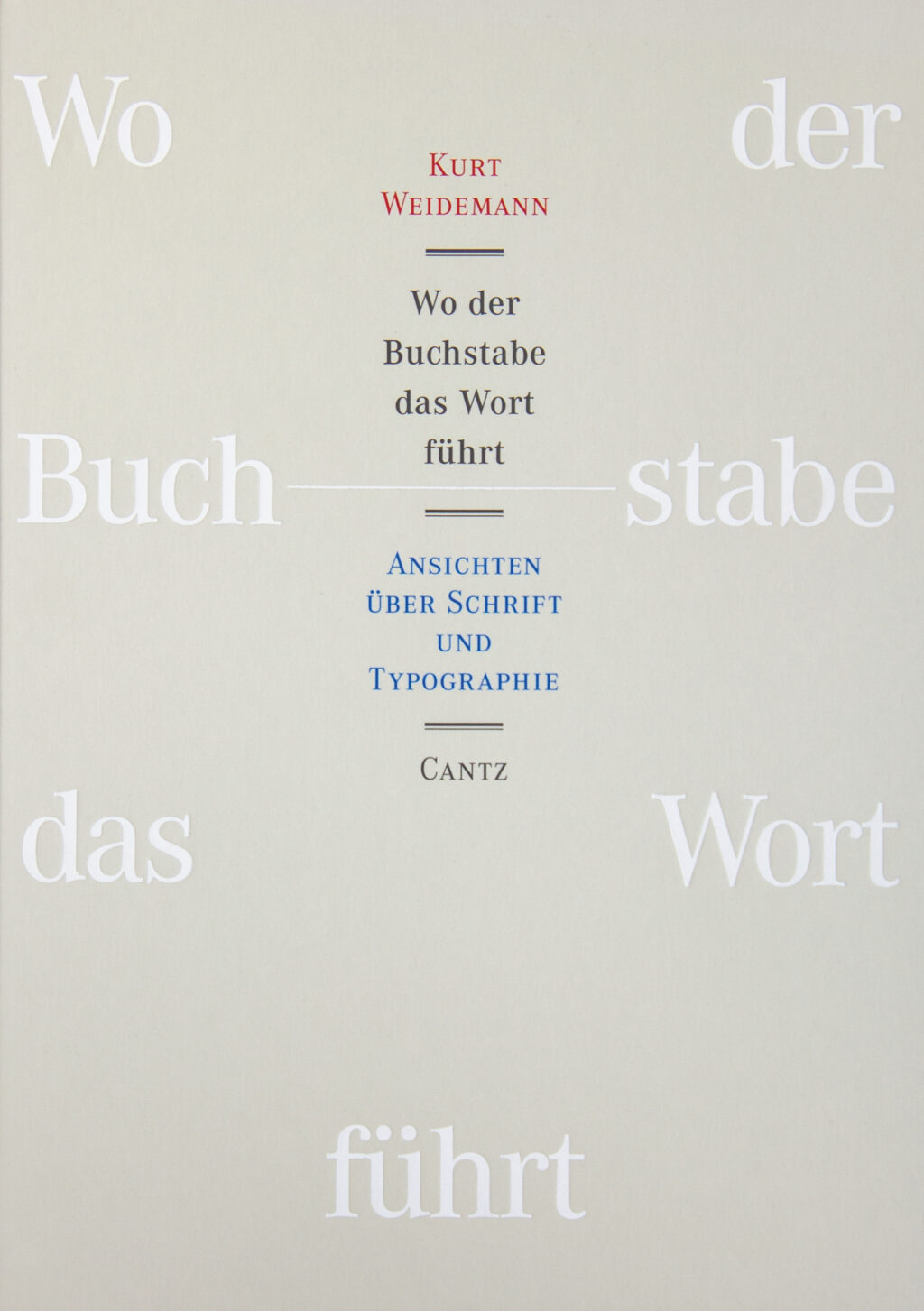
Kurt Weidemann
Wo der Buchstabe das Wort führt49,95€ Read moreSignierte Sonderauflage
Kurt Weidemanns Ansichten über Schrift und Typografie ist das beeindruckende Ergebnis eines über Jahrzehnte erlebten und reflektierten Berufslebens als Schriftsetzer, Typograf, Autor, Lehrer und Berater. Das Buch schildert die persönlichen, philosophischen und fachlichen Ansichten seines Metiers.