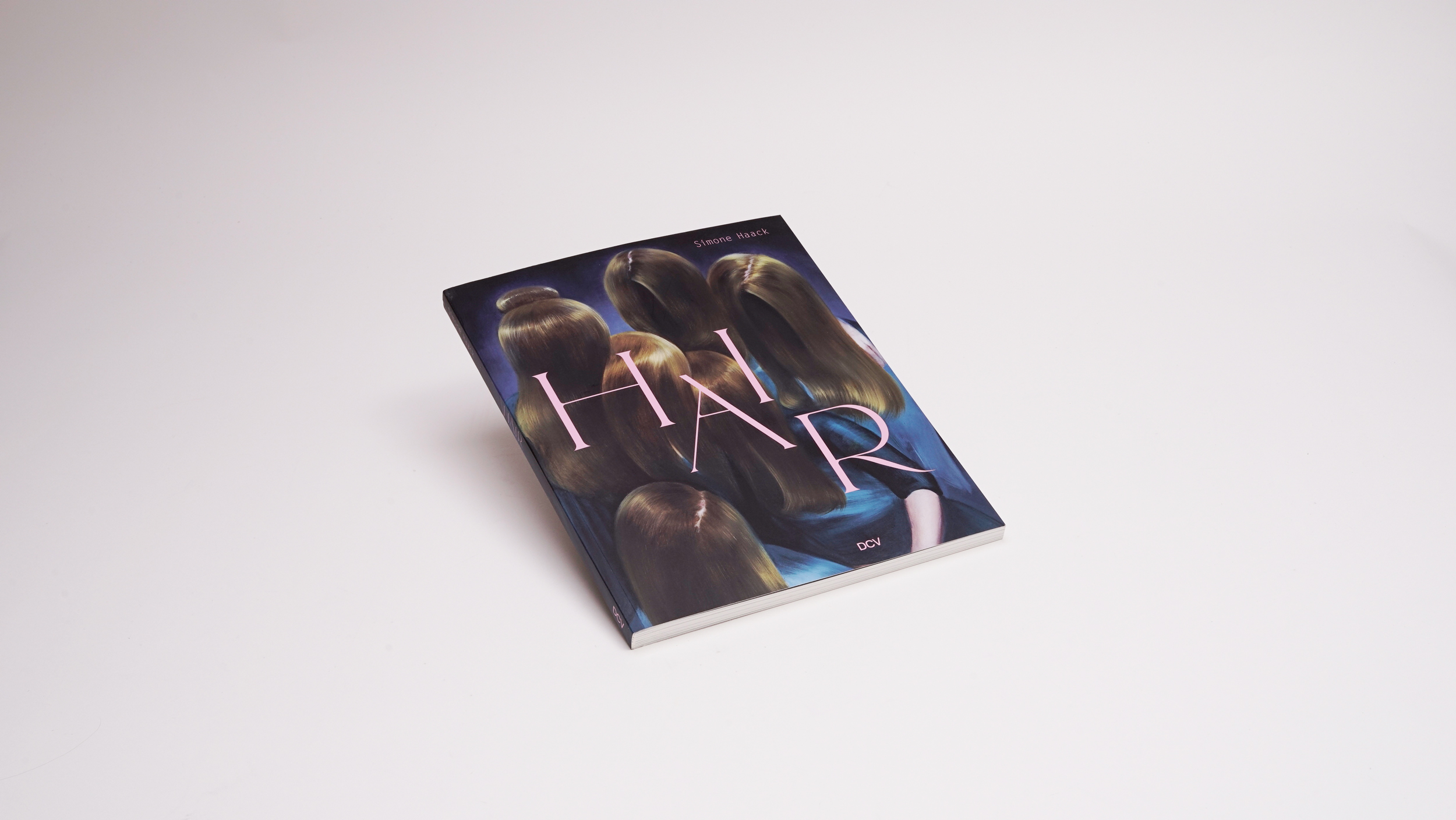
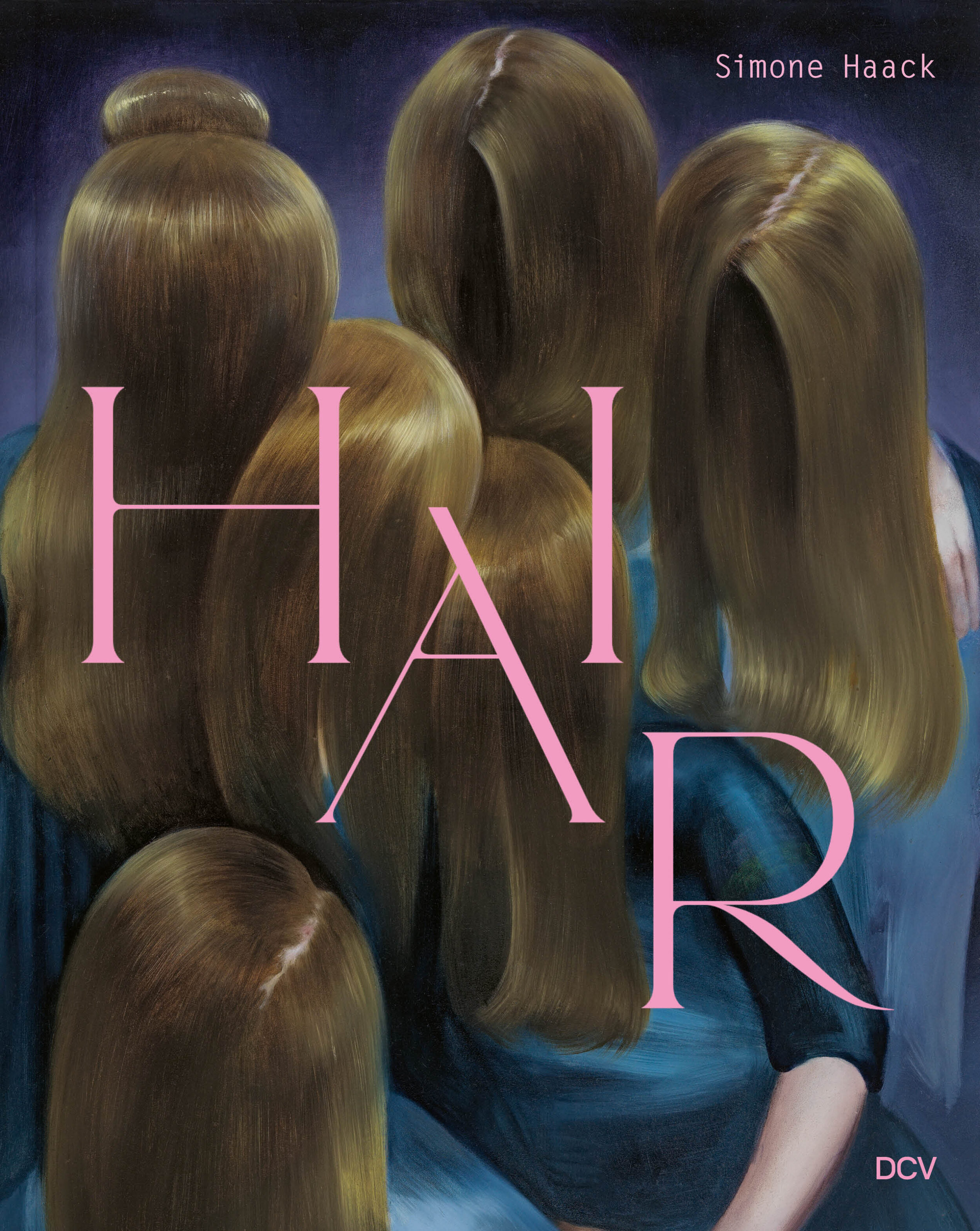
Simone Haack
HAIR
 | |
|---|---|
| Editor(s) | Städtisches Museum Engen + Galerie |
| Author(s) | Sebastian C. Strenger, Velten Wagner |
| Design | Benjamin Wolbergs |
| Size | 21,5 x 27 cm |
| Cover | Softcover with flaps |
| Pages | 128 |
| Illustrations | 70 |
| Language(s) | German, English |
| ISBN | 978-3-96912-154-2 |
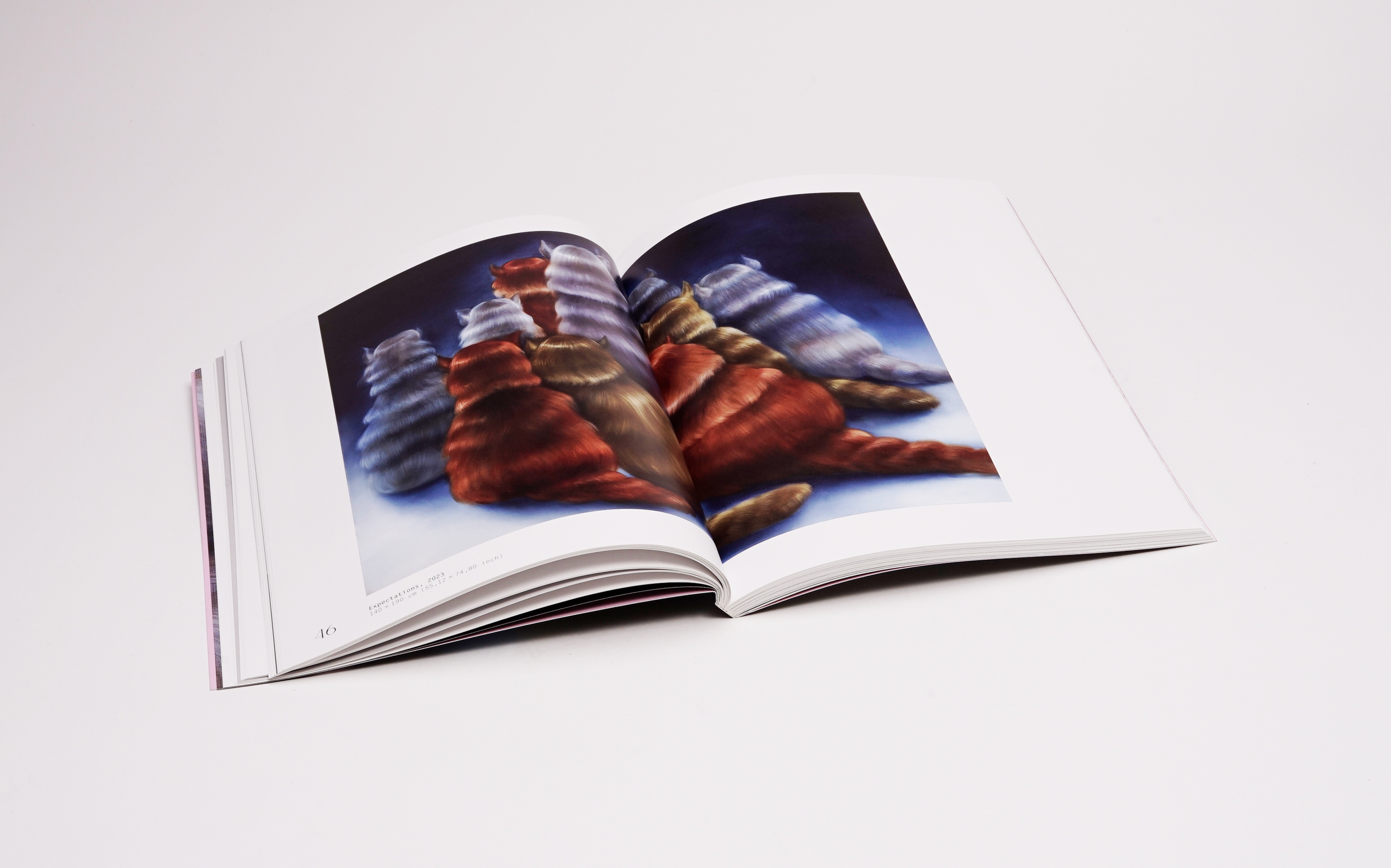
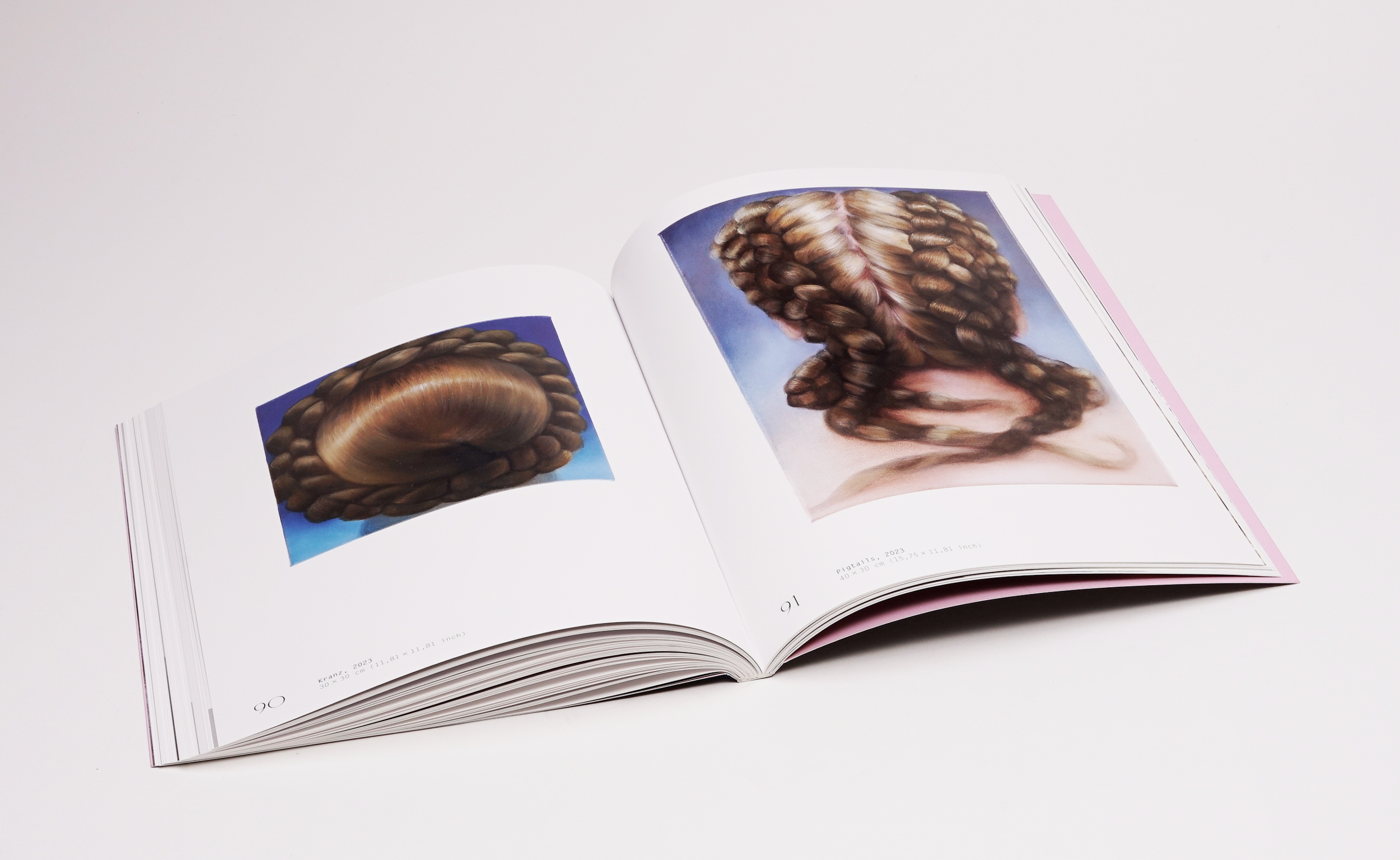
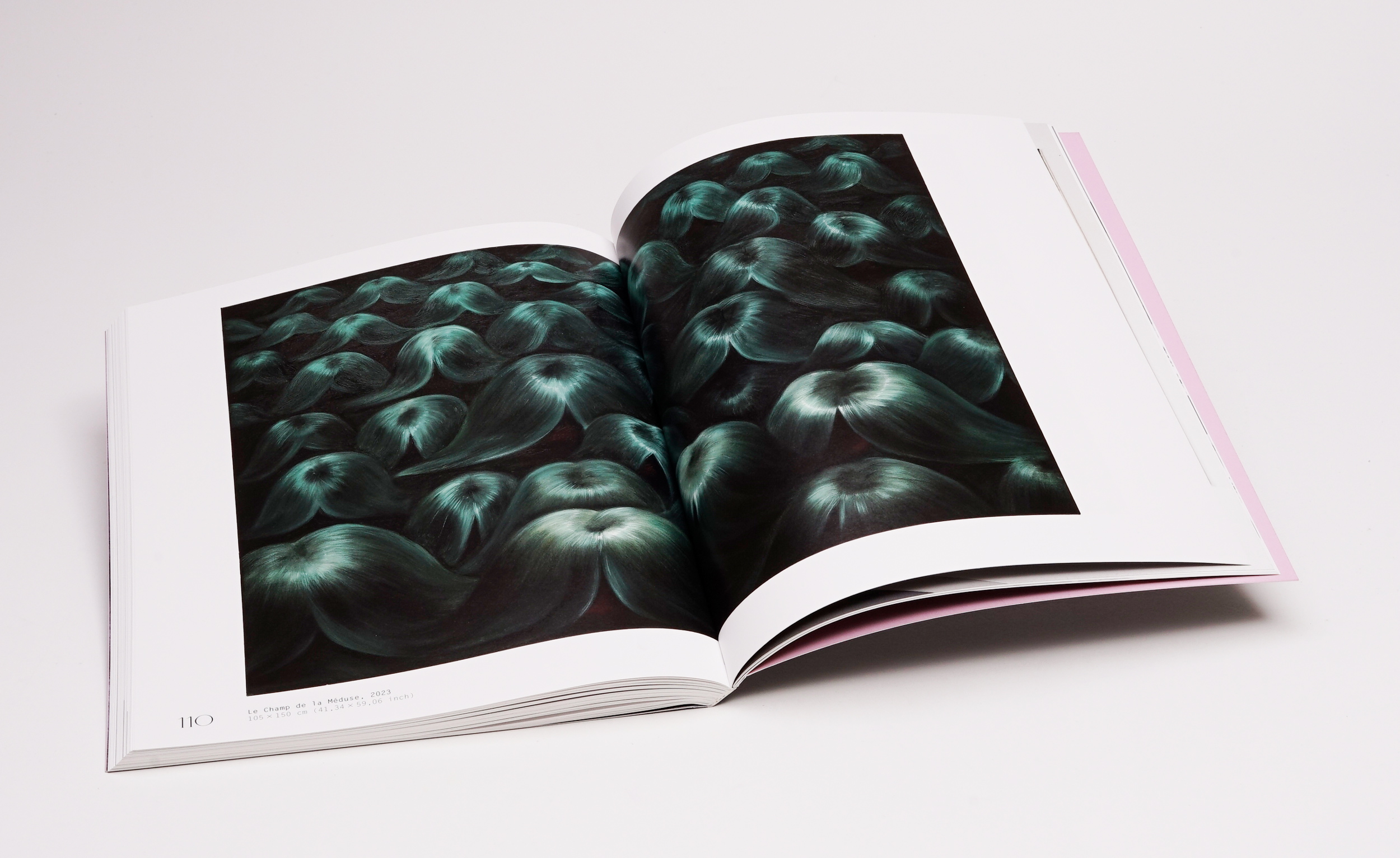
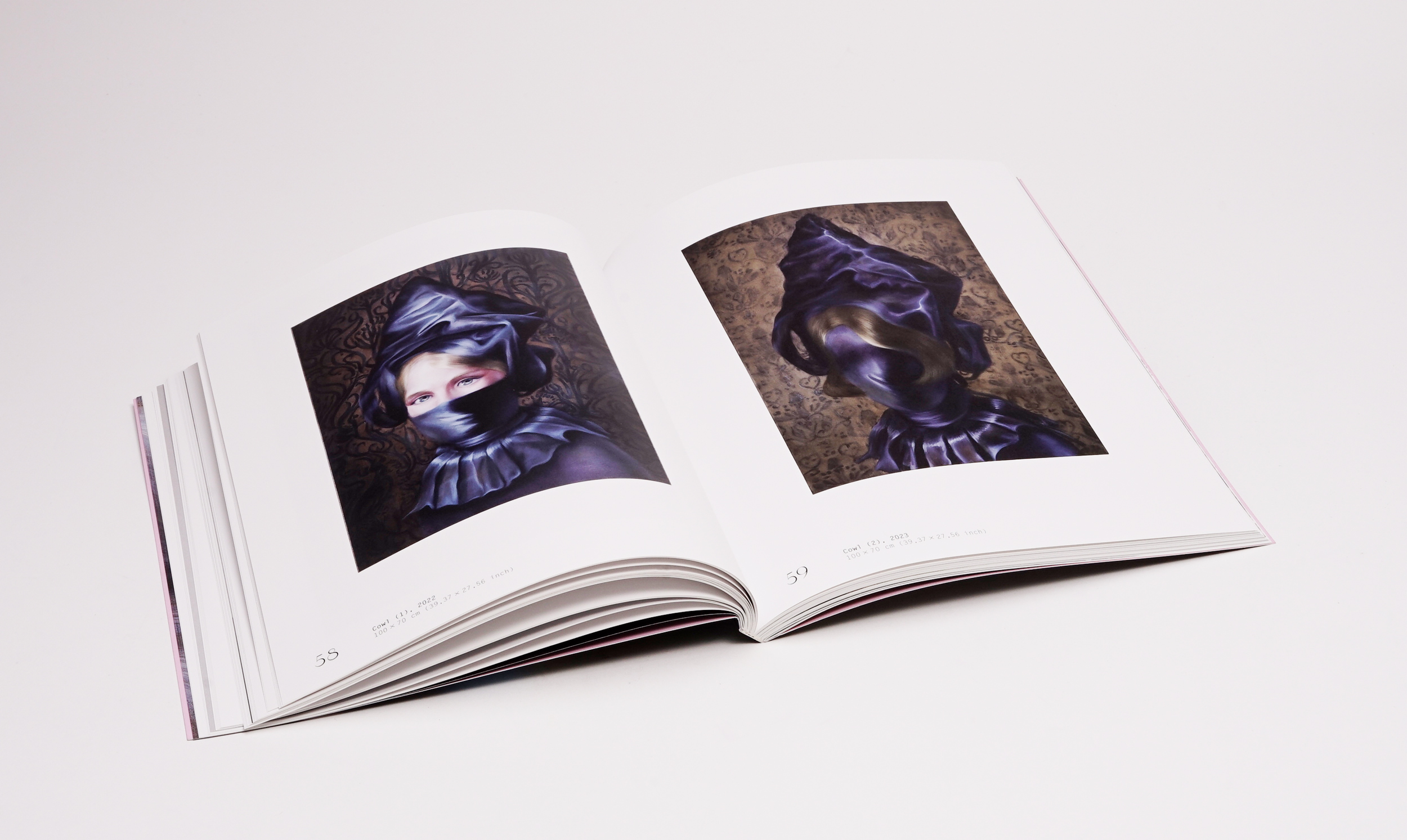
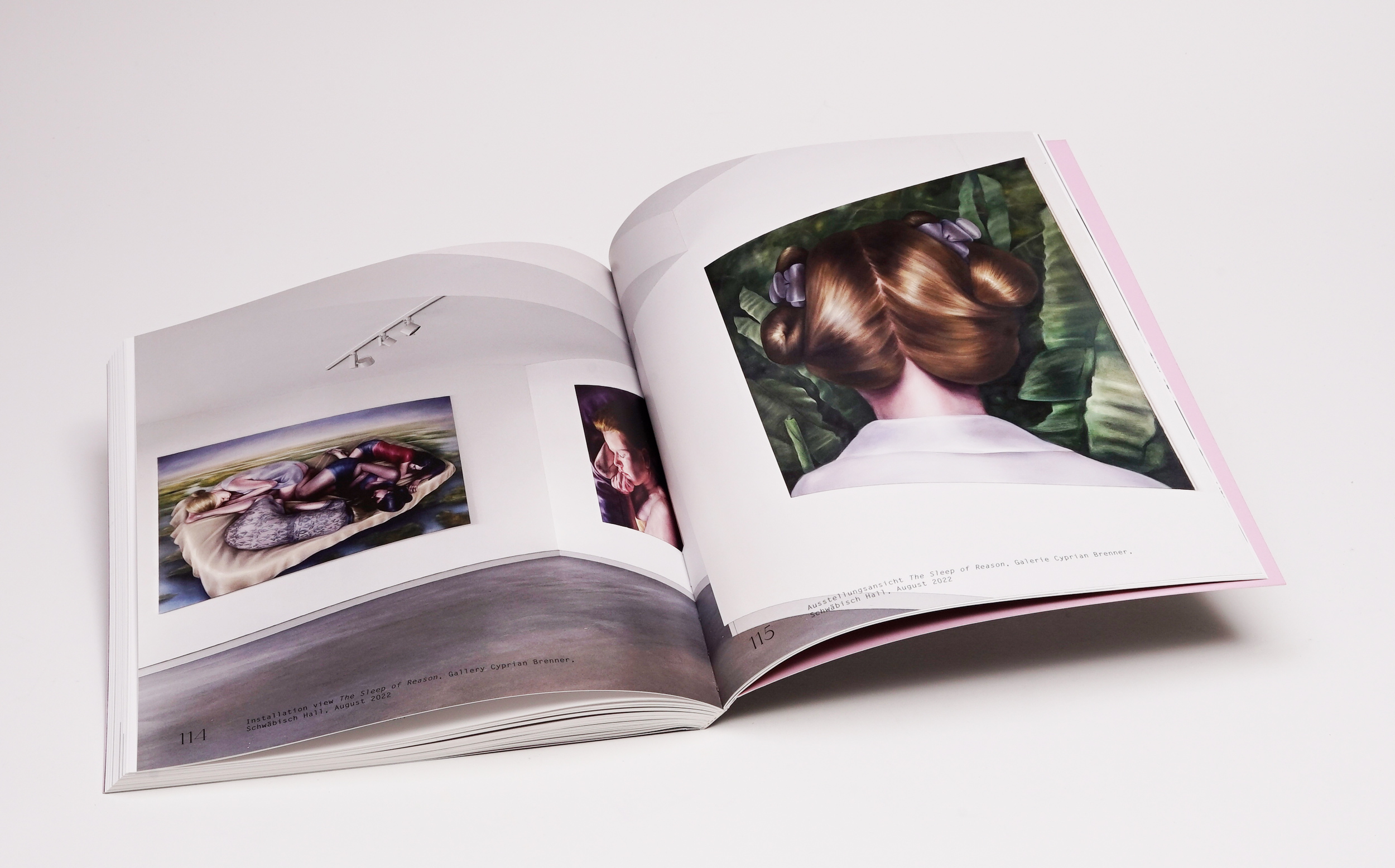
Simone Haack (b. 1978 in Rotenburg/Wümme, lives and works in Berlin) has always made the inwards legible in the outer appearance of her figures in her painting. This is also the case in her block of works in the exhibition of the same name, Hair. Already in the late 17th century, magic and superstition were attributed to hair. In it one suspected the whole power of the soul. The artist, who was formed in the painting class of Katharina Grosse and Karin Kneffel, symbolically reveals the fragility of the DNA of human beings through her hair landscapes, which are sometimes placed macroscopically in the picture in the spirit of a New Magic Realism. At the same time, her accompanying exhibition publication always also tells of the triangle of tension of physical as well as psychological existence, which in her case runs through the painterly psychoanalysis.
More books
-

Freeters
HELP! Artistic Intelligence38€ Add to cartFREETERS stands for an artist collective that designs, creates, transforms and plays with spaces, for and with the people who experience their time there. The artistic intelligence used in the process transforms into spaces for thinking, working, living, playing and learning, creating identity, emotion and inspiration.
This book is about the mediation of artistic thinking and artistic action in processes. The artistic practice of Freeters is characterized by strategies of thought and action that are needed in a society with constantly changing conditions, in a working world that overturns itself in its dynamics. The necessity of shaping the present through artistic thought and action can no longer be limited to the art context.
FREETERS’ AI approach should be understood less as a scientific methodology and more as a call not to reduce our intelligence to only rational thought processes with a utility maxim. Of course, AI has already made impressive progress in many areas of our public services via the hard components of machine learning. However, it is doubtful whether this approach alone can really give rise to a superintelligence that will one day create a resource-saving paradise on earth. Nor is it guaranteed that we as Homo Sapiens will be assigned a place in this paradise by such a unilaterally gifted superintelligence. Cognitively, this machine will be superior to us in any case – only the necessary feeling of happiness of a consensual coexistence does not seem quite conceivable.
-

PULS 20
New Entries in the MNAC Collection36€ Add to cartPULS 20 unites the most valuable finds from a communal treasure hunt. Exponents of the Romanian arts scene and representatives of the National Museum of Contemporary Art (MNAC) in Bucharest teamed up to review the oeuvres of countless eminent Romanian artists and select works of outstanding quality that reflect the diversity of the country’s creative production over the past fifty years. In time for the celebrations of MNAC’s twentieth anniversary in 2020, the institution acquired the 180 works reproduced in this catalogue. That makes PULS 20 a singular document in two respects: it gathers a selection of key works of Romanian art that is unprecedented in its breadth between the covers of a book; and it is the result of a successful cooperative curatorial process, an organic discourse involving a wide variety of participants, demonstrating that democratic dialogue in art is not just possible but also extraordinarily fruitful and indeed necessary. All in all, this catalogue is the perfect choice both for newcomers to Romanian contemporary art and for specialists.
-

Ottmar Hörl
Second Life – 100 Arbeiter14,80€ Add to cartThe Workman Sculptures at Völklinger Hütte Steelworks
Sculptures on topics of everyday life are at the center of the work of Ottmar Hörl (b. 1950, Nauheim; lives and works in Frankfurt/Main and Wertheim). His major projects gained international recognition, they are based on the artist’s concept of art as a communication model. For the Völklingen Ironworks World Heritage Site, Hörl conceived the sculpture project Second Life, which features 100 figures modeled on the Völklingen ironworker with helmet and work clothes. The book documents the impressive project that focuses on the universal theme of the Völklingen Ironworks: work and the working people.
-

Thomas Lehnerer
Grott18€ Add to cartA Facsimile by the Theologian and Artist
The genesis of images is a central aspect of the work of the Munich-based theologian and artist Thomas Lehnerer (b. Munich, 1955; d. ibid., 1995). In drawings and sculptures, as well as in spatial and conceptual works, the production of images creates a counter-world to our own lives. By transferring fundamental experiences of human existence into art, Lehnerer creates an equivocal, anthropological space for observation and reflection. The artist’s book Grott, published in 1986, contains ambiguous elements. All drawings are positioned on the right page. In the not yet dried state, a double image was formed on the left side, which relativizes the “primary image.” The depictions of animals, people, and the environment were drawn nearly without interruption from a single line. In this style of continuous movement, the overall image can be traced back to its beginning. For Lehnerer, it was important to understand human (self-)consciousness from the perspective of the history of evolution, since there are countless models of thought and belief within this narrative. Grott refers in the title, as well as in the drawings, to the charged relationship between the earthly and the spiritual.
-

Brandon Lipchik
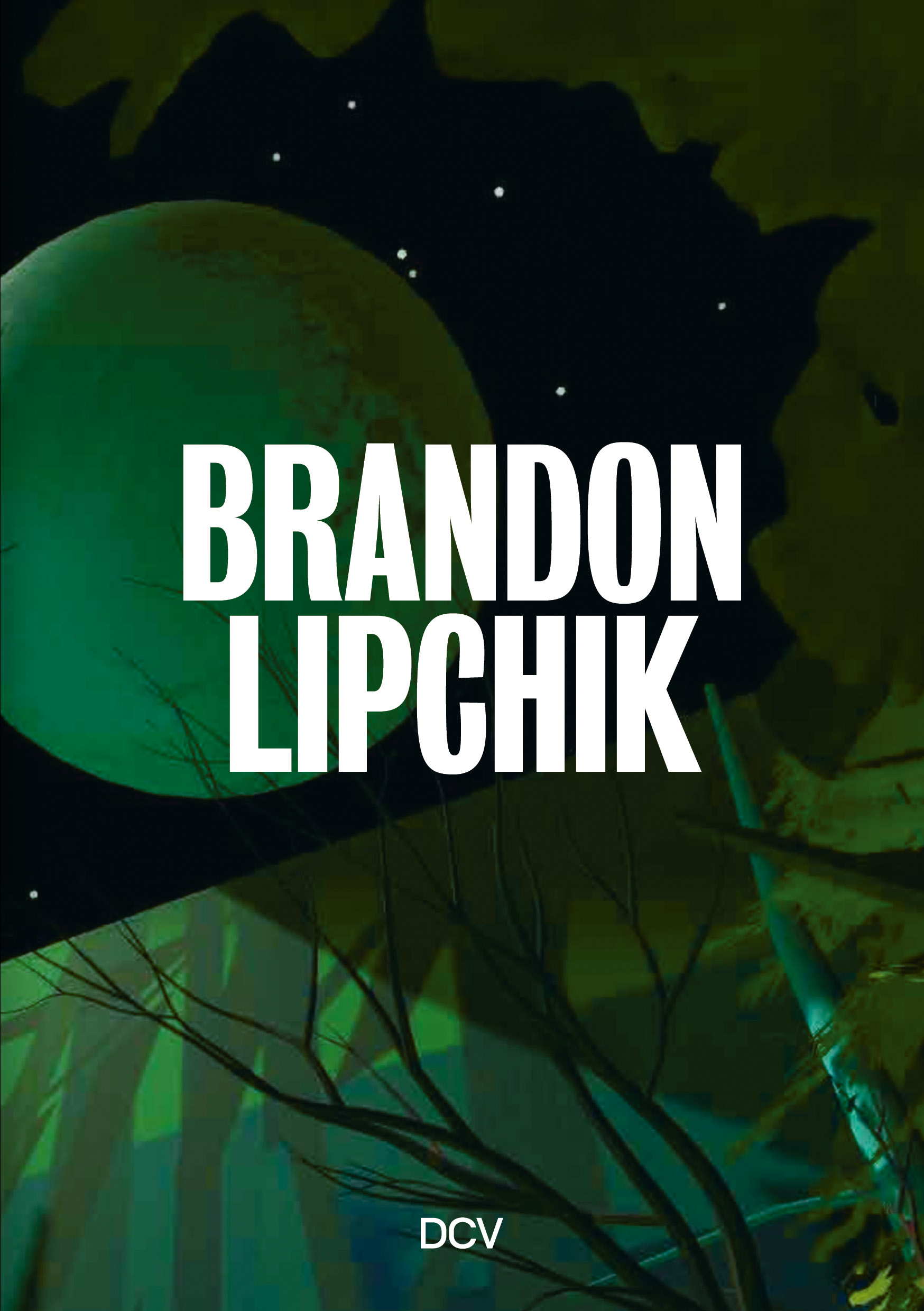
10€ Add to cartIn recent years, a Wagnerian night has settled over Brandon Lipchik’s (b. Erie, PA, 1993; lives and works in Brooklyn, NY, and Berlin) pictures. Moons rise; beasts and titans populate a homogeneous world of swimming pools, white picket fences, and neatly mowed lawns. Synthesized on a computer screen and then transferred to canvas by hand, the artist’s paintings revolve around the backyard as a mythically fraught scene of popular culture. The garishly lit multiperspectival pictures replicate characteristic shots from 1980s gay porn films and quote a clean American Apparel look. Lipchik subjects men’s bodies, spaces, plants, objects, and animals to digital deconstruction, obtaining rudimentary and abstract shapes. Staring at smartphones or gazing on water surfaces, his characters recall early digital animations and seem oddly hollow, like empty avatars waiting to be filled with new speculative content.
-

Agostino Iacurci
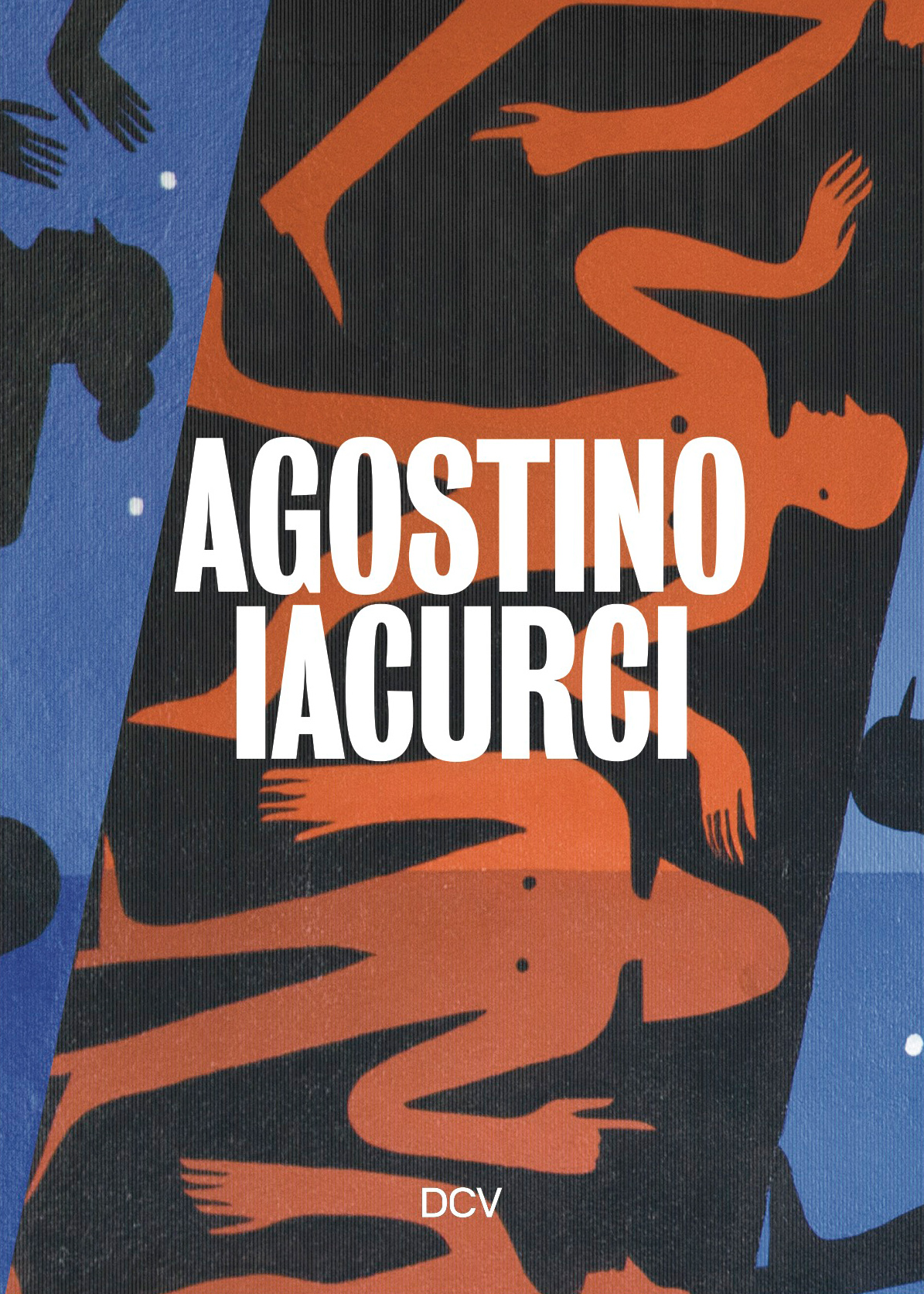
10€ Add to cartAgostino Iacurci’s (b. Foggia, Italy, 1986; lives and works in Berlin) paintings, sculptures, installations, and murals are based on vegetal forms and botanical subjects. Lucid compositions in radiant colors unfurl fantastical ornaments that transcend the division between figuration and abstraction and the hierarchical distinctions of applied art, design, fine art, and folk art. His central theme is the painted garden, in which he stages plants, humans, architecture, geometry, and decoration in a fashionably theatrical landscape. In Iacurci, the interpenetration of nature and civilization is real, integrating mythological motifs from across the history of art and culture, from antiquity to futurism and postmodernism, into his singular style.
Agostino Iacurci studied fine arts at the Accademia di Belle Arti in Rome. Since 2009, he has realized numerous large-format murals and installations for public and private institutions. He has also worked with international brands including Apple, Adidas, Hermès, and Starbucks.
-

Winston Roeth
Speed of Light32€ Add to cartColor Is Light
Intense monochrome areas of color, radiant pigments, and multifaceted surfaces are the characteristics of the art of Winston Roeth (b. Chicago, 1945; lives and works in Beacon, New York, and Waldoboro, Maine). He has devoted himself to abstract color field painting since the 1970s, with the grid as a leitmotif running through his oeuvre; both are fraught with painterly memories of light, “a light that can jump out and grasp the beholders, a color saturation that throbs with a deep glow,” as the artist himself puts it. It emanates from the strata of paint in his pictures, encountering the light that, falling upon his works, molds their chromatic effect. Roeth experiments with pure pigments, which he mixes by hand to make paints he applies in layers to diverse media including paper, aluminum, honeycomb, slate, and wood panels. The book documents a tour of an exhibition, presenting works dating from between the early 1990s and 2020.
- temporarily not available
Der tanzende Blick
Roman Novitzkys Stuttgarter BallettRead moreWeightlessness, Grace, Emotions
The photographs by Roman Novitzky (b. 1984 in Bratislava) reveal the entire vocabulary of dance—and yet convey much more than this. With his camera, the first soloist of the Stuttgart Ballet not only captures hidden moments in rehearsal or from the side stage, but also opens the door to his own cosmos for the viewer. He depicts sweat and tension, doubt and euphoria, and gives the audience intimate insight behind the scenes of the Stuttgart Ballet. Roman Novitzky’s first monograph comprises more than sixty photographs of the ballet hall, the cloakroom, and guest performances. It not only stands for his two passions, dance and photography, but also describes his photographic approach, shaped by years of dance experience, which gives the viewer familiar insights into his everyday surroundings.
-

Hannes Norberg
2728€ Add to cartThe Ideal of Simplicity, Clarity and Timelessness
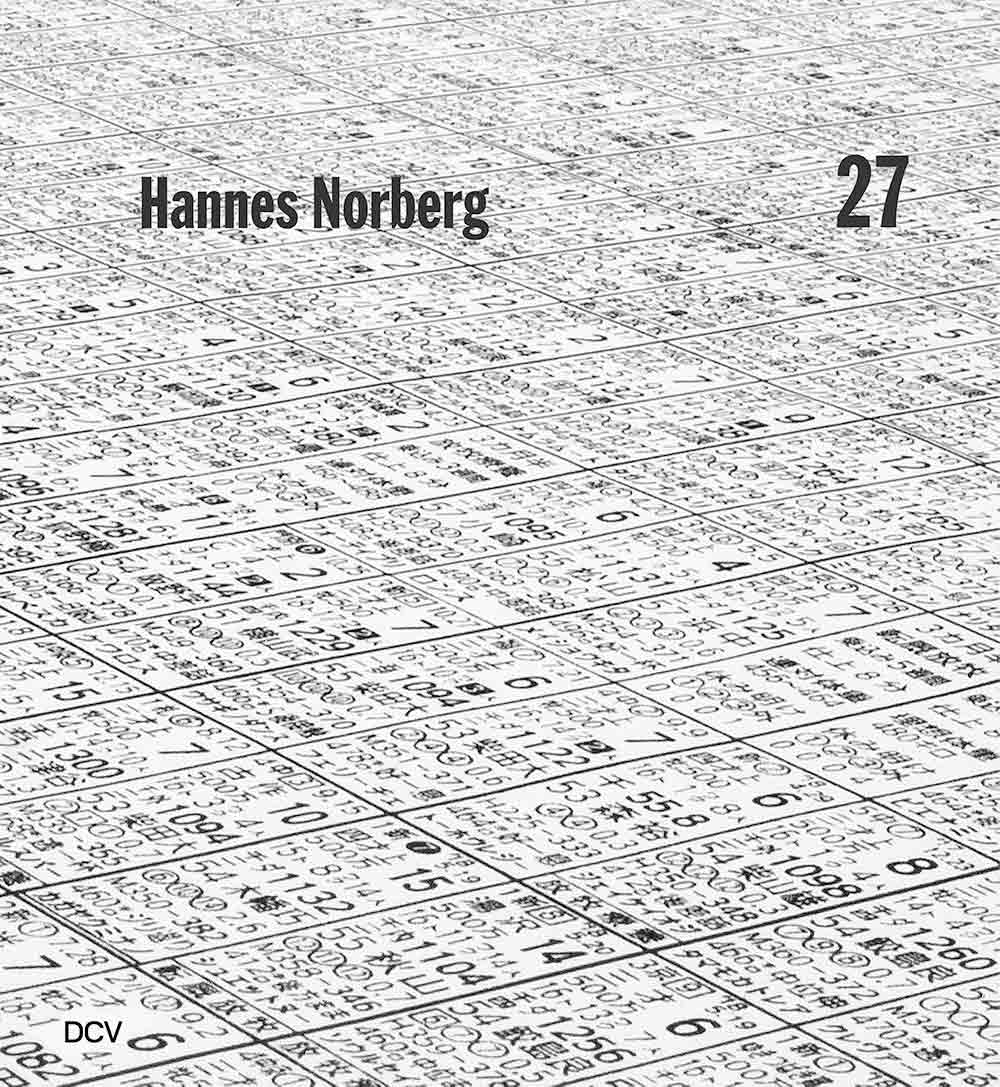
To make his photographs, Hannes Norberg (b. 1969, Worms; lives and works in Düsseldorf) constructs artificial spaces that integrate elements of painting, drawing, collage, and sculpture. Rather than reproducing selected details of an existing reality, his works make empty space and the play of light and shadow their point of departure. In his most recent pieces, the artist has focused on samples of typography that he collected on his travels and in numerous libraries all over the world and subjected to graphical redaction. Captured in natural light in his studio, his pictures showcase the quiet beauty of writing and paper, while their landscape-like aura gestures toward their place of origin. Designed by the artist himself, the book marks the public première of a selection of twenty-seven new photographs.
Hannes Norberg studied fine arts at the Kunstakademie Düsseldorf and was an artist-in-residence in Paris, New York, Florence, São Paulo, Xiamen and Seoul.
-

Stephan Kaluza
Die dritte Natur14€ Add to cartThe Nature of Art as Totality and Idyll
The philosophy of nature is central to the artist Stephan Kaluza’s (b. Bad Iburg, 1964; lives and works in Düsseldorf) work. As he sees it, there exists a succession of different natures: first nature is Kaluza’s designation for a world as immediately felt by (early) humans, part of an encompassing and close-range experiential totality they labeled ‘nature’ and perceived as a physical, but also spiritual and emotional concatenation of events. Second nature is stripped down to an objective and utilitarian quality; nature becomes a resource, the basis of life, the environment. In a kind of linguistic turn, speech mediates a surrogate, an alternative world, that positions nature as culture’s opposite; the former becomes replaceable in favor of latter. Yet this culture is far from devoid of yearnings for the immediacy that it has lost, and so develops an ‘artificial idyllic nature’ in turn. This third nature of the arts—a purely human nature—harks back to the archetypes of a first nature in escapism and totalized immersion.
-

Sinje Dillenkofer
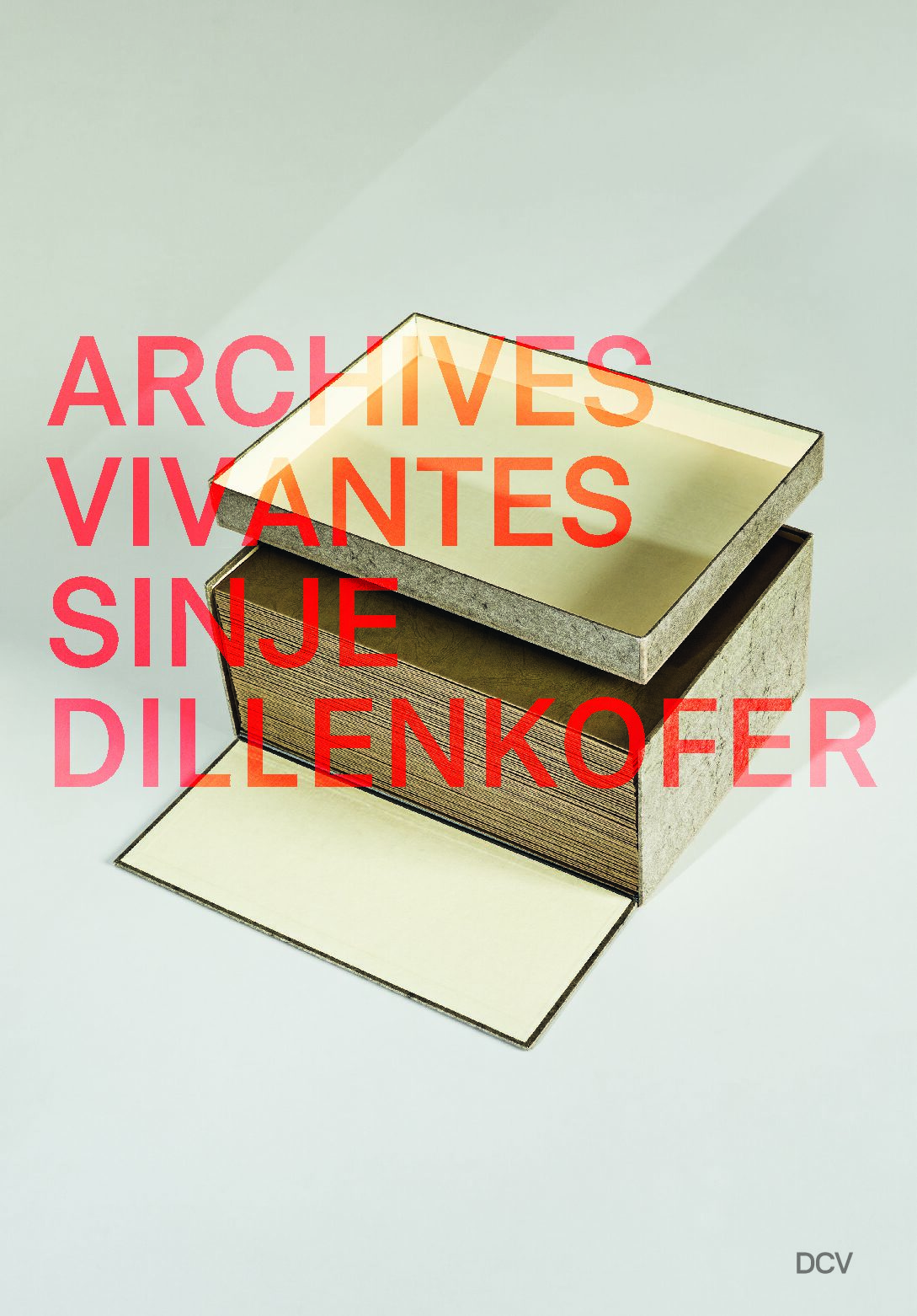
Archives Vivantes34€ Add to cartSinje Dillenkofer’s (b. Neustadt a.d.W., 1959) body of work ARCHIVES VIVANTES inquires into the idea of the “archive,” harnessing the means of visual art to allow us to see and perceive what the archive does not reveal. With staged photographs that combine conceptual rigor with a wide spectrum of creative techniques and devices, Dillenkofer’s pictorial essay turns the spotlight on specimens, artifacts, graphic art, and writings compiled by the explorer and naturalist Alexander von Humboldt (1769–1859) and the ornithologist Carlo von Erlanger (1872–1904). Examining the archive as a model of nature and reality as well as a mirror of “human nature,” the artist develops compositional ideas inspired by the peculiar features of the objects in the collections in visual analogies, pictorial spaces, and spatial compositions. Animals and plants that died long ago “in the service of science” are vividly embodied through the distinctive use of light and shadow. The resulting pictures consider the archive in a new context, framed by our complex relationships with nature, humankind, society and its values and ideals, circumstances and constellations of power. The pictures were taken in six German collection archives: at the Museum bei der Kaiserpfalz Ingelheim, the Naturhistorisches Museum Mainz, the Senckenberg Forschungsinstitut und Naturmuseum Frankfurt, the Stadtmuseum Berlin, and the Stuttgart State Museum of Natural History. Dillenkofer was the first artist to be invited by the Berlin State Library—Prussian Cultural Heritage to translate Humboldt’s American travel diaries into art.
Sinje Dillenkofer studied at the Stuttgart State Academy of Art and Design and has taught at universities and art academies. Her work is held by the Victoria & Albert Museum in London, the ZKM | Center for Art and Media Karlsruhe, the Staatsgalerie Stuttgart, and the Berlinische Galerie, among others.
- Release January 2026
Valentina Jaffé
Dripping Folds and Melting States23€ Add to cartDripping Folds and Melting States is published in conjunction with the young artist Valentina Jaffé’s most extensive institutional solo exhibition to date. Blending artist’s book and catalogue, the volume gathers works from the past five years by Jaffé, who lives and works in the Rhine–Neckar metropolitan region. Taking an interdisciplinary and inter-media approach, she continually refines the conception of collage that is central to her art. Her creative universe is informed by intersections, imbrications, and the exploration of in-between states—by the concurrence of mutability and constancy.
Created out of long-fibered paper and awash in color, the artist’s visual spaces are transformed with each new environment and have an air of breathing membranes. Her ceramics, meanwhile, play with contrasts of hardness and softness, fragility and stability, coldness and warmth. The book reflects Jaffé’s multifaceted experimentation and is enhanced by scholarly contributions by Carolin Heel and Fedra Benoli, who add depth to her engagement with space, body, and material.
-
Matthias Dornfeld
danke esslingen42€ Add to cartAt first glance, the paintings of Matthias Dornfeld might strike us as naïve or even primitive. However, his still lifes, flower and animal depictions, and abstracted portraits occur in a compelling discourse with the avant-garde of European art history. Yet the works are equally accessible without that background, namely with their playful and provocative gestures, which tend to push the depictions to the brink of possibilities. After a comprehensive retrospective in the Villa Merkel Esslingen, this book documents the show and includes texts by Friedrich Meschede, Daniela Stöppel, and Christian Gögger. The in-depth essays illuminate Dornfeld’s oeuvre and iconography and furthermore discuss the unconventional hanging of the show as well as its reception.
-

Fritz Overbeck und Hermine Overbeck-Rohte
Der Briefwechsel38€ Add to cartIntimate Glimpses from the Marriage of Two Worpswede Artists
In the final years of the nineteenth century, numerous painters settled in the village at the foot of Weyerberg hill, followed by young women who took classes with the local artists. Fritz Overbeck (b. Bremen, 1869; d. Bröcken near Vegesack, 1909) and Hermine Overbeck-Rohte (b. Walsrode, 1869; d. Bremen, 1937) became one of Worpswede’s husband-and-wife creative duos, though their union has been less celebrated than those of Otto Modersohn and Paula Becker or Rainer Maria Rilke and Clara Westhoff. Like the stories of their more famous neighbors, theirs exemplifies life and work in the artists’ colony, but also the dogged struggle for equality in the creative professions. Yet unlike those other relationships, theirs did not break up over the conflict between art and marital life; it lasted until Fritz Overbeck’s tragic early death. In a first, this book contains virtually the entire extant correspondence between the Overbeck-Rohtes in unabridged form and with numerous annotations. Offering fresh and nuanced insight into the lives and oeuvres of its protagonists, it makes for moving and entertaining reading.
- Release January 2026

Charles Moore
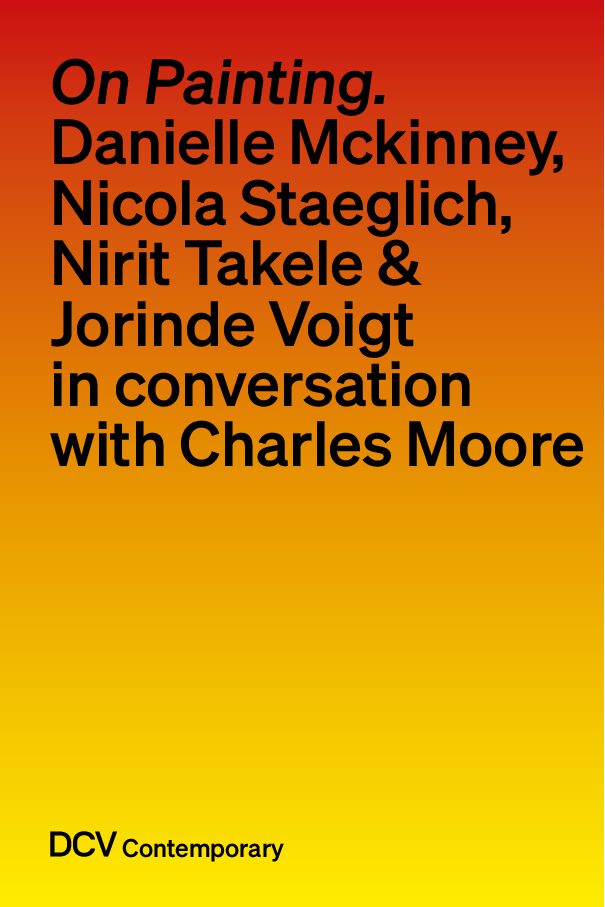
On painting16€ Add to cartFor On Painting, New York-based art historian and curator Charles Moore, interviewed four women artists about their practice, asking them to reveal their motives and aspirations. This publication consists of four interviews, each containing an introduction by Moore and illustrations of the artist’s works. Danielle Mckinney, who paints exclusively Black women, reflects on her experiences as a woman growing up in the US South. Nicola Staeglich creates subtle layered abstract works to evoke new perspectives and the potential for change. Nirit Takele elaborates on how her Ethiopian Jewish heritage has shaped her painting practice. Jorinde Voigt, who creates complex installations inspired by notation systems, discusses the use of algorithms and the beauty to be found in the unexpected.
-
Ossian Fraser
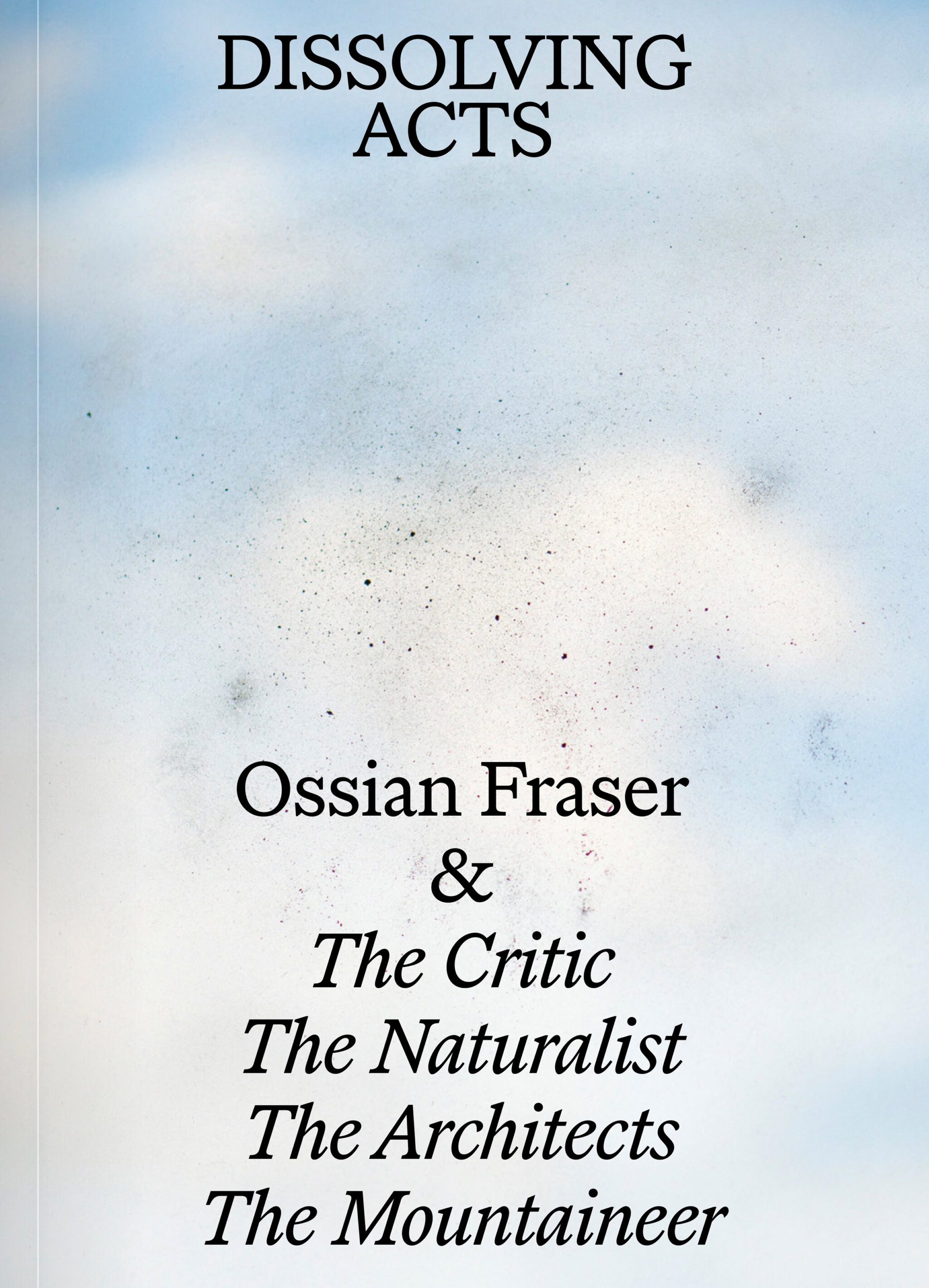
DISSOLVING ACTS38€ Add to cartOssian Fraser (b. Edinburgh, 1983; lives in Munich and Berlin) molds and captures evanescent moments. Working with volatile materials such as water, dust, or light, the artist exposes the latent potentials of unremarkable situations in the urban fabric and natural scenes. A tunnel in a city, a rock face in the mountains become points of departure and elementary components of his site-specific interventions, which he records in photographs. The book is the first to offer comprehensive insight into Fraser’s artistic practice. Series of pictures showcasing his conceptual and poetic pieces alternate with conversations that not only demarcate the framework in which his art operates, but also touch on the great issues of our time.
Ossian Fraser studied fine arts and sculpture at the Alanus University of Arts and Social Sciences, Bonn, from 2006 until 2009 and at the Weißensee Kunsthochschule, Berlin, from 2009 until 2013, rounding out his education in Albrecht Schäfer’s master class in 2013–2014.
-

Simone Demandt
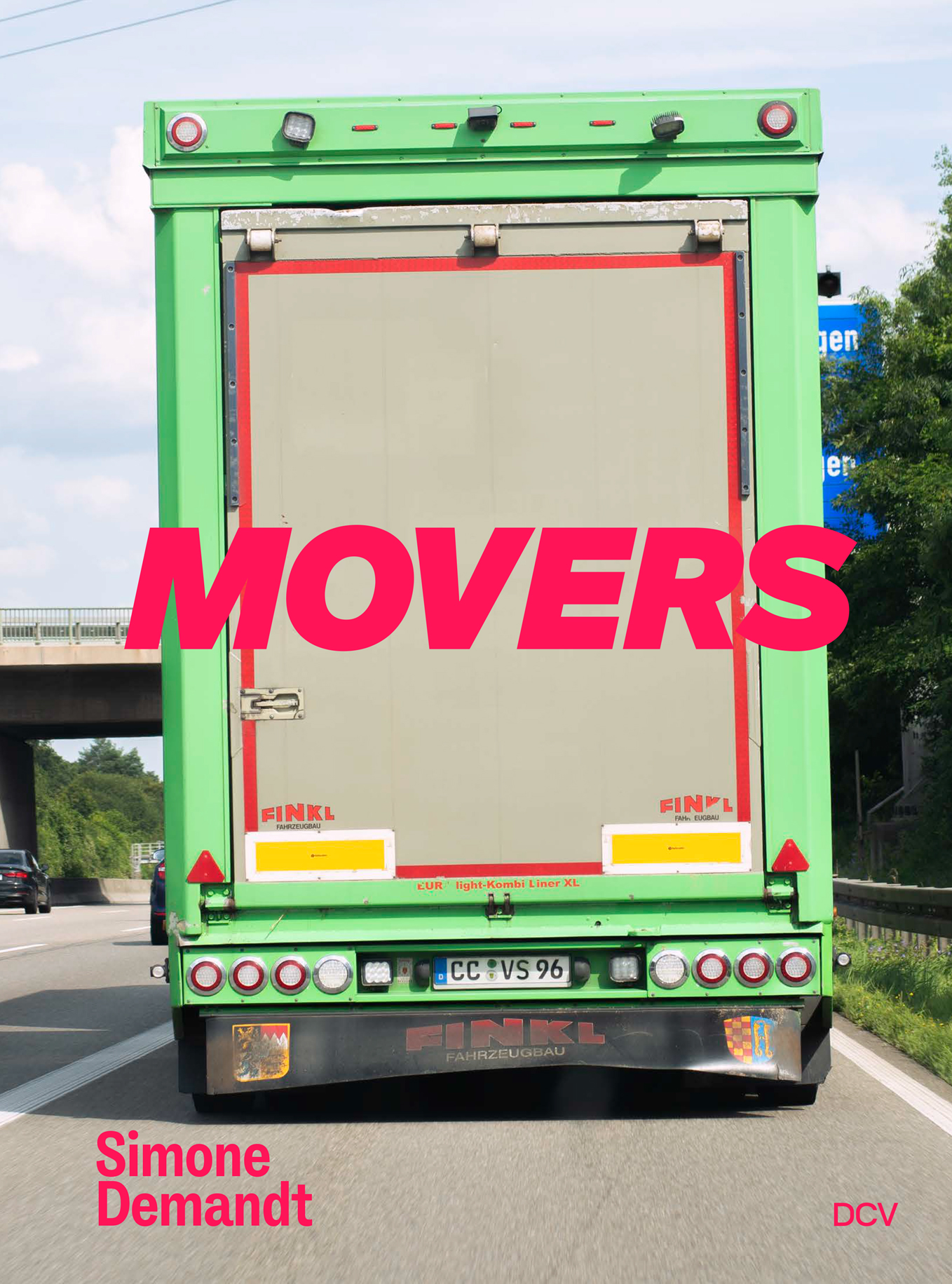
Movers / Beweger38€ Add to cartMotorways are Europe’s lifelines. The products we buy every day arrive on supermarket shelves after traveling along these arteries on the backs of thousands of trucks steered by hard-working drivers. Glancing up into the cabs of their hulking vehicles, we can just barely make out their heads sticking up above the steering wheels. In this overdue volume, Simone Demandt lets us see more of the heroes of the road who confidently posed for her camera. The pictures demonstrate Demandt’s knack for discovering “the intimate in the anonymous and the narrative element in the matter-of-factly” (Matthias Winzen). She has condensed the truckdrivers’ lifeworld into documentary black-and-white shots in which she shows these people as whole persons and individuals—very different from how we perceive them when they’re in the next lane. Movers lets us peek into the cabs through Demandt’s nonjudgmental lens, broadening our horizons hardly less than travelling would and helping us overcome our prejudices about teamsters. If you’ve always wanted to know whom we really have to thank for those never-empty supermarket shelves, you should not miss out on this book.
-
Maria Balea & George Crîngașu
The Mythenstein Project18€ Add to cartMaria Balea (b. Sighetu Marmației, 1990; lives and works in Cluj-Napoca, Romania) and George Crîngașu (b. Focșani, 1988; lives and works in Cluj-Napoca and Rome) are among the youngest members of the School of Cluj, which has attained international renown in Adrian Ghenie, Hortensia Mi Kafchin, and Ciprian Mureșan. The overarching theme in their works in a range of media is the lived reality of today’s young people between a physical world defined by uncertainties and a virtual parallel universe whose boundless possibilities make it a fascinating yet also often deceptive safe haven. Both artists roam this dizzying kaleidoscope of worlds on a quest for beauty: Balea, through a romantically idealized focus on remnants of untouched or deserted nature; Crîngașu, by abandoning himself to the graphical possibilities of the digital realm, where beauty is often bound up with the bending of natural laws and the physical impossibility of architecture. Yet both, the retreat to an ostensibly natural state and the escape into garish artificiality, are overshadowed by a nameless menace.
-

Roland Schappert
Coronasehnsucht14€ Add to cartThe coronavirus pandemic hit us in a time of disparate foci of attention. A fundamental lack of comprehension and hate speech contrast sharply with an unspoken consonance of ideas as well as feelings. What do reality, statistics, love, and yearnings do to us? They are playing a game with reality, sans fiction. Relationships sustain our lives. What was unmistakable before is now manifest, with stark certainty. Are we ready for loving dissension? Can we bear to think only as far ahead as we can see? How do our emotions answer these questions, and how does our intellect? The Cologne visual artist and writer Roland Schappert retraces his personal voyage through this sun-kissed rain-drenched time. The book is a diary-like tour de force of digital amorous overtures, an attempt to explain the world of art via WhatsApp, and the real challenges of life as a single artist in a major German city in precarious circumstances.
-

Aline Schwibbe
Now It’s Dark28€ Add to cartAline Schwibbe (b. Hamm 1988; lives and works in Berlin) studied both psychology and art and her interest lies in observing the cyclical nature of events and experiences—in memory, in dreams and in the reality of the present. Her films and her photographic and mixed-media sequences often appear like fragments of occurrences snatched from the dark and exposed multiple times in an attempt to make them visible.
The artist’s first monograph is published on the occasion of her solo exhibition Now It‘s Dark at the EIGEN+ART Lab Berlin. The book introduces Schwibbe’s extensive multidisciplinary practice, which besides drawing, photography and video also includes sculpture, animation, sound installations, and textile projects.