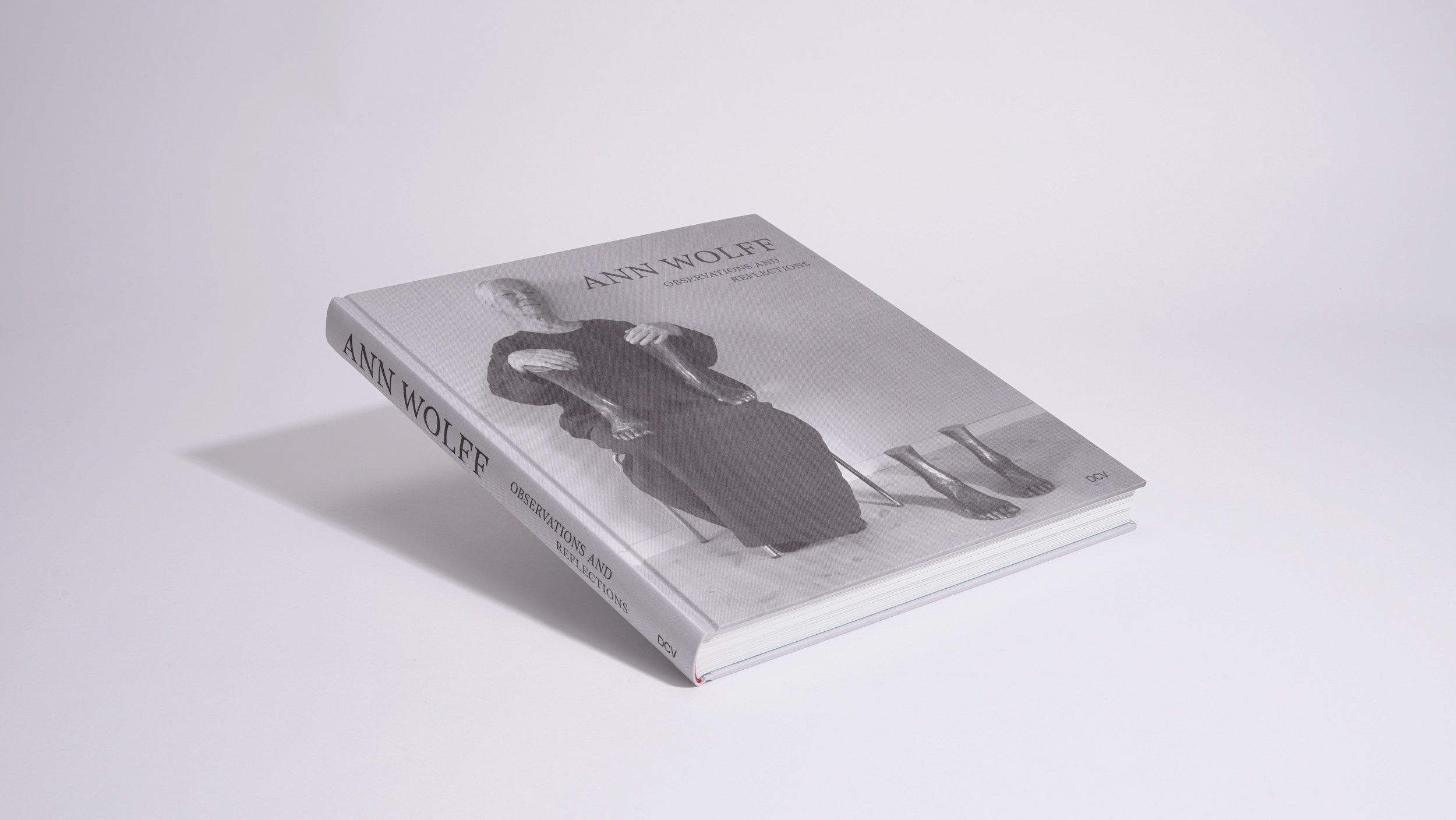
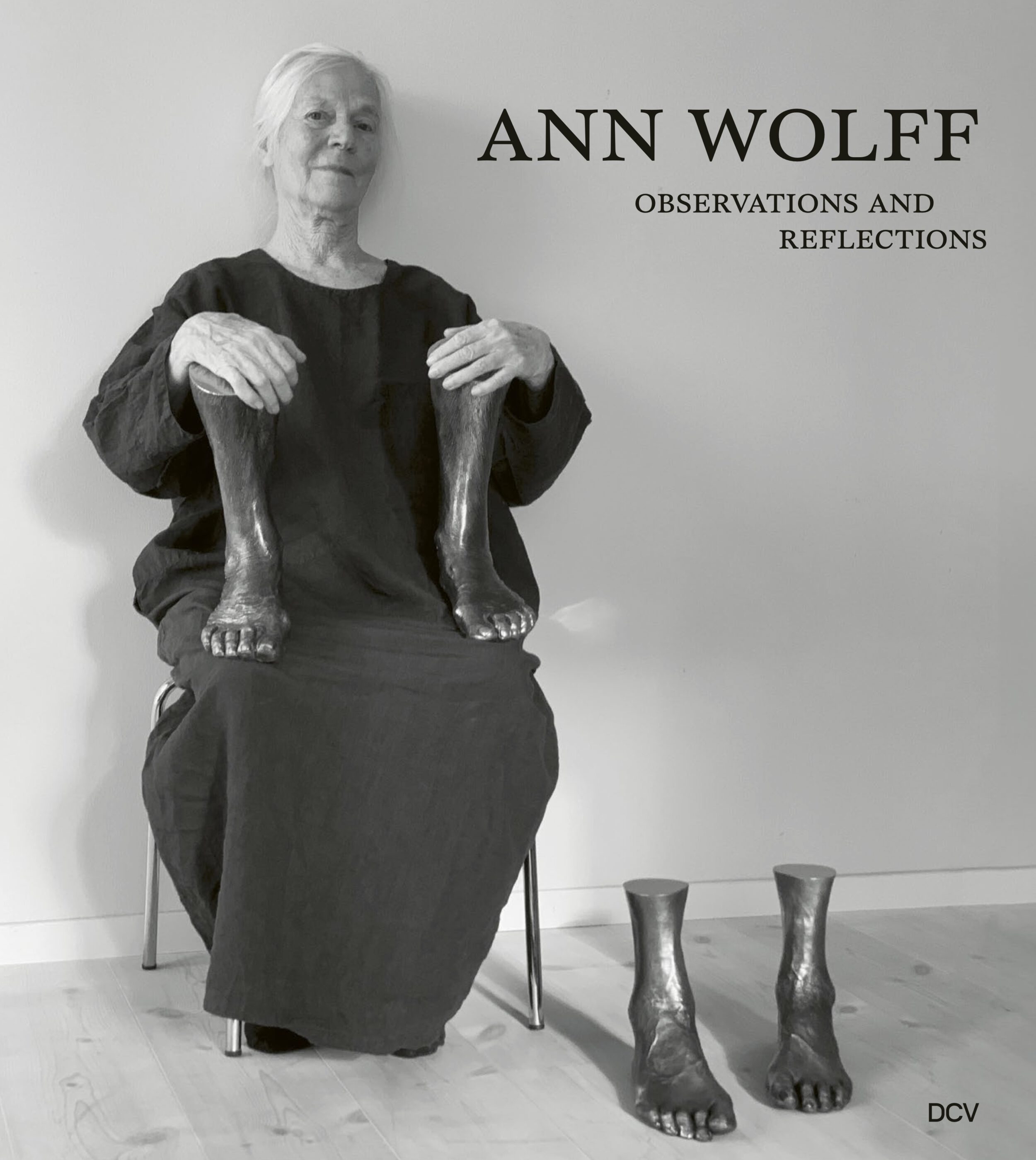
Ann Wolff
Observations and Reflections
 | |
|---|---|
| Editor(s) | Dorothea Kriele |
| Author(s) | Mark Gisbourne, Dorothea Kriele, Luc Muller |
| Design | Book Book, Berlin |
| Size | 27 x 30 cm |
| Cover | Clothbound hardcover |
| Pages | 272 |
| Illustrations | 131 |
| Language(s) | English |
| ISBN | 978-3-96912-102-3 |
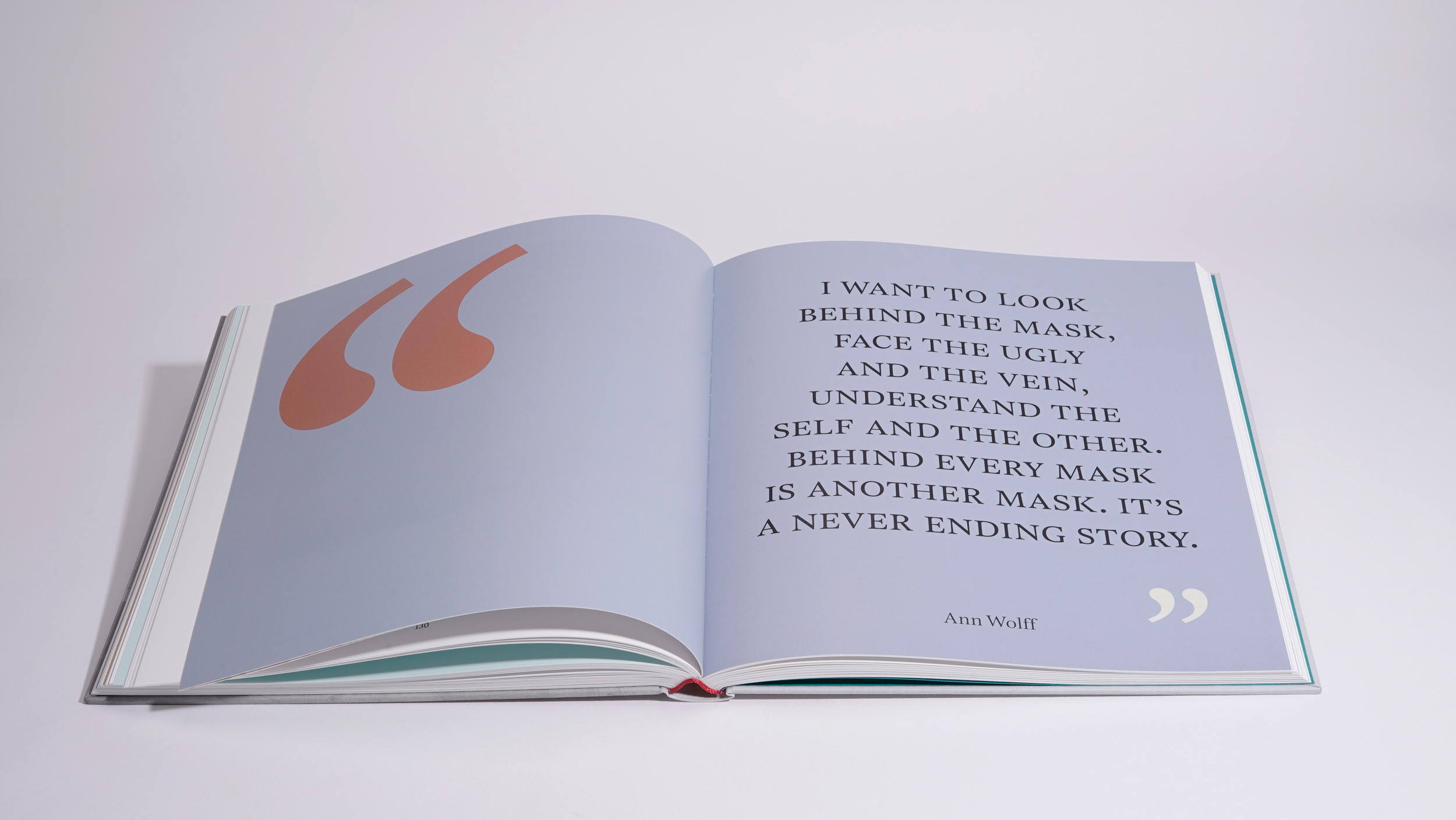
“Art is coming from my inside. I am working as its servant.—I let it out not thinking too much—using my hands and gesture—choosing a material to put it on place. I do not use the art. It is using me.“
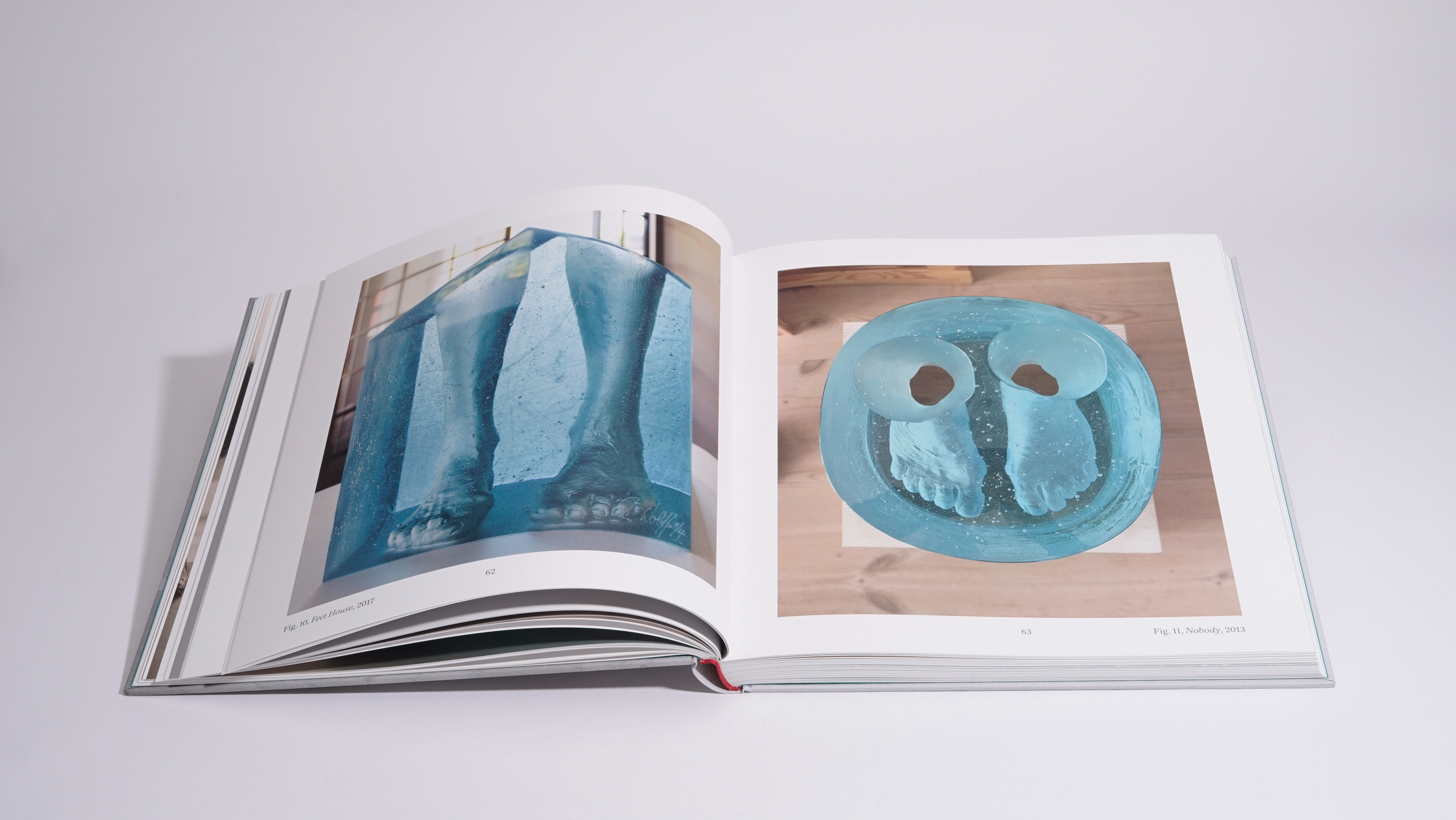
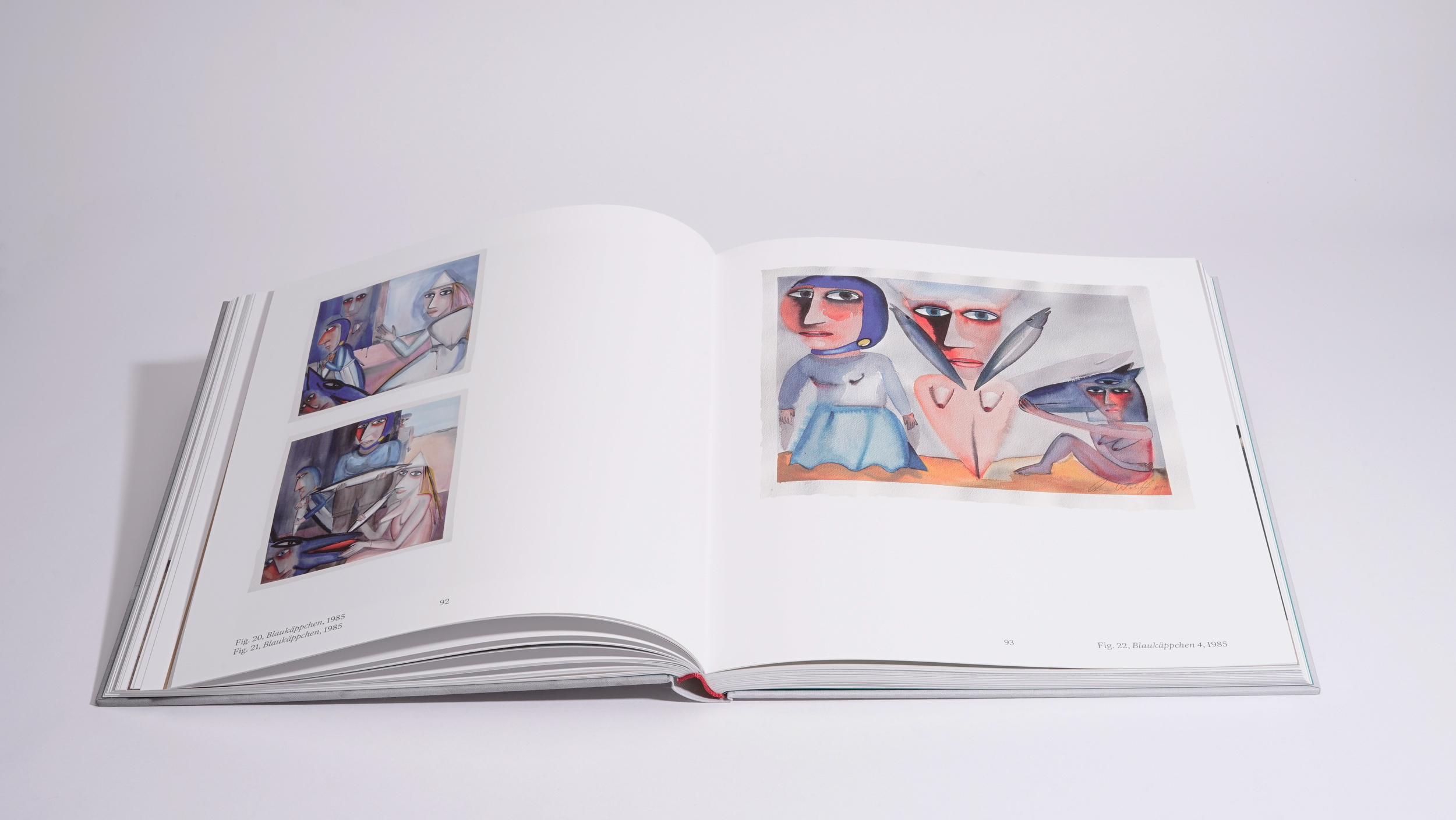
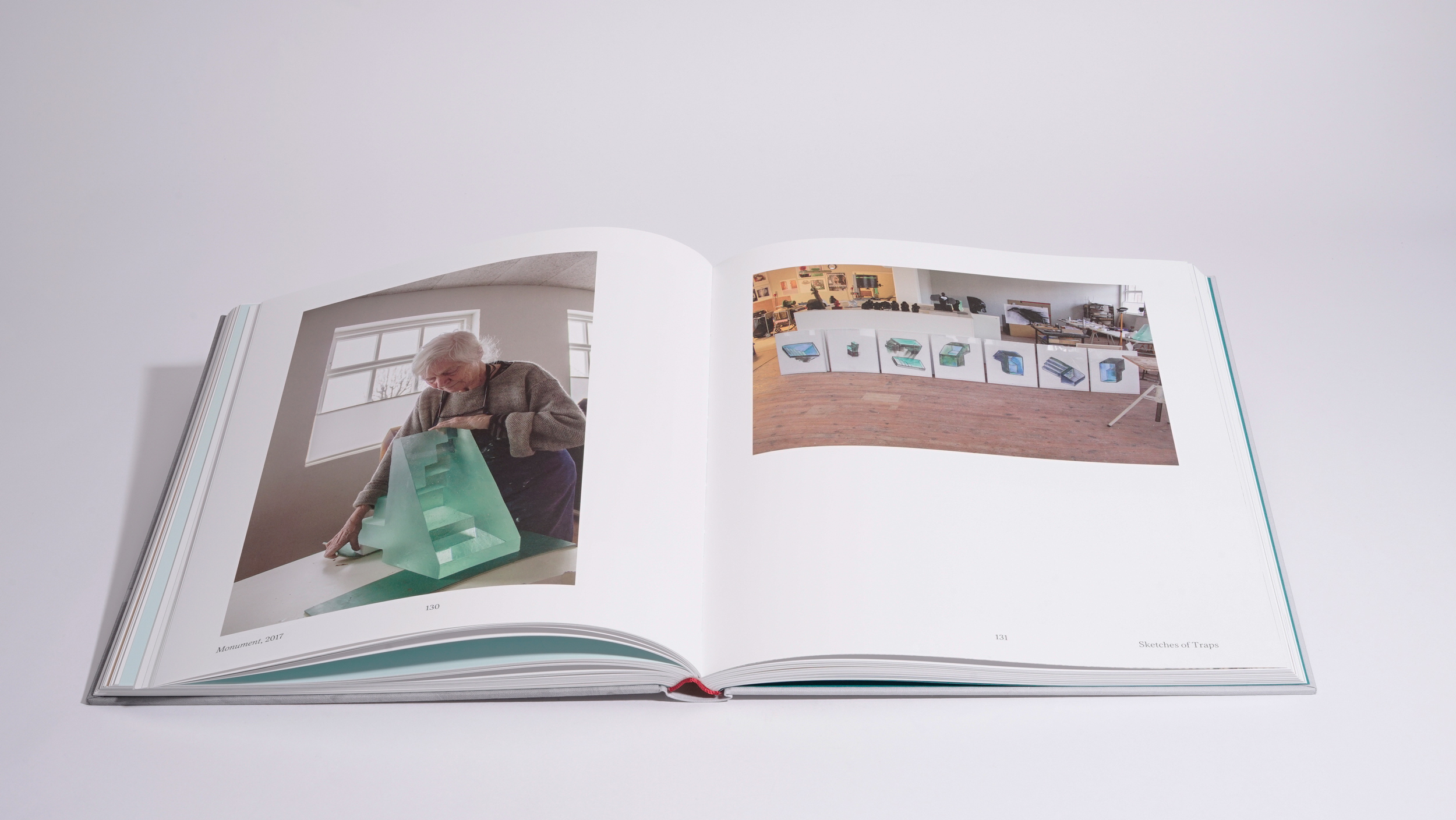
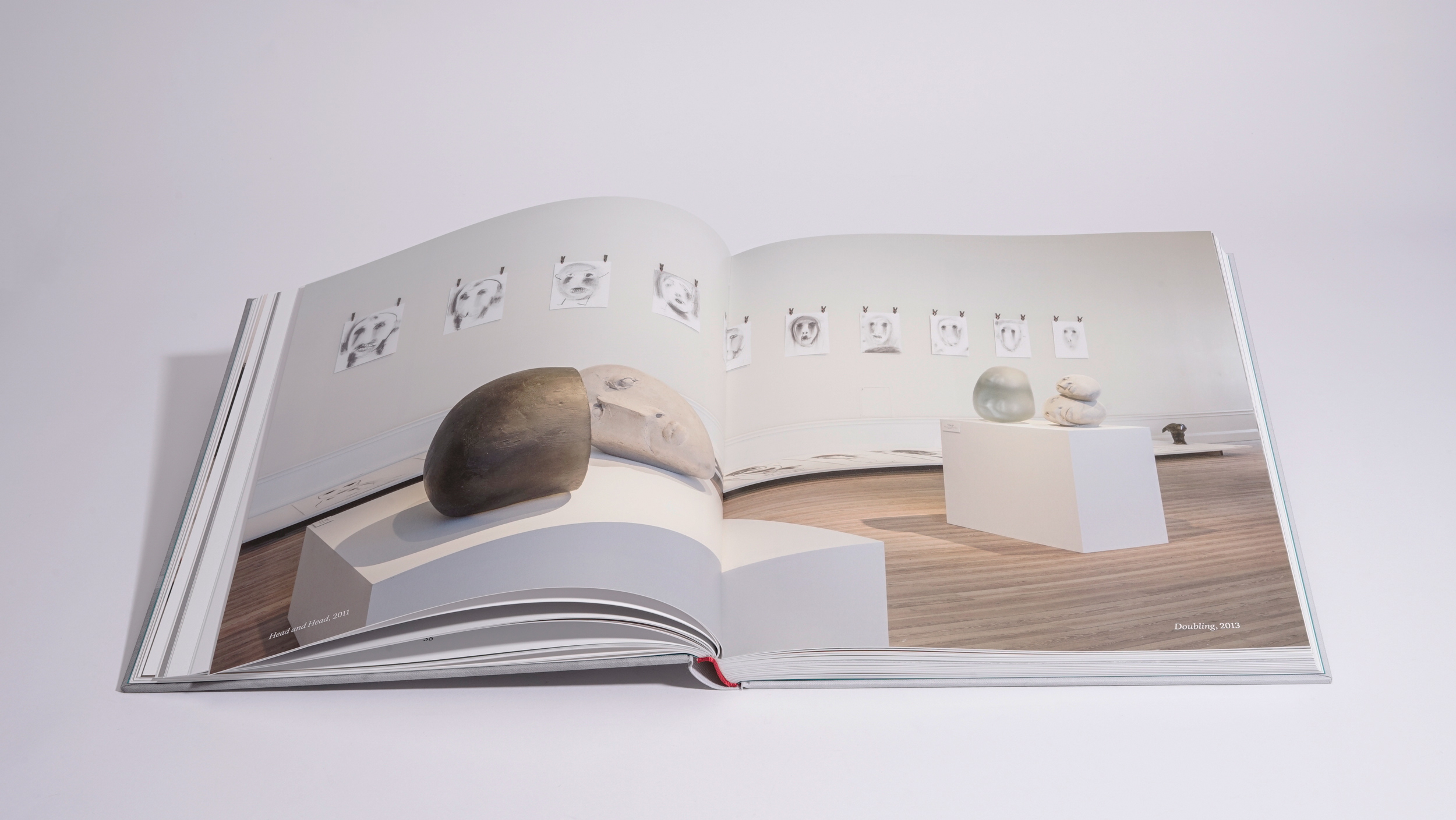
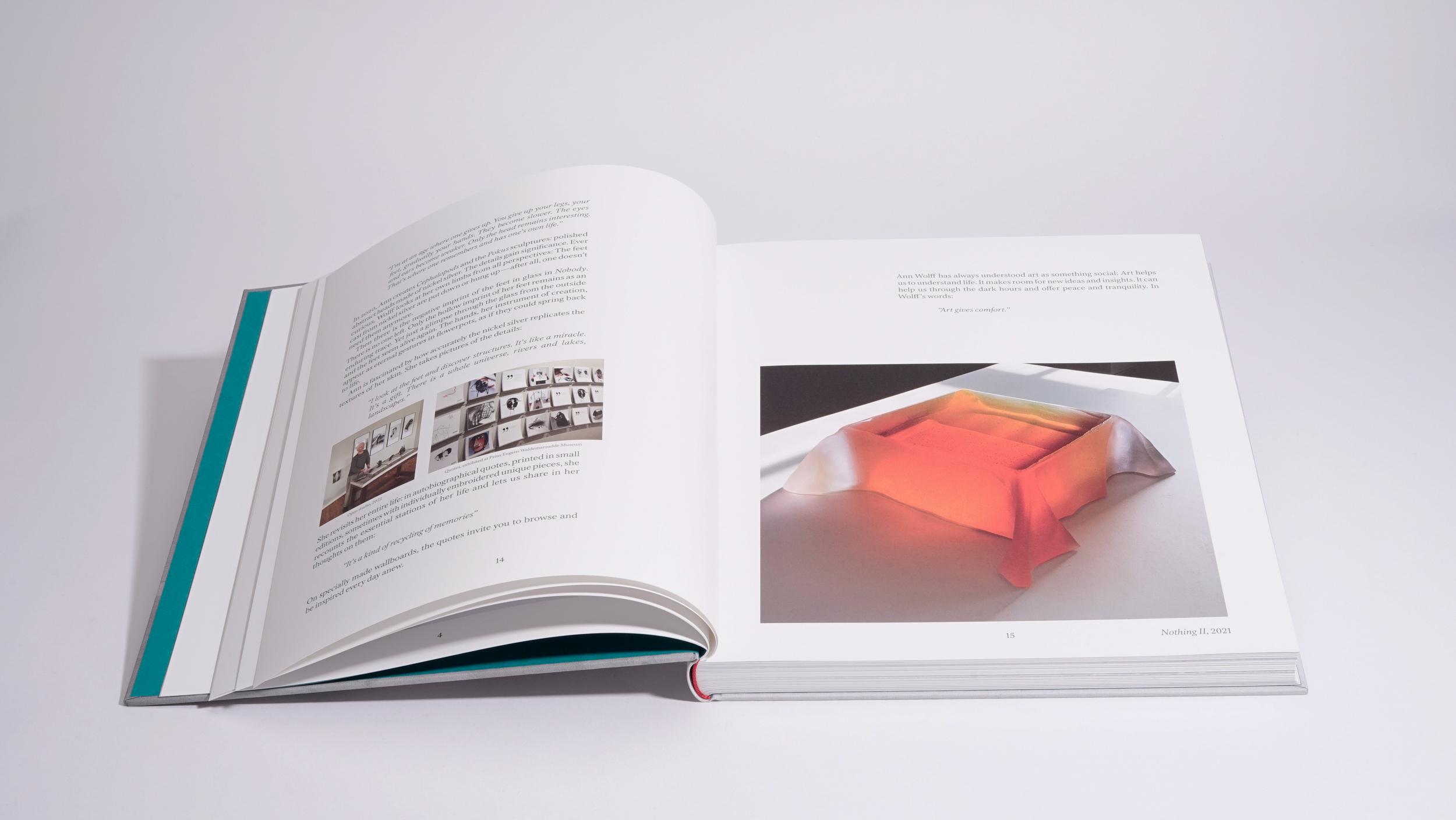
Ann Wolff (b. Lübeck, 1937; lives and works in Visby and Kyllaj, Sweden) has ranked among the most significant and most influential glass artists on the international scene for over five decades. Yet she has also worked in bronze, aluminum, nickel silver, and concrete, creating abstract as well as figurative sculptures, and produced a sizable oeuvre on paper: pastels, drawings, and fine art prints. Ann Wolff enrolled at the legendary Ulm School of Design in the 1950s to study visual communication with Otl Aicher. From 1993 until 1998, she was professor of “materials-related design” at the University of Fine Arts (HFBK) in Hamburg. Her works, which have garnered an array of prizes, have been shown in numerous solo exhibitions and are held by renowned public and private collections all over the world.
More books
- Release December 2025

eine freie malerin.
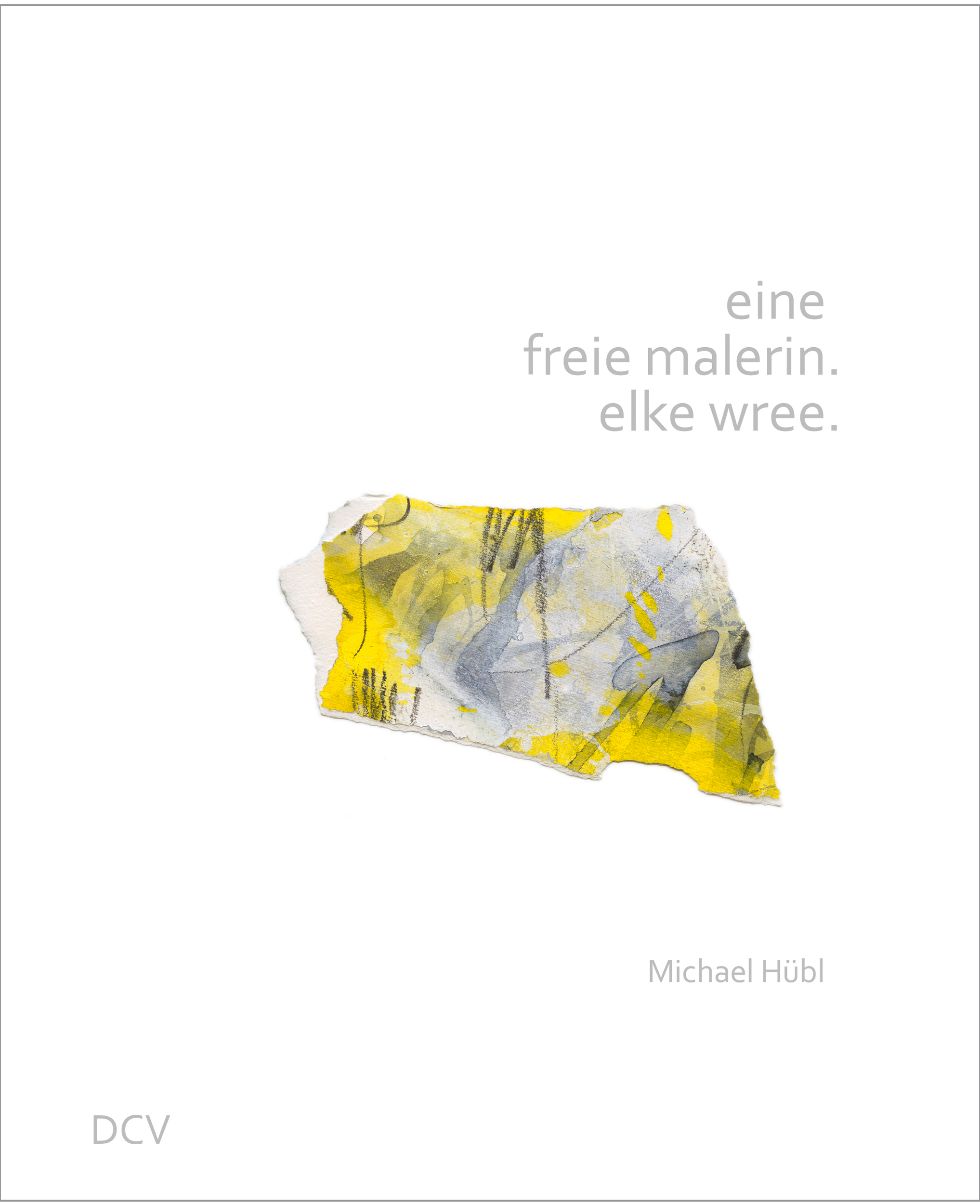
elke wree.26€ Add to cartThe painter Elke Wree’s career (born 1940, lives in Karlsruhe) was defined by the debates of the post-war era. Art was considered a search for truth and intended to reveal the existentially essential. Fundamental questions were: Realism or abstraction? Genuine or fake? This book provides insight into the search for an authentic, contemporary visual language. Wree’s formative teachers in Karlsruhe and Berlin are discussed, as are her changing social environments and the rapid societal changes. Wree’s paintings were always nature-inspired abstraction with overlapping color spaces and painting gestures. Wree groups her pictures with terms such as condensations and clearings, in-between lands, or traces of light and time. This volume is simultaneously a biography, panorama, analysis, and homage.
-
Spaces Embodied (ENGLISH)
Draiflessen Collection32€ Add to cartWe live in spaces that we shape in accordance with our own ideas. Our everyday lives leave traces in them that speak to our habits. Spaces promise shelter and belonging, but they can also instill a sense of constraint. We grow into the spaces we inhabit—and they in turn become expressions of our personalities. Conversely, spaces, depending on their architecture and location, inform our existence. RÄUME HAUTNAH gathers works of art that, rather than conceiving of the human sphere and the spatial domain as separate, comprehend them in their complex entanglements: in bodily experience, emotional dependency, or the instinctive need for protection. An essay by Olesja Nein, the project’s curator, offers an introduction to the exhibition and takes the reader on a tour, describing each artist’s space of activity and supplying helpful information. Philipp Zitzlsperger, meanwhile, zooms in on a key aspect of the art in the exhibition, the imprint as an artistic technique with a distinctive aura, and illuminates its origins and significance since the dawn of modernism.
Artists: Absalon, Shannon Bool, Heidi Bucher, Eileen Gray, Do Ho Suh, Mary Mattingly, Tracey Snelling, Francesca Woodman
-

Fritz Overbeck und Hermine Overbeck-Rohte
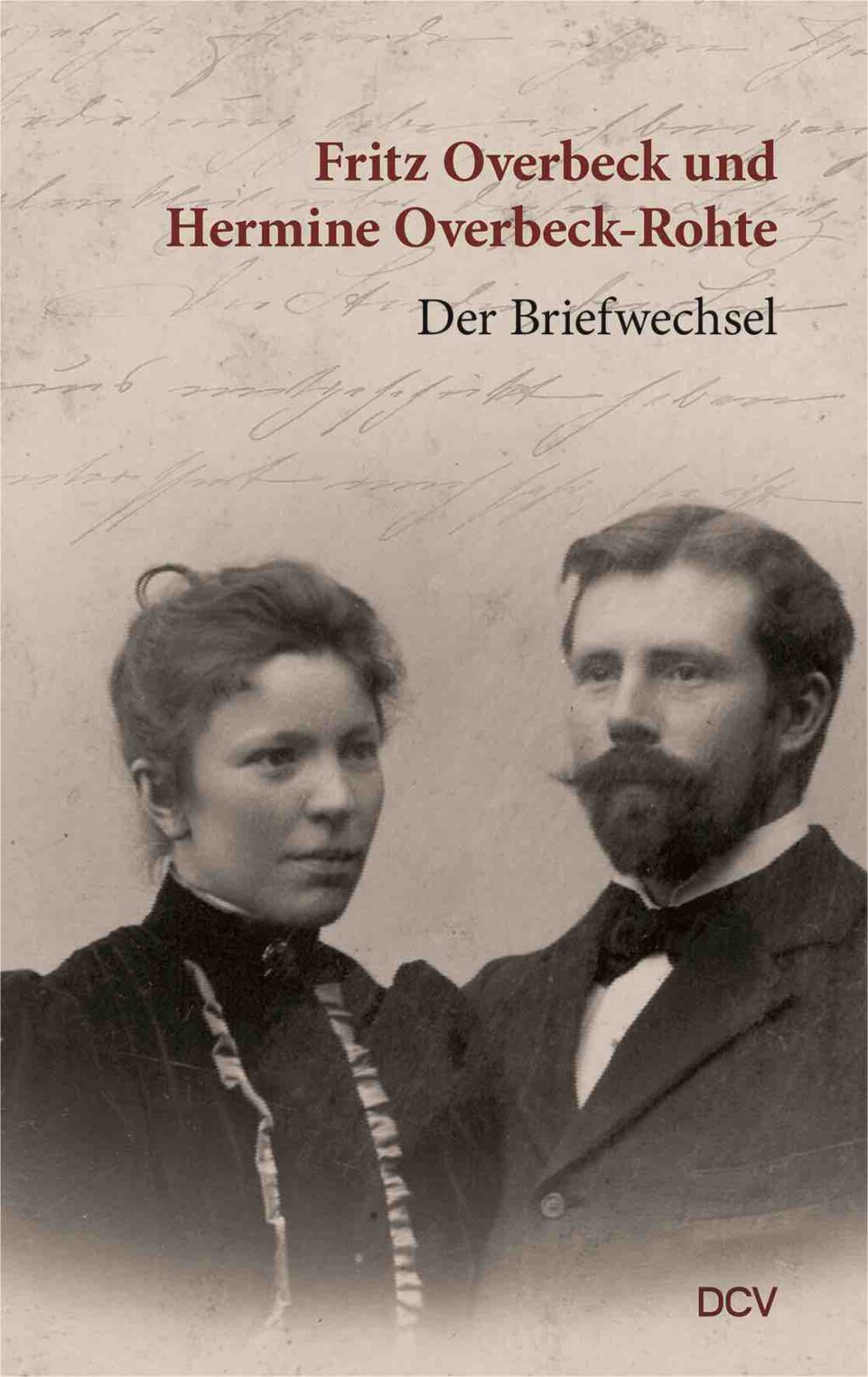
Der Briefwechsel38€ Add to cartIntimate Glimpses from the Marriage of Two Worpswede Artists
In the final years of the nineteenth century, numerous painters settled in the village at the foot of Weyerberg hill, followed by young women who took classes with the local artists. Fritz Overbeck (b. Bremen, 1869; d. Bröcken near Vegesack, 1909) and Hermine Overbeck-Rohte (b. Walsrode, 1869; d. Bremen, 1937) became one of Worpswede’s husband-and-wife creative duos, though their union has been less celebrated than those of Otto Modersohn and Paula Becker or Rainer Maria Rilke and Clara Westhoff. Like the stories of their more famous neighbors, theirs exemplifies life and work in the artists’ colony, but also the dogged struggle for equality in the creative professions. Yet unlike those other relationships, theirs did not break up over the conflict between art and marital life; it lasted until Fritz Overbeck’s tragic early death. In a first, this book contains virtually the entire extant correspondence between the Overbeck-Rohtes in unabridged form and with numerous annotations. Offering fresh and nuanced insight into the lives and oeuvres of its protagonists, it makes for moving and entertaining reading.
-

Jan Zöller
10€ Add to cartJan Zöller’s (b. Haslach, 1992; lives and works in Karlsruhe) art has the aura of a jerry-rigged, cosmic, comedic theater. Flames gutter, pant legs and elbows dance, run, and go up in fire. Wells, basins, and tubs are central motifs, symbolizing communal settings, but also the circulation of vital energies, of human and economic interconnections. Zöller’s paintings take fractured or antiquated systems, today’s art world among them, and reforge them into something new. In painting, he reflects on what being an artist means to him, driven by an interest less in a dialogue with art history or other contemporary painters than in the psychosocial relationships and conditions that inform his work. His paintings, sculptures, and installations probe the discrepancy between economic production and the spiritual and magical dimension of art.
-

Erich Hörtnagl
Unforgettable – Unforgotten48€ Add to cartHow can a life be remembered—what remains, what vanishes?
In Unforgettable | Unforgotten, Erich Hörtnagl brings together photographic fragments that are more than just memories: they are symbols of lived time. Roland Barthes’ concept of the “punctum” experience—that instant when a detail in an image pierces the heart—provides a key to Hörtnagl’s photographic gaze. It is not the spectacular events but the quiet and incidental things that move us. The seemingly insignificant becomes a projection screen for memory, loss, and emotion. The focus is not on what is staged, but on what eludes creative control.
Accompanied by insightful writings by Alois Schöpf and Kurt Höretzeder, a quiet monologue emerges about happiness and missed opportunities, about what we receive—and what we give. A book that doesn’t provide answers but asks questions: What makes a life worth living? What remains unforgettable or unforgotten?
-

Billy Al Bengston
Paintings & Watercolors48€ Add to cartThe First Monograph on the Californian Pop Artist Since More Than Thirty Years
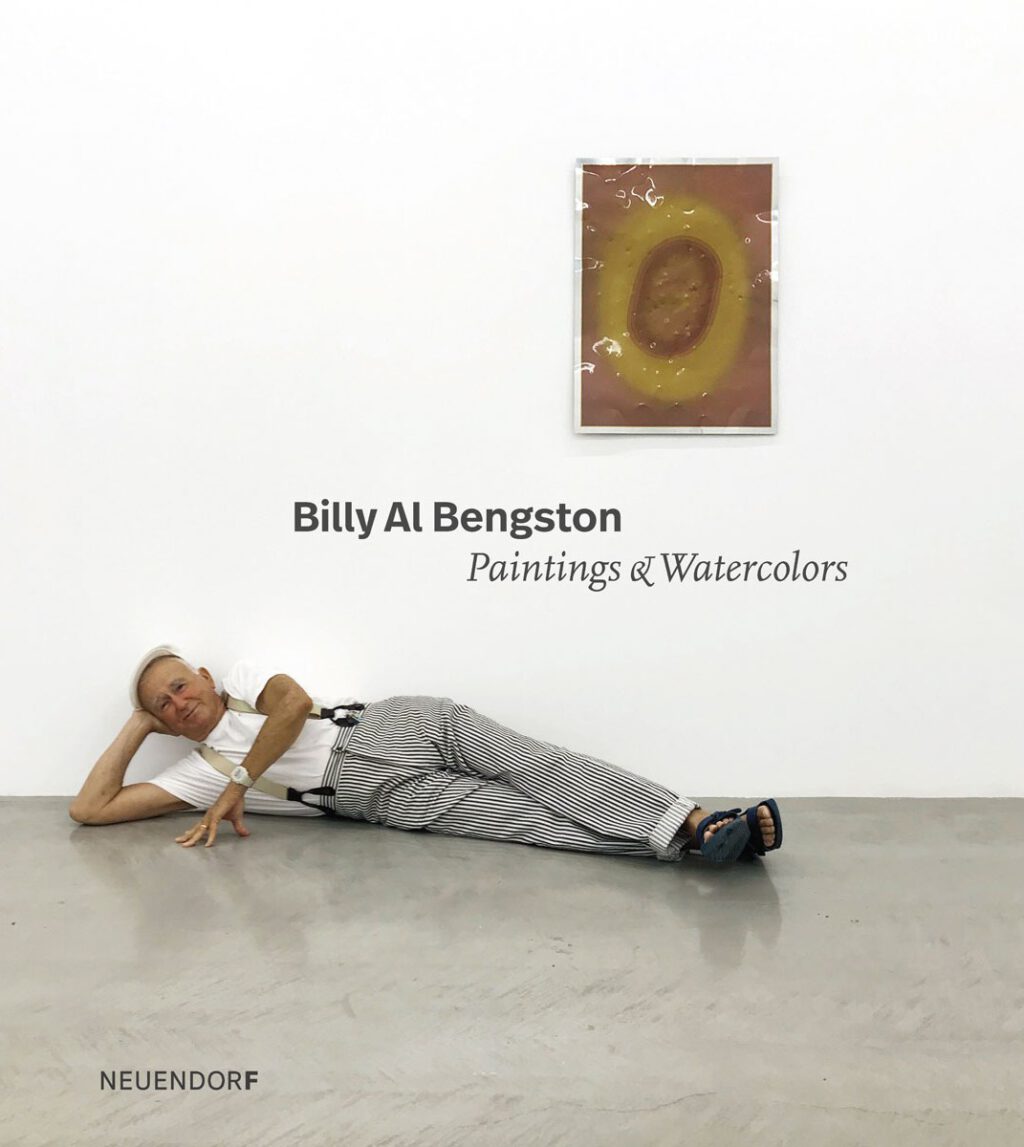
Billy Al Bengston (b. 1934, Dodge City; lives and works in Venice, California, and Honolulu, Hawaii) is the very personification of the cheerful, carefree attitude towards life in California – with his work as well as his person: a former surfer and motorcycle racer, an extravagant artist and key figure of West Coast Pop Art. After studying at the California College of Arts and Crafts and the Otis Art Institute, he exhibited at the legendary Ferus Gallery in 1957 and was the central figure among a group of artists that included Frank Gehry, Edward Kienholz, Ed Ruscha, and Ken Price. BAB, as he apostrophizes himself, inserts car and motorcycle parts as motifs into his otherwise abstract paintings, using lacquer and spray paint instead of oil, and aluminum panels with at times dented surfaces instead of the traditional canvas. Art and lifestyle combine to create the individual “Bengston iconography” of California Cool.
-
Michael Williams
Make Plans God Applauds42€ Add to cartMichael Williams (b. Doylestown, Pa., U.S., 1978; lives and works in Los Angeles, Ca.) is known for paintings whose source materials have been subjected to both analog and digital processes in an effort to render the fragmented nature of our existence today. During the lockdown, he created six large-format collage paintings. To make these modern history paintings, he mounted paper printouts on canvases and reworked the pictures with paint. They are, in short, classic collages, as in the exhilarating days of DADA, when the photographic image from newspapers first transmigrated into art. Michael Williams studied fine arts at Washington University, St. Louis, and has exhibited widely, including at the Wiener Secession, Vienna, and the Museum of Modern Art, New York.
-

Sonja Yakovleva
10€ Add to cartSonja Yakovleva (b. Potsdam, 1989; lives and works in Frankfurt am Main) uses pornographic representations and images from the internet as templates for papercuts, some in large formats, that grapple with personal and public stories about women, power relations, sexuality, and violence. The silhouettes show popular motifs that have served to ingrain fairy tales, myths, and ideologies in the collective consciousness from the colonial era to modernism and the early twenty-first century. Yakovleva, whose art is often associated with sex-positive feminism, appropriates this folkloristic visual idiom and hybridizes and sexualizes it. Dessous and strap-on dildos, for example, figure as preserved specimens of butterflies and insects, bringing historic scientific expeditions to mind. Yet her work also addresses the capitalist urge to categorize, evaluate, and market every kink.
- Release January 2026
Ernst Wilhelm Nay
Monographie68€ Add to cartThe Great German Artist’s Imposing Oeuvre
Ernst Wilhelm Nay (b. Berlin, 1902; d. Cologne, 1968) was one of the most interesting painters of European modernism. Spanning the decades from the 1930s to his death in Cologne in 1968, his output encompasses paintings as well as an abundance of works on paper. The new monograph surveys all periods in Nay’s oeuvre, from the “Fishermen paintings” to the striking late pictures, which leave no doubt about the artist’s outstanding gift for color. Nay’s evolution is embedded in the history and ideas of his time, on which he reflected in lectures, writings, and notes. The volume unlocks a wide spectrum of fresh insights into Nay’s life and art.
-

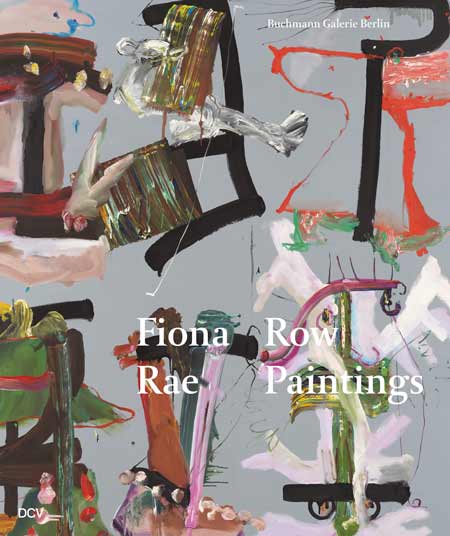
Fiona Rae
Row Paintings24€ Add to cartElements of Energy and Complexity
Fiona Rae’s (b. Hong Kong, 1963; lives and works in London) abstract paintings attracted the attention of broad audiences when she participated in the legendary exhibition Freeze at London’s Docklands in 1988. It put her on the map as an early member of the group known as Young British Artists, who would revolutionize not only the English art world. To this day, Rae’s distinctive creations, which are rooted in a conceptual engagement with the problems and potentials of abstract painting, have remained prominent and seminal contributions to the field. In 2011, she was appointed professor of painting at the Royal Academy, one of the first women to hold this position. The catalogue is the first to feature the most important pictures from this period: the Row Paintings. They mark the inception of the artist’s internationally acclaimed oeuvre. An essay by Terry R. Myers offers an appraisal of the Row Paintings’ significance in their historic context as well as the contemporary discourse of painting.
-
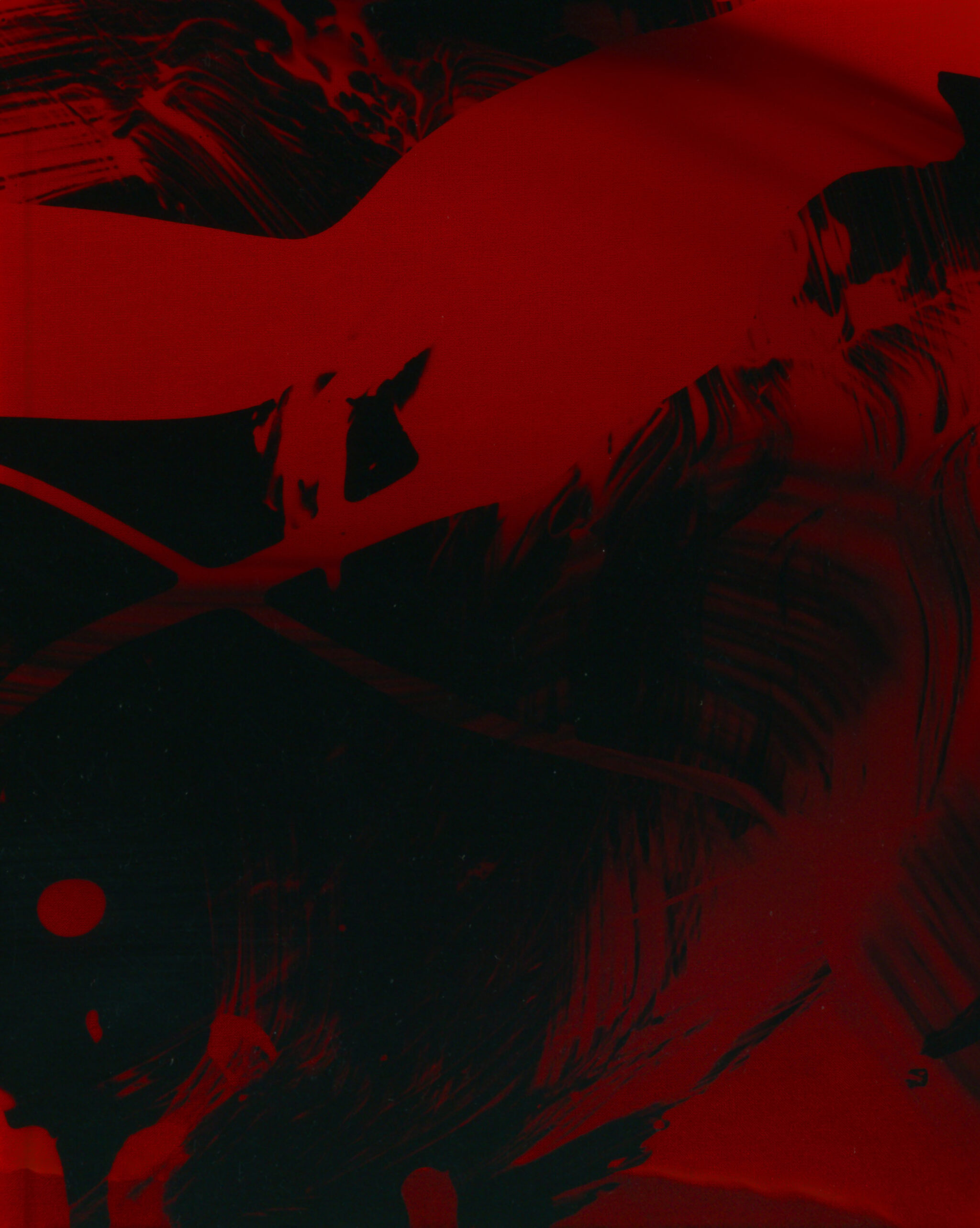
Mirror
Collaborative Pictures by Merrick d’Arcy–Irvine x Julia Bajanova40€ Add to cartWe humans are social creatures. Without others to reflect our behavior back to us, we lose what defines us—language, culture, the capacity for creative expression. That is why photographer Merrick d’Arcy-Irvine and fashion designer Julia Bajanova are invested in intense encounters: not only with the people who appear in their pictures, but also with each other, as artists and as humans, and between their media and the materials out of which they are made. The materiality and sensual experience of these media in the physical world are the focus of the pictures gathered in this volume, which is why d’Arcy-Irvine and Bajanova eschewed all digital technologies. Sensuality forges an emotional bond between their creative universes, whose boundaries become permeable, as do the dividing lines between genres. Colors and forms are fused in a shared language of visual art and fashion in which d’Arcy-Irvine and Bajanova write their messages in light on photographic paper. They speak to what makes us human: creative energies untrammelled by the necessities of everyday life. The pictures in Mirror, then, are reflections of our existence and portals of self-knowledge.
-

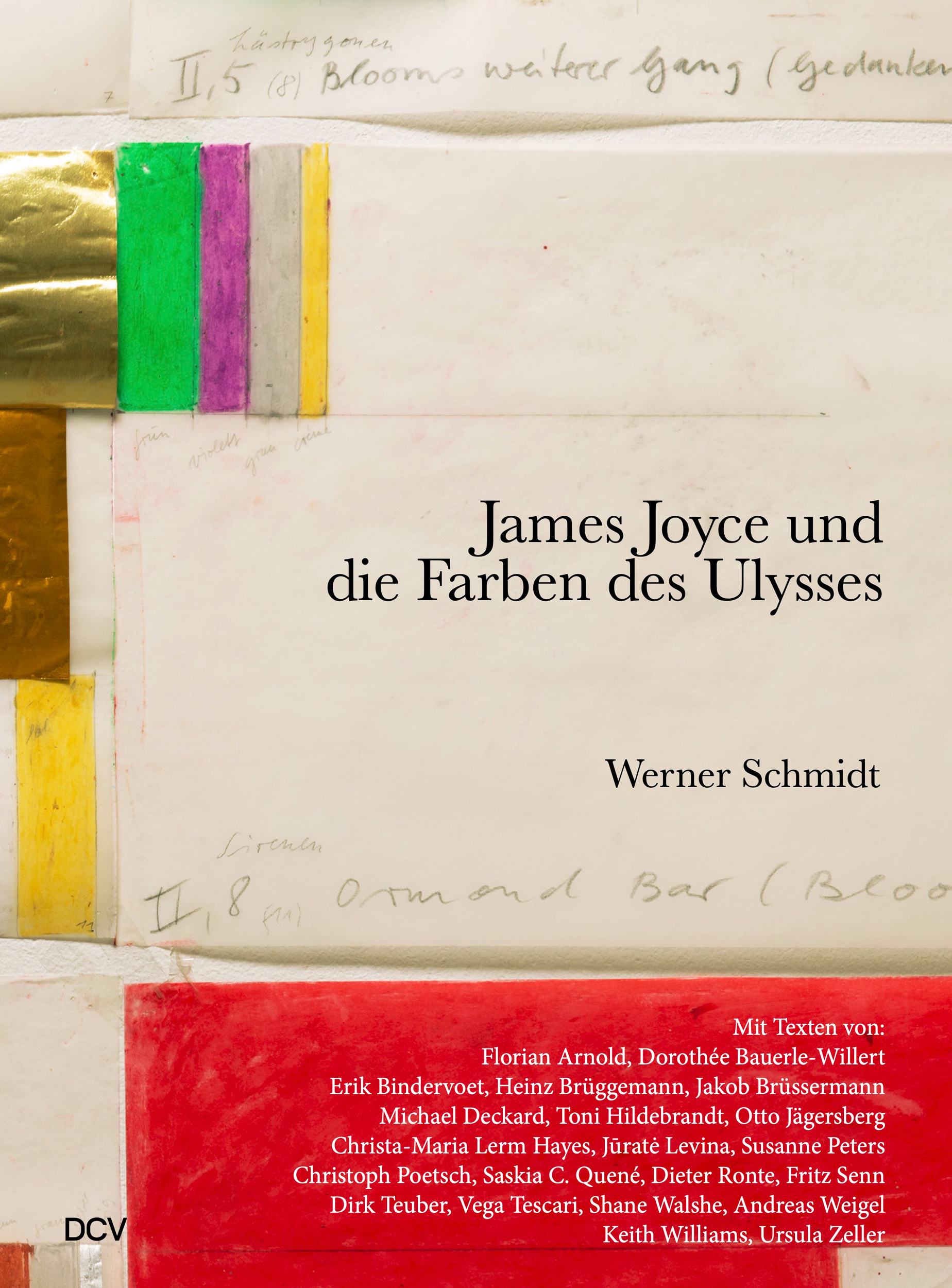
Werner Schmidt
James Joyce und die Farben des Ulysses59€ Add to cartThis imposing volume is the fruit of the artist Werner Schmidt’s decades-long immersion in the preeminent literary monument of the twentieth century: James Joyce’s Ulysses.
What began as a personal reader’s voyage now attains definite form in an eloquently colorful, interdisciplinary and polyphonic tribute—a work between literary study, theory of color, visual art, and reflection on language.
In the book’s first part, Schmidt analyzes and visualizes the use of colors in Ulysses in unique chromatic diagrams and coded color stripes that were literally painted on the walls in exhibitions. They are complemented by a series of photographs taken in Dublin, the novel’s setting, and accompanied by probing meditations on literary and linguistic facets and aspects of politics and the history of religion in the Joycean universe.
The second part gathers the voices of twenty renowned Joyce scholars, who, in five thematically organized chapters, share their perspectives on the color, texture, structure, and effect of Ulysses.
A feast for all who revere Joyce—and a gift of anyone who would not just read but truly wrap their mind around literature in its boldest and most luminous incarnation.
With texts by Florian Arnold, Dorothée Bauerle-Willert, Erik Bindervoet, Heinz Brüggemann, Jakob Brüssermann, Michael Deckard, Toni Hildebrandt, Otto Jägersberg, Christa-Maria Lerm Hayes, Jūratė Levina, Susanne Peters, Christoph Poetsch, Saskia C. Quené, Dieter Ronte, Werner Schmidt, Fritz Senn, Dirk Teuber, Vega Tescari, Shane Walshe, Andreas Weigel, Keith Williams, Ursula Zeller
-
Alexandra Tretter
24€ Add to cartThe art of Alexandra Tretter (*1988) is as deep as it is playful. Owing just as much to the gentle spirituality of Hilma af Klint’s late geometries as it does to Sonia Delaunay’s exuberant disc paintings, almost bursting with sheer chromatic pleasure. Her compassionately designed artist’s book combines monumental paintings with intimate works on paper, all of which are imbued with the contexts of Tretter’s own life as an artist, as a woman, as a mother.
Her kaleidoscopic figurations unfold from a center at rest in itself and multiply in symmetry and asymmetry towards all sides. She contrasts the circular form, the unchanging basic element of her compositions, with the oval, which constantly strives beyond itself, transforming itself in ever-new permutations from one figure into the next, into eyes, mouths, breasts, petals or vulvas.
Her images strive for composure, unfold and blossom, only to let go of all gestalt-like form. Once gained stability is instantly pushed into turmoil. Colors flare up violently or flow delicately about, lighten or shade each other, carry or throw each other off course. Tretter equally realizes materialization and dissolution as basic principles of her painting.
Whereby all, what her images absorb, preserve and release, is experience, growth and slow maturing. Her paintings are “figurations of affection”, in which each individual turns towards something else, doubts or grows, at times turns away or surrenders all the more consciously. They question everything, start anew and yet find their way back to themselves, into their very own.
-
André Butzer
Miettinen Collection30€ Add to cartAndré Butzer (b. Stuttgart, 1973; lives in Berlin) rose to renown with pictures he describes as “science fiction expressionism” and iconic characters like the “Peace Siemense,” the “Men of Shame,” or the “Woman” as well as seemingly abstract compositions. Artistic predecessors he admires and emulates include Walt Disney, Edvard Munch, Henri Matisse, Friedrich Hölderlin, and Henry Ford. Butzer’s utopian artistic vision is anchored in the fictional place “NASAHEIM”, a kind of pilgrimage destination in outer space. Yet his paintings should not be mistaken for illustrations of narrative structures; they articulate something that could not be said before. Similes of a sort, they embody the forever recurring extremes of history as emblems of human existence.
André Butzer briefly studied at the Merz Akademie, Stuttgart, before enrolling at the Hamburg University of Fine Arts (HFBK), from which he was expelled after two semesters in 1996. He went on to found the autonomous and anti-institutional Akademie Isotrop (1996–2000), where over twenty artists including Markus Selg, Jonathan Meese, and, in loose association, John Bock trained one another. In 2001, Butzer teamed up with Björn Dahlem to establish the Institute for SDI Dream Research.
-
Language/Text/Image
32€ Add to cartSpoken words, writing, and images originate in social and cultural contexts and so are fraught with meanings, are vehicles of values and norms. They inevitably also demarcate boundaries, serving to class people as members of groups or outsiders. This adds to the urgency of the question of what can in fact be said and shown, and who or what determines those limits. The present catalog addresses these concerns through a survey of eminent art of the twentieth and twenty-first centuries. The works gathered in it speak to mechanisms of inclusion and exclusion, to categorizations and the narratives that were created to sustain them. And they remind us that these phenomena are human-made, which is also to say, susceptible to change—that we share responsibility for them.
Artists: John Baldessari, Maria Bartuszová, Alice Bidault, Alejandro Cesarco, Ayşe Erkmen, Nadine Fecht, Gary Hill, Janice Kerbel, Gabriel Kladek, Gordon Parks, The National AIDS Memorial, Markus Vater, Gillian Wearing
-
Stefan Knauf
10€ Add to cartStefan Knauf (b. Munich, 1990; lives and works in Berlin) uses selected materials such as construction supplies or plants to investigate the histories of botany, migration, trade, science, and architecture and critique an idealized and anthropocentric conception of nature that is still prevalent. His sculptures, geometric-abstract pictures, and installations, with echoes of constructivism and minimal art, are contact zones in which everything is related to everything: human and non-human history, the natural and the artificial, ecology and ideology. Knauf’s works do not propose to unravel these entanglements. Rather, they suggest alternative perspectives and topographies guided by the idea of the “modified landscape” and devise material and alchemistic forms of knowledge and a novel and multiperspectival approach to the history and reality of the Anthropocene.
-

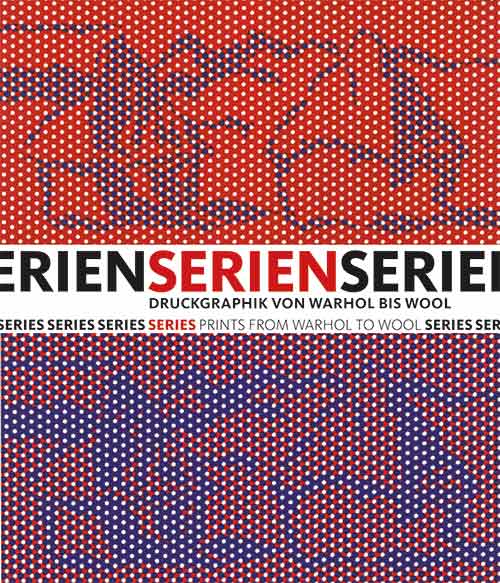
SERIES
Prints from Warhol to Wool40€ Add to cartA Creative Strategy and Technique of Modernism
Series are open systems, telling stories, toying with rhythms, permitting variations, and documenting creative processes. Andy Warhol’s famous silkscreen prints made the serial iteration of images his trademark stratagem. In the mid-1960s, Pop Art and Fluxus had established the fine art print as a medium in which seminal work was being done. New graphic techniques such as serigraphy and offset printing, used with aggressive colors and punchy motifs, not only allowed for large numbers of copies, they also opened the door to an unprecedented engagement with the imagery of popular print and advertising media. Opening with an inquiry into how serial fine art prints are made, the book presents and contextualizes the explosive visual and political energy of graphic series. The numerous illustrations and essays are rounded out by an interview with Thomas Schütte and Ellen Sturm.
With works by Josef Albers, Joseph Beuys, Ulla von Brandenburg, John Cage, Helen Cammock, Nina Canell, Jim Dine, Dan Flavin, David Hockney, Jenny Holzer, Olav Christopher Jenssen, Donald Judd, Ronald B. Kitaj, Maria Lassnig, Sol LeWitt, Roy Lichtenstein, Richard Lindner, Robert Mangold, Brice Marden, Stefan Marx, Bruce Nauman, Dennis Oppenheim, Nam June Paik, Sigmar Polke, Gerhard Richter, Dieter Roth, Fred Sandback, Nora Schultz, Thomas Schütte, Dasha Shishkin, Frank Stella, Rosemarie Trockel, Victor Vasarely, Wolf Vostell, Andy Warhol, Corinne Wasmuht, Emmett Williams, Christopher Wool, and others.
-

Alexander Ruthner
Cour: Sommer36€ Add to cartContemplating Nature in a Reduced-Mobility Environment
“The events of the year 2021, which was defined by lockdowns, the pandemic, and restrictions, has brought out the resonance in my pictures of Gustave Courbet’s realism,” Alexander Ruthner (b. Vienna, 1982; lives and works in Vienna) says about his most recent works: oil paintings featuring lush green vegetation and veritable down comforters painted all-over in saturated color gradients. The works will make their public début as the publication is released in the summer of 2021, hence the word “Sommer” in the title. The other word, “Cour,” is a nod to the first syllable of the French painter’s name as well as French for “court,” a term the artist creatively reinterprets as a synonym for the solitary “castle of the mind” to which we have retreated under pandemic conditions. Ruthner, who studied with Peter Kogler, Daniel Richter, and Albert Oehlen, revisits the boscage and pasture painting of past eras in new works that propose a distinctive personal interpretation of that tradition’s charm.
Alexander Ruthner’s work has been shown at Kunsthalle Wien, the Whitechapel Gallery, London, and the National Museum of Montenegro, among other venues.
- Release July 2023

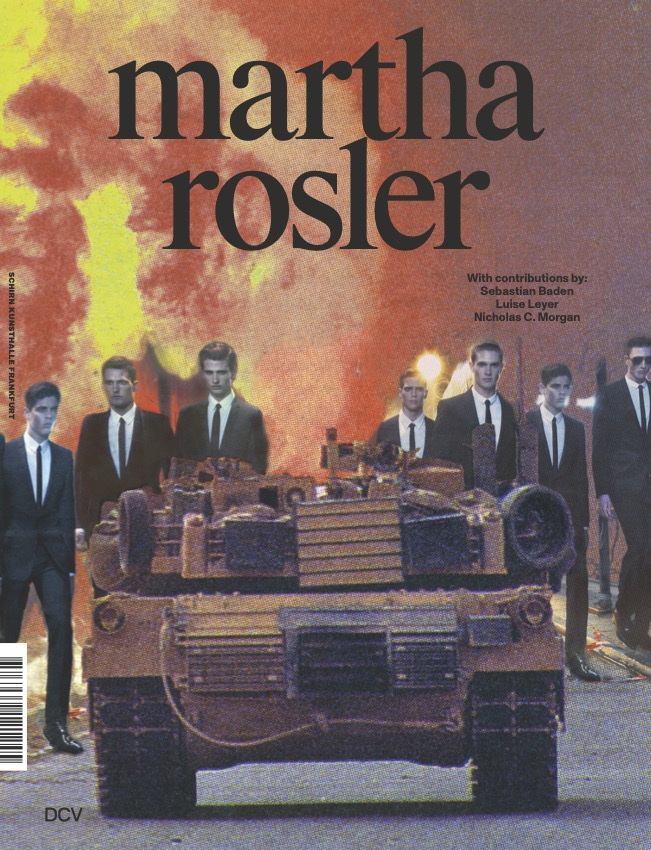
Martha Rosler
32€ Add to cartThe American conceptual artist and pioneer of critical feminism Martha Rosler (b. 1943 in Brooklyn, NY, lives and works in Brooklyn, NY) has influenced numerous contemporary artists with the radicalism of her artistic position. Rosler’s work is always political and examines questions of power and violence, the ideals of beauty and their demolition, and the purported contrasts between war and consumption. For her sociocritical collages and videos, Rosler uses found pictorial material that has already been published. The artist delights in working with photos from public sources like magazines and newspapers, which she processes and arranges in new contexts in order to visualize inequality and protest. Following on from Rosler’s iconic series House Beautiful: Bringing the War Home (ca. 1967–1972), at the heart of the publication lies the confrontation with warlike disputes as conveyed in the media, together with the associated dissonance between the private and the political.
Martha Rosler received a Bachelor of Arts from Brooklyn College in 1965 and a Master of Arts from the University of California, San Diego in 1985. In 1975 she began to write reviews for Artforum and other art magazines. She teaches at School of Arts of Rutgers University in New Brunswick, New Jersey.
-

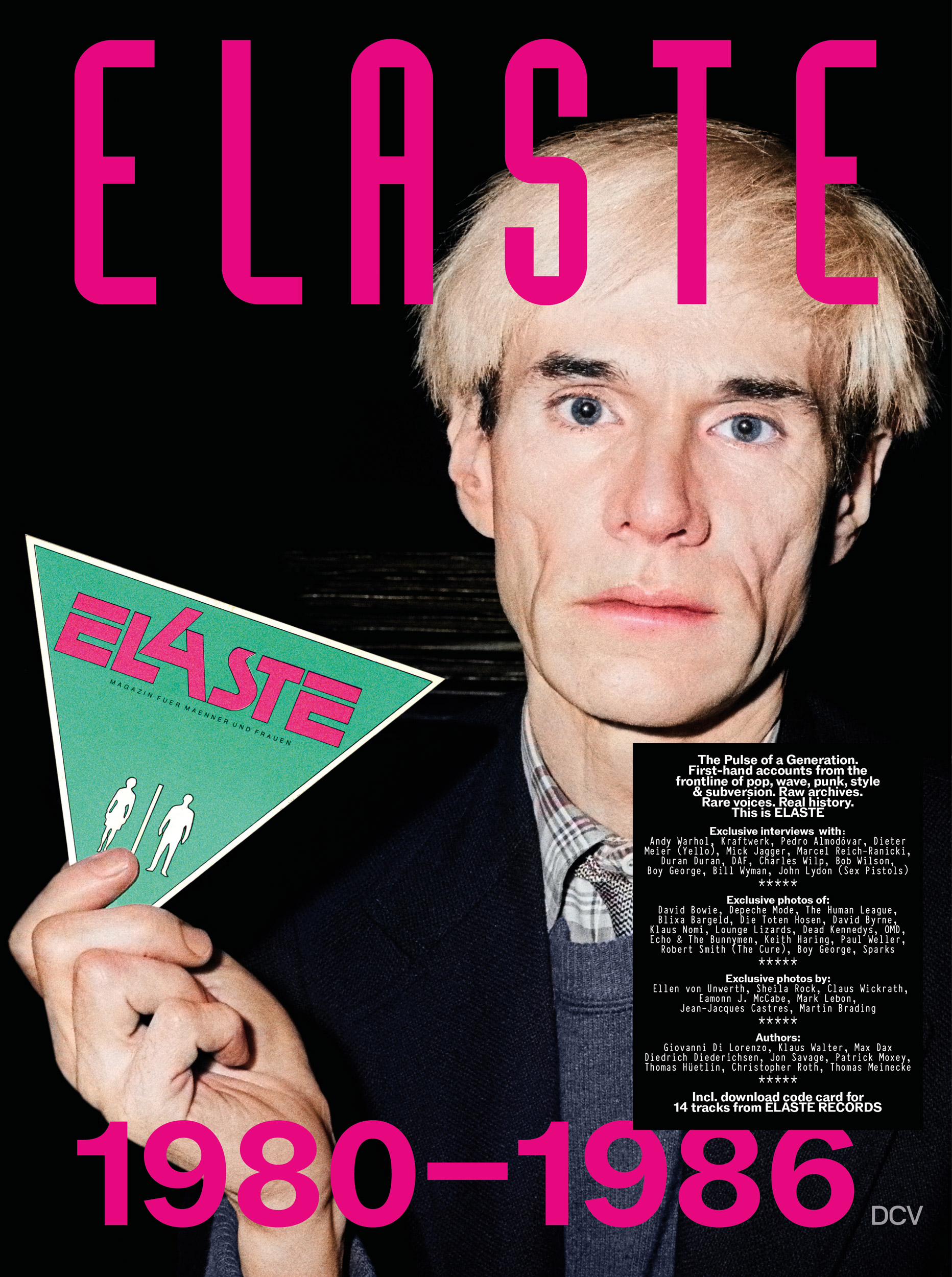
ELASTE
1980 – 198649€ Add to cartThe story of ELASTE is the story of a movement – that of the New Wave generation in West Germany. Founded in 1980 in Hanover, the magazine was a beacon of cultural revolt and the first glossy indie magazine of the Federal Republic: self-published, a statement somewhere between pop avant-garde, subversion, and a sharp sense of style. Among those who shaped the look and spirit of the magazine were Jon Savage, Ellen von Unwerth, and Diedrich Diederichsen. No other magazine operated at the intersection of music, fashion, and society quite like ELASTE — with headliners such as Warhol, The Rolling Stones, and Kraftwerk. This book by the magazine’s editors Thomas Elsner and Michael Reinboth, looks back — at the pioneering spirit, the minds, and the stories behind the magazine.
Incl. download code card for 14 tracks from ELASTE RECORDS