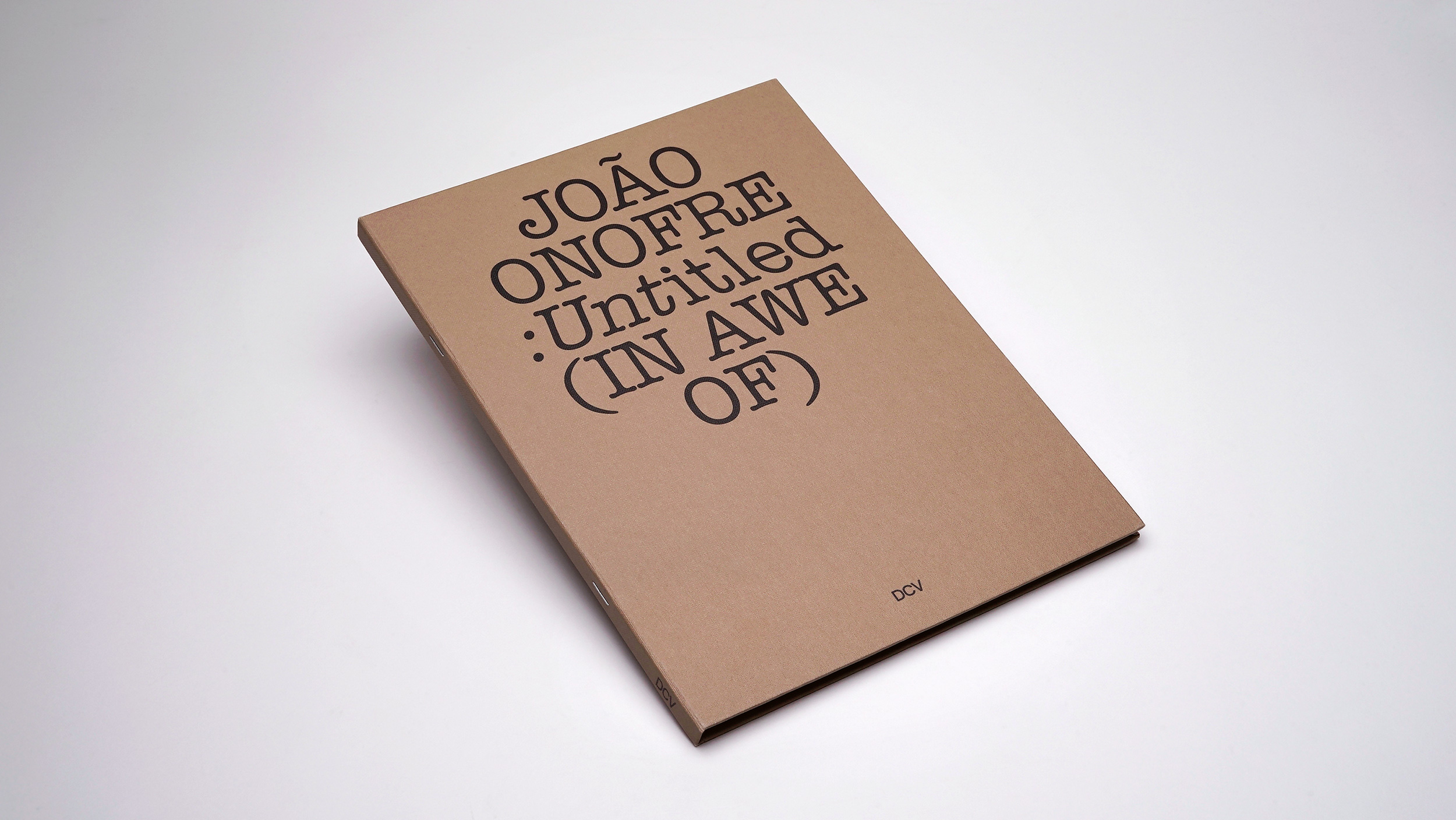
João Onofre
Untitled (in awe of)
 | |
|---|---|
| Editor(s) | FCT; CIEBA; FBAUL; Cristina Guerra Contemporary Art |
| Author(s) | João Onofre, Andrew Renton |
| Design | Vera Velez |
| Size | 19,7 x 27 cm |
| Cover | Hardcover |
| Pages | 44 |
| Illustrations | 76 |
| Language(s) | |
| ISBN | 978-3-96912-192-4 |
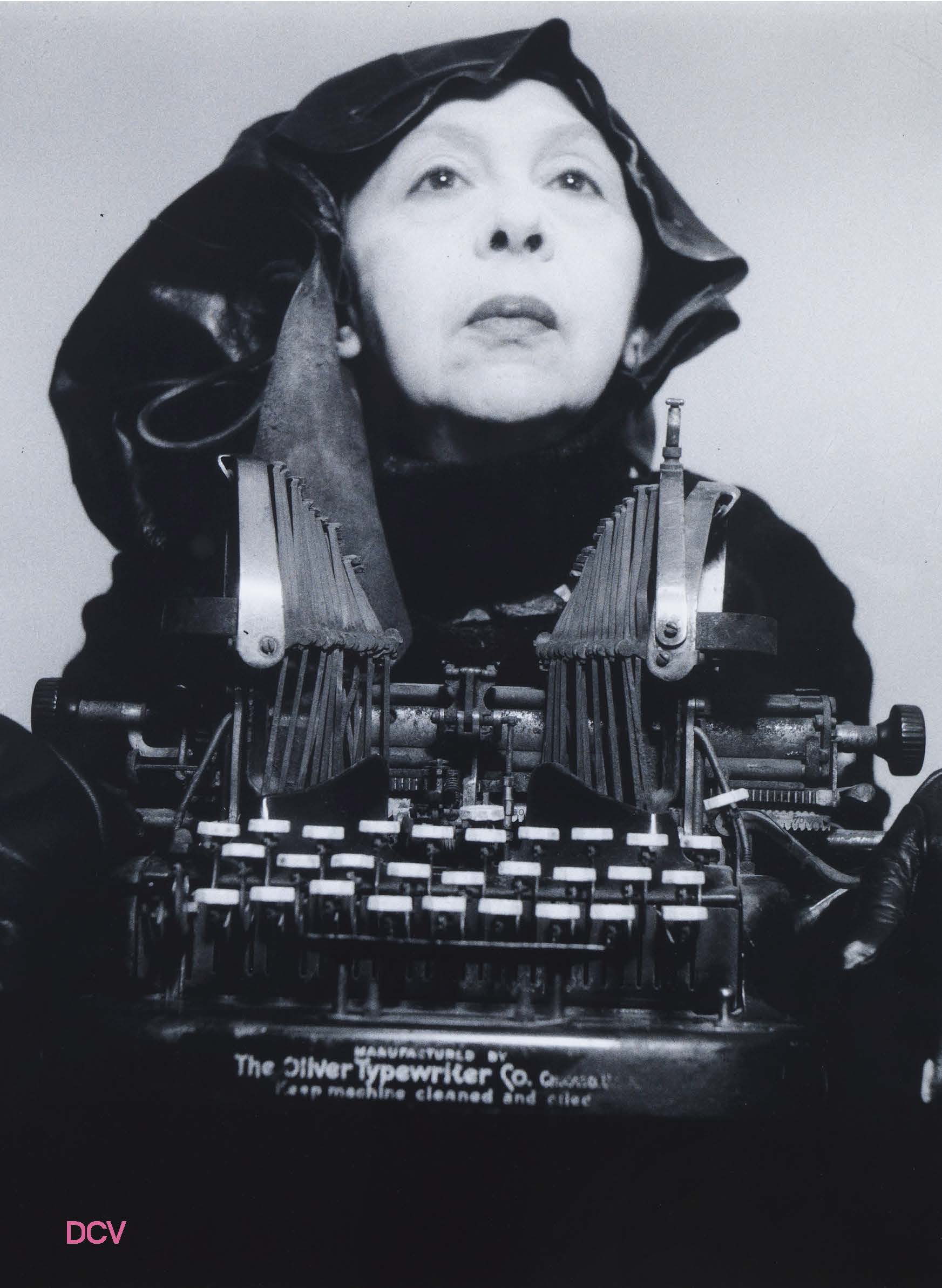
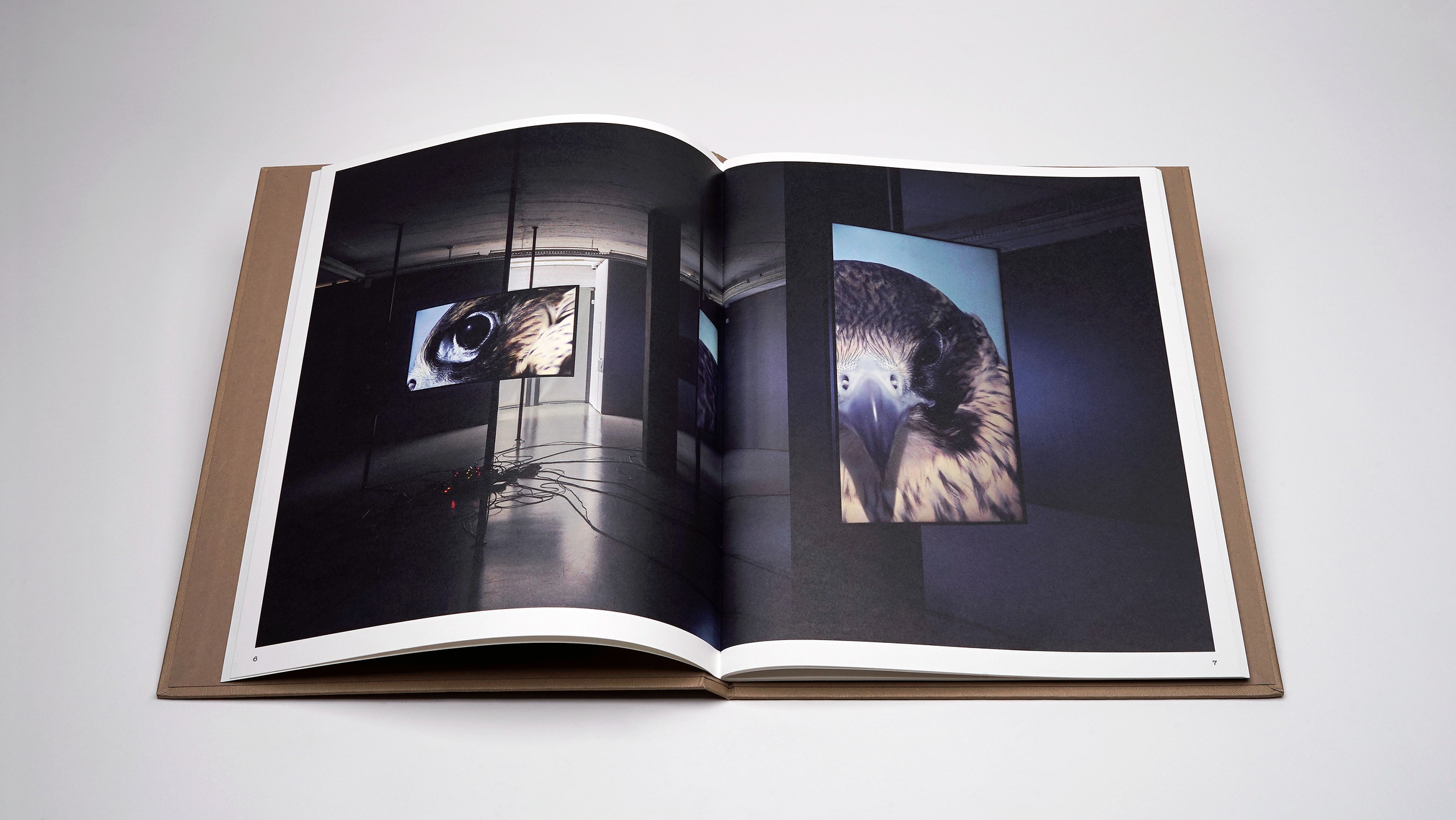
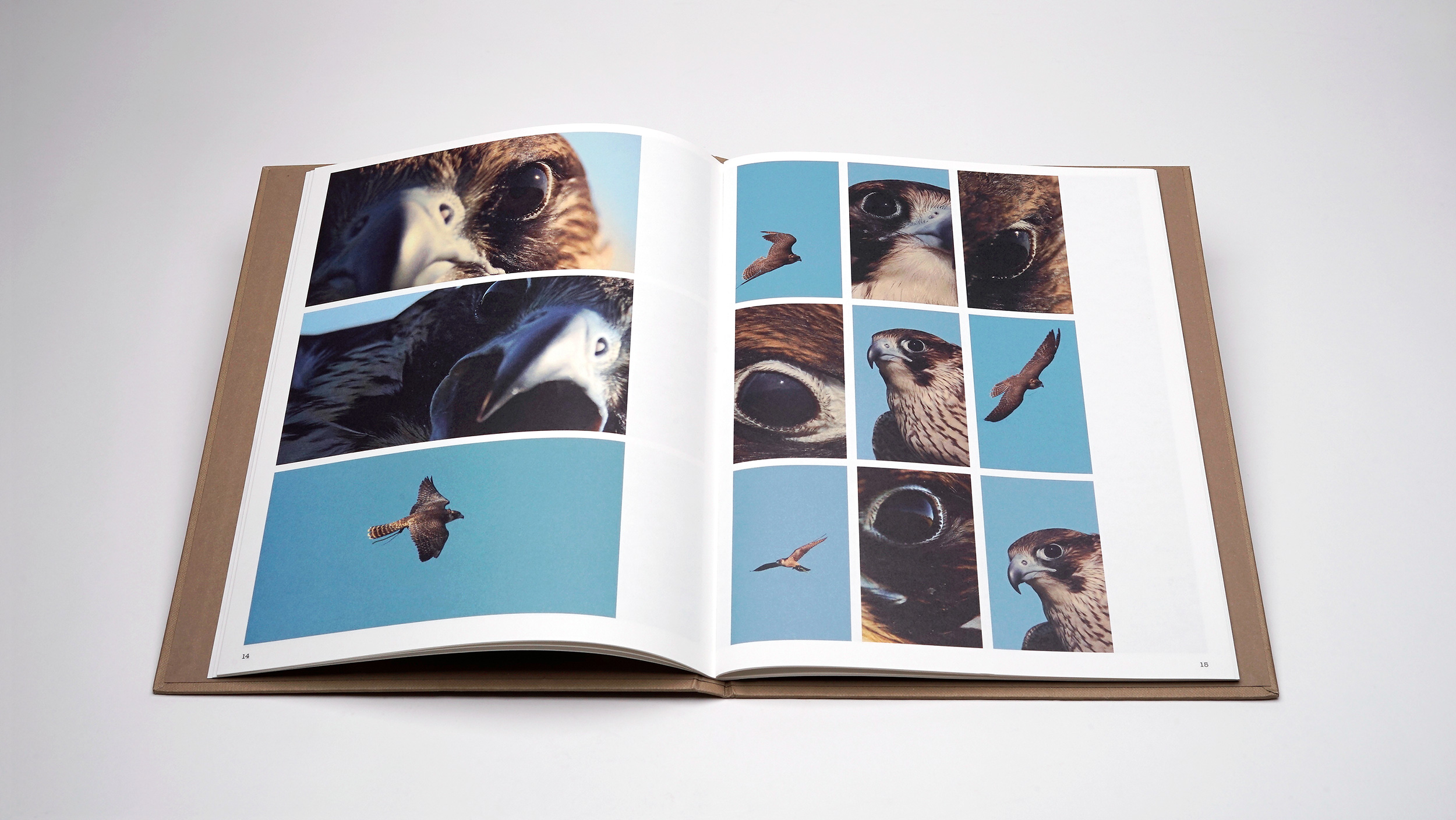
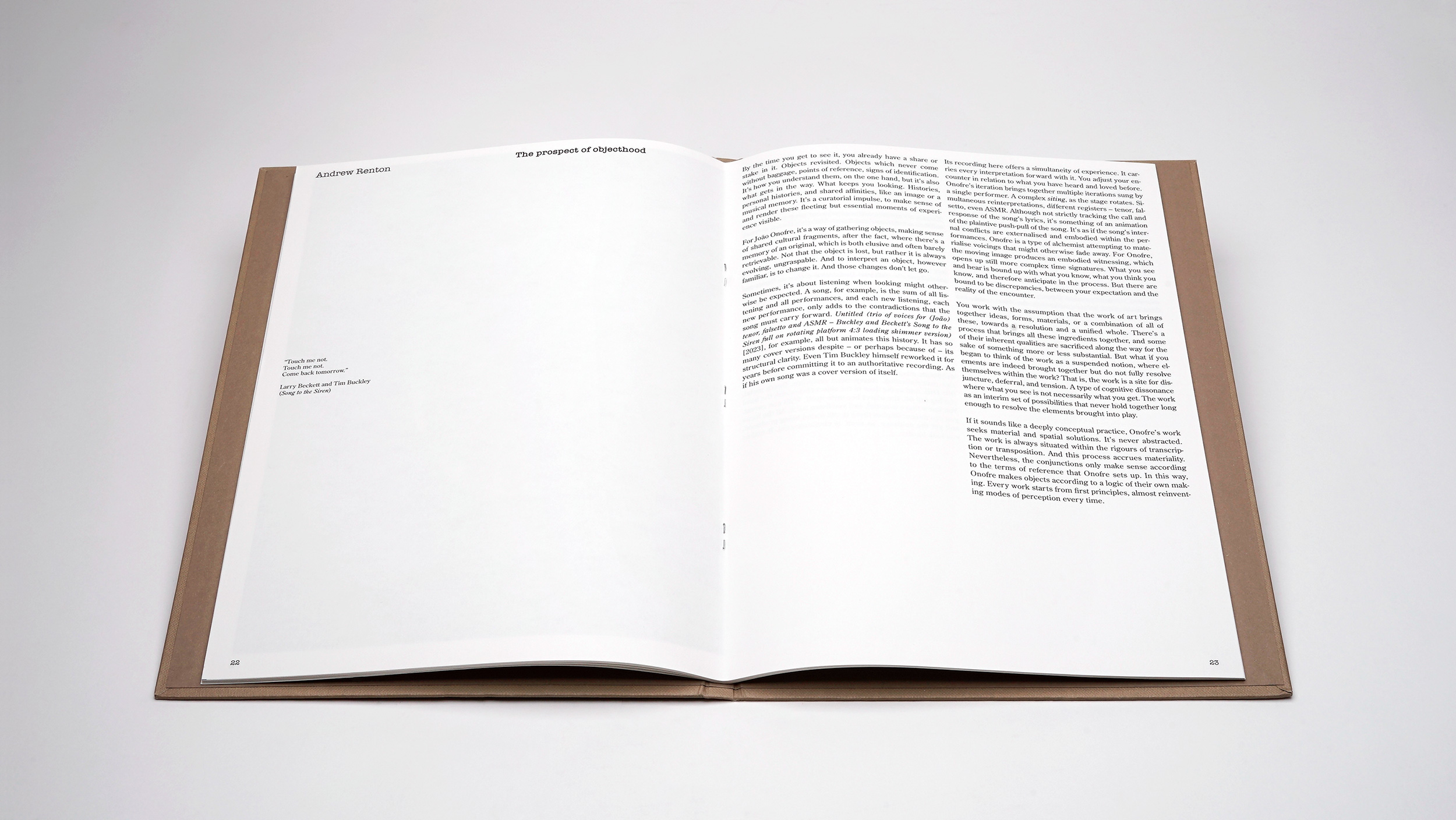
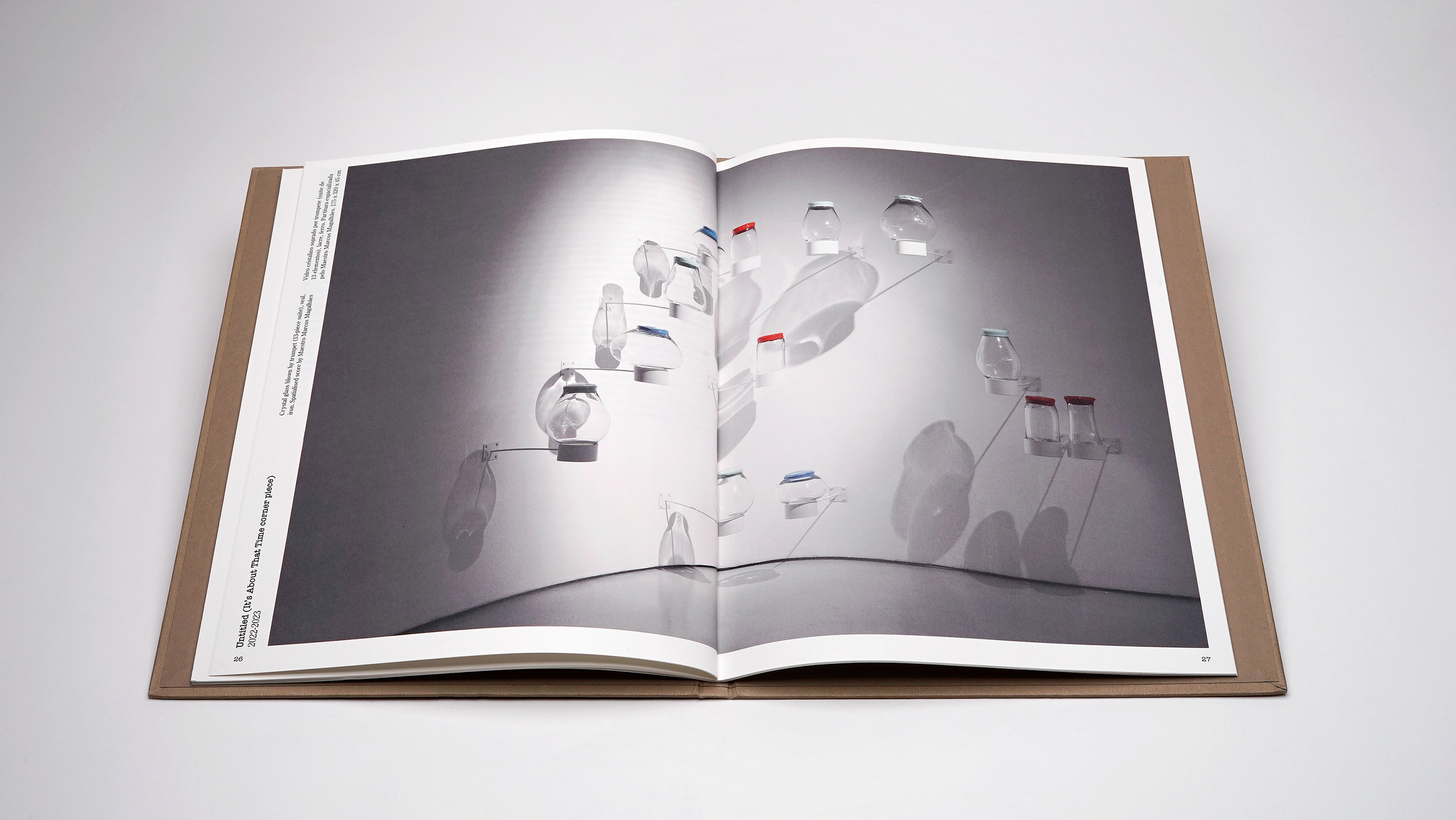
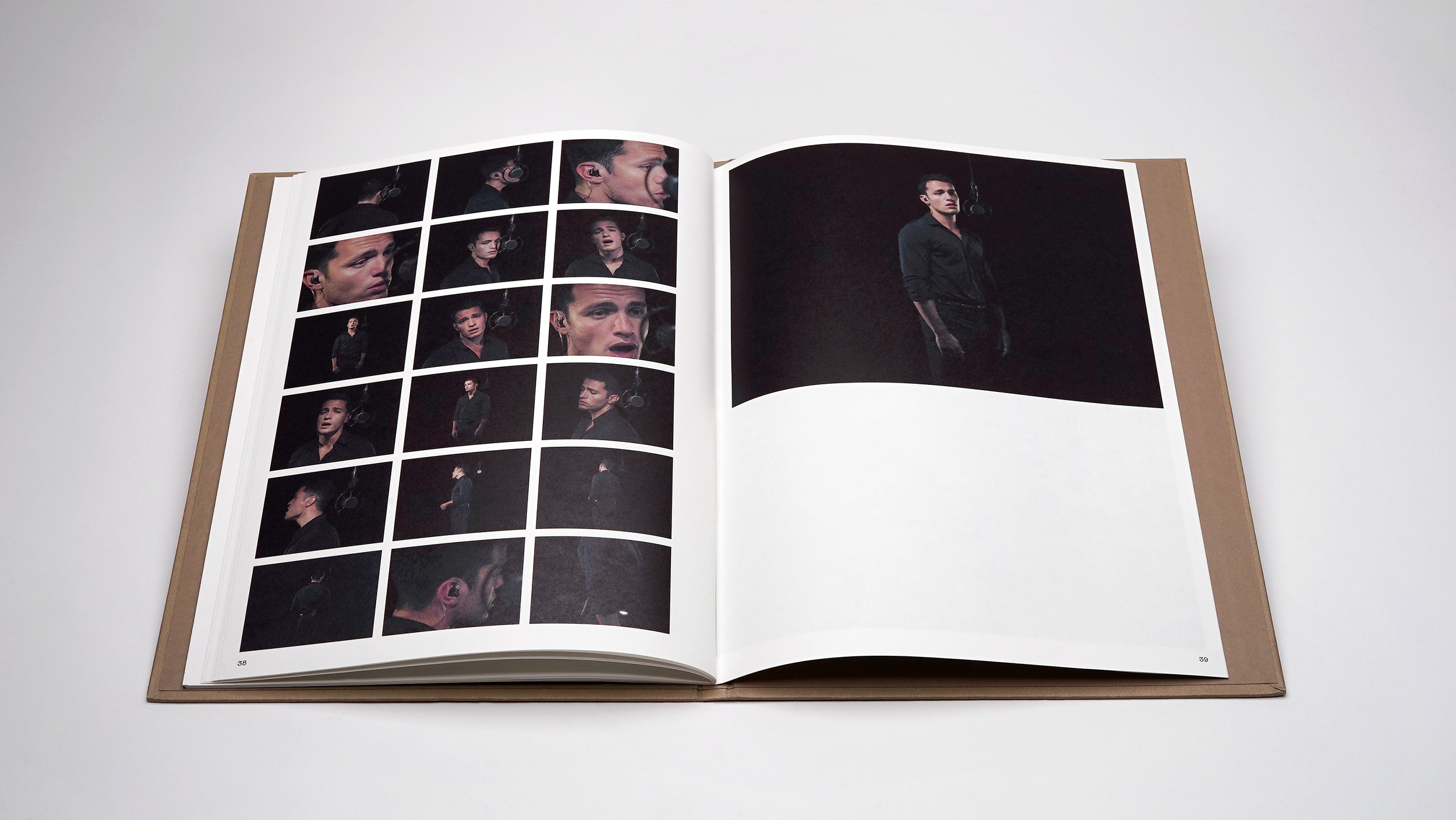
João Onofre’s works are tributes to art history and pop. He gleans what is in danger of being lost right now, realigns it, and translates it into something sublime. His art encourages the beholders to reconsider a past that has faded in collective memory with a critical eye and make peace with it. His creative process is guided by the material and a clearly defined concept that nonetheless does not restrict a work’s finding its own way. That is why he does not commit to a particular medium, making videos, performances, installations, and much more. What all his works have in common is that they probe the limitations of their medium and our perceptive capacities in novel ways. This catalogue presents three recent works in which the essence of Onofre’s art becomes manifest: he molds myths and symbols into awe-inspiring images, sounds, and forms—not for nothing have critics labeled him an alchemist. In the catalogue, his tangible compressions of cultural history are rendered in imposing pictures and flanked by an ambitious essay that places them in their context.
More books
-

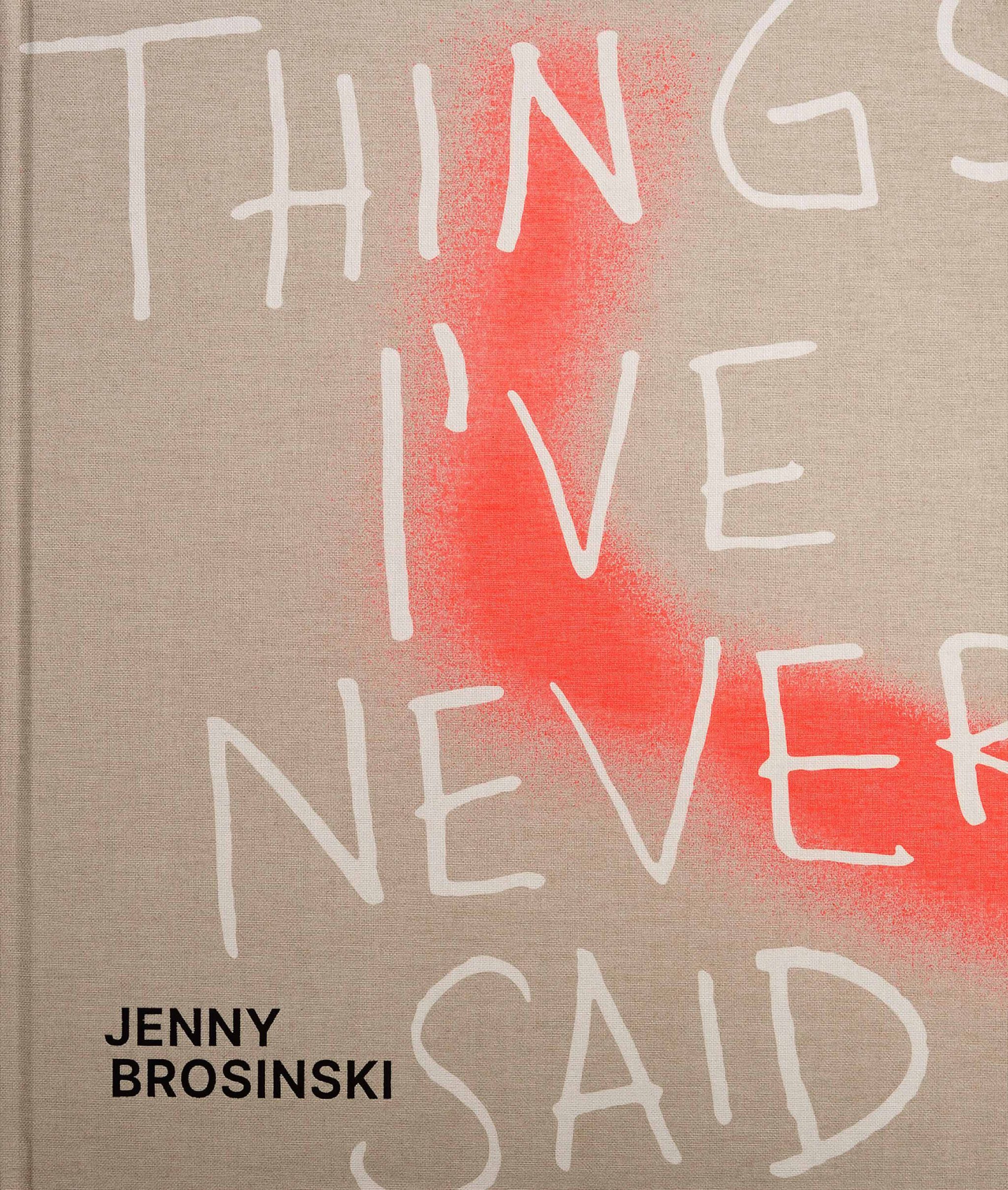
Jenny Brosinski
Things I’ve Never Said58€ Add to cartJenny Brosinski’s (b. Celle, 1984; lives and works in Berlin) paintings in large formats look like uncoordinated abstract compositions with traces of wear deliberately left in place. This brings their materiality to the fore and reveals the creative process. Expressive oil paint on unprimed canvas, spray-painted lines, typographic elements, shoeprints, or pieces of masking tape on the canvas: on the one hand, these are experiments and statements; on the other hand, they are engagements with painting as such. The artist added sculpture to her repertoire in 2019, making figurative and sometimes colorfully painted imaginary beasts in bronze or stone—more evidence of her subtle sense of humor, which also manifests itself in her pictures and especially in their titles. The extensive monograph offers profound and comprehensive insight into Brosinski’s oeuvre.
Jenny Brosinski studied illustration and animation at the Weißensee Kunsthochschule, Berlin, the École supérieure des arts décoratifs, Strasbourg, and the Hamburg University of Applied Sciences. She completed her education with a master class in Berlin in 2010.
-

Andreas Wegner
Wir fahren mit der Schneckenpost, weil die uns keinen Pfennig kost50€ Add to cartThe art of Andreas Wegner is an inquiry into capitalist urbanity. His interventions explore alternative models for urban interaction, trade, city development, traffic, or the use of public space. Inspired by Joseph Beuys’s social sculpture and Charles Fourier’s social utopias, Wegner founded, e.g. a cooperative department store in Berlin, a grocery store in Vienna, and conducted real estate business as a form of creative resistance. This monograph illustrates the artist’s most important projects with ample imagery, essays by renowned authors, interviews, and his own texts. Alongside collective initiatives, installations, photography, film, and sculpture, painting remains a constant in Wegner’s oeuvre to this day.
-
Mirror
Collaborative Pictures by Merrick d’Arcy–Irvine x Julia Bajanova40€ Add to cartWe humans are social creatures. Without others to reflect our behavior back to us, we lose what defines us—language, culture, the capacity for creative expression. That is why photographer Merrick d’Arcy-Irvine and fashion designer Julia Bajanova are invested in intense encounters: not only with the people who appear in their pictures, but also with each other, as artists and as humans, and between their media and the materials out of which they are made. The materiality and sensual experience of these media in the physical world are the focus of the pictures gathered in this volume, which is why d’Arcy-Irvine and Bajanova eschewed all digital technologies. Sensuality forges an emotional bond between their creative universes, whose boundaries become permeable, as do the dividing lines between genres. Colors and forms are fused in a shared language of visual art and fashion in which d’Arcy-Irvine and Bajanova write their messages in light on photographic paper. They speak to what makes us human: creative energies untrammelled by the necessities of everyday life. The pictures in Mirror, then, are reflections of our existence and portals of self-knowledge.
-

Harte Zeiten
Ciężkie Czasy34€ Add to cartIncreasingly pressing global political and societal challenges are always also rewarding subjects of creative engagement, and sometimes artists devise anticipative approaches to real-world problems.
Harte Zeiten—Ciężkie Czasy is a cooperative venture launched by Künstlerbund Baden-Württemberg; Port25—Raum für Gegenwartskunst, Mannheim; and Galeria Miejska bwa, Bydgoszcz, Poland. It showcases works by altogether ten Polish and ten German contemporary artists. Putting the principle that art knows no boundaries into practice, the publication, with statements from Wolfgang Ullrich, Joanna Kiliszek, Schamma Schahadat, and others as well as documentation of the symposium held in September 2021, inspires forward-looking reflections on the conditions in which cultures thrive and similarities and differences between the two countries and beyond.
-
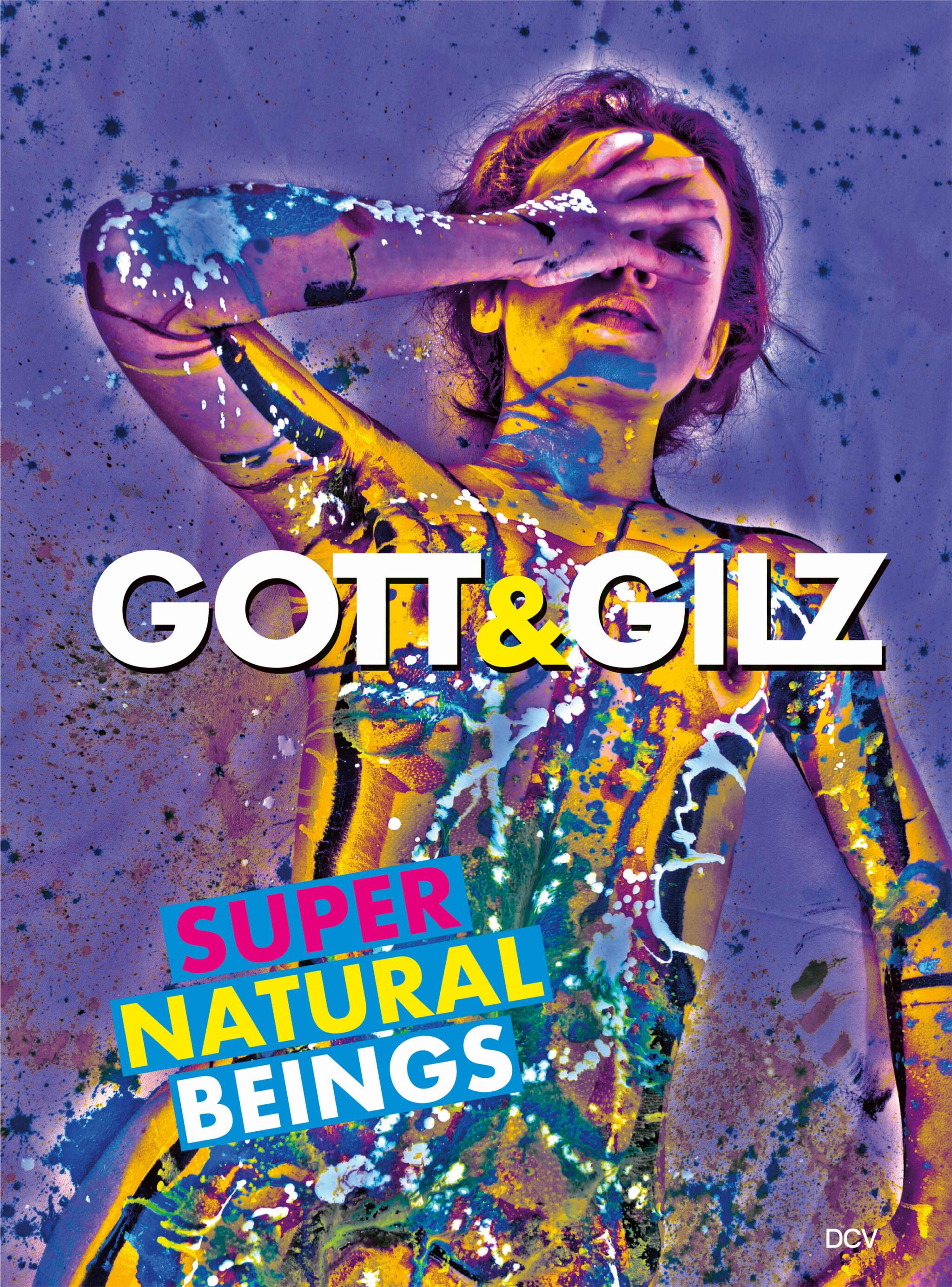
GOTT&GILZ
Supernatural Beings54€ Add to cartGOTT&GILZ clothe provocative nudity into the guise of art-historical classics
The female nude is a constant of art history whose vicissitudes illustrate changing forms of representation and the wild swings of public morality. Many a nude was initially condemned as smut only to be reclassified a few years later as beautiful and becoming and inducted into the hallowed halls (the opposite has also happened). GOTT&GILZ’s photographic paintings build on this long tradition of depictions of naked women by men—theirs is the proverbial “male gaze.” It is a debt they are quick to acknowledge, with nods to Klimt, Schiele, Pollock, et al. No wonder some have responded to their work with kneejerk indignation. Unlike in those art-historical references, then, the impudence lies not in the shattering of traditional norms of representation but in quoting them: the past as affront. The women in the pictures as well as the artists themselves flaunt their desires, shamelessly and relentlessly confronting us with the historic roots of our social and psychological realities.
Freedom is the key idea in the two artists’ oeuvre: the freedom to be authentic and express oneself without shame. Their subtly provocative play with aesthetic conventions and taboos has not only made a splash on the arts scene, it has also prompted vital discussions about gender roles, body images, and the right to sexual self-determination.
By letting it all hang out, they allow us to see ourselves as we are instead of presenting a picture of what we (supposedly) should be like. The insolence of it!
-

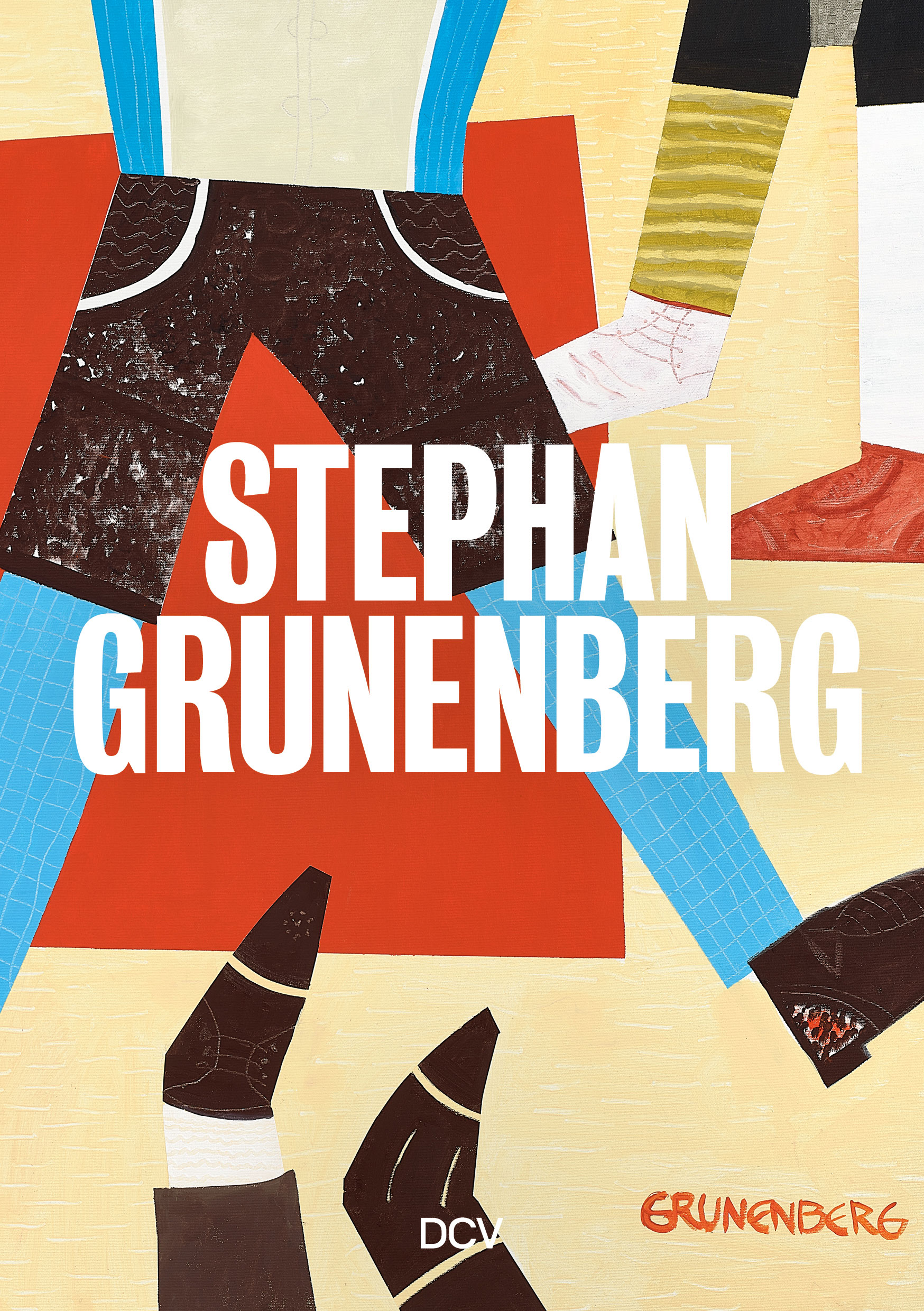
Stephan Grunenberg
10€ Add to cartStephan Grunenberg (b. 1954) paints peculiar portraits: not heads or sitting and reclining figures but seemingly independent feet, legs, trousers, socks or soles of shoes. These and other under-appreciated motives are playfully arranged in captivating compositions which take issue with our hierarchical habits while looking at art. “Leaving out the ‘civilized’, educated head and centering on neglected parts such as the legs, including the lower abdomen—which is either eroticized or made taboo—is the artist’s point”, writes Oliver Koerner von Gustorf in an essay that accompanies the images inside this small and attractive new book. The paintings reproduced in this volume were all exhibited in Grunenberg’s latest exhibition in 2024, which was titled tongue-in-cheek „Representatives Regional To Earth.”
-

Ohne Schlüssel und Schloss
Chancen und Risiken von Big Data19,90€ Add to cartVon Kunsthandwerk zu digitaler Verschlüsselung
An jeder Haustür ziehen wir Grenzen, wir schließen auf und schließen ab. Und noch in jüngster Vergangenheit war eindeutig, was als Verschlusssache galt. Ganz anders stellt sich diese Frage im IT-Zeitalter. Ausgehend von der kunsthandwerklichen Sammlung des Museum Pfalzgalerie Kaiserslautern wird deutlich, wie in früheren Jahrhunderten über mechanisch und symbolisch aufwendig gestaltete Schlösser, Schränke oder auch Reliquienbehältnisse Distanzen austariert wurden. Sie alle sind sichtbares Vehikel für die bewusste Wahrnehmung von innen und außen, zugehörig und ausgegrenzt, wissend und unwissend oder öffentlich und privat. Für Big Data gilt dies in keiner Weise mehr. Beim Digitalen werden Serviceleistungen mit Datenerhebungen verbunden, deren weiteren Einsatzbereiche wir weder unmittelbar verstehen noch überblicken können. Historische, technologische und philosophische Überlegungen bieten wichtige Beträge zur aktuellen Debatte und Einschätzung der Risiken und Chancen von Big Data.
-

GETA BRĂTESCU
Film and Video 1977–201842€ Add to cartGeta Brătescu (b. Ploiești, 1926; d. Bucharest, 2018) is now widely regarded as one of Eastern Europe’s most important avant-gardists. In the Western art world, however, she was largely obscure until her participation in documenta 14 in 2017 and the Venice Biennale of the same year. Questions of abstraction, the political potential of the image, and the subjective experience of self, memory, and history inform her stylistically diverse oeuvre in a wide range of media, which evolved under the repressive conditions of the Ceaușescu regime yet kept pace with the discourses of the Western avant-gardes. This richly illustrated volume focuses on her collages and drawings as well as her works on film and video from the late 1970s until her death.
-

Roland Schappert & Wolfgang Ullrich
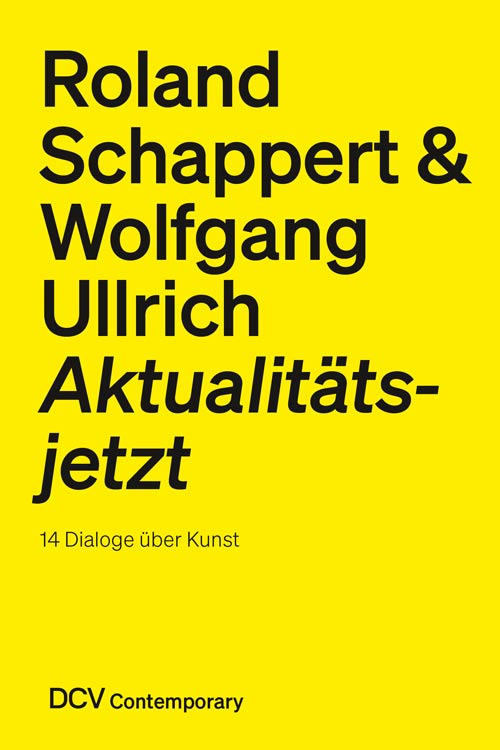
Aktualitätsjetzt16€ Add to cartPhilistinism, climate change, legitimation discourses—in a tour de force sustained by profound knowledge of the phenomena in question, AKTUALITÄTSJETZT blazes trails through the jungle of contemporary art and its current debates. Over the course of two years, the art scholar and author Wolfgang Ullrich initiated 14 dialogues on Schappert’s word paintings, murals, and interventions. Their distinctive formal features and conceptual and substantial dimensions inspired illuminating conversations that range far beyond the specific works to explore today’s art world and questions of the philosophy of art and the sociology of culture. The best volume of dialogues on art since David Sylvester’s interviews with Francis Bacon.
-

Pensive Images
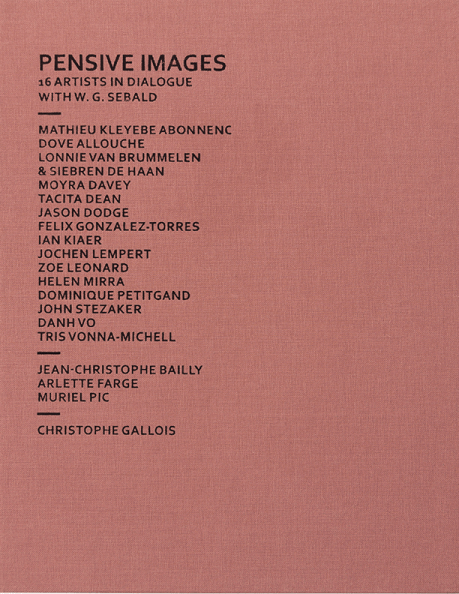
16 Artists in Dialogue with W. G. Sebald35€ Add to cartOn Memories and Temporalities
Pensive Images examines the complex and invariably singular relationships through which images and memories are inextricably linked. The book relates to the work of the German writer W. G. Sebald (b. 1944, Wertach; d. 2011, Norfolk), especially to four fictional stories he published between 1990 and 2001, in which he inserted non-captioned blackand- white photographs of uncertain provenance and nature into the text like memories punctuating ways reminiscent of his writing. It brings together 16 artists who, in ways reminiscent of Sebald’s approach, explored the realms of memory and past from the perspective of experience and intertwining temporalities.
With works by Mathieu Kleyebe Abonnenc, Dove Allouche, Lonnie van Brummelen / Siebren de Haan, Moyra Davey, Tacita Dean, Jason Dodge, Félix González-Torres, Ian Kiaer, Jochen Lempert, Zoe Leonard, Helen Mirra, Dominique Petitgand, John Stezaker, Danh Vo and Tris Vonna-Michell.
-
Stefan Knauf
10€ Add to cartStefan Knauf (b. Munich, 1990; lives and works in Berlin) uses selected materials such as construction supplies or plants to investigate the histories of botany, migration, trade, science, and architecture and critique an idealized and anthropocentric conception of nature that is still prevalent. His sculptures, geometric-abstract pictures, and installations, with echoes of constructivism and minimal art, are contact zones in which everything is related to everything: human and non-human history, the natural and the artificial, ecology and ideology. Knauf’s works do not propose to unravel these entanglements. Rather, they suggest alternative perspectives and topographies guided by the idea of the “modified landscape” and devise material and alchemistic forms of knowledge and a novel and multiperspectival approach to the history and reality of the Anthropocene.
-

GABRIELE BASCH, GESA LANGE
UND_NEWS_FROM_NOW_HERE18€ Add to cartBeyond Painting
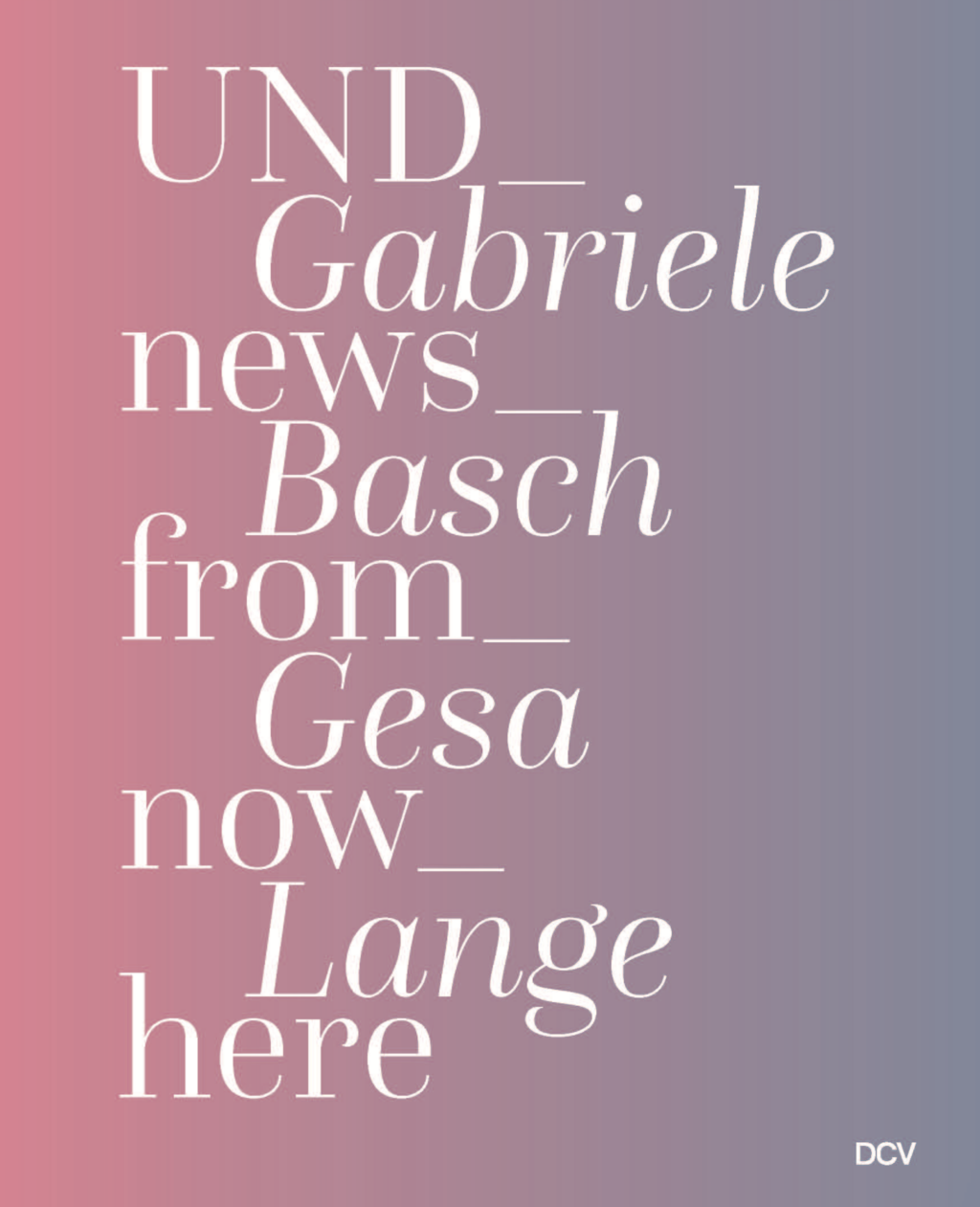
Gabriele Basch’s (b. 1964, Bad Homburg; lives and works in Berlin) cut-outs and Gesa Lange’s (b. 1972, Tongeren, Belgium; lives and works in Hamburg) drawings are meditations on construction and deconstruction as well as doubts and how to overcome them. Both artists expand the range of painting: Basch, with incisions into the medium and a creative handling of the tinged shadows that transform the painted panel into a wall-mounted object; Lange, by embroidering her canvases with colorful threads that open up the pictorial space on all sides. The book presents works by both artists, initiating an animated and dynamic dialogue between their nonrepresentational visual idioms. Gabriele Basch is professor of painting at the Hochschule für Angewandte Wissenschaften Hamburg. Gesa Lange is professor of graphic art at the Hochschule für Angewandte Wissenschaften Hamburg. She has received the Kunsthalle Rostock Prize and other awards.
- Release November 2022

X x X
Semjon Contemporary50€ Add to cartFounded by Semjon H. N. Semjon in 2011, the gallery Semjon Contemporary has built a distinctive and singular profile that has earned it an unrivaled position in the art world. It represents international positions in contemporary art that, their divergences notwithstanding, are united by the extraordinary intelligence of their engagement with the material. The result is an unmistakable visual language that permits of no modification of established choices. Despite the considerable differences of material, technique, and expression, the artists’ works enter into dialogue with one another, as parallel solo presentations and special exhibitions showcasing numerous visiting artists have demonstrated.
The book features Colin Ardley, Edward L. Buchanan, Takayuki Daikoku, Dittmar Danner aka Krüger, Ute Essig, Experimental Setup (Kata Hinterlechner and Bosko Gastager’s collective moniker), Katja Flint, Andreas Fux, Dave Grossmann, Renate Hampke, Marc von der Hocht, Nataly Hocke, Michael Kutschbach, Henrik U. Müller, Cornelia Nagel, Susanne Knaack, Katja Kollowa, Susanne Pomrehn, Thomas Prochnow, Dirk Rathke, Ursula Sax, Gerda Schütte, Gil Shachar, Li Silberberg, Karina Spechter, Klaus Steinmann, Stefan Thiel, Hitomi Uchikura, Royden Watson, and Bettina Weiß in dedicated chapters. It is rounded out by statements from collectors including Thomas Lenhart, Cornelie Kunkat, Gabriele Quandt, Roland Schnell, Nobert Fuhr and Klaus Werner, Roswitha and Jürgen König, and Helmut Ließ. Remarks by art critics and scholars and an interview with Semjon by Jan Maruhn provide additional insight into the gallery’s work.
-
“Das Quadrat muss den Raum beherrschen!”
Aurélie Nemours und Zeitgenossen15€ Add to cartDoes everything in the world obey a mathematical logic, can everything be calculated? In our present age of probability, some would say the answer is a straightforward yes, inevitably prompting the question: Even art? Yes, even art, or so the defenders of Concrete Art would respond, a twentieth-century movement that took abstraction as a focus on the “idea of art itself” (W. Kandinsky) to the next level. The act of painting was now to be subject to preconceived organizing principles as though they were laws of nature. One prominent exponent of the genre was Aurélie Nemours (1910–2005), who had a penchant for the square; her credo was that it needed to “rule space.” That is why the equilateral quadrangle is the defining shape in this catalog, which brings Nemours’ oeuvre into focus. Her iconic position is flanked by works by seventeen others that similarly grapple with the square, including pictures and sculptures with square basic forms, grids, or canvases. All these works derive their force from the stern authority of the square: only when art constrains its means can it bring its full potential to bear.
ARTISTS:
JOSEF ALBERS, GÖTZ ARNDT, MAX BILL, AD DEKKERS, HELMUT FEDERLE, GOTTFRIED HONEGGER, KATHRIN KAPS, FRITZ KLINGBEIL, JOHN MEYER, GEROLD MILLER, AURÉLIE NEMOURS, JOHN NIXON, PETER ROEHR, JAN SCHOONHOVEN, ANTON STANKOWSKI, KLAUS STAUDT, HERMAN DE VRIES, GERHARD WITTNER -

Maximilian Rödel
Celestial Artefacts50€ Add to cart“One must break free from wanting something and confine oneself instead to being something.” — Maximilian Rödel
Inky black, apricot, magenta, and a pastel purple: apparent monochromes, the paintings of Maximilian Rödel (b. Braunschweig, 1984; lives and works in Berlin) actually do not just traverse color spectrums; in a sense, they chart horizons of experience. To contemplate them is to embark on a voyage through space and time. Foreground and background are one, depth and surface at once; an undertow makes itself felt in which the nuances of color interweave, blur into one another, shimmer, flare up. The artist describes his pictures as an unfocused energy that already exists; he merely uncovers it.
The first publication on Rödel’s work presents the exhibition Celestial Artefacts at Neuer Aachener Kunstverein, with an emphasis on the Prehistoric Sunsets series (2018–2021). It is complemented by reproductions of selected works and an extensive index that also includes details from earlier series that are relevant in the context. Aperçus contributed by Rafael Horzon and Leif Randt and writings on art by Domenico de Chirico, Lena Fließbach, Stefanie Gerke, Philipp Hindahl, and Maurice Funken add another dimension to the paintings.
-
Tim Eitel
Propositions for Afterimages 2015–202436€ Add to cartTim Eitel initiates an exchange between recollection and painting. The work on his pictures, he says, is “a conversation about reality and memory” in which he engages the canvas. In the course of this dialogue, Eitel reflects on personal experiences, creating a standalone figural-abstract reality that needs to be internally consistent—the canvas has a strong will of its own. That makes the scenes depicted in his paintings analogues or afterimages of a situation rather than renditions of it. They are characterized by a certain openness that enables the beholders to inject their own recollections into the pictorial space as well. The dialogue between canvas and artist thus gives way to a colloquy between audience and finished work. Not by coincidence, many of the paintings by Eitel gathered in this catalog show people in museums: these scenes facilitate the leap into the pictorial space. The beholders have experienced a situation like the one shown in the pictures in the past or are experiencing it right now, and so they are already at the heart of the works; they become part of the painting, and the picture becomes a particle of their recollection.
-
MS 00 22
Michael Sailstorfer – Works 2000–202245€ Add to cartMS 00 22 – Michael Sailstorfer: Works 2000–2022
Michael Sailstorfer (b. Velden/Vils, Germany, 1979; lives and works in Berlin) is one of the most renowned German sculptors and object artists of his generation. His sculptural creations, which often require extensive planning and complex production processes, are the results of reflections on and reinterpretations of everyday objects: intriguing, bizarre, and sometimes humorous experimental arrangements and artifacts that interact with their environments, create spaces, or self-deconstruct. These transformative processes combine conceptual depth with poetic allure and tell stories of the passage of time and disintegration. Many of Sailstorfer’s installations depend on the beholder’s active engagement for their effect. He typically documents his sculptural experiments with the camera and later shares them with the public in the form of videos or photographs.
The extensive monograph MS 00 22 presents the most important works from Sailstorfer’s creative career. Formally diverse writings and conversations with the artist offer profound insight into his practice.
Michael Sailstorfer studied with Olaf Metzel at the Munich Academy of Fine Arts from 1999 until 2005 and at Goldsmiths College, London, in 2004–05. He has won a number of art awards, including the Kunstpreis junger westen (2011) and the Vattenfall Contemporary (2012). Selected solo exhibitions: Schirn Kunsthalle, Frankfurt (2007); Kestnergesellschaft, Hannover (2010); Kunsthalle Nürnberg (2011); Contemporary Arts Center, Cincinnati, Ohio (2014).
-
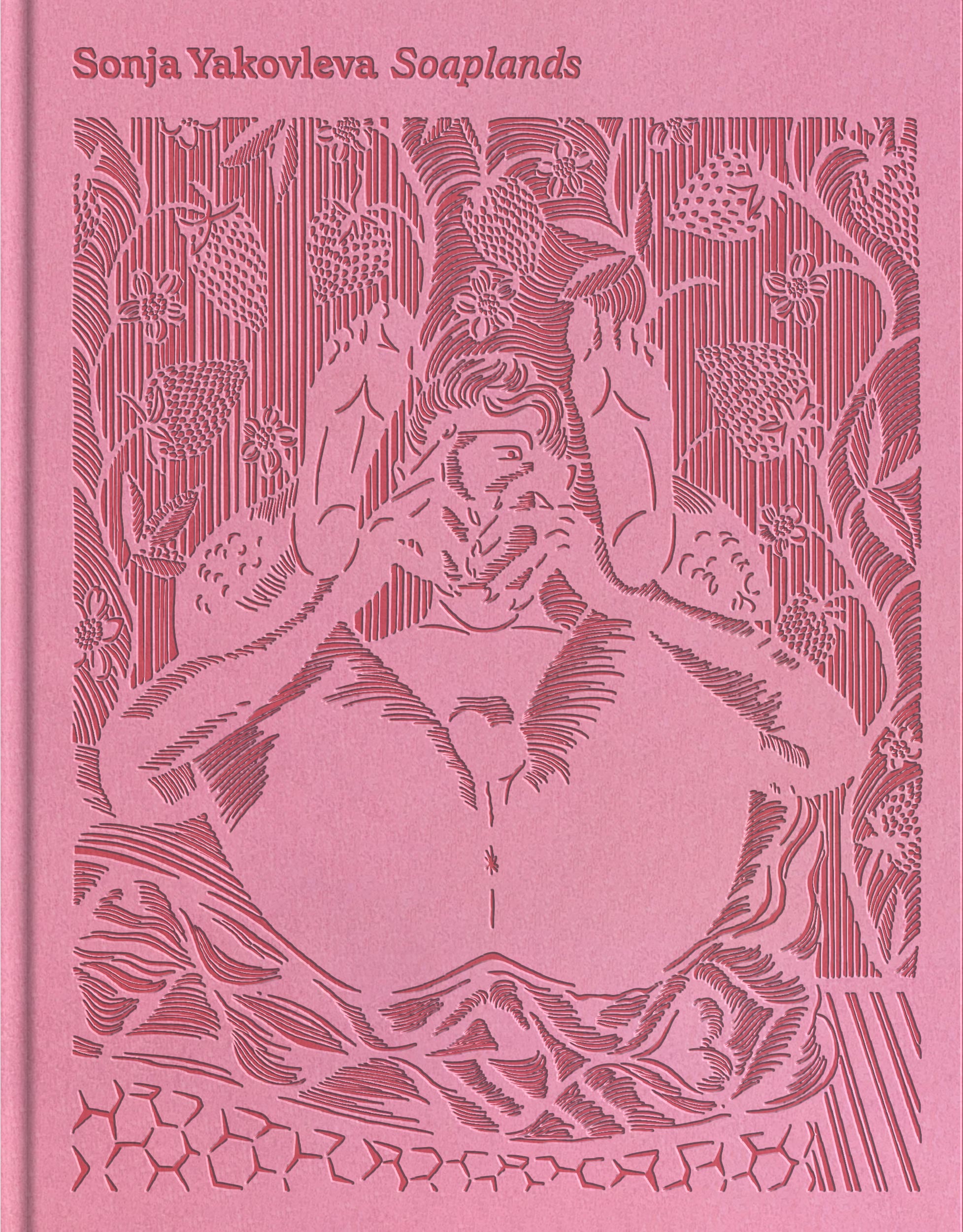
Sonja Yakovleva
Soaplands50€ Add to cartSonja Yakovleva’s (b. Potsdam, 1989; lives and works in Frankfurt am Main) silhouettes are informed by her sex-positive feminist views. They mix and match pornography with art-historical references, folkloristic motifs, fairy tales, and myths that have served to ingrain misogynistic, racist, and homophobic ideologies in the collective consciousness since the Middle Ages. The dissemination of such materials was facilitated by the paper cut, a medium that encouraged simplified graphical representations and was seen as domestic and appropriate for women. Yakovleva’s intentions in adopting it, however, are contrarian: her iridescent silhouettes grapple with women’s stories, precarious gray areas, power relations, representation, sexuality, and violence in novel ways.
Soaplands, the title of Sonja Yakovleva’s first monograph, is a nod to Japanese bathhouses where men receive personal care, massages, and sexual services. Most recently, a number of soaplands have opened that cater to women with male prostitutes. Similarly, in the paper cuts in the book, which were created between 2018 and 2023, women have seized sexual power and conquered the patriarchal system. Unchecked by shame, they use men as objects to satisfy their desires.
- temporarily not available

Dissonance
Platform GermanyRead moreA Changed Vision—New Painting from Germany
Post-reunification Germany has emerged as an important forum for international painting. The generation of artists born in the 1970s and 1980s eschew alignment with collective tendencies and resist clearly definable influences. Meanwhile, their art has registered the cultural and sociological dislocations and divergences since the fall of the Iron Curtain with seismographic precision.
The editors of Dissonance – Platform Germany present eighty-one of the most significant painters living and working in Germany in the past two decades. They have the courage of strong opinions, turn the spotlight on unsuspected treasures, and tease out the unexpected value in aesthetically thrilling achievements of programmatic pluralism. A vital survey of one of the most exciting chapters in the more recent history of art in Germany.
Some of the presented artists have graciously agreed to allow DCV to release limited editions of their works, which you can find here.
-

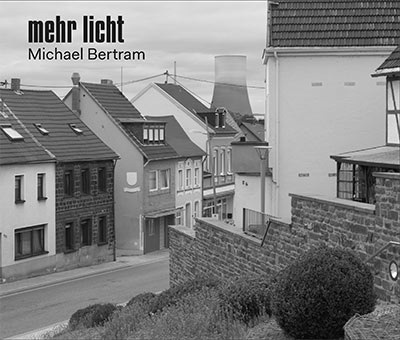
Michael Bertram
mehr licht35€ Add to cartThe Mülheim-Kärlich Nuclear Power Station, 1975–2019
In 1975, construction began in Mülheim-Kärlich on what was to be the only nuclear power plant in the state of Rhineland-Palatinate. After numerous court battles and only two years of trial and regular operation, the plant was decommissioned in 1988 and dismantled starting in 2001. The 530-foot cooling tower, taller than Cologne Cathedral, was the point of reference, landmark, and eyesore of an entire region; its time-consuming demolition became a symbol of the perennial political polarization over the decision to phase out nuclear power.
Michael Bertram (b. Mendig, 1968; lives and works in Mayen) took photographs of the reactor looming between homes and factories in order to record the future past in pictures. The plant cost seven billion deutschmarks to build and one billion euros to take back down: vast resources expended on a temporary installation that lasted forty years and left a lasting mark on the landscape, the surrounding communities, and the people who lived in its shadow. Starting with the demolition, the book presents an inverted timeline in eighty-one black-and-white photographs. The object seems to rise before our eyes until, at the end of the series, five color photographs conjure up a past that was very much present only a moment ago—a singular document of Germany’s industrial heritage.